Microwave Storage Kitchen
Microwave Storage Kitchen solutions offer a convenient way to keep your kitchen organized and efficient. Whether you’re looking to maximize counter space or find a dedicated spot for your microwave, these storage options blend seamlessly into any home layout. With a variety of styles and sizes available, Microwave Storage Kitchen furniture helps create a tidy and functional cooking area, making meal prep and storage simple and stress-free. Explore versatile choices designed to fit your unique needs and enhance your kitchen’s overall look.
Sort
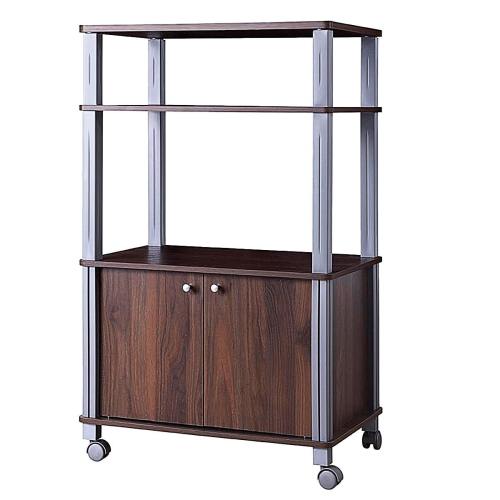
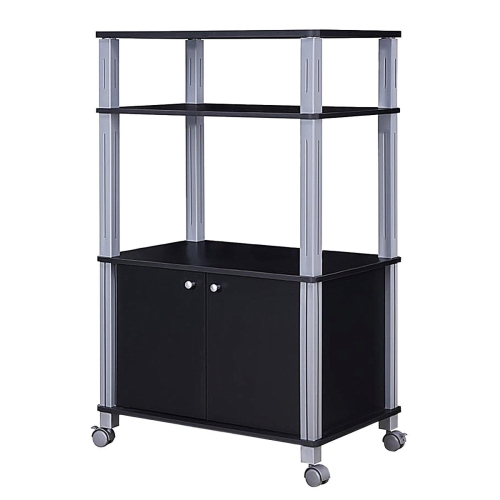
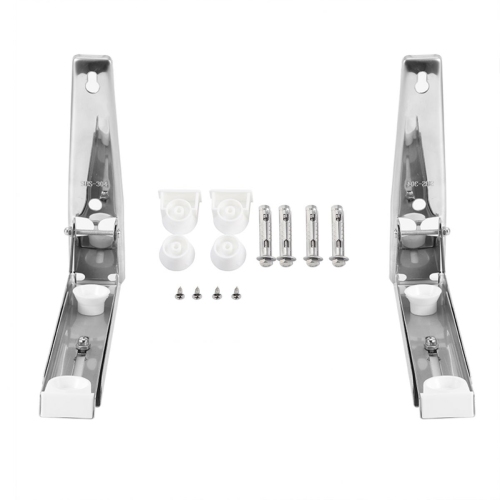
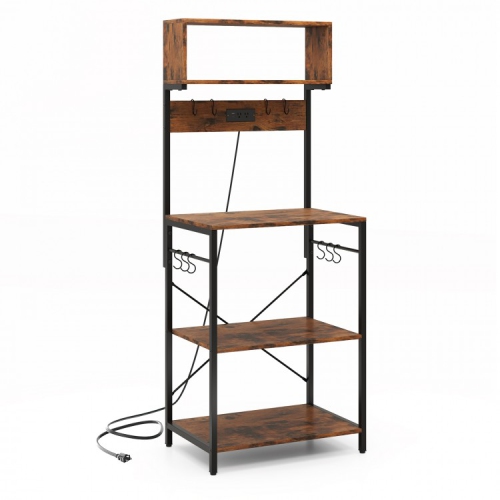
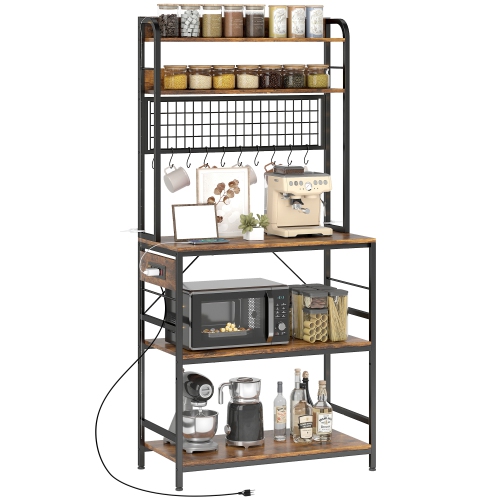
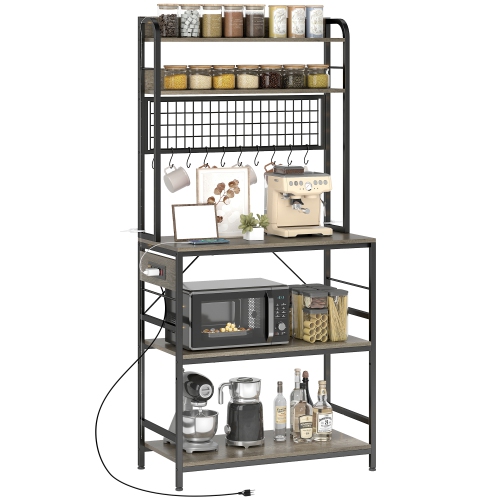
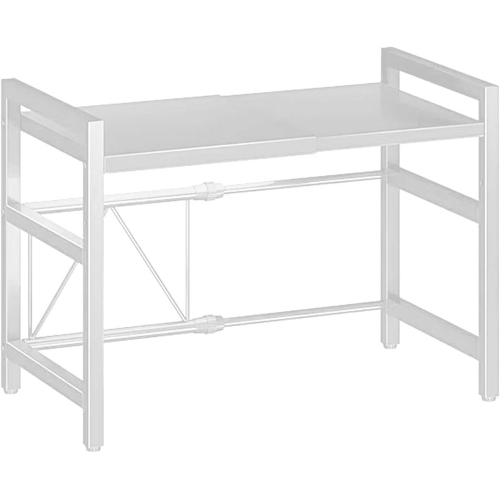
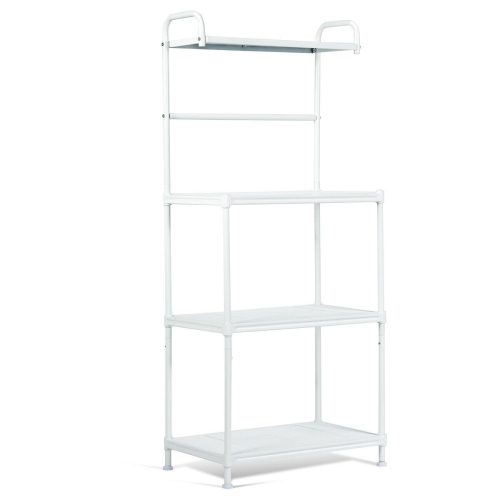
More countertop space starts with smarter microwave storage
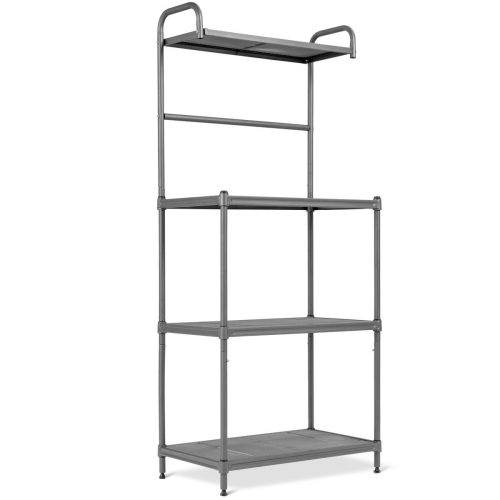
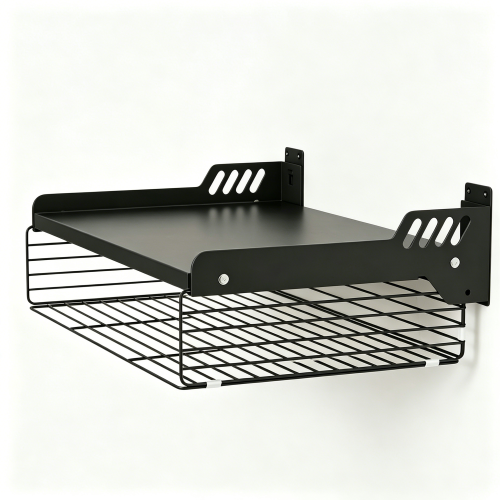
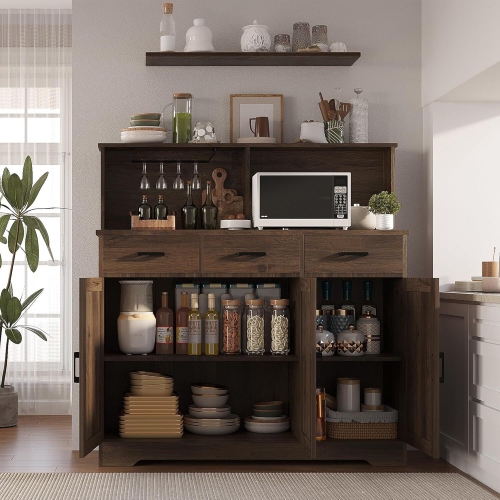
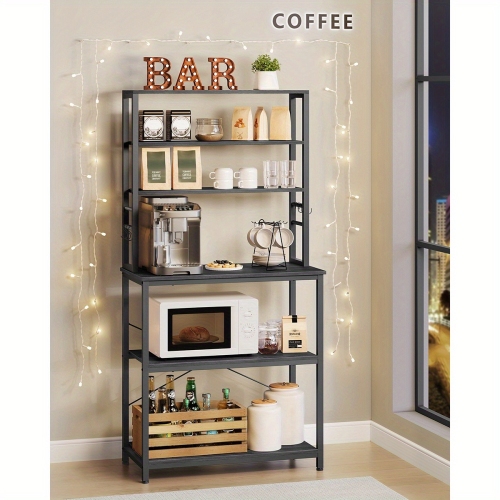
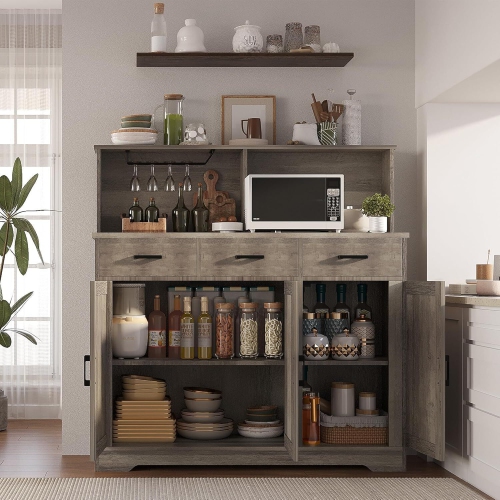
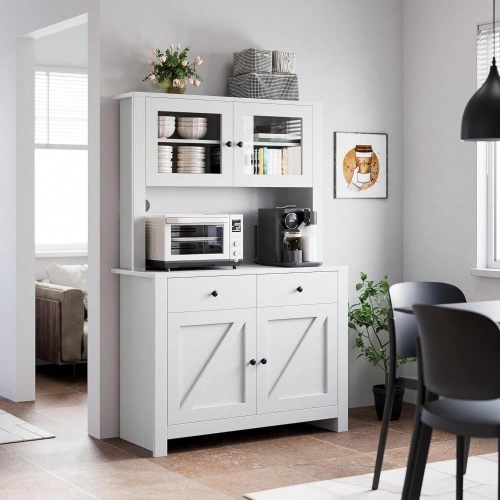
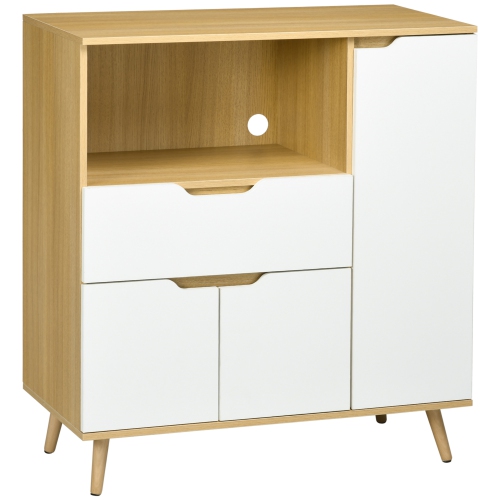
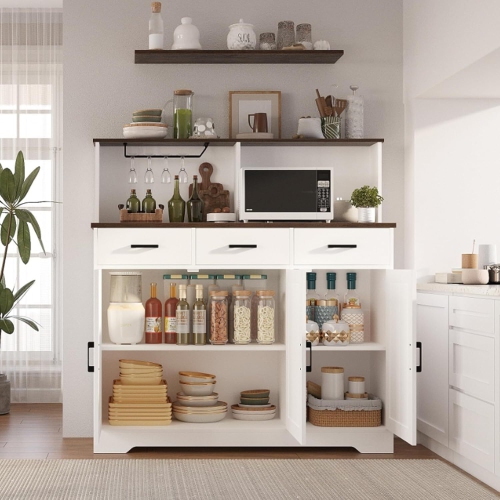
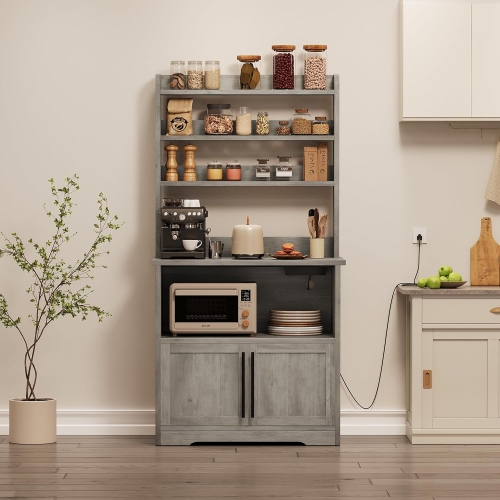
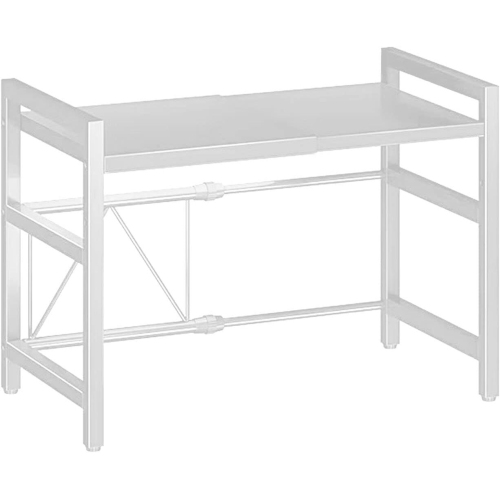
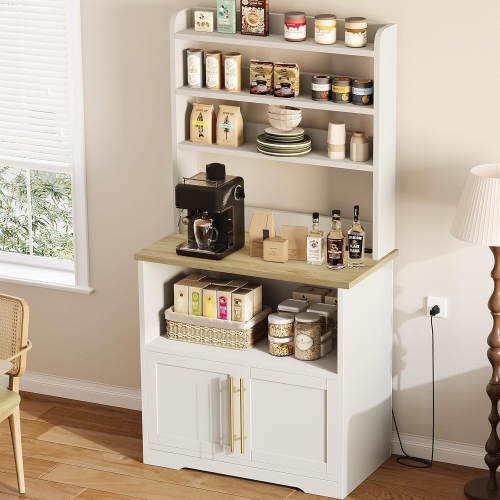
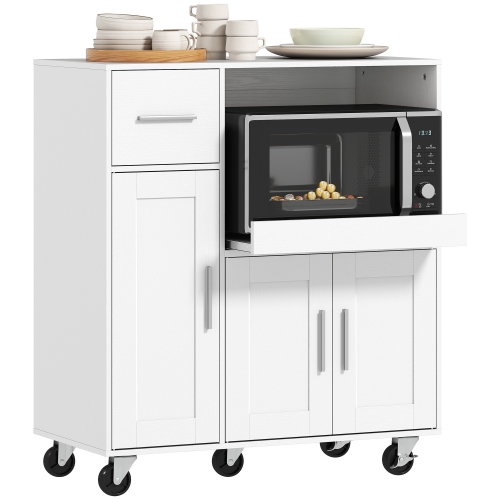
Microwave storage for the kitchen gives a countertop appliance a dedicated home while adding room for cookware, dishes, and everyday supplies. Common furniture styles include microwave stands, utility carts, baker’s racks, and pantry cabinets with an open appliance shelf. Each serves a slightly different purpose: a compact stand can fit beside a run of cabinets, a cart can offer movable storage, and a taller pantry unit can use vertical space for household staples. The right fit depends on more than the width of the microwave. Measure the appliance’s height, width, and depth, including the handle and any space needed behind it for the plug, then compare those measurements with the usable shelf opening rather than the furniture’s outside dimensions. Check the microwave manufacturer’s required ventilation clearances before choosing an enclosed or partially enclosed space. A microwave that fits tightly inside a cubby may not have enough room to operate safely. The supporting shelf must also be rated for the appliance’s weight, with enough depth to support its feet fully. Door movement matters just as much as the measurements: the microwave door should open freely without hitting a cabinet side, a wall, or a nearby handle. In a narrow kitchen, leave room to stand comfortably in front of the appliance and lift out a bowl with both hands. A shelf around a comfortable working height is generally easier to use than one that requires reaching overhead with hot food. Nearby landing space is useful for setting down a plate, removing a cover, or stirring a mug without crossing the kitchen. These details help distinguish furniture that simply fills a gap from storage that makes meal preparation feel less cramped. For households sharing a compact cooking area, moving the microwave off the main countertop can leave a clearer work surface for chopping vegetables, packing lunches, and setting out ingredients.
Materials and construction influence how microwave storage looks, feels, and holds up to daily use. Solid wood can provide a substantial furniture-like appearance, while engineered wood with a laminate or melamine finish offers a smooth surface that is often straightforward to wipe clean. Metal frames suit open shelving and utility-style storage, particularly where a lighter visual profile is preferred. Material alone does not establish strength, so shelf load ratings, secure joints, and the quality of the assembled frame deserve close attention. A heavy appliance needs a stable, level platform that does not shift when its door is opened. Adjustable shelves can make the surrounding storage more useful, allowing space for a tall cereal container on one level and stacks of dinner plates on another. Fixed shelves may provide a more defined arrangement, but their spacing needs to match what will be stored. Enclosed cupboards keep serving bowls and pantry supplies out of sight, while open shelves make frequently used dishes easy to reach. Drawers work well for tea towels, utensils, and small kitchen accessories that otherwise collect beside the microwave. For a closer look at storage that pairs an appliance opening with pantry space, explore Kitchen Pantry Microwaves. When comparing layouts, picture the actual contents rather than relying on the number of shelves alone. A deep cupboard may accommodate a large mixing bowl but make small jars difficult to see at the back. A shallow shelf can keep mugs accessible without allowing them to crowd the appliance opening. Keep the microwave’s ventilation areas clear, even when nearby shelves appear to have spare space. Cable openings can help route the power cord neatly, provided the cord is not pinched, stretched, or pressed against a hot surface. Plan the furniture’s position around a suitable outlet and follow the appliance’s electrical requirements rather than assuming that a nearby power bar or extension cord will be appropriate.
The most useful microwave storage fits the habits of the people using the kitchen. In an apartment, a slim stand may create a practical appliance station without taking over the dining area. In a shared home, a wider cabinet can separate microwave use from the busiest food preparation space, with plates and bowls stored close at hand. A utility cart may suit a flexible layout, but its wheels should be appropriate for the floor, and locking castors should be secured before operating the appliance. Do not move a cart while the microwave is running or contains hot food, and unplug the appliance before repositioning the furniture. Tall units may require an anti-tip restraint installed according to the furniture manufacturer’s instructions, especially in homes with children or pets. Renters should check the installation requirements before selecting furniture that needs wall anchoring. Appearance matters too: a finish that relates to existing cabinet doors, dining furniture, or hardware can help a freestanding unit feel intentional rather than added as an afterthought. White and light wood tones can blend into a bright kitchen, while darker finishes or metal frames can give an appliance station more definition. For ongoing care, wipe up splashes promptly with a soft cloth and use cleaning methods approved for the finish. Avoid leaving moisture along panel edges or around hardware, and do not assume a furniture top is suitable for cutting food or holding hot cookware. Use a separate cutting board and appropriate heat protection where permitted by the manufacturer. Check fasteners periodically, particularly on furniture that is moved often, and keep the supporting surface level. A well-chosen cabinet or stand can also make a thoughtful housewarming gift when the recipient’s measurements and preferences are known, although fit and assembly requirements make it worth planning together. With the right dimensions, dependable support, and storage arranged around daily routines, a microwave station can bring dishes, pantry supplies, and appliance access into one orderly part of the kitchen.
Top selling and popular products
-
 Your price for this item is $15.99
-
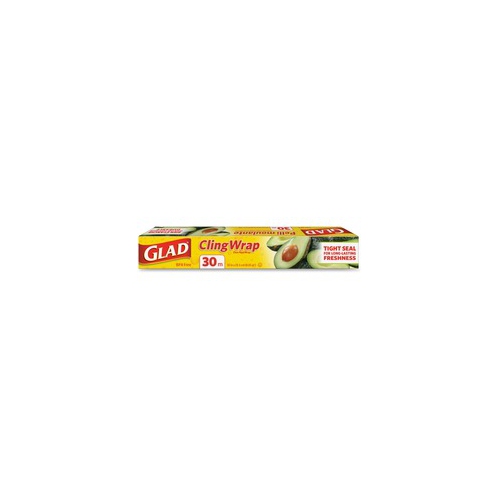 Your price for this item is $3.99
-
 Your price for this item is $19.99
-
 Your price for this item is $7.99
-
 Your price for this item is $99
-
 Your price for this item is $99
-
 Your price for this item is $109
-
 Your price for this item is $109
Discover more categories related to Microwave Storage Kitchen
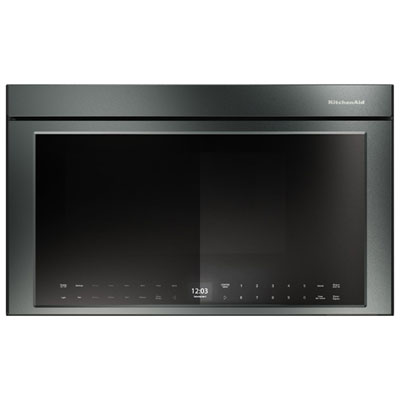
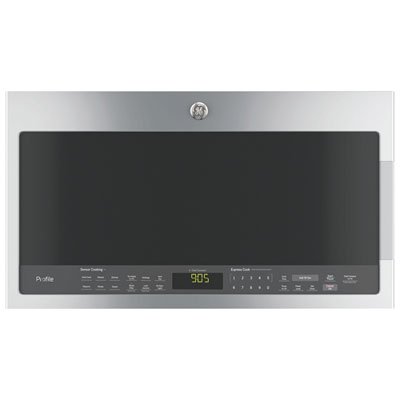
Top Collections:
Best Black Friday Deals This Year, Best Black Friday Deals On Electronics, Kindle Devices, Pokemon Centers, Best Black Friday Deals On Apple Products, Best Cameras for Sports Photography, Dyson Airwrap, Pokémon 30th Celebration Cards, Apple iPhone 17 Pro, Canon G7X Cameras
Some products may be subject to Environmental Handling Fees
(EHF) depending on your province.
Learn more about EHFs.