Kitchen Pantry Microwaves
Upgrade your kitchen with a Kitchen Pantry Microwave, the perfect solution for convenient meal preparation and efficient space utilization. Whether you're outfitting a new home or refreshing your current setup, these microwaves are designed to fit seamlessly into your pantry area while delivering reliable performance. Explore a variety of sizes and styles to find the ideal match for your cooking needs and kitchen layout. Discover how a Kitchen Pantry Microwave can simplify your daily routine and enhance your culinary experience.
Sort
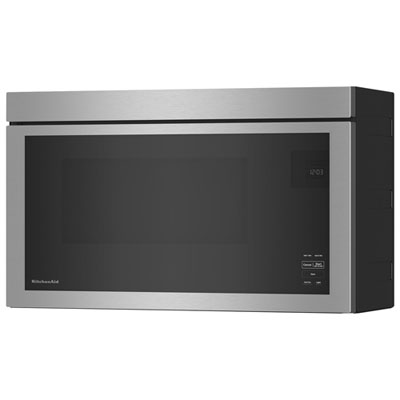
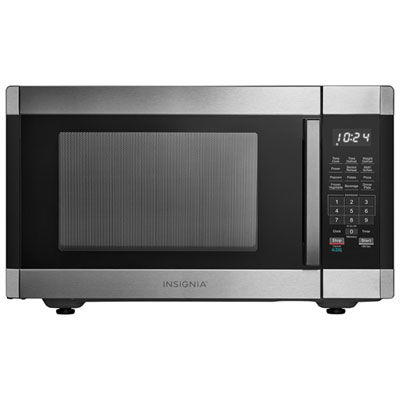
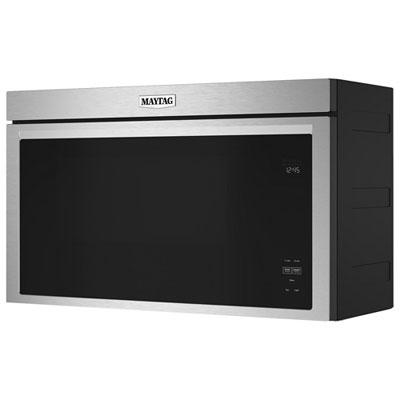
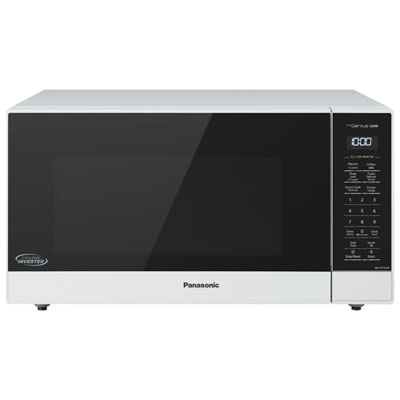
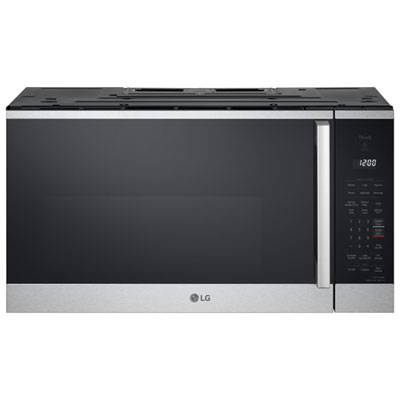
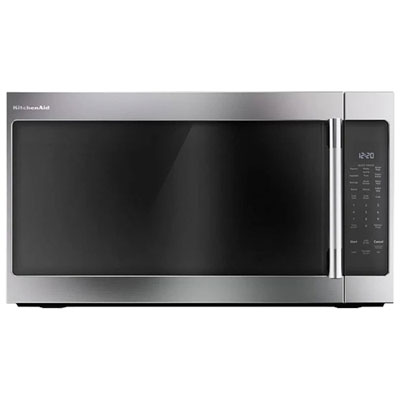
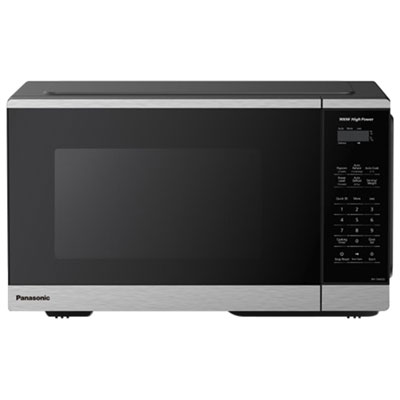
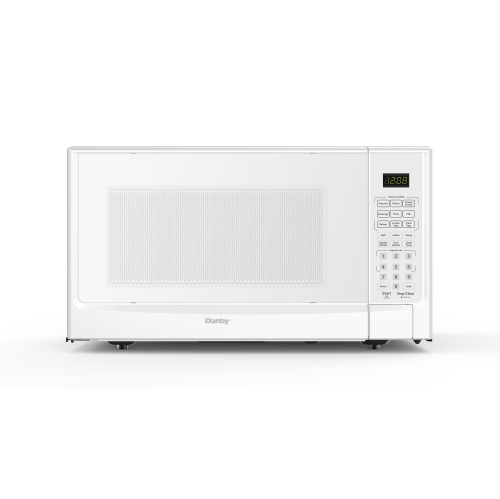

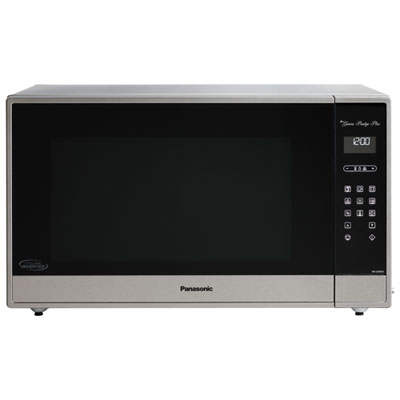
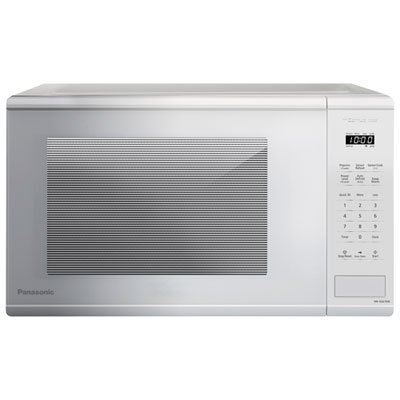
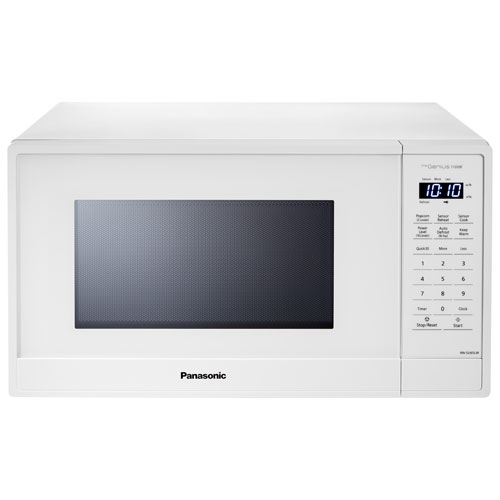
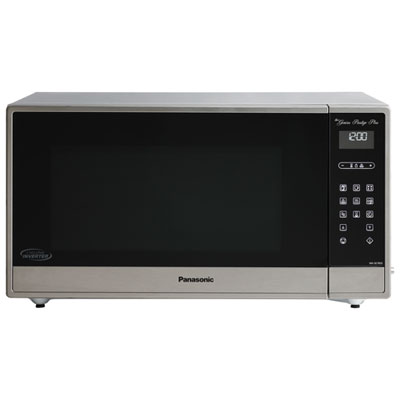

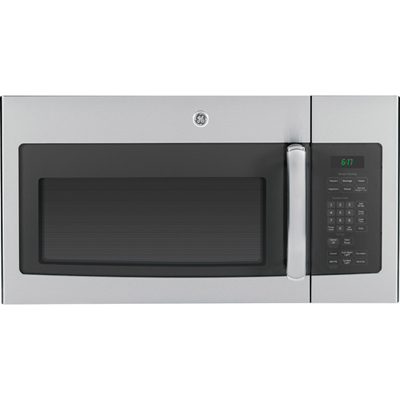
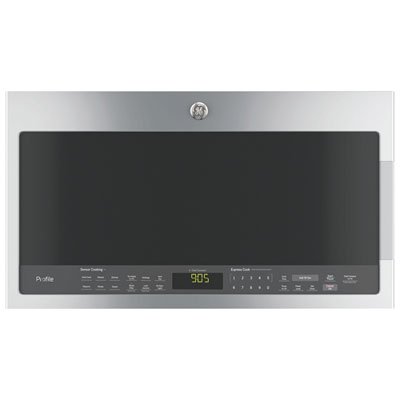
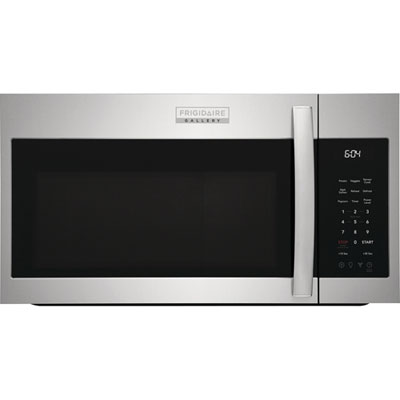
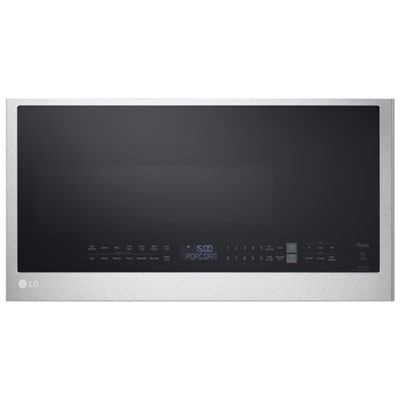
A place to reheat without crowding the countertop
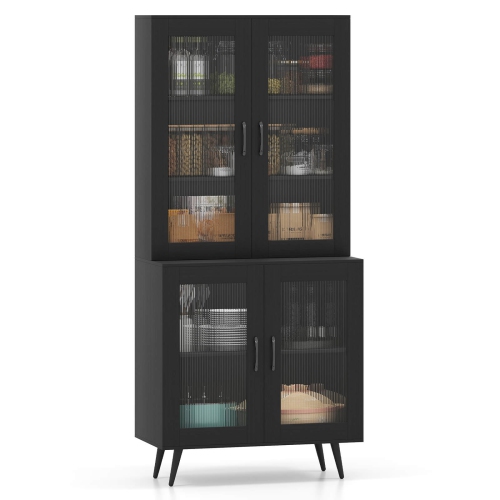
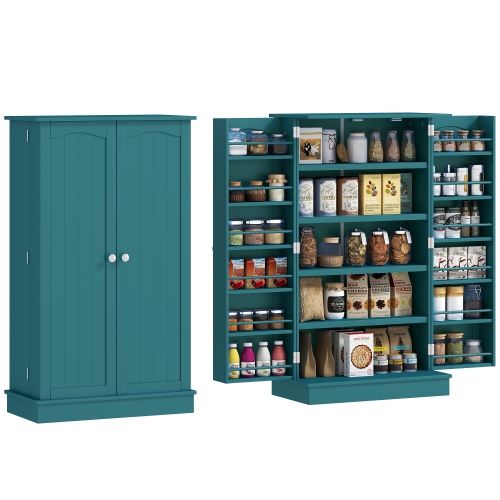
A kitchen pantry with a microwave shelf brings appliance space and food storage into one piece of furniture, leaving more of the main countertop free for chopping, mixing or setting out plates. The microwave can sit in an open cubby or on the work surface of a pantry hutch, with cupboards, drawers or shelves above and below it. An open cubby gives the appliance a defined spot, while a wider work surface can leave enough room to set down a bowl, stir its contents and put it back without walking across the kitchen. In a narrow galley kitchen, that small landing area can matter as much as the storage itself. In a shared kitchen, a pantry near the fridge can give someone reheating lunch a place to work without getting in the way of whoever is making dinner. Tall pantry cabinets make use of wall height when floor space is limited, while shorter units can sit beneath a window or fit under existing cabinets if there’s enough clearance for the appliance. Adjustable shelves are useful when the same cupboard has to hold tall cereal boxes, short jars and stacks of food containers. Shallow drawers can keep utensils, microwave covers and container lids from disappearing behind bulkier supplies. Glass-front doors make it easier to see what’s inside, while solid doors keep mismatched packages and stacks of containers out of sight. For kitchens that need little beyond a raised appliance shelf and a cupboard underneath, Kitchen Microwave Cabinets are another way to free up a section of countertop without adding a full-height pantry. The useful distinction is how much storage belongs next to the microwave: a household that relies on it for quick meals may appreciate bowls and pantry staples close by, while a kitchen with ample cupboards may benefit most from a separate place to reheat and serve food.
A microwave can fit inside a pantry opening on paper and still be awkward to use. The dimensions that matter are the clear width, height and depth of the opening and the appliance’s full footprint, including any handle, feet and space needed behind it for the plug and cord. Check the microwave manual for the required clearances and whether the appliance is approved for the type of placement in mind. Not every countertop microwave can be used in a cubby, even one that’s open at the front. A cord opening keeps the cable tidy, but it doesn’t provide the airflow that the appliance needs. A built-in microwave is a different installation: it needs cabinetry and any trim or mounting hardware specified for that model. Shelf capacity matters as well, especially if the microwave shares a surface with dishes or another appliance. A shelf intended for small appliances should support the microwave and anything placed alongside it without sagging or shifting. It also helps to picture the door fully open. A nearby wall, pantry handle or fridge door can make it difficult to pull out a wide dinner plate even when there’s enough room for the microwave itself. A comfortable shelf height lets the people who use it most see into a bowl and lift it out without reaching overhead. For power, follow the appliance manual and plug the microwave directly into a suitable grounded wall outlet, rather than assuming that a pantry’s charging ports or power strip can handle it. On the furniture side, leave room for drawers to open fully and for people to pass when cupboard doors are open. Tall units should sit level and be secured to the wall using the specified anti-tip hardware and installation instructions, particularly in a busy kitchen where several people may be reaching into the cabinet at once.
The cabinet’s materials and hardware shape how it holds up to everyday use. A smooth laminate finish on engineered wood can be easy to wipe after a splash of soup, while veneer or solid wood can bring visible grain into a kitchen with wood cabinetry. For a pantry that doubles as a serving station, pay attention to the front edge of the microwave shelf, where dishes are likely to bump it, and to the finish around seams, where spills can collect. Sturdy hinges help frequently opened doors stay aligned, and full-extension drawer slides make it easier to reach a lid or utensil that’s worked its way to the back. Along with the appliance shelf rating, individual shelf and drawer limits are worth checking if the cabinet will hold stacks of stoneware or several large pantry containers. Regular care can be as simple as wiping the surface with a soft cloth and a cleaner suitable for the finish, drying spills before moisture sits in the seams, and clearing crumbs from corners around the appliance without blocking its vents. The right layout often comes down to small habits. In a family kitchen, bowls and plates on a lower shelf can be easier to reach at mealtimes. In an apartment with one short stretch of countertop, a pantry cabinet can keep the microwave and everyday dishes together while leaving the main work surface free. A pantry cabinet can also make a practical housewarming gift when the recipient wants more storage and has confirmed the space, outlet location and microwave fit. In a kitchen that already has plenty of closed storage, a hutch with a roomier open surface may be more useful than another bank of cupboards, especially if there’s often a plate or mug waiting beside the microwave. The most useful setup has space not just for the appliance, but for what happens immediately before and after the door opens.
Top selling and popular products
-
 Your price for this item is $79.97
-
 Your price for this item is $599.99
-
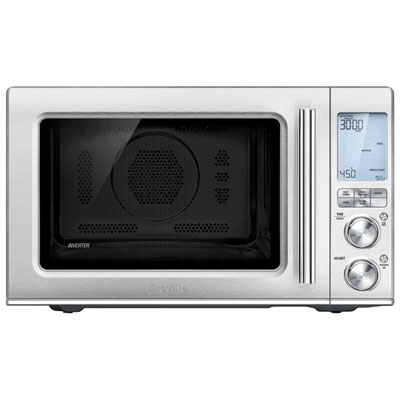 Your price for this item is $699.99
-
 Your price for this item is $95.49
-
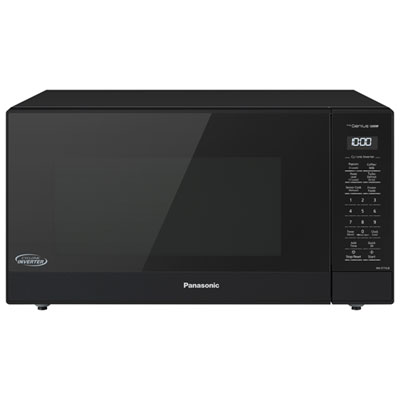 Your price for this item is $309.99
-
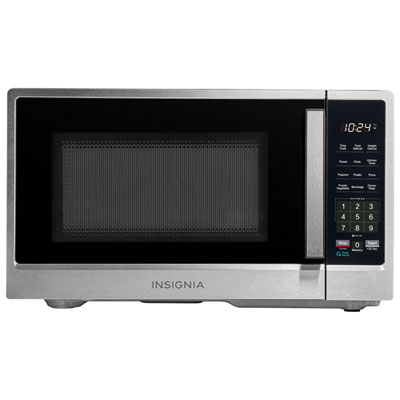 Your price for this item is $149.99
-
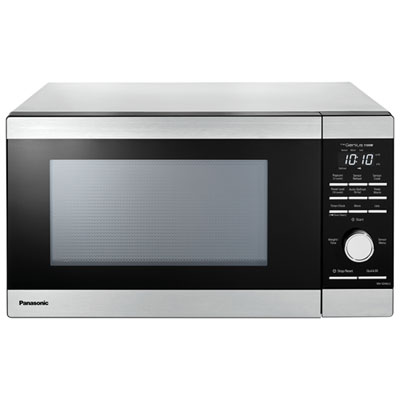 Your price for this item is $249.99
-
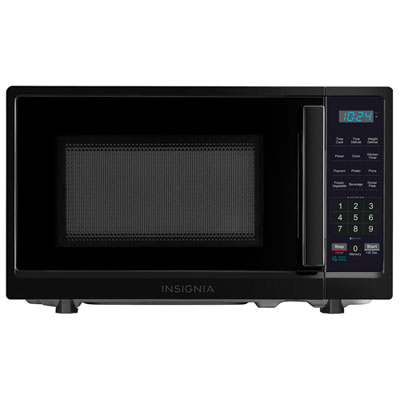 Your price for this item is $109.99
Discover more categories related to Kitchen Pantry Microwaves
Top Collections:
Best Black Friday Deals This Year, Best Black Friday Deals On Electronics, Kindle Devices, Pokemon Centers, Best Black Friday Deals On Apple Products, Best Cameras for Sports Photography, Dyson Airwrap, Pokémon 30th Celebration Cards, Apple iPhone 17 Pro, Canon G7X Cameras
Some products may be subject to Environmental Handling Fees
(EHF) depending on your province.
Learn more about EHFs.