Moroccan Runner Rugs
Transform your space with the timeless beauty of Moroccan runner rugs. These exquisite floor coverings effortlessly blend traditional craftsmanship with contemporary style, adding a touch of elegance to almost any room. Crafted with meticulous attention to detail, these rugs feature intricate patterns and rich colors that are sure to make a statement. Whether you're looking to enhance your hallway, entryway, or any narrow space, these Moroccan runner rugs offer a wide range of options to suit your personal taste and home decor.
Sort
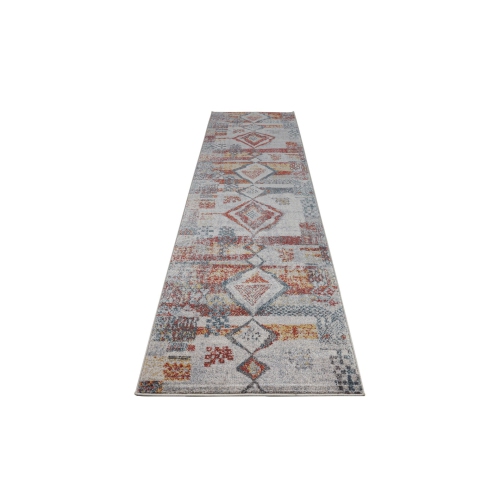
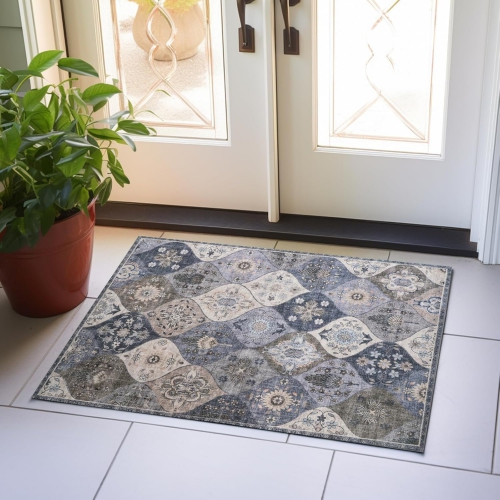
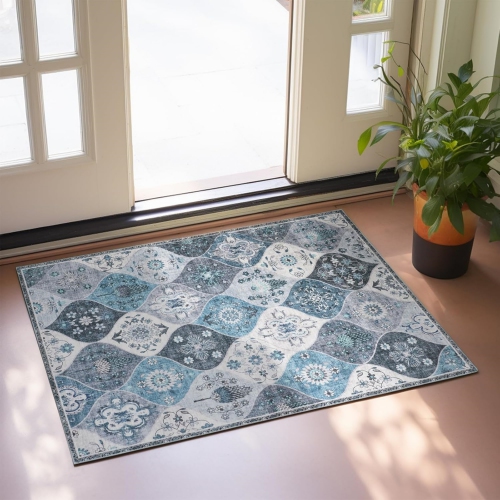
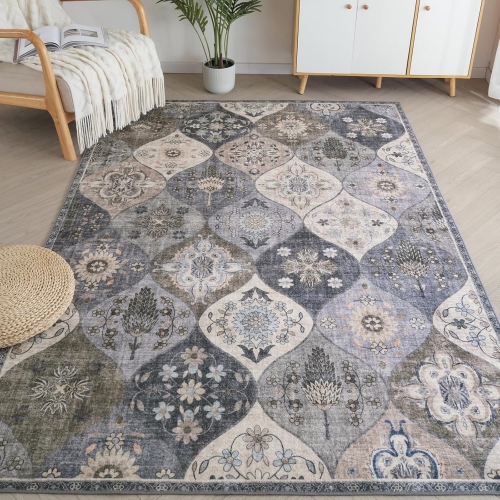
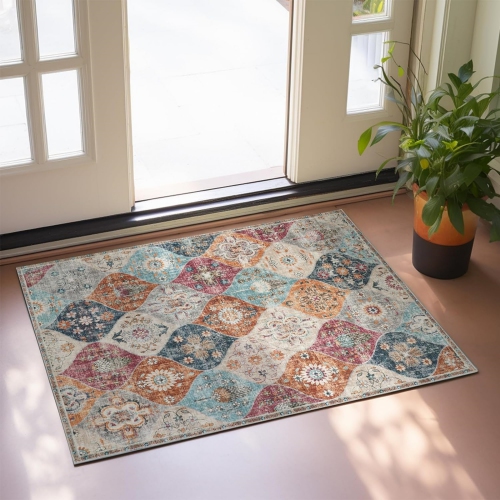
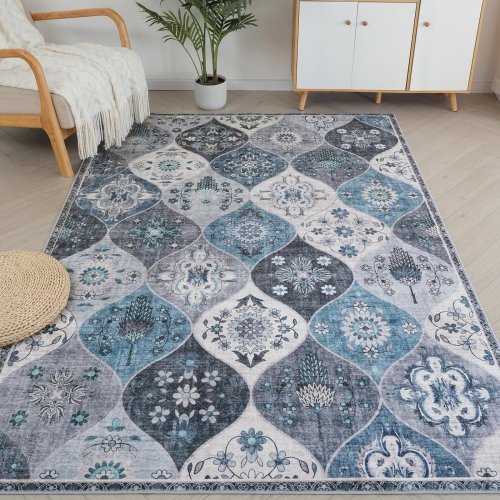
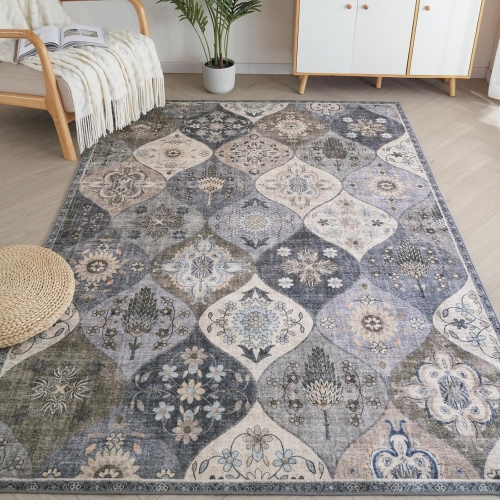
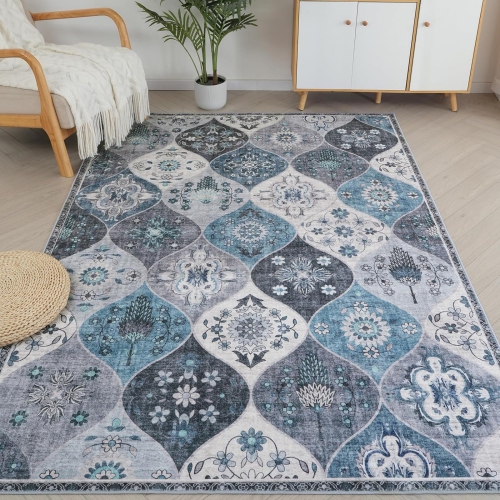
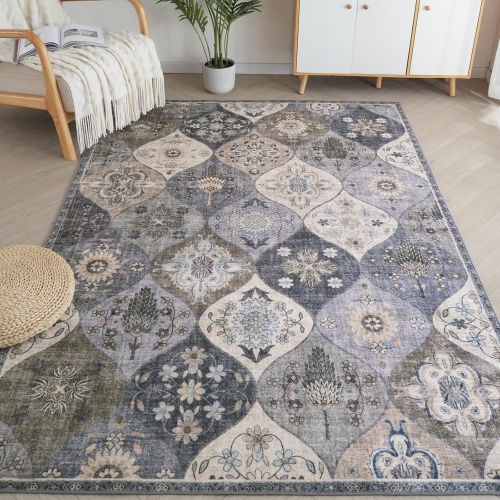
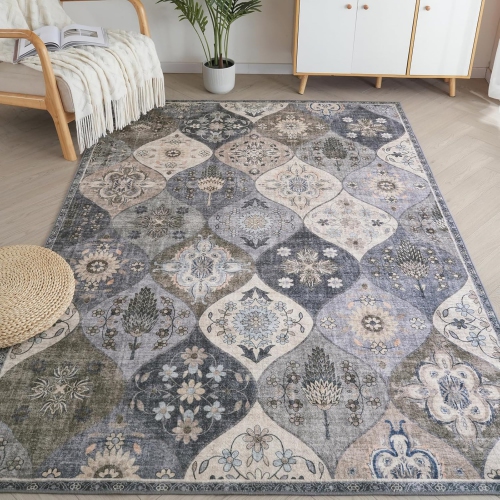
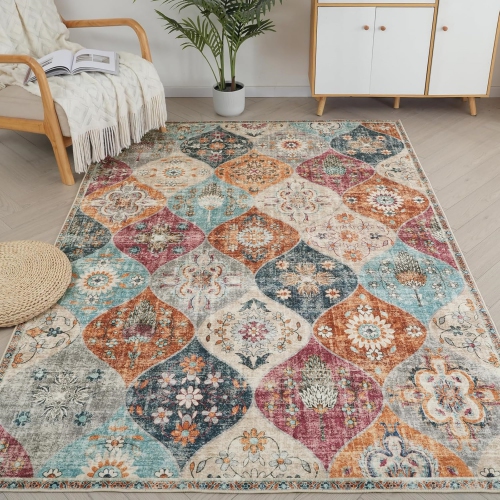
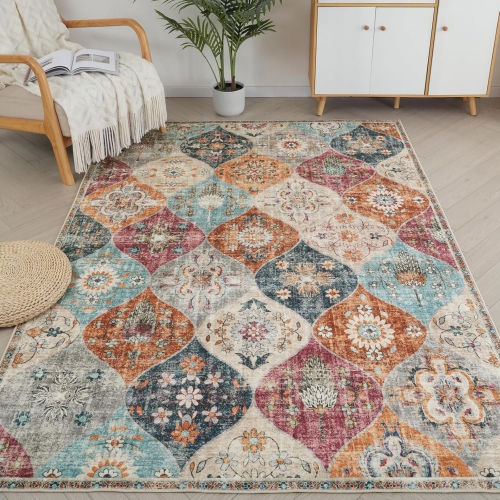
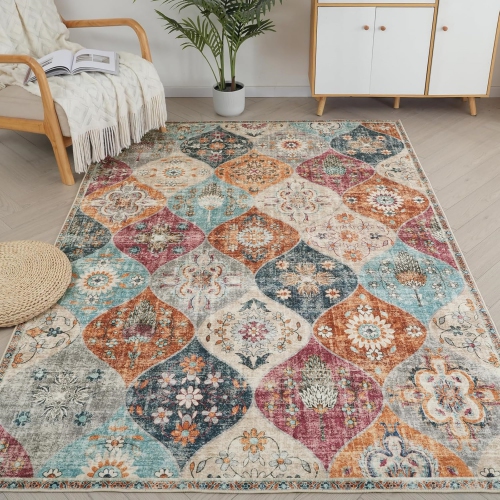


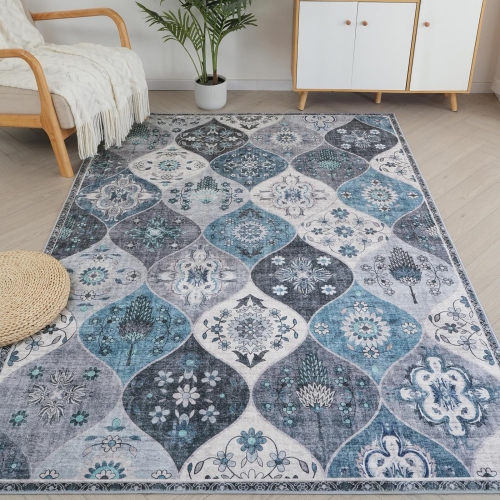
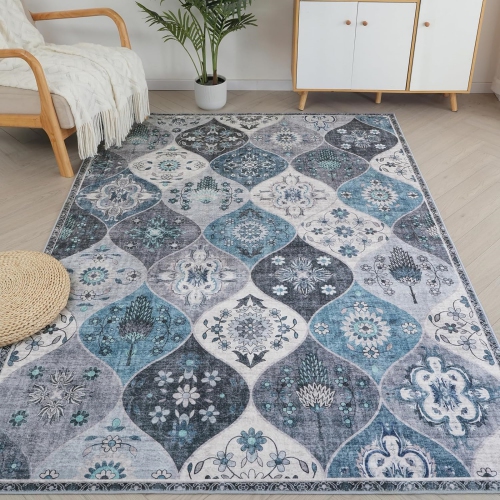
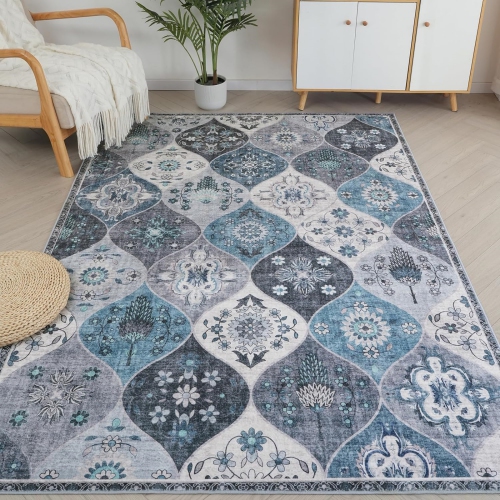


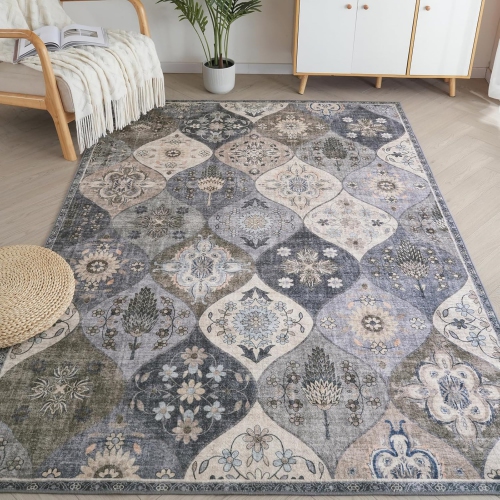
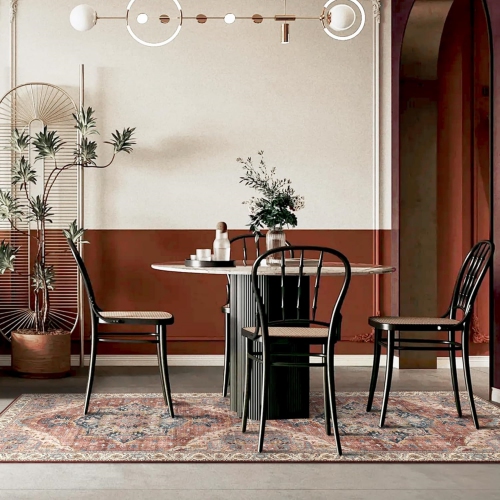
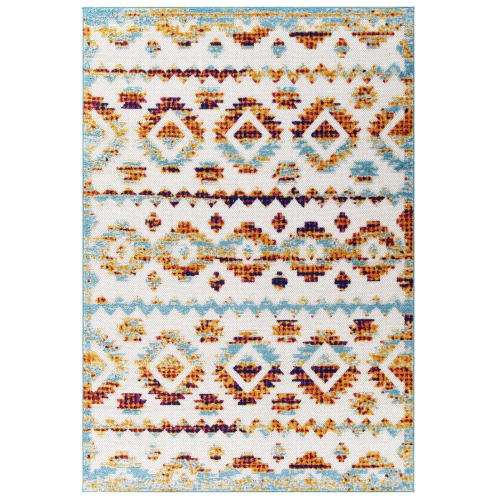
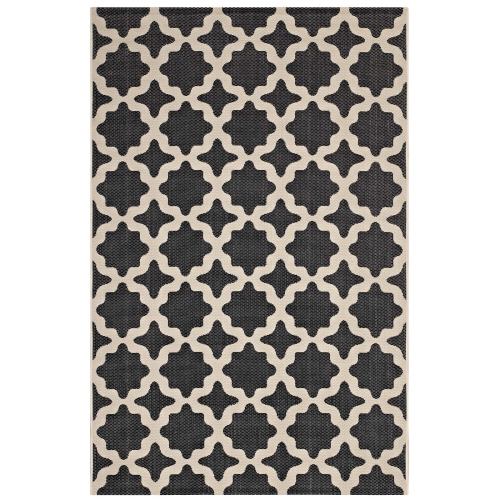
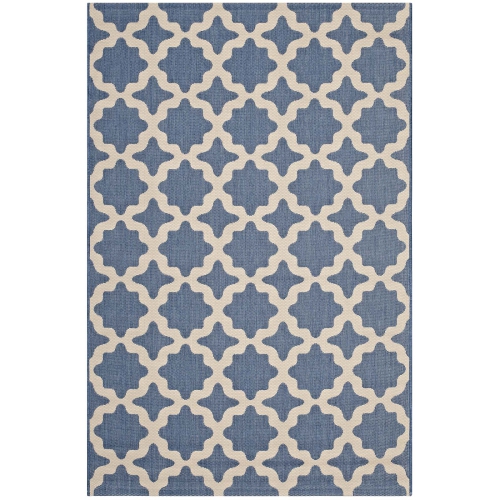
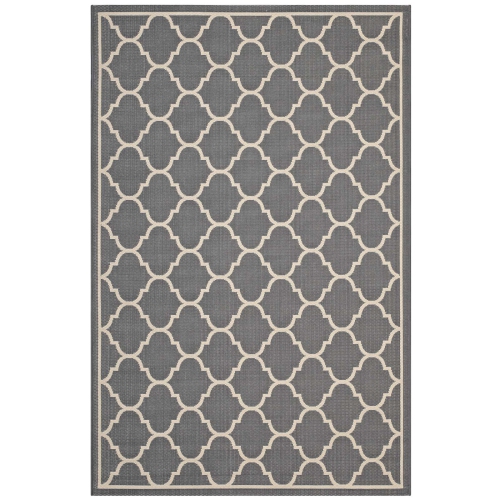
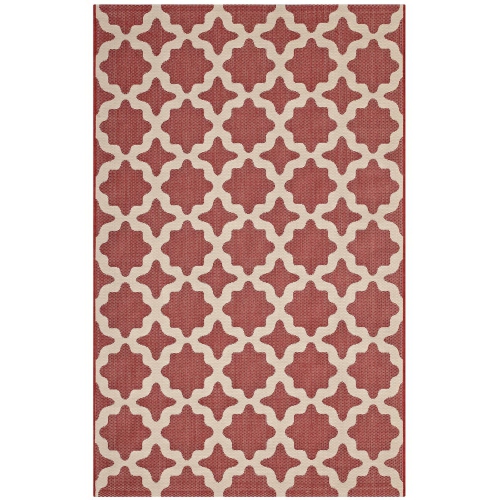
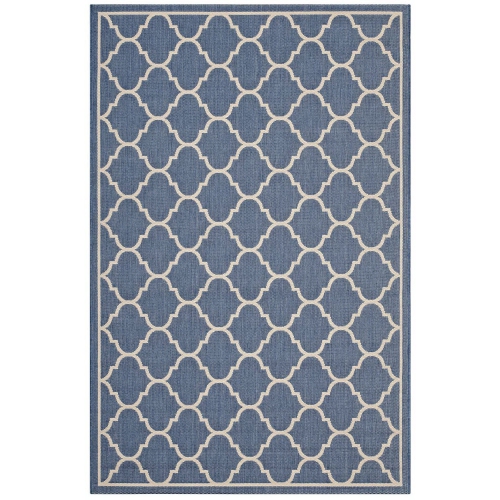
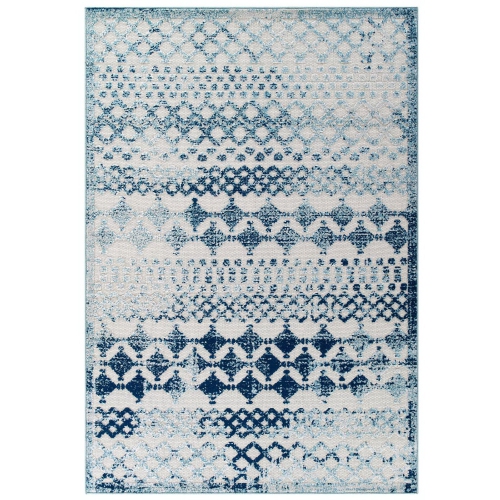
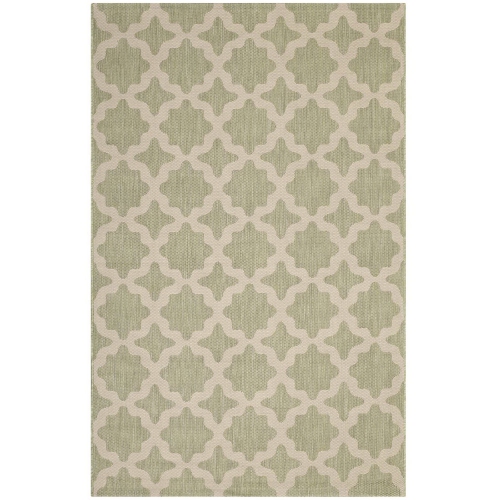
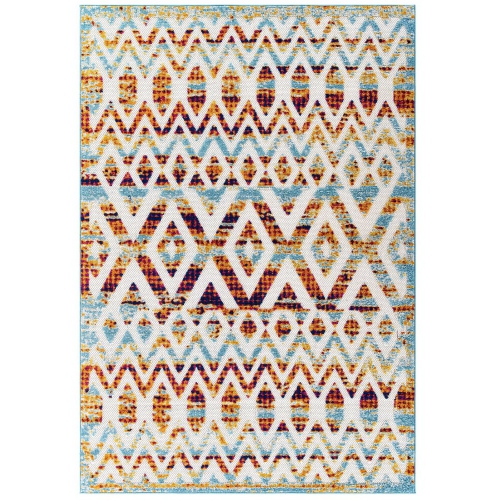
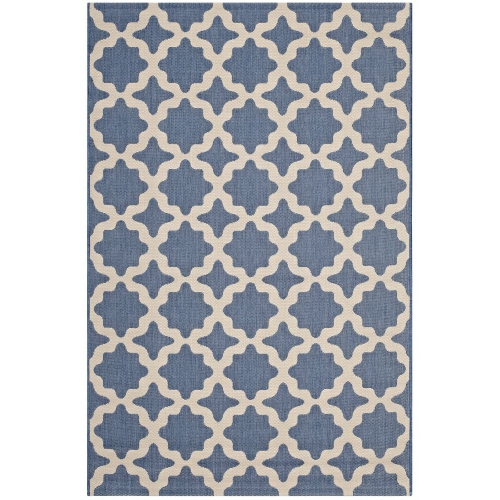
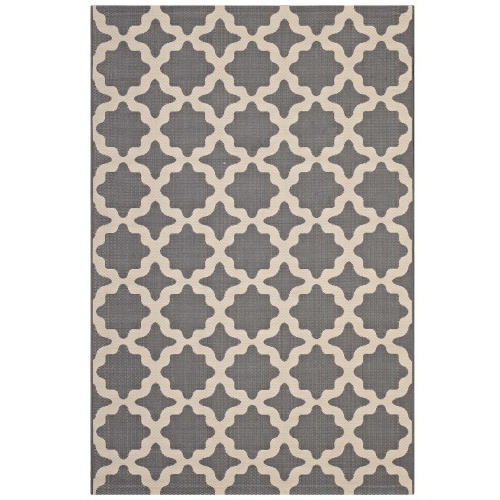
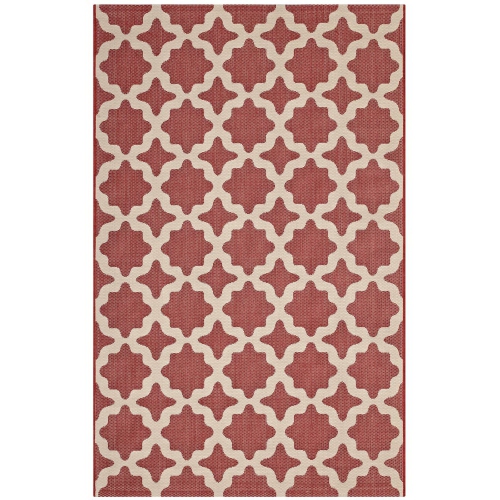
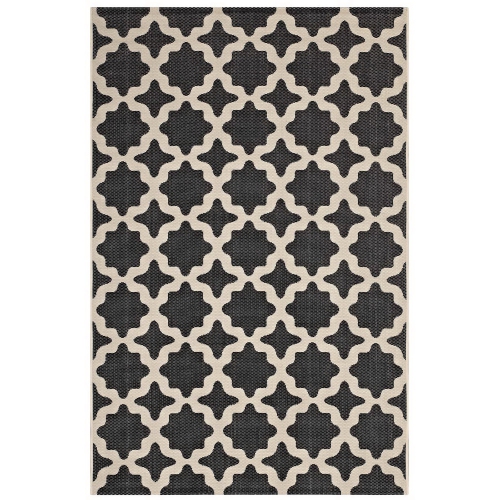
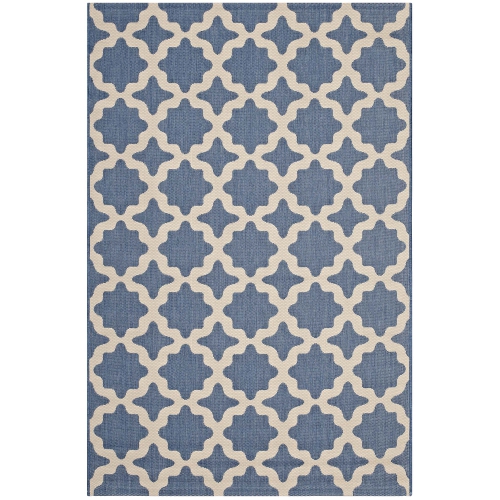
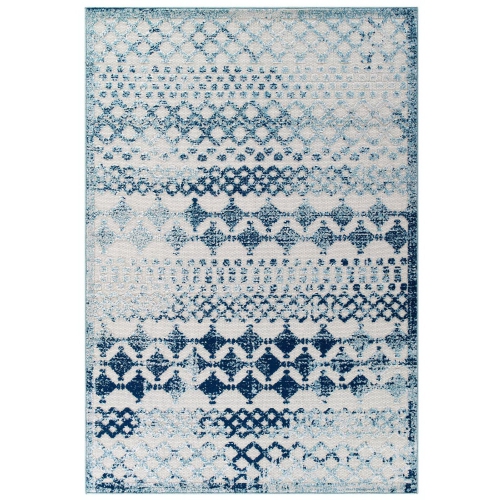
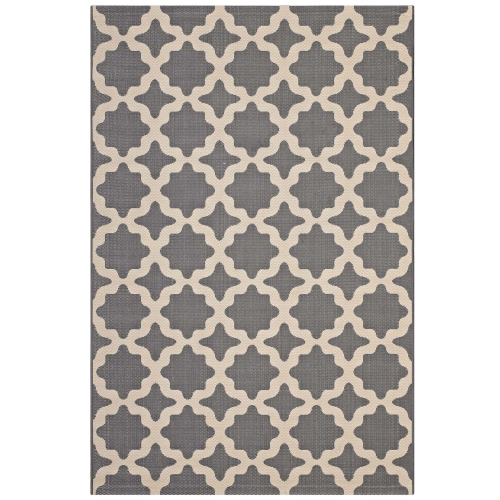

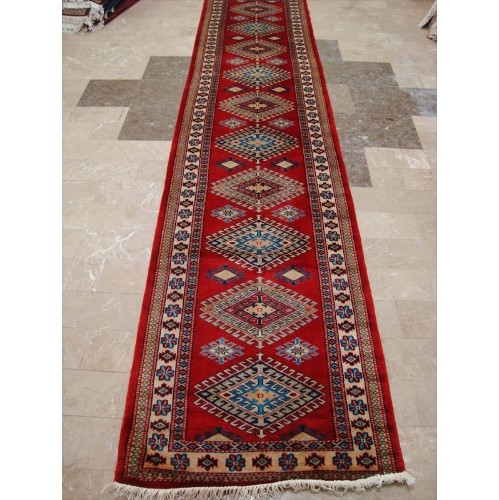
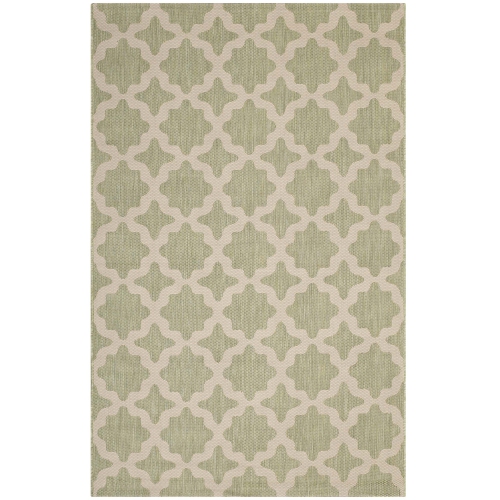
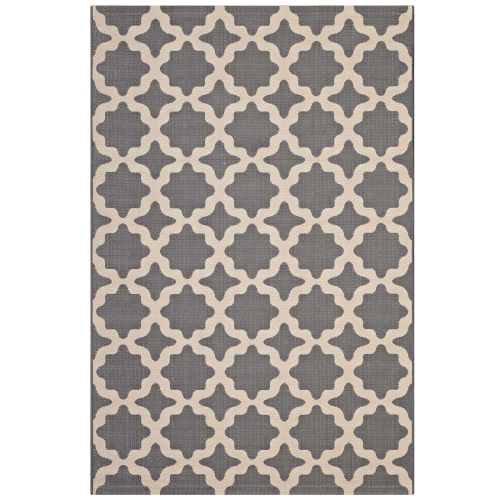
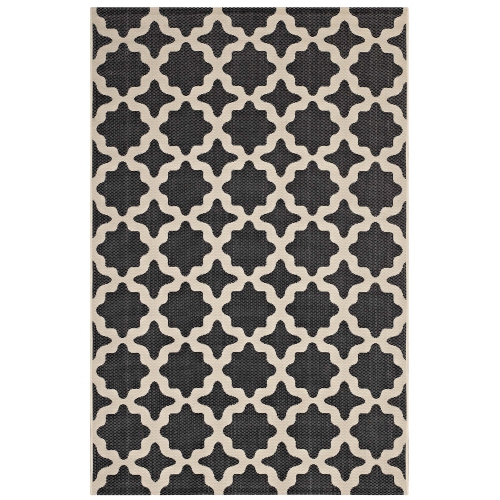
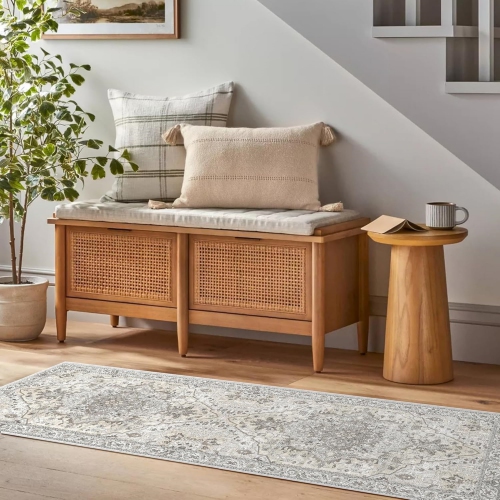
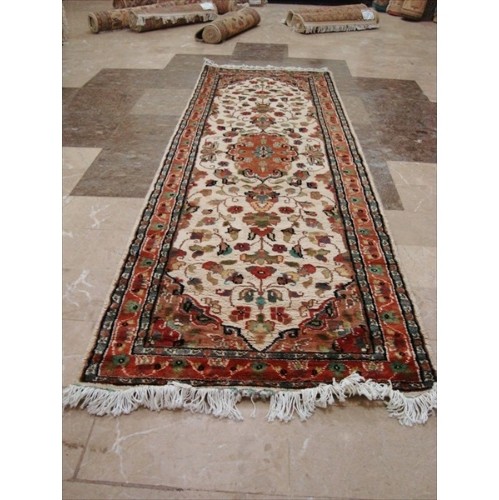
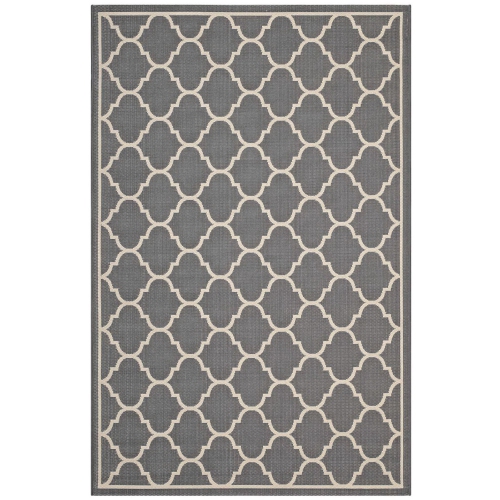
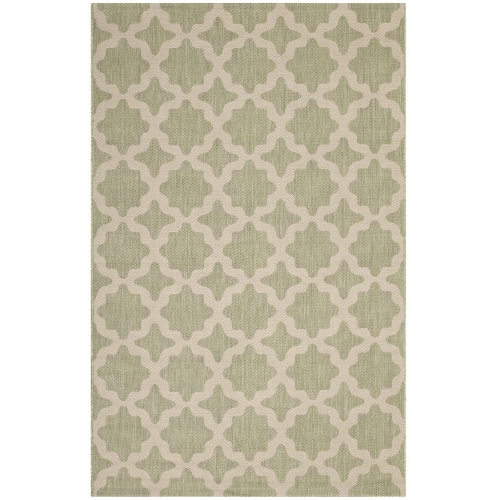
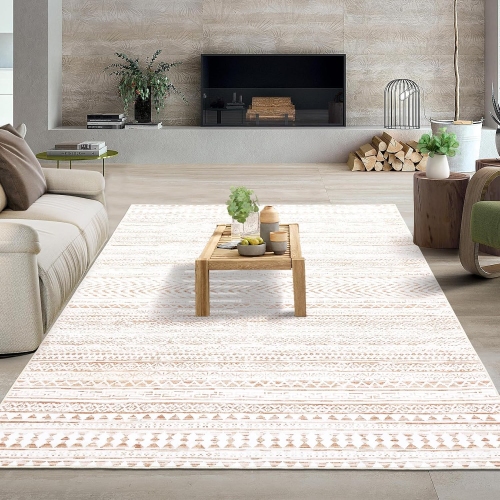
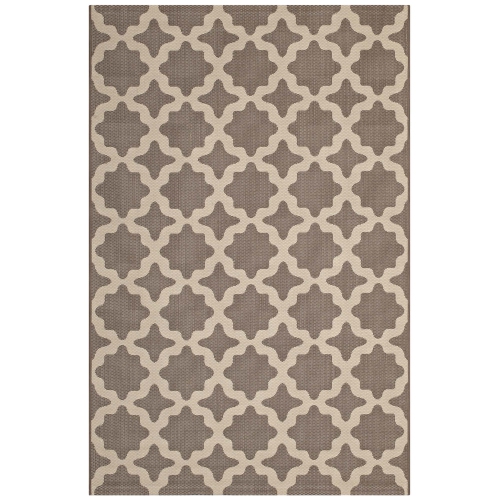
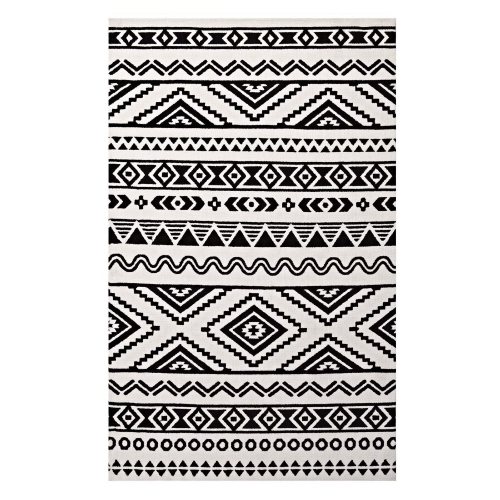
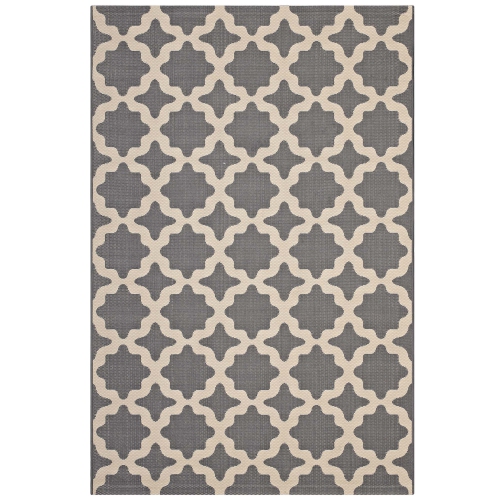
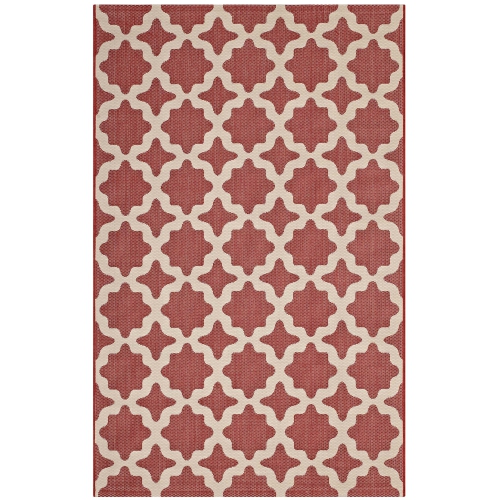
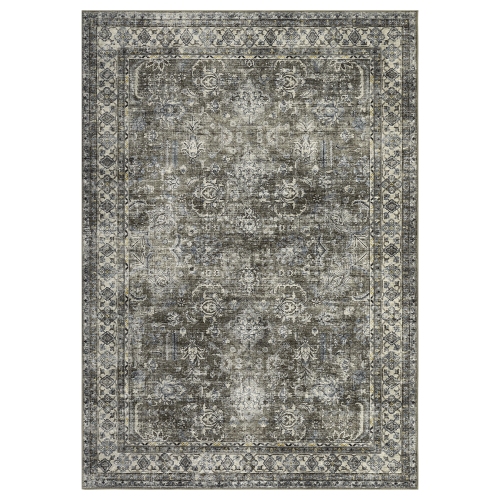

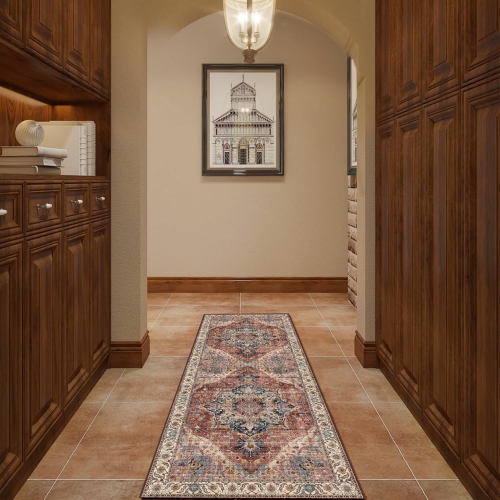
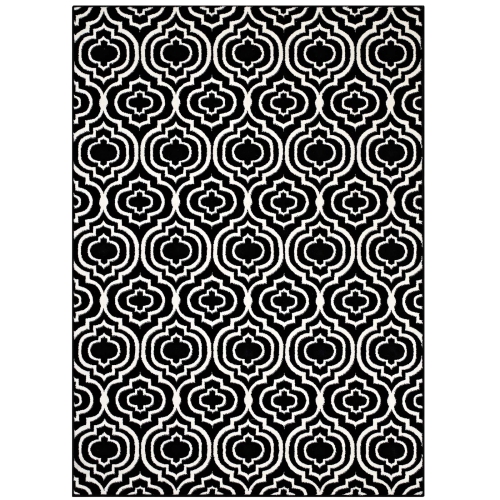
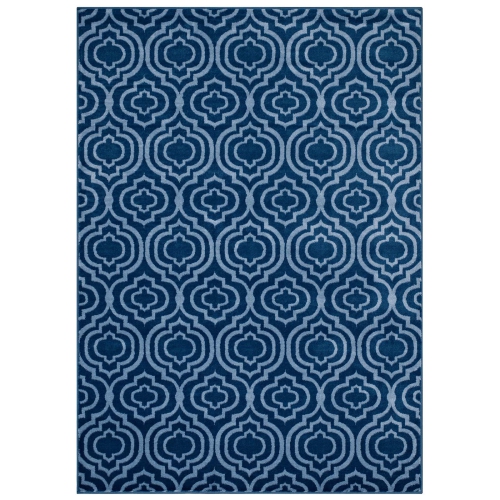
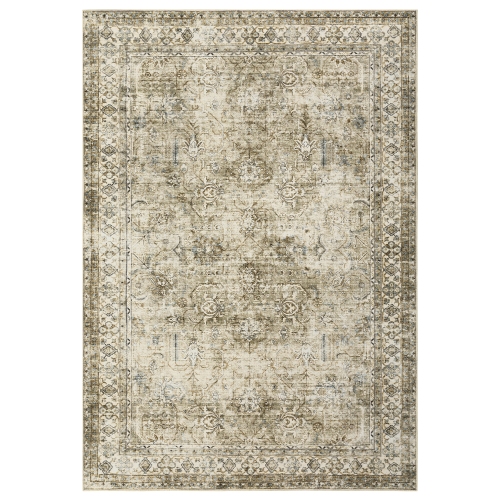
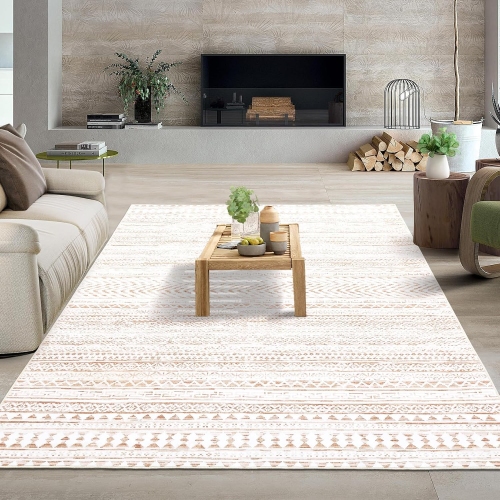
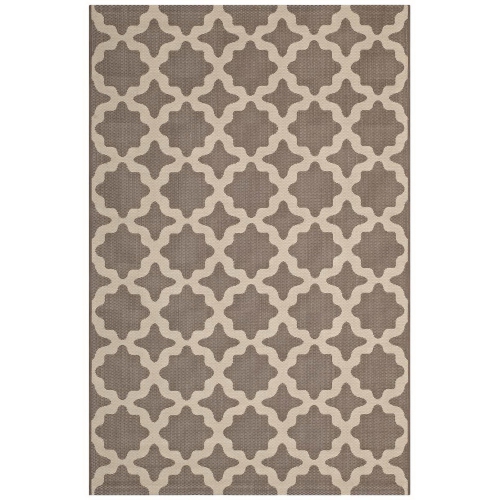
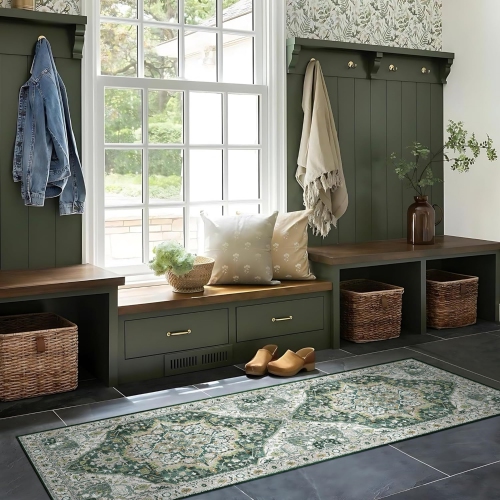
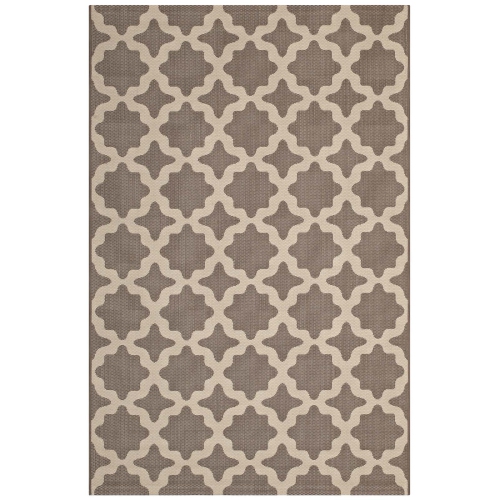
Geometric patterns that give narrow spaces more character
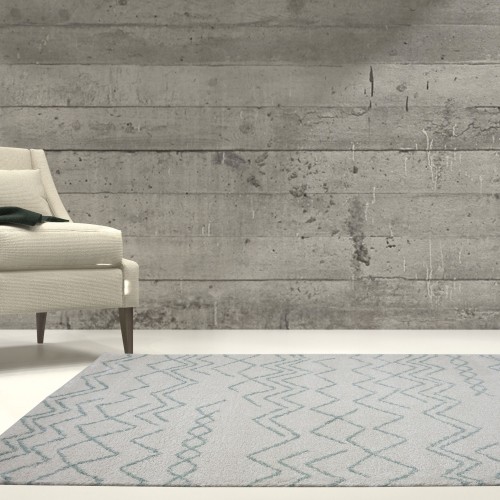
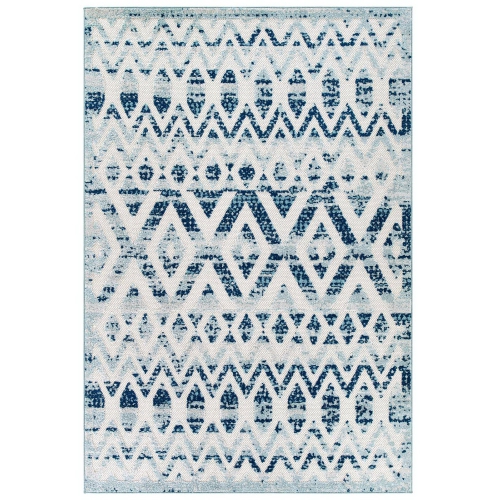
Moroccan runner rugs are long, narrow floor coverings that bring Moroccan weaving traditions and Moroccan-inspired patterns into hallways, entryways, kitchens, and bedside spaces. Their elongated shape suits routes through a home where a wider area rug would crowd doorways or overlap furniture. Diamond lattices, zigzags, broken lines, and other geometric motifs are common, although the category also includes quieter patterns and richly coloured designs. Some have a plush, textured surface; others are closely woven and relatively flat. Traditional Moroccan rugs draw on varied regional and Amazigh weaving practices, so there is no single pattern, colour combination, or pile height that defines every runner. A rug described as Moroccan-inspired may borrow these visual elements without being woven in Morocco, making the stated country of origin and construction useful distinctions when comparing styles. Ivory and charcoal designs can introduce contrast without dominating a narrow corridor, while terracotta, muted pink, blue, or ochre can connect a runner with artwork, cushions, or nearby upholstery. Against plain cabinetry or simple wood flooring, irregular lines create interest without requiring much else in the space. A small repeating motif tends to maintain a steady rhythm along a hallway, whereas larger diamonds make a stronger statement and may appear differently depending on the runner’s length. In an open-plan home, a runner can mark the passage between a kitchen and living area without visually closing either space off. Beside a bed, it adds a defined strip of softness where feet meet the floor. Its relationship to other rugs matters, too: repeating one colour or a similar line weight can tie adjoining rooms together without matching every pattern. The broader Moroccan Rugs category provides context for coordinating these narrow shapes with larger rugs elsewhere in the home. The most convincing combinations usually share a few details while allowing each room its own proportions and character.
Material and construction have as much influence on everyday use as the pattern. Wool runners are valued for their resilient fibres, textured appearance, and comfortable feel, with a surface that can recover from ordinary compression over time. Wool also has some natural resistance to soiling, but it is not stain-proof, and spills still need prompt attention. New wool rugs may shed loose fibres, particularly when they have a thick pile, so some initial fluff should not automatically be mistaken for damage. Cotton runners often have a lighter feel and may be flatwoven, making them easier to lift for cleaning beneath, although their care requirements vary. Polypropylene and polyester are common in machine-made Moroccan-style runners; these fibres can offer practical stain resistance and consistent patterning, but the finished rug’s performance also depends on its weave, density, backing, and care instructions. Fibre content alone does not establish whether a rug is machine washable or suitable for a busy entrance. Construction affects appearance as well: hand-knotted, handwoven, hand-tufted, and machine-made rugs are distinct, and handmade does not necessarily mean high pile. Small variations in line, shape, or colour can be part of a handmade rug’s character, while machine-made designs generally have more regular dimensions and repeats. For a hallway used throughout the day, a dense, low-pile surface is often easier to vacuum and less likely to interfere with doors than a deep shag. A softer, higher-pile runner may feel more inviting beside a bed, where clearance and frequent foot traffic are less demanding. In a kitchen, a low-profile construction can be more manageable around crumbs, chair legs, and cabinet doors. Homes with pets may benefit from a surface without long fringe or loose loops that claws could catch. Durability is best judged through the combination of material, construction, edge finishing, and intended placement rather than thickness alone; a substantial-looking pile is not automatically the best choice for every passage.
A well-fitting runner leaves a visible border of flooring and sits comfortably within the path people actually use. Measuring the clear floor space, rather than the full wall-to-wall dimensions, helps account for console tables, radiators, door swings, and other obstacles. A few inches of exposed flooring along each side can make the placement look deliberate, but the right margin depends on the width of the passage and the runner’s proportions. Length deserves equal attention: ends that stop clear of a doorway or furniture grouping generally look more settled than an edge that lands awkwardly across a threshold. Any fringe adds to the space the rug occupies, so the listed dimensions should be checked to establish whether it is included. In a galley kitchen, the runner should remain clear of appliance doors and allow drawers and cabinets to open freely. Beside a bed, positioning it where someone stands and walks is more useful than hiding most of its width beneath the frame. A suitable non-slip rug pad can help limit movement and add cushioning, provided it is approved for both the rug backing and the flooring finish. The pad should sit within the rug’s edges, and curled corners or shifting sections need attention before they become a trip hazard. Routine care usually includes vacuuming at a setting suited to the pile, avoiding aggressive rotating brushes where the care label advises against them, and keeping fringe away from the vacuum head. Grit beneath the rug can abrade fibres and flooring, so cleaning underneath is worthwhile as well. Blotting spills with a clean, absorbent cloth is generally preferable to rubbing, which can spread the mark or disturb the pile. Cleaning solutions should be tested discreetly and used only as directed; wool, dyes, adhesives, and backings may respond differently to moisture and detergents. Machine washing is appropriate only when expressly permitted, and the rug must fit the appliance’s stated capacity. Occasional rotation can help distribute wear from repeated footsteps and exposure to light. With suitable placement and care, a Moroccan runner can remain both a useful walking surface and a distinctive part of the room.
Top selling and popular products
-
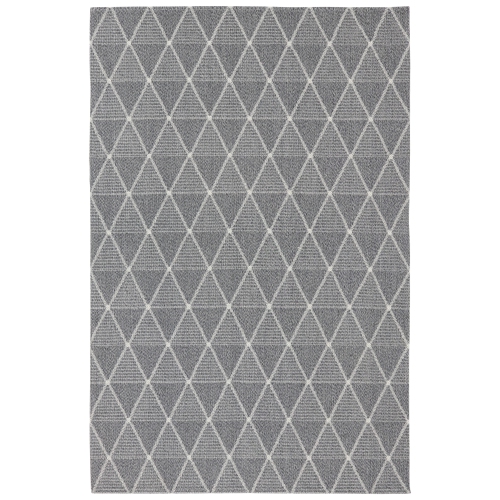 Your price for this item is $130.55
-
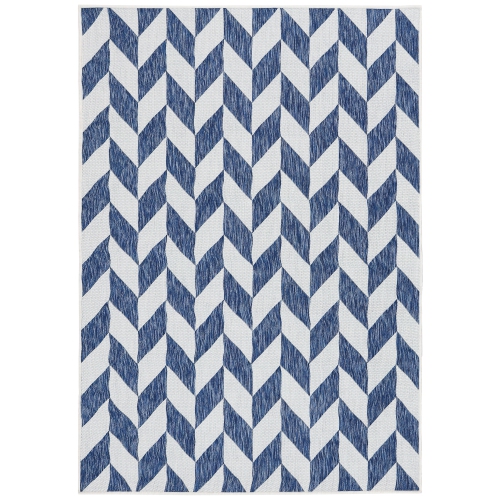 Your price for this item is $129.15
-
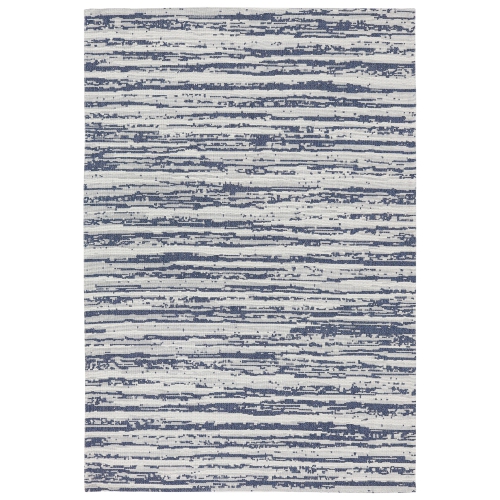 Your price for this item is $130.55
-
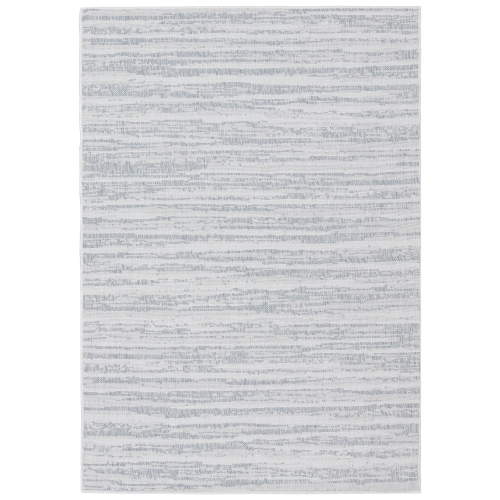 Your price for this item is $129.15
-
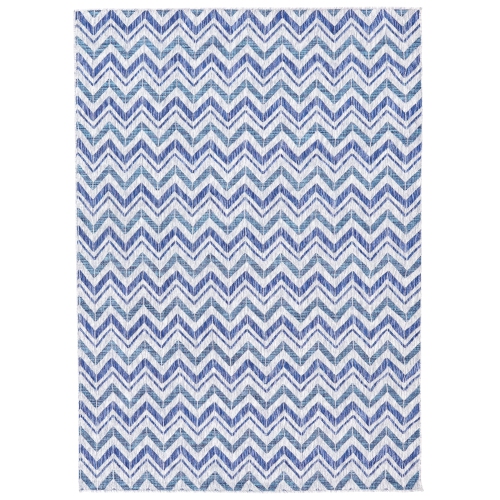 Your price for this item is $129.15
-
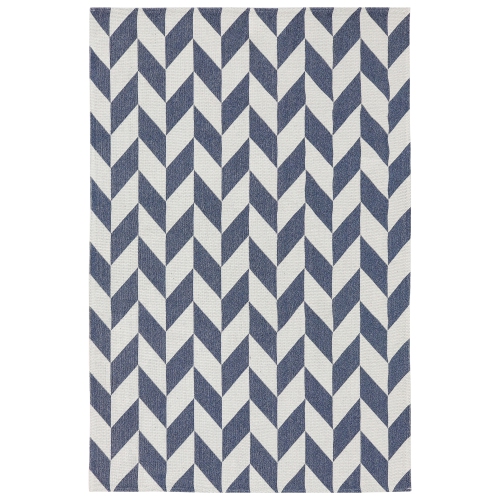 Your price for this item is $130.55
-
 Your price for this item is $144.99
-
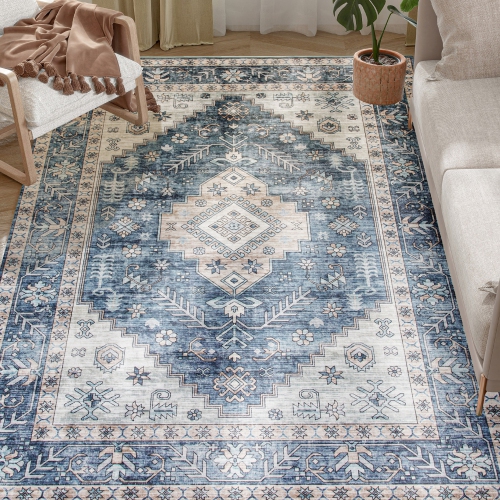 Your price for this item is $103.99
Discover more categories related to Moroccan Runner Rugs
Top Collections:
Best Black Friday Deals This Year, Best Black Friday Deals On Electronics, Kindle Devices, Dyson Airwrap, Best Cameras for Sports Photography, Best Budget Office Chairs, Canon G7X Cameras, PS5 Pro Consoles, Best Black Friday Deals On Apple Products, XBOX One S Consoles
Some products may be subject to Environmental Handling Fees
(EHF) depending on your province.
Learn more about EHFs.