Natural Wooden Patio Chairs
Transform your outdoor space into a serene retreat with a natural wooden patio chair. Crafted to blend seamlessly with the beauty of nature, these chairs offer both style and comfort for your patio, garden, or balcony. Whether you're looking to create a cozy nook for morning coffees or an inviting area for entertaining guests, a natural wooden patio chair adds a touch of elegance and warmth to any setting. Explore Best Buy selection to find the perfect piece that complements your outdoor decor while providing a durable and timeless seating solution.
Sort

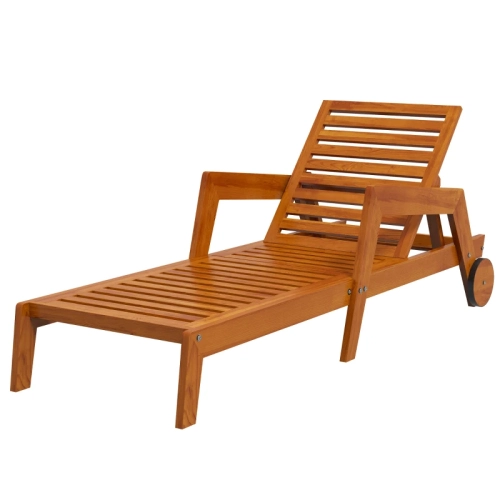
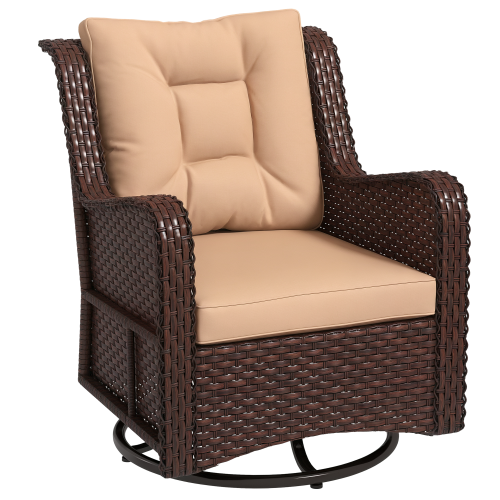
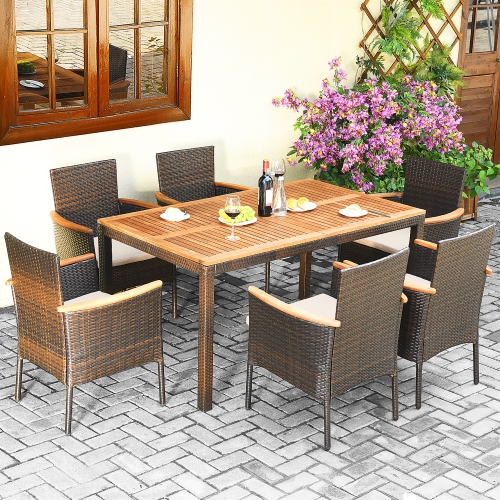


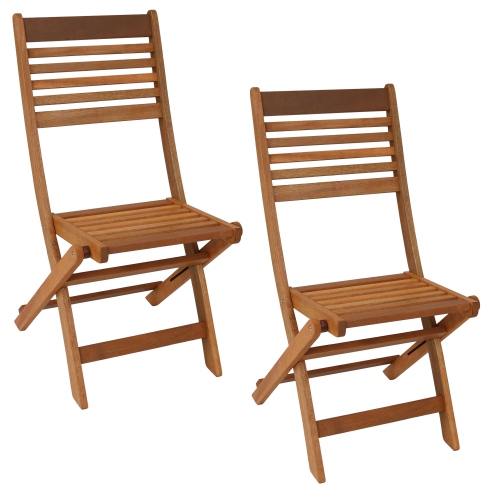

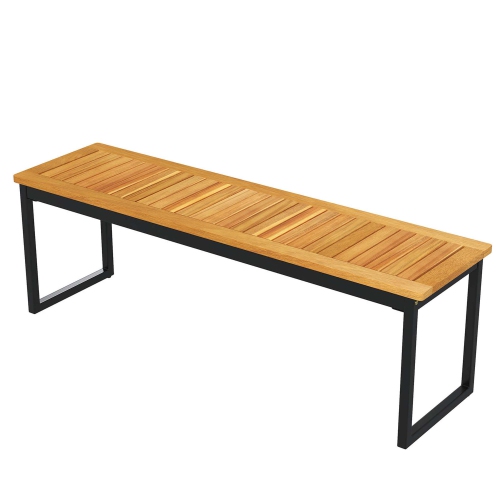


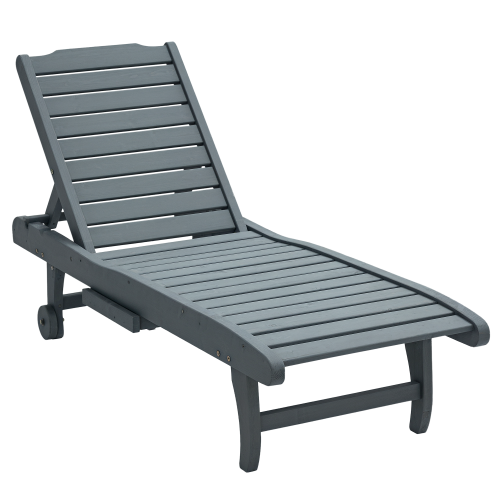
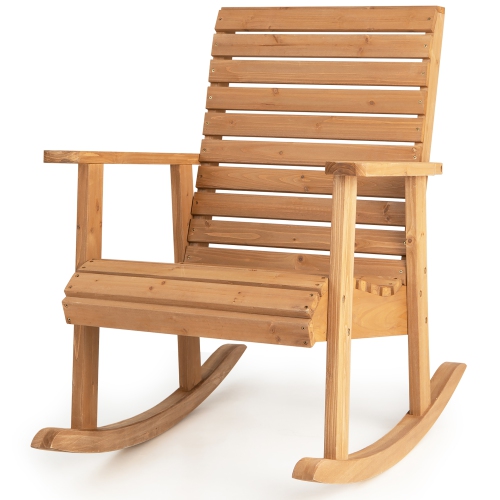
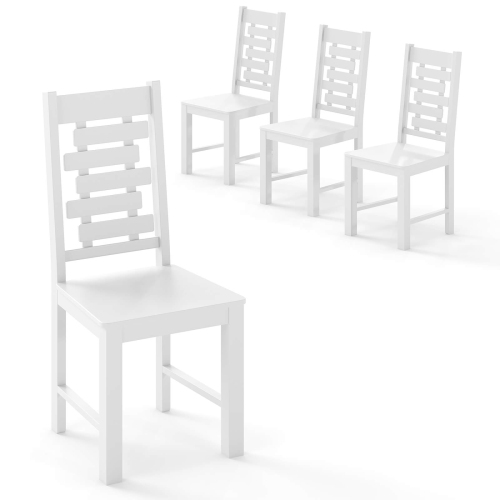

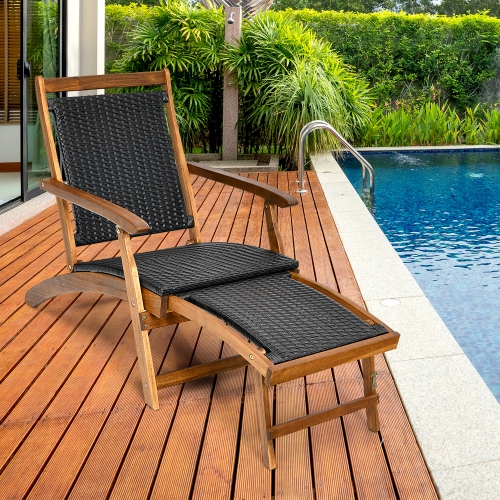
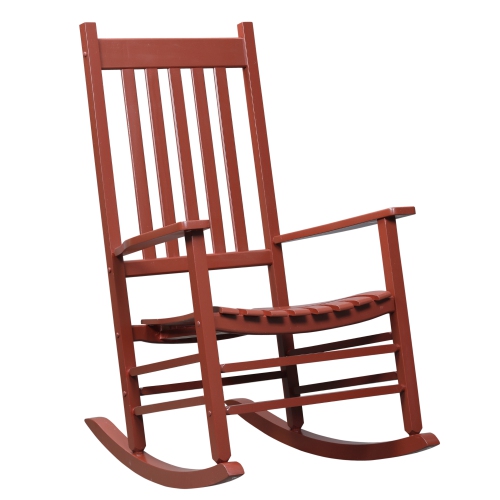


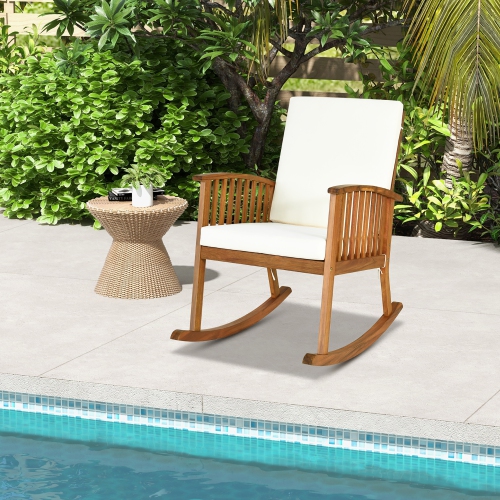

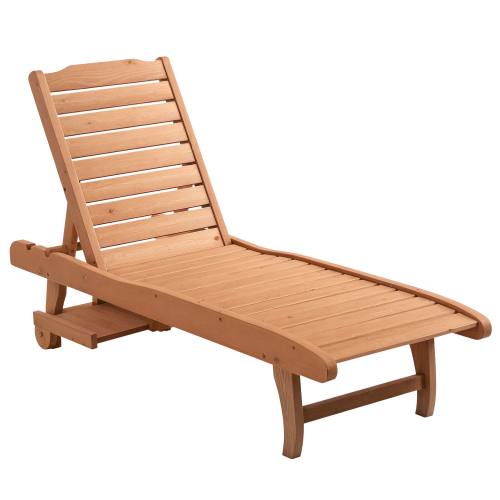

Wood grain and weathering give each chair character
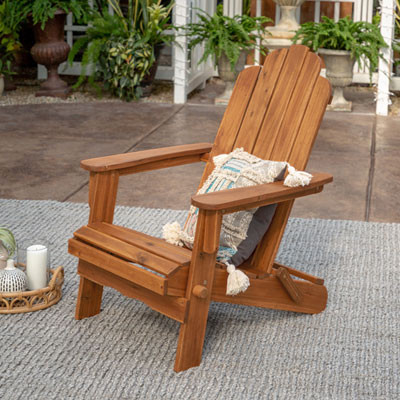
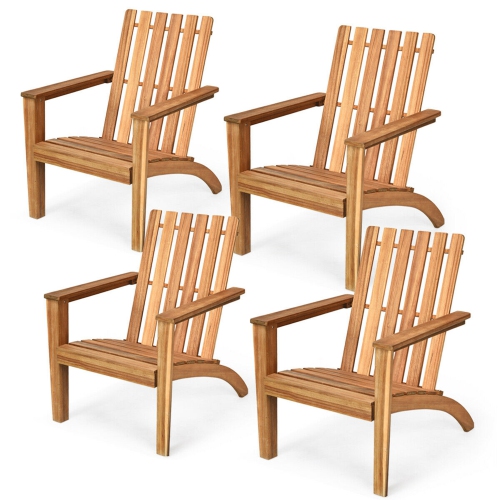
Natural wooden patio chairs bring visible grain, warm tones, and a tactile finish to outdoor seating, whether arranged around a dining table or set beside a small porch table. The category includes upright dining chairs, broad Adirondack chairs, reclining loungers, and folding designs, each suited to a different way of spending time outside. A natural appearance does not necessarily mean the wood is unfinished: clear sealers, oils, and light stains can retain the character of the grain while providing varying degrees of protection. Wood species also makes a difference to weight, texture, and care. Teak is valued for its natural oils and resistance to moisture and decay, while acacia is a dense hardwood with distinctive grain and tones that can range from golden brown to deeper shades. Cedar is generally lighter to move and has natural resistance to decay, though its softer surface can pick up dents more readily than denser hardwoods. No wood is entirely maintenance-free, and the construction and finish of a chair matter alongside its species. Exposed teak often develops a silvery grey patina; other woods can also fade or change tone with outdoor exposure. That gradual change may suit a relaxed garden setting, while retaining the original colour usually calls for a compatible treatment and a more regular care routine. Knots, grain patterns, and small tonal differences give wooden seating its individual character, so chairs made from the same species may not look perfectly identical. These variations work particularly well beside stone paving, brick walls, woven cushions, and planted containers. For a coordinated seating area, Wooden Patio Furniture provides a broader starting point for pairing chairs with tables and other outdoor pieces. A close match in wood tone creates a unified arrangement, but matching every surface is not essential; repeated shapes, similar finishes, or a shared cushion colour can tie the space together just as effectively.
Comfort and fit depend on how a patio chair will be used, not simply on its appearance. For outdoor meals, a relatively upright back and a seat height that works with the dining table help people sit comfortably without reaching upward or leaning too far forward. Armrests need enough clearance to slide beneath the tabletop and its supporting apron, especially where chairs must tuck away to keep a walkway open. Lounge seating serves a different purpose: a deeper seat, angled back, and wider arms can make room for lingering over a book or conversation. The low, sloping seat of an Adirondack chair encourages a laid-back posture, but it can be harder to rise from than a higher, firmer chair. People who prefer easier entry and exit may find a more upright design with supportive armrests better suited to everyday use. Seat width, usable depth, and the shape of the front edge all affect comfort, particularly during longer periods of sitting. Smoothly rounded edges can feel gentler behind the knees, while a contoured seat may feel more comfortable without a thick cushion. Where cushions are used, their dimensions should fit the seating surface without overhanging, and ties or other attachments help keep them in place. Outdoor-rated fabric and removable covers can simplify care, although cushions still need protection from prolonged moisture. On a narrow balcony, the footprint of the chair is only part of the calculation: there must also be room to pull it out, sit down, and move past it safely. Folding chairs can free up floor space between gatherings, while stackable designs may simplify storage where their shape permits. Neither feature should be assumed from a chair’s appearance. Checking dimensions, stated weight capacity, and assembly requirements helps establish whether a design suits the people and space it is meant for. A pair of compact chairs can make a useful conversation spot outside an apartment, while wider seating with substantial arms may be a better fit for a roomy deck or a quiet reading corner.
Durability comes from the combination of suitable wood, sound joinery, appropriate hardware, and consistent care. A substantial-looking frame is not enough on its own; secure connections, well-supported seat slats, and a stable base are important to how a wooden patio chair performs over time. Stainless steel or suitably coated fasteners help resist corrosion, particularly in damp locations, but hardware should still be inspected periodically. Wood naturally expands and contracts as moisture levels change, which can loosen connections or produce small surface checks. Following the assembly directions and checking fasteners as instructed can help prevent movement from developing into a persistent wobble. Placement matters, too. Chair legs resting in wet grass or standing water are exposed to more moisture than those on a firm, well-drained surface, and uneven paving can place extra strain on the frame. Routine cleaning generally starts with removing loose dirt and wiping with a soft cloth or brush and a cleaner approved for the finish. Aggressive scrubbing and pressure washing can damage wood fibres or strip protective coatings, so gentler methods are usually preferable. Allowing the chair to dry thoroughly before covering or storing it helps limit trapped moisture. Any oil, stain, or sealer should be compatible with both the wood species and the existing finish; applying oil indiscriminately is not a substitute for following the manufacturer’s care directions. Treatment frequency varies with exposure and use, rather than following one schedule for every chair. Breathable furniture covers can reduce direct exposure to rain and debris, provided they fit securely and allow air to circulate. For Canadian outdoor spaces exposed to snow and repeated freezing and thawing, dry, sheltered storage can help protect wooden seating when it is not in use. Cushions are best stored clean and fully dry in a protected location. With attention to fit, placement, and the care suited to its finish, natural wood seating can remain a comfortable, characterful part of a patio, porch, or garden gathering space for years.
Top selling and popular products
-
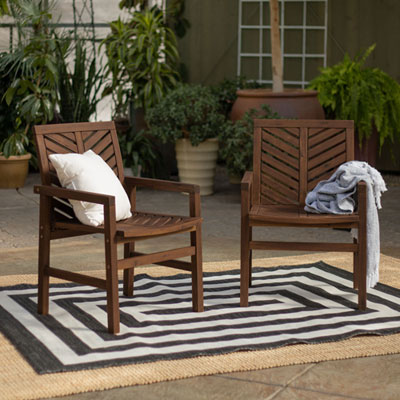 Your price for this item is $604.99
-
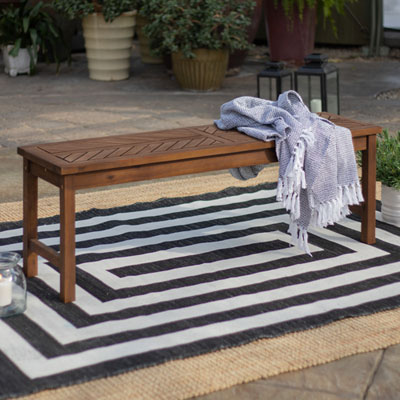 Your price for this item is $371.99
-
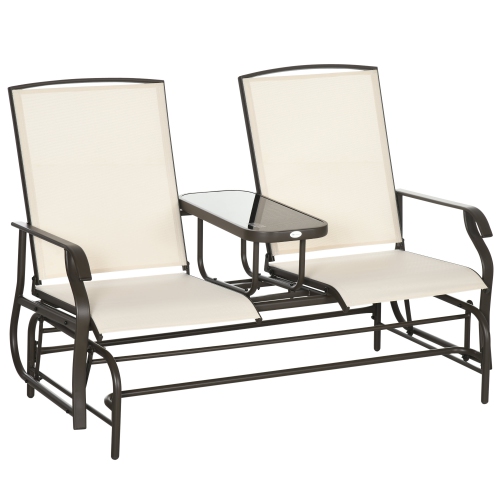 Your price for this item is $209.99
-
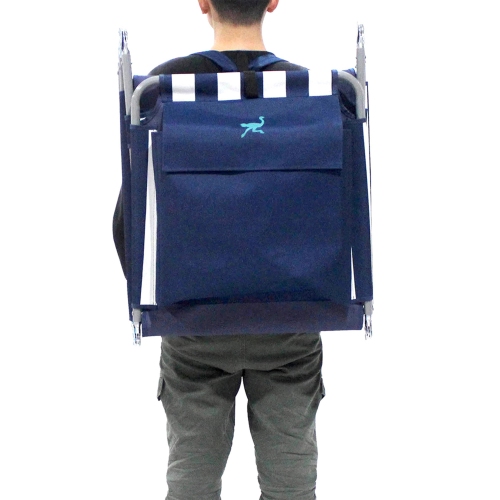 Your price for this item is $174.99
-
 Your price for this item is $461.99
-
 Your price for this item is $335.99
-
 Your price for this item is $170.99
-
 Your price for this item is $205.99
Discover more categories related to Natural Wooden Patio Chairs

Top Collections:
Pokemon Centers, Best Cameras for Sports Photography, Kindle Devices, Samsung Galaxy Phones, Canon G7X Cameras, Pokémon 30th Celebration Cards, Refurbished Apple Laptops, iPhone 15 Apple, Laptops for Students, Budget Smartphones
Some products may be subject to Environmental Handling Fees
(EHF) depending on your province.
Learn more about EHFs.