Neutral Color Accent Chairs
Neutral Color Accent Chairs offer a timeless way to enhance any living space with effortless style. Perfect for blending seamlessly with existing decor, these versatile seating options bring a touch of sophistication to bedrooms, living rooms, or home offices. Explore a wide selection of Neutral Color Accent Chairs designed to complement both modern and classic interiors, making it easy to create a comfortable and inviting atmosphere throughout your home.
Sort





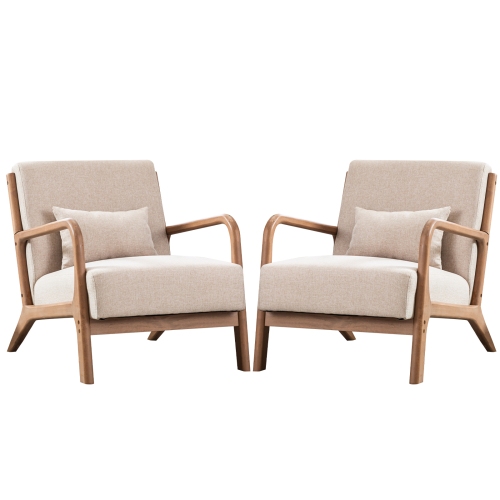
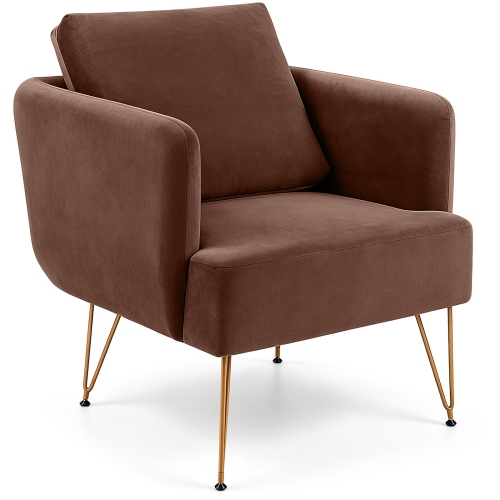
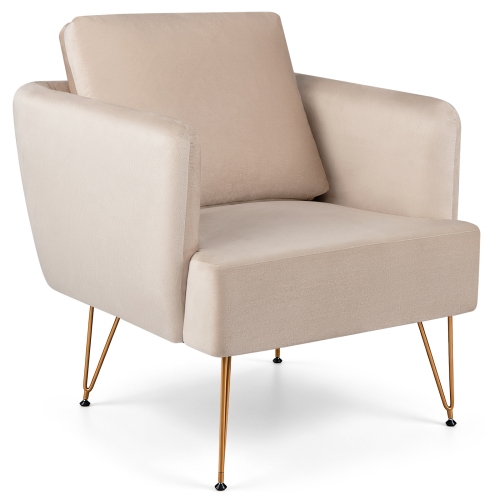
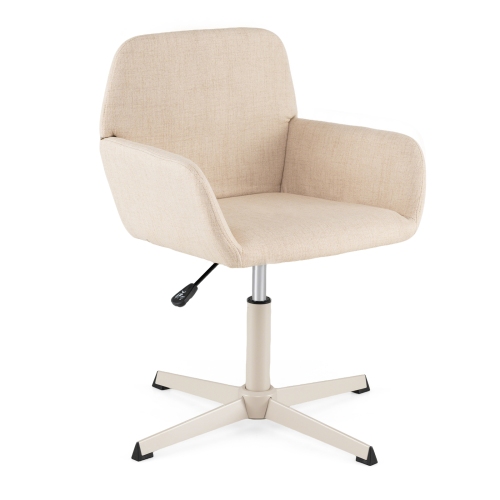
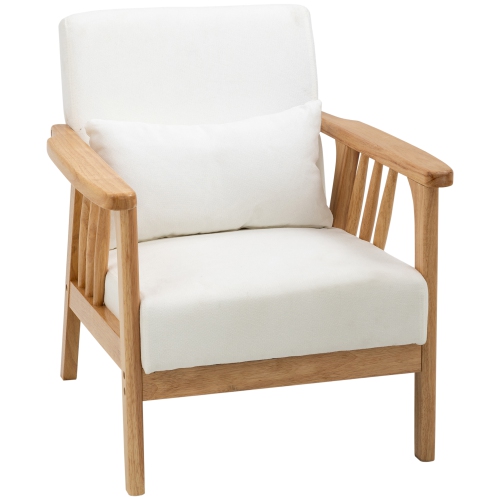
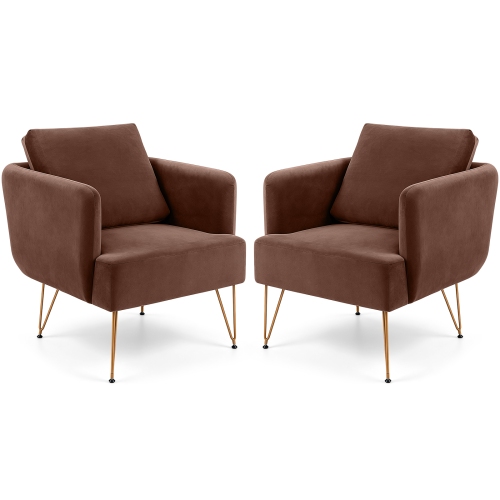
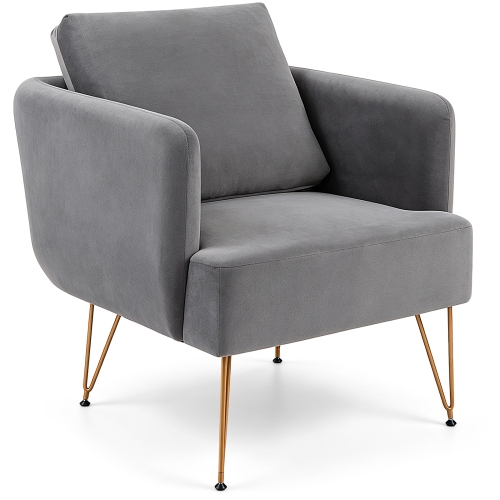
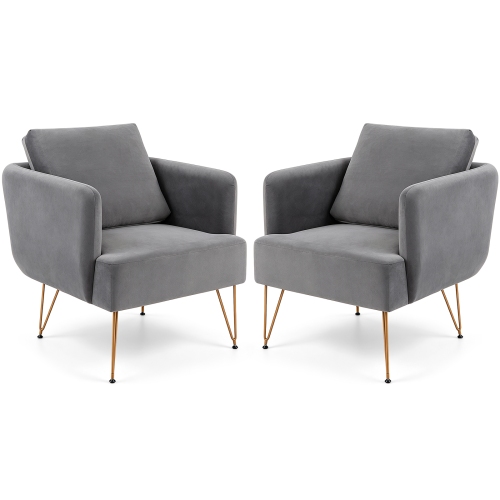

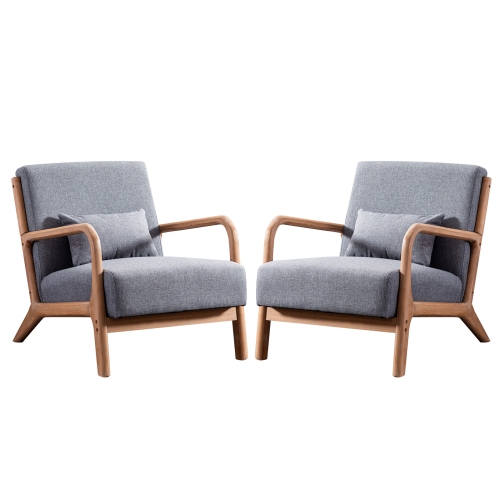

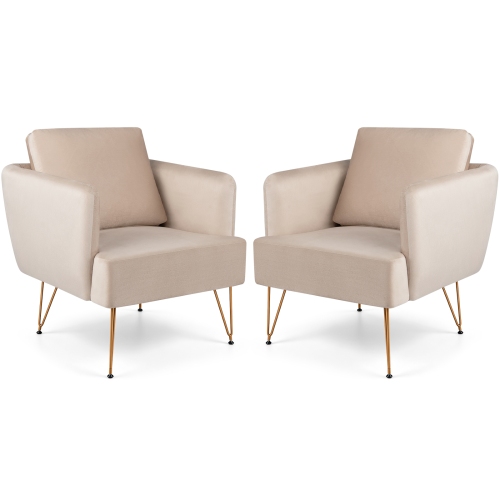

Subtle shades and textures that feel anything but plain
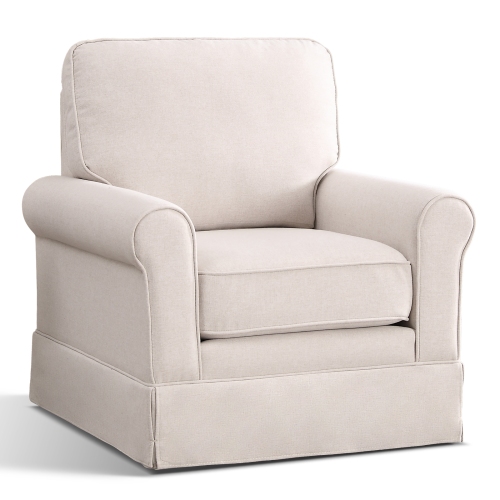
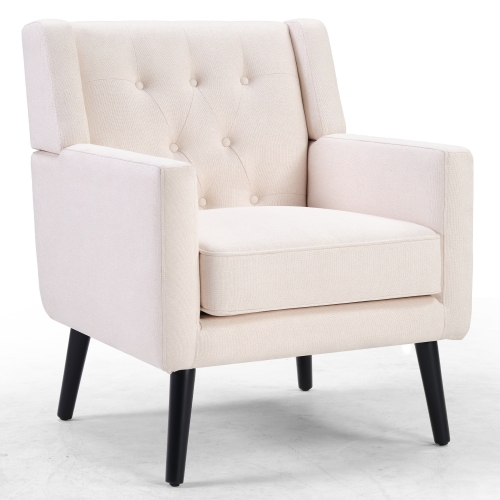
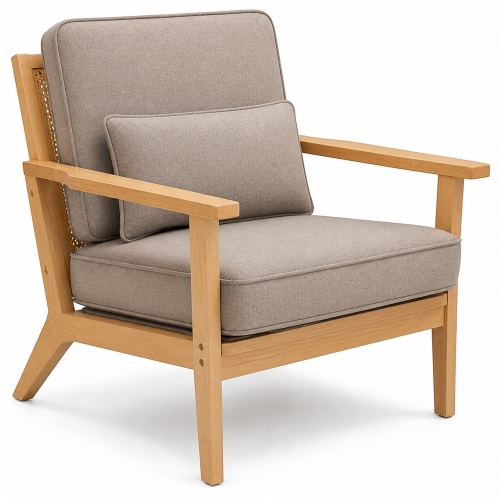
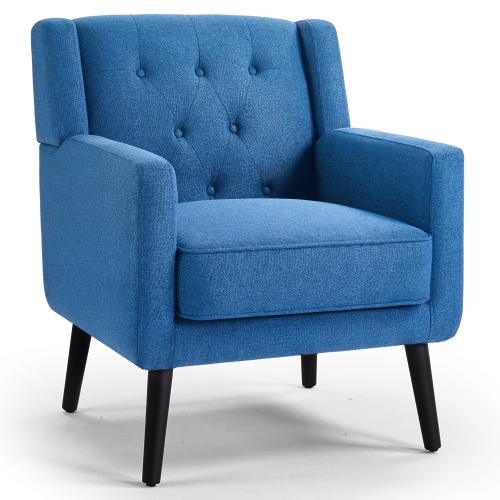
Neutral colour accent chairs are occasional seats in shades such as beige, cream, ivory, taupe, greige, and soft grey that bring extra seating and subtle contrast to a room. Their understated palette works with a wide range of furniture, from a charcoal sofa and walnut coffee table to pale wood shelving and patterned rugs. A neutral chair does not need to match every other upholstered piece; a slight difference in tone or texture can make a seating arrangement feel more considered. Warm beige and oatmeal shades tend to sit comfortably beside honey-coloured wood, rust cushions, and brass details, while cooler greys can complement black metal, blue textiles, and stone surfaces. Ivory offers a lighter visual presence, and taupe bridges brown and grey when a room contains both. Undertones matter as much as the shade name: a cream fabric with a yellow undertone may look quite different beside crisp white walls than a grey-beige weave. The same upholstery can also appear different in natural daylight and under a reading lamp. Texture adds another layer of interest without introducing a bold colour. A woven fabric gives the surface visible variation, bouclé creates a nubby finish, and velvet changes in appearance as its pile catches the light. Smooth upholstery feels more tailored, while deep channels or button details bring definition to the backrest. For a more traditional take on this palette, Beige Tufted Accent Chairs combine a versatile shade with upholstery details that add depth and pattern. Shape influences the overall effect, too. Rounded backs and curved arms can soften a room with angular furniture, whereas straight arms and exposed legs create a more structured outline. Wood legs bring visible grain into the arrangement, while metal bases offer a different finish to coordinate with nearby lighting or tables. These details allow a quiet colour to feel distinctive rather than disappear into the background.
The right proportions help a neutral accent chair feel like part of the room rather than an extra seat squeezed into a corner. Overall width and depth determine how much floor space it occupies, but seat height, seat depth, arm height, and back angle shape the experience of sitting in it. A generously deep seat can suit someone who likes to curl up with a book, while a shallower seat may make it easier to sit upright with feet resting on the floor. Taller backs can provide more upper-back support, although their height alone does not establish how supportive a chair will feel. Cushion firmness, backrest shape, and the position of the arms all contribute. In a living room, a chair angled towards the sofa can draw a separate corner into the conversation area. A pair positioned across from a sofa creates a balanced arrangement, provided there is still enough room to walk between the seats and around the coffee table. Beside a bookcase, a single chair with a nearby lamp and a surface for a mug can turn a small stretch of floor into a useful reading spot. In a bedroom, an accent chair offers somewhere to sit while putting on shoes or taking a quiet break, without needing to function as a full lounge area. Compact, open-arm designs often look less bulky in smaller rooms, though the actual measurements remain more useful than appearance alone. Swivel designs can be practical in a shared space where someone might turn between a conversation and the television; the base needs enough clearance to rotate without striking nearby furniture. Delivery access also deserves attention, particularly in apartments with narrow doorways, tight stair turns, or lifts. Comparing the chair’s assembled dimensions with the route into the room helps prevent an otherwise suitable piece from becoming difficult to position.
Materials and construction influence how an accent chair handles everyday use, especially when it becomes a favourite seat rather than occasional seating for visitors. Frame materials, joint construction, seat support, and cushion fill all play a part in stability and comfort over time. A stated weight capacity is a useful specification to check, but it does not replace considering how the chair will be used. Someone settling in for long reading sessions may value supportive cushioning and comfortable arm placement more than a sculptural outline, while a chair used mainly for conversation may suit a more upright posture. Upholstery has its own practical differences. Tightly woven fabrics can offer a relatively smooth surface, while looped or heavily textured fabrics may be more vulnerable to snagging from claws or jewellery. Velvet can show changes in pile direction, and leather may develop creases and surface character with use. Neither appearance alone nor a neutral shade establishes stain resistance, so care instructions and any stated fabric treatments matter. Pale upholstery can make crumbs, marks, and transferred dye more noticeable; a subtly flecked weave may make small variations less obvious, but it still needs regular cleaning. Gentle vacuuming with an appropriate upholstery attachment helps remove dust from seams and crevices, and spills are best addressed promptly according to the manufacturer’s directions. Cleaning methods differ between fabrics and finishes, so removable covers should not be assumed to be machine washable. Tufting and channel seams may need extra attention where debris can settle, and exposed wood or metal should be cleaned using methods suited to that finish. Where permitted, rotating loose cushions can help distribute wear, while avoiding repeated pressure on one arm helps protect the chair’s shape. For busy households, a balance of comfortable proportions, manageable care, and a forgiving texture can be more useful than a delicate finish. Whether furnishing a first apartment, adding seating to a family living room, or completing a quiet bedroom corner, neutral accent chairs offer flexibility through their colour while leaving room for individual preferences in shape, texture, and support.
Top selling and popular products
-
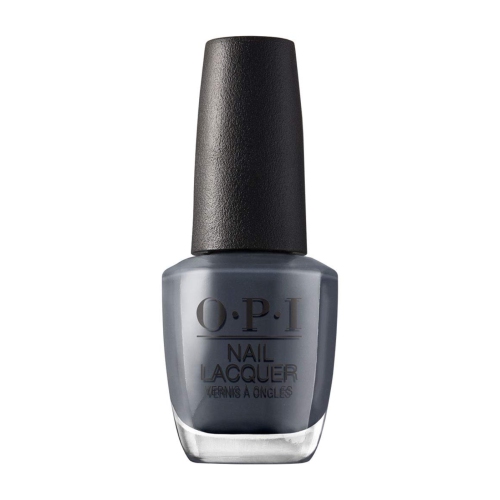 Your price for this item is $13.3
-
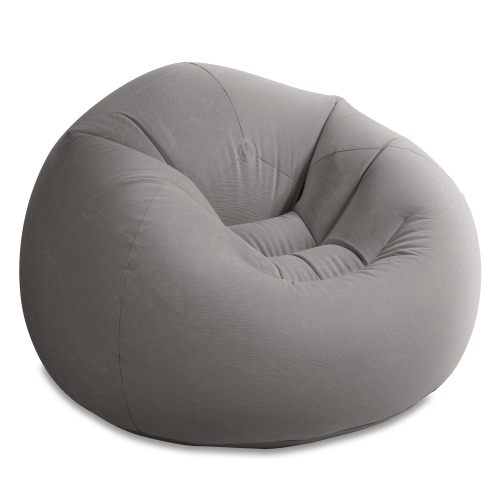 Your price for this item is $102.99
-
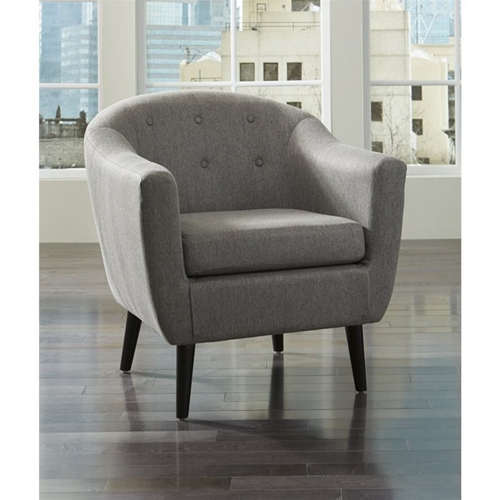 Your price for this item is $544.85
-
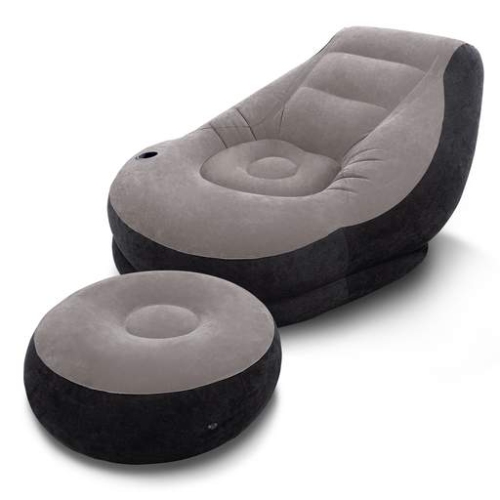 Your price for this item is $274.99
-
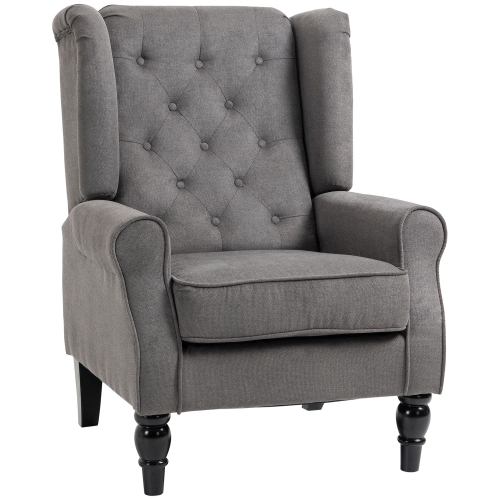 Your price for this item is $234.99
-
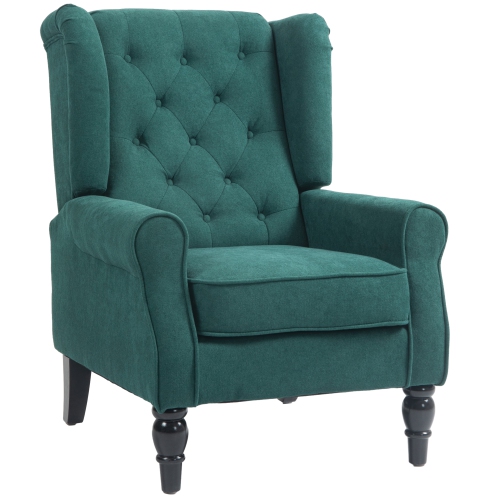 Your price for this item is $247.19
-
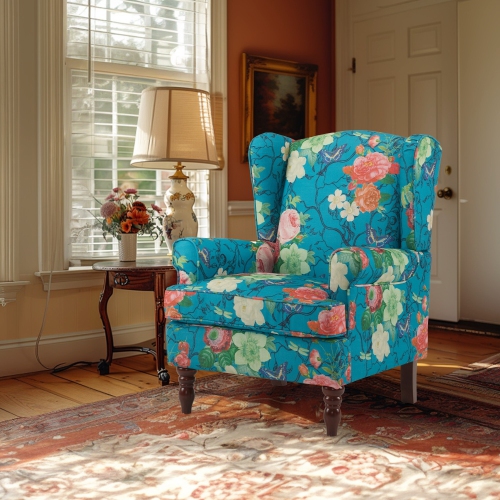 Your price for this item is $289.99
-
 Your price for this item is $167.99
Discover more categories related to Neutral Color Accent Chairs
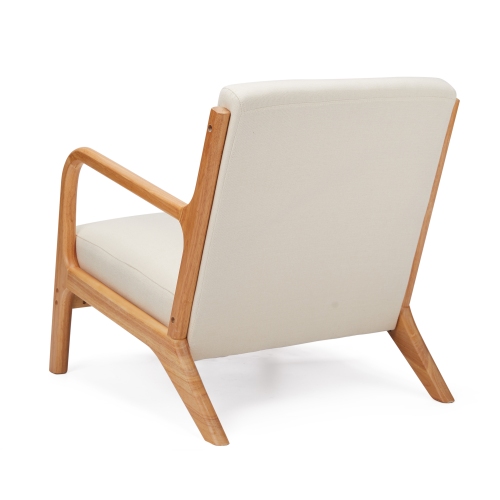

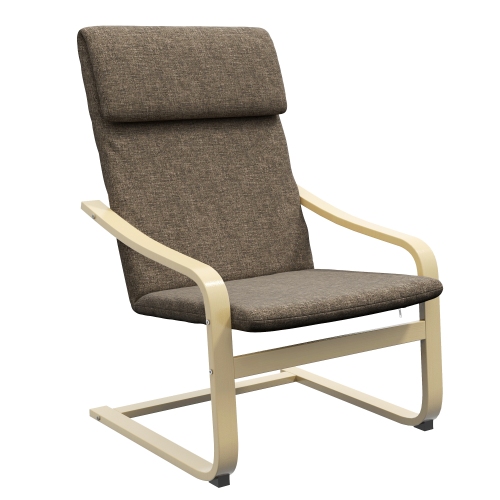

Top Collections:
Pokemon Centers, Best Cameras for Sports Photography, Kindle Devices, Samsung Galaxy Phones, Canon G7X Cameras, Pokémon 30th Celebration Cards, Refurbished Apple Laptops, iPhone 15 Apple, Laptops for Students, Budget Smartphones
Some products may be subject to Environmental Handling Fees
(EHF) depending on your province.
Learn more about EHFs.