Oak Bar Stools
Looking to add a touch of timeless elegance to your home bar or kitchen island? Look no further than our collection of oak bar stools. Crafted from sturdy and durable oak wood, these bar stools not only provide a comfortable seating option but also exude a warm and inviting ambiance. With their classic design and versatile appeal, oak bar stools effortlessly blend with almost any decor style, making them a perfect addition to your space. Whether you're hosting a casual gathering or enjoying a quiet meal, these bar stools offer both style and functionality, ensuring that you and your guests can relax in comfort while savoring every moment.
Sort
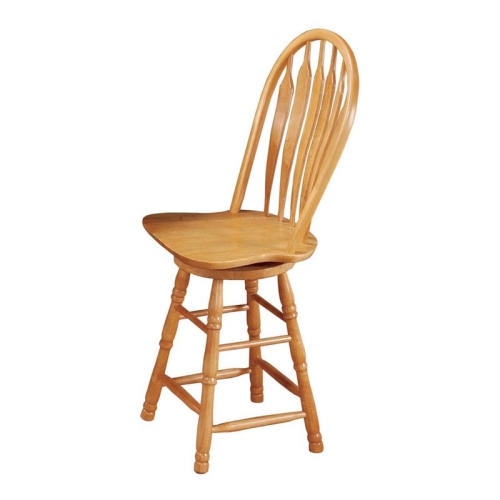
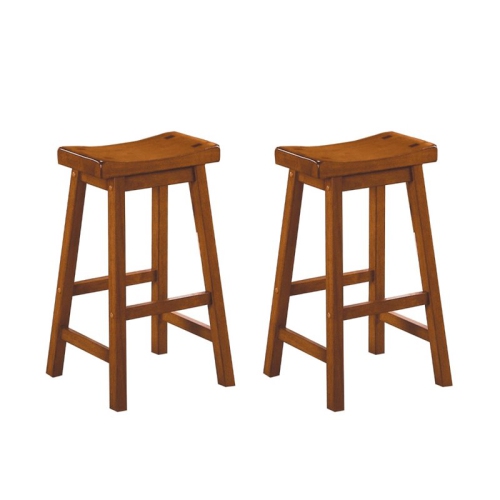
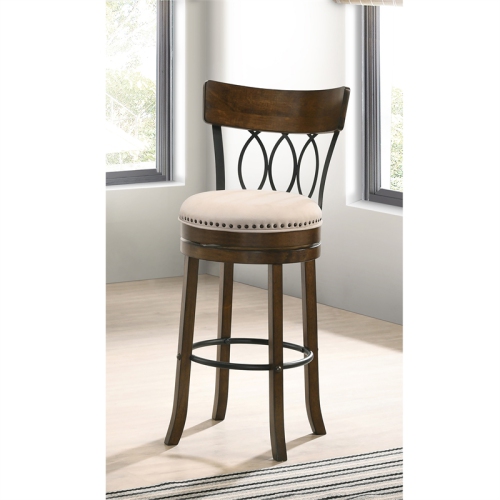
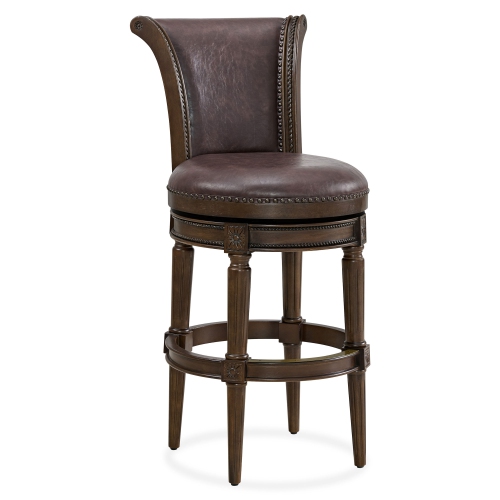

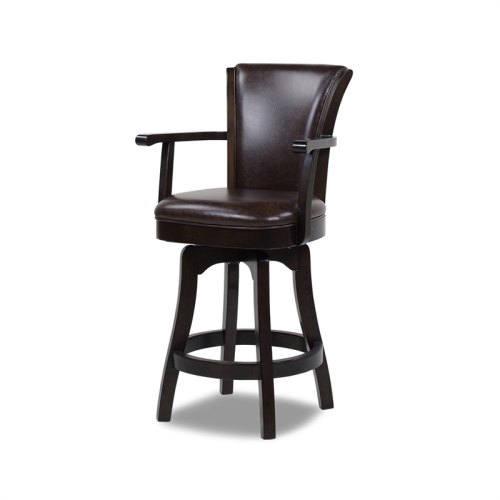
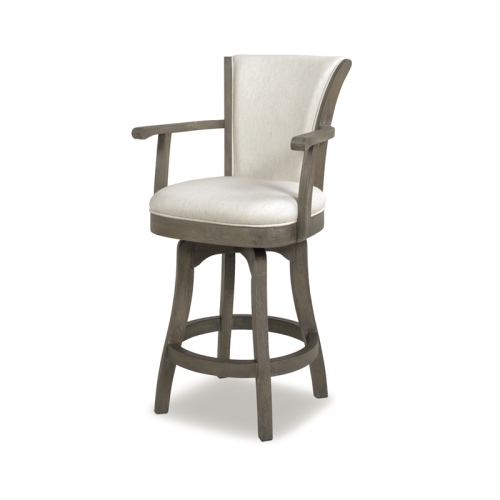
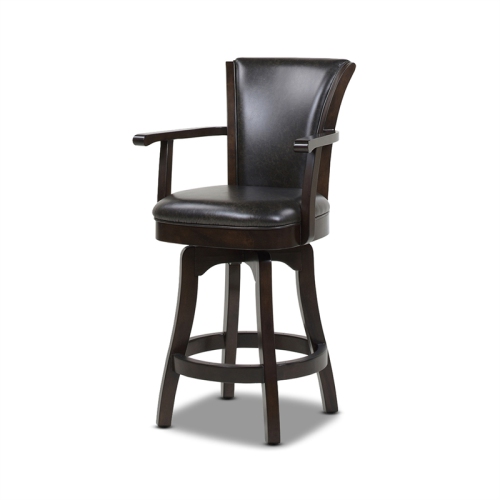
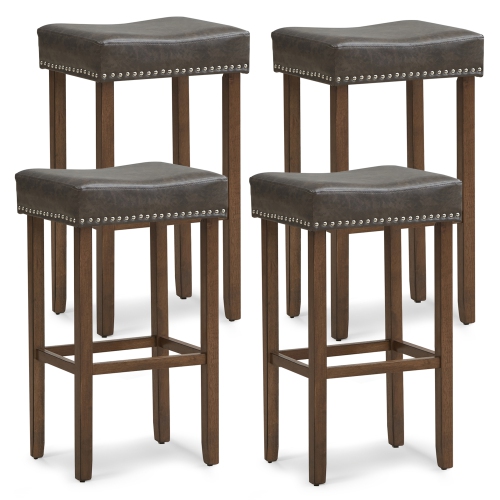
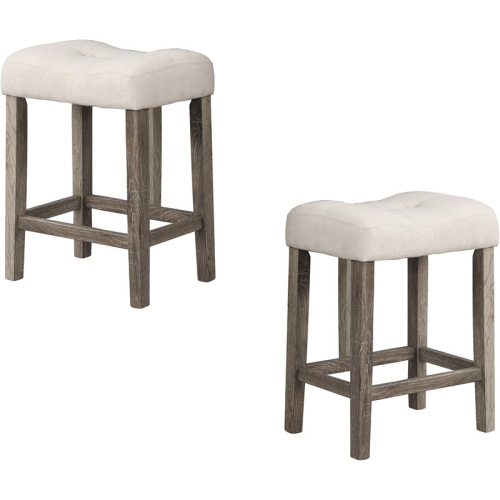
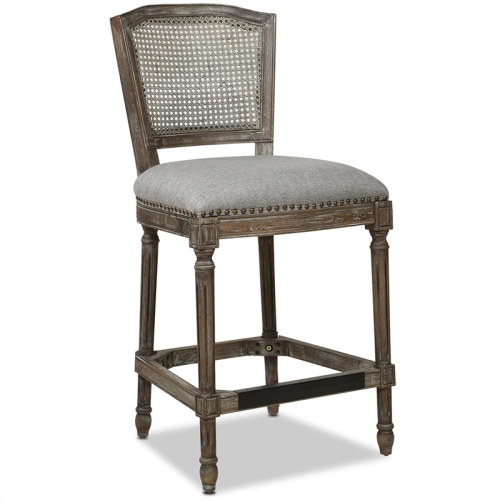
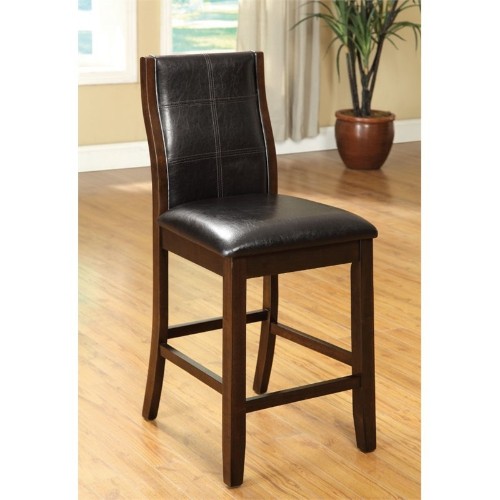
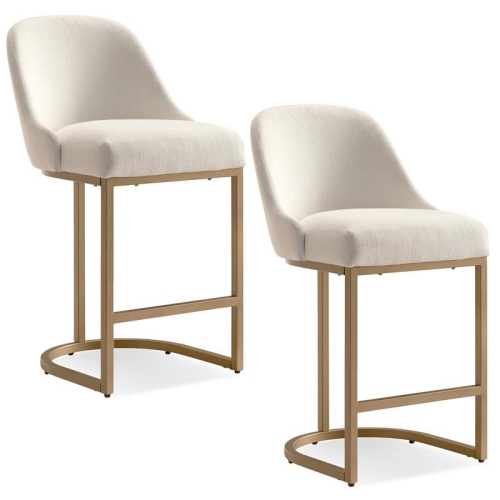
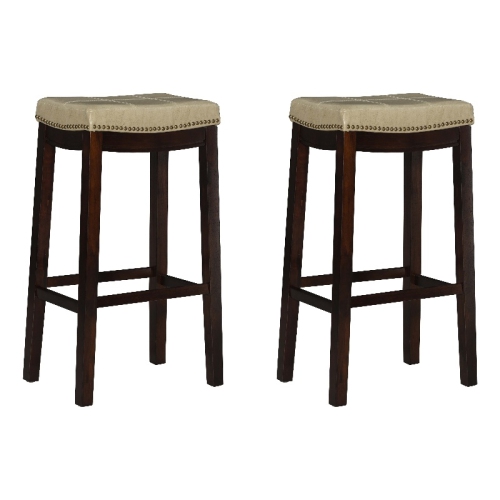
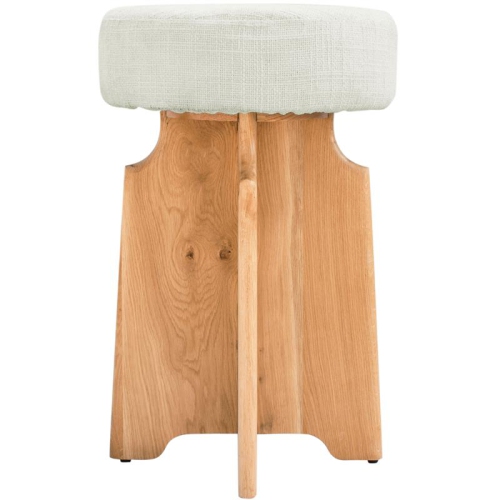
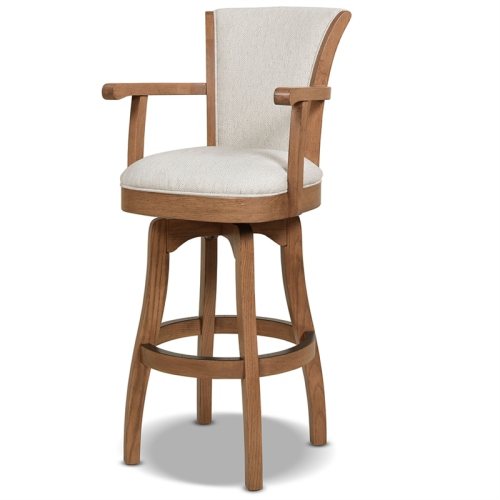
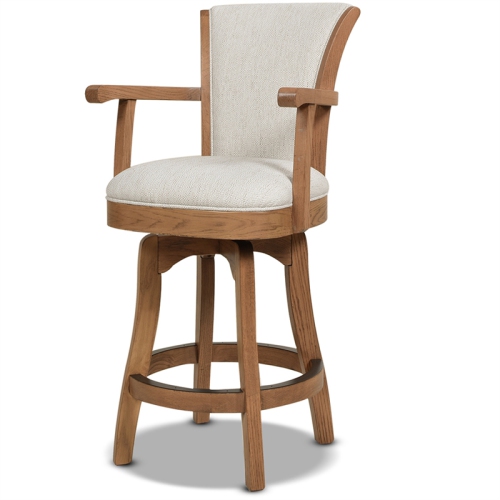
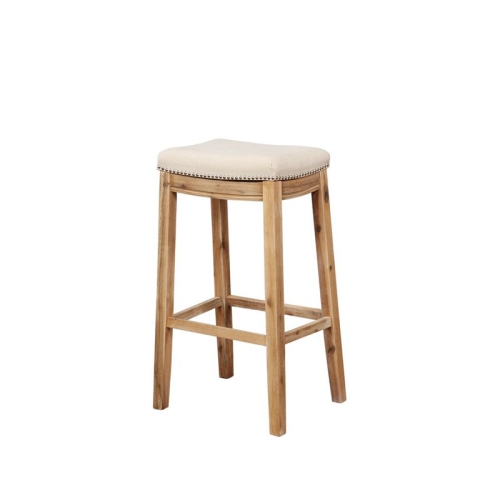
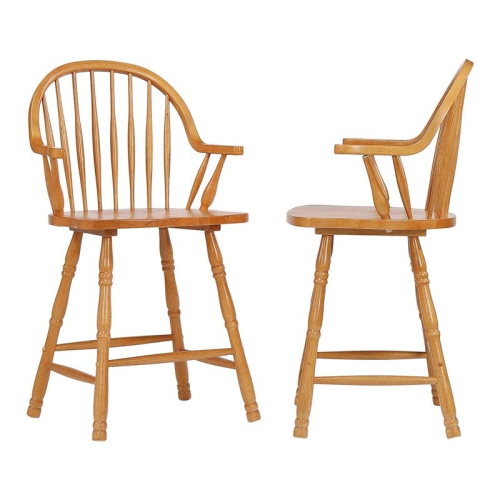
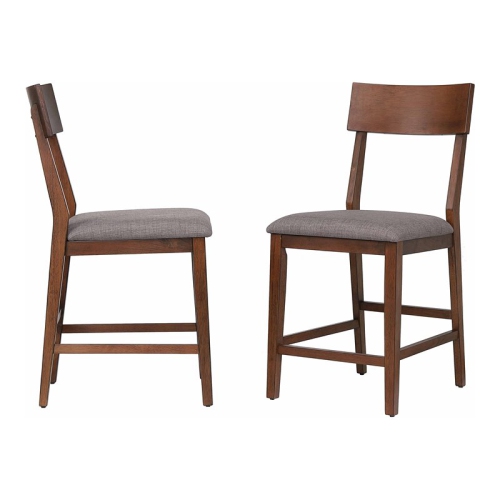
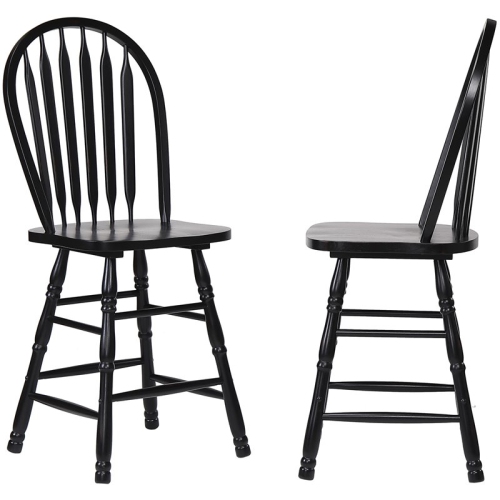
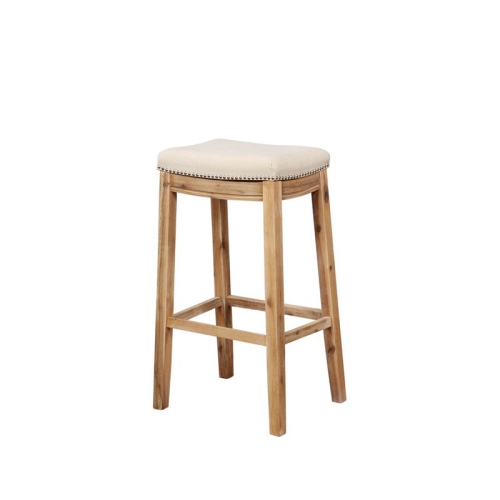
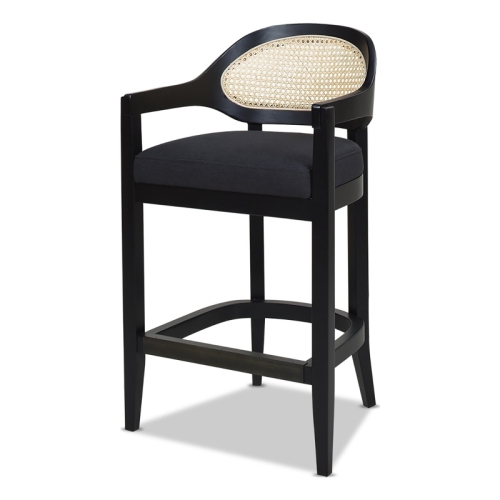
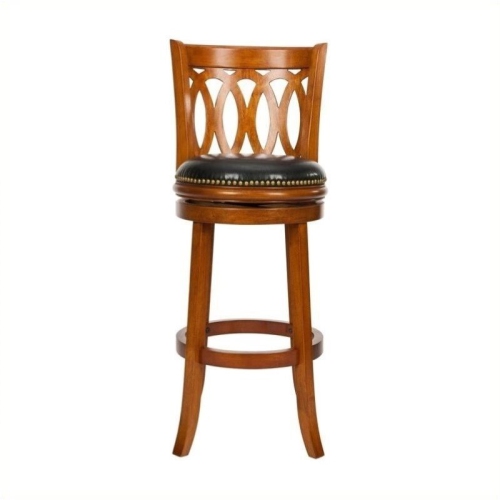
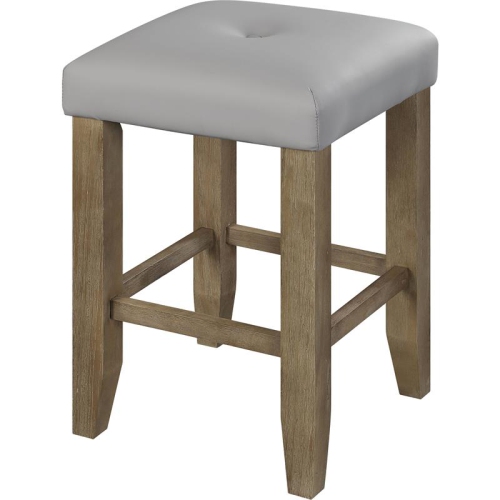
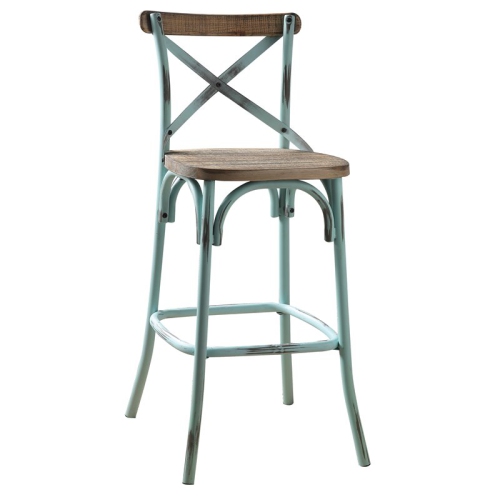
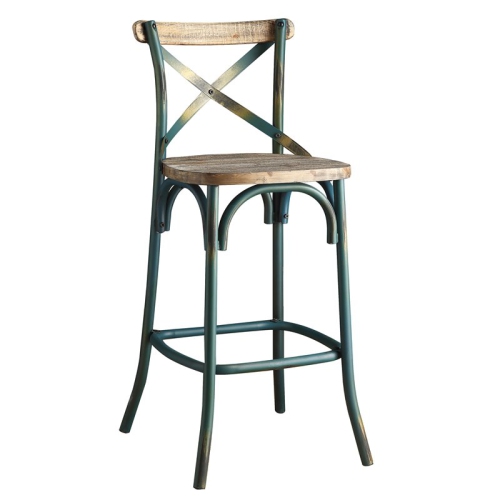

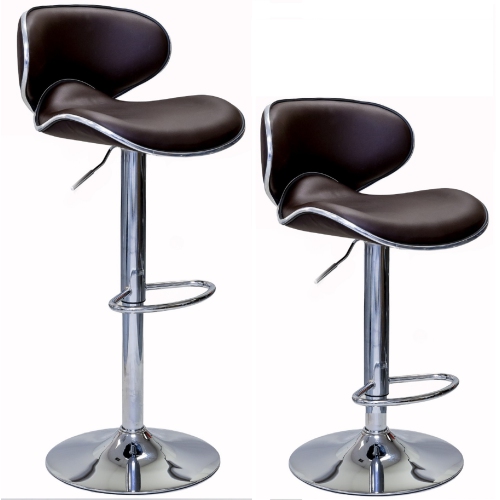
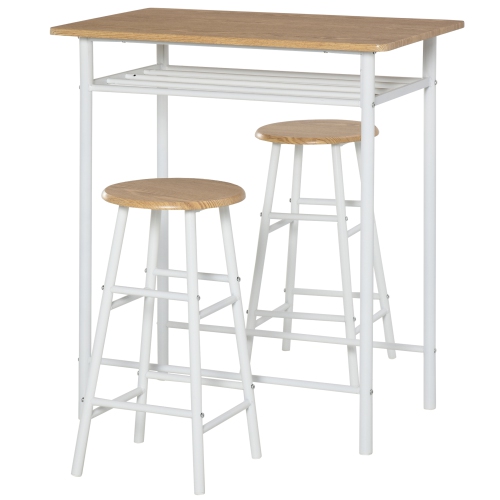
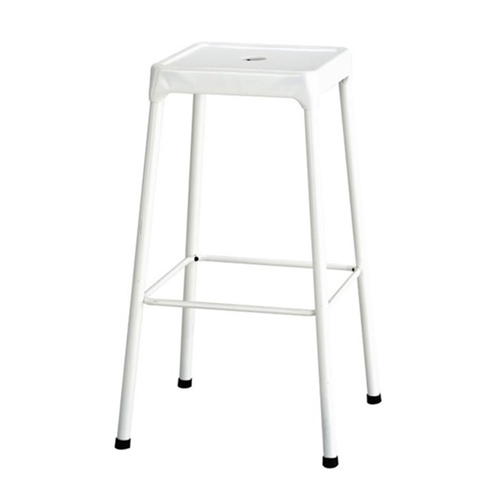
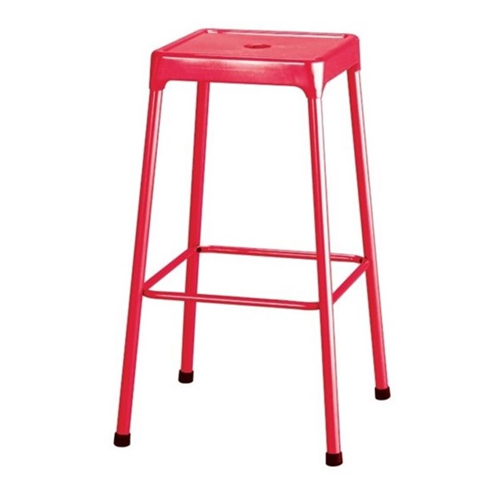
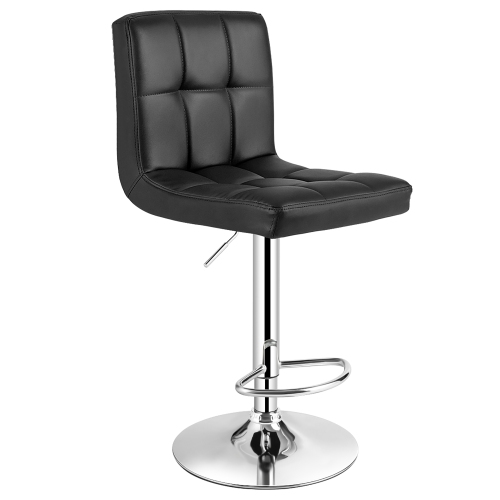
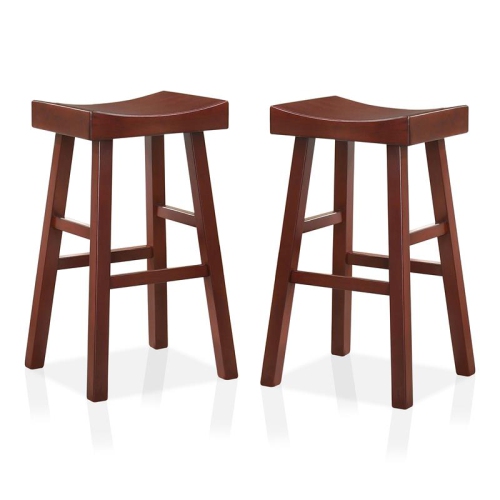

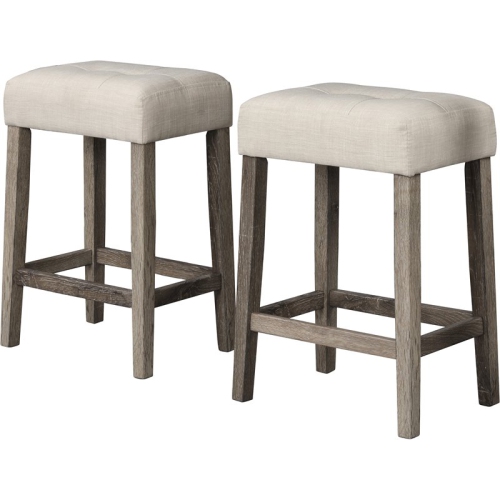
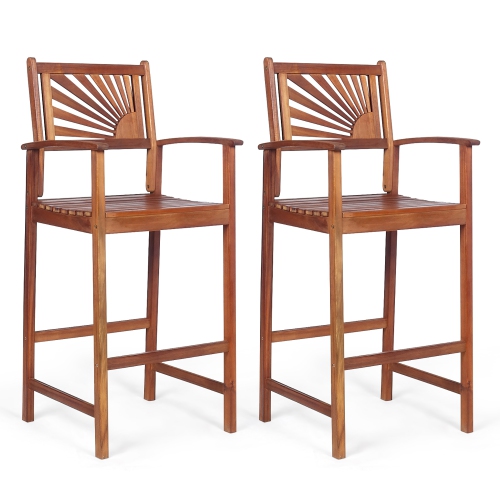
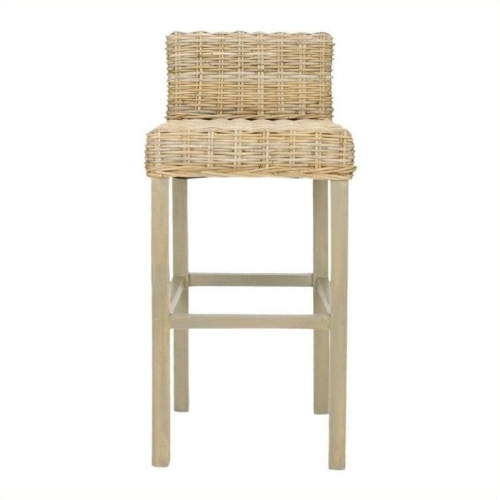
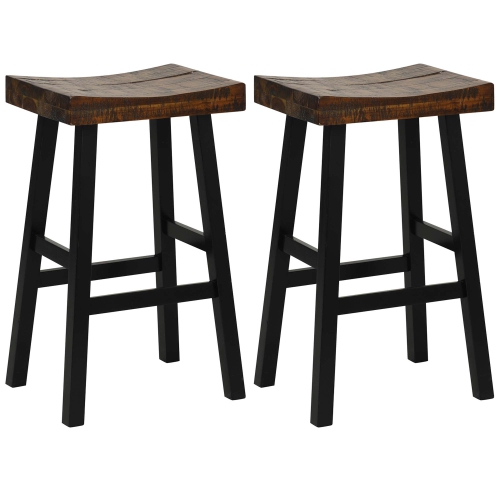
Oak’s natural grain meets everyday comfort at the counter
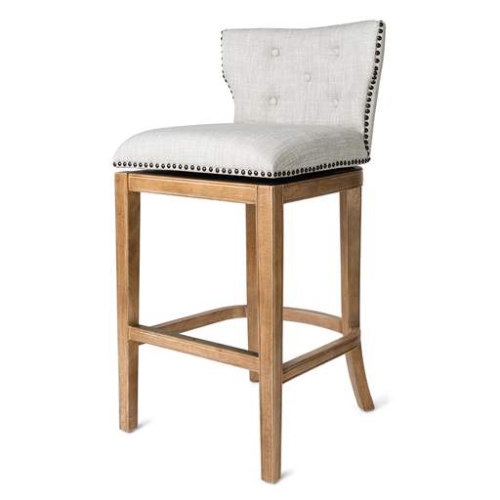
Oak bar stools bring the visible grain and reassuring feel of wood to kitchen islands, breakfast counters, and home bars. Their appeal is both practical and visual: oak is a hardwood that stands up well to everyday use when properly constructed and cared for, while its distinctive grain gives even a simple stool character. A pale natural finish can sit comfortably beside white cabinetry and light stone, while a deeper stain can connect a seating area with darker floors or a wood dining table. Oak seating also works across several furniture styles, from straight-legged, understated designs to stools with turned legs, curved backs, or gently shaped seats. The material description matters because solid oak, oak veneer, and an oak-look finish are not interchangeable. Solid oak components are wood throughout; oak veneer places a thin layer of real oak over another material; an oak-look finish describes an appearance rather than confirming oak construction. A stool may combine an oak seat with a metal frame or use oak only in selected components, so the construction details give a clearer picture than colour alone. Natural variations in grain and tone are part of real wood, and two stools need not look identical to form a coordinated set. For a kitchen shared by several people, a repeated silhouette can create a tidy look even when each seat has slightly different markings. Matching the undertone of nearby wood furniture often produces a more relaxed result than trying to reproduce every grain pattern. Oak bar stools can serve as everyday breakfast seating, a place for guests to gather while a meal is prepared, or a comfortable perch beside a dedicated drinks counter. Within the broader House Bar Stools collection, oak styles offer a wood-focused option for spaces where seating is part of the room’s overall design, rather than something brought out only for company.
The right proportions make oak bar stools easier to live with, particularly around an island that also serves as a preparation surface and a route through the kitchen. Counter-height stools generally have seats about 24 to 26 inches from the floor and suit counters around 36 inches high. Bar-height stools typically have seats around 28 to 30 inches high and suit surfaces approximately 40 to 42 inches high. These are common ranges, not a substitute for checking the actual measurements: a useful starting point is roughly 10 to 12 inches between the seat and the underside of the counter, with enough clearance for thighs beneath any apron or support rail. Seat height is different from overall stool height, which includes the backrest. That distinction becomes important when a stool needs to tuck beneath an overhang or preserve a clear sightline across an open room. Backless oak stools have a compact profile and can slide neatly beneath a counter when their dimensions allow, while low-back and full-back designs provide different levels of support. A curved back and a contoured seat may feel more accommodating during a leisurely breakfast than a flat, narrow perch. Upholstered seats add cushioning for longer conversations or casual meals, although fabric, leather, and leather-look coverings each have different cleaning requirements. Armrests can add support but also increase the width and clearance needed. Allowing approximately 24 to 30 inches of counter frontage per stool is a useful planning range, with more room for wide seats, arms, or swivel movement. A swivel seat can make it easier to turn towards someone without dragging the legs across the floor, but it needs space to rotate without striking cabinetry. Footrests are another important comfort detail: when feet do not reach the floor, a well-positioned rail provides support and helps the sitter maintain a settled posture. In a busy household, comfortable spacing matters as much as fitting another seat along the counter.
Durability in oak bar stools depends on more than the hardness of the wood. Secure joints, stable leg placement, supportive stretchers, and hardware suited to the design all contribute to a stool that feels steady in daily use. Weight-capacity information and assembly requirements deserve attention, particularly for seating that will be used frequently by different members of the household. A broad seat does not automatically mean a higher weight rating, and an adjustable or swivel design introduces moving parts that may need periodic checks according to the manufacturer’s directions. For family kitchens, a stable base and an easy-to-clean seat can be more useful than elaborate detailing that catches crumbs. Tall stools are not a substitute for age-appropriate child seating, and footrails should not be treated as climbing steps. In a smaller condo, a backless shape can keep the kitchen visually open; in a home where the island doubles as a spot for lengthy chats or occasional laptop use, a supportive back and a generously sized seat may be more comfortable. Floor protection also makes a difference. Suitable felt pads or manufacturer-approved glides can help limit scuffs on hard flooring, provided they are kept clean and replaced when worn. For routine care, a soft cloth removes dust from oak surfaces, and spills are best wiped up promptly rather than left around joints or beneath seat cushions. A lightly dampened cloth may suit many sealed finishes, followed by drying, but the care instructions for the particular finish take priority. Abrasive cleaners, excessive water, and unapproved polishes can damage the surface or alter its appearance. Upholstery needs its own care routine, including attention to seams where crumbs collect and the recommended treatment for stains. Over time, checking fasteners and addressing any looseness helps keep seating dependable. For a housewarming gift or a shared-home furniture purchase, confirming counter height, preferred back support, and the recipient’s room dimensions helps ensure oak bar stools become useful everyday furniture, not simply a good visual match.
The right proportions make oak bar stools easier to live with, particularly around an island that also serves as a preparation surface and a route through the kitchen. Counter-height stools generally have seats about 24 to 26 inches from the floor and suit counters around 36 inches high. Bar-height stools typically have seats around 28 to 30 inches high and suit surfaces approximately 40 to 42 inches high. These are common ranges, not a substitute for checking the actual measurements: a useful starting point is roughly 10 to 12 inches between the seat and the underside of the counter, with enough clearance for thighs beneath any apron or support rail. Seat height is different from overall stool height, which includes the backrest. That distinction becomes important when a stool needs to tuck beneath an overhang or preserve a clear sightline across an open room. Backless oak stools have a compact profile and can slide neatly beneath a counter when their dimensions allow, while low-back and full-back designs provide different levels of support. A curved back and a contoured seat may feel more accommodating during a leisurely breakfast than a flat, narrow perch. Upholstered seats add cushioning for longer conversations or casual meals, although fabric, leather, and leather-look coverings each have different cleaning requirements. Armrests can add support but also increase the width and clearance needed. Allowing approximately 24 to 30 inches of counter frontage per stool is a useful planning range, with more room for wide seats, arms, or swivel movement. A swivel seat can make it easier to turn towards someone without dragging the legs across the floor, but it needs space to rotate without striking cabinetry. Footrests are another important comfort detail: when feet do not reach the floor, a well-positioned rail provides support and helps the sitter maintain a settled posture. In a busy household, comfortable spacing matters as much as fitting another seat along the counter.
Durability in oak bar stools depends on more than the hardness of the wood. Secure joints, stable leg placement, supportive stretchers, and hardware suited to the design all contribute to a stool that feels steady in daily use. Weight-capacity information and assembly requirements deserve attention, particularly for seating that will be used frequently by different members of the household. A broad seat does not automatically mean a higher weight rating, and an adjustable or swivel design introduces moving parts that may need periodic checks according to the manufacturer’s directions. For family kitchens, a stable base and an easy-to-clean seat can be more useful than elaborate detailing that catches crumbs. Tall stools are not a substitute for age-appropriate child seating, and footrails should not be treated as climbing steps. In a smaller condo, a backless shape can keep the kitchen visually open; in a home where the island doubles as a spot for lengthy chats or occasional laptop use, a supportive back and a generously sized seat may be more comfortable. Floor protection also makes a difference. Suitable felt pads or manufacturer-approved glides can help limit scuffs on hard flooring, provided they are kept clean and replaced when worn. For routine care, a soft cloth removes dust from oak surfaces, and spills are best wiped up promptly rather than left around joints or beneath seat cushions. A lightly dampened cloth may suit many sealed finishes, followed by drying, but the care instructions for the particular finish take priority. Abrasive cleaners, excessive water, and unapproved polishes can damage the surface or alter its appearance. Upholstery needs its own care routine, including attention to seams where crumbs collect and the recommended treatment for stains. Over time, checking fasteners and addressing any looseness helps keep seating dependable. For a housewarming gift or a shared-home furniture purchase, confirming counter height, preferred back support, and the recipient’s room dimensions helps ensure oak bar stools become useful everyday furniture, not simply a good visual match.
Top selling and popular products
-
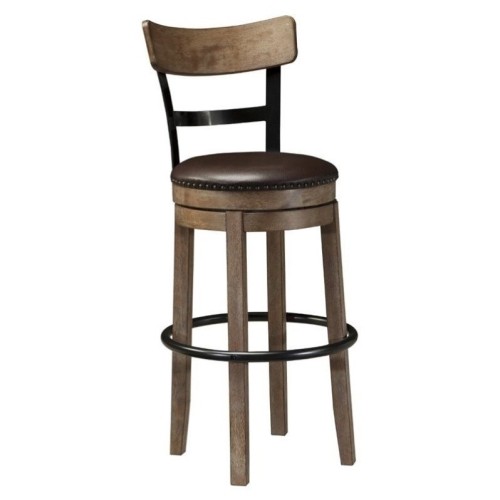 Your price for this item is $416.61
 -
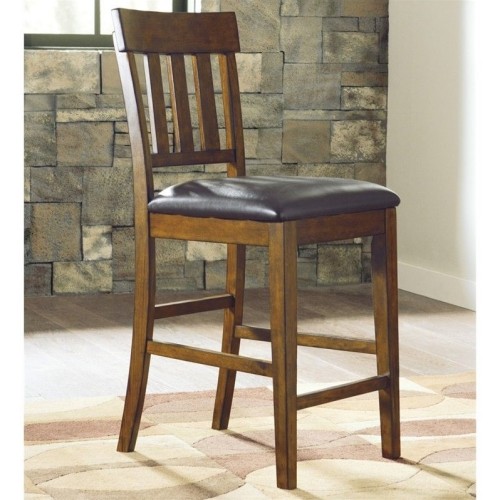 Your price for this item is $666.4
 -
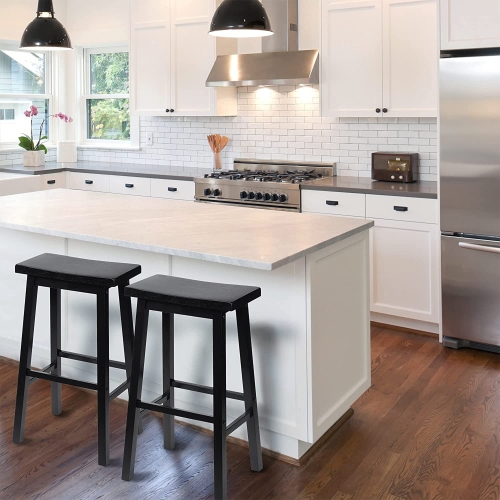 Your price for this item is $538.99
 -
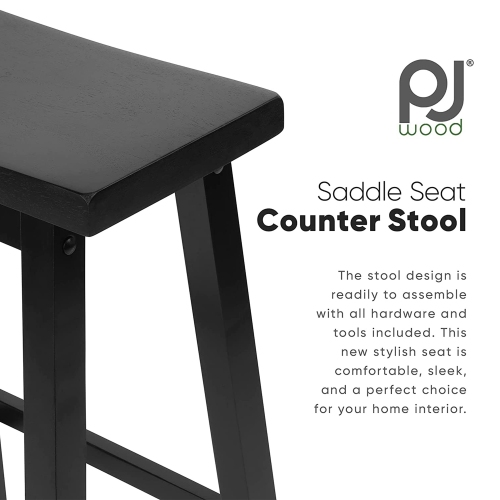 Your price for this item is $207.99
 -
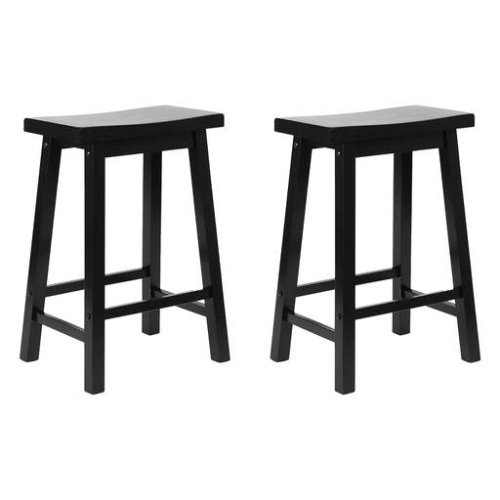 Your price for this item is $214.99
 -
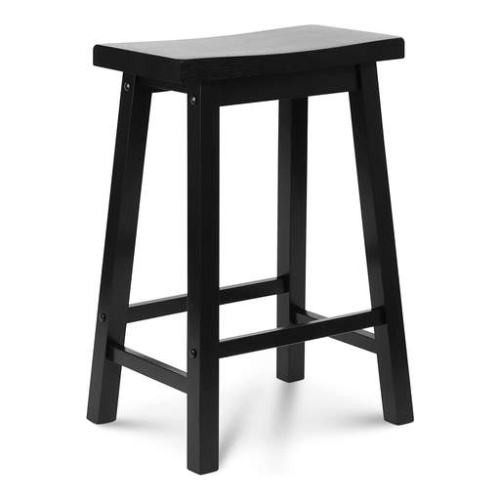 Your price for this item is $88.99
 -
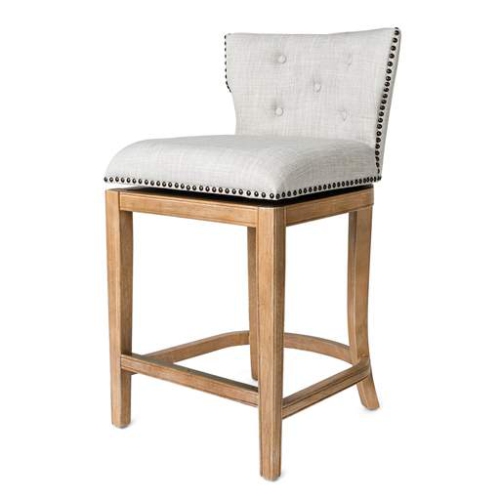 Your price for this item is $529.99
 -
 Your price for this item is $406.99
Discover more categories related to Oak Bar Stools
Top Collections:
Pokemon Centers, Kindle Devices, Best Budget Office Chairs, Apple iPhones 16, Best Laptops for Writers, iPhone 15 Apple, Canon G7X Cameras, Refurbished Apple Laptops, Alarm Clock, Motorola Razr Phones
Some products may be subject to Environmental Handling Fees
(EHF) depending on your province.
Learn more about EHFs.