Solid Wood Bar Stools
Solid wood bar stools are a great choice for almost any home or business. These stools are durable, stylish, and provide comfortable seating. Whether you’re looking to add seating to a kitchen, bar area, or outdoor patio, solid wood bar stools are an excellent choice. Here are some great options available.
Sort
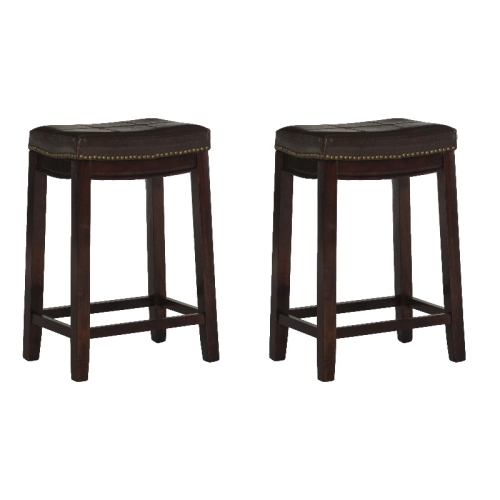
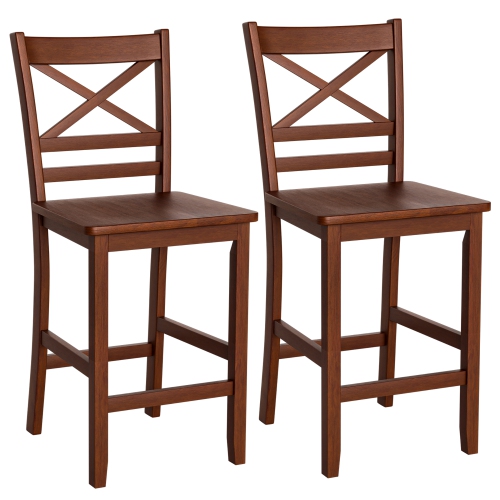
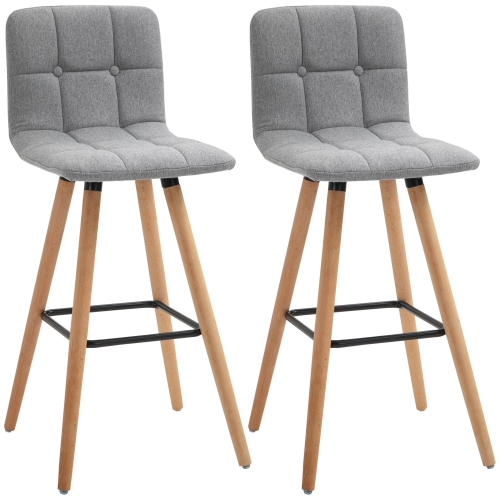
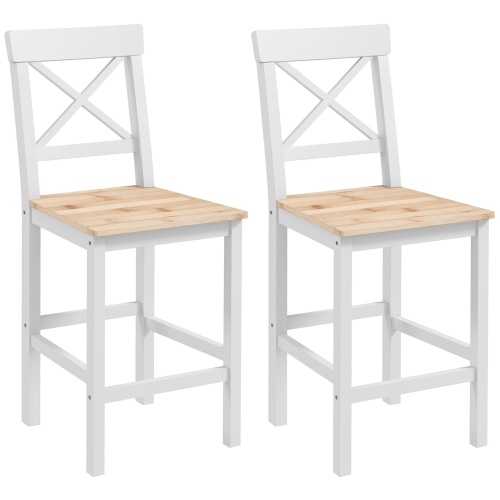
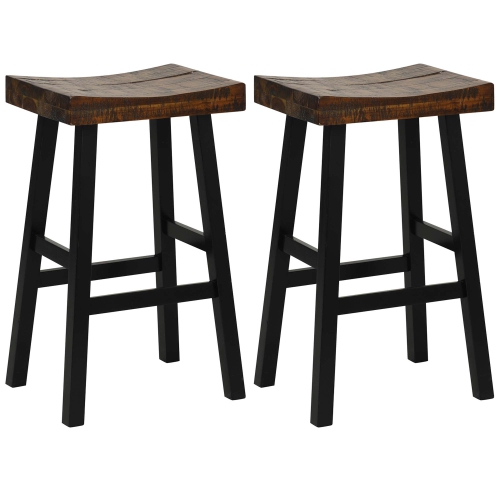
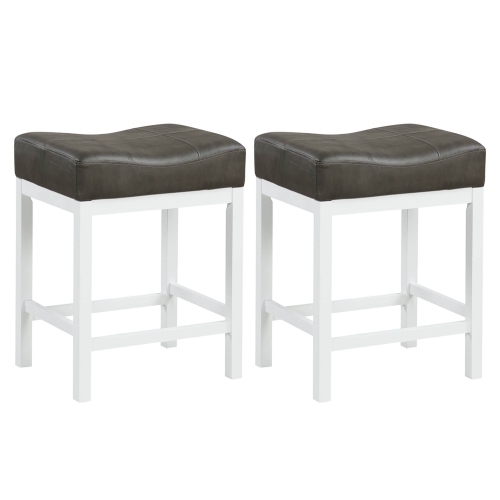
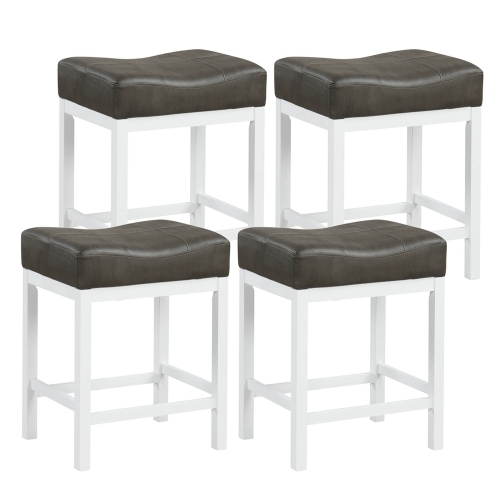
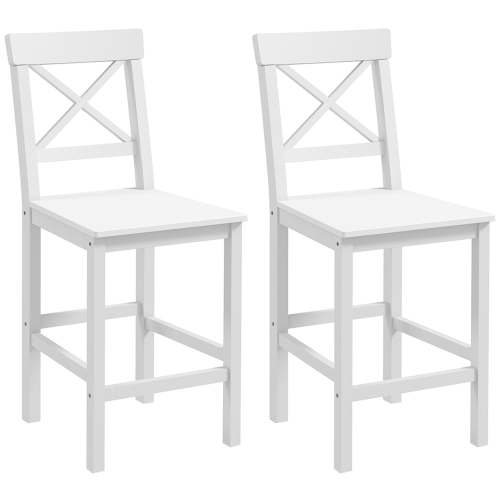
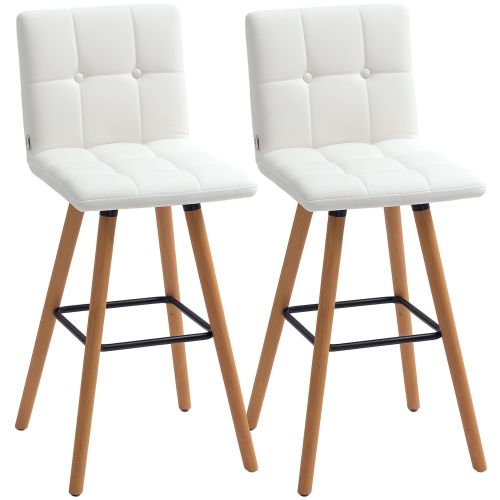
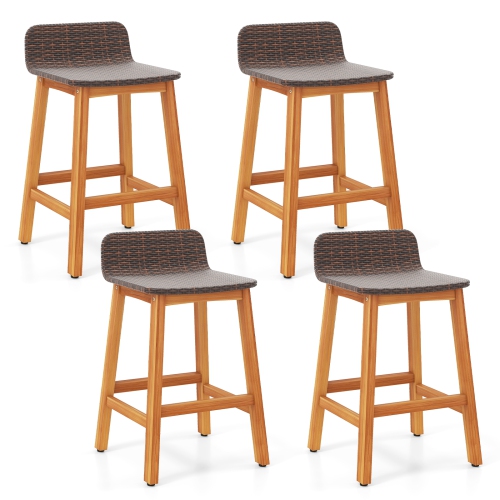
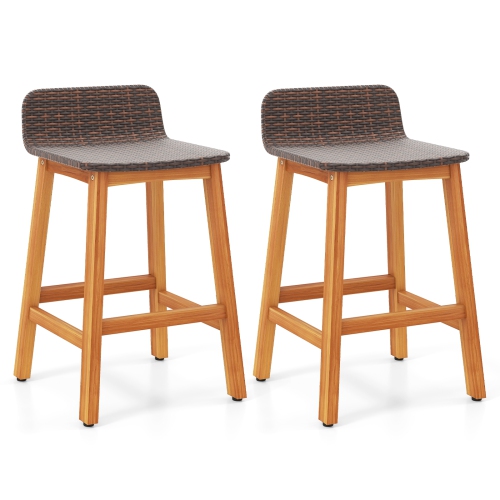
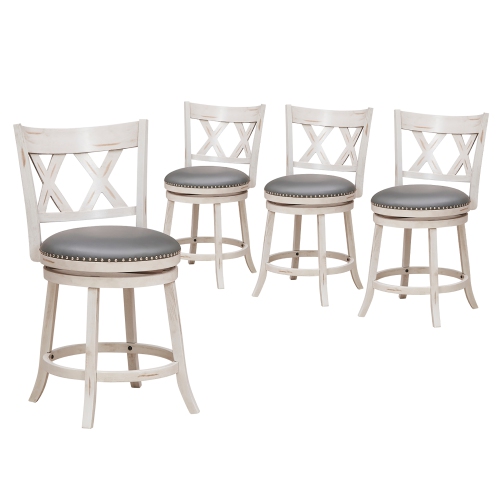
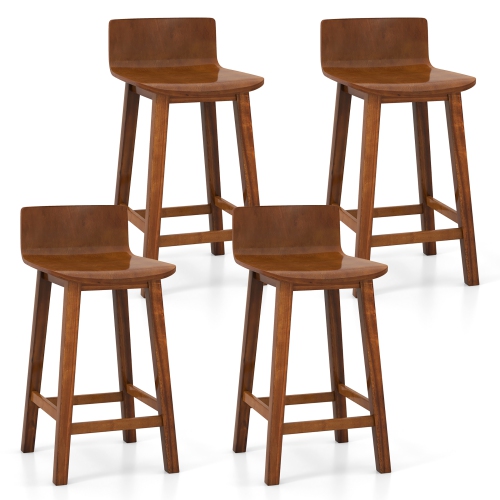
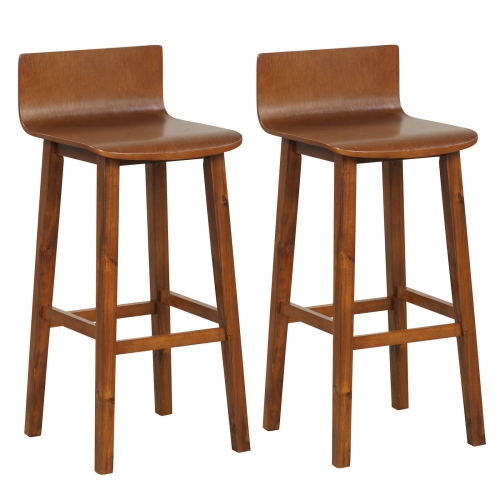
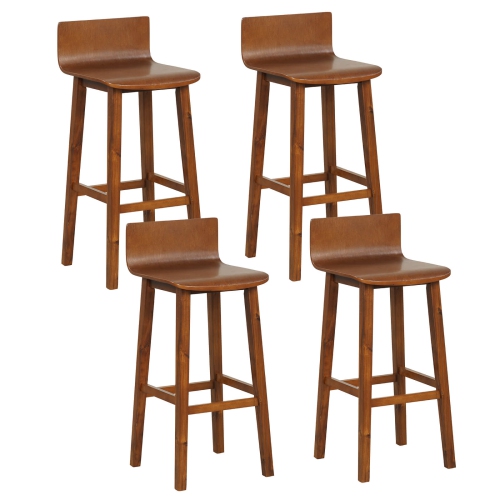
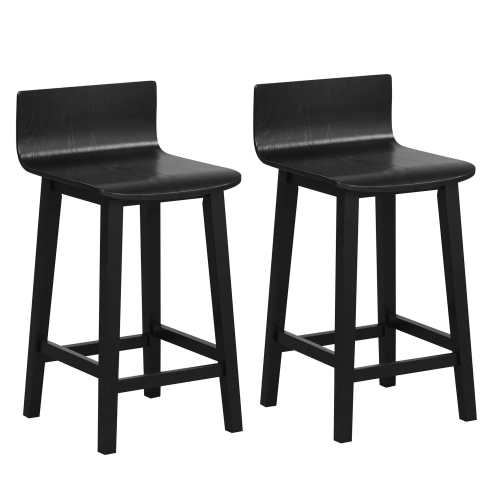
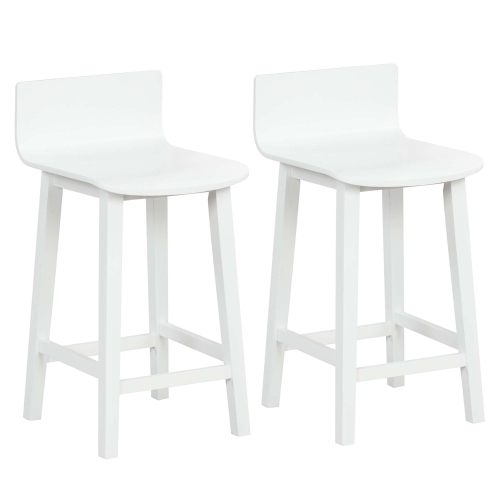
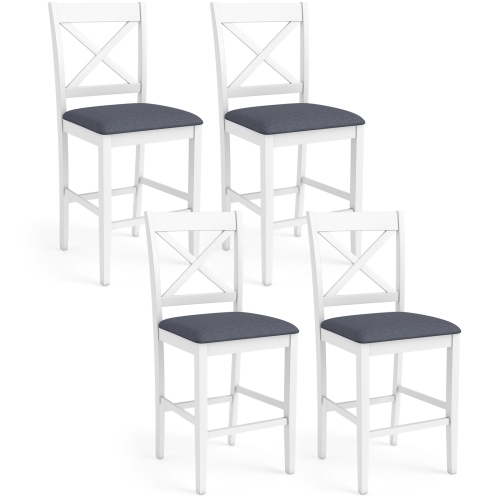
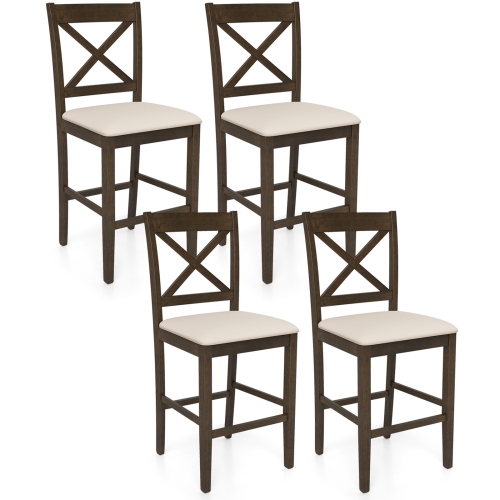
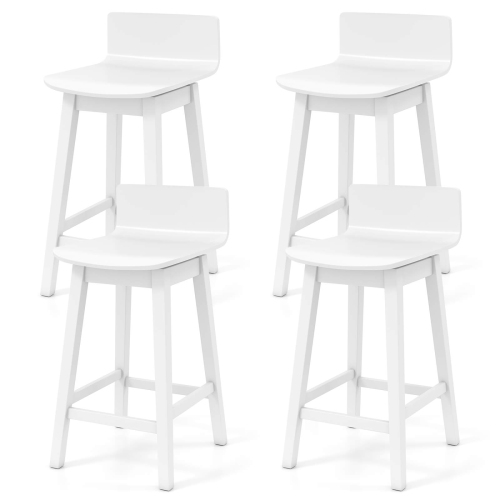
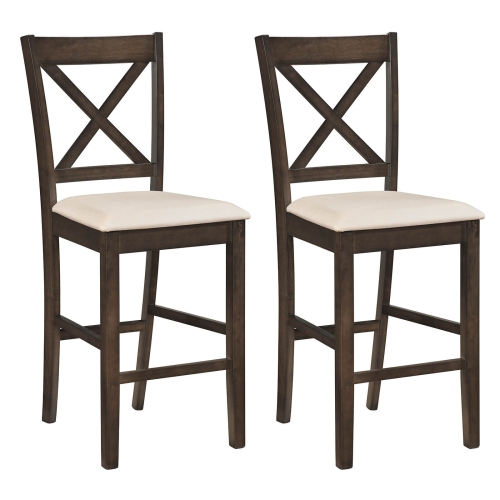
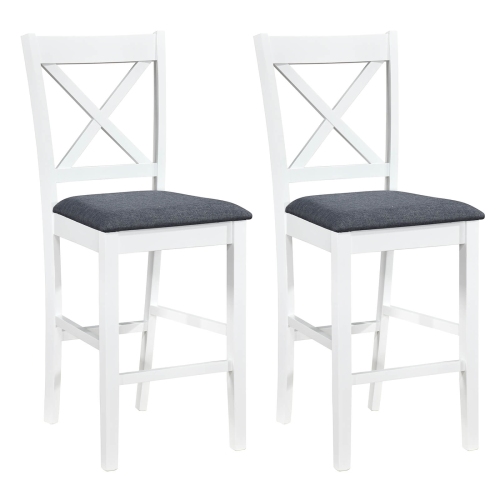
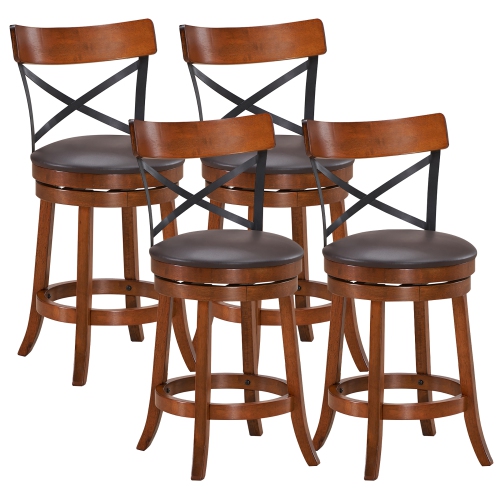
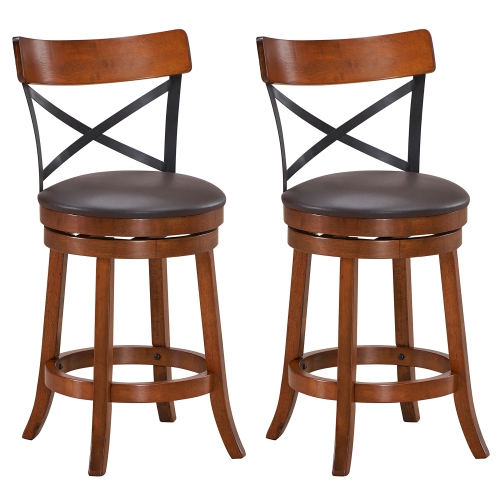
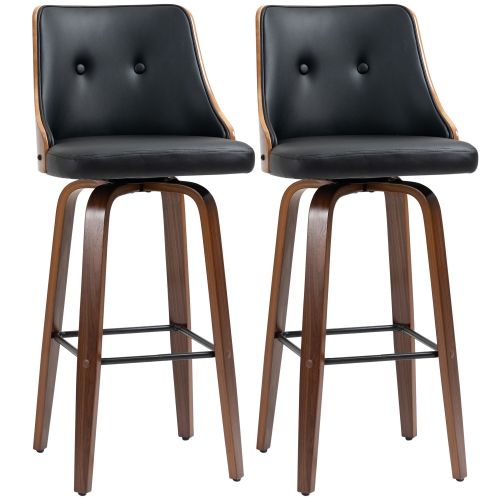
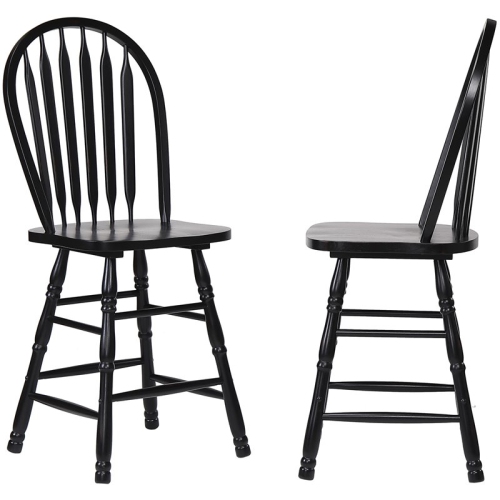
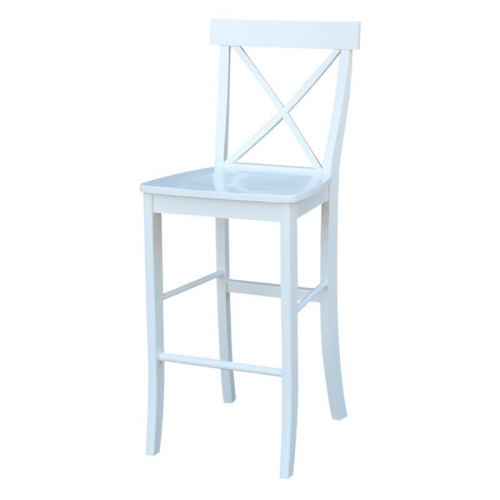
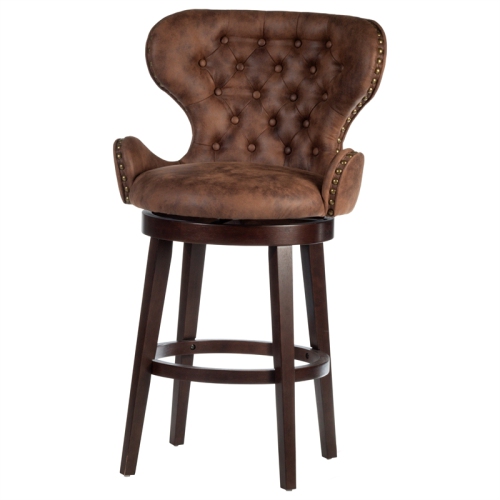
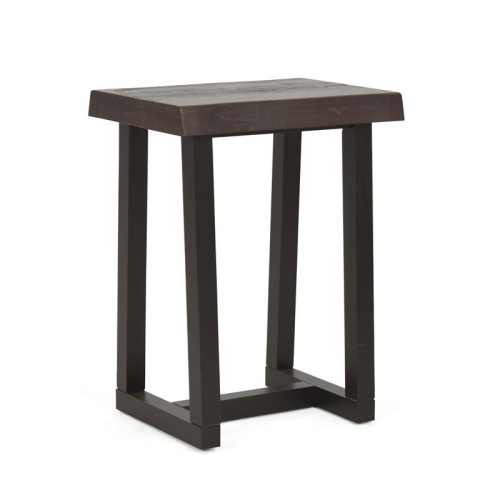
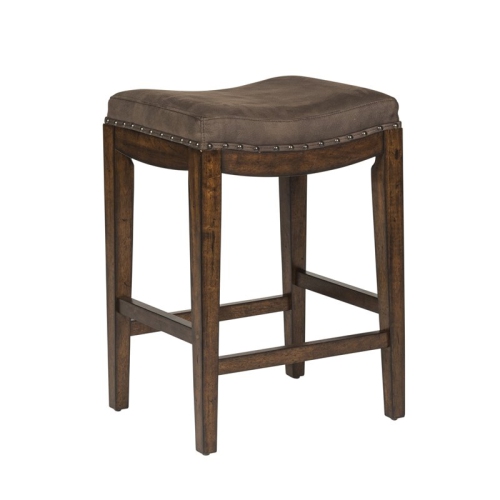
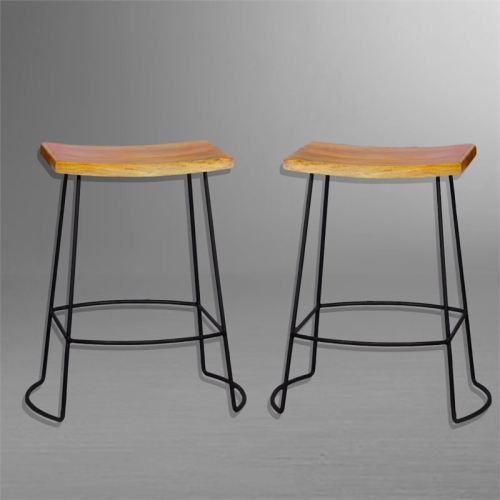
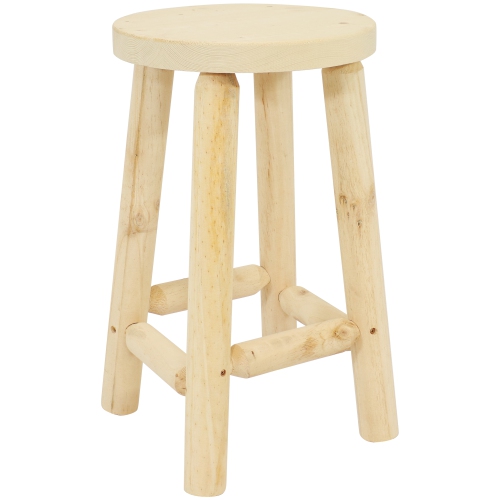
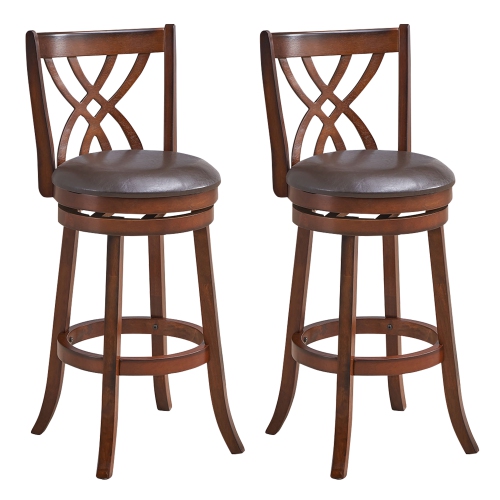
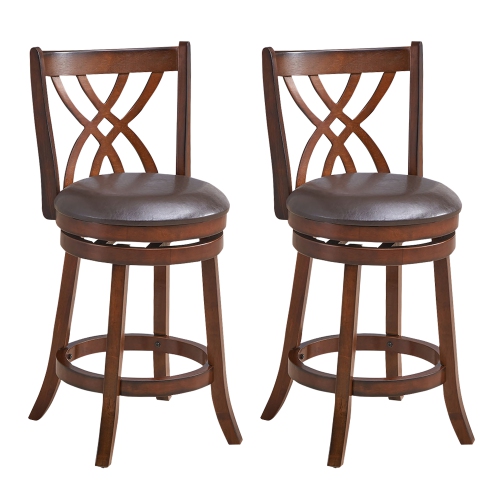
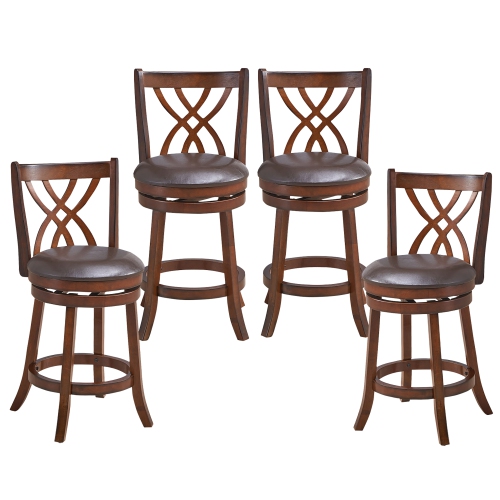


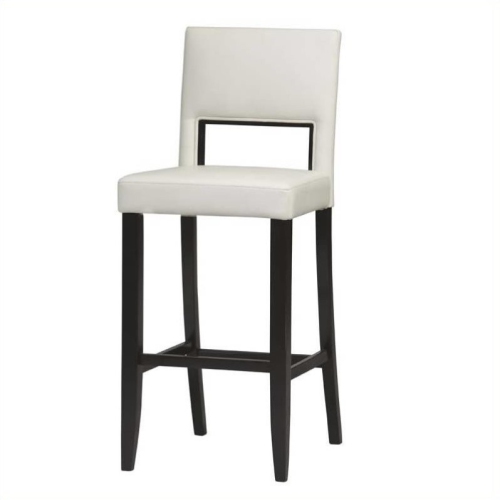
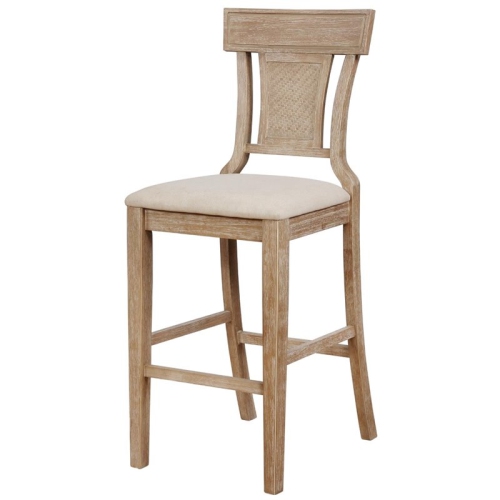
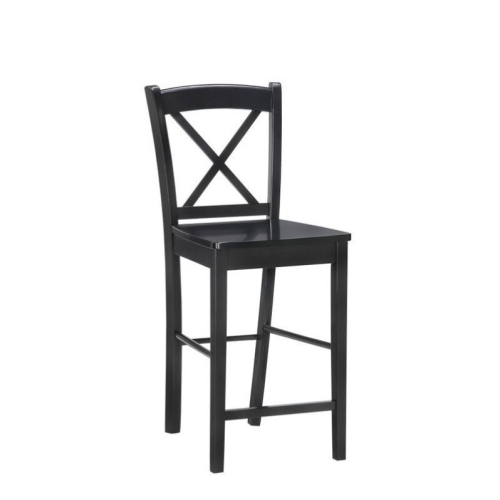
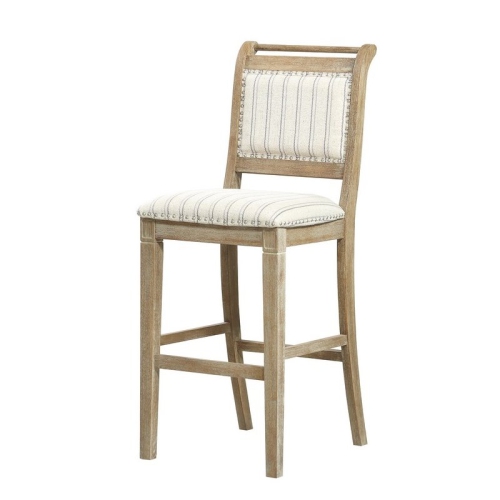
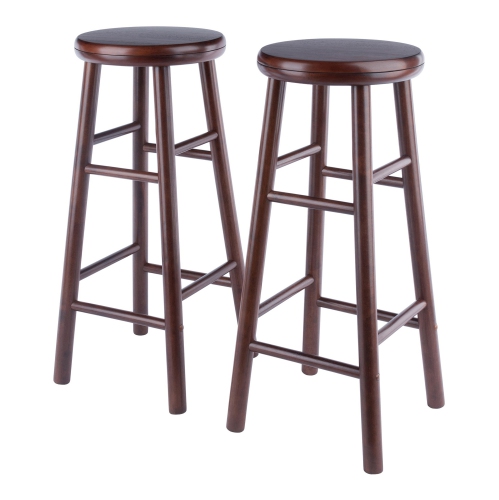
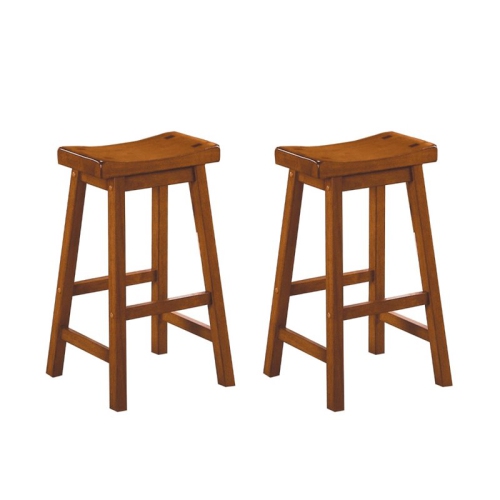
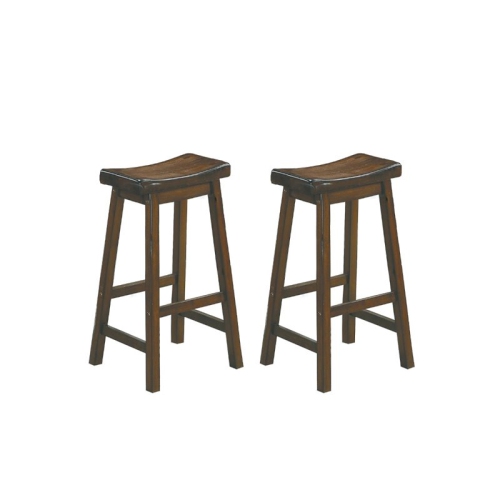
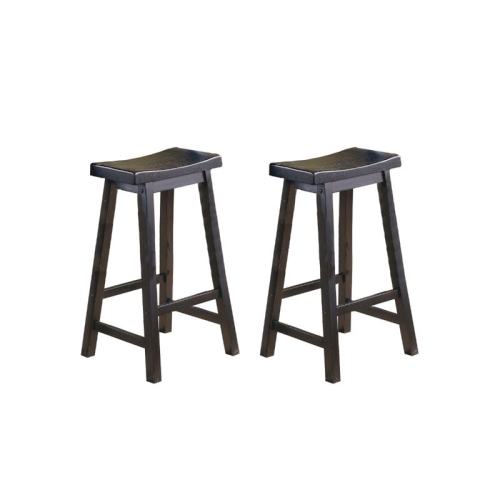
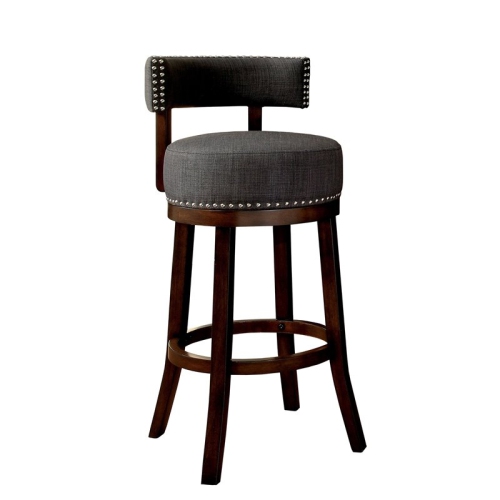
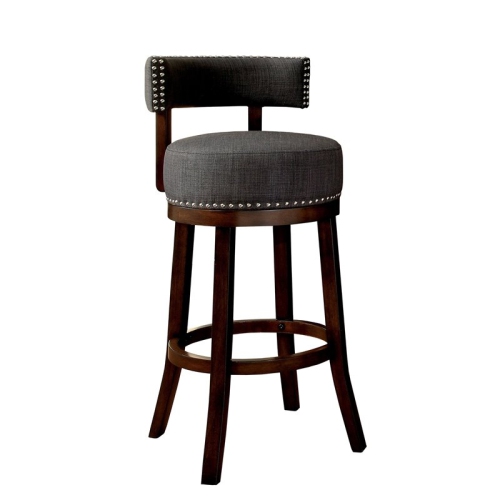
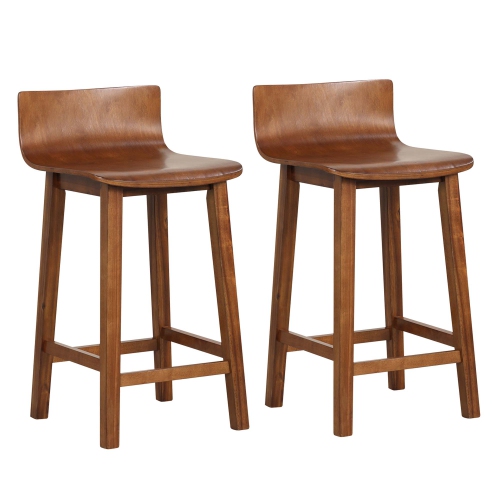
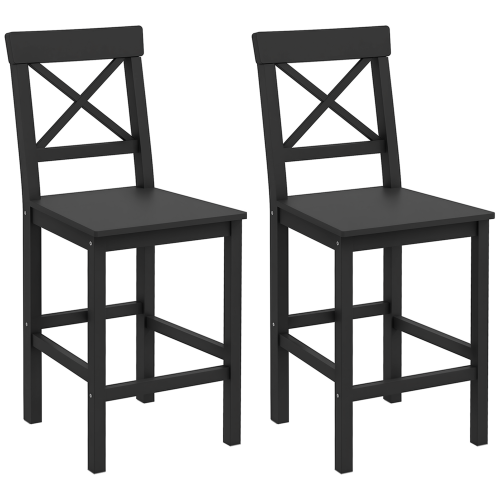
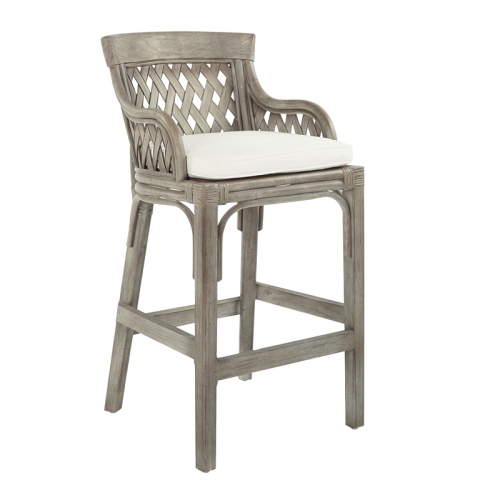
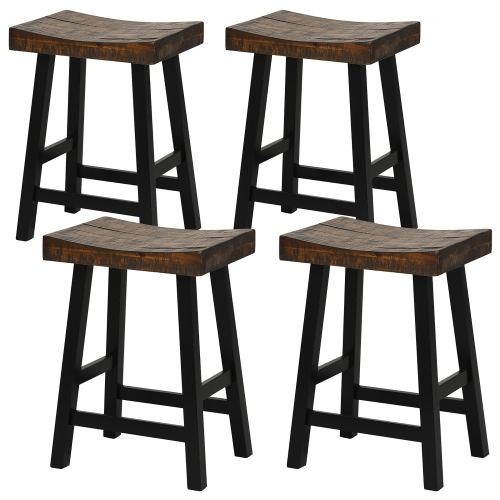
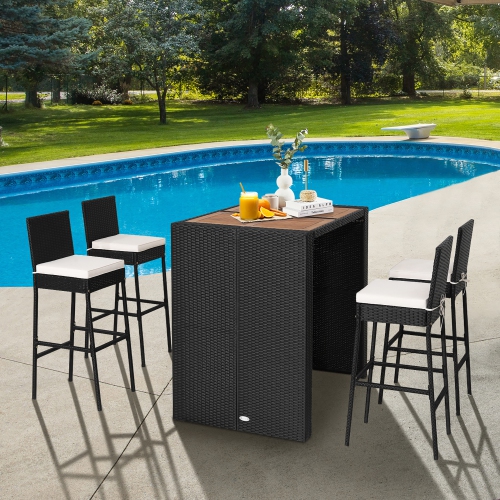
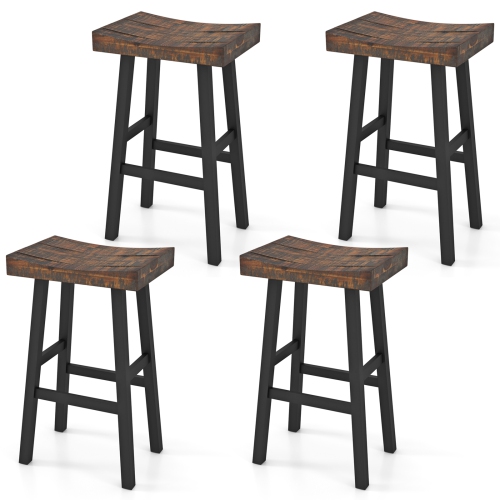
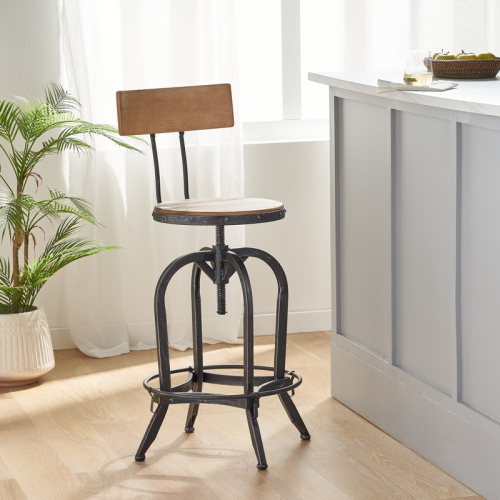
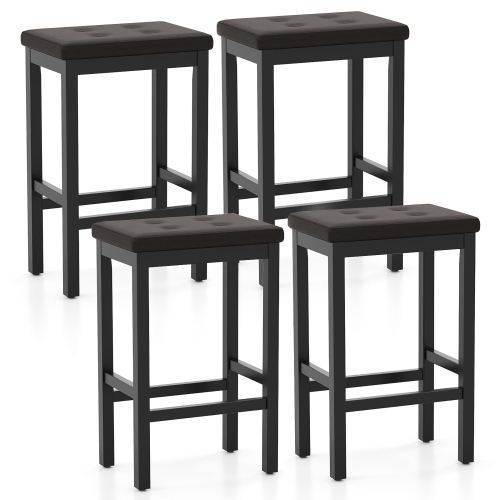
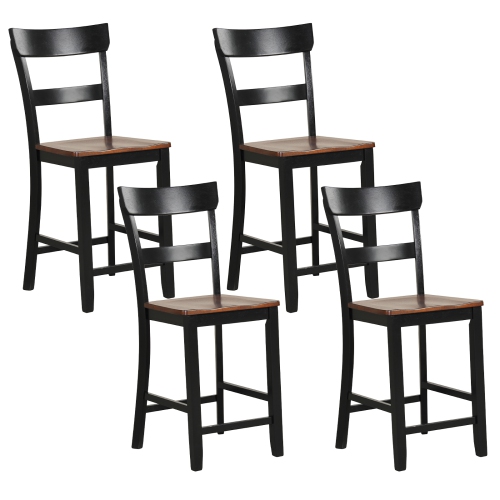
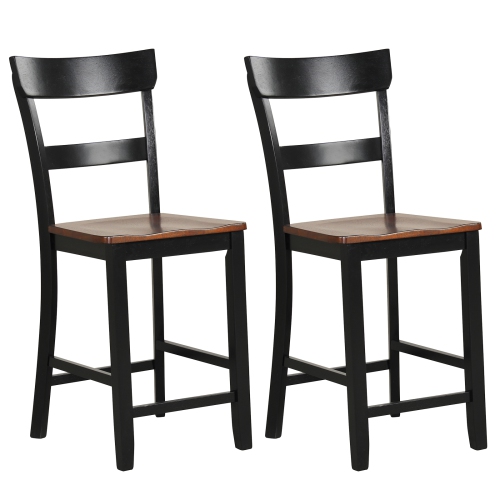
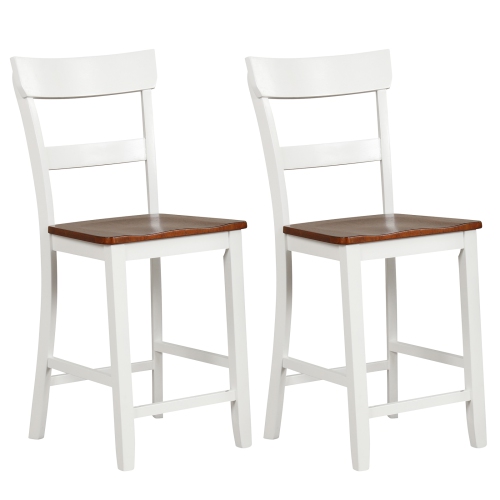
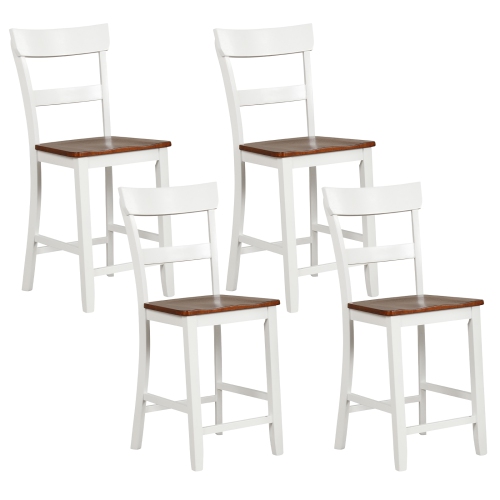
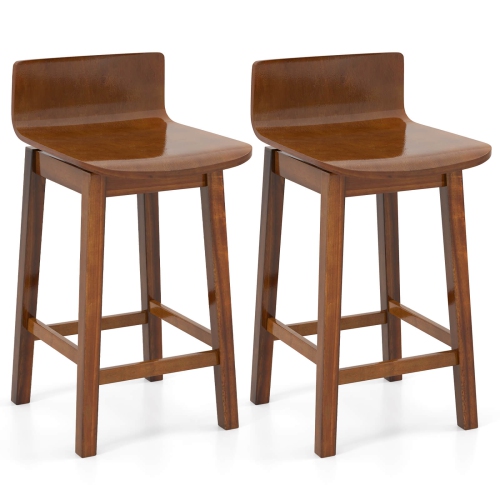
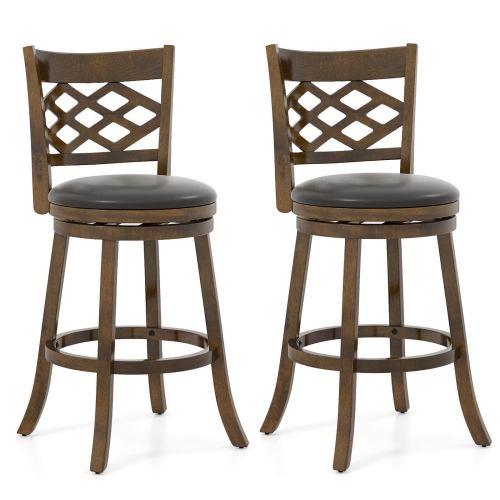
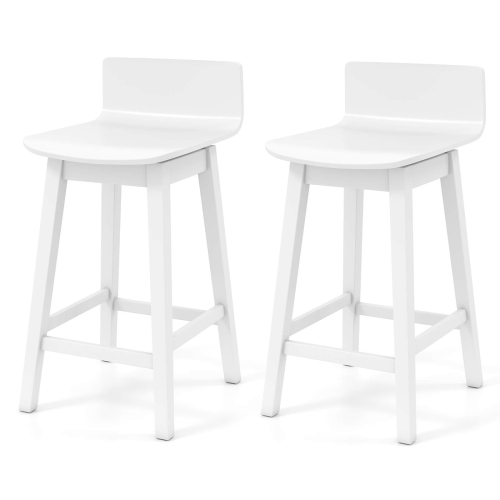
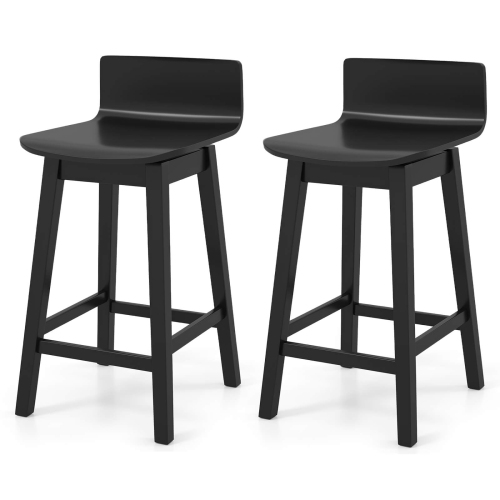
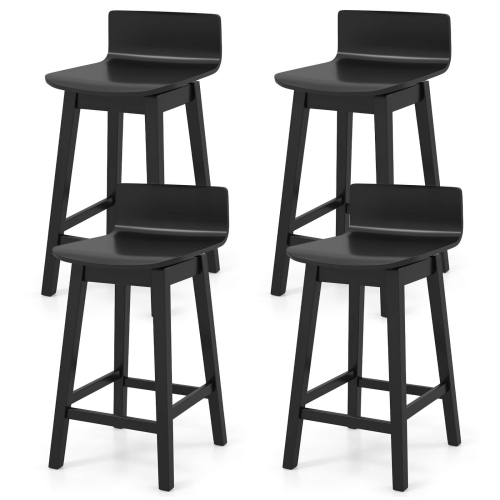
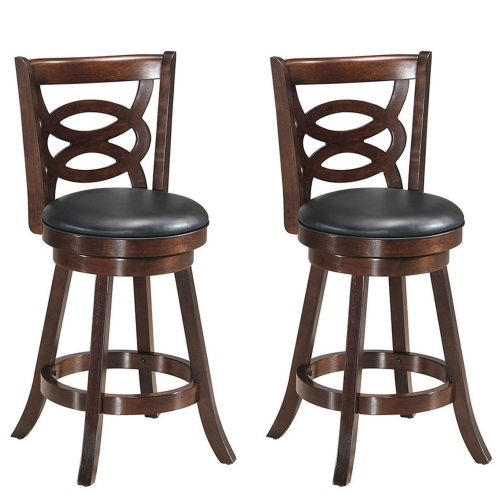
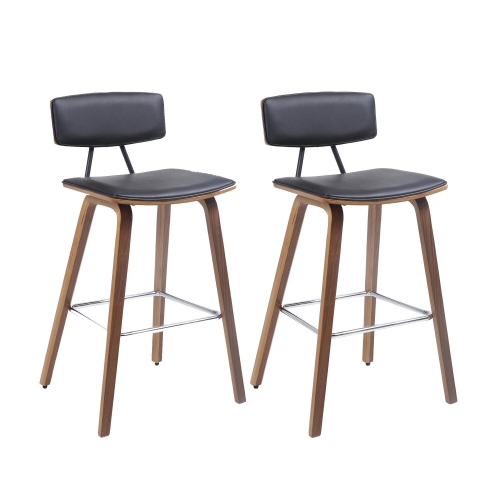
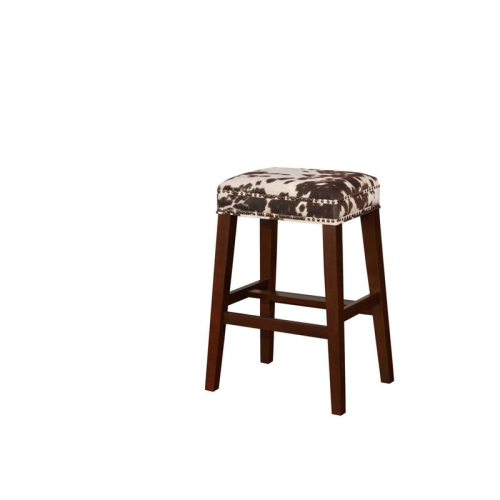
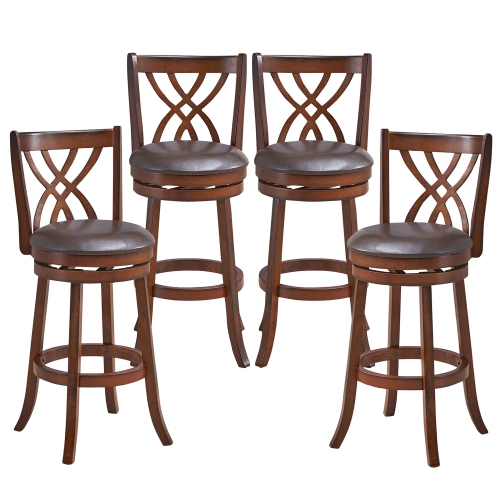
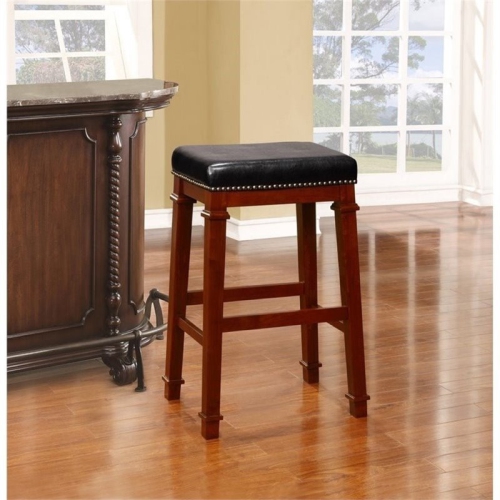
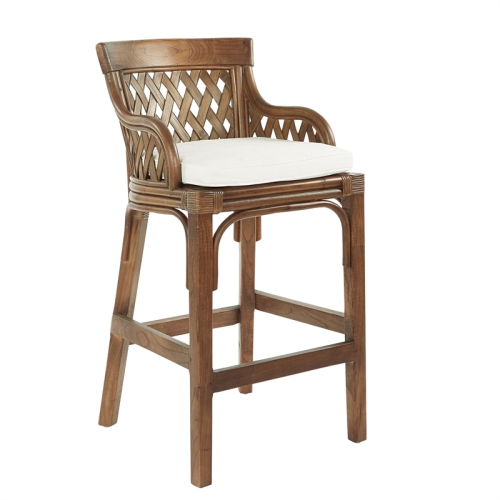
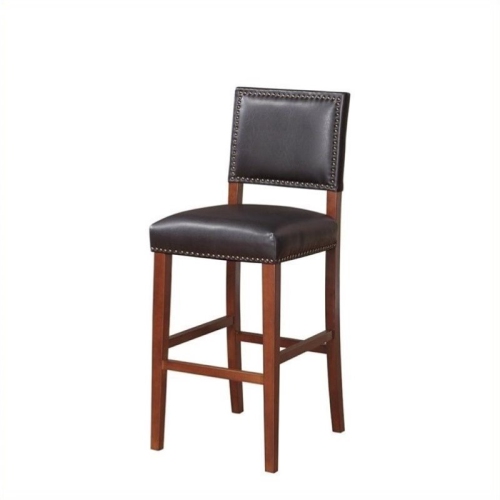
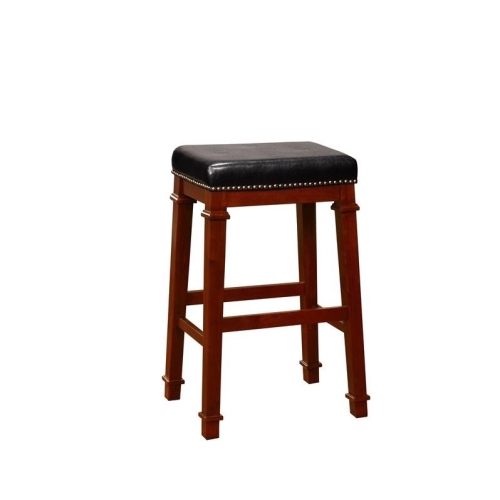
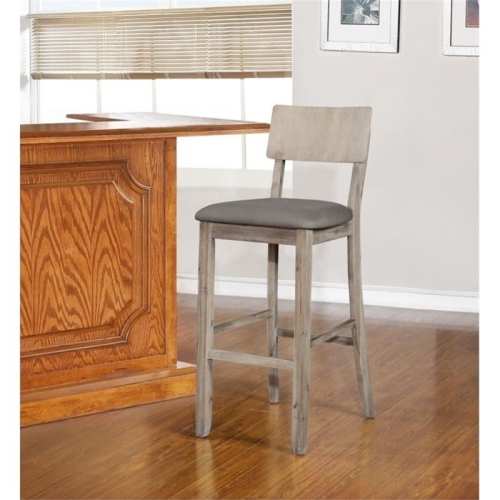
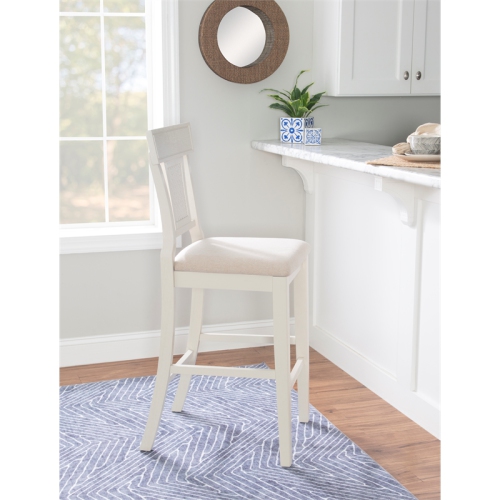
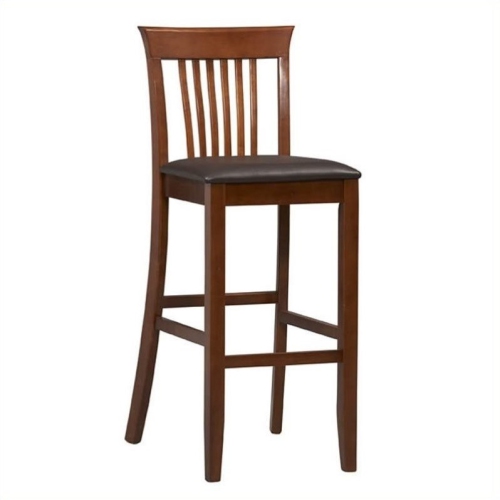
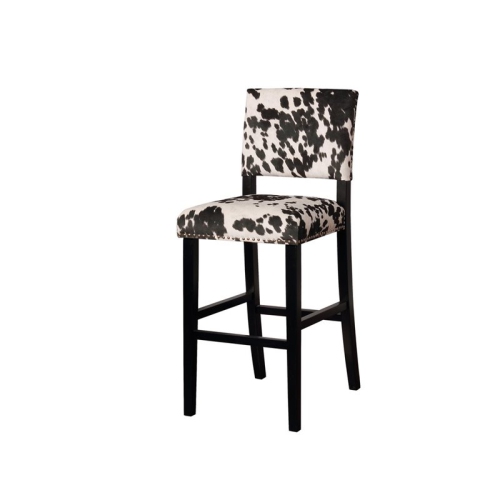
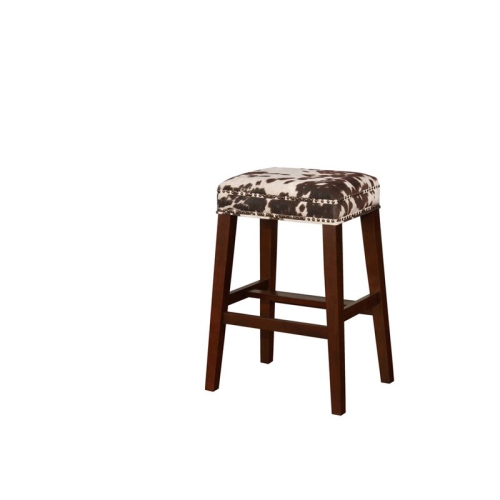
Natural wood character meets the right counter fit
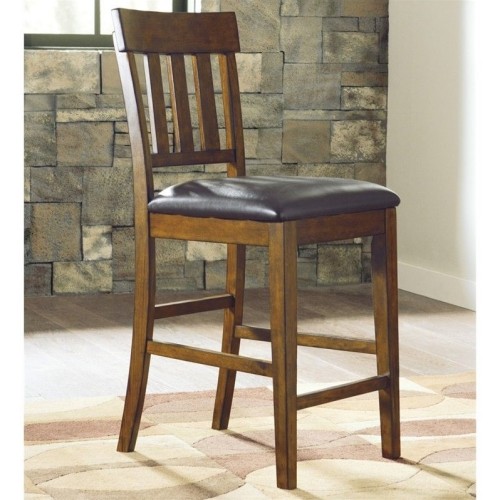
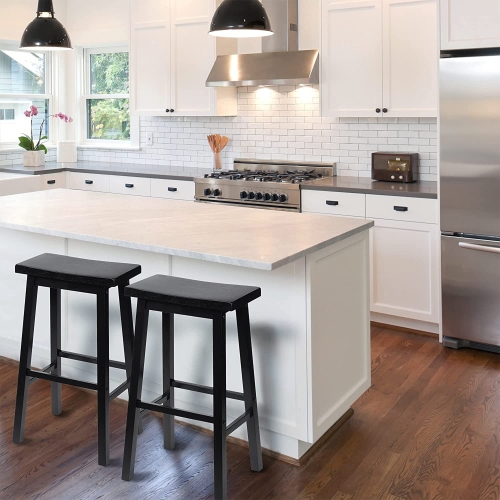
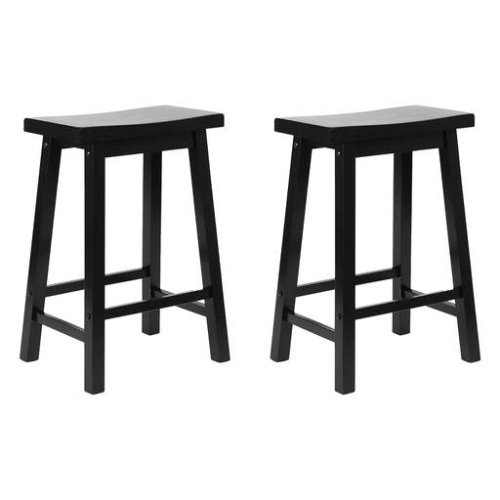
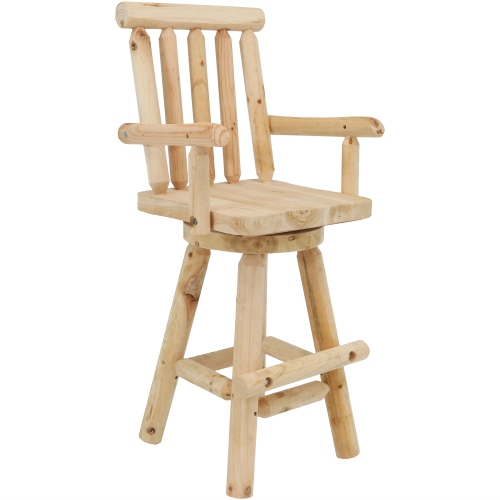
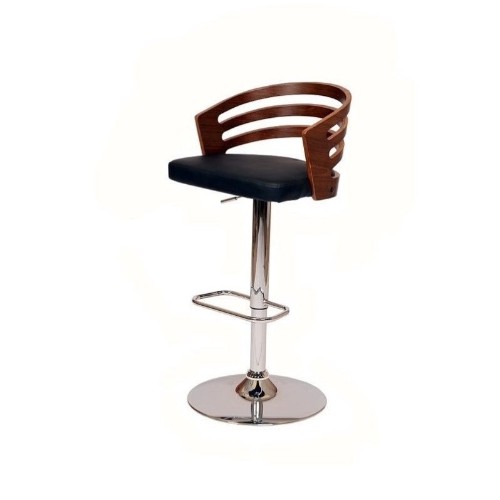
Solid wood bar stools bring natural grain, sturdy seating, and a sense of warmth to kitchen islands, breakfast bars, and home entertaining spaces. Their defining feature is the use of solid timber in the components described as solid wood, rather than a thin wood veneer over an engineered core. Construction can vary, so a solid wood seat does not necessarily mean that every part of a stool is made from the same material. Some designs pair wooden seats with metal bases, while others use timber for the legs, stretchers, seats, and backrests. Oak often has a pronounced grain that suits both traditional kitchens and pared-back interiors; maple typically offers a finer, more understated pattern; and walnut is known for its rich brown tones. Rubberwood is another hardwood used in furniture, often finished in colours that make it easy to coordinate with cabinetry or a dining table. The wood species contributes to appearance and resistance to everyday wear, but joinery, finish, and overall construction also matter. Natural differences in grain and tone mean that matching stools may have subtle variations rather than identical surfaces. A clear finish lets those details show, while a stain changes the colour without necessarily hiding the grain. Painted finishes create a more uniform look, whether the goal is a crisp contrast against a light island or a quiet match with darker cupboards. Within the broader category of wooden bar stools, solid wood designs range from compact, backless seats to substantial chairs with supportive backs and arms. A simple saddle seat can tuck neatly beneath a breakfast counter, while a spindle-back or gently curved backrest gives the seating area more visual presence. Matching an existing dining set is not essential: repeating one detail, such as a similar wood tone, leg shape, or finish, can connect the spaces without making every piece look alike.
The most important fit distinction is between counter-height and bar-height seating. Counter stools generally have a seat height of about 24 to 27 inches and suit surfaces around 35 to 37 inches high. Bar stools typically have seats about 28 to 32 inches high and are intended for taller surfaces, commonly around 40 to 42 inches. These are general ranges rather than interchangeable labels; the actual measurements of the stool and counter determine whether the pairing feels comfortable. Allowing roughly 10 to 12 inches between the seat and the underside of the surface usually provides useful room for thighs and movement, although a thick countertop apron or drawer can reduce that clearance. Seat height is measured to the seating surface, not the top of the backrest. Width matters just as much when several people share an island. Around 6 inches of space between neighbouring seats is a useful starting point, with more room often needed for arms, broad seats, or swivel movement. The space behind the stools also needs to accommodate someone pulling out a seat without blocking a doorway, cupboard, or busy route through the kitchen. For a narrow breakfast nook, a backless design keeps sightlines open and can slide out of the way when its height and footprint fit beneath the counter. A stool with a backrest is often more comfortable for an unhurried meal, a conversation over coffee, or time spent working at an island. Arms can add support, but their height may stop the stool from tucking in fully. A swivel seat helps a person turn towards the room without dragging the legs across the floor, though it needs enough surrounding clearance to rotate freely. Footrests are particularly useful on elevated seating because they give the feet somewhere to rest rather than leaving the legs hanging. A contoured wooden seat can distribute pressure more comfortably than a flat surface; for longer sitting periods, a securely fitted cushion may soften the feel, provided it suits the seat shape and does not slip.
Durability depends on how a solid wood bar stool is built and how closely its design matches the way it will be used. Well-fitted joints, secure fasteners, and a stable base help the stool remain steady through repeated sitting and standing. Stretchers between the legs can reinforce the frame while also serving as footrests, but a stool should not be treated as a step ladder. The stated weight capacity applies to the complete design, not simply the strength associated with its wood species. A busy household may find a smooth, sealed seat easier to wipe down after breakfast than one with deep grooves or woven detailing, while a cushioned design introduces fabric or upholstery care alongside wood care. Spills are best wiped up promptly with a soft cloth, followed by drying where needed, and cleaning products should be suitable for the particular finish. Abrasive pads and harsh cleaners can damage the surface. Felt pads or other floor protectors suited to the flooring help limit marks, especially where stools move frequently; these need occasional checking because trapped grit can scratch a floor. Hardware may also need tightening in line with the care instructions, particularly on stools with swivel mechanisms or assembled frames. Small dents and surface marks can become part of the character of frequently used wood furniture, although repair options depend on the coating, colour, and extent of the damage. Solid timber may allow refinishing, but that is not equally straightforward for every construction or finish. Intended use deserves the same attention as appearance. Compact stools work well for quick breakfasts and occasional extra seating, whereas supportive backs and generously sized seats better suit regular meals at a counter. Households with children benefit from considering stability, reachable footrests, and how safely a child can get on and off elevated seating; bar stools are not substitutes for age-appropriate child seating. Indoor wooden stools should remain indoors unless specifically rated for outdoor use. With dimensions, comfort, and upkeep considered together, solid wood bar stools can make an island feel like a natural place to sit, eat, and spend time together rather than simply another work surface.
The most important fit distinction is between counter-height and bar-height seating. Counter stools generally have a seat height of about 24 to 27 inches and suit surfaces around 35 to 37 inches high. Bar stools typically have seats about 28 to 32 inches high and are intended for taller surfaces, commonly around 40 to 42 inches. These are general ranges rather than interchangeable labels; the actual measurements of the stool and counter determine whether the pairing feels comfortable. Allowing roughly 10 to 12 inches between the seat and the underside of the surface usually provides useful room for thighs and movement, although a thick countertop apron or drawer can reduce that clearance. Seat height is measured to the seating surface, not the top of the backrest. Width matters just as much when several people share an island. Around 6 inches of space between neighbouring seats is a useful starting point, with more room often needed for arms, broad seats, or swivel movement. The space behind the stools also needs to accommodate someone pulling out a seat without blocking a doorway, cupboard, or busy route through the kitchen. For a narrow breakfast nook, a backless design keeps sightlines open and can slide out of the way when its height and footprint fit beneath the counter. A stool with a backrest is often more comfortable for an unhurried meal, a conversation over coffee, or time spent working at an island. Arms can add support, but their height may stop the stool from tucking in fully. A swivel seat helps a person turn towards the room without dragging the legs across the floor, though it needs enough surrounding clearance to rotate freely. Footrests are particularly useful on elevated seating because they give the feet somewhere to rest rather than leaving the legs hanging. A contoured wooden seat can distribute pressure more comfortably than a flat surface; for longer sitting periods, a securely fitted cushion may soften the feel, provided it suits the seat shape and does not slip.
Durability depends on how a solid wood bar stool is built and how closely its design matches the way it will be used. Well-fitted joints, secure fasteners, and a stable base help the stool remain steady through repeated sitting and standing. Stretchers between the legs can reinforce the frame while also serving as footrests, but a stool should not be treated as a step ladder. The stated weight capacity applies to the complete design, not simply the strength associated with its wood species. A busy household may find a smooth, sealed seat easier to wipe down after breakfast than one with deep grooves or woven detailing, while a cushioned design introduces fabric or upholstery care alongside wood care. Spills are best wiped up promptly with a soft cloth, followed by drying where needed, and cleaning products should be suitable for the particular finish. Abrasive pads and harsh cleaners can damage the surface. Felt pads or other floor protectors suited to the flooring help limit marks, especially where stools move frequently; these need occasional checking because trapped grit can scratch a floor. Hardware may also need tightening in line with the care instructions, particularly on stools with swivel mechanisms or assembled frames. Small dents and surface marks can become part of the character of frequently used wood furniture, although repair options depend on the coating, colour, and extent of the damage. Solid timber may allow refinishing, but that is not equally straightforward for every construction or finish. Intended use deserves the same attention as appearance. Compact stools work well for quick breakfasts and occasional extra seating, whereas supportive backs and generously sized seats better suit regular meals at a counter. Households with children benefit from considering stability, reachable footrests, and how safely a child can get on and off elevated seating; bar stools are not substitutes for age-appropriate child seating. Indoor wooden stools should remain indoors unless specifically rated for outdoor use. With dimensions, comfort, and upkeep considered together, solid wood bar stools can make an island feel like a natural place to sit, eat, and spend time together rather than simply another work surface.
Top selling and popular products
-
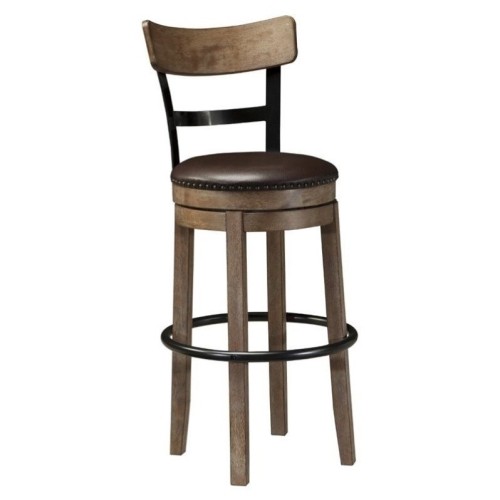 Your price for this item is $416.61
 -
 Your price for this item is $666.4
 -
 Your price for this item is $538.99
 -
 Your price for this item is $207.99
 -
 Your price for this item is $214.99
 -
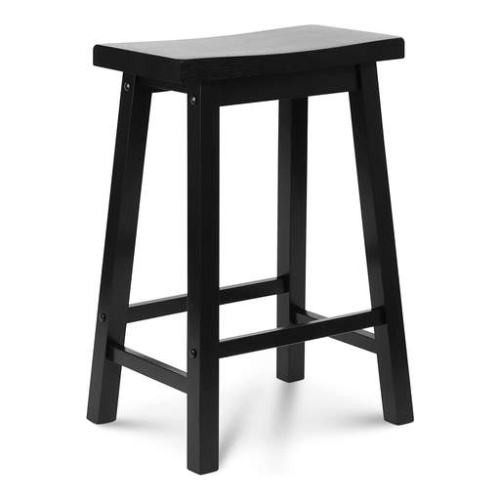 Your price for this item is $88.99
 -
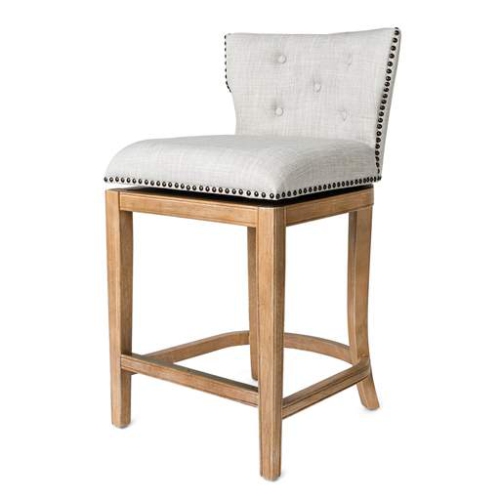 Your price for this item is $529.99
 -
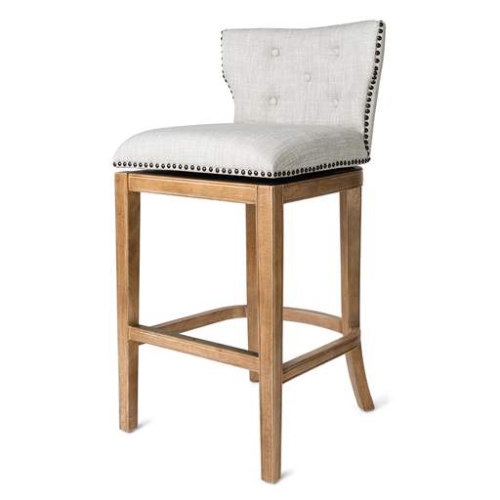 Your price for this item is $406.99
Discover more categories related to Solid Wood Bar Stools
Top Collections:
Pokemon Centers, Kindle Devices, Best Budget Office Chairs, Apple iPhones 16, Best Laptops for Writers, iPhone 15 Apple, Canon G7X Cameras, Refurbished Apple Laptops, Alarm Clock, Motorola Razr Phones
Some products may be subject to Environmental Handling Fees
(EHF) depending on your province.
Learn more about EHFs.