Office Chair Parts
Looking to upgrade or repair your office chair? Explore a wide selection of office chair parts to keep your workspace comfortable and functional. From replacement casters and armrests to gas lift cylinders and seat pans, find the components you need to customize or fix your office chair. Whether you're looking to enhance ergonomics, replace worn-out parts, or simply change the style of your chair, our collection of office chair parts has you covered. Browse through our range of options to find the perfect pieces for your office chair maintenance or upgrade project.
Sort









Why chair component compatibility goes beyond matching dimensions
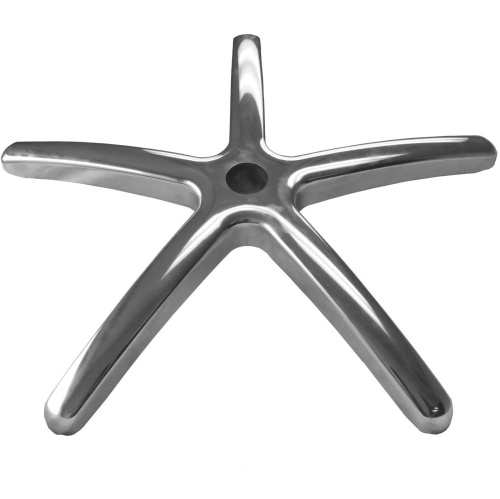
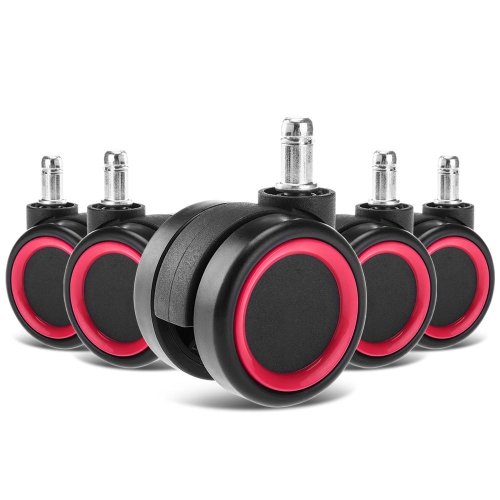
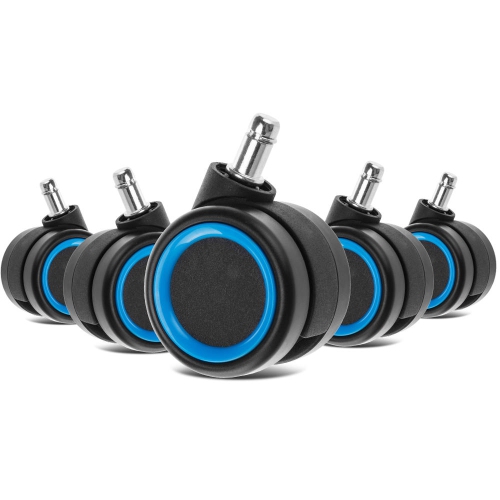
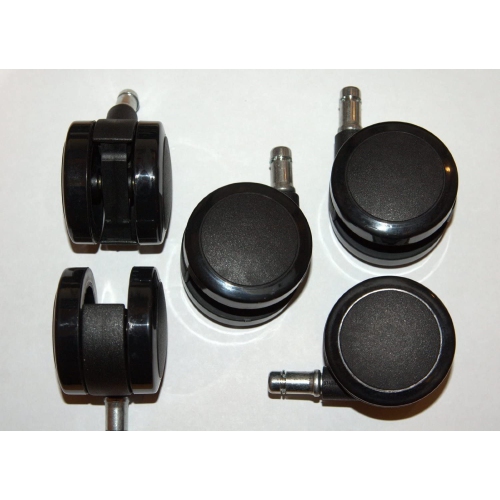
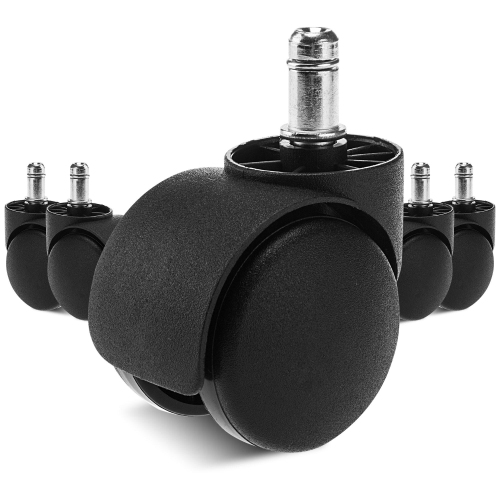
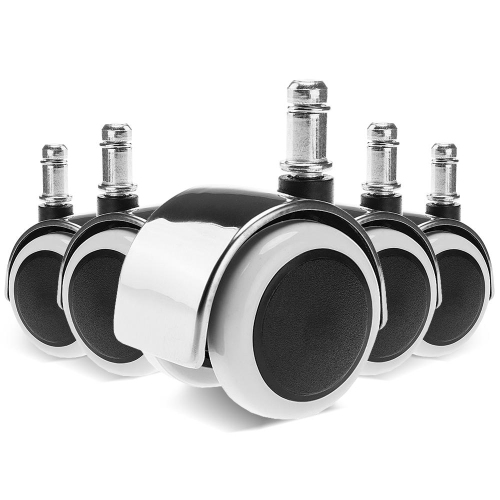
Office chair parts are the components that support a chair’s structure, movement, and adjustments, including casters, the base, the gas lift cylinder, the under-seat control mechanism, the seat, the backrest, and the armrests. Each has a distinct role, so a worn wheel and a seat that gradually loses height involve different replacement considerations. Casters, often called chair wheels, let a chair move between a desk, a filing cabinet, and nearby work surfaces. Standard twin-wheel designs and single-wheel designs with softer treads differ in how they roll, sound, and interact with flooring. Hard floors, low-pile carpet, and chair mats place different demands on a wheel, making the stated flooring compatibility more useful than appearance alone. A larger wheel may move more easily over small transitions, but it can also raise the chair’s lowest sitting position. The connection matters just as much: grip-ring stems, threaded stems, and other mounting styles are not interchangeable simply because the wheels look similar. Stem diameter, stem length, and the base’s socket design all affect fit. Above the casters, the base distributes the chair’s load and provides stability. Many office chairs use a five-star base made from reinforced nylon, steel, or aluminium, with finishes ranging from matte surfaces to polished metal. Material, construction, load rating, and overall span are all relevant to durability; a metal appearance alone does not establish how much weight a base can support. A replacement base must accommodate both the caster connections and the central cylinder connection. In a compact home office, its footprint also affects clearance beneath the desk and around nearby furniture. Someone who frequently rolls back to reach a bookshelf may value smooth movement, while a shared workstation may place greater emphasis on dependable construction and easy cleaning. Cracks, damaged sockets, or persistent instability deserve attention because these components form the foundation of the chair rather than serving as decorative accessories.
The gas lift cylinder is the vertical component between the base and the seat mechanism that enables seat-height adjustment. When functioning properly, it allows the seat to move within its specified adjustment range and hold the selected height. A chair that gradually sinks under normal use may have a worn cylinder, although the control mechanism or its activation point can also be involved. Replacement fit depends on more than the cylinder’s visible length. The connection dimensions, travel range, minimum and maximum seat height, and compatibility with the chair’s mechanism all matter. A taller cylinder can change whether feet rest comfortably on the floor, while a shorter one may limit the height needed at a particular desk. Cylinders are sealed, pressurized assemblies and should not be opened, punctured, or modified; handling and replacement should follow the chair manufacturer’s directions. Beneath the seat, the control mechanism usually houses the levers and connections responsible for height adjustment and, depending on the design, tilt tension, tilt locking, or other movement. Some chairs offer a simple rocking action, while others coordinate seat and backrest movement or allow separate adjustments. A replacement mechanism needs the correct mounting-hole pattern, attachment hardware, cylinder connection, and operating clearances. A plate that fits beneath the seat is not necessarily compatible with the chair’s backrest or adjustment system. These distinctions are especially noticeable during everyday work: leaning back to read a document calls for controlled movement, while typing at a desk often requires a stable upright position. Manufacturer specifications and the original chair’s model information provide a firmer basis for matching parts than broad descriptions such as “universal.” Load ratings should also be considered across the complete chair assembly, not treated as a promise that replacing one component increases the capacity of every other part. For home-office users, students, and people working at shared desks, compatible mechanisms help retain familiar adjustments without changing how the chair fits the workspace.
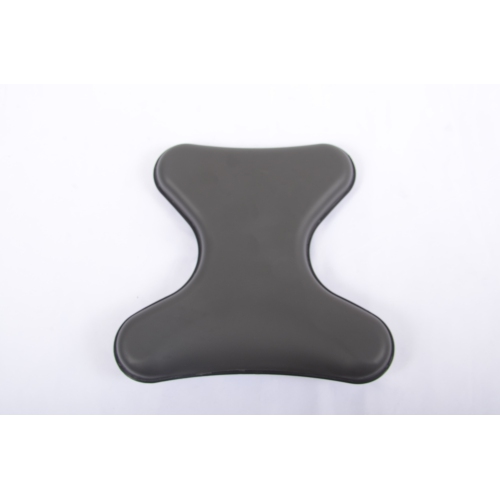
Seat, backrest, and armrest components shape the surfaces that come into contact with the body throughout the day. The comfort and adjustability of Office Chairs depend partly on how these pieces work together, rather than on cushioning alone. Replacement seats may involve an upholstered cushion, a supporting seat pan, or a complete assembly, and their attachment points need to match the frame and mechanism. Foam density, cushion thickness, fabric texture, and seam placement can influence the feel of the seat during extended computer work. Mesh backrests offer an open, flexible support surface, while upholstered designs combine covering materials with padding and an underlying frame. Backrest shape, mounting brackets, and lumbar-support attachments are often specific to a chair design, so similar dimensions do not guarantee a suitable replacement. Armrests may be fixed or adjustable in height, width, depth, or angle, and an arm pad can sometimes be replaced separately from its supporting bracket. A rounded, softly padded surface may feel comfortable when resting forearms between tasks, while an adjustable assembly can help keep the arms closer to the body and allow the chair to move beneath the desk. Desk clearance remains important: thick pads or taller supports can prevent a chair from tucking neatly away. Care requirements vary by material, with fabric, mesh, coated upholstery, and moulded plastic each requiring an appropriate cleaning approach. Manufacturer-approved cleaning methods help avoid damage to coverings, finishes, and moving parts. Dust and trapped hair can interfere with caster movement, while loose fasteners or worn pads may affect how secure or comfortable the chair feels. In busy offices and study spaces, repeated adjustments and frequent movement make attachment quality and ease of care practical considerations. The most suitable office chair replacement parts preserve the chair’s intended function, fit its existing construction, and suit the way it is used, whether that means focused desk work, shared administrative tasks, or a dedicated study corner.
Top selling and popular products
-
 Your price for this item is $143.99
-
 Your price for this item is $123
-
 Your price for this item is $139.99
-
 Your price for this item is $139.99
-
 Your price for this item is $203.98
-
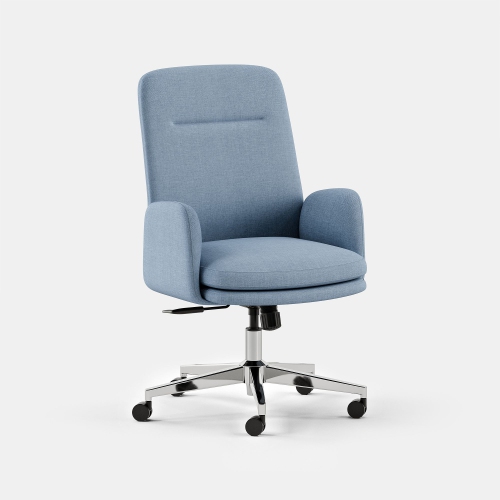 Your price for this item is $429
-
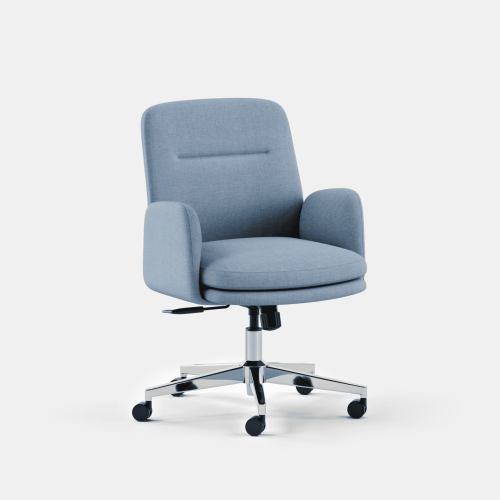 Your price for this item is $379
-
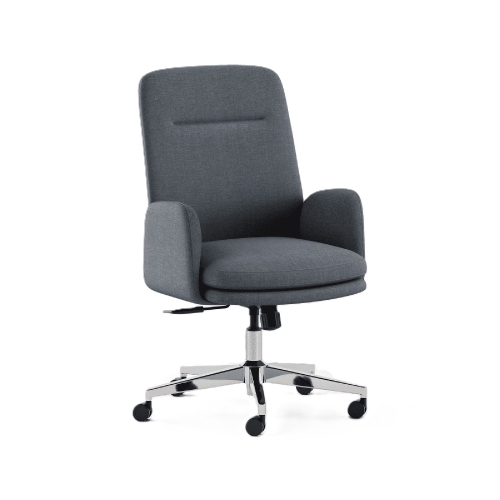 Your price for this item is $429
Discover more categories related to Office Chair Parts
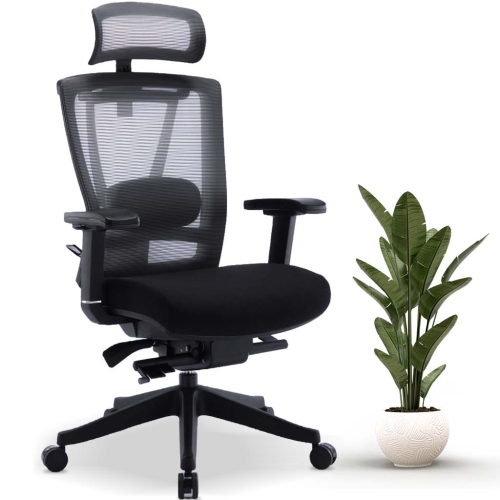
Top Collections:
Pokemon Centers, Best Cameras for Sports Photography, Kindle Devices, Samsung Galaxy Phones, Canon G7X Cameras, Pokémon 30th Celebration Cards, Refurbished Apple Laptops, iPhone 15 Apple, Laptops for Students, Budget Smartphones
Some products may be subject to Environmental Handling Fees
(EHF) depending on your province.
Learn more about EHFs.