Office Chairs for Home Office Upgrade
Transform your workspace with office chairs for home office upgrade and experience a new level of comfort and productivity. Whether you're setting up a dedicated office or refreshing your current setup, the right chair can make all the difference in how you work and feel throughout the day. Explore a variety of designs and styles to find the perfect match for your home office, ensuring you stay focused and supported during every task.
Sort
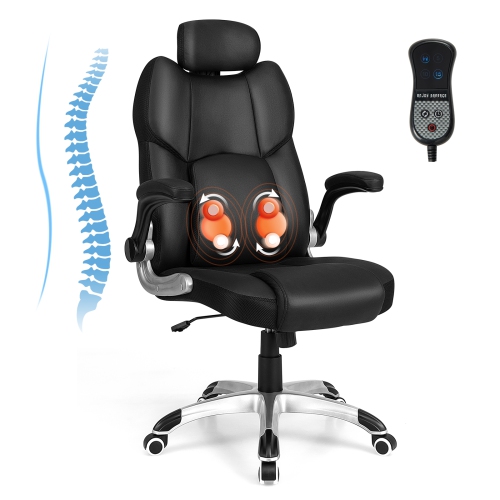
Why chair fit matters more than thick cushioning
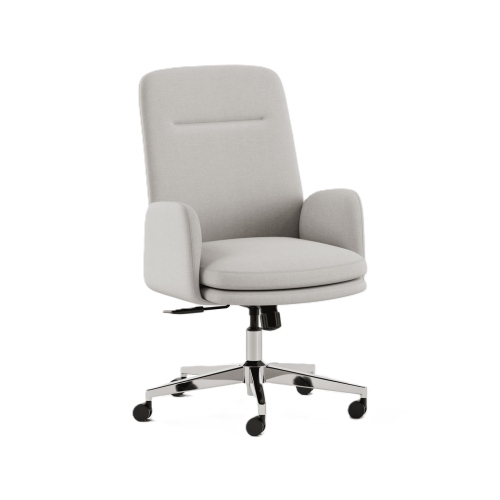
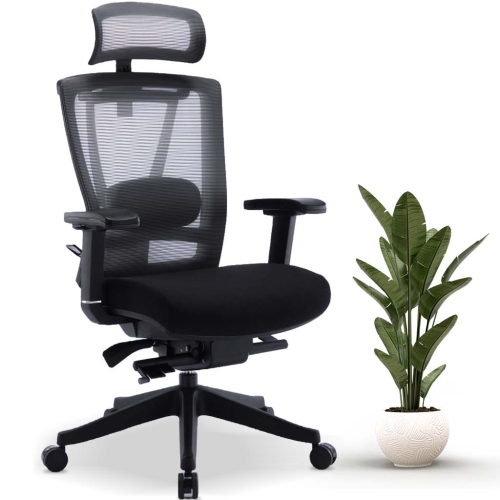
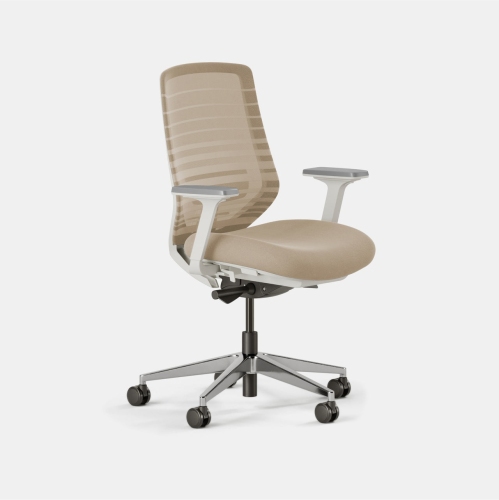
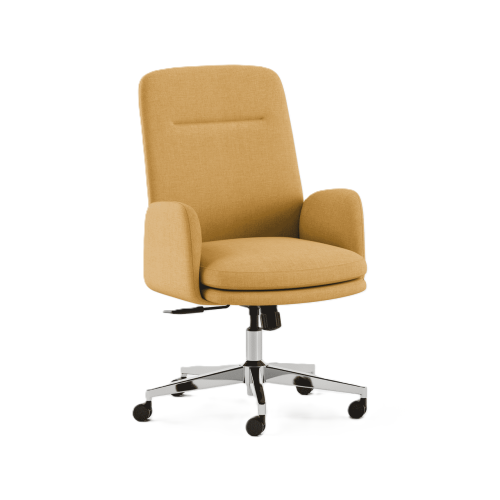
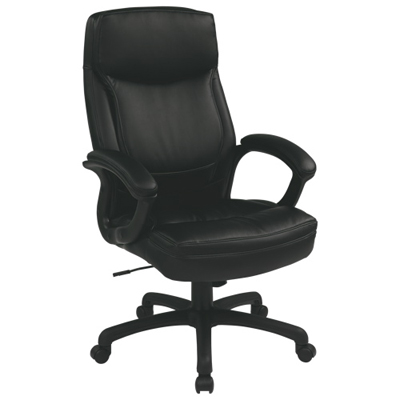
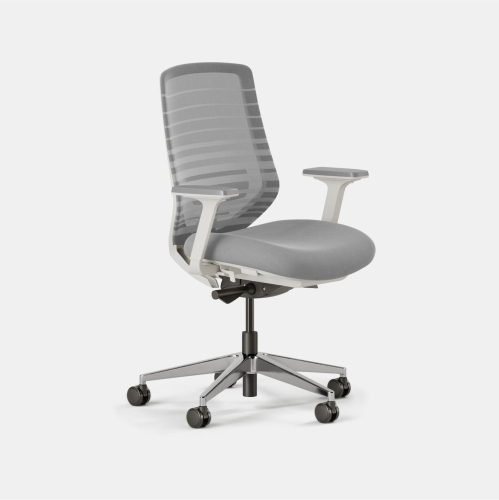
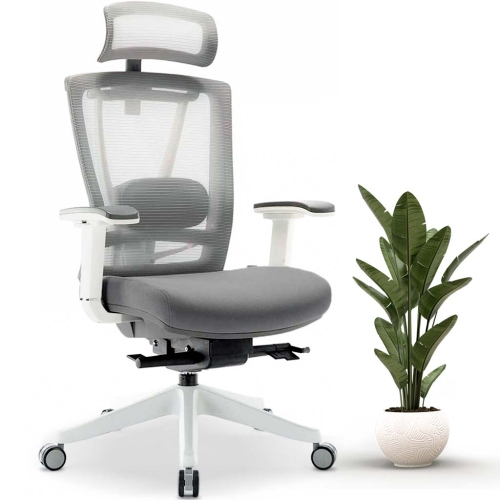
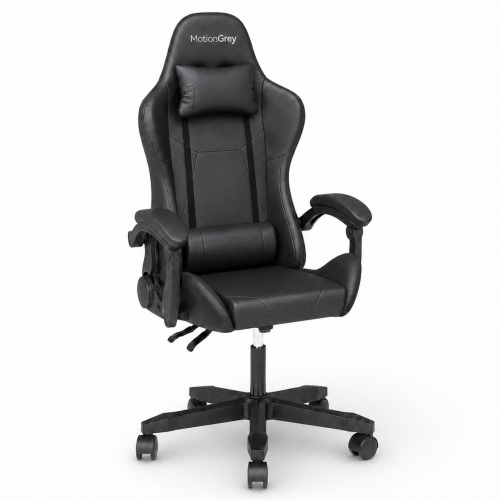
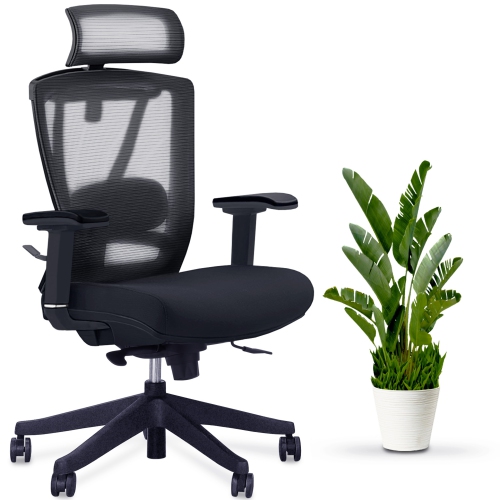
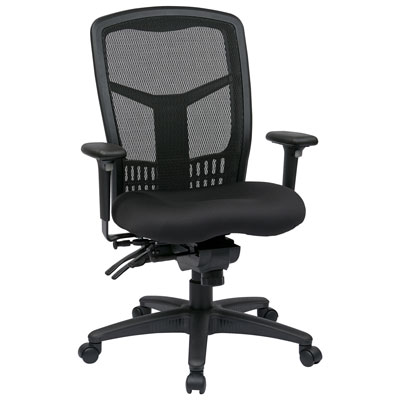
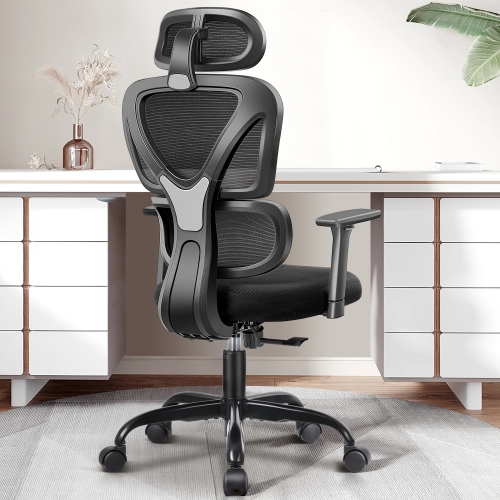
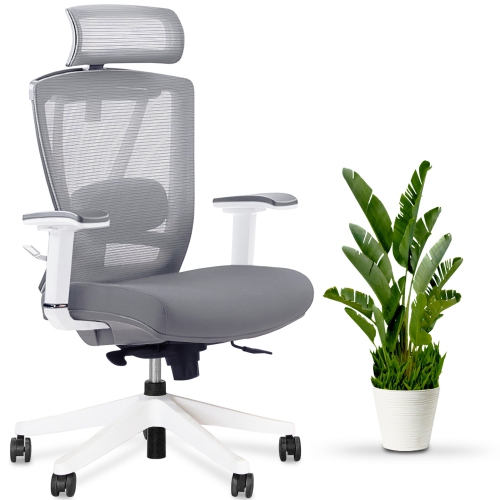
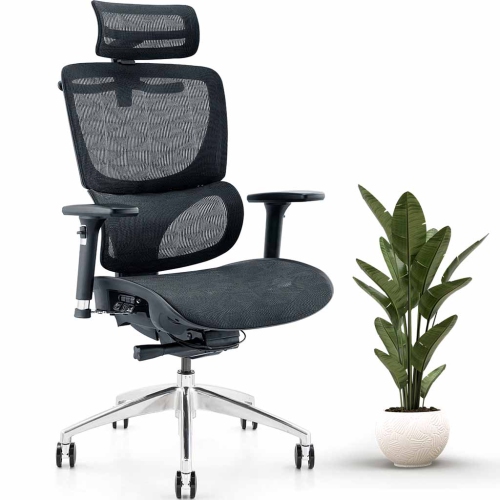
A home office chair does more than fill the space behind a desk. It supports the rhythm of the workday, from concentrated writing and video meetings to paperwork spread across the desktop. Office chairs for a home office upgrade can bring a better balance of comfort, adjustability, and style to a dedicated study, a spare bedroom, or a compact workstation in a shared living area. Fit matters more than an oversized silhouette or thick cushioning alone. A suitable seat height lets feet rest on the floor or a footrest while keeping the desk within comfortable reach. Seat depth is equally important: there should be enough room to support the thighs without the front edge pressing against the backs of the knees. Adjustable lumbar support can help position the backrest against the natural curve of the lower back, while height-adjustable armrests offer a place to rest the forearms without lifting the shoulders. Many Ergonomic Desk Chairs for Home Office offer several of these adjustments, although the controls and adjustment ranges vary by design. A reclining backrest or tilt mechanism adds flexibility when moving between upright keyboard work and a more relaxed position for reading. Tilt tension determines how much resistance the chair provides when leaning back, and a locking function can hold supported positions where the design allows. A headrest may be useful during reclined breaks, but its height and angle need to suit the person using it. For a shared workspace, controls that are easy to reach make it simpler for different users to reset the chair between sessions. These details matter whether the chair is used by a remote employee, a student completing assignments, or someone managing household records at the end of the day. No single adjustment replaces getting up and moving regularly, but a chair that fits the user and the desk can make seated tasks feel less awkward.
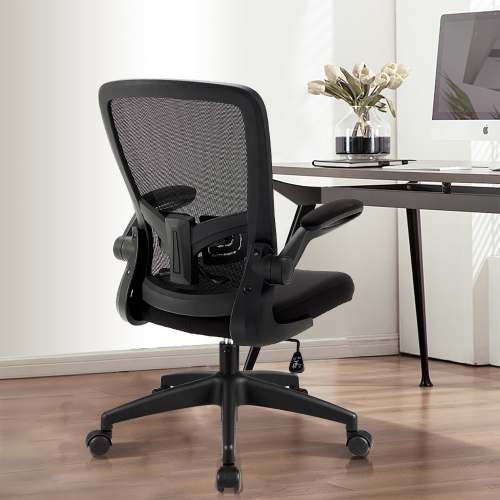
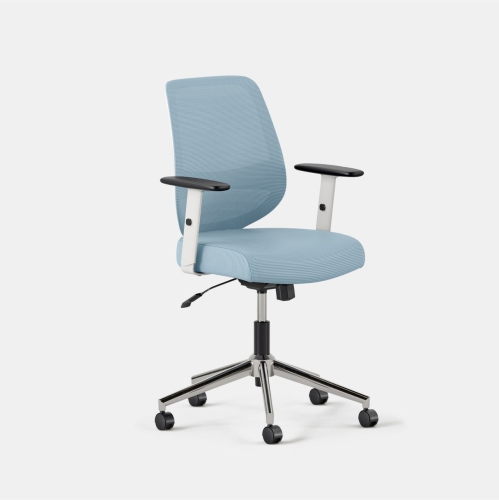
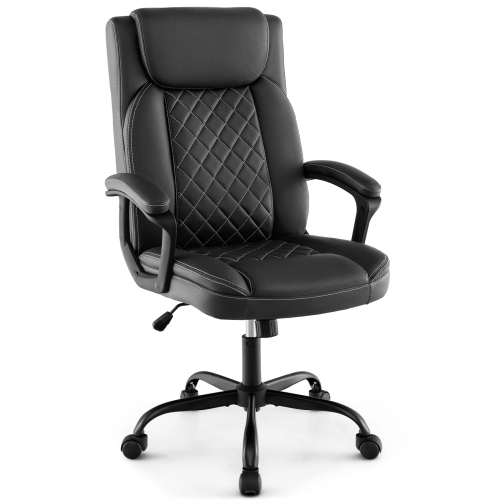
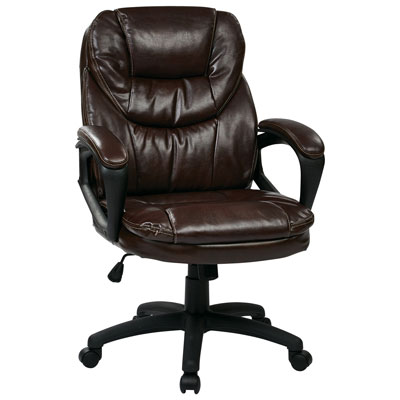
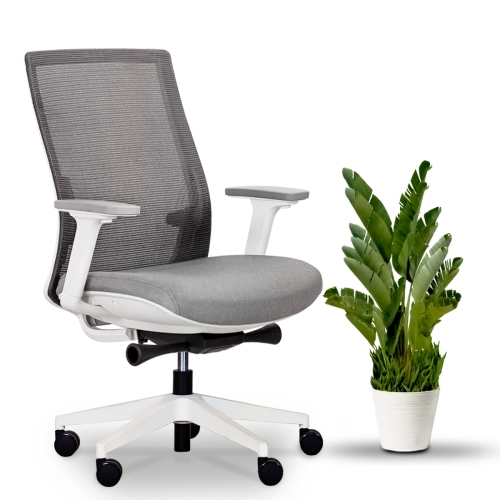
Materials influence how an office chair feels, how it looks in the room, and how much care it needs. Mesh backrests allow airflow and often have a lighter visual presence, which can suit a small home office where a solid, high-backed chair would dominate the space. The feel of mesh depends on its tension and construction; a flexible backrest is different from a mesh seat that carries the user's weight. Fabric upholstery provides texture and can coordinate with curtains, shelving, and other furnishings, though its cleaning needs vary with the weave and finish. Leather and faux leather offer a smooth appearance that suits a more traditional study, but they have different care requirements and should not be treated as interchangeable materials. Cushioning also deserves attention. A very soft seat may feel inviting at first yet provide a different level of support over a long session than a firmer, well-shaped cushion. Contoured seats, rounded front edges, and backrests with some flexibility can affect comfort just as much as padding thickness. For a home office upgrade that blends into a living room or bedroom, colour and proportions help the chair feel like part of the furniture rather than an afterthought. A lower back can keep sightlines open, while a taller back creates a more substantial presence. The chair still needs to work with the physical space: the base should have room to turn, the seat should clear nearby drawers, and the armrests should fit beneath the desktop if tucking the chair away is important. Flip-up arms can be useful in tight layouts, although they do not always offer the same adjustments as other armrest styles. The chair's overall width, depth, and reclined footprint matter alongside the seat measurements, especially when a wall, bookcase, or bed sits directly behind the workstation.
Everyday use is where the smaller construction details become noticeable. A stable base, a height-adjustment mechanism suited to the intended load, and smoothly operating controls all contribute to a chair that feels dependable through repeated sitting, turning, and repositioning. The stated weight capacity and adjustment ranges provide useful boundaries, but neither replaces checking whether the seat and backrest suit the user's proportions. Someone working at a desk for most of the day may value adjustable seat depth and several armrest positions, while a chair used for occasional correspondence may need fewer controls. For tasks that involve frequent movement between a desk, printer, and filing cabinet, a swivel seat and appropriate casters can make the setup more practical. Caster compatibility matters because wheels designed for one surface may behave differently on another. Hard flooring and carpet can call for different caster types or a suitable chair mat, with floor-care requirements considered alongside the chair manufacturer's recommendations. Durability also depends on how the chair is used and maintained. Dust and crumbs can collect along seams, under the seat, and around the base, so regular cleaning helps keep these areas tidy. Upholstery care should follow the material's instructions, whether that means vacuuming fabric, wiping a suitable surface with a lightly damp cloth, or using an approved leather-care product. Harsh cleaners and excess moisture can damage finishes or padding. Periodic checks for loose fasteners, worn casters, or changes in the tilt and lift mechanisms can help identify issues before they interrupt daily use. Replacement-part information and warranty terms may also matter for a chair intended to stay in service for years. Ultimately, the most useful upgrade is a chair whose dimensions, support, materials, and movement suit the person and the room, making everyday desk work more comfortable without crowding the rest of the home.
Top selling and popular products
-
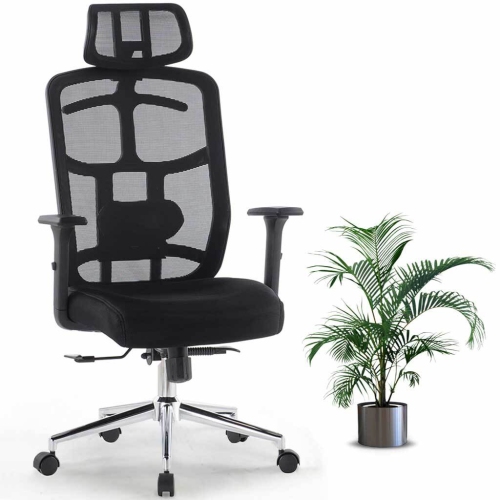 Your price for this item is $126.99
-
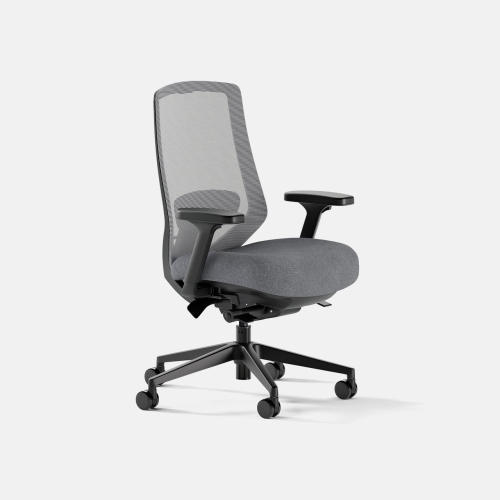 Your price for this item is $599
-
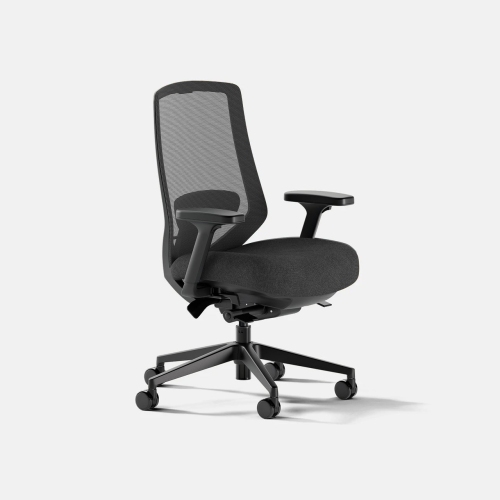 Your price for this item is $599
-
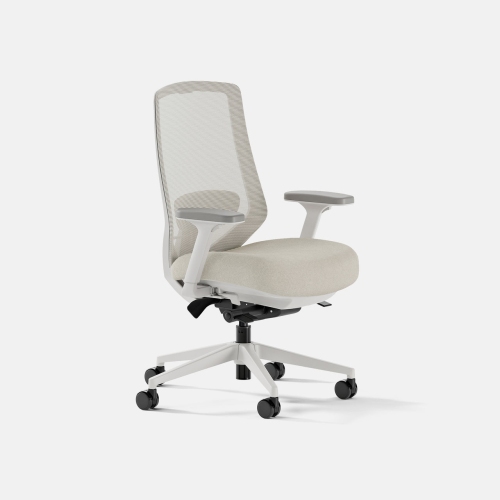 Your price for this item is $599
-
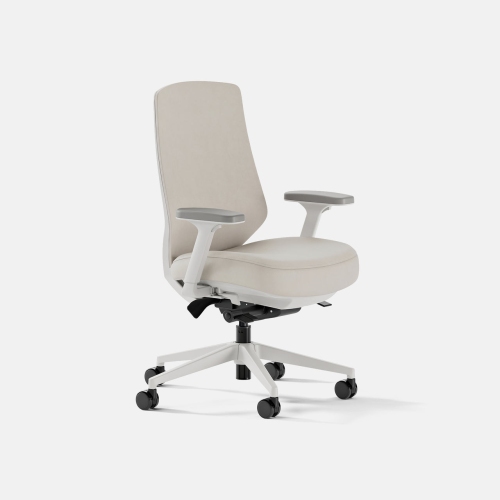 Your price for this item is $649
-
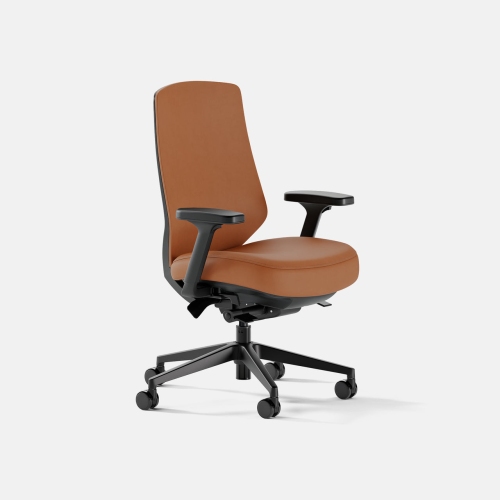 Your price for this item is $649
-
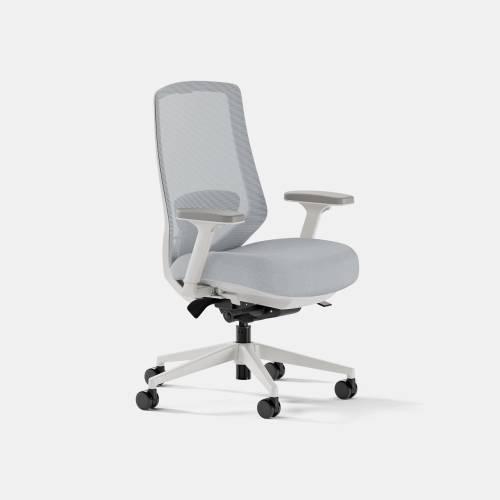 Your price for this item is $599
-
 Your price for this item is $459.99
Discover more categories related to Office Chairs for Home Office Upgrade

Top Collections:
Pokemon Centers, Best Black Friday Deals This Year, Best Black Friday Deals On Electronics, Kindle Devices, Best Budget Office Chairs, Best Black Friday Deals On Apple Products, Best Cameras for Sports Photography, Pokémon 30th Celebration Cards, Dyson Airwrap, Canon G7X Cameras
Some products may be subject to Environmental Handling Fees
(EHF) depending on your province.
Learn more about EHFs.