Open Concept Room Dividers
Open Concept Room Dividers offer a versatile solution for creating distinct spaces while maintaining a spacious and airy feel in any home or office. Perfect for open floor plans, these dividers help define areas for work, relaxation, or entertaining without the need for permanent walls. With a variety of styles and finishes available, Open Concept Room Dividers make it easy to enhance your space’s functionality and visual appeal. Discover options that complement your décor and suit your layout needs, all designed to help you maximize both style and flexibility.
Sort
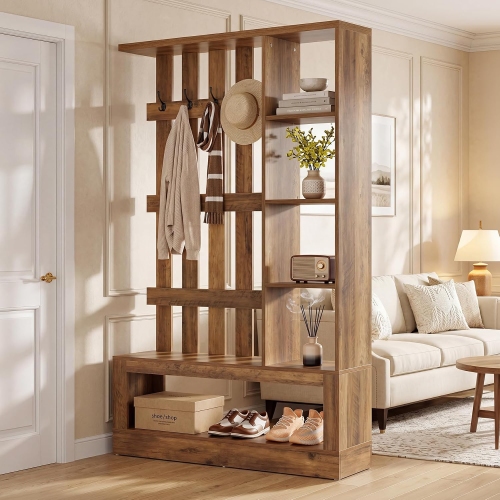
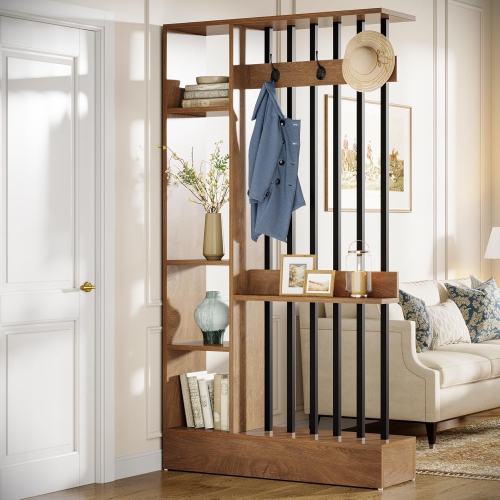
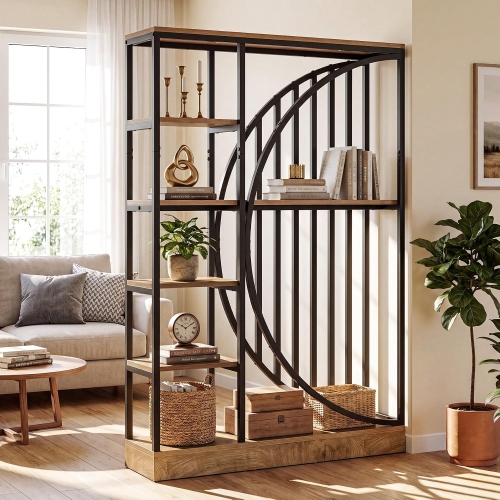
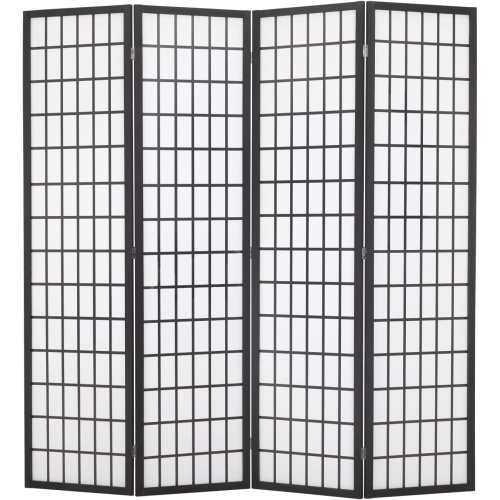
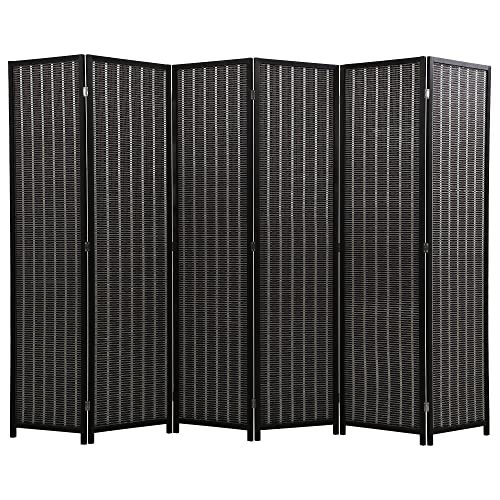
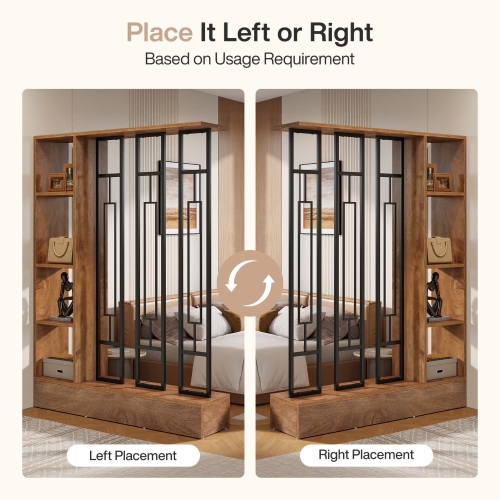
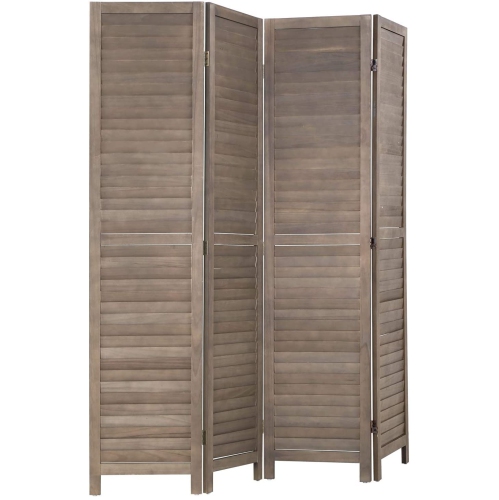
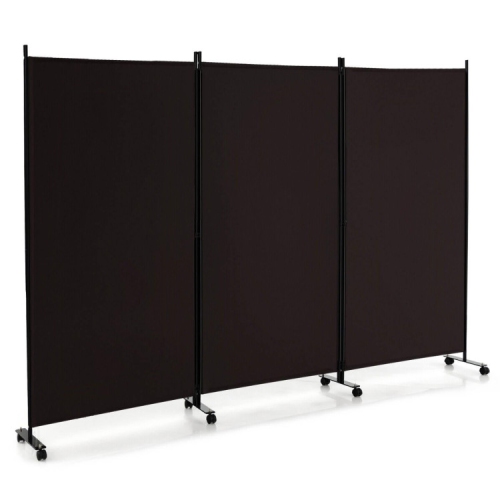


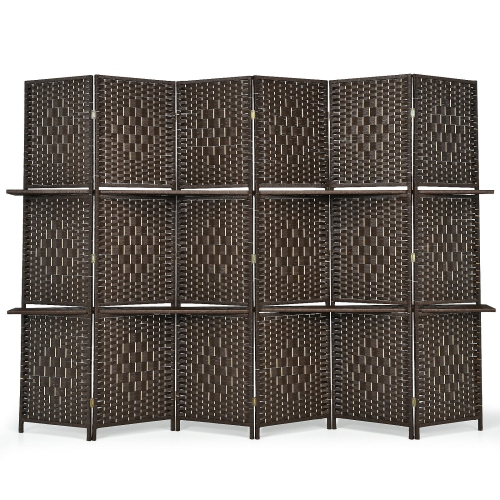
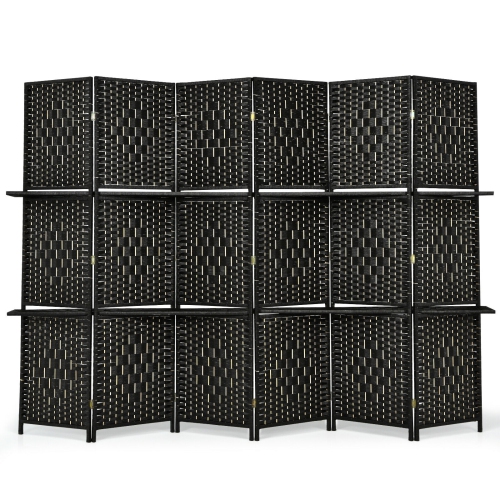

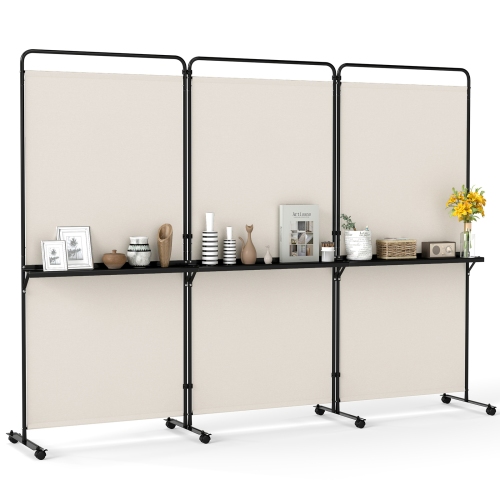
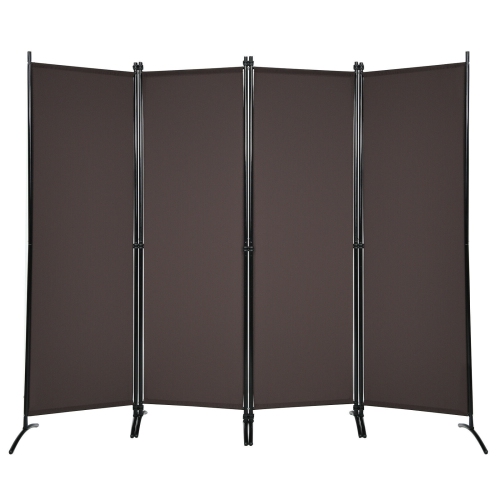

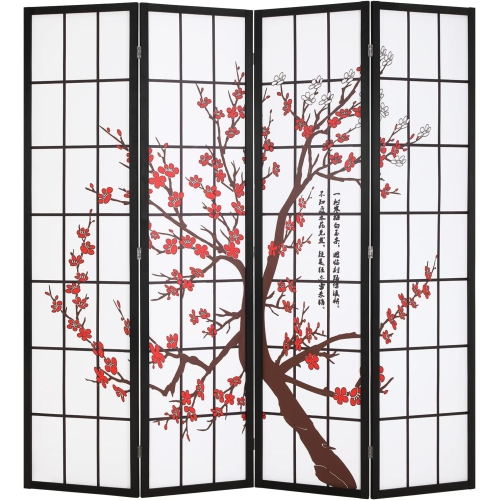
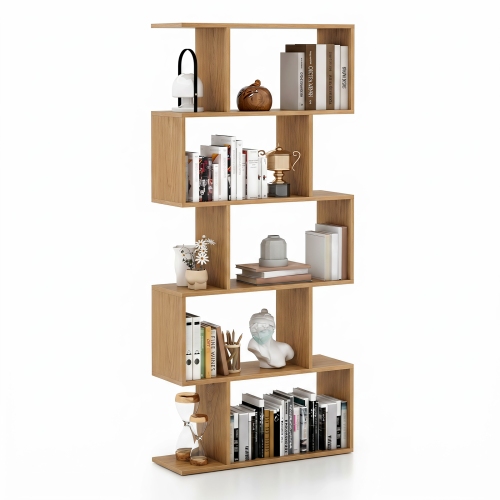
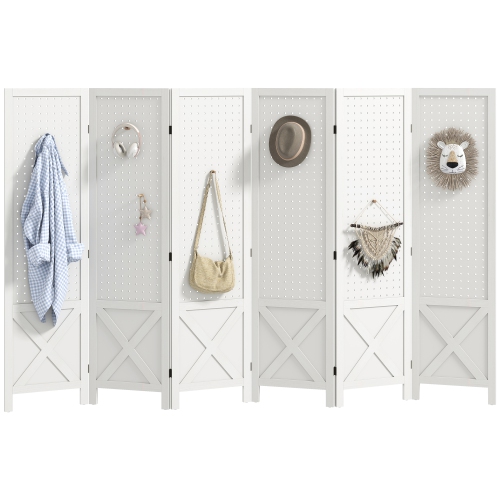
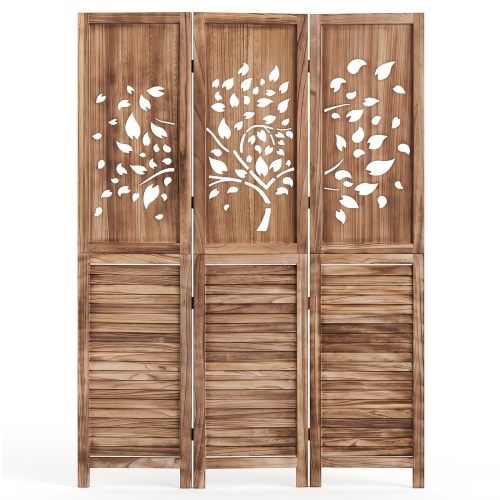
Distinct living zones without the permanent walls
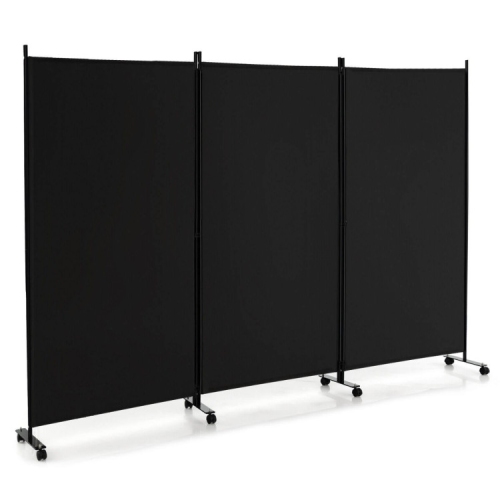
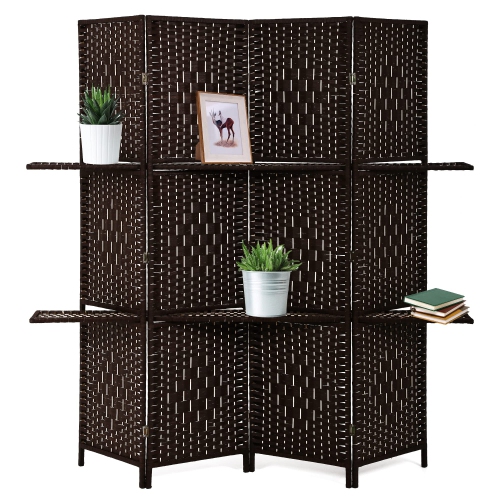
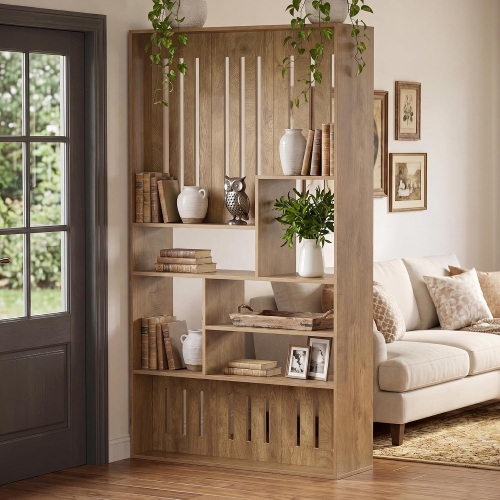
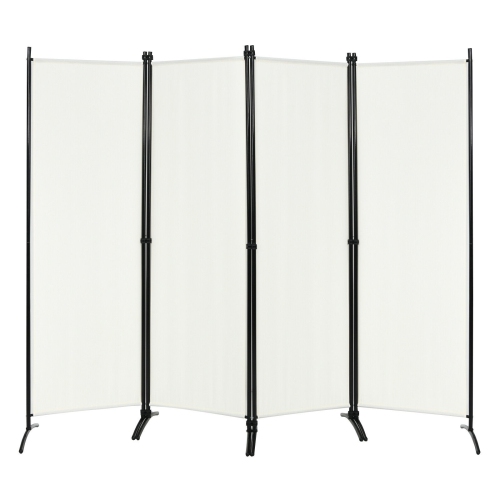
Open concept room dividers create distinct areas for living, dining, working, or sleeping without enclosing each space behind a permanent wall. They provide a visual boundary while preserving the connected feel that makes an open floor plan appealing. A screen beside a desk can keep paperwork out of sight from the sofa, while a shelving divider can give a dining area its own outline without cutting it off from the rest of the room. The amount of separation depends on the design: solid panels offer greater visual privacy, while open shelves, spaced slats, and woven panels with visible gaps let more light and sightlines pass through. Folding room dividers are especially useful where the layout needs to change. Their hinged sections can form an angled boundary around a reading chair or stretch across part of a sleeping area, then fold away when more floor space is needed. Freestanding panels offer another way to define a zone without a full renovation, although their bases and support requirements vary. Open-backed shelving combines separation with storage, making it useful between a lounge and a home office where books, baskets, and everyday supplies need a place. Only furniture designed and supported for that placement should stand away from a wall; some shelving requires wall anchoring even when it appears substantial. Slatted partitions introduce a more architectural line, while curtains and hanging fabric panels can open or close across a wider span when installed with suitable hardware. These options serve different purposes rather than offering the same level of privacy. A loosely woven screen may soften the view of a desk, but it will not fully conceal it. Similarly, a fabric partition may soften some reflected sound without preventing conversations from travelling. For shared apartments, studios, and multipurpose family rooms, that distinction helps match the divider to the daily activity on either side.
Materials shape both the appearance of a room divider and how it stands up to regular use. Solid wood can bring visible grain and a substantial feel, while wood veneer offers a real-wood surface over a different core. Engineered wood panels can provide a smooth, consistent finish, with durability depending on their construction, edge protection, and surface coating. Painted or powder-coated metal frames suit crisp, open designs and can keep the structure visually light, though the overall weight and stability still depend on the base and panel arrangement. Rattan, bamboo, and other woven materials add texture that works well beside upholstered seating and simple cabinetry. Their privacy level varies with the tightness of the weave, and textured surfaces tend to need gentle dusting with a soft brush or vacuum attachment where the care directions allow it. Fabric panels introduce a softer finish; removable covers may be easier to maintain, but washing should only follow the stated care instructions. Glass and acrylic panels offer another balance of light and separation. Clear surfaces preserve views, while frosted or textured finishes blur shapes without necessarily blocking silhouettes. Glass components should be intended for furniture or partition use, and edges, supports, and installation details deserve particular attention in busy households. For most hard surfaces, a soft cloth and an approved cleaner help maintain the finish without scratching it or leaving residue. Excess moisture can damage some wood-based panels, and abrasive pads can mark acrylic or coated metal. Hinges, feet, and connectors also affect long-term performance, especially when a folding screen is moved frequently. A divider that remains beside a sofa has different demands from one opened and closed each day around a workspace. Matching the material to that routine makes maintenance more manageable. In homes with children or pets, stable supports, secure fasteners, and any required anti-tip restraints matter more than appearance alone; a room divider is not a substitute for a safety gate or protective barrier.
Fit involves more than finding a divider with the right listed width. Folding screens usually need an angled arrangement to stand as intended, so their usable span may be shorter than their total panel width. Feet and support legs also occupy floor space, and shelving dividers need enough clearance for access without narrowing a main walkway. Height changes the effect just as noticeably. A lower partition can mark the edge of a seating area while keeping the room visually connected, whereas a taller panel can offer more coverage around a bed or seated workspace. Privacy from a chair is different from privacy when standing, making the viewing angle from nearby seating and doorways worth considering. Position also influences how daylight reaches the rest of the room. An open slatted design near a window can maintain some light flow, while an opaque screen may work better where concealing a workspace matters more than keeping a long view. Dividers should leave doors, exits, ventilation openings, and access routes clear, with appropriate clearance around heating appliances and other fixtures. Ceiling-mounted curtains and fixed partitions require hardware suited to the supporting surface; rental homes may also have restrictions on drilling or permanent changes. Within those practical limits, the finish can help the partition feel like part of the furnishings rather than an afterthought. Repeating the wood tone of a dining table, the dark frame of a bookcase, or the fabric colour of a sofa creates continuity between zones. For clean-lined spaces, Contemporary Room Dividers offer a related design direction. A divider seen from both sides benefits from a finished back, tidy hardware, and an arrangement that looks considered from each area. Shelving feels more open when some compartments remain empty, while closed baskets can keep work supplies from dominating the living room view. Whether defining a quiet corner for a student, separating a desk in a shared home, or screening a bed in a studio, the right divider gives each activity a clearer place without making the whole room feel closed in.
Top selling and popular products
-
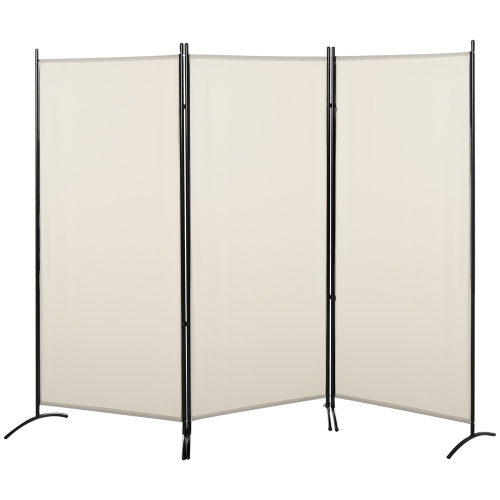 Your price for this item is $80.99
-
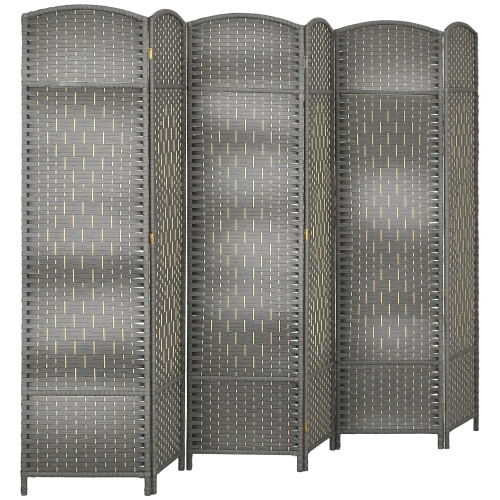 Your price for this item is $149.99
-
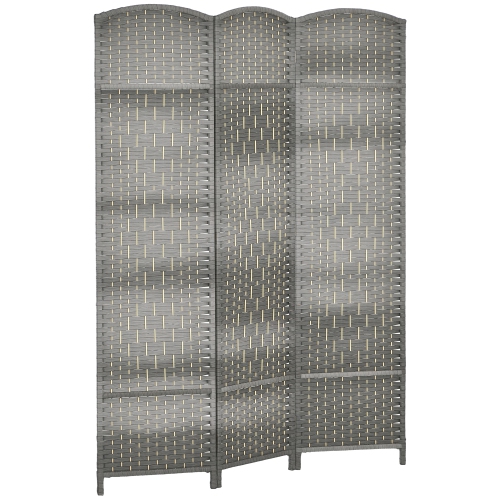 Your price for this item is $94.99
-
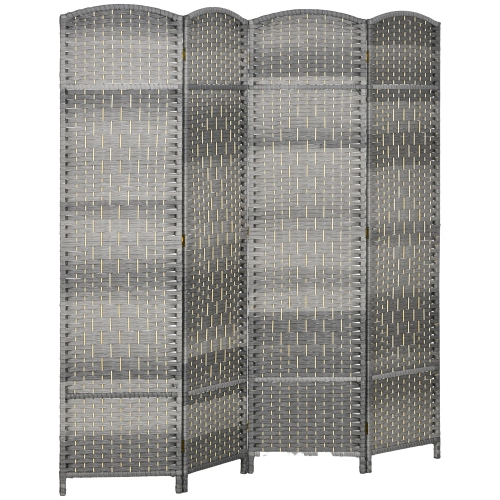 Your price for this item is $114.99
-
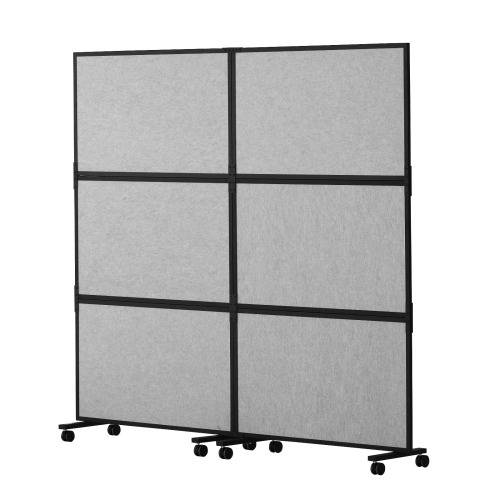 Your price for this item is $374.9
-
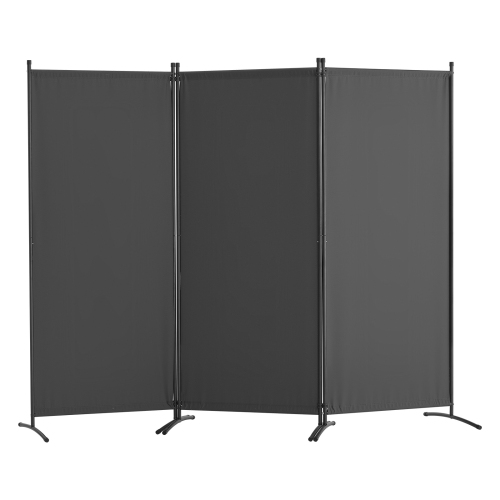 Your price for this item is $67.9
-
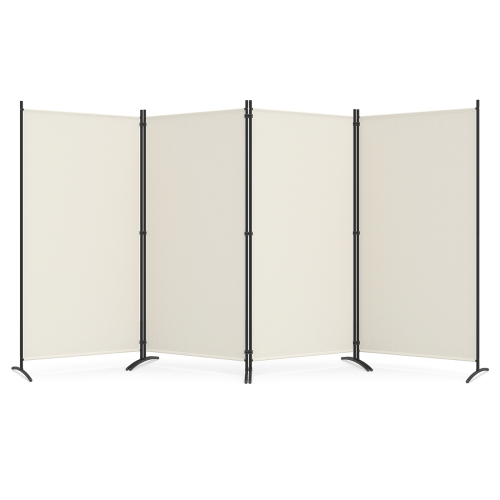 Your price for this item is $109.99
-
 Your price for this item is $279.99
Discover more categories related to Open Concept Room Dividers
Top Collections:
Pokemon Centers, Kindle Devices, Best Black Friday Deals This Year, Pokémon 30th Celebration Cards, Best Black Friday Deals On Electronics, Best Cameras for Sports Photography, Best Black Friday Deals On Apple Products, Canon G7X Cameras, iPhone 15 Apple, Candle Warmer Lights
Some products may be subject to Environmental Handling Fees
(EHF) depending on your province.
Learn more about EHFs.