Outdoor Barstool
Looking to elevate your outdoor entertaining space? Outdoor barstools are a great way to add seating and style to almost any outdoor setting. Designed with both style and functionality in mind, these barstools are the perfect addition to almost any patio or backyard. Here are some great options available.
Sort


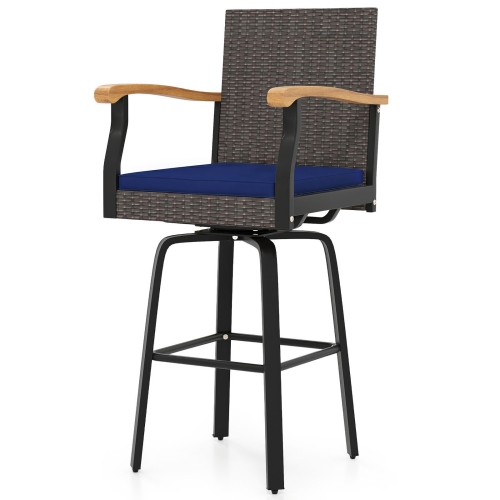

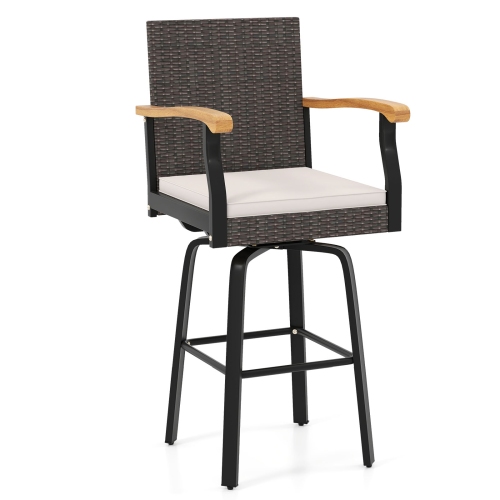

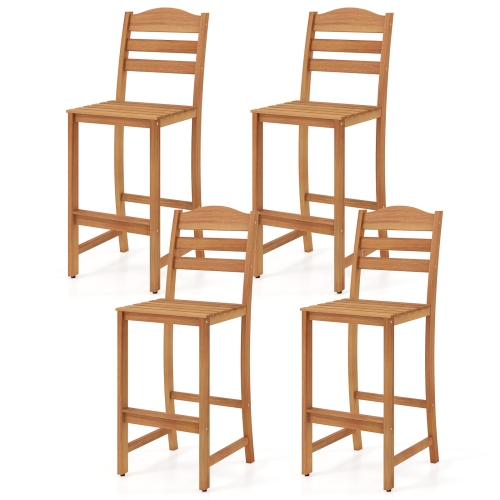
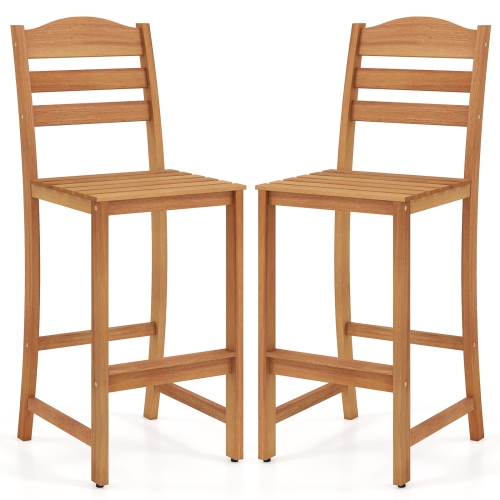

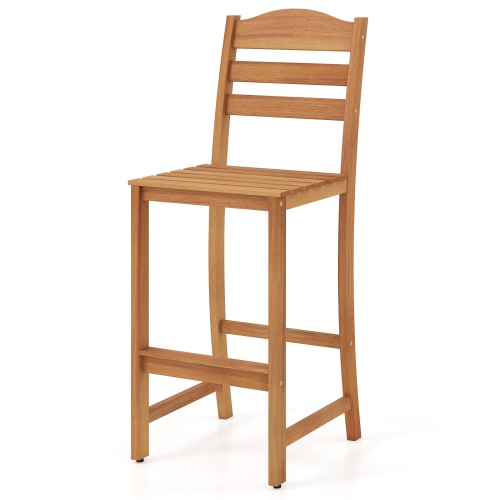


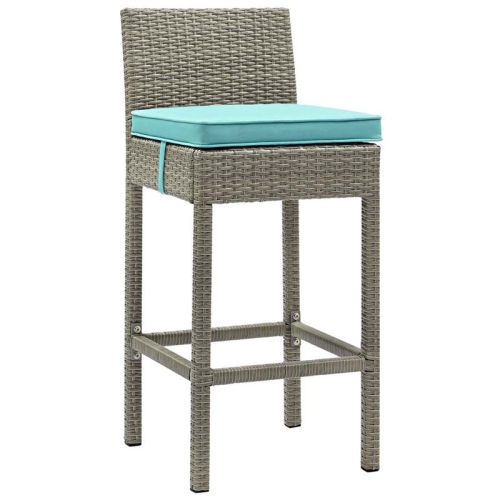


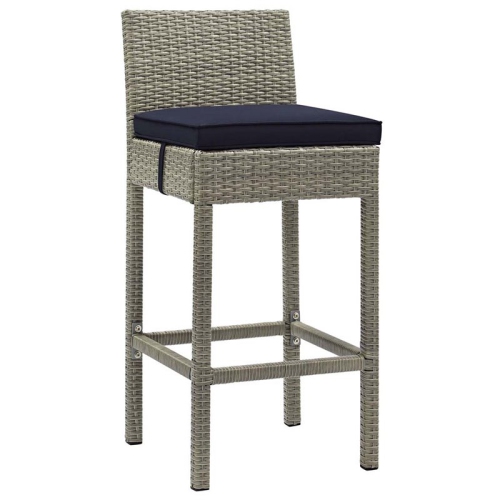

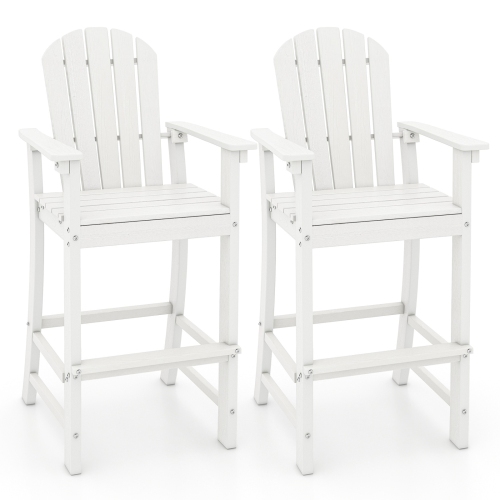


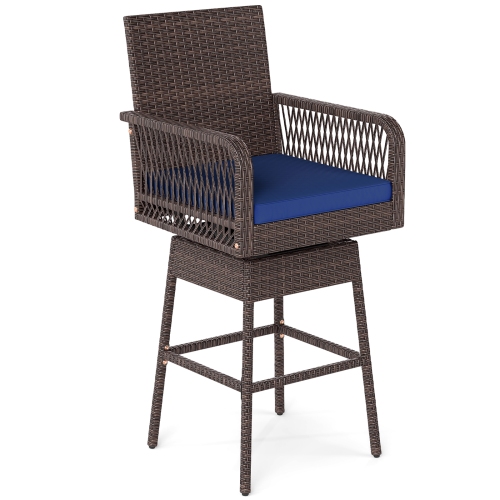


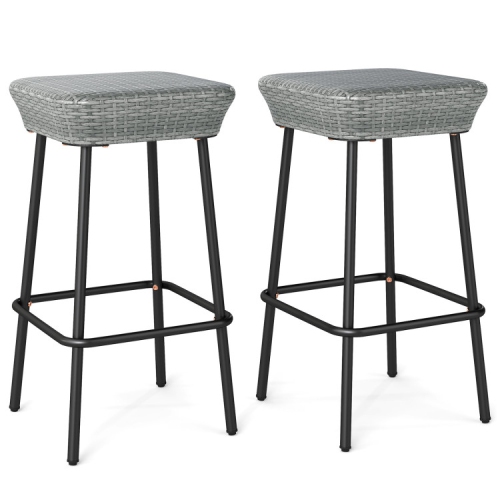


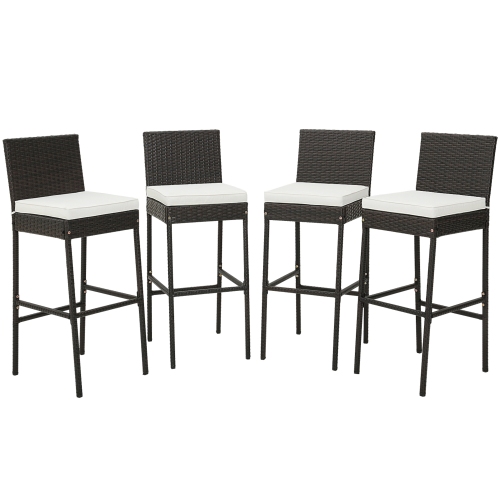

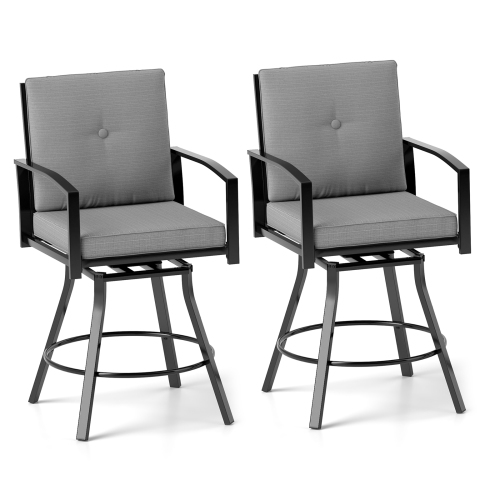


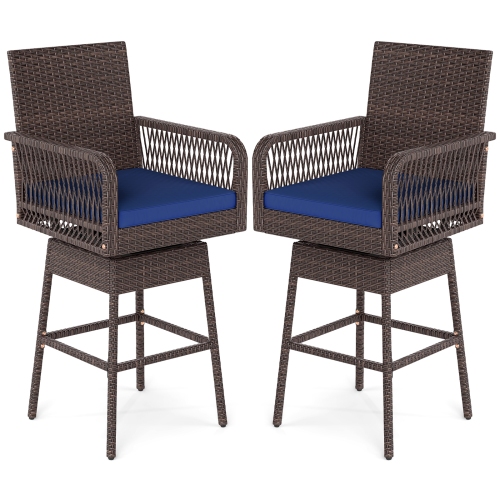


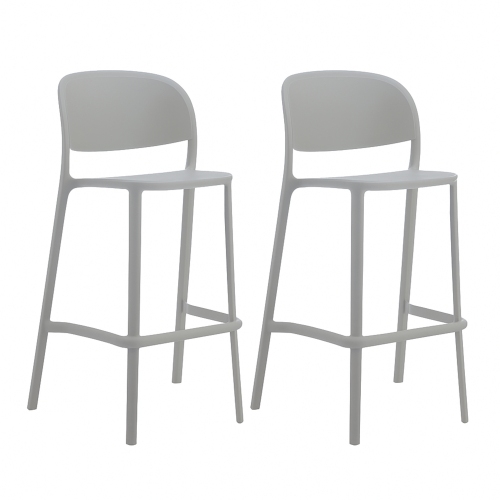


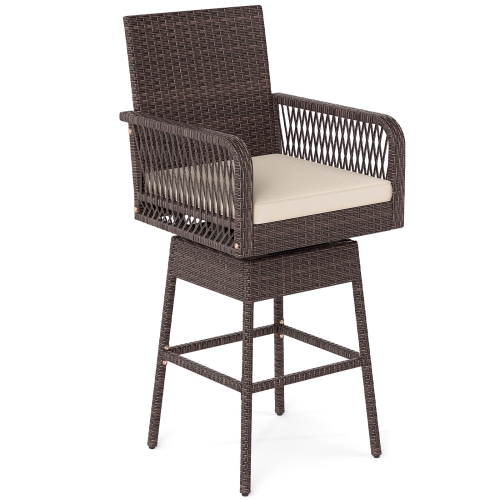
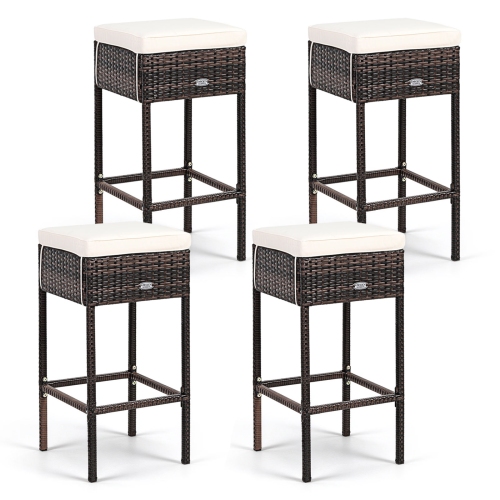

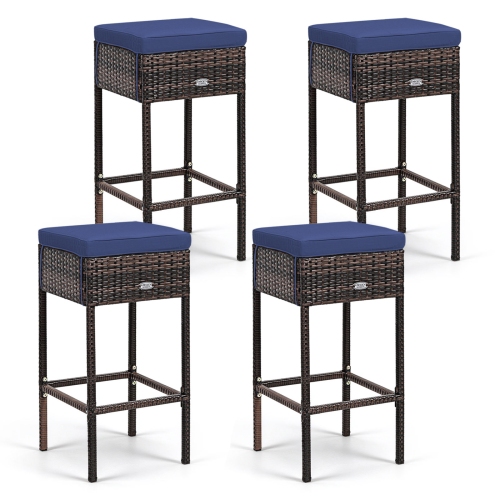


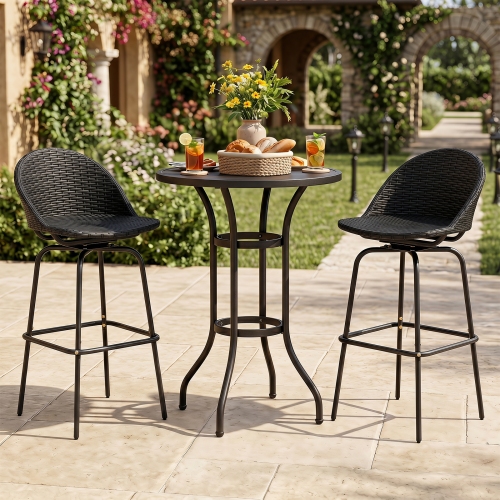


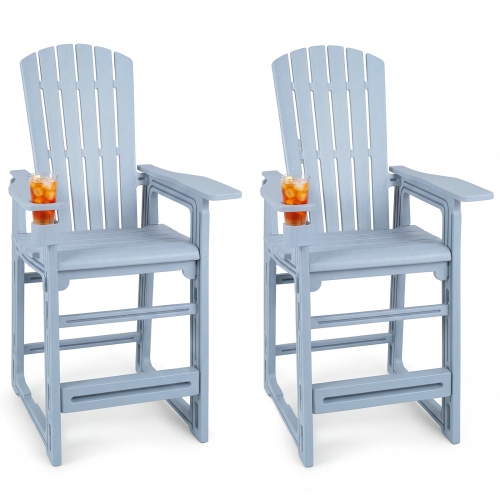
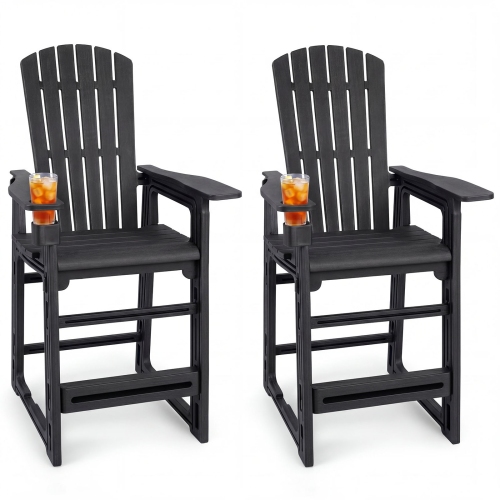


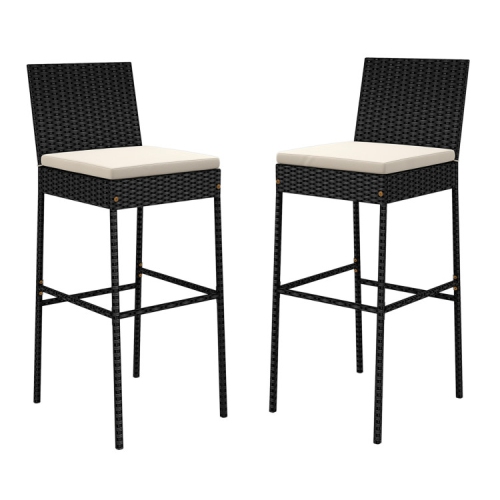
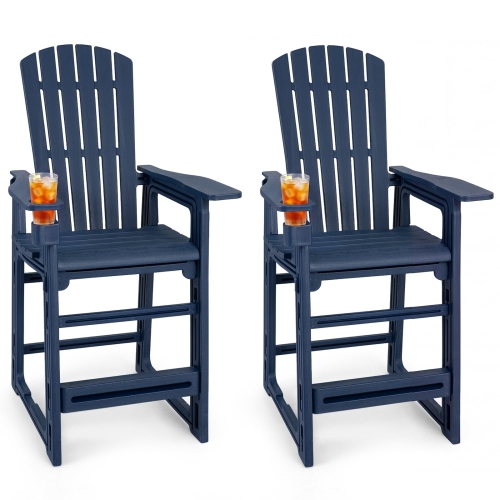


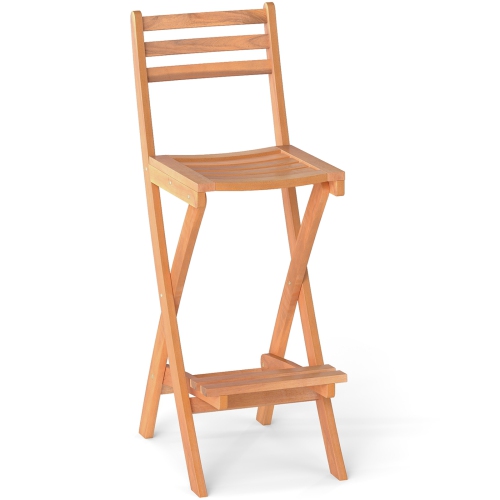


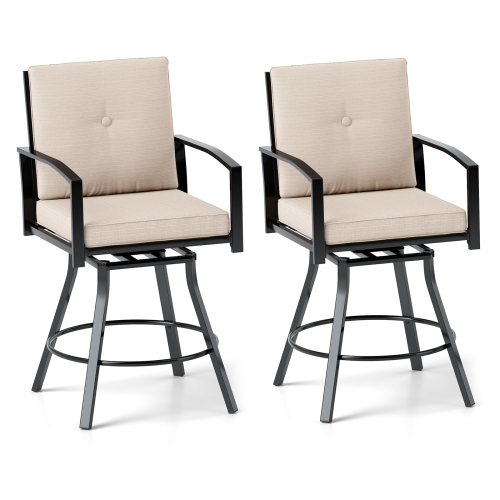


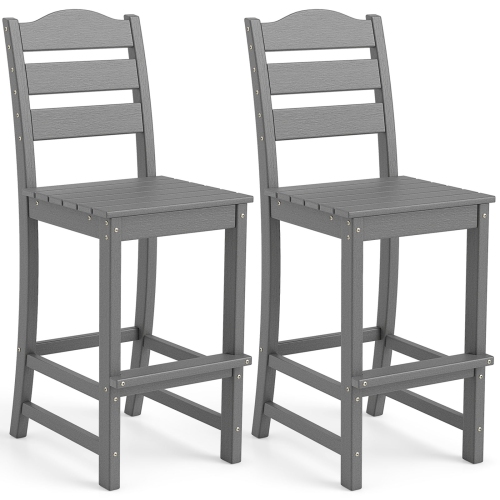

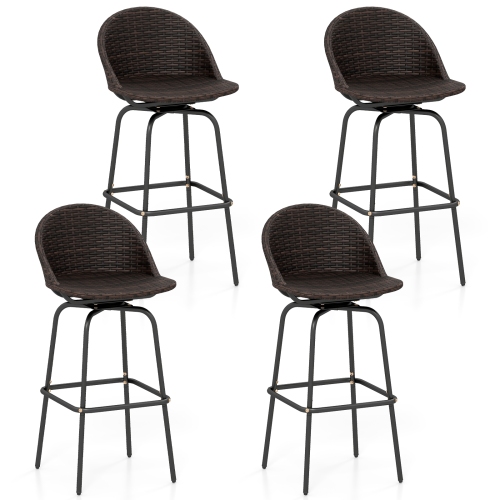

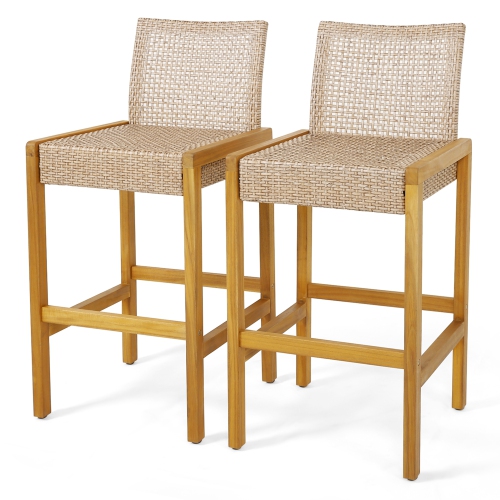
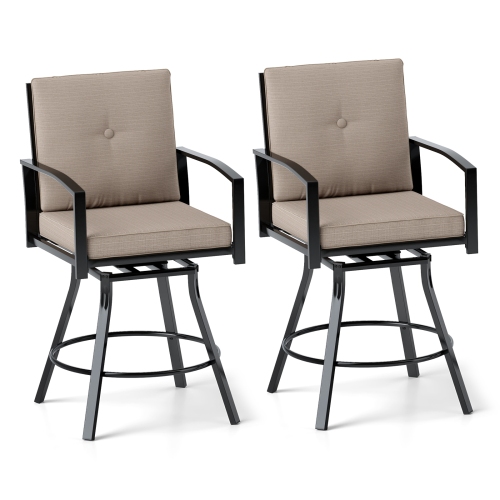
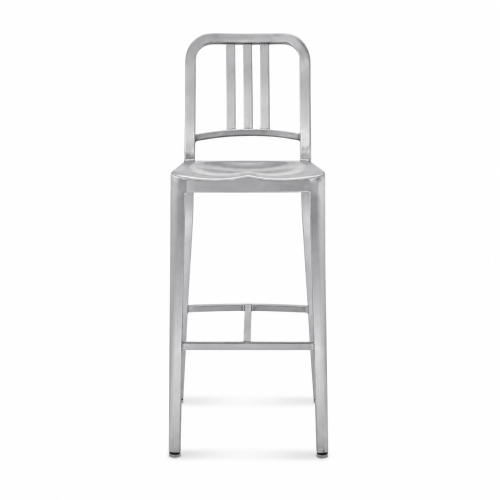


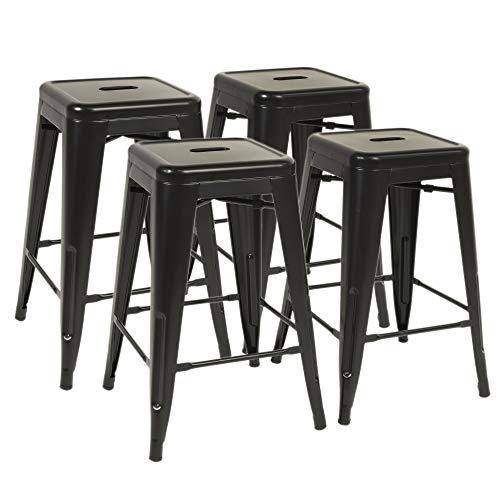


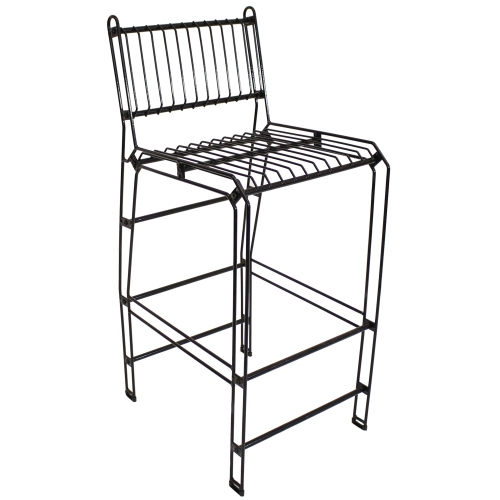
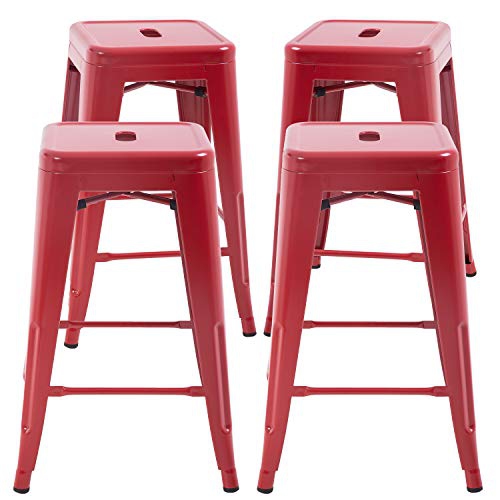


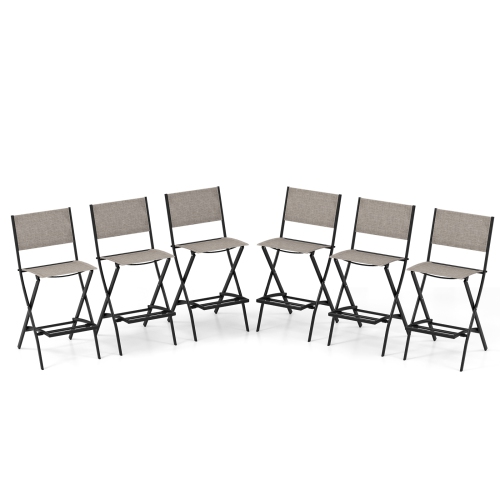
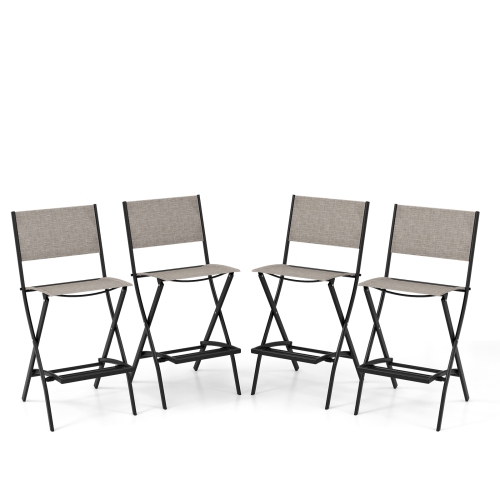
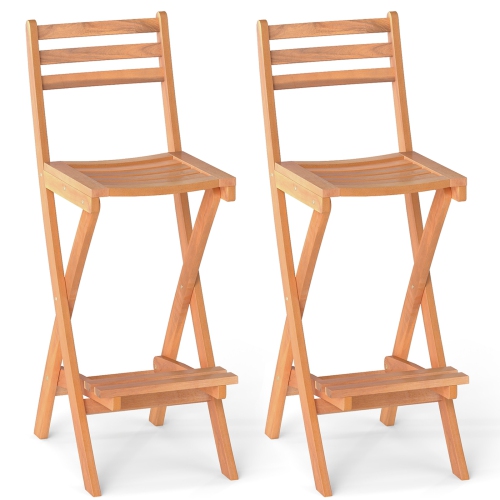


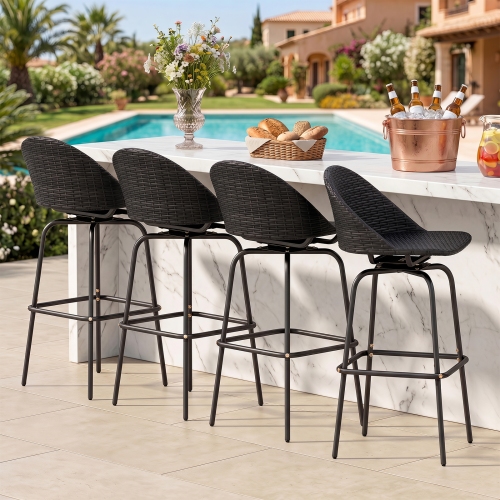
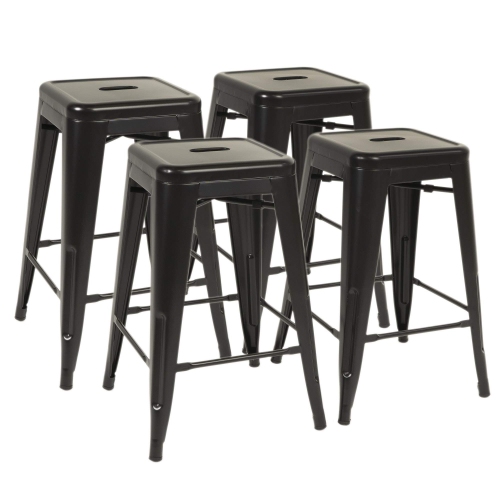

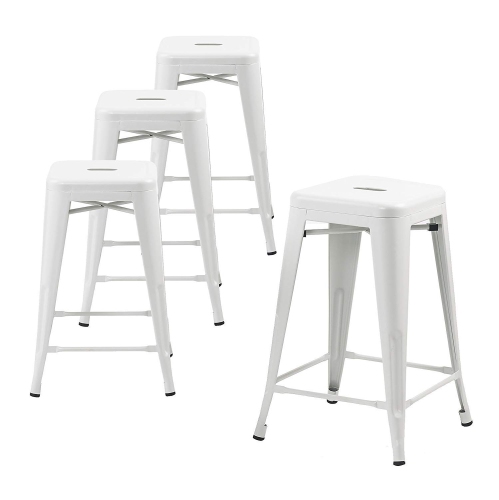


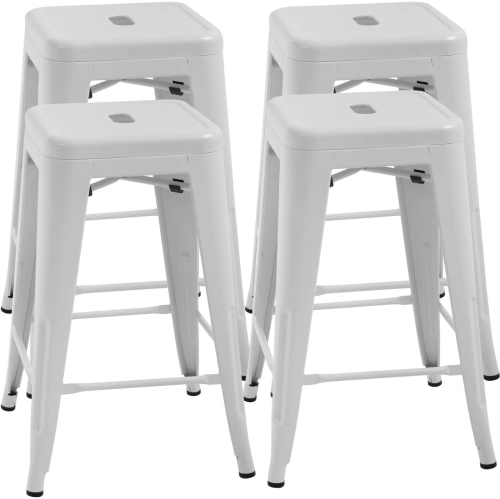


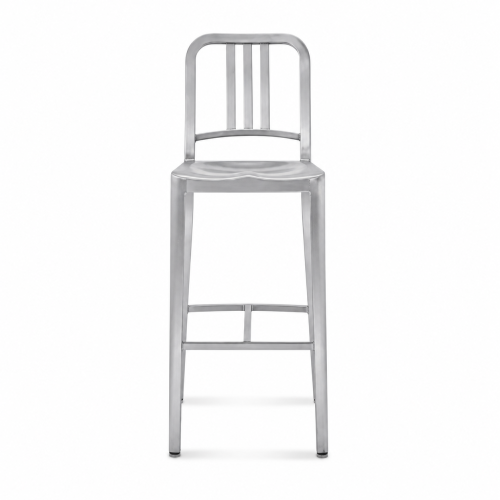


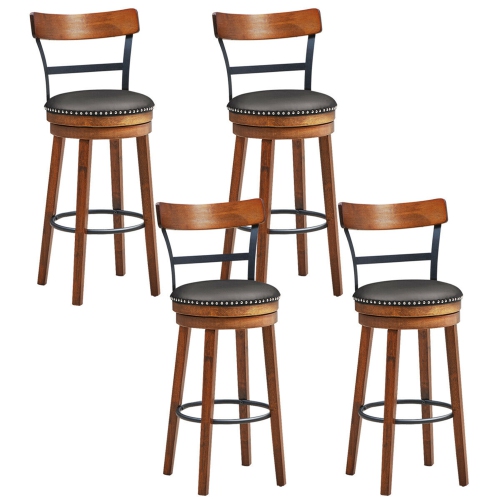
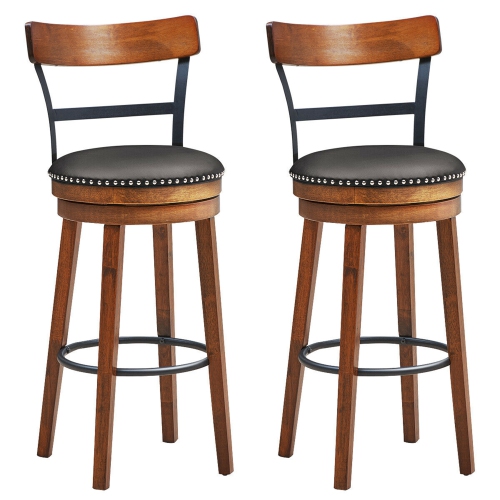
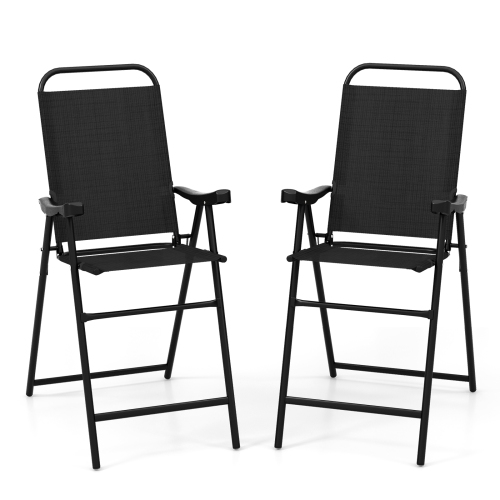
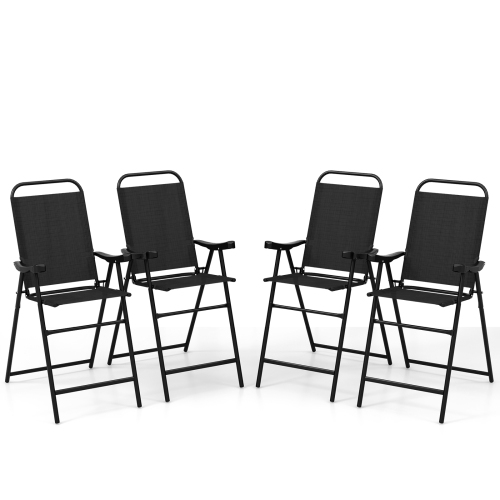


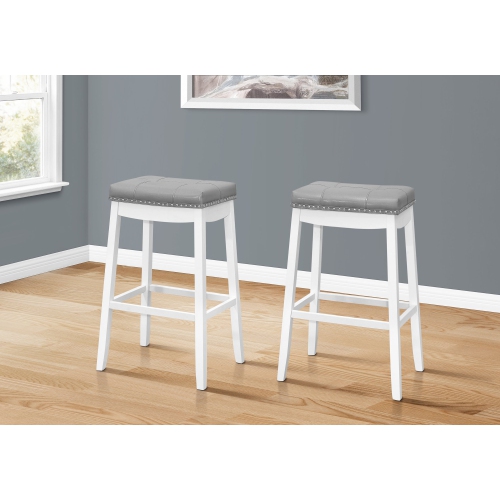
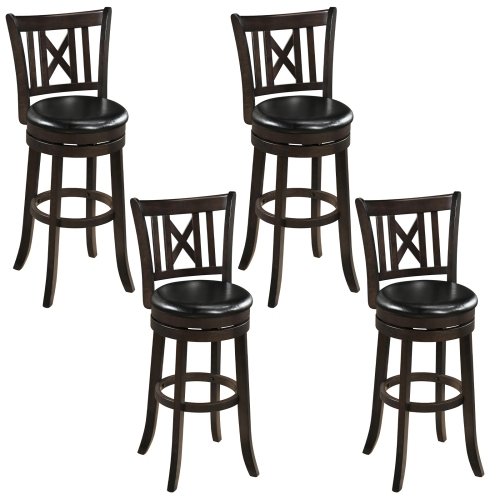
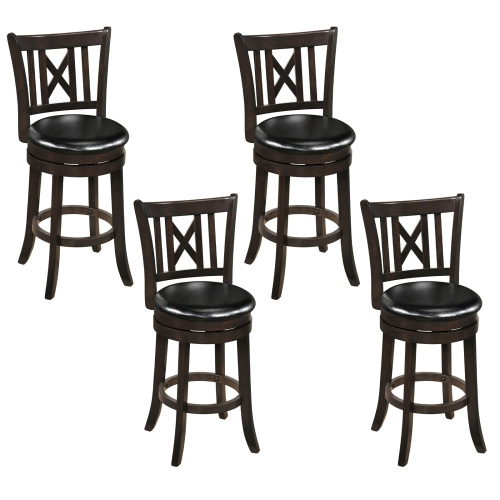


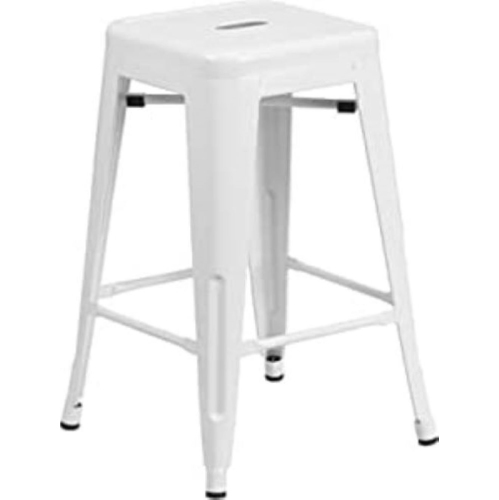
Comfort at the patio bar starts with seat height
Outdoor barstools bring comfortable, raised seating to patio bars, backyard counters, and tall outdoor tables, creating a place to share snacks, linger over a meal, or keep someone company while dinner comes off the grill. Their defining feature is seat height: outdoor counter-height stools generally have seats about 24 to 27 inches above the floor, while bar-height stools commonly measure about 28 to 33 inches. Counter-height seating typically suits surfaces around 35 to 37 inches high, and bar-height seating typically suits surfaces around 40 to 42 inches high, but the exact pairing matters more than the category name. Allowing roughly 10 to 12 inches between the top of the seat and the underside of the counter usually provides comfortable legroom; a thick tabletop or a low support apron can reduce that clearance. For example, a 30-inch seat beneath a surface with an underside 41 inches above the ground leaves 11 inches of space. Cushions add to the sitting height, so their thickness belongs in that calculation too. Width and placement are just as important on a narrow balcony or a patio that also serves as a route to the garden. Leaving about 6 inches between the widest points of neighbouring stools helps keep elbows from competing for space, while swivel seats and broad armrests may need more room. There should also be enough space behind the seating for someone to get up without blocking a doorway or stepping into a busy cooking area. Backless outdoor barstools can tuck neatly beneath a counter when their dimensions allow, making them useful where floor space is limited. Stools with backs offer support for longer conversations, and armrests provide a place to relax between bites. A raised view across a yard can be appealing, but stools should remain well away from balcony railings, pool barriers, and other places where elevated furniture could become a climbing aid for children.
Material gives an outdoor barstool much of its character and determines how it handles daily use. Wood brings visible grain and warm tones that sit comfortably beside deck boards, stone paving, and planted containers. Teak, acacia, and eucalyptus are common choices for outdoor furniture, although their care requirements and resistance to moisture vary with the species, construction, and finish. A wood patio barstool can complement a timber bar or soften the appearance of a metal-framed table, with slatted seats and backs adding texture while allowing water to drain. Wood may gradually change colour outdoors, and maintaining its original appearance can require cleaning and treatments specified by the manufacturer. Aluminum offers a lighter frame that is easier to move for sweeping or rearranging a seating area, and it does not develop iron rust. Steel often provides a heavier feel, though scratched coatings and exposed fasteners can become vulnerable to rust. Powder-coated finishes help protect metal surfaces, but their condition still matters, especially around joints, footrests, and areas that receive frequent contact. Resin wicker creates a woven look over a supporting frame and differs from natural wicker, which generally needs more protection from moisture. For an uncovered patio, materials explicitly rated for outdoor use are more suitable than indoor seating moved outside. Moulded resin and plastic designs can be straightforward to wipe down, while their resistance to fading, cracking, and temperature changes depends on the material and intended use. Weight also has practical consequences: lighter stools are convenient to carry into storage, whereas heavier designs may be less easily displaced in exposed locations, though no stool should be assumed to resist strong wind. Mixed-material designs offer another approach, pairing a metal base with a wood seat or woven back. Across these styles, smooth edges, well-fitted joints, protected hardware, and a clearly stated weight capacity are useful details to compare. A broad base needs a level, firm surface; narrow feet can sink into grass or catch in wide gaps between deck boards.
Comfort comes from the relationship between the seat, back, and footrest rather than cushioning alone. A contoured seat can make a firm surface more comfortable, while a supportive back angle helps distinguish a stool meant for a quick drink from seating suited to a leisurely meal. Footrests are particularly valuable at bar height because they give feet a stable resting place instead of leaving legs dangling. Their position should suit the person using the stool, and they are not steps unless the design specifically permits that use. Swivel mechanisms make it easier to turn towards a conversation without dragging the whole stool across the patio, but they also need clearance from table edges, walls, and adjacent seats. For anyone who finds elevated seating difficult to access, a lower outdoor chair may be a more comfortable choice. Cushions add softness and colour, with ties or straps helping them stay in place. Removable covers can simplify cleaning, although washing methods vary, and a fabric described as water-resistant should not be treated as waterproof. Quick-drying fills and fabrics rated for outdoor exposure are practical for uncovered seating, but cushions generally last better when stored clean and dry between extended periods of use. Everyday care usually starts with removing crumbs, pollen, and surface dirt using methods appropriate to the material; harsh cleaners and abrasive tools can damage finishes or fibres. Spills around a serving counter are easier to manage when addressed before they settle into seams or wood grain. Periodic checks for loose screws, worn foot glides, and damage around joints help keep seating steady and protect the surface beneath it. Stackable or folding designs can make storage simpler, provided their stated stacking limits and locking mechanisms are respected. Breathable furniture covers may reduce exposure to dirt and precipitation, but furniture should be dry before covering, with ventilation to limit trapped moisture. Where freezing conditions or prolonged wet weather are expected, sheltered storage and the manufacturer’s care directions take priority over an outdoor-use label. With suitable proportions and routine care, outdoor barstools can make a compact breakfast counter, a shared patio table, or a backyard entertaining area more inviting without overwhelming the space.
Top selling and popular products
-
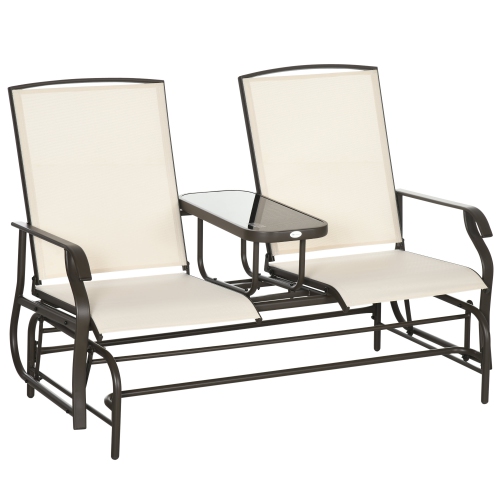 Your price for this item is $209.99
-
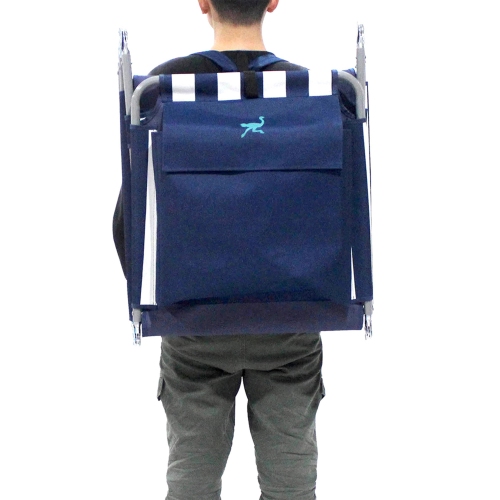 Your price for this item is $223.99
-
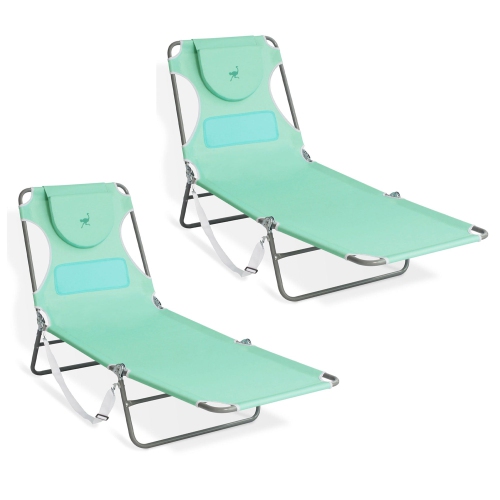 Your price for this item is $327.99
-
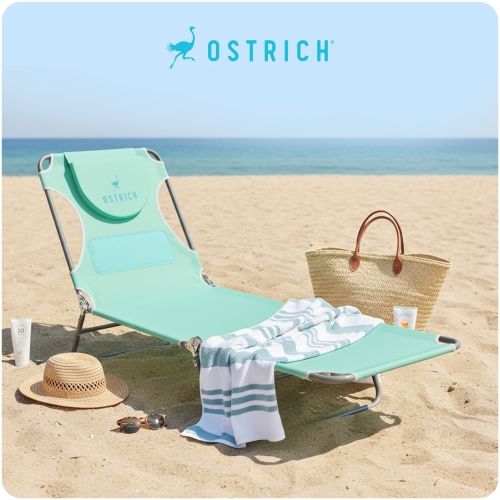 Your price for this item is $150.99
-
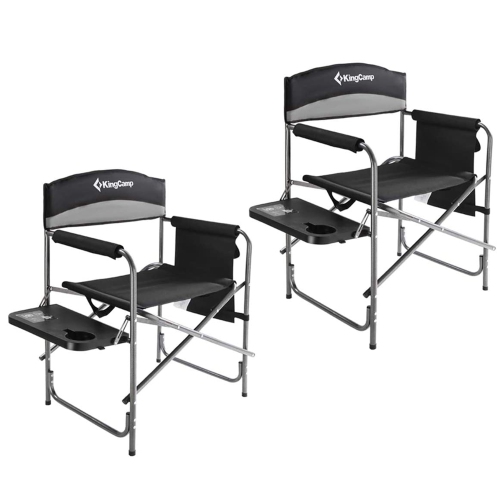 Your price for this item is $209.99
-
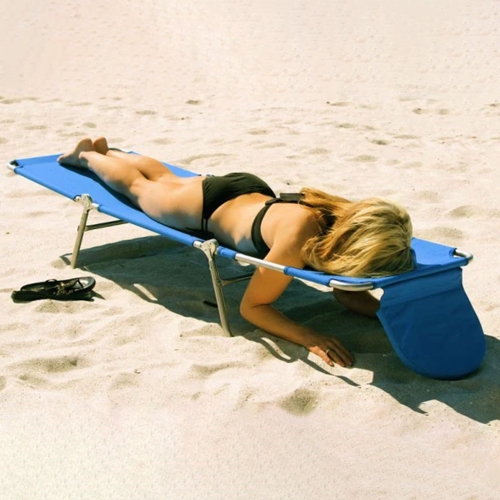 Your price for this item is $572.99
-
 Your price for this item is $178.99
-
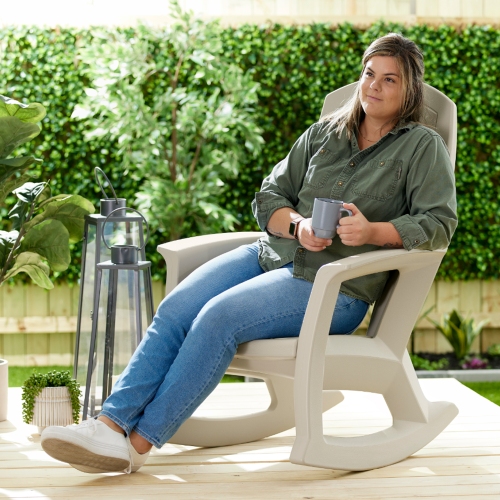 Your price for this item is $368.99
Discover more categories related to Outdoor Barstool

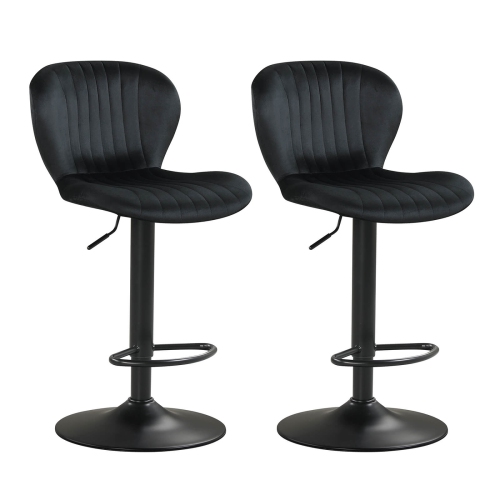
Top Collections:
Pokemon Centers, Best Black Friday Deals This Year, Best Black Friday Deals On Electronics, Kindle Devices, Best Budget Office Chairs, Best Black Friday Deals On Apple Products, Best Cameras for Sports Photography, Pokémon 30th Celebration Cards, Dyson Airwrap, Canon G7X Cameras
Some products may be subject to Environmental Handling Fees
(EHF) depending on your province.
Learn more about EHFs.