Wood Patio Barstool
Wood patio barstools are the perfect addition to almost any outdoor space. Not only do they provide a comfortable seating option, but they also add a touch of elegance and sophistication. Made from high-quality wood, these barstools are durable and built to last. Whether you're hosting a summer BBQ or simply enjoying a quiet evening on your patio, these wood patio barstools will enhance your outdoor experience.
Sort


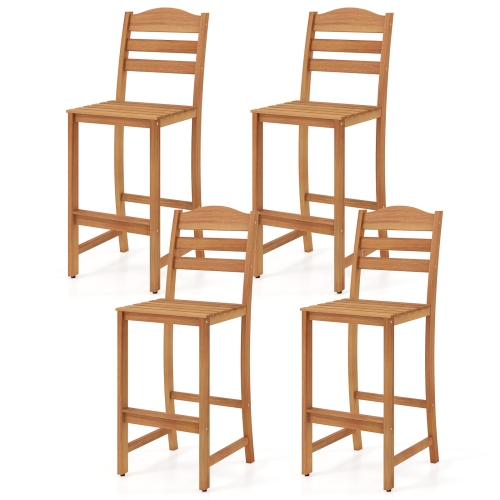
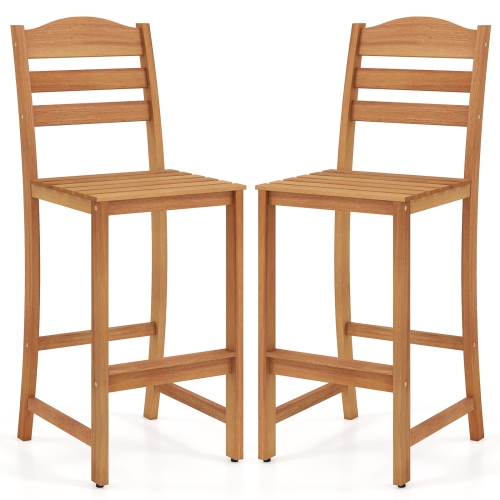

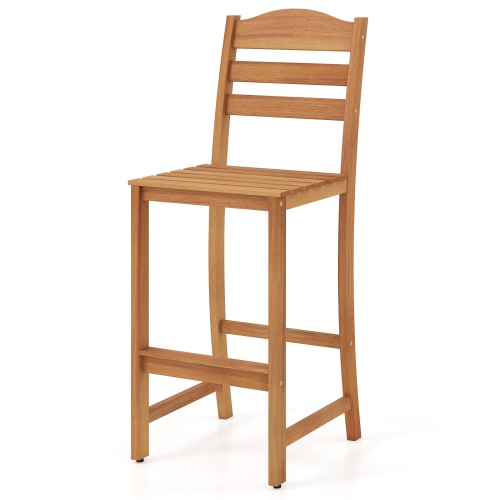

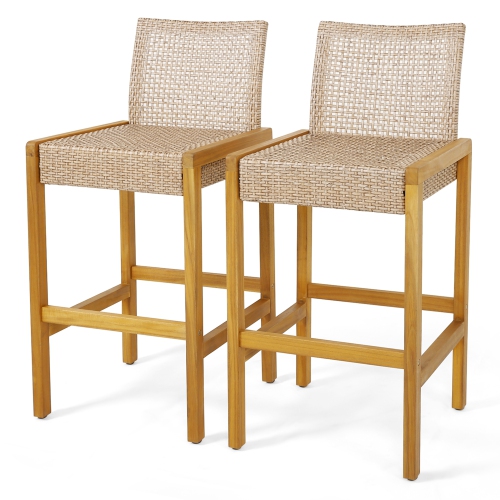


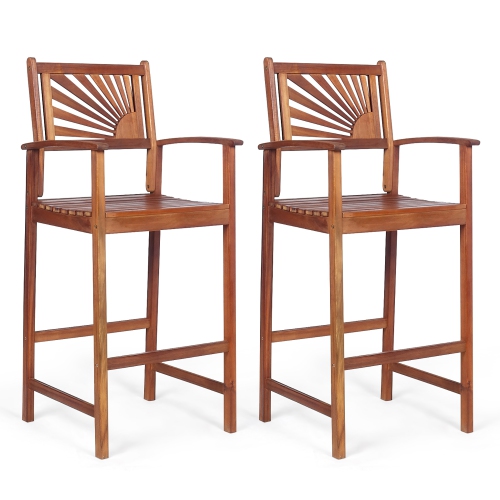


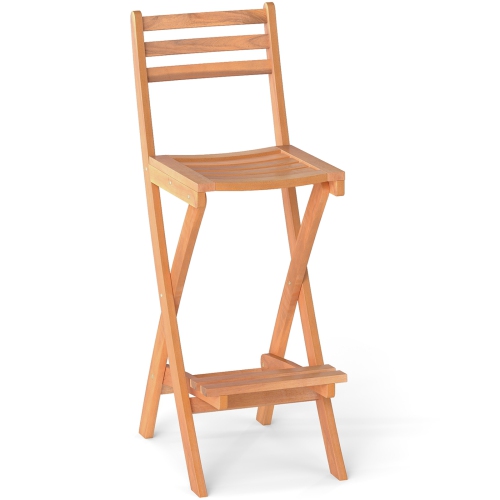


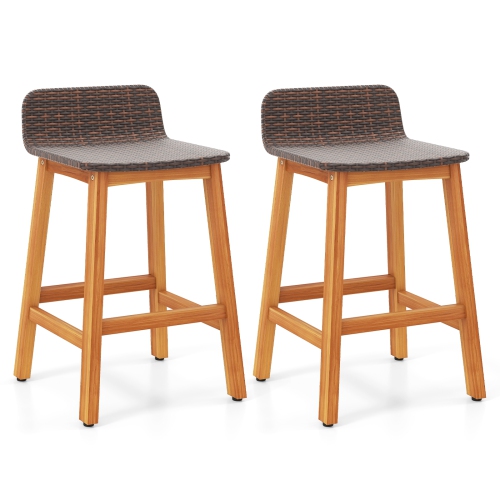


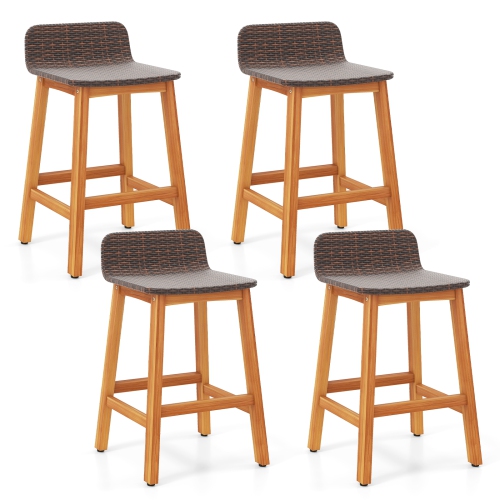


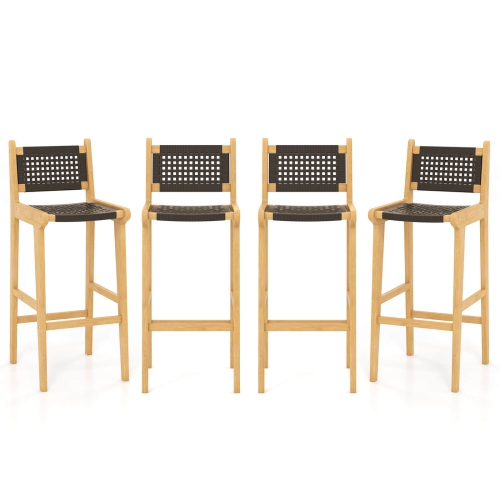
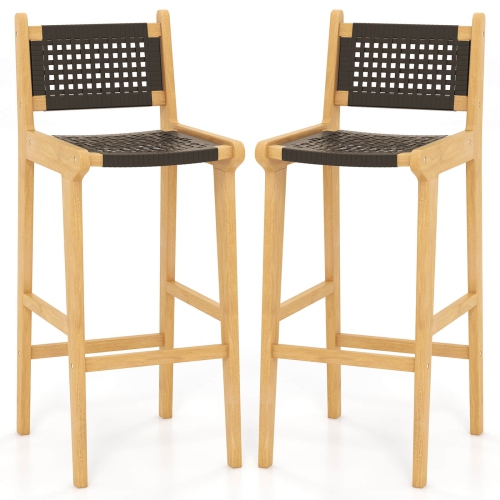
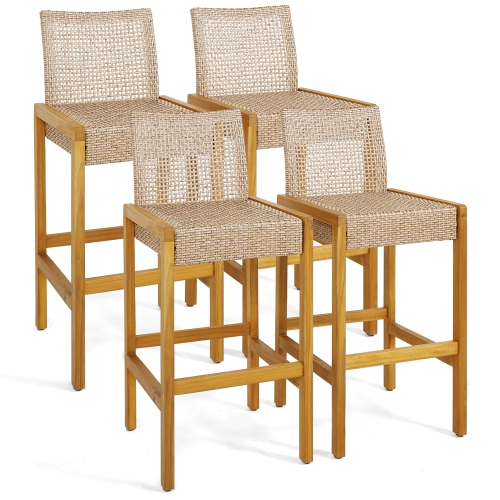

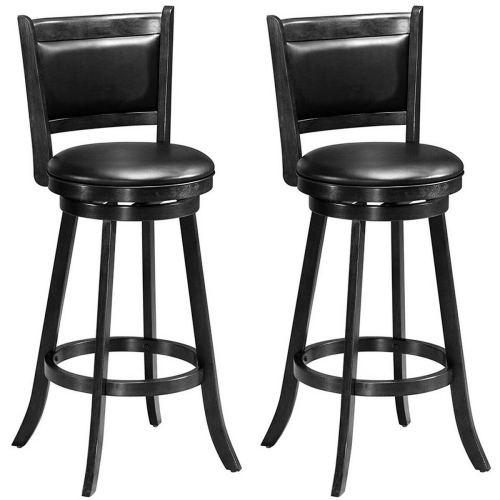
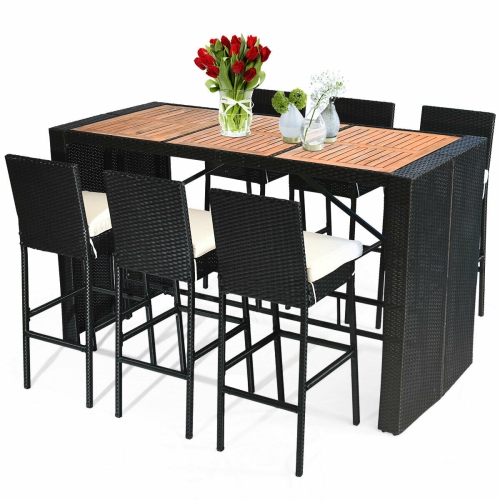


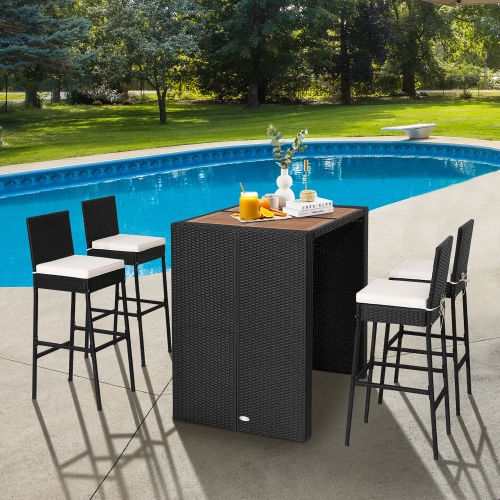


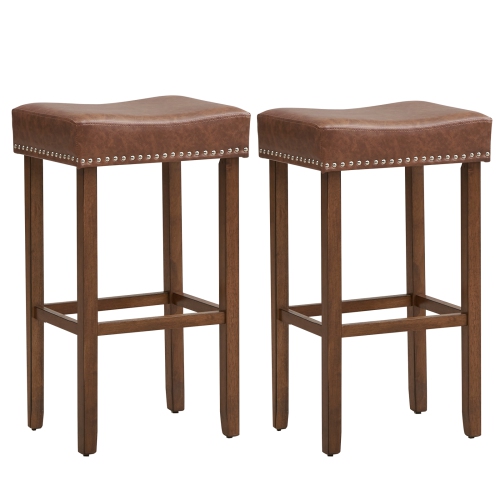

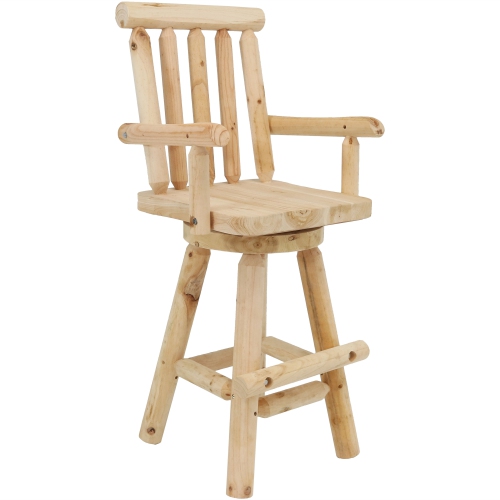
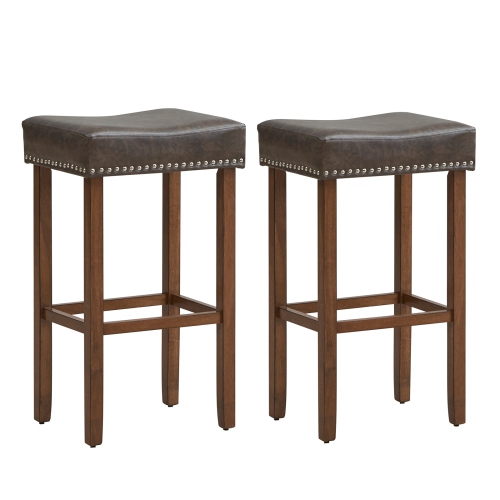
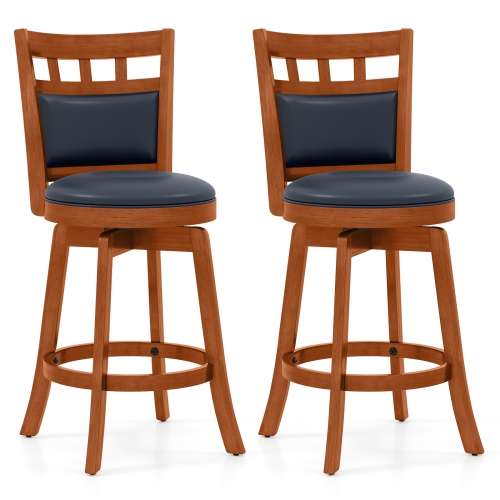


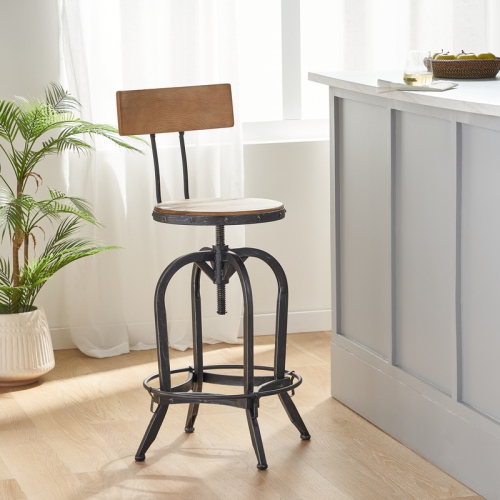


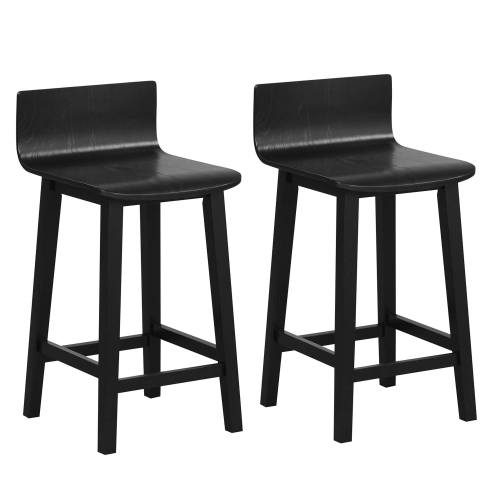
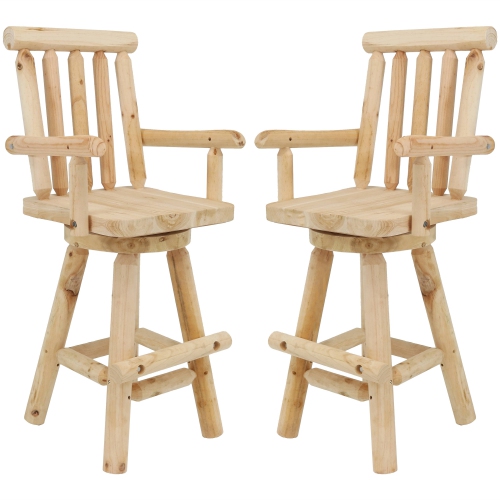

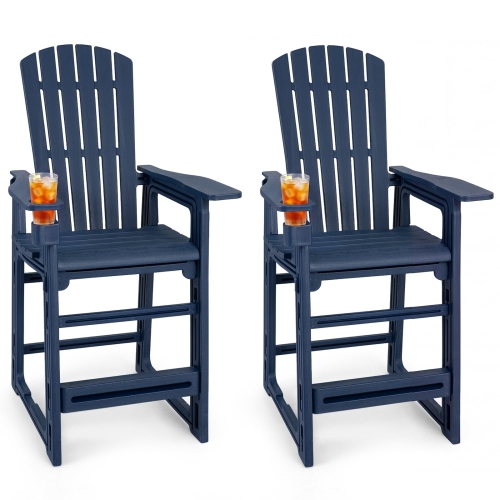


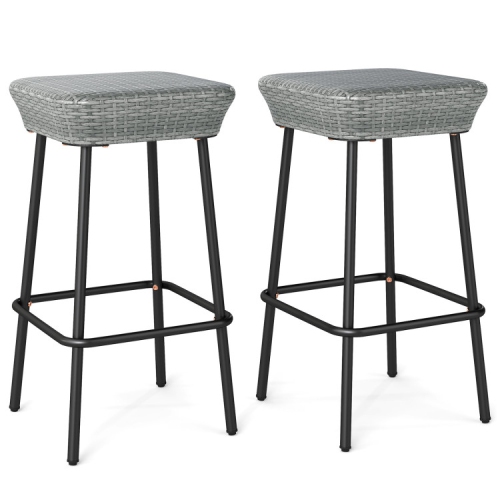


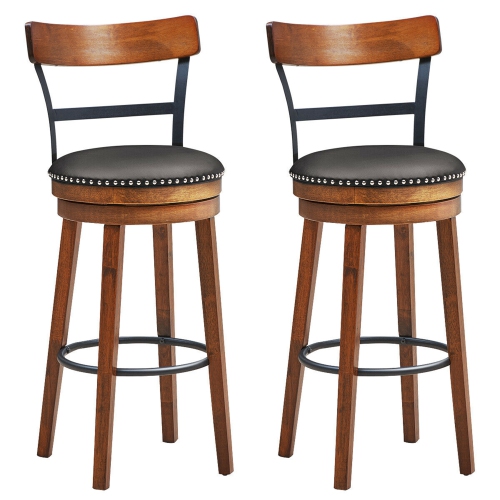


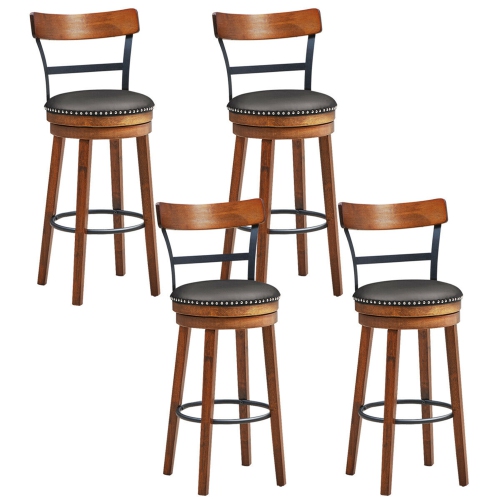
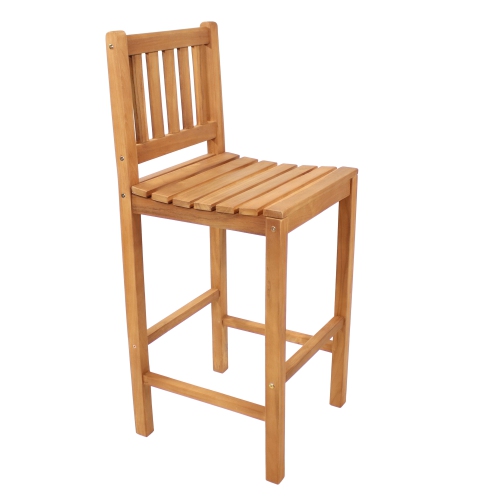

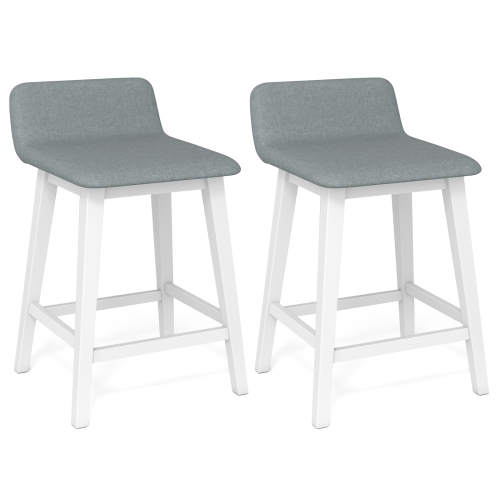
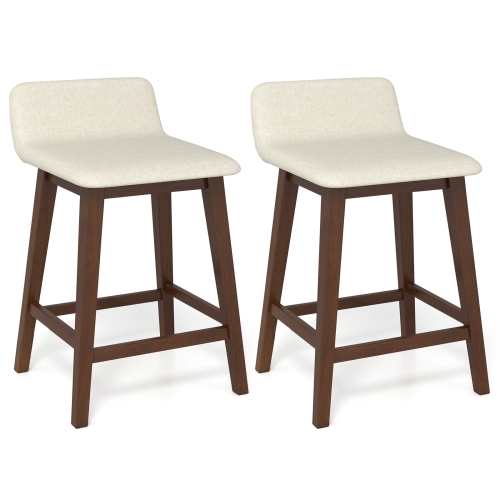
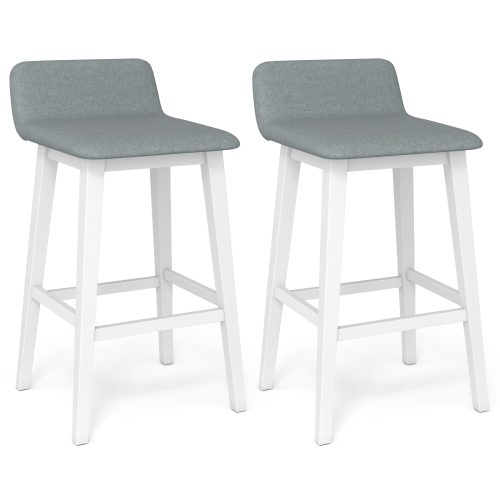

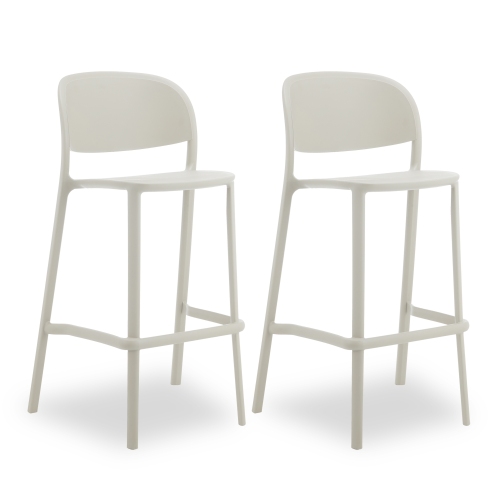


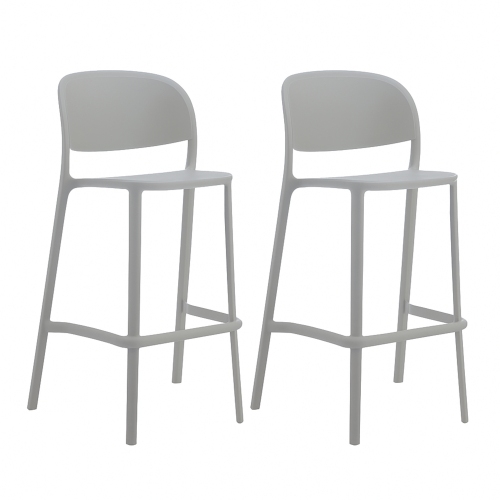


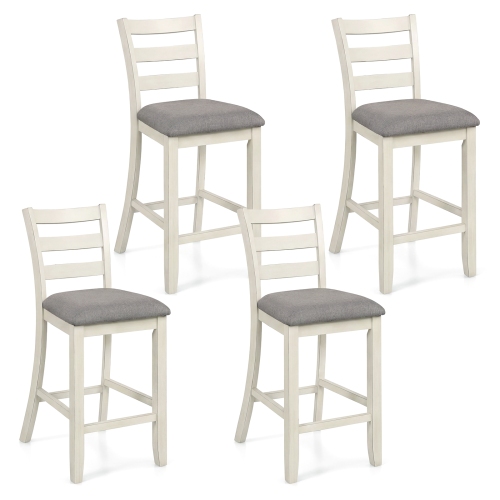

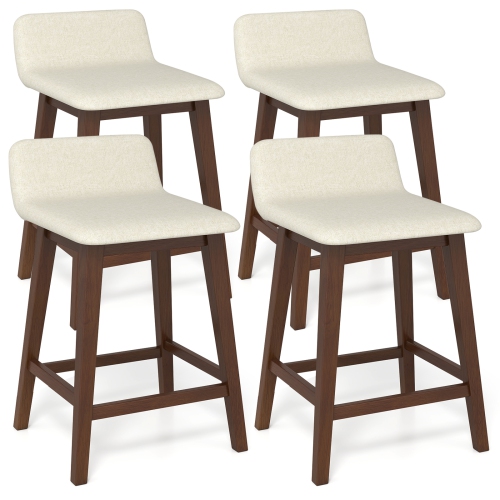
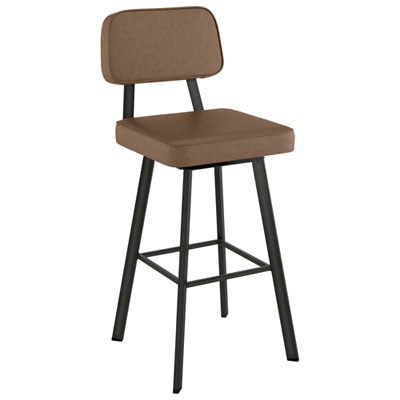


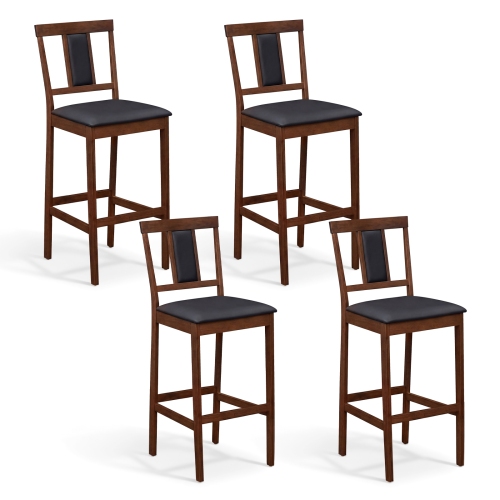
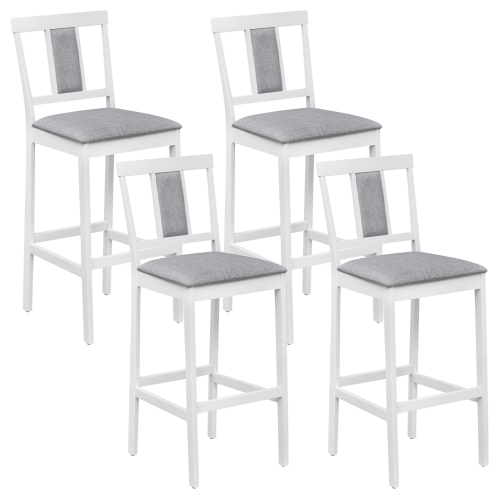
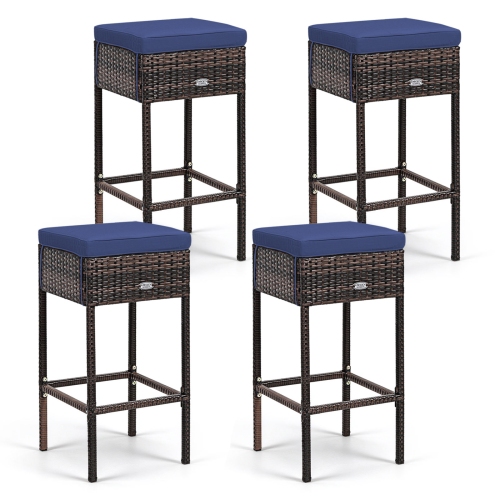
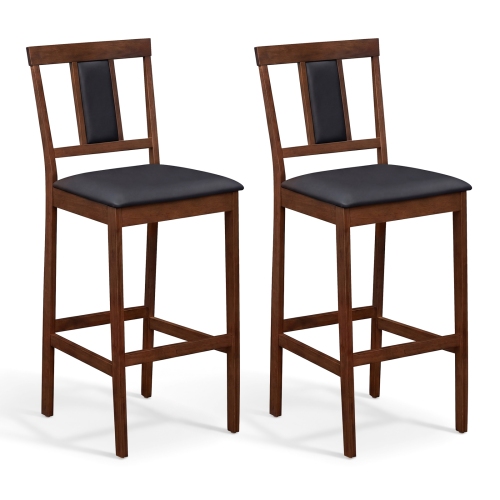
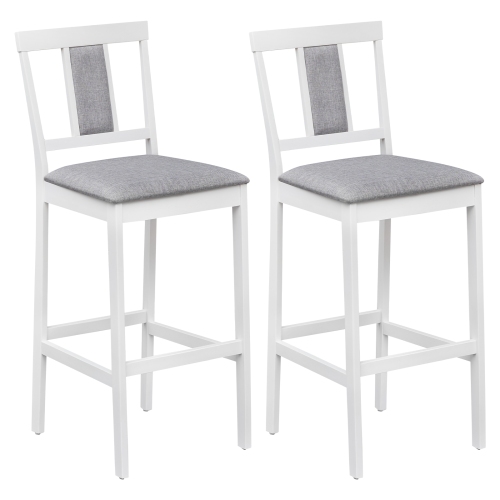


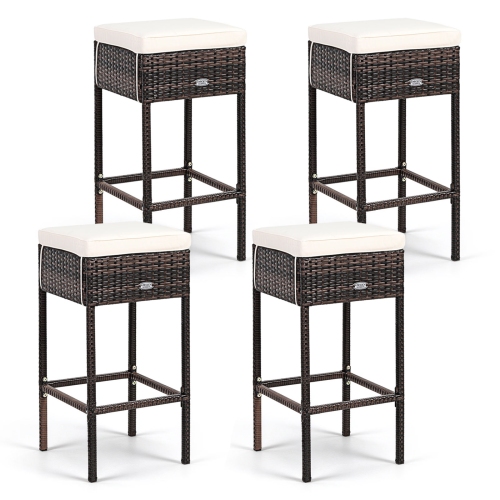


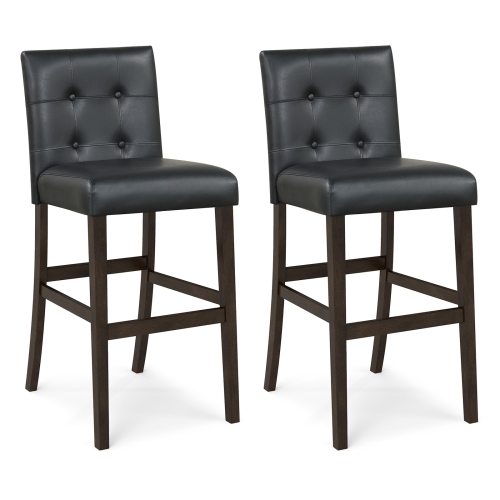
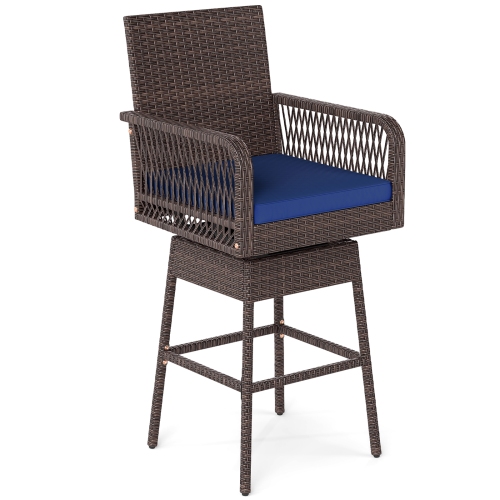

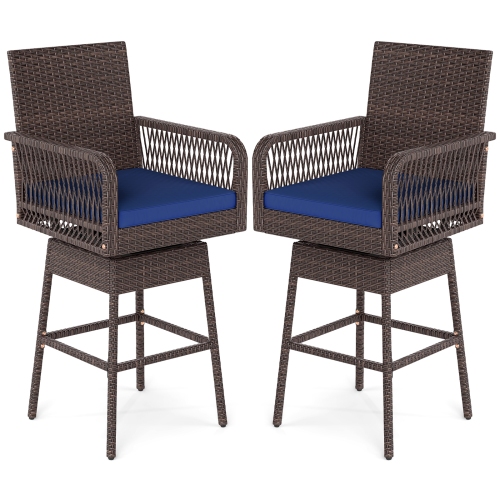

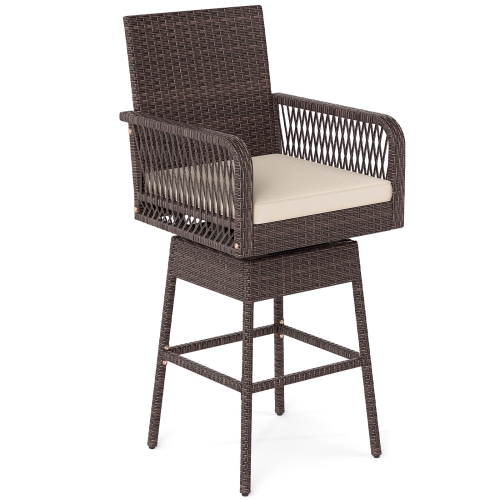

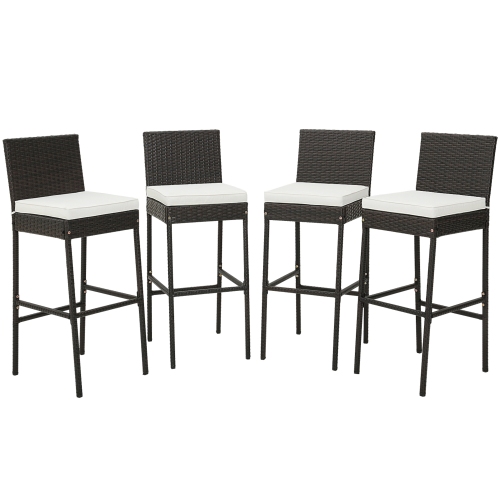


Natural grain adds character to raised outdoor seating
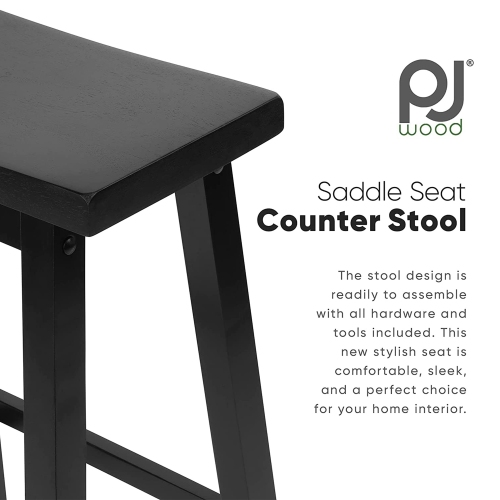
Wood patio barstools bring the warmth of visible grain and natural colour to raised outdoor tables, backyard bars, and covered entertaining areas. Their taller proportions suit spaces where a standard dining chair would sit too low, whether that means a narrow counter along a deck railing or a bar-height table beside an outdoor kitchen. A wood patio barstool can soften the look of stone paving, metal railings, and concrete surfaces while fitting comfortably alongside other wooden furniture. The material has plenty of visual range: pale finishes feel light and understated, deeper brown tones add richness, and painted frames offer a more uniform appearance. Grain patterns and small variations in colour give each wooden surface its own character, so a matching set need not look completely identical. Solid wood frames may use species such as acacia, teak, or eucalyptus, but suitability for outdoor use depends on the construction, finish, and manufacturer’s stated care requirements as well as the species. Some hardwoods have natural resistance to moisture and decay; none should be treated as immune to prolonged dampness or harsh weather. A stool described as wooden is not automatically designed for a patio, making an outdoor-use designation an important detail. All-wood designs create a cohesive look, while wooden seats paired with metal frames introduce contrast and a different set of maintenance needs. Slatted seats can allow water to drain and air to circulate, although joints and flat surfaces still need time to dry after rain. For households that enjoy casual meals outside, wood barstools offer a place to settle over breakfast, keep someone company at the serving counter, or gather for conversation under a covered pergola. Within a broader selection of Patio Bar Stools, wooden styles appeal particularly to those who prefer visible texture and furniture that pairs easily with woven cushions, planters, and a wood dining table.
Height and fit make the biggest difference between seating that looks right and seating that feels comfortable. Counter-height stools generally have seats about 24 to 26 inches above the ground and suit counters approximately 34 to 36 inches tall. Bar-height stools commonly have seats about 28 to 30 inches high and suit tables or counters approximately 40 to 42 inches tall. These are typical ranges rather than interchangeable labels, so the actual measurements matter more than the name. Roughly 10 to 12 inches between the seat and tabletop is a useful starting point, with additional attention to the space beneath any apron, support rail, or thick counter edge. A deep apron can restrict thigh room even when the overall table height seems suitable. Seat width, seat depth, and the distance between neighbouring stools also influence comfort. Leaving about 6 inches between the widest parts of adjacent stools gives people some elbow room, while wider seats and arms may call for more space. On a narrow balcony, backless wood patio barstools can tuck beneath a compatible counter and keep the view relatively open. A stool with a supportive backrest is often more comfortable for lingering over a meal, and armrests provide somewhere to rest the forearms but may prevent the seat from sliding fully under a table. A footrest is especially valuable on tall seating because it supports the feet instead of leaving the legs hanging. A gently shaped seat may feel more accommodating than a flat surface, while an outdoor cushion adds softness if it fits securely and does not crowd the sitting area. Cushion thickness also changes the effective seat height. A swivel seat can make turning towards a conversation easier, provided there is enough clearance for knees and arms. Tall stools are not equally convenient for every person: children and anyone with balance or mobility limitations may find lower seating more practical. The listed weight capacity, stable footing, and unobstructed access deserve as much attention as the finish.
Outdoor durability comes from a combination of sound construction, suitable placement, and regular care. Firm joints, well-fitted stretchers, smooth edges, and hardware intended for outdoor use help a wooden barstool stand up to everyday movement. A level, firm surface is important, particularly for taller furniture; uneven pavers, soft ground, or gaps between deck boards can make a stool unstable. Rubber or plastic foot caps may help protect flooring, but they should remain intact and sit securely against the surface. With assembled furniture, fasteners can loosen through use and changes in temperature, so periodic checks help catch movement before it becomes more noticeable. Cleaning is usually straightforward when it follows the manufacturer’s directions: a soft cloth or brush, a mild cleaning solution where permitted, and careful drying are gentler choices than abrasive pads or high-pressure washing. Spilled drinks and fallen leaves are best removed promptly rather than left against the finish. Wood naturally takes up and releases moisture, and repeated soaking followed by drying can contribute to checking, raised grain, or loosened connections over time. Sun exposure can also fade finishes and change the surface colour. Some wood develops a silver-grey patina when left untreated, while other finishes need maintenance to retain their appearance and protective qualities. Oil, stain, paint, and clear coatings are not interchangeable treatments; the correct approach depends on the wood and its existing finish. Applying oil over a sealed surface, for example, may not provide the intended protection. During the cooler months, sheltered, dry storage can reduce exposure to persistent rain, snow, and freeze-thaw conditions. Breathable covers can help when indoor storage is impractical, provided the furniture is clean and dry before covering and air can circulate underneath. Removable cushions generally benefit from separate dry storage according to their care labels. Folding or stackable designs can simplify seasonal storage, but those features should be confirmed rather than assumed. With a comfortable seat height, enough room around the table, and care suited to the material, wood patio barstools can serve as practical everyday seating while giving an outdoor gathering space a relaxed, inviting character.
Top selling and popular products
-
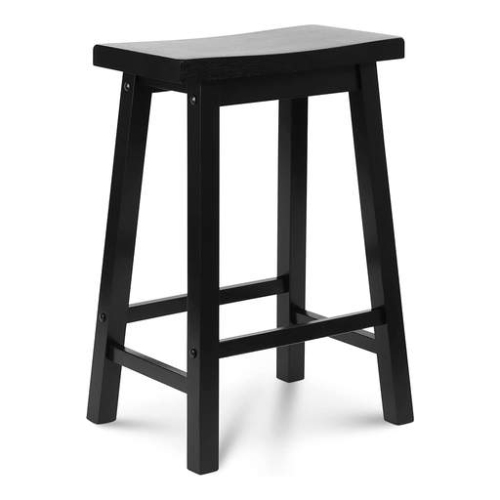 Your price for this item is $93.99
-
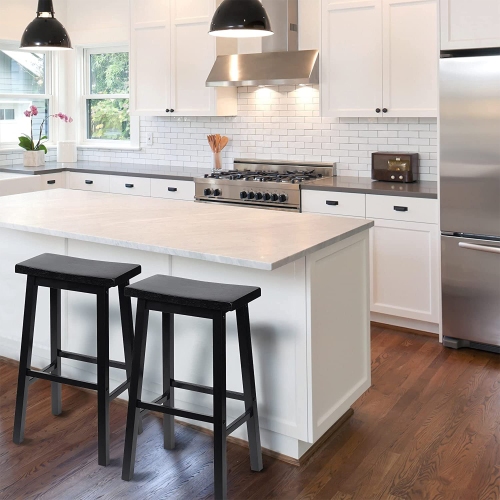 Your price for this item is $563.99
-
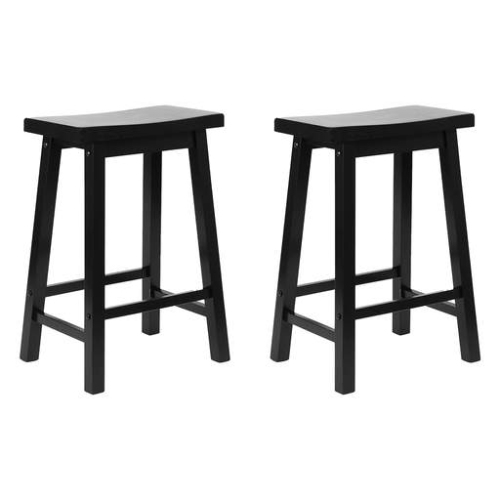 Your price for this item is $224.99
-
 Your price for this item is $202.99
-
 Your price for this item is $508.99
-
 Your price for this item is $559.99
-
 Your price for this item is $359.99
-
 Your price for this item is $298.99
Discover more categories related to Wood Patio Barstool


Top Collections:
Pokemon Centers, Best Black Friday Deals This Year, Best Black Friday Deals On Electronics, Kindle Devices, Best Budget Office Chairs, Best Black Friday Deals On Apple Products, Best Cameras for Sports Photography, Pokémon 30th Celebration Cards, Dyson Airwrap, Canon G7X Cameras
Some products may be subject to Environmental Handling Fees
(EHF) depending on your province.
Learn more about EHFs.