Outdoor Waterproof Bench Cushions
Outdoor Waterproof Bench Cushions are the perfect way to add comfort and style to your patio, garden, or backyard seating. Designed to withstand the elements while providing a cozy place to relax, these cushions make it easy to enjoy outdoor living spaces throughout the seasons. Whether you're updating your current setup or creating a new outdoor retreat, you'll find a variety of colors, sizes, and designs to complement any décor. Elevate your outdoor seating experience with Outdoor Waterproof Bench Cushions that blend durability with inviting comfort.
Sort
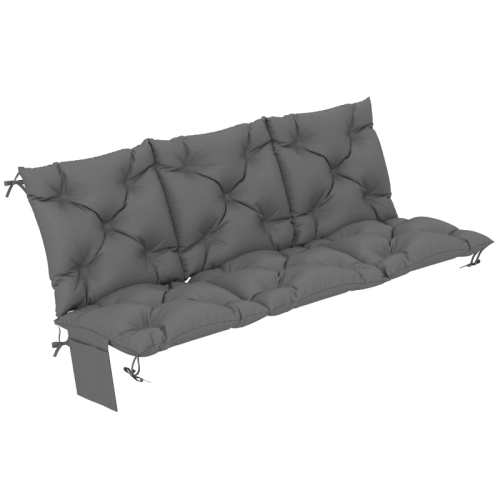
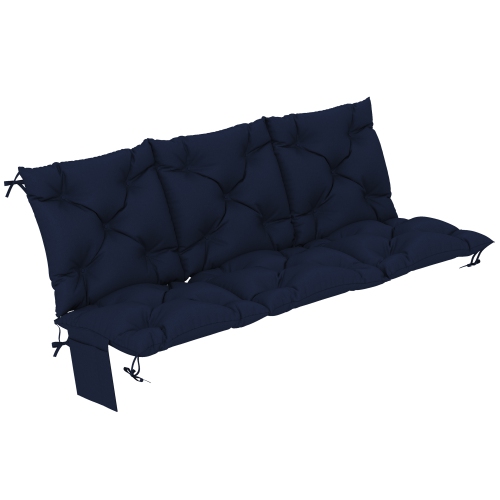
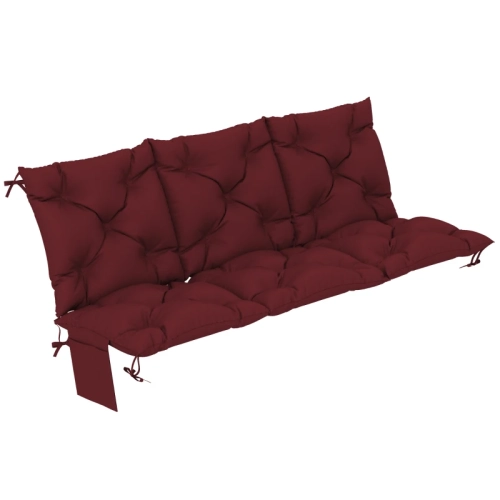
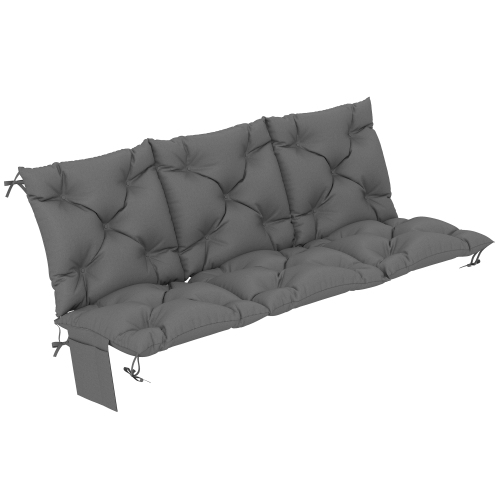
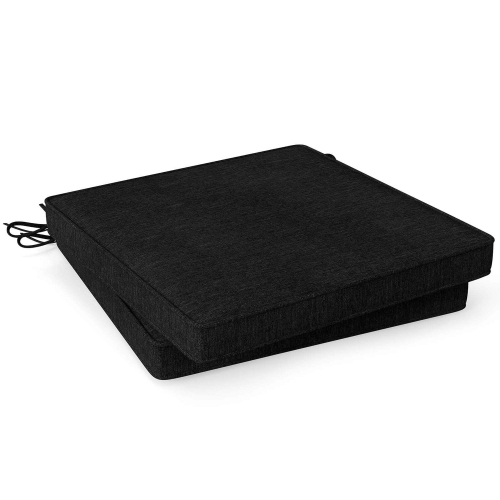
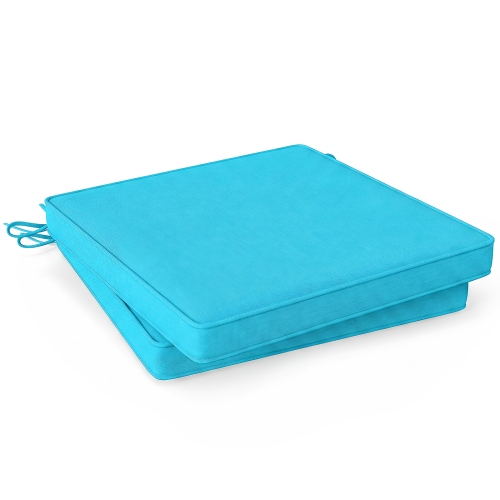
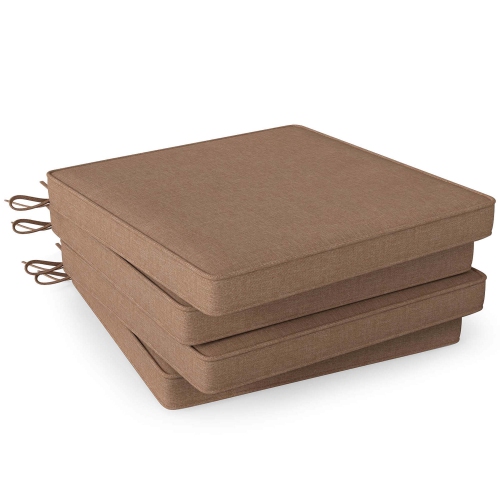
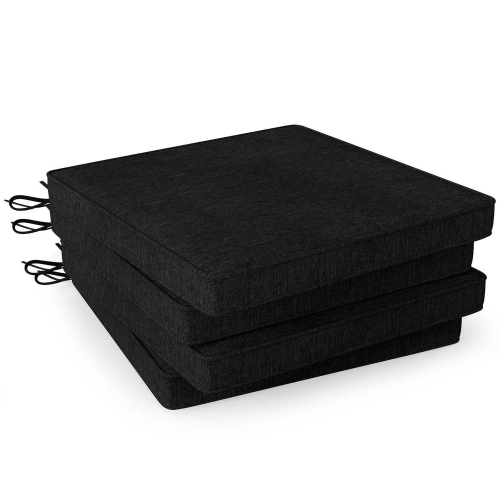
Water protection goes beyond the cushion cover
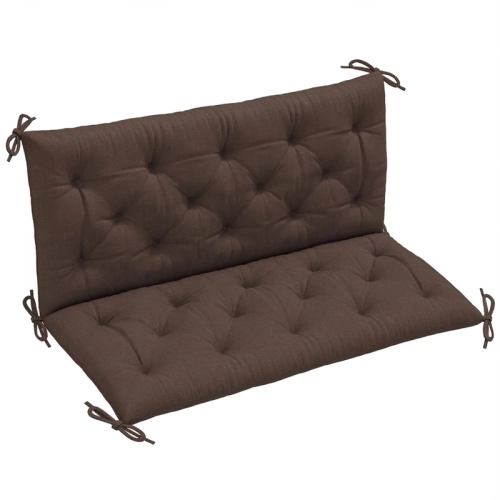
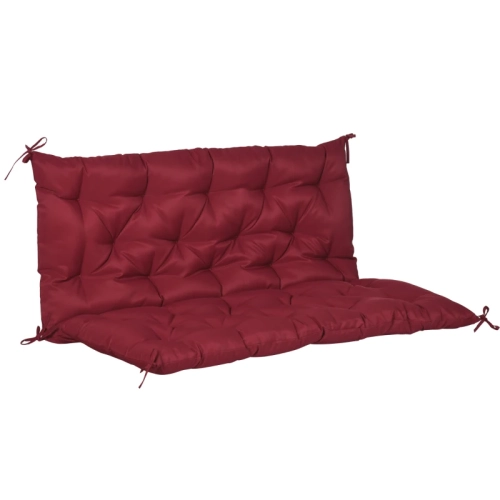
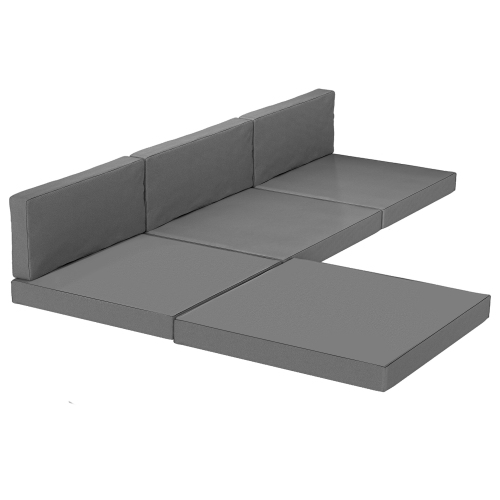
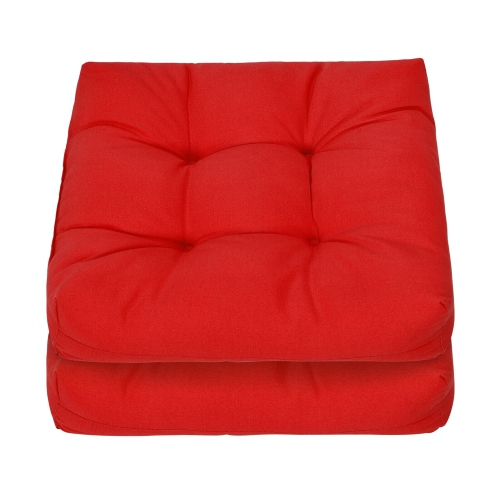
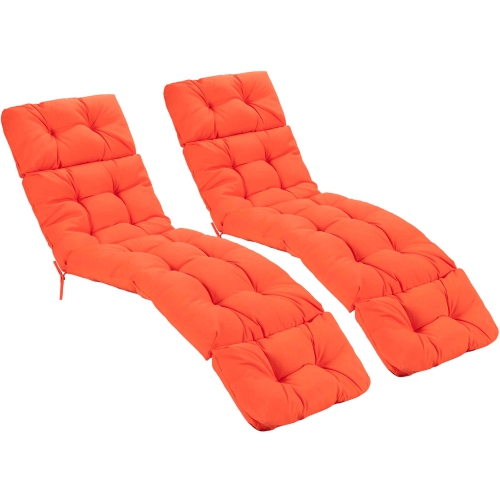
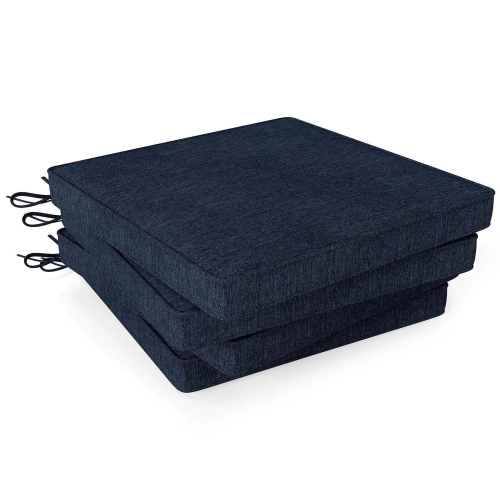
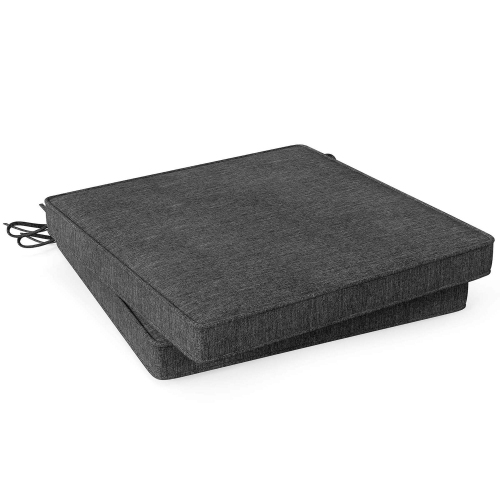
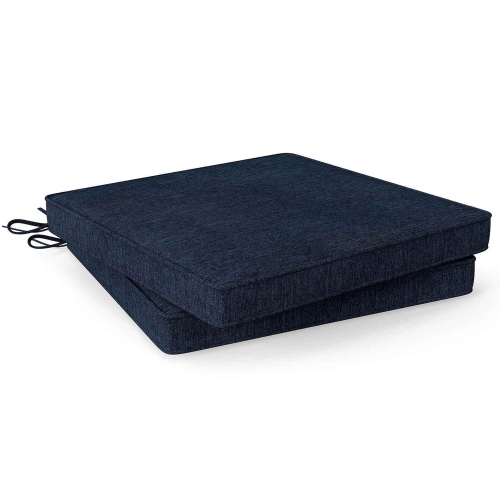
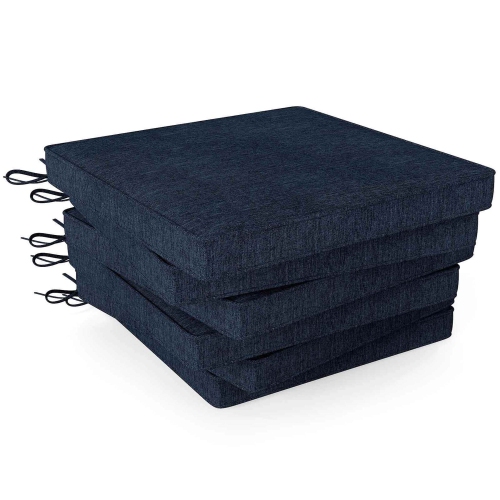
Outdoor waterproof bench cushions add a softer seating surface to patio benches, garden seats, and outdoor dining benches while helping keep rain and accidental spills from reaching the filling. Their performance depends on the complete construction, not just the fabric on top. A waterproof outer layer is designed to block water penetration, while a water-resistant finish generally helps light moisture bead on the surface for a limited time. Seams, piping, zippers, and the underside can still provide entry points unless those areas are also protected. This distinction matters on an uncovered garden bench, where a cushion may face prolonged rainfall, compared with a bench beneath a deep porch roof. Polyester is a common outdoor cover material because it is durable and relatively easy to clean, while olefin and acrylic fabrics are also used for their moisture resistance and suitability for outdoor seating. A coating or backing can strengthen the water barrier, although it may also affect breathability and how quickly trapped moisture escapes. Inside, conventional foam offers support but needs protection from saturation; quick-drying foam is designed to let water drain and air circulate more readily. Closed-cell foam absorbs less water and often feels firmer, making the filling as important as the cover when considering comfort. Waterproof construction does not automatically mean protection against fading, mildew, or freezing conditions, so those properties should be assessed separately in the stated care and performance information. On a sunny deck, resistance to ultraviolet exposure can help preserve colour and fabric strength. Near a lawn or garden bed, a smooth, wipeable cover may be especially practical when grass clippings, muddy paws, or damp leaves land on the seat. Even with protective materials, removing standing water and allowing the cushion to dry thoroughly helps keep outdoor seating pleasant to use. A cushion that suits its location will balance water protection, comfortable support, and straightforward upkeep rather than relying on a waterproof label alone.
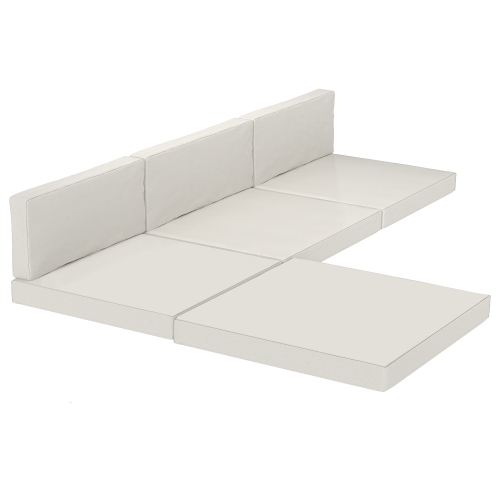
A good fit starts with the usable seating area rather than the overall width of the bench. Arms, curved ends, raised edges, and back supports can reduce the space available for a cushion, so the seat’s length and depth are more useful than the furniture’s outside dimensions. A cushion that extends too far beyond the front edge can fold under the legs or slide forward, while one that is too narrow leaves an uncomfortable strip of exposed wood or metal. Rounded corners and shaped benches may also need a different profile from a simple rectangular seat. Thickness changes both comfort and seating height: a slim pad softens a firm surface without raising the sitter much, while a deeper cushion provides more separation from slats and metal frames. Extra depth is not automatically better, particularly at a dining table where knee clearance and the relationship between the seat and tabletop matter. Foam density, firmness, and the way the filling recovers after pressure all influence how supportive a cushion feels over a longer visit. For a bench used during outdoor meals, a stable, moderately firm seat can make sitting down and standing up easier. A bench intended for reading or relaxed conversation may suit a softer feel, especially when paired with suitable back support. Ties, straps, or a slip-resistant underside can help limit movement, but their position needs to work with the bench frame. Fastenings should secure the cushion without stretching the cover or pulling the corners out of shape. On a storage bench, ties and cushion depth should also leave the lid and hinges free to operate. A single long cushion creates a continuous seating surface, while separate pads can be easier to move and store individually. Families sharing a garden bench, hosts arranging dining seating, and anyone furnishing a compact balcony may have different priorities, but accurate dimensions and dependable support remain central to a comfortable result. The cushion should sit flat, stay centred, and leave enough space for the bench to function as intended.
Colour, texture, and finishing details help outdoor bench cushions feel like part of the furniture rather than an afterthought. Neutral shades can sit comfortably alongside natural wood, dark metal, or woven furniture, while deeper colours and patterned fabrics can bring definition to a plain bench. Pale covers may show soil sooner, and very dark surfaces can become hot in direct sunlight. A lightly textured weave can disguise small marks, whereas a smoother finish may be easier to wipe after a spill. Outdoor Weather Resistant Cushions can also complement nearby seating when a patio includes more than one type of chair or bench: Outdoor Weather Resistant Cushions. Coordinating undertones or repeating a simple pattern often creates a cohesive arrangement without requiring every cushion to match exactly. For everyday care, loose debris is usually easiest to remove before it becomes embedded in seams or damp fabric. Many outdoor covers can be spot-cleaned with mild soap and water, but the care label determines whether a cover is removable, machine washable, or suitable only for surface cleaning. A zipper does not necessarily mean the cover can go in a washing machine. Bleach, harsh cleaners, stiff brushes, and high heat can damage some fabrics or protective coatings, so cleaning methods need to suit the material. Cushions should be thoroughly dry before being placed in a storage box or stacked together; enclosing a damp cushion can trap moisture even when its exterior resists water. During extended periods without use, a dry, sheltered storage space helps reduce exposure to snow, ice, dirt, and repeated wetting. Outdoor storage boxes also need to stay dry inside, and cushions should not rest against a wet base. Routine checks around seams, ties, and zippers can reveal wear before a small opening becomes a larger problem. With suitable sizing, appropriate materials, and care that matches the construction, waterproof bench cushions can make a favourite outdoor seat more comfortable without adding unnecessary upkeep.
Top selling and popular products
-
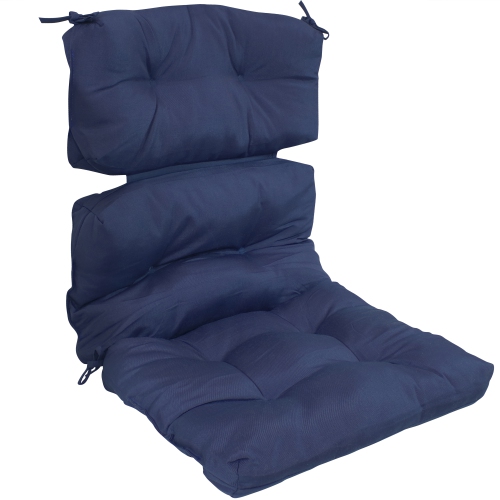 Your price for this item is $88.85
-
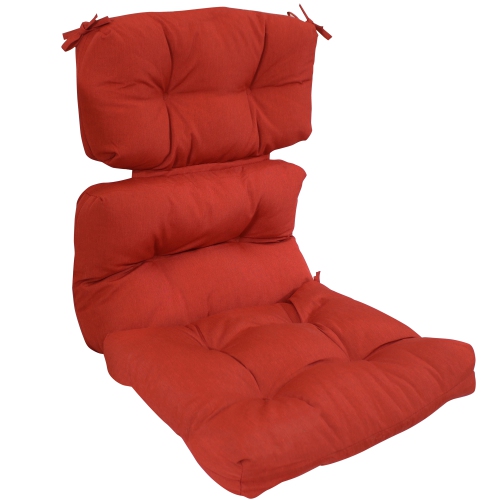 Your price for this item is $88.85
-
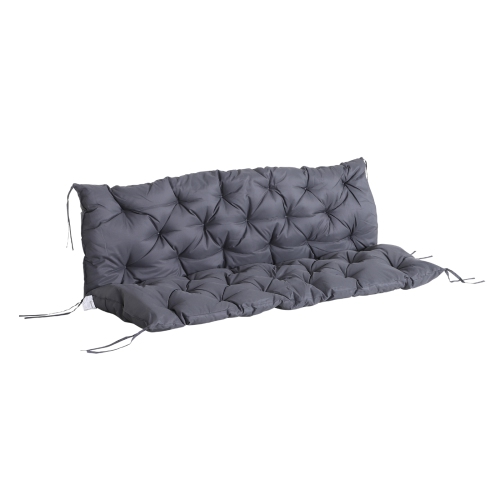 Your price for this item is $64.99
-
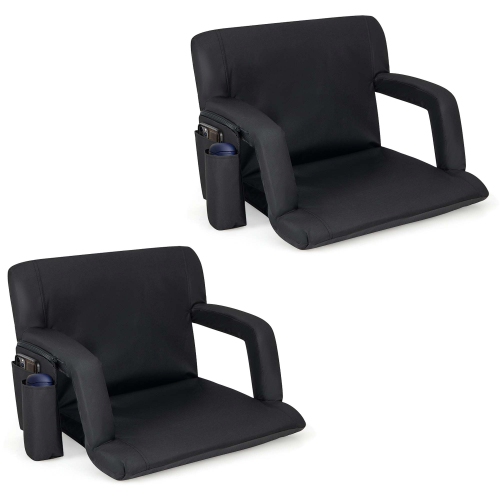 Your price for this item is $167.99
-
 Your price for this item is $154.35
-
 Your price for this item is $77.35
-
 Your price for this item is $155.55
-
 Your price for this item is $68.99
Discover more categories related to Outdoor Waterproof Bench Cushions
Top Collections:
Best Black Friday Deals This Year, Best Black Friday Deals On Electronics, Kindle Devices, Dyson Airwrap, Best Cameras for Sports Photography, Best Black Friday Deals On Apple Products, PS5 Pro Consoles, Portable Snow Blowers, Canon G7X Cameras, Pokémon 30th Celebration Cards
Some products may be subject to Environmental Handling Fees
(EHF) depending on your province.
Learn more about EHFs.