Outdoor Flooring for Decks
Outdoor Flooring for Deck's offers a stylish and practical way to enhance your deck area, creating a comfortable space for relaxing, entertaining, and enjoying the outdoors. Whether you're looking to refresh an existing deck or planning a new outdoor layout, there are plenty of options to suit your style and needs. Discover outdoor flooring choices designed to elevate the look and feel of your deck, making it the perfect spot for gatherings and everyday enjoyment.
Sort
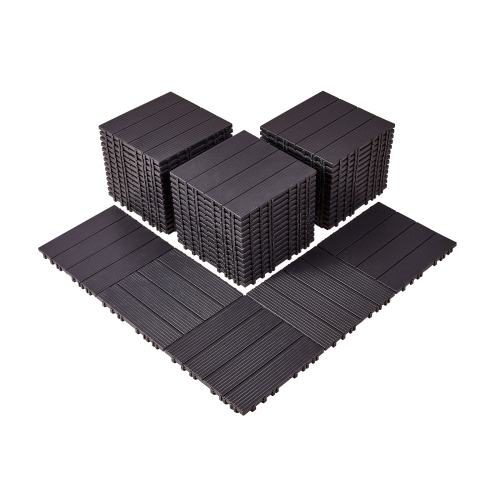
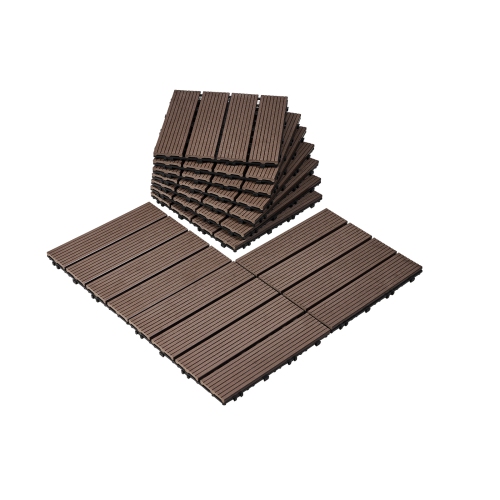
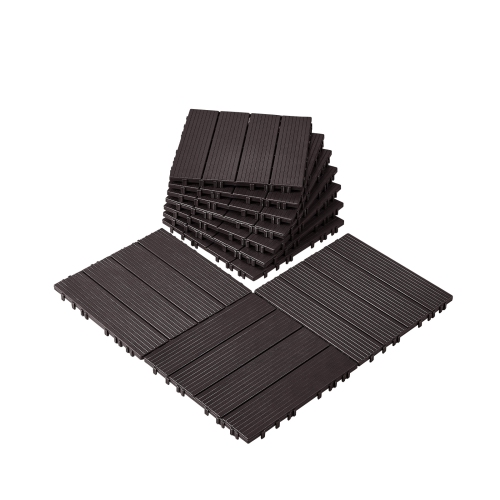
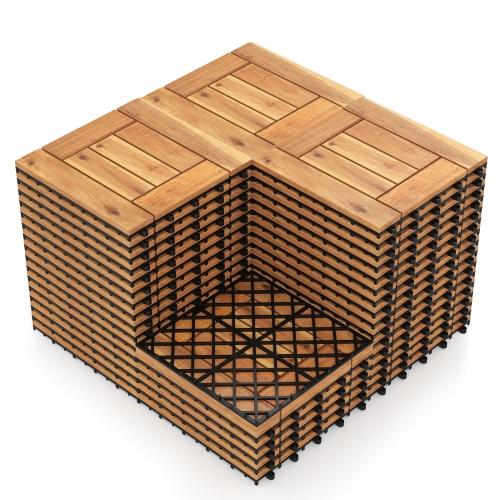

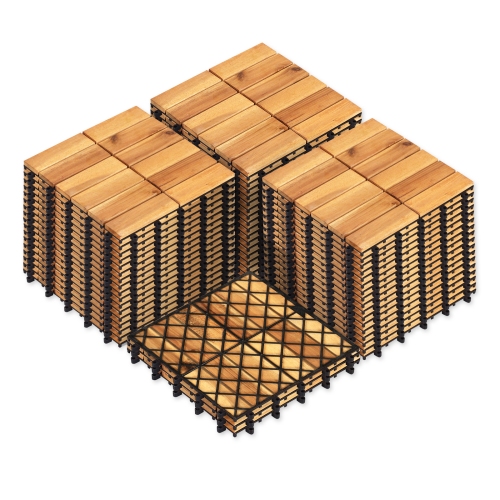
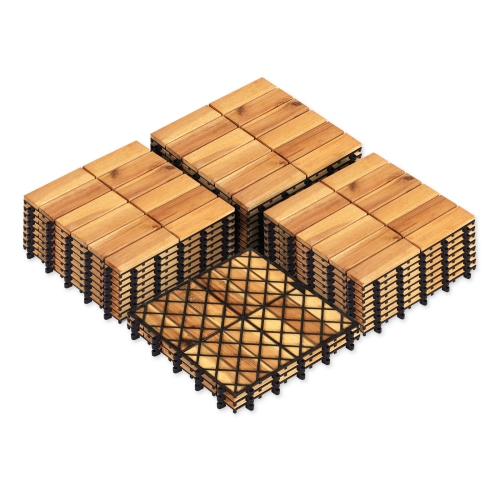
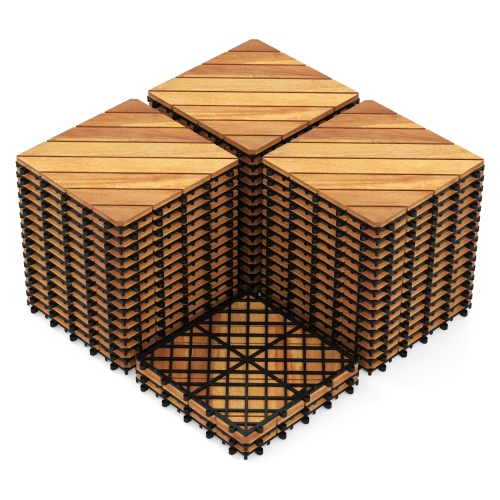
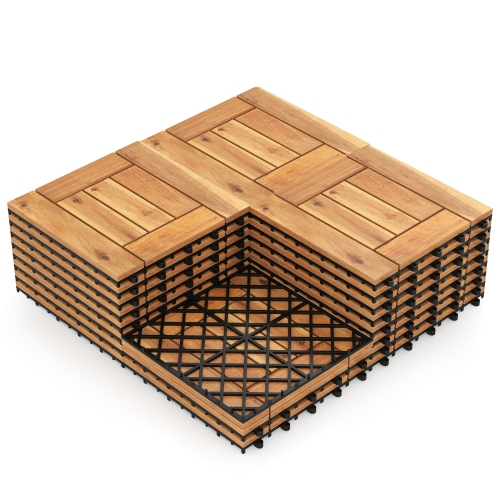
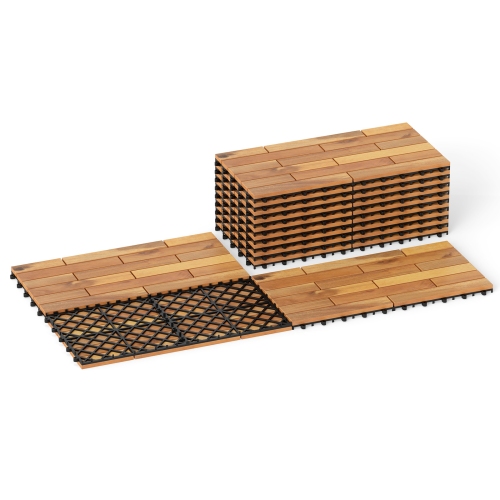
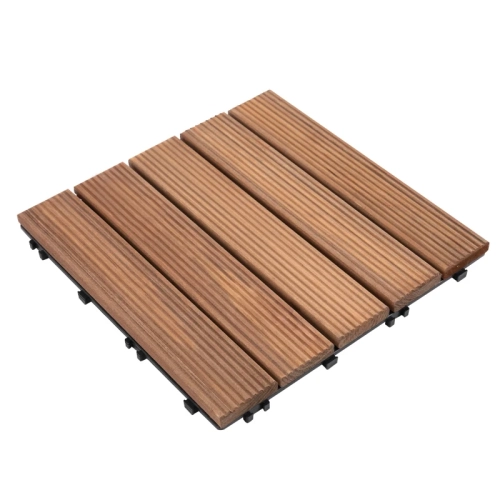

A fresh deck surface without replacing sound boards
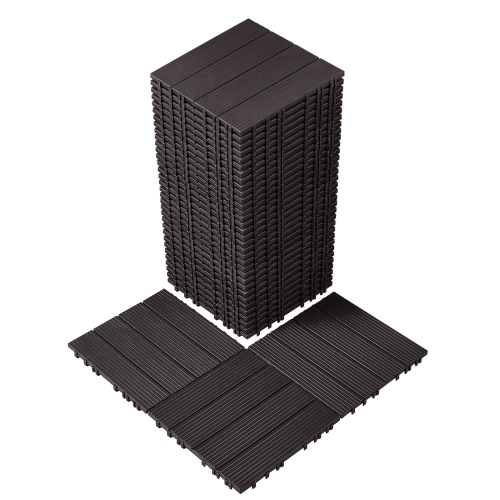
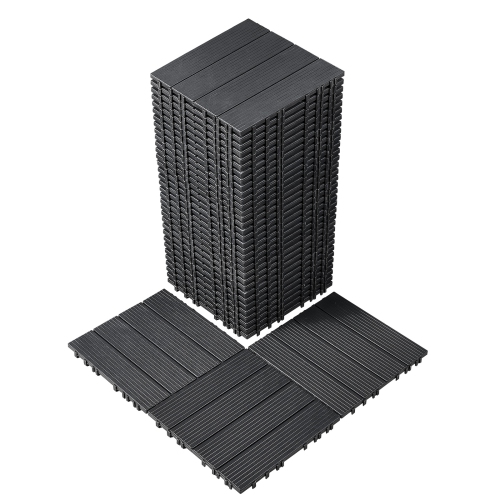
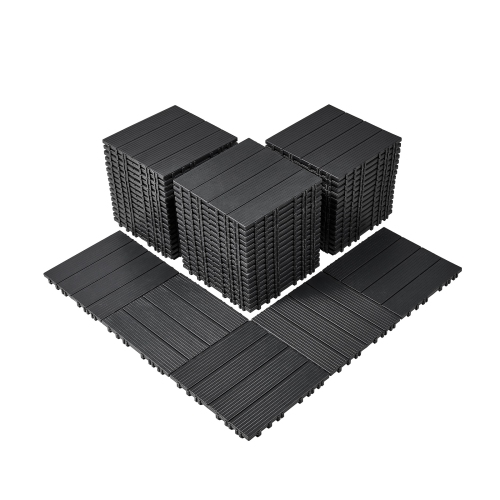
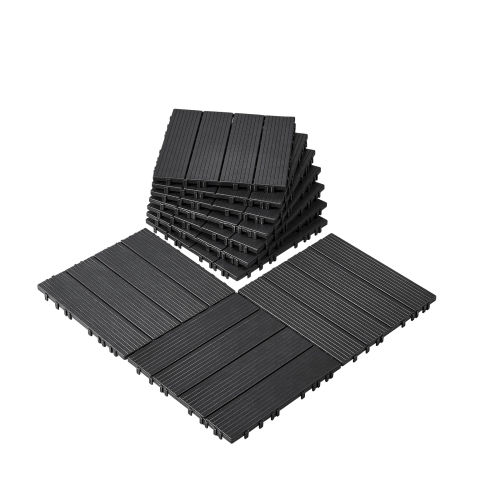
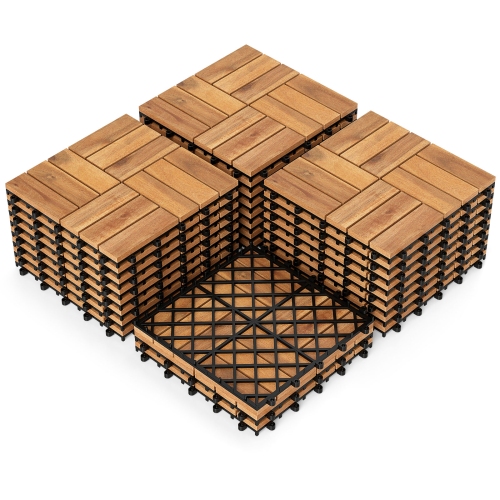
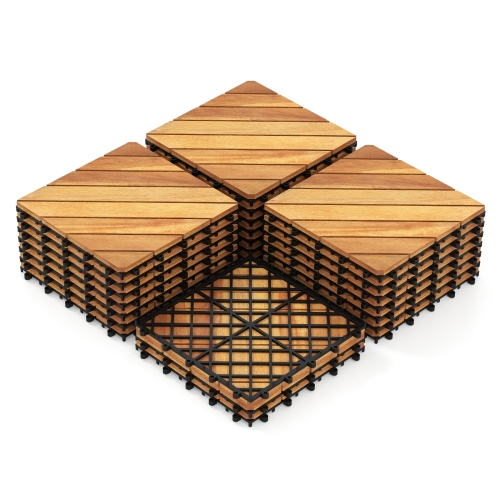
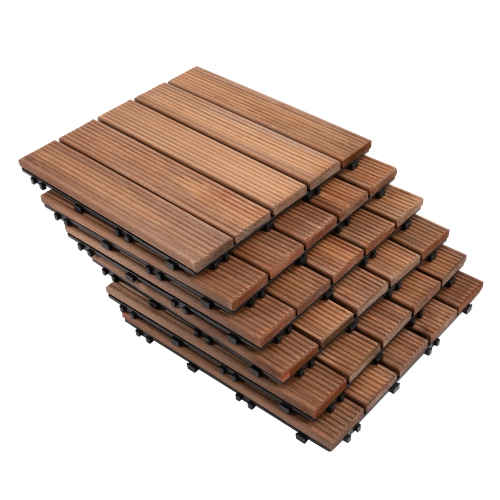
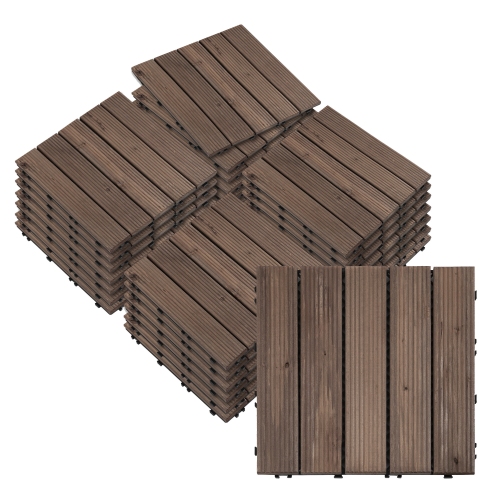
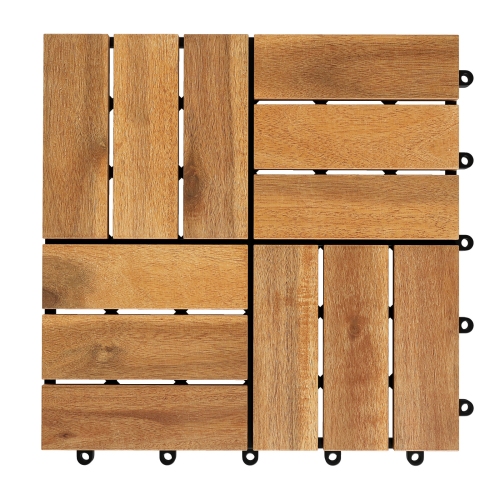
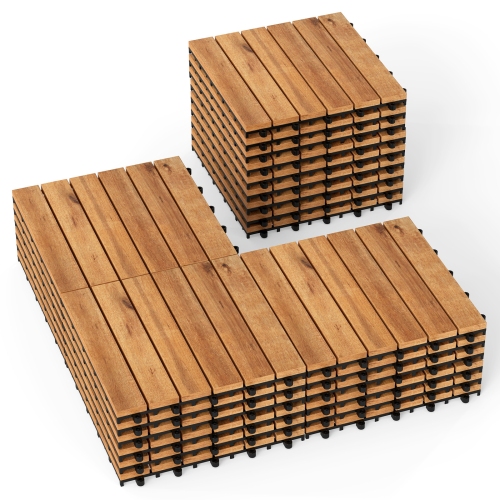
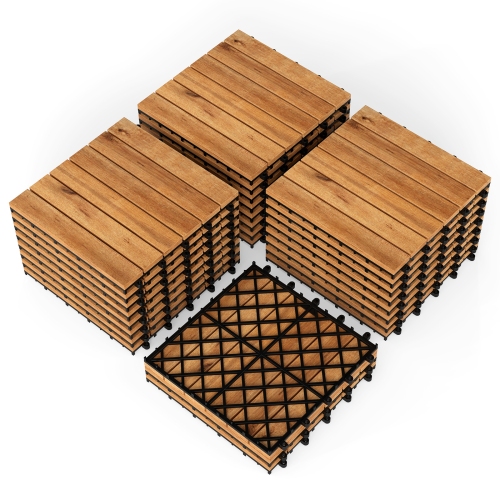
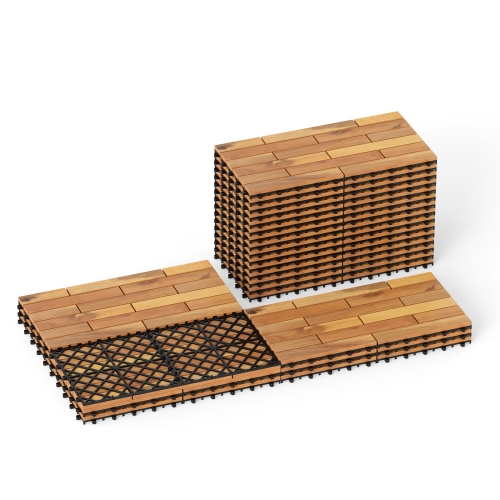
Outdoor flooring for decks creates a finished surface for dining, lounging, and everyday trips between the house and the backyard. The main options include interlocking deck tiles, wood or composite boards, outdoor-rated rubber flooring, and professionally installed vinyl deck coverings. Each suits a different kind of project: modular tiles cover a suitable existing surface, while deck boards typically form the walking surface over a supporting frame. Interlocking tiles are particularly useful when a sound deck needs a different look without replacing its boards. Their connected bases hold sections together, and many designs have channels or openings that allow water to drain beneath the surface. Wood tiles bring visible grain and natural variation, with care requirements that depend on the species and finish. Among modular options, Composite Deck Tiles offer a wood-look surface made with a blend of wood fibres and plastic, often with less routine finishing than natural wood. Outdoor-rated polypropylene tiles provide another option, with designs ranging from open grids to solid-looking slats. Their suitability depends on their construction, load limits, and exposure ratings rather than the material name alone. Rubber flooring can provide a more cushioned feel underfoot, making it worth considering for an outdoor exercise corner or a standing area, provided the flooring is approved for that setting and compatible with the surface below. Traditional deck boards are better suited to construction or replacement projects than a simple surface refresh. Vinyl deck membranes serve a different purpose again: a correctly specified and installed system can provide waterproofing as well as a walking surface. Open-joint tiles do not make a deck waterproof, even when their individual components resist water. That distinction matters on elevated decks where rain can pass through to the space underneath. Understanding whether the goal is a visual update, a softer walking surface, or a complete deck surface replacement helps keep the choice suited to the project.
The fit of outdoor deck flooring involves more than matching the area shown on a package to the size of the deck. A rectangular seating area may accommodate a straightforward tile layout, while corners, railing posts, stair openings, and narrow strips beside the house can require cuts or finishing pieces. Coverage measurements are most useful when considered alongside the actual tile dimensions and the pattern created by their connecting edges. A layout that looks balanced across a broad deck may leave awkward sections along a small balcony, so the shape of the space matters as much as its total area. Interlocking systems generally need a firm, stable, reasonably even base; they are not a substitute for repairing loose boards, rot, significant gaps, or structural damage. Raised tile bases also add height, which can affect door clearance, thresholds, stair transitions, and the clearance beneath gates. Finished edges deserve attention wherever someone steps onto the flooring, especially along a route used to carry food outside or move between a dining table and the door. Drainage paths, access panels, and outlets should remain accessible rather than disappearing beneath a new surface. On balconies and shared-property decks, building rules, permitted materials, and weight limits may also influence the choice. Within those practical boundaries, colour and texture can make the area feel more connected to the home. Broad slat patterns can give a narrow deck a calmer appearance, while alternating tile directions can define a seating area without adding a physical divider. Mid-tone finishes may disguise everyday dust better than very pale or very dark surfaces, although no colour eliminates cleaning. A dining space benefits from flooring that supports chair legs without excessive catching or rocking, and a quiet reading corner may place greater emphasis on texture underfoot. For households with children, pets, or someone using a mobility aid, stable transitions, secure connections, and a surface suited to the expected traffic are especially important. Slip resistance should be assessed using the flooring’s stated performance, including suitability for wet conditions, rather than appearance alone.
Durability depends on the combination of material, installation, exposure, and maintenance. Outdoor flooring needs to tolerate the conditions of its location, including rain, direct sunlight, and repeated freezing and thawing where applicable. An outdoor-use label does not necessarily mean that every tile is suitable for every Canadian setting, so stated temperature limits and installation requirements matter. UV-resistant construction can help limit fading, but exposed surfaces may still change colour over time. Surface temperature is another consideration for decks used barefoot: dark finishes and strong direct sunlight can produce an uncomfortably hot walking surface, regardless of whether the flooring is wood, plastic, composite, or rubber. Drainage is equally important beneath the visible finish. Leaves, soil, and other debris can collect between sections or under raised tiles, restricting airflow and holding moisture against the original deck. Removable modular sections can make inspection and cleaning easier, although repeated removal should follow the connection system’s care instructions. Routine cleaning usually begins with clearing loose debris and using a cleaning method approved for the material. Strong solvents, abrasive tools, and aggressive pressure washing can damage finishes or connecting parts, so compatibility matters more than cleaning strength. Natural wood may need periodic cleaning and refinishing, while composite and plastic surfaces still need attention to food spills, grease, and trapped dirt even when staining or sealing is not required. Furniture feet, rolling planters, and a loaded dining table introduce concentrated pressure that the flooring must be rated to support. Protective pads can help reduce marking where approved, and any outdoor rug or mat should be compatible with the flooring underneath to avoid staining or trapped moisture. Areas around grills also need the clearances and heat protection required by the appliance and flooring manufacturers. A well-matched deck surface balances appearance with these everyday demands, giving a breakfast table a steadier setting, making a compact balcony more inviting, or bringing a larger seating area together without hiding the maintenance needs of the deck below.
Top selling and popular products
-
 Your price for this item is $699.99
-
 Your price for this item is $339.99
-
 Your price for this item is $899
-
 Your price for this item is $269.99
-
 Your price for this item is $79.99
-
 Your price for this item is $103.99
-
 Your price for this item is $508.99
-
 Your price for this item is $604.99
Discover more categories related to Outdoor Flooring for Decks

Top Collections:
Best Black Friday Deals This Year, Best Black Friday Deals On Electronics, Kindle Devices, Dyson Airwrap, Best Cameras for Sports Photography, Best Budget Office Chairs, Canon G7X Cameras, PS5 Pro Consoles, Best Black Friday Deals On Apple Products, XBOX One S Consoles
Some products may be subject to Environmental Handling Fees
(EHF) depending on your province.
Learn more about EHFs.