Outdoor Gear Storage
Organizing your outdoor gear has never been easier with our wide selection of outdoor gear storage solutions. Whether you're an avid camper, hiker, or simply enjoy spending time in the great outdoors, keeping your gear neatly stored and easily accessible is essential. From durable storage bins and cabinets to space-saving racks and shelves, we have everything you need to declutter your garage, shed, or mudroom. Say goodbye to tangled ropes, misplaced camping equipment, and scattered hiking gear - our outdoor gear storage options will help you keep everything in its rightful place, so you can spend less time searching for your gear and more time enjoying your adventures.
Sort
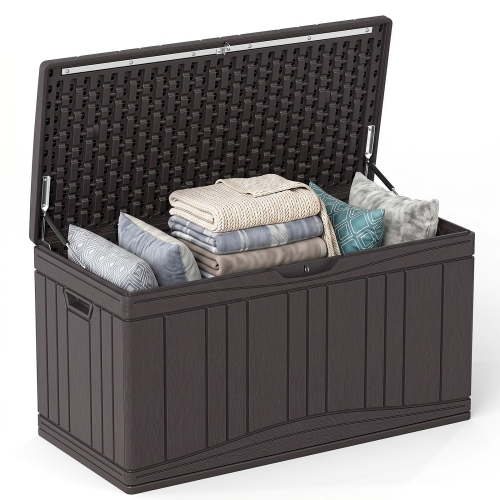
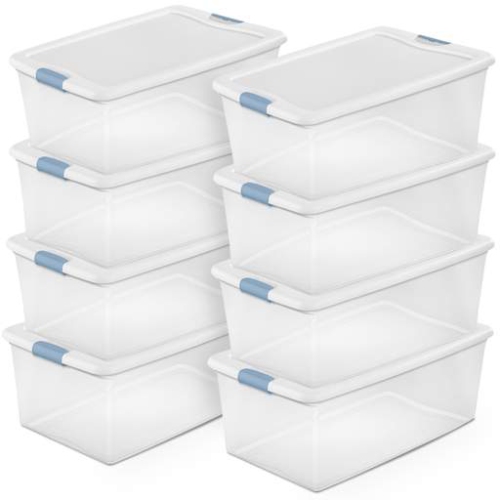
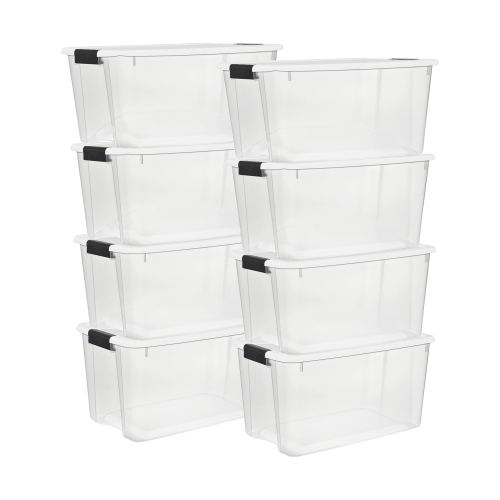
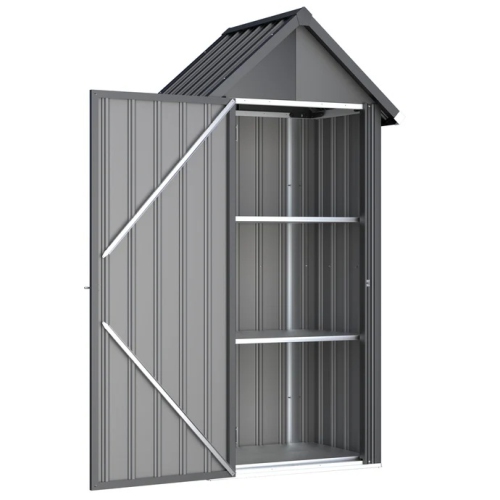

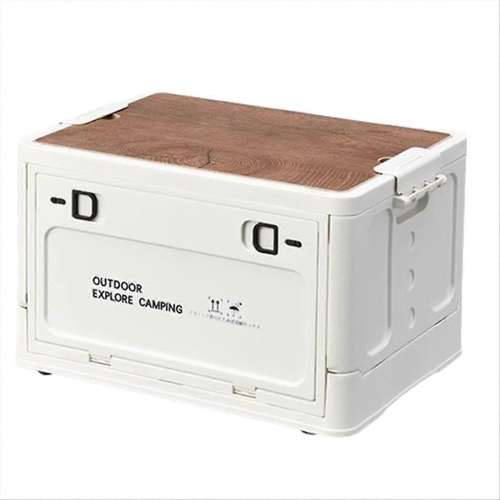

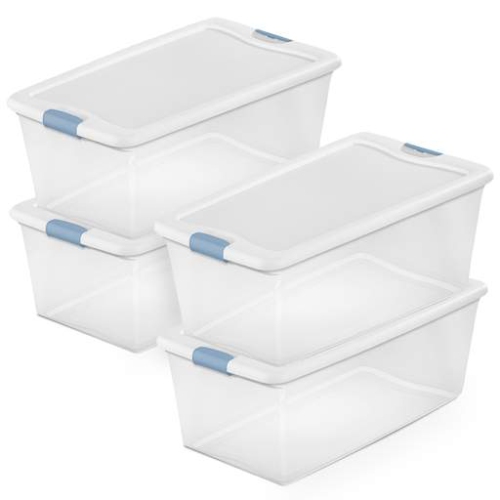
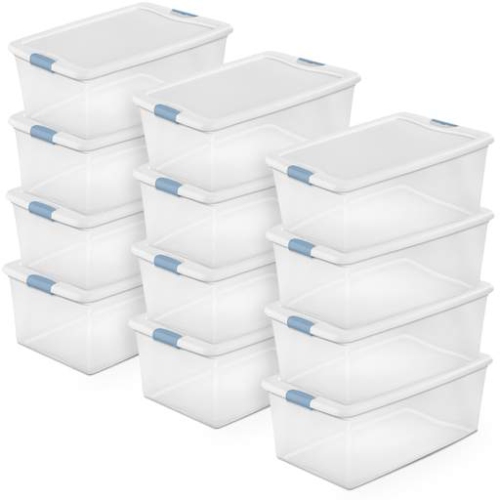
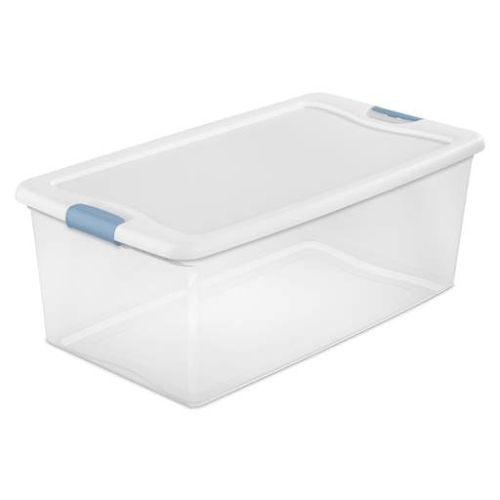
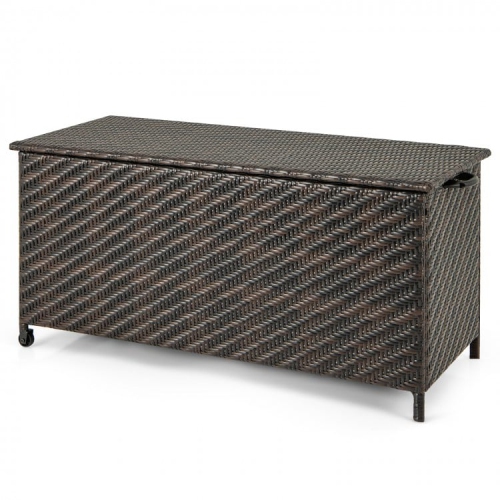
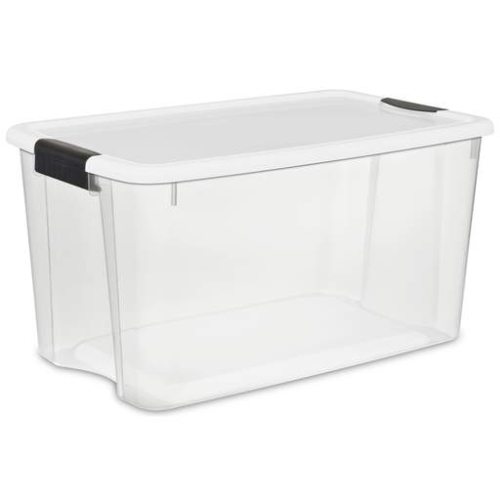

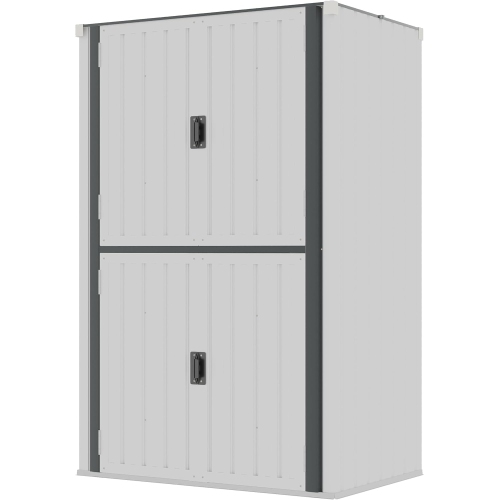

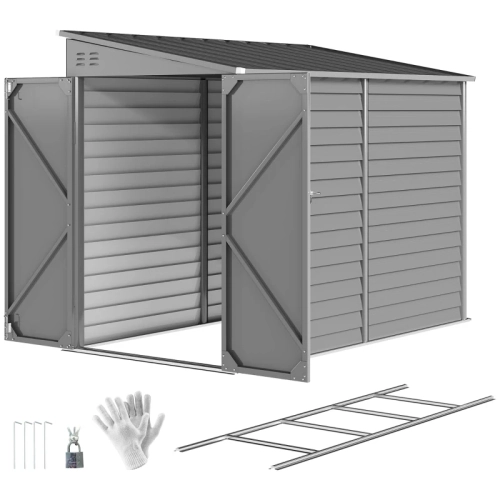
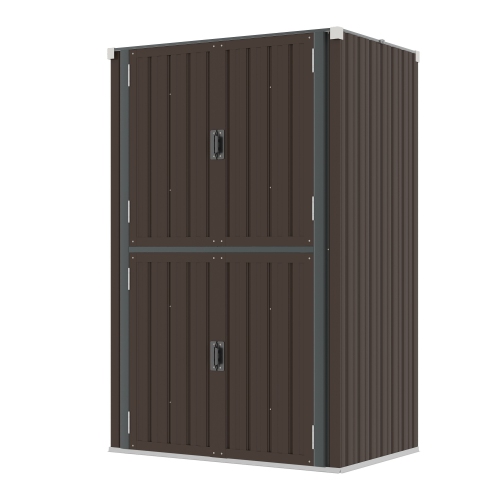

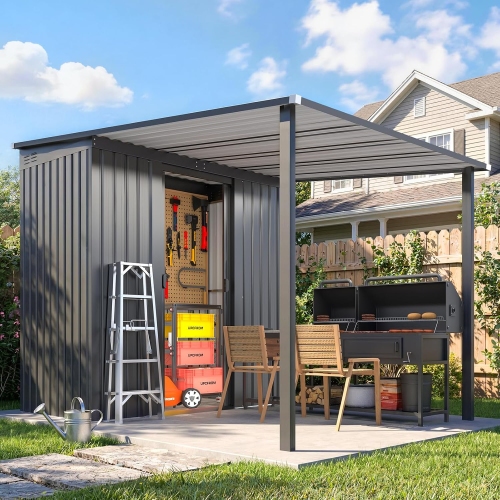
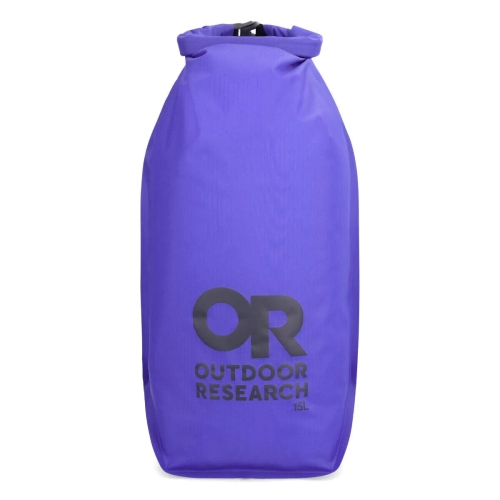
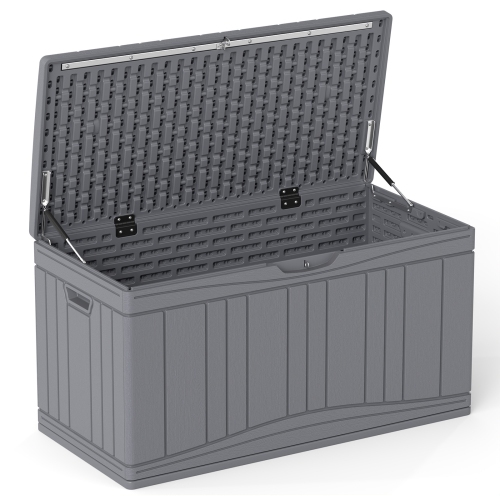
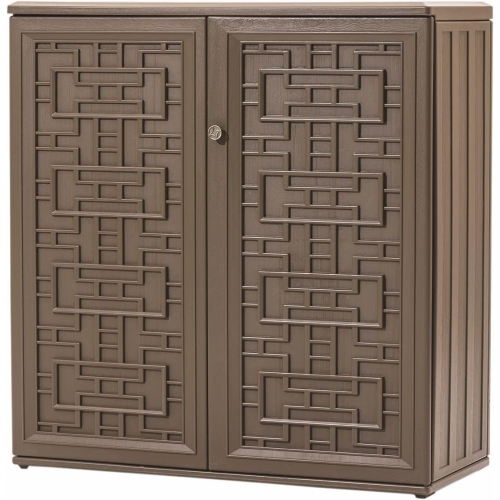

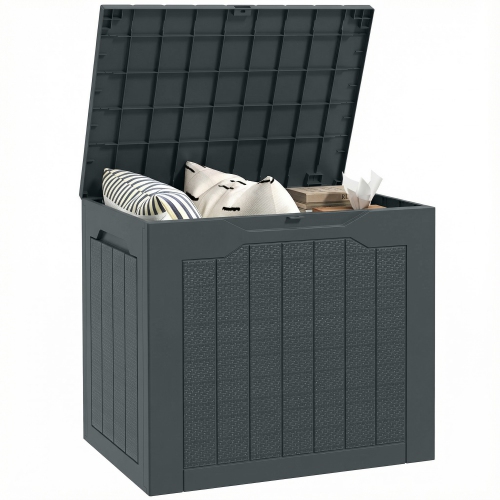
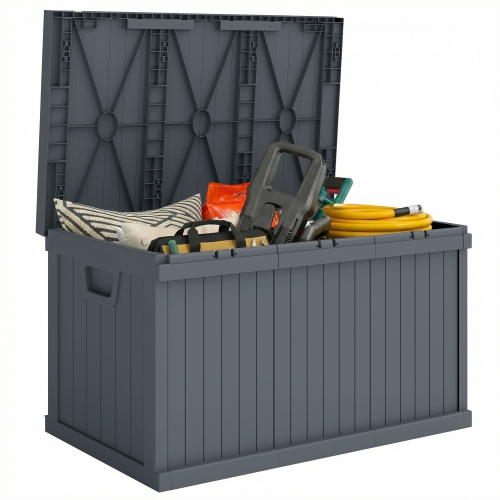
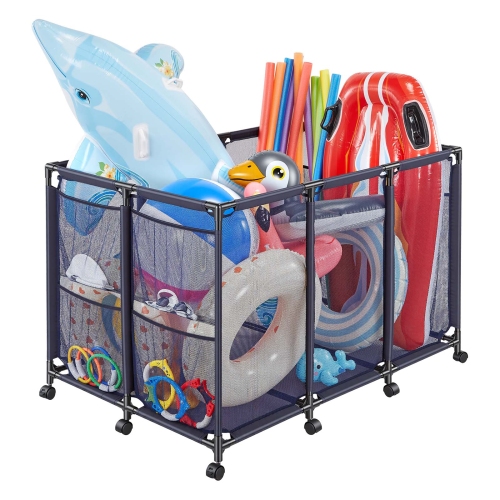
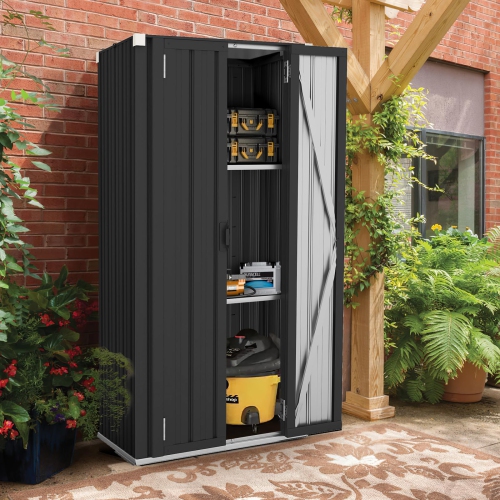
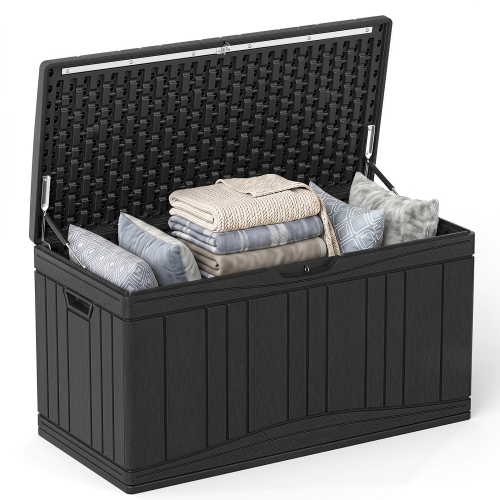
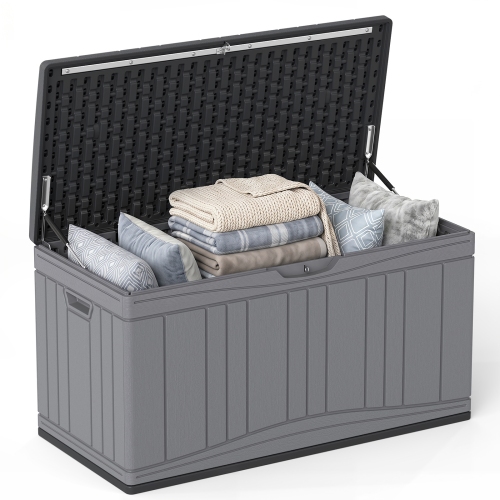

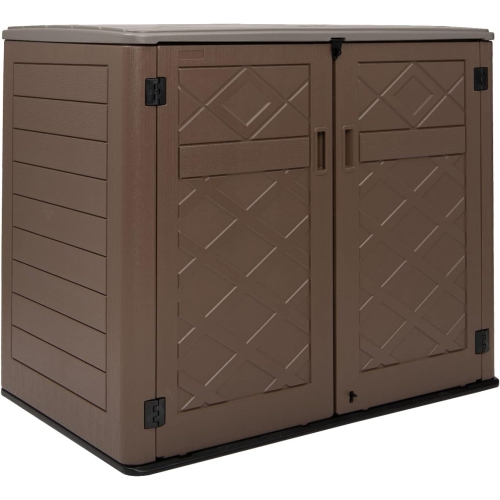
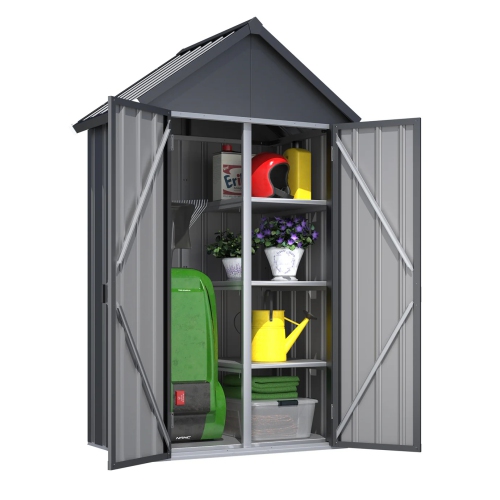
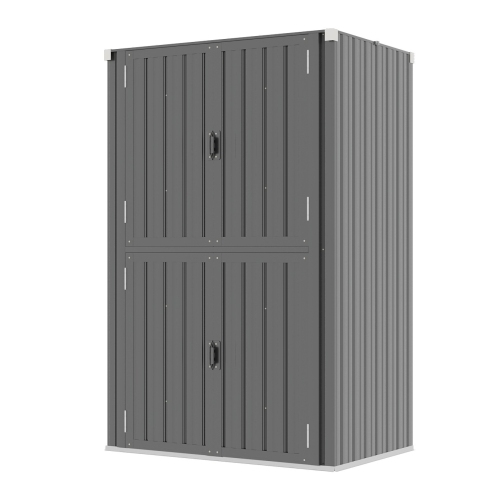
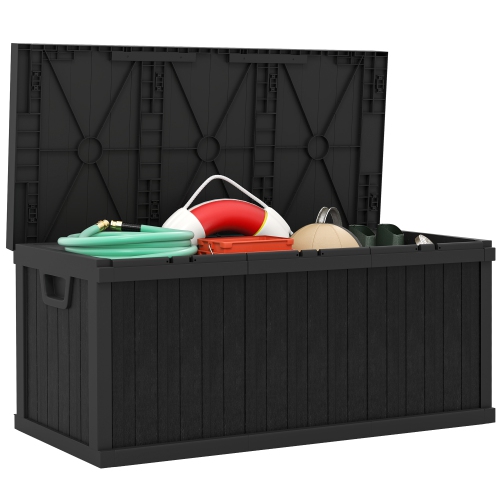

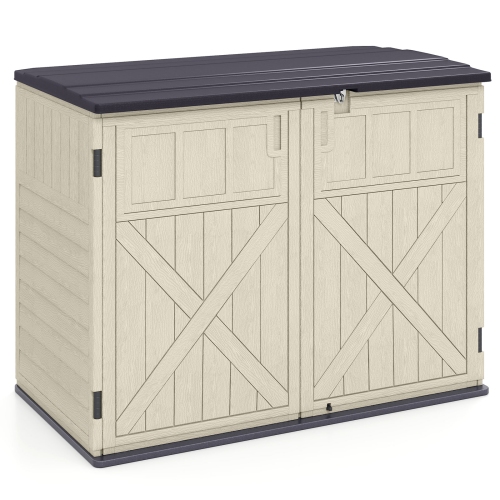

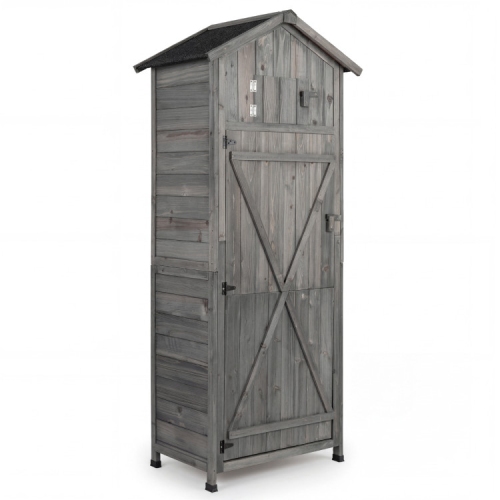
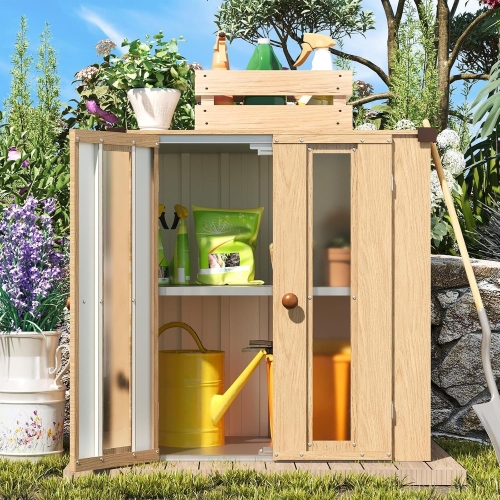
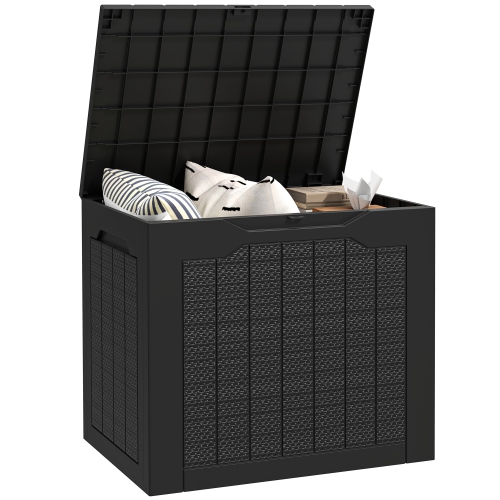
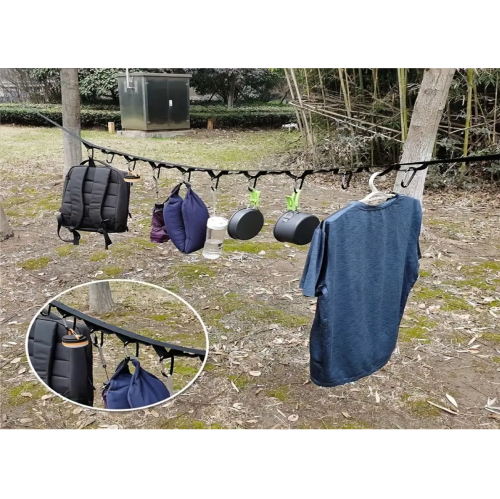
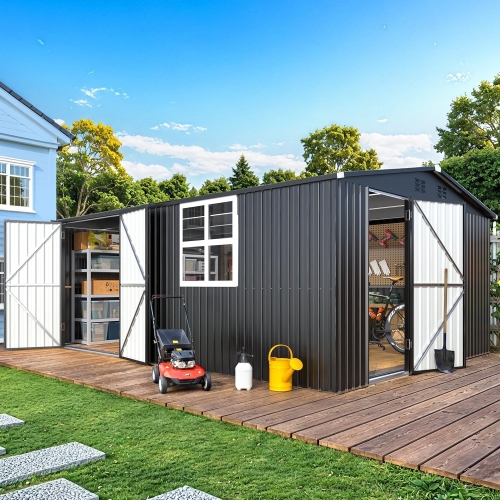
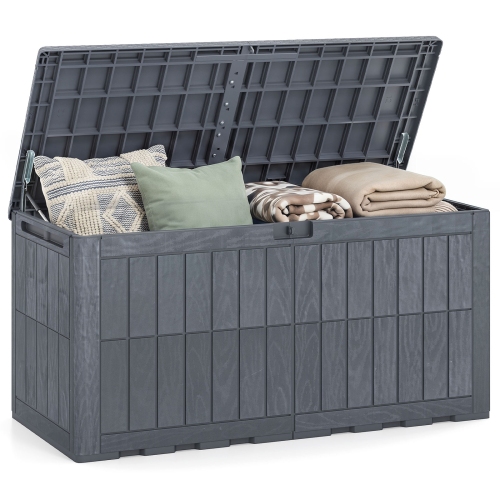
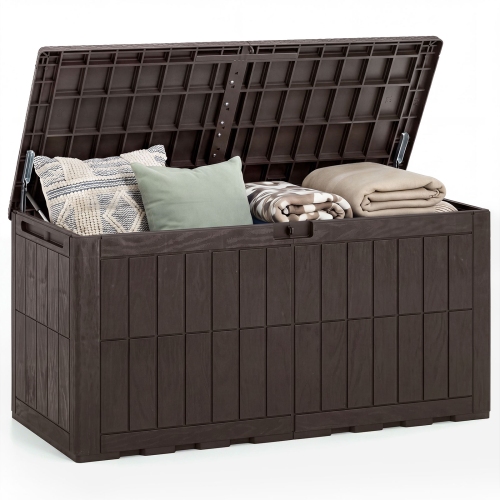
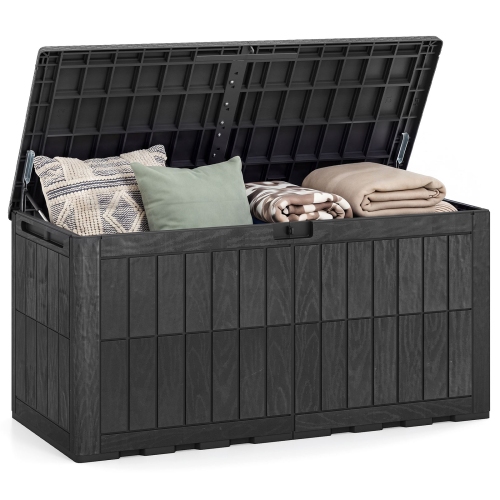
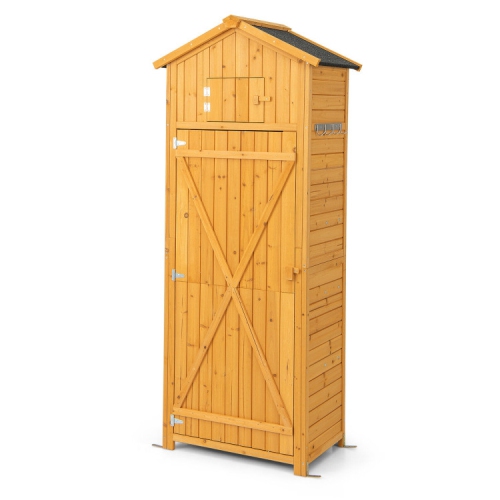
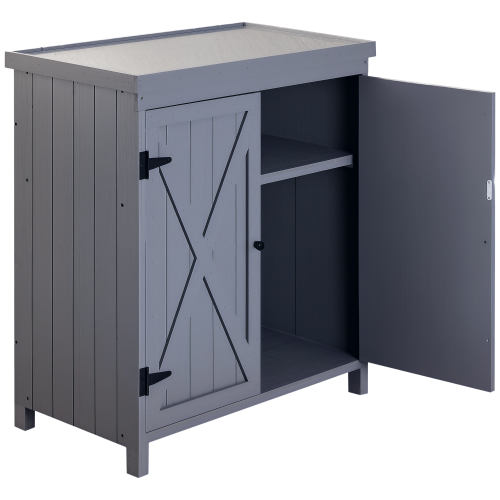
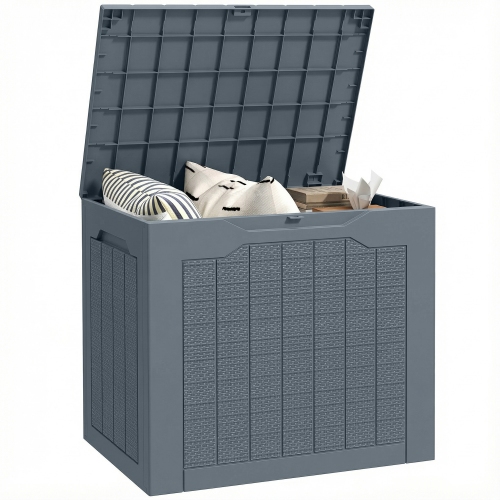
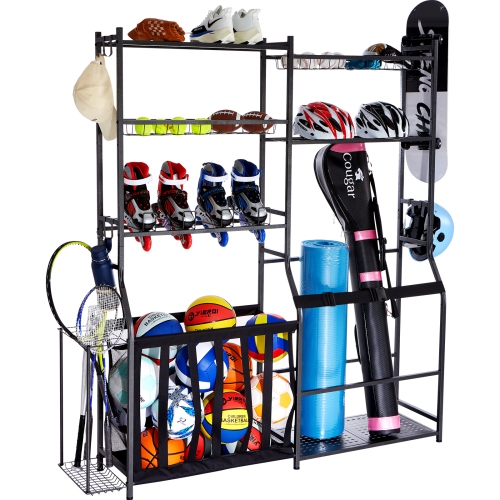

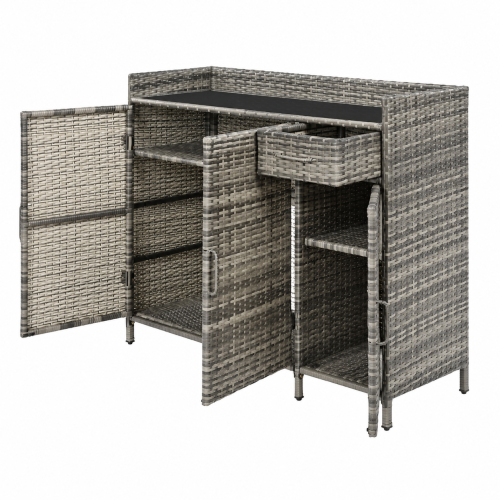
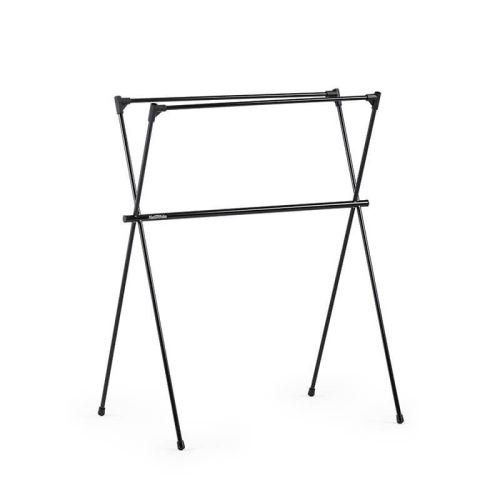
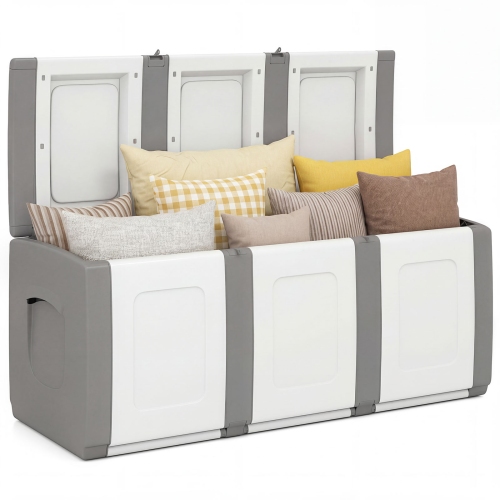
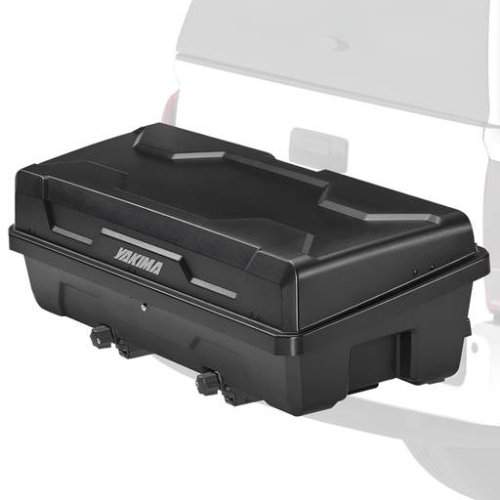

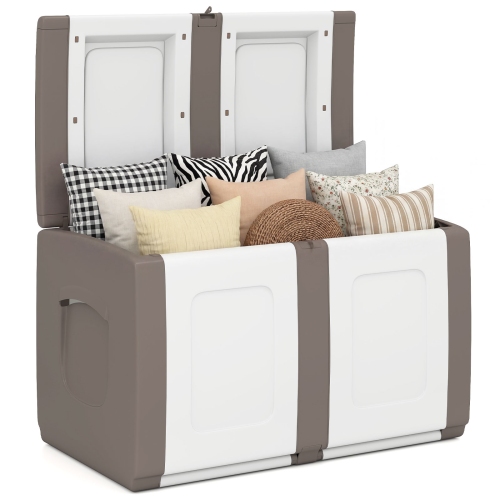
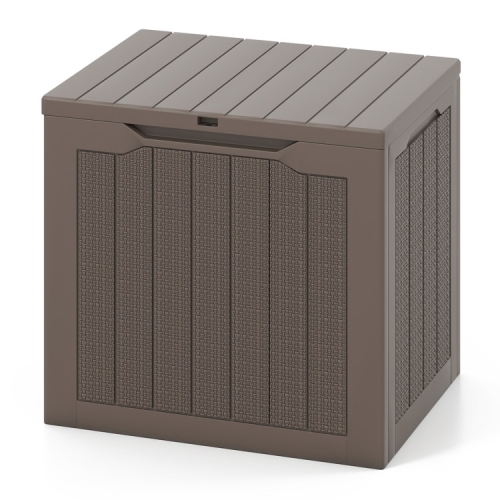
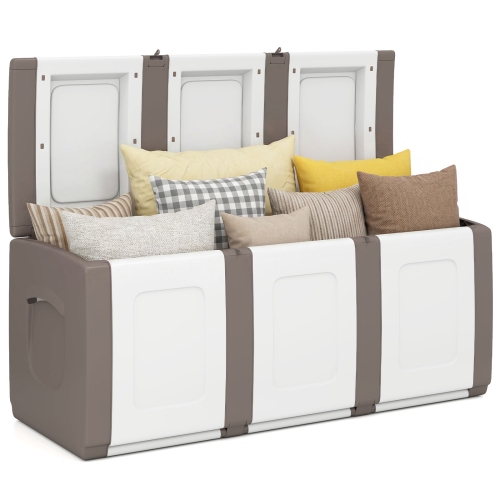
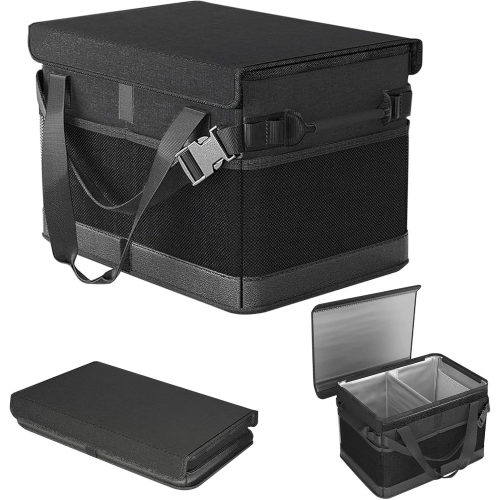
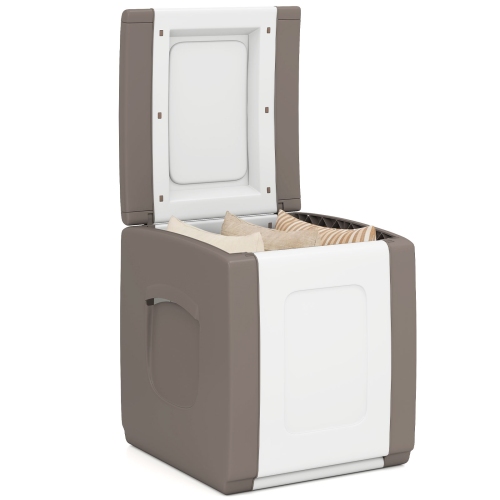
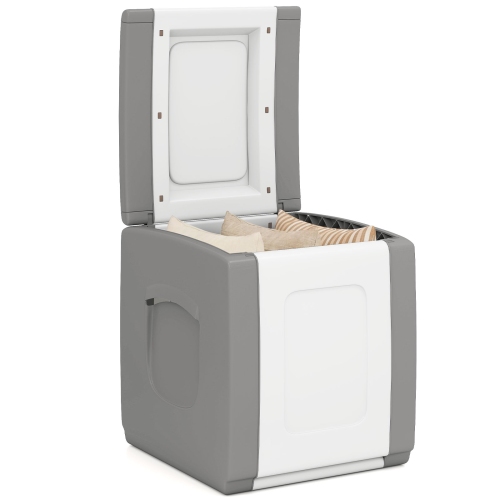
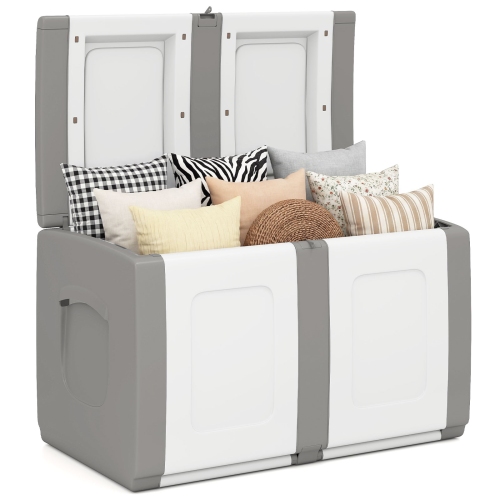
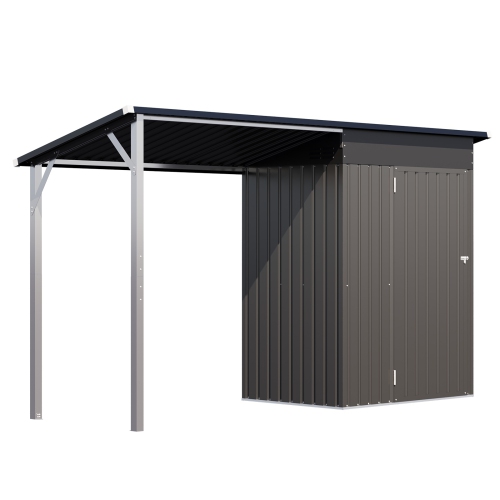
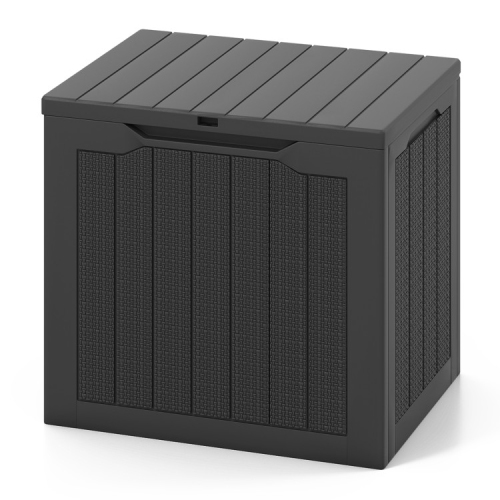
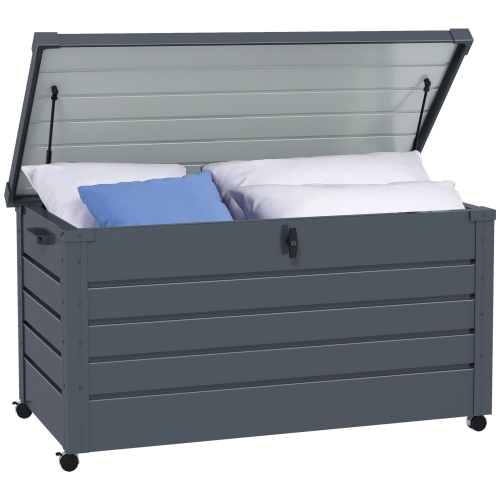

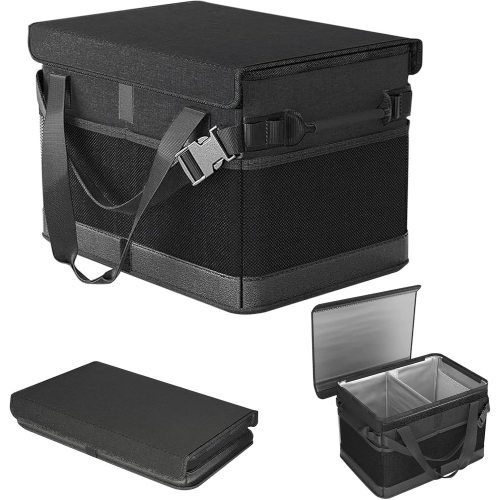
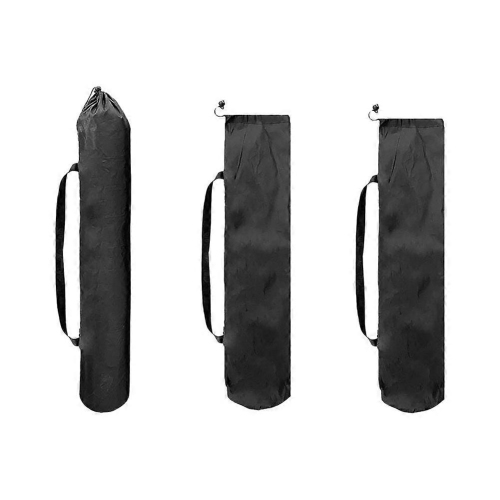
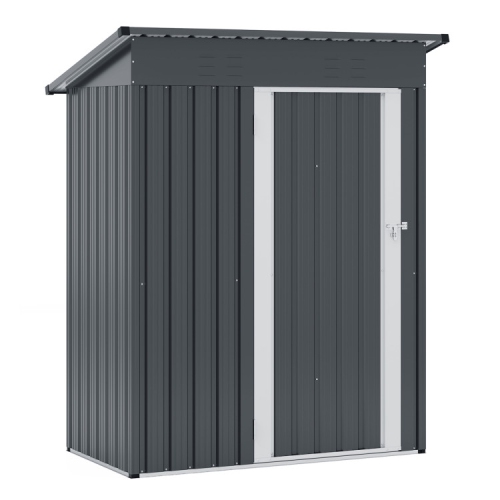

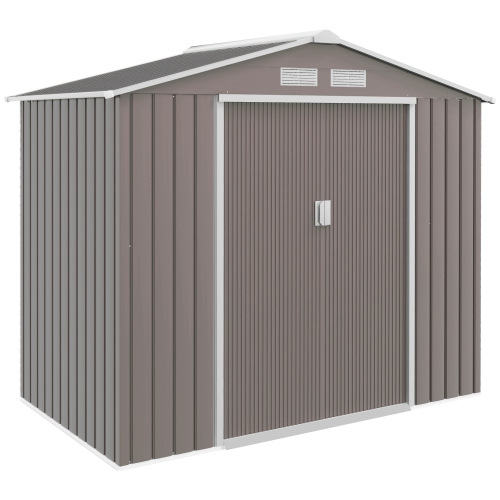
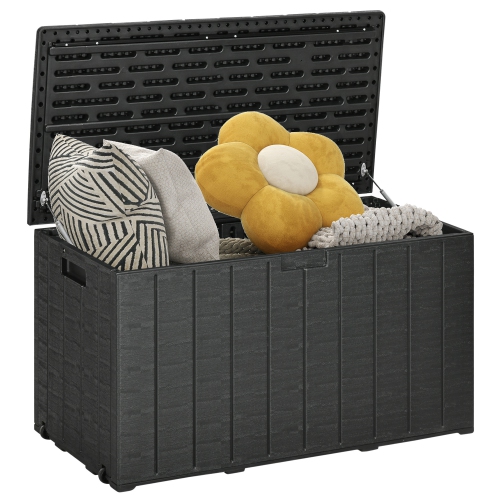
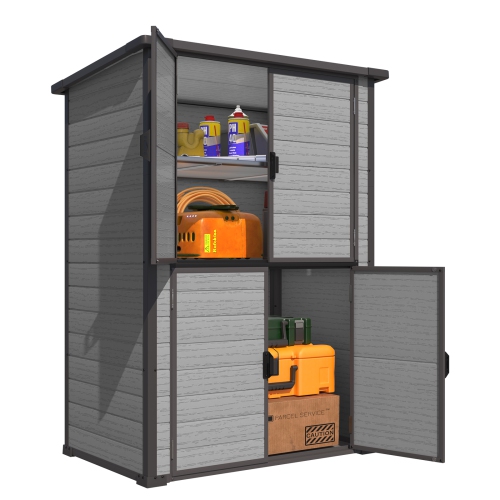
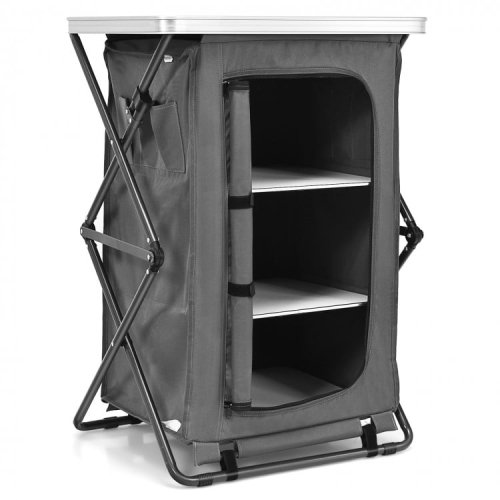

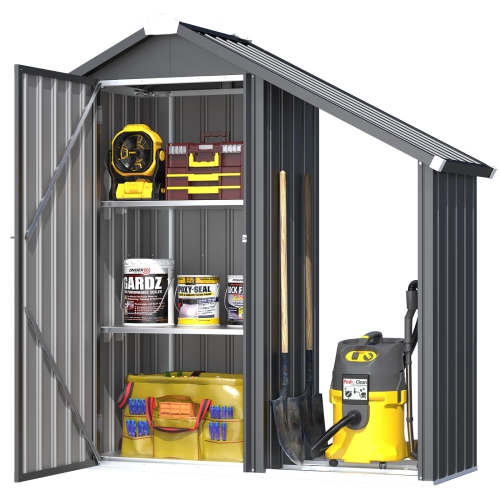
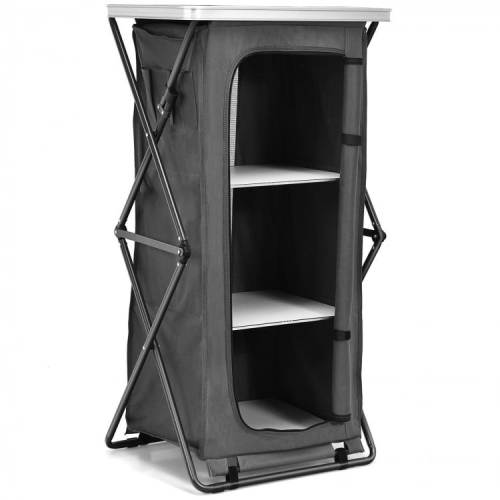
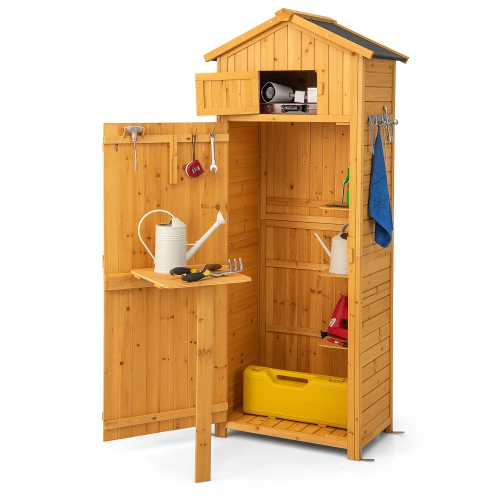
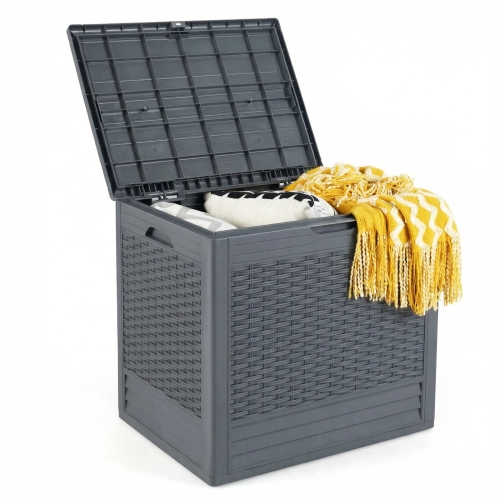


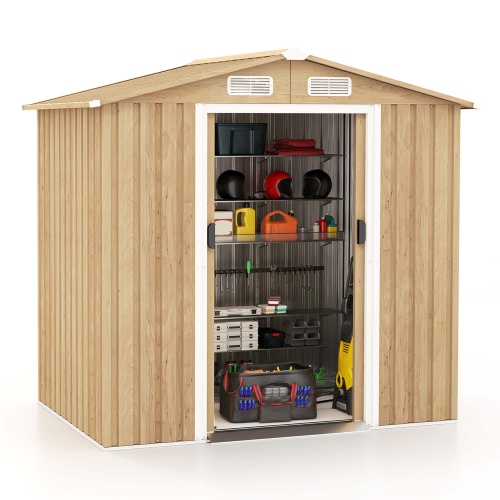


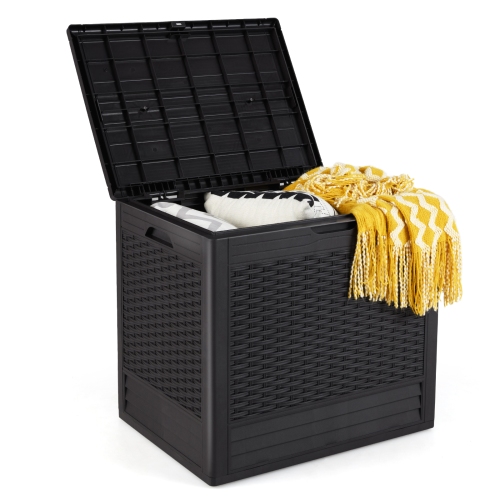
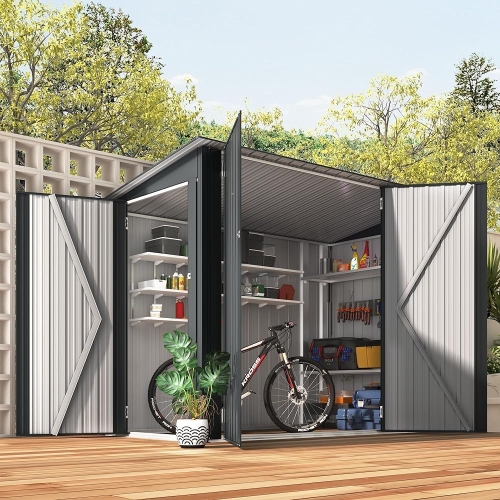


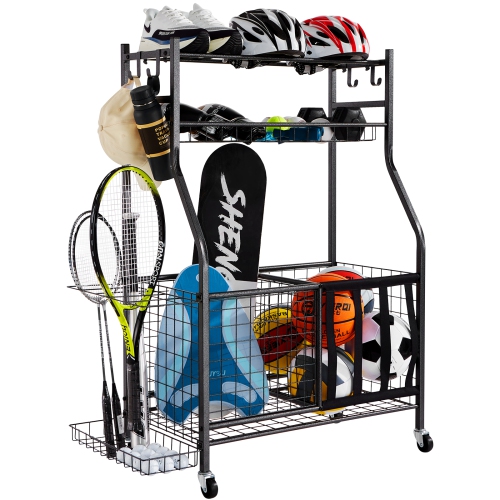
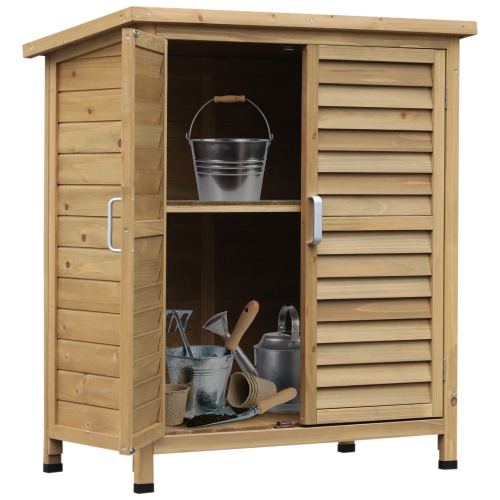

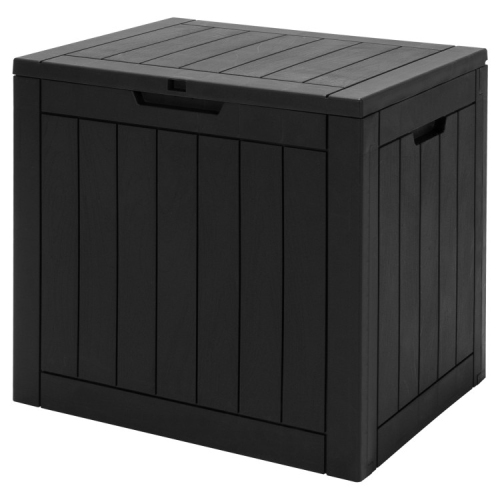
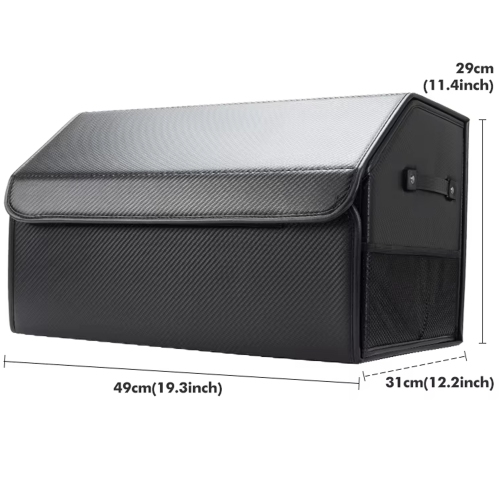
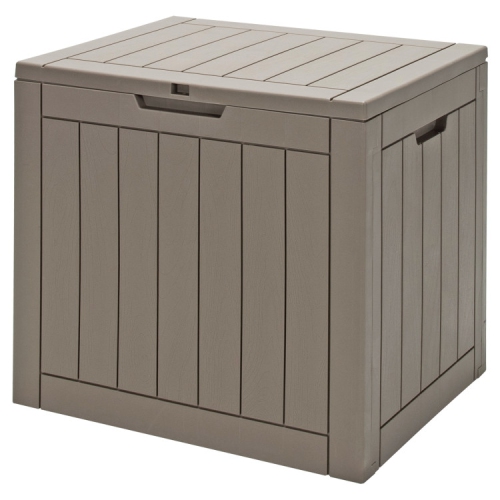
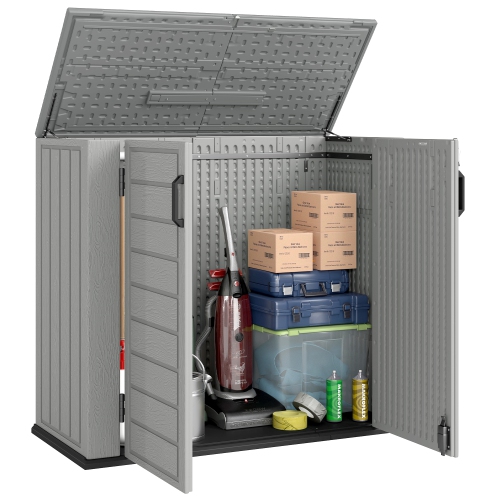
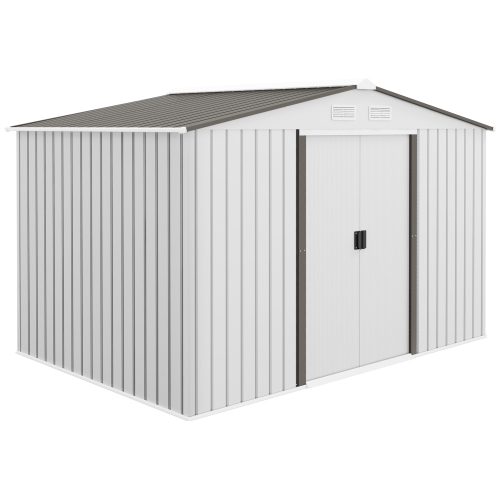
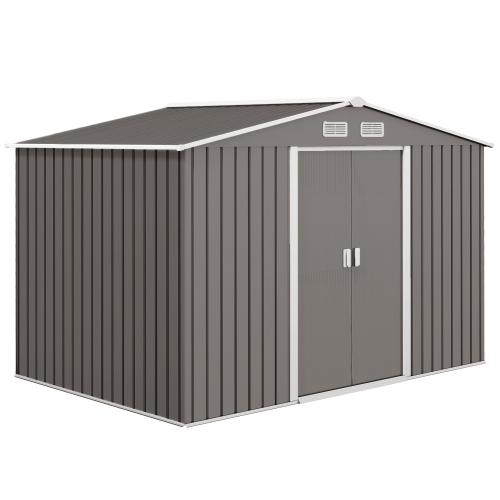
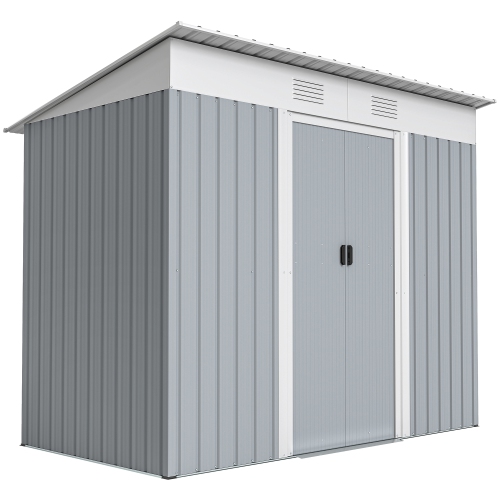
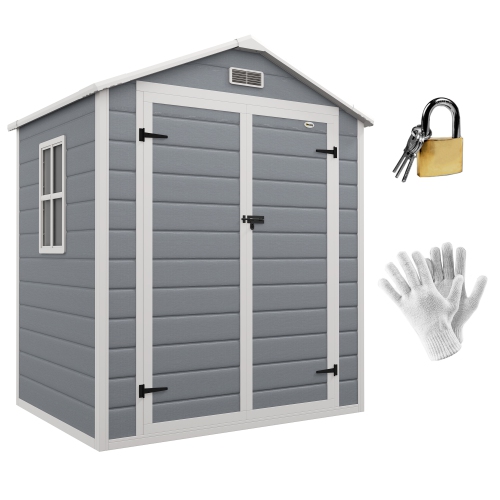
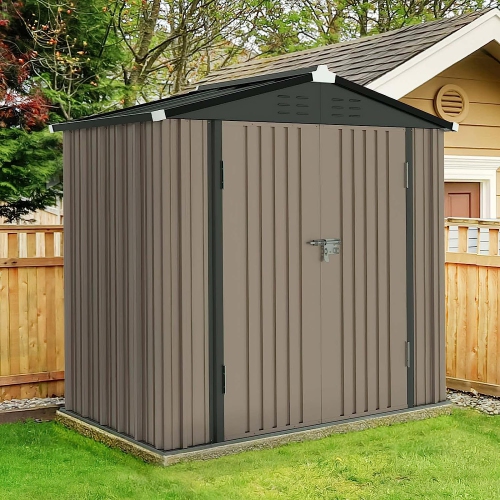
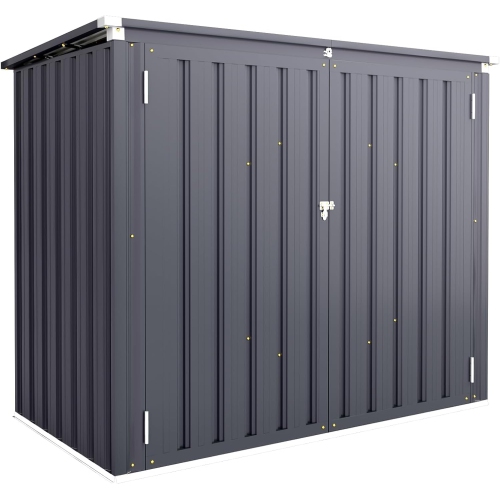
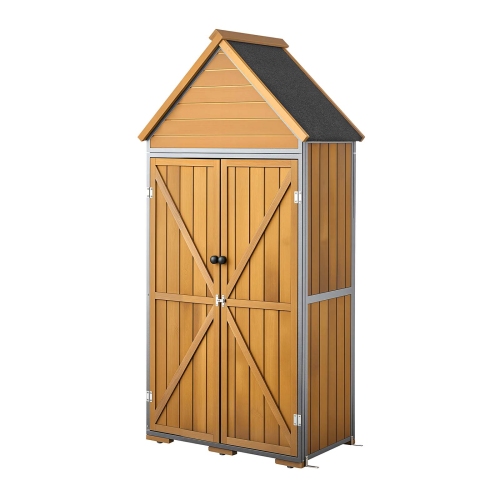
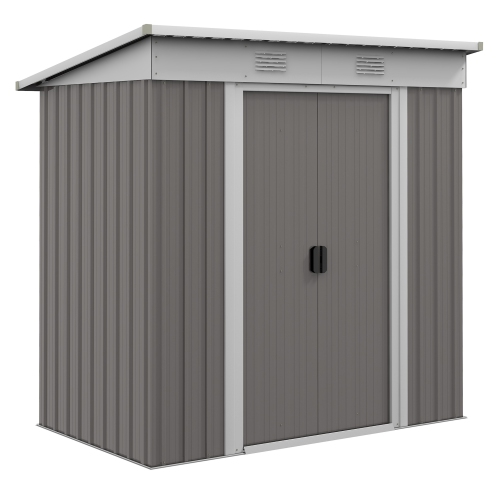
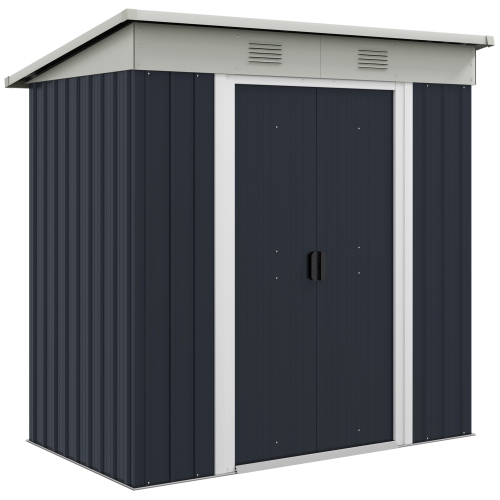
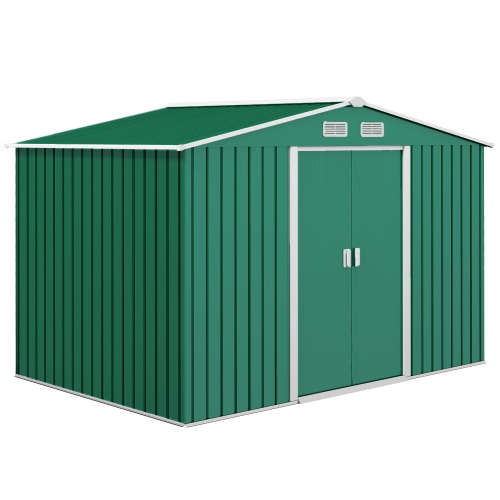


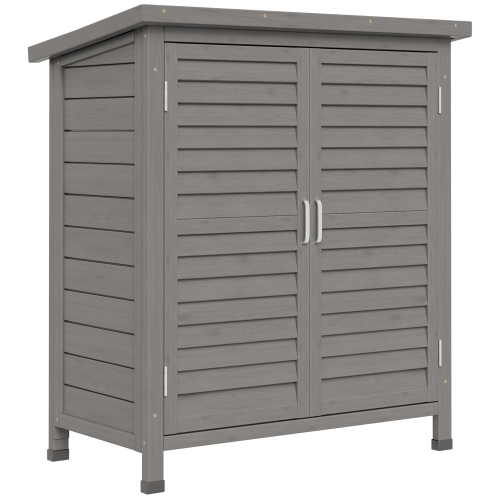
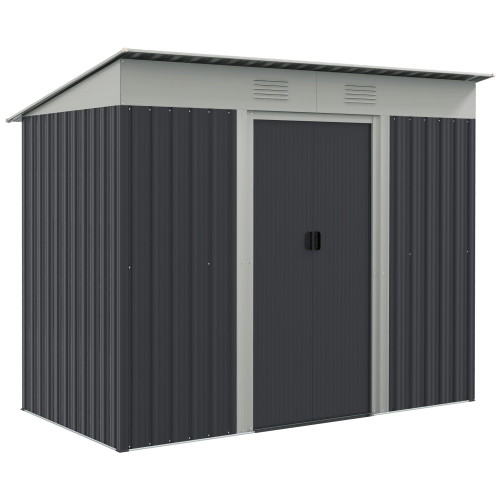
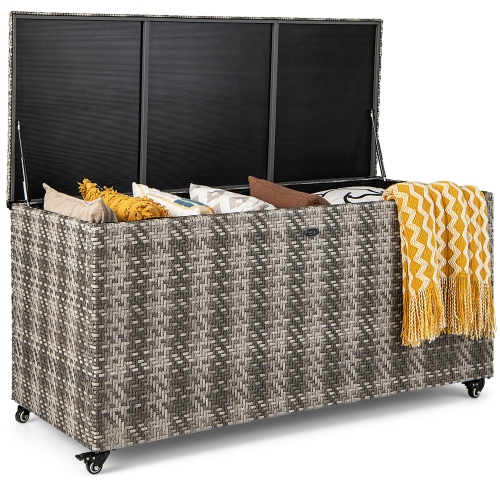
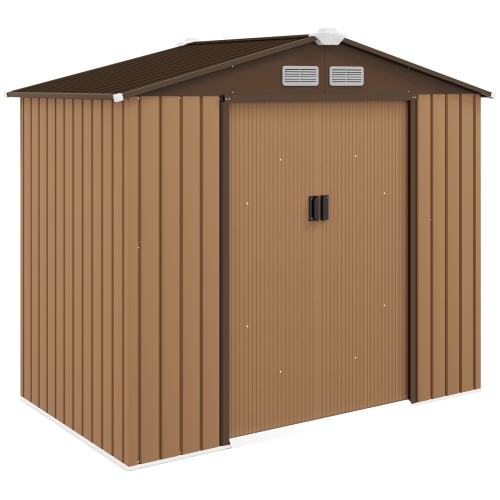
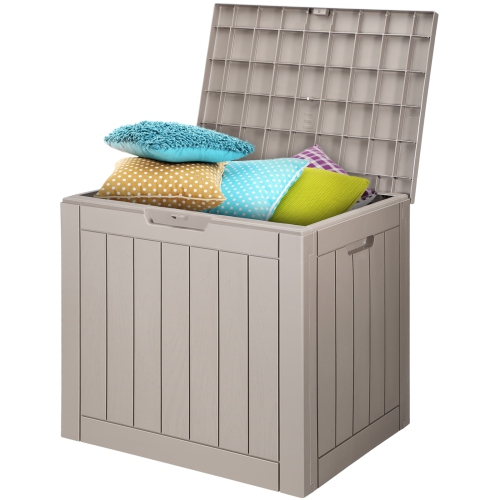

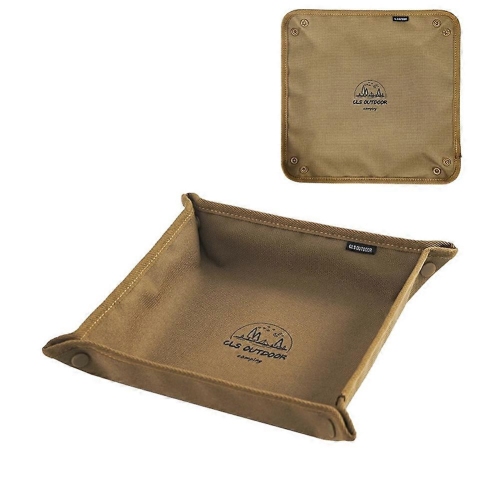
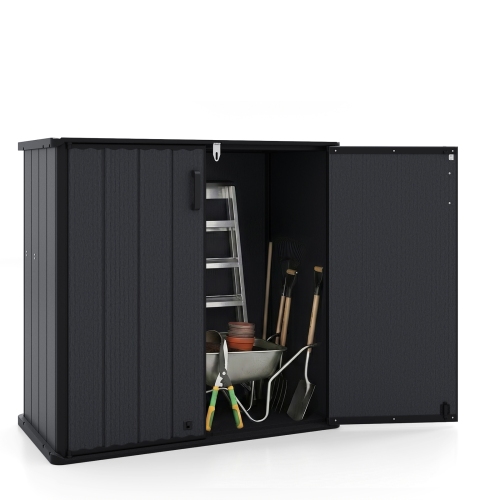
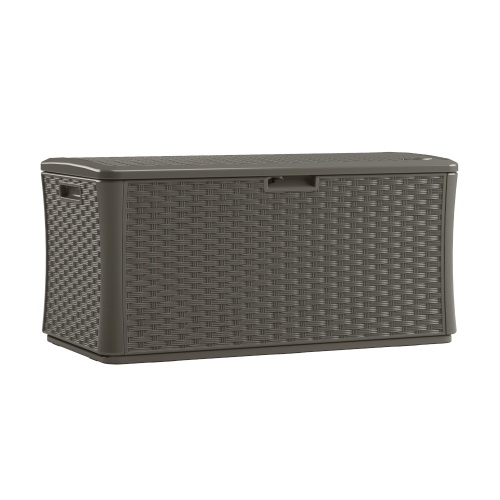
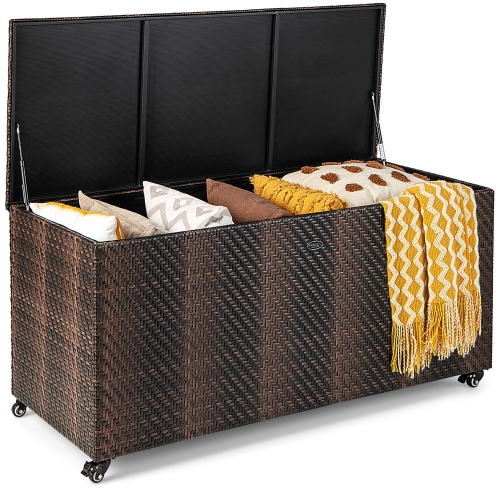

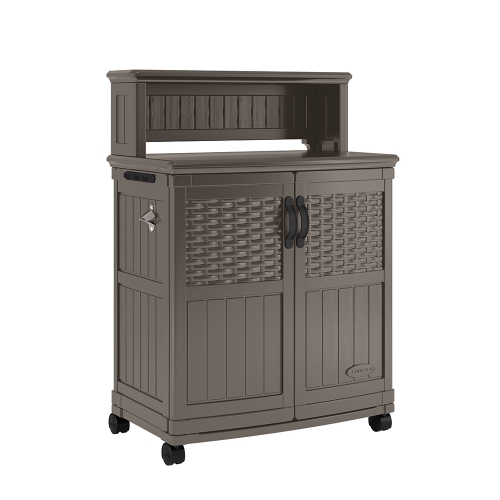
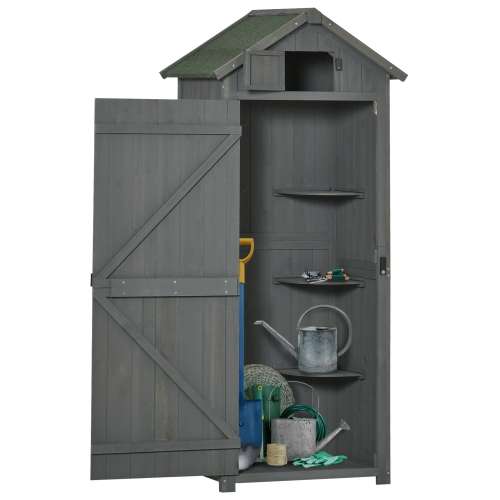


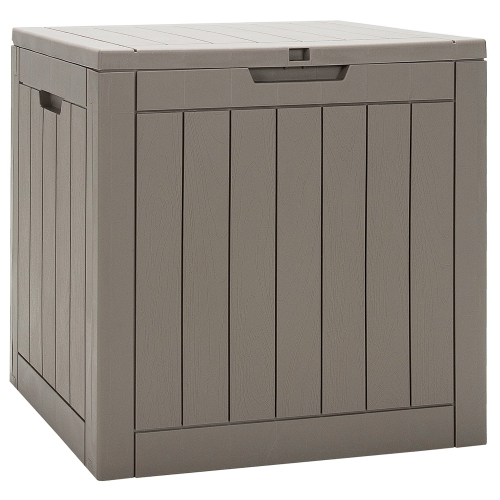
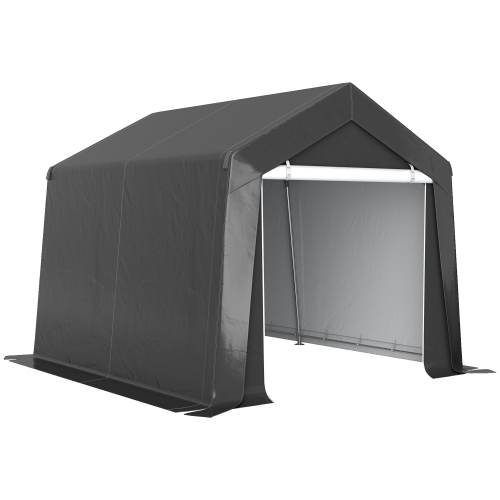
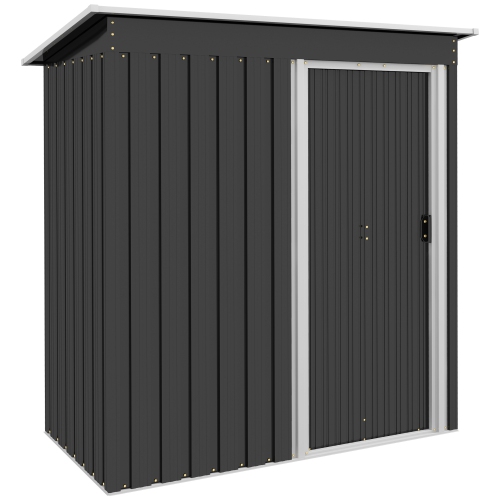
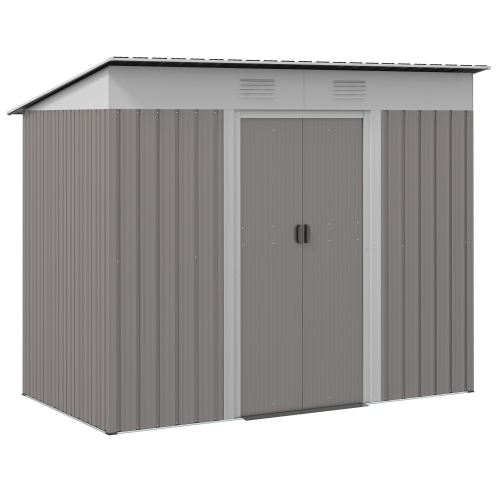
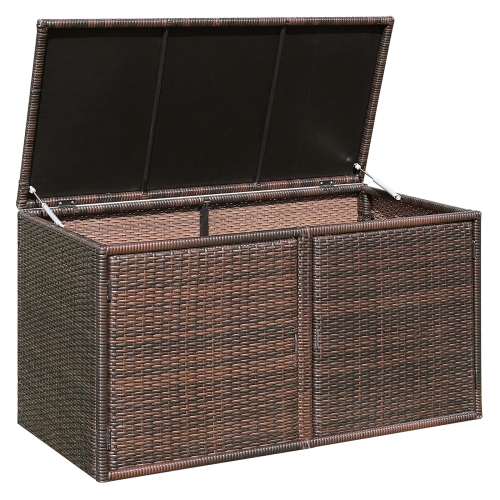
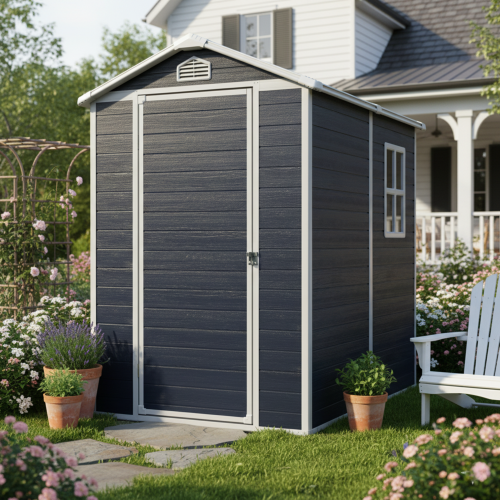
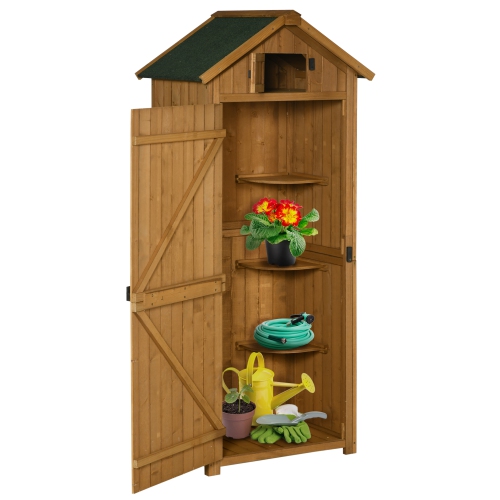
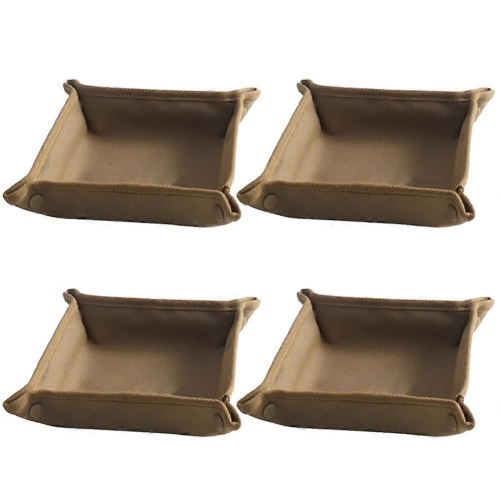

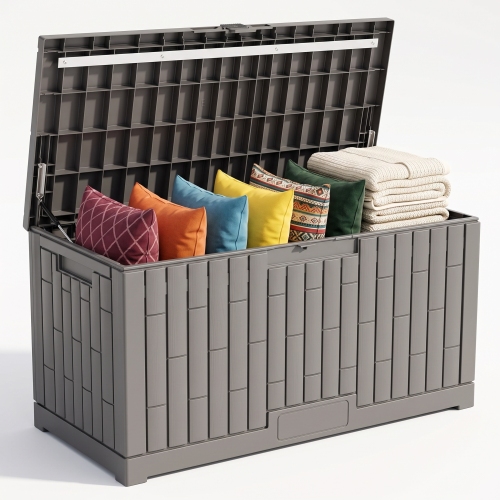
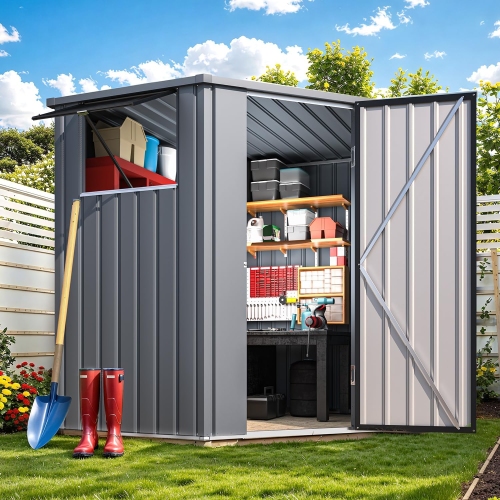
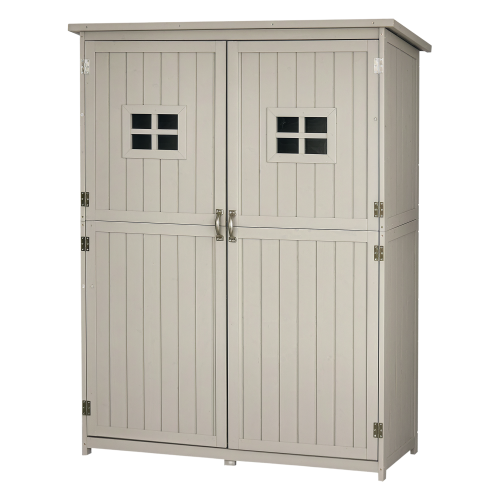

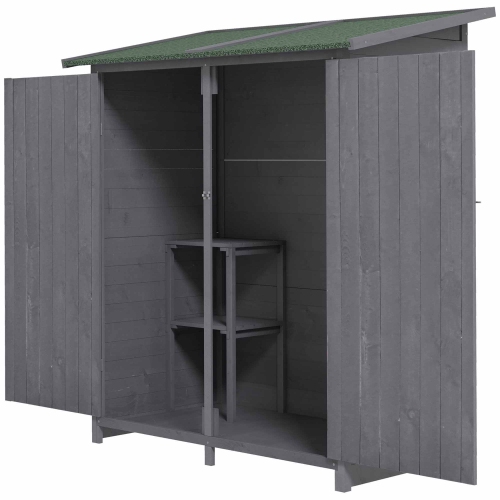
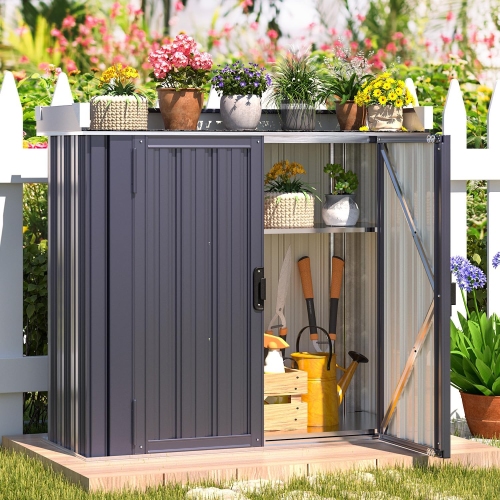
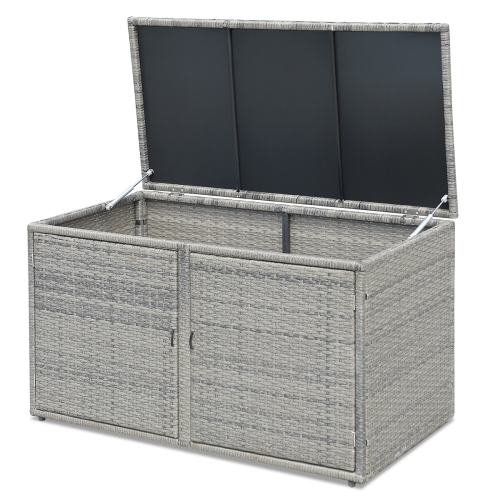
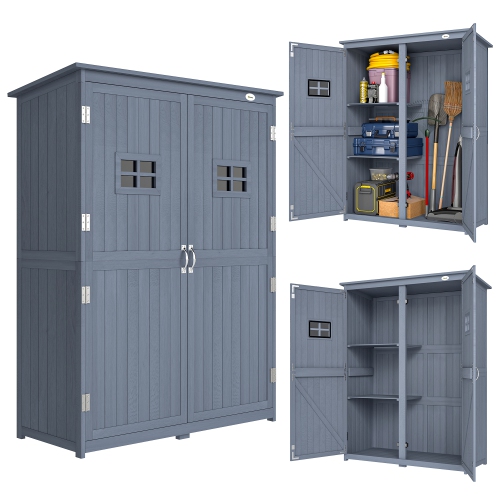
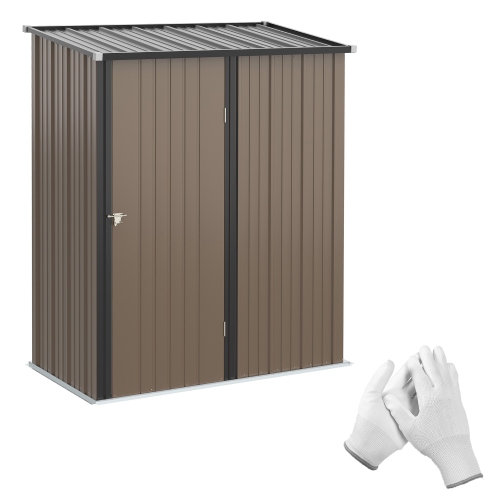
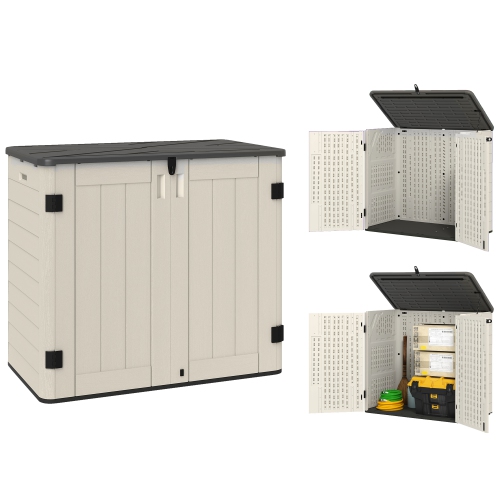
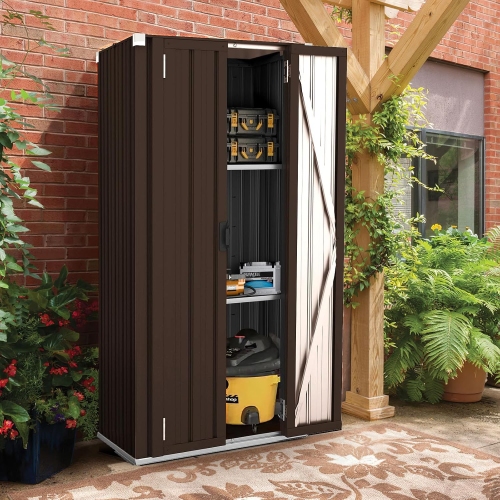
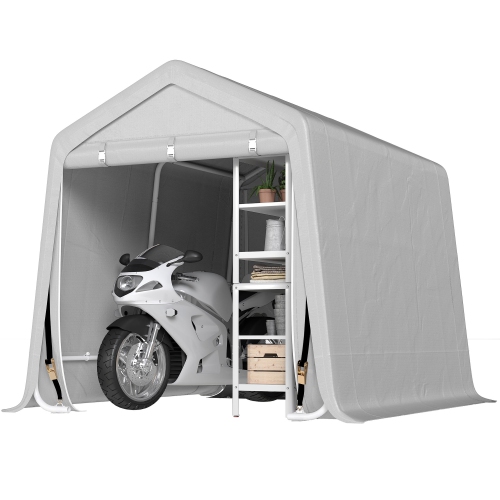
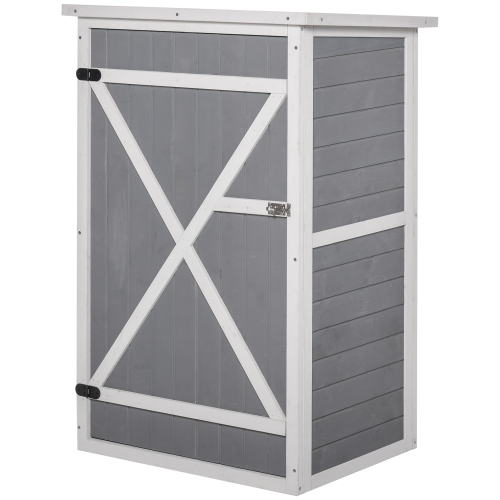
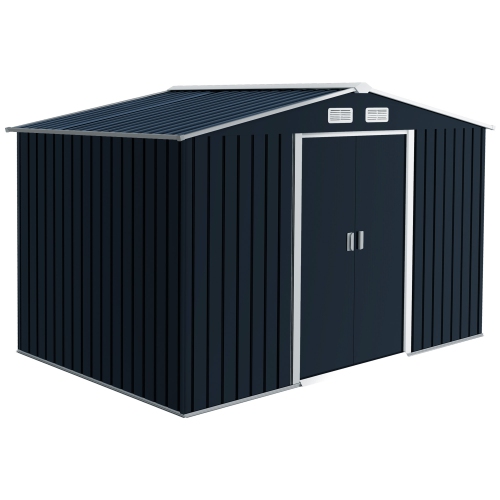


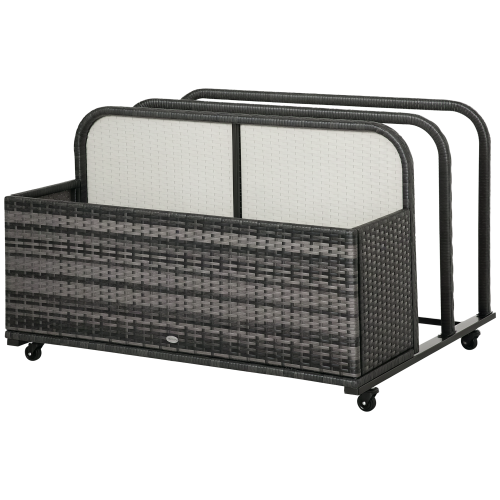
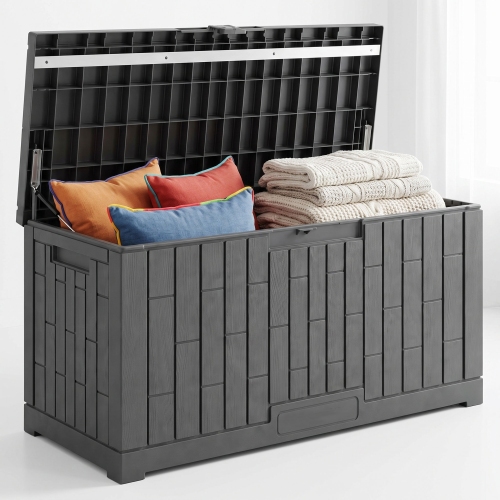
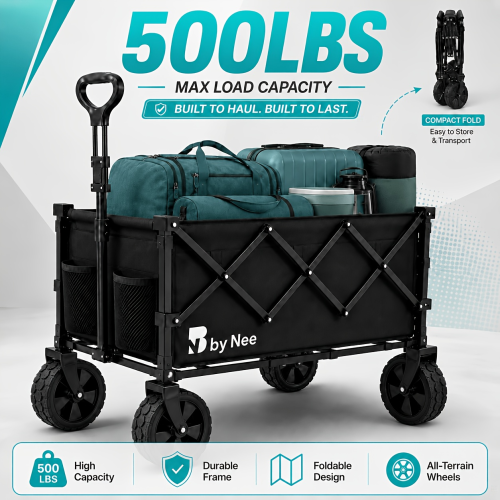

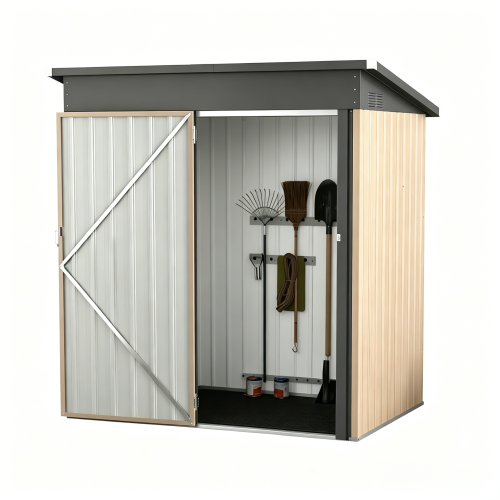

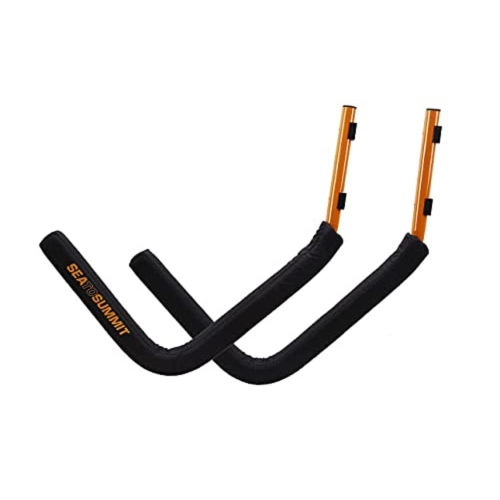
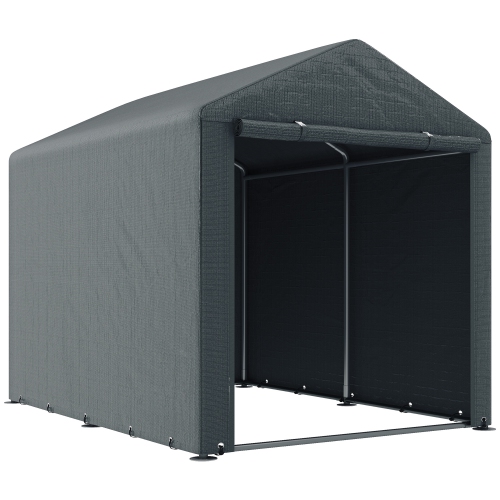
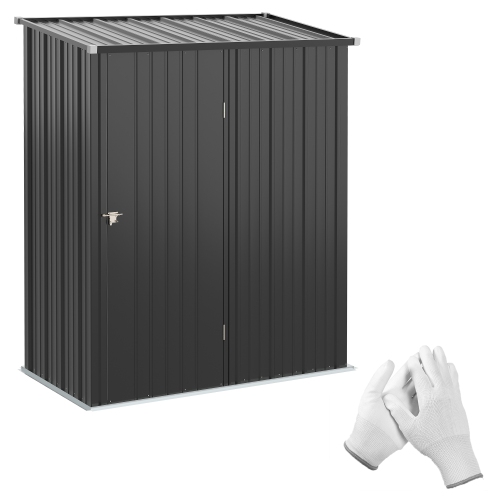
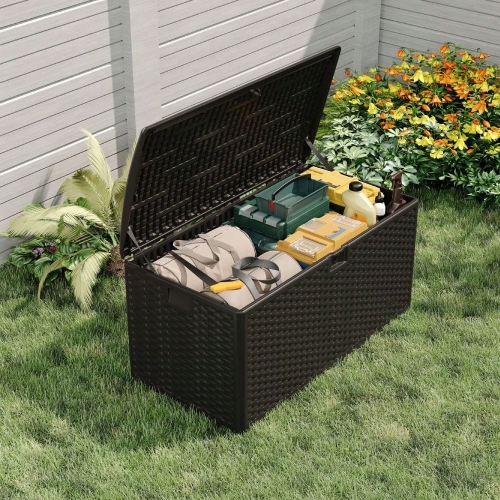
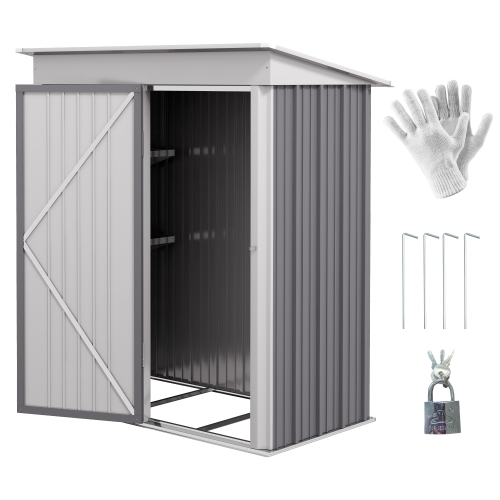
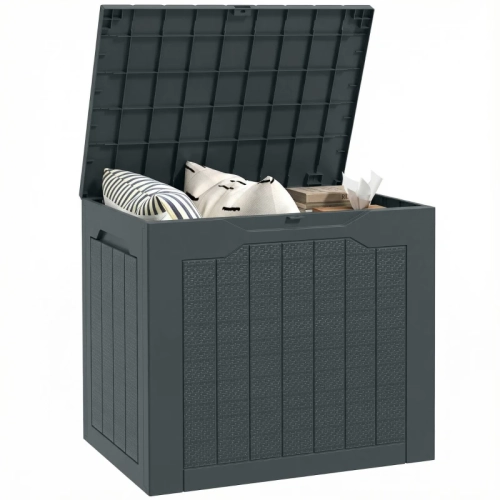
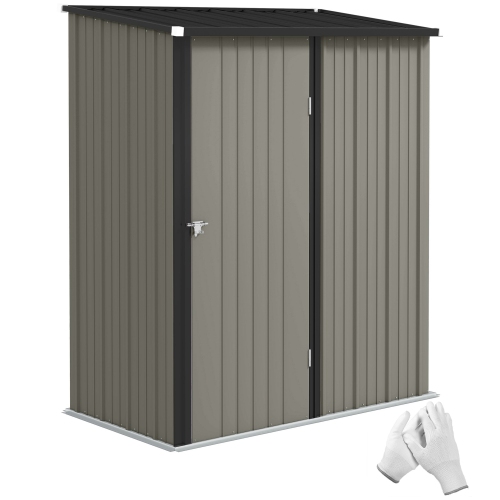

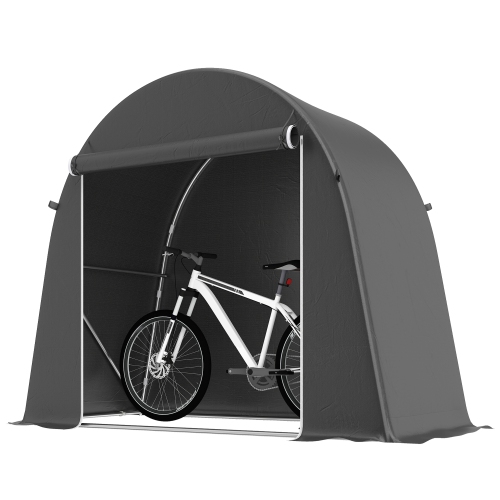


Dry, labelled storage simplifies packing for changing seasons
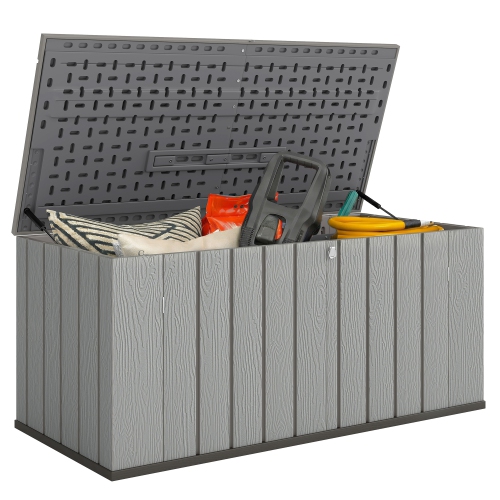
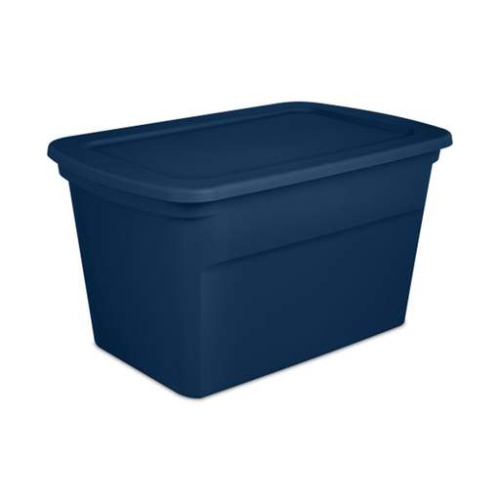
Outdoor gear storage helps keep equipment protected, easy to find and ready for the next outing. Whether your collection includes camping supplies, hiking essentials, paddling accessories, winter equipment or backyard recreation items, the right storage setup can make a noticeable difference in how you use your space. A garage, mudroom, utility room, basement, shed or covered patio can all benefit from a combination of bins, shelves, cabinets, hooks and cases. Begin by sorting belongings according to the activities they support. A dedicated camping bin might hold lanterns, cookware, compact chairs, tarps and repair supplies, while a hiking area could keep backpacks, trekking poles, hydration accessories and headlamps together. Grouping items this way reduces the time spent searching through mixed boxes and makes packing feel more manageable when the forecast looks promising. Clear containers are useful for small accessories because they allow you to see what is inside without opening every lid, while opaque containers can help shield light-sensitive or less frequently used belongings. For equipment that may retain moisture, such as tents, tarps, sleeping bags or rainwear, make sure everything is clean and completely dry before putting it away. Ventilated storage or a loosely closed container is often preferable to an airtight seal for items that need airflow, helping reduce stale odours and the chance of moisture-related damage. Labels on the front or top of each container add another practical touch, especially when bins are stacked or stored on high shelves.
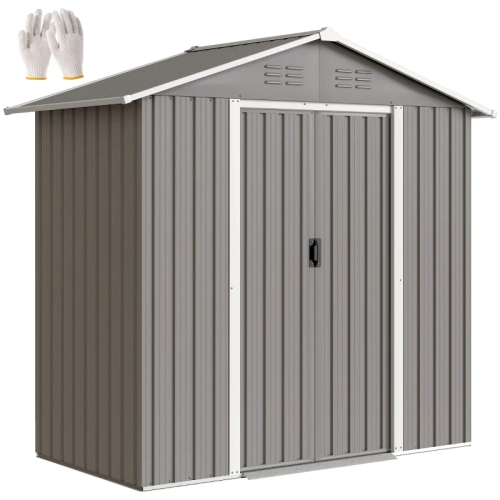
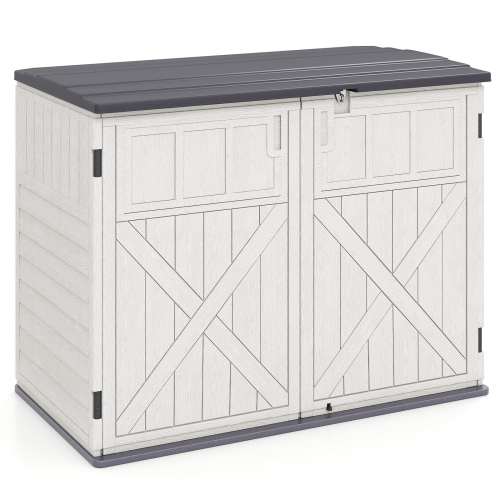
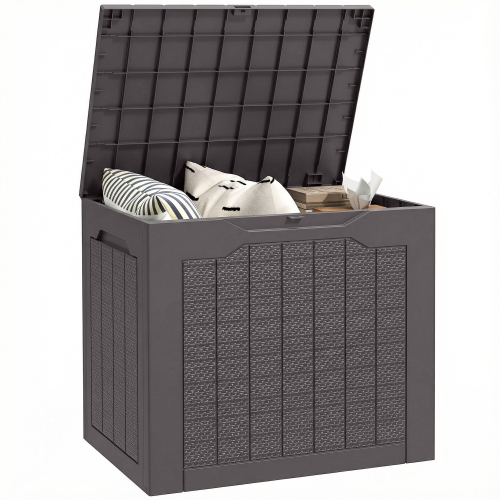
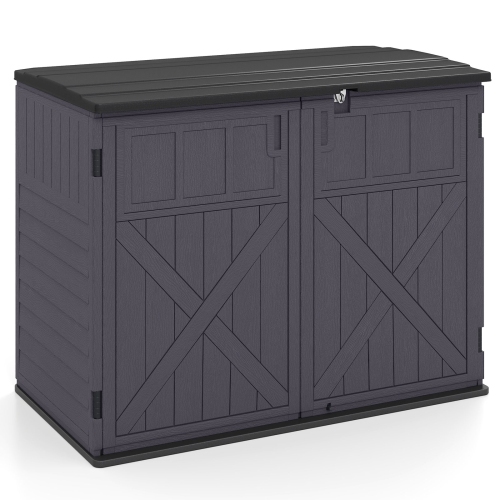
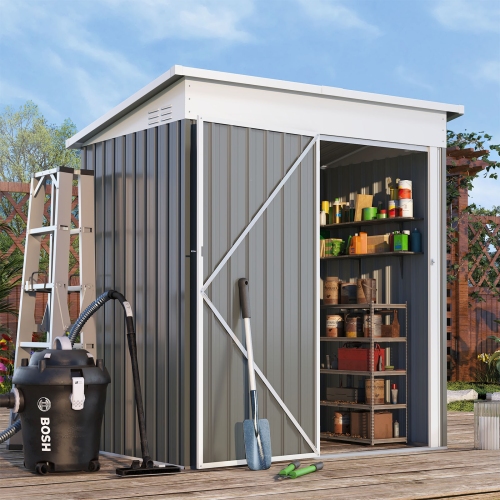
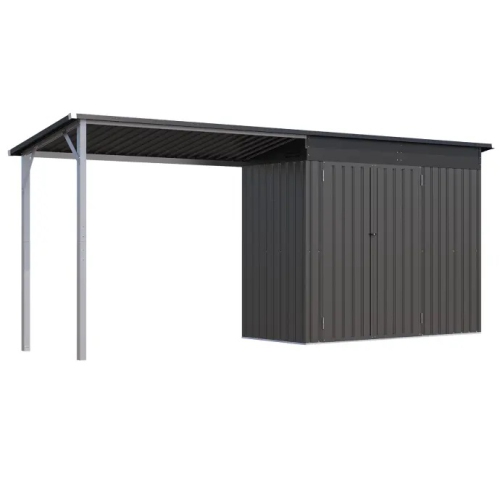
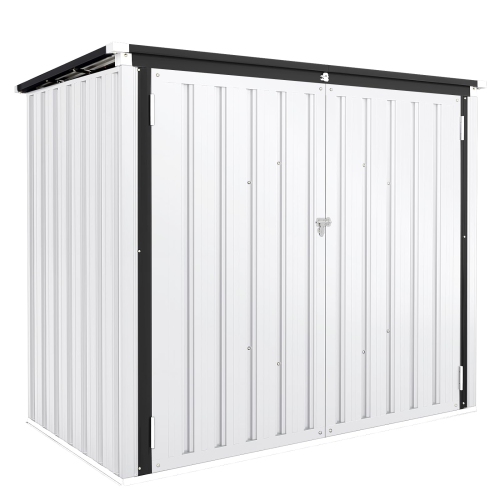
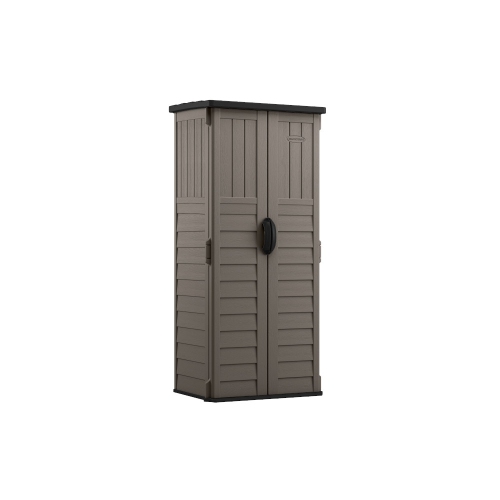
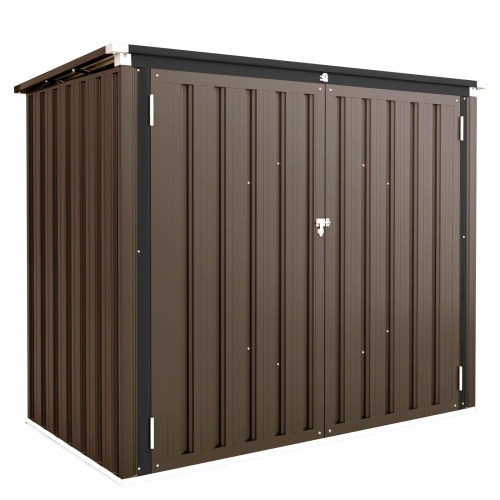
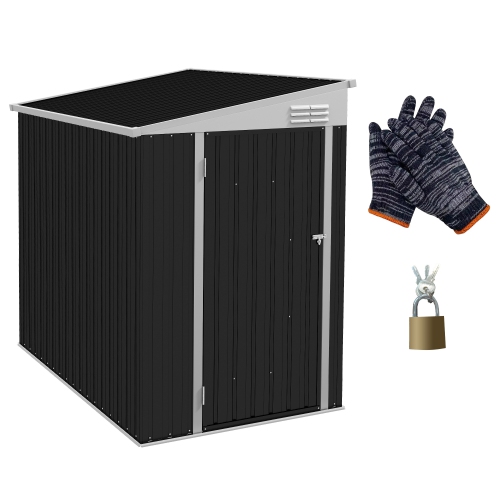
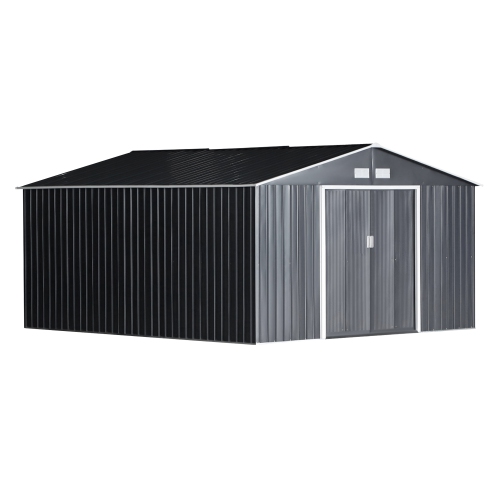
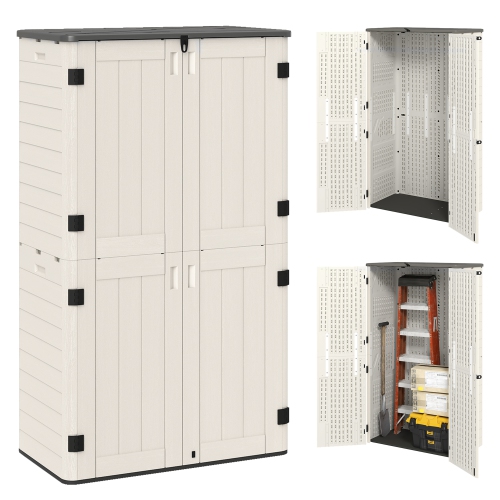
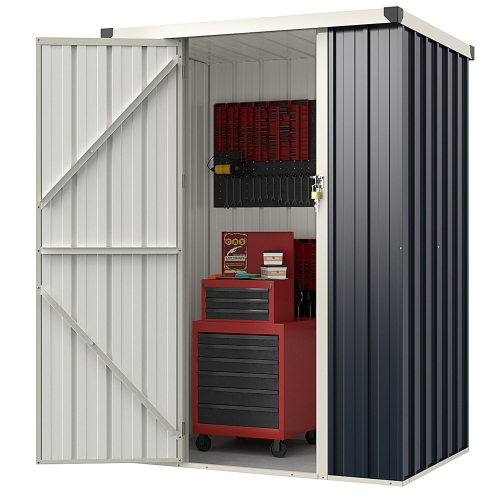
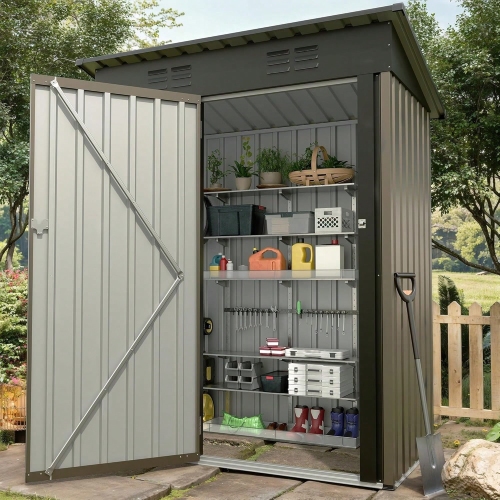
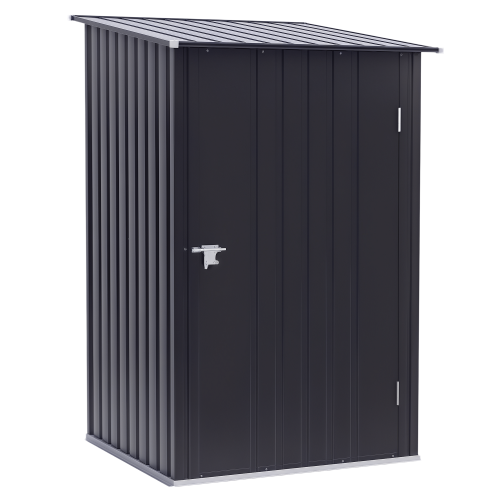
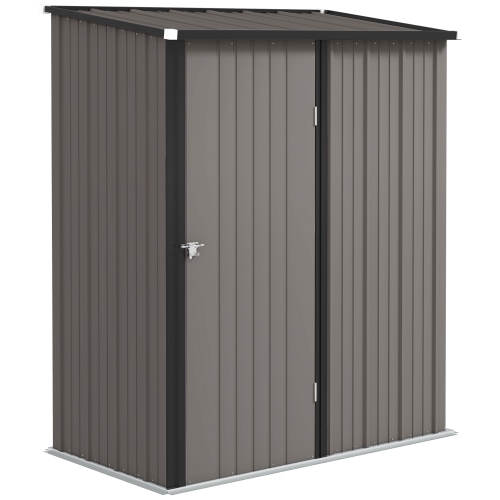
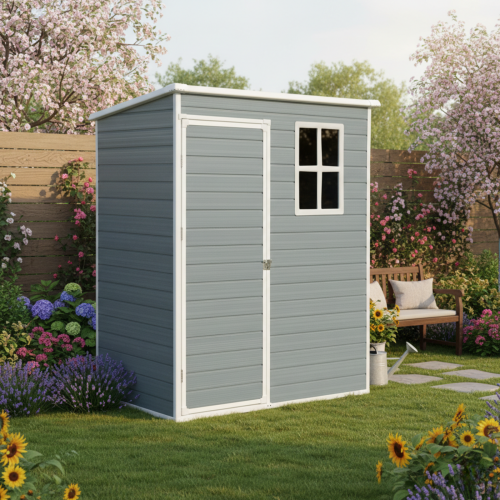
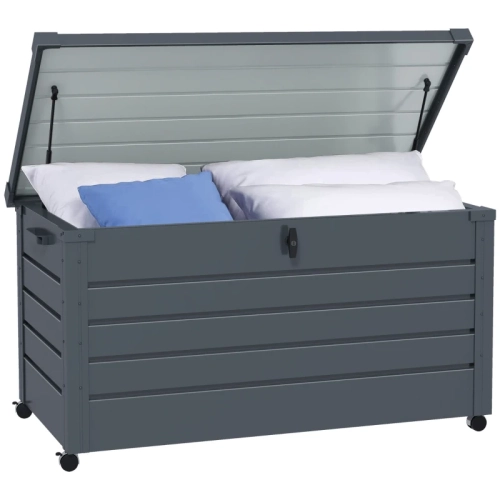
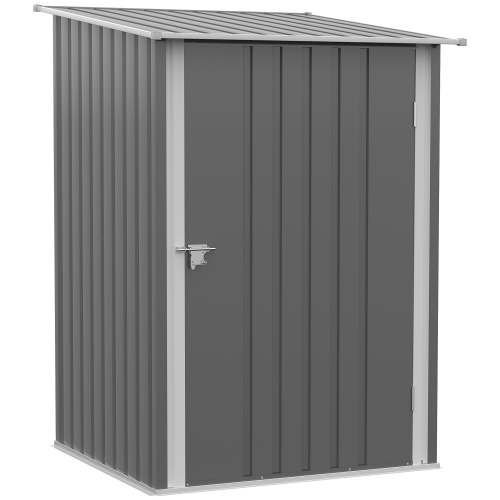
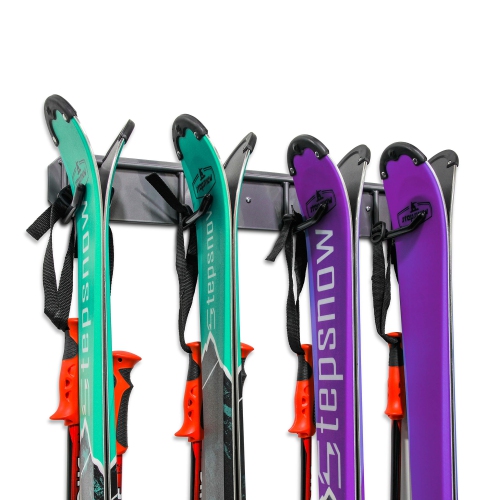
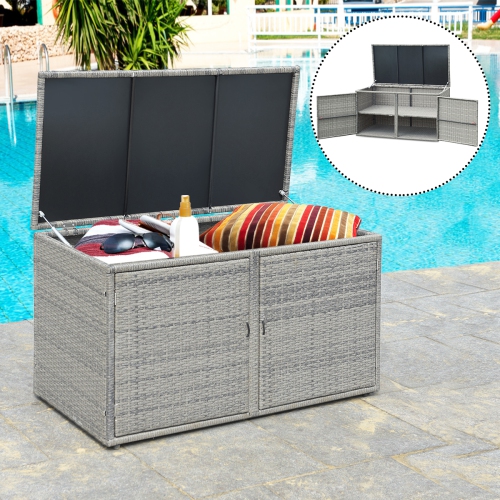
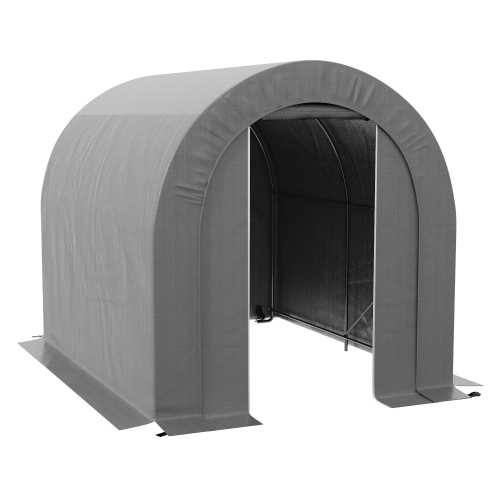
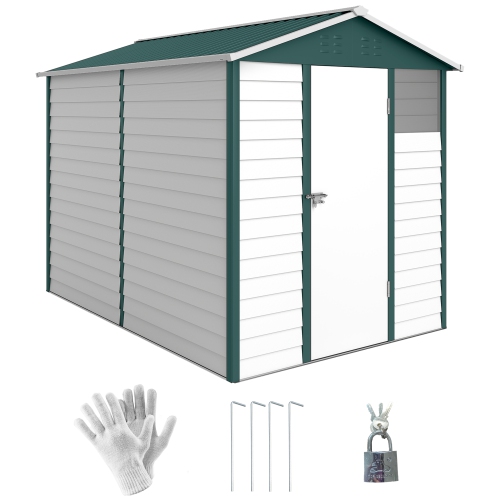
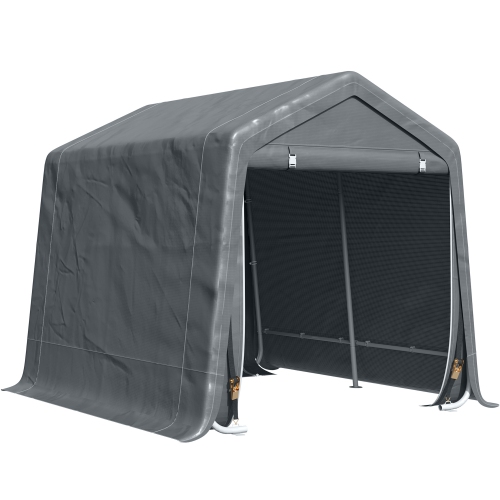
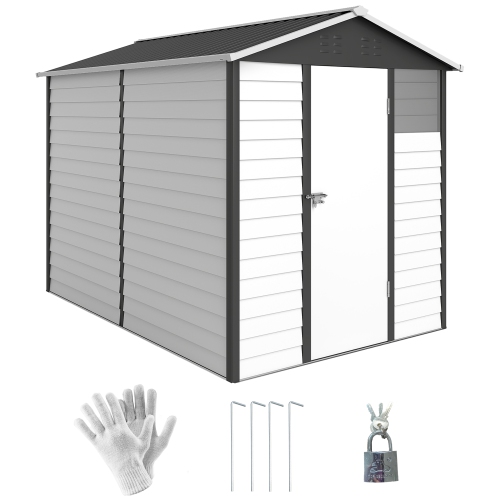
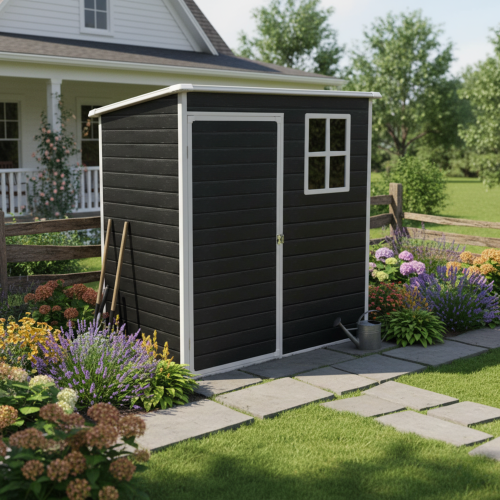
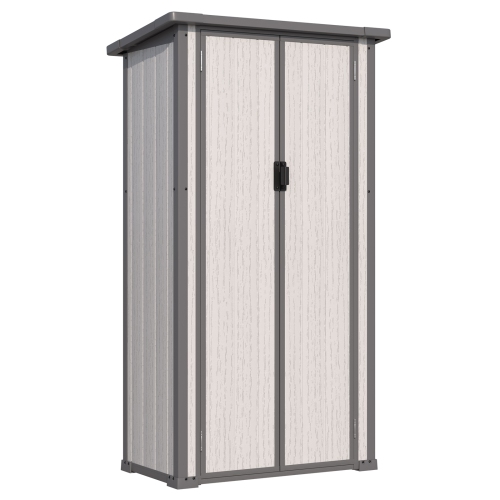
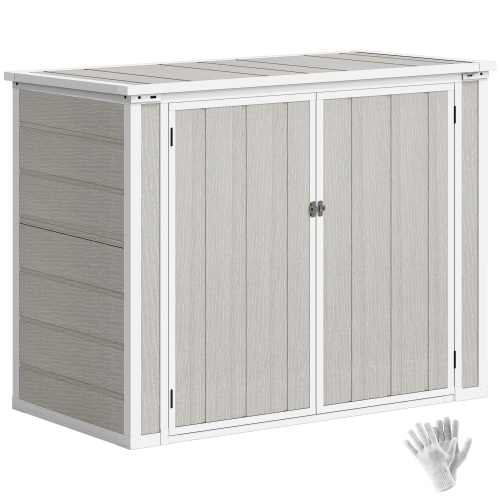
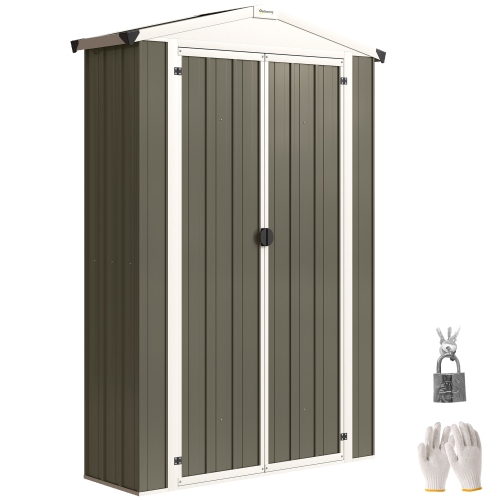
Make the most of vertical space by lifting bulky gear off the floor and keeping frequently used items within comfortable reach. Wall hooks, pegboards, rails and sturdy shelving can hold backpacks, helmets, folding chairs, sleeping pads and other lightweight equipment, leaving walking areas clearer and making damp or dirty items easier to inspect before they are put away. Heavier belongings should rest on appropriately rated shelving or the floor rather than on small hooks that are not designed to support their weight. A tall cabinet can be helpful for supplies that need a more orderly home, particularly in a garage or covered outdoor area where loose items can quickly become scattered. Lockable storage may offer added peace of mind for equipment kept in shared spaces, while a larger shed or freestanding storage structure can accommodate bulky belongings that do not fit comfortably inside the home. For smaller essentials, portable gear cases provide a convenient way to gather cords, tools, first-aid items, maps, batteries and cooking accessories in one durable container. They are also useful when equipment moves between a storage area and a vehicle, campsite or cottage. Consider the full path from storage to use: containers with comfortable handles are easier to carry, stackable shapes make better use of shelves, and wheels can be helpful for heavier loads. Leave enough room to remove a bin without shifting everything around it, and avoid placing gear where it could block doors, vents, electrical panels or walkways. For anglers, a separate area for tackle, rods, waders and related accessories can make packing simpler; browse Fishing Gear Storage for storage options suited to that type of equipment.
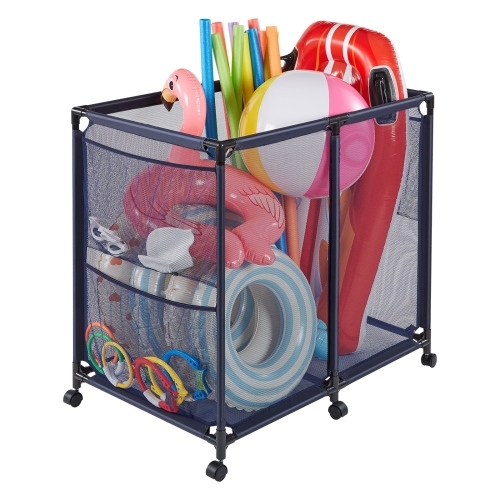
A well-planned storage collection can be useful for households with busy weekends, recreational groups, cottage owners, campers and anyone who prefers to be prepared before heading outdoors. Families may appreciate labelled bins that let each person gather their own essentials, while frequent hikers can keep a ready-to-carry pack near the entrance with non-perishable necessities already organized. During the cooler months, outdoor equipment often shifts between the garage, vehicle and home, so cases and bins that are simple to lift and clean can help keep the transition orderly. As the weather warms, the same setup can be refreshed for camping, cycling, paddling, backyard activities or road trips. Outdoor gear storage can also make a thoughtful gift for someone moving into a home with a garage, preparing a cottage, building a camping collection or looking for a neater way to manage recreational equipment. When choosing storage, consider the size and shape of the items first, then look at material, ventilation, water resistance, closures, portability and available capacity. A container that fits neatly on a shelf may be more useful than one with a larger advertised capacity that is awkward to lift or stack. Check that fabric gear is dry before long-term storage, empty pockets and cases of small debris, and periodically inspect cords, fasteners and seals so minor issues do not become inconvenient before an outing. Keeping a simple inventory nearby can also prevent duplicate purchases and make it easier to notice when batteries, fuel accessories or repair supplies need attention. With activity-based organization, sensible use of wall and floor space, and storage choices matched to the gear itself, outdoor equipment stays more accessible through changing seasons and is easier to pack whenever the next adventure takes shape.
Top selling and popular products
-
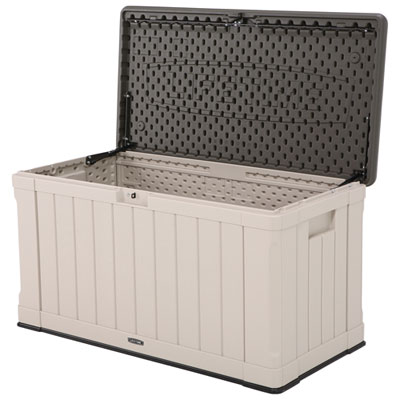 Your price for this item is $233.98
-
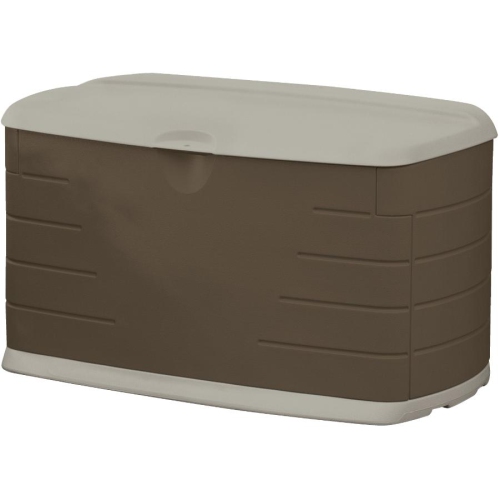 Your price for this item is $371.77
-
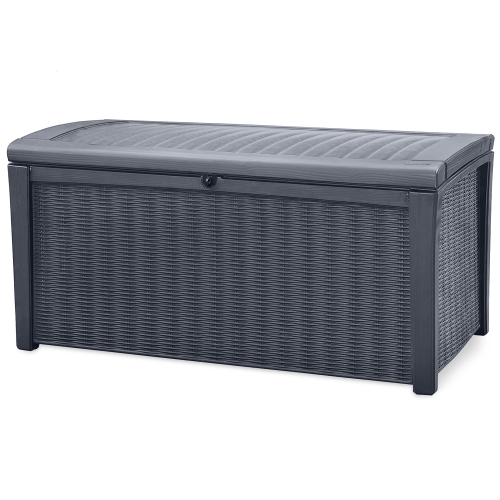 Your price for this item is $412.99
-
 Your price for this item is $299.99
-
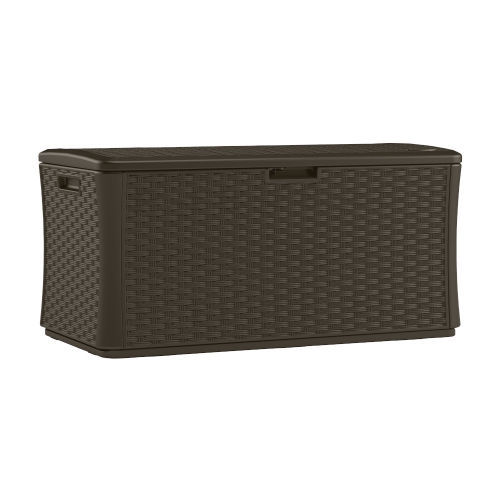 Your price for this item is $349.99
-
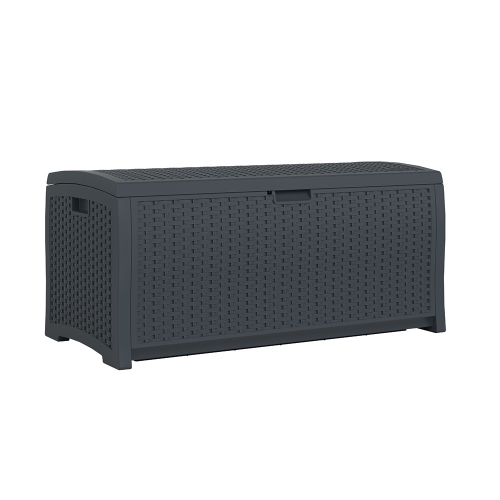 Your price for this item is $219.99
-
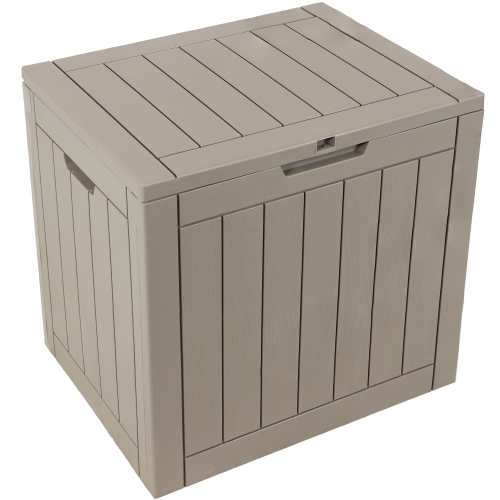 Your price for this item is $134.95
-
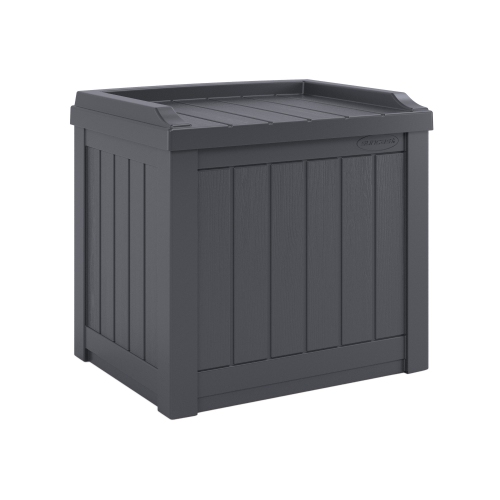 Your price for this item is $108.99
Discover more categories related to Outdoor Gear Storage

Top Collections:
Pokemon Centers, Kindle Devices, Best Cameras for Sports Photography, Pokémon 30th Celebration Cards, Canon G7X Cameras, Samsung Galaxy Phones, iPhone 15 Apple, Best Black Friday Deals On Electronics, Jackery Power Stations, Solar Generators for Home
Some products may be subject to Environmental Handling Fees
(EHF) depending on your province.
Learn more about EHFs.