Outdoor Motion Sensors
Enhance the security and convenience of your outdoor space with outdoor motion sensors. Designed to detect movement and trigger lights or other connected devices, these sensors provide peace of mind and enhance the functionality of your outdoor area. Here are some great options available.
Sort

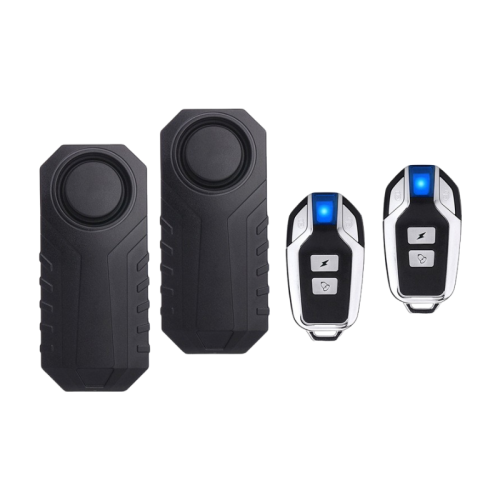
How range, placement and power affect performance
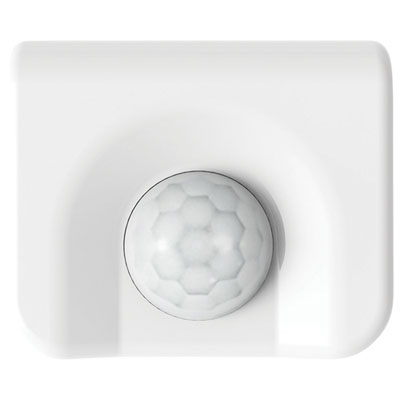
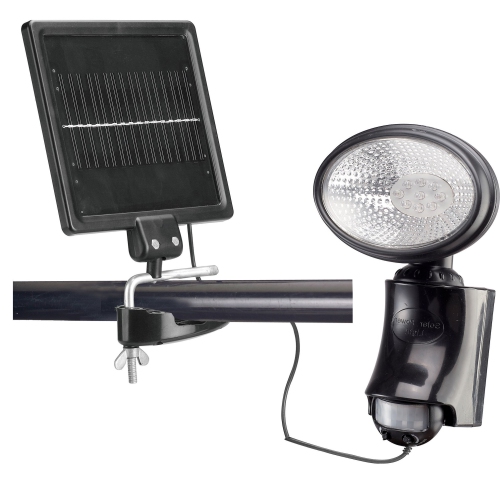
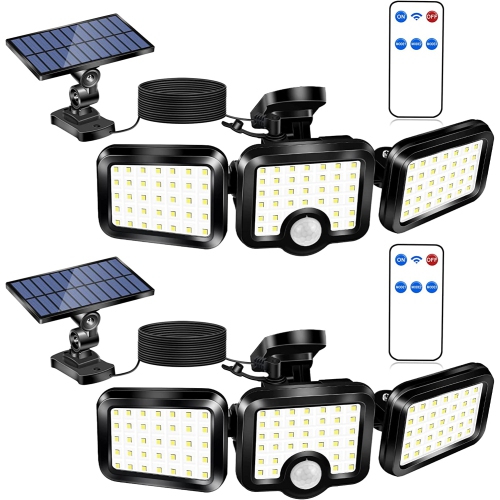
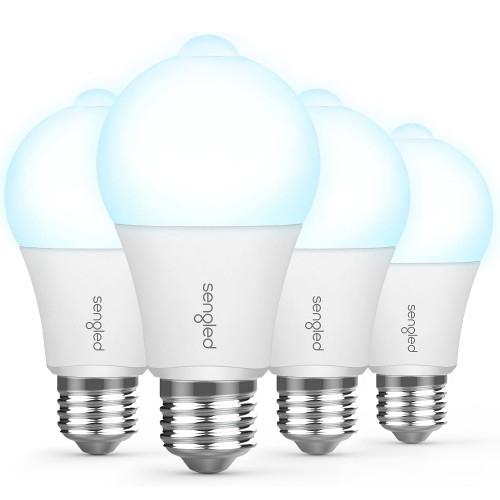
Outdoor motion sensors are practical additions for illuminating and monitoring the spaces around a home, garage, shed, workshop, cottage or entryway. They detect movement within a defined area and can trigger a light, send an alert, or activate another connected device, helping you see what is happening outdoors without leaving a light on continuously. They are especially useful along pathways, driveways, side entrances, steps, patios, fences and areas near bins or storage sheds where a standard indoor switch may be inconvenient. A well-positioned sensor can light the way when you arrive home with your hands full, make it easier to spot a delivery at the door, or provide a quick reminder that someone is moving near the back gate. For broader lighting options, you can also explore Motion Sensor Lights. Outdoor motion sensors can be purchased as part of a complete light fixture, as standalone sensors for use with compatible equipment, or as smart accessories that connect with a mobile app, hub or voice assistant. The right type depends on the location, the available power source and the kind of response you want. Hardwired models are a dependable choice for a permanent installation near an existing electrical connection and can support bright, consistent lighting for driveways, garages and larger entrances. Installation may require electrical expertise, particularly when replacing or adding a fixture, so check the instructions and local requirements before beginning. Wireless sensors are more flexible when you want to avoid running wires, and battery-powered options can be useful for gates, porches, sheds and other areas where access to a power outlet is limited. Solar-powered models can be placed in suitable outdoor locations without a nearby outlet, although the sensor and light need an unobstructed position where the panel can receive adequate daylight. Smart models add features such as adjustable detection settings, app notifications, activity history or integration with other compatible devices, making them a good fit for people who want to manage outdoor lighting and alerts from a phone.
When comparing outdoor motion sensors, start with the detection range and coverage angle. Range describes how far away the sensor can recognize movement, with many options covering approximately 15 to 70 feet depending on the design and settings. A longer range can be useful for a driveway or wide yard, while a shorter range may be preferable beside a front door so the sensor responds to people approaching the entrance rather than movement on the sidewalk. The detection angle is also important: models with coverage around 120 to 180 degrees can monitor a broad area, but a wide field of view may require more careful positioning to limit unwanted activations. Look for adjustable sensitivity, detection distance, timer duration and light direction when these controls are important to your setup. Sensitivity adjustments can help distinguish useful movement from small branches, passing pets or activity beyond your property, while a timer setting lets you decide how long a light stays on after motion is detected. If the sensor is paired with a light, consider brightness, colour temperature and head adjustment so the illumination reaches steps and walking surfaces without shining directly into nearby windows. For outdoor use, weather resistance is essential. An IP65 or higher rating is commonly recommended for equipment exposed to rain, dust and snow, but placement still matters: sheltered mounting under an eave can reduce direct exposure, and cable connections should be protected according to the manufacturer’s instructions. During the warmer and cooler parts of the year, changing daylight, foliage and weather can affect how a sensor behaves, so leave enough room to fine-tune its angle after installation. A model designed for cold-weather operation is worth considering in regions where freezing temperatures and snow are part of the season.
Outdoor motion sensors suit homeowners improving visibility around an entrance, renters looking for a portable option, cottage owners checking a remote walkway and families who want a convenient light near steps or a garage. They can also make thoughtful housewarming, cottage or new-home gifts because they are useful without requiring the recipient to redesign an entire outdoor space. Before choosing one, consider the mounting surface, the distance to the nearest power source, the direction people approach from and whether you need light, notifications or both. Check compatibility if the sensor must work with an existing fixture, smart hub or voice assistant, and confirm whether batteries, mounting hardware or professional installation are required. Placement is often the difference between a helpful sensor and one that activates at inconvenient times: aim it across the expected path of movement rather than directly at the person approaching, keep it away from strong light sources and avoid pointing it toward roads or areas with frequent passing traffic. For a garage, position the sensor high enough to cover the driveway while still detecting a person walking toward the door. Near a walkway, angle it to illuminate the steps and landing instead of the street. With the right range, weather protection, power method and adjustment options, an outdoor motion sensor can provide responsive lighting or timely alerts through the changing outdoor conditions of late summer, fall and beyond.
When comparing outdoor motion sensors, start with the detection range and coverage angle. Range describes how far away the sensor can recognize movement, with many options covering approximately 15 to 70 feet depending on the design and settings. A longer range can be useful for a driveway or wide yard, while a shorter range may be preferable beside a front door so the sensor responds to people approaching the entrance rather than movement on the sidewalk. The detection angle is also important: models with coverage around 120 to 180 degrees can monitor a broad area, but a wide field of view may require more careful positioning to limit unwanted activations. Look for adjustable sensitivity, detection distance, timer duration and light direction when these controls are important to your setup. Sensitivity adjustments can help distinguish useful movement from small branches, passing pets or activity beyond your property, while a timer setting lets you decide how long a light stays on after motion is detected. If the sensor is paired with a light, consider brightness, colour temperature and head adjustment so the illumination reaches steps and walking surfaces without shining directly into nearby windows. For outdoor use, weather resistance is essential. An IP65 or higher rating is commonly recommended for equipment exposed to rain, dust and snow, but placement still matters: sheltered mounting under an eave can reduce direct exposure, and cable connections should be protected according to the manufacturer’s instructions. During the warmer and cooler parts of the year, changing daylight, foliage and weather can affect how a sensor behaves, so leave enough room to fine-tune its angle after installation. A model designed for cold-weather operation is worth considering in regions where freezing temperatures and snow are part of the season.
Outdoor motion sensors suit homeowners improving visibility around an entrance, renters looking for a portable option, cottage owners checking a remote walkway and families who want a convenient light near steps or a garage. They can also make thoughtful housewarming, cottage or new-home gifts because they are useful without requiring the recipient to redesign an entire outdoor space. Before choosing one, consider the mounting surface, the distance to the nearest power source, the direction people approach from and whether you need light, notifications or both. Check compatibility if the sensor must work with an existing fixture, smart hub or voice assistant, and confirm whether batteries, mounting hardware or professional installation are required. Placement is often the difference between a helpful sensor and one that activates at inconvenient times: aim it across the expected path of movement rather than directly at the person approaching, keep it away from strong light sources and avoid pointing it toward roads or areas with frequent passing traffic. For a garage, position the sensor high enough to cover the driveway while still detecting a person walking toward the door. Near a walkway, angle it to illuminate the steps and landing instead of the street. With the right range, weather protection, power method and adjustment options, an outdoor motion sensor can provide responsive lighting or timely alerts through the changing outdoor conditions of late summer, fall and beyond.
Top selling and popular products
-
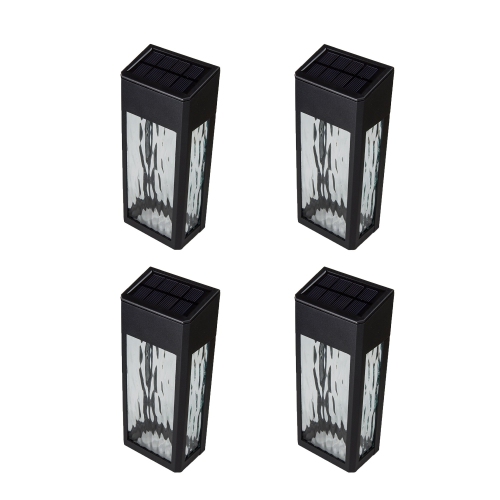 Your price for this item is $73.99
 -
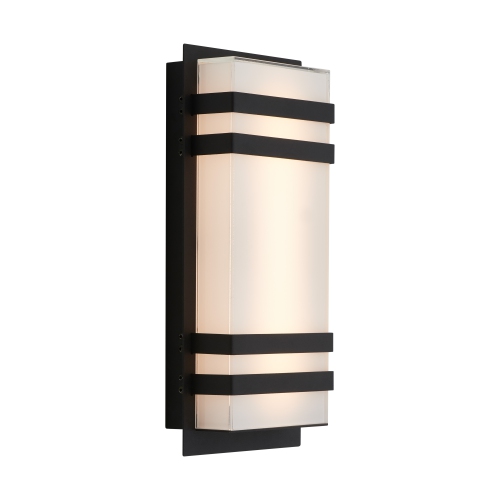 Your price for this item is $59.99
 -
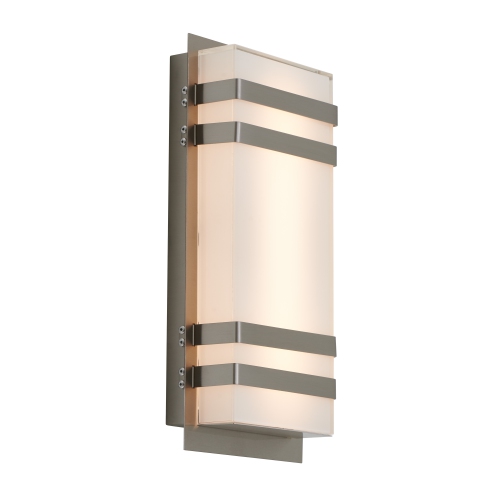 Your price for this item is $69.99
 -
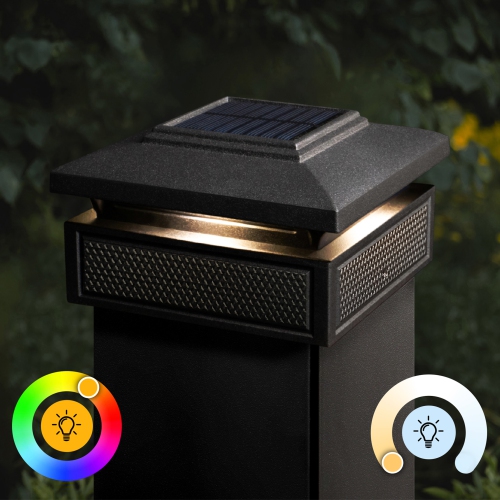 Your price for this item is $99.99
 -
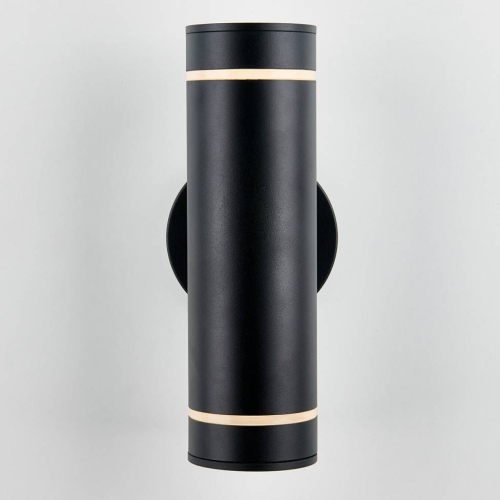 Your price for this item is $99
 -
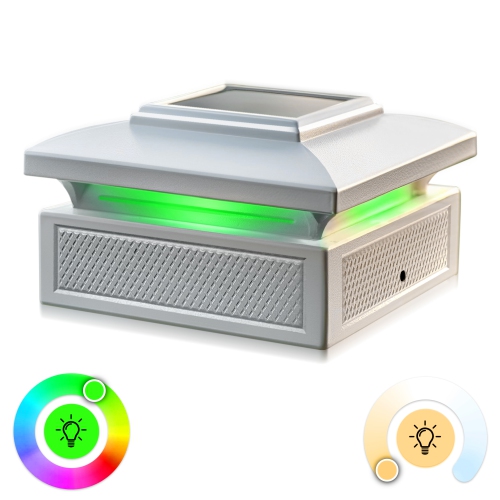 Your price for this item is $99.99
 -
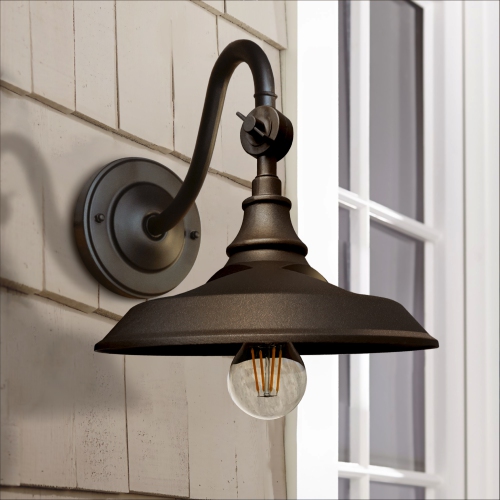 Your price for this item is $108.99
 -
 Your price for this item is $99.99
Discover more categories related to Outdoor Motion Sensors
Top Collections:
Pokemon Centers, Kindle Devices, Best Cell Phones Under $500, Alarm Clock, Canon G7X Cameras, iPhone 15 Apple, Laptops for Students, Budget Smartphones, iPhone 14 256GB, Best Camera Tripods Under $100
Some products may be subject to Environmental Handling Fees
(EHF) depending on your province.
Learn more about EHFs.