Outdoor Shelter Tents
Transform your outdoor adventures into unforgettable experiences with our diverse selection of outdoor shelter tents. Whether you're planning a weekend camping trip, a backyard gathering, or need extra coverage for an event, these versatile tents offer the perfect solution. Designed to provide comfort and protection, our collection caters to various needs and environments, ensuring you can enjoy the great outdoors with ease. Explore options that blend functionality with style, making it simple to find the ideal tent that complements your outdoor lifestyle.
Sort
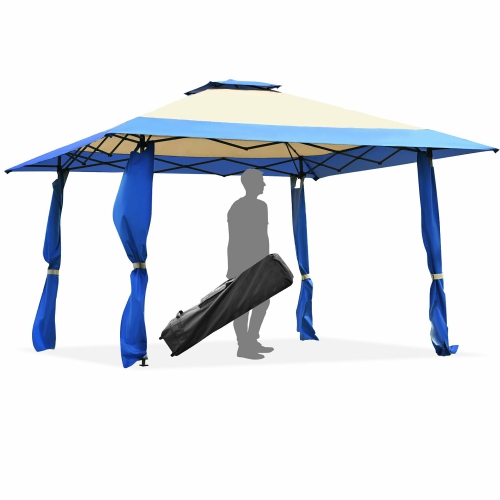

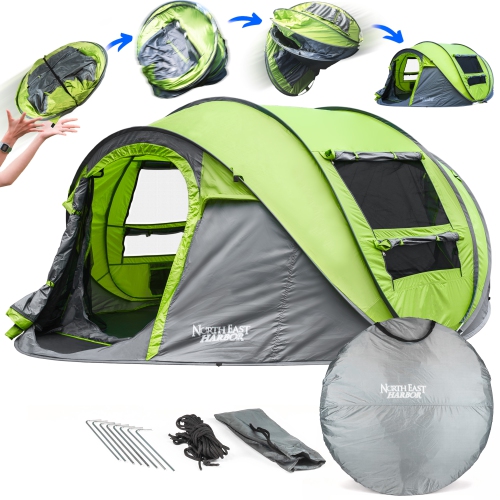

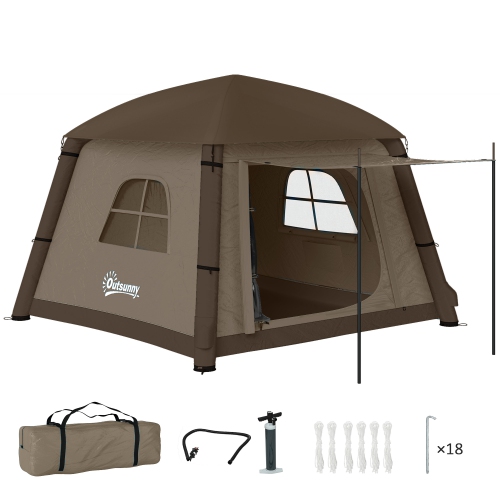
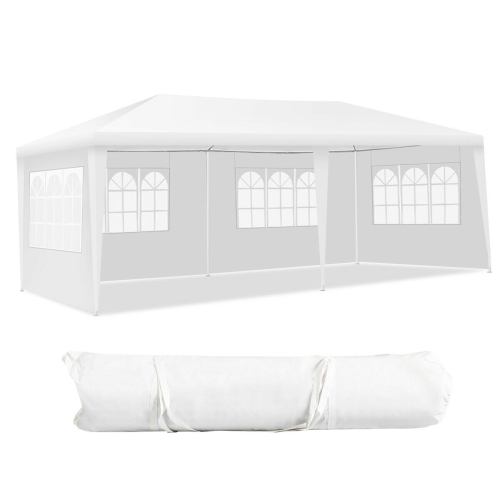

Covered gathering spaces with room to move
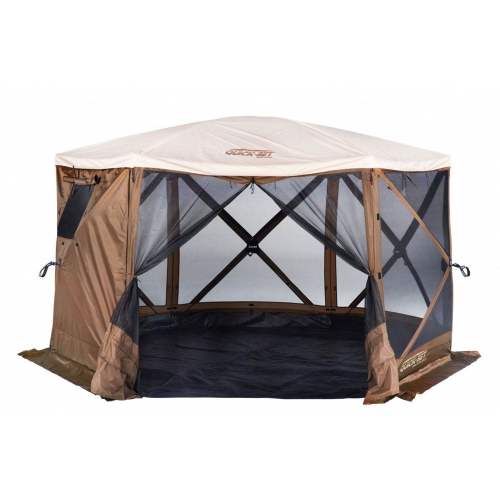
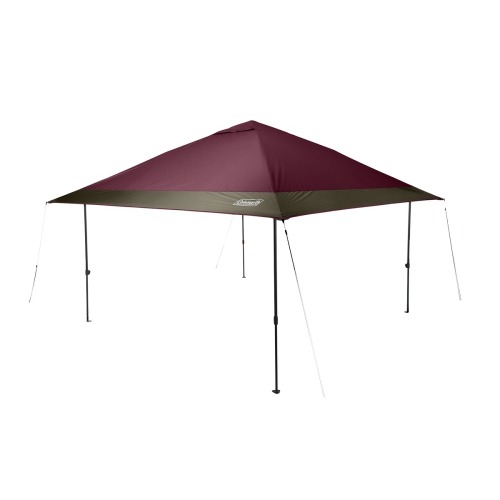
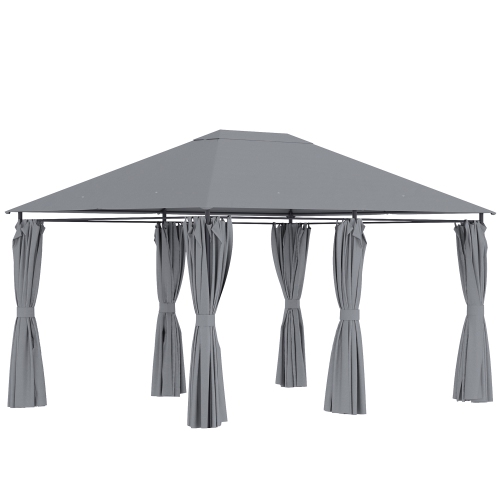
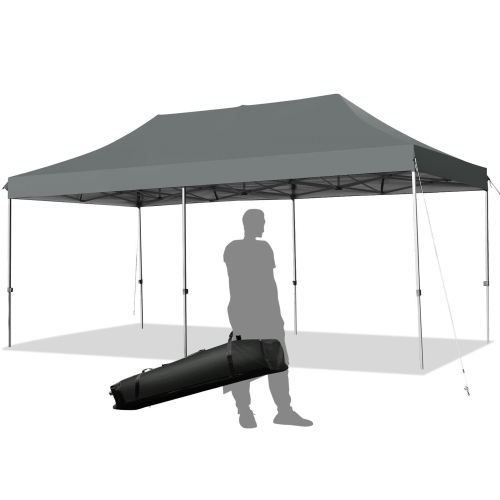
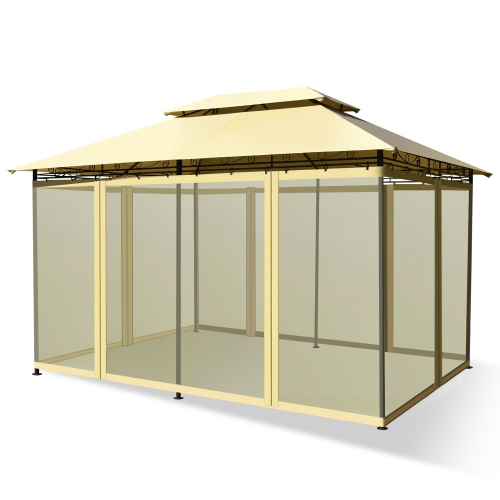
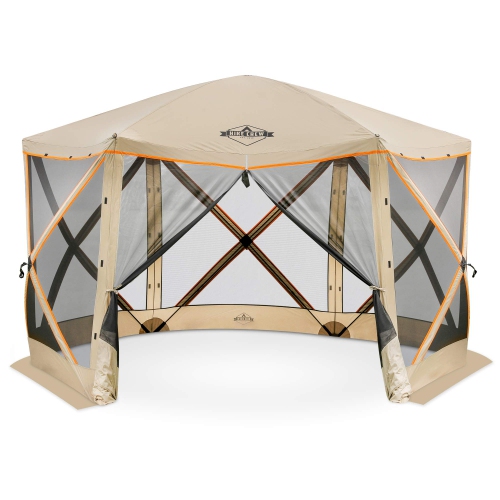
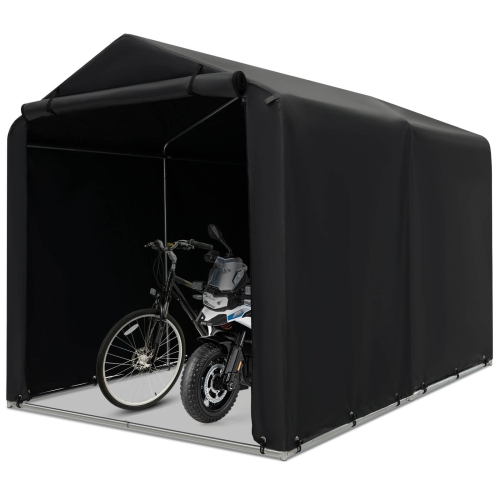
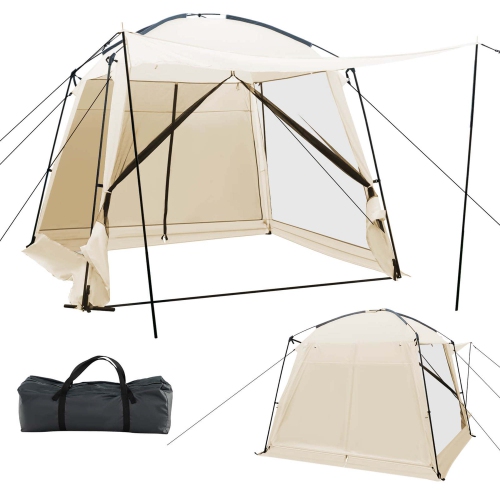
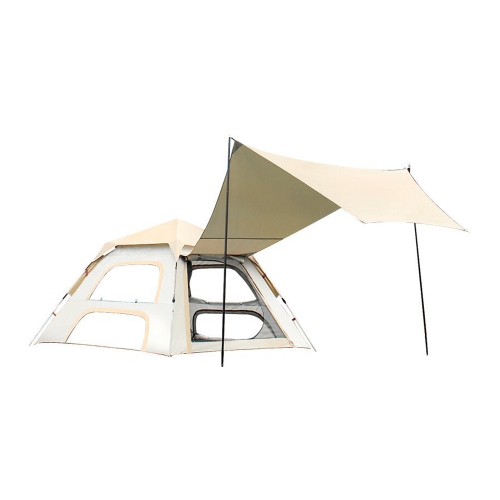
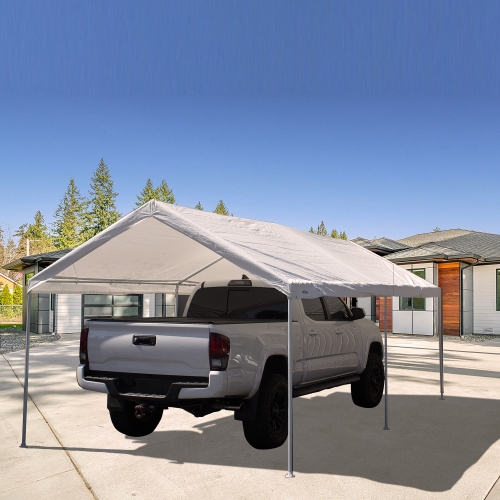
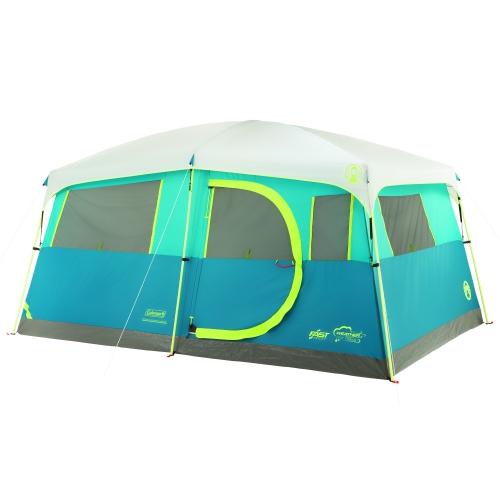
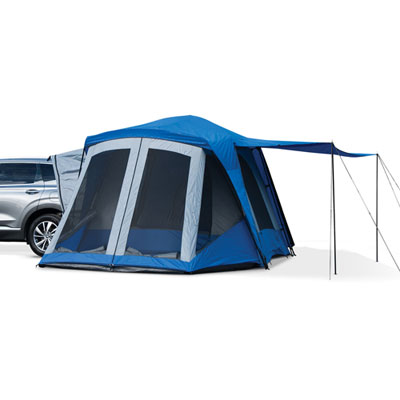
Outdoor shelter tents create a covered place to gather, eat, or take a break outside, whether that means a picnic table at a campsite, a refreshment station beside a playing field, or extra seating in the backyard. Unlike sleeping tents, these shelters usually prioritise standing room, shared floor space, and easy movement rather than overnight accommodation. The main types include pop-up canopies, screen tents, and larger party tents with optional sidewalls. Pop-up canopies typically have a folding frame and a fabric roof, making them practical for outings where portability and a relatively quick setup matter. Screen tents add mesh walls that help keep insects away while allowing air to circulate, a welcome feature when snacks are spread across a table or children are settling in for a board game. Party tents offer a larger covered footprint for gatherings, with sidewalls that may provide privacy and some protection from wind-driven drizzle, depending on their construction. Each style creates a slightly different outdoor space: an open canopy feels airy and accessible, while a screened or partly enclosed shelter gives a seating area a more defined boundary. For families, campers, amateur sports teams, and people who regularly host outdoors, that extra covered area can make an outing more comfortable and organised. Picture folding chairs gathered around a table, jackets draped over the backs, and a dry place to set down a bag after crossing damp grass. Those everyday details often explain the appeal better than size alone. During the cooler months, a shelter can still be useful for daytime gatherings and breaks between activities, provided conditions remain within its stated limits. It is important to distinguish shade and light-weather coverage from protection against severe weather: a temporary shelter is not a safe refuge during lightning, strong winds, or heavy snowfall. Shoppers comparing shared outdoor coverage with other tent formats can also explore the Outdoor Tent selection, keeping the intended use at the centre of the choice.
The right size for an outdoor shelter tent depends as much on what happens underneath it as on the dimensions printed on the package. A table and four chairs need space beyond their own footprint so people can pull out a seat, walk past, and enter without brushing against the walls. A sideline shelter may need room for benches and equipment bags, while a market stall benefits from clear access around a display table. Roof dimensions, leg spacing, and usable interior floor area are not always identical, particularly on canopies with slanted legs. Peak height can make a shelter feel spacious, but clearance at the entrance and along the edges is just as relevant for taller users. Sidewalls, mesh panels, and sloping rooflines can also affect how comfortably furniture fits. For backyards and campsites, the full setup area includes room for guy lines and anchors, not just the fabric overhead. Construction details help distinguish shelters intended for occasional outings from those designed for more frequent assembly. Steel frames often add weight, while aluminium frames are generally lighter to transport; tube dimensions, joints, and bracing also influence how a frame performs. Roof fabric deserves similar attention. Water-resistant material may handle brief drizzle, but a waterproof claim should be assessed alongside seam construction and the manufacturer's stated use conditions. UV protection is another feature to verify in the specifications rather than assume from the shade a roof provides. Mesh walls favour airflow and insect protection, whereas solid panels offer greater privacy but can reduce ventilation and catch more wind. Removable panels add flexibility when the layout or weather changes, although they may be sold separately. Door placement, zipper access, adjustable leg heights, and the design of locking mechanisms all affect day-to-day convenience. A carrying bag with sturdy handles or wheels can be particularly helpful when the route from the car park to the setup spot is longer than expected. Packed length matters, too: a shelter that fits comfortably in a vehicle is easier to bring along regularly.
Outdoor shelter tents are most useful when their setup requirements match the people using them. A compact folding design may suit a couple who spend weekends at campsites, while a larger frame tent can make sense for a household that hosts extended family and has help available for assembly. Even shelters described as quick to open may require two or more adults, especially when lifting the roof or fitting sidewalls, so the stated setup process is worth checking before purchase. For a gift, knowing the recipient's vehicle space, storage options, and usual activities is often more valuable than choosing the largest size. A portable shelter can be a thoughtful addition for someone who spends hours supporting a youth sports team, takes frequent picnic trips, or enjoys having friends over without moving every activity indoors. The less visible accessories deserve a place in the buying decision as well. Stakes supplied for firm soil may not suit every surface, and paved areas can require compatible weights or other anchoring specified by the manufacturer. Every shelter needs appropriate securing, even when the day starts out calm; sidewalls can increase the force of wind against the structure. Rated weather limits, site rules, and access to a permanent building remain important parts of outdoor use. Portable canopies should not be treated as winter buildings or left to collect snow unless expressly designed and rated for those conditions. Barbecues, fuel-burning appliances, and open flames need safe separation from tent fabric and must never be used inside an enclosed shelter. After an outing, allowing the roof and walls to dry fully before packing helps prevent mildew and unpleasant odours. Clean fabric, sound fasteners, and undamaged frame joints make the next setup easier, while replacement-part availability can matter for a shelter used often. With a suitable footprint, manageable packed size, and features that fit familiar routines, an outdoor shelter tent becomes a practical place to pause between activities, share a meal, or keep a gathering comfortably together.
The right size for an outdoor shelter tent depends as much on what happens underneath it as on the dimensions printed on the package. A table and four chairs need space beyond their own footprint so people can pull out a seat, walk past, and enter without brushing against the walls. A sideline shelter may need room for benches and equipment bags, while a market stall benefits from clear access around a display table. Roof dimensions, leg spacing, and usable interior floor area are not always identical, particularly on canopies with slanted legs. Peak height can make a shelter feel spacious, but clearance at the entrance and along the edges is just as relevant for taller users. Sidewalls, mesh panels, and sloping rooflines can also affect how comfortably furniture fits. For backyards and campsites, the full setup area includes room for guy lines and anchors, not just the fabric overhead. Construction details help distinguish shelters intended for occasional outings from those designed for more frequent assembly. Steel frames often add weight, while aluminium frames are generally lighter to transport; tube dimensions, joints, and bracing also influence how a frame performs. Roof fabric deserves similar attention. Water-resistant material may handle brief drizzle, but a waterproof claim should be assessed alongside seam construction and the manufacturer's stated use conditions. UV protection is another feature to verify in the specifications rather than assume from the shade a roof provides. Mesh walls favour airflow and insect protection, whereas solid panels offer greater privacy but can reduce ventilation and catch more wind. Removable panels add flexibility when the layout or weather changes, although they may be sold separately. Door placement, zipper access, adjustable leg heights, and the design of locking mechanisms all affect day-to-day convenience. A carrying bag with sturdy handles or wheels can be particularly helpful when the route from the car park to the setup spot is longer than expected. Packed length matters, too: a shelter that fits comfortably in a vehicle is easier to bring along regularly.
Outdoor shelter tents are most useful when their setup requirements match the people using them. A compact folding design may suit a couple who spend weekends at campsites, while a larger frame tent can make sense for a household that hosts extended family and has help available for assembly. Even shelters described as quick to open may require two or more adults, especially when lifting the roof or fitting sidewalls, so the stated setup process is worth checking before purchase. For a gift, knowing the recipient's vehicle space, storage options, and usual activities is often more valuable than choosing the largest size. A portable shelter can be a thoughtful addition for someone who spends hours supporting a youth sports team, takes frequent picnic trips, or enjoys having friends over without moving every activity indoors. The less visible accessories deserve a place in the buying decision as well. Stakes supplied for firm soil may not suit every surface, and paved areas can require compatible weights or other anchoring specified by the manufacturer. Every shelter needs appropriate securing, even when the day starts out calm; sidewalls can increase the force of wind against the structure. Rated weather limits, site rules, and access to a permanent building remain important parts of outdoor use. Portable canopies should not be treated as winter buildings or left to collect snow unless expressly designed and rated for those conditions. Barbecues, fuel-burning appliances, and open flames need safe separation from tent fabric and must never be used inside an enclosed shelter. After an outing, allowing the roof and walls to dry fully before packing helps prevent mildew and unpleasant odours. Clean fabric, sound fasteners, and undamaged frame joints make the next setup easier, while replacement-part availability can matter for a shelter used often. With a suitable footprint, manageable packed size, and features that fit familiar routines, an outdoor shelter tent becomes a practical place to pause between activities, share a meal, or keep a gathering comfortably together.
Top selling and popular products
-
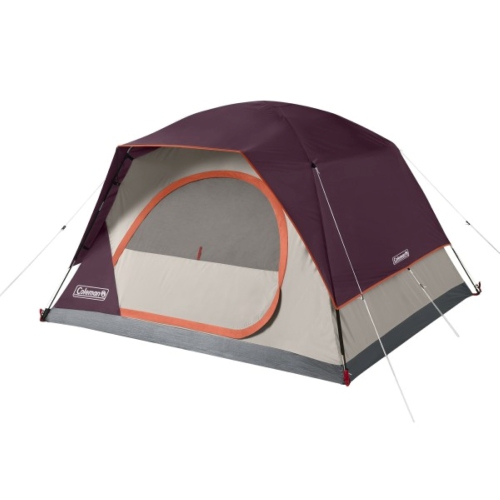 Your price for this item is $240.99
 -
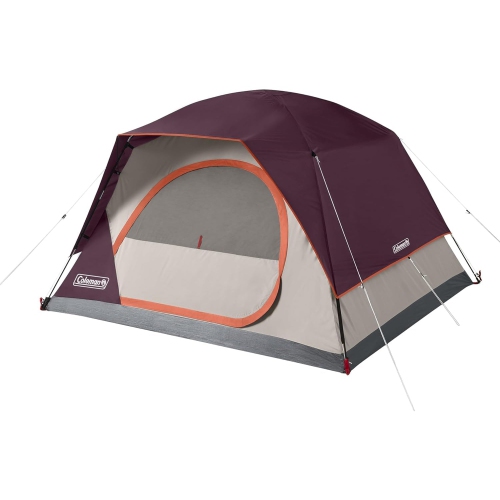 Your price for this item is $239.97
 -
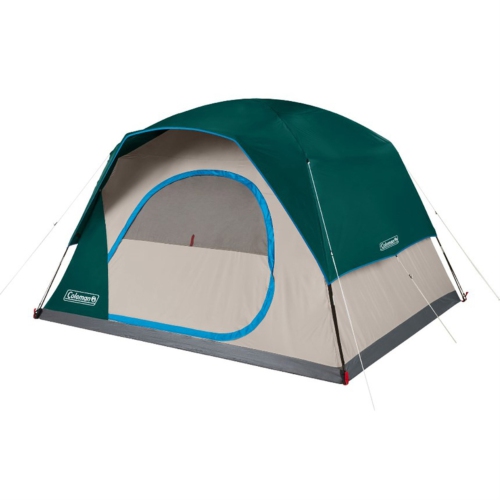 Your price for this item is $242.58
 -
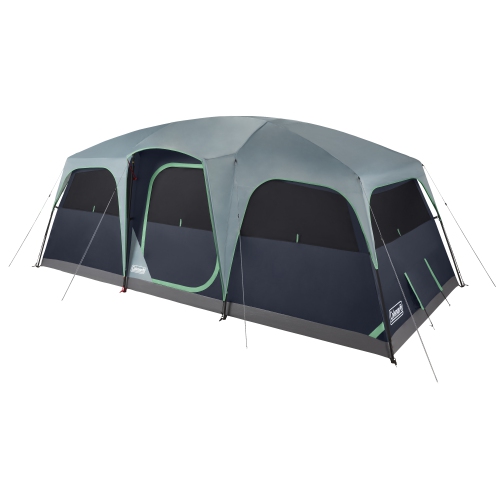 Your price for this item is $509.99
 -
 Your price for this item is $199.99
 -
 Your price for this item is $727.99
 -
 Your price for this item is $427.99
 -
 Your price for this item is $499.99
Discover more categories related to Outdoor Shelter Tents

Top Collections:
Pokemon Centers, Kindle Devices, Best Budget Office Chairs, Apple iPhones 16, Canon G7X Cameras, iPhone 15 Apple, Alarm Clock, Refurbished Apple Laptops, Flip Phones, Best Laptops for Writers
Some products may be subject to Environmental Handling Fees
(EHF) depending on your province.
Learn more about EHFs.