Patio Composite
Patio Composite offers a stylish and practical solution for enhancing outdoor living spaces. Designed to complement a variety of exterior designs, these options provide an attractive foundation for patios, decks, and backyard retreats. Whether you're planning a cozy gathering spot or looking to upgrade your home's curb appeal, Patio Composite delivers the versatility needed to bring your vision to life. Explore a wide selection to find the perfect fit for your outdoor area and enjoy a refreshed space for relaxing or entertaining.
Sort

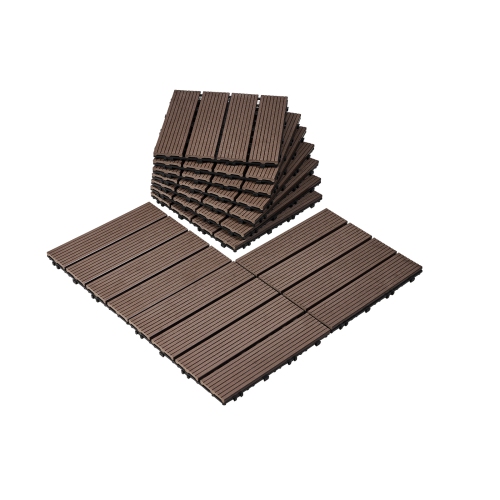

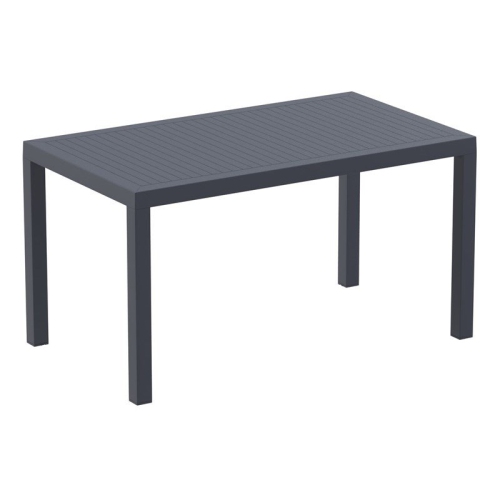
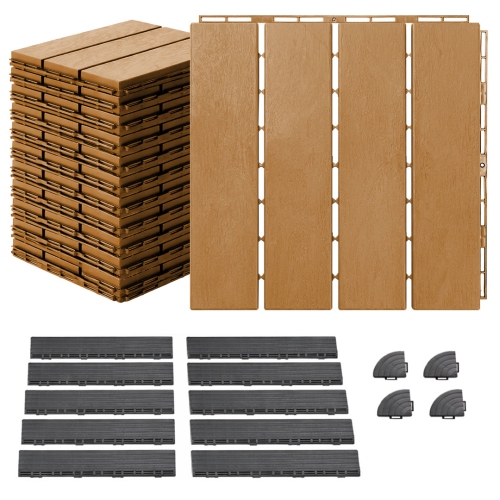
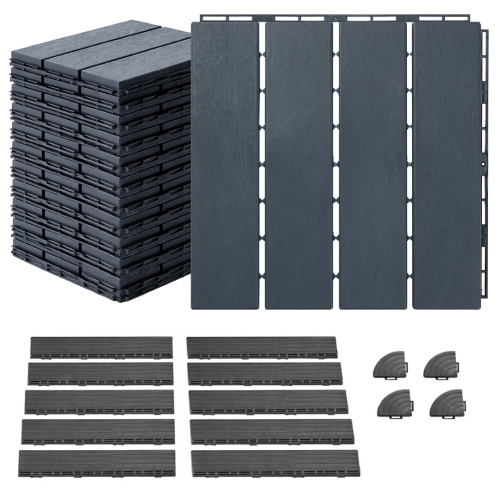
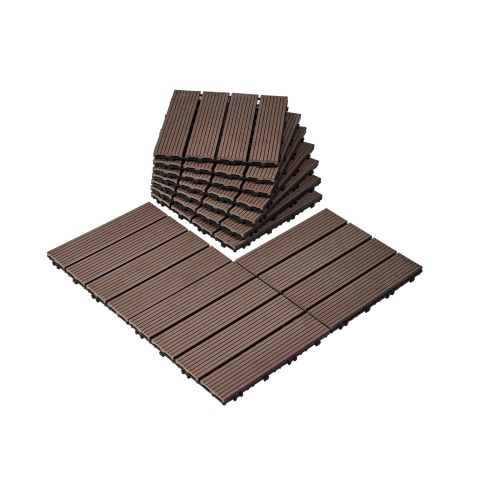
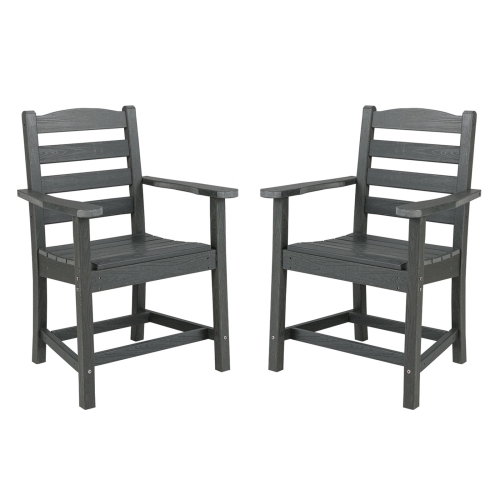
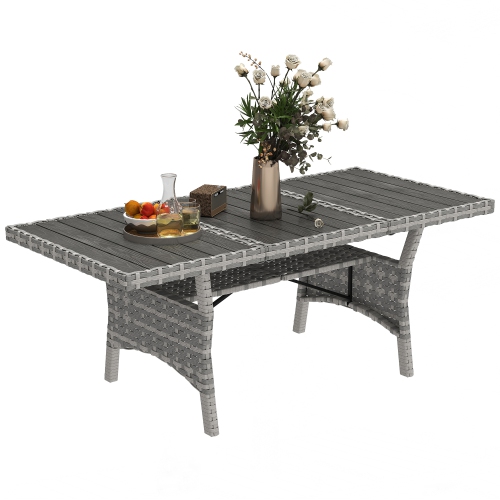

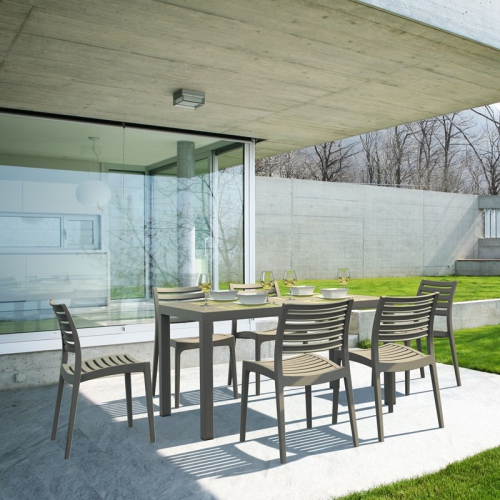
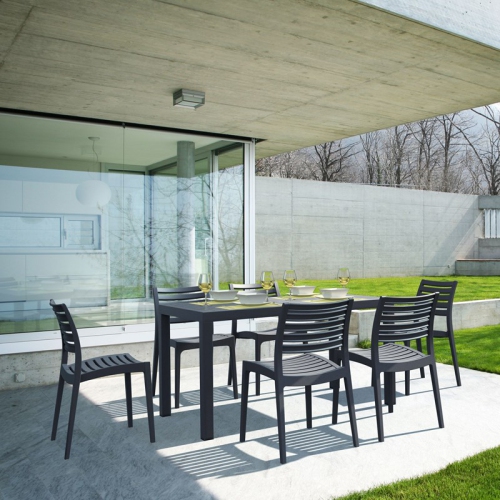
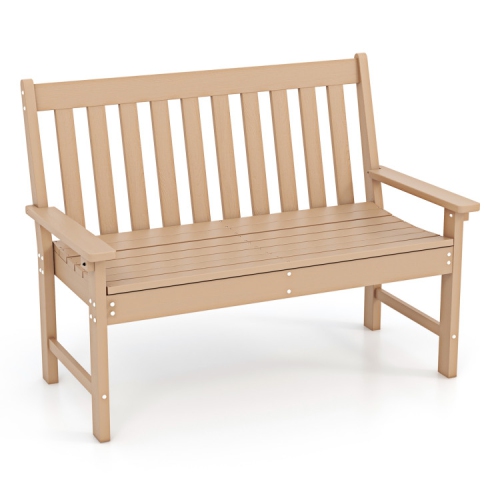
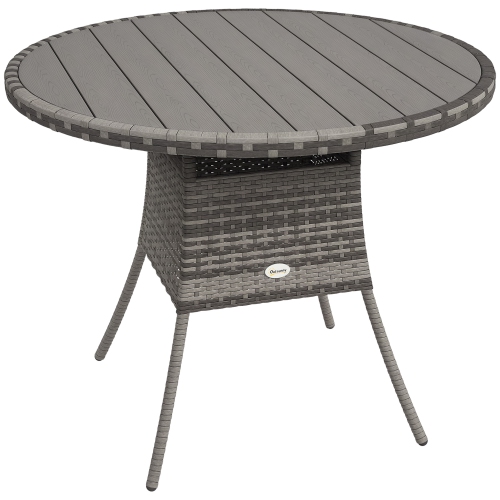
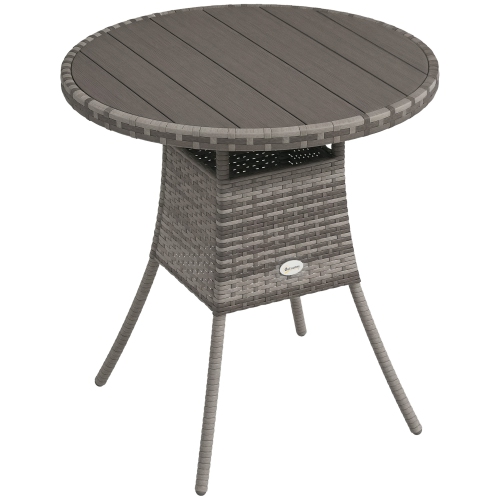

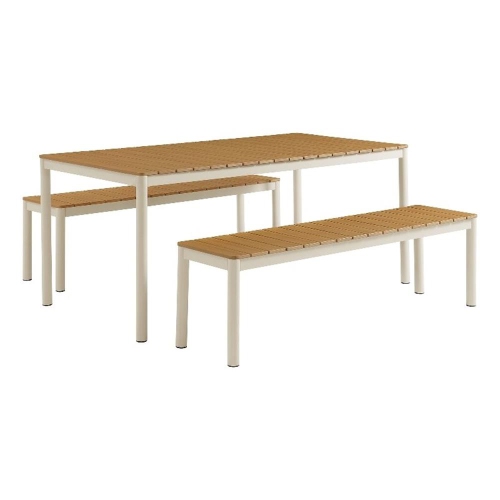
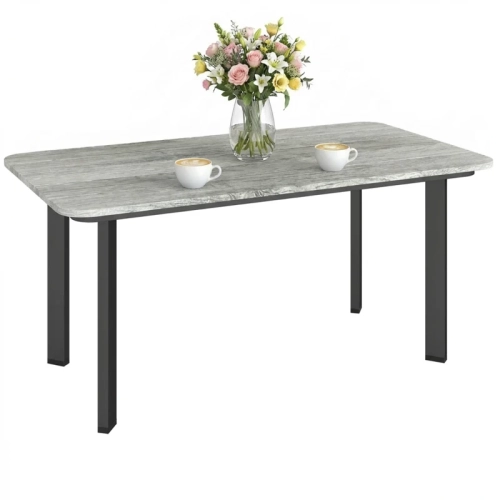
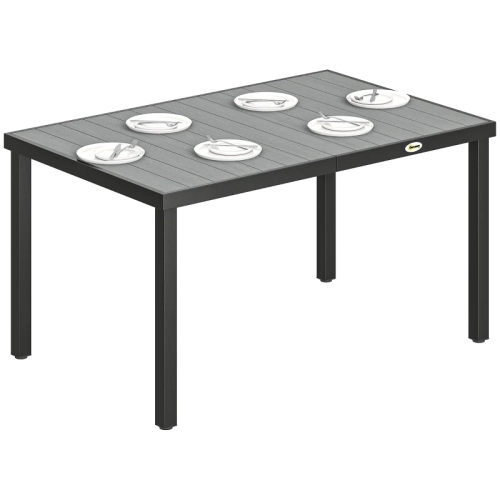
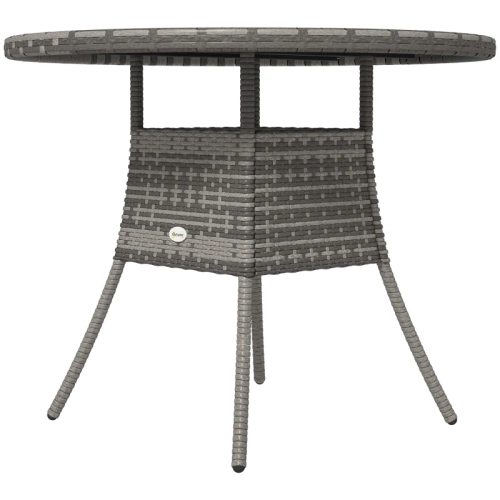
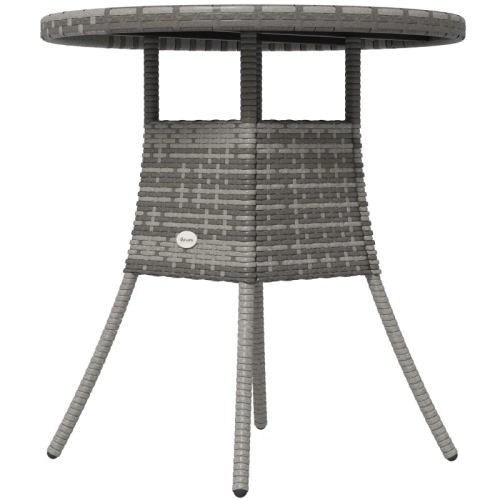
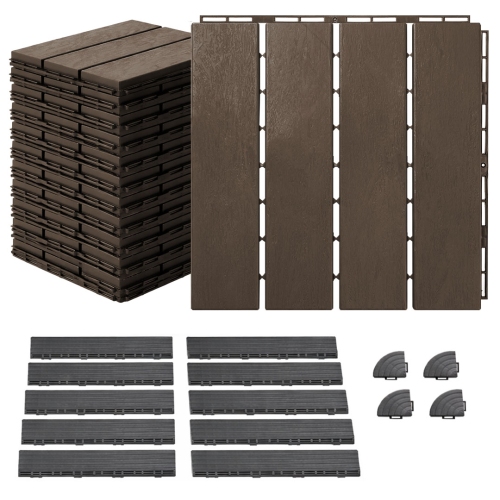
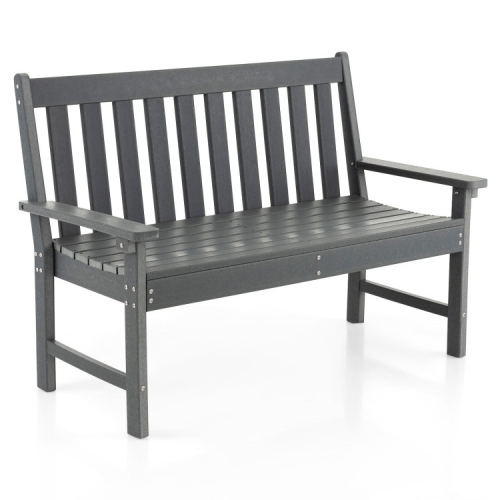
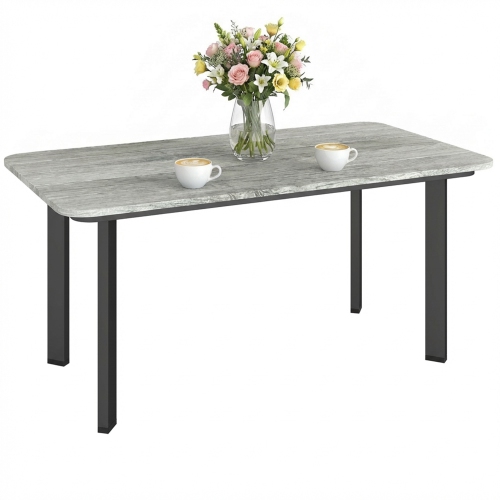
Wood-like patio flooring with less routine upkeep
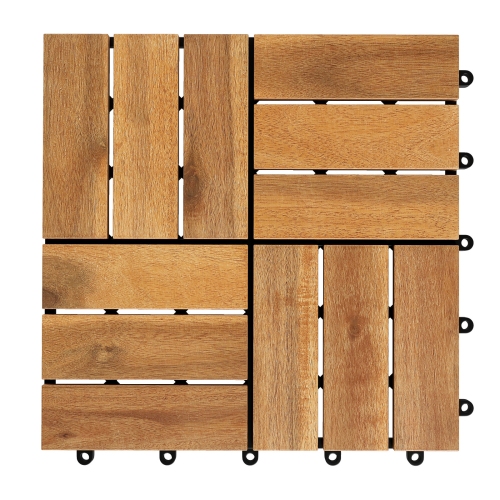
Composite patio materials bring the look of a finished outdoor floor to spaces used for dining, lounging, and everyday time outside. Typically made from a blend of wood fibres and plastic, composite decking offers a wood-like appearance with less routine upkeep than many traditional timber surfaces. The exact blend, surface finish, and construction vary, so composite is best understood as a family of materials rather than a single uniform product. Some boards have a protective outer cap that helps resist moisture absorption, staining, and fading, while others have an uncapped finish with different care requirements. Solid and hollow profiles also differ in weight, edge appearance, and installation needs. Colours range from pale grey and warm sand to deeper brown and charcoal, with smooth, brushed, or embossed grain patterns that can complement brick walls, painted siding, and metal patio furniture. Subtle colour variation can give a large surface more visual depth, while a more uniform finish creates a clean backdrop for planters and seating. Composite patio flooring generally takes the form of decking boards or modular tiles. Boards suit a properly designed deck structure, while interlocking tiles may suit an existing firm, level surface when their backing and drainage requirements are met. These formats serve different purposes and are not interchangeable. For a compact outdoor dining area, the appeal may be a tidy surface beneath a table and chairs; for a larger terrace, it may be a consistent finish that connects cooking, gathering, and quiet seating areas. Homeowners who prefer spending their weekends outside rather than refinishing wood often appreciate that composite surfaces generally do not require routine sanding, staining, or painting. The result can feel equally at home beside a busy family kitchen or outside a small apartment, provided the material and installation are suitable for the space.
Fit matters as much as appearance because a patio surface needs to work with doorways, drainage, furniture, and the structure beneath it. Board length, width, thickness, and profile affect the finished layout, including where joints fall and how exposed edges are finished. A long, narrow balcony can look quite different depending on the direction of the boards or the pattern of the tiles. At a patio door, even a modest increase in floor height may interfere with clearance or create an awkward transition. Modular tiles need a suitable base, and their connectors alone do not make an uneven or poorly drained surface ready for use. On a raised deck, composite boards depend on an appropriate supporting frame, with joist spacing and fastening methods matched to the manufacturer's requirements. Composite decking is generally a surface material, not a substitute for load-bearing framing. Grooved boards may accommodate compatible hidden clips for a less visible fastening pattern, while other profiles require face fastening; the right method depends on the board design. Temperature changes also cause movement, making specified gaps and clearances important through Canadian seasons. Those spaces help accommodate expansion and allow water to drain rather than collect around the surface. Composite can resist rot and insect damage better than untreated wood, but durability still depends on construction quality, airflow, drainage, and ongoing care. Protective caps can improve resistance to everyday spills and weathering, though no outdoor finish is completely immune to scratches, marks, or colour change. Sliding a heavy planter or dragging a metal chair may damage the surface, so compatible furniture feet and careful placement are useful details. Large planters, outdoor kitchens, and other concentrated loads also need adequate structural support. For households with children or pets, a surface that is less prone to wood splinters can be appealing, but texture, surface temperature, and traction still deserve attention. Darker colours can become hot in direct sun, and rain, frost, or fallen leaves can make any patio floor slippery.
Routine care keeps a composite patio more inviting without turning every change of season into a refinishing project. Loose grit, leaves, and soil are easier to remove before they settle into grain patterns or collect between boards. A soft brush, water, and a cleaner approved for the material are often enough for ordinary cleaning, while grease, food spills, and muddy paw prints are best dealt with promptly. Pressure washing is not suitable for every composite surface; where it is permitted, the specified pressure, nozzle, and working distance matter. Although composite is less susceptible to decay than wood, damp organic debris left on its surface can still support mould growth. Clear gaps, open drainage paths, and suitable ventilation beneath the flooring help limit persistent dampness. During cooler months, snow removal methods should follow the material's care instructions, since metal edges and unsuitable ice treatments can leave damage. Furniture covers, outdoor mats, and planter trays also need to be compatible with the finish: some backings can trap moisture or cause discolouration when left in one place. These practical details are especially relevant in a patio used for everything from morning coffee to meals with friends. A dining chair needs room to move without catching at an edge, a route to the back door should remain clear, and a seating area feels more relaxed when table legs sit firmly on an even surface. The surrounding furnishings shape the experience just as much as the floor, with Patio Comfort offering a natural connection to the softer side of an outdoor living space. Cushions, supportive seating, and a thoughtfully arranged table can soften the visual lines of composite boards without hiding their finish. For frequent hosts, busy families, or anyone who enjoys a quiet place to read outside, composite patio materials provide a versatile foundation whose long-term appeal comes from a suitable fit, sound installation, and manageable care.
Fit matters as much as appearance because a patio surface needs to work with doorways, drainage, furniture, and the structure beneath it. Board length, width, thickness, and profile affect the finished layout, including where joints fall and how exposed edges are finished. A long, narrow balcony can look quite different depending on the direction of the boards or the pattern of the tiles. At a patio door, even a modest increase in floor height may interfere with clearance or create an awkward transition. Modular tiles need a suitable base, and their connectors alone do not make an uneven or poorly drained surface ready for use. On a raised deck, composite boards depend on an appropriate supporting frame, with joist spacing and fastening methods matched to the manufacturer's requirements. Composite decking is generally a surface material, not a substitute for load-bearing framing. Grooved boards may accommodate compatible hidden clips for a less visible fastening pattern, while other profiles require face fastening; the right method depends on the board design. Temperature changes also cause movement, making specified gaps and clearances important through Canadian seasons. Those spaces help accommodate expansion and allow water to drain rather than collect around the surface. Composite can resist rot and insect damage better than untreated wood, but durability still depends on construction quality, airflow, drainage, and ongoing care. Protective caps can improve resistance to everyday spills and weathering, though no outdoor finish is completely immune to scratches, marks, or colour change. Sliding a heavy planter or dragging a metal chair may damage the surface, so compatible furniture feet and careful placement are useful details. Large planters, outdoor kitchens, and other concentrated loads also need adequate structural support. For households with children or pets, a surface that is less prone to wood splinters can be appealing, but texture, surface temperature, and traction still deserve attention. Darker colours can become hot in direct sun, and rain, frost, or fallen leaves can make any patio floor slippery.
Routine care keeps a composite patio more inviting without turning every change of season into a refinishing project. Loose grit, leaves, and soil are easier to remove before they settle into grain patterns or collect between boards. A soft brush, water, and a cleaner approved for the material are often enough for ordinary cleaning, while grease, food spills, and muddy paw prints are best dealt with promptly. Pressure washing is not suitable for every composite surface; where it is permitted, the specified pressure, nozzle, and working distance matter. Although composite is less susceptible to decay than wood, damp organic debris left on its surface can still support mould growth. Clear gaps, open drainage paths, and suitable ventilation beneath the flooring help limit persistent dampness. During cooler months, snow removal methods should follow the material's care instructions, since metal edges and unsuitable ice treatments can leave damage. Furniture covers, outdoor mats, and planter trays also need to be compatible with the finish: some backings can trap moisture or cause discolouration when left in one place. These practical details are especially relevant in a patio used for everything from morning coffee to meals with friends. A dining chair needs room to move without catching at an edge, a route to the back door should remain clear, and a seating area feels more relaxed when table legs sit firmly on an even surface. The surrounding furnishings shape the experience just as much as the floor, with Patio Comfort offering a natural connection to the softer side of an outdoor living space. Cushions, supportive seating, and a thoughtfully arranged table can soften the visual lines of composite boards without hiding their finish. For frequent hosts, busy families, or anyone who enjoys a quiet place to read outside, composite patio materials provide a versatile foundation whose long-term appeal comes from a suitable fit, sound installation, and manageable care.
Top selling and popular products
-
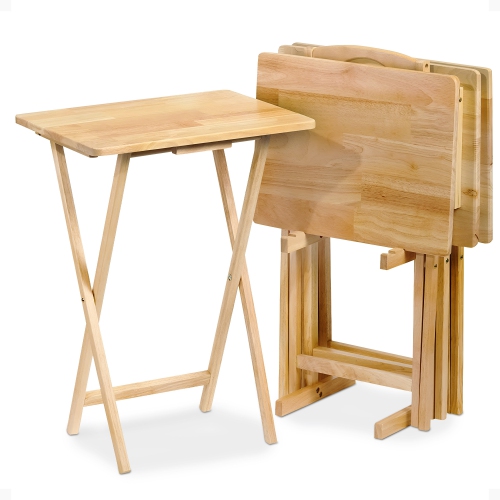 Your price for this item is $162.99
 -
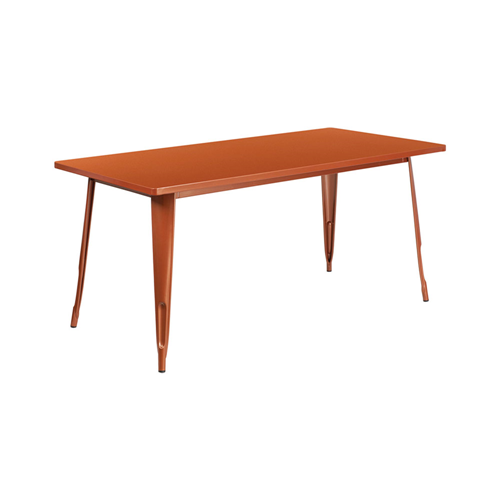 Your price for this item is $516.69
 -
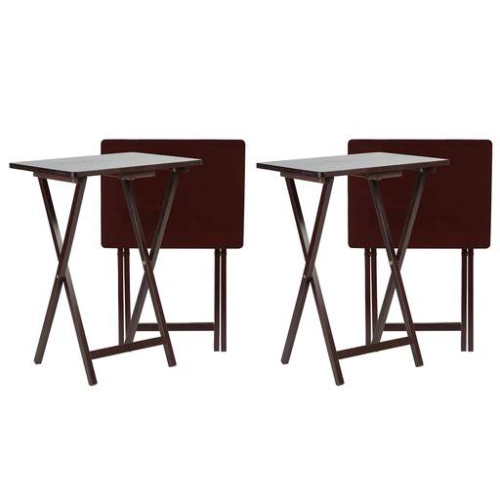 Your price for this item is $210.99
 -
 Your price for this item is $115.99
 -
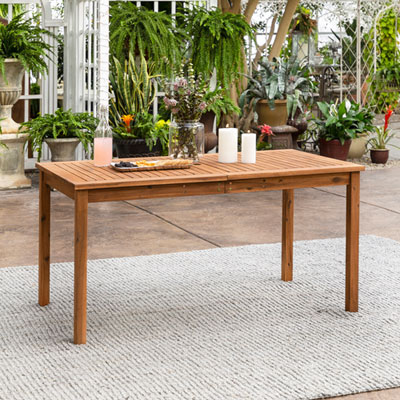 Your price for this item is $550.99
 -
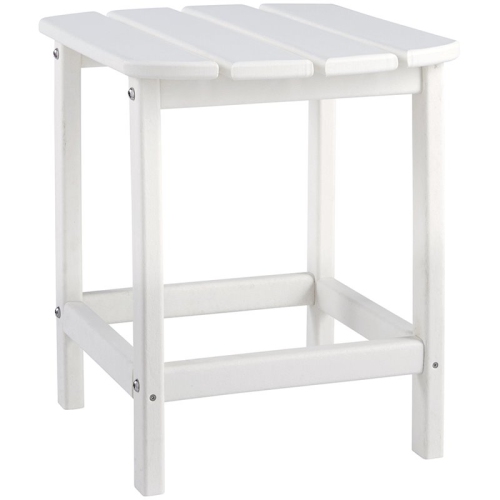 Your price for this item is $301.14
 -
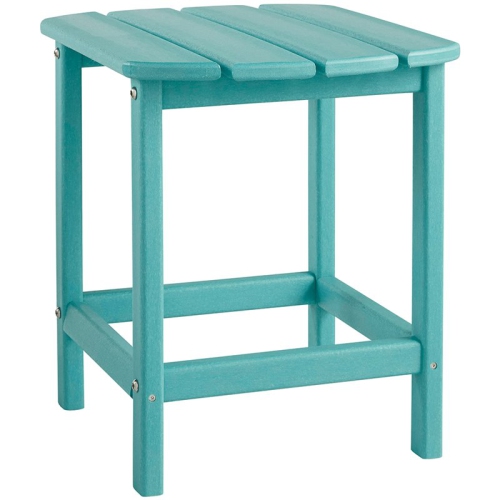 Your price for this item is $301.07
 -
 Your price for this item is $149
Discover more categories related to Patio Composite
Top Collections:
Pokemon Centers, Kindle Devices, Best Budget Office Chairs, Apple iPhones 16, Best Laptops for Writers, iPhone 15 Apple, Canon G7X Cameras, Refurbished Apple Laptops, Alarm Clock, Motorola Razr Phones
Some products may be subject to Environmental Handling Fees
(EHF) depending on your province.
Learn more about EHFs.