Patio Umbrella Weights
Enhance the stability of your patio umbrella with our wide range of patio umbrella weights. Designed to keep your outdoor oasis secure and steady, these weights are the perfect solution for windy days or uneven surfaces. Whether you're hosting a backyard barbecue or simply enjoying a quiet afternoon in the shade, our patio umbrella weights offer peace of mind and ensure that your umbrella stays firmly in place. With various styles and sizes available, finding the ideal weight to complement your patio decor has never been easier. Explore our collection today and make the most of your outdoor space with confidence. Check out our Adjustable Outdoor Umbrella options as well!
Sort






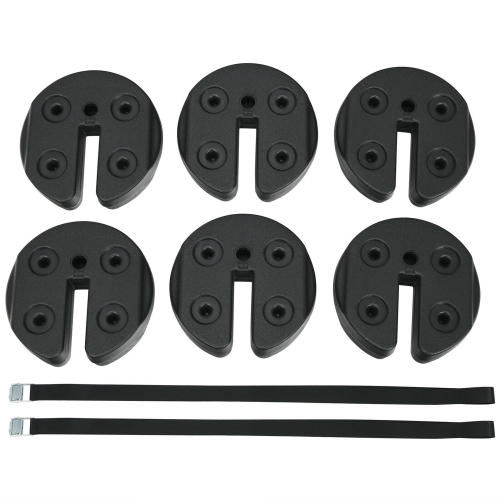
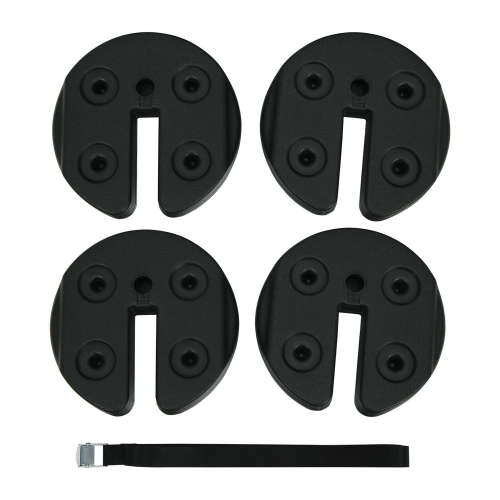


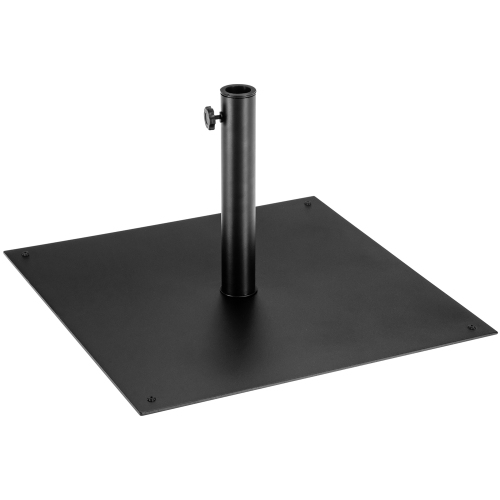

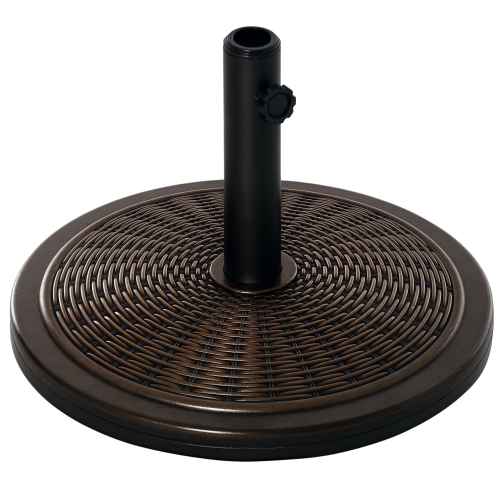


















Why umbrella stability depends on more than weight
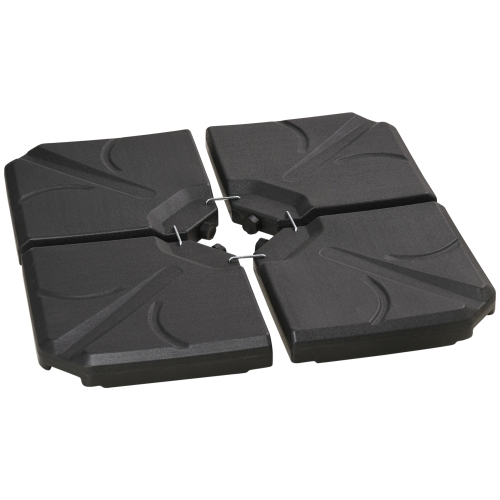
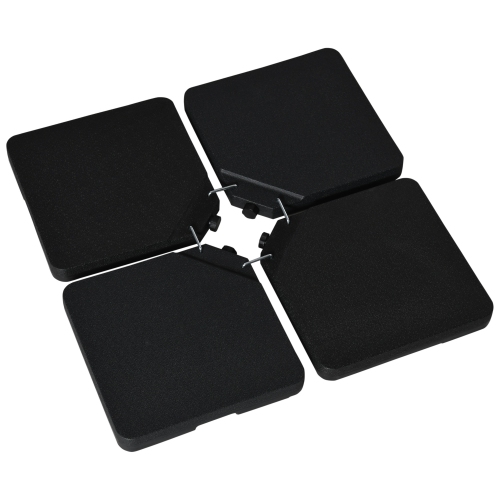
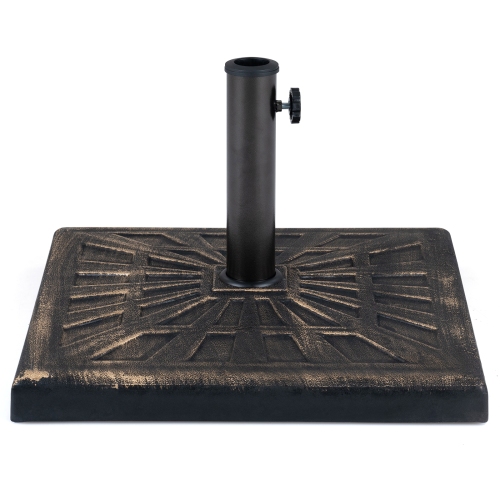
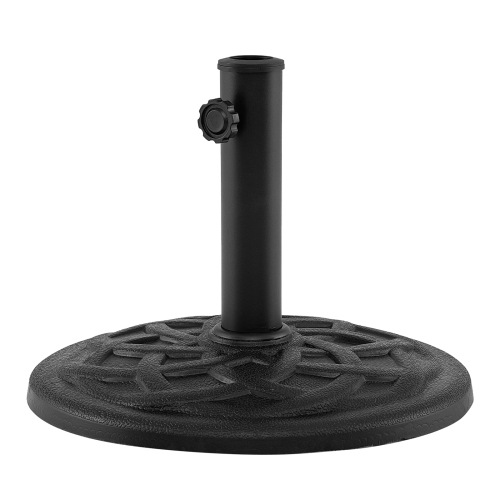
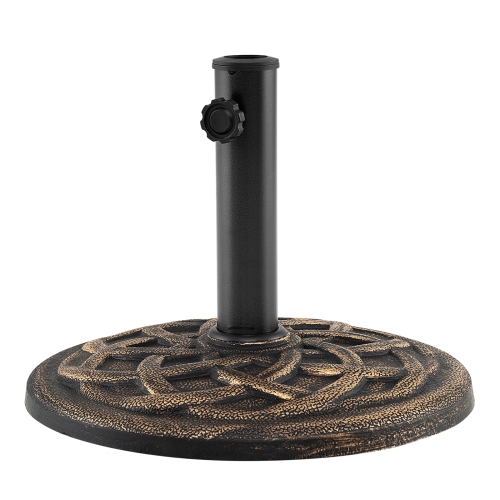
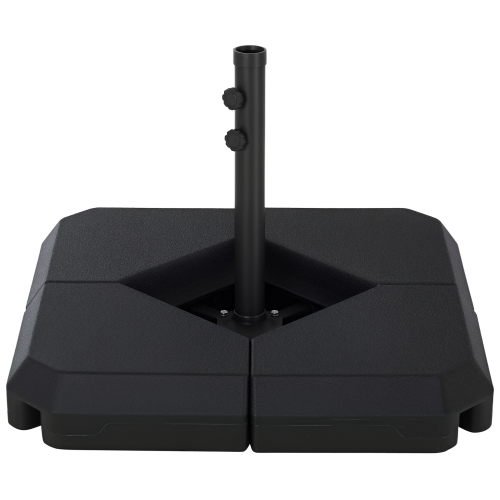
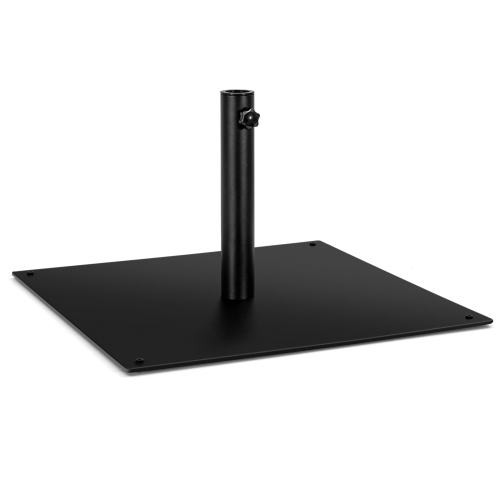
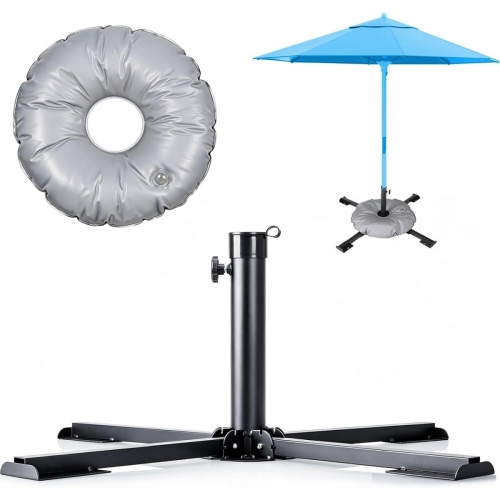
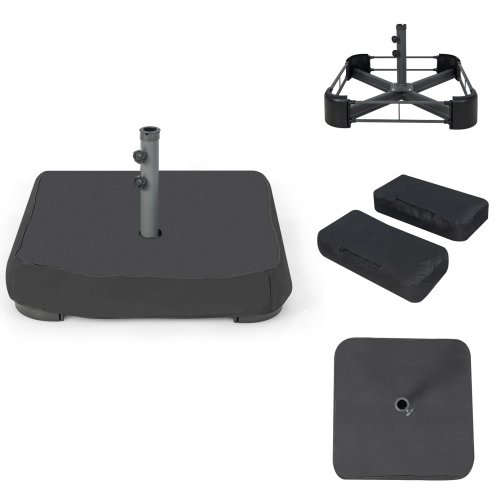
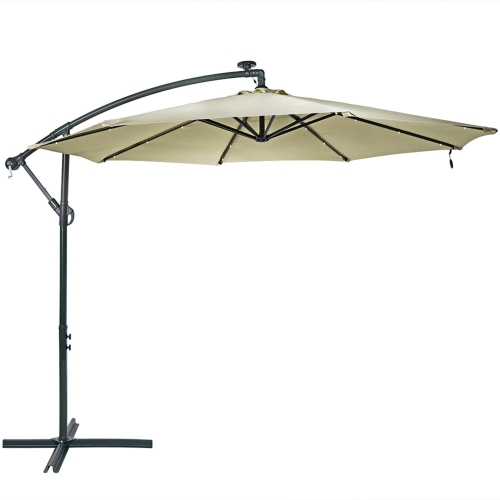
Patio umbrella weights add ballast at the base of an outdoor umbrella, helping it stay balanced over a dining table, beside a lounge chair, or above a shaded seating area. The amount of weight needed depends on the canopy size, umbrella design, support system, and exposure to wind—not simply the diameter of the pole. As a general starting point, small table-supported umbrellas often use 30 to 50 pounds of base weight, while freestanding centre-pole umbrellas with canopies approximately 6 to 11 feet wide may call for 50 to 100 pounds. Large cantilever or offset umbrellas often need 130 to 220 pounds or more because their canopies extend away from the upright support, placing greater leverage on the base. These ranges are broad comparisons, not guarantees of stability; the umbrella manufacturer’s specified ballast, base configuration, and operating limits take priority. A patio table can provide lateral support, but it does not replace the required weighted base beneath it. Likewise, adding more weight does not make an open umbrella suitable for strong winds. Weights and stands also serve different purposes: a stand typically holds the pole or supports the umbrella frame, while weights provide the mass that helps resist movement and tipping. Some designs combine both functions, and others use separate plates or fillable sections positioned over a cross-shaped support. Matching umbrella weights with compatible Patio Umbrella Stands helps bring those parts together without relying on makeshift arrangements. For a compact balcony, the footprint matters almost as much as the ballast, since a wide base can crowd chair legs and walking space. On a larger patio, a cantilever setup may leave the shaded area clear of a centre pole while requiring substantial room for its weighted support. The most suitable arrangement accounts for both the space beneath the canopy and the base sitting at ground level.
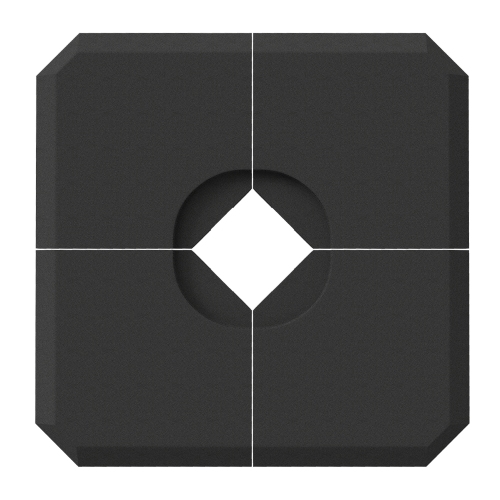
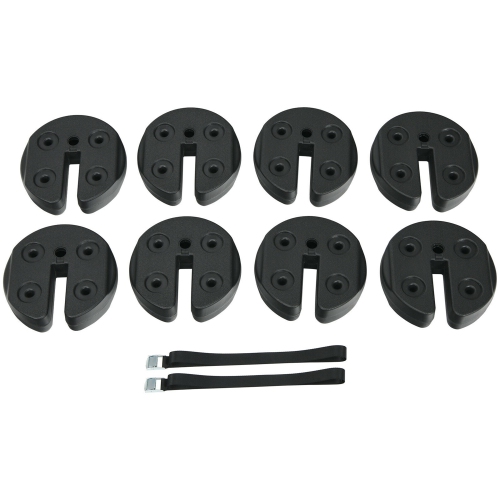
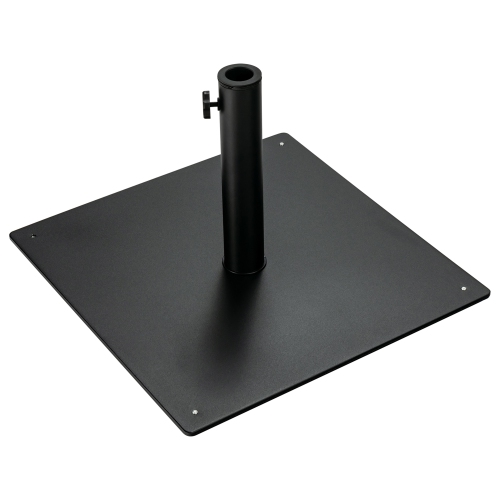
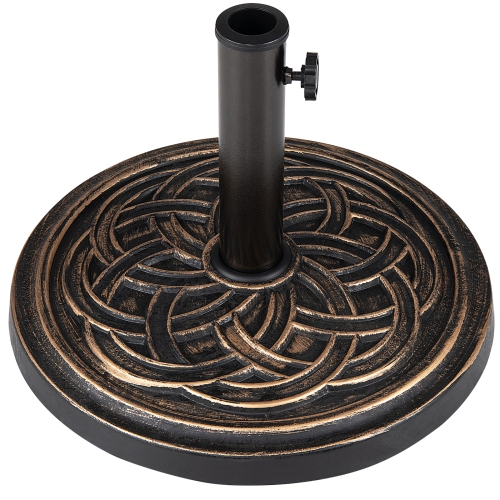
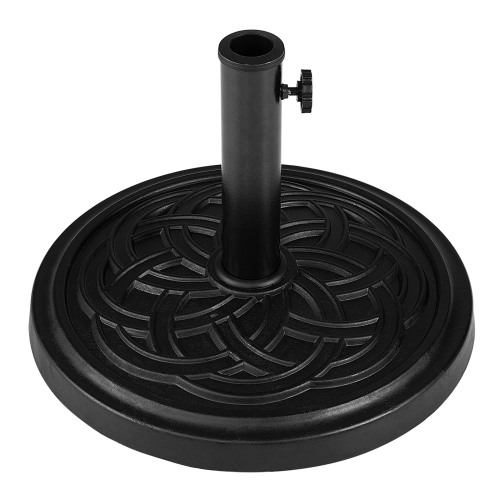
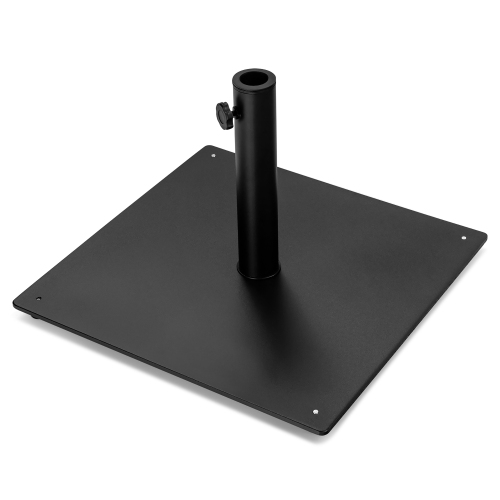
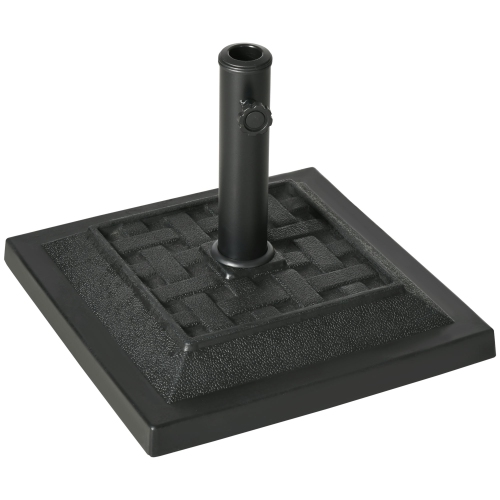
Materials influence how patio umbrella weights handle everyday use, how easily they move, and what care they need between seasons. Fillable high-density polyethylene, commonly called HDPE, is relatively light when empty and gains its working weight from an approved fill material. Water is straightforward to add and drain, while dry sand generally provides more weight within the same container volume. Stated capacities may refer to water, sand, or another manufacturer-approved filling method, so the filled weight deserves a closer look than the empty weight alone. A set’s total capacity is also different from the capacity of each section. Fill openings, screw caps, and seals matter in practical use: a cap positioned where it remains accessible can make filling easier, and a sound seal helps keep water or sand inside during handling. Solid cast iron and concrete weights do not need filling, although their weight makes them less convenient to relocate. Cast iron can offer substantial mass in a relatively compact shape, while concrete is often bulkier and may have a protective outer finish. Resin can describe an outer shell or coating rather than the heavy material inside, so construction details help clarify what a base actually contains. Fit is equally important. Sectional umbrella weights need the correct dimensions, recesses, and clearances to sit properly on the intended cross base; similar-looking sections are not necessarily interchangeable. Pole-holding bases require a compatible socket diameter and any specified adapters, while add-on weight bags need suitable positioning and secure closures. Low-profile shapes can leave more clearance beneath a dining table, but the table’s lower braces and the height of the base still need to work together. Handles make individual pieces easier to grip, though they do not reduce the load being lifted. For households that rearrange seating frequently, several manageable sections may be more practical than one solid piece, provided the complete setup supplies the required ballast and remains assembled as directed.
Everyday placement and care help patio umbrella weights remain useful through changing weather and repeated use. A firm, level surface allows the base to sit evenly; uneven paving stones, soft ground, or a sloped deck can leave sections rocking or prevent the support from resting as intended. Beside an outdoor dining set, there should be enough room for chairs to pull back without catching on the base. Near a lounge area, positioning the weighted support away from the natural walking route helps reduce awkward steps around raised edges. Families with children and people sharing their patio with pets may particularly appreciate a tidy layout without loose straps, projecting hardware, or unsecured weight sections. Protective pads may help limit scuffs on some surfaces, but they should be compatible with the base and flooring and should not interfere with stable contact. On balconies and rooftop terraces, the combined weight of the umbrella, ballast, furniture, and occupants also needs to stay within the space’s permitted loading and building rules. Routine care usually involves removing dirt with mild soap and water, checking caps and connectors, and looking for cracks, leaks, corrosion, or damage around handles. Metal finishes benefit from prompt attention to chips according to the maker’s care directions, while plastic shells should be checked for brittleness or splitting after prolonged outdoor exposure. During the cooler months, water-filled weights need particular attention: trapped water can expand when it freezes and damage a container unless that use is expressly permitted. Draining and storing fillable sections as directed, and keeping components clean and dry before storage, can help prevent avoidable damage. Heavy solid weights may remain difficult to move even when the umbrella is packed away, making accessible storage and safe lifting worth considering from the outset. No weighted base removes the need to close and secure the canopy when wind increases or whenever the manufacturer directs. Patio umbrella weights are part of a complete support system, suited to people who want practical shade for meals, reading, and conversation while keeping the umbrella’s fit, footprint, and maintenance needs in view.
Top selling and popular products
-
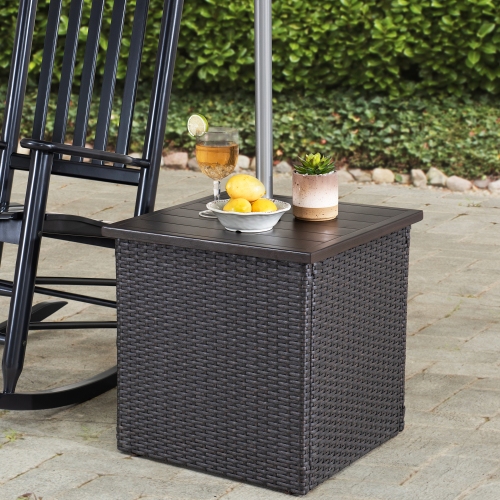 Your price for this item is $160.99
-
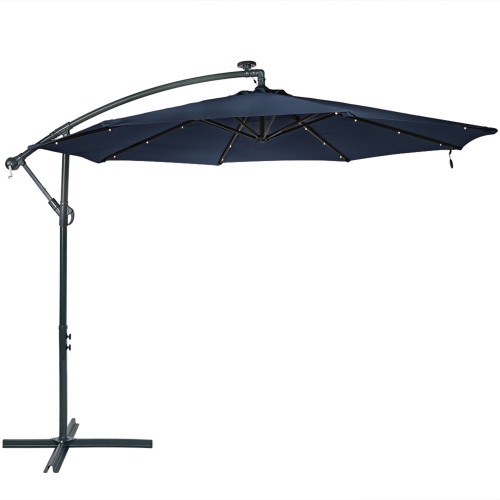 Your price for this item is $248.55
-
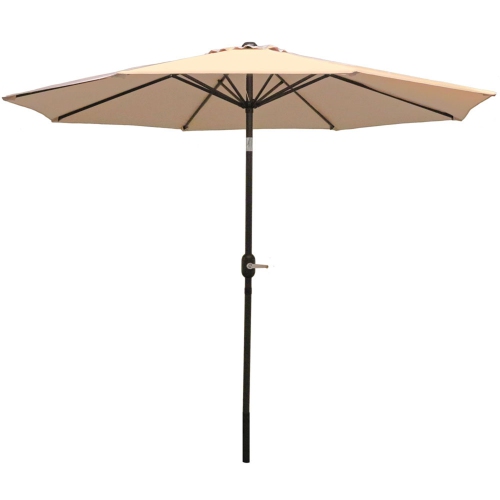 Your price for this item is $146.95
-
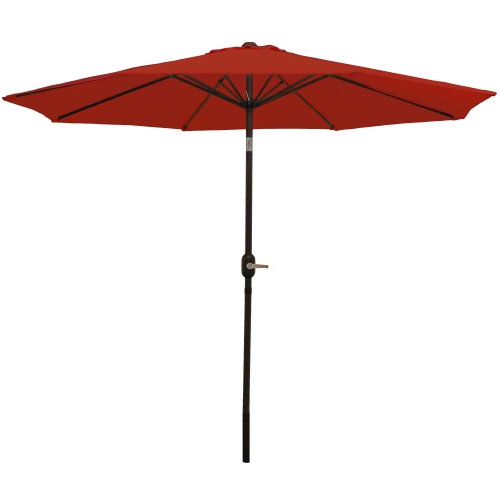 Your price for this item is $146.95
-
 Your price for this item is $146.95
-
 Your price for this item is $146.95
-
 Your price for this item is $248.55
-
 Your price for this item is $143.75
Discover more categories related to Patio Umbrella Weights
Top Collections:
Pokemon Centers, Best Cameras for Sports Photography, Kindle Devices, Samsung Galaxy Phones, Canon G7X Cameras, Pokémon 30th Celebration Cards, Refurbished Apple Laptops, iPhone 15 Apple, Laptops for Students, Budget Smartphones
Some products may be subject to Environmental Handling Fees
(EHF) depending on your province.
Learn more about EHFs.