Patterned Ceramics
Patterned ceramics bring a vibrant touch of artistry and elegance to any space, transforming ordinary settings into extraordinary showcases of style. These beautifully crafted pieces are perfect for adding a splash of color and personality to your home decor, whether you're looking to enhance your kitchen with eye-catching dinnerware or elevate your living room or garden with decorative accents. With a wide array of designs inspired by cultures from around the world, patterned ceramics offer endless possibilities for creativity and expression, making them an ideal choice for those who appreciate both functionality and aesthetic appeal. Discover how these unique ceramics can enrich your environment and reflect your personal taste.
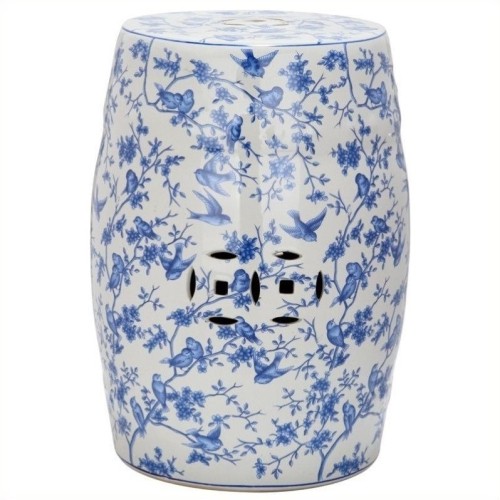
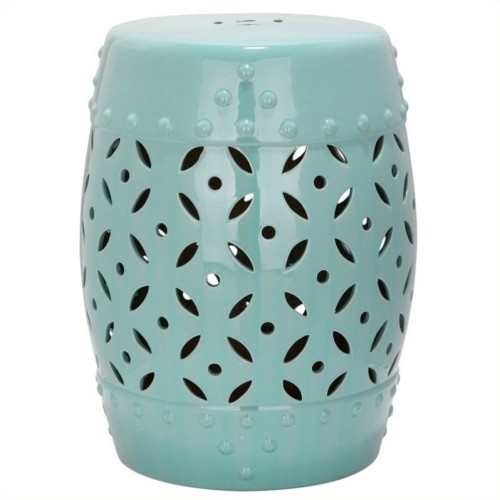
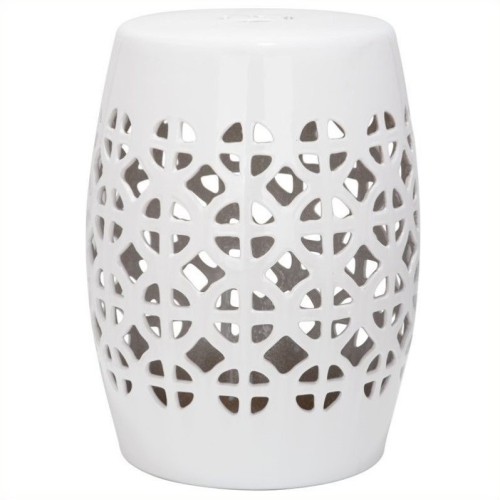
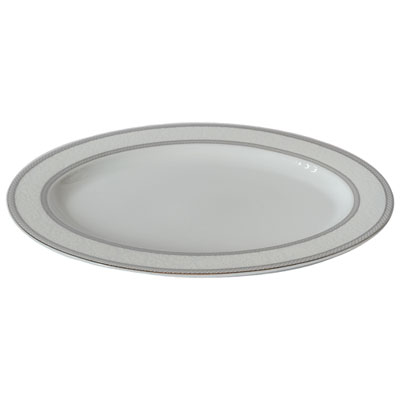
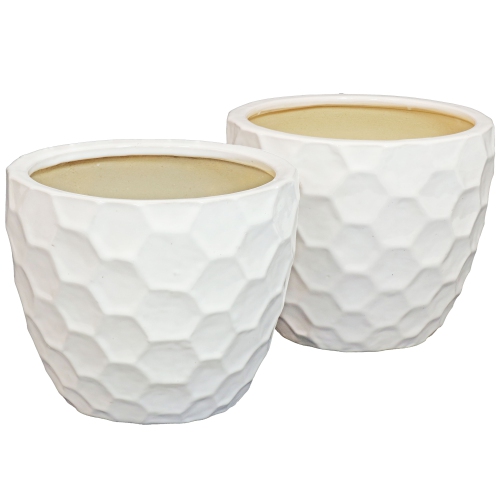
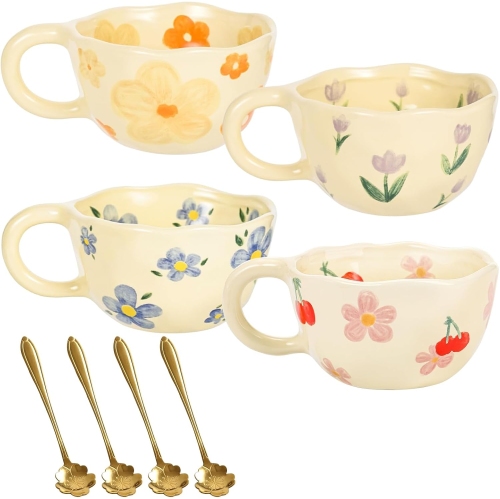
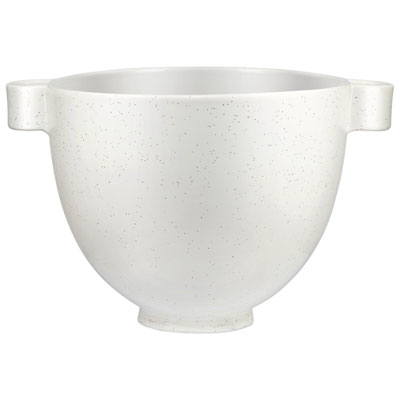

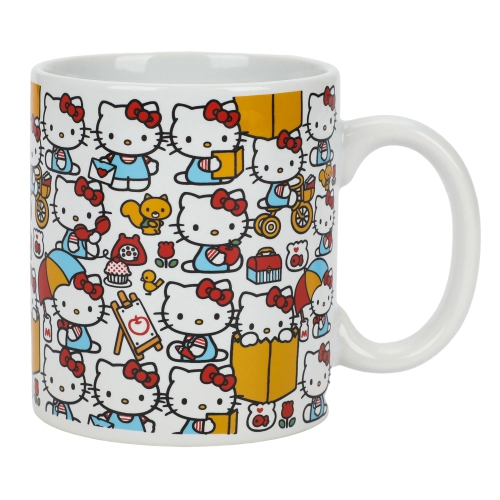
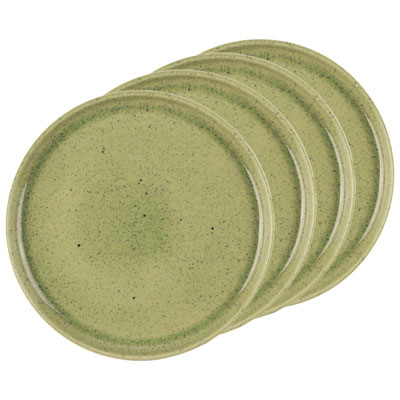
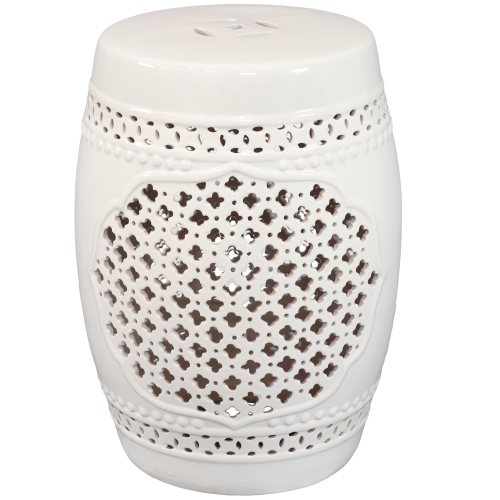
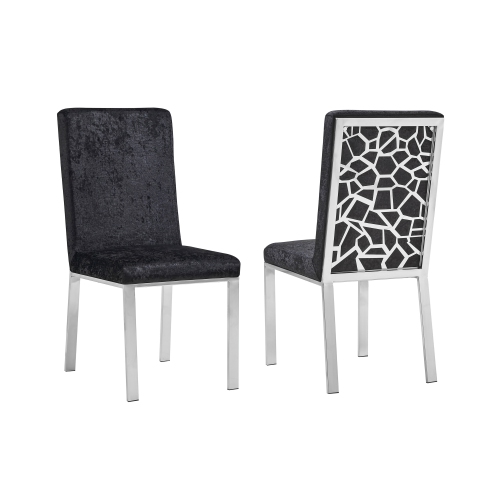
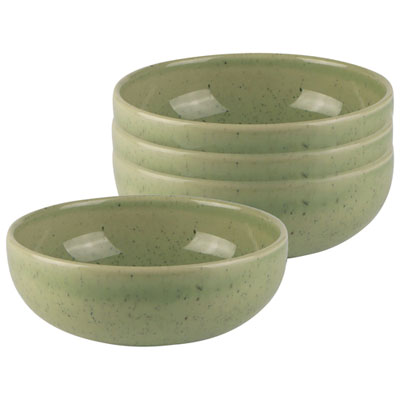
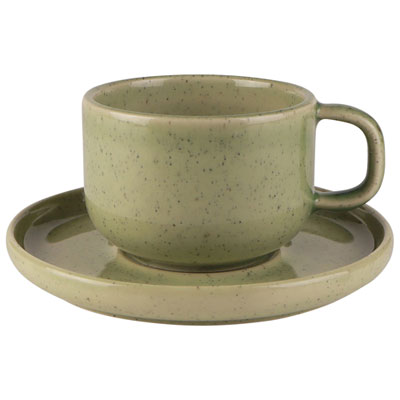
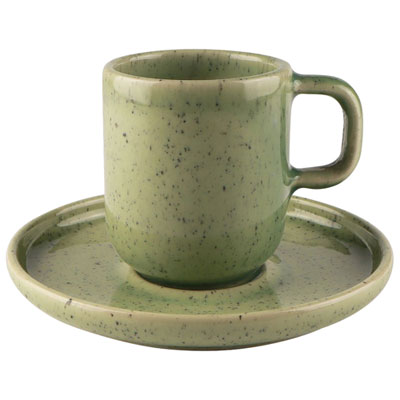
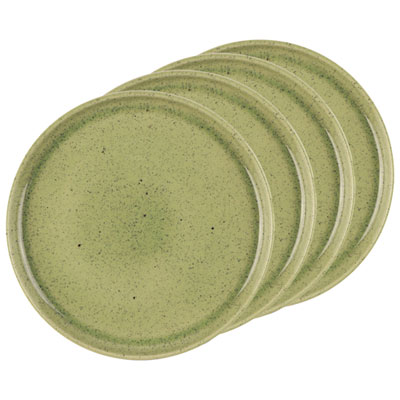
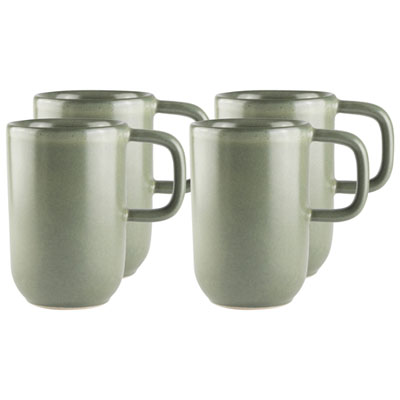
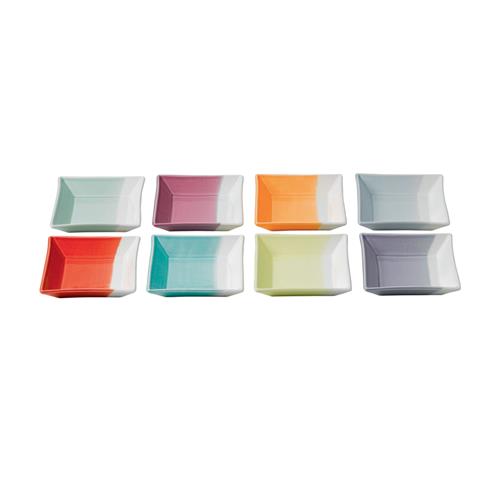
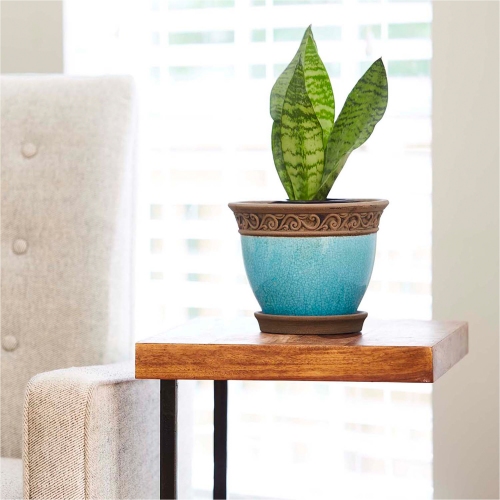
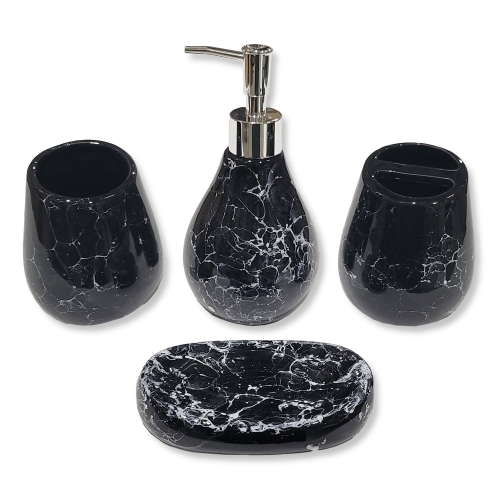

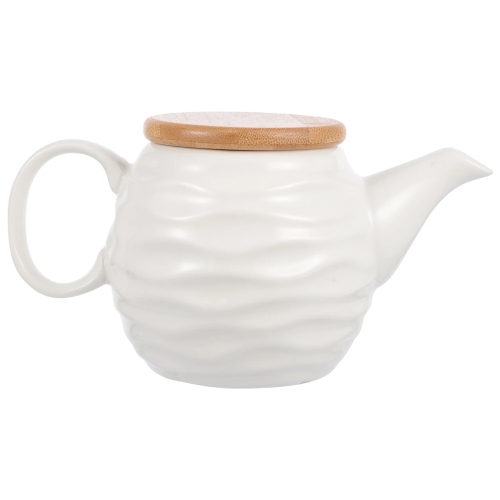
From painted motifs to patterns within the clay
Materials and construction make a practical difference to how patterned ceramics feel and function. Earthenware is generally fired at lower temperatures than stoneware or porcelain and often has a more porous clay body, so its suitability for holding liquids depends on the finished construction and glaze. Stoneware is usually dense and substantial, with a weight that can feel reassuring in everyday tableware. Porcelain is typically fired to a high temperature and can be made with relatively thin walls, allowing a lighter, more refined profile without necessarily being fragile. These are broad material characteristics, not guarantees: thickness, shape, glaze quality, and handling all affect performance. Intended use should take priority over appearance, particularly for surfaces that come into contact with food. A glazed finish does not automatically mean a ceramic object is food-safe, microwave-safe, dishwasher-safe, or suitable for an oven. Those uses should be confirmed through the manufacturer’s stated directions, and metallic accents need particular attention because they may rule out microwave use. Fit matters just as much in a busy kitchen. A comfortable handle should leave enough room for fingers without pressing them against the vessel, while a stable base helps reduce wobbling on a flat surface. For tableware, consider whether the dimensions fit cupboard shelves, dishwasher racks, and the space between place settings. A broad rim changes how much usable space remains in the centre, and a deep profile may be better suited to saucy meals than a shallow one. Pieces intended to nest or stack should sit securely without rubbing heavily against painted details or raised edges. For flower displays, check whether the vessel is watertight rather than assuming every ceramic form can hold water. For planted arrangements, drainage and a suitable saucer help protect the surface underneath. Unglazed bases can be rough, so a protective pad may be useful on easily marked furniture, provided it does not make the object unstable.
Patterned ceramics can suit daily meals, shared tables, and display spaces, but their lasting appeal often comes from how comfortably they fit into existing routines. A household that uses the dishwasher frequently will benefit from finishes explicitly rated for that treatment, while someone who enjoys setting a table for guests may welcome details that require gentle handwashing. Where handwashing is advised, a soft cloth or non-abrasive sponge and mild dish detergent are generally a sensible approach, followed by thorough rinsing and drying. Abrasive powders and harsh scouring pads can dull some finishes or damage applied decoration. Sudden temperature changes can also stress ceramics, so moving a piece directly between very hot and cold conditions should be avoided unless its instructions specifically allow it. Chips, cracks, and changes in a glaze deserve attention, especially on food-contact surfaces, where damage can make cleaning more difficult or leave a sharp edge. Fine glaze crackling may be an intentional visual effect on some designs, but it should not be treated as proof of suitability for serving food. For storage, thin protective layers between stacked pieces can help limit surface rubbing, particularly where raised patterns or unglazed foot rings touch the piece below. Visually, there is no need to repeat the same motif everywhere. Stripes can sit comfortably beside florals when they share a restrained colour palette, and a plain tablecloth gives detailed surfaces room to stand out. For a more coordinated setting, Ceramic Sets can provide a starting point for repeating shapes, colours, or motifs across the table. Patterned ceramics also make thoughtful housewarming, wedding, or host gifts when the recipient’s habits and space are considered. Someone with compact cupboards may appreciate easy stacking more than an oversized silhouette, while a keen host may value a design that works with existing tableware. Familiar colours, manageable care requirements, and a clearly defined purpose help turn an attractive gift into something that becomes part of everyday life.
Top selling and popular products
-
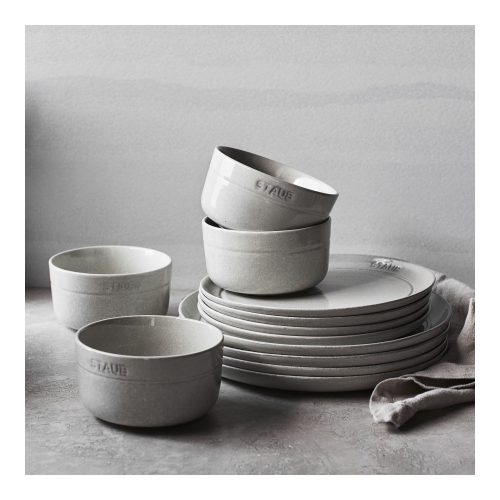 Your price for this item is $279.99
 -
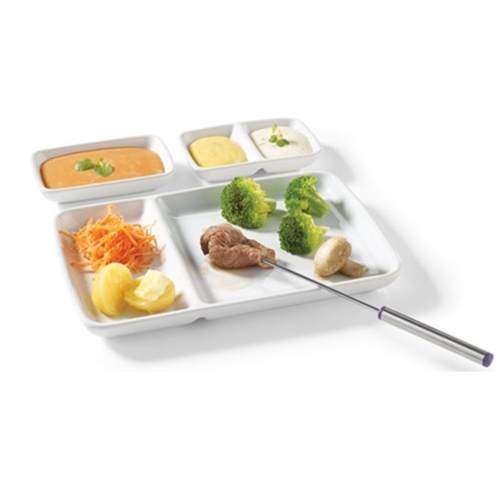 Your price for this item is $21.97
 -
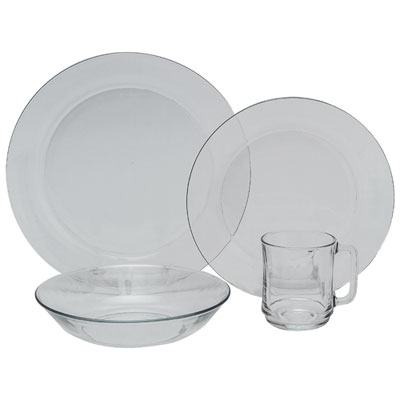 Your price for this item is $153.99
 -
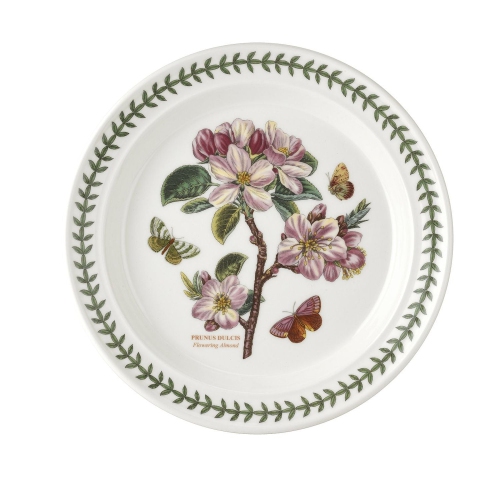 Your price for this item is $57.5
 -
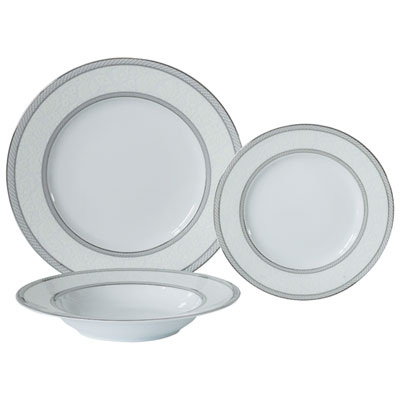 Your price for this item is $279.99
 -
 Your price for this item is $59.99
 -
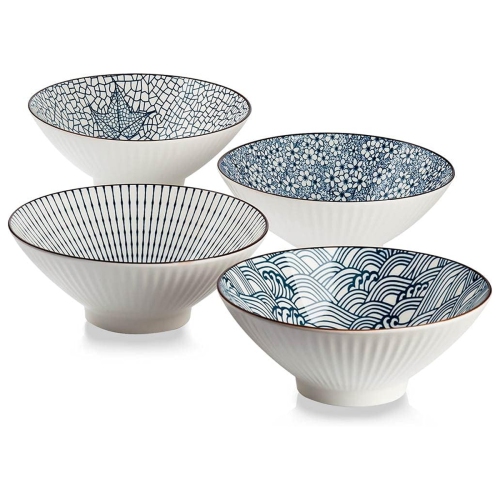 Your price for this item is $86.43
 -
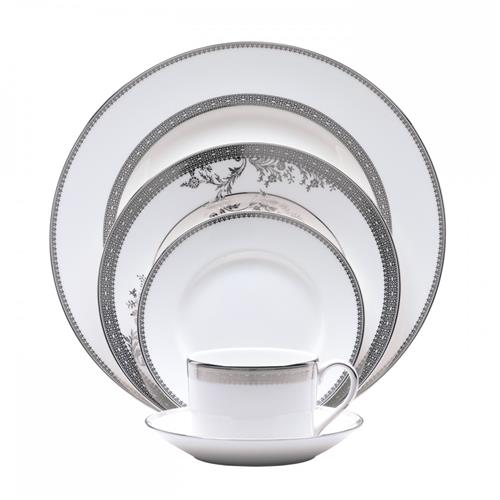 Your price for this item is $198.14