Food Sealers
Preserve the freshness of your food for longer with our selection of food sealers. Say goodbye to wasted leftovers and spoiled ingredients as these handy devices help lock in flavors and nutrients while extending the shelf life of your favorite foods. Whether you're meal prepping for the week ahead or storing seasonal produce, a food sealer is a must-have kitchen accessory to keep your pantry organized and your meals tasting their best. Browse our range of food sealers to find the perfect solution for your food storage needs.
Sort



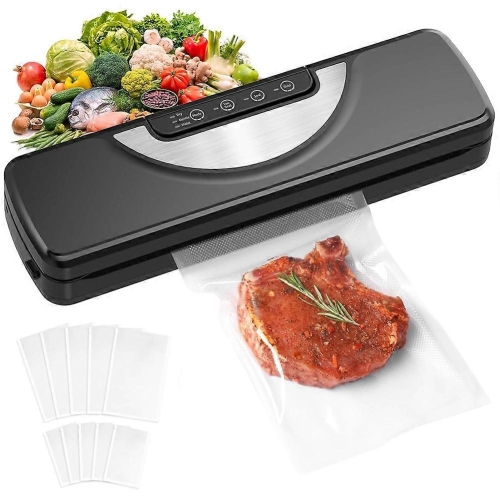
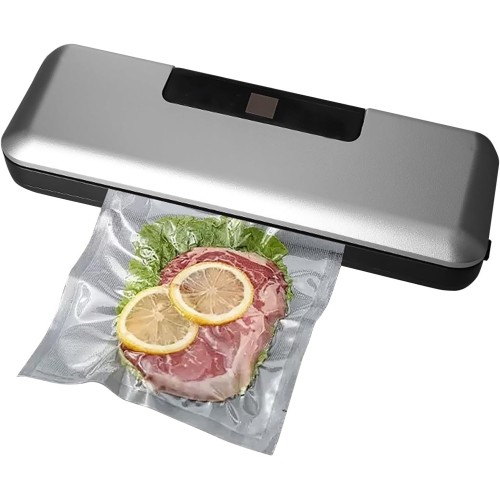
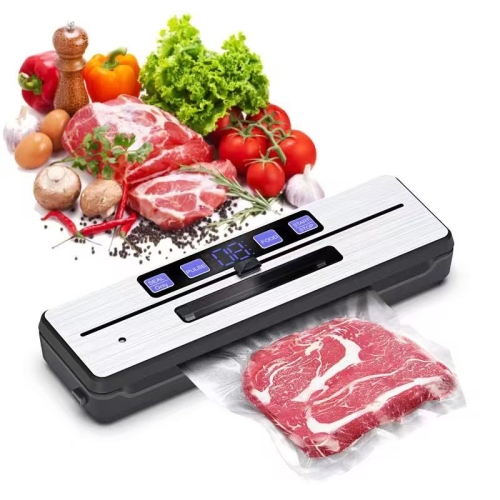
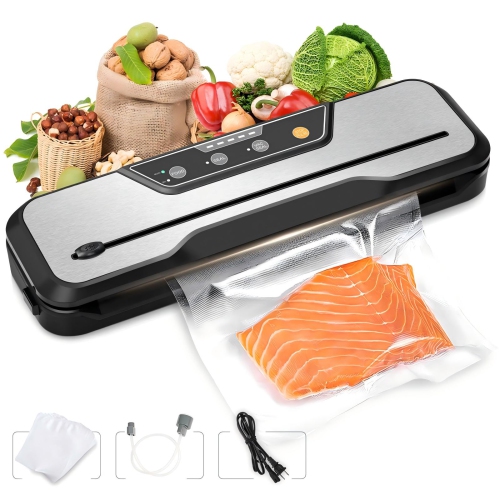

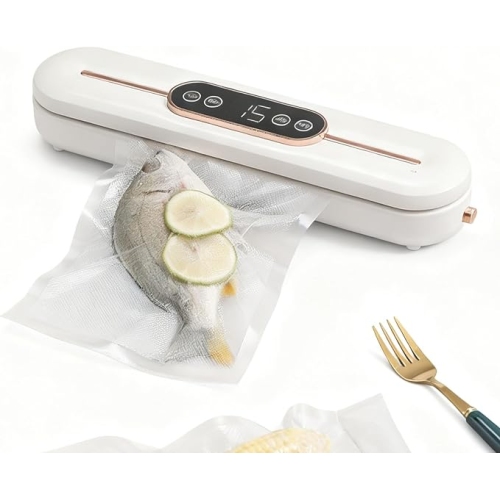
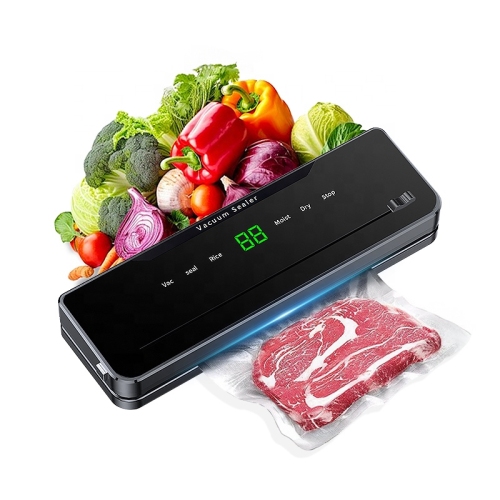
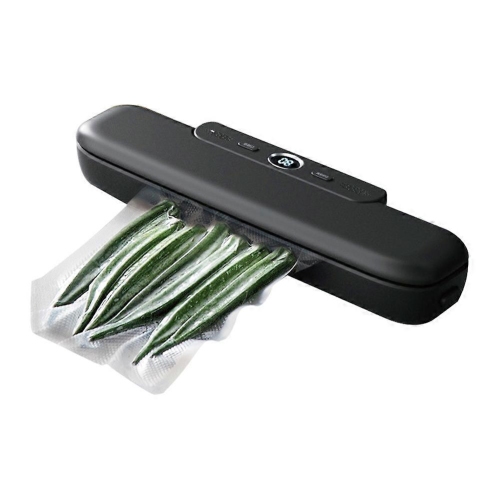
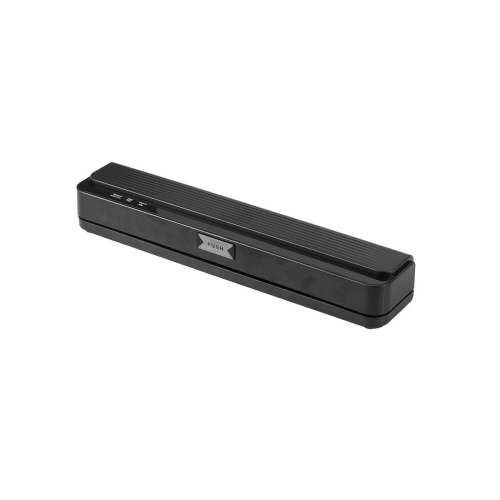
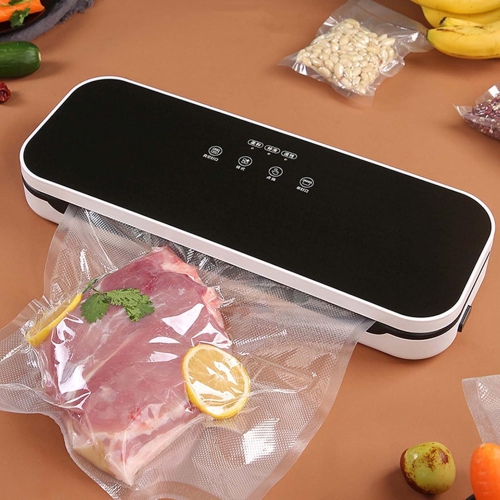
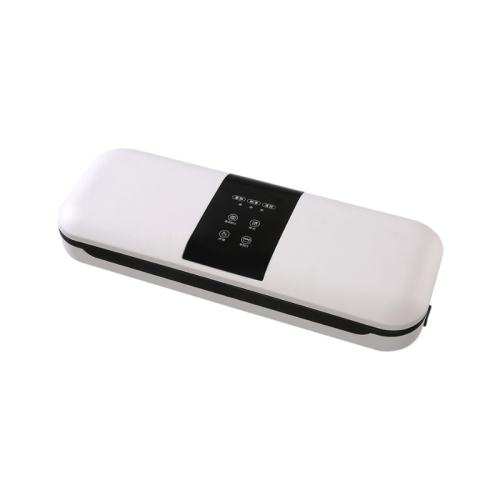
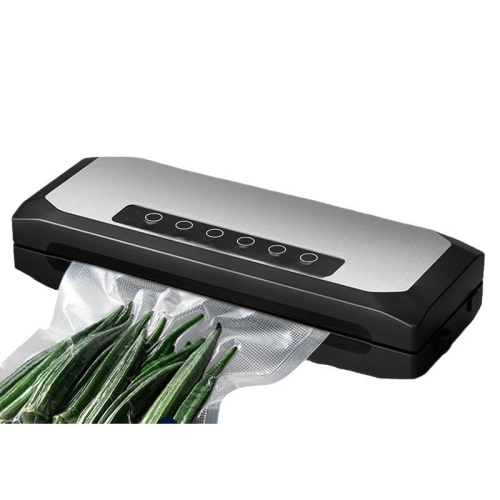


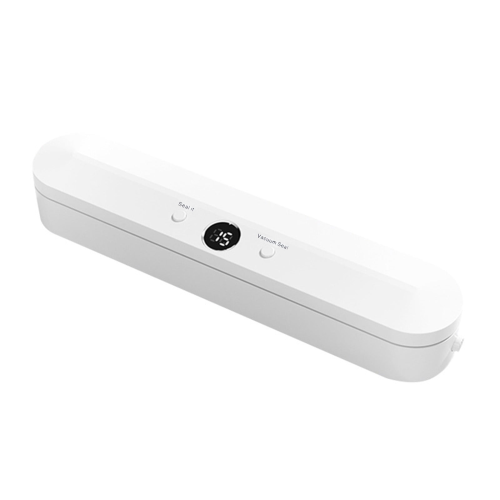

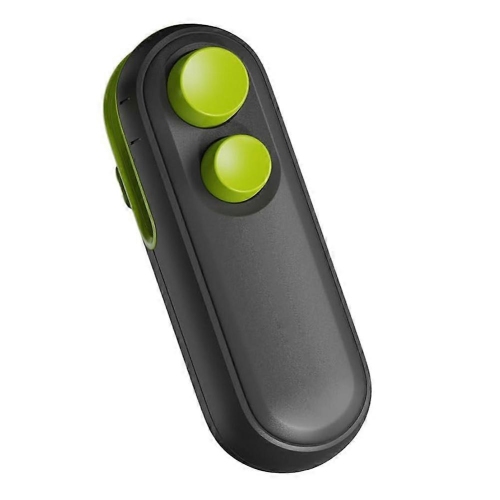
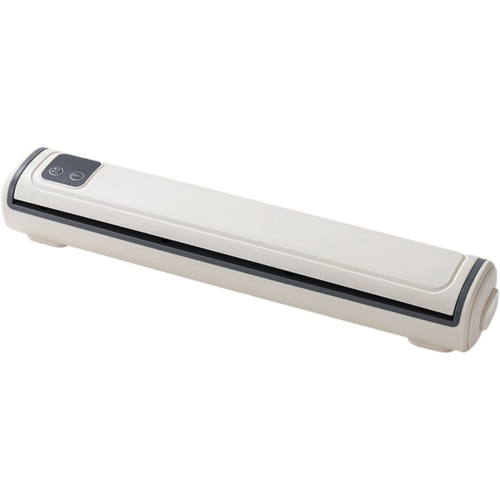
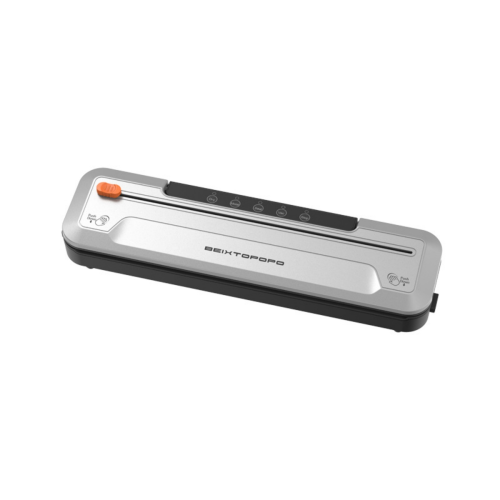





The difference between sealing bags and removing air
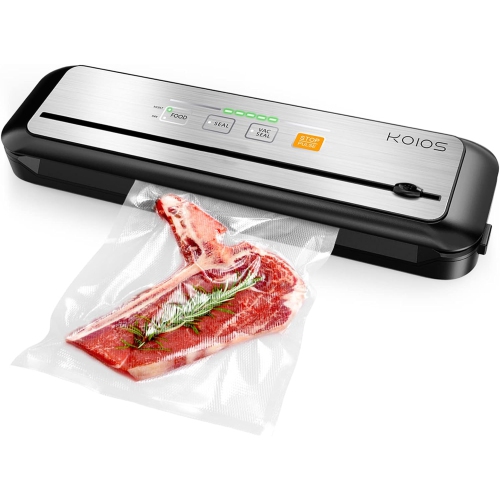
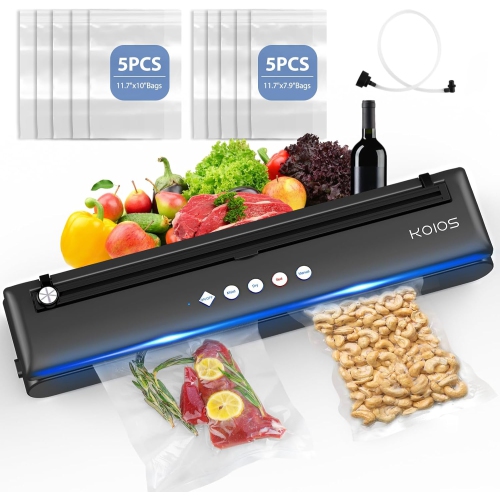
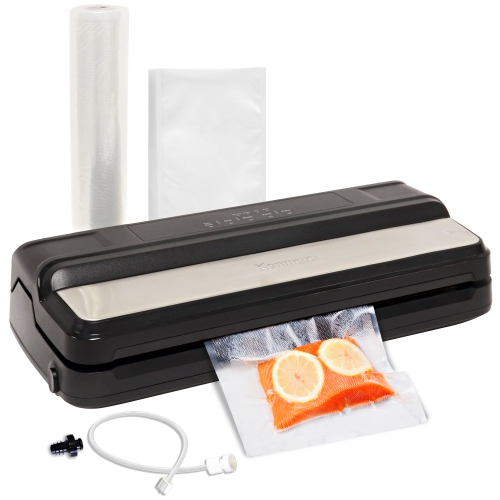
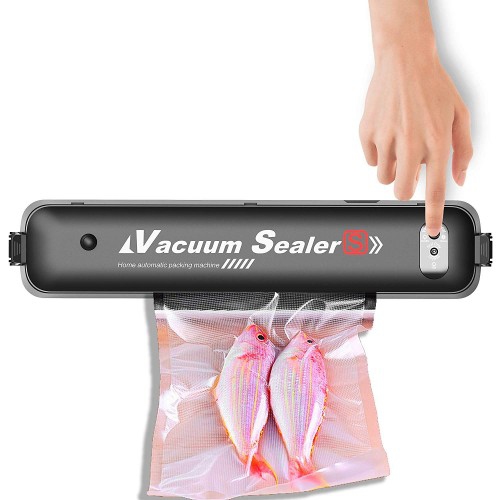
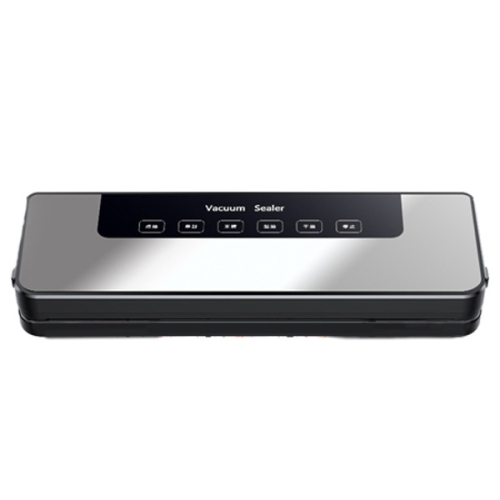
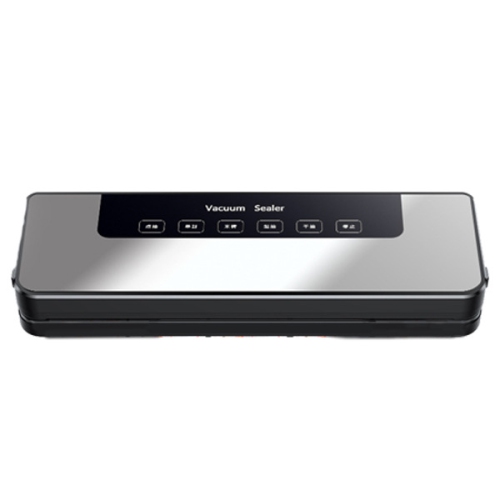
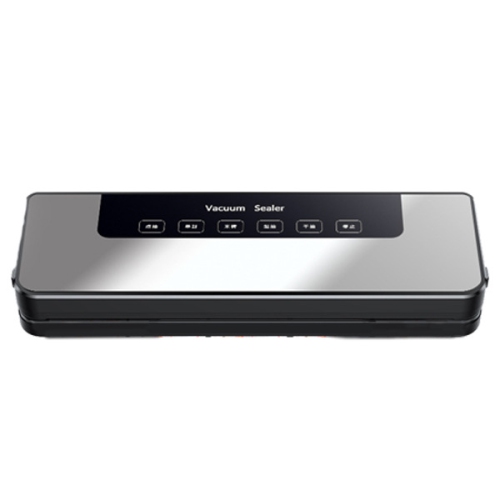
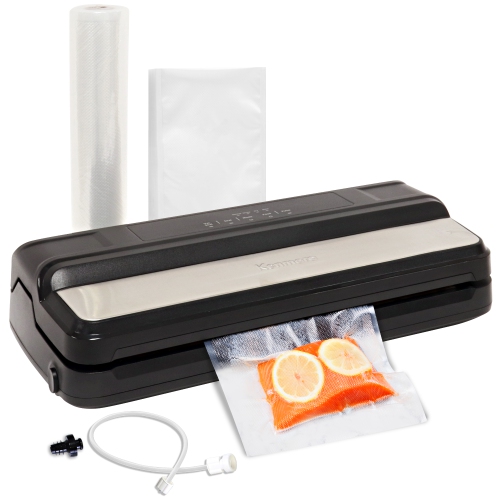
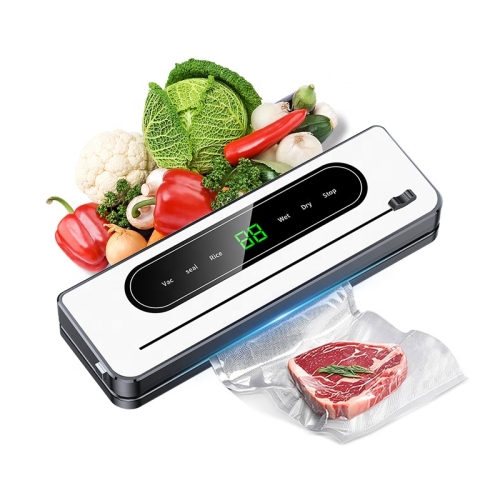
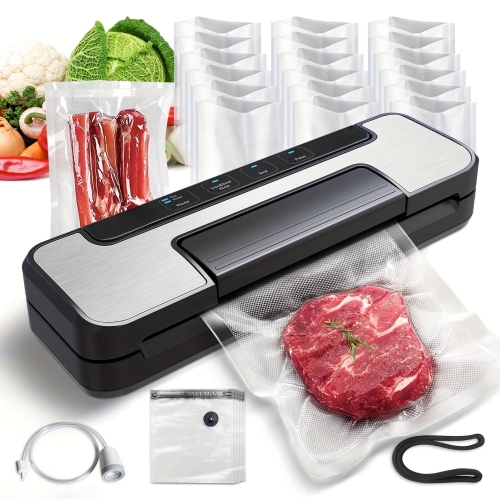
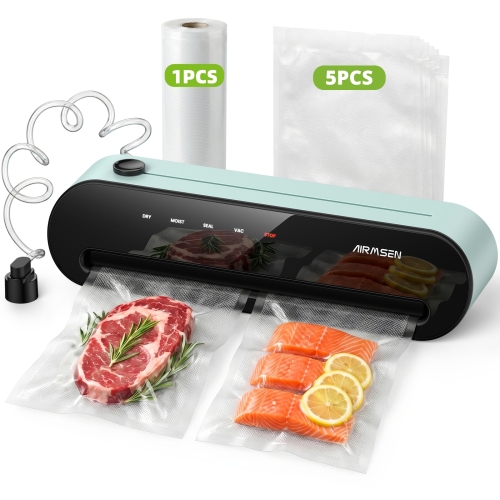
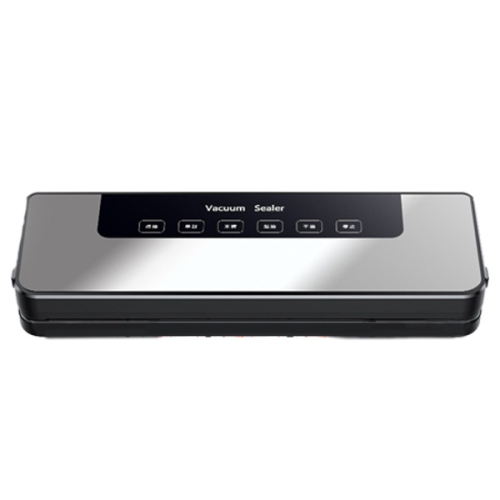
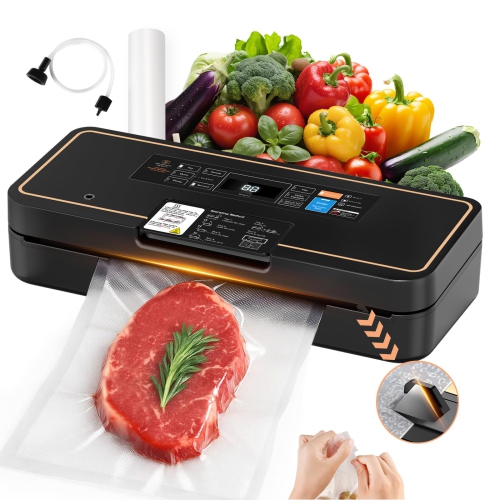
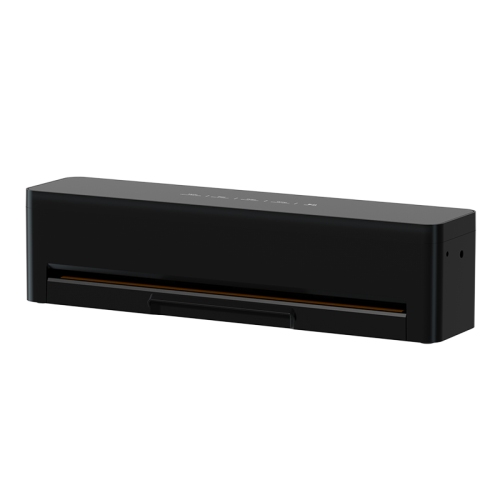
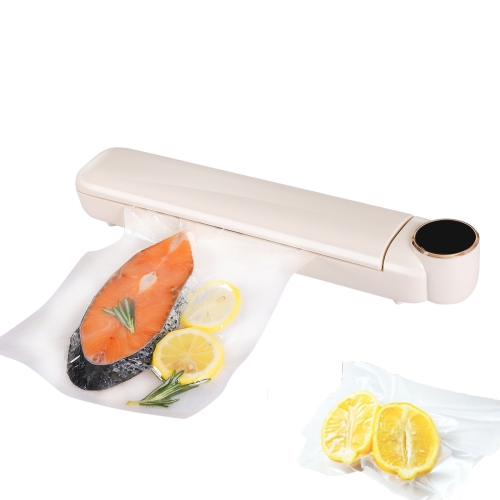
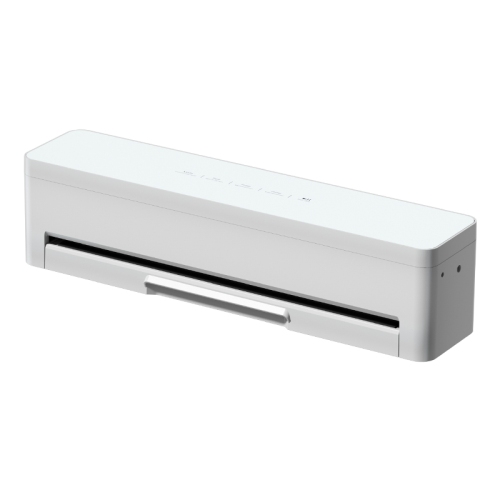
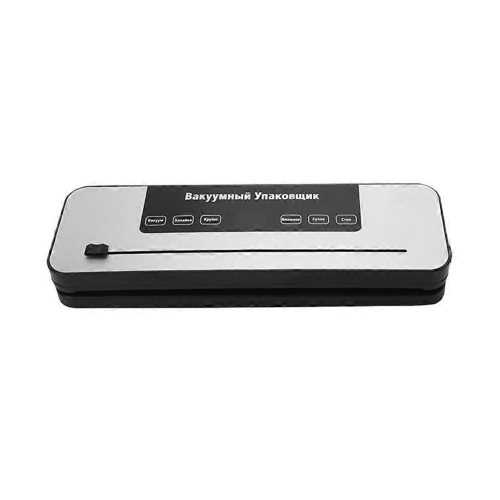
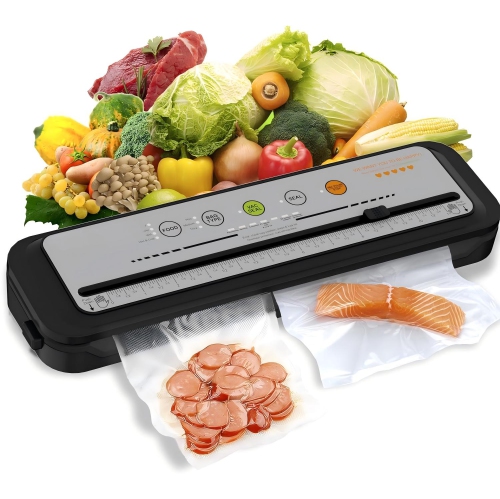
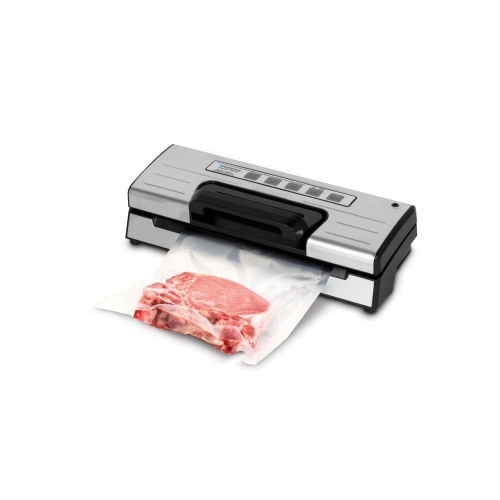
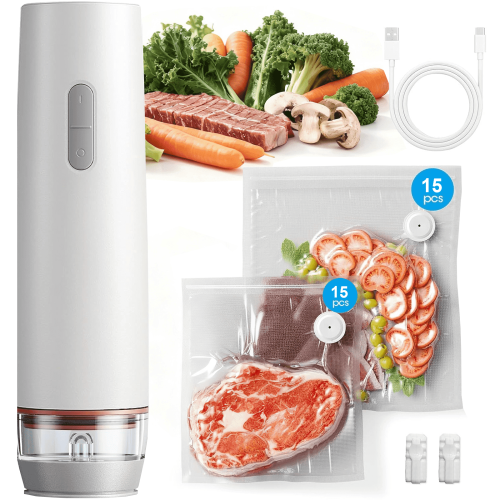
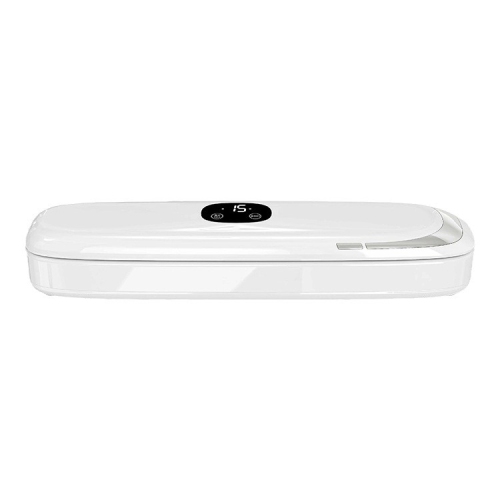
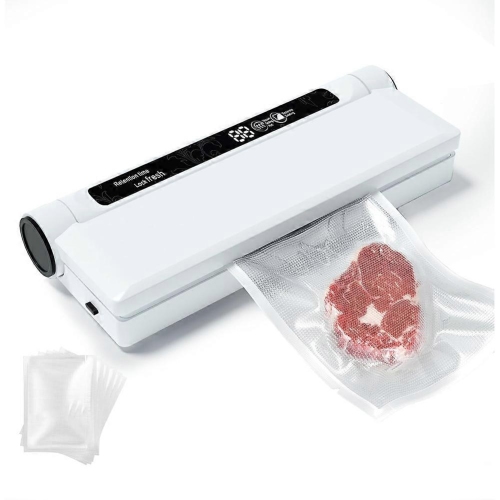
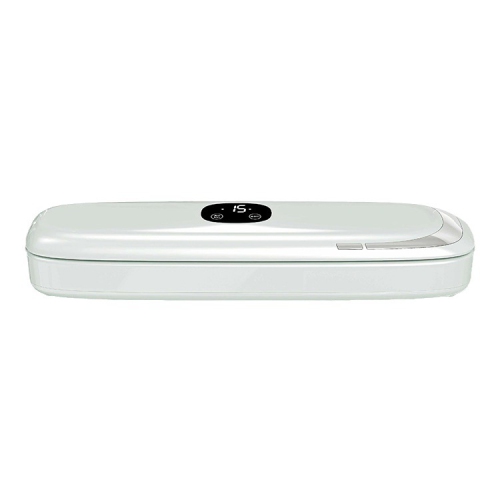
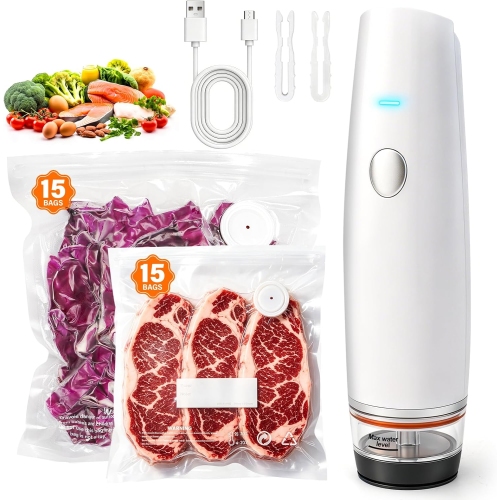
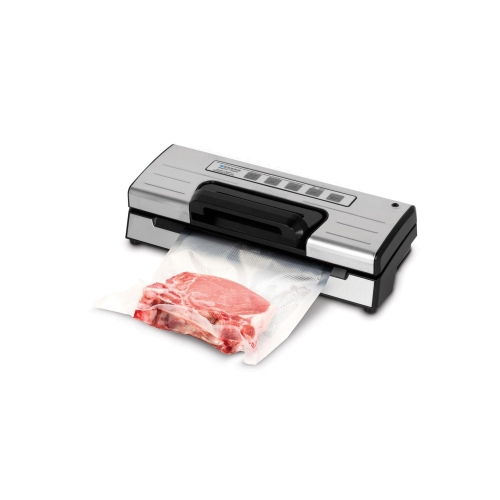
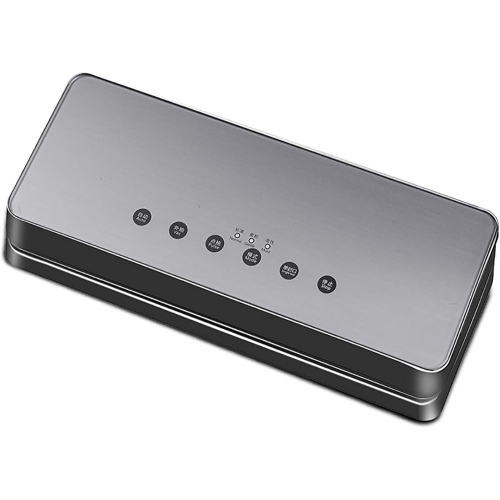
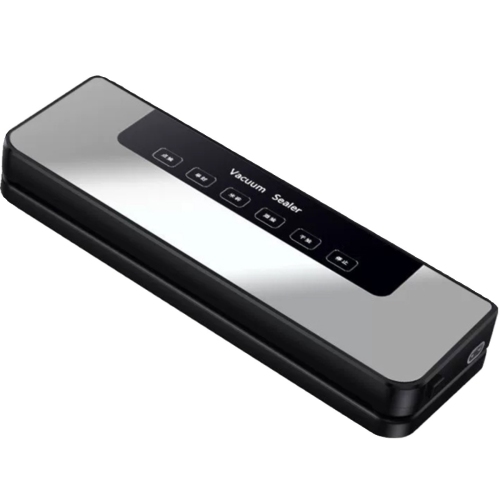
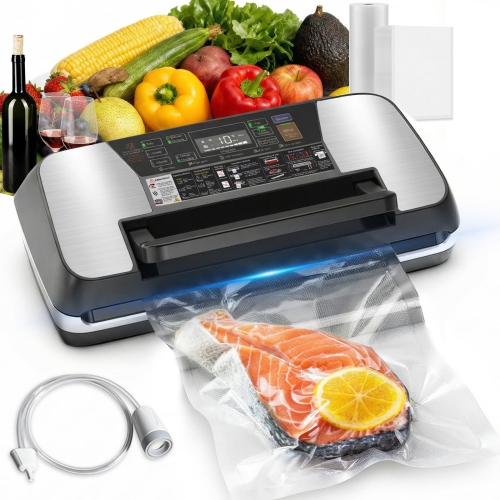
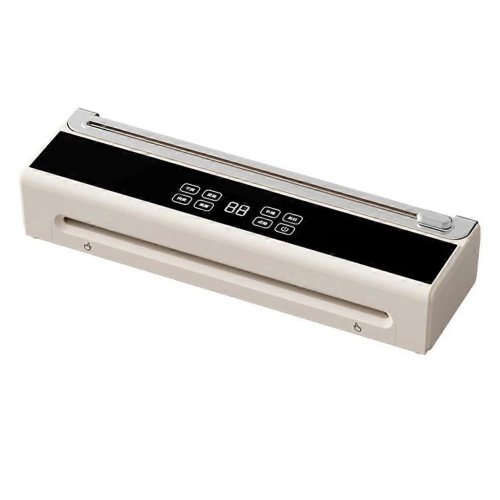
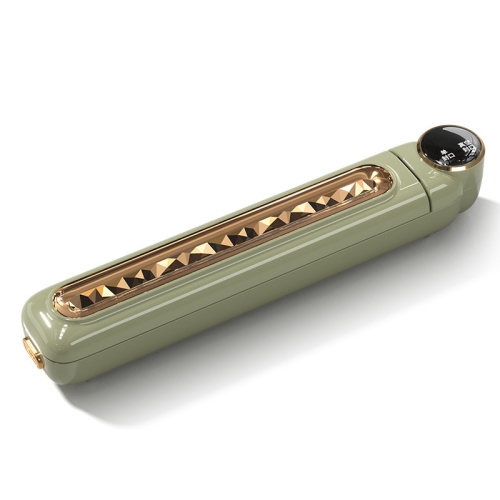
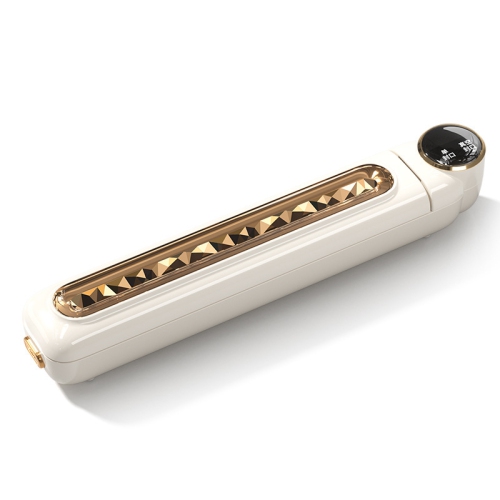
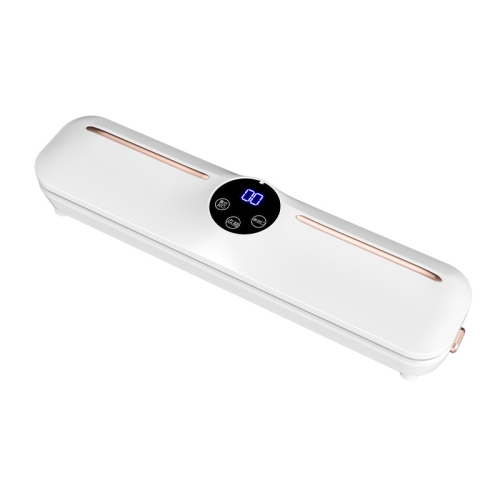
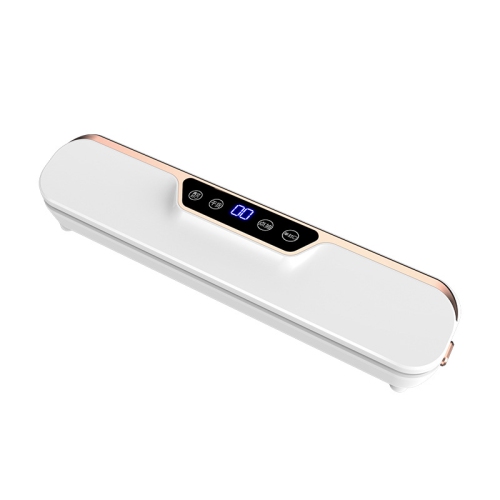
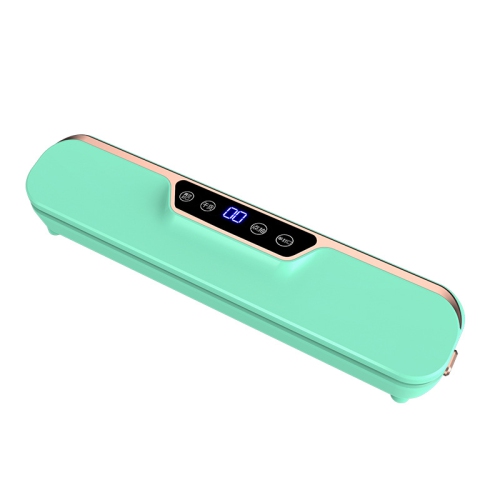
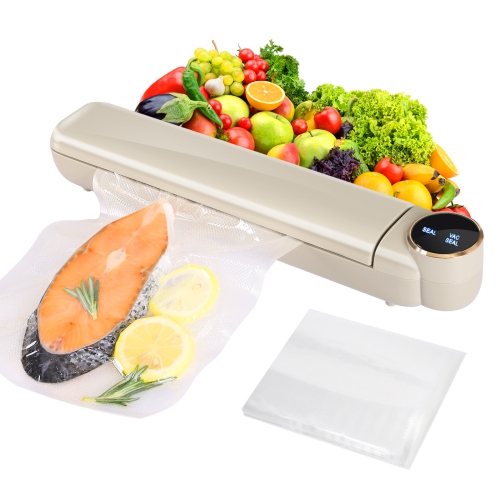
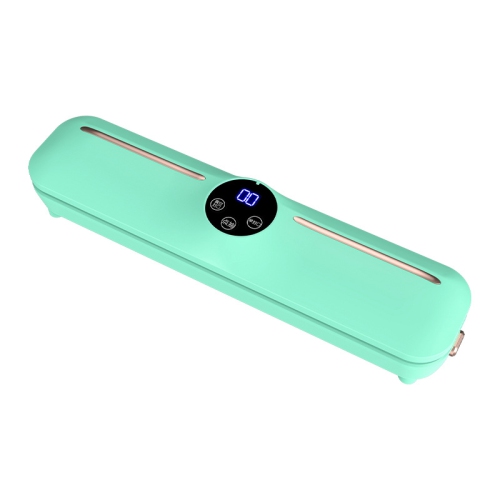
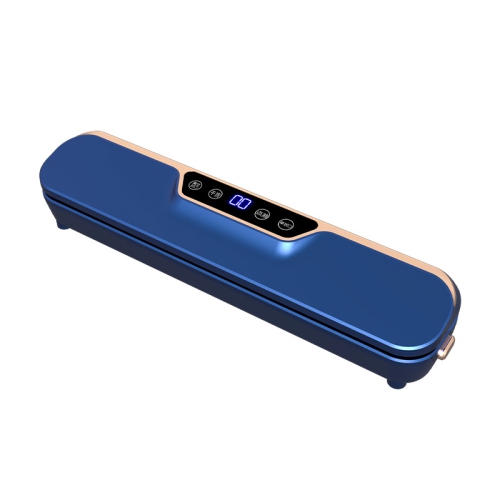
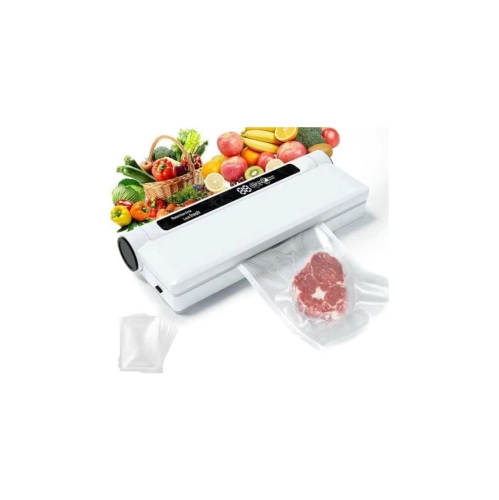
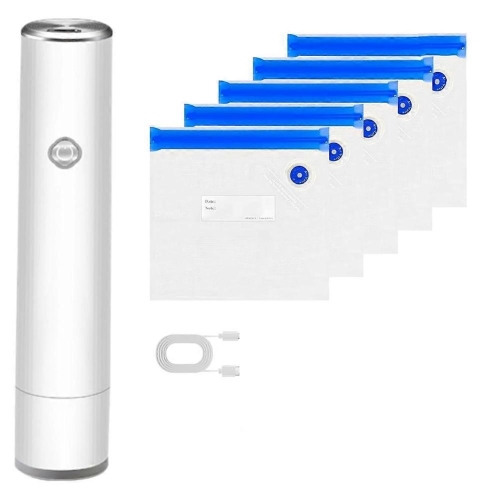
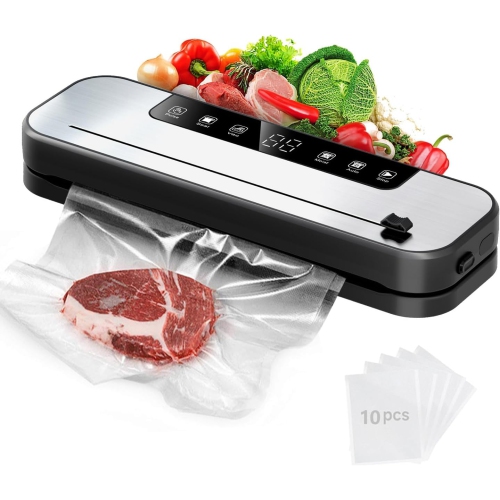
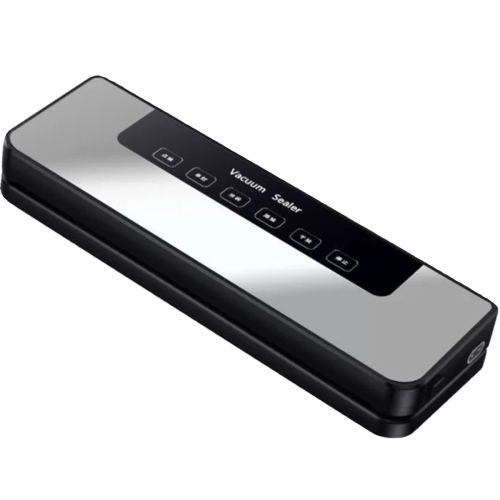
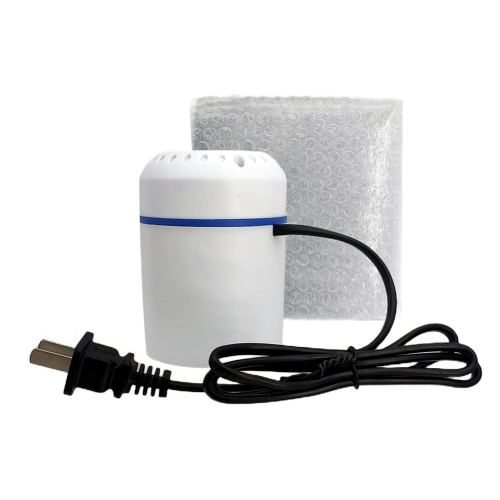
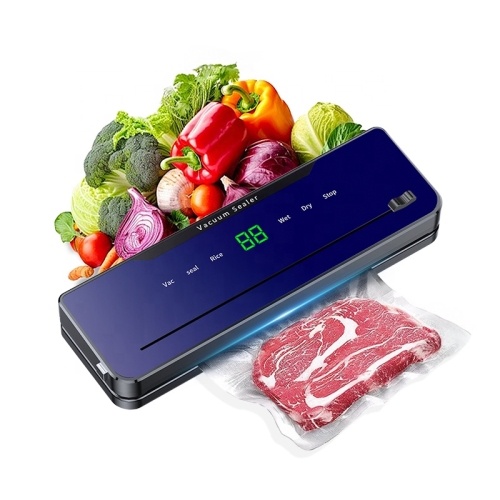
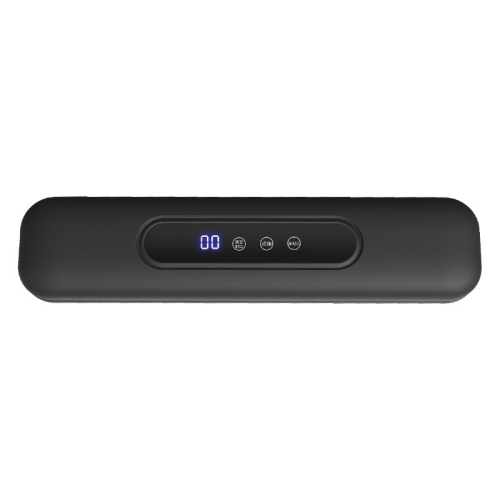
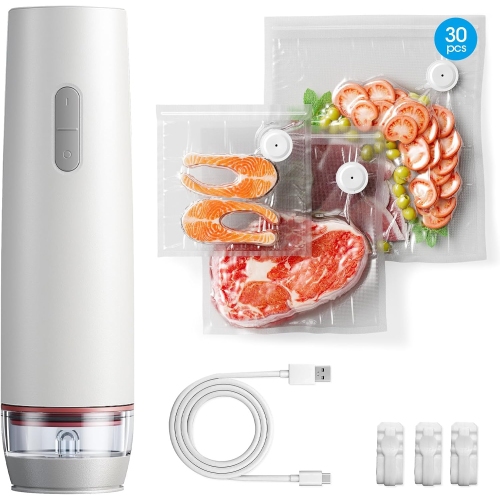
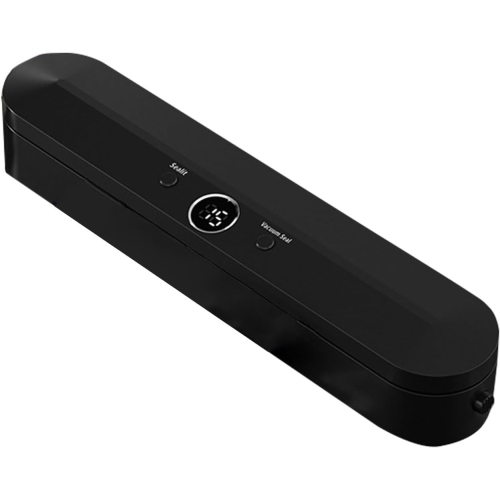
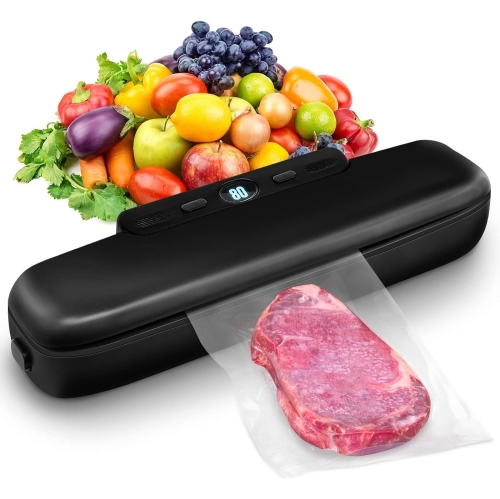
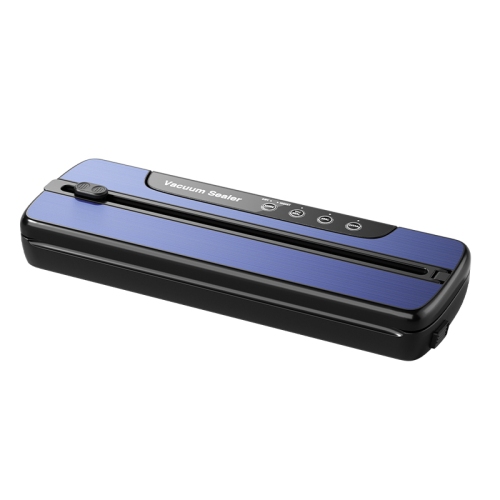
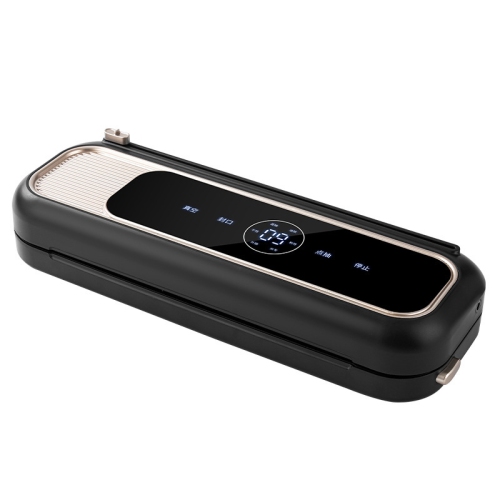
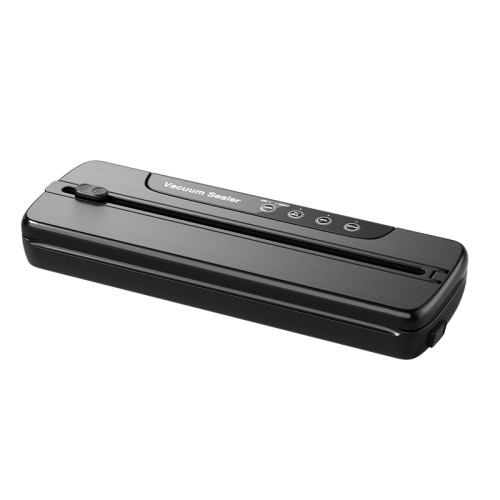
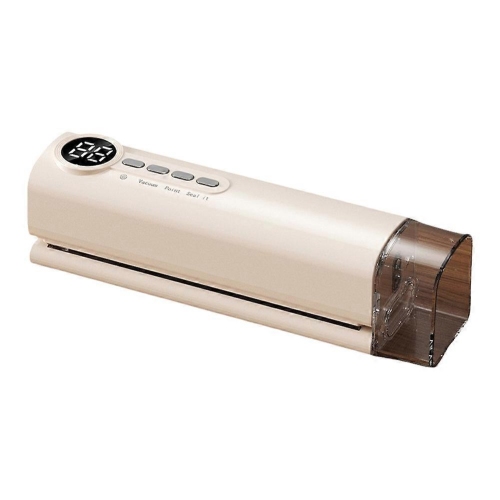
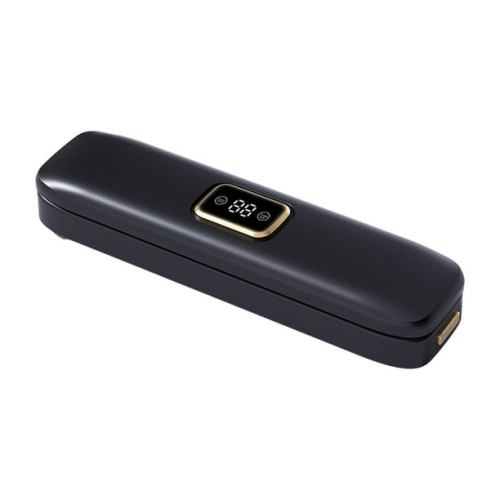
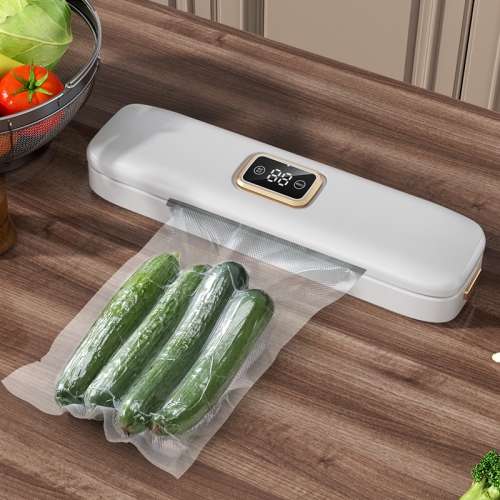
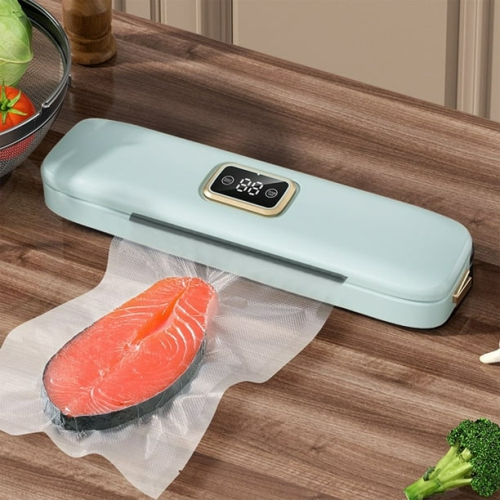
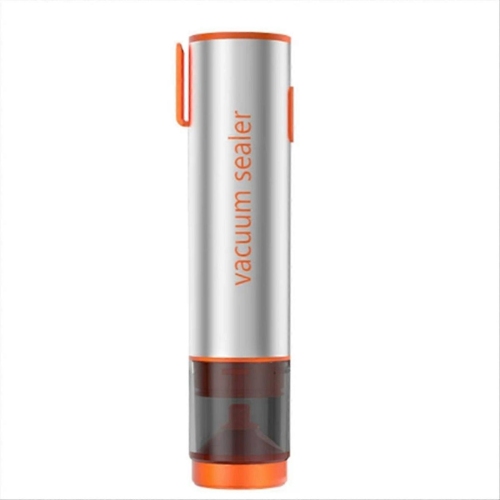
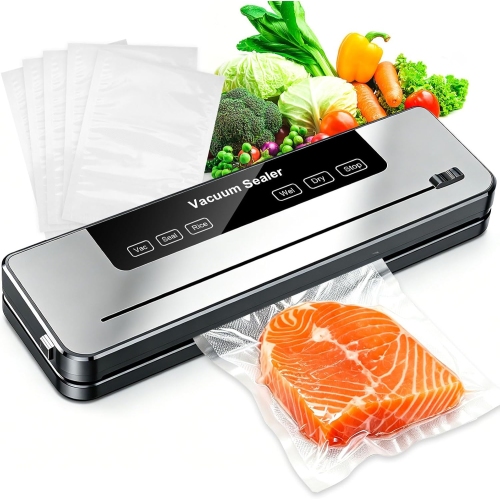
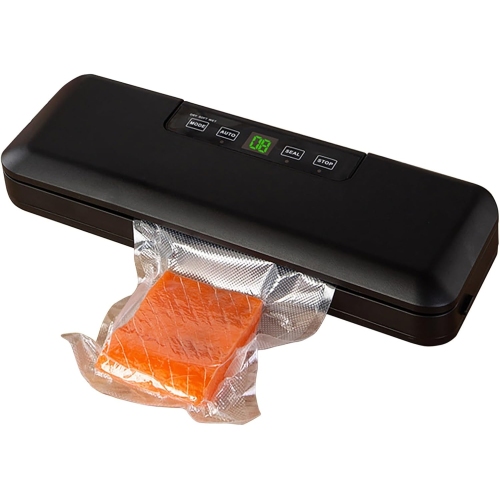
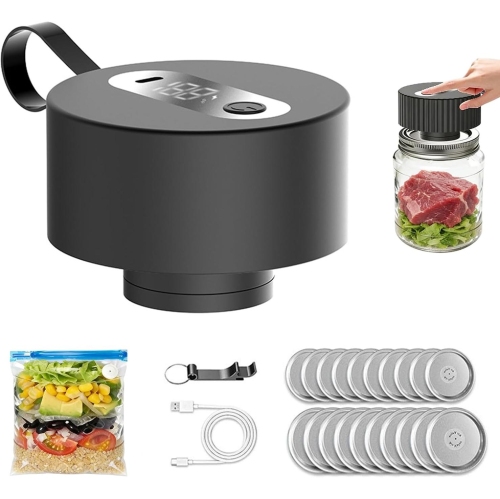
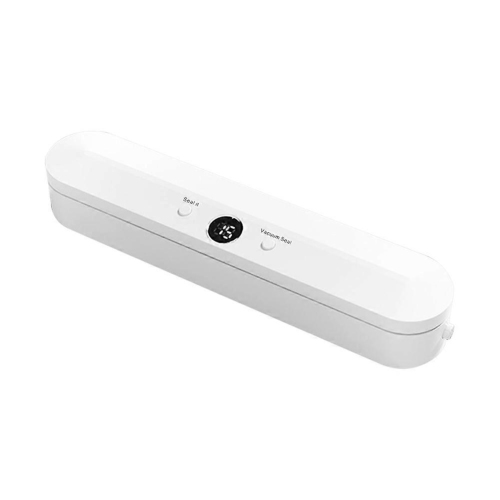
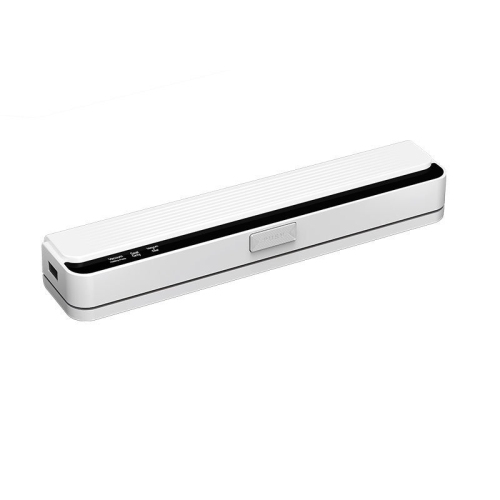
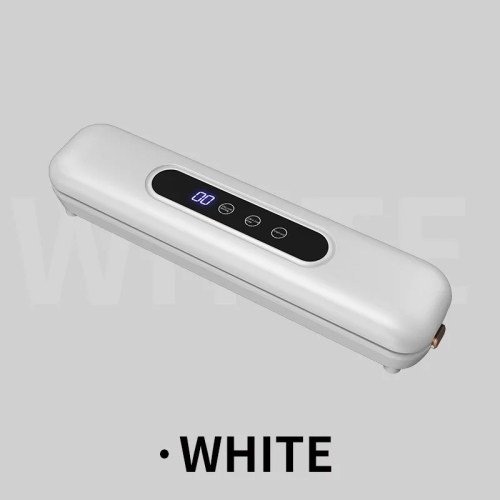
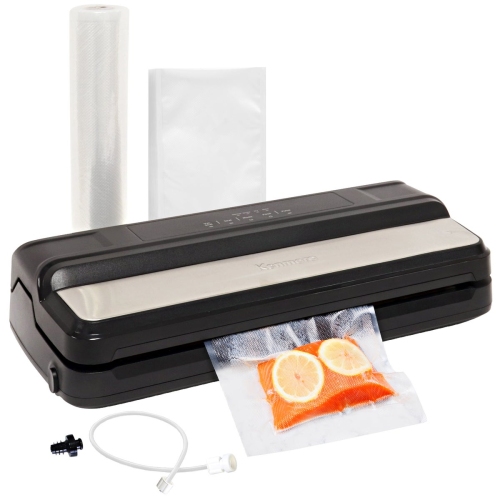
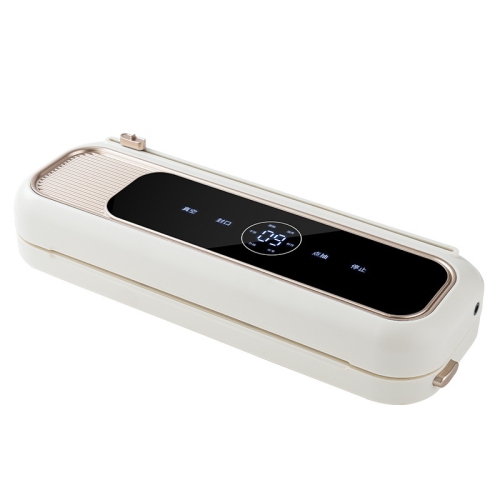
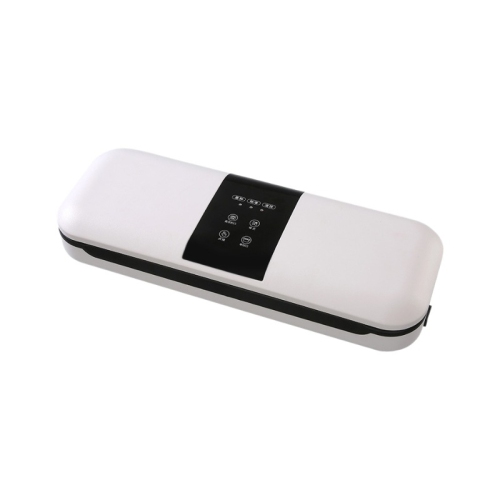
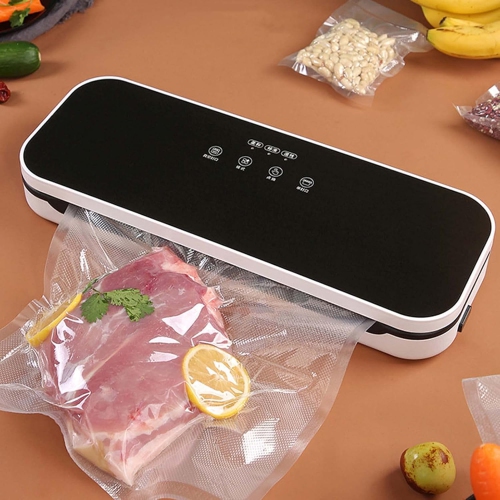
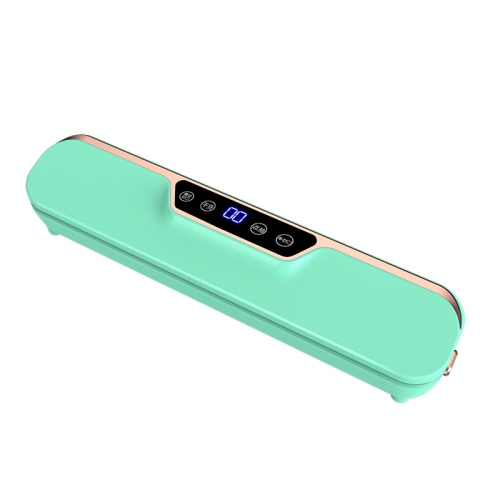
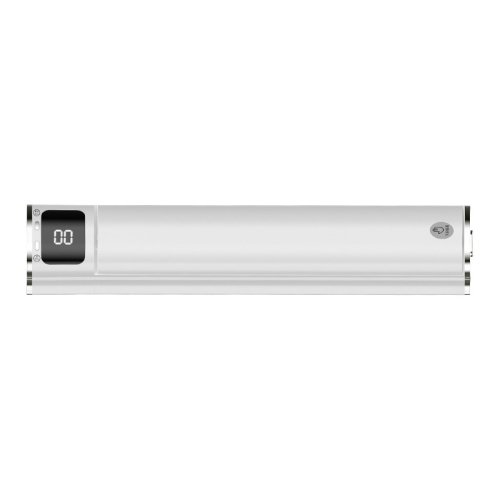
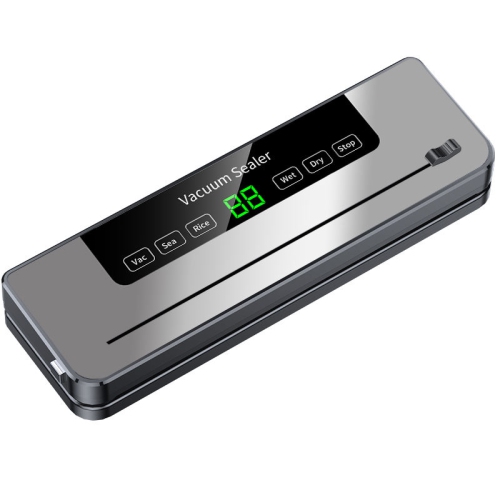
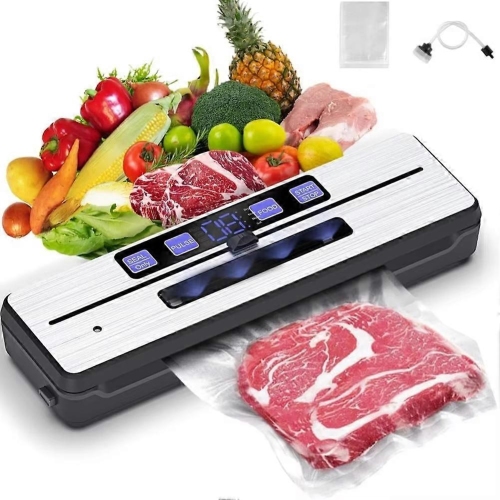
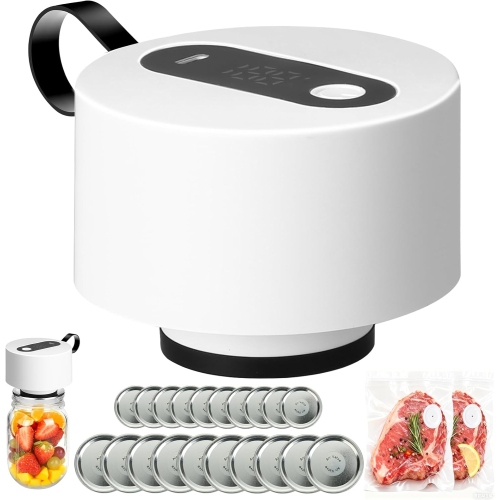
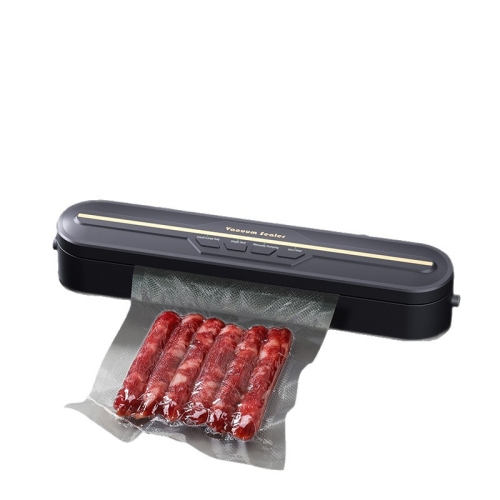
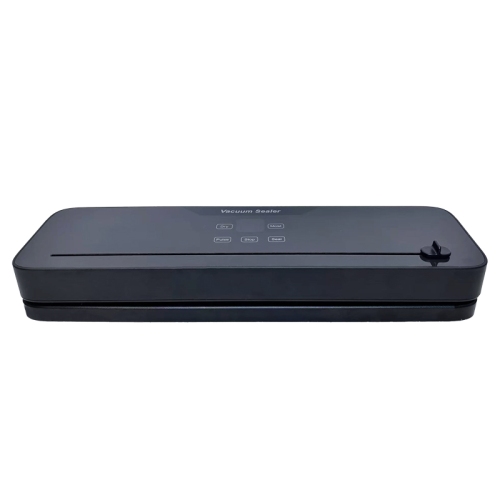
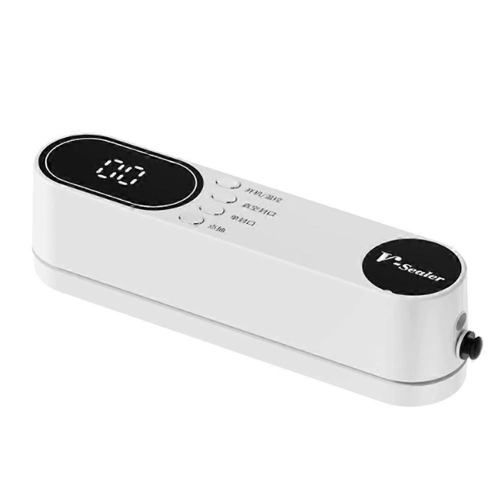
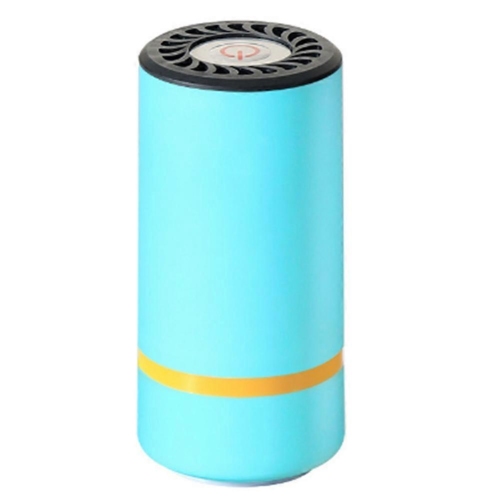
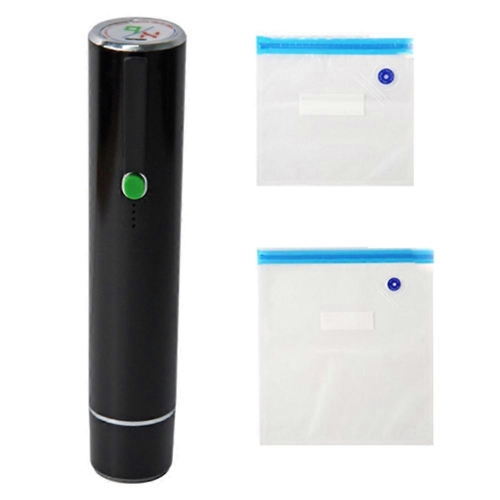
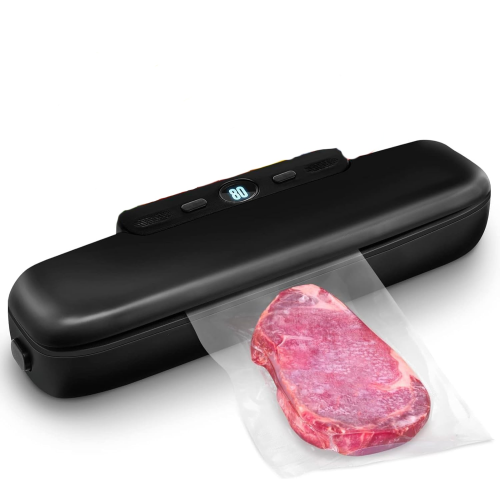
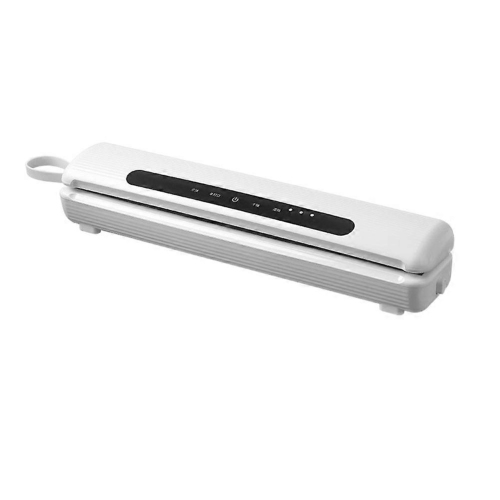
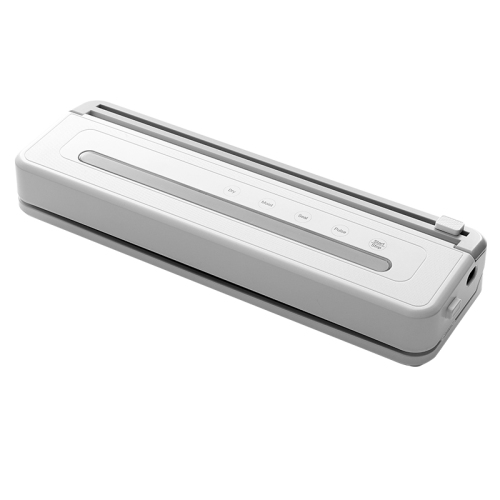
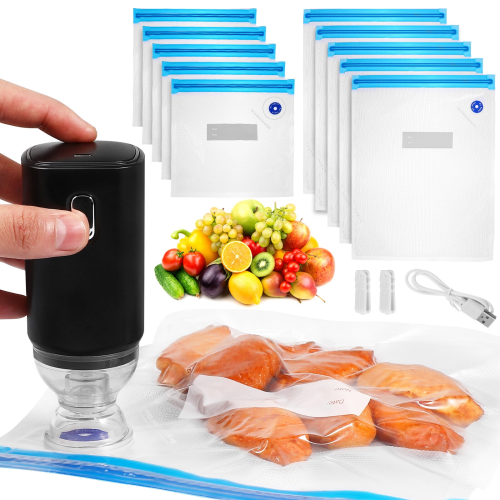
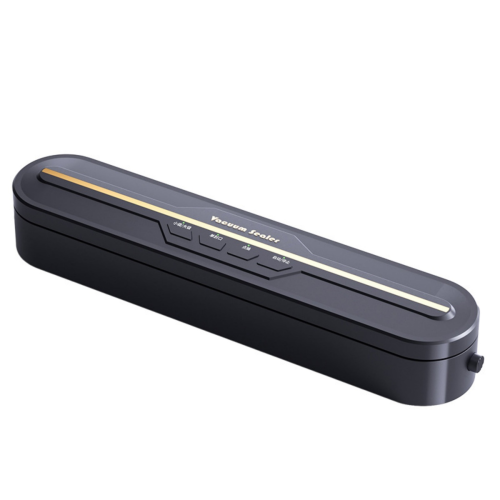
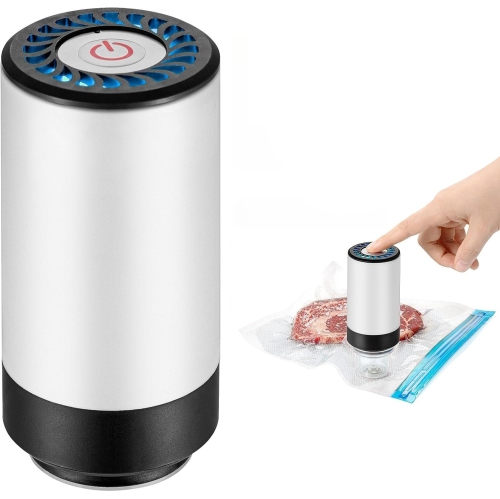
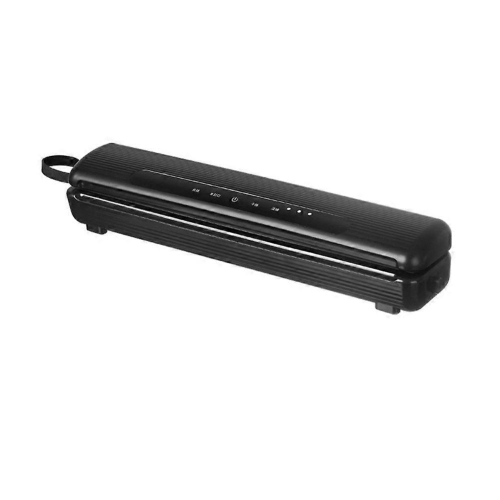
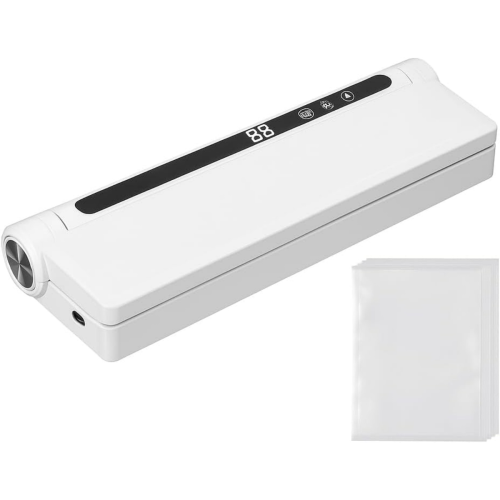
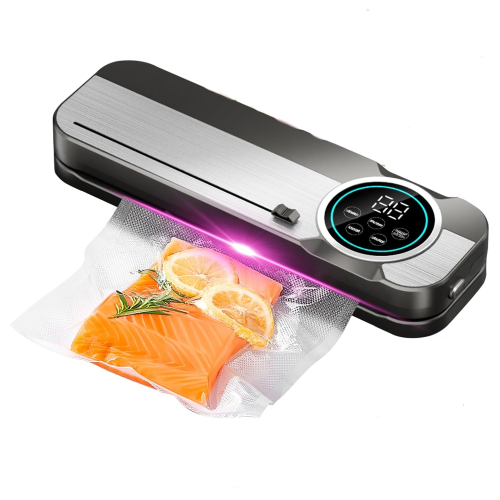
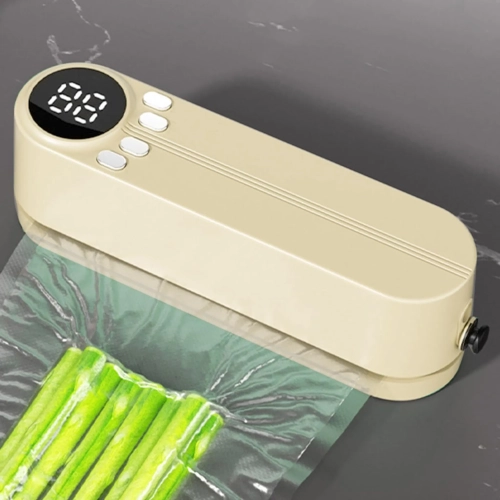
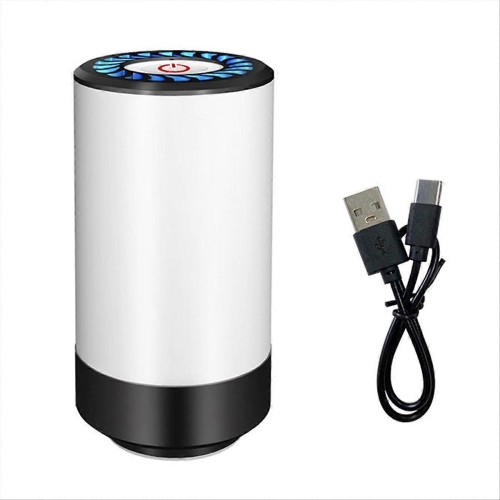
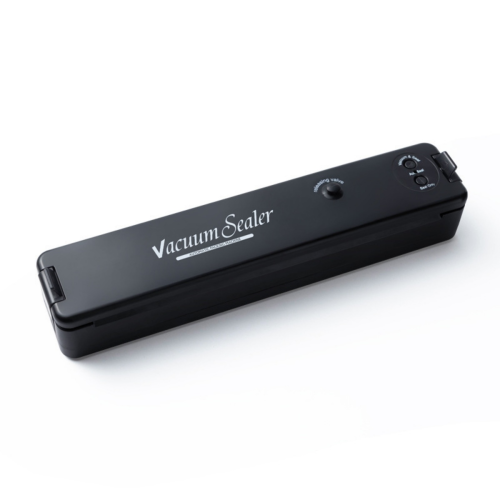
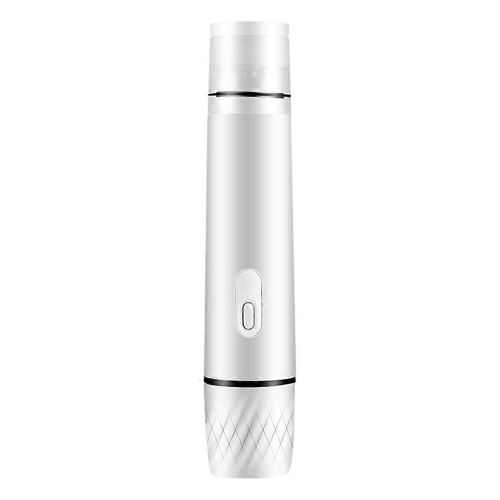
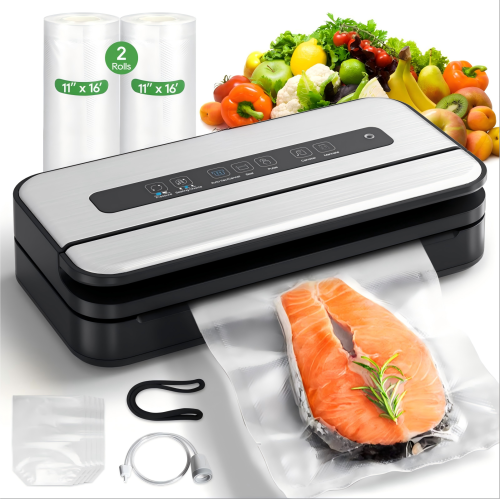
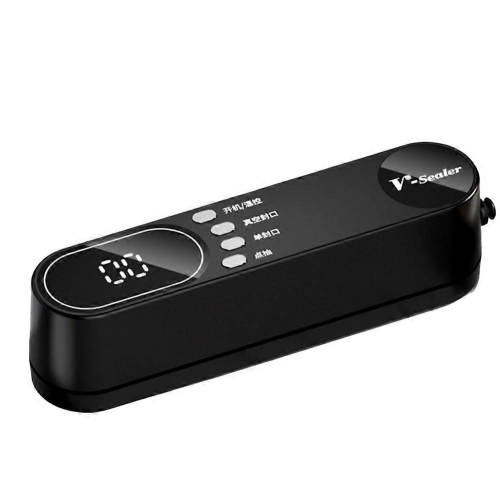
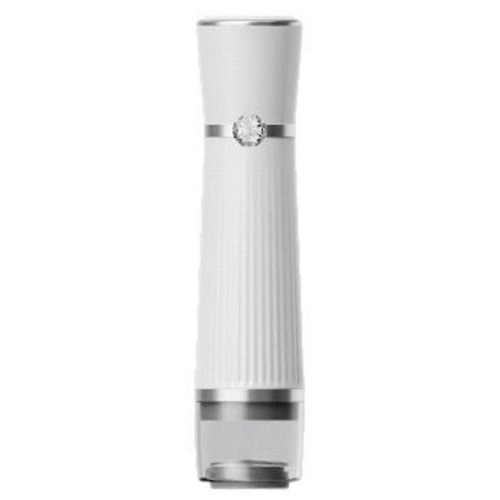
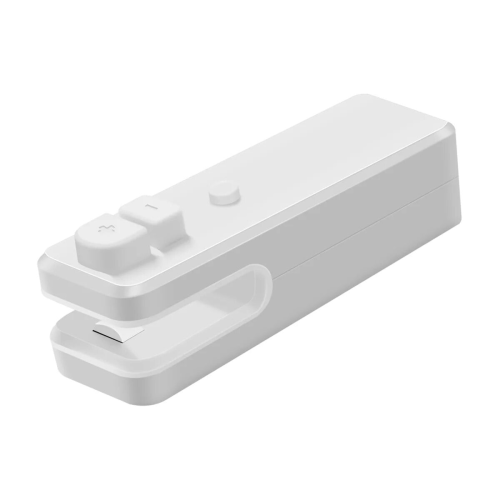
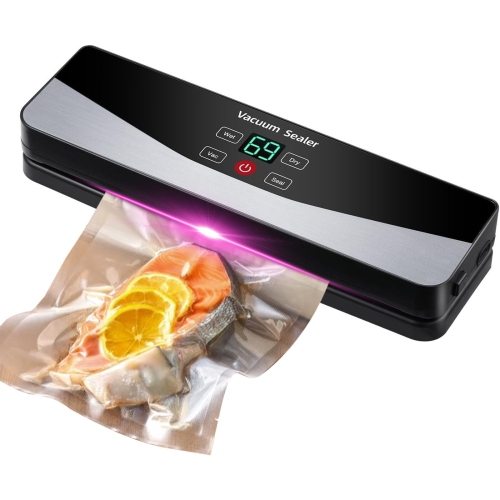
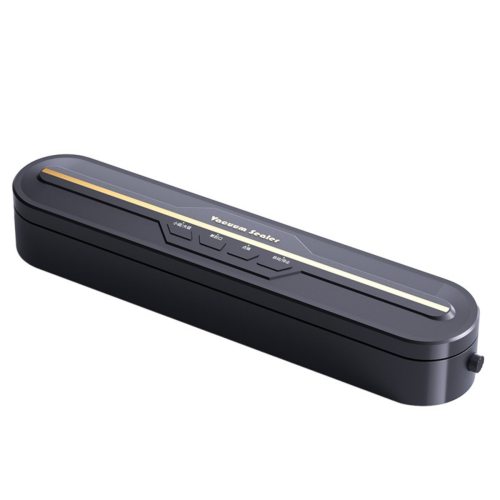
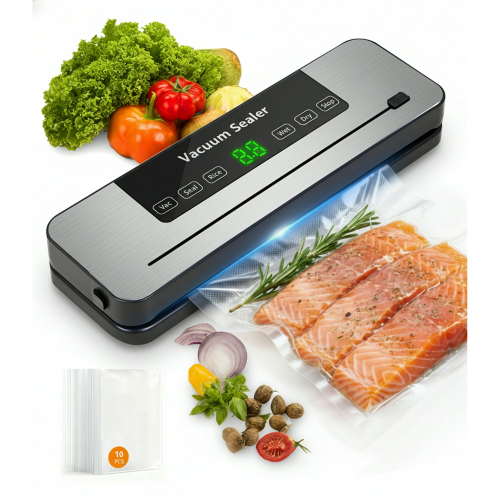
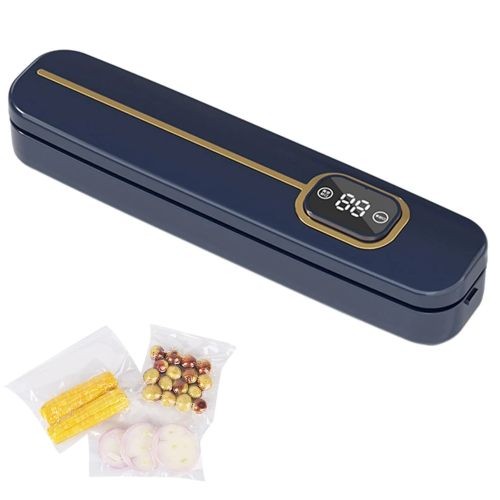
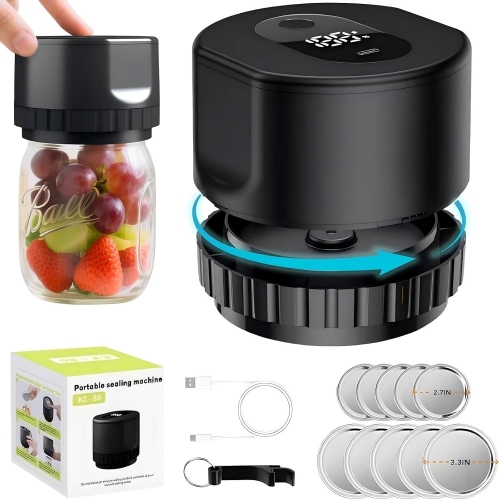
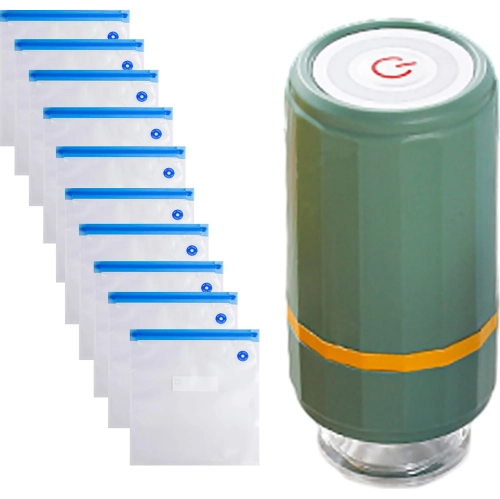
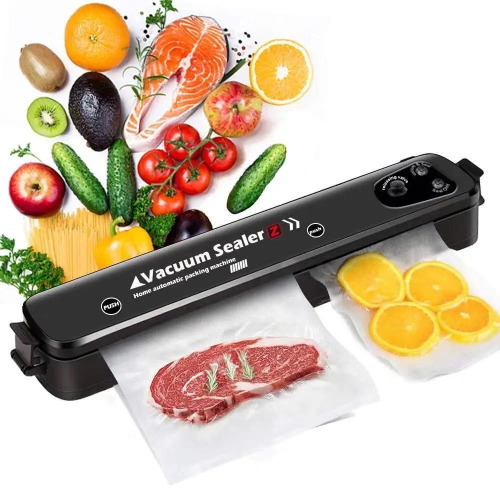
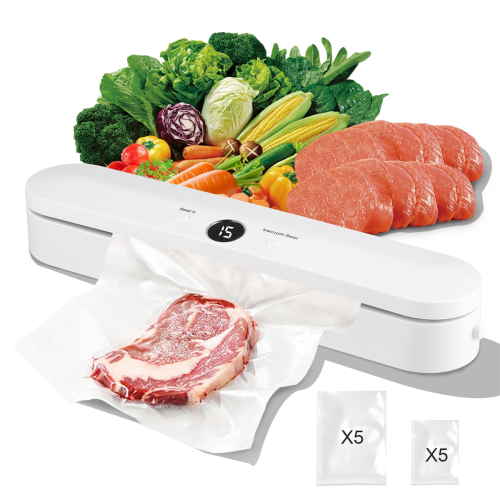
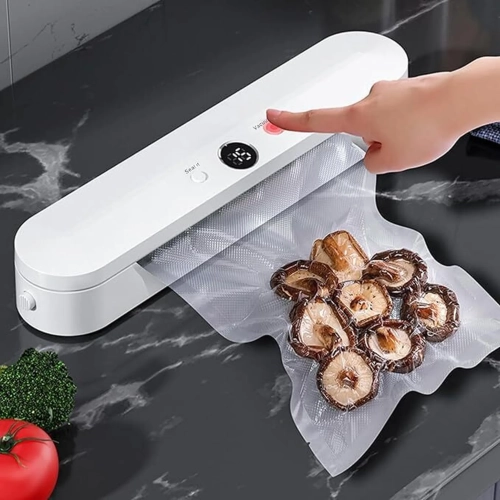
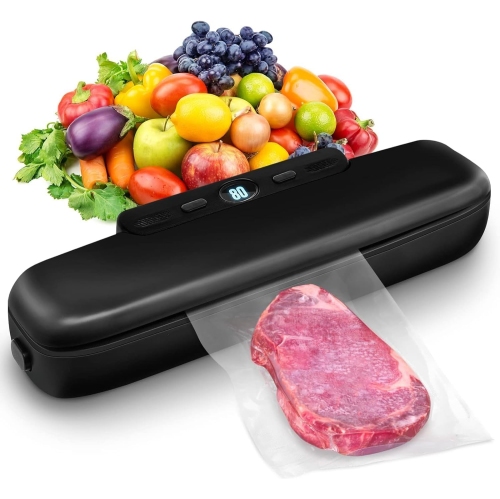
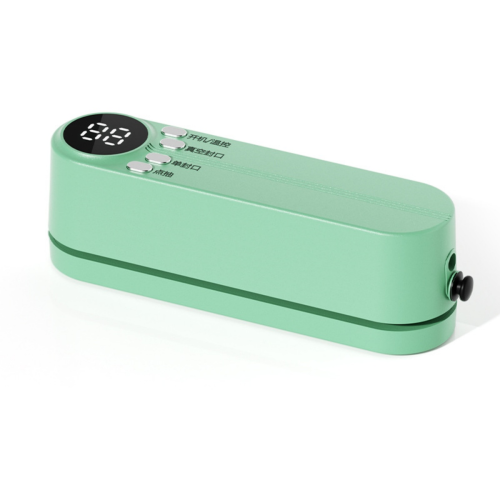
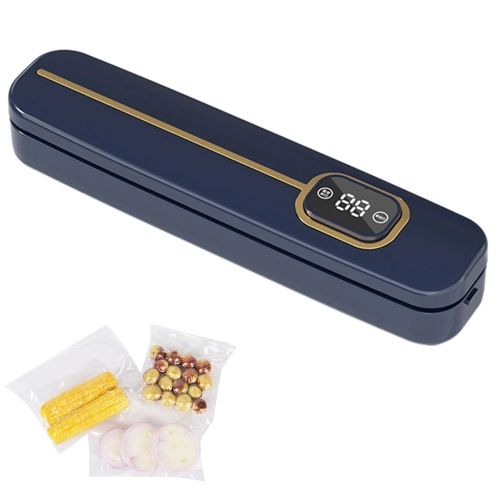
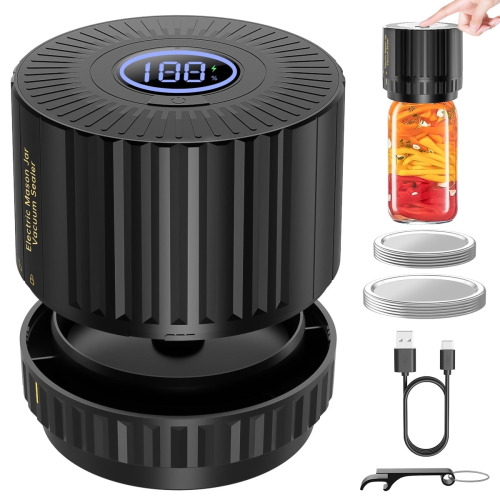
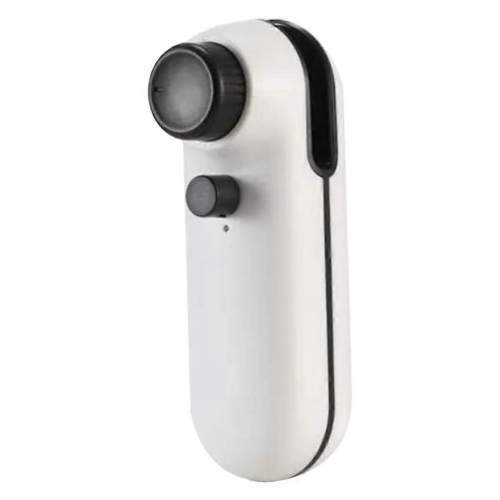
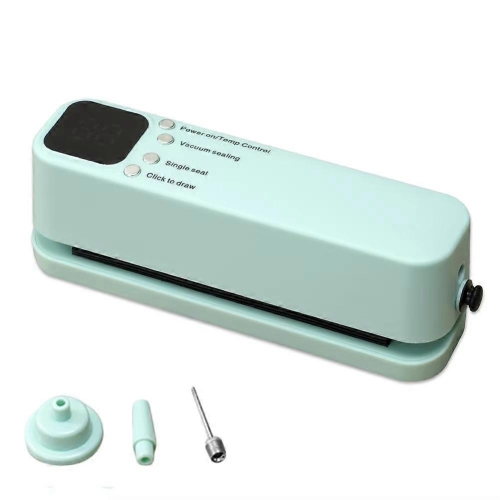
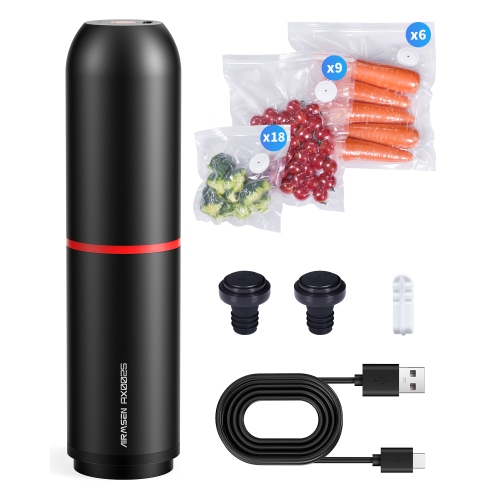
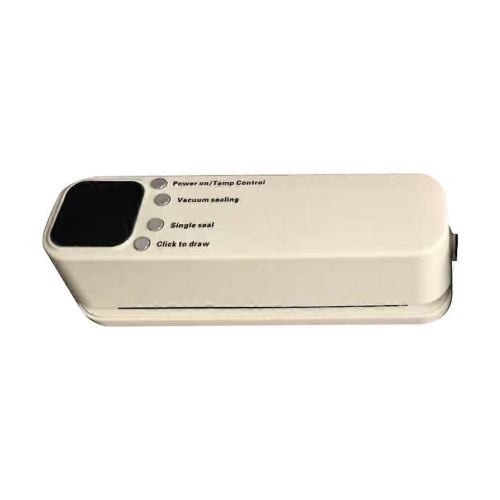
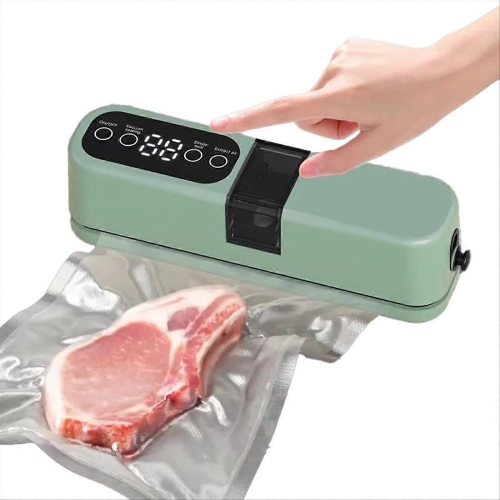
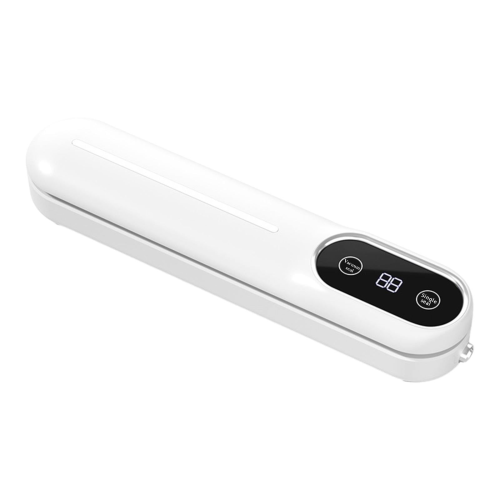
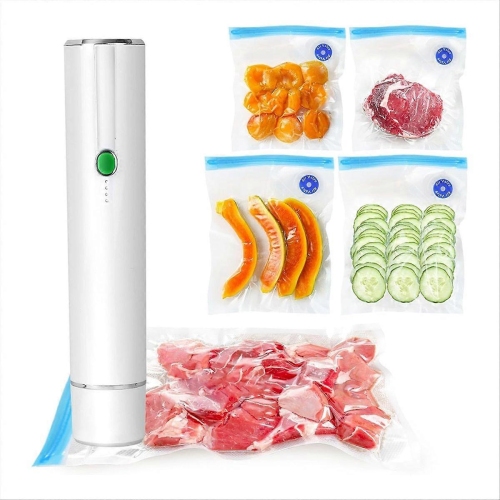
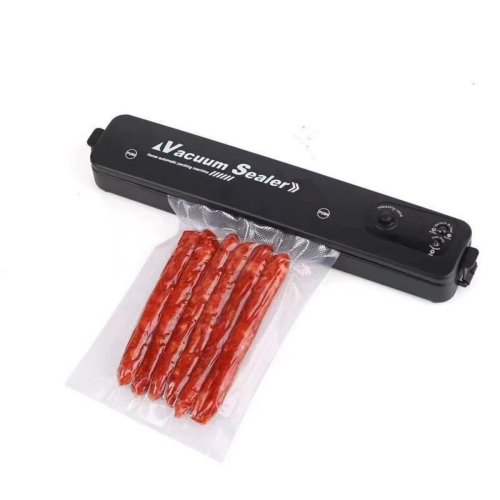
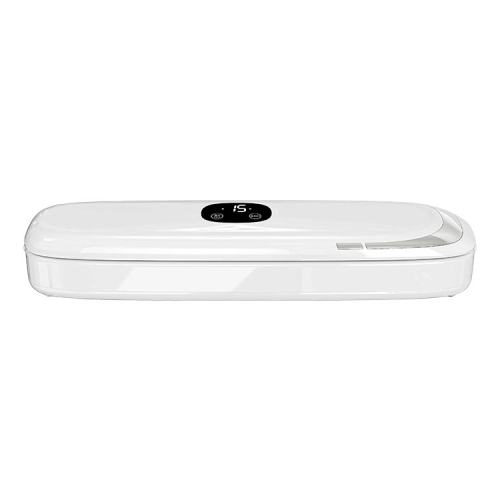
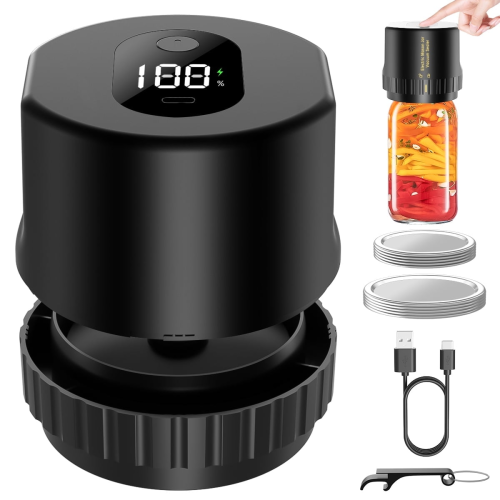
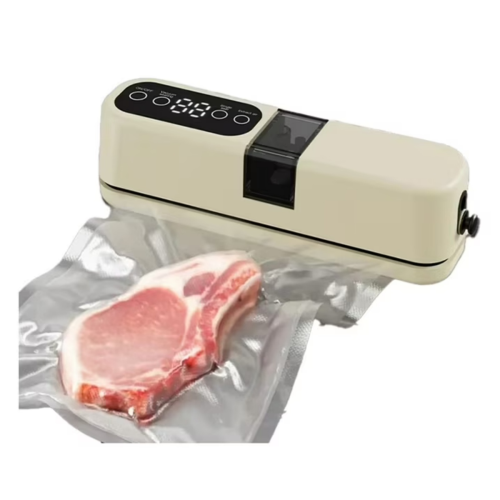
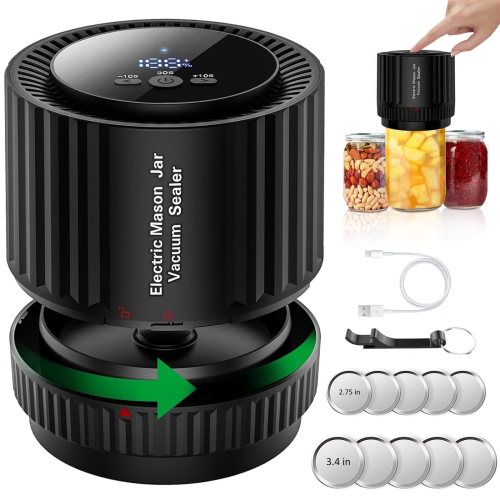
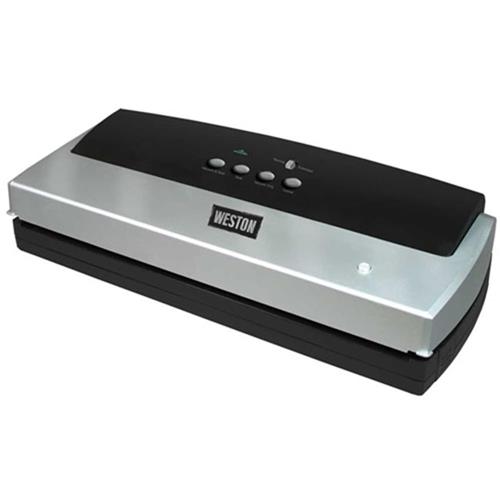
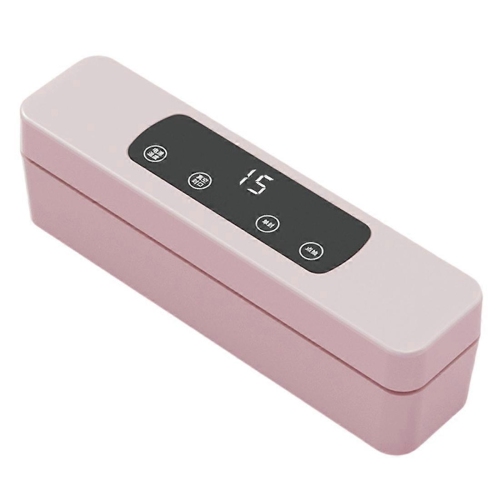
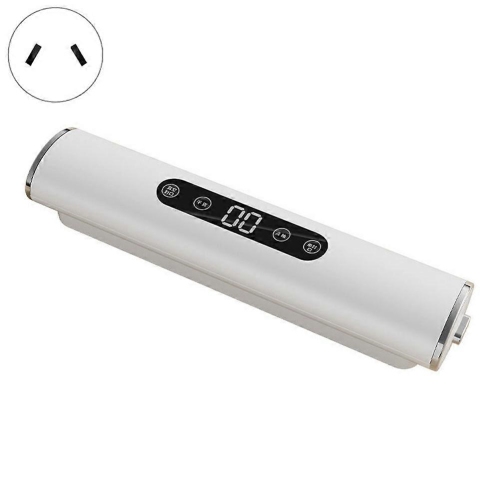
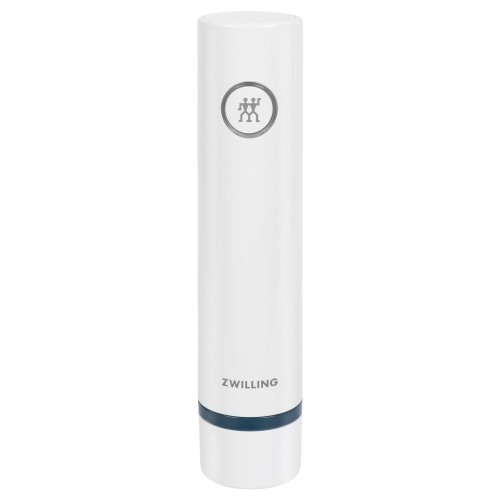
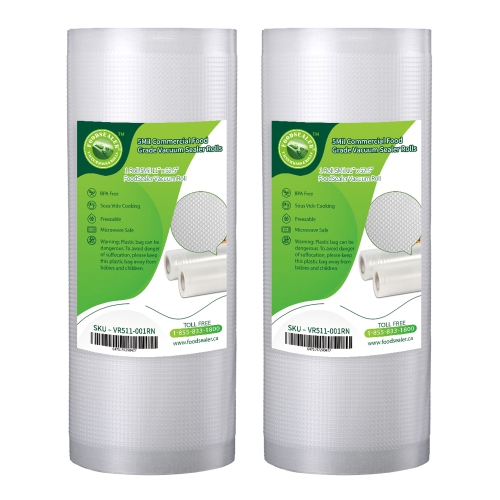
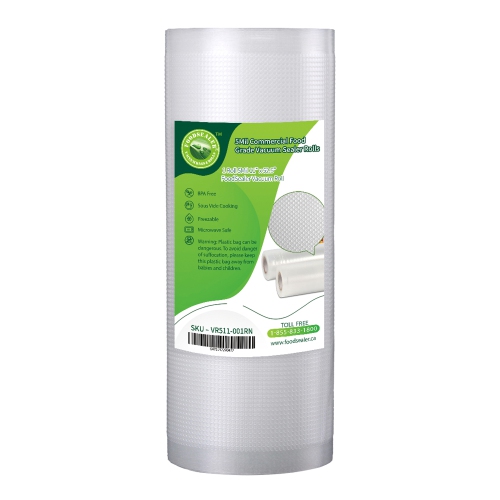
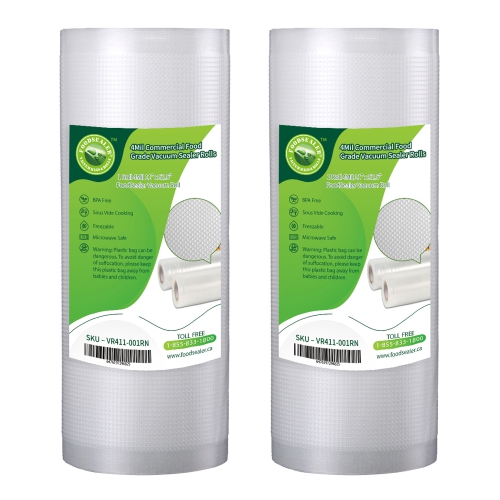
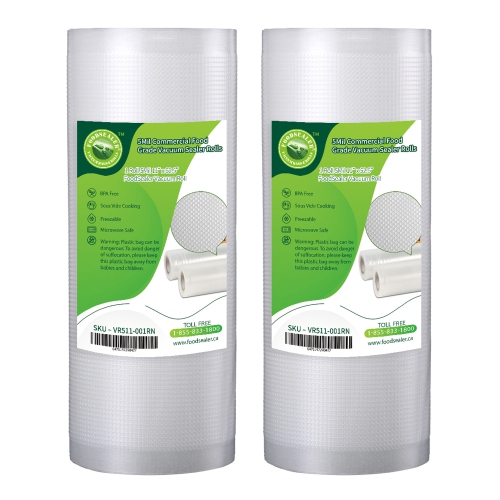
Food sealers close food-storage bags or containers to help protect their contents during everyday storage, meal preparation, and freezing. Vacuum food sealers go a step further by removing air before creating a sealed closure, which can help slow oxidation, limit odour transfer, and reduce freezer burn. Heat-only bag sealers close compatible packaging without extracting air, so the distinction matters when comparing designs for different kitchen tasks. The Vacuum Sealers range includes formats suited to different preparation habits, from portioning groceries after a shopping trip to packing ingredients for sous vide cooking. External vacuum sealers draw air through the open end of a bag, usually requiring textured or embossed bags that provide channels for airflow. Chamber machines remove air from an enclosed chamber and generally use compatible smooth pouches; their larger bodies also call for more counter space. Handheld designs typically connect to valves on compatible reusable bags or containers, making them useful for smaller portions and foods accessed frequently. Each format has its own packaging requirements, and bags, containers, and accessory hoses are not automatically interchangeable. In a busy kitchen, the appeal is often practical: dividing a larger package of chicken into dinner-sized portions, keeping coffee beans in smaller sealed batches, or preparing measured servings of cooked grains for later meals. Flat bags can make a freezer drawer easier to organize, while clear packaging keeps the contents visible. Allowing room for a label with the food name and packing date helps distinguish similar-looking portions once frozen. Machine dimensions also affect everyday convenience. A compact body may fit neatly in a cupboard, but an external sealer still needs a level working area in front of it to support a filled bag. Lid clearance, cord storage, and the position of the controls can make a noticeable difference when the appliance shares space with a kettle, toaster, and cutting board.
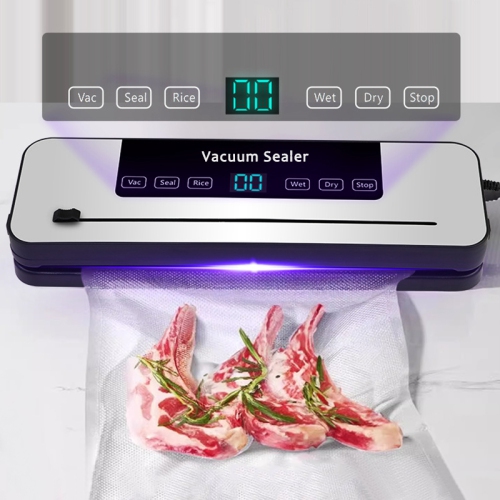
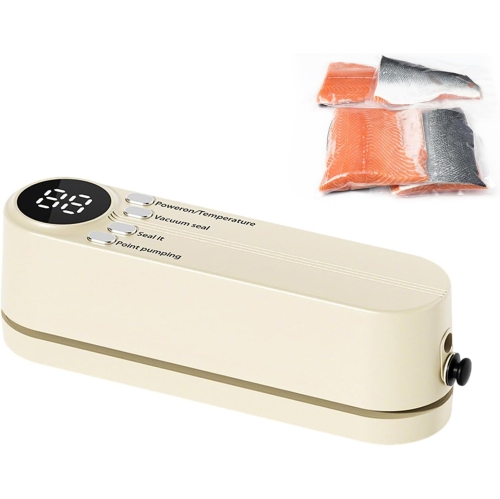
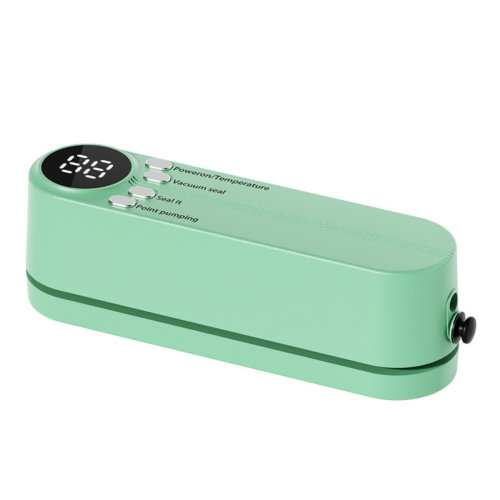
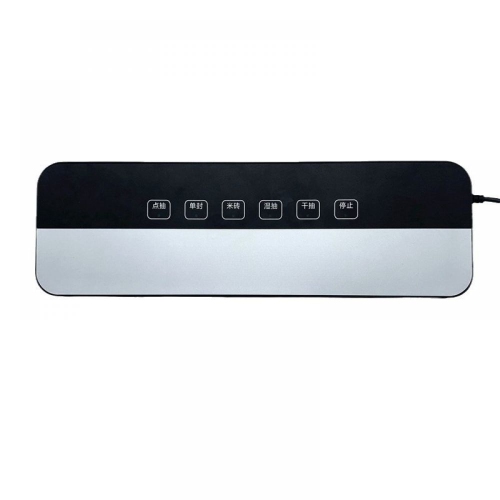
Sealing performance depends on more than suction strength. An even, uninterrupted seal across clean bag material is essential, and wider sealing bands or dual sealing strips can provide additional sealing area without eliminating the need for correct bag placement. A stated vacuum-pressure figure alone does not describe how well a machine handles different foods, how consistently it seals, or how comfortably it fits a household’s routine. Dry and moist settings commonly adjust the sealing cycle for different food conditions, while manual pulse controls allow shorter bursts of suction. That extra control is useful for bread rolls, tender berries, and other foods that can flatten under strong vacuum pressure. A separate seal function can stop air removal and close the bag before delicate contents become compressed. For juicy meat or marinated ingredients, keeping moisture away from the sealing area helps prevent weak closures. A moist-food mode does not mean an external machine can safely draw liquid into its pump. Free-flowing liquids require a method specifically supported by the appliance, such as freezing a portion before sealing or using a suitable chamber machine. Even chamber designs have fill limits and operating requirements. Built-in roll storage and cutters simplify making bags to suit a long piece of food or several small portions, while precut bags offer a consistent size with less preparation. The usable sealing width determines which bag openings fit, and sufficient empty material above the food gives the machine room to grip and seal properly. For repeated batches, the stated duty cycle and required cooling intervals matter as much as the pace of a single seal. A household preparing several lunches has different demands from someone dividing a large batch of homemade food. Sous vide preparation adds another consideration: both the bag and its seal must be suitable for the intended cooking conditions. Packaging described only as suitable for freezer storage should not be assumed suitable for heating, boiling, or microwave use.
Materials, maintenance, and food handling all contribute to how well a food sealer serves over time. Food-contact bags should be intended for food storage and compatible with the machine, with thickness and construction appropriate to their use. Thicker packaging can offer greater resistance to punctures, although sharp bones and hard edges may still need protection using a method permitted by the manufacturer. Reusable valve bags and containers have their own cleaning requirements, and a reusable label does not mean every type of food residue can be safely removed for another use. Packaging that held raw meat, poultry, or seafood should not be reused. On the appliance itself, a sturdy lid, secure latch, and accessible sealing channel support regular handling. Removable drip trays make small spills easier to clean, while replaceable gaskets can help maintain suction when seals become worn, provided the correct replacement parts are supported. Smooth housings are generally straightforward to wipe down, but the appliance should not be immersed in water. Food particles, grease, and wrinkles near the sealing strip can interfere with closure, so a clean contact area remains important even on machines with automated controls. Vacuum packaging does not sterilize food, destroy all harmful microorganisms, or make perishable ingredients safe to store at room temperature. Foods that require refrigeration or freezing still need it after sealing, and vacuum sealing is not a substitute for a validated canning process. Safe handling, prompt chilling, and appropriate thawing remain part of the routine; storage life varies with the food, its starting condition, and how it is handled. For home cooks who portion ingredients regularly, a sealer can become as familiar as a set of storage containers. It can also be a practical gift for a keen batch cook or sous vide enthusiast, especially when its size, controls, and packaging needs suit the recipient’s kitchen. The most useful match supports the foods being packed and the frequency of use without adding unnecessary complexity to everyday preparation.
Top selling and popular products
-
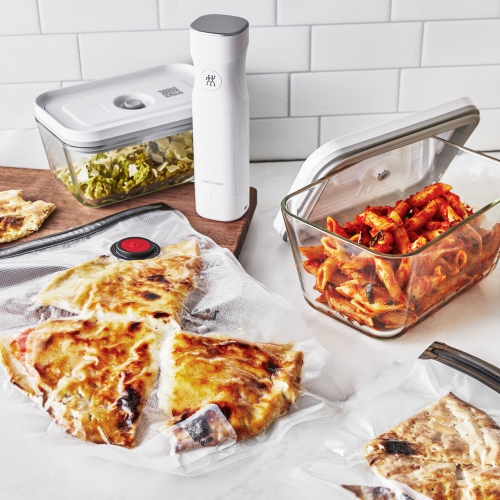 Your price for this item is $159.99
-
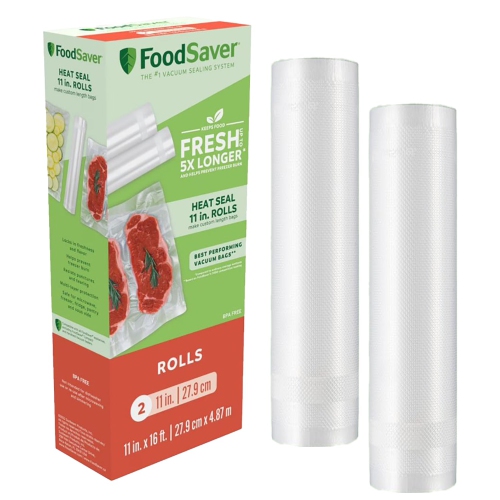 Your price for this item is $36.97
-
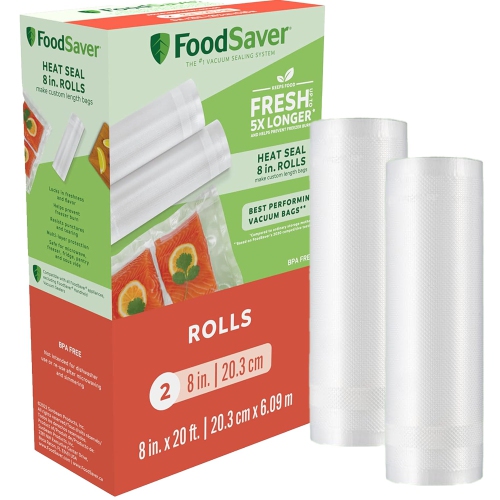 Your price for this item is $36.97
-
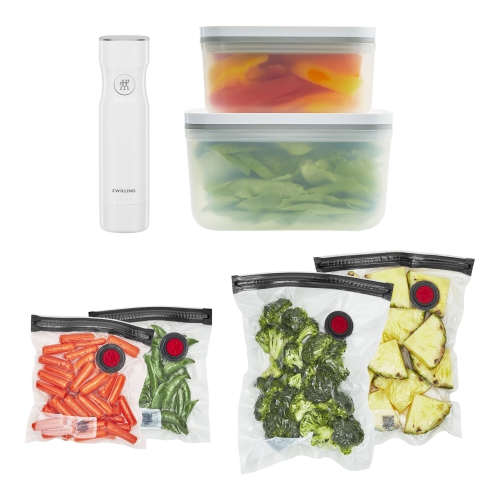 Your price for this item is $159.99
-
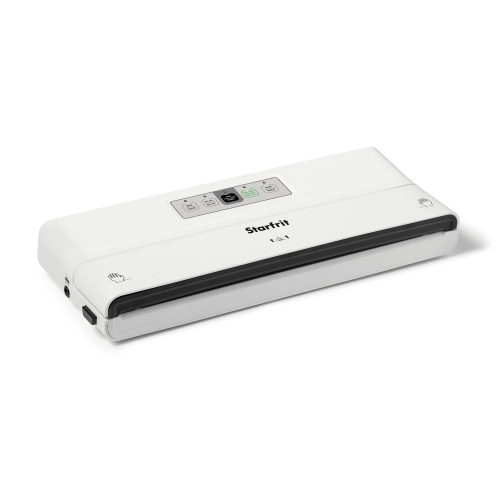 Your price for this item is $49.99
-
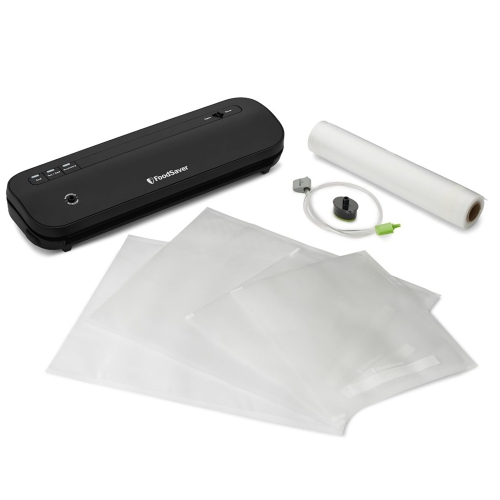 Your price for this item is $165.97
-
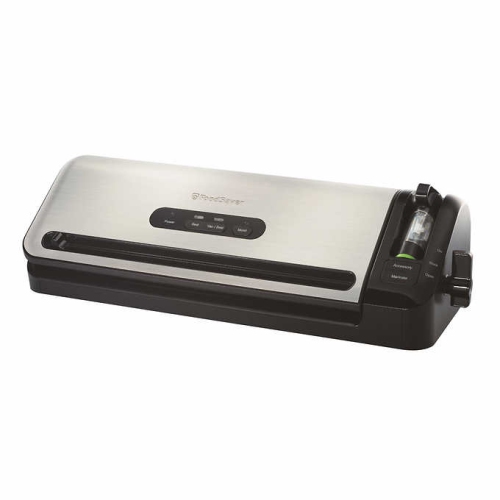 Your price for this item is $129.99
-
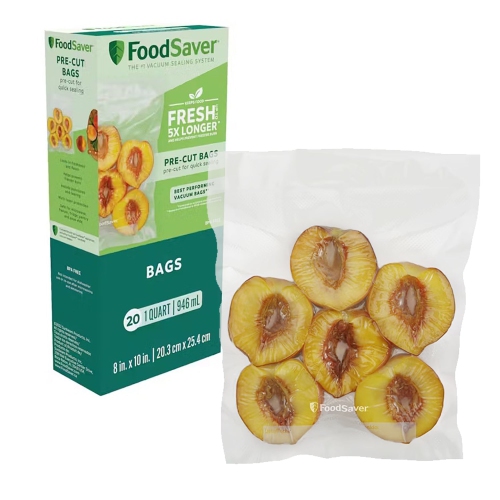 Your price for this item is $22.97
Discover more categories related to Food Sealers
Top Collections:
Pokemon Centers, Best Cameras for Sports Photography, Kindle Devices, Samsung Galaxy Phones, Canon G7X Cameras, Pokémon 30th Celebration Cards, Refurbished Apple Laptops, iPhone 15 Apple, Laptops for Students, Budget Smartphones
Some products may be subject to Environmental Handling Fees
(EHF) depending on your province.
Learn more about EHFs.