Plastic Storage Cubes
If you're looking to declutter your space and keep things organized, look no further than these plastic storage cubes. These versatile and practical cubes are the perfect solution for storing and organizing items in any room of your home. Whether you need to tidy up your living room, bedroom, office, or even your garage, these storage cubes will help you maximize your space while adding a touch of style. With their durable construction and customizable design, you can create a storage solution that suits your needs and complements your decor.
Sort



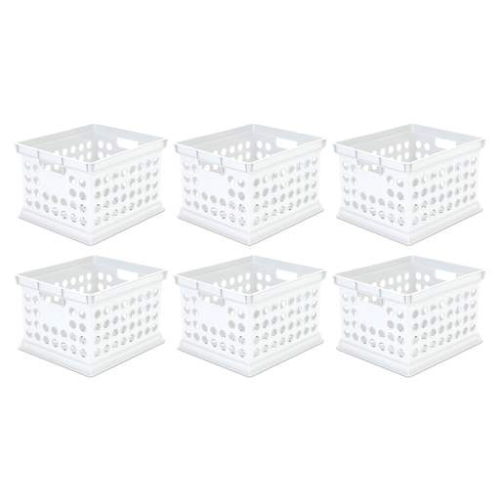
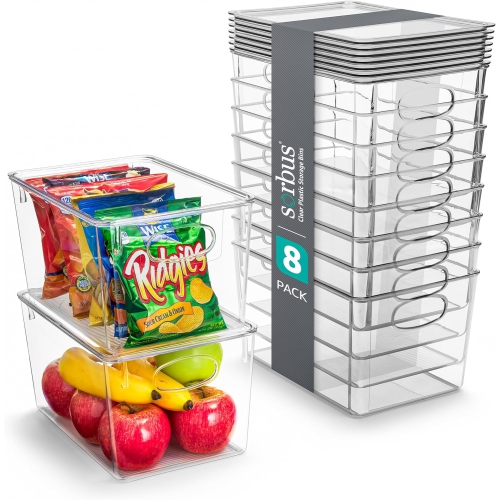
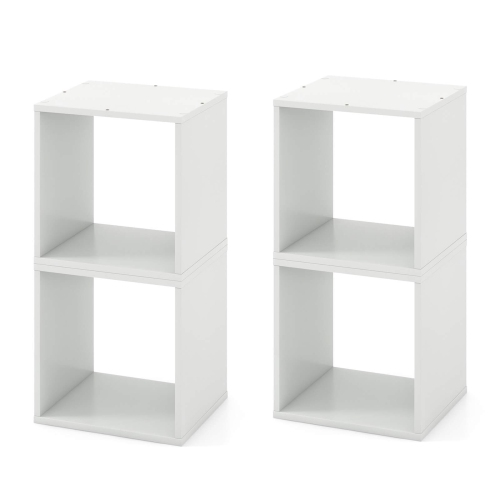
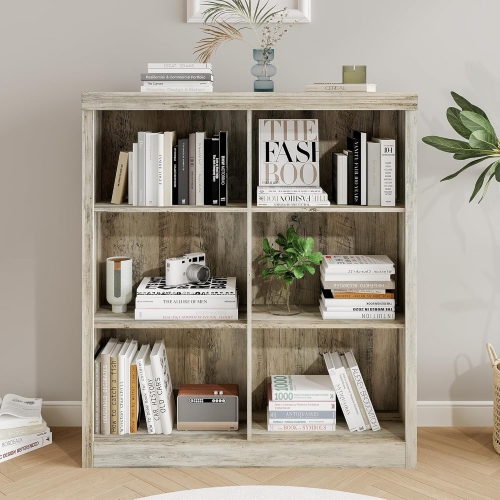


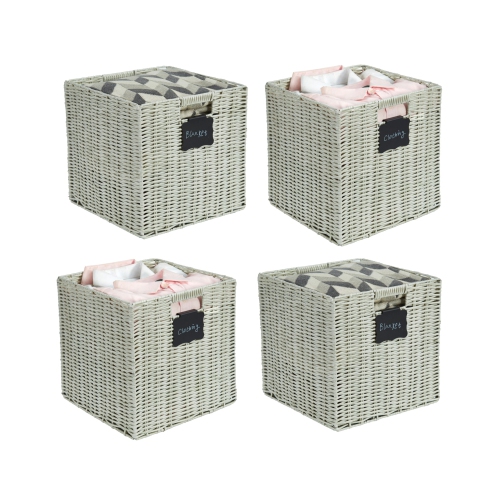
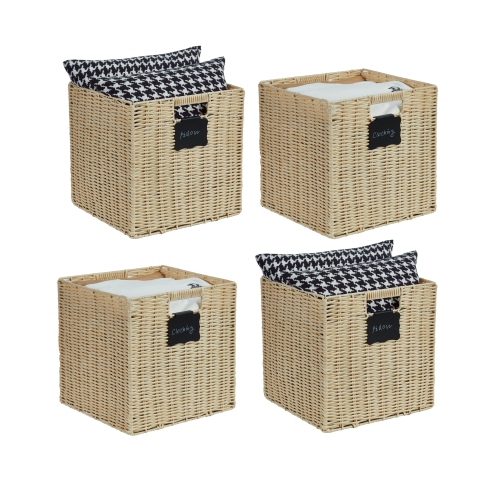
Why cube design matters for everyday organization
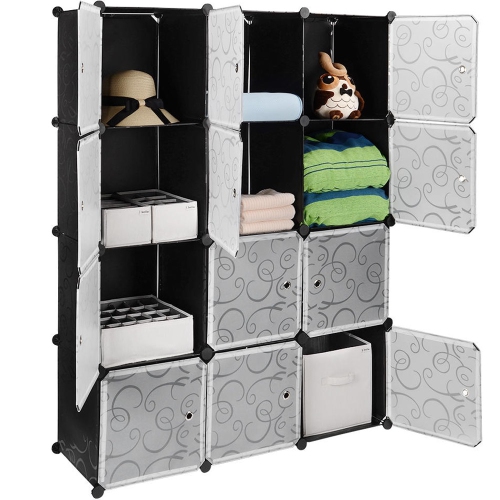
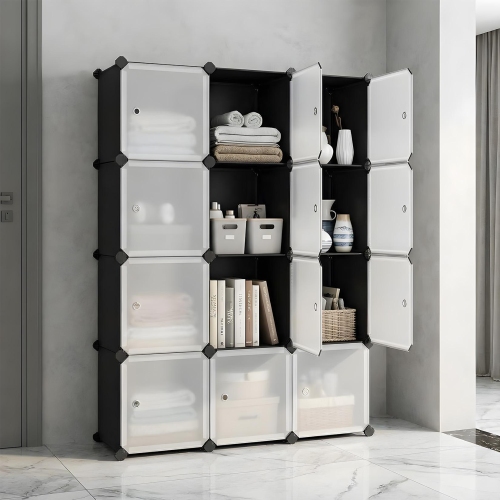
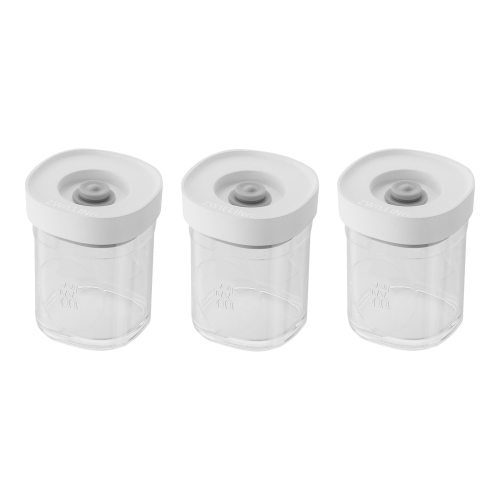
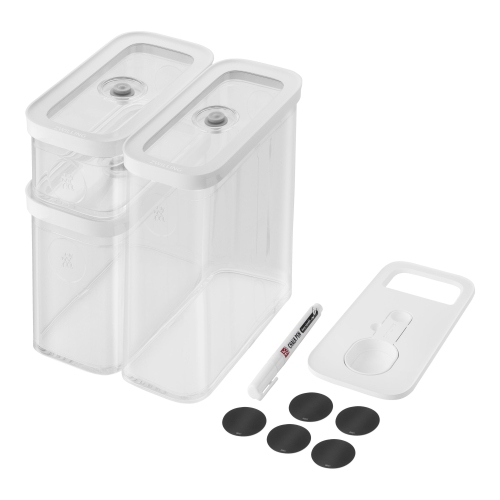
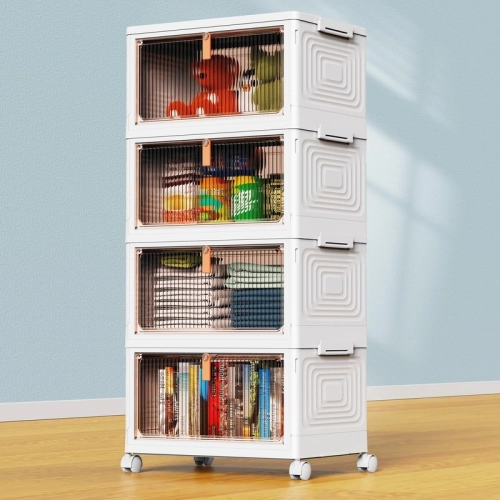
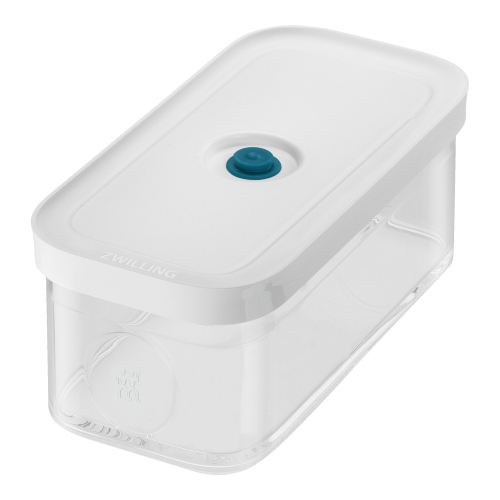
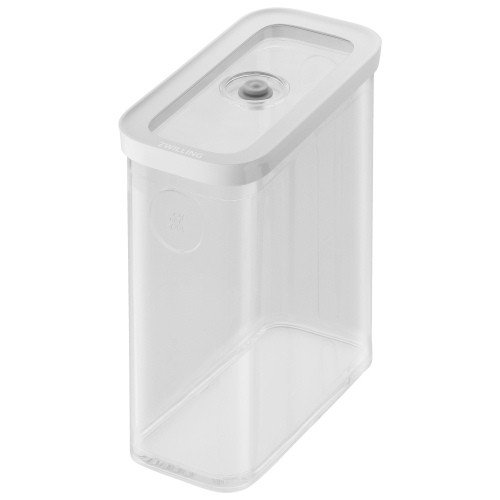
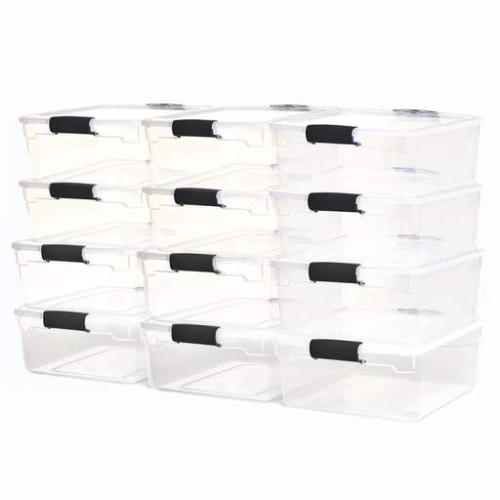
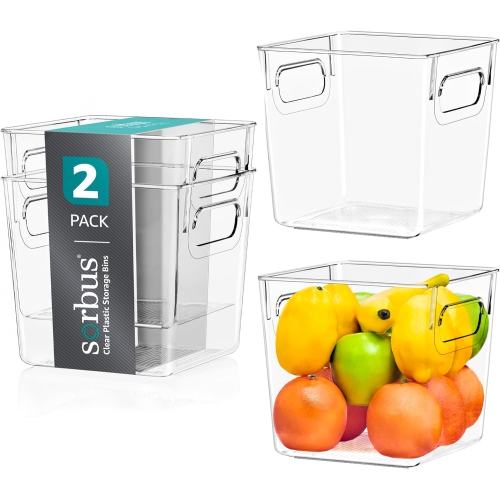
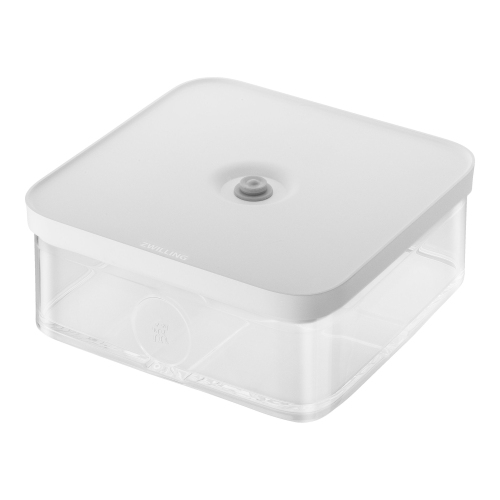
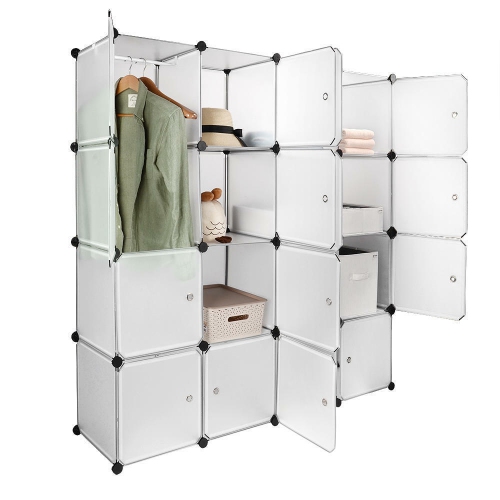
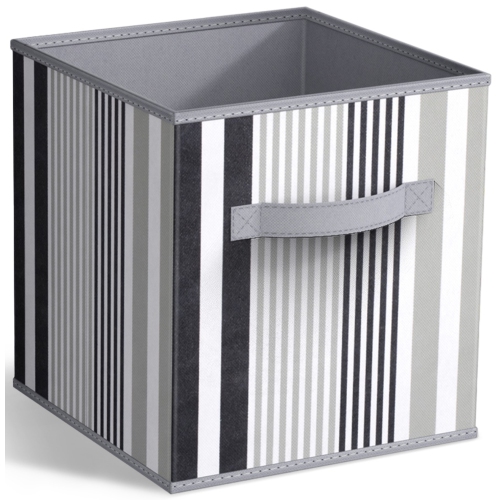
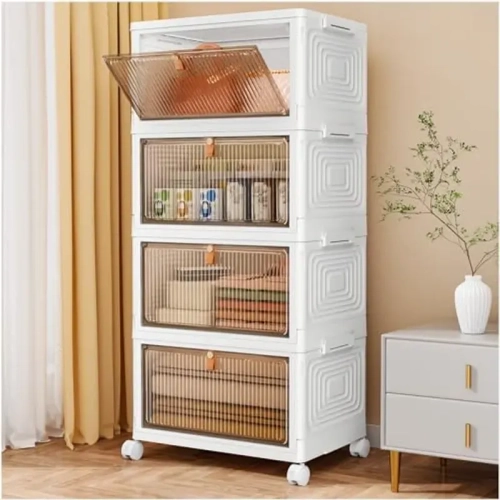
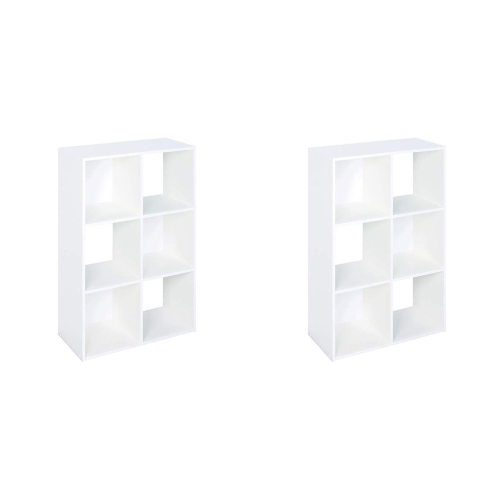
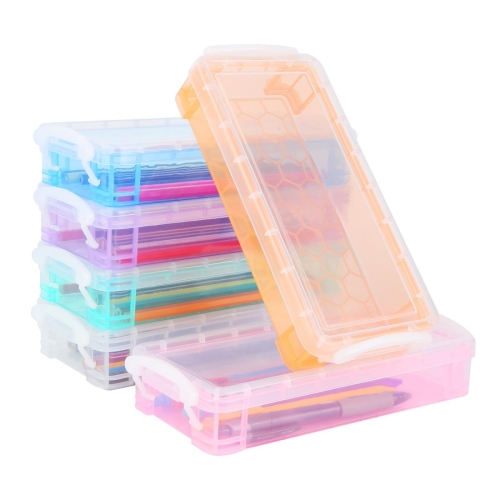
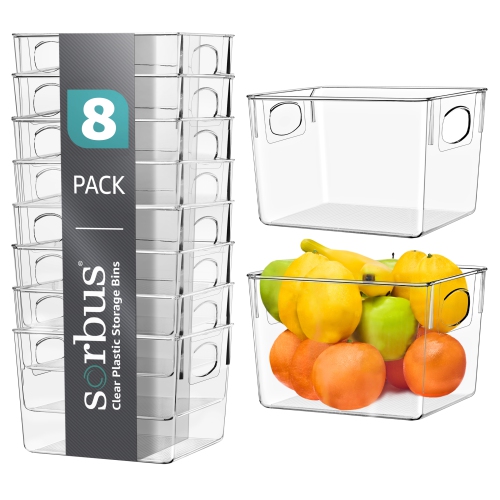
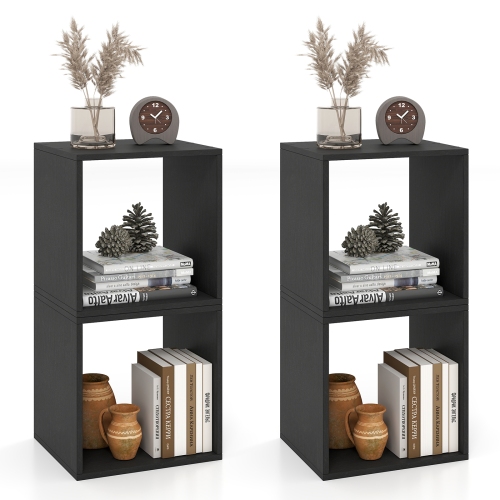
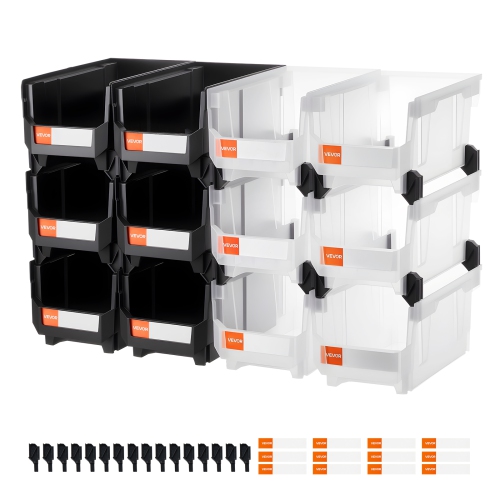
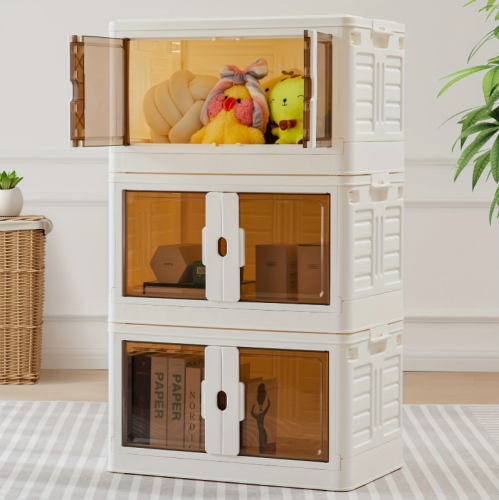
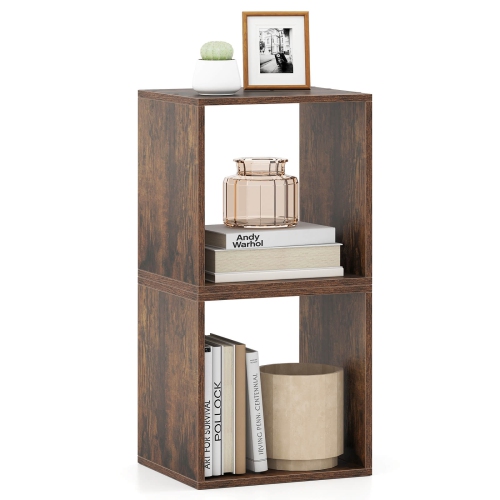
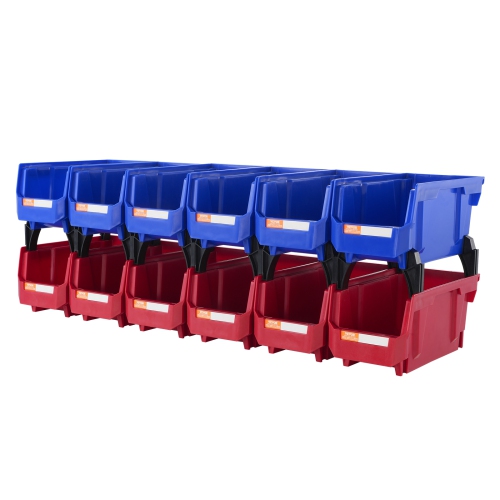
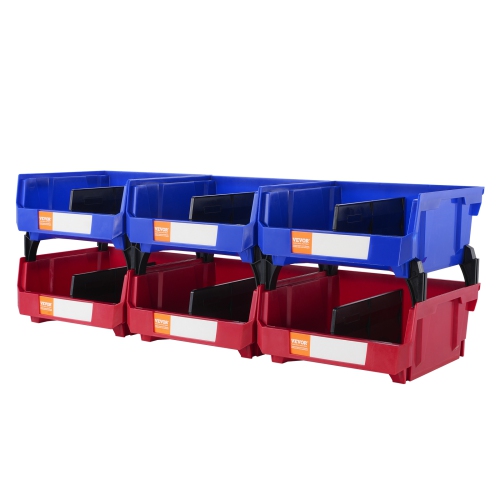
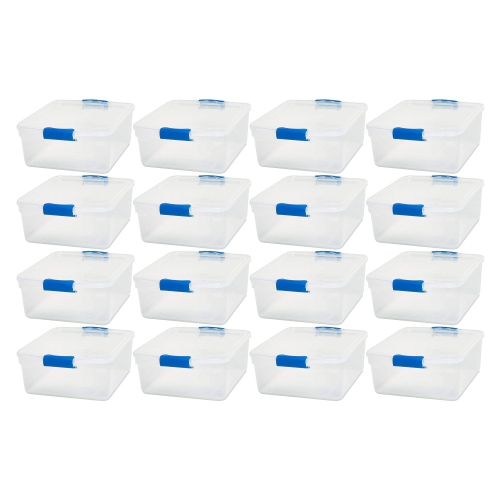
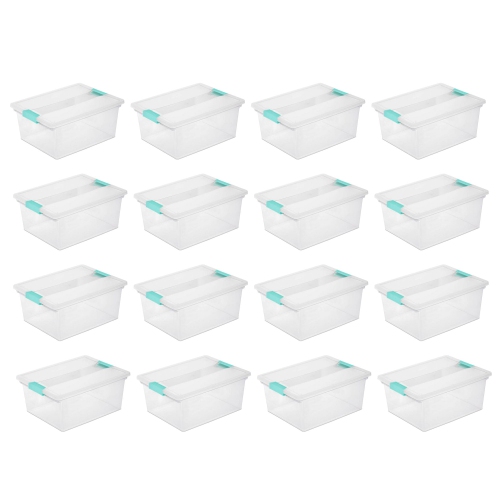
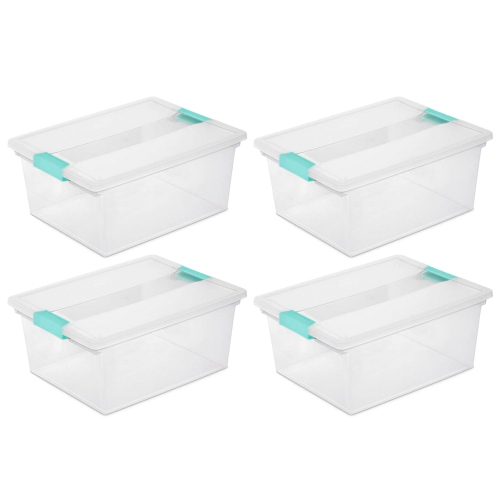
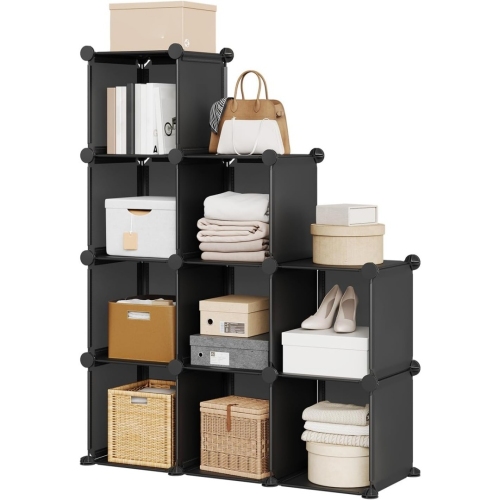
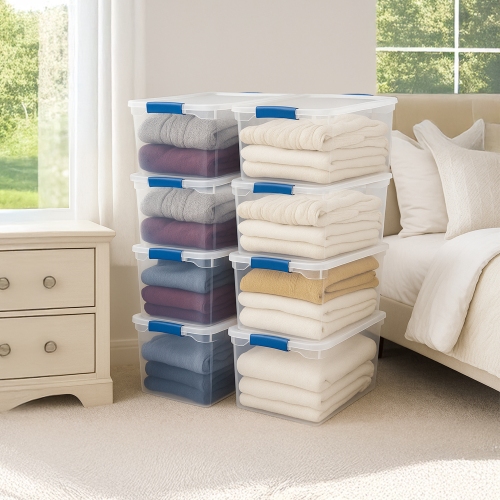
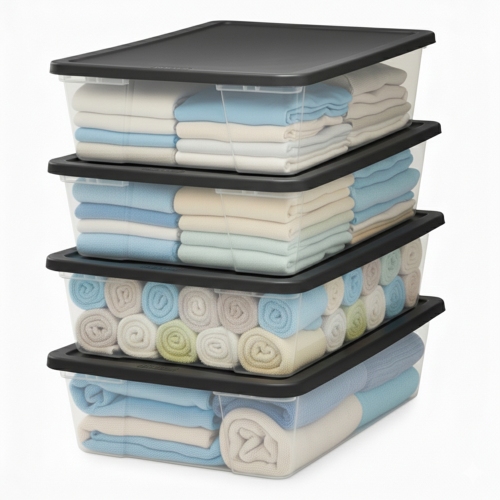
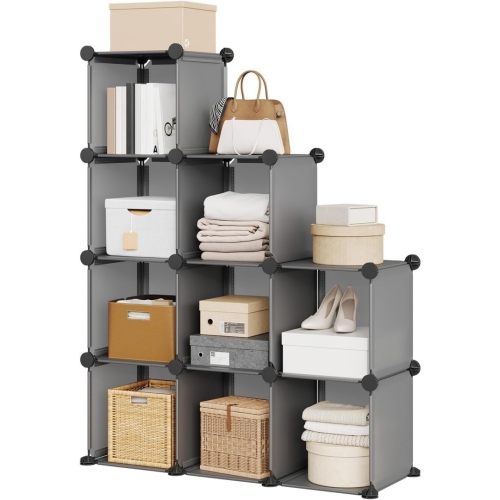
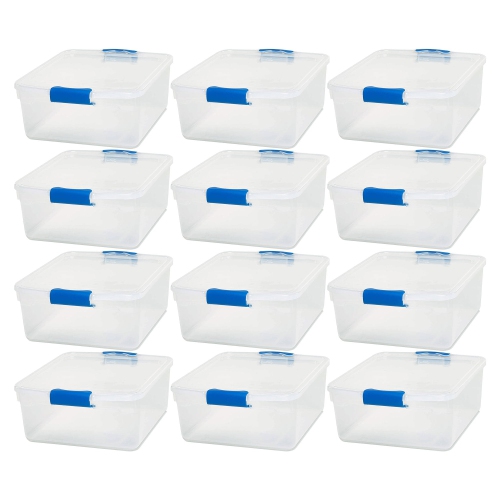
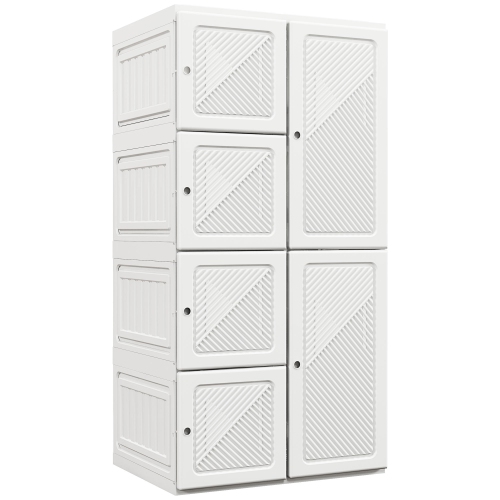
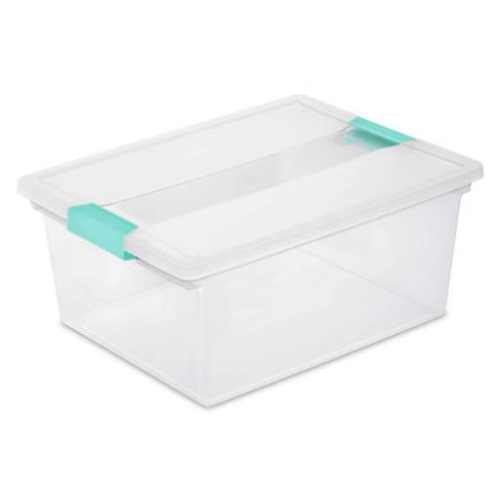
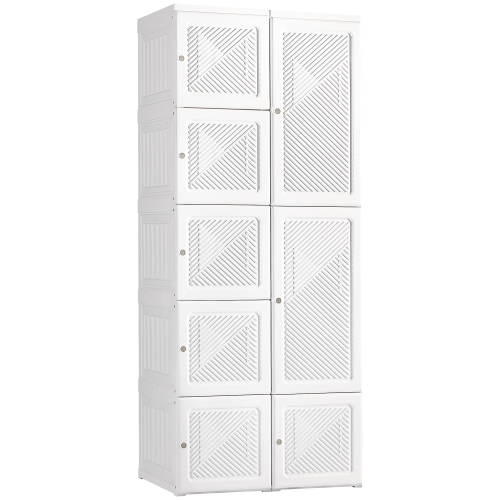
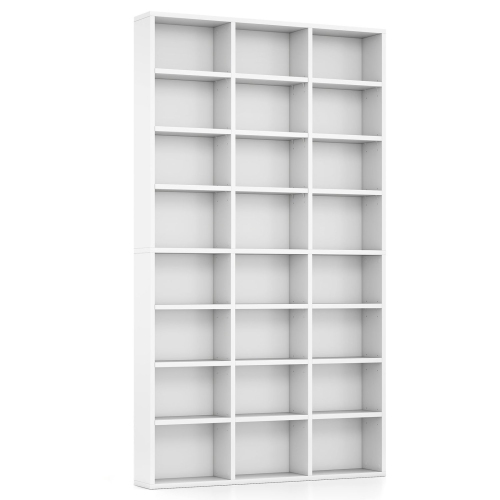
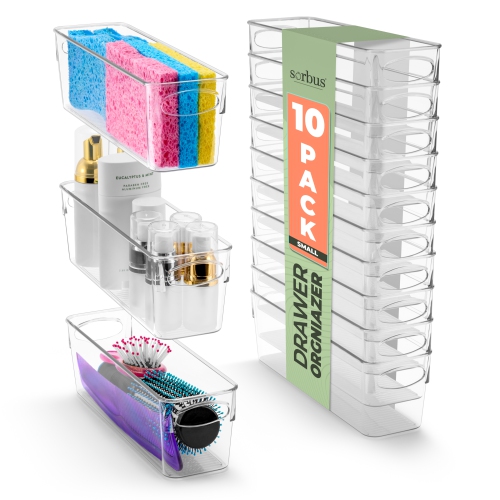
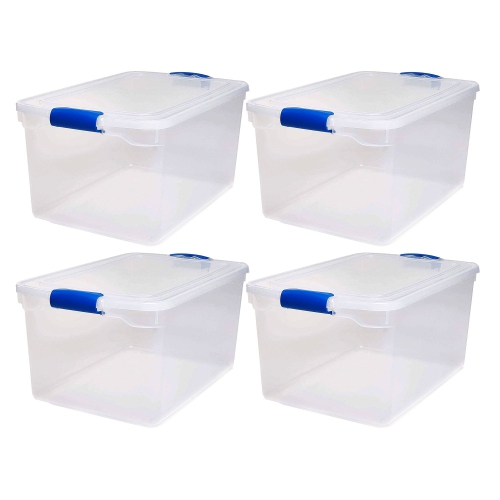
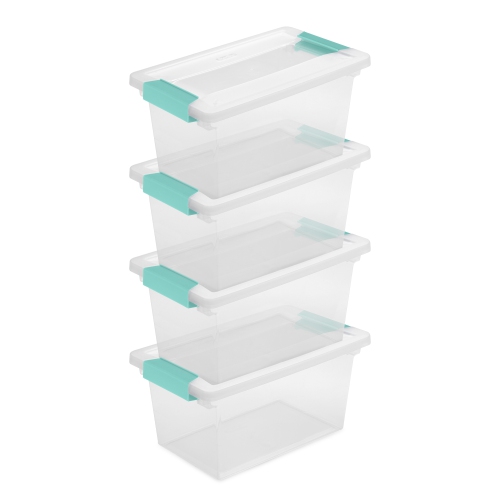
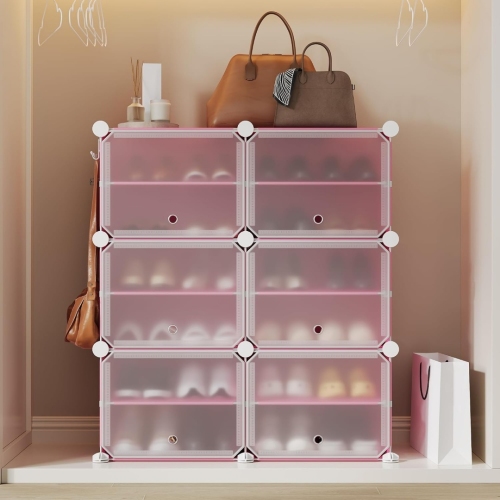
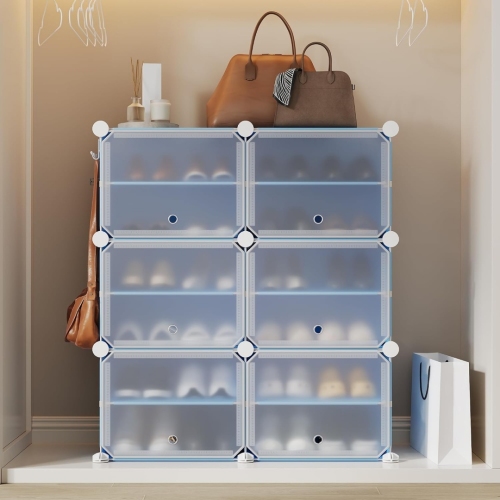
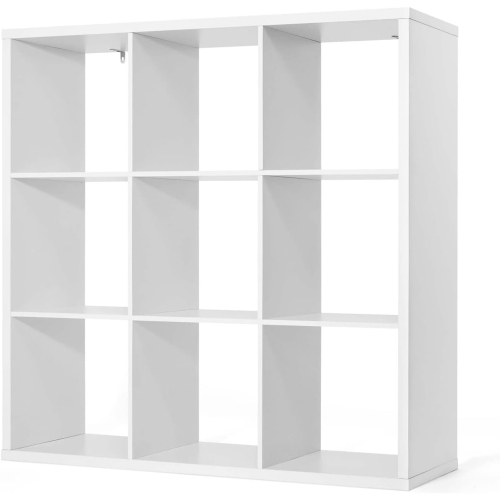
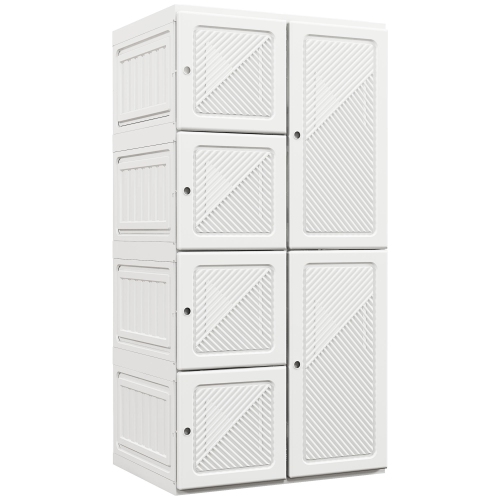
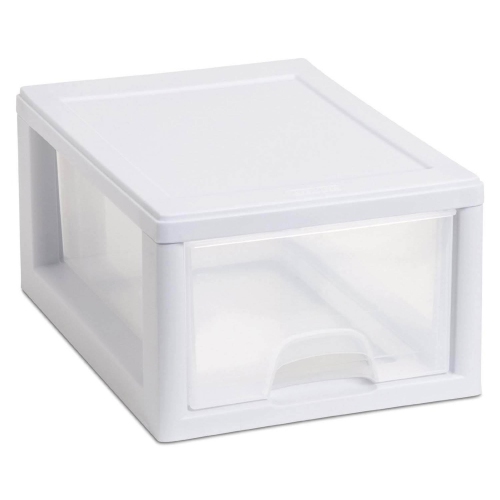
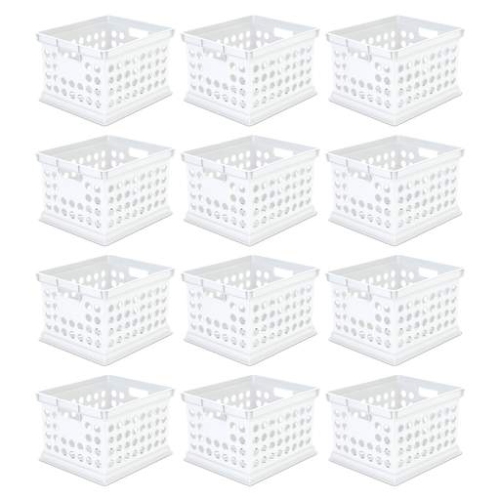
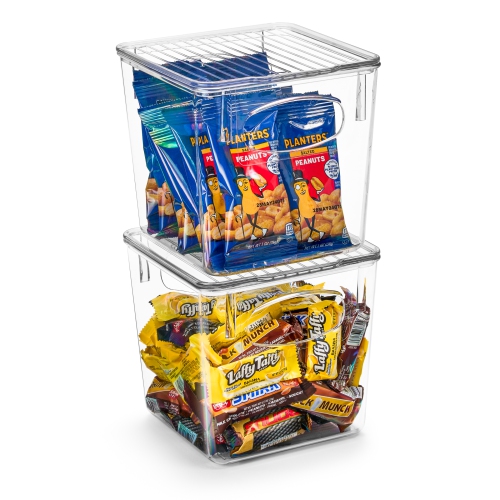
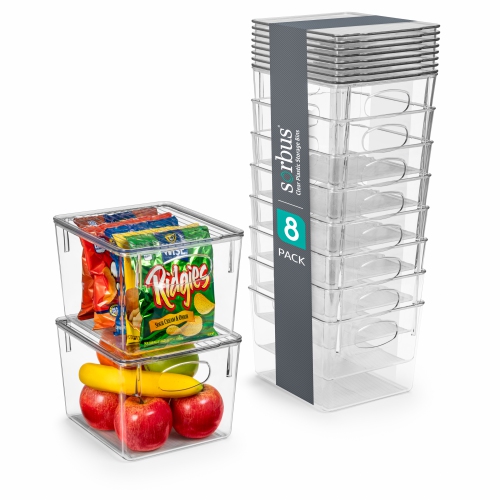
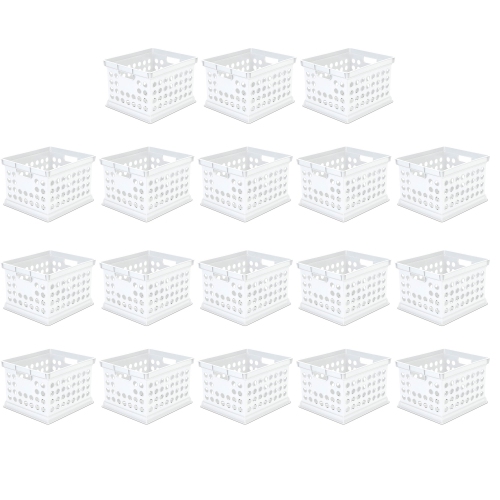
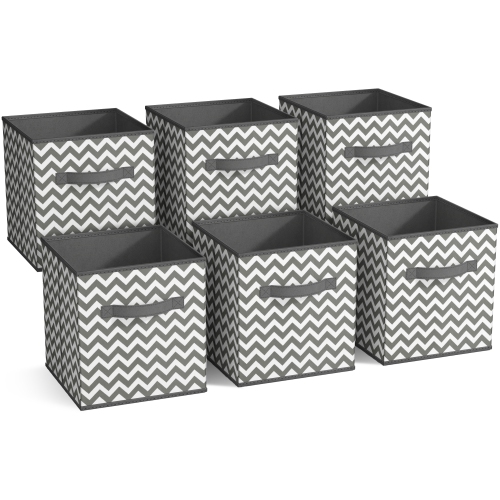
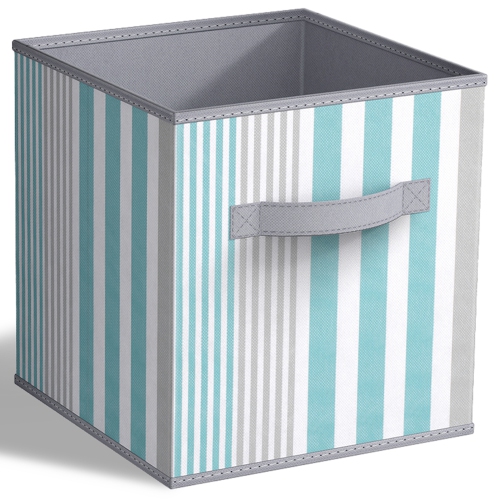
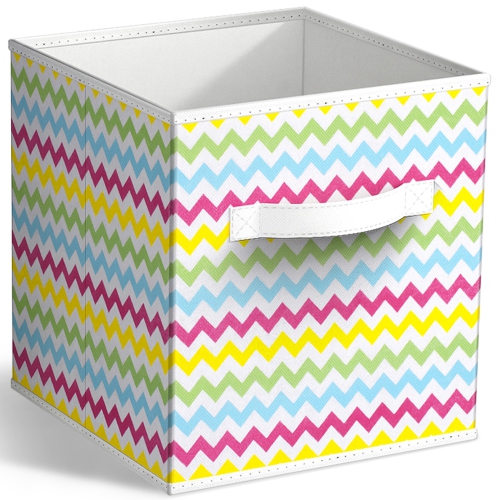
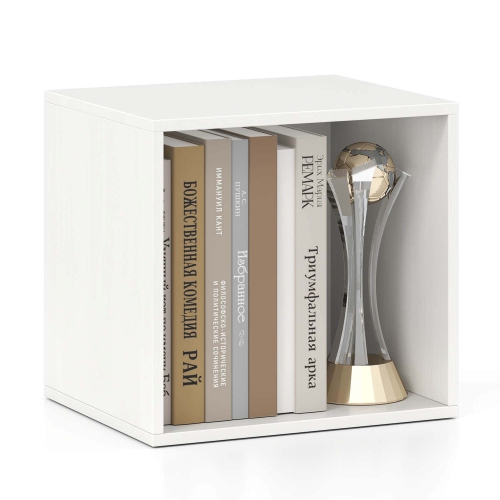
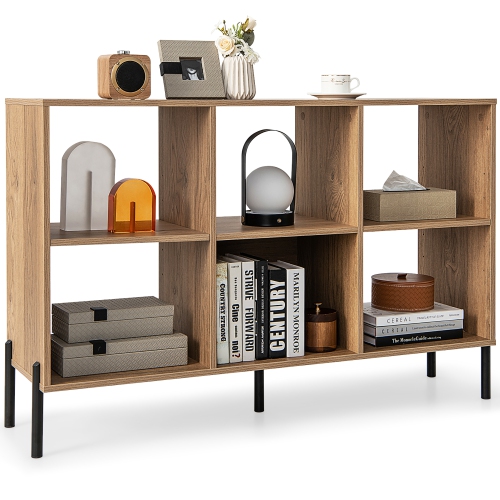
Plastic storage cubes bring small belongings together in a defined space, making shelves, closets, desks, and play areas easier to keep organized. The term covers several formats: cube-shaped bins that slide into existing furniture, enclosed boxes with lids, compact organizers with drawers, and modular shelving assembled from plastic panels and connectors. Each serves a slightly different purpose. An open bin keeps frequently used supplies within reach, while a lidded cube helps protect stored contents from dust. Drawer-style organizers separate smaller belongings without requiring the whole container to be lifted from a shelf. Modular cube storage creates individual compartments for clothing, toys, craft supplies, or office essentials, with the layout determined by the system’s supported configurations. Materials also influence how a cube feels and functions. Polypropylene is commonly used for lightweight moulded containers and flexible panels, while PET and acrylic can provide clear surfaces that make contents visible. Plastic thickness, corner construction, and the shape of the base matter as much as the material name when assessing suitability for everyday use. A rigid bin with a reinforced rim may feel more supportive when carried, whereas a panel-based compartment relies on its frame and connectors for stability. Clear plastic storage cubes are useful where quick identification matters, such as a craft shelf holding ribbon, thread, and painting supplies. Opaque designs keep mixed contents out of sight, creating a calmer-looking shelf even when the belongings inside vary in shape and colour. Translucent finishes offer a middle ground, allowing a general view of what is stored without displaying every detail. Integrated handles, cut-out grips, and removable lids can make a noticeable difference in daily use. A cube holding scarves on a closet shelf needs to be easy to pull forward; one containing small building toys benefits from an opening that makes cleanup straightforward. For compact homes, shared rooms, and busy family spaces, the appeal is practical: each compartment gives loose belongings a place without requiring a large piece of furniture.
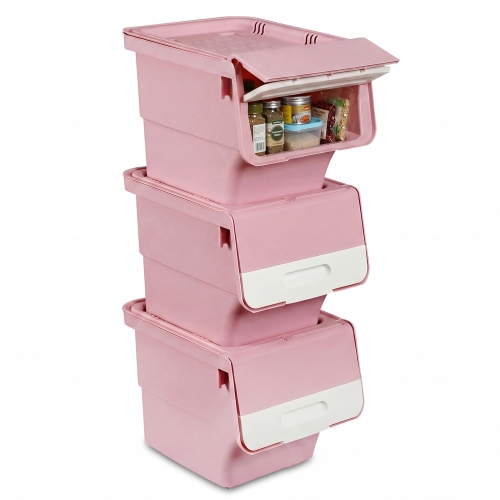
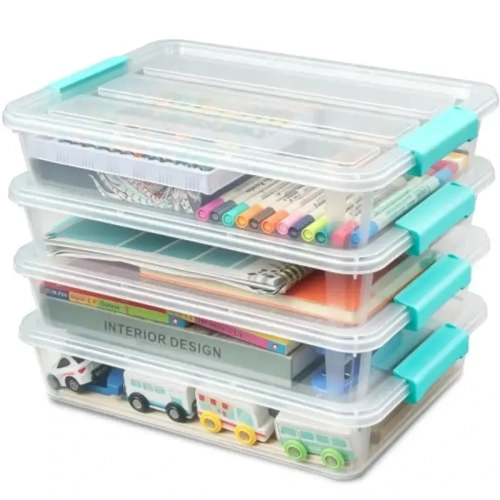
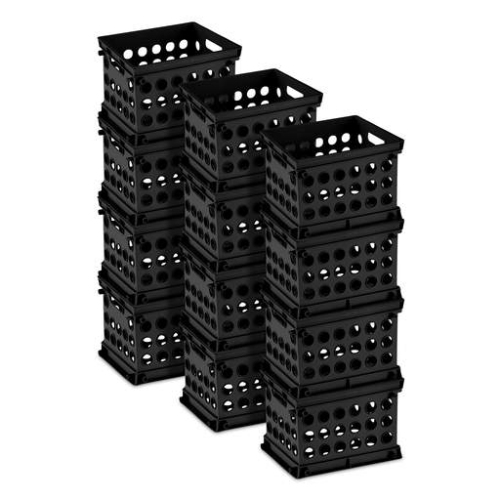
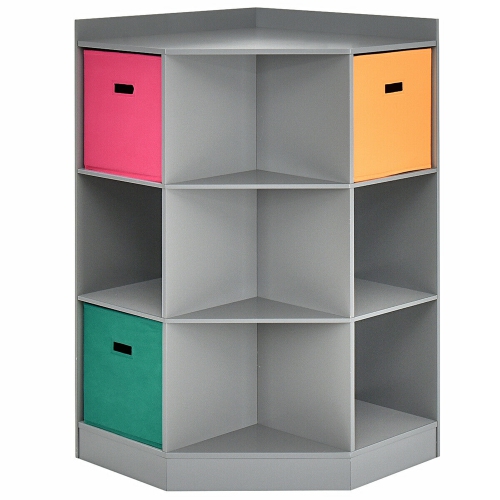
Fit is especially important when plastic storage cubes are intended for an existing shelving unit. Cube furniture does not have one universal opening size, and a container described as a cube may have a projecting rim, tapered sides, or handles that extend beyond its body. External width, depth, and height determine whether it will fit, while internal dimensions indicate how much usable storage space it provides. A lid also needs clearance if it will be lifted while the container remains on the shelf. Bins that sit slightly inside the shelf edge can create a tidy appearance, but enough room around the handle is needed for a comfortable grip. The same attention to dimensions helps with closet floors, laundry shelves, and spaces beside a desk, where a door swing or walkway can limit the practical footprint. For modular plastic cube shelving, the completed structure’s measurements matter more than the size of an individual panel. Connectors can add to the overall width and height, and only configurations supported by the manufacturer should be used. Some systems work as low, wide organizers; others allow taller arrangements when assembled and secured as directed. Weight limits deserve particular attention because a compartment suitable for folded clothing may not be designed for a dense row of books or filled tool containers. A stated limit may apply to each compartment, the entire structure, or both. Evenly distributed contents help avoid concentrated pressure on a panel or base. Stackable plastic storage cubes are another distinct format, with shaped lids, rims, or connecting features intended to keep the stack aligned. A flat lid alone does not establish that a box is safe to stack, and access can become awkward if everyday supplies are buried beneath several containers. For frequently handled belongings, individual shelf bins or front-access drawers may be more convenient. Panel assemblies also benefit from fully seated connectors and occasional checks for looseness after moving. Taller units should be secured where required, particularly in spaces used by children. These details help match the storage format to the room and the way its contents will be handled.
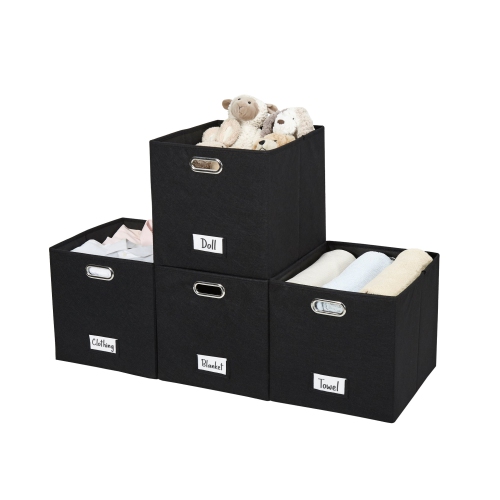
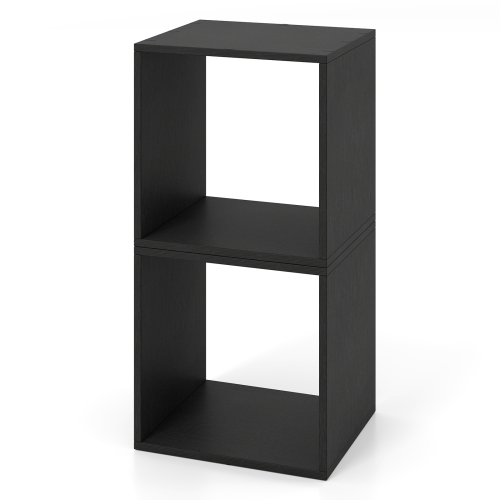
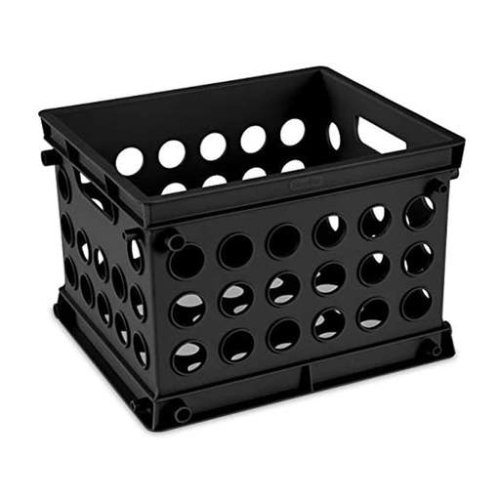
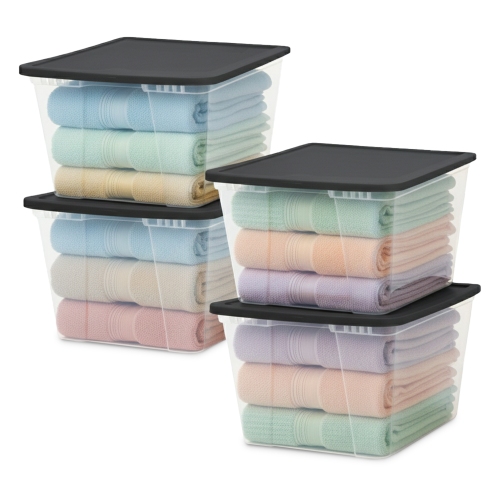
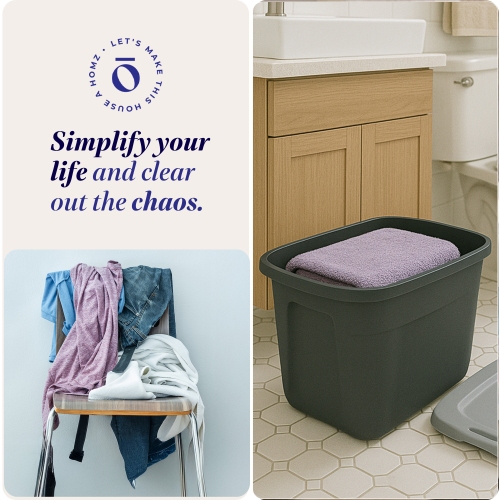
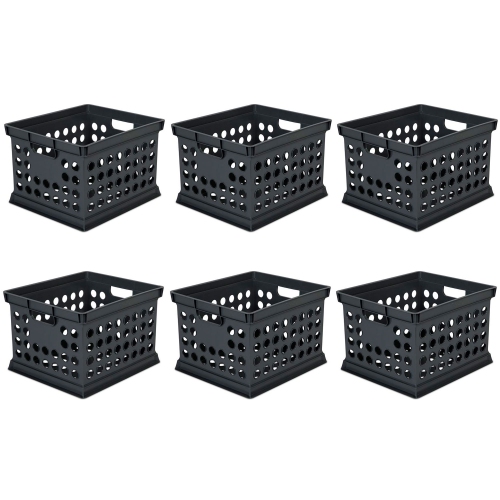
The most useful plastic cube storage reflects everyday routines. Near a home office, separate compartments can hold notebooks, charging cables, and stationery so that the desktop stays usable. In a child’s room, easy-to-reach bins give toy cars, blocks, and art supplies distinct places, with age-appropriate contents and adult supervision where small parts are involved. Closet cubes can group socks, accessories, or folded tops, while a utility shelf can keep cleaning supplies separate from household linens. Labels help when several containers look alike, and clear fronts can make shared storage easier for everyone to navigate. Colour can also support the layout: a consistent finish gives open shelving a unified appearance, while different colours can distinguish categories or separate each household member’s belongings. Black Storage Cubes offer a coordinated option for rooms with dark shelving, black desk frames, or other matching accents. Care is generally straightforward, although the manufacturer’s directions remain important for each material and finish. Many plastic surfaces can be wiped with a soft cloth and mild soap, then dried before the contents are replaced. Abrasive pads and harsh cleaners can scratch or dull clear surfaces, and trapped moisture can affect paper, fabric, or other belongings inside a closed container. Smooth interiors are convenient for wiping away dust, while grooves, handles, and connector joints may need closer attention. Durability depends on appropriate loading and handling as well as construction; carrying a full cube by a handle not designed for that load can strain the rim or attachment points. Cracks, damaged connectors, and distorted lids are signs that a container may no longer function as intended. For someone setting up a first apartment, student room, or craft area, a coordinated group of plastic storage cubes can also make a practical gift when the dimensions and intended use are known. The right format supports a simple habit: belongings are easy to find, easy to reach, and easy to return to their place.
Top selling and popular products
-
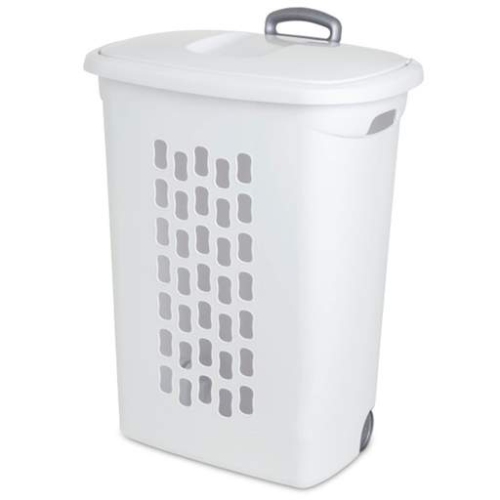 Your price for this item is $698.99
-
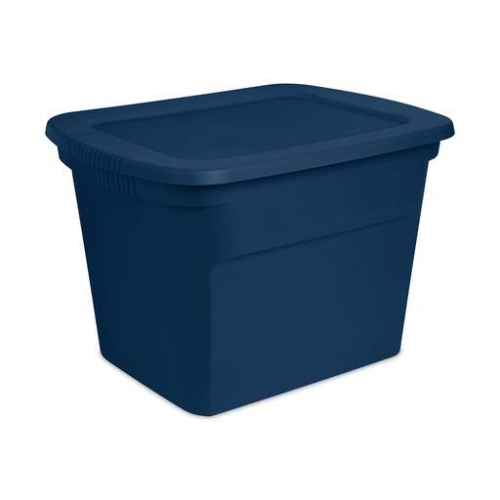 Your price for this item is $1146.99
-
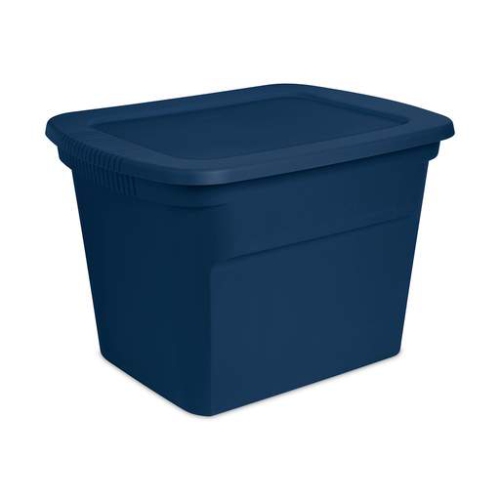 Your price for this item is $859.99
-
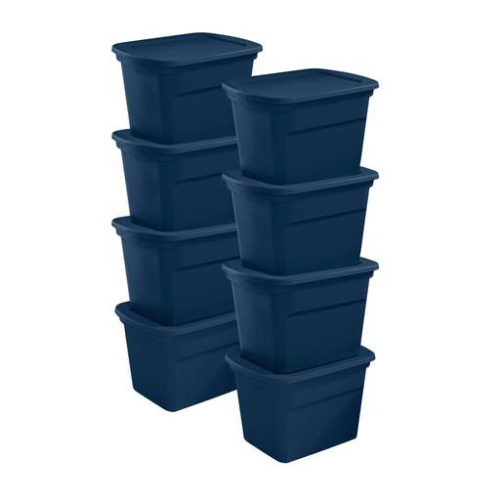 Your price for this item is $296.99
-
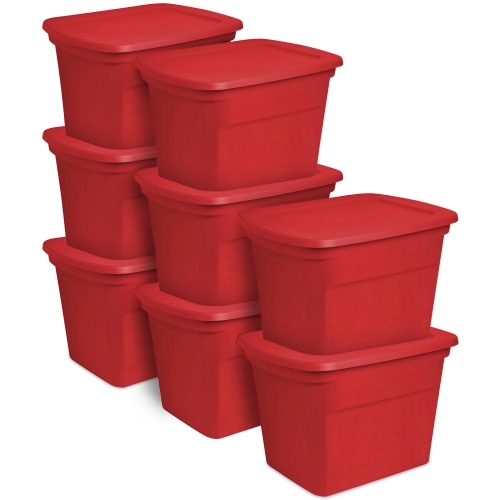 Your price for this item is $244.99
-
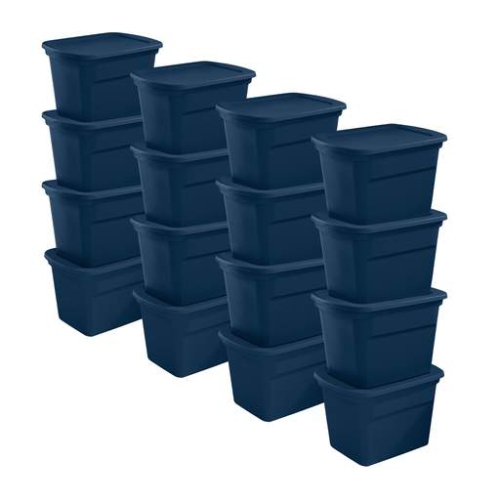 Your price for this item is $573.99
-
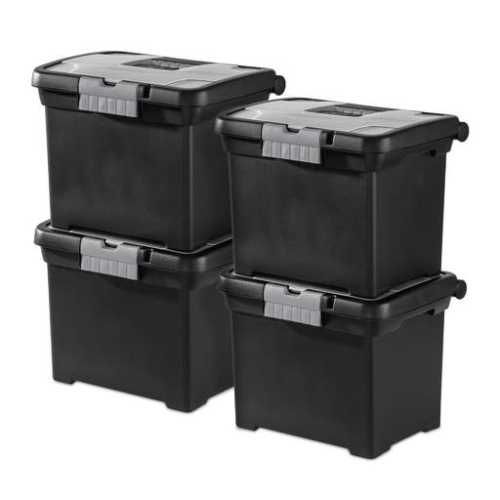 Your price for this item is $178.99
-
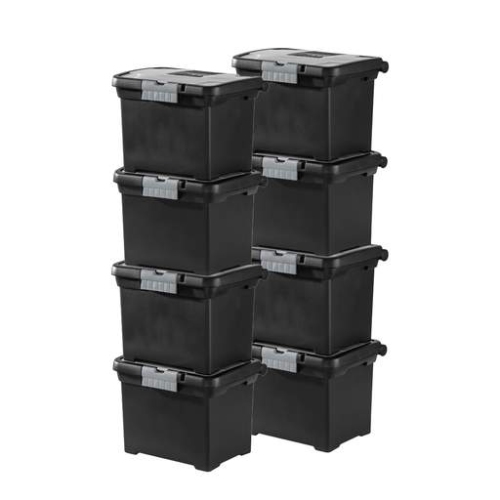 Your price for this item is $348.99
Discover more categories related to Plastic Storage Cubes
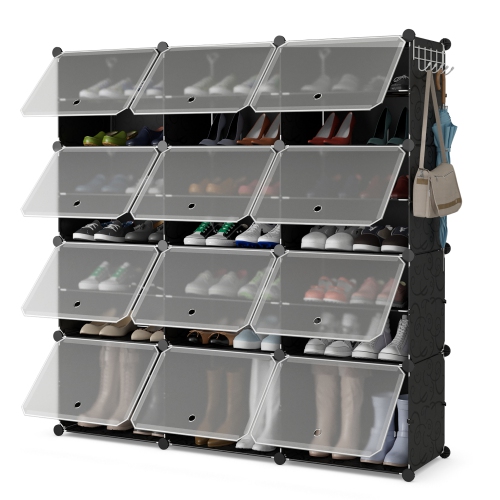
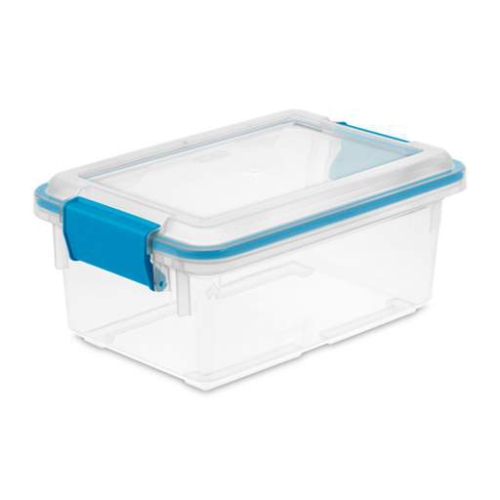
Top Collections:
Best Black Friday Deals This Year, Best Black Friday Deals On Electronics, Kindle Devices, Pokemon Centers, Best Black Friday Deals On Apple Products, Best Cameras for Sports Photography, Dyson Airwrap, Pokémon 30th Celebration Cards, Apple iPhone 17 Pro, Canon G7X Cameras
Some products may be subject to Environmental Handling Fees
(EHF) depending on your province.
Learn more about EHFs.