Wooden Storage Cubes
Organize your space in style with our versatile wooden storage cubes. Perfect for decluttering any room in your home, these sleek and functional cubes provide a practical solution for storing books, toys, clothes, and more. Crafted from high-quality wood, these storage cubes are not only durable but also add a touch of sophistication to your decor. Whether you're looking to create a neat and tidy living room or seeking to streamline your office space, our wooden storage cubes offer endless possibilities for keeping your belongings neatly tucked away.
Sort
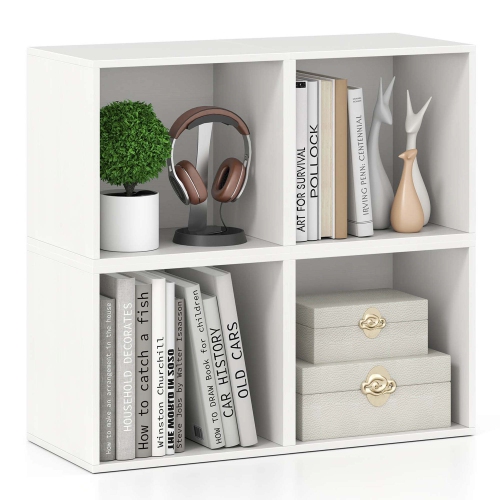
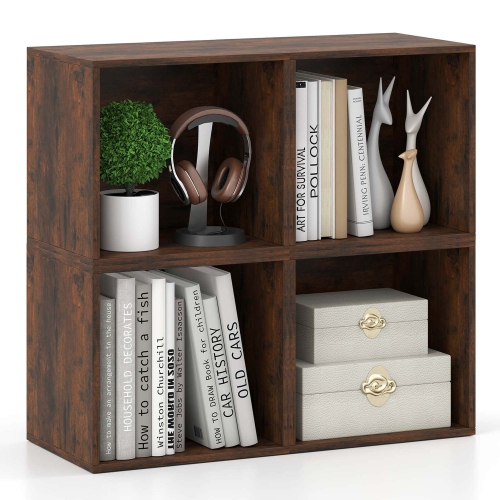
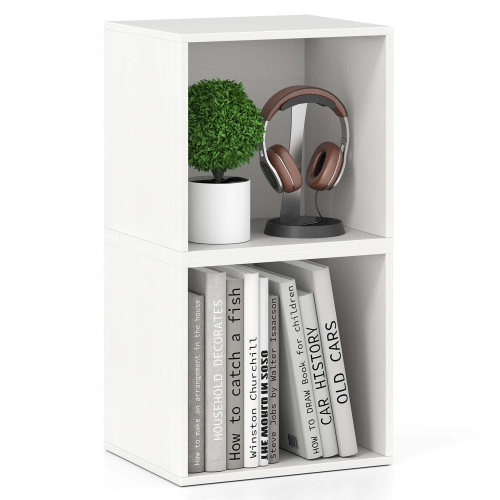
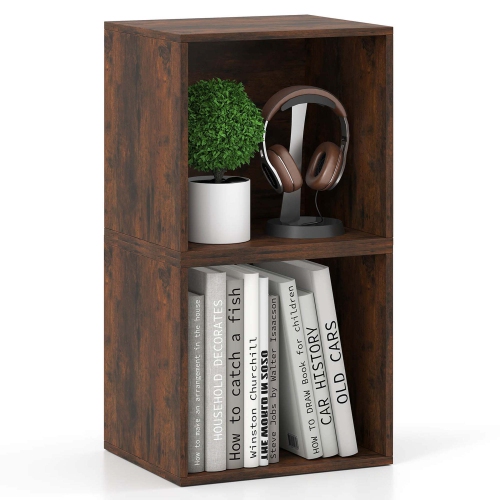
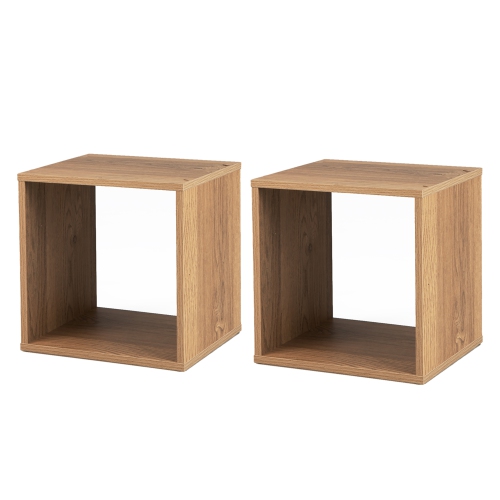

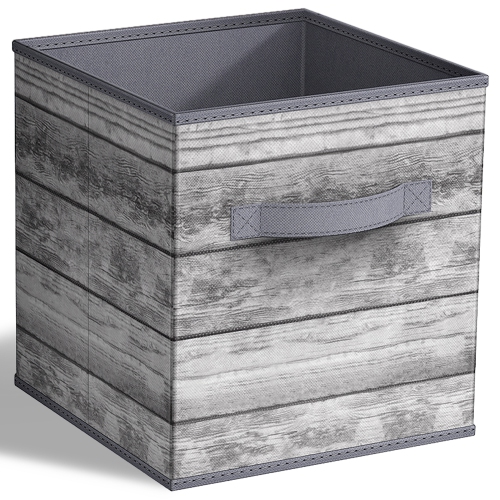
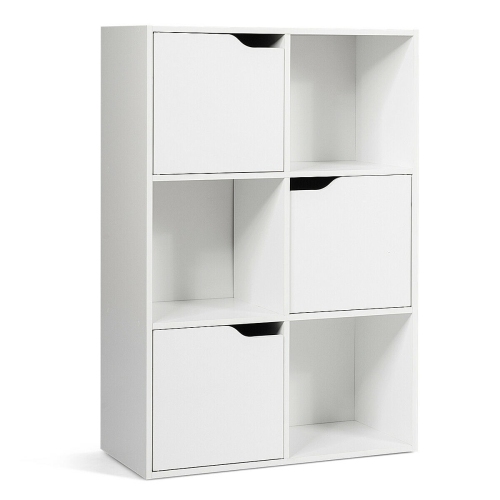
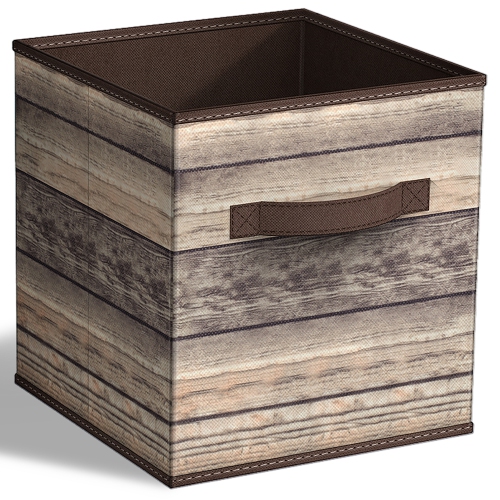
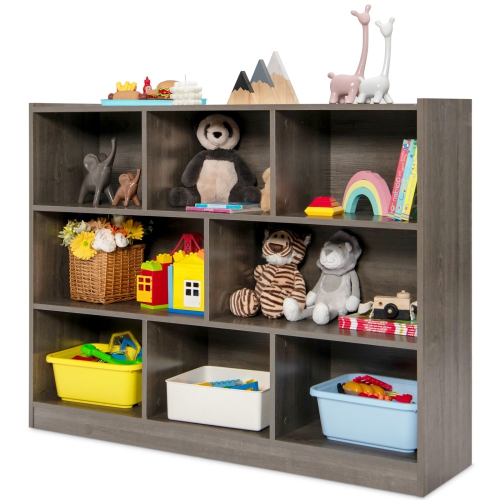
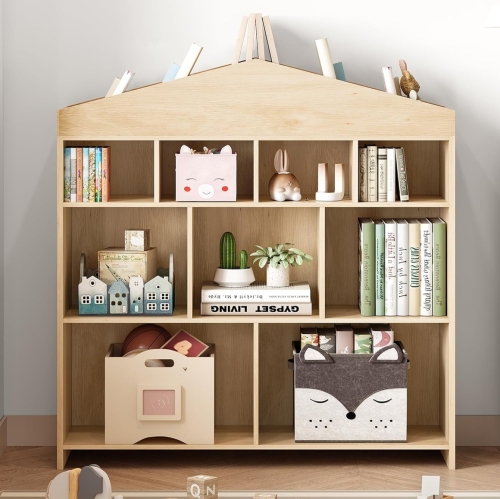
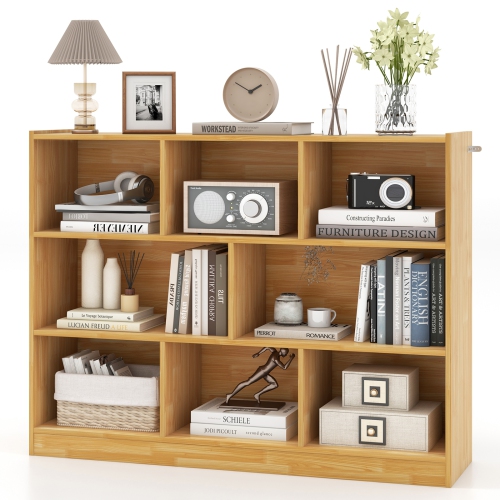
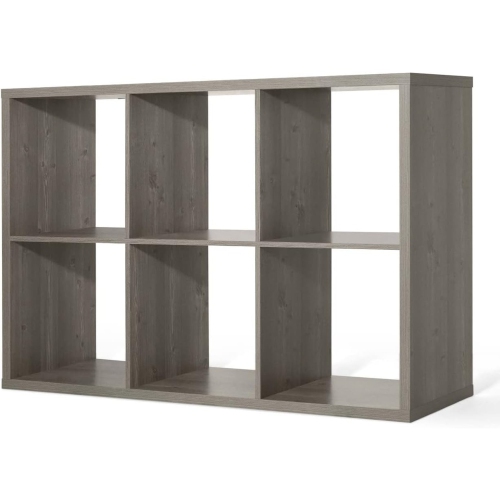
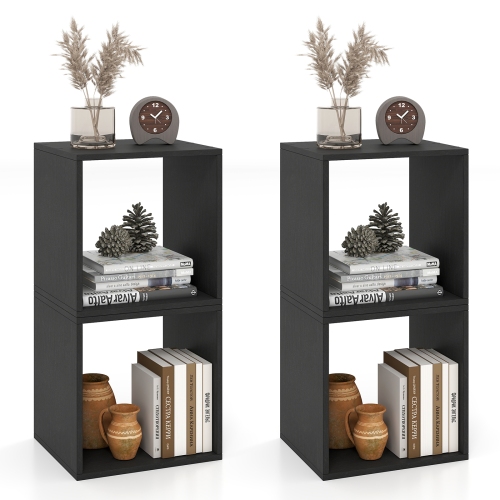
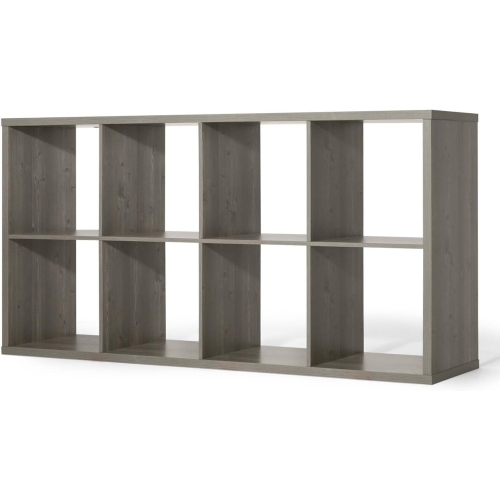

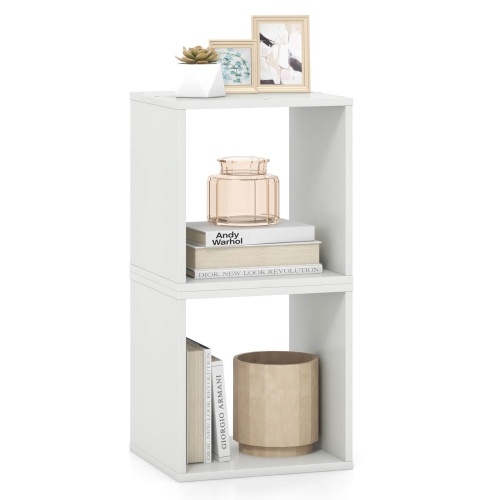
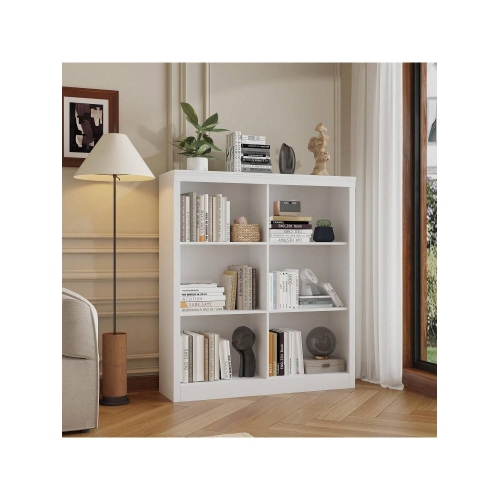
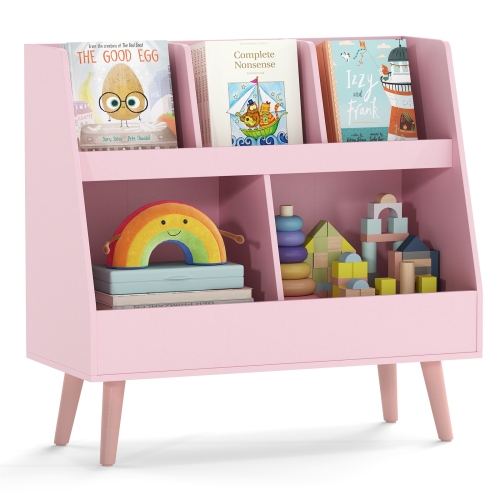
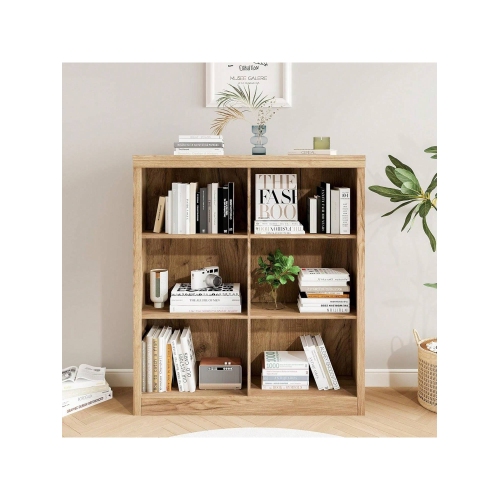
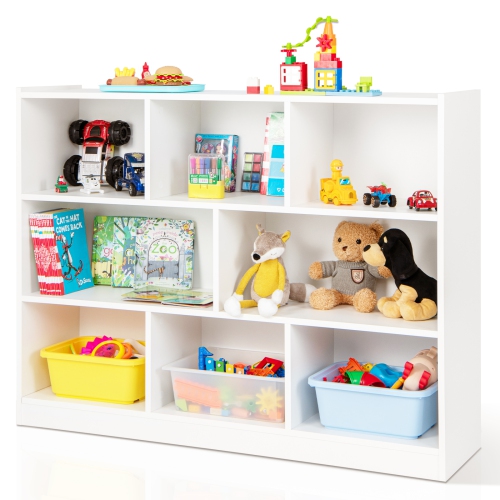
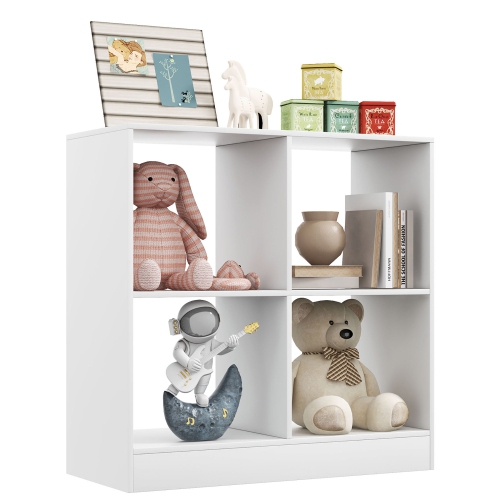
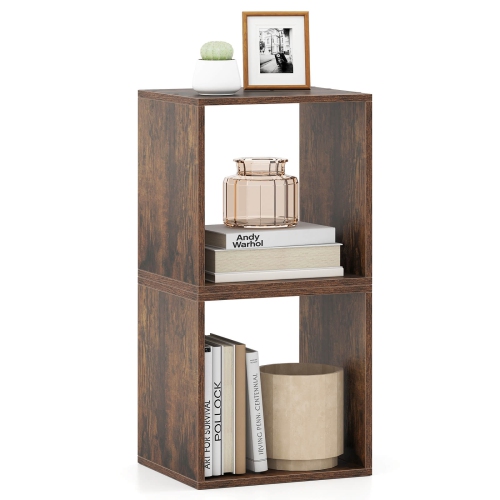
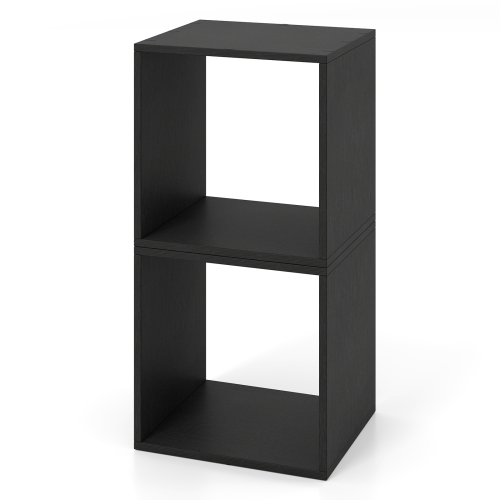
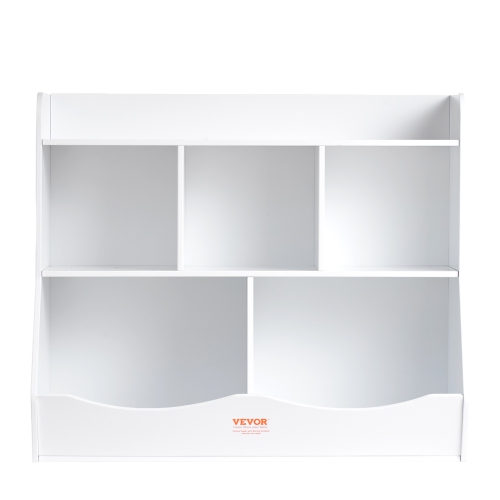
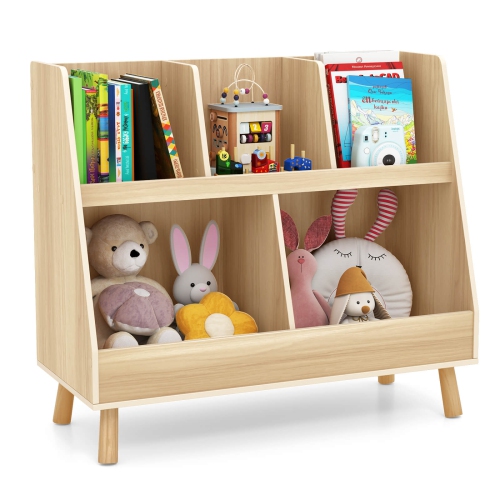
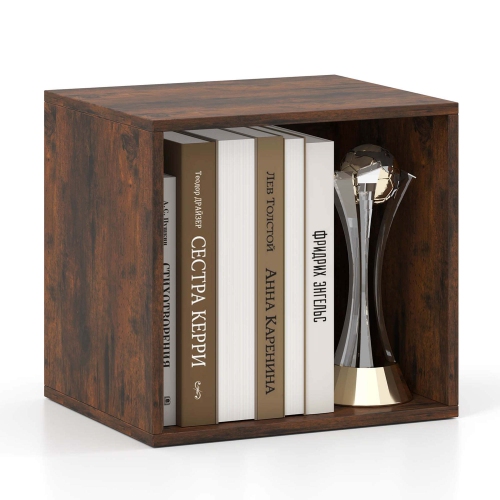
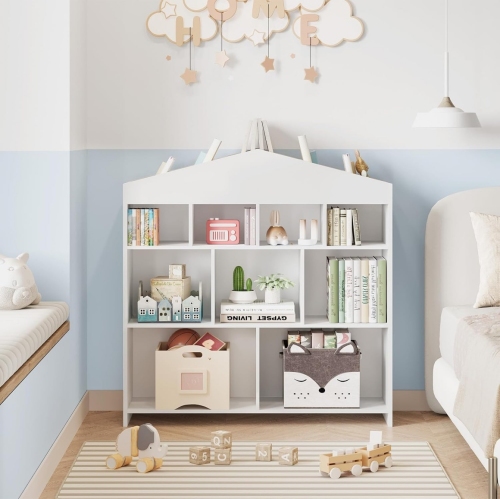
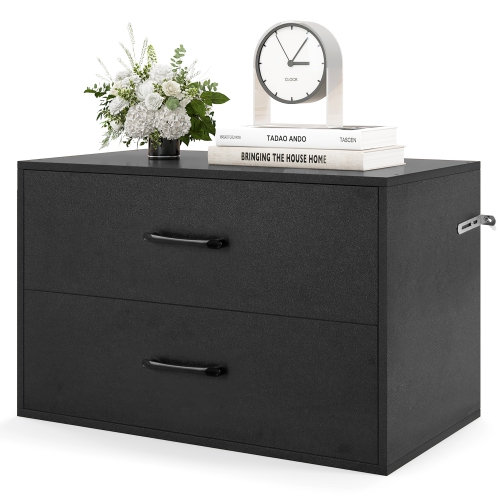
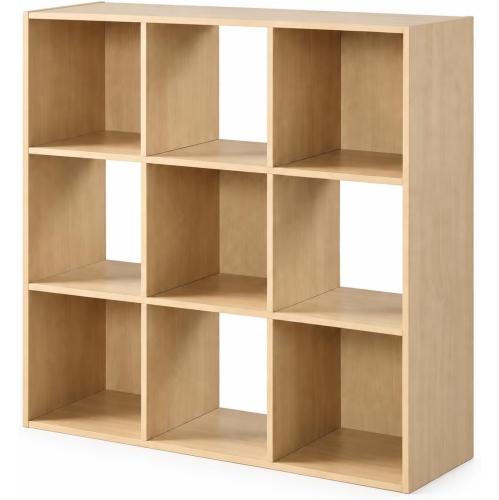
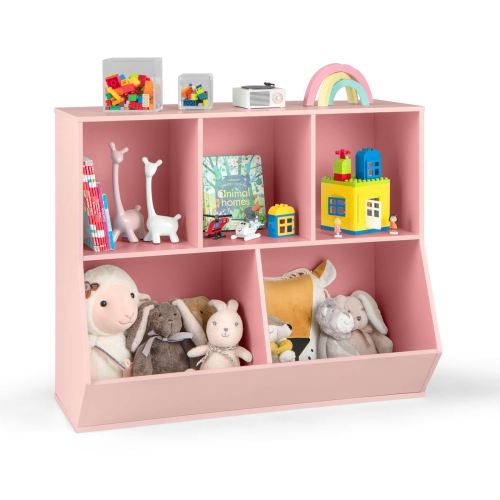
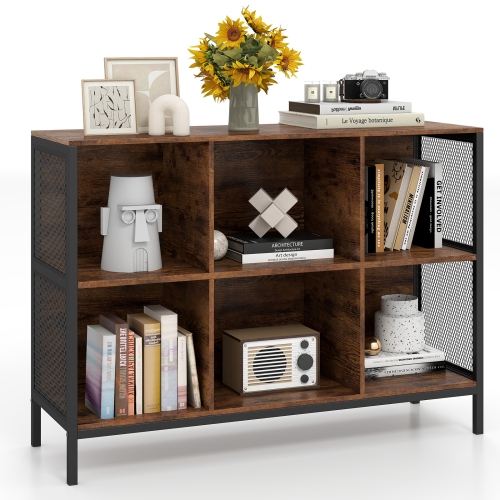
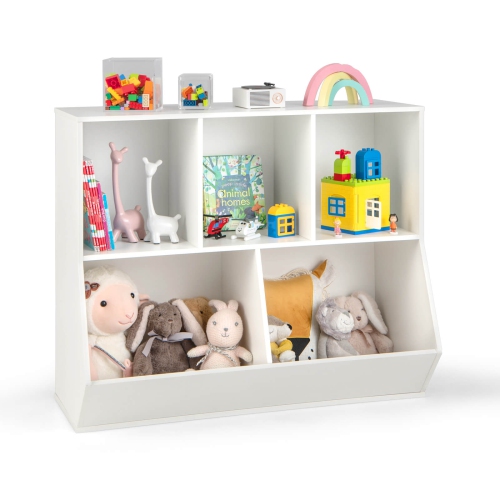
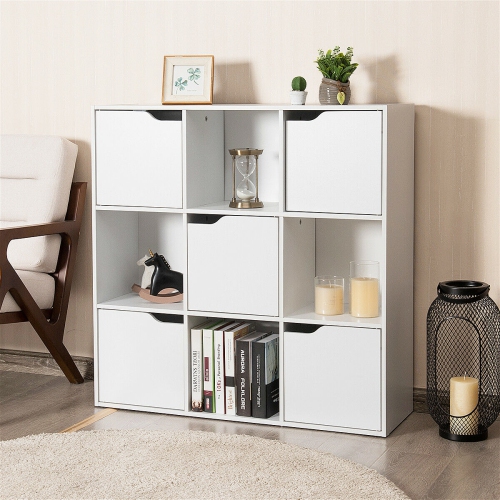
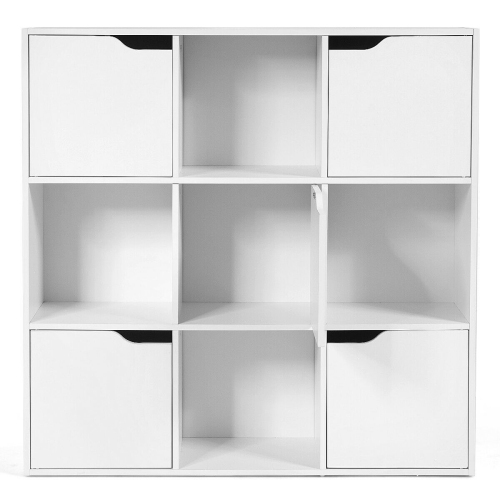
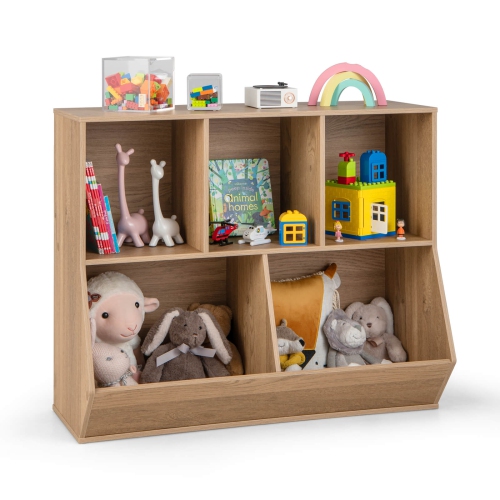
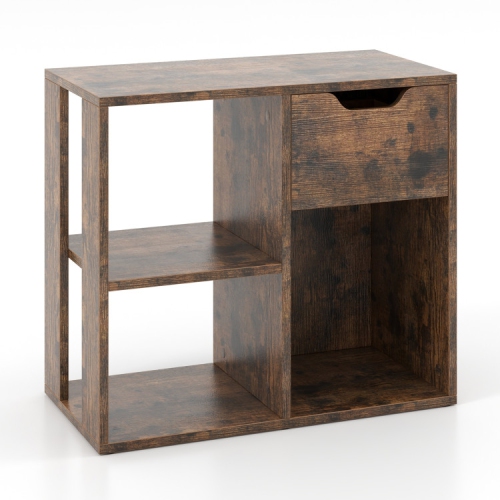
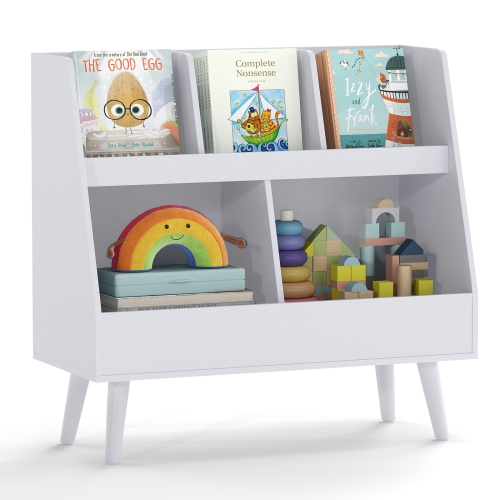
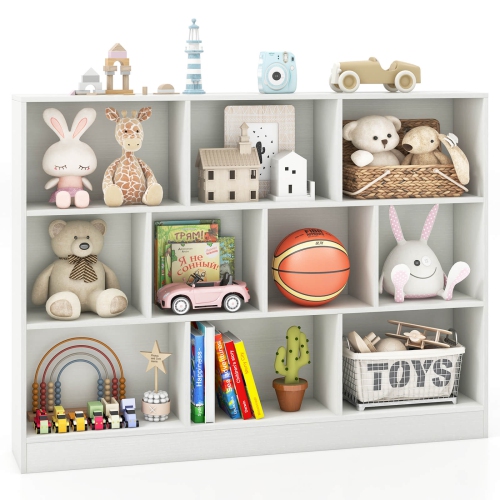

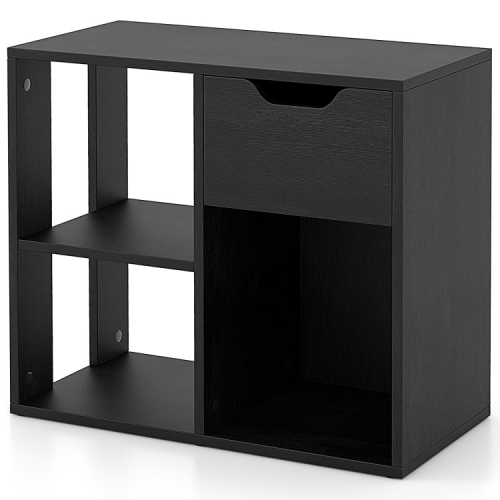
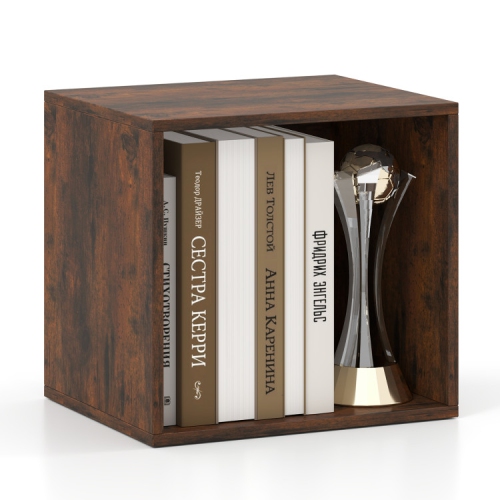
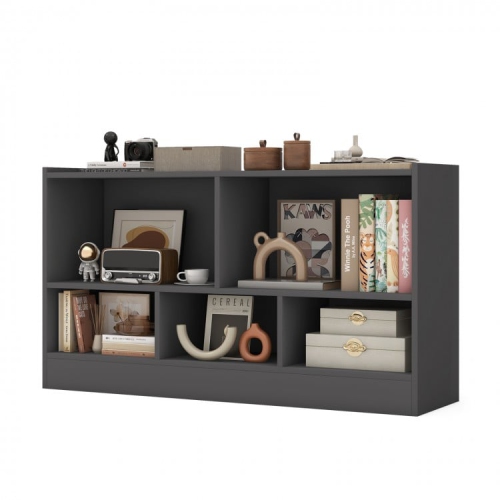
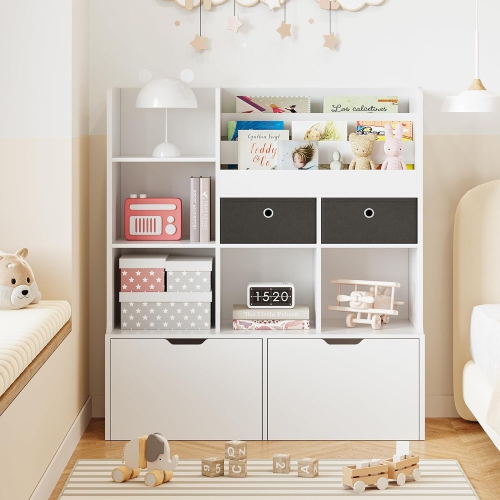

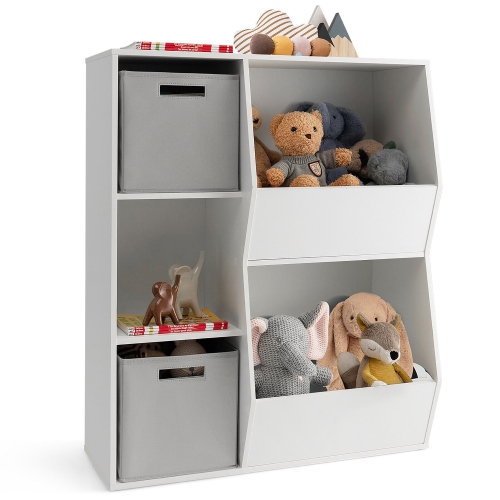
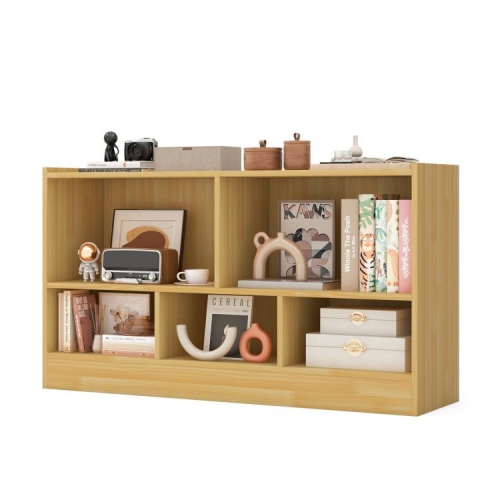
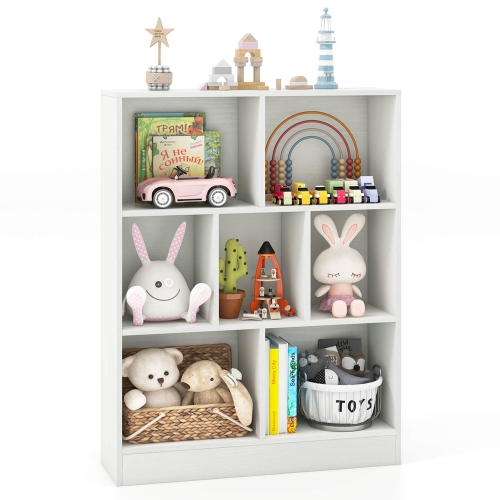
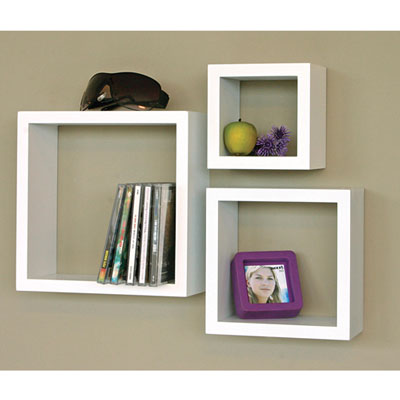
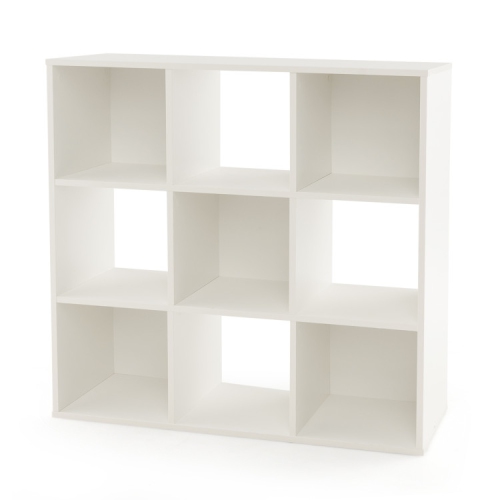
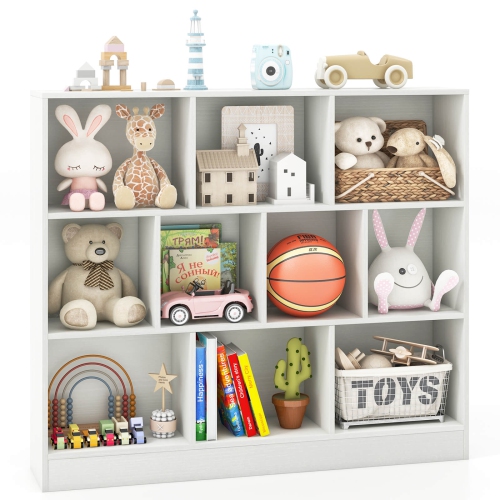
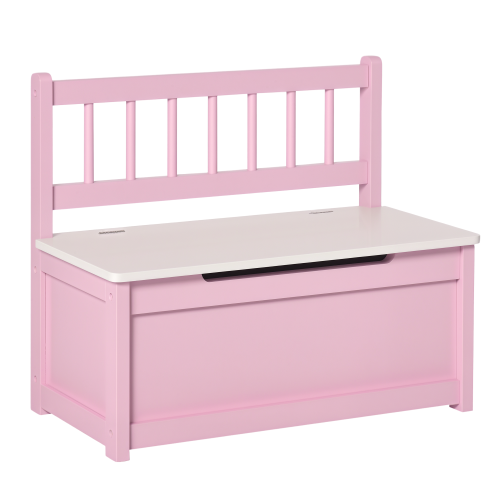
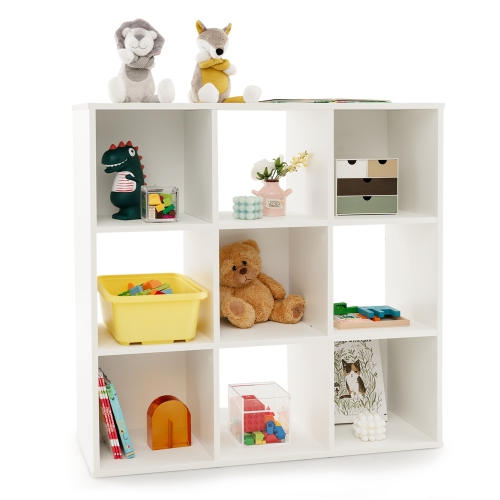
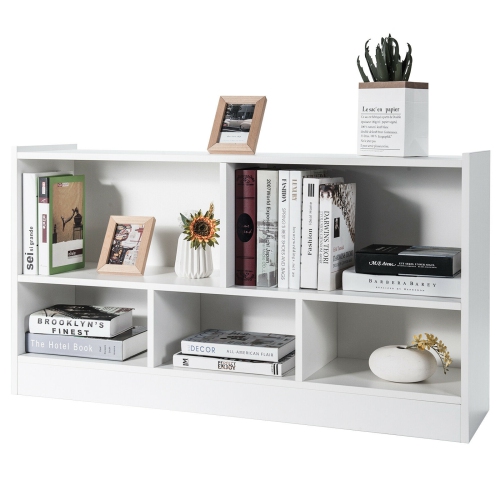
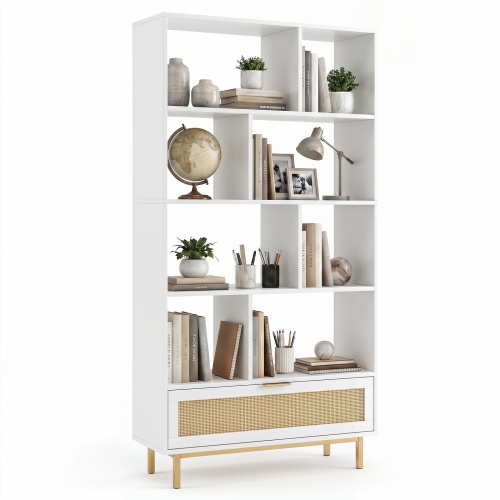
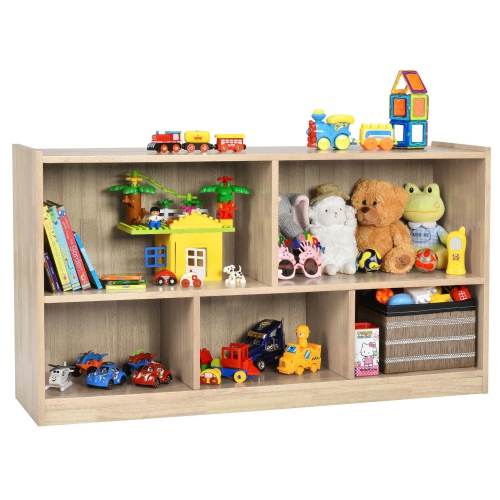
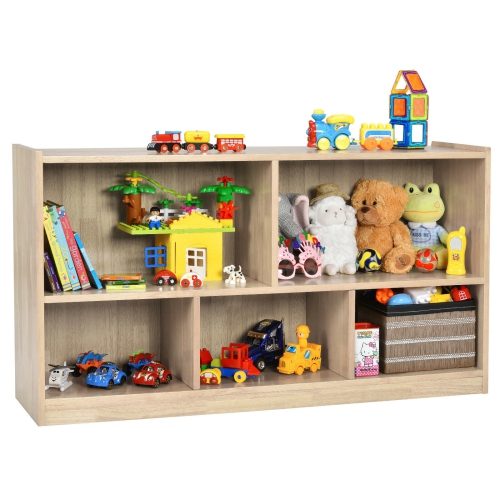
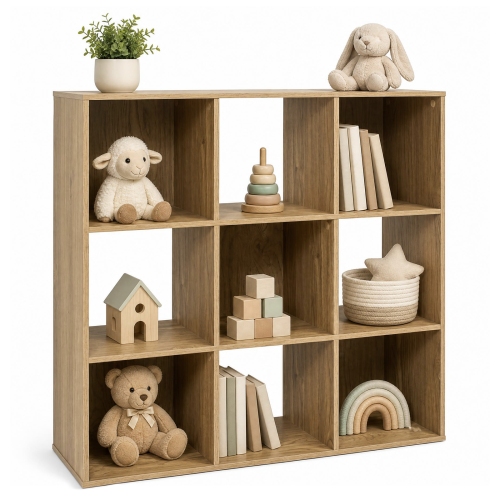
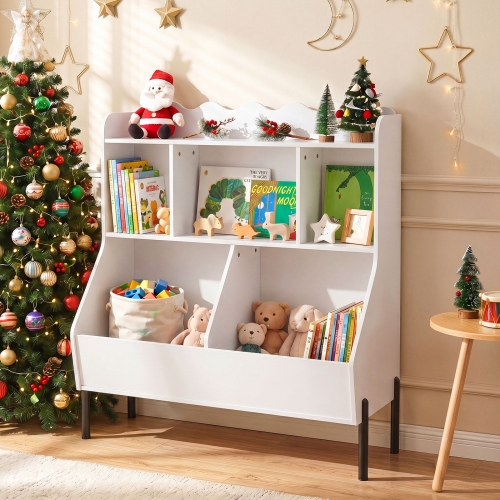
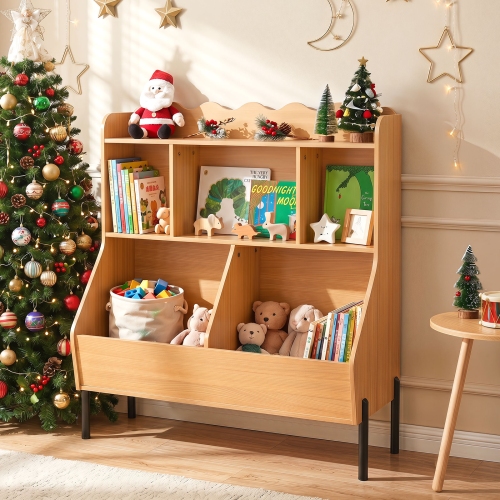
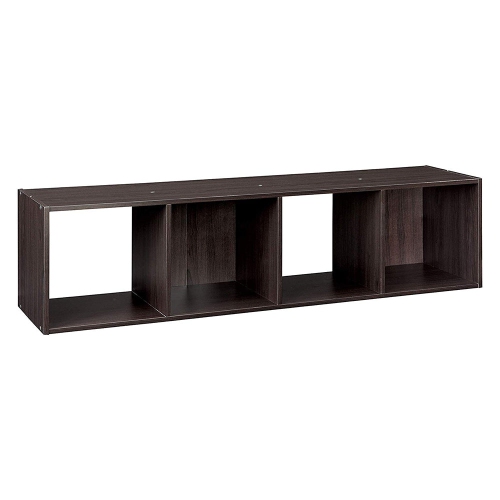
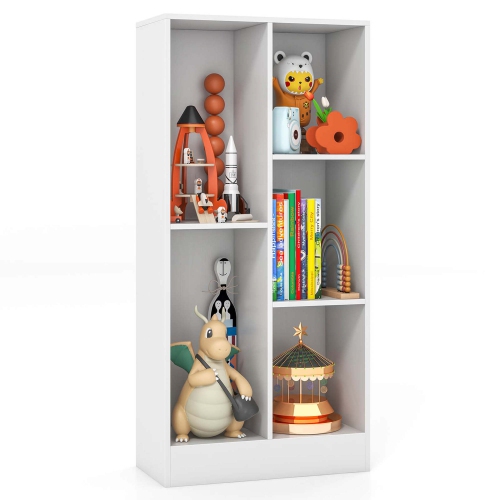
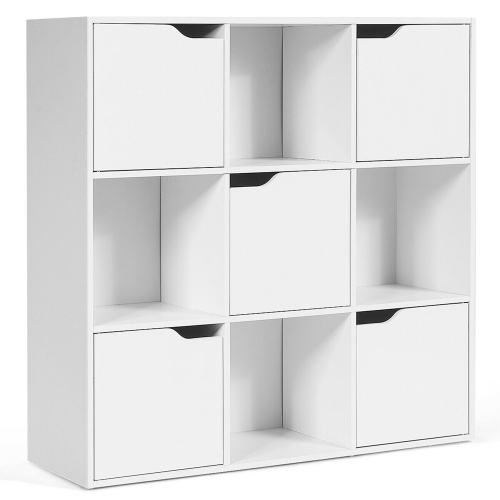
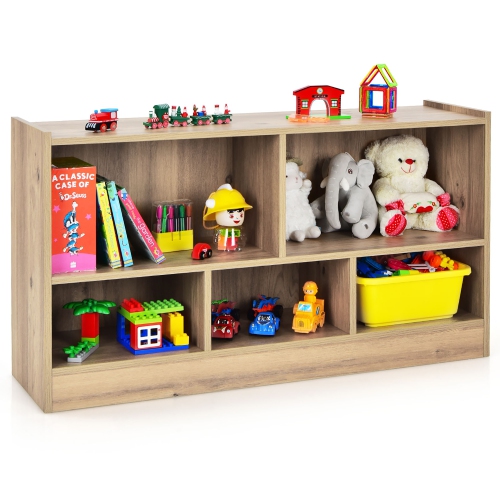
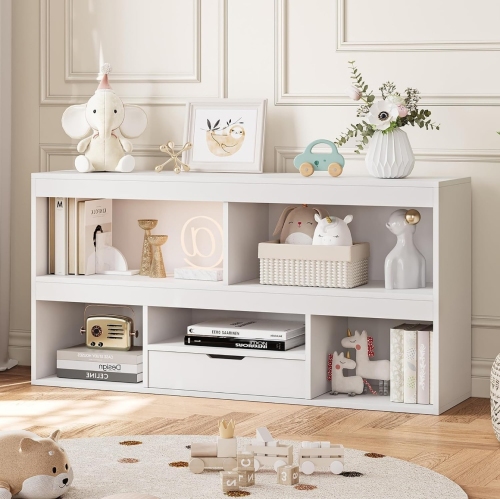
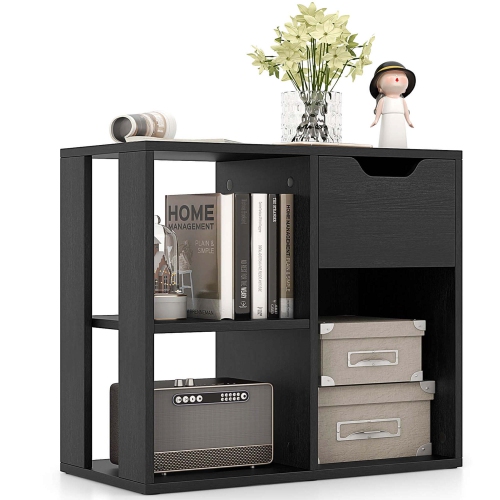
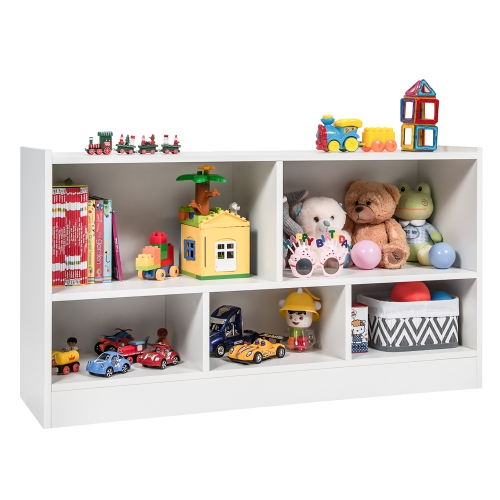
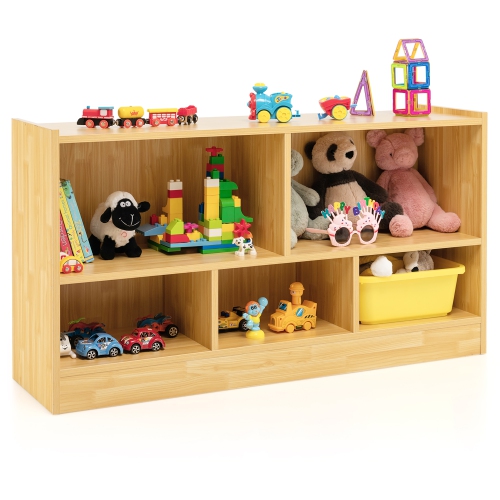
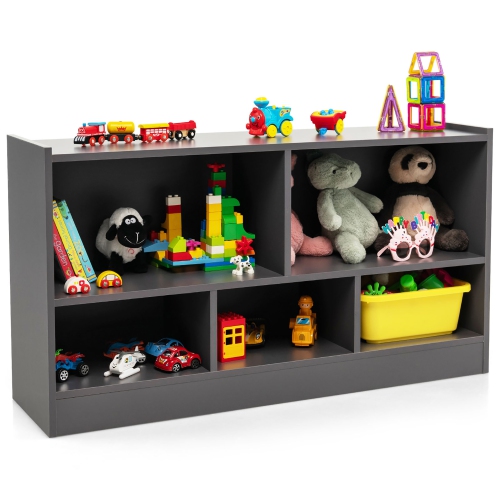
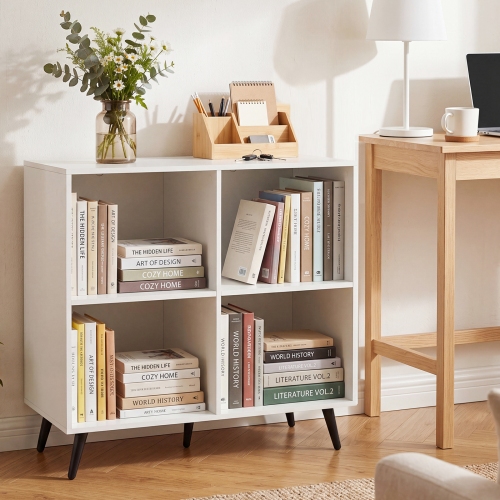
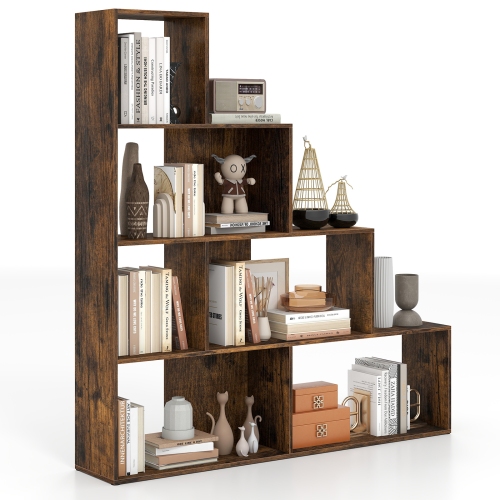
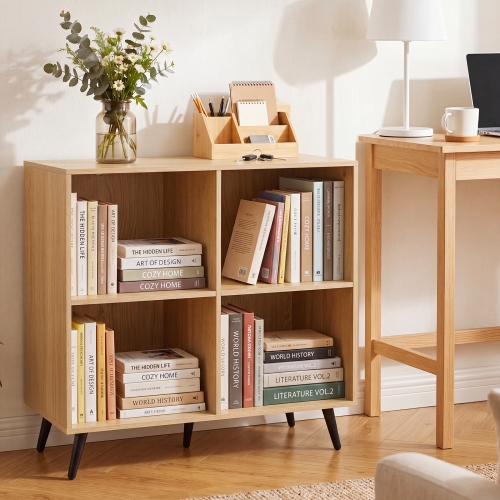
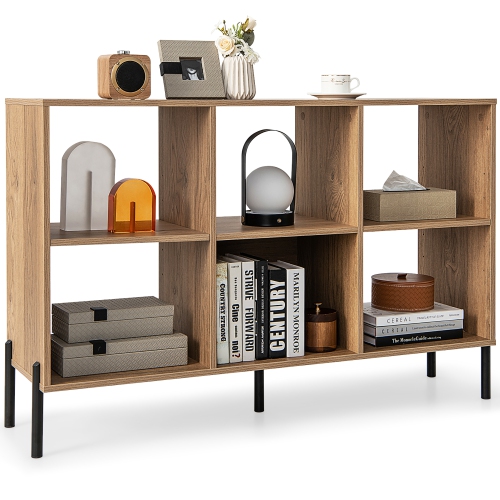
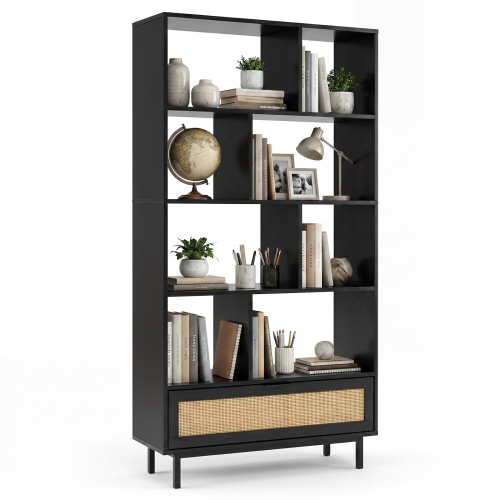
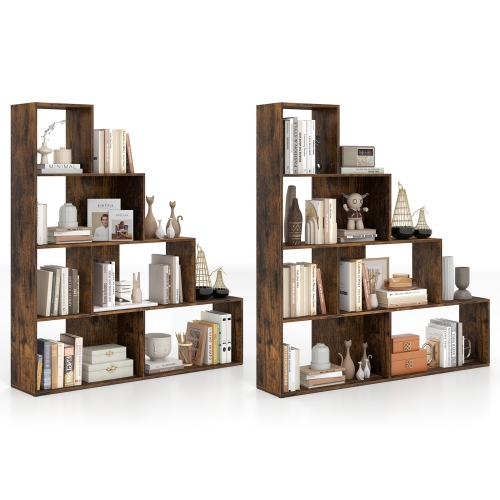
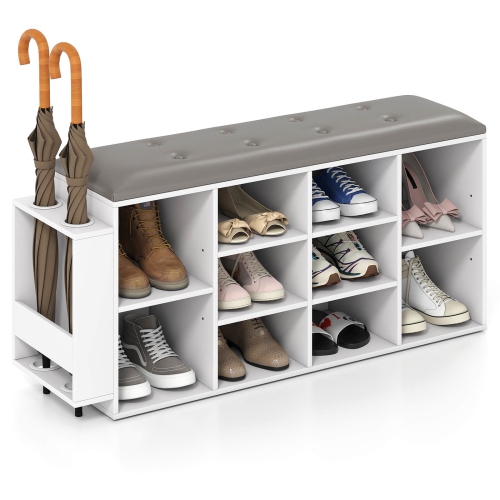
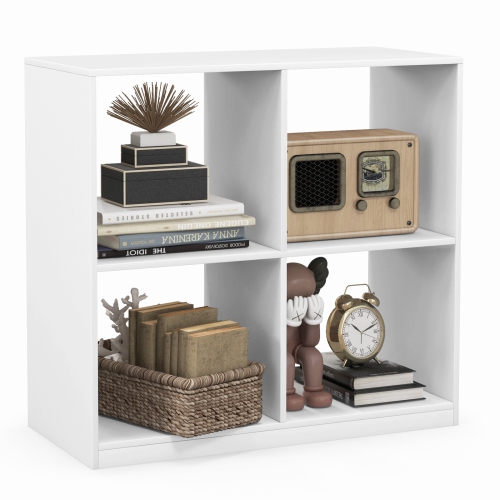
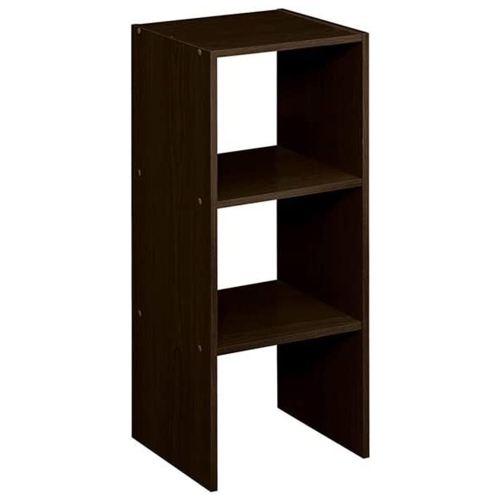

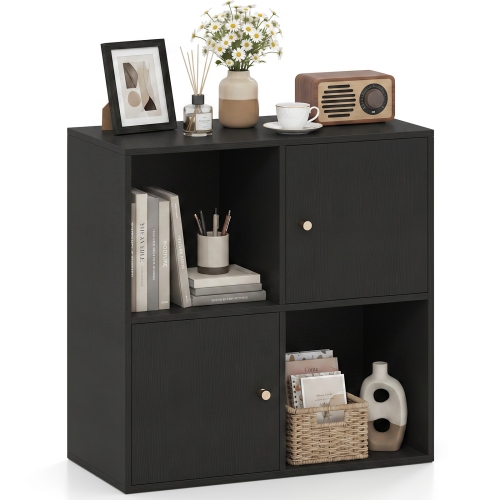
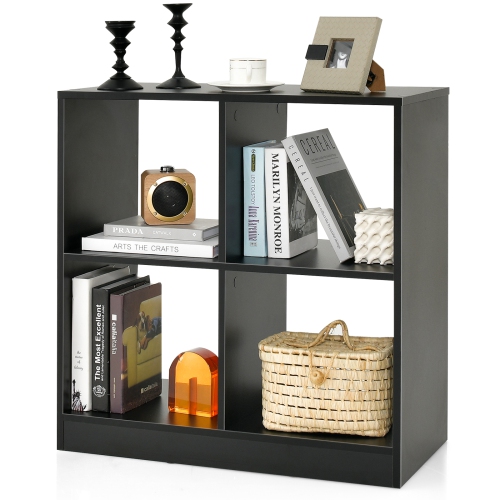
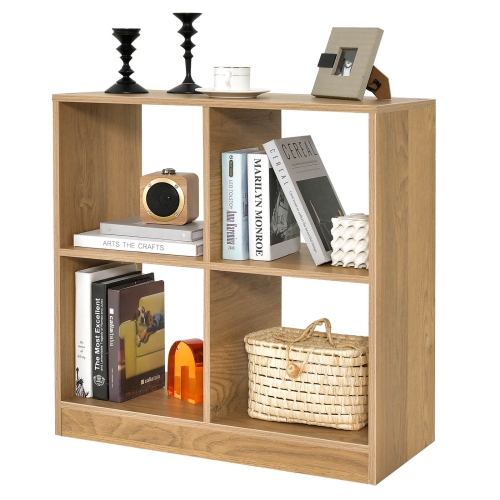
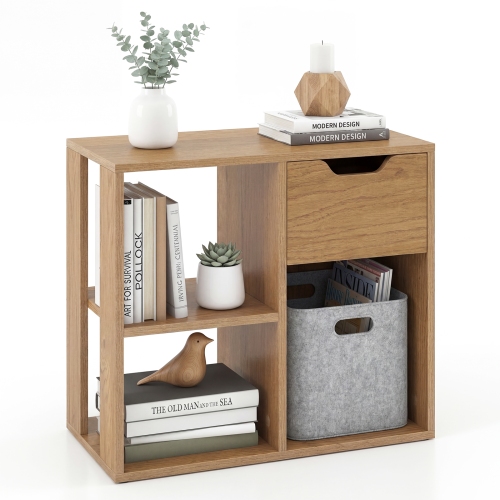


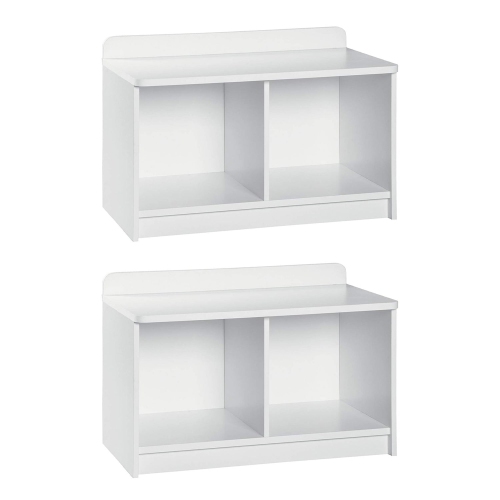
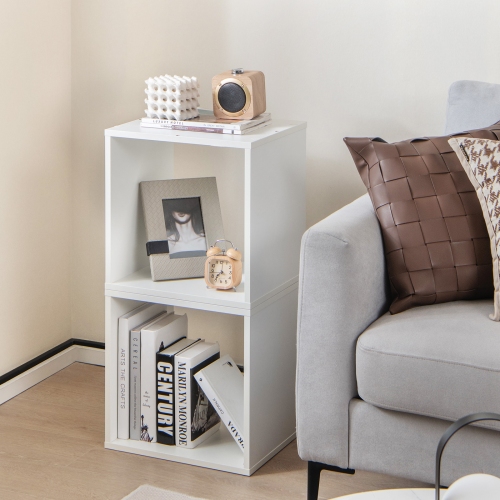
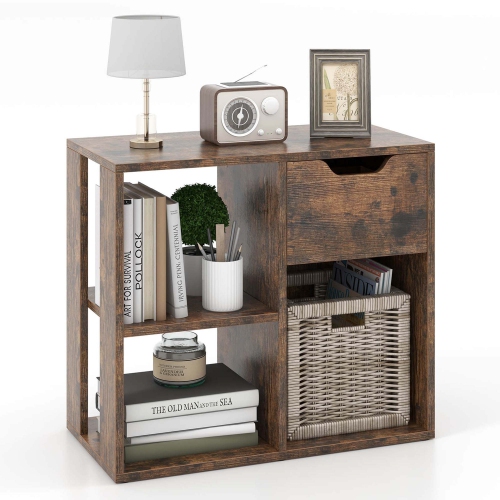
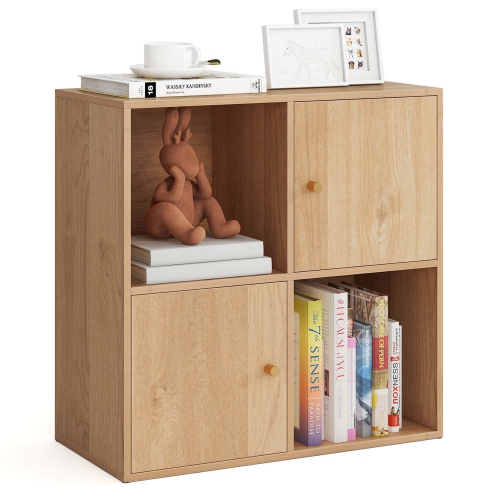
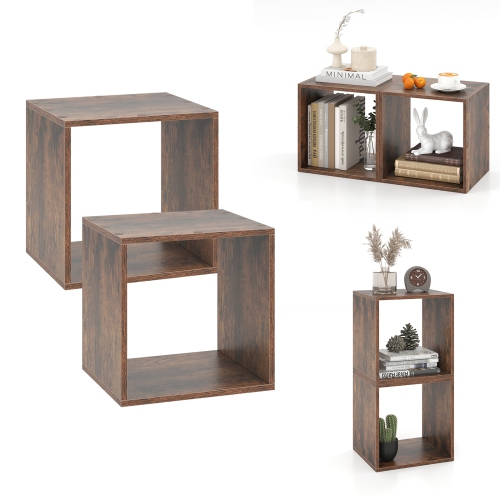
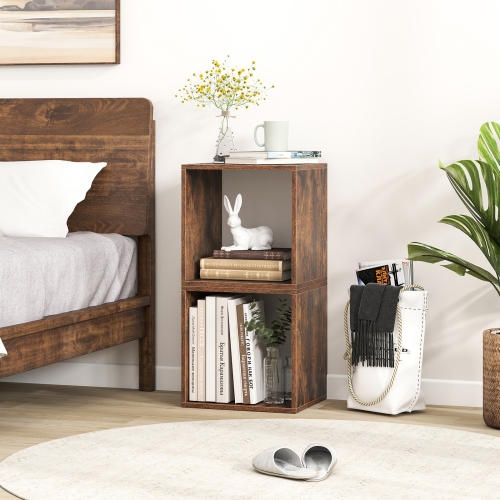
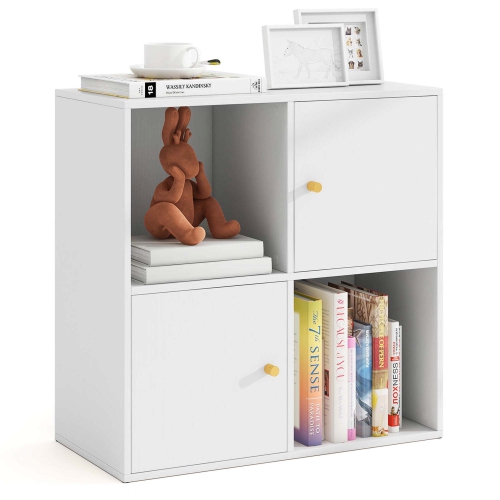
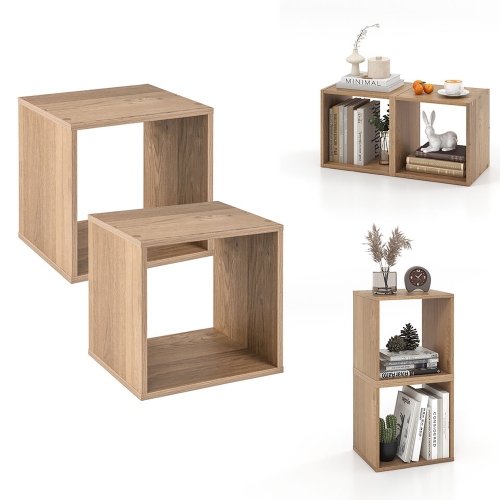
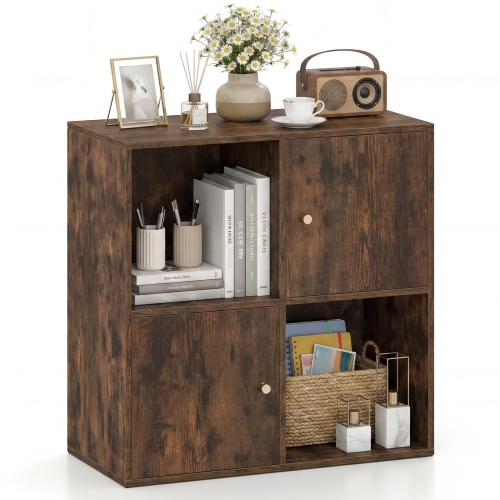
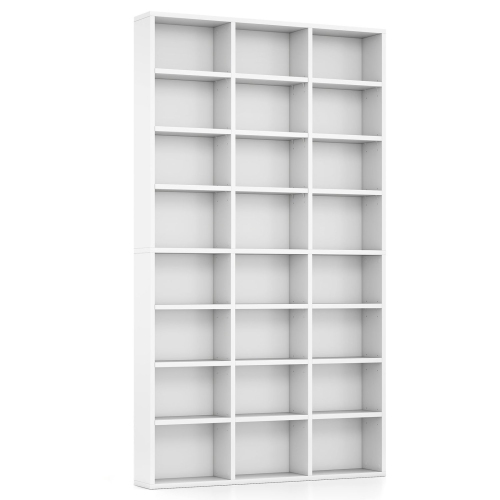
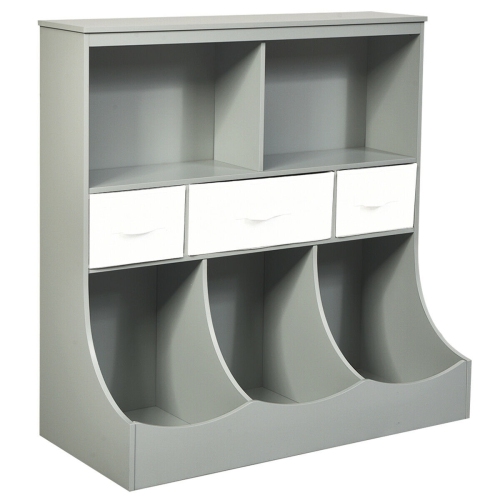
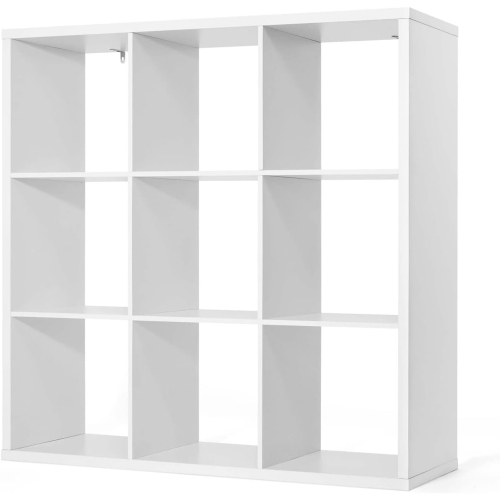
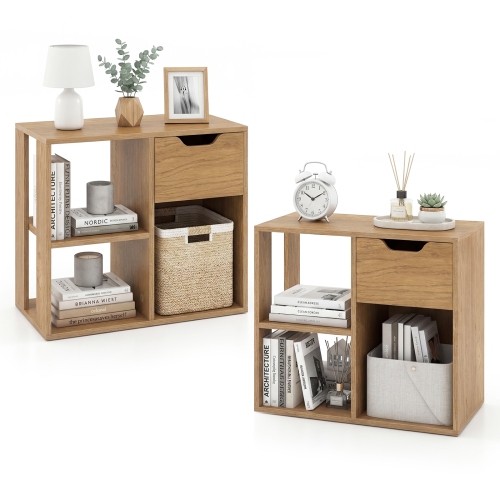
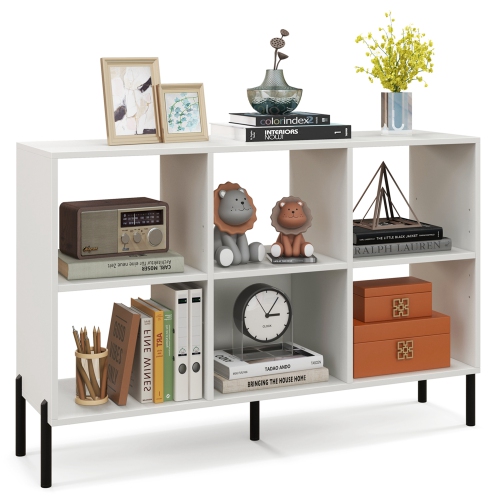
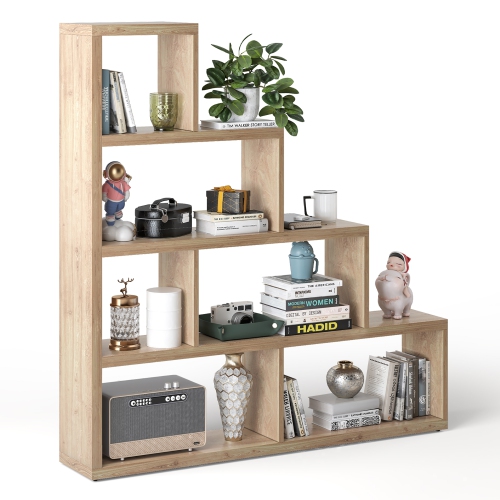
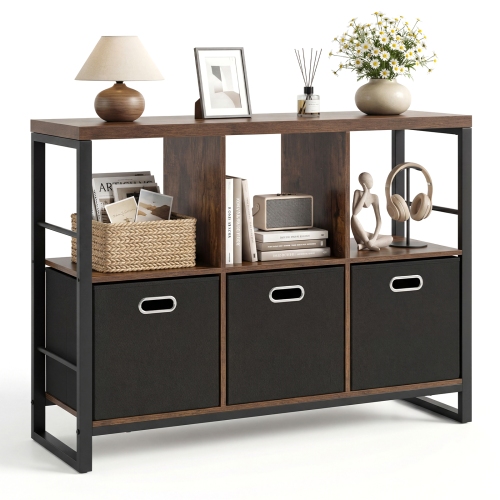
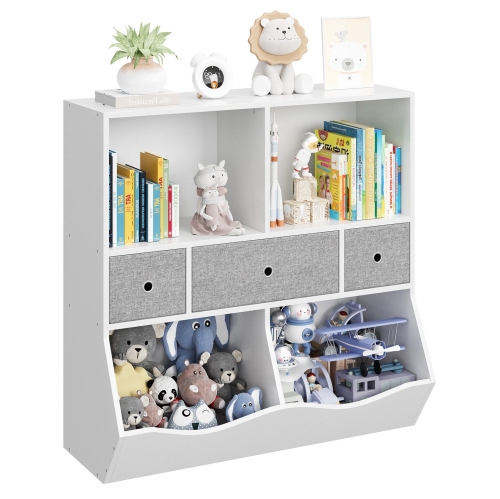
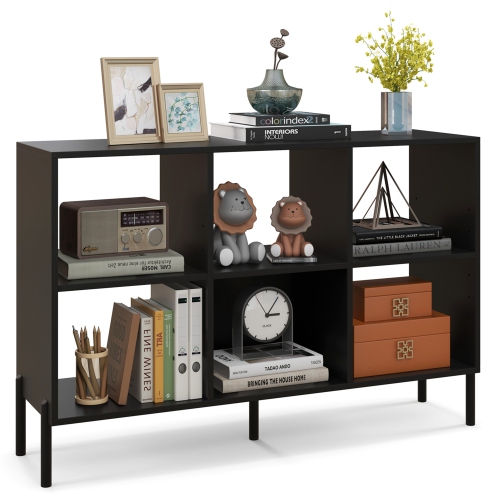
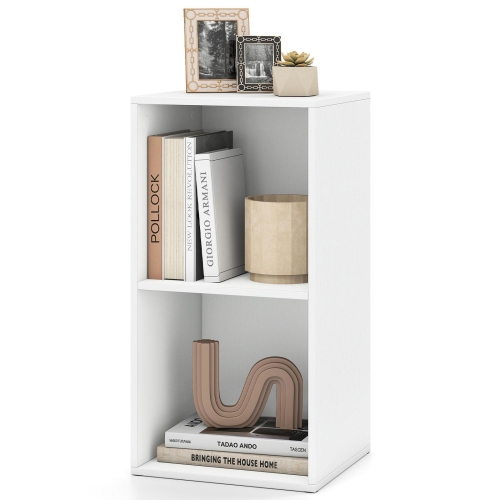
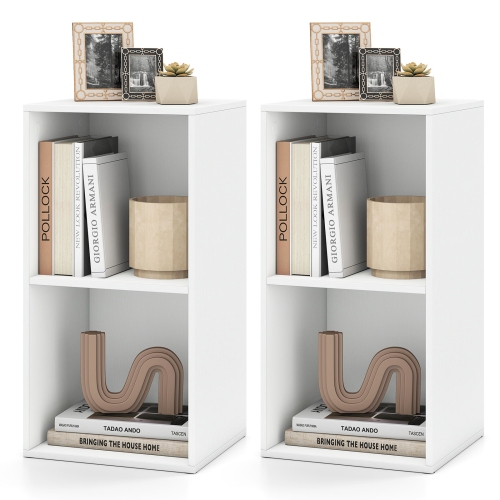

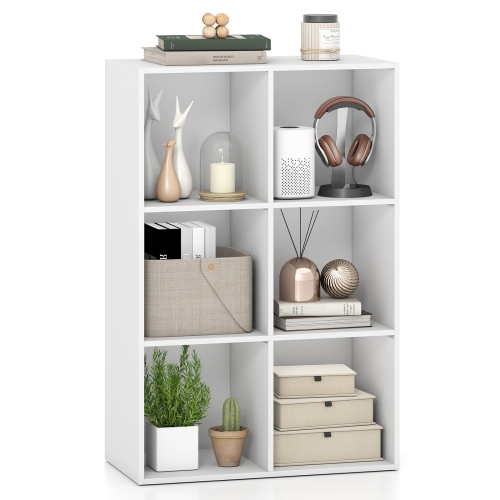
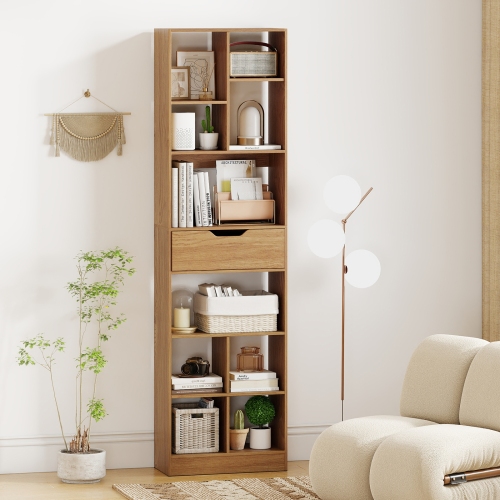
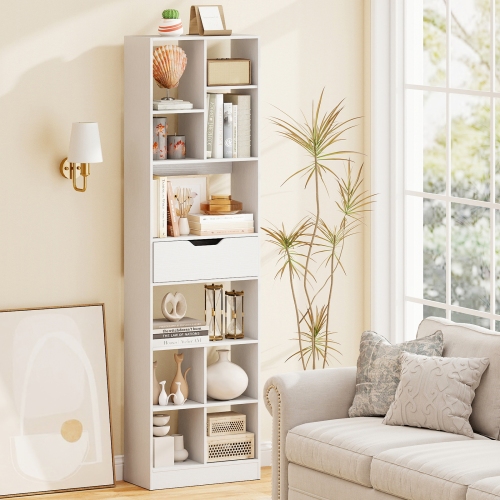

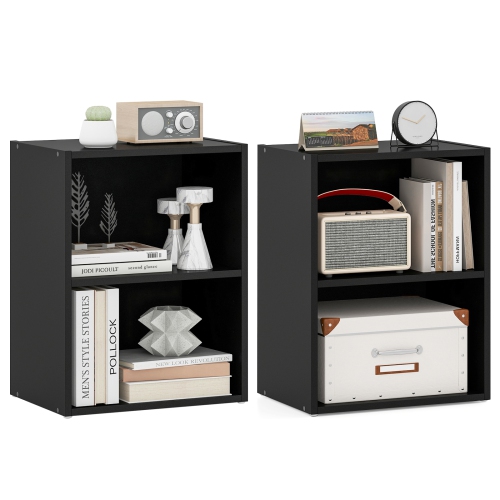
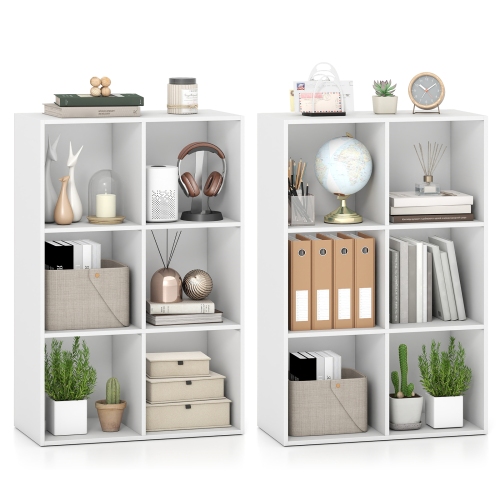
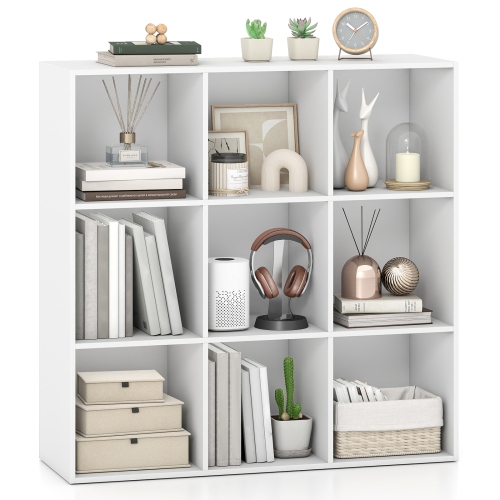
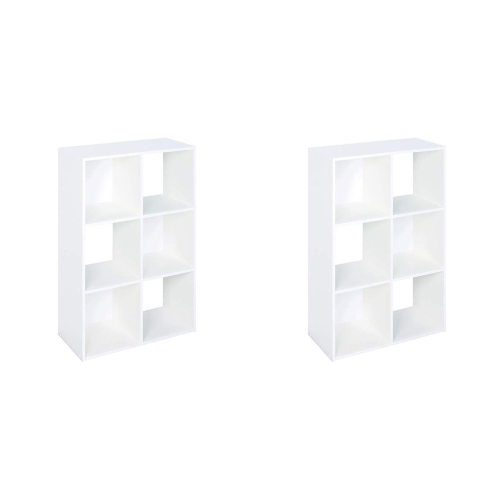
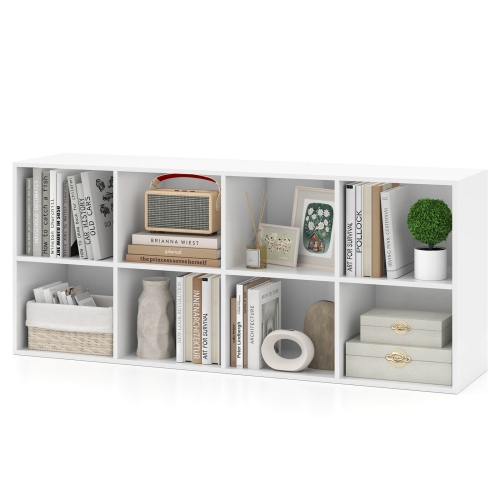
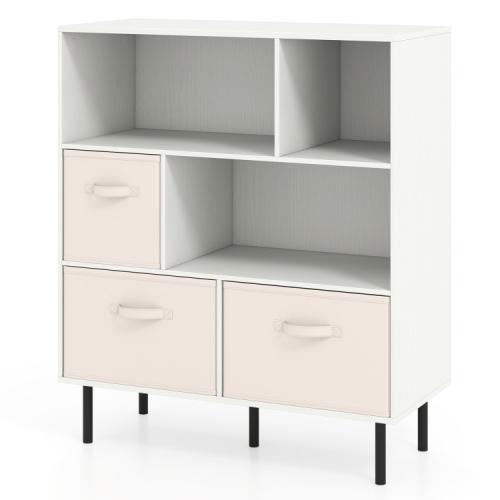
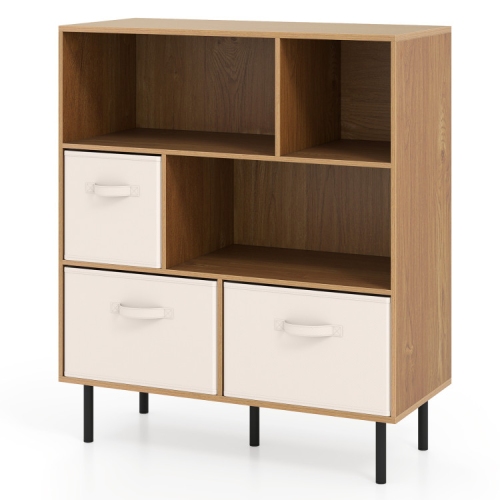
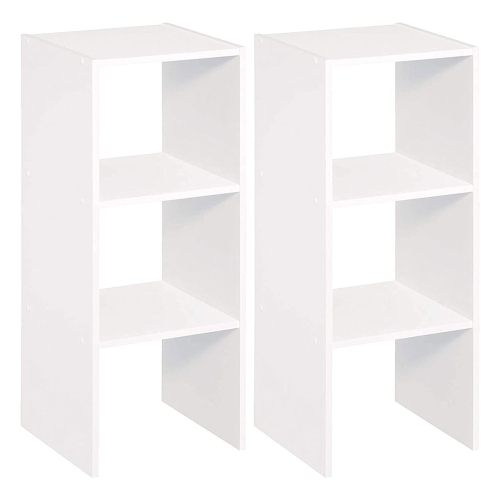
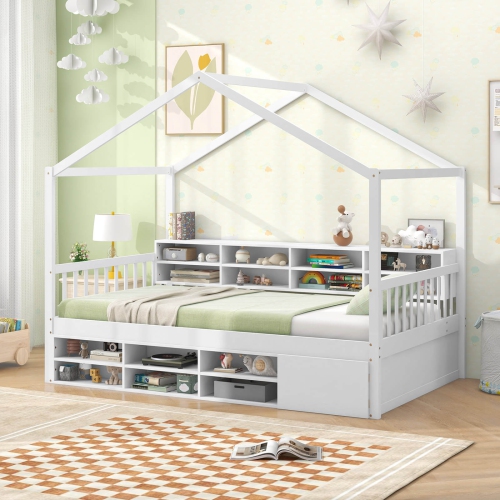
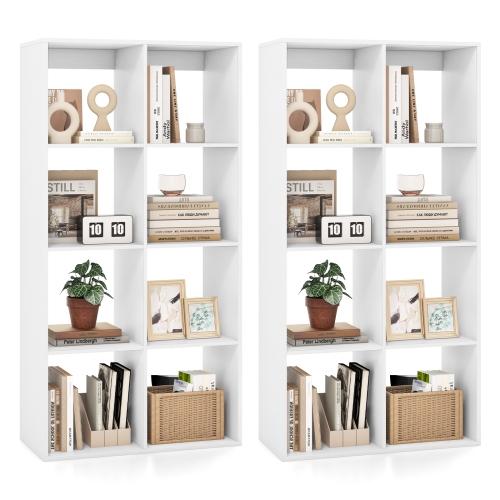
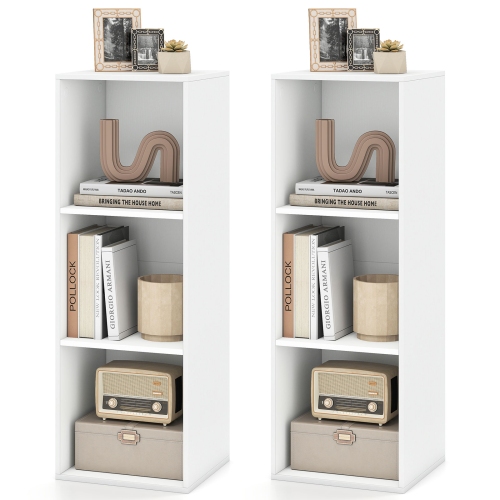
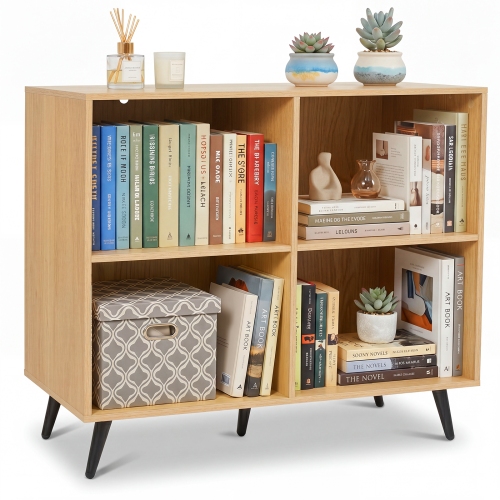
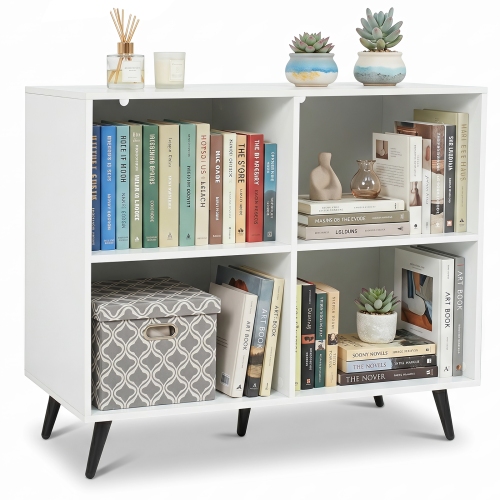
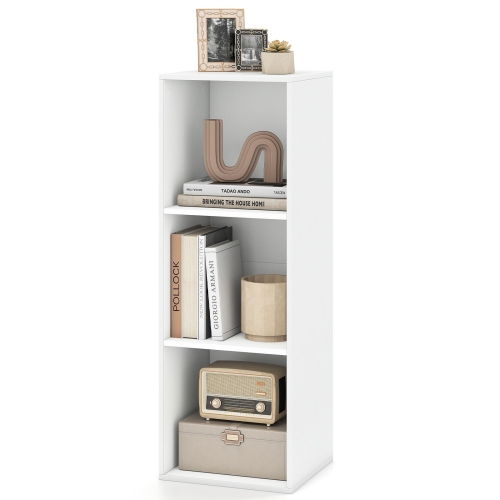
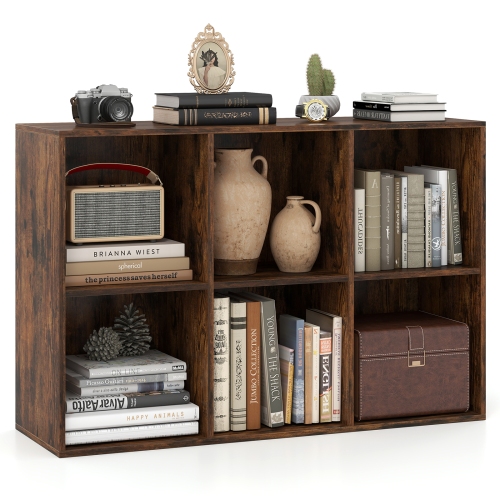
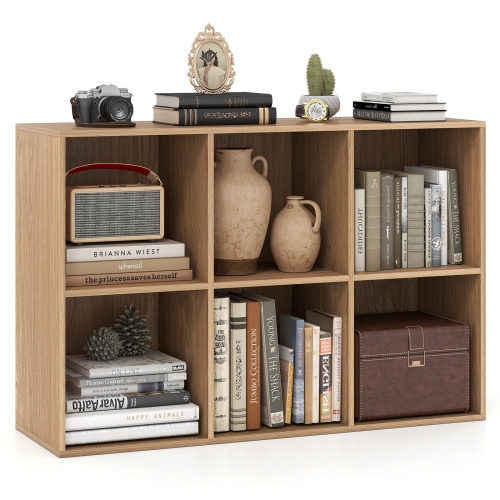
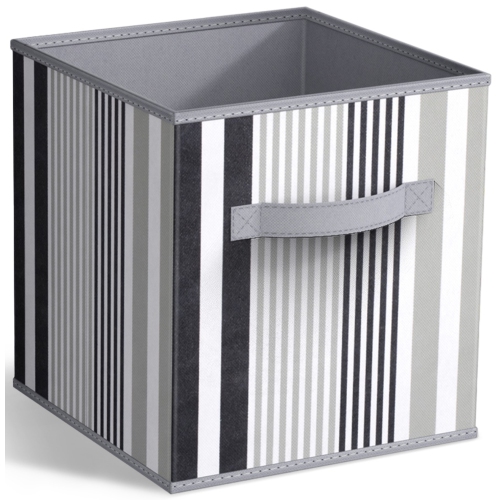
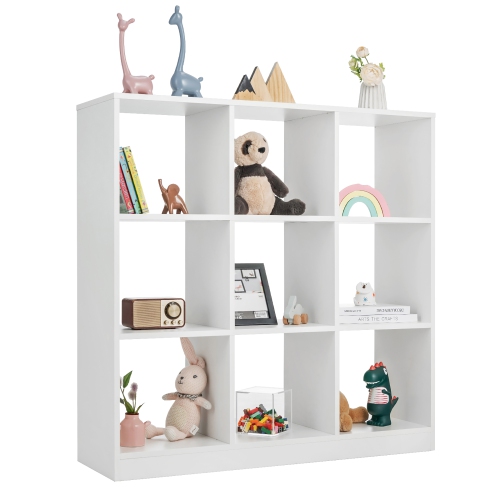
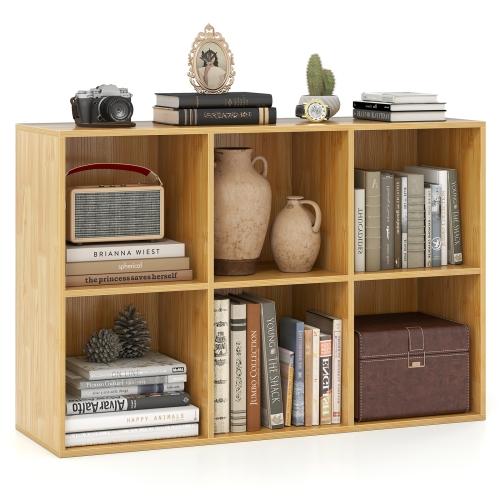
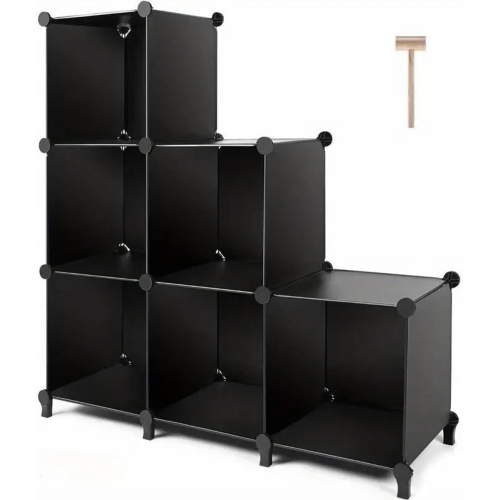
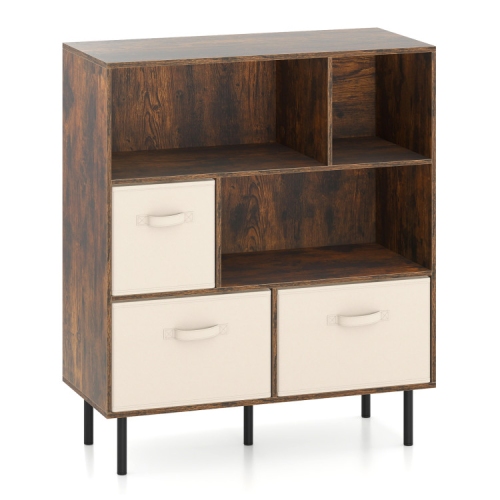
Open compartments give everyday belongings a defined place
Wooden storage cubes are square or cube-shaped compartments that organize books, toys, paperwork, and everyday belongings in a compact, structured layout. They can take the form of individual cubes, connected cubbies, or larger shelving units with several compartments. Some designs are modular, allowing compatible sections to be arranged together, while others have a fixed shape and orientation. Their appeal lies in the balance between useful storage and an open, uncluttered appearance: a row of books, a woven basket, and a favourite framed photograph can each have a defined place without disappearing inside a cupboard. Wood construction also brings texture and warmth to living rooms, bedrooms, entryways, and home offices. Solid wood, wood veneer, and engineered wood offer different characteristics, so the material description matters as much as the finish. Solid wood has natural grain variation and can develop small marks with everyday use; whether it can be refinished depends on its construction and surface treatment. Wood veneer places a thin layer of real wood over a supporting core, giving the surface a wood-grain appearance without making the entire panel solid timber. Engineered wood, including particleboard and medium-density fibreboard, is commonly used for uniform panels with painted, laminated, or veneered finishes. None of these material names alone determines how much weight a cube can support. Panel thickness, joints, hardware, backing, and the overall design all influence how the furniture performs. A smooth painted finish can blend into a wall of matching shelving, while a visible grain pattern makes the storage itself more noticeable. Light wood tones can sit comfortably beside pale upholstery, and deeper finishes can complement a desk or dining table. For cubes that will stand away from a wall, finished backs and sides are worth noting because those surfaces remain visible. Handles, legs, doors, and exposed connectors also affect the overall look, particularly when several units sit together. Small differences in edge profiles or finish colour can become more apparent across a longer arrangement.
The most useful wooden cube storage fits both the room and the belongings it needs to hold. Exterior dimensions establish the floor space a unit occupies, but the interior opening determines whether a basket, record sleeve, binder, or stack of games will fit. Shelf thickness and backing can reduce usable space, and a cube that appears square from the front may be shallower than expected. A little clearance around a removable bin makes it easier to slide in and out without catching its corners. In an entryway, a low arrangement can keep bags and everyday accessories together without crowding the path from the door. Beside a desk, a narrow unit can separate reference books from charging cables and stationery. In a living room, a wider configuration can give shared belongings a home while leaving a few compartments open for display. Placement also involves practical details such as baseboards, nearby outlets, door swings, and access to drawers on neighbouring furniture. Cubes intended to hold electronics need suitable ventilation and cable access; an enclosed compartment is not automatically appropriate for a device that produces heat. Weight limits deserve particular attention because a compartment filled with large books can be much heavier than one holding folded throws. The stated capacity may apply to each shelf, the top surface, or the whole unit, and those limits are not interchangeable. Heavier belongings generally belong lower down for a more stable arrangement. Stackable cubes should be stacked only in combinations and orientations approved by the manufacturer, using any specified connectors. A unit designed to stand vertically may not be suitable for horizontal use, even if the shape appears adaptable. Tall furniture and units accessible to children should be secured according to their assembly and anchoring instructions, with hardware appropriate for the wall. Storage cubes are not seating, steps, or climbing furniture unless specifically designed for that purpose, regardless of how sturdy their tops may look.
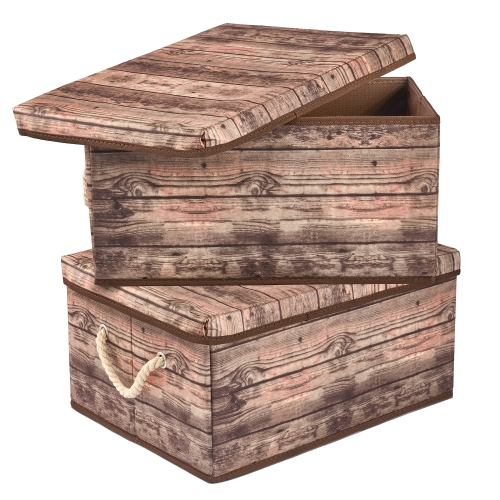
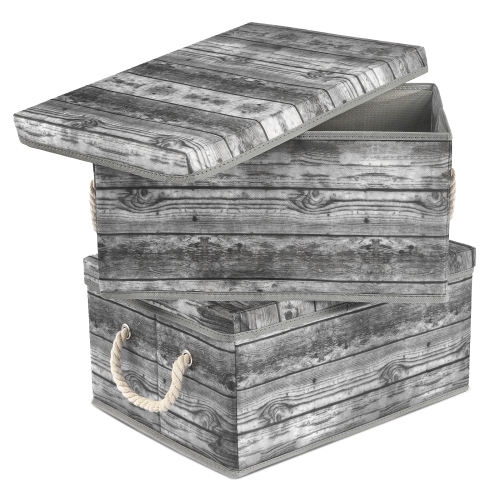
Everyday usefulness often comes down to how the compartments are organized and how easily their surfaces can be maintained. Open cubes make frequently used belongings visible, which suits a shared family room, a student’s study area, or a workspace where supplies need to stay within reach. Removable bins can gather smaller pieces that would otherwise spread across a shelf, while leaving neighbouring compartments open keeps books and display objects accessible. For belongings that benefit from a lid or a separate container, Wooden Storage Boxes offer another way to organize within a compatible cubby or elsewhere in the room. Container dimensions still need to account for handles, lids, and the space required to lift them out. In a child’s room, reachable compartments can make putting away toys a manageable routine, although the furniture must remain properly secured and free of tempting climbing arrangements. Adults sharing a small home may find that assigning each person a compartment keeps mail, headphones, and daily essentials from merging into one pile. A cube unit can also make a practical housewarming gift when the recipient’s room measurements, preferred finish, and assembly needs are known. Care should follow the finish rather than assumptions about wood in general. A soft, dry cloth is usually suitable for routine dusting, while any damp cleaning should follow the manufacturer’s directions and leave no standing moisture behind. Spills deserve prompt attention, especially around panel edges, seams, and unsealed areas. Abrasive pads and harsh cleaners can scratch or dull surfaces, and wood polish is not suitable for every laminate or painted finish. Protective pads beneath decorative objects can help limit scuffs, provided they are compatible with the surface. Keeping weight within the stated limits and checking that assembly hardware remains secure can help preserve the unit’s stability. With the right dimensions, construction, and layout, wooden storage cubes provide a defined place for daily belongings without making every part of the room feel closed away.
Top selling and popular products
-
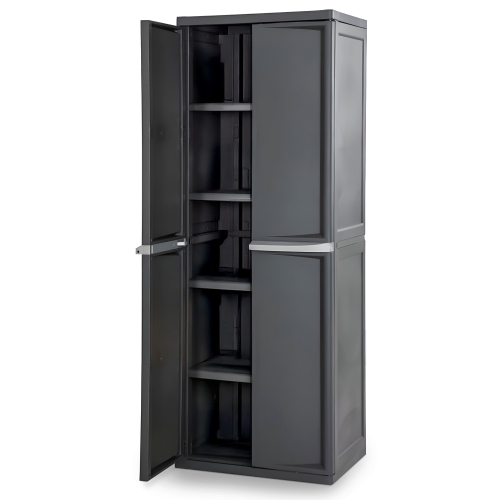 Your price for this item is $576.99
-
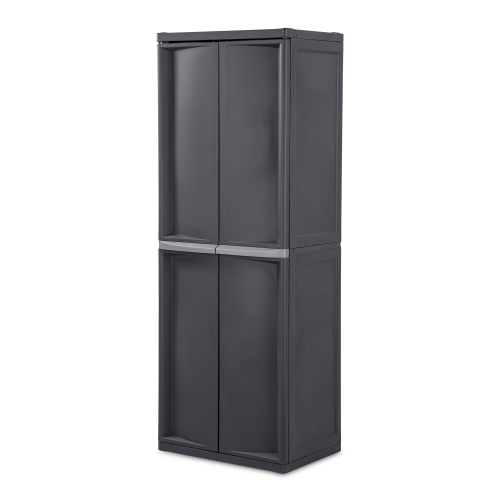 Your price for this item is $1132.99
-
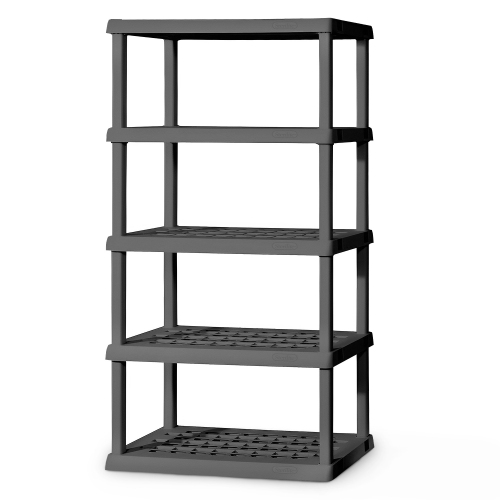 Your price for this item is $356.99
-
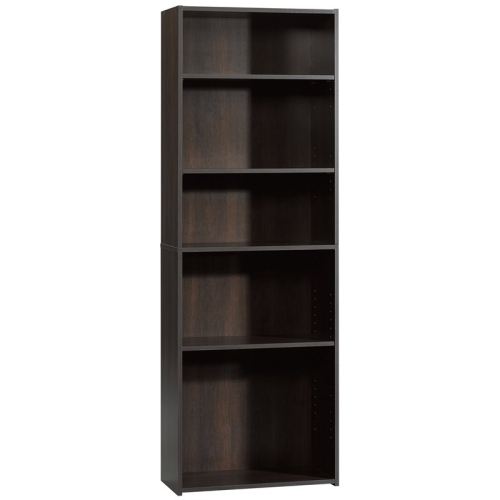 Your price for this item is $208.99
-
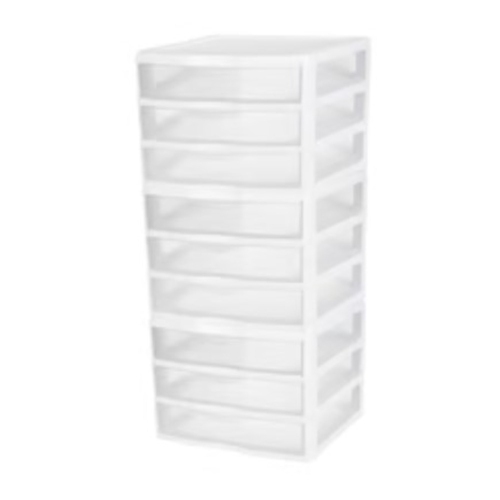 Your price for this item is $169.99
-
 Your price for this item is $604.99
-
 Your price for this item is $599
-
 Your price for this item is $254.99
Discover more categories related to Wooden Storage Cubes

Top Collections:
Best Black Friday Deals This Year, Best Black Friday Deals On Electronics, Kindle Devices, Pokemon Centers, Best Black Friday Deals On Apple Products, Best Cameras for Sports Photography, Dyson Airwrap, Pokémon 30th Celebration Cards, Apple iPhone 17 Pro, Canon G7X Cameras
Some products may be subject to Environmental Handling Fees
(EHF) depending on your province.
Learn more about EHFs.