Portable Standing Desks
Upgrade your workspace with a Portable Standing Desk, the perfect solution for flexibility and comfort whether you’re at home, in the office, or on the go. Designed to suit a variety of needs and spaces, these desks offer a convenient way to create an ergonomic workstation wherever you need it. Explore a wide selection of styles and designs to find the ideal Portable Standing Desk that fits seamlessly into your daily routine.
Sort
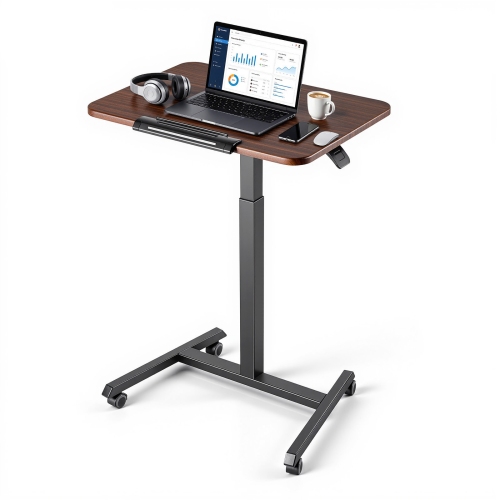
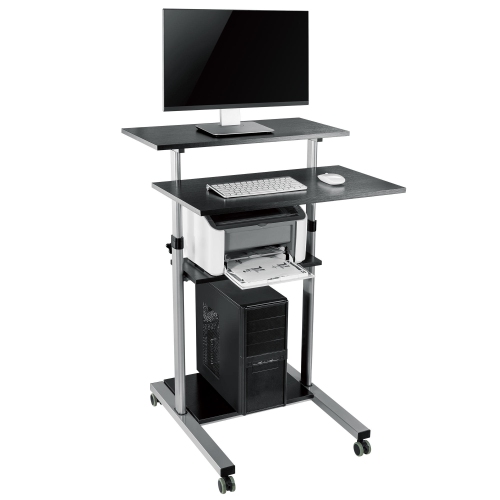
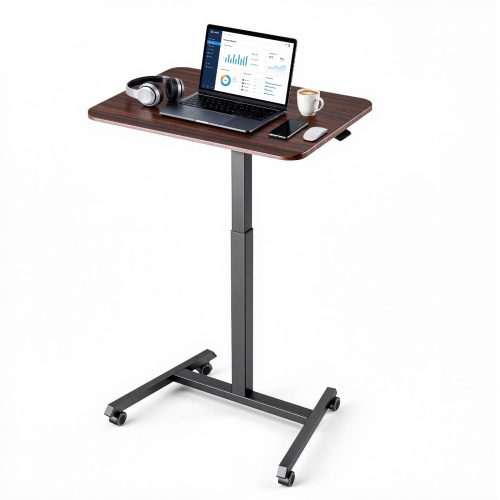
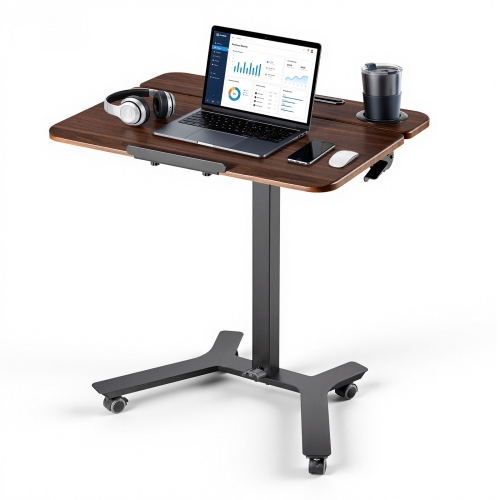
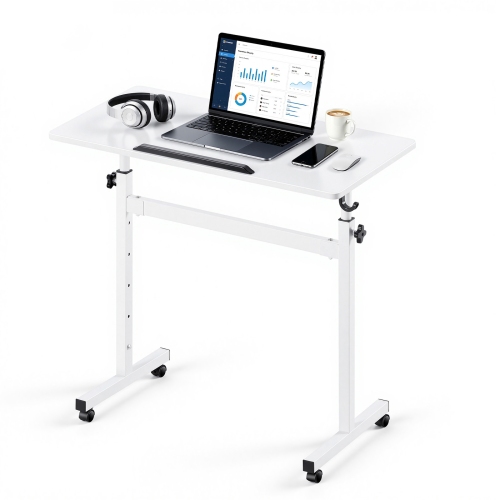
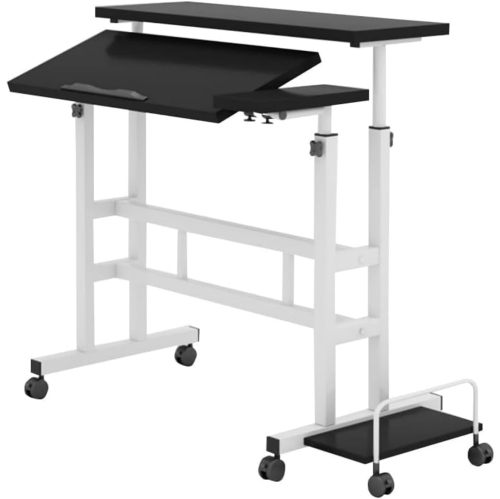
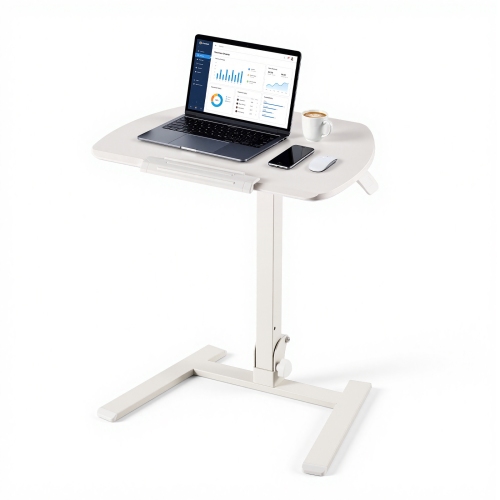
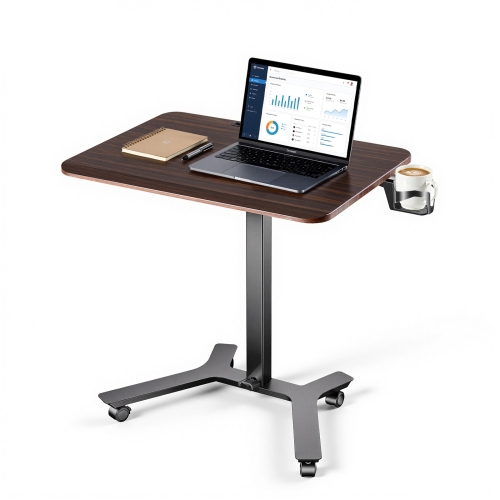
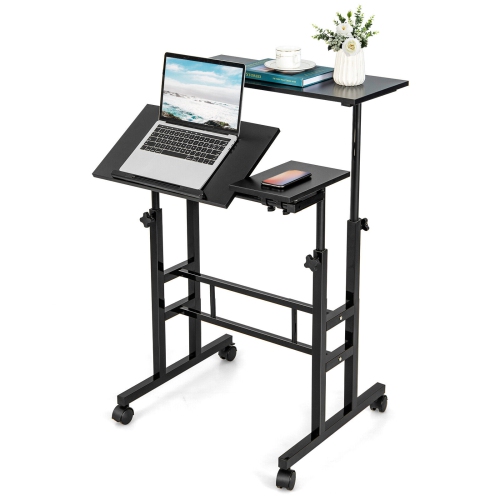
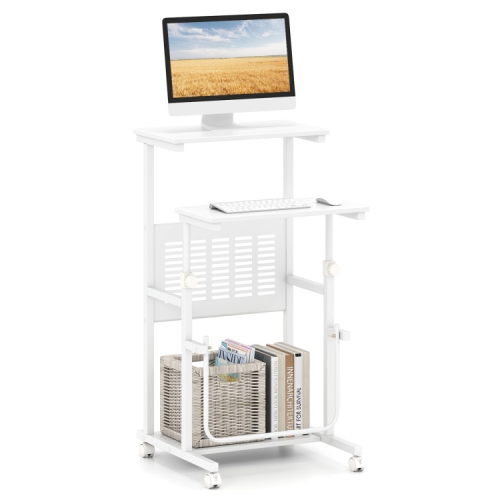
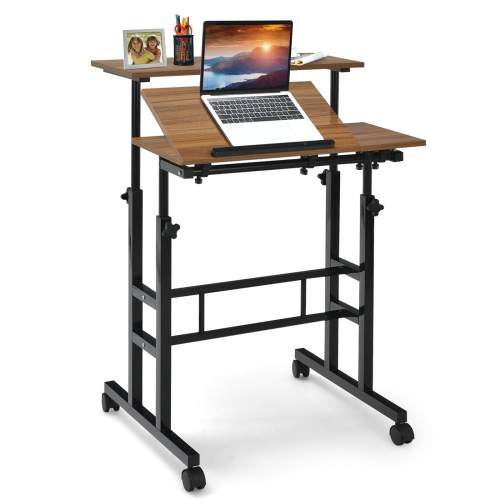
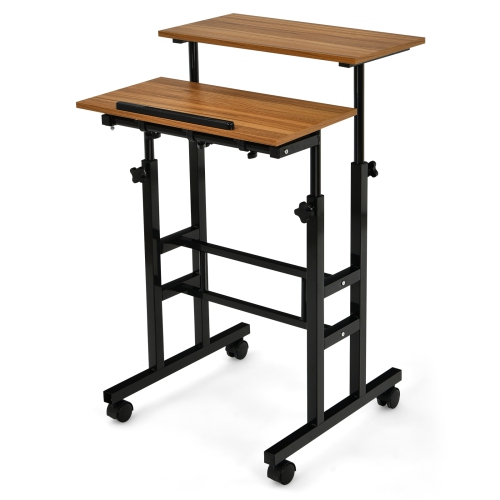
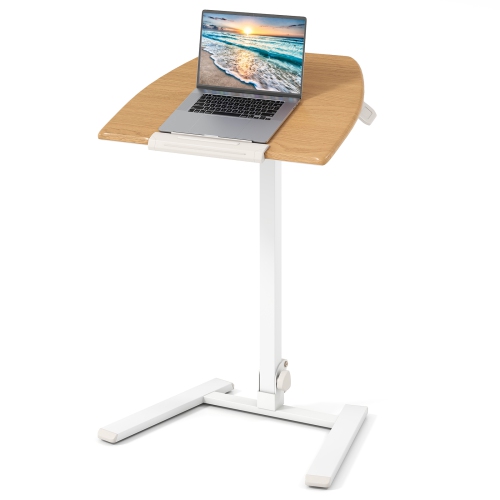

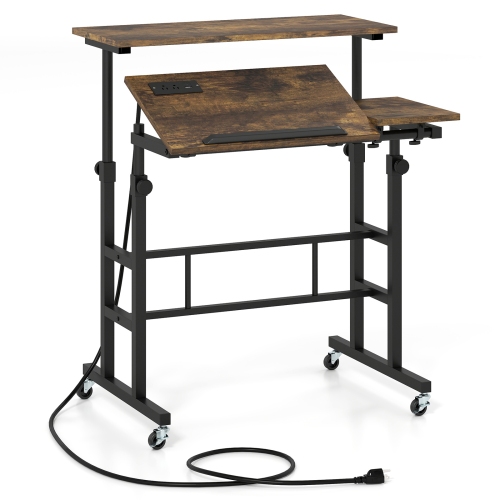
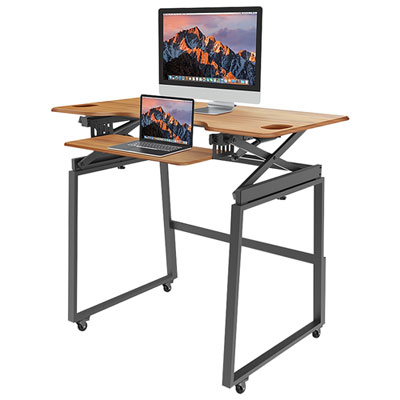
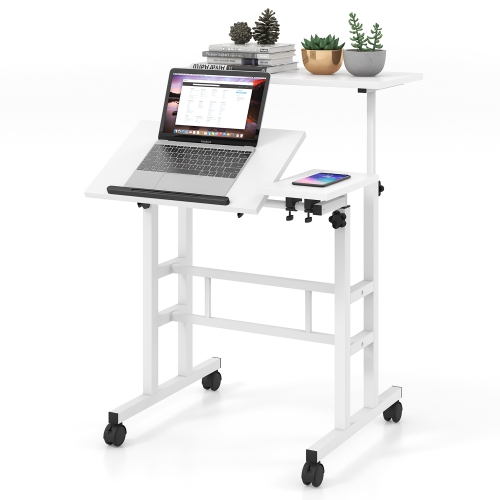
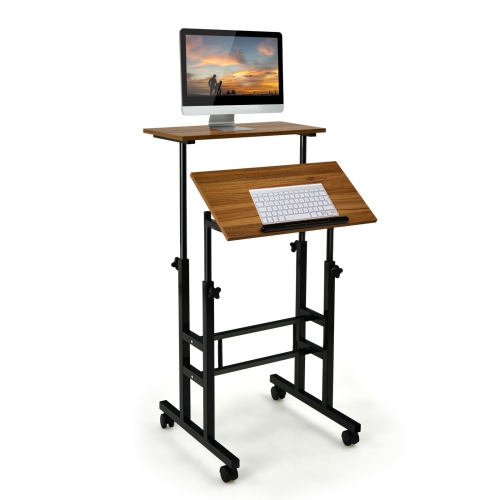
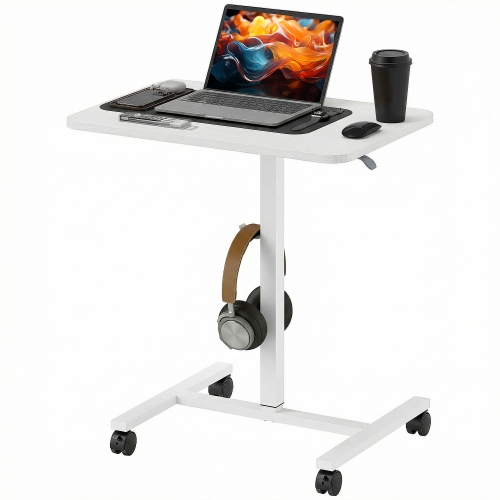
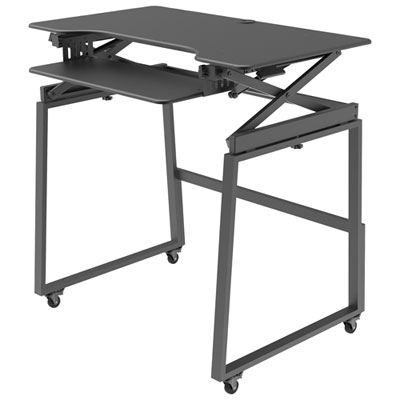
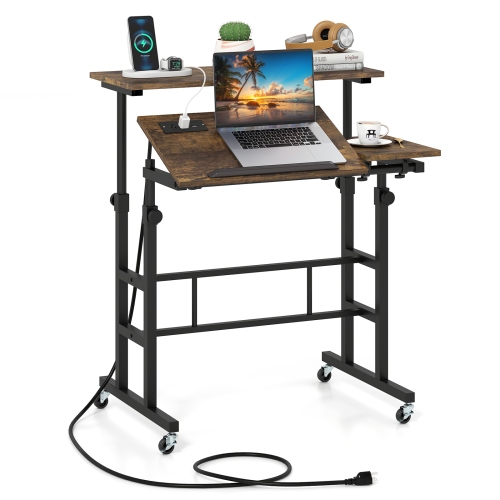
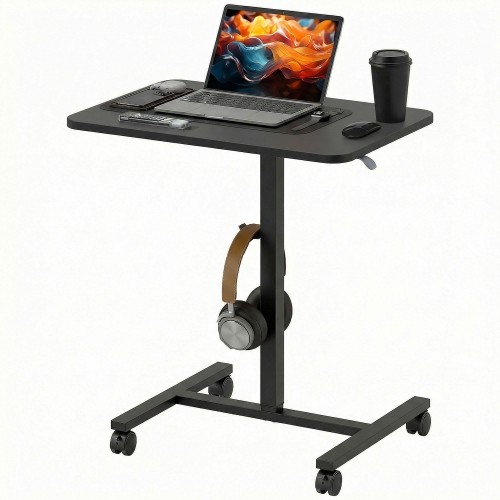
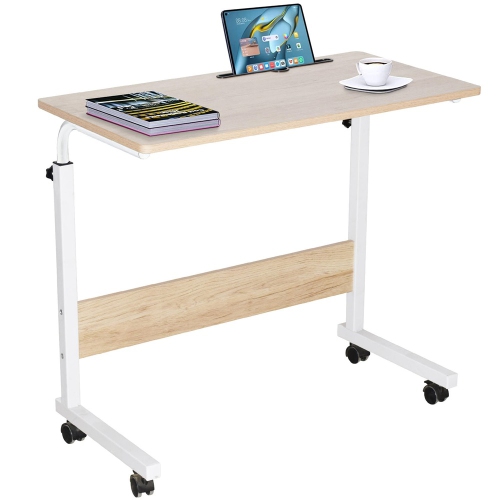
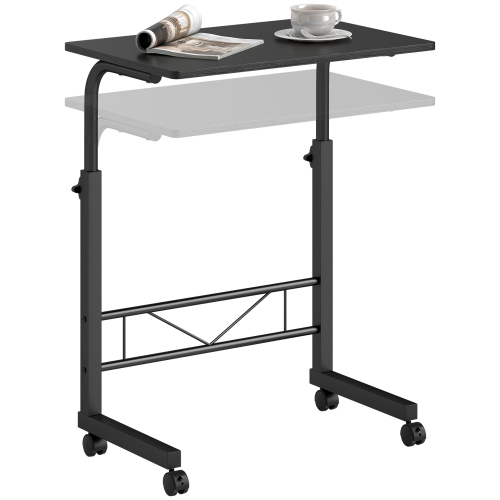
A workspace that moves and adjusts with you
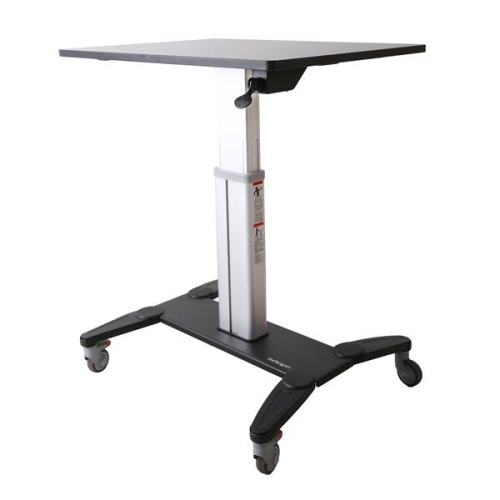
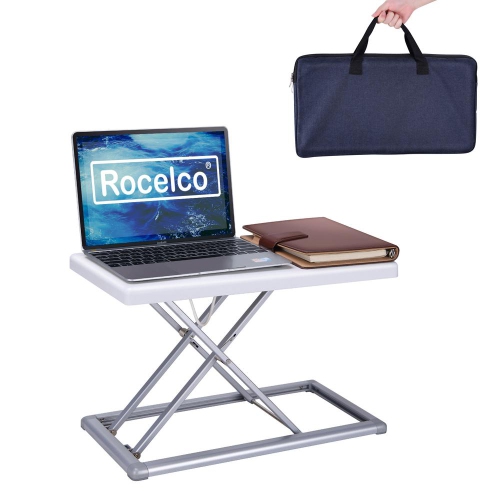
Portable standing desks are height-adjustable work surfaces designed to move between locations or make an existing workspace more flexible. The category includes rolling laptop desks, mobile workstations, compact freestanding desks, and desktop converters that can be carried from one suitable surface to another. Their portability comes from different features: castors help a desk travel between rooms, a lightweight frame makes lifting easier, and a folding design reduces the space needed for storage. These differences matter in everyday use. A rolling desk can bring a laptop beside a dining table for a video call, then move back to a spare room when the work is finished. A compact desktop converter adds sitting and standing positions to an existing desk without replacing the furniture underneath it, although the supporting surface must be strong and deep enough for its base. Some height-adjustable overbed-style tables also suit standing tasks, provided their adjustment range and construction support that use; a table that slides over a bed is not automatically tall enough to function as a standing desk. For remote workers, students, teachers, and people who share a workspace, the appeal is a useful surface that does not have to stay in one place. Surface size helps define what that workspace can accommodate. A laptop and mouse need less room than a monitor, separate keyboard, notebook, and charging accessories. A broader top provides space to spread out paperwork, while a narrow footprint may fit more comfortably beside a sofa or through a doorway. The base deserves as much attention as the desktop, especially where chair legs, floor vents, or low furniture could get in the way. Portability is most useful when the desk fits both its working location and the route it takes to get there, including any tight corners or changes in flooring.
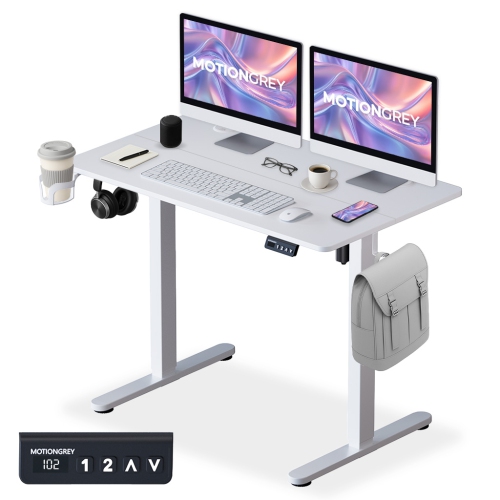
Height adjustment determines how well a portable standing desk works for the person using it. The lowest and highest settings are more informative than the total adjustment range alone, since a desk needs to reach a comfortable position for both seated and standing tasks. For keyboard work, a useful starting point is a surface height that allows relaxed shoulders, elbows close to the body, and wrists held comfortably rather than bent upward. Screen placement is a separate consideration. A laptop resting directly on the desktop can leave its screen too low when the keyboard is at a comfortable height, so a separate keyboard and mouse may be helpful when using a laptop riser. A monitor stand or arm also needs enough surface space and a suitable attachment point; not every compact desktop can accept a clamp. Adjustment mechanisms vary across the category. Manual designs may use knobs, pins, or a crank, while pneumatic designs use a lever-assisted lifting mechanism and powered designs use a motor. The practical difference is how the desk changes height with equipment on top, how much effort adjustment takes, and whether a power outlet is required. Clearly stated load limits help establish whether the surface can support the intended setup, including accessories rather than just the computer itself. Designs with separate keyboard platforms or tilting tops introduce further considerations, such as the size of each section and whether a retaining edge interferes with typing or mouse movement. Stability matters at standing height, where a narrow frame or uneven floor can make movement more noticeable during typing. Locking castors can help keep a rolling desk in position, but they do not replace a stable base or a level surface. A comfortable setup also leaves space to shift stance, pull up a chair, and alternate between sitting and standing instead of treating either position as something to maintain throughout the day.
Materials and construction affect how a portable standing desk feels to use, how easily it moves, and how it holds up to repeated adjustments. Steel frames can provide a sturdy foundation, while aluminium components may help reduce carrying weight; the overall design, joints, and base dimensions remain important alongside the material itself. Desktop surfaces may include solid wood, engineered wood, laminate, or other coated finishes. A smooth, sealed top is generally straightforward to wipe down, while exposed edges and textured surfaces can need more attention around spills. Rounded corners can be useful in a busy shared room, and a comfortable front edge matters when forearms rest near it during typing. Care should follow the manufacturer’s directions, particularly around lifting columns, adjustment controls, and electrical components. A soft cloth and prompt attention to spills help protect the working surface, while loose fittings, damaged castors, or a height mechanism that no longer locks securely call for attention before further use. Cable management is especially relevant for a desk that moves: charging leads need enough slack for height changes without trailing across a walkway or catching under a wheel. Rolling desks are better suited to clear, level routes than stairs, and loose equipment should be secured or removed as directed before relocation. Carrying weight matters more for a desk that must be lifted regularly, while folded dimensions matter when storage space is limited. For spaces where the work surface needs to be packed away between uses, Foldable Standing Desks offer a related option, though folding and easy carrying are separate features worth distinguishing. A portable standing desk can also be a thoughtful gift for someone setting up a study corner or flexible home office when their room dimensions, equipment, and preferred working heights are known. The most useful fit is a desk that supports the intended tasks, moves without unnecessary effort, and has a practical place to stay when it is not in use.
Top selling and popular products
-
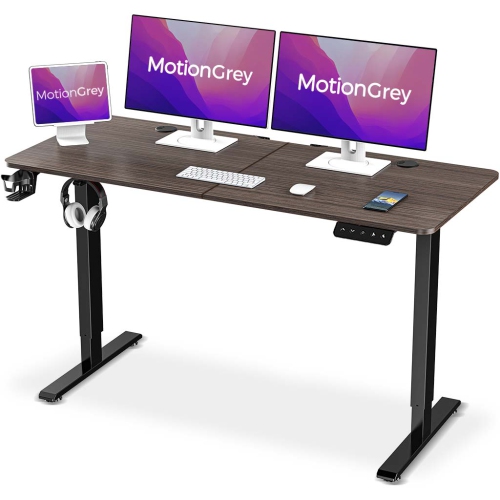 Your price for this item is $133.96
-
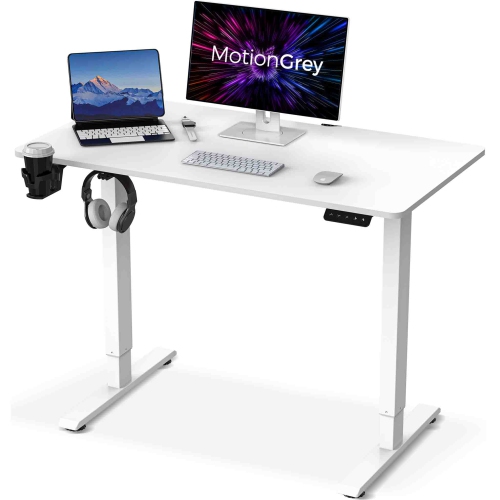 Your price for this item is $122.92
-
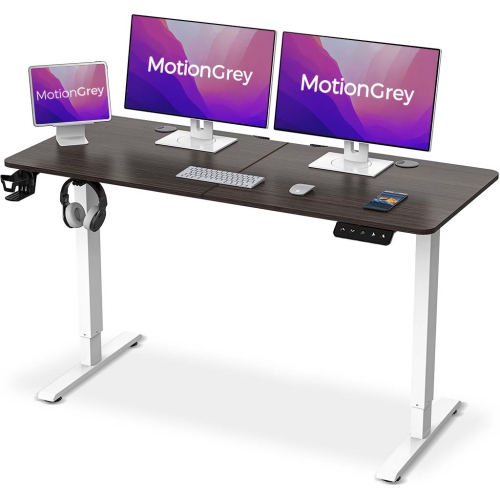 Your price for this item is $132.99
-
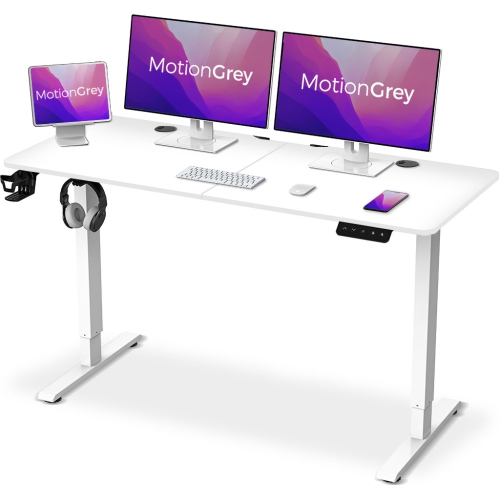 Your price for this item is $149.99
-
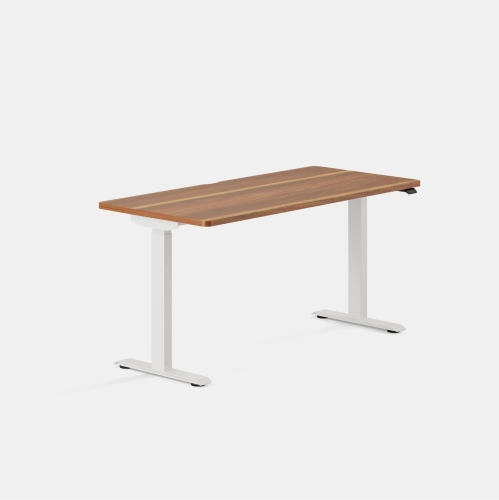 Your price for this item is $679.2
-
 Your price for this item is $679.2
-
 Your price for this item is $519.2
-
 Your price for this item is $679.2
Discover more categories related to Portable Standing Desks
Top Collections:
Best Black Friday Deals This Year, Best Black Friday Deals On Electronics, Kindle Devices, Dyson Airwrap, Best Cameras for Sports Photography, Best Budget Office Chairs, Canon G7X Cameras, PS5 Pro Consoles, Best Black Friday Deals On Apple Products, XBOX One S Consoles
Some products may be subject to Environmental Handling Fees
(EHF) depending on your province.
Learn more about EHFs.