Mobile Standing Desks
Enhance your productivity and take your work on the go with mobile standing desks. Designed for those who crave flexibility and convenience, a mobile standing desk allows you to create a comfortable and ergonomic workspace wherever you are. Whether you're working from home, in the office, or even while traveling, these versatile pieces of furniture provide the freedom to switch between sitting and standing positions effortlessly. Here are some great options available.
Sort
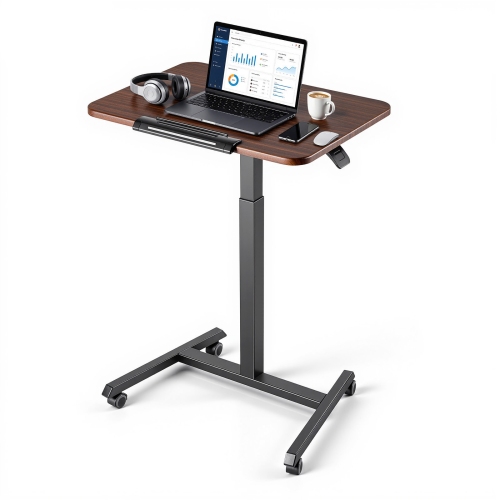
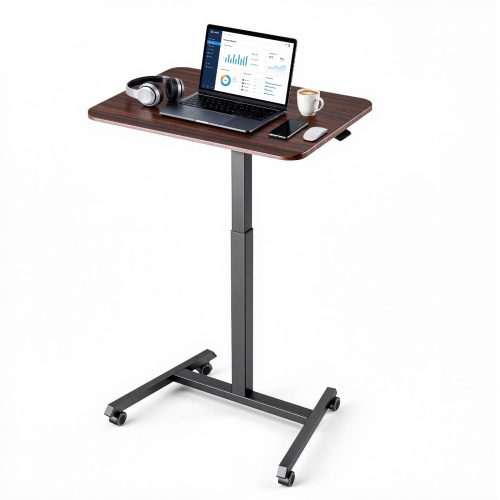
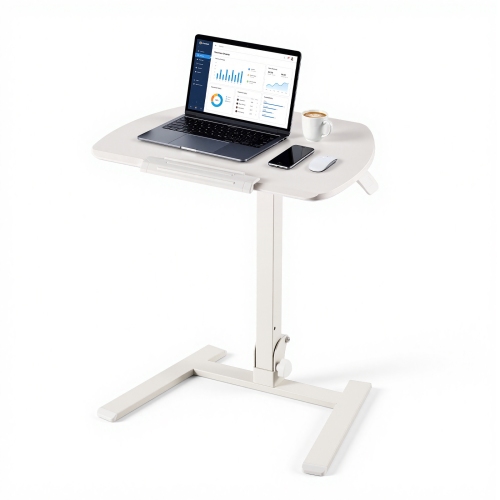
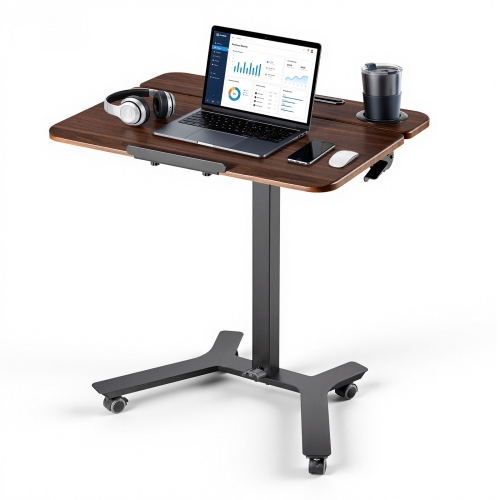
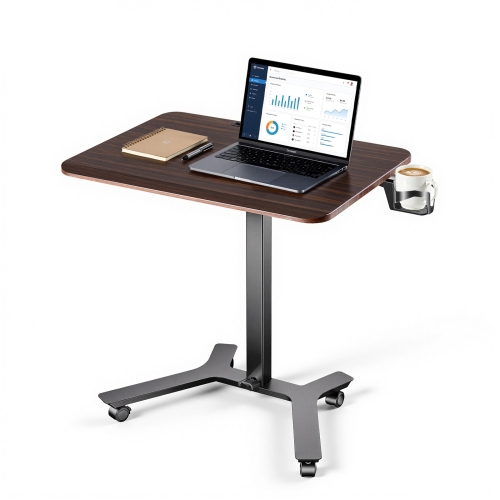
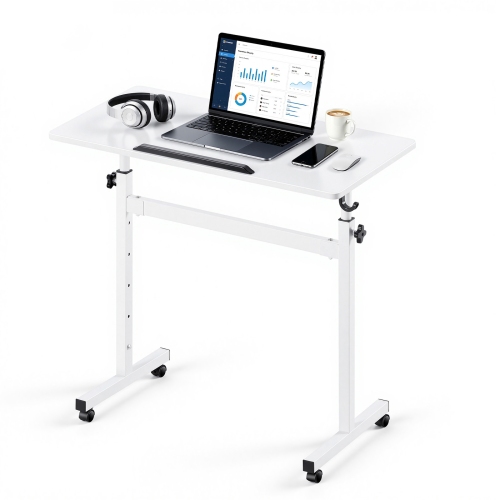
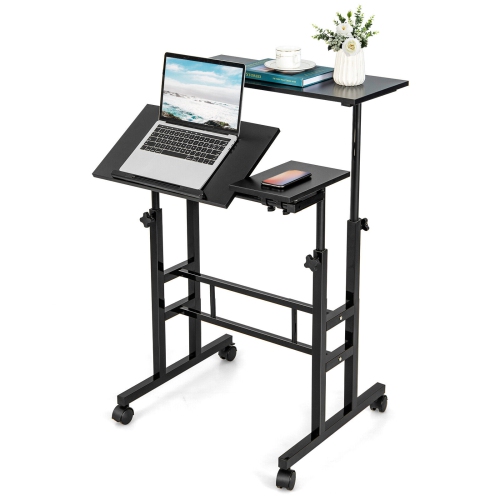

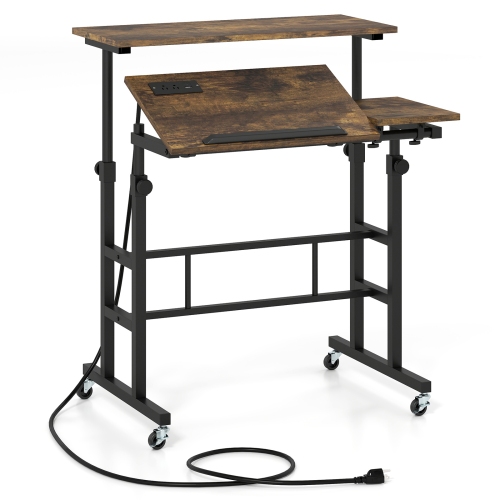
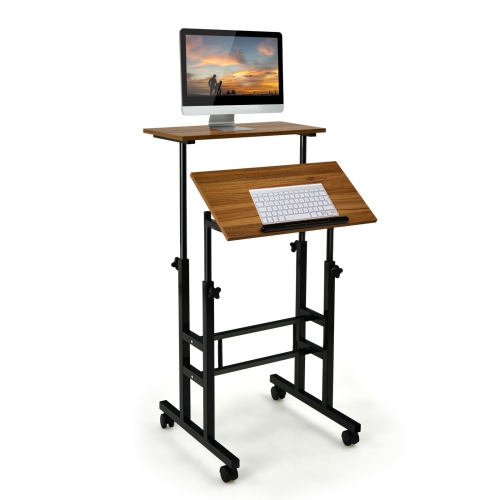
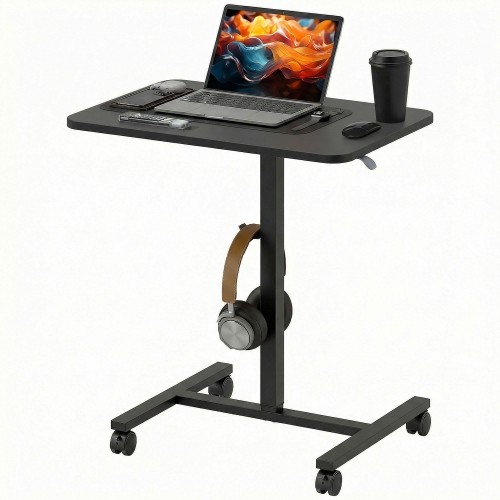
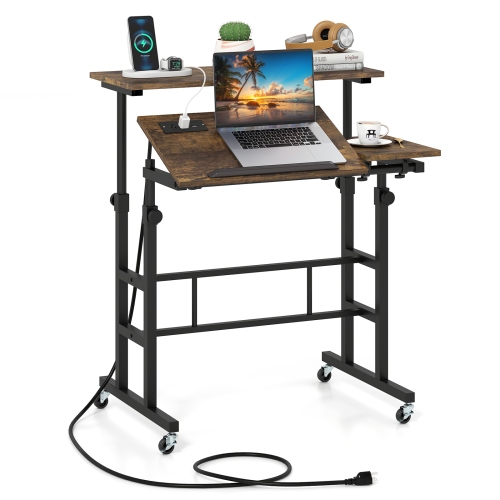
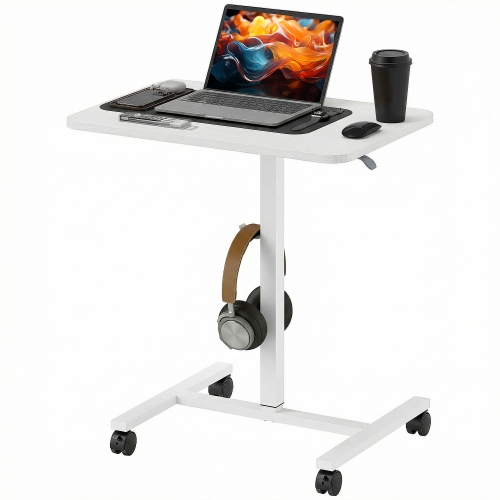
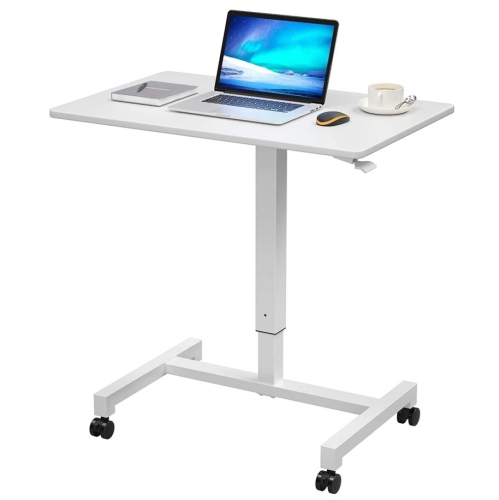
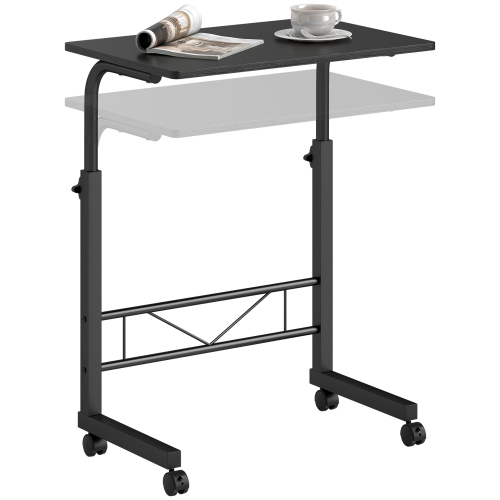
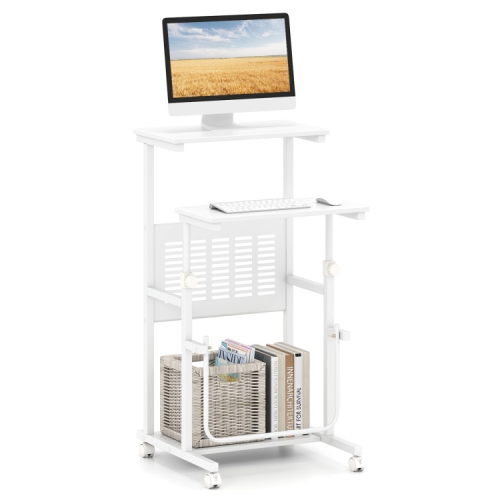
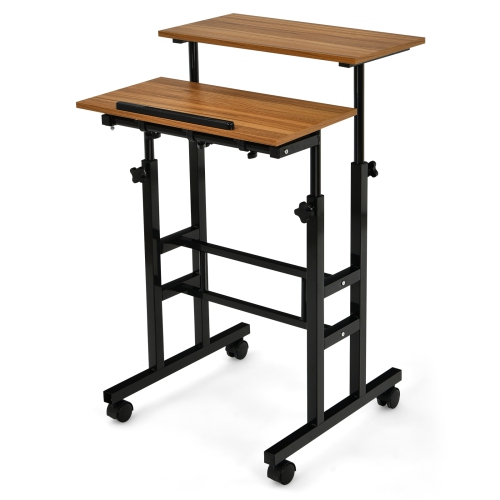
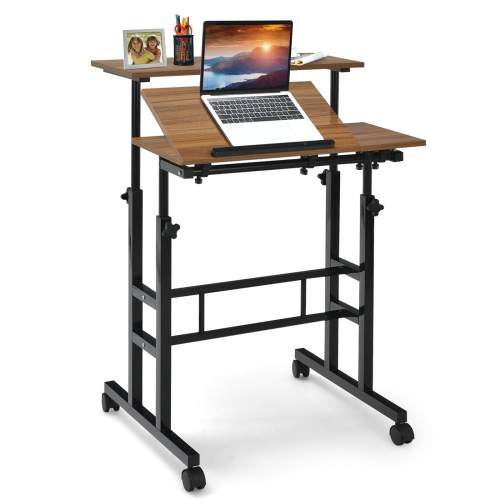
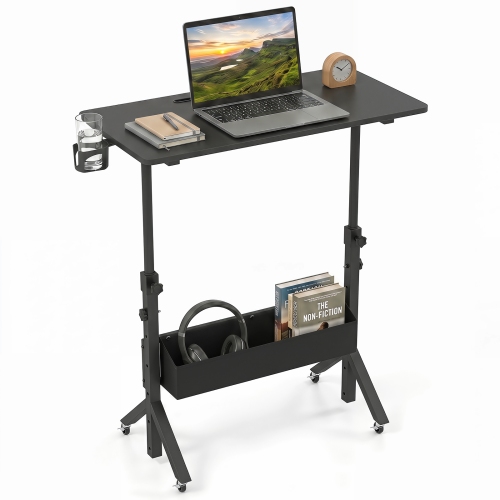
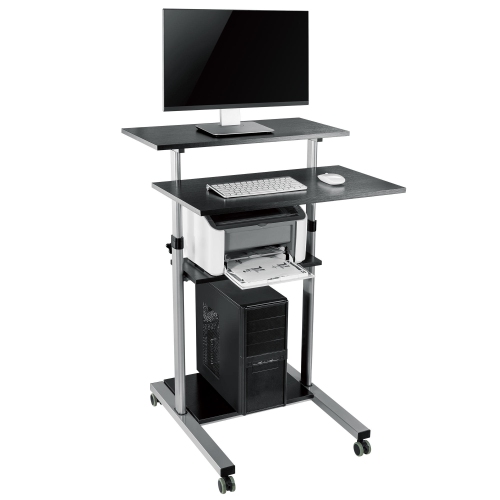
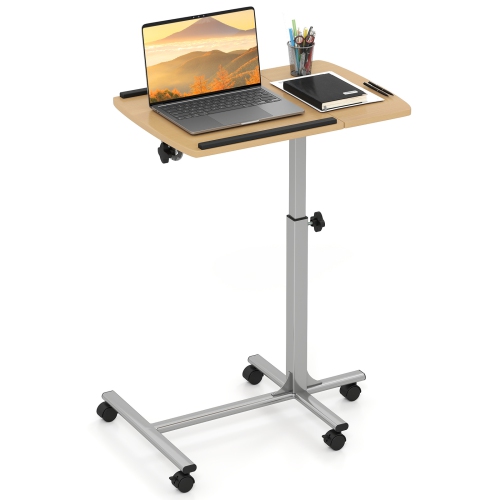
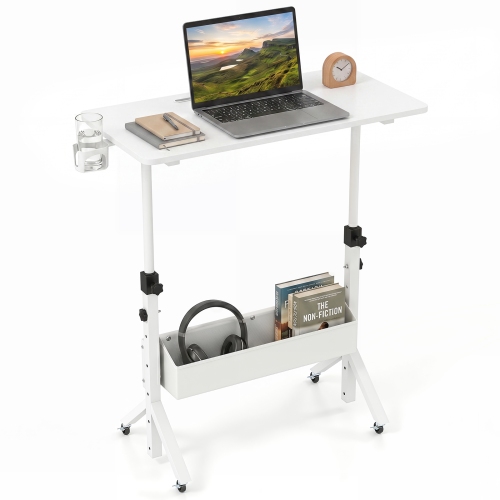
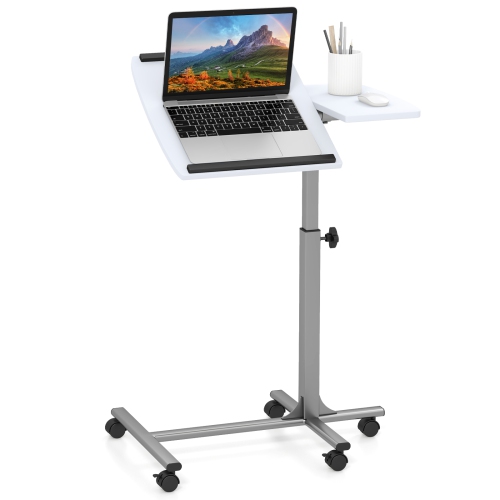
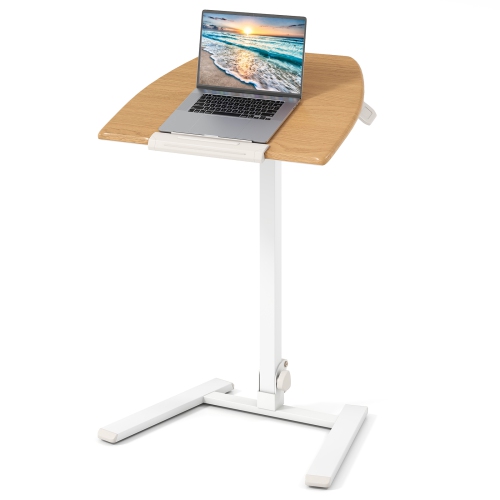
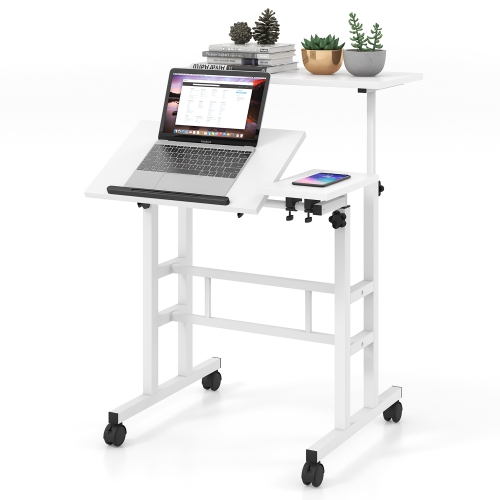
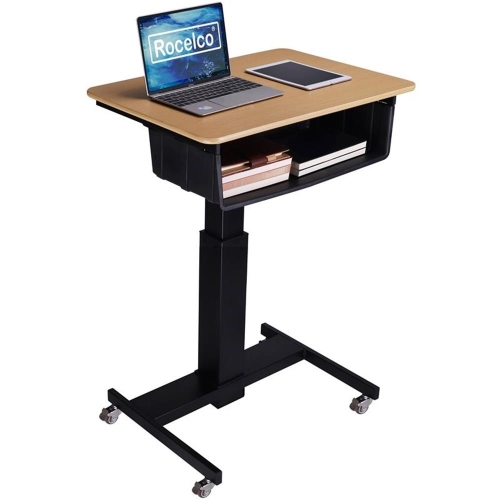
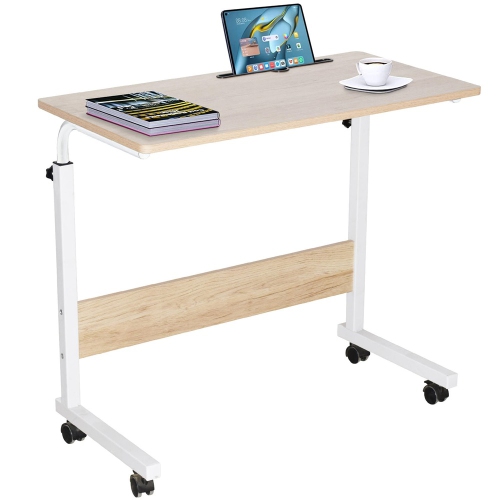
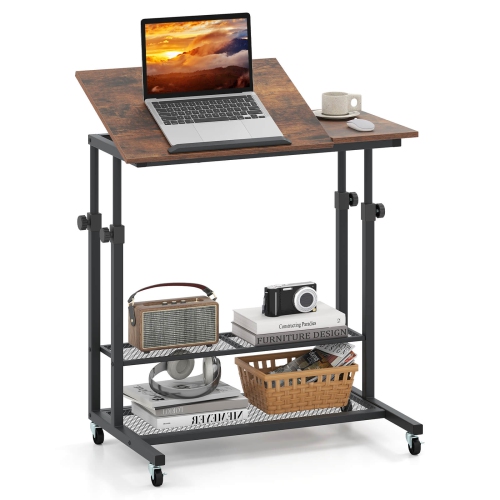
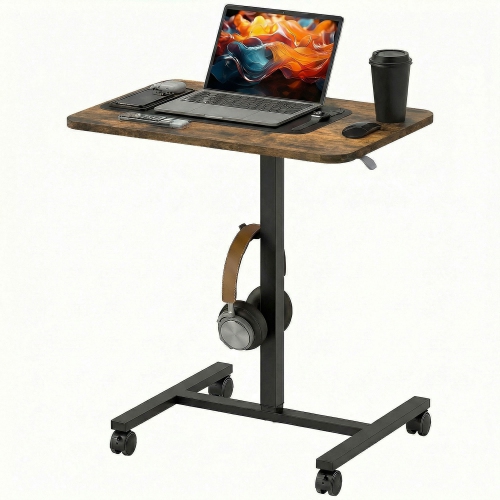
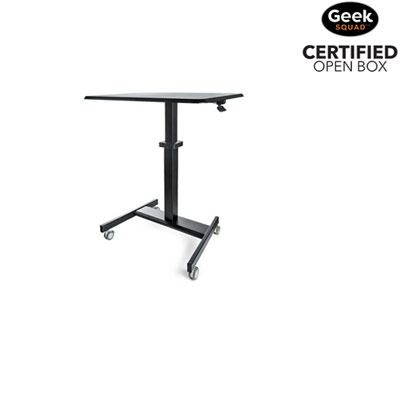
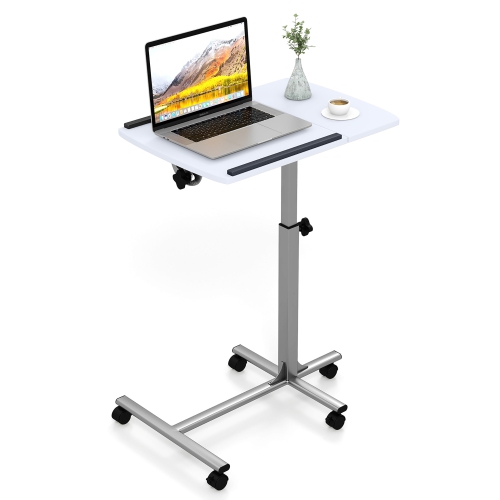
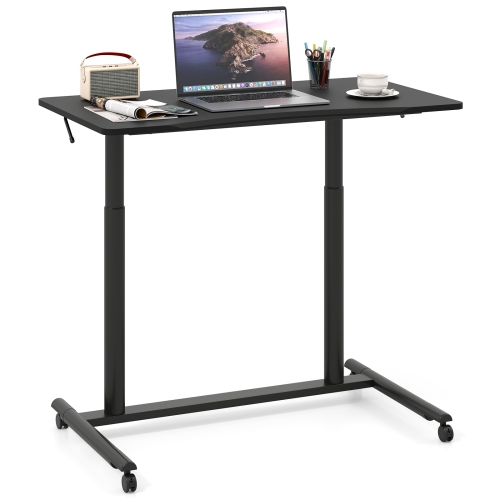
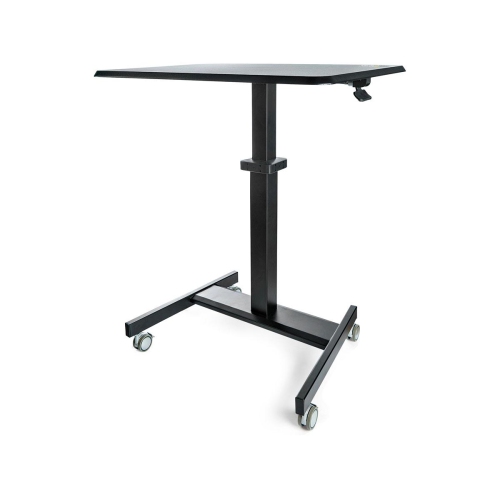
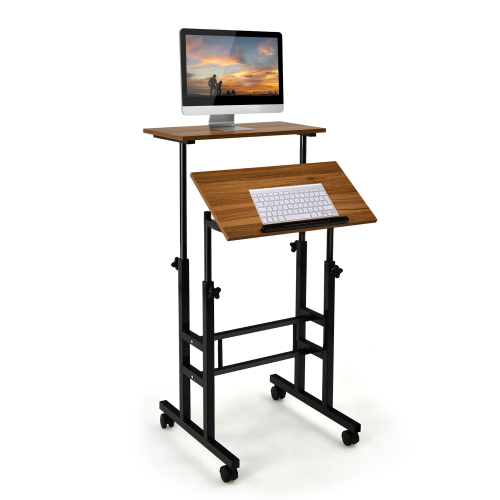
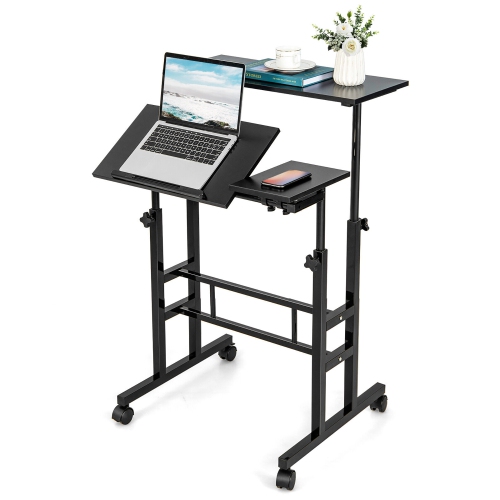
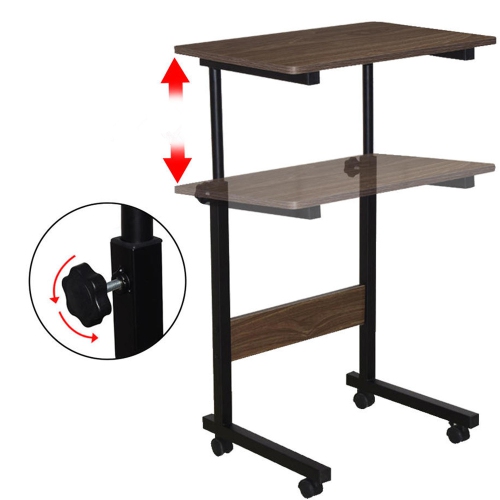
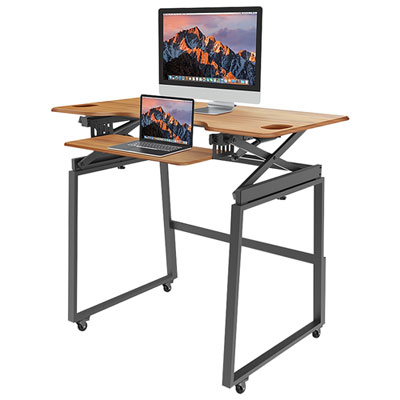

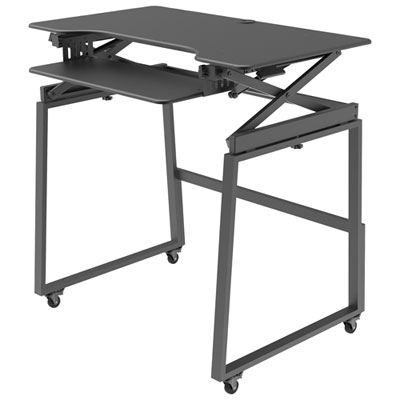

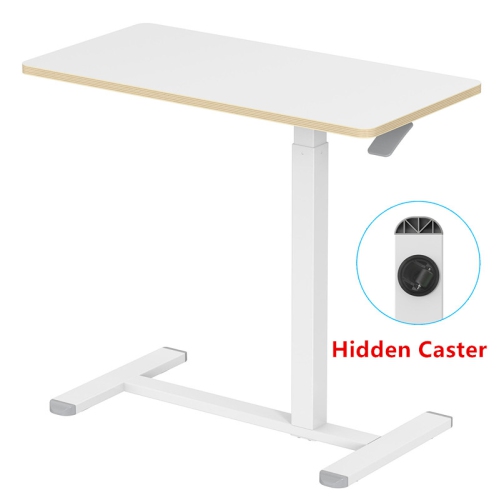

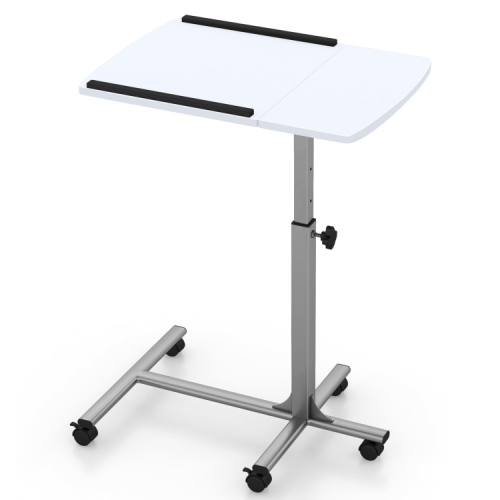
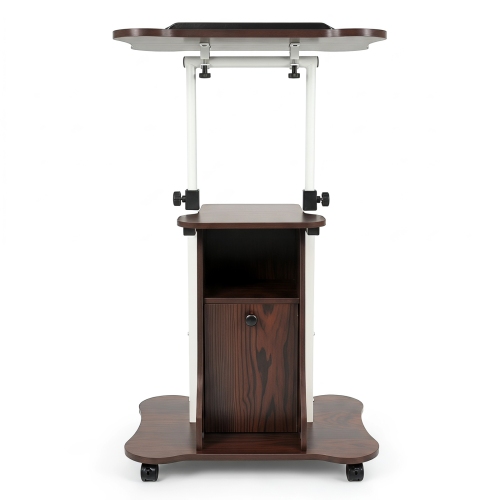

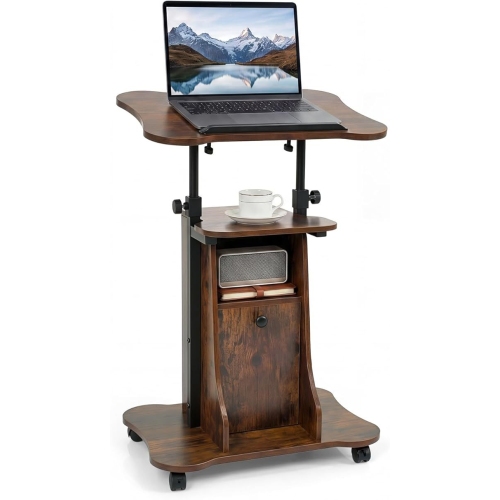
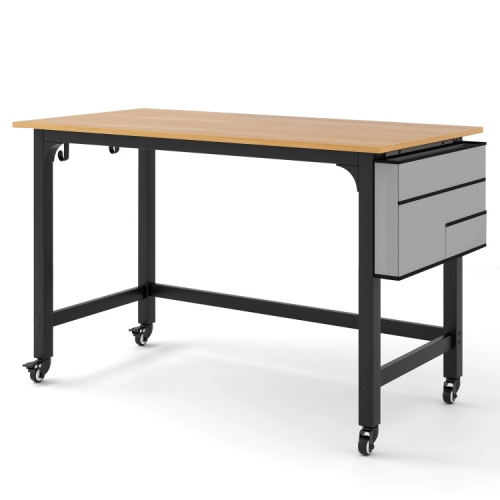
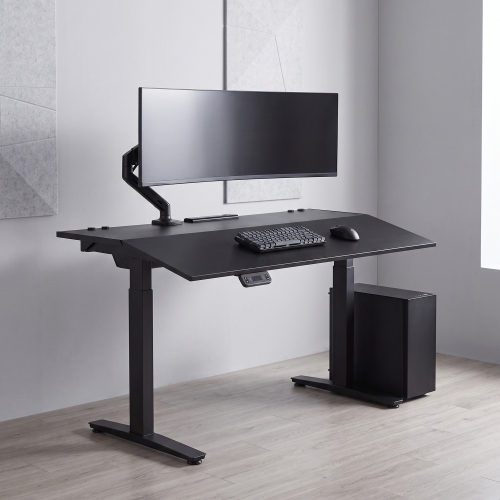

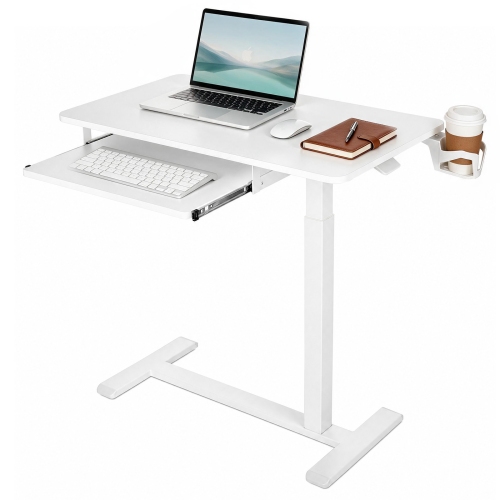
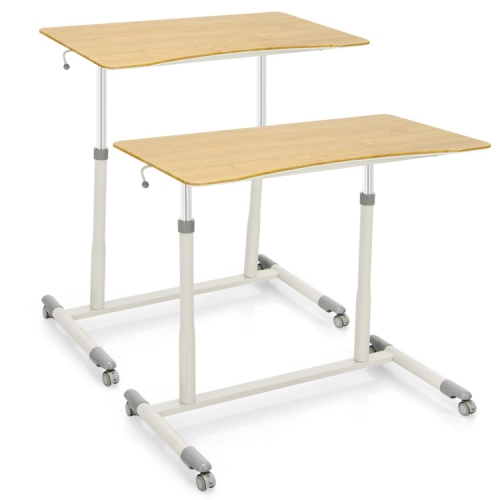
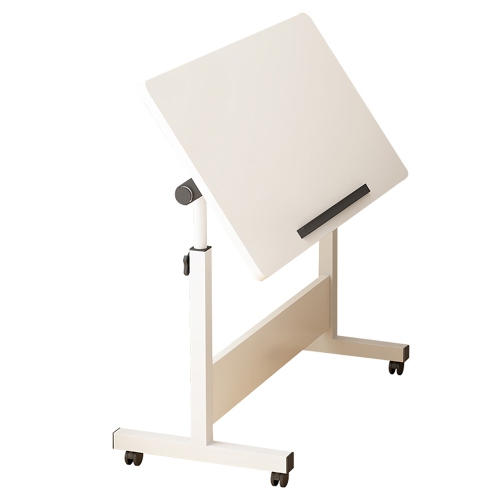
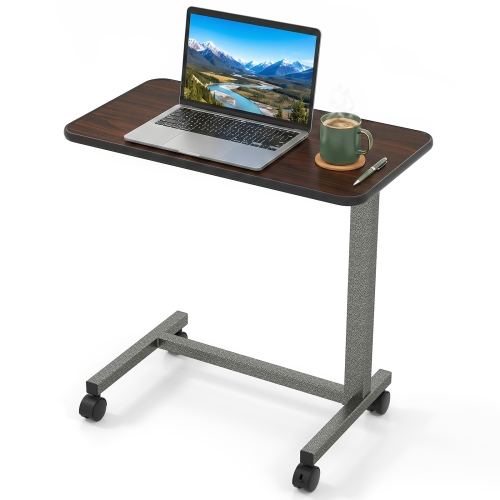
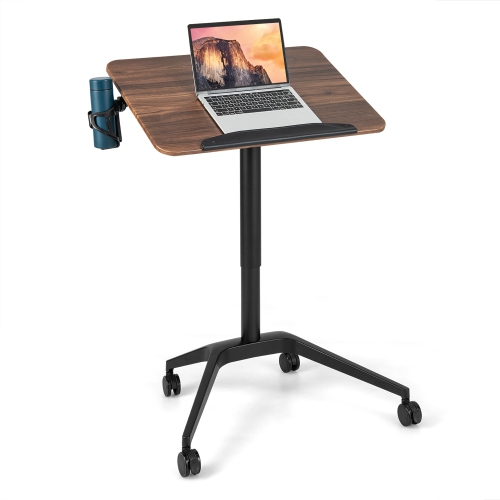
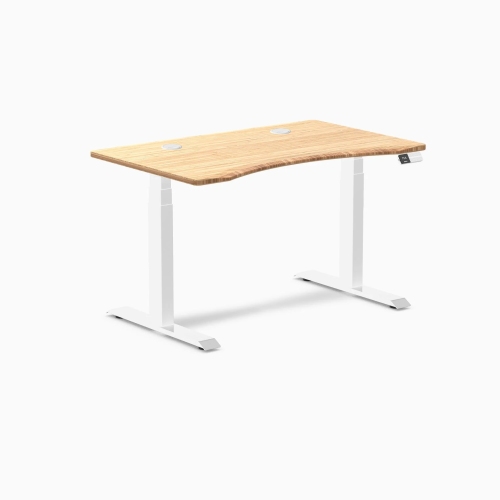
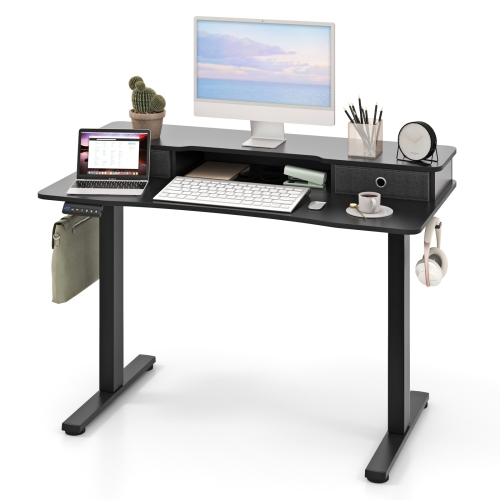
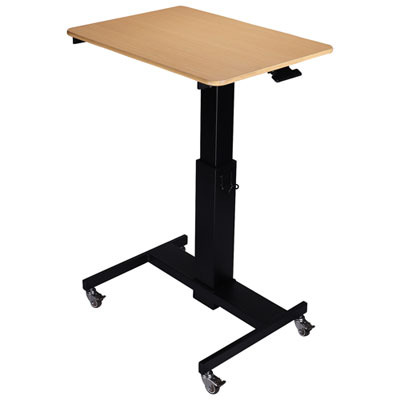
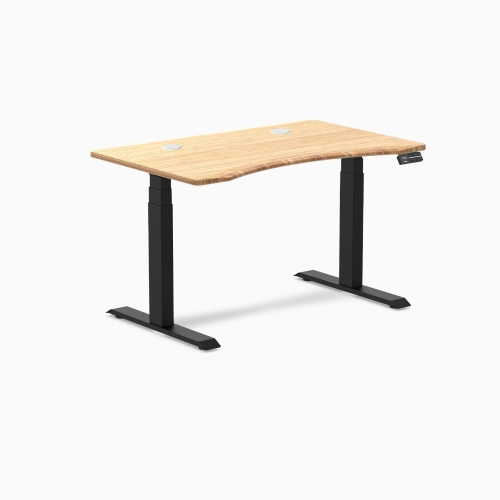
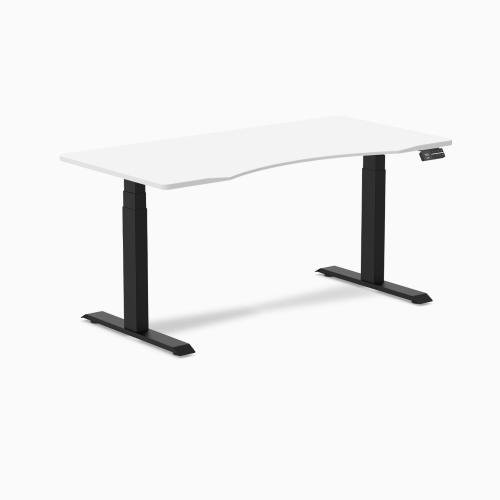
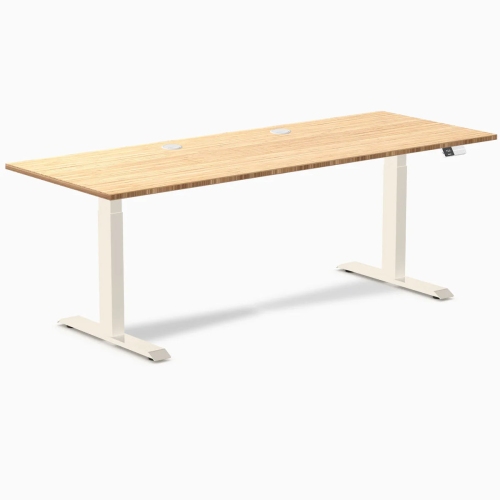
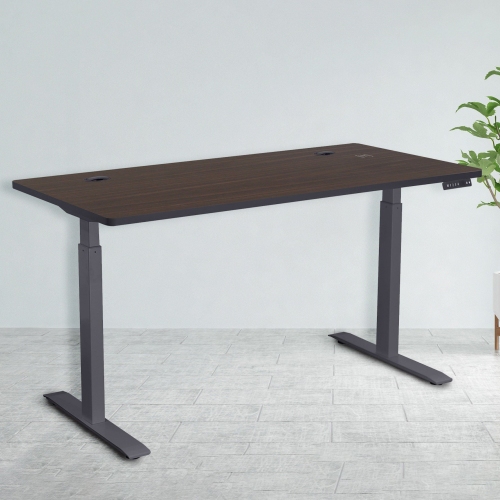
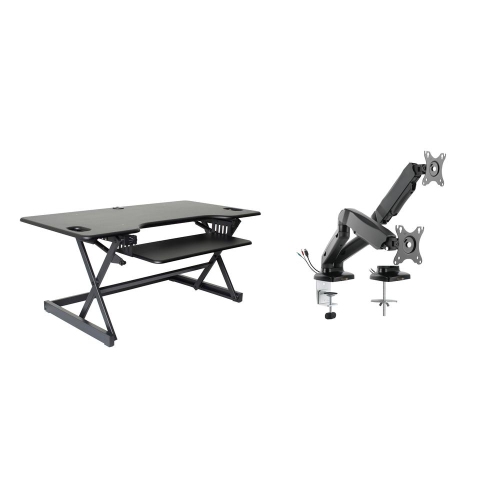
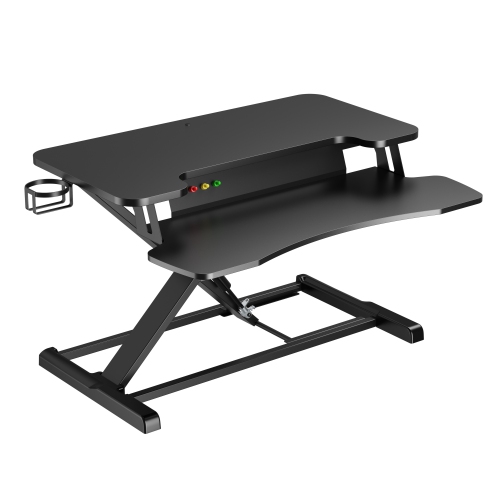
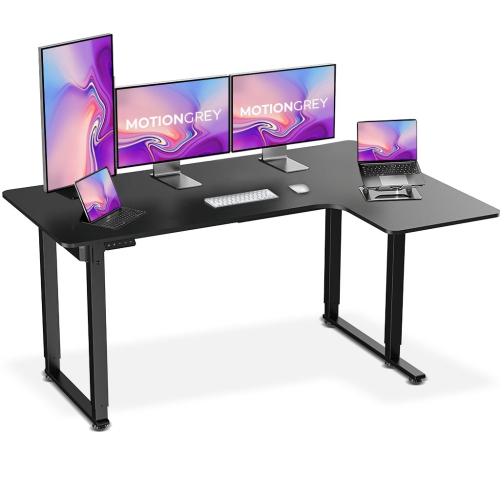
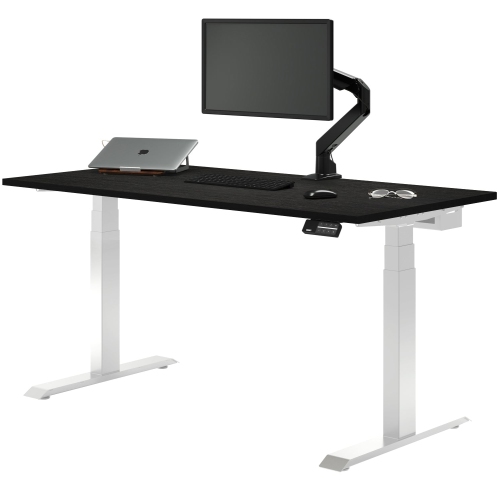
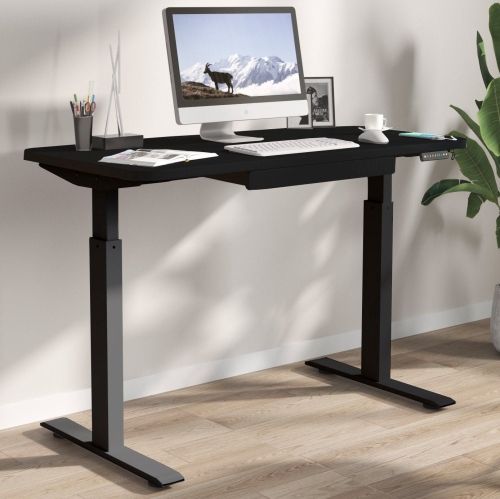

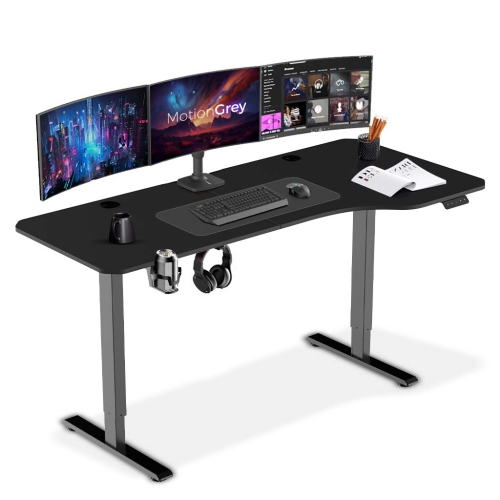
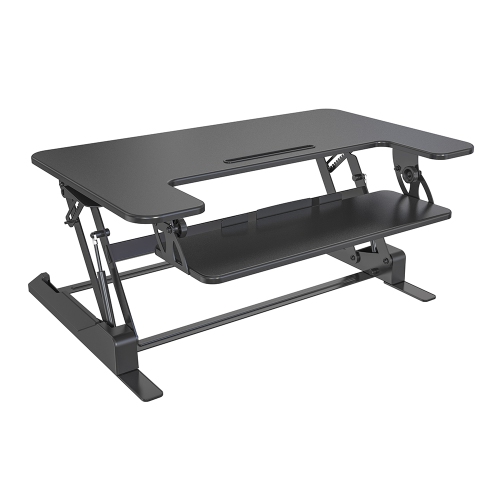
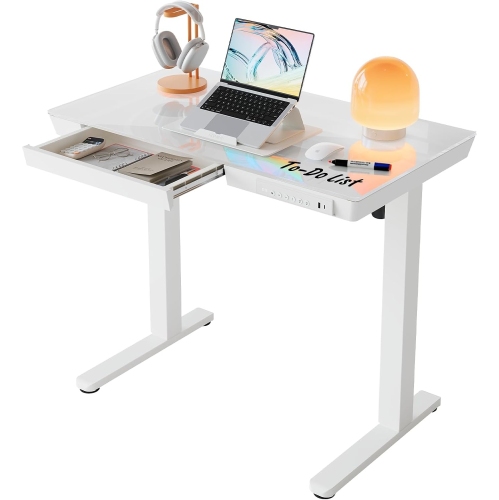

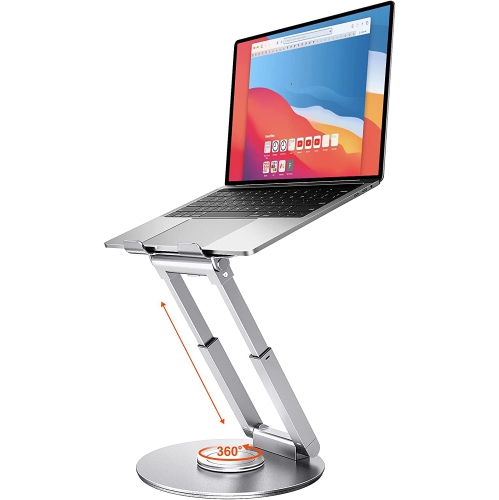
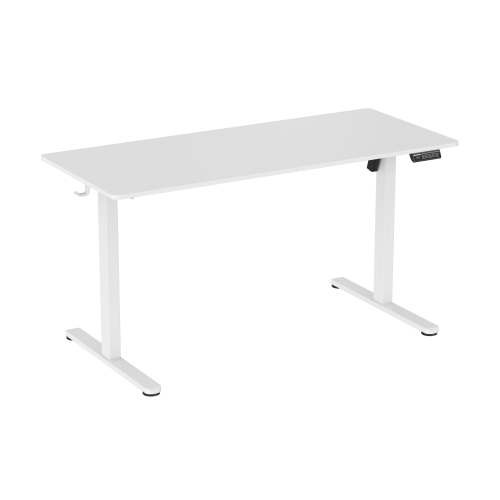
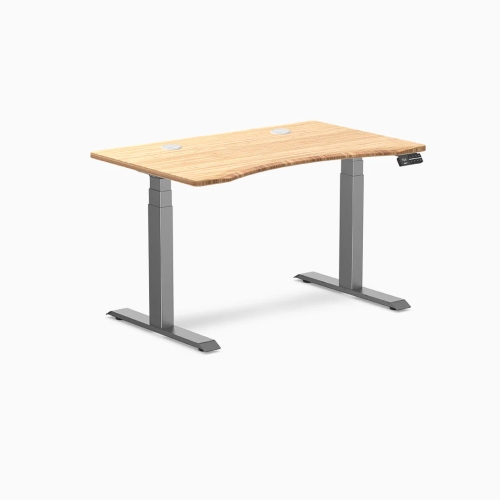
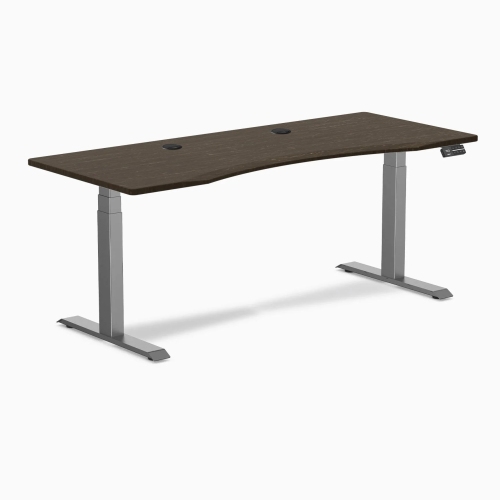
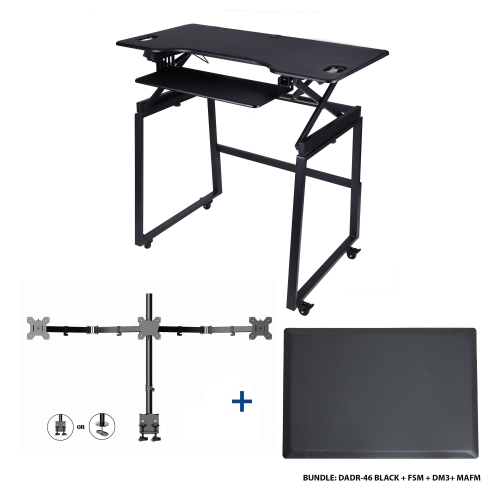
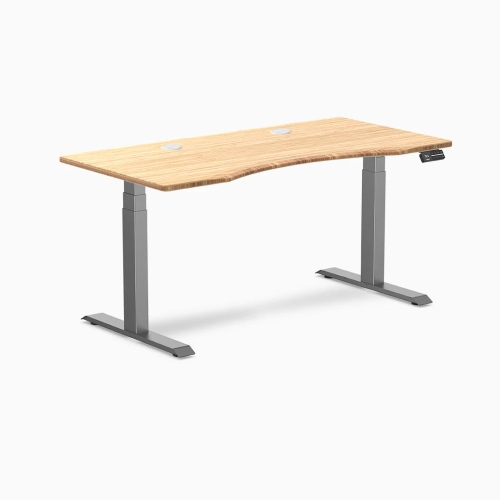
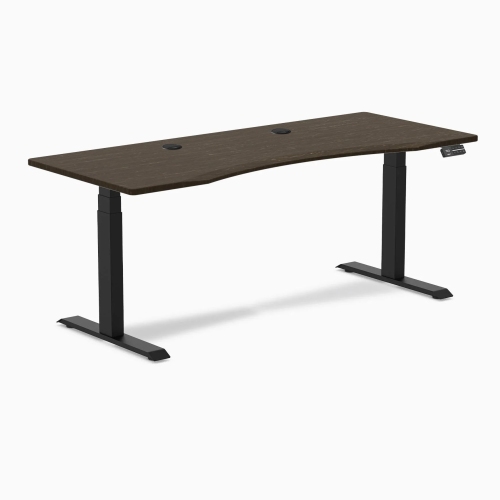
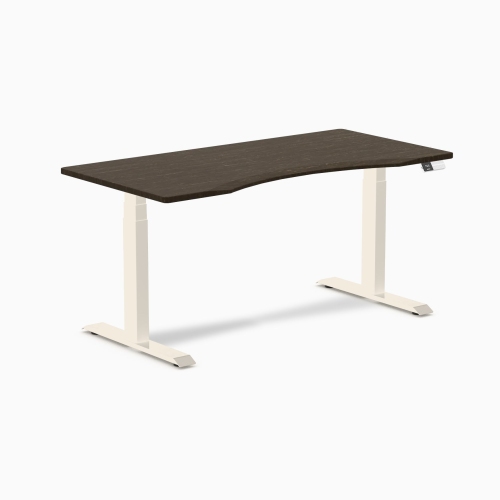
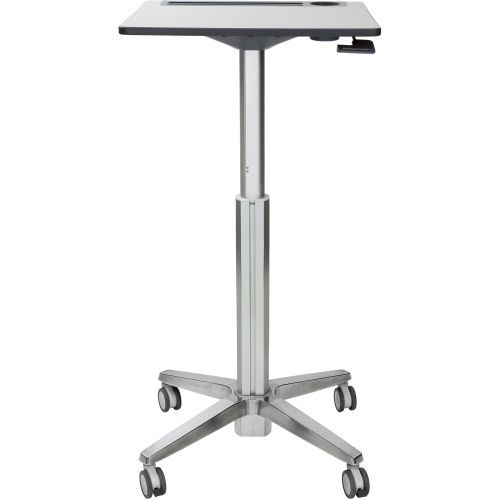


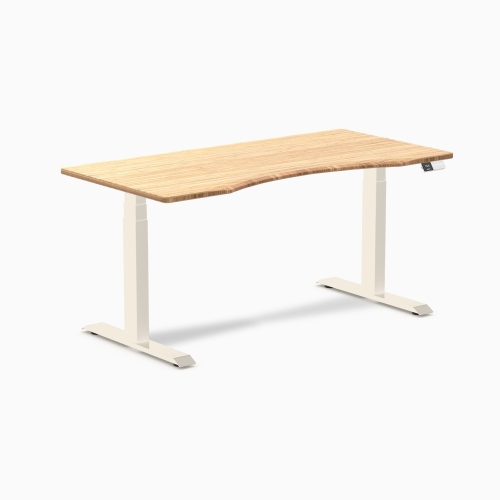
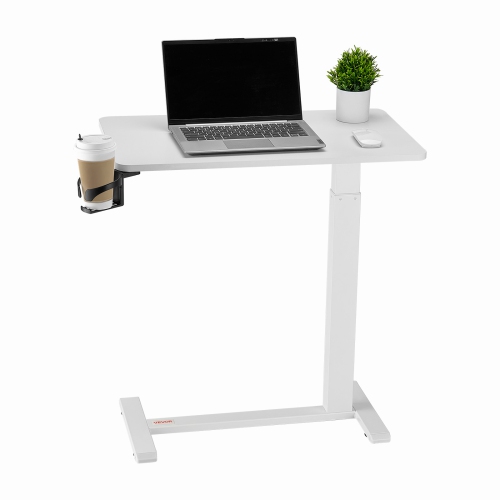
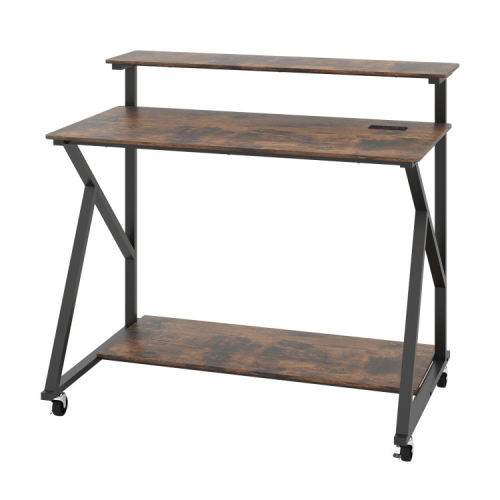
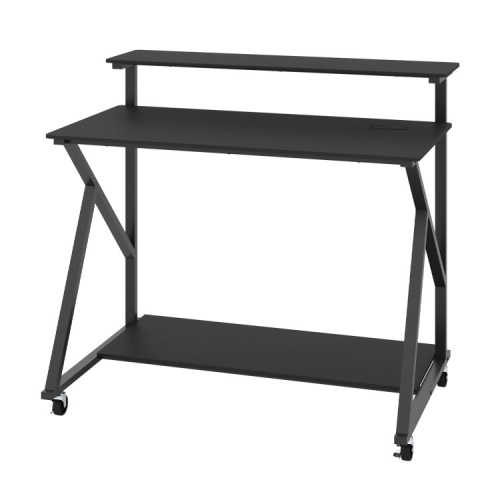

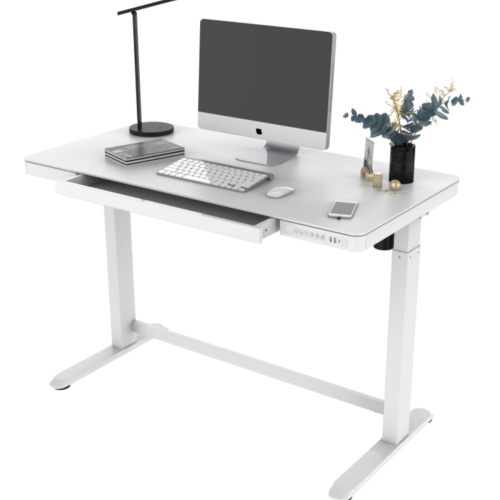
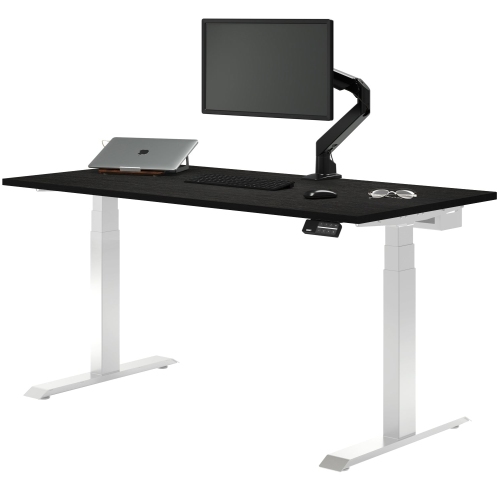
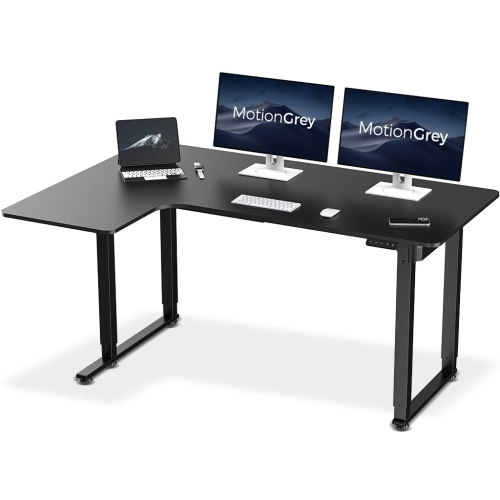
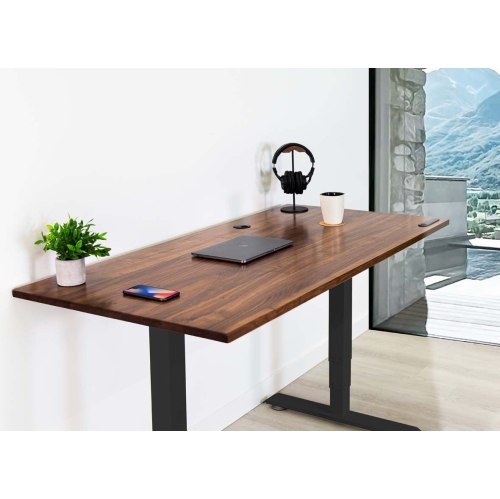
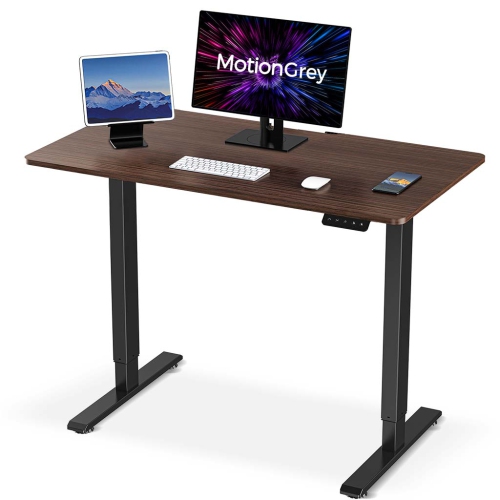
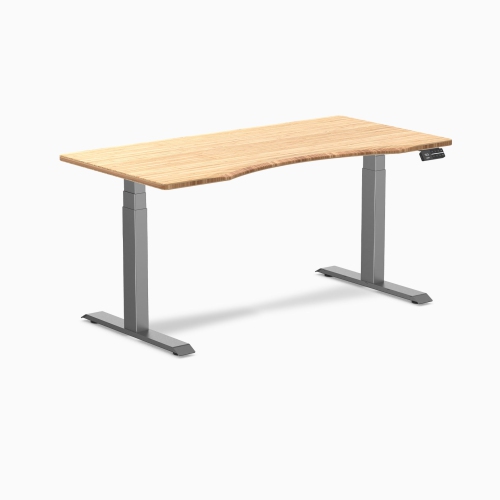
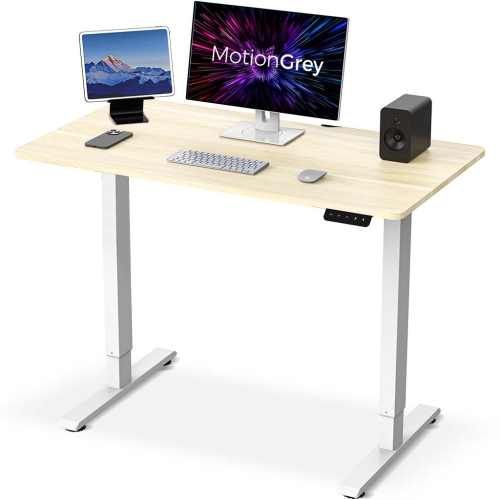
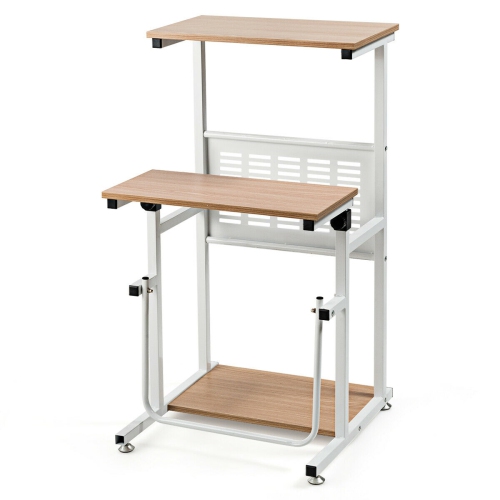
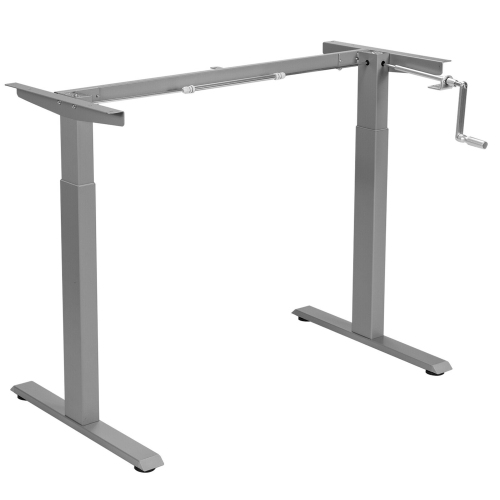
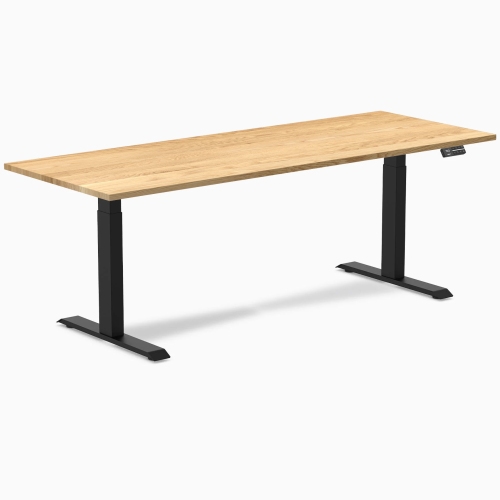
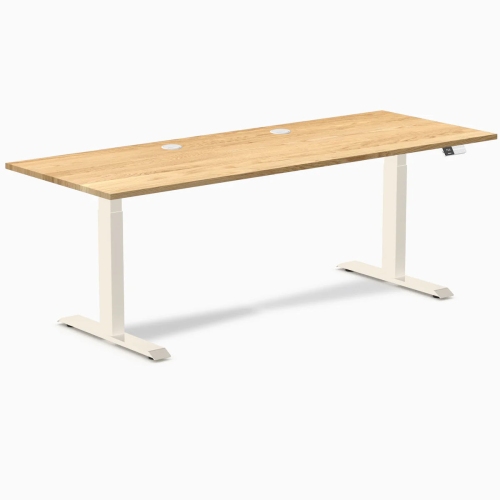
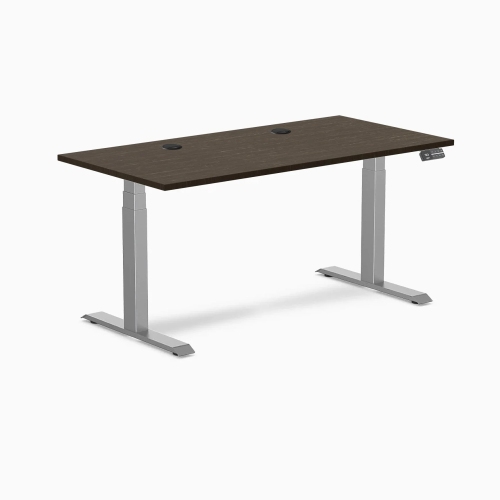

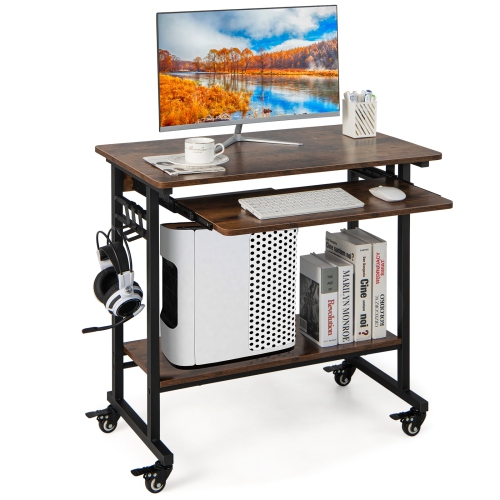
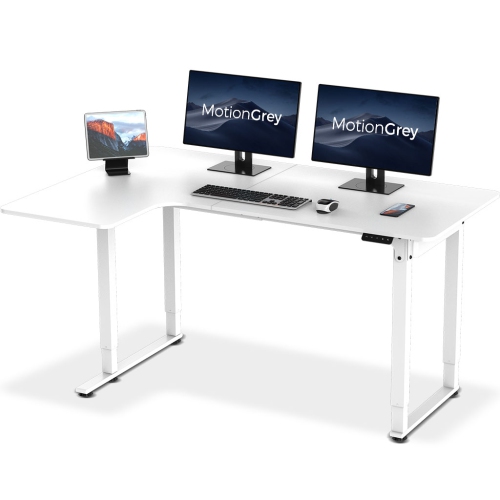
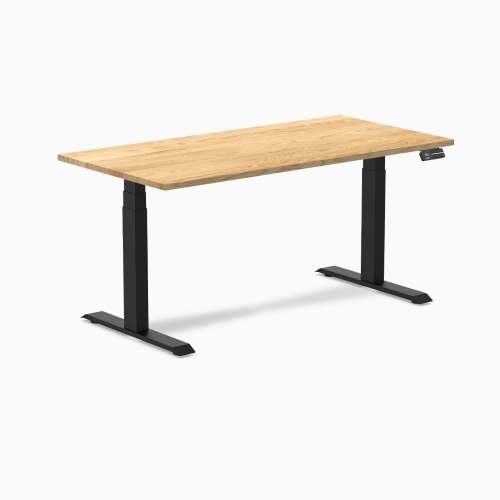
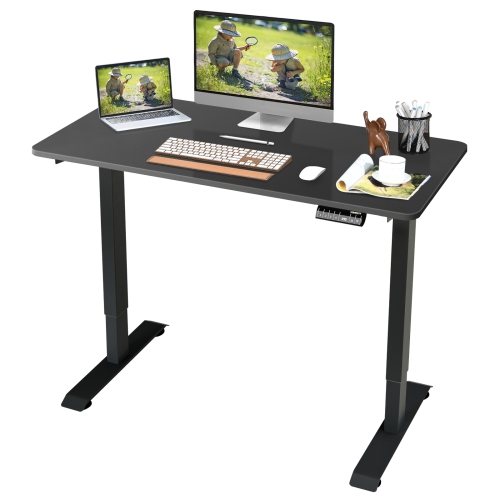

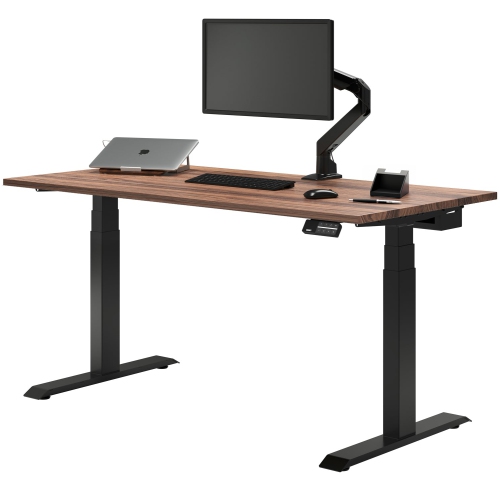
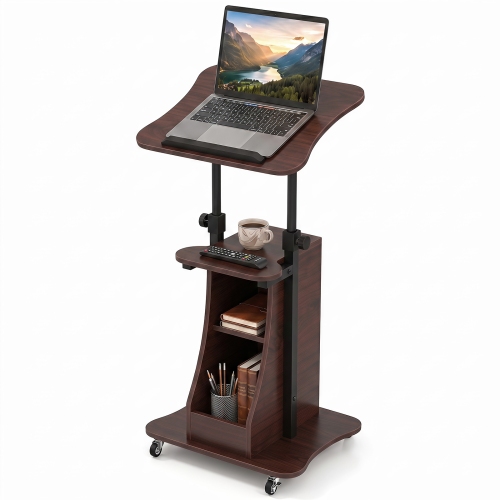
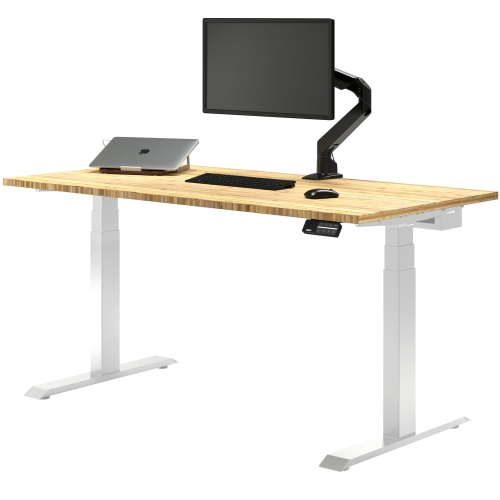
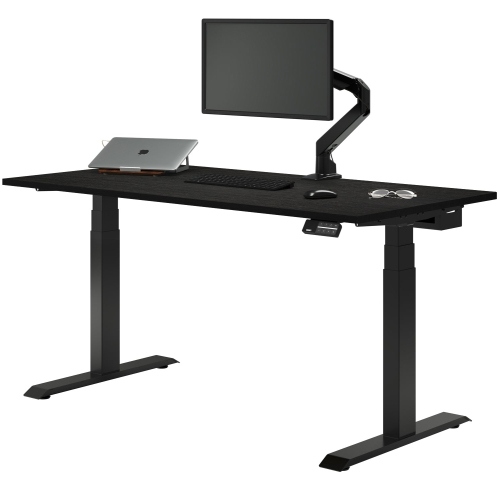
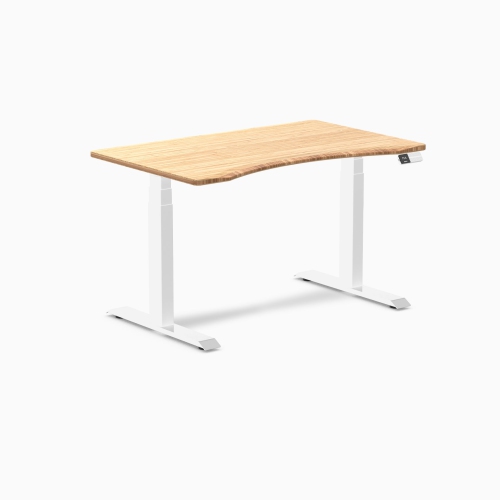
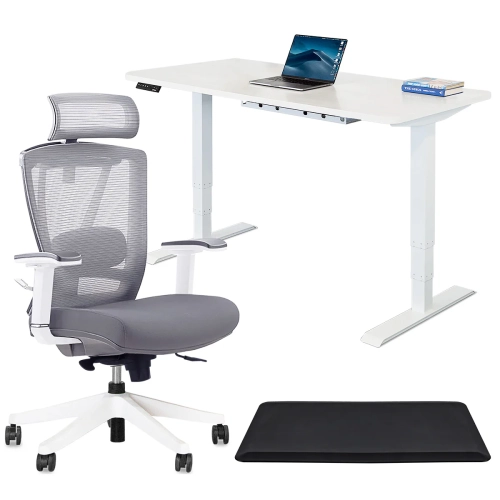

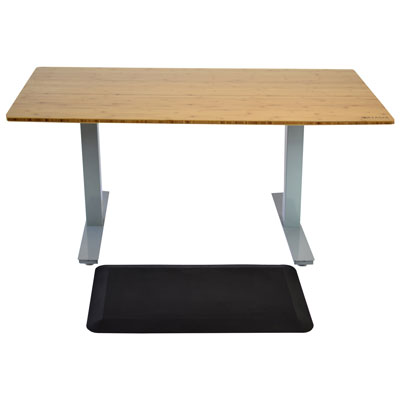
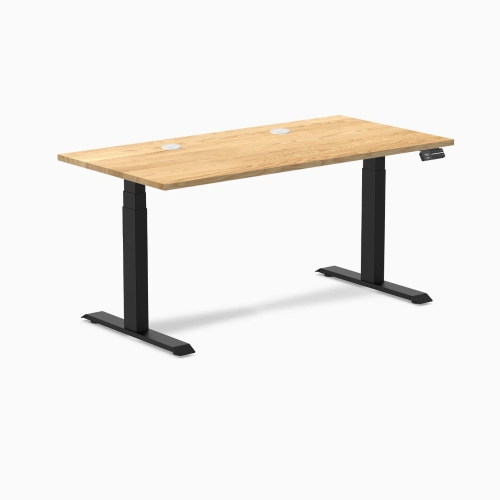
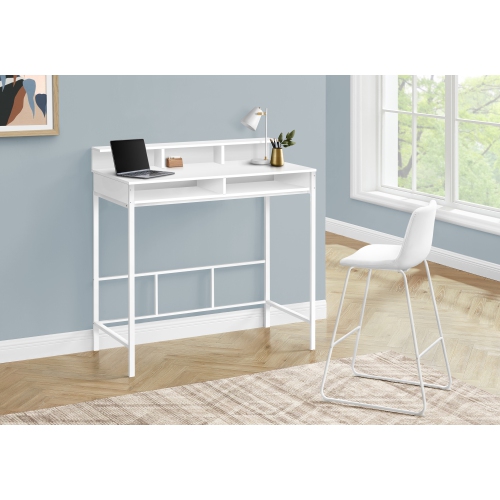
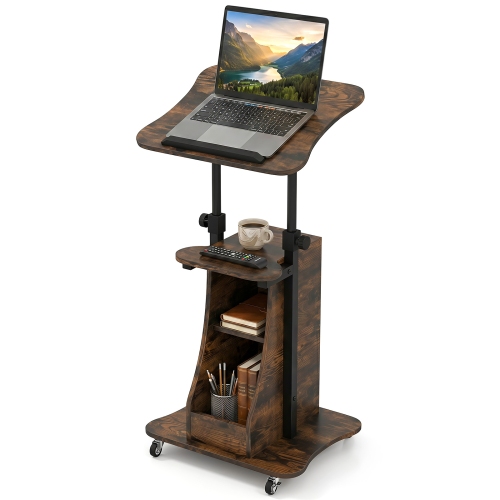
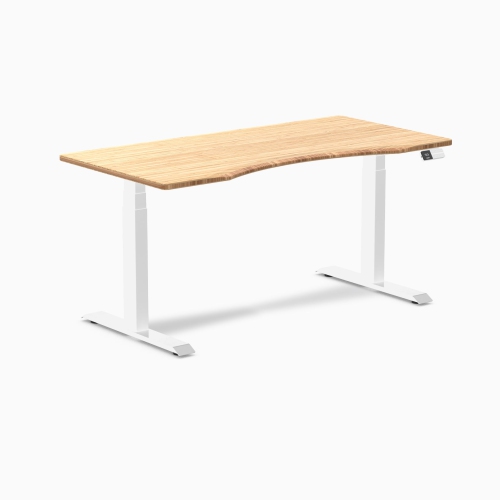
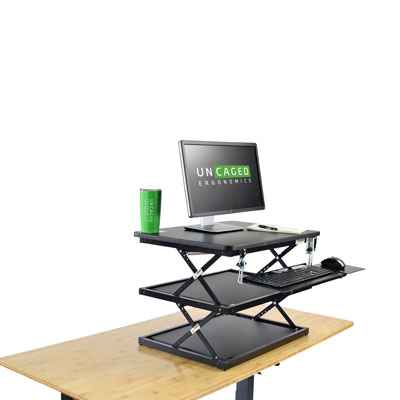
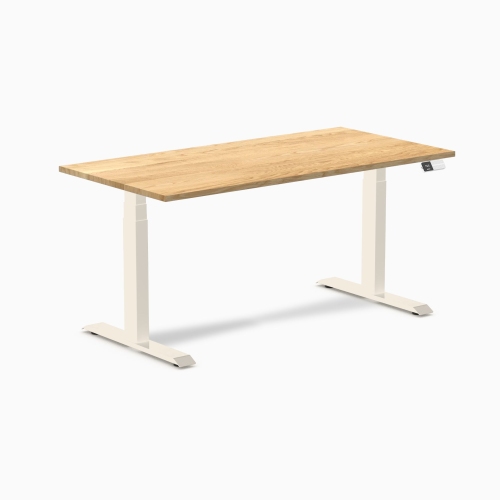
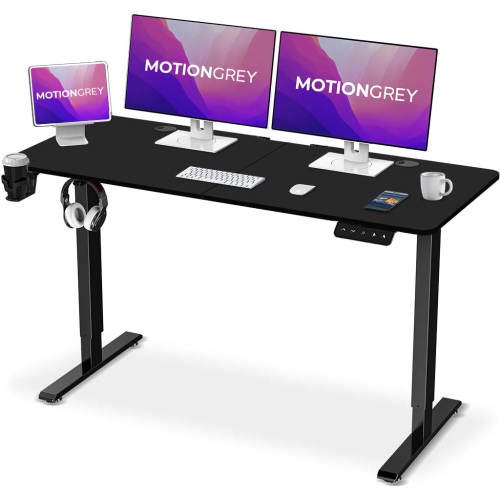
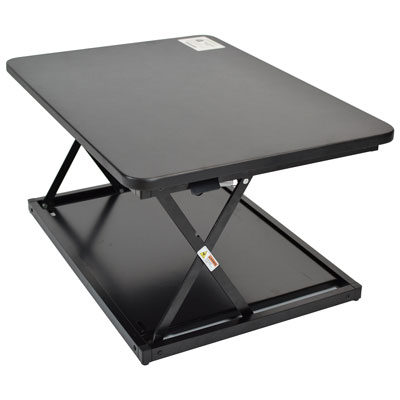
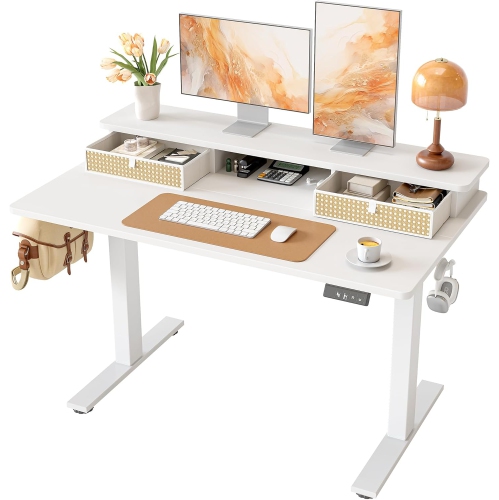
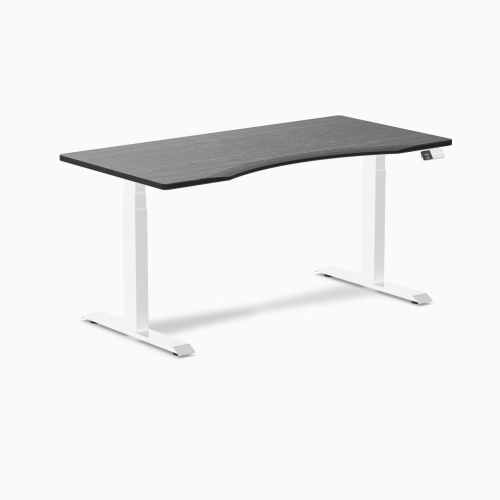
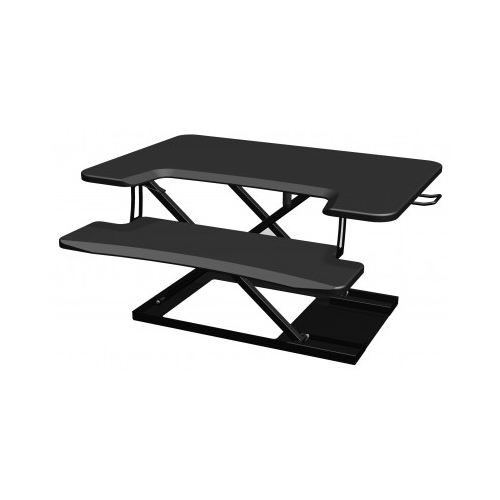
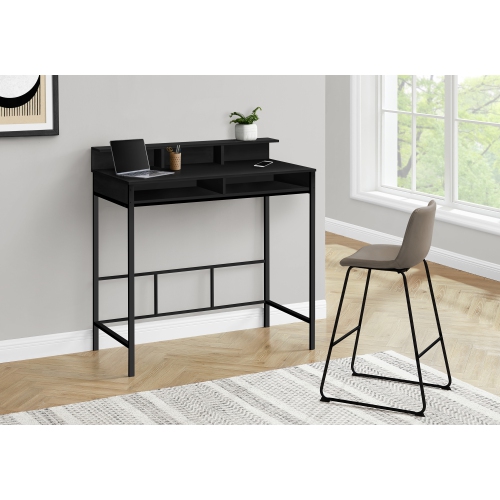
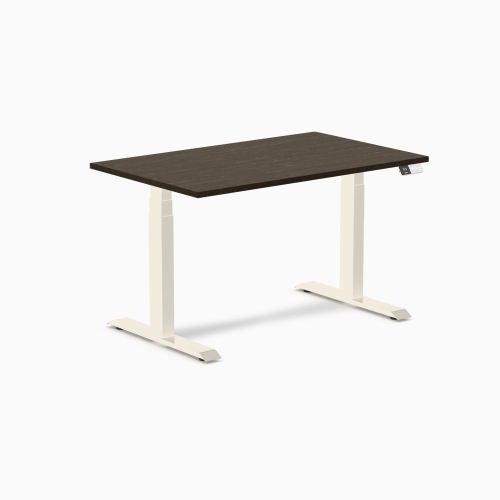

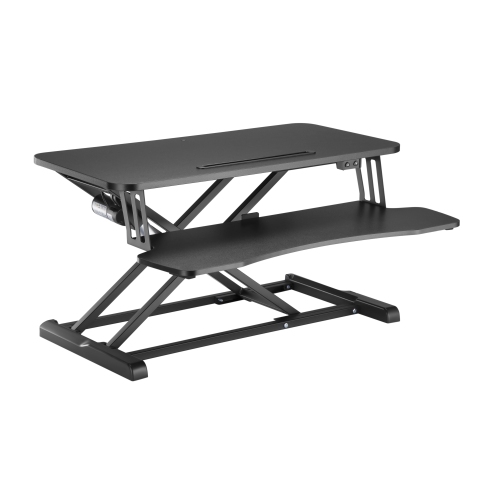
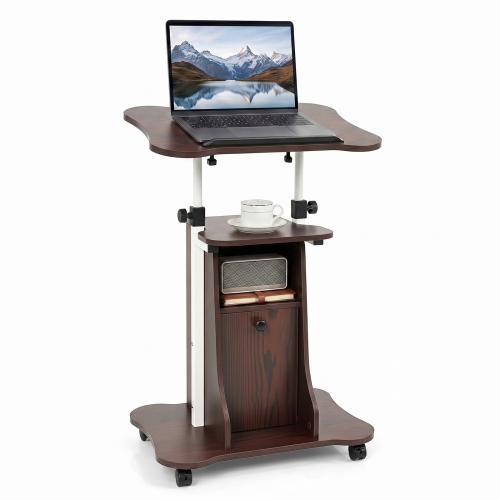
A rolling workspace for seated and standing tasks
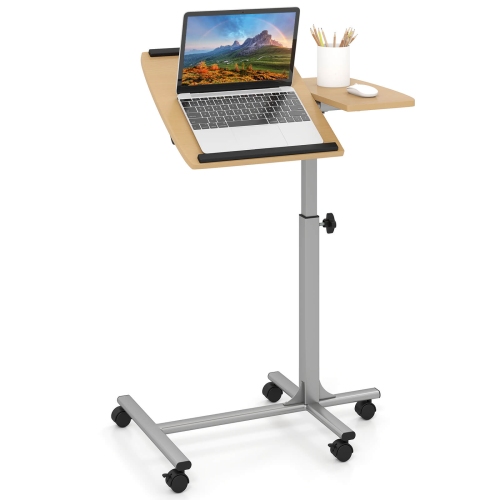
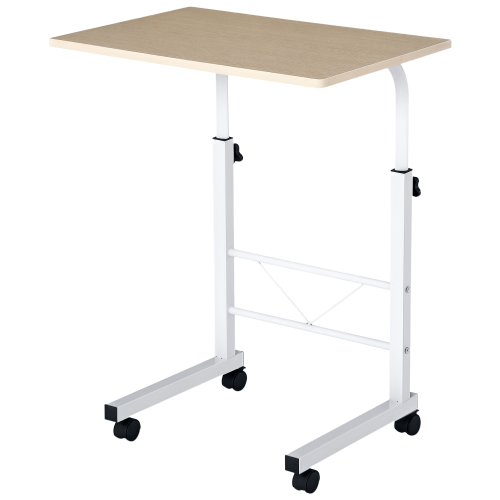
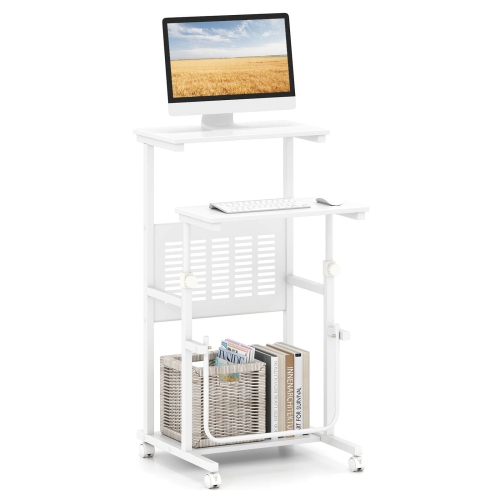
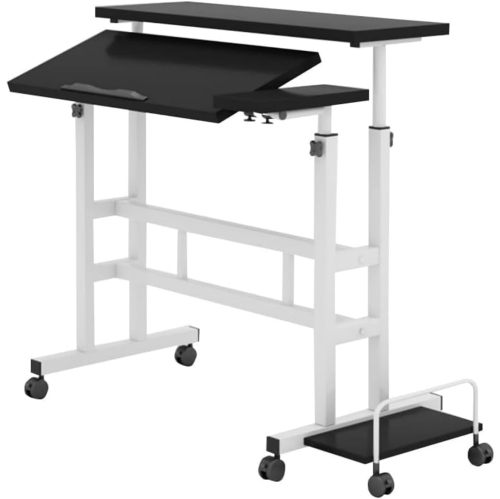
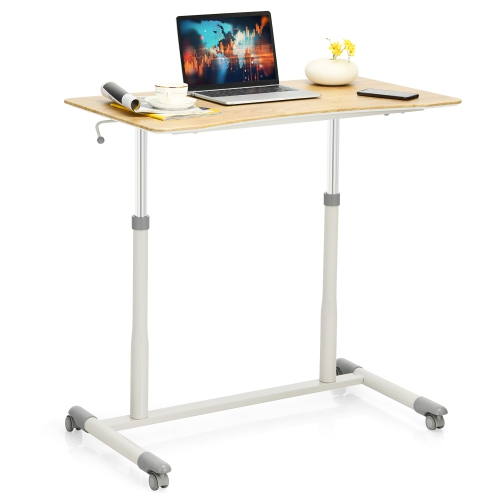
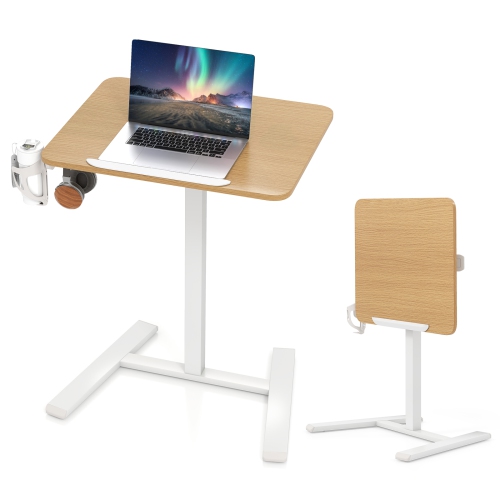
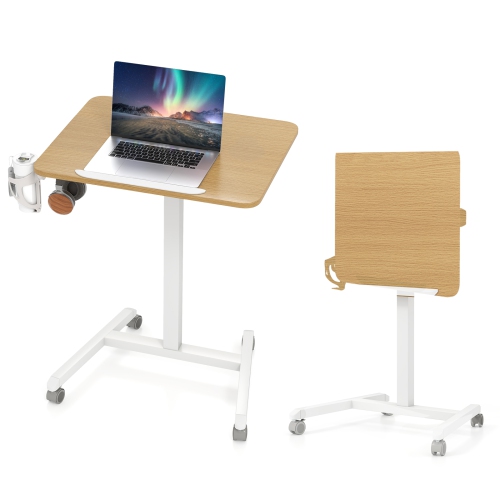
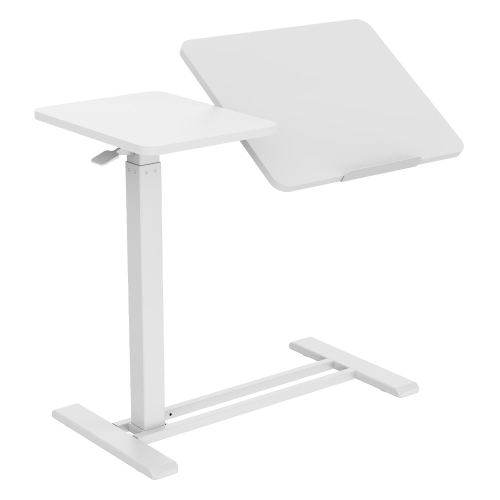
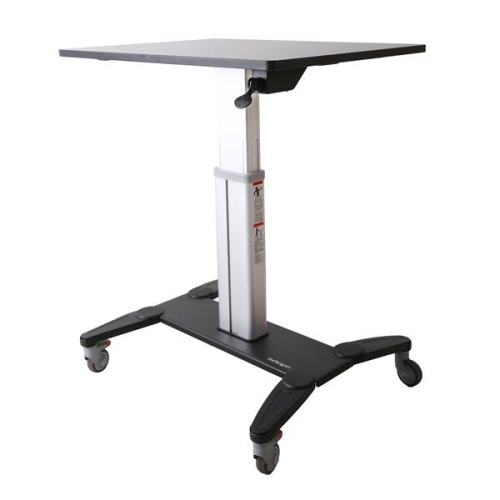
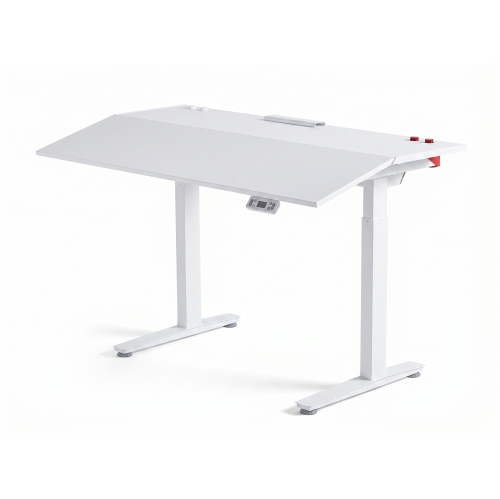
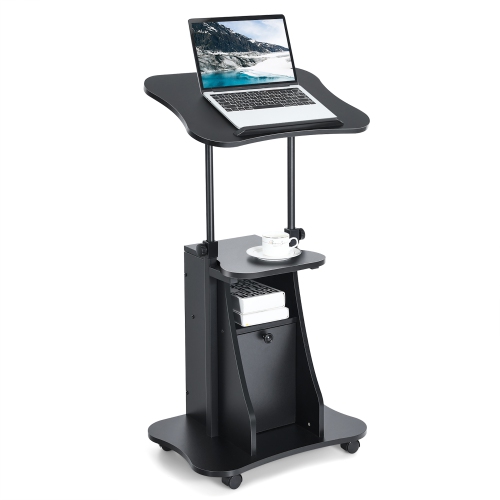
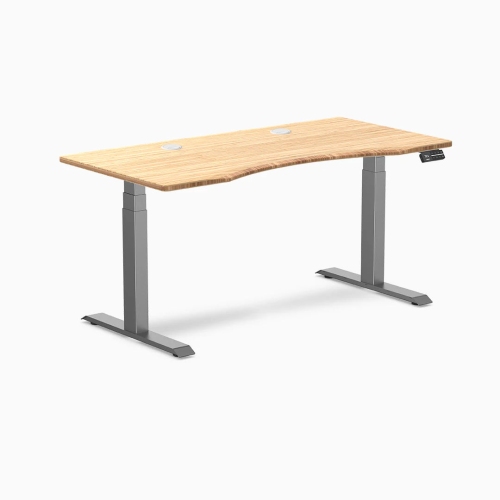
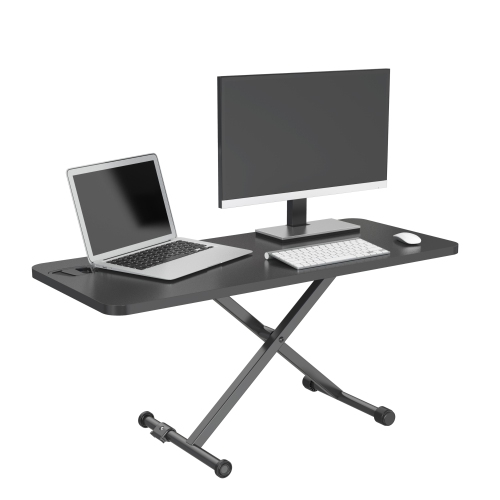
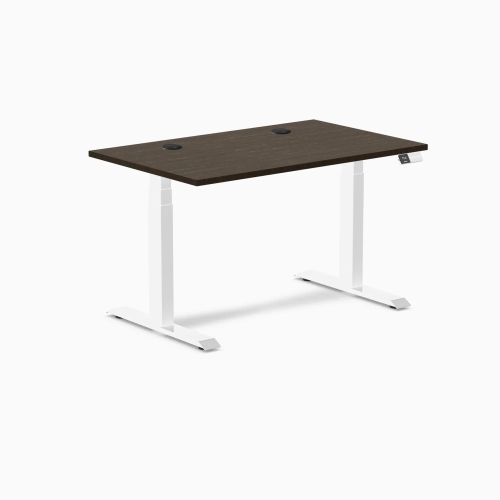
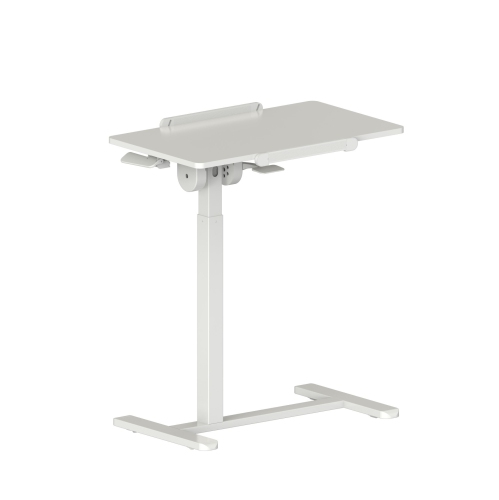
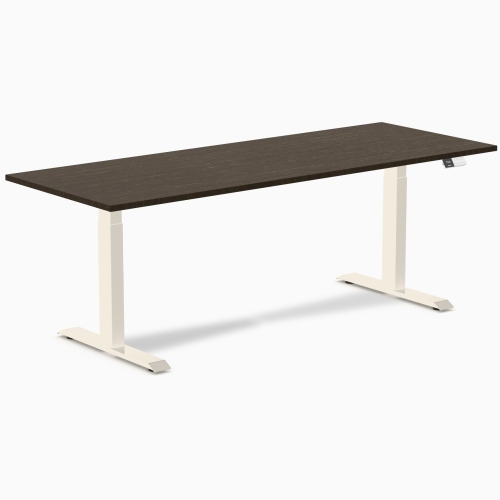
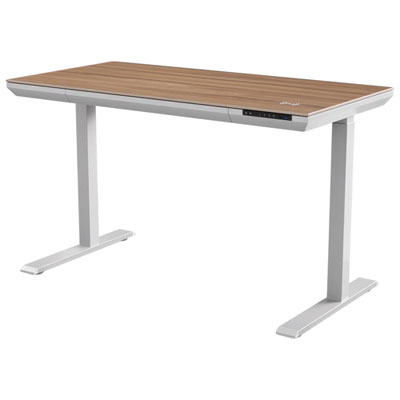
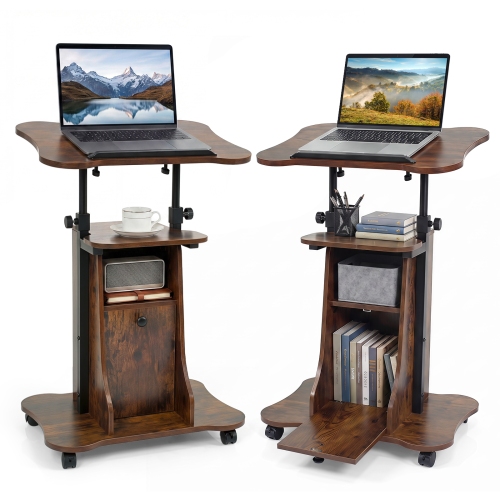
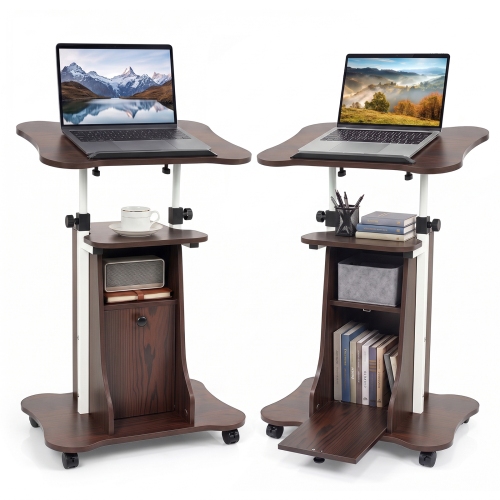
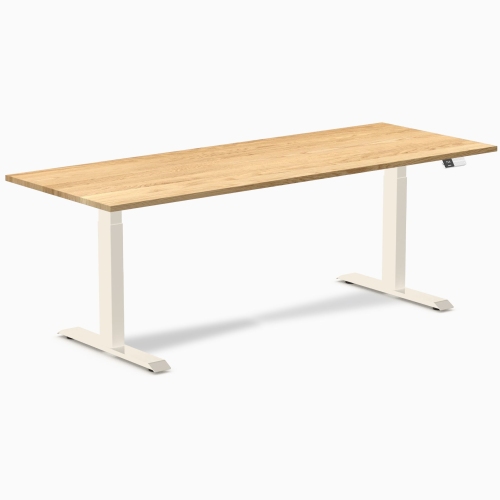
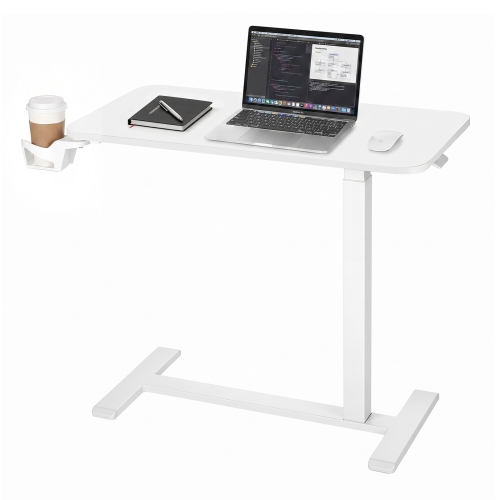
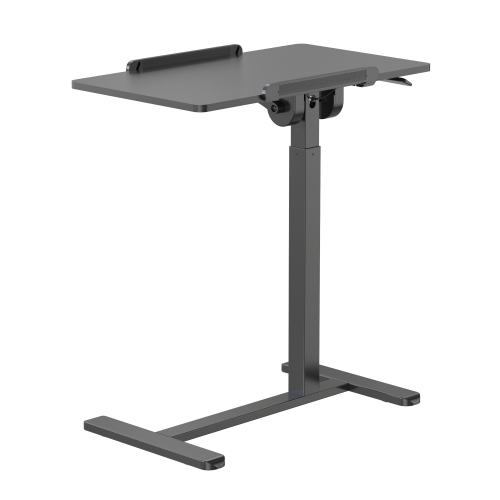
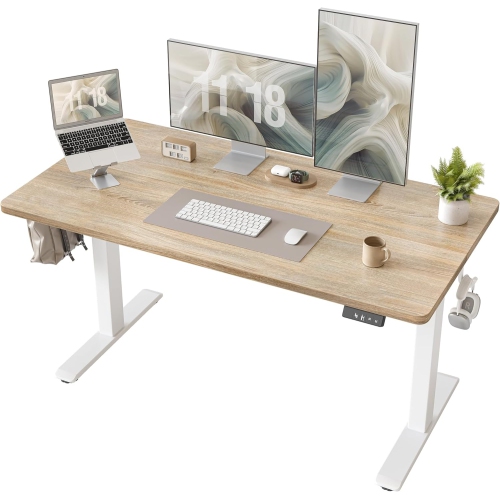
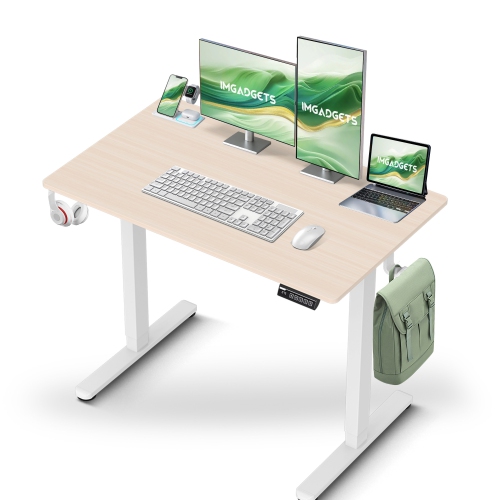
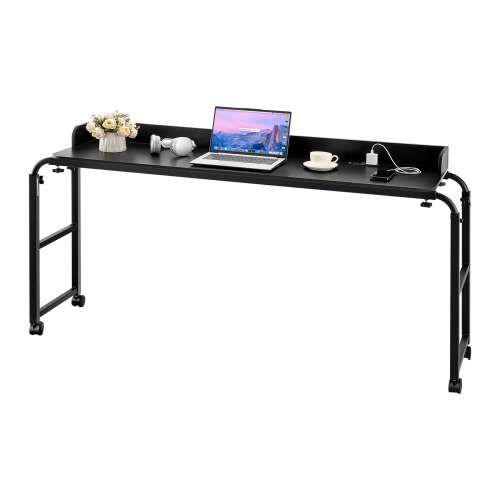
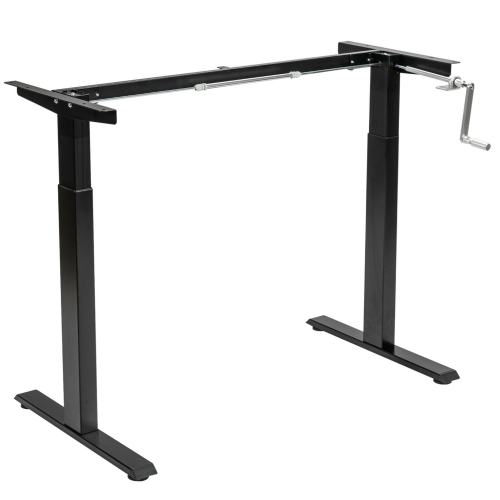
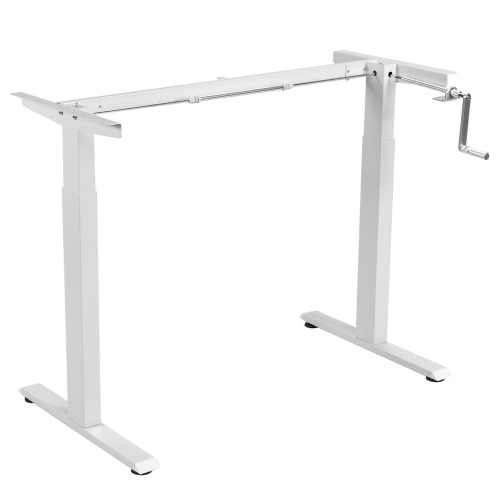
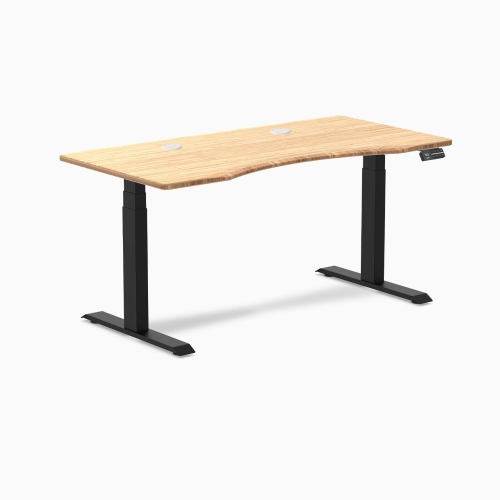
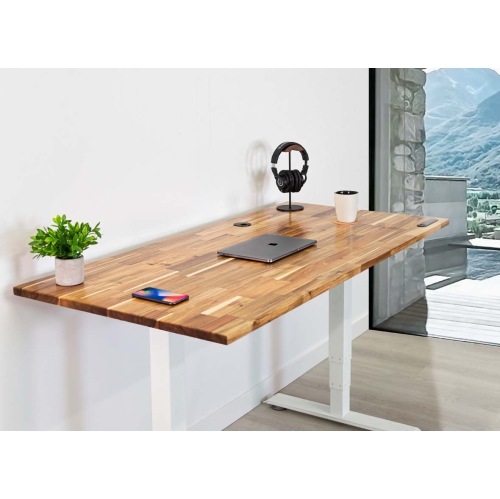
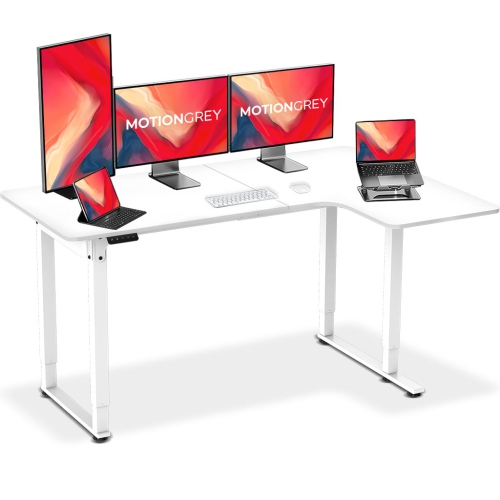
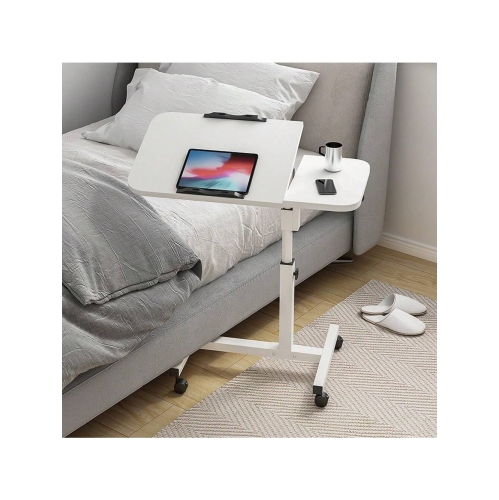
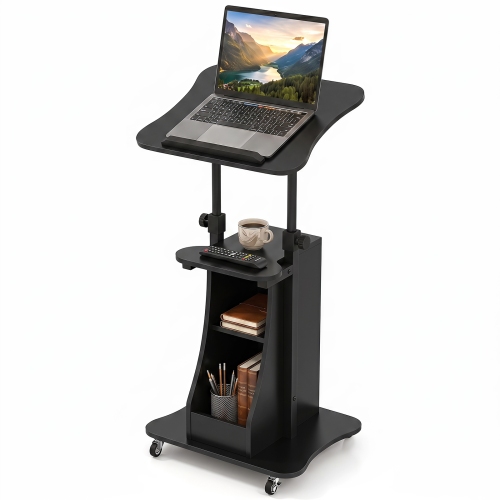
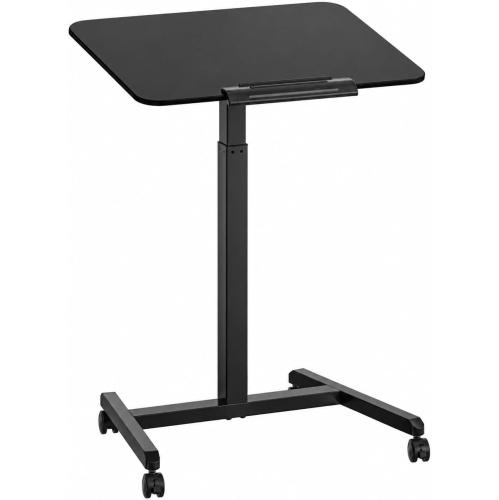
Mobile standing desks are height-adjustable workstations with wheels, designed to let you move a work surface between suitable locations and alternate between seated and standing tasks. They bring together the flexibility of a rolling desk and the adjustable working height of a standing desk, making them useful where a permanent workstation would take up too much space. A laptop, mouse, notebook, and glass of water can form a practical setup for answering emails beside a living room window, then move to a quieter room for a video call. In an office, a mobile workstation can support presentations, shared work areas, or short tasks away from a main desk. Teachers, tutors, students, and people working from home may also appreciate having a surface that moves with their activities rather than tying every task to one spot. Most designs focus on a compact footprint, although desktop size, height range, lifting mechanism, and storage features vary. Some are best suited to a laptop alone; others provide room for a separate keyboard, mouse, and supporting accessories. Lockable casters help keep the desk in place while typing, while manual, pneumatic, or powered height adjustment may be offered depending on the design. A rolling standing desk differs from a desktop riser, which sits on an existing table and generally does not provide its own wheeled base. Portability can also refer to a lightweight or folding desk that must be carried rather than rolled. The related Portable Standing Desks category offers another way to explore work surfaces designed for flexible placement. For a mobile standing desk, the defining considerations are how it travels through the space, how securely it stays put, and whether its working height suits the person using it. Those details matter more than a compact appearance alone, particularly when the desk will move regularly between rooms or serve several people throughout the day.
A comfortable fit starts with both the desktop and the base. The work surface should accommodate the equipment used most often without leaving a mouse perched at the edge or forcing a notebook beneath a keyboard. A laptop-only setup needs less room than a workstation with an external display, but even a small desk benefits from enough depth to keep the screen at a comfortable viewing distance. Check the full height range rather than assuming that every adjustable desk lowers enough for seated use or rises high enough for a taller adult. With shoulders relaxed, the keyboard and mouse should sit at a height that allows the elbows to remain comfortably near the body. Raising a laptop screen with a suitable stand and using a separate keyboard and mouse can make screen and hand positioning easier to adjust independently, provided the desktop has sufficient space and capacity. Underneath, the legs, crossbars, and caster placement affect chair access and foot clearance. A low-profile base may fit beneath some furniture, but the actual clearance needs checking; a base that catches on a sofa frame will limit where the desk can sit. Measure the path between intended work areas as well as the destination, paying attention to doorways, tight corners, rugs, and thresholds. Casters suited to the flooring can make movement smoother, while wheel locks help prevent unwanted rolling once the desk is positioned. Stability is especially important at standing height, where typing or leaning on an edge may make movement more noticeable. A sturdy base, secure connections, and an evenly distributed load all contribute to a steadier surface. Follow the stated weight limit for the desk, including any separate limits for shelves or adjustable sections. If a monitor arm is part of the setup, confirm that the desktop material, thickness, edge shape, and desk design support that mounting method. Changing position periodically and taking movement breaks remain useful habits; a standing desk is a flexible work surface, not a reason to stand for every task.
Materials and construction influence how a mobile standing desk feels in daily use and how much attention it needs over time. Steel frames can provide a solid foundation, while aluminium components can help reduce weight in some designs. Desktop surfaces may include laminate-covered panels, engineered wood, solid wood, or other materials, each with different care requirements. A smooth, sealed top is practical for everyday writing and cleaning, while textured finishes may show fewer fingerprints but require more attention around spills. Rounded corners can be helpful in tight rooms where people pass close to the desk, and well-finished edges are worth checking on a surface that will be handled frequently. For shared spaces, an adjustment control that is easy to reach and operate can make switching users less cumbersome. Manual mechanisms may involve loosening and securing knobs or using a crank, while pneumatic and powered systems use different controls and may have specific load requirements. Powered models also need access to an outlet, which affects placement and cable routing. Useful extras can include a lower shelf for small supplies, a hook for a bag, or cable clips that keep charging leads away from wheels. These features should leave enough legroom and should not encourage loading one side more heavily than the other. Before moving the desk, secure loose accessories, remove open drinks, and disconnect cables that could pull against an outlet or connected device. Move it using the part of the frame specified by the manufacturer rather than tugging on an accessory or desktop edge. For routine care, follow the supplied cleaning directions, wipe spills promptly, and avoid allowing moisture to collect around seams or adjustment controls. Periodically check fasteners and clear hair or debris from casters so the desk continues to roll and lock as intended. With the right dimensions and construction, a mobile standing desk can serve as a compact home office, a presentation station, or a shared household workspace that rolls aside when the task is finished.
Top selling and popular products
-
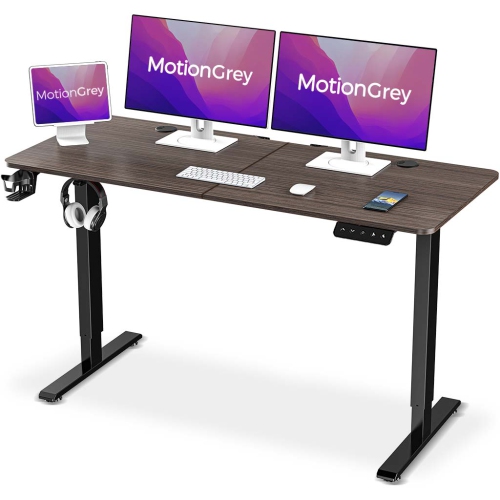 Your price for this item is $133.96
-
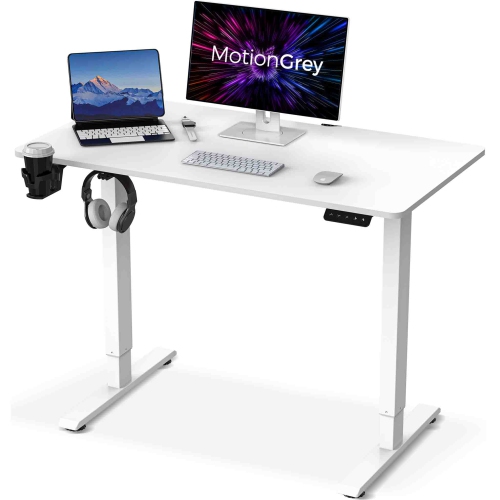 Your price for this item is $122.92
-
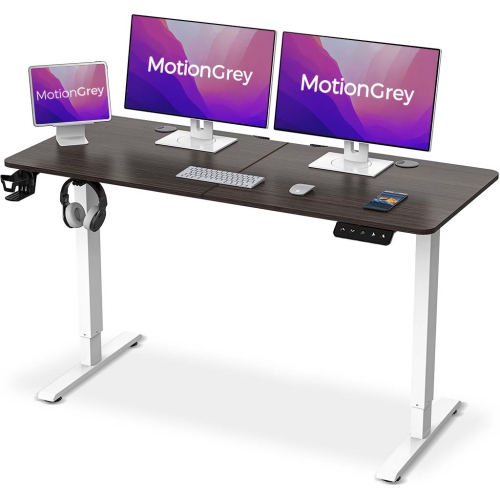 Your price for this item is $132.99
-
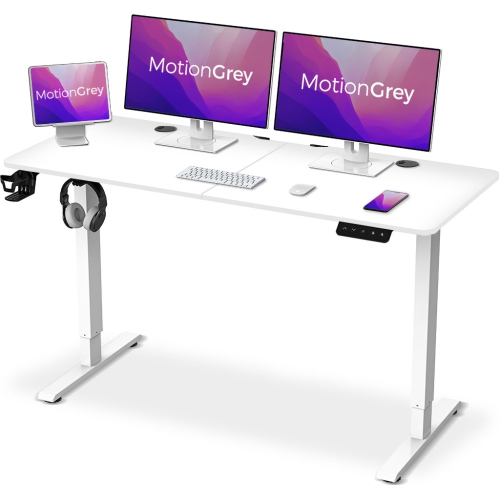 Your price for this item is $149.99
-
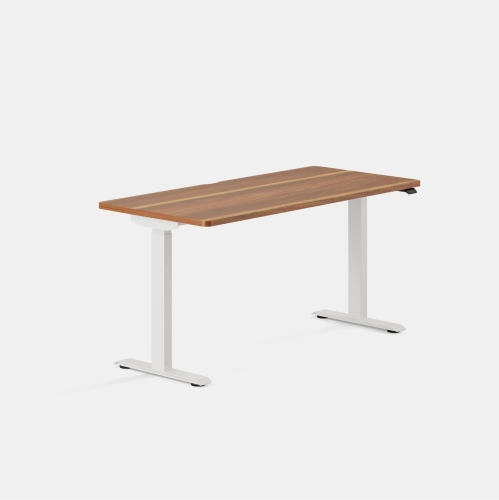 Your price for this item is $679.2
-
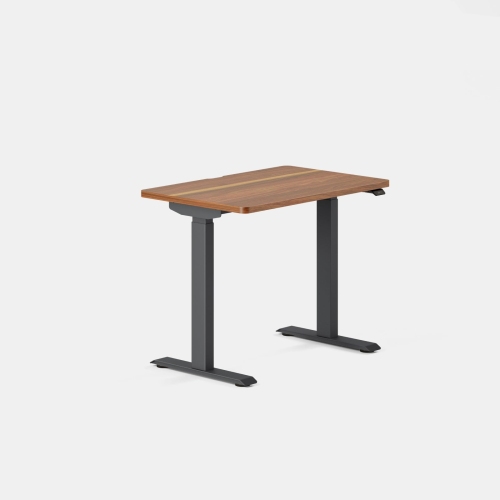 Your price for this item is $519.2
-
 Your price for this item is $679.2
-
 Your price for this item is $599.2
Discover more categories related to Mobile Standing Desks
Top Collections:
Best Black Friday Deals This Year, Best Black Friday Deals On Electronics, Kindle Devices, Dyson Airwrap, Best Cameras for Sports Photography, Best Budget Office Chairs, Canon G7X Cameras, PS5 Pro Consoles, Best Black Friday Deals On Apple Products, XBOX One S Consoles
Some products may be subject to Environmental Handling Fees
(EHF) depending on your province.
Learn more about EHFs.