Pressure Washer Tools
Transform your cleaning routine with the power and efficiency of pressure washer tools, available at Best Buy Canada. Designed to tackle a variety of outdoor cleaning tasks, these tools can help you maintain everything from your driveway to your deck with ease. Whether you're dealing with stubborn dirt or seasonal grime, pressure washer tools make it easier to achieve a spotless finish. Explore our selection to find the right tool for your needs and enjoy a cleaner, more vibrant outdoor space.
Sort

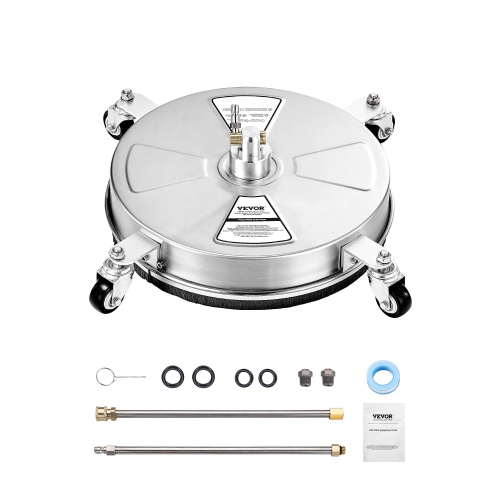
How attachments shape your pressure washer’s cleaning power
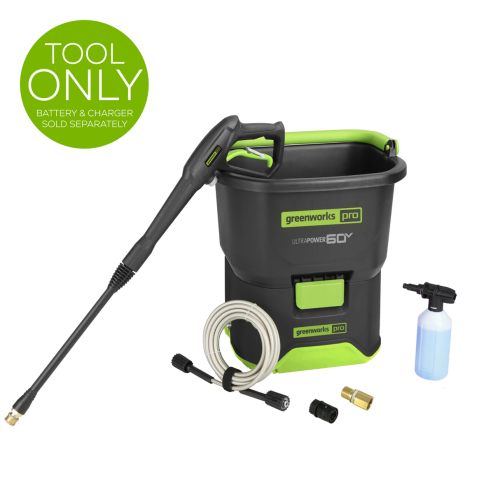
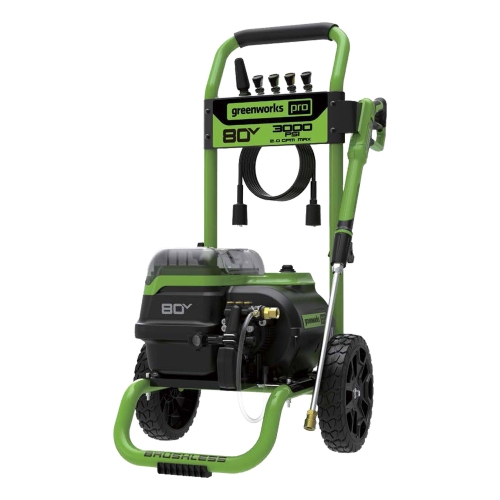
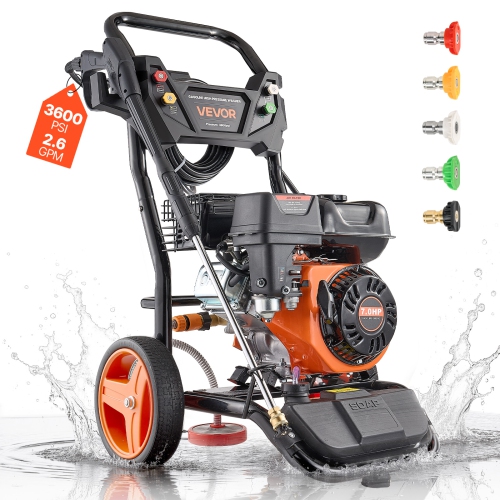
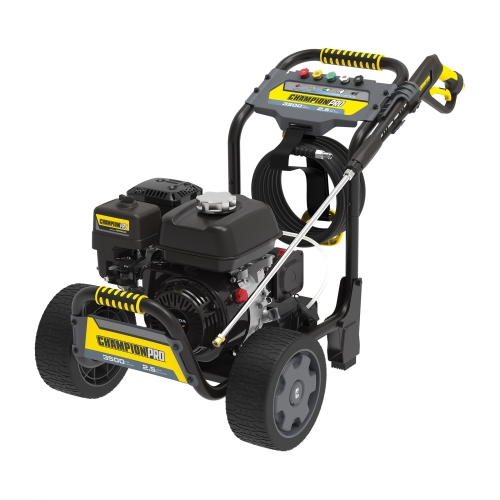
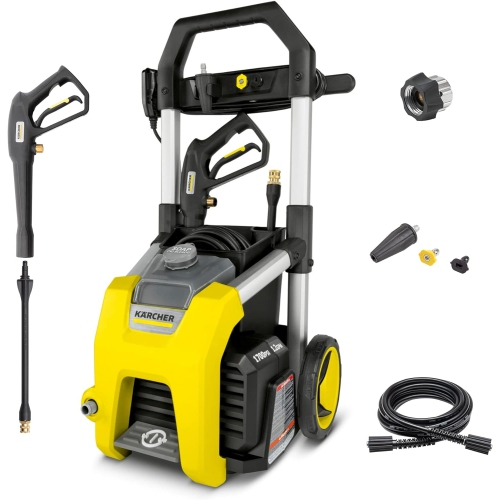
Pressure washer tools include the hoses, spray guns, wands, nozzle tips, surface cleaners, and detergent attachments that help direct pressurized water where it is needed. Together with a compatible pressure washer, these components support jobs ranging from rinsing patio furniture to lifting embedded dirt from a concrete driveway. The washer supplies the pressure and water flow; the attachments determine reach, spray pattern, and how that cleaning power meets the surface. Pressure is measured in pounds per square inch, or PSI, while flow is commonly listed in gallons per minute, or GPM. PSI describes the force of the water, and GPM describes the volume delivered, so both matter when matching tools to a machine. Many electric pressure washers operate around 1,300 to 2,100 PSI and suit smaller household cleaning tasks, although specifications vary. Gas-powered machines often deliver 3,000 PSI or more, with higher flow rates suited to larger areas and demanding work on suitable surfaces. Maximum pressure alone does not determine cleaning quality: a well-matched nozzle and steady water supply can make a noticeable difference. Connection type is another essential consideration. Threaded fittings and quick-connect fittings are not automatically interchangeable, and connections that look similar may have different dimensions or sealing requirements. A Pressure Washer Gun provides the trigger control between the high-pressure hose and the wand, making grip comfort, trigger resistance, and connector compatibility important for longer tasks. High-pressure hoses need an appropriate working-pressure rating, secure end fittings, and enough length to reach the work area without repeatedly moving the machine. A longer hose can be useful along a driveway or around a parked vehicle, but excessive length adds weight and can affect performance. Reinforced hose construction, abrasion-resistant outer covers, and flexible handling are useful qualities where a hose must travel over paving stones or around corners.
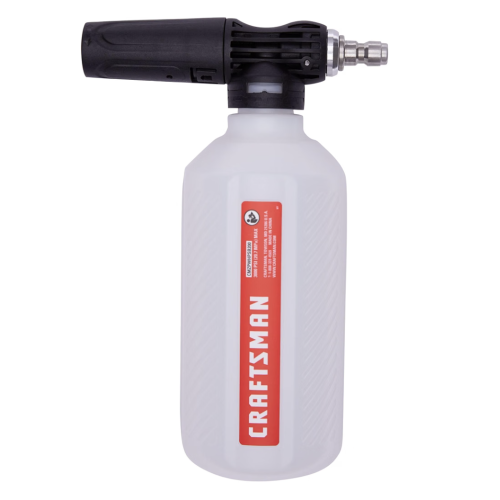
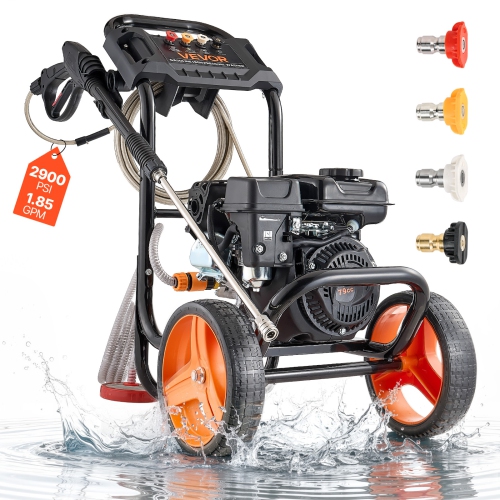
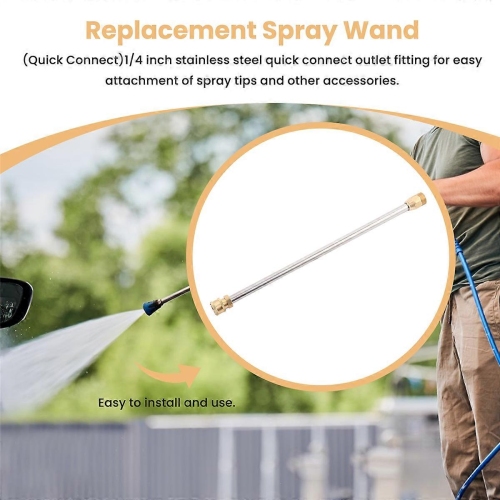
Nozzle tips shape the water stream, changing its width and concentration rather than simply making every job more powerful. Common colour-coded sets include a red 0-degree tip, yellow 15-degree tip, green 25-degree tip, white 40-degree tip, and a black low-pressure soap tip, often with a spray angle around 65 degrees. Exact specifications depend on the attachment, so the markings and manufacturer’s compatibility information matter more than colour alone. A narrow spray concentrates force into a small area; a wider fan distributes it across more of the surface. The concentrated stream from a 0-degree nozzle can gouge wood, damage finishes, and cause serious injury, making it unsuitable for routine cleaning of vehicles or delicate household surfaces. Wider patterns are commonly used for general washing and rinsing, but a broad spray is not a guarantee against damage. Surface condition, pressure, distance, and cleaning technique all influence the result. A painted chair with a lifting edge needs different treatment from an uncoated concrete path, even when both have the same layer of dirt. Rotating or turbo nozzles move a concentrated jet in a circular pattern and can help with stubborn grime on durable surfaces approved for that use. For large, flat areas, surface cleaners use rotating spray arms beneath a housing to clean a broader strip with each pass. They can reduce the uneven lines left by a handheld wand, though their working width, pressure rating, and required flow must match the washer. An oversized surface cleaner may perform poorly on a machine without sufficient water flow. Extension wands and telescoping wands provide additional reach for appropriate ground-level and elevated tasks, with length, balance, and grip design affecting control. Extra reach also means more leverage and reaction force, so these tools are best used from stable footing rather than a ladder. Foam cannons and detergent applicators offer another approach to cleaning vehicles and other approved surfaces by spreading compatible cleaning solution before rinsing. Detergent compatibility matters: pressure-washer-approved formulas help protect the equipment, while the surface being cleaned determines which formula is suitable.
Materials and construction influence how pressure washer tools feel in use and how well they withstand repeated handling. Brass and stainless steel fittings are common choices for secure connections and resistance to corrosion, while wand assemblies may combine metal tubing with moulded grips or protective housings. Quality seals, smooth coupling action, and a trigger lock are practical details that deserve attention alongside the stated pressure rating. A lightweight wand may feel comfortable during short rinsing jobs, while a longer assembly can become tiring when held away from the body. For homeowners maintaining paths, outdoor furniture, and vehicles, manageable hose length and straightforward attachment changes may be more useful than the highest possible pressure rating. People cleaning larger paved areas may place greater value on surface-cleaner compatibility, durable fittings, and tools that tolerate repeated use within their rated limits. Accessories can also make thoughtful gifts for someone who already owns a pressure washer, provided the machine’s connection type, pressure, and flow specifications are known. Care helps preserve those useful details. Grit around a coupling can interfere with the seal, and a damaged O-ring may cause a leak even when the metal fitting appears sound. Hoses benefit from loose coils rather than sharp bends, and storage away from abrasive edges helps protect their outer covering. Following the equipment instructions for flushing detergent, draining components, and relieving pressure before disconnecting keeps maintenance suited to the particular setup. Cracked fittings, exposed hose reinforcement, or a trigger that does not return reliably are reasons to stop using the affected component. Safe use also belongs in the selection process: eye protection, secure footwear, and control of the work area matter wherever high-pressure water is involved. Spray should never be directed at people, pets, electrical equipment, or a hand checking for leaks. Gas-powered washers must operate outdoors, away from doors, windows, and air intakes. Tools matched to both the machine and the surface make everyday cleaning more controlled, with less strain from awkward reach, unsuitable spray patterns, or unreliable connections.
Top selling and popular products
-
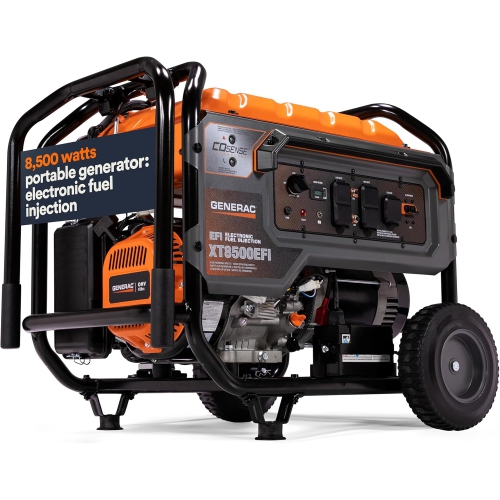 Your price for this item is $3000
-
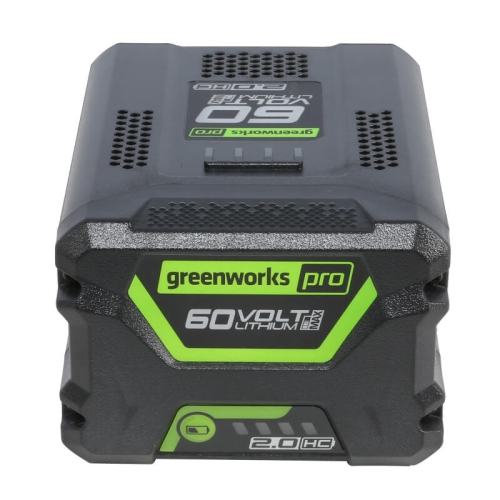 Your price for this item is $152.99
-
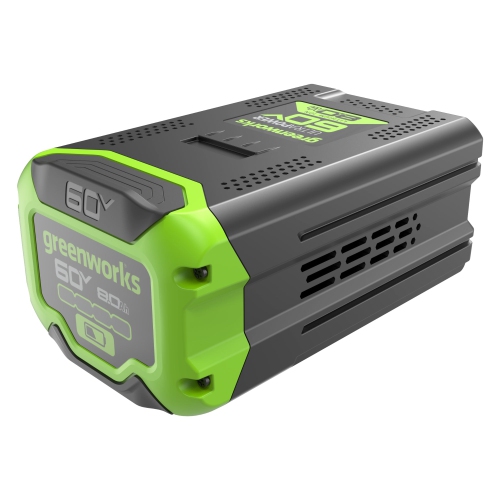 Your price for this item is $329.99
-
 Your price for this item is $144.49
-
 Your price for this item is $255
-
 Your price for this item is $779.99
-
 Your price for this item is $659.99
-
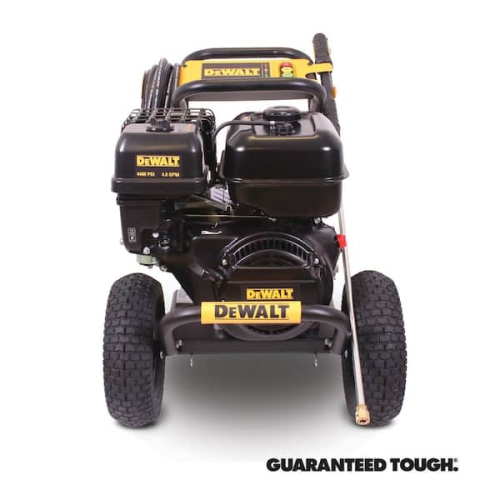 Your price for this item is $999.99
Discover more categories related to Pressure Washer Tools
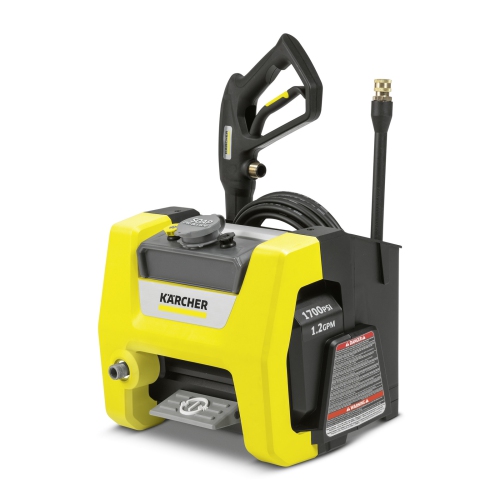
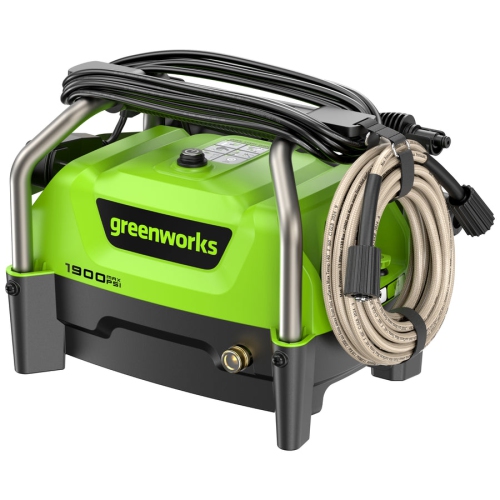
Top Collections:
Best Black Friday Deals This Year, Best Black Friday Deals On Electronics, Kindle Devices, Pokemon Centers, Best Black Friday Deals On Apple Products, Best Cameras for Sports Photography, Dyson Airwrap, Pokémon 30th Celebration Cards, Apple iPhone 17 Pro, Canon G7X Cameras
Some products may be subject to Environmental Handling Fees
(EHF) depending on your province.
Learn more about EHFs.