Pressure Washer Wands
Achieve a sparkling clean with the right pressure washer wands, designed to elevate your outdoor cleaning game. Whether you're tackling stubborn grime on driveways, refreshing the look of your deck, or maintaining your vehicle's pristine condition, these versatile tools are essential for maximizing the performance of your pressure washer. With a variety of lengths and spray patterns available, pressure washer wands offer the flexibility and precision needed to handle any cleaning task with ease. Explore our selection to find the perfect match for your cleaning needs and transform the way you tackle tough dirt and stains.
Sort
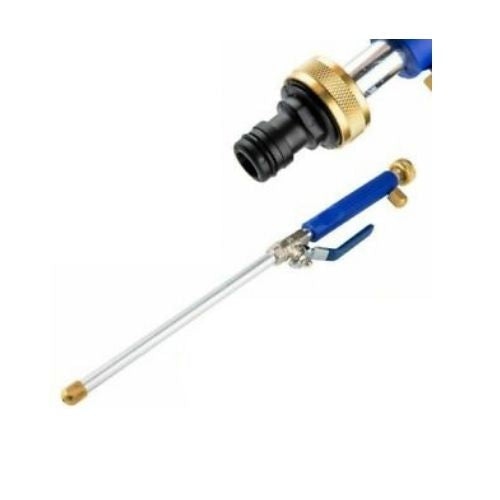
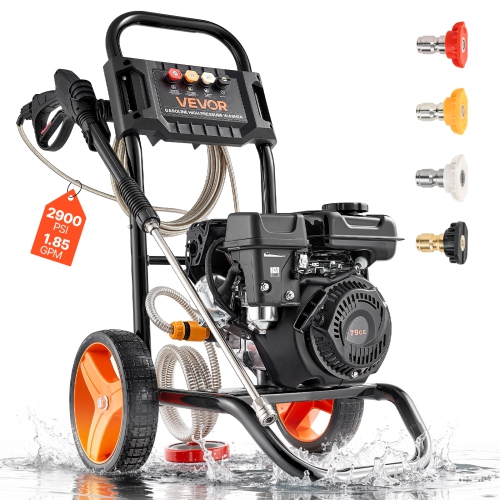
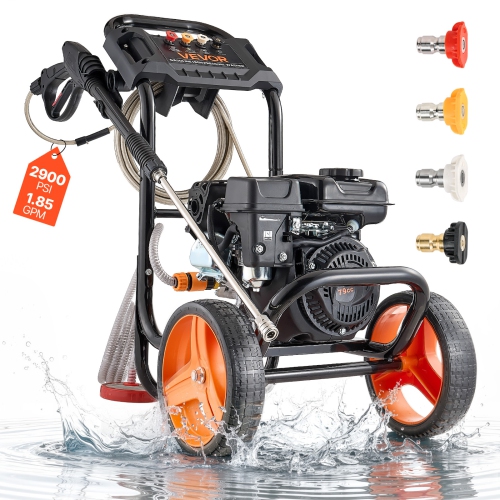

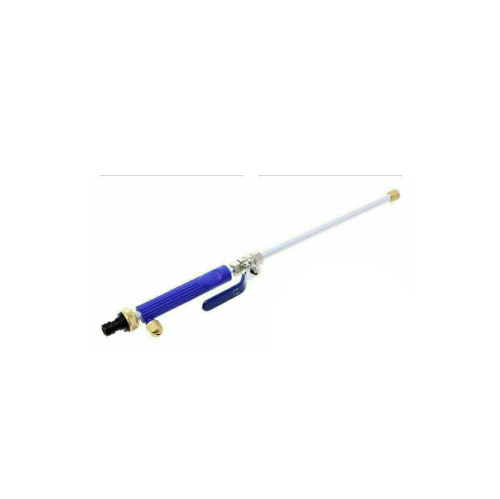
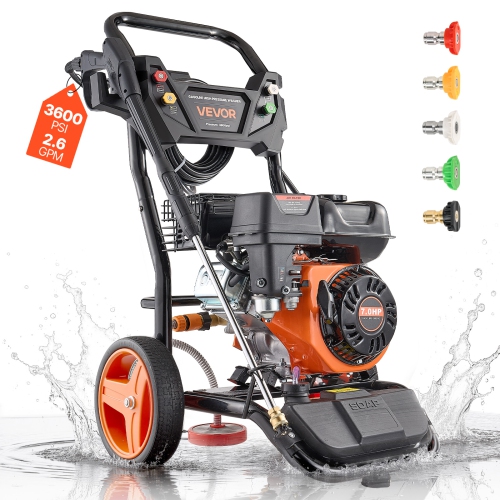
Why wand compatibility matters as much as reach
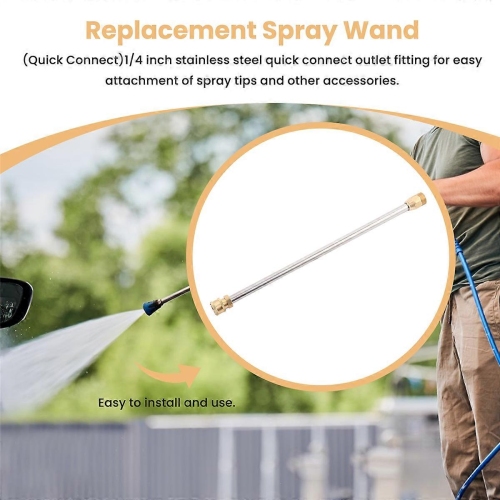
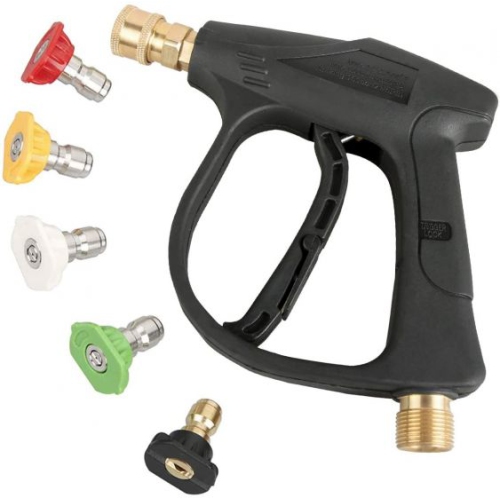
A pressure washer wand, also called a lance, is the rigid extension that carries water from a pressure washer’s trigger gun to the spray nozzle, helping direct the stream onto the cleaning surface. It adds working distance and control for tasks such as washing a driveway, rinsing patio furniture, or cleaning dirt from outdoor equipment. Unlike the trigger gun, which starts and stops water flow, the wand positions the nozzle and provides a stable path for the pressurized water. Many pressure washer wands use M22 threaded connections at the gun end and a 1/4-inch quick-connect fitting for interchangeable nozzles, but these connections are not universal. Some machines use proprietary fittings, and even M22 connections can differ in their internal dimensions. Compatibility depends on the complete connection, not simply a matching thread size or a familiar-looking coupling. A compatible Pressure Washer Gun and wand should connect securely without forcing the threads or relying on an improvised fitting. Pressure ratings, typically expressed in pounds per square inch, and water-flow ratings also matter: the wand and any adapters need to accommodate the machine’s output. The same principle applies to the nozzle attached at the end. A wand does not increase the pressure washer’s rated output, and a longer extension does not automatically deliver stronger cleaning. Its main benefits are reach, positioning, and control. Nozzle spray angle and orifice size influence how the water reaches the surface, so a nozzle’s connection style alone does not establish suitability. For shoppers replacing an original lance, the most useful comparison points are the machine’s model specifications, the gun-side connection, the nozzle attachment, and the replacement wand’s operating limits. For those adding an extension, the combined length and the manufacturer’s compatibility requirements deserve equal attention. Getting these details right helps create a secure, manageable assembly rather than one that fits at a single joint but is poorly matched elsewhere.
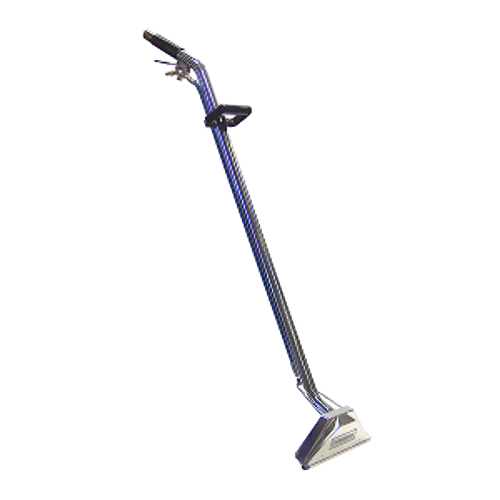
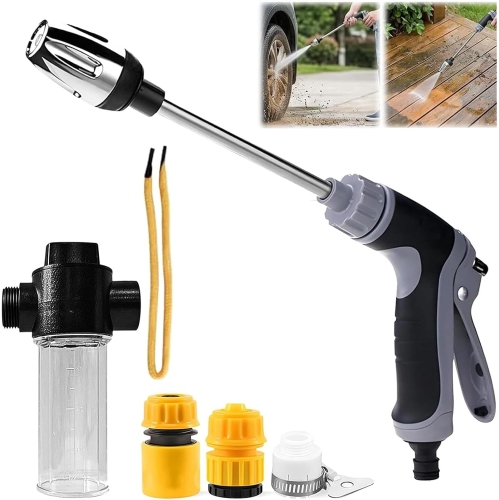
Wand length and shape make a noticeable difference to everyday handling. A shorter lance can be easier to manoeuvre around furniture legs, wheel areas, and other confined spaces, while a longer straight wand lets the user stand farther from splashback and work across broader surfaces. Angled extensions can help position a nozzle around an edge or beneath equipment, provided the attachment is intended for that task. Telescoping designs offer additional reach, although their extended length increases leverage and can make the spray’s reaction force harder to control. Longer is not always more comfortable: a wand that feels manageable at waist height may become tiring when held away from the body. Balance, grip position, and overall weight are especially relevant when cleaning a large paved area or moving between repeated passes along a fence. Stainless steel is commonly used for lance tubing because it combines strength with resistance to rust, while aluminium can reduce weight in designs built around lighter handling. Brass is often used in fittings, and protective outer coverings can make the shaft more comfortable to hold. Material names alone do not establish durability; the quality of the threads, couplers, seals, and assembled joints is just as important. A well-matched wand should feel secure at its connections, without excessive movement that makes nozzle placement less predictable. Intended use also shapes the choice. A homeowner rinsing outdoor furniture may value a compact, uncomplicated setup, while someone regularly cleaning larger hard surfaces may prefer additional reach and a comfortable grip for longer sessions. Vehicle washing calls for particular care with nozzle selection, distance, and the condition of paint, trim, and seals. Wood, painted surfaces, and masonry joints can also be damaged by an overly concentrated stream. The wand helps place the spray accurately, but it cannot make every pressure setting or nozzle appropriate for every material. Surface suitability remains part of the complete pressure washer setup, not a property of the wand alone.
Care and storage influence how reliably a pressure washer wand performs over time. Dirt caught in a quick-connect coupling, damaged threads, or a worn sealing ring can turn a straightforward cleaning job into repeated stops for leaks and adjustments. Clean connection points and intact seals help the assembly seat properly, while a nozzle that locks fully into its coupler is essential for secure operation. Inspections are particularly worthwhile after a wand has been dropped or dragged across paving, since impacts can affect fittings even when the main tube still looks sound. Any check, nozzle change, or connection adjustment belongs with the machine switched off and pressure released according to the manufacturer’s directions. A leaking or damaged wand should not be treated as a normal part of operation, and escaping water should never be checked with a hand. High-pressure spray can cause serious injury, making eye protection, secure footing, and a two-handed grip important considerations during use. Extra reach is most useful when it allows controlled work from a stable position; it is not a reason to operate from a ladder or work near electrical lines. After cleaning, draining the assembly as directed and storing it where the tube and fittings will not be crushed helps protect the parts that maintain a secure connection. Supporting a long wand rather than leaving weight hanging from a coupling can also reduce unnecessary strain. For households sharing one pressure washer across several jobs, clearly compatible attachments make changes between tasks more straightforward, whether the next project involves a concrete path, garden tools, or washable outdoor furnishings. A replacement or additional wand can also be a practical gift for someone who already uses a pressure washer, provided the machine and gun specifications are known. The most useful choice is not necessarily the longest or heaviest design, but one whose construction, connections, reach, and handling suit the equipment and the work. Those details are what make a wand a dependable part of routine cleaning rather than simply an extension on the end of a hose.
Top selling and popular products
-
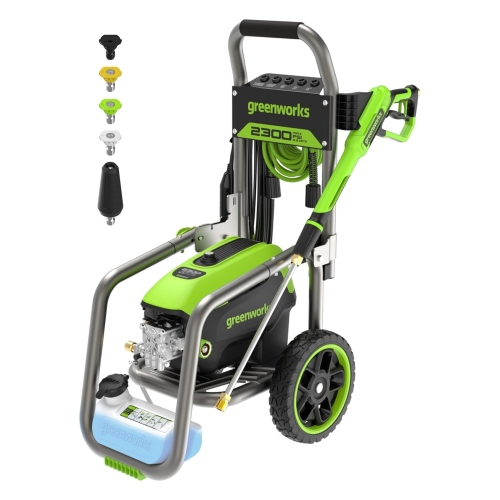 Your price for this item is $569.99
-
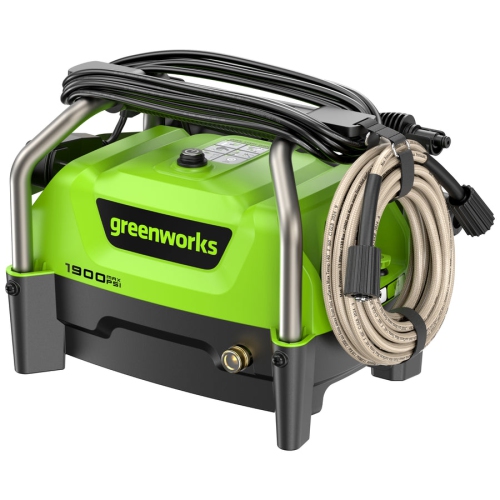 Your price for this item is $199.99
-
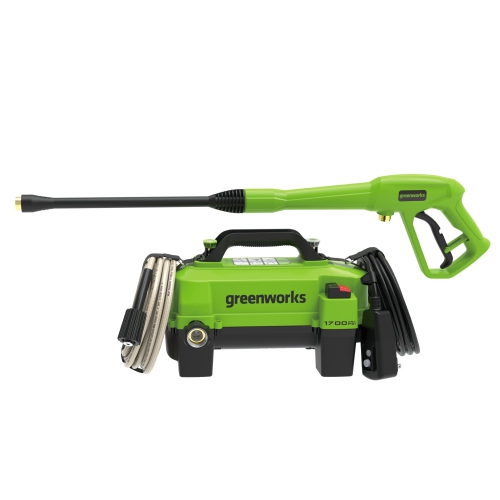 Your price for this item is $179.99
-
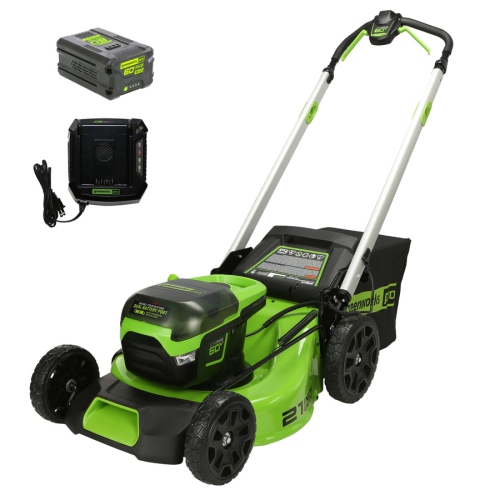 Your price for this item is $839.99
-
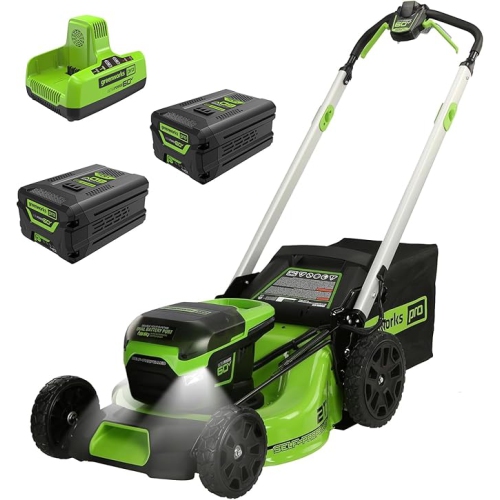 Your price for this item is $939.99
-
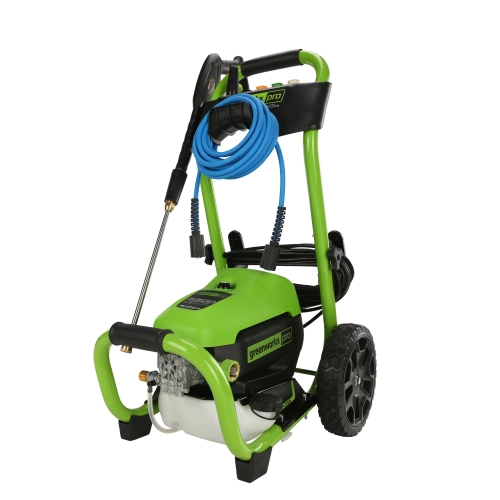 Your price for this item is $459.99
-
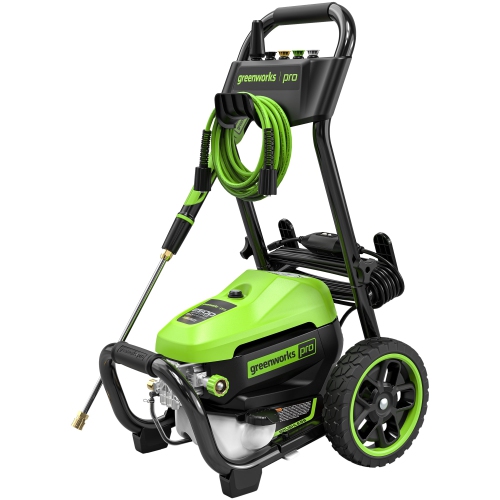 Your price for this item is $569.99
-
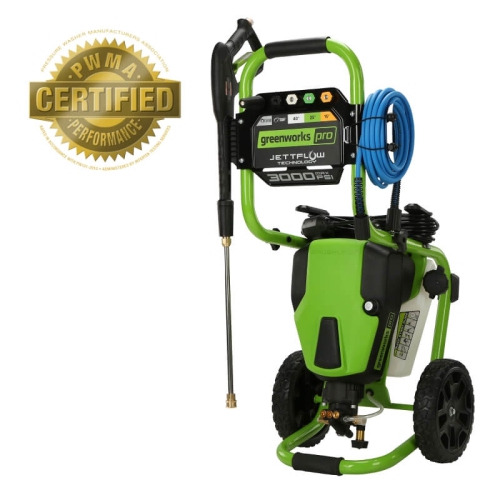 Your price for this item is $539.99
Discover more categories related to Pressure Washer Wands


Top Collections:
Best Black Friday Deals This Year, Best Black Friday Deals On Electronics, Kindle Devices, Pokemon Centers, Best Black Friday Deals On Apple Products, Best Cameras for Sports Photography, Dyson Airwrap, Pokémon 30th Celebration Cards, Apple iPhone 17 Pro, Canon G7X Cameras
Some products may be subject to Environmental Handling Fees
(EHF) depending on your province.
Learn more about EHFs.