Printed Framed Art
Transform your living space into a captivating gallery with our collection of printed framed art. Elevate the aesthetic appeal of your home or office with these stunning pieces that effortlessly blend artistry and style. From vibrant abstract designs to serene landscapes, our curated selection offers something for every taste and decor. Whether you're looking to make a bold statement or add a touch of elegance, our printed framed art is sure to inspire and enhance any room. Explore our diverse range of options and discover the perfect piece to breathe new life into your walls.
Sort
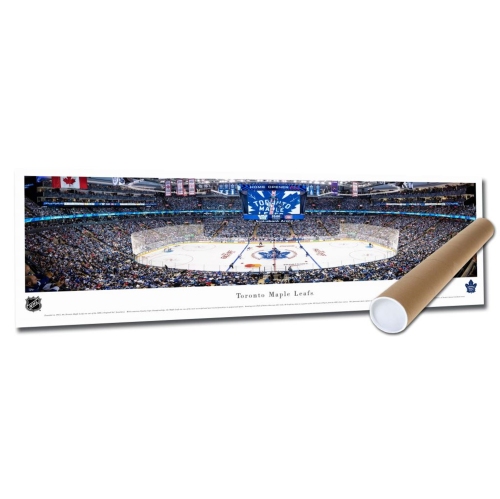
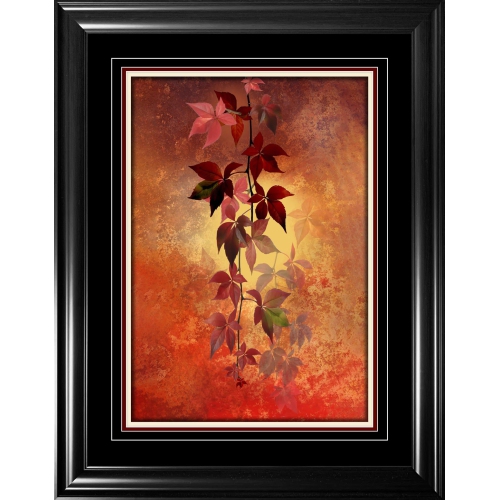
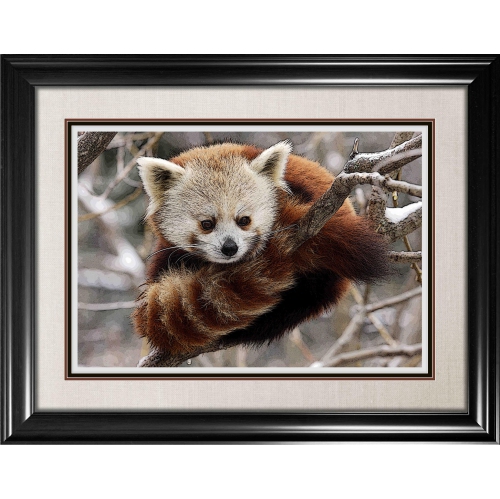
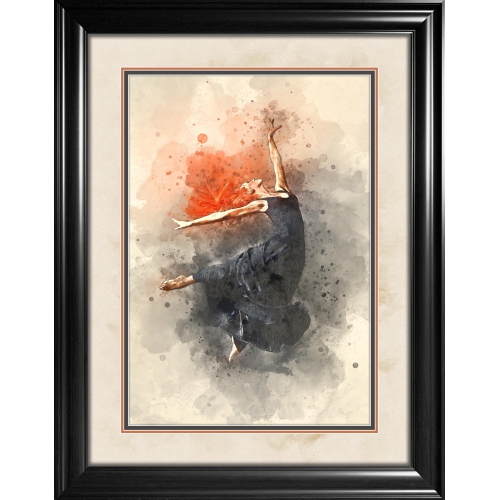
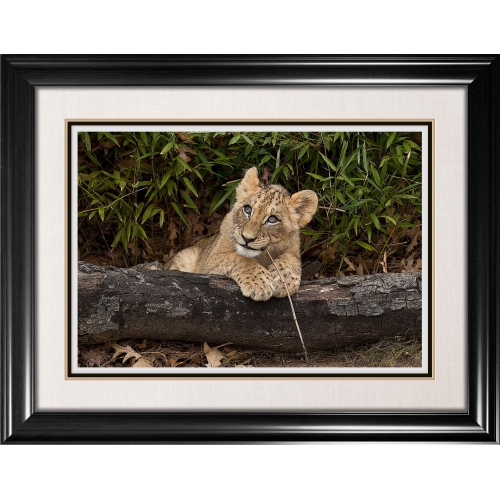
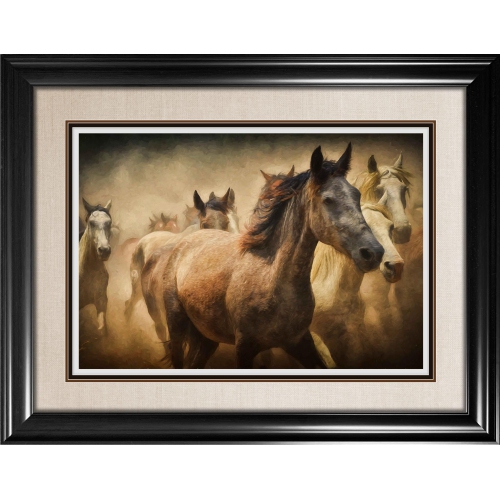
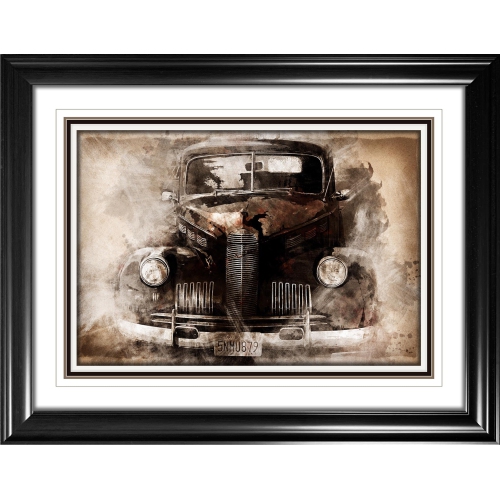
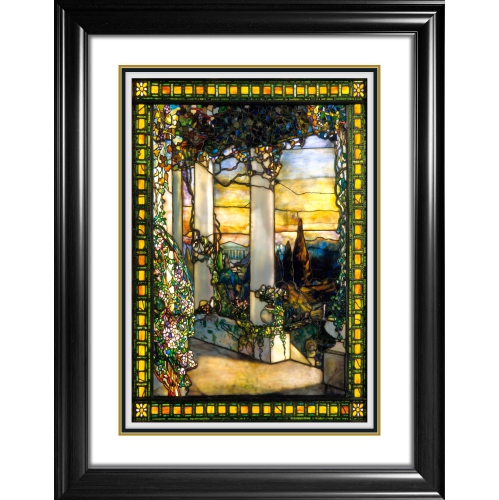
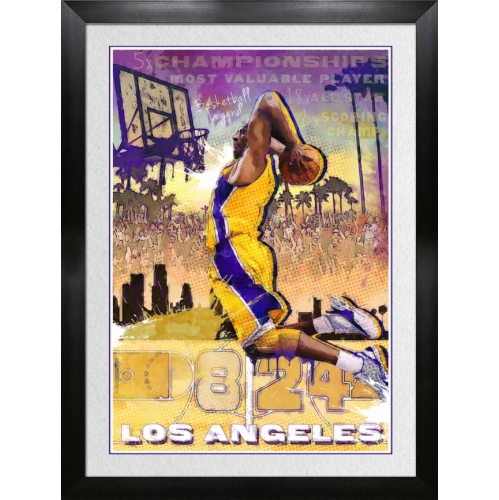
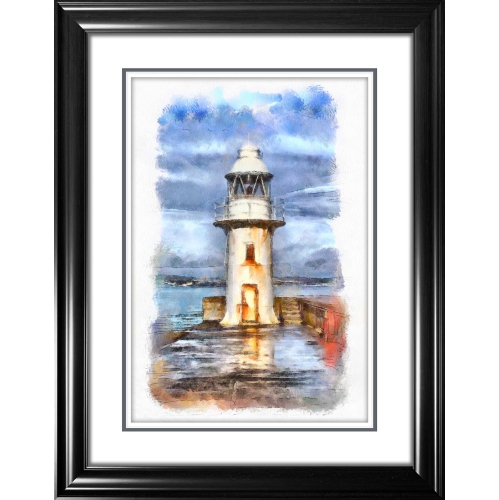
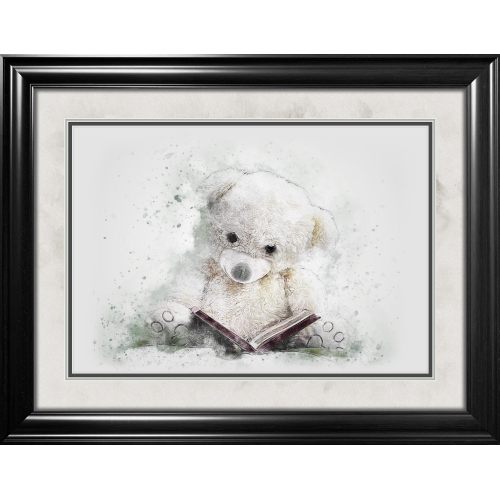
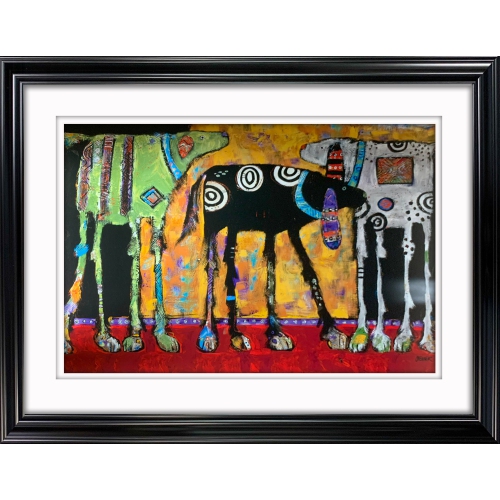
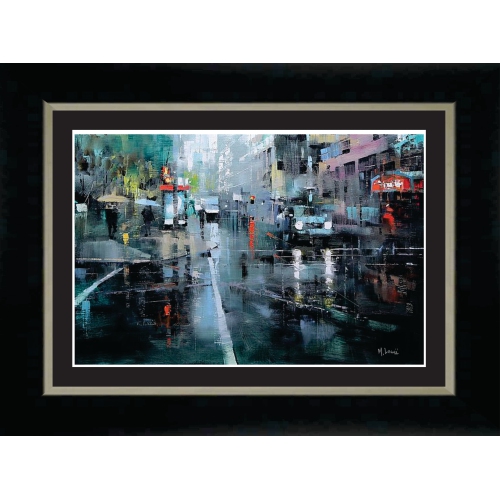
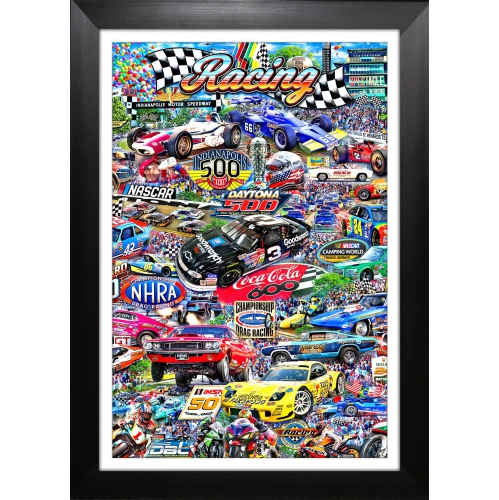
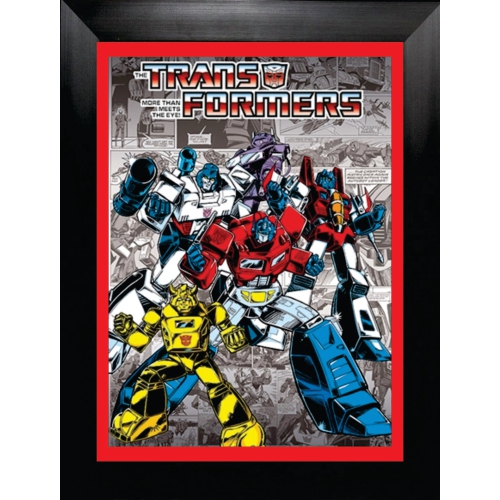
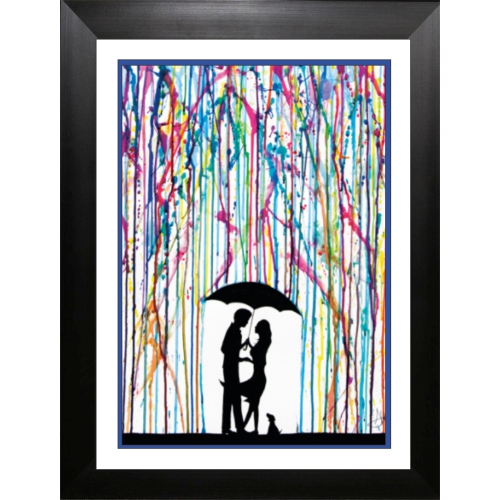
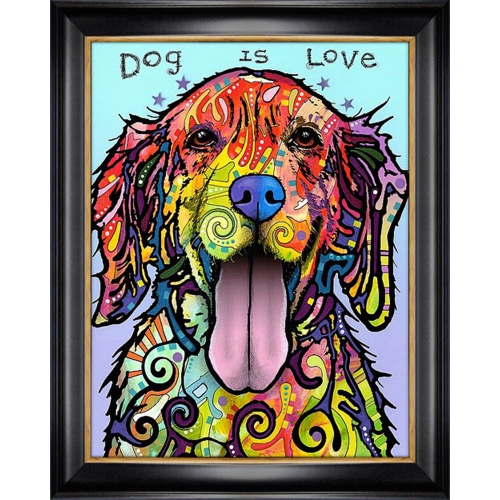
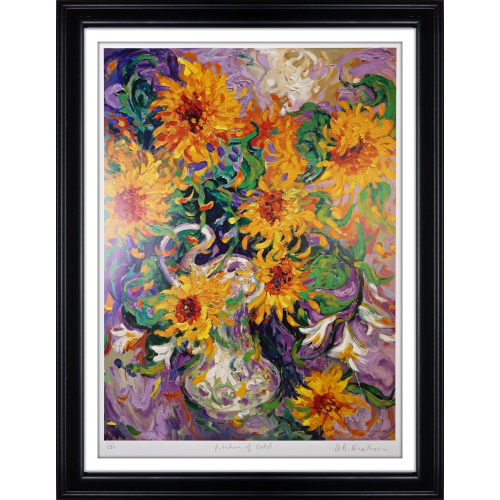
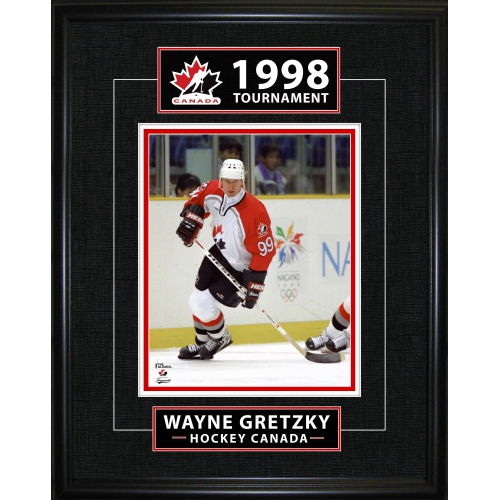
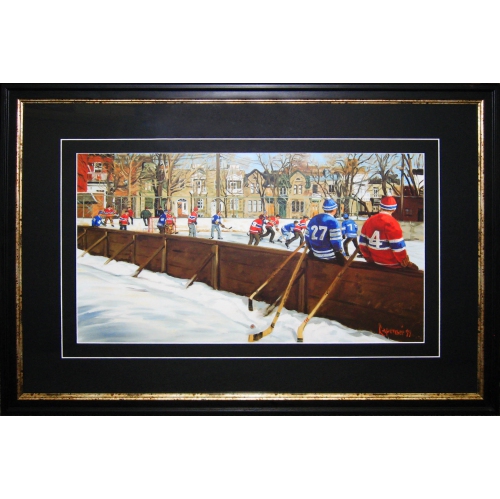





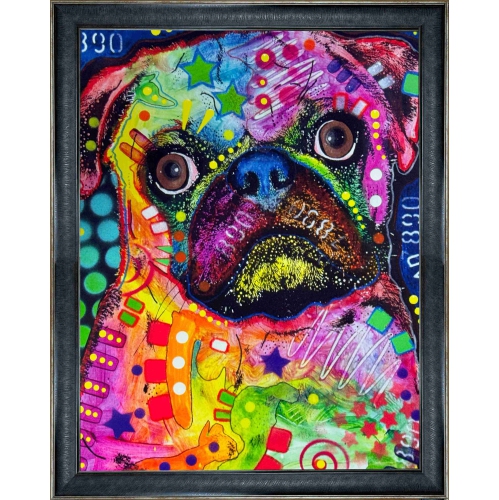
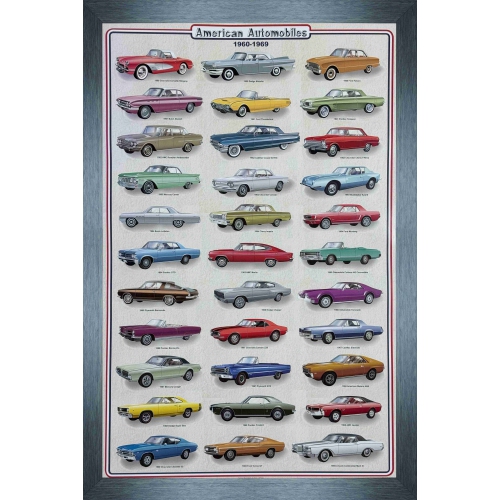

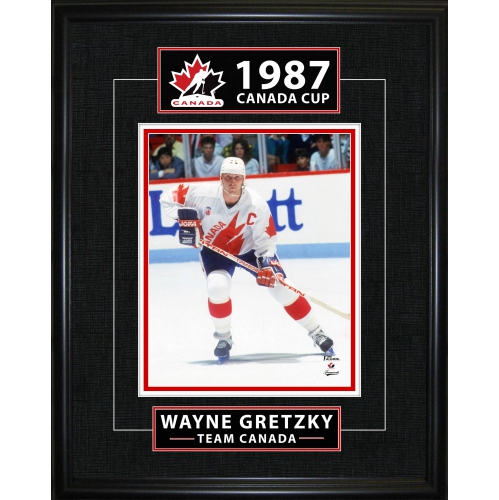
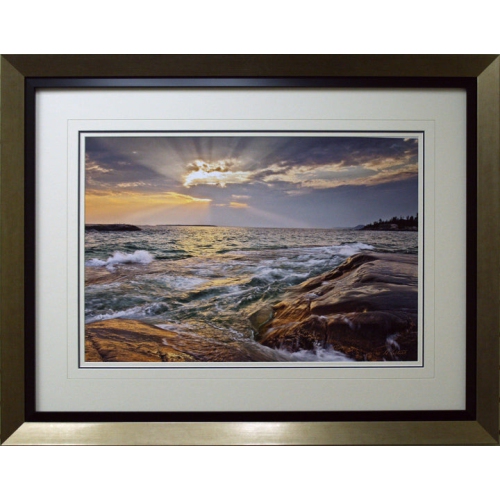
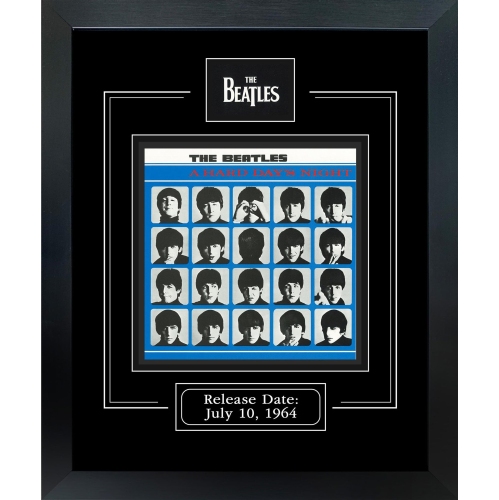
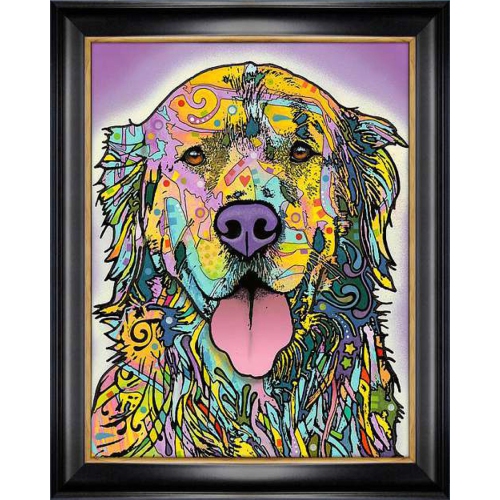
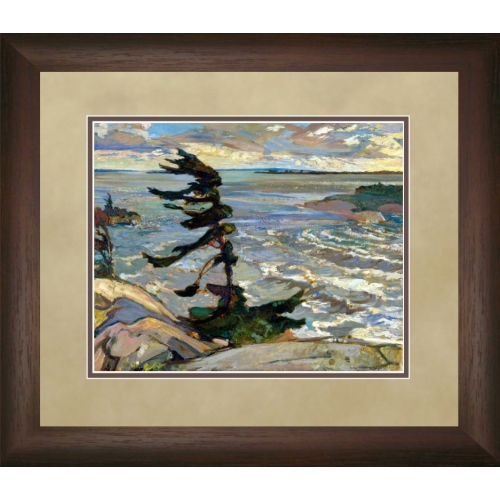


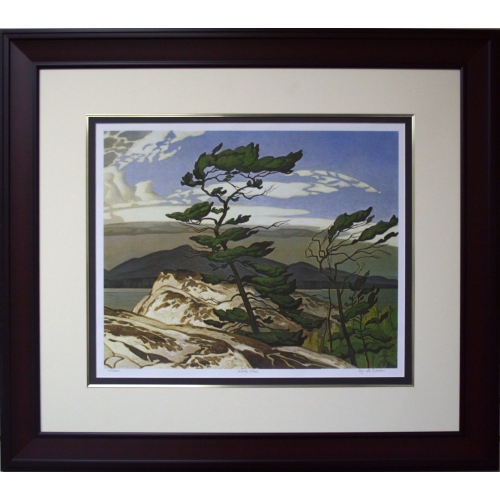







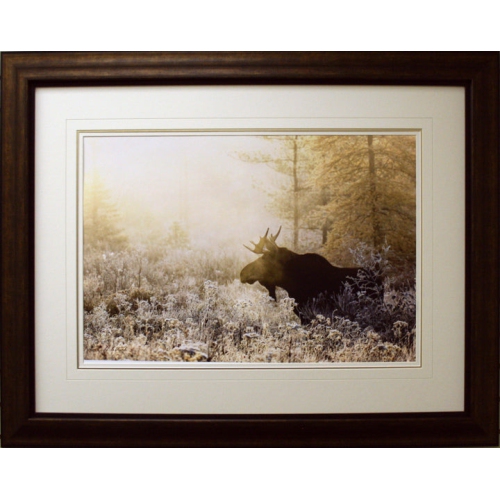
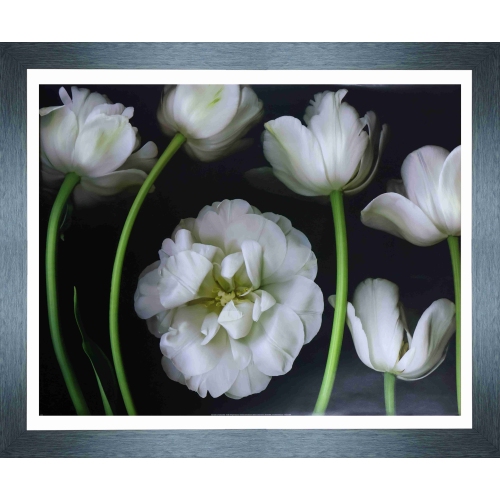
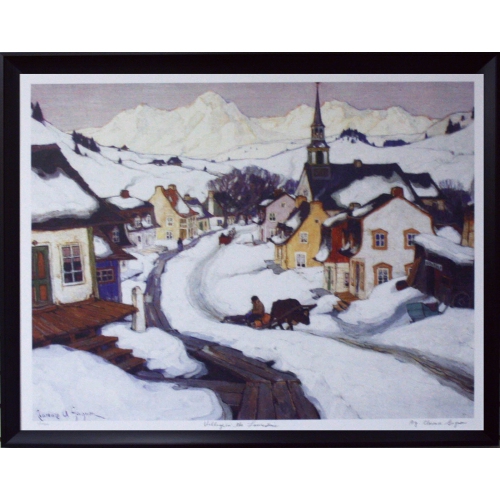
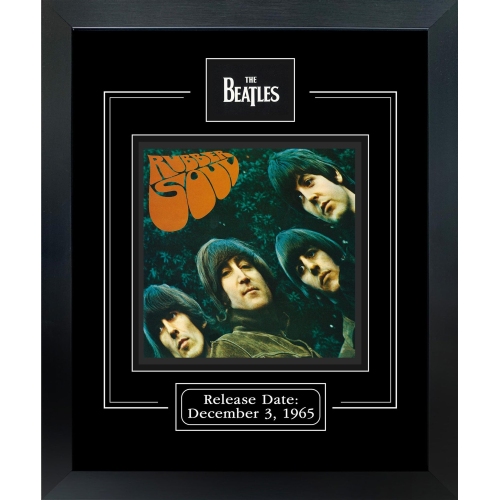






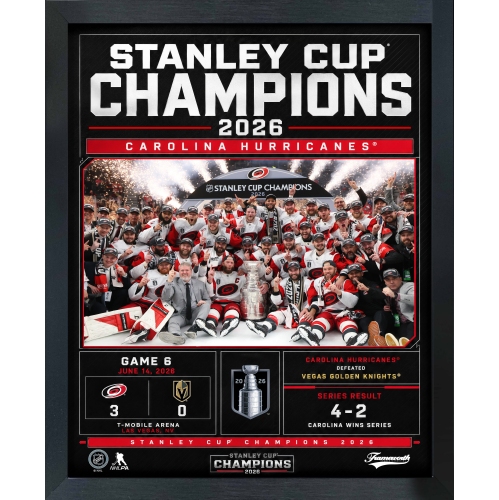
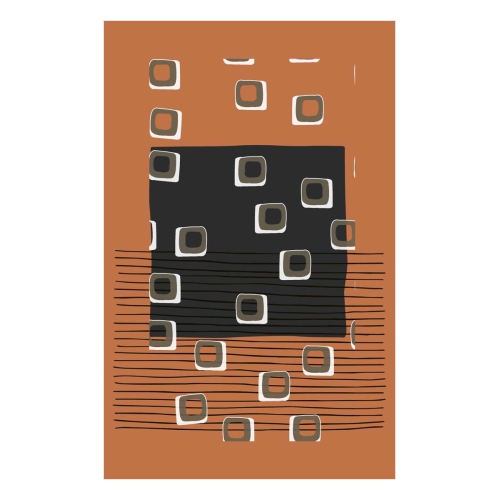

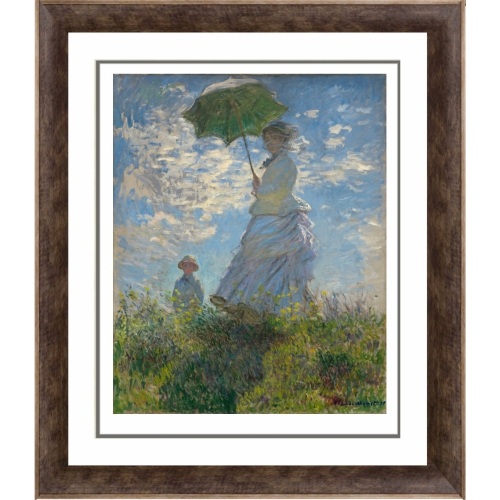
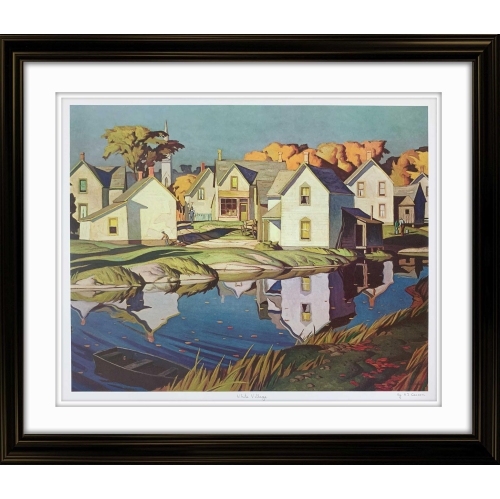
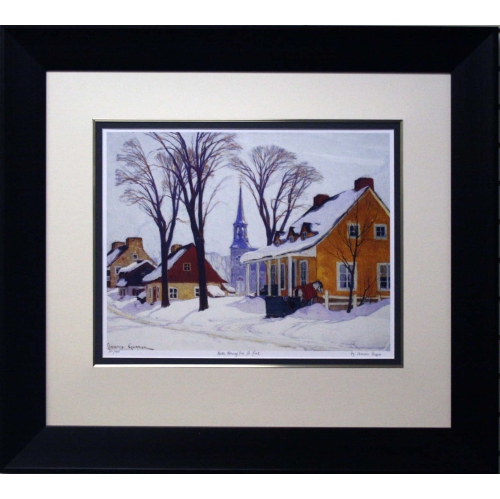
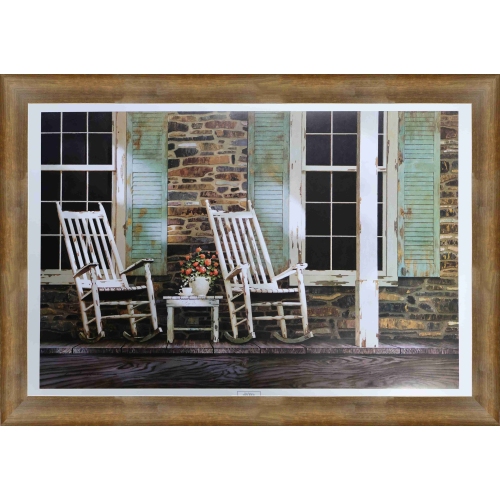
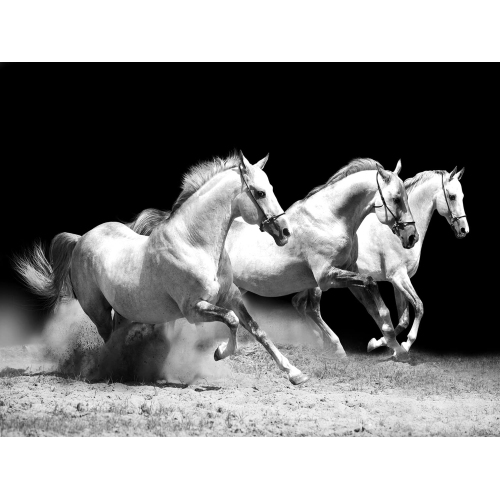
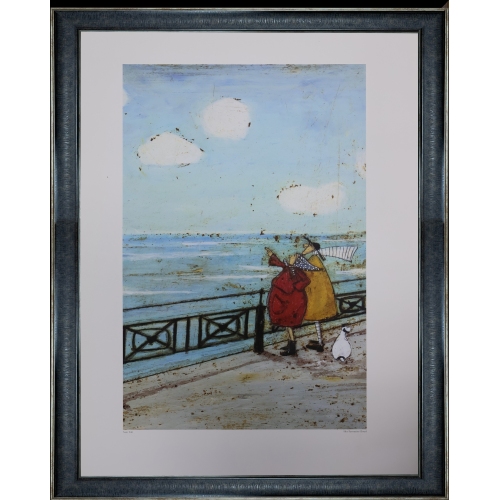


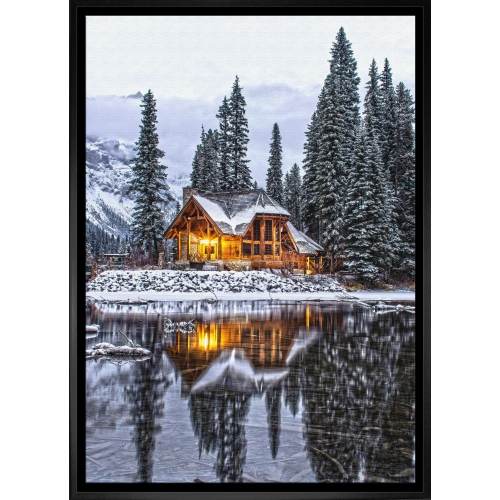



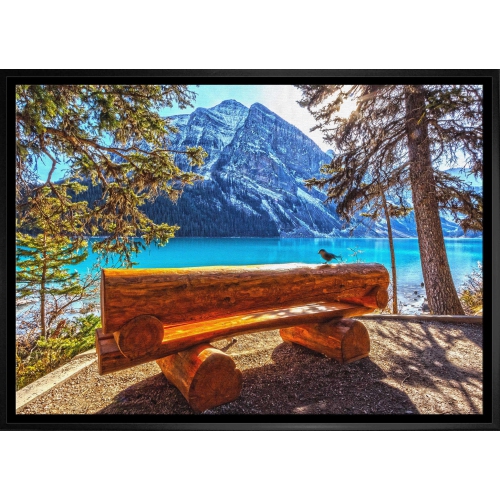

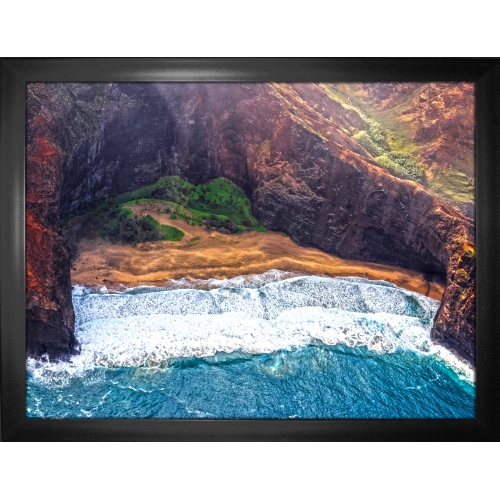

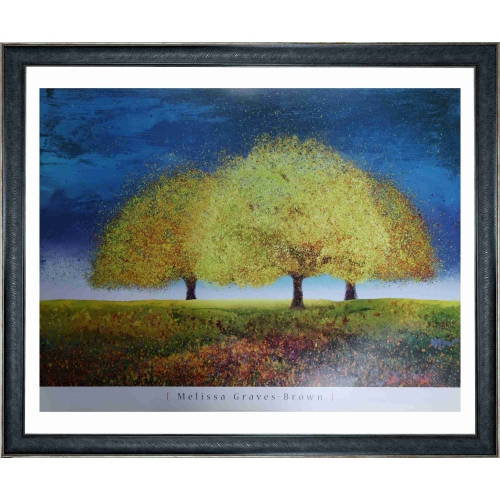
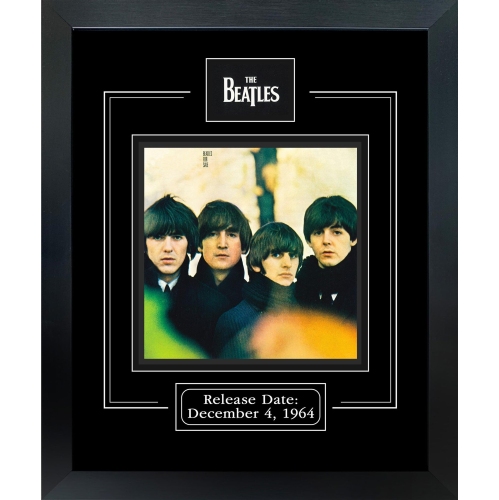
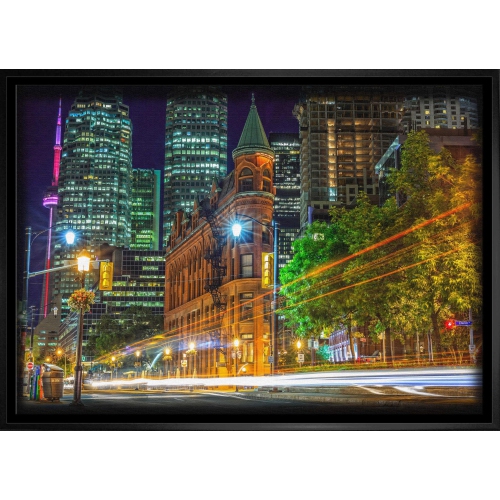
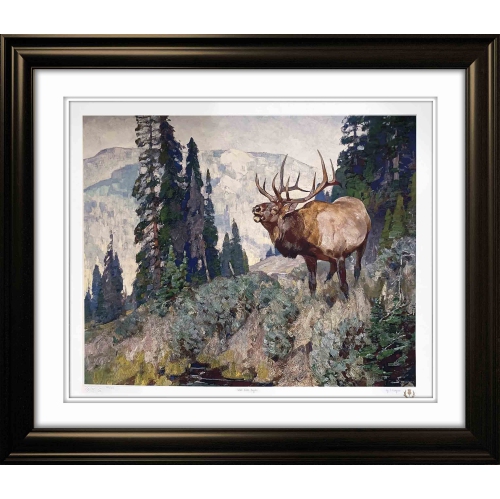
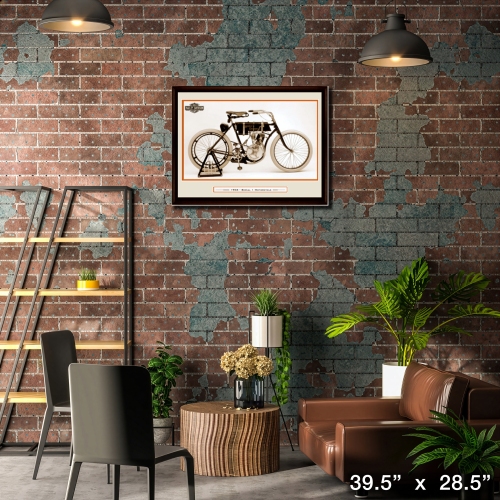


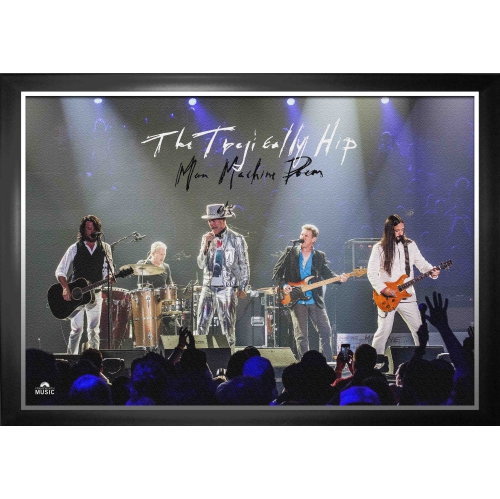
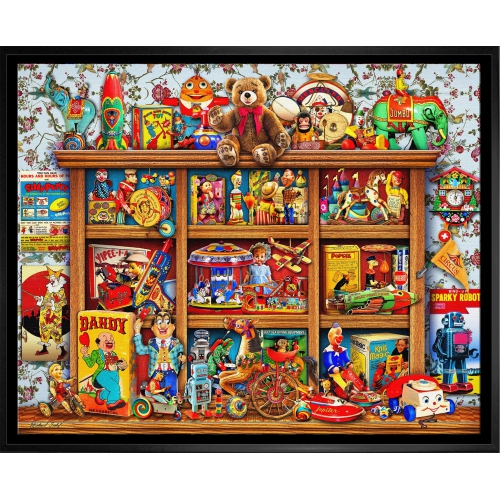
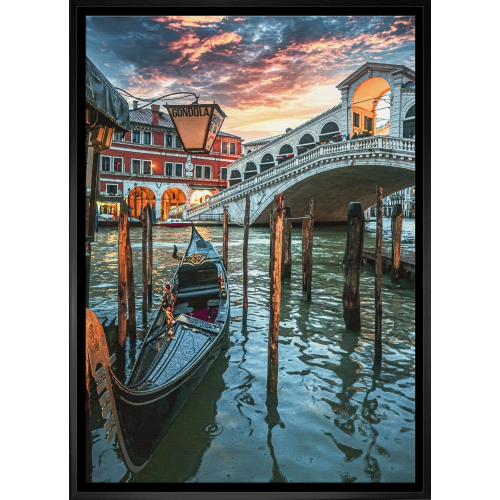
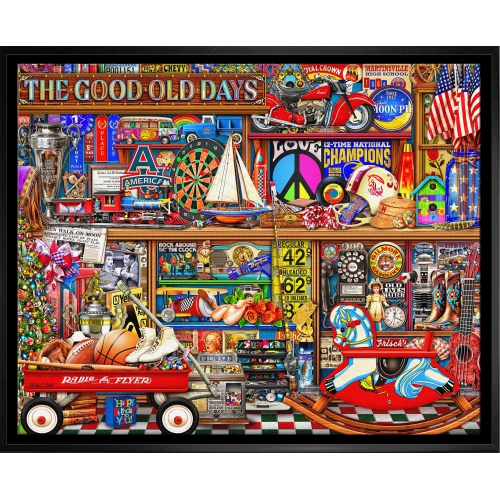
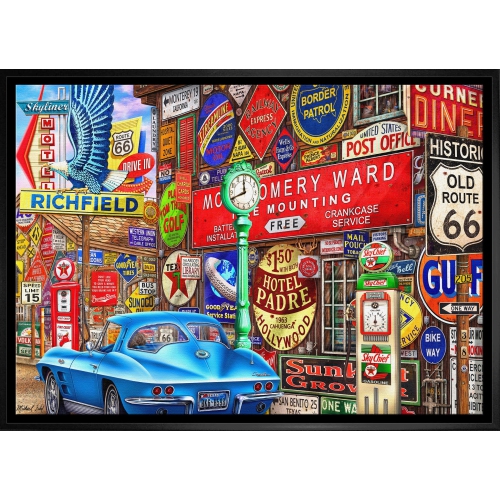
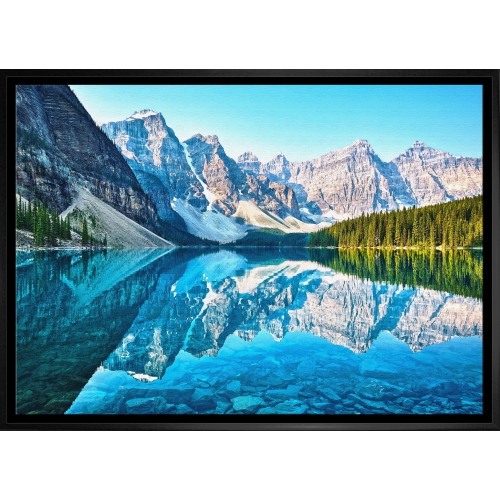
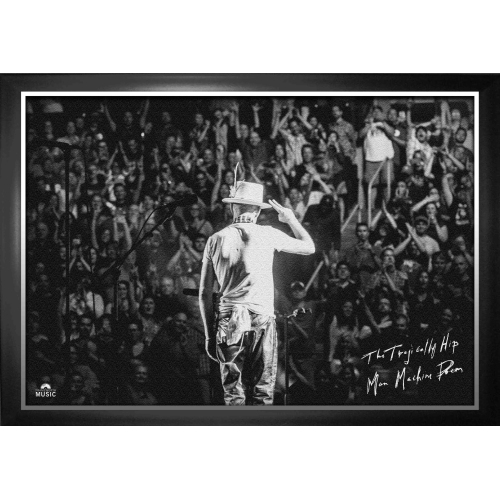
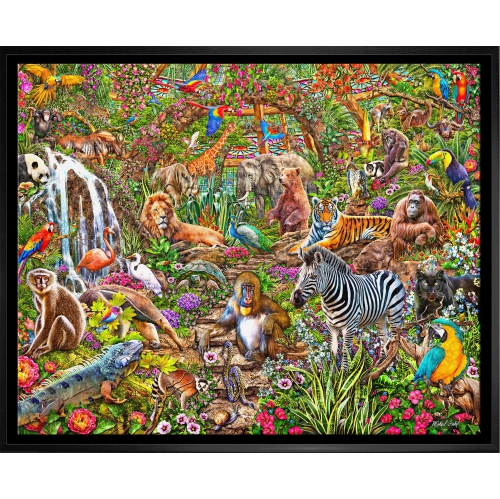
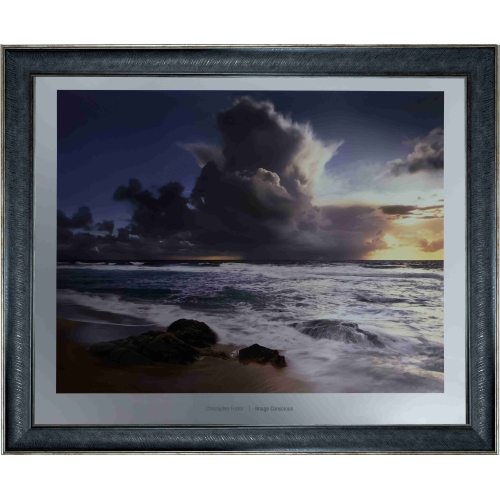

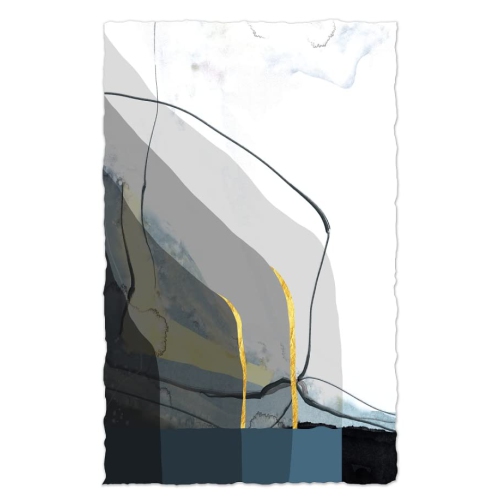

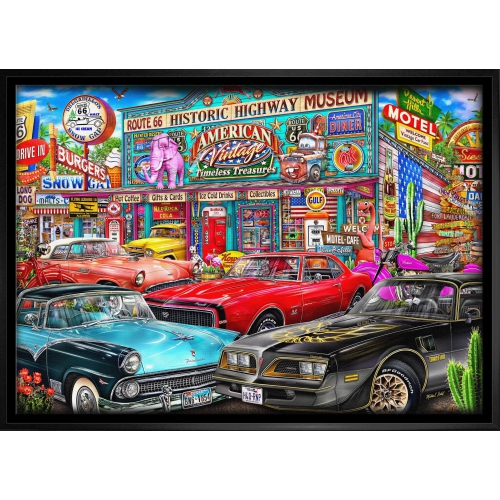
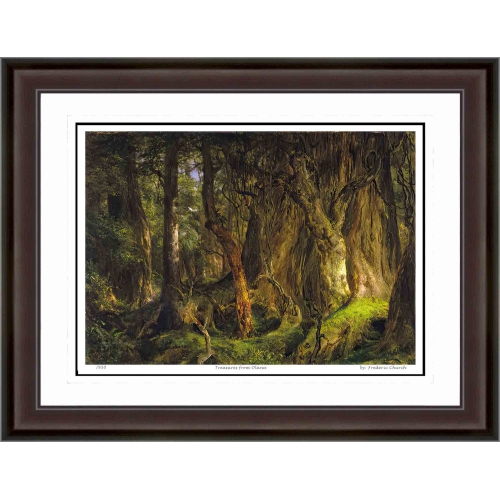
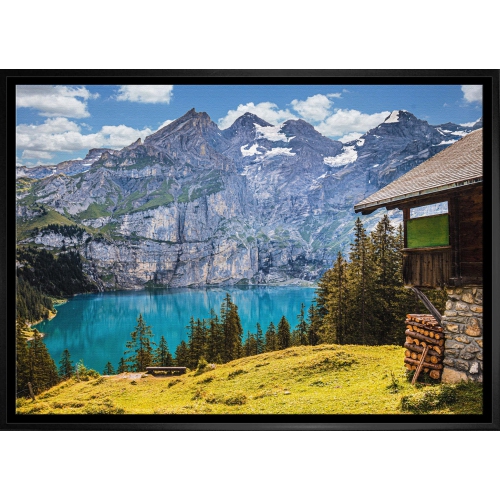
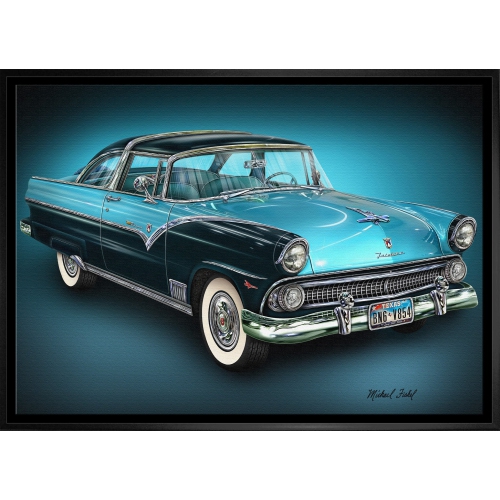
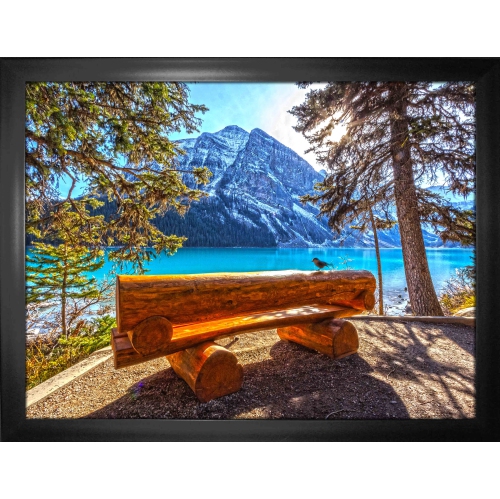


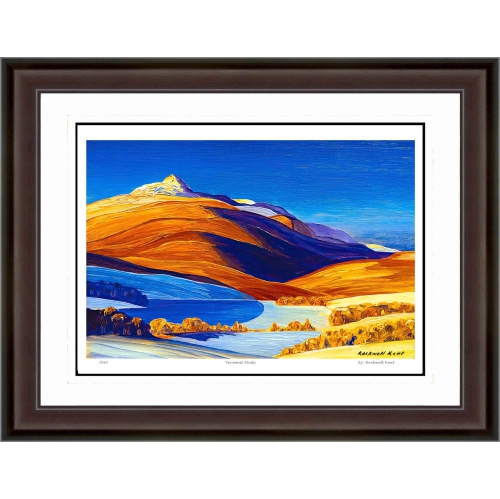




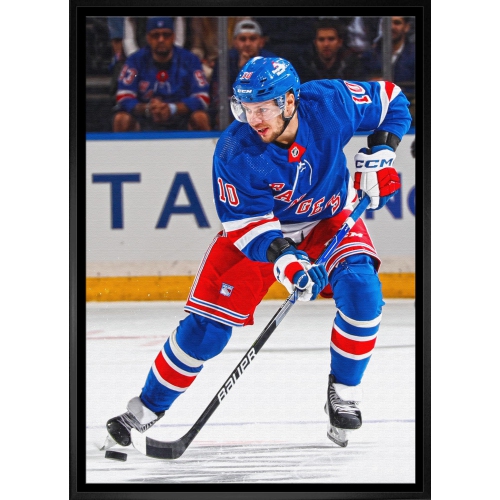

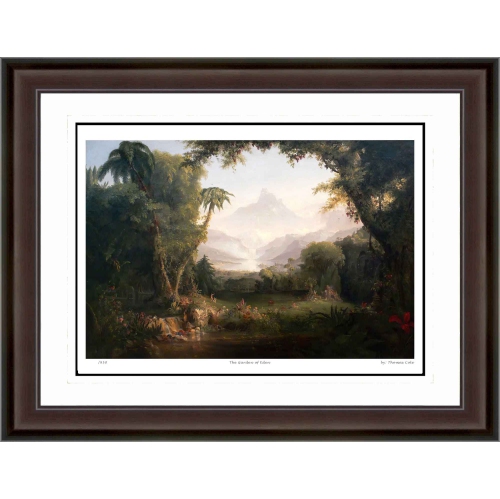



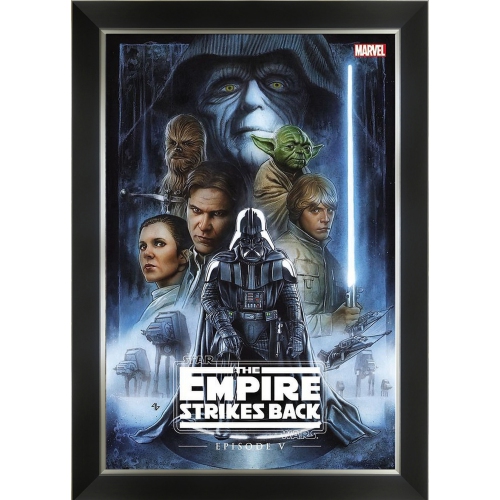

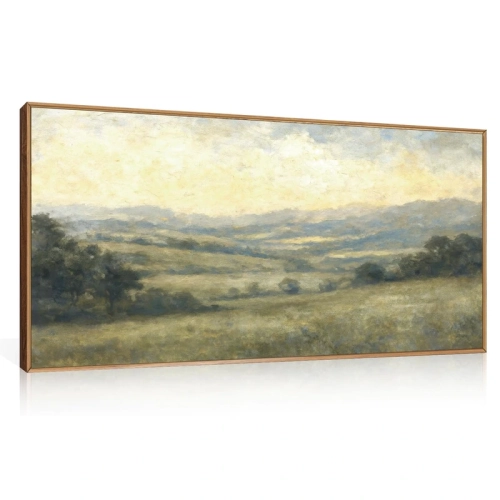

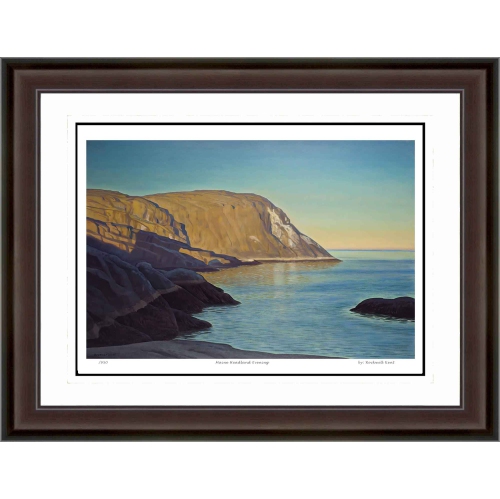

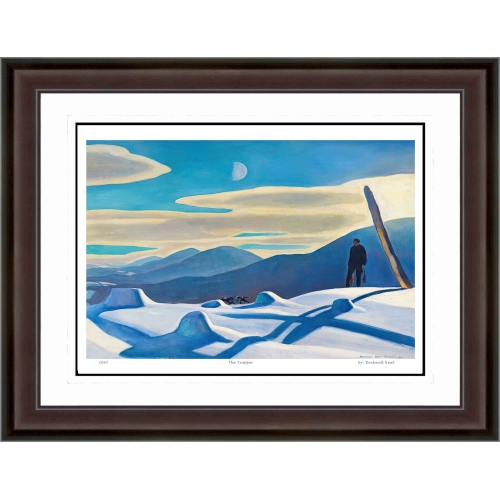
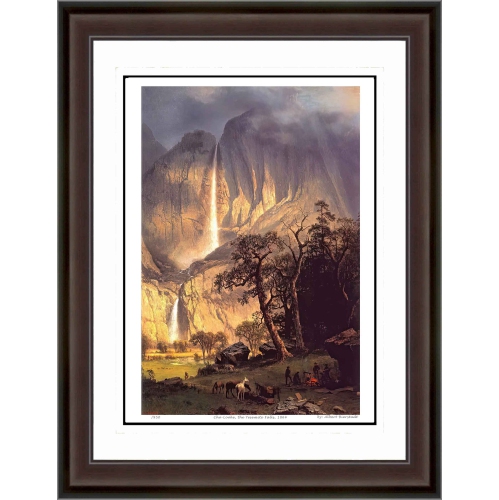
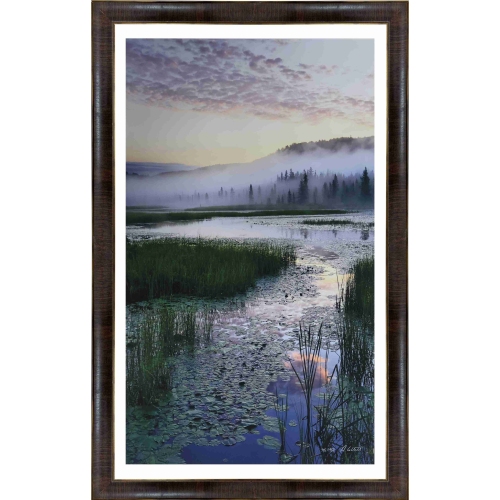
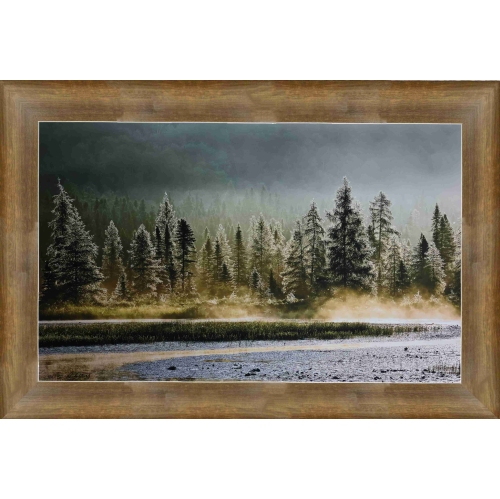
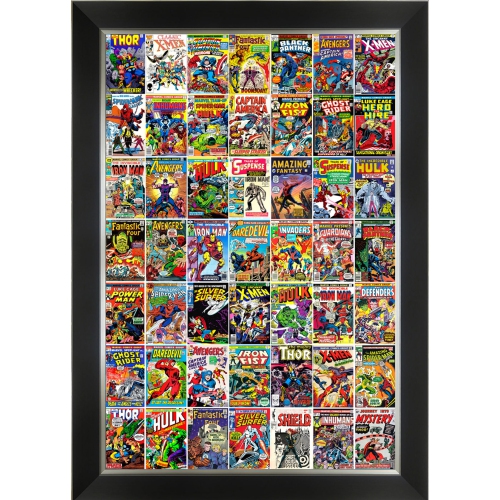

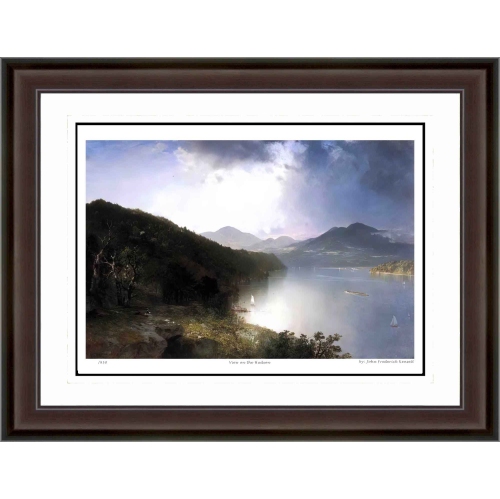
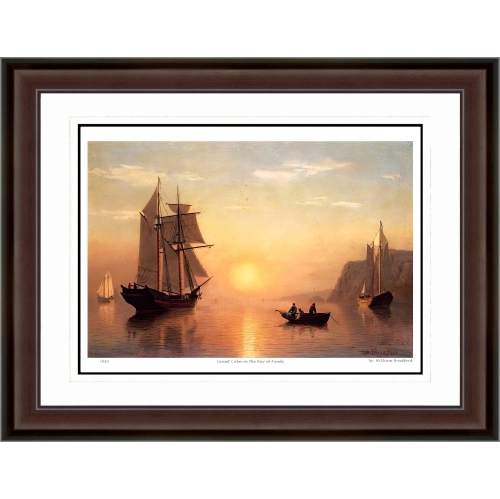
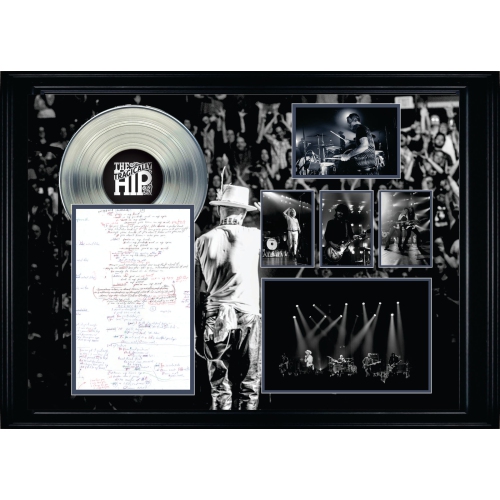


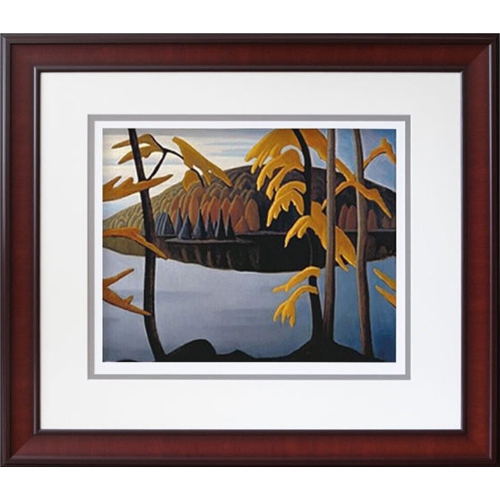

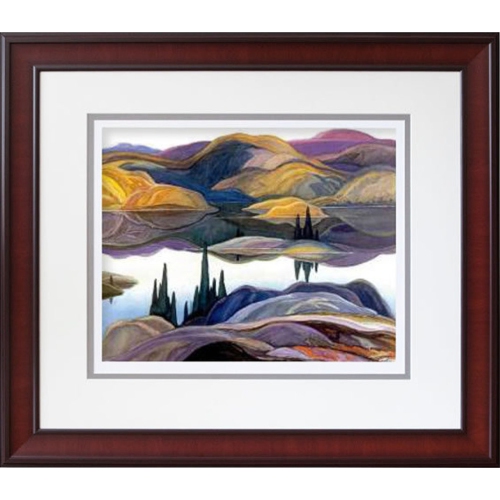


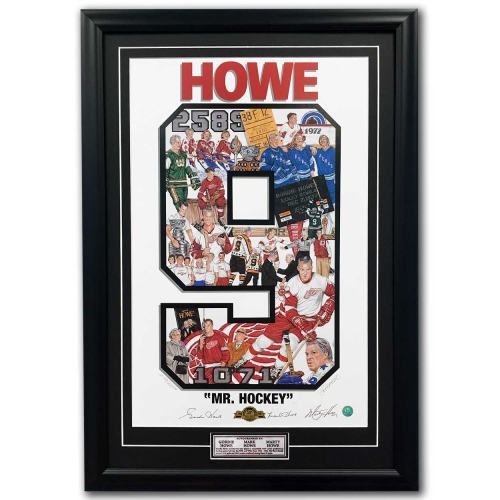
How images and frames give a room character
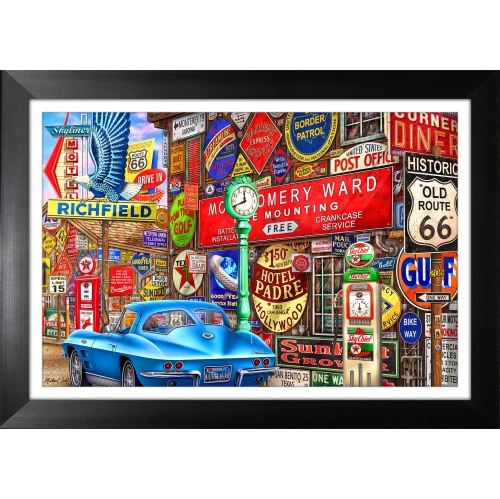
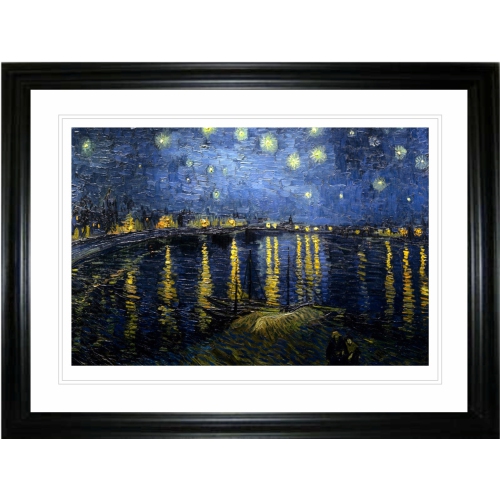
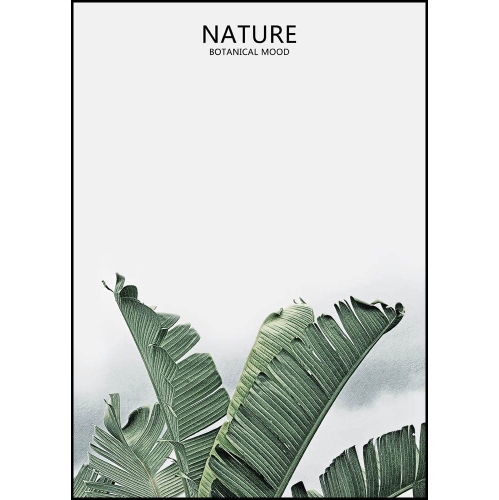
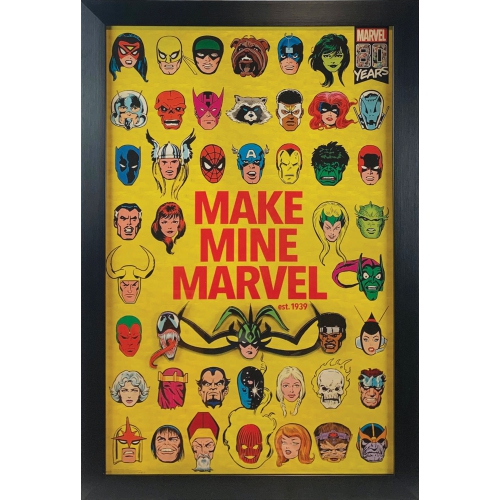
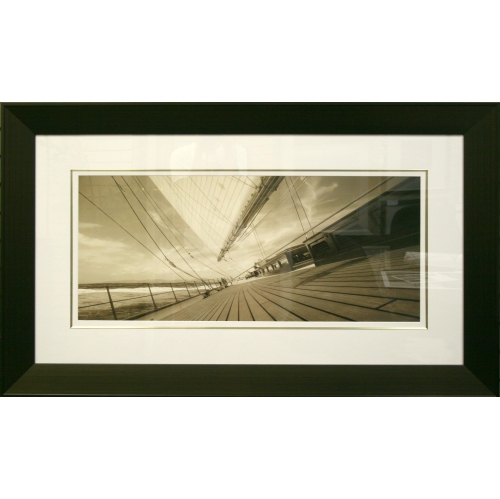
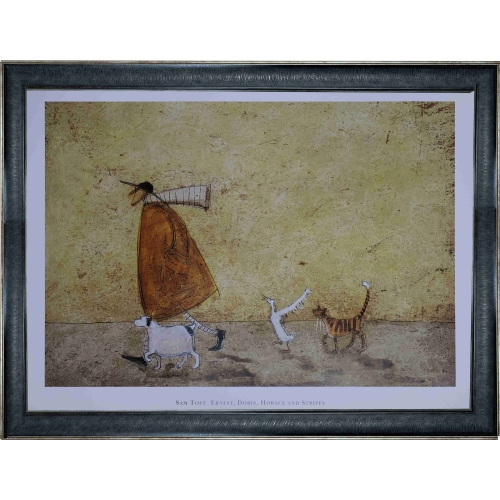
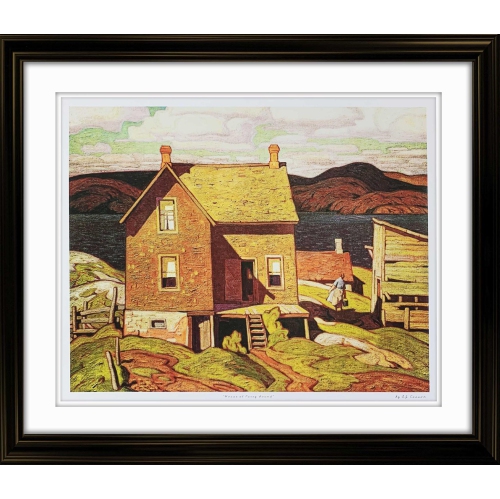
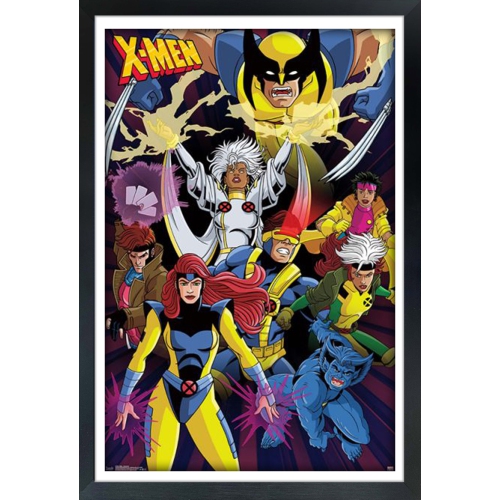
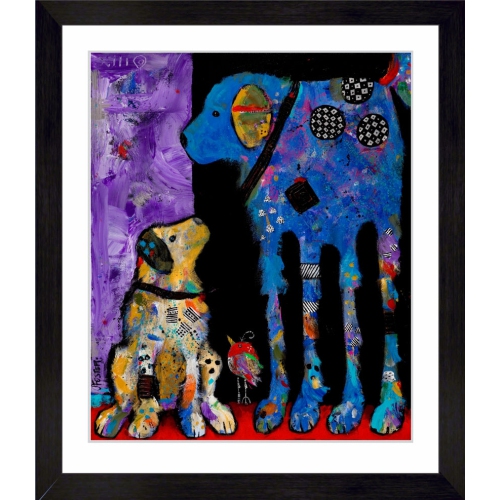
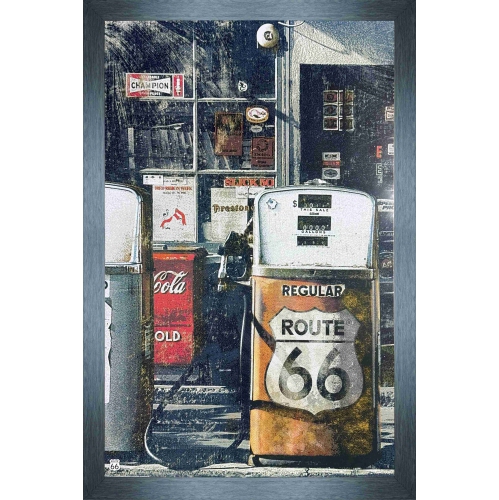
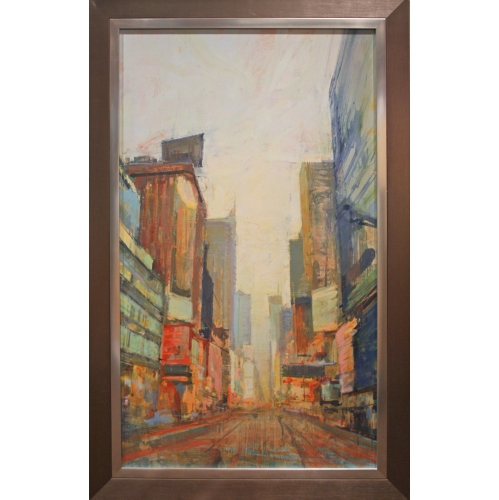
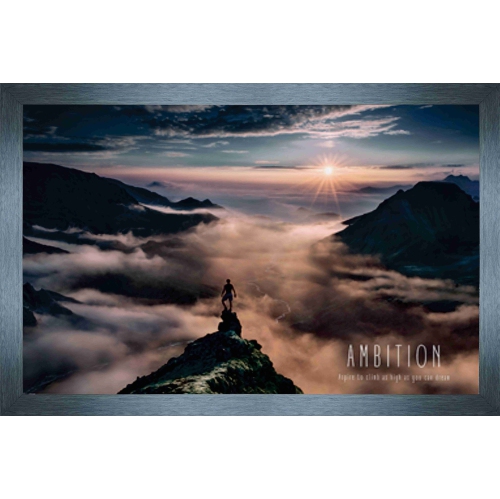
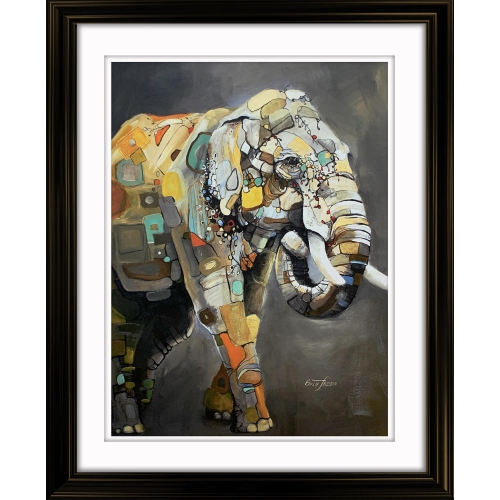
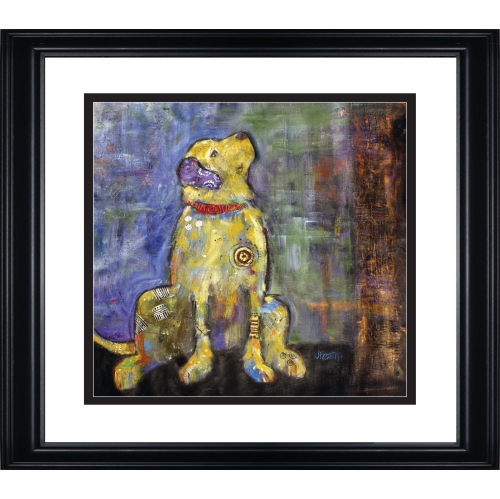
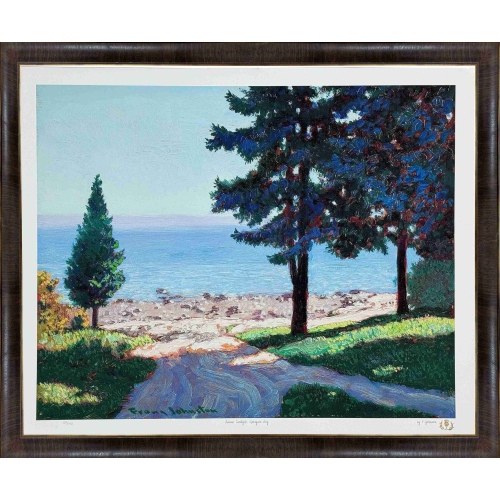
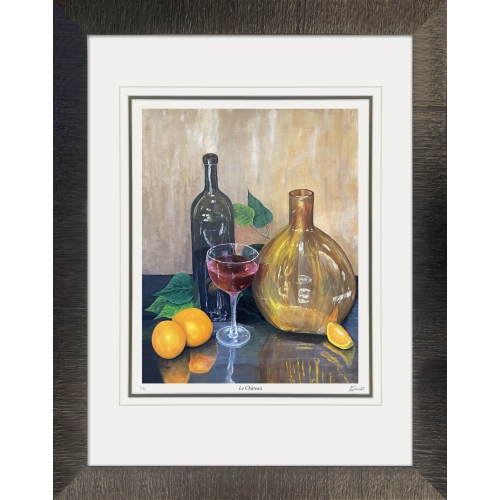
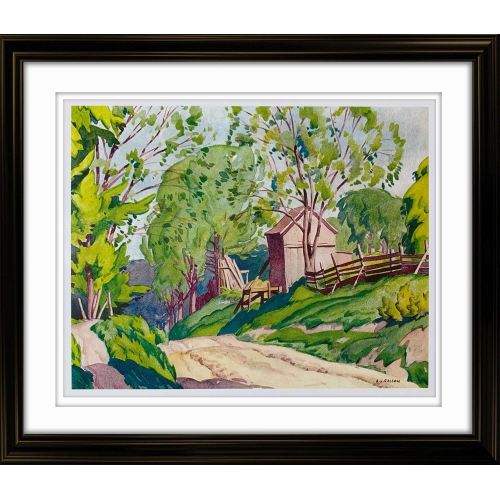
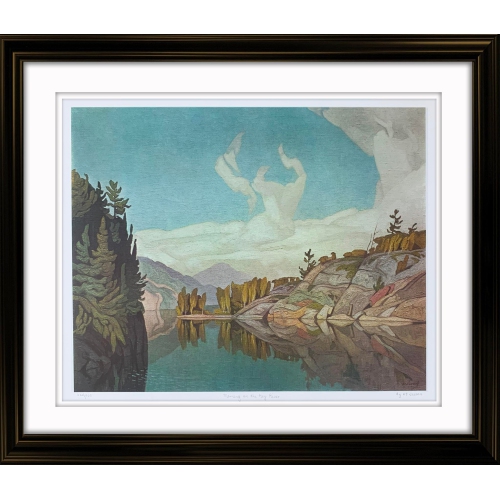
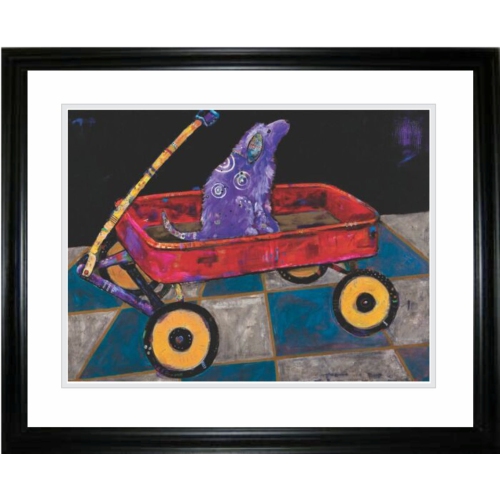
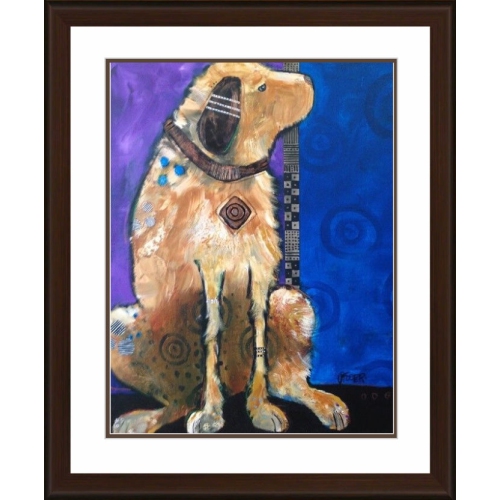
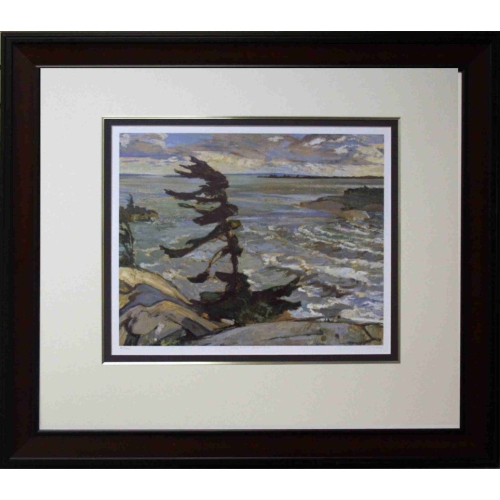
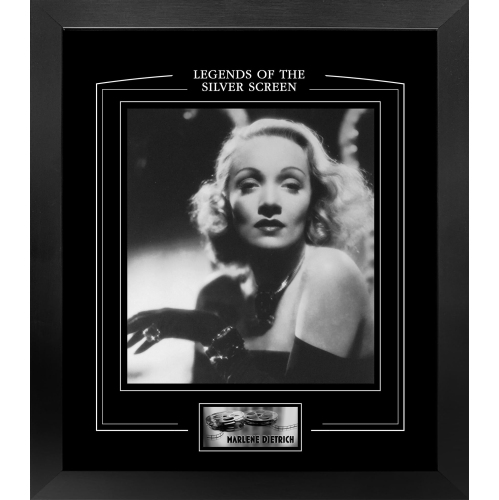
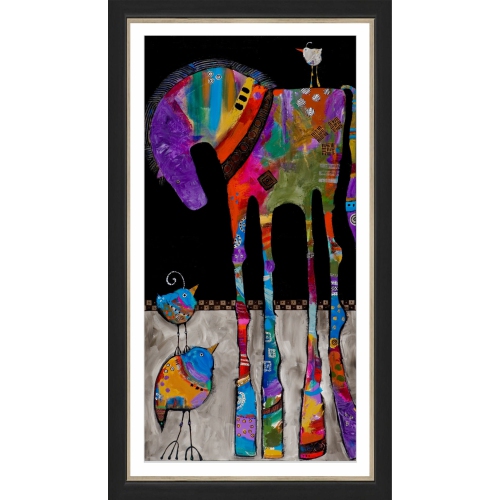
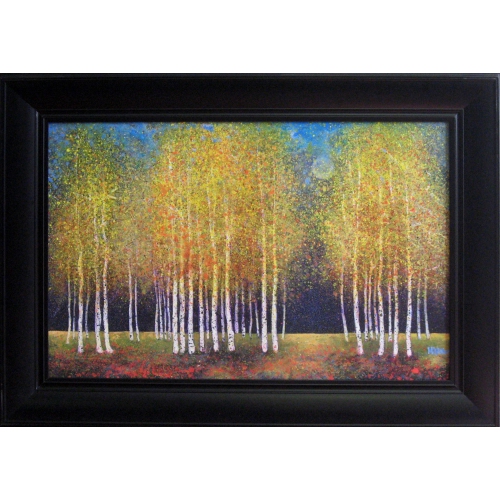
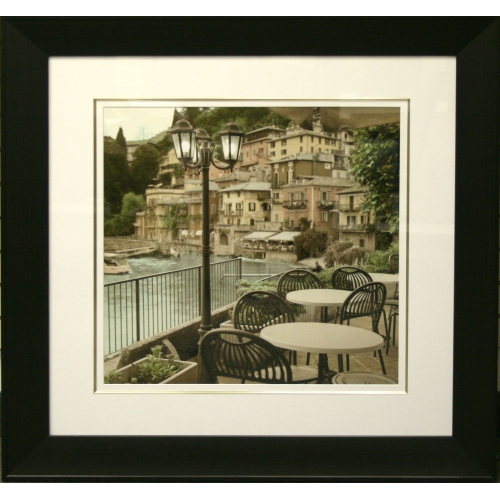
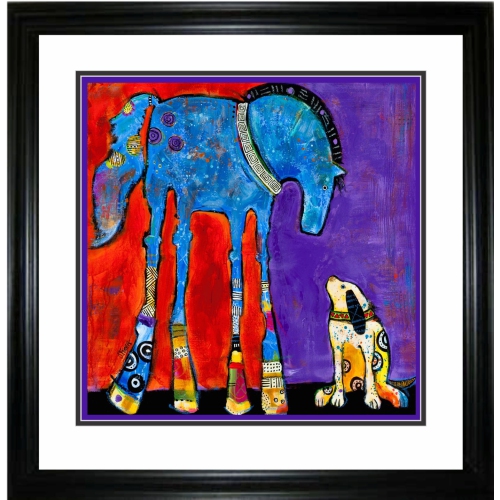
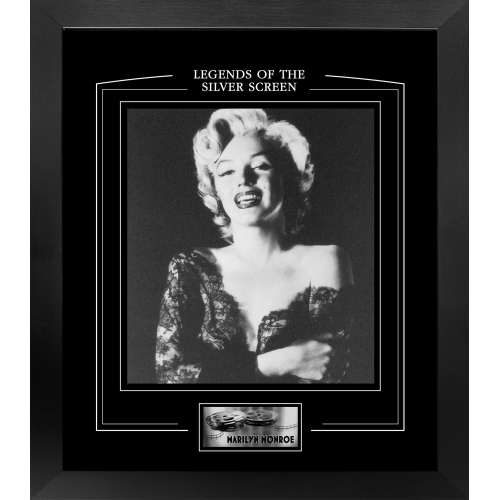
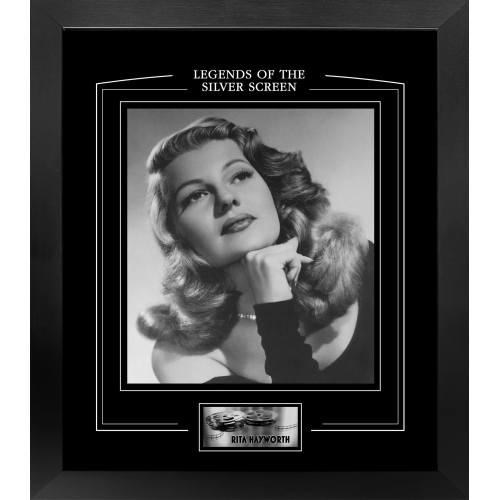
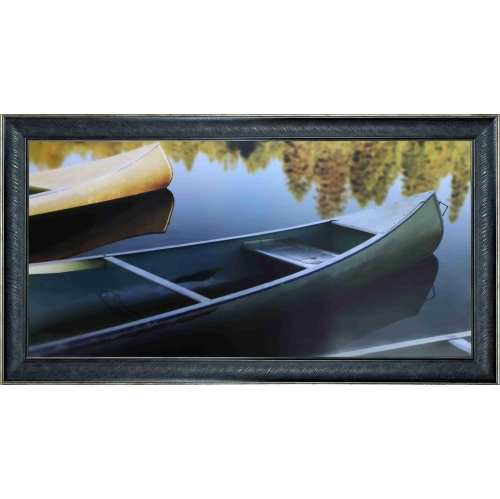
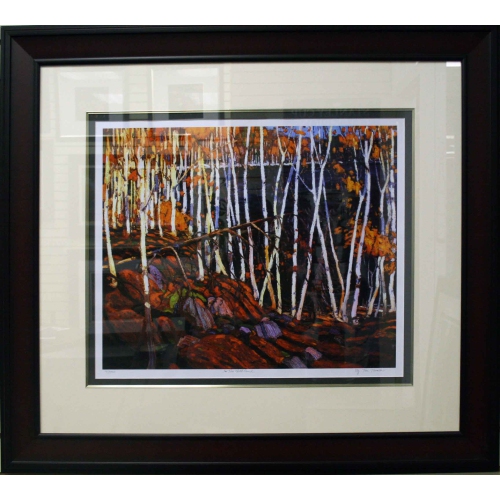
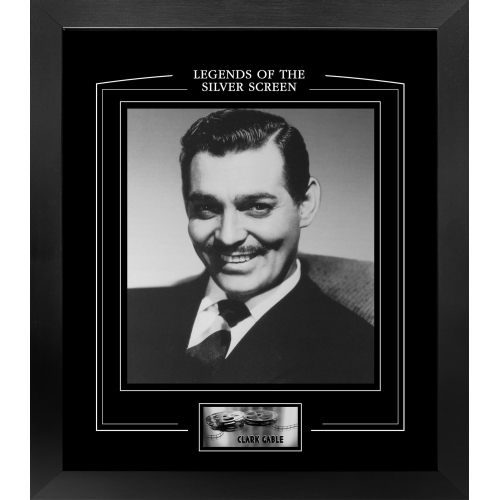
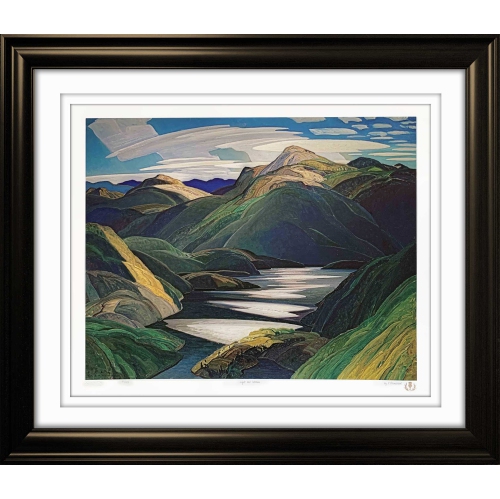
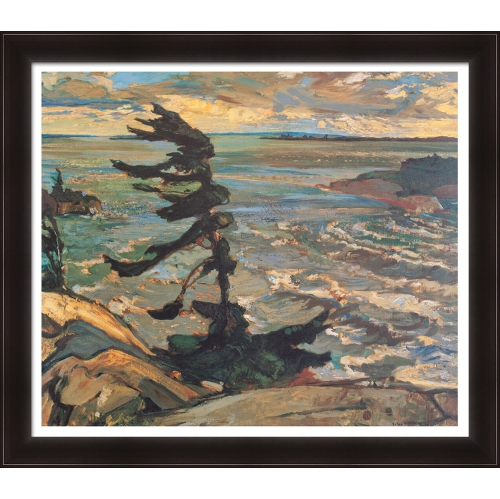
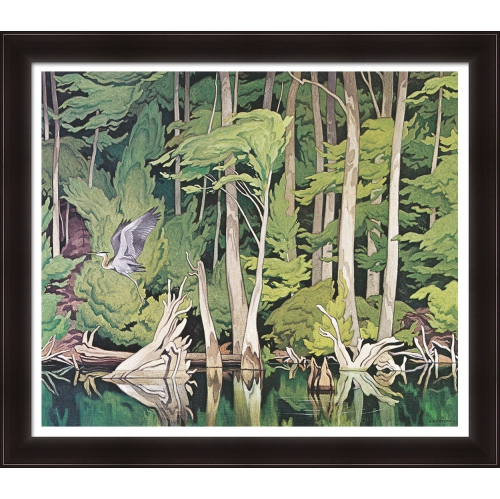
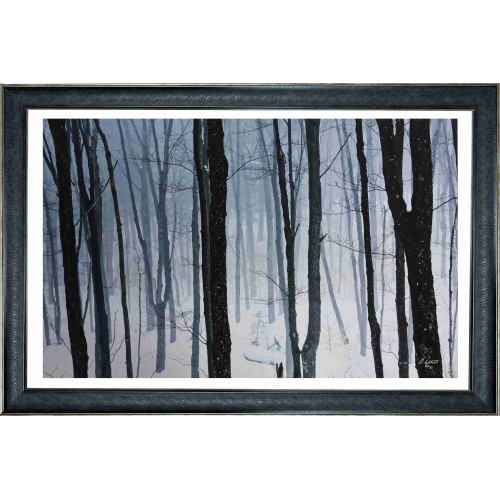
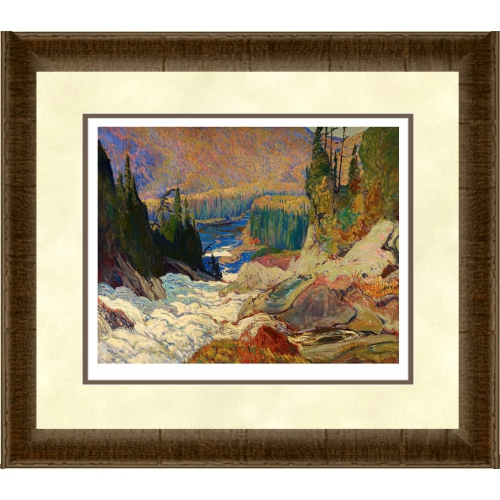
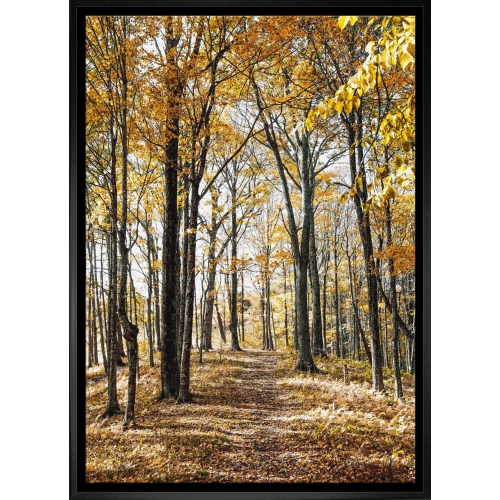
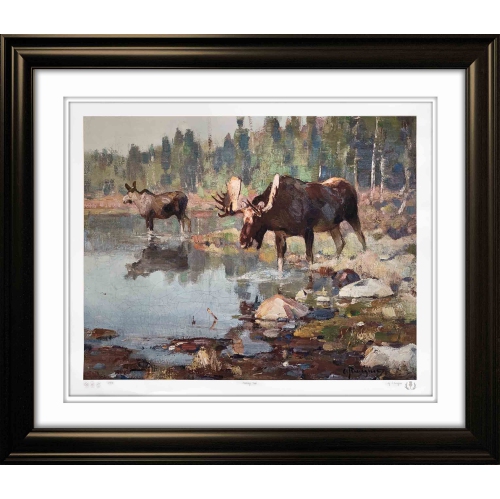
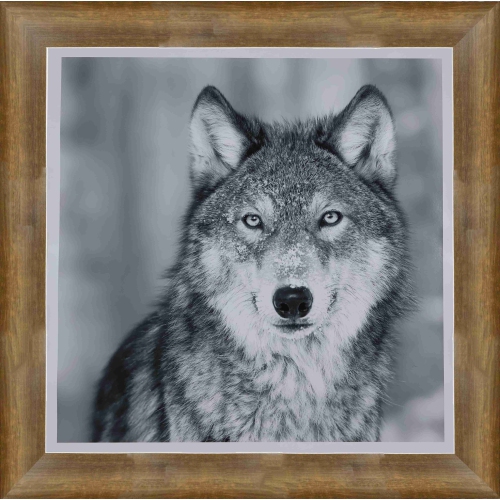
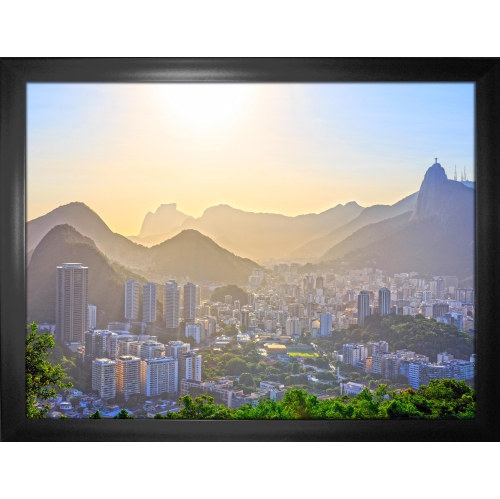
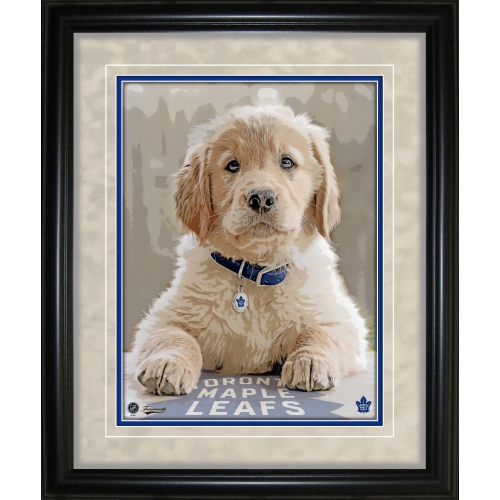
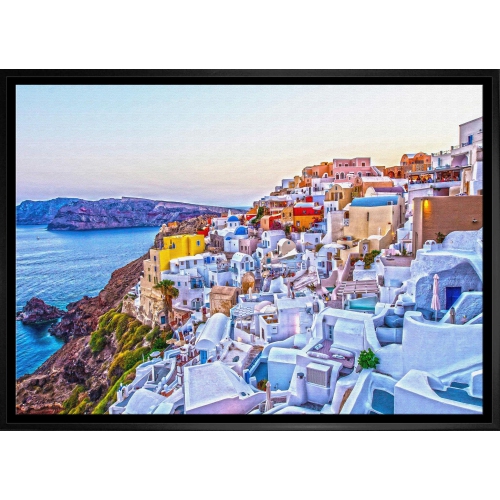
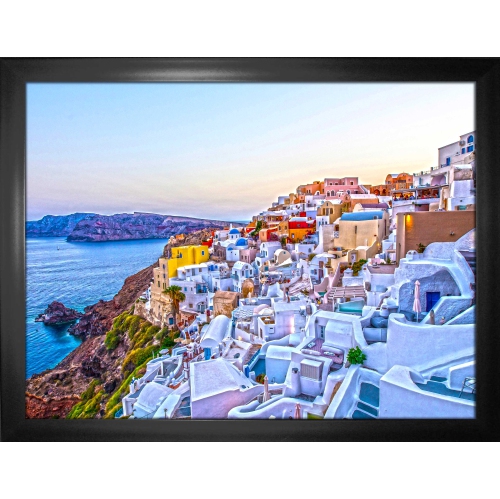
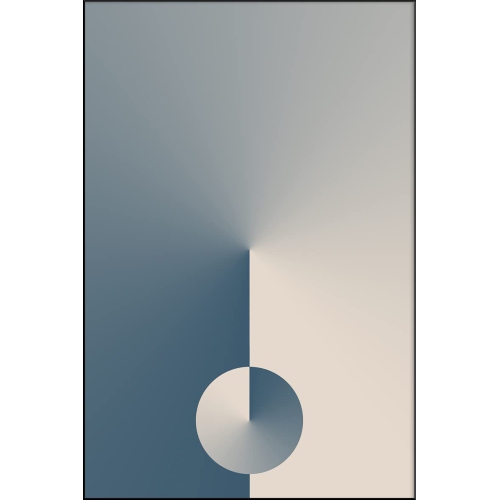
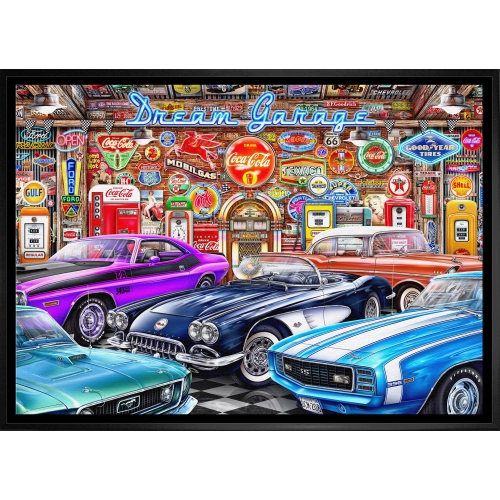
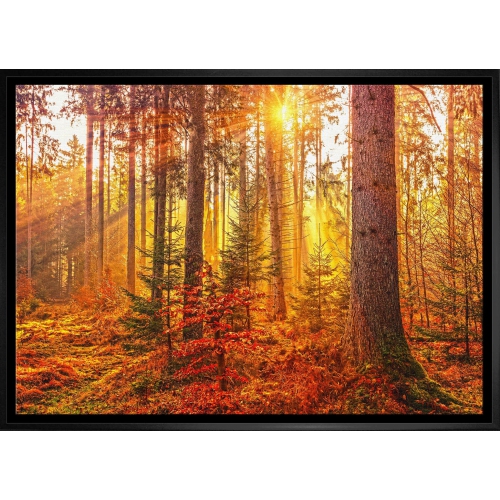
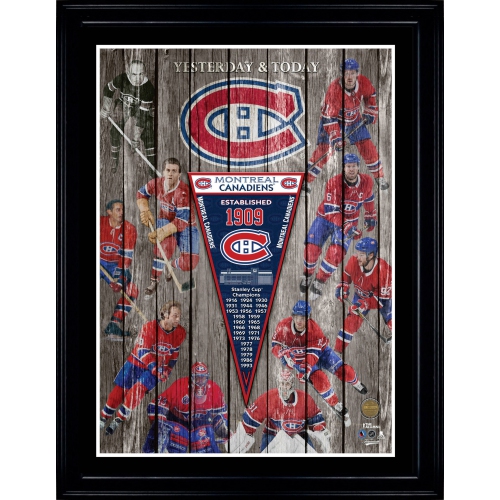
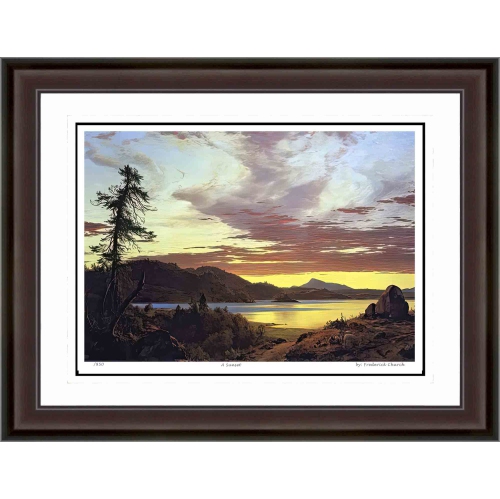
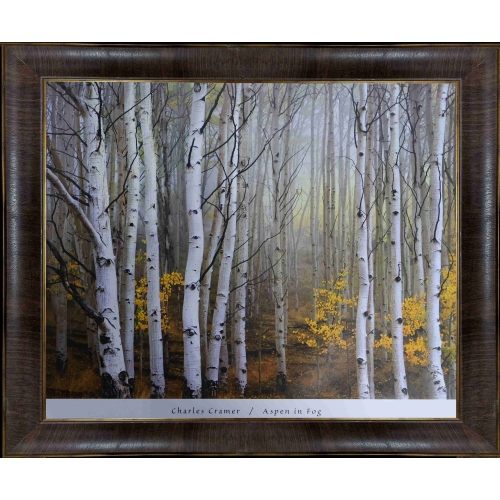
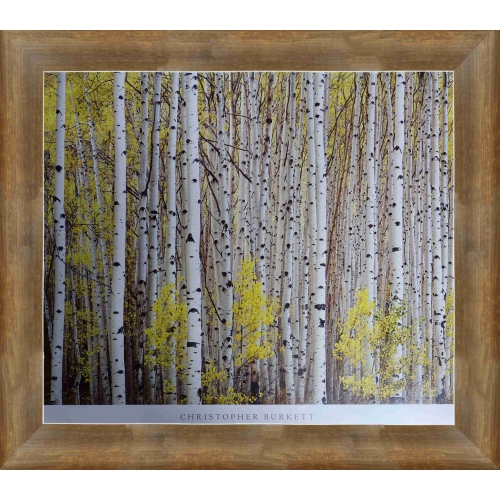
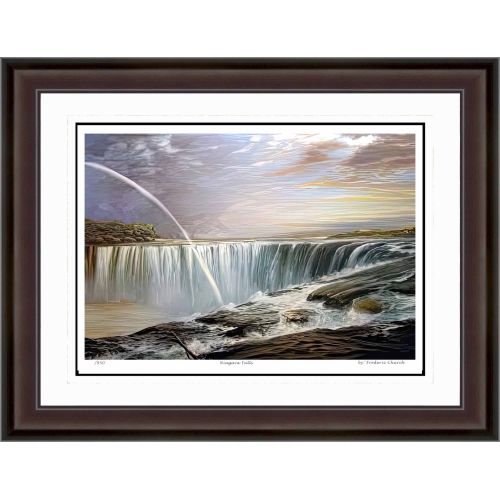
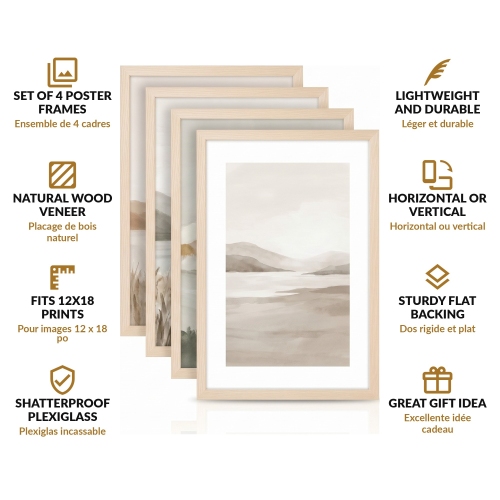
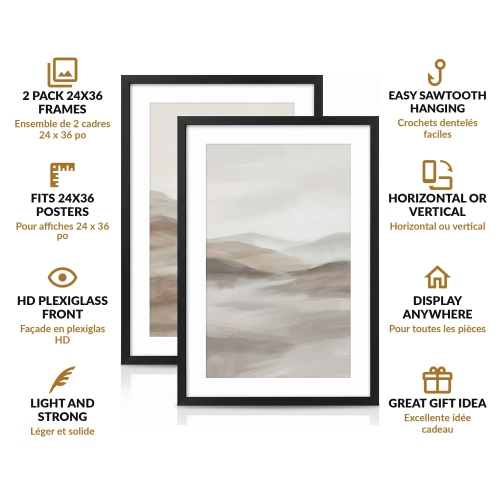
Printed framed art brings together a reproduced image and a finished frame, creating a wall display that adds colour, texture, and personality to a room. The image may be printed on paper or canvas and can feature photography, abstract compositions, botanical illustrations, architectural details, landscapes, or reproductions of paintings. Unlike an original painting, a print reproduces an image through a printing process, while the frame gives it structure and defines its presence on the wall. This combination works well in living rooms, bedrooms, dining areas, home offices, and entryways, where a bare wall can benefit from a focal point or a quieter finishing touch. A black-and-white photograph can echo the clean lines of a desk and shelving, while a softly coloured abstract print can connect the shades in upholstery, cushions, and a rug without matching every detail. Botanical imagery can introduce delicate shapes beside simple furniture, and architectural prints can complement rooms with strong lines and geometric accents. The subject matters, but so do composition and contrast: an image with generous open space tends to feel less visually busy than one filled with intricate detail. Coordinated prints can create a cohesive arrangement, while a single larger piece gives the eye a clear place to settle. Printed framed art also sits within the broader category of Framed Art, where the relationship between image, frame, and room is central to the finished look. A narrow frame lets the artwork remain prominent; a wider frame adds visual weight and can make a modest print feel more substantial. Neither approach needs to match every finish in the room. Repeating one element, such as a dark frame beside dark cabinet handles or a pale wood finish near a light-toned table, often provides enough connection for the artwork to feel at home.
Materials influence both the appearance of printed framed art and how it holds up over time. Paper prints generally have a smooth or lightly textured surface, with differences in paper weight, coating, and printing method affecting the way colours and fine details appear. Matte surfaces produce less surface shine, while glossier papers can give photographs a more reflective finish. Canvas has a visible woven texture that lends depth to printed brushwork and broad areas of colour, although very fine details may look different than they do on smooth paper. A canvas print may be stretched over an internal support and displayed in a floating frame, leaving a small gap around its edges. Paper prints are commonly framed behind glass or acrylic, sometimes with a mat that separates the image from the glazing and creates a border. A pale mat can give a detailed image room to breathe, while a darker mat draws attention to lighter areas within the print. Standard glass offers a clear viewing surface but adds weight and can break if struck. Acrylic glazing is generally lighter and more resistant to impact, making it useful for larger framed pieces, although it scratches more easily and requires gentle cleaning. Reflection levels vary, and reduced-glare or UV-filtering properties should only be assumed when they are specified. Wood, composite wood, and metal frames each offer different finishes, profiles, and weights; overall construction matters as much as the material name. Neat corners, a secure backing, and appropriate hanging hardware contribute to a well-finished display. For longevity, printed art is best kept away from direct sunlight, persistent dampness, and nearby heat sources. Acid-free mats and backing can help reduce paper discolouration when included, but no framing material makes a print immune to fading. Routine care is usually simple: dust the frame with a soft cloth, use a cleaner suitable for the glazing, and apply it to the cloth rather than spraying directly onto the frame. Abrasive cleaners and excess moisture can damage surfaces or seep into the edges.
Size and placement determine how printed framed art relates to the furniture and movement around it. The useful measurement is the overall framed size, not just the printed image, because a mat and wide frame can add considerably to the finished dimensions. A print described by its image size may occupy much more wall space once framed. Horizontal artwork often suits the space above a sofa, sideboard, or headboard, while a vertical piece can make better use of a narrow wall beside a doorway. Square formats can work as standalone accents or as part of a balanced group. Above furniture, a composition that occupies roughly two-thirds to three-quarters of the furniture’s width often looks proportionate, though surrounding shelves, lamps, and wall features can change that balance. Painter’s tape or paper templates can help show the outer edges before hanging, especially when arranging several frames. Consistent spacing gives a group a deliberate rhythm, while a shared frame colour or subject can connect prints of different sizes. Artwork is generally comfortable to view when its centre sits near eye level, with adjustments for seated viewing above a sofa or desk. Placement also affects visibility: glazing opposite a bright window may reflect the room more strongly than the image, and a textured canvas can look different under angled lighting. Secure mounting is essential, particularly for larger or glazed pieces. Hardware needs to suit both the frame’s weight and the wall material, whether that involves a stud, a suitable anchor, or another rated fixing; lightweight adhesive systems are not appropriate for every frame. Printed framed art can be a thoughtful housewarming, wedding, or graduation gift when the subject reflects the recipient’s interests and the size suits their space. A familiar city scene, a calm coastal image, or an expressive abstract composition can feel personal without needing to dominate a room. For smaller homes, offices, and shared spaces, a restrained palette and manageable frame size can make placement easier. The most successful choice brings together a meaningful image, suitable materials, and proportions that feel comfortable in everyday use.
Top selling and popular products
-
 Your price for this item is $399
-
 Your price for this item is $37.5
-
 Your price for this item is $39.99
-
 Your price for this item is $49
-
 Your price for this item is $432.5
-
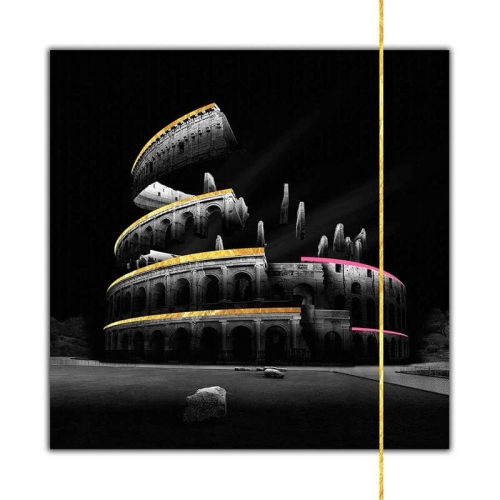 Your price for this item is $49
-
 Your price for this item is $172.9
-
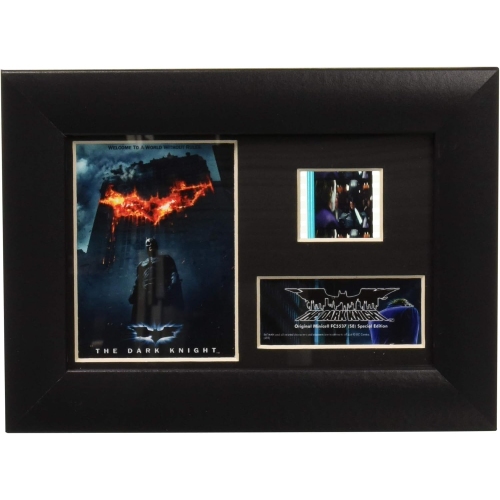 Your price for this item is $55.92
Discover more categories related to Printed Framed Art
Top Collections:
Best Black Friday Deals This Year, Best Black Friday Deals On Electronics, Kindle Devices, Dyson Airwrap, Best Cameras for Sports Photography, Best Black Friday Deals On Apple Products, PS5 Pro Consoles, Portable Snow Blowers, Canon G7X Cameras, Pokémon 30th Celebration Cards
Some products may be subject to Environmental Handling Fees
(EHF) depending on your province.
Learn more about EHFs.