Room Thermometers
Keeping your living space at the perfect temperature is essential for comfort and well-being, and a room thermometer is a must-have tool to achieve just that. Whether you're looking to ensure a cozy environment during chilly winters or maintain a refreshing coolness in the summer, these devices provide accurate temperature readings to help you manage your indoor climate effectively. With sleek designs and user-friendly features, room thermometers are an excellent addition to any home, making it easy to monitor and adjust your settings for optimal comfort. Explore our selection of room thermometers to find the perfect match for your needs and enhance your living experience.
Sort


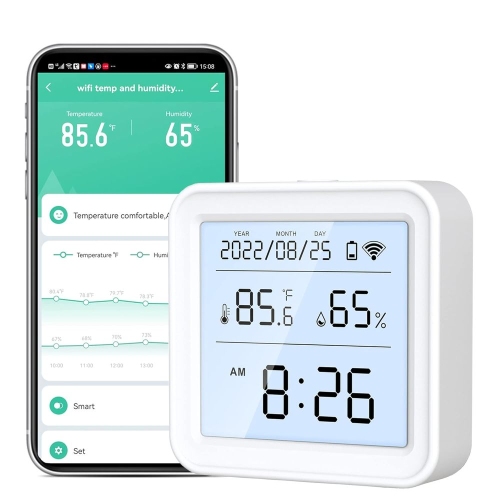
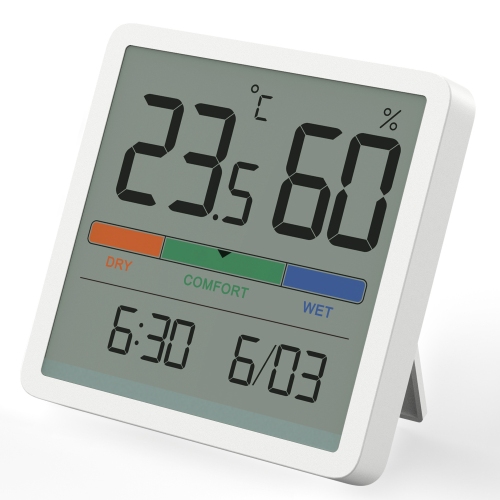
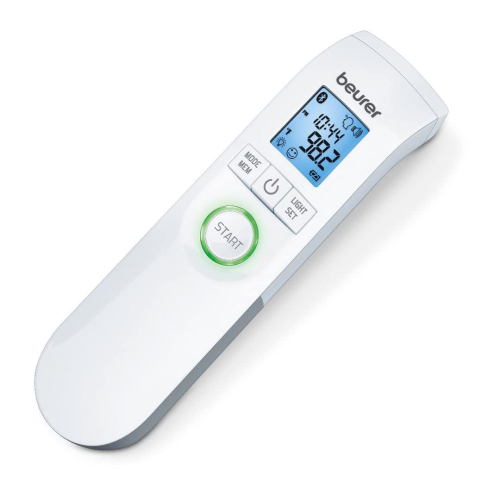
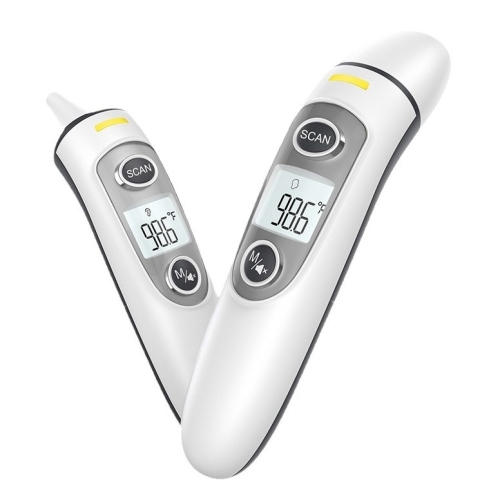

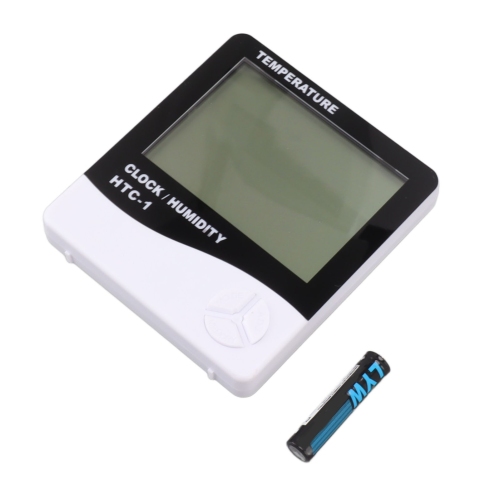
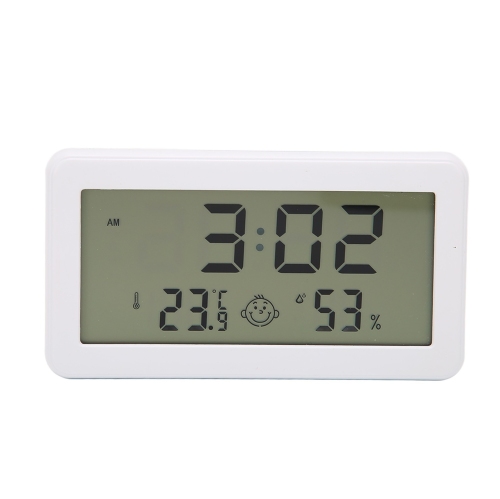
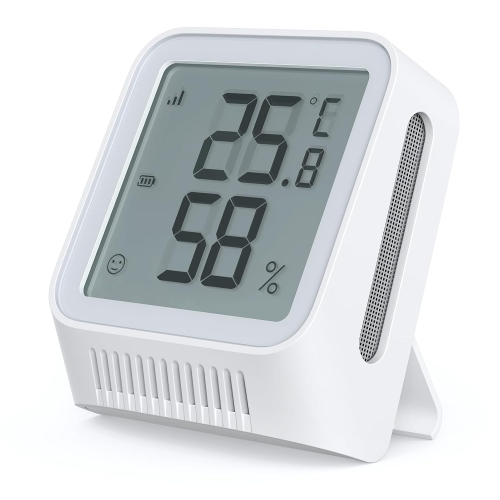


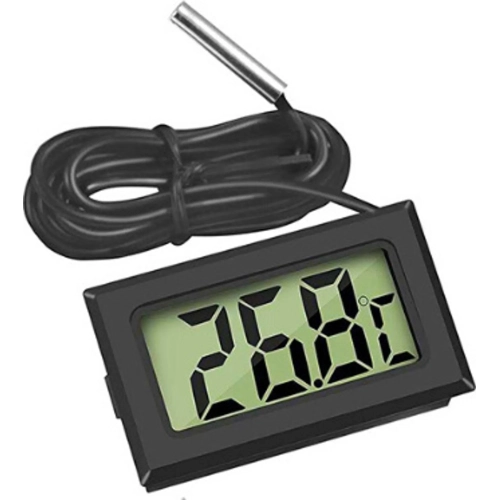

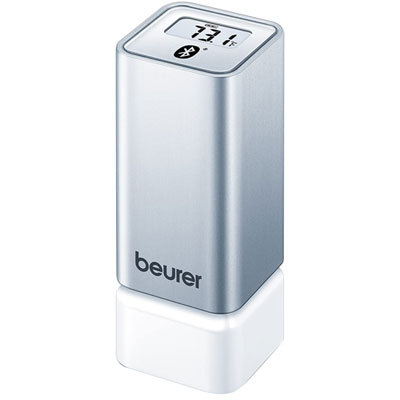

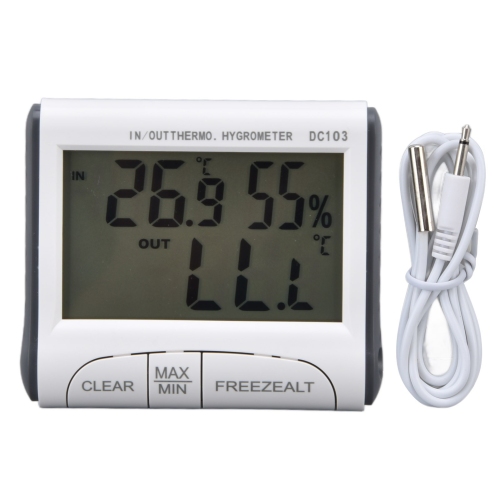
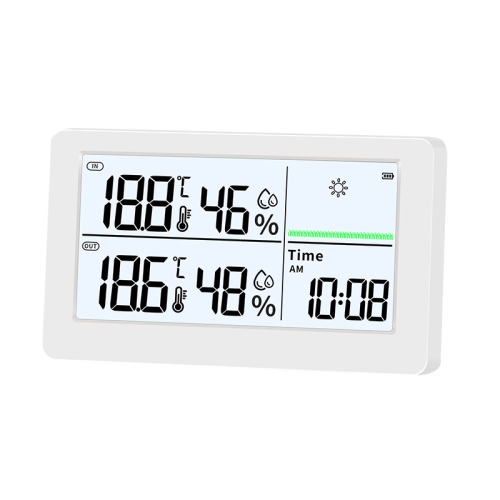


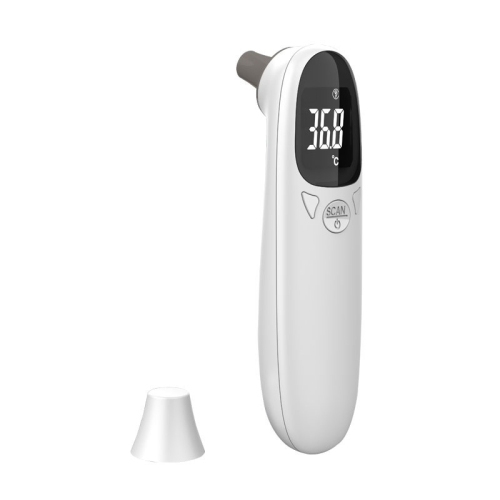
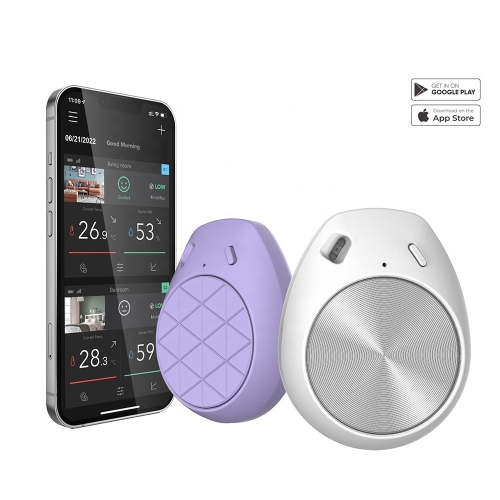
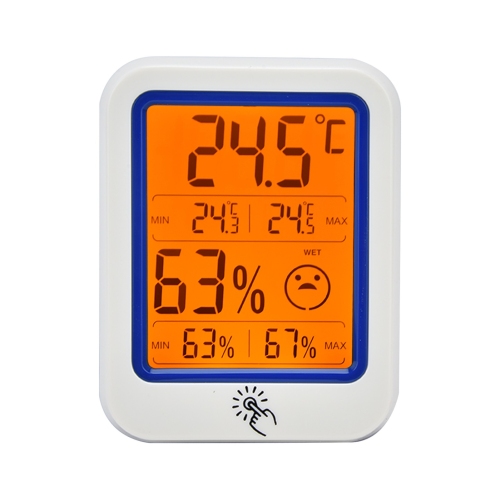


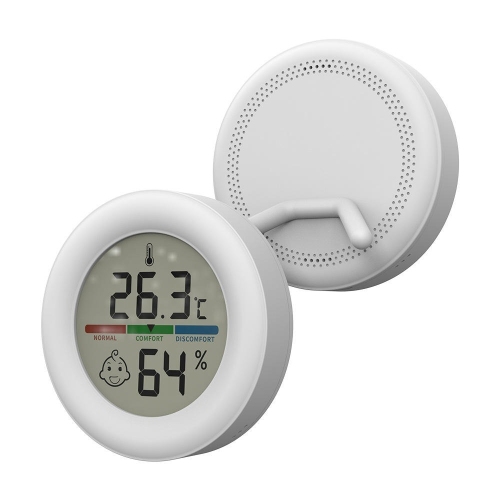
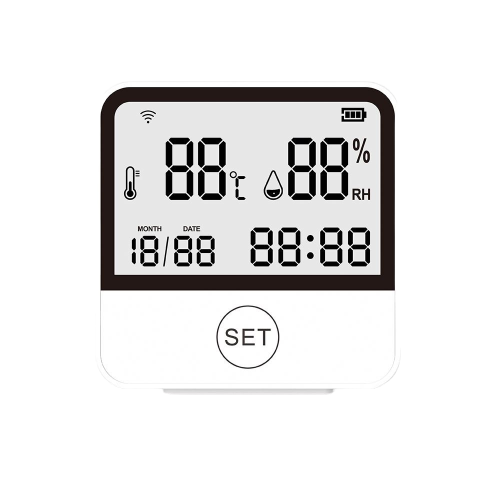
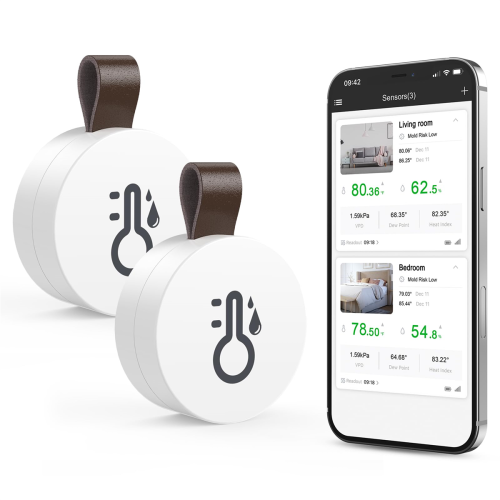
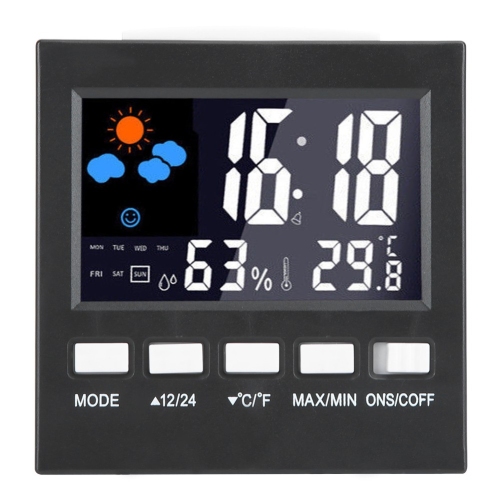

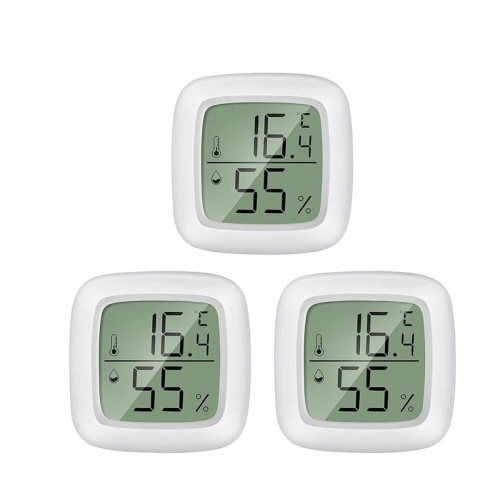



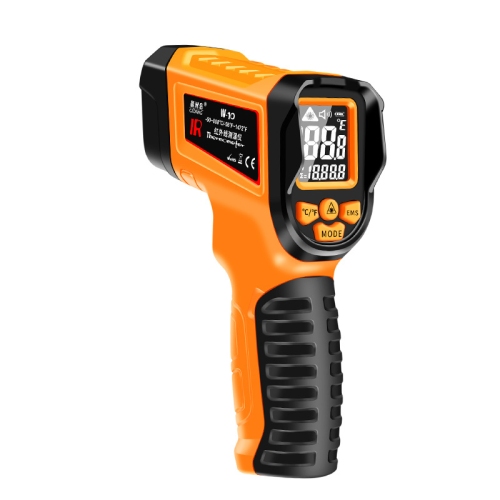
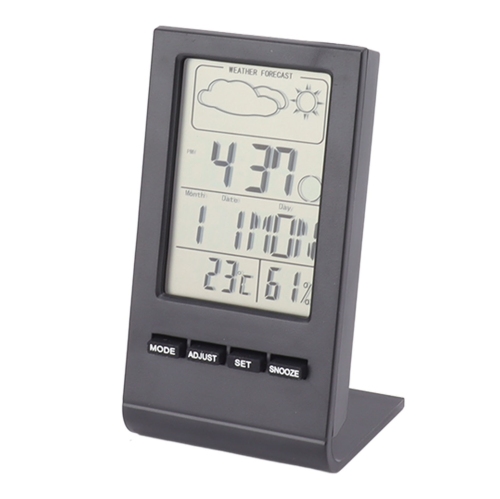
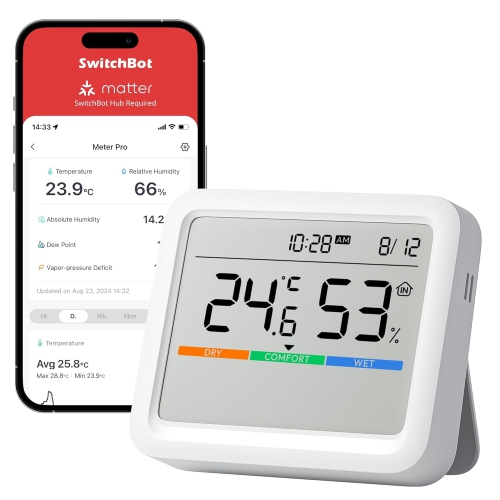

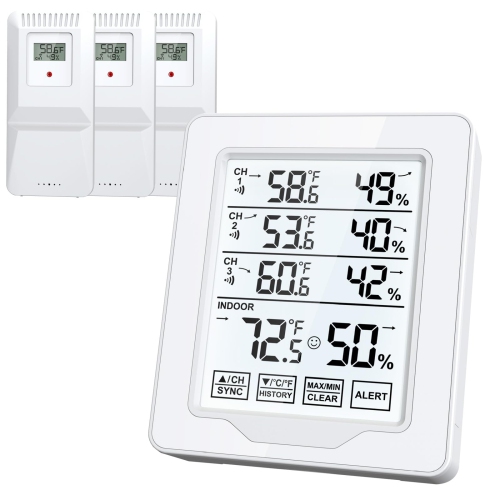
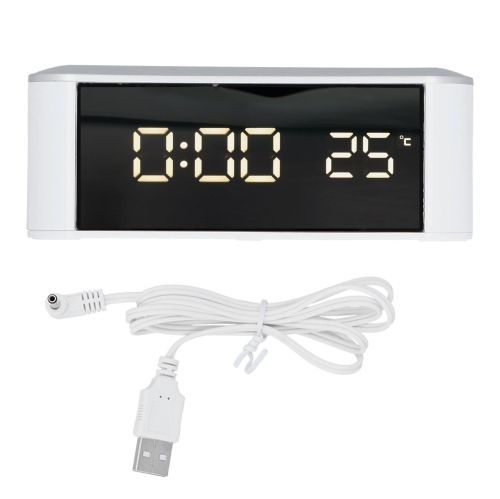
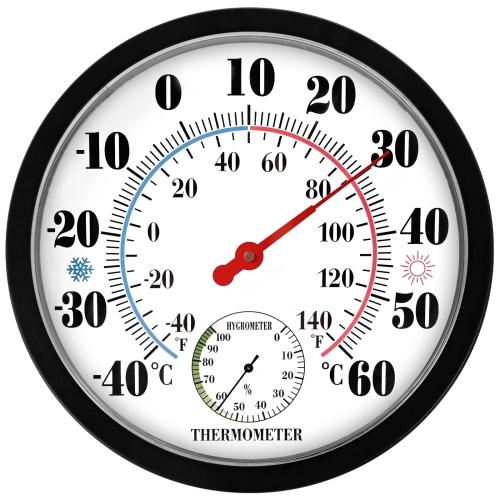
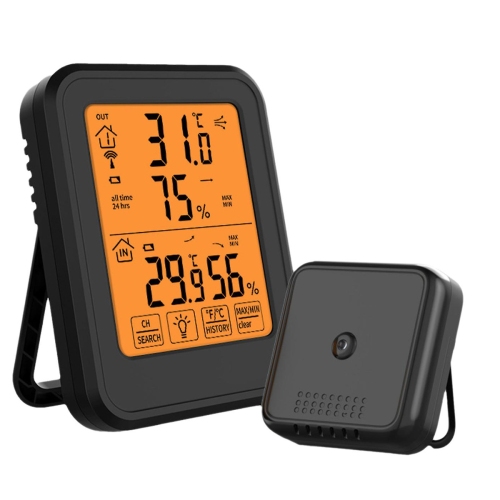
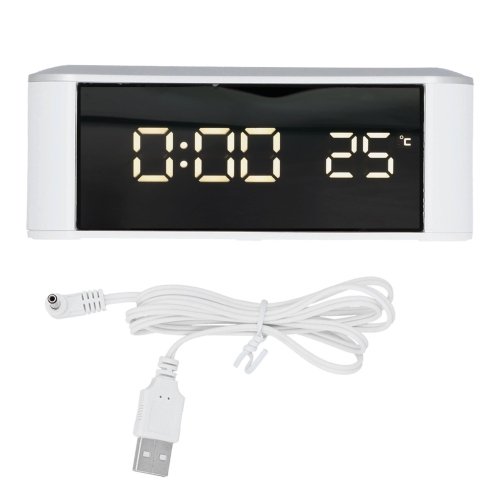
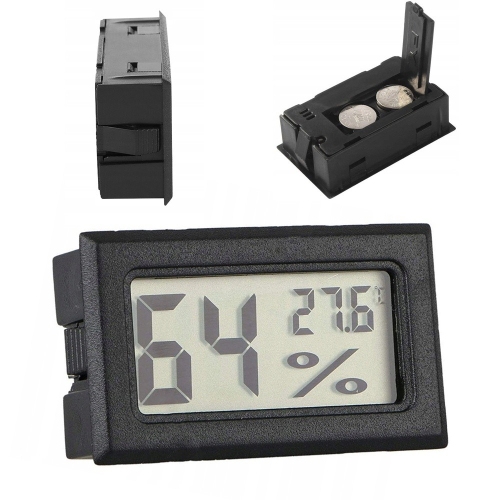
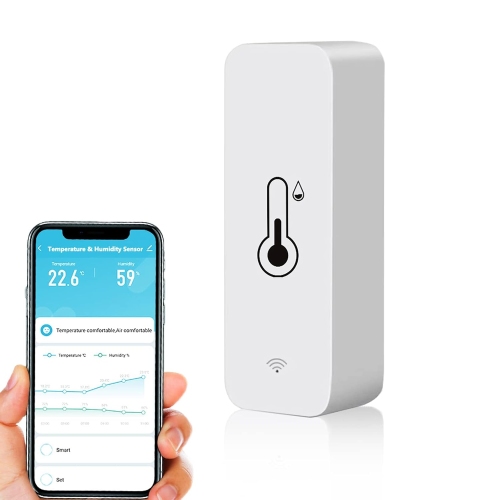
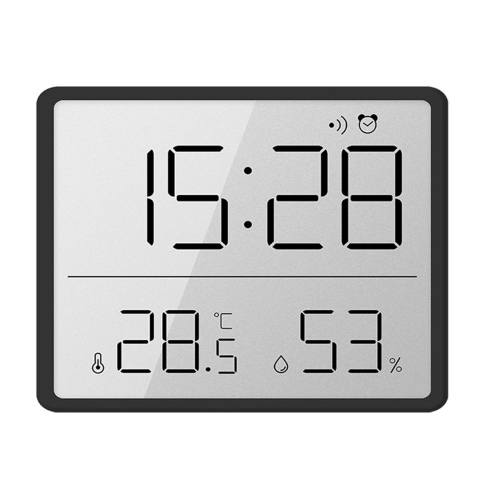
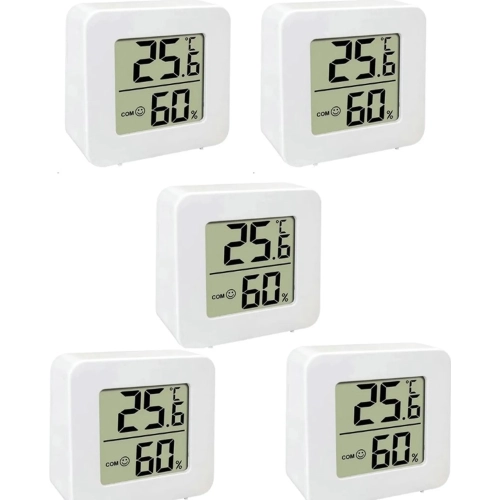
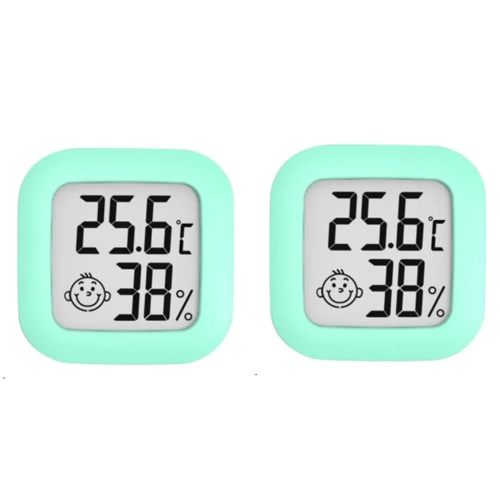
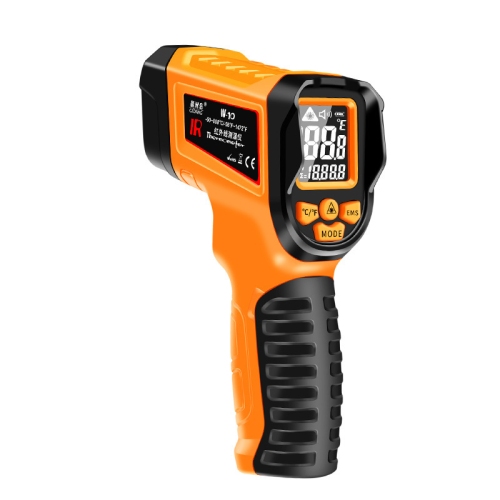
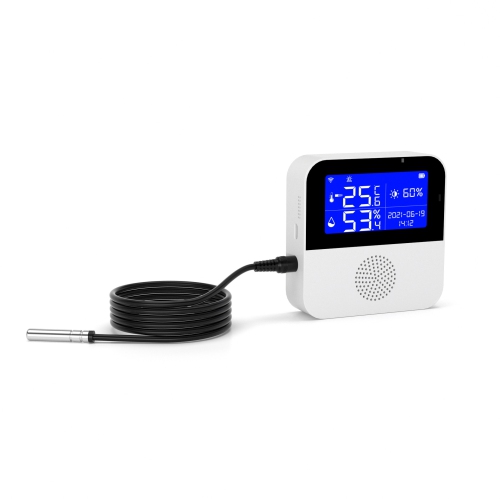

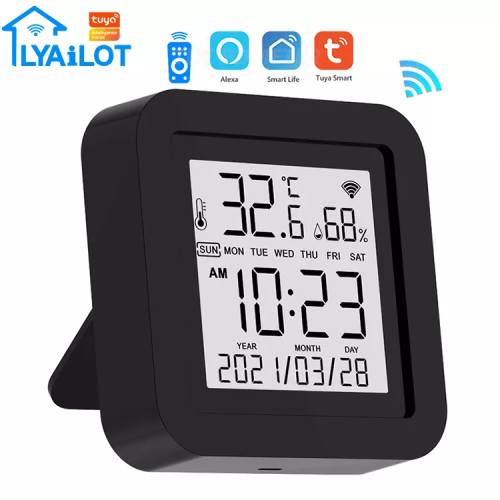

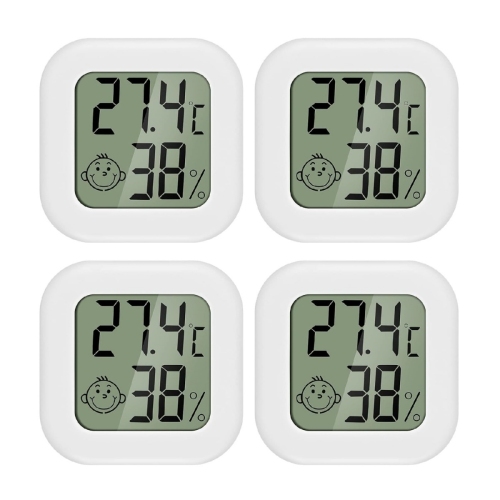
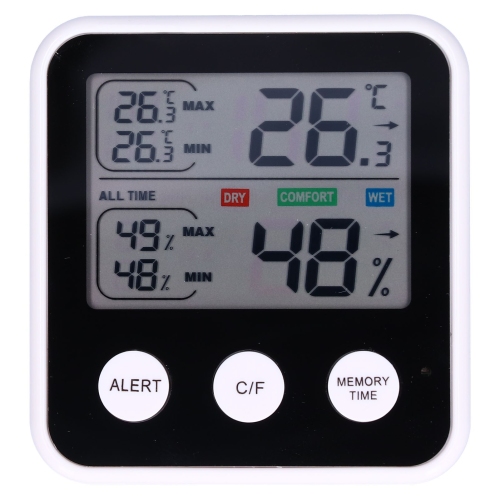
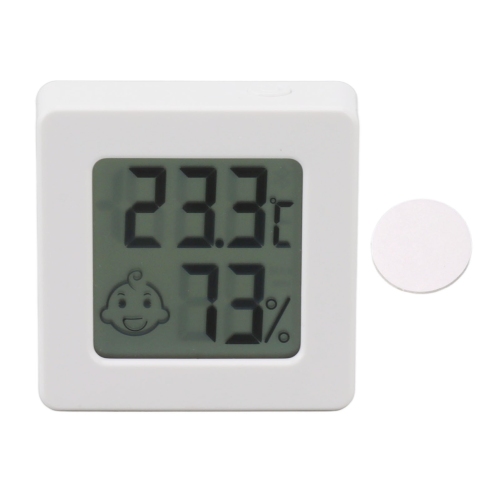

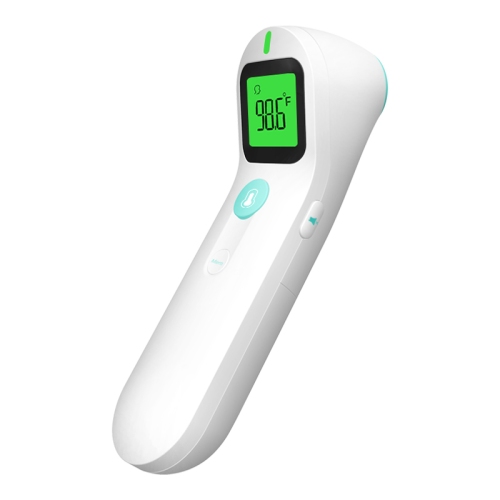
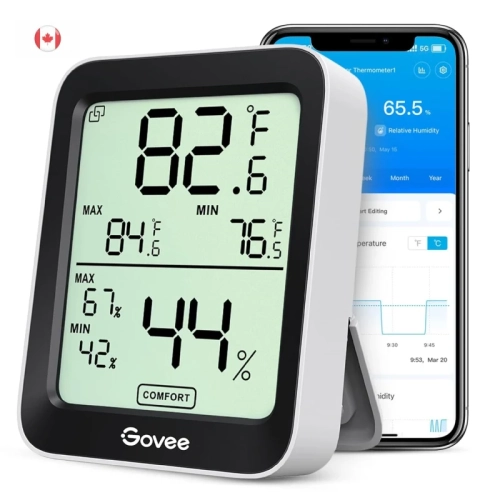
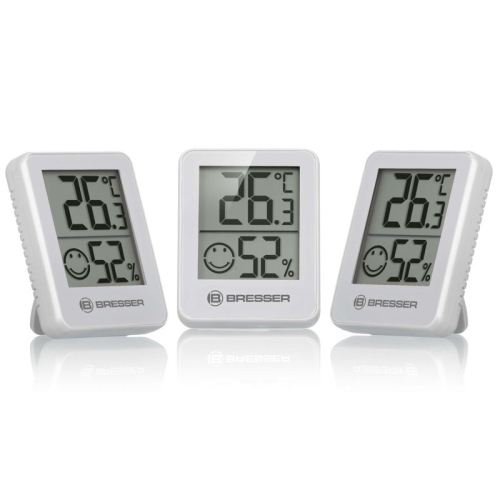
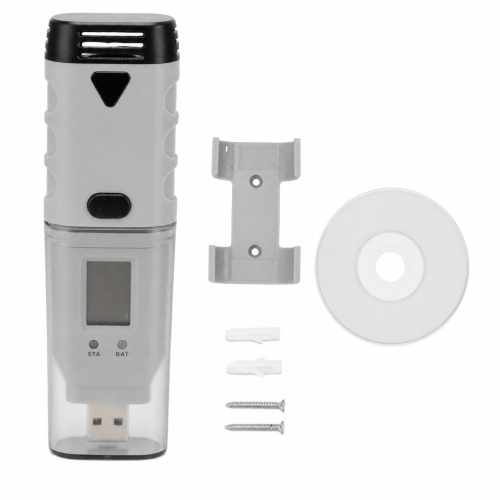
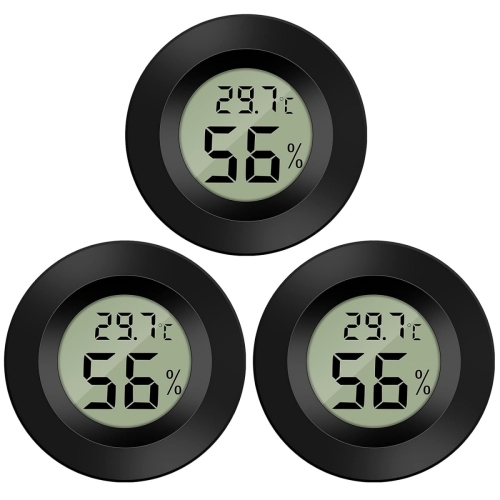
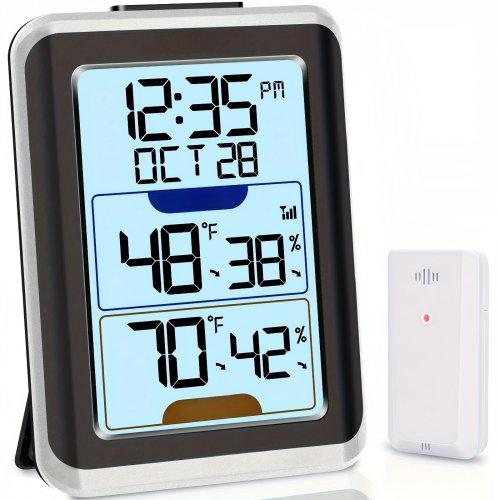

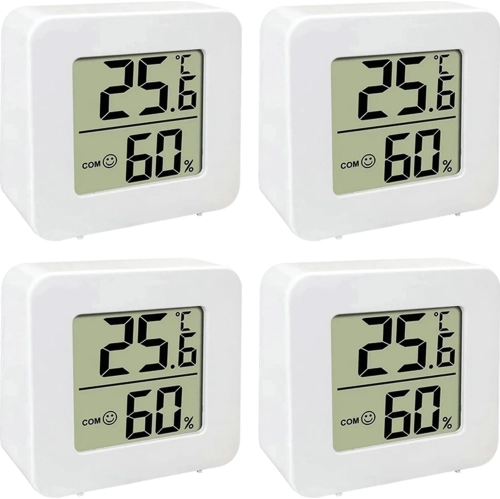

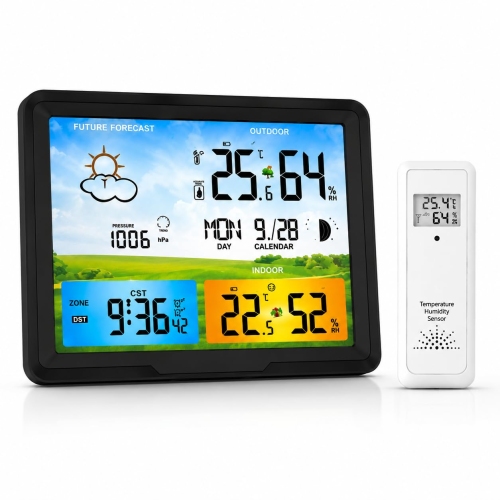
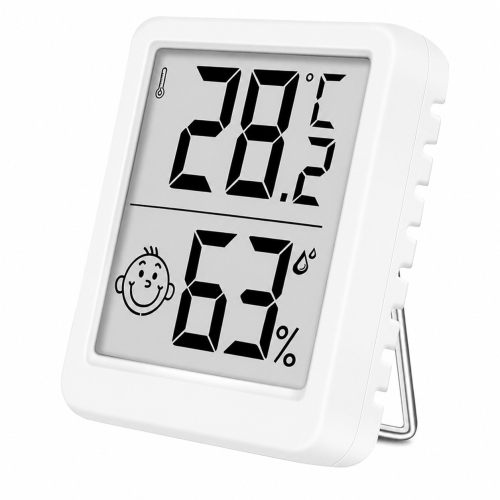
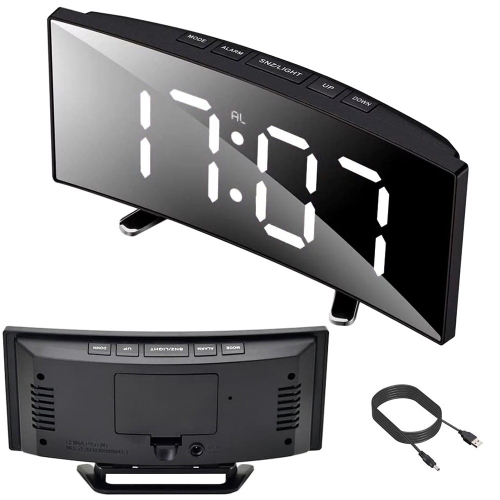
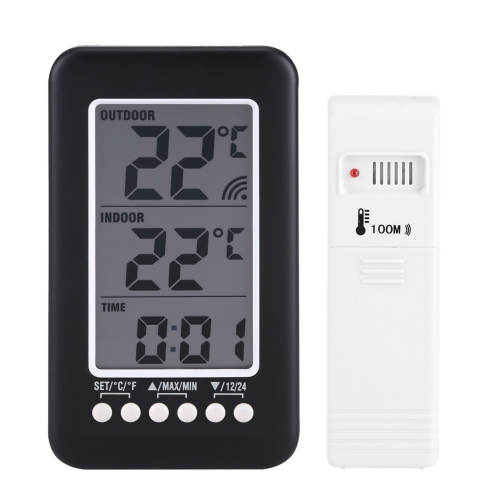
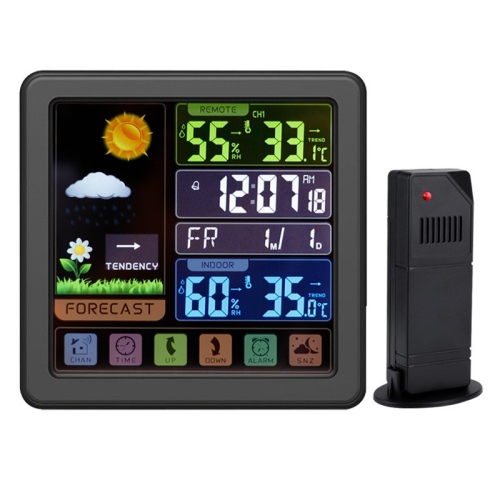

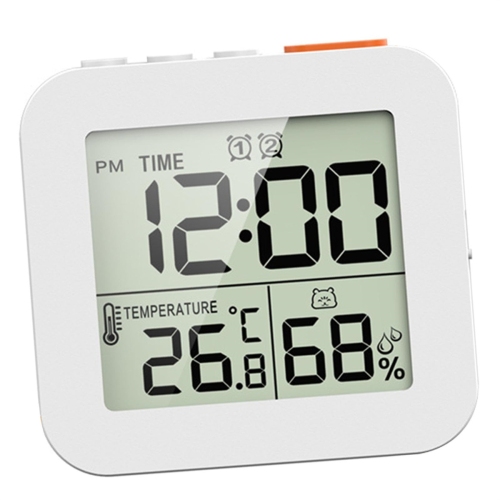
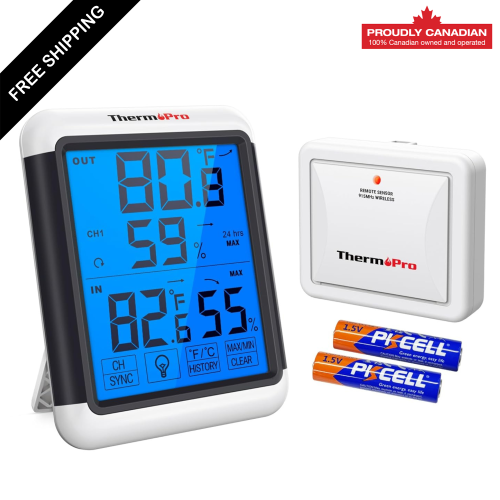
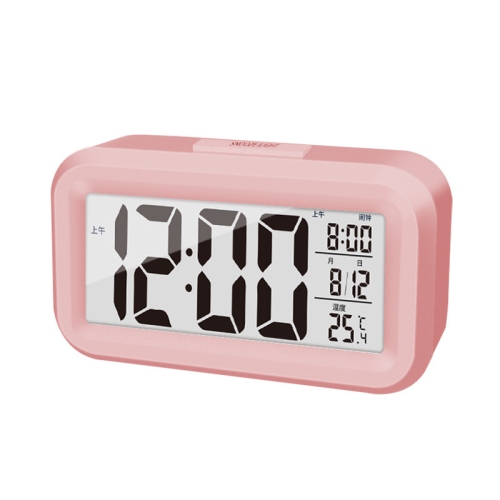
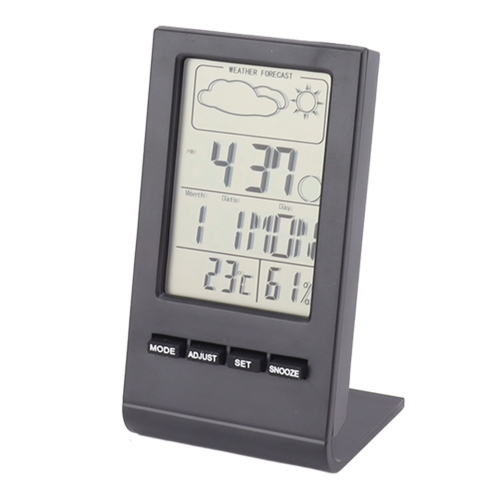
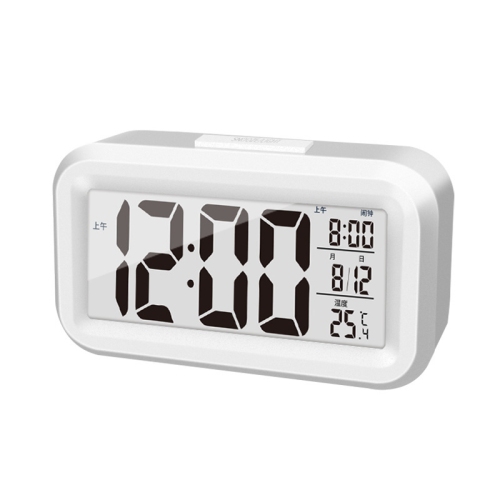

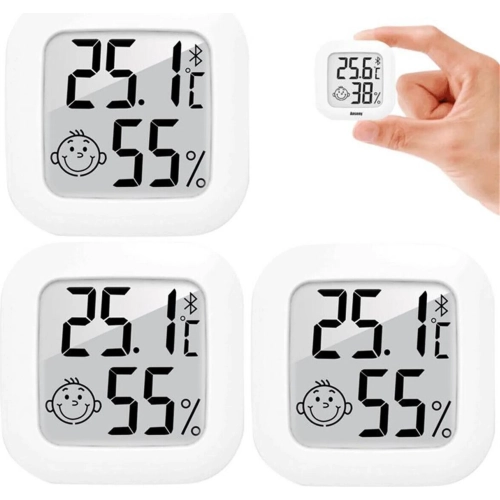
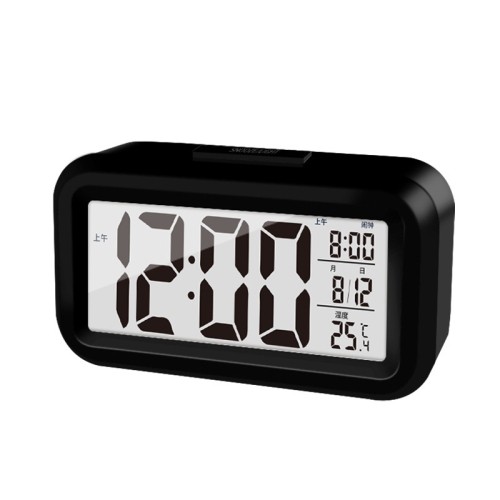


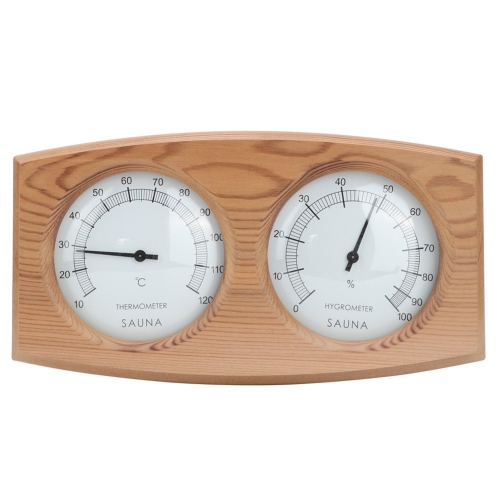
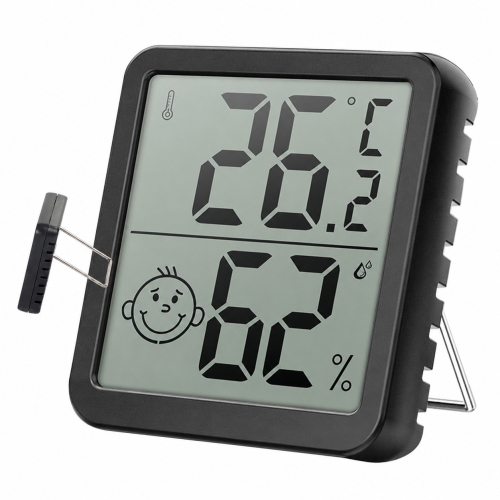

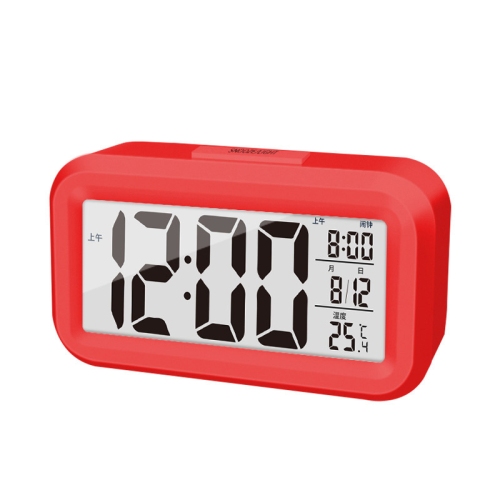
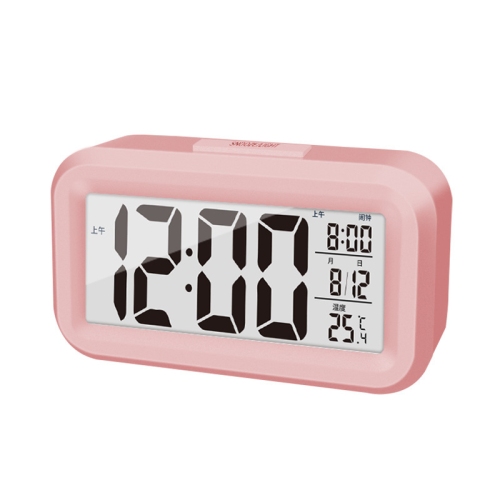
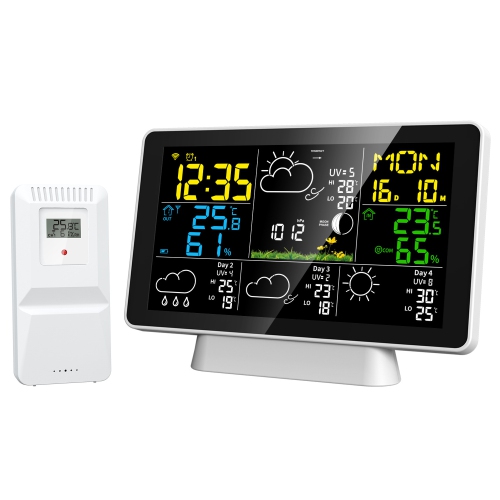

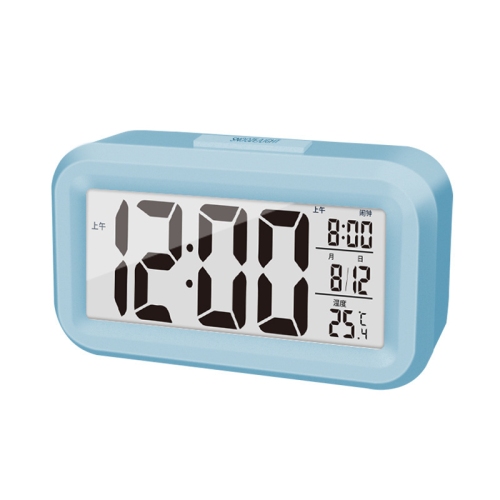
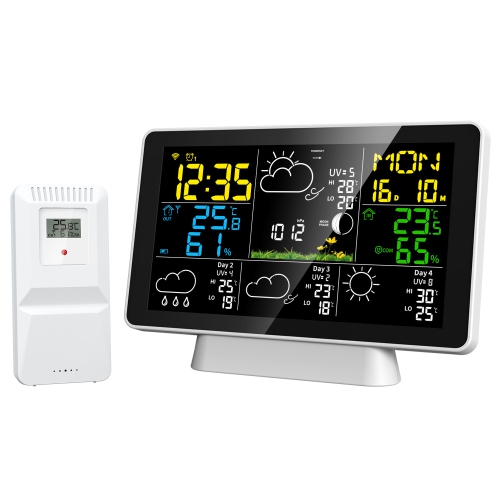
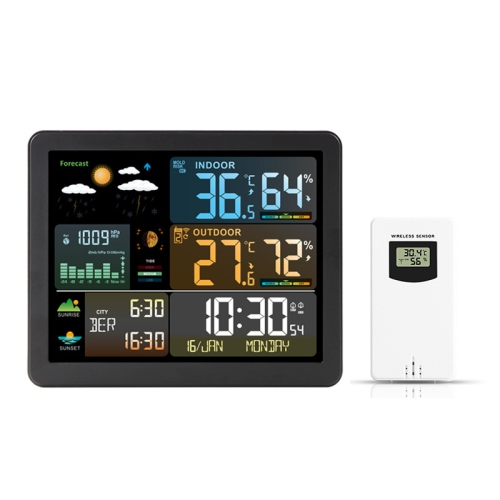
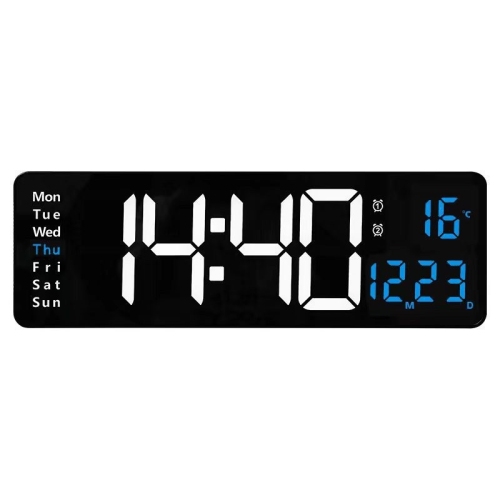
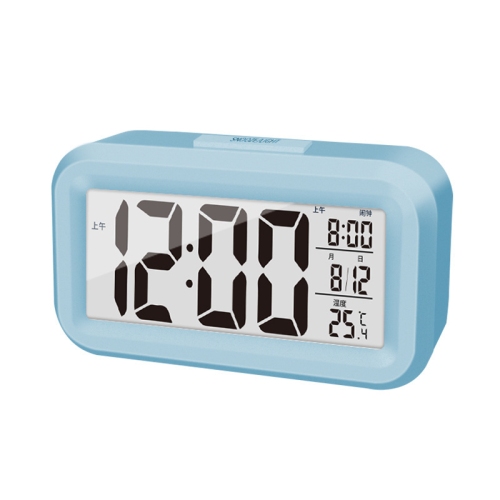

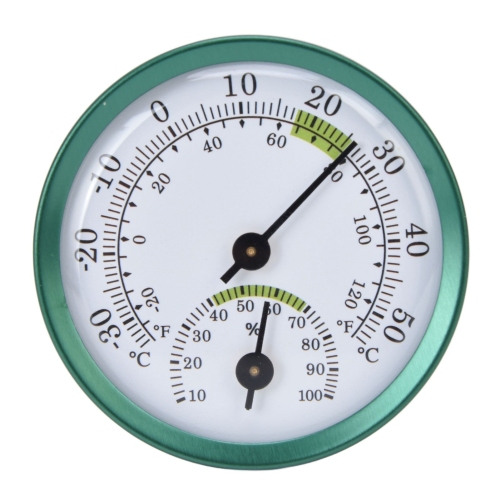
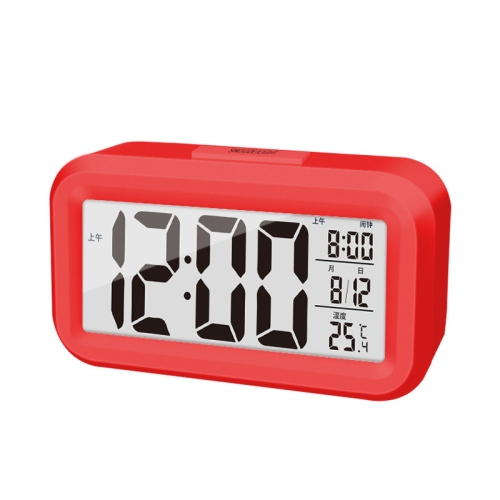
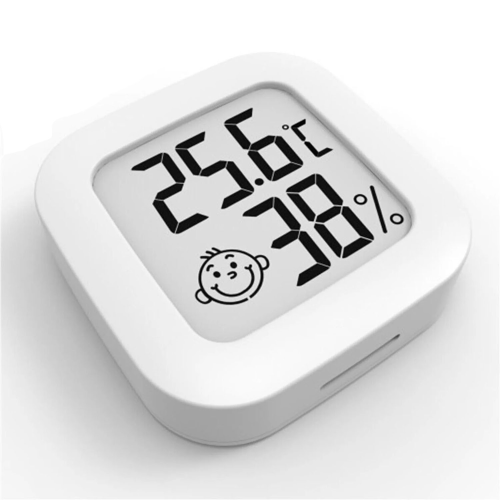
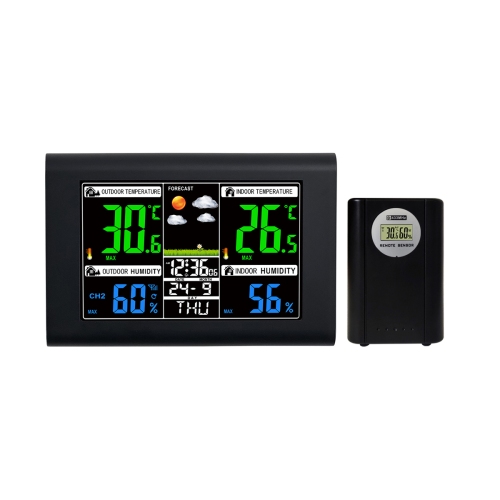

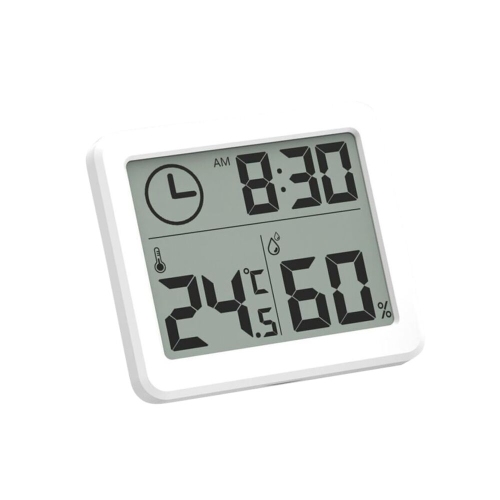
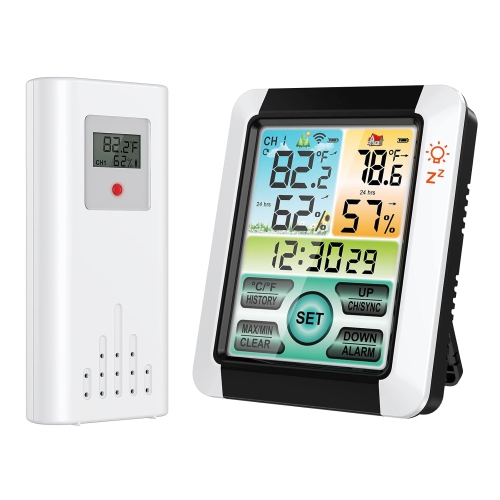
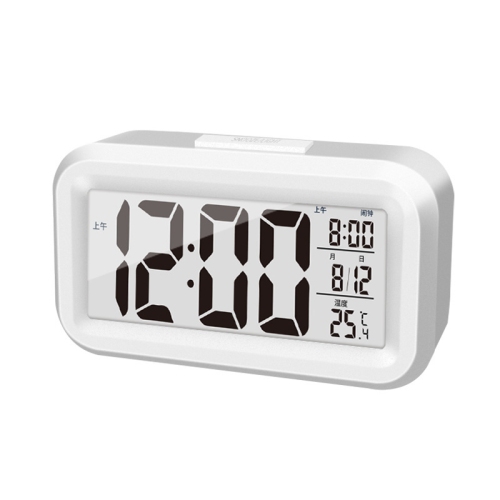
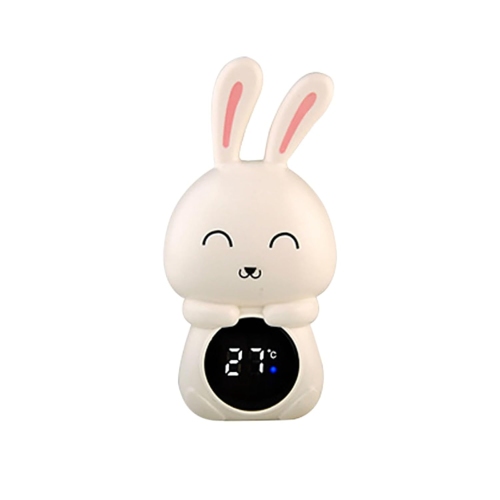
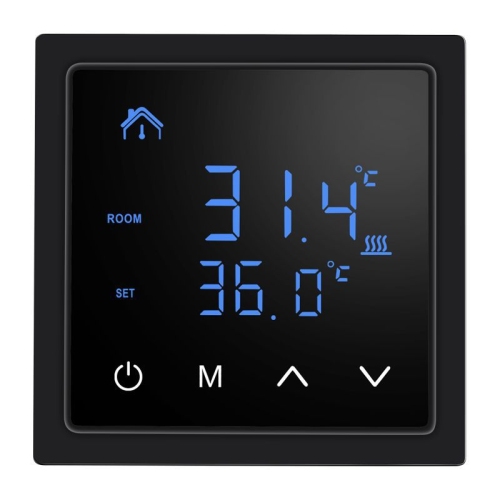
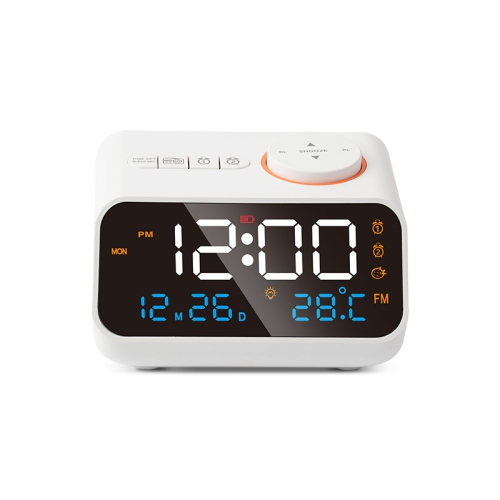
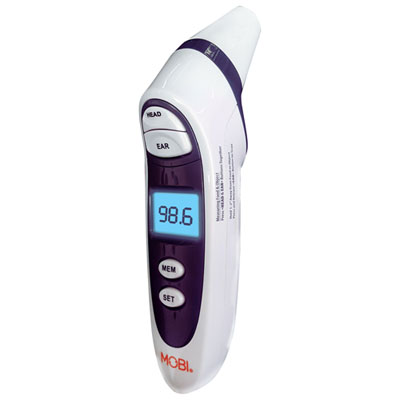
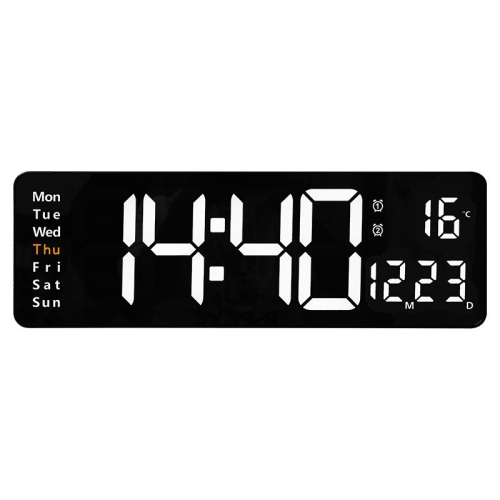


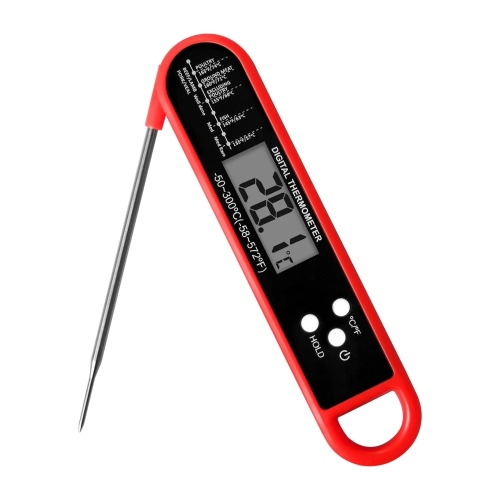

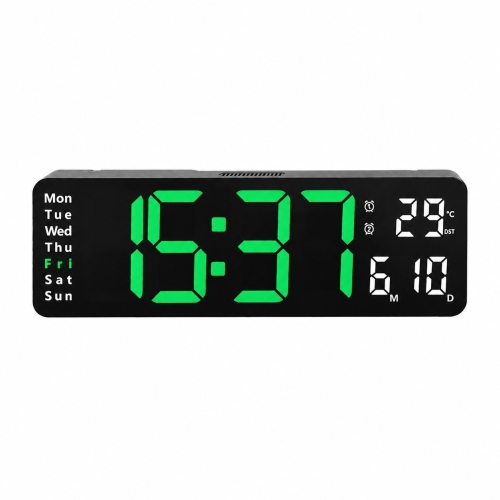


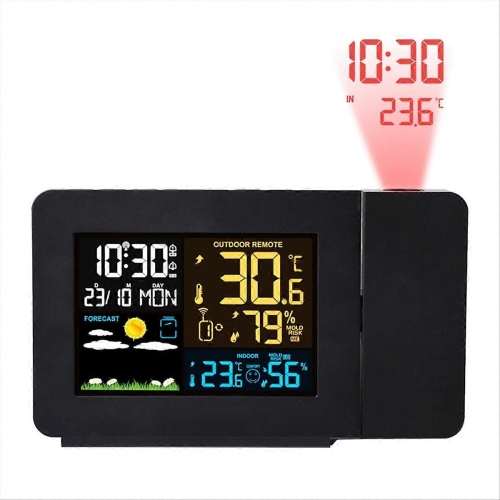
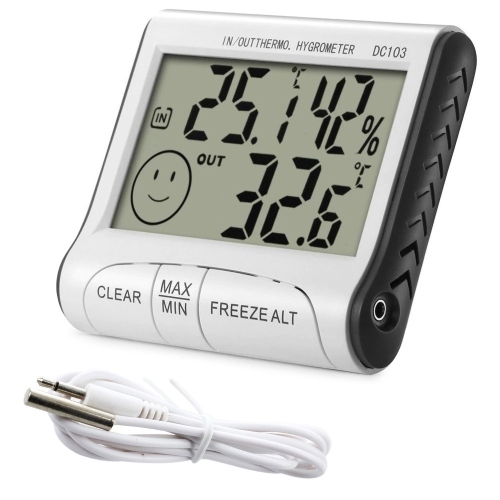
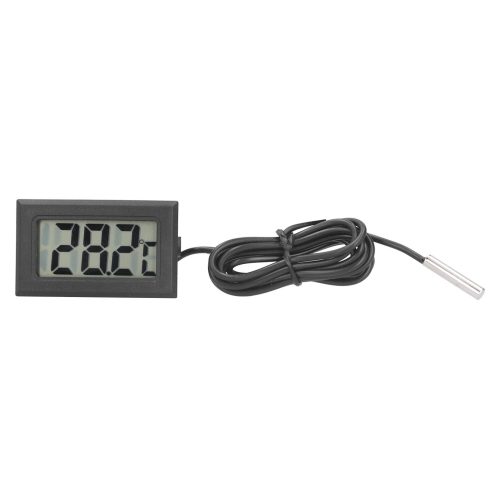
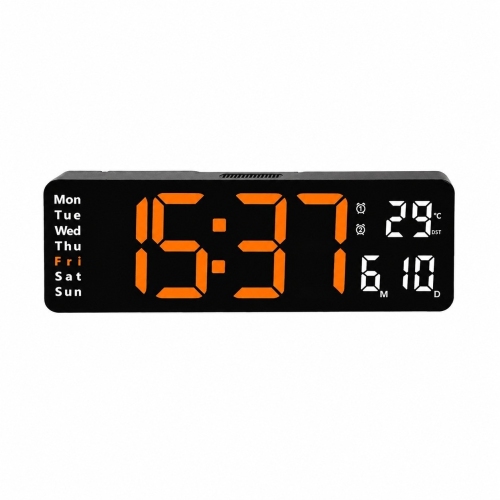
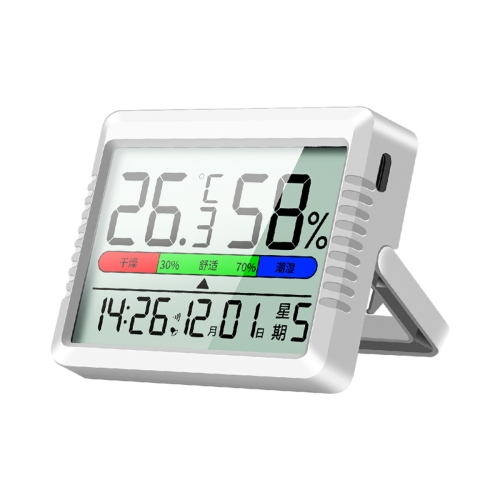

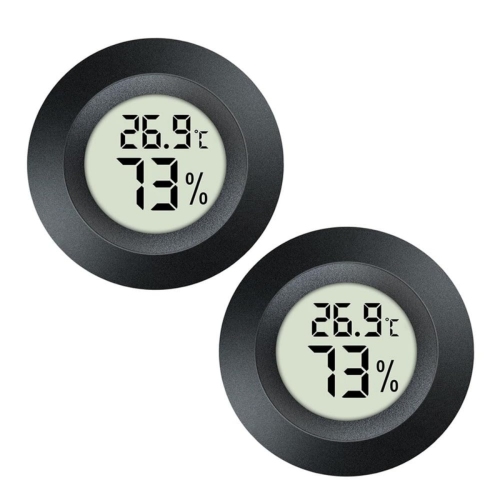
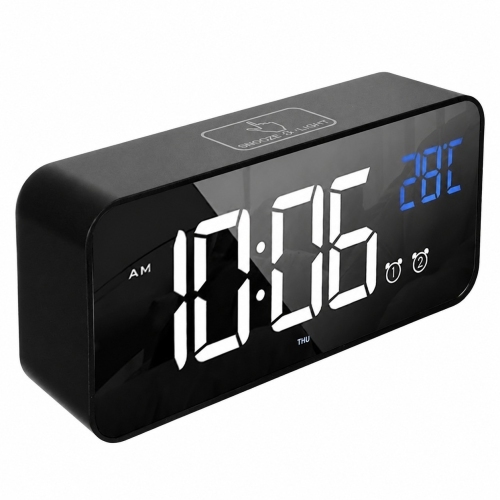
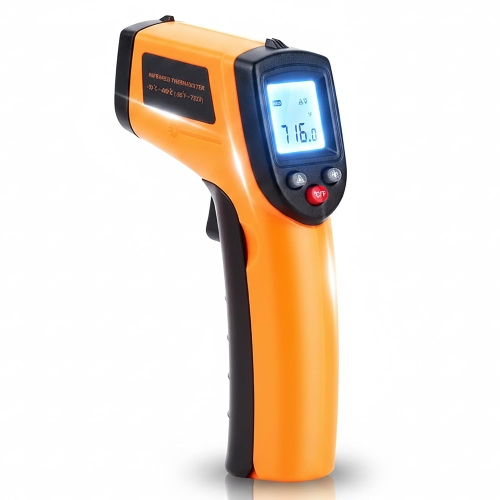
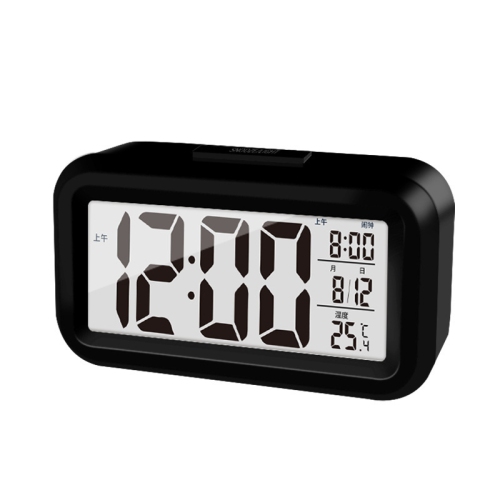
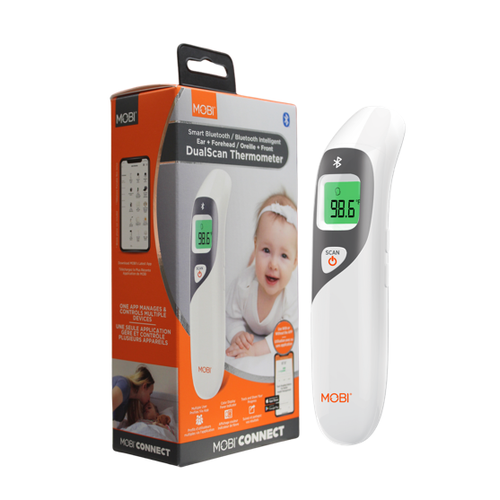


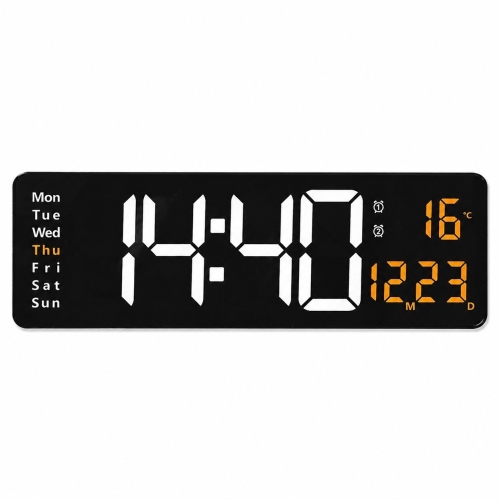


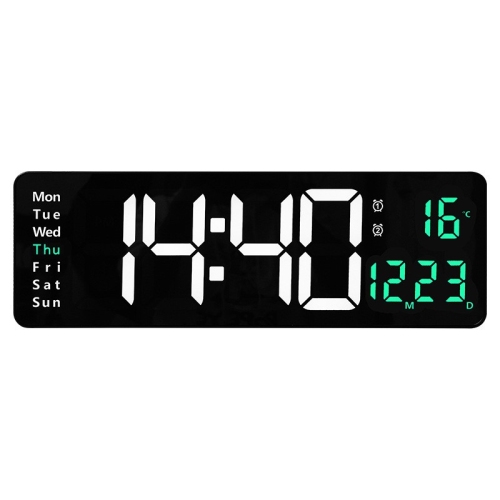

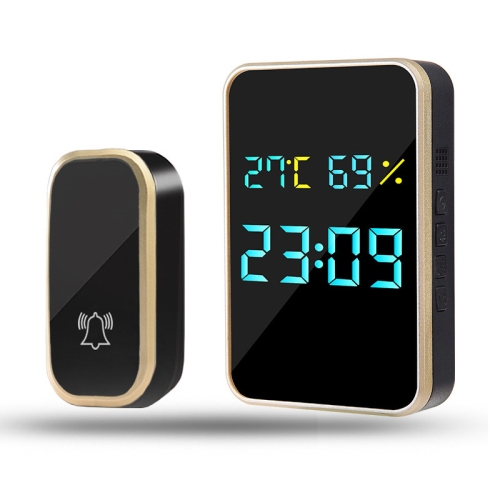
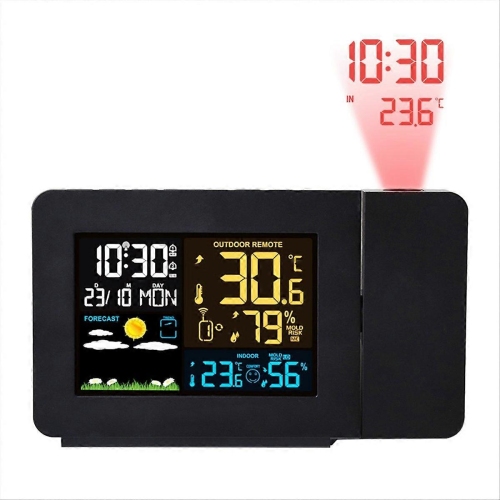

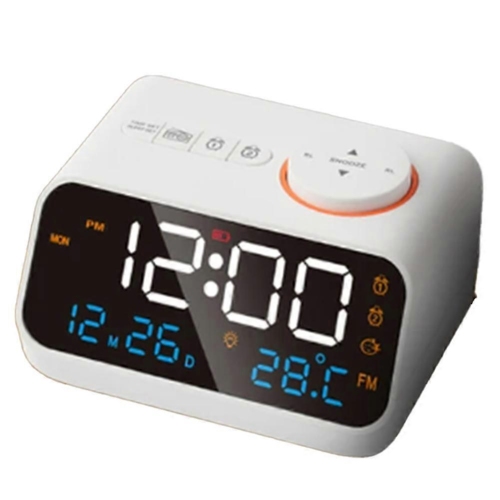
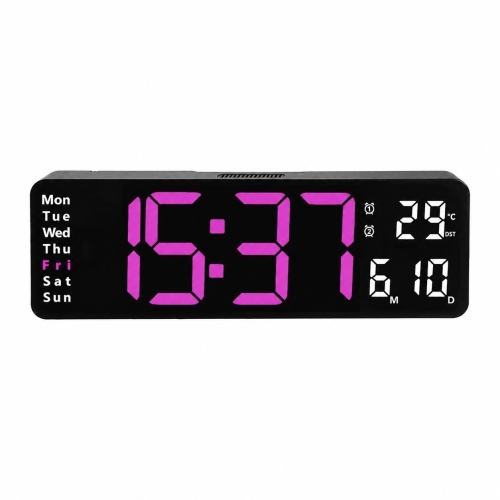


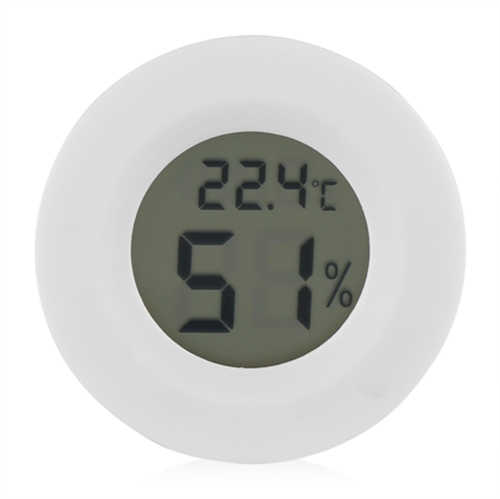

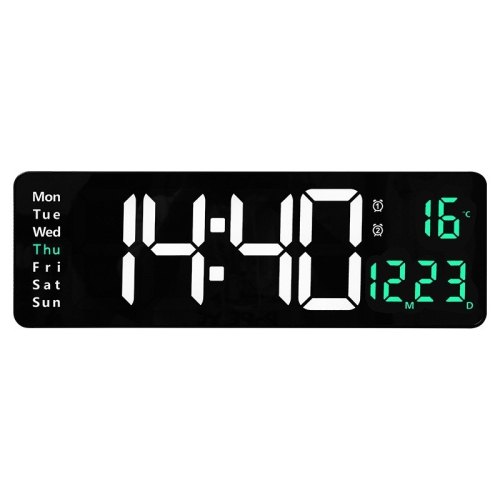
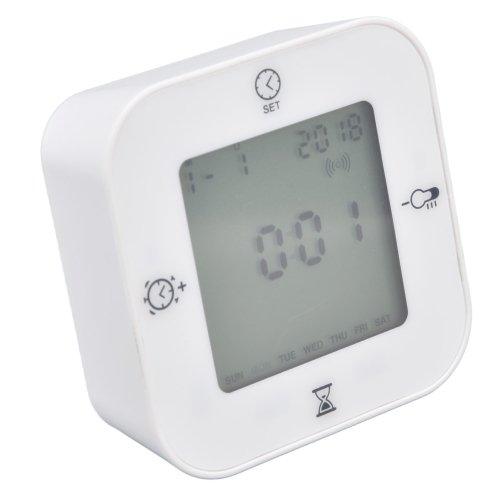

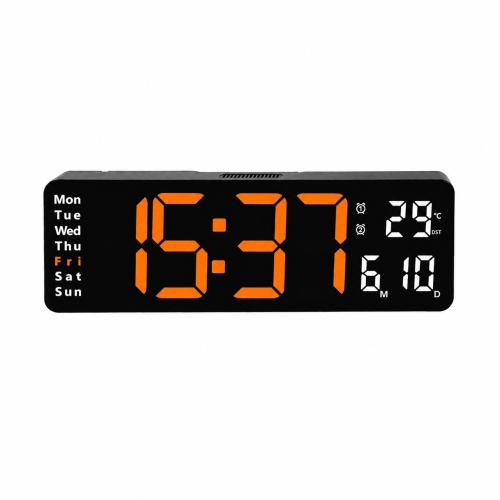
Temperature and humidity insights for a more comfortable home
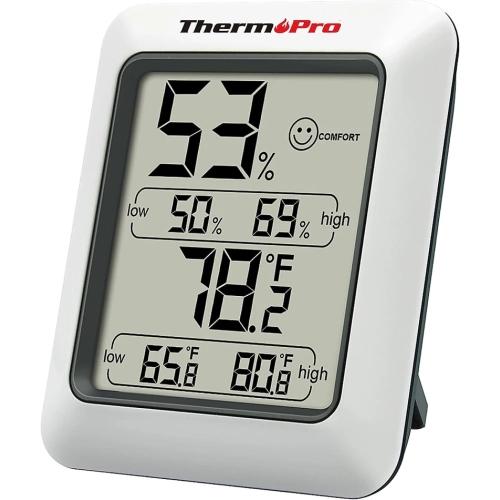
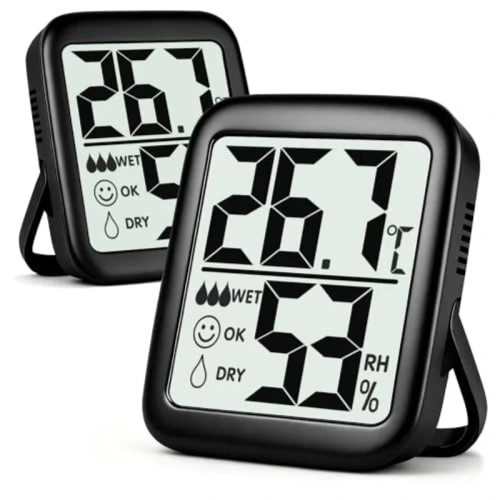
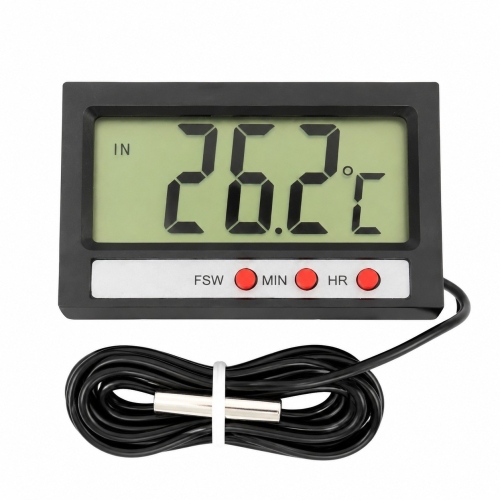
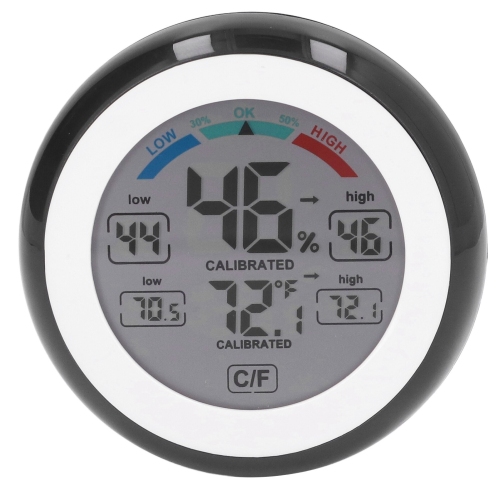
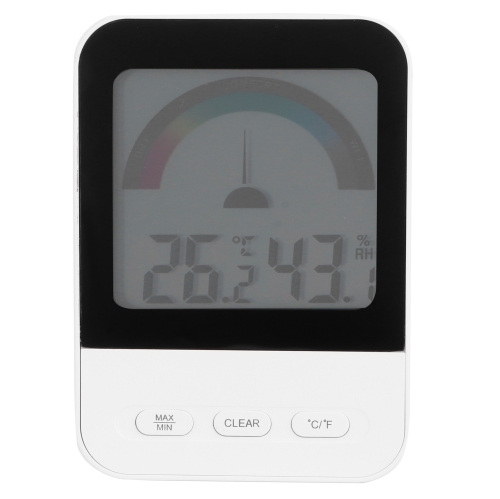
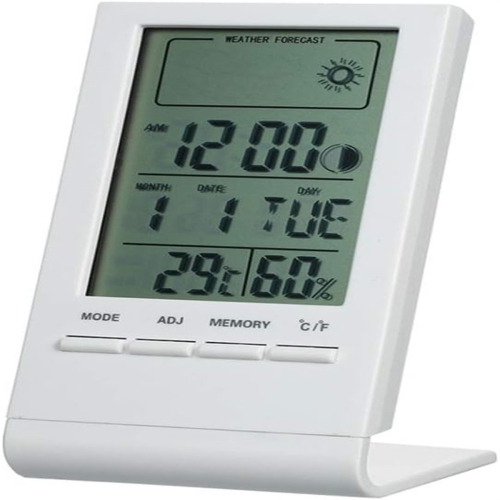
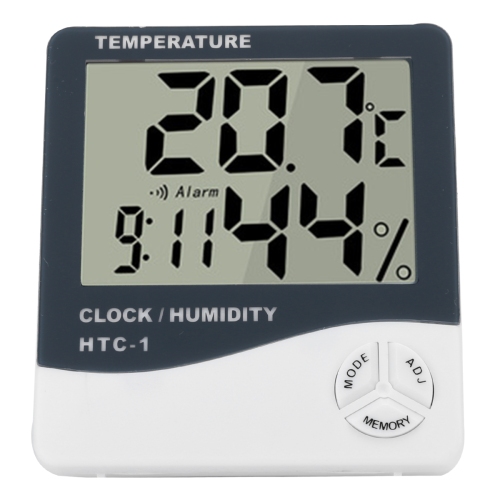
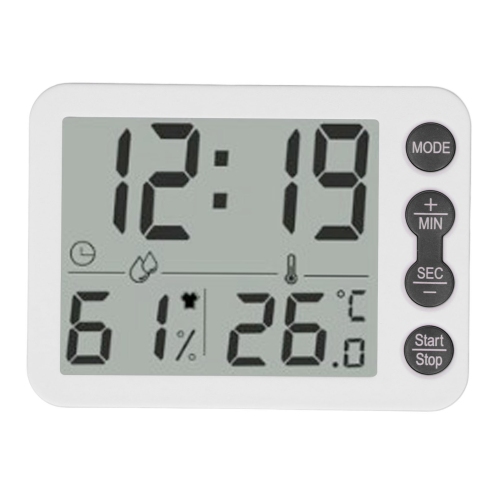
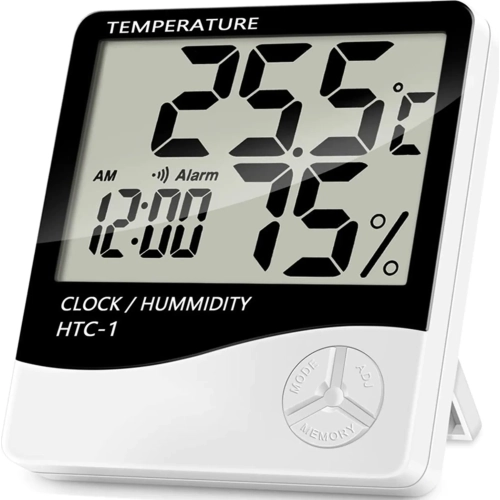
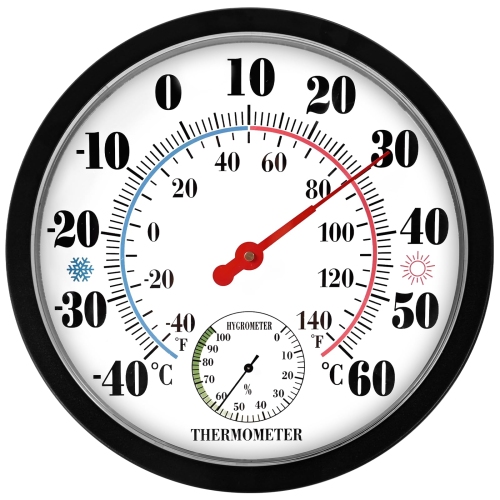
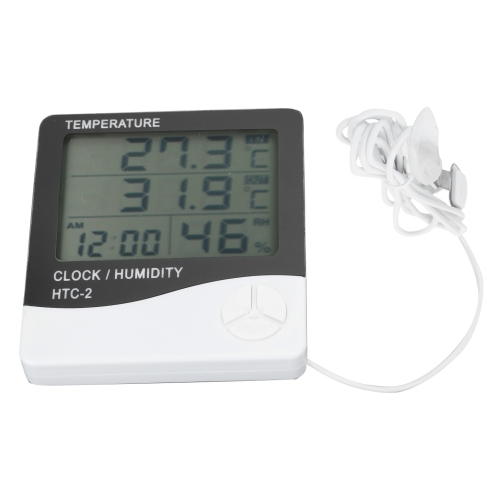
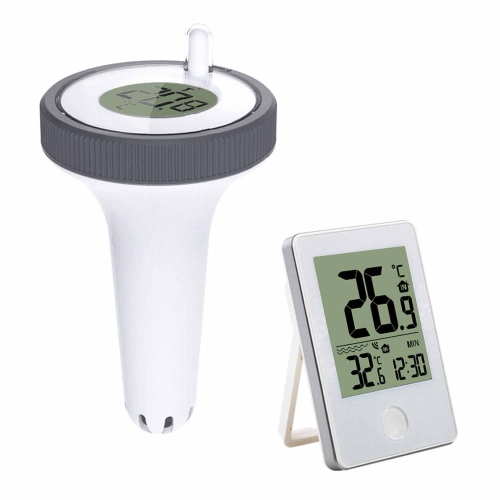
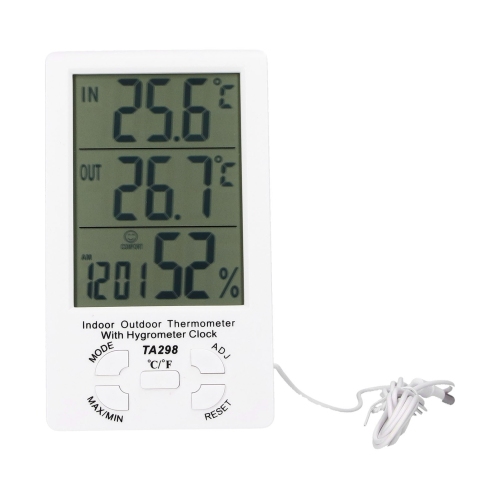
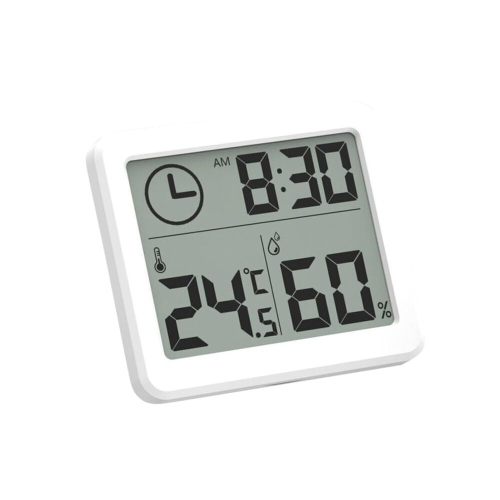
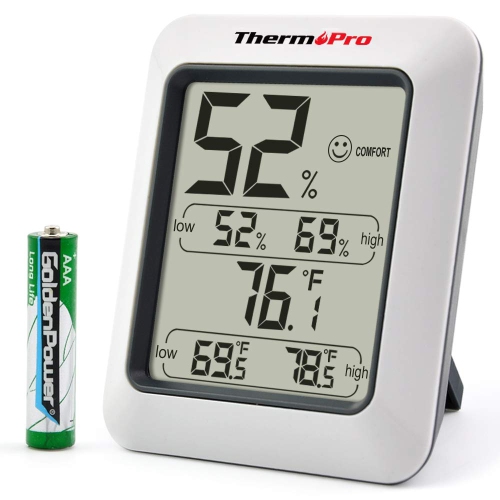
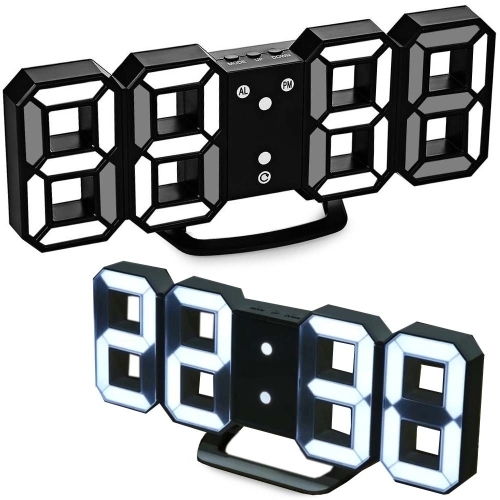
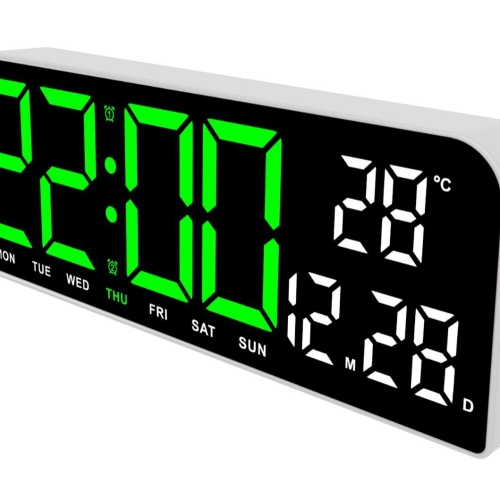
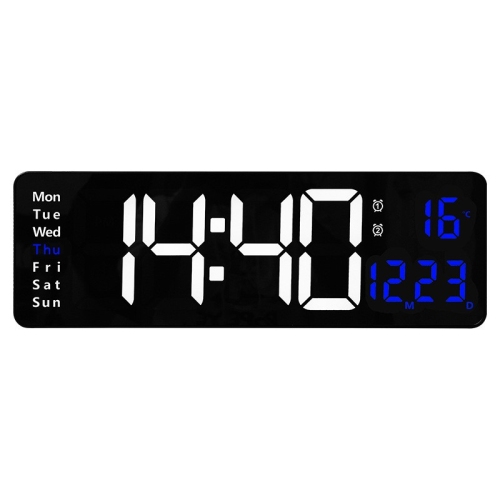
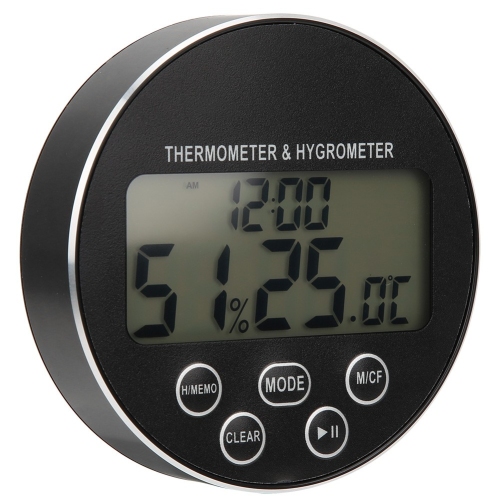
Room thermometers make it easier to understand the conditions inside your home at a glance. These compact devices measure indoor temperature, and many models also track relative humidity, giving you a more complete picture of how a room feels throughout the day. A living room may feel comfortable in the morning but become noticeably warmer when sunlight reaches the windows, while a basement can remain cool and damp even when the rest of the home feels dry. A clear reading can help you make practical adjustments, such as changing the thermostat, opening or closing curtains, improving air circulation, or using a humidifier or dehumidifier when needed. Room thermometers are useful in bedrooms, nurseries, home offices, kitchens, basements, workshops, cottages, and other indoor spaces where comfort matters. They can also help you keep an eye on rooms that tend to fluctuate with the weather, particularly during the cooler months when heating systems are running more often. For households with children, older adults, pets, musical instruments, houseplants, or temperature-sensitive belongings, a thermometer provides an easy way to notice changes before they become a concern. Some units show current temperature and humidity in large, high-contrast numbers, while others record daily high and low readings so you can see how conditions have shifted over time. This information is especially helpful in a nursery or bedroom, where a quick glance from across the room can be more convenient than checking a wall thermostat located elsewhere in the home.
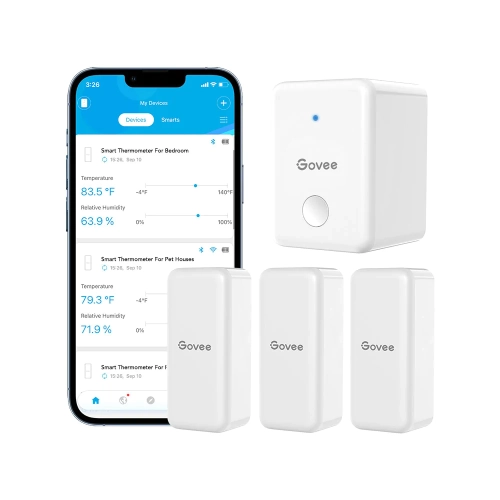
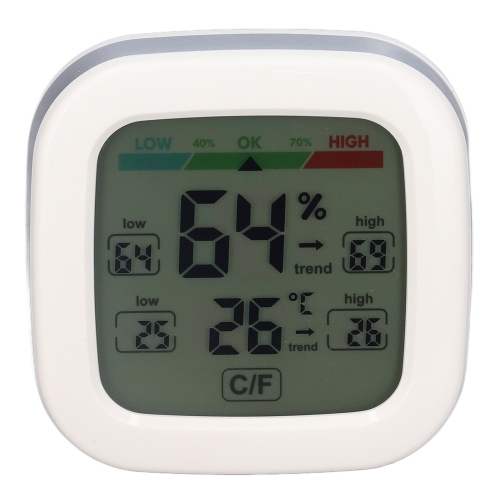
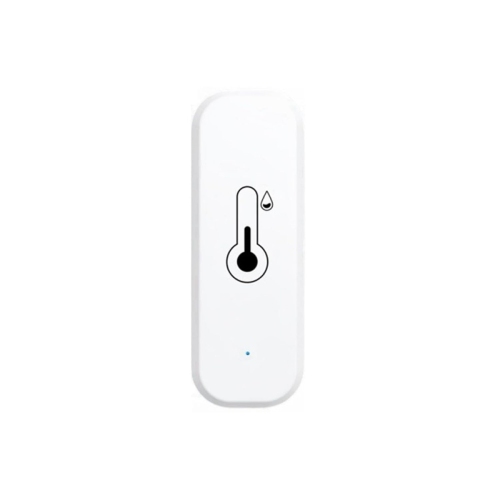
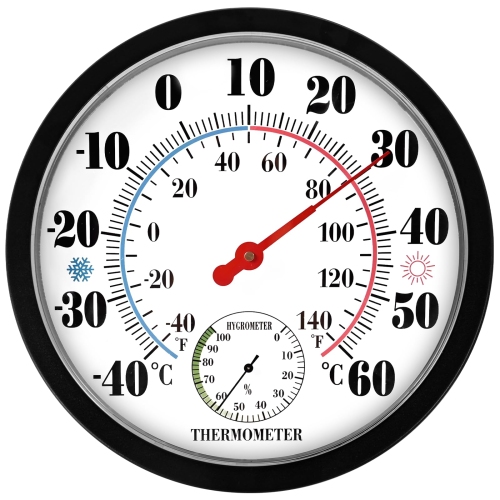
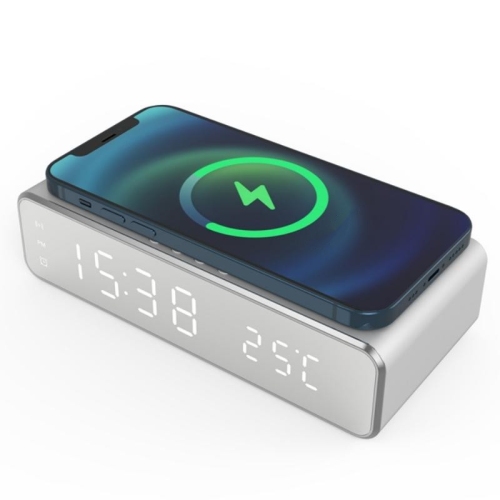
When choosing among room thermometers, start by considering where the device will be placed and how you prefer to read it. A tabletop stand suits a bedside table, shelf, desk, or kitchen counter, while a wall-mounting option can keep the display at eye level and free up surface space. Magnetic backs are convenient on metal filing cabinets, refrigerators, or other suitable surfaces. If you plan to move the thermometer between rooms, a lightweight design with more than one placement option can be particularly practical. Display size also makes a difference: large numerals are easier to read from across a room, and a backlit screen can be useful in a dim hallway or during a quiet nighttime check. Touch controls may simplify operation, while straightforward buttons can be preferable for anyone who wants a simple, no-fuss setup. Models with high and low memory can reveal whether a room becomes warmer in the afternoon or cooler overnight. Humidity readings are another valuable feature, since air that is too dry may feel uncomfortable during heated indoor seasons, while excessive moisture can make a room feel clammy. Some room thermometers include comfort indicators that translate readings into an easy visual reference, which can be helpful for children or anyone who prefers an at-a-glance display. Wireless connectivity and app support may appeal to people who want to monitor conditions from a phone, whereas a standalone digital display is often all that is needed for a bedroom, office, or living area. For a broader selection of devices designed to monitor conditions in more than one setting, explore Indoor Outdoor Thermometers.
Placement has a noticeable effect on the accuracy and usefulness of a room thermometer. Position the unit away from direct sunlight, heating vents, fireplaces, radiators, exterior doors, and drafty windows, since these areas can create readings that do not represent the room as a whole. A shelf at about chest or eye level is often convenient, although the best location depends on the space and the device’s design. In a baby’s room, placing the thermometer where it can be checked easily without disturbing the child can make nighttime routines feel more manageable. In a home office, a display beside the monitor can provide a quick reminder to adjust the room before concentration is affected by heat or dryness. In a basement or storage area, high and low records can help identify temperature swings that may otherwise go unnoticed. Room thermometers can also make thoughtful gifts for new homeowners, students moving into a first apartment, parents preparing a nursery, or anyone setting up a home office, workshop, cabin, or hobby room. They are small, practical, and easy to use without requiring complicated installation. For the most useful match, consider the recipient’s space, eyesight, preferred display style, and whether humidity information would be valuable. Battery-powered options can be placed almost anywhere, while connected models may suit a smart home setup. Regardless of the format, a dependable room thermometer offers simple reassurance: a quick look can show whether a room is holding steady, becoming warmer as the day progresses, or growing cooler as outdoor conditions change. From early fall’s mild afternoons to the colder indoor season that follows, these devices help turn an invisible change in room conditions into information you can use.
Top selling and popular products
-
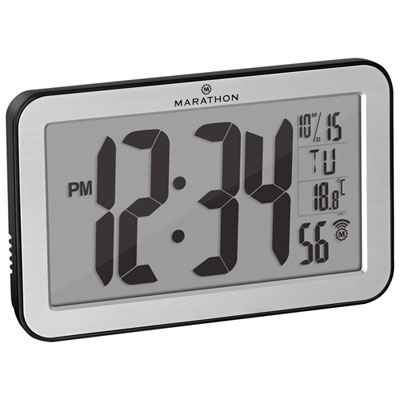 Your price for this item is $42.98
-
 Your price for this item is $44.99
-
 Your price for this item is $89.99
-
 Your price for this item is $114.99
-
 Your price for this item is $19.95
-
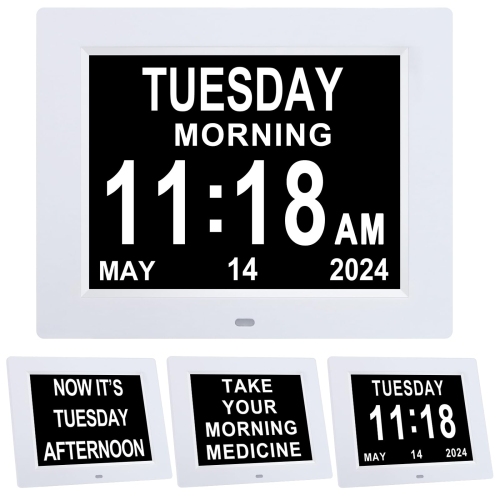 Your price for this item is $90.96
-
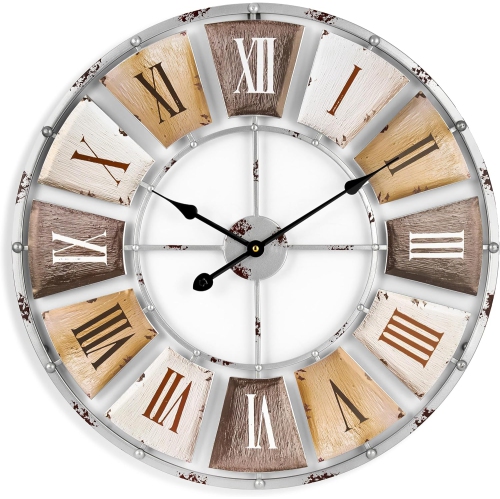 Your price for this item is $79.99
-
 Your price for this item is $45.99
Discover more categories related to Room Thermometers


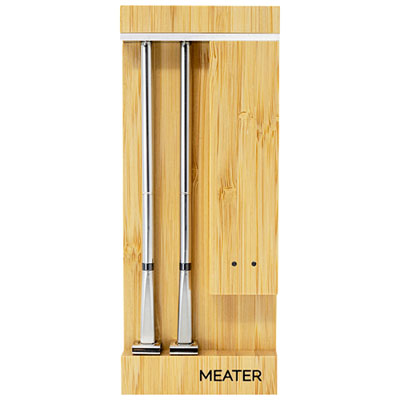
Top Collections:
Pokemon Centers, Kindle Devices, Best Cameras for Sports Photography, Pokémon 30th Celebration Cards, Apple iPhones 16, Canon G7X Cameras, iPhone 15 Apple, Flip Phones, Samsung Galaxy Phones, Alarm Clock
Some products may be subject to Environmental Handling Fees
(EHF) depending on your province.
Learn more about EHFs.