Indoor Outdoor Thermometers
Stay ahead of the weather with our selection of indoor and outdoor thermometers. Whether you're planning a backyard BBQ, monitoring your home environment, or simply curious about the temperature outside, these devices provide accurate and real-time readings to keep you informed. With a variety of features, such as wireless connectivity, multiple sensors, and easy-to-read displays, finding the perfect thermometer to suit your needs is a breeze. Stay prepared and in-the-know with our range of indoor and outdoor thermometers.
Sort



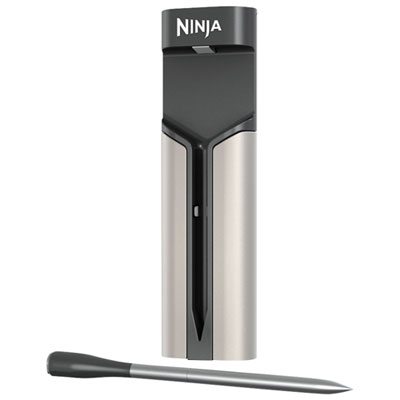

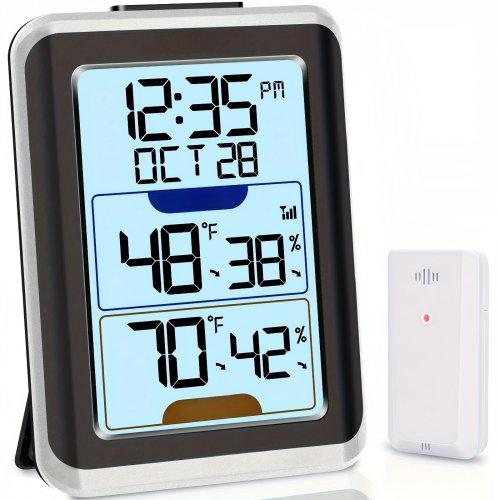
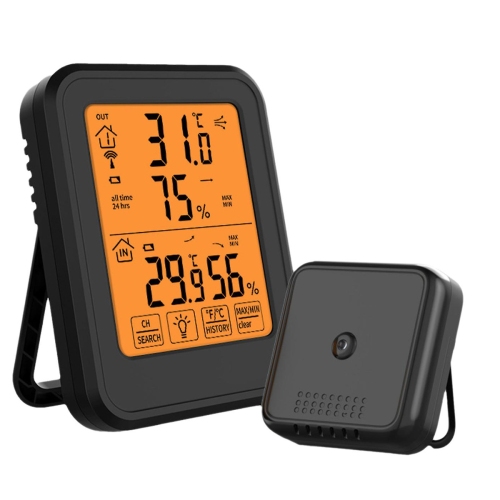
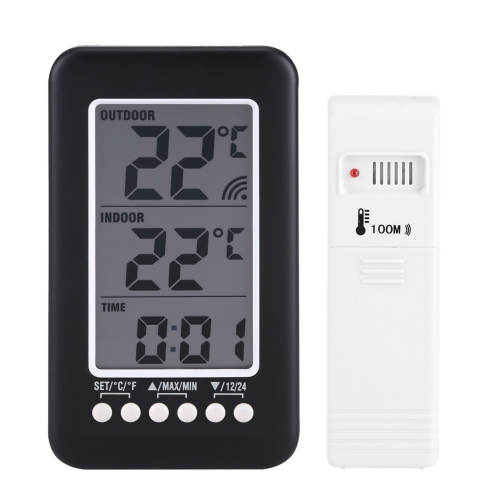

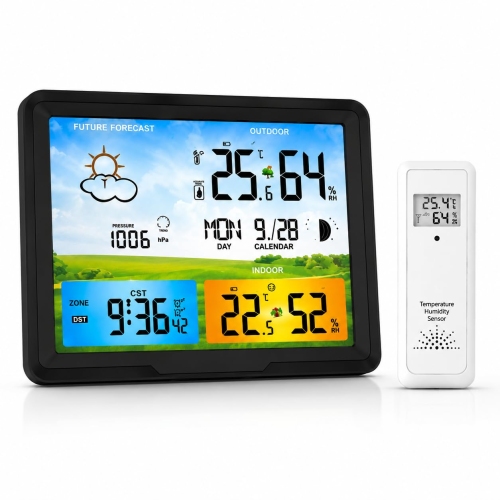

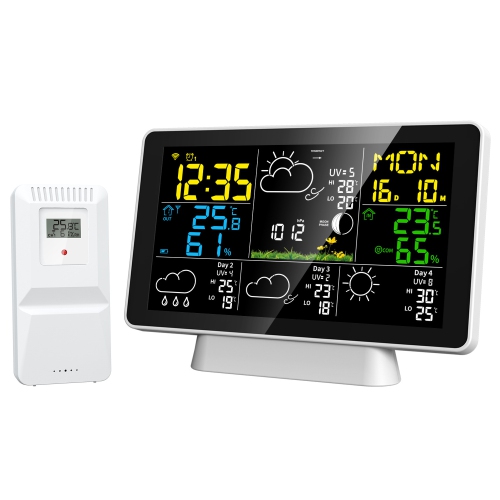
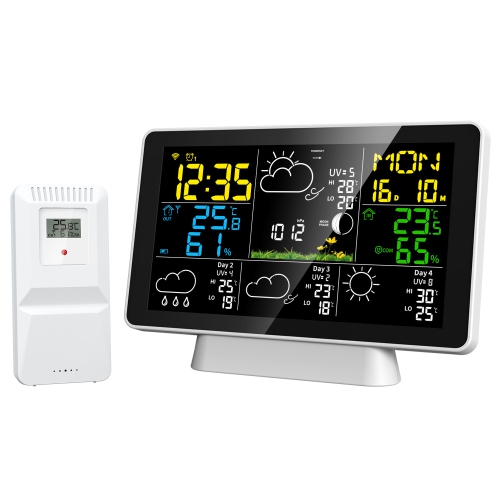
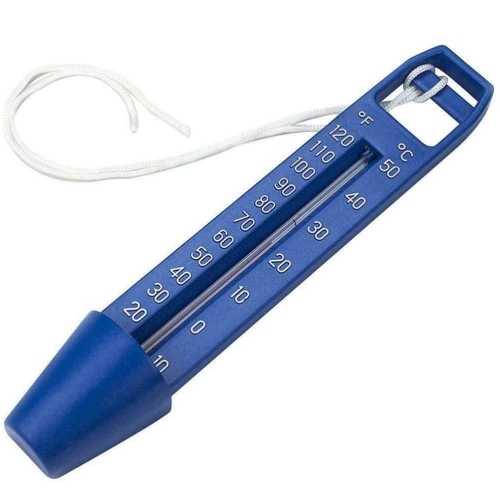
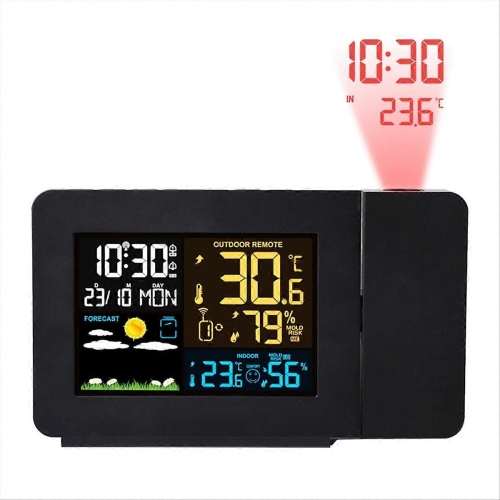


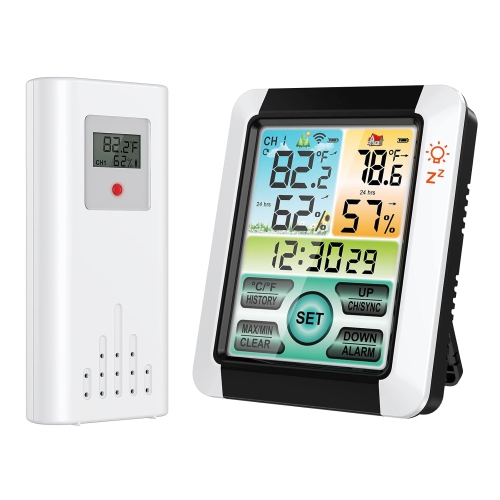
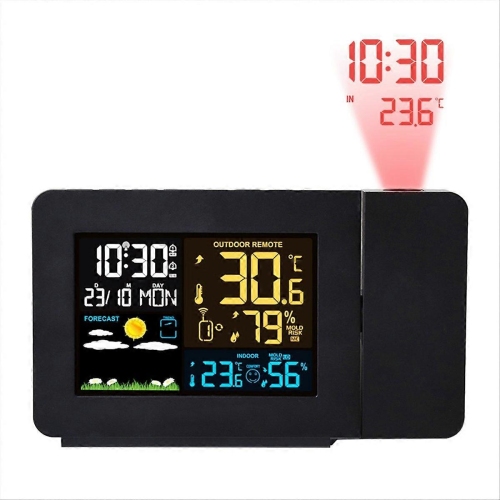
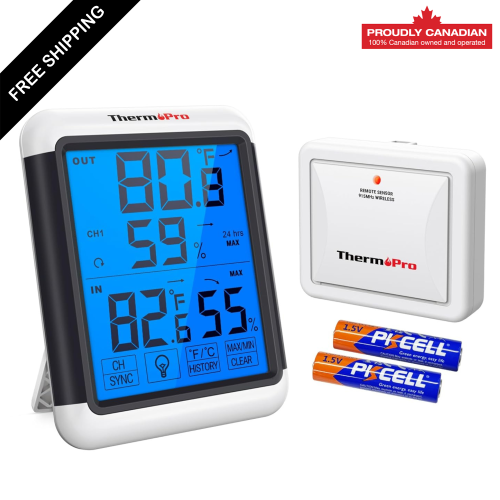
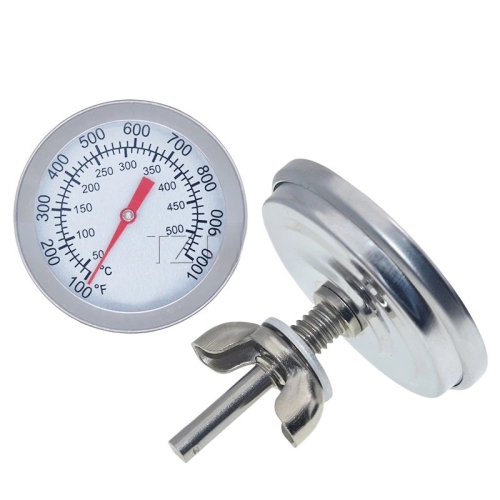
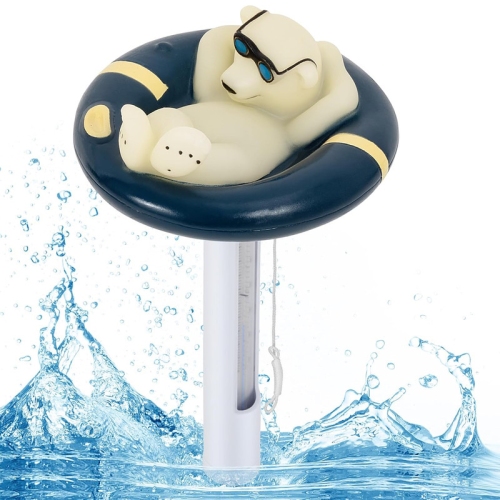
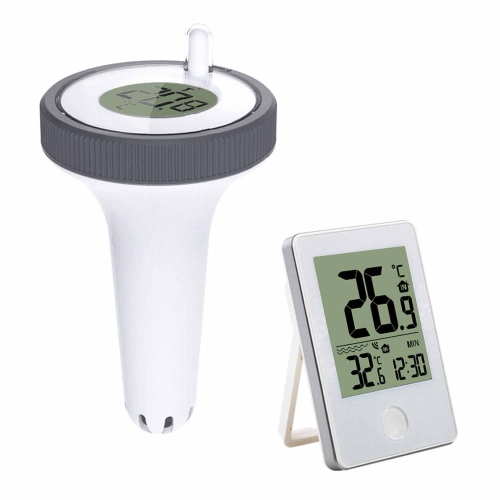
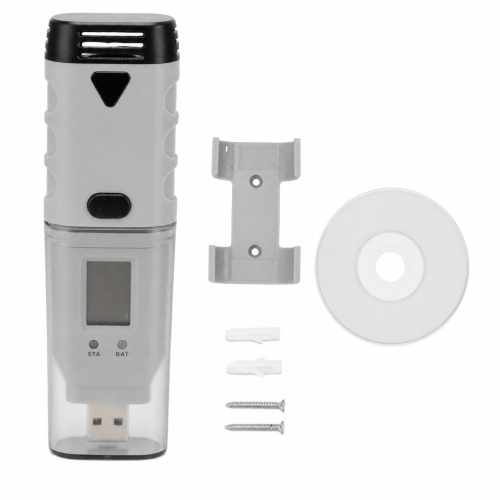
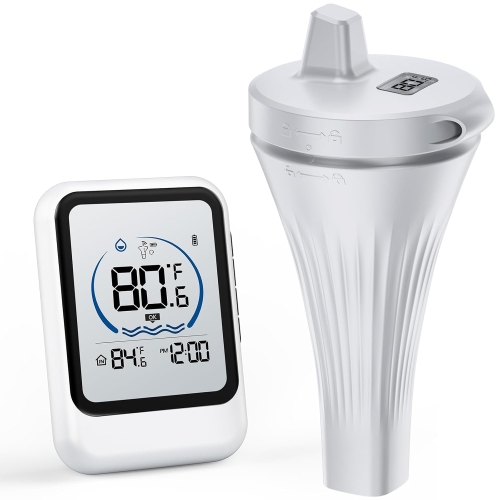

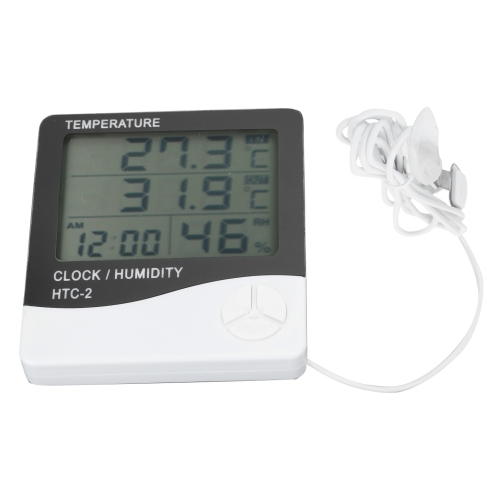
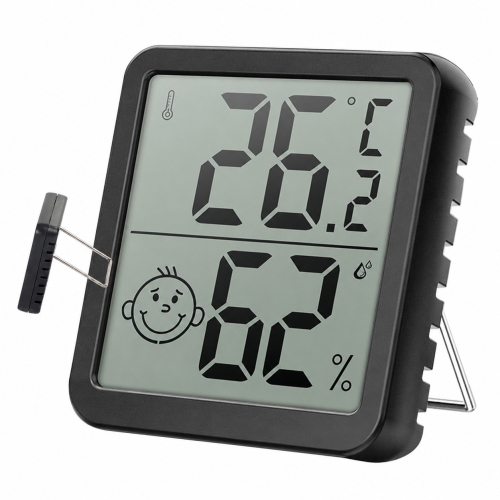
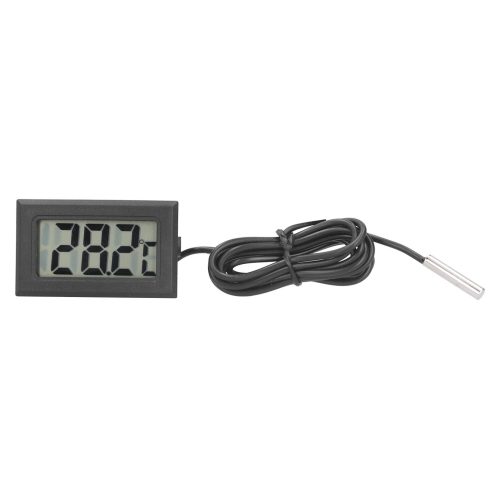


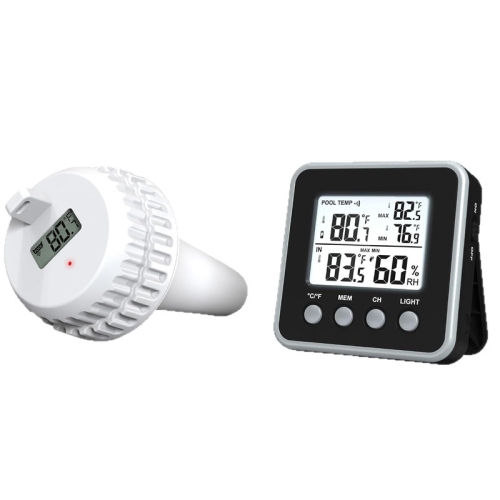

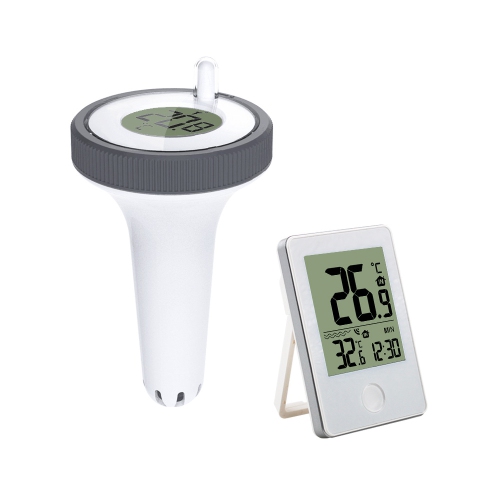
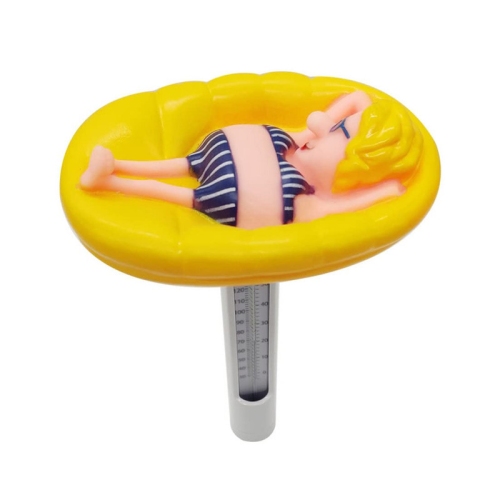
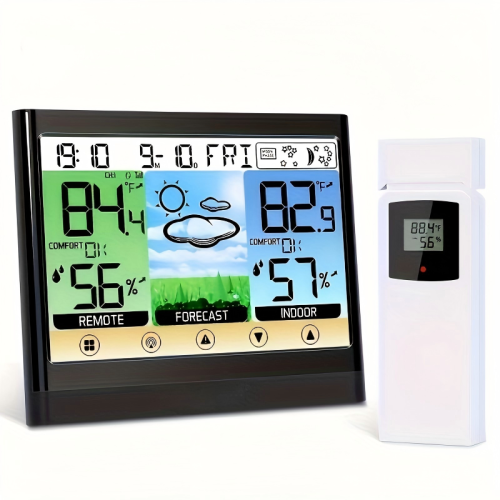
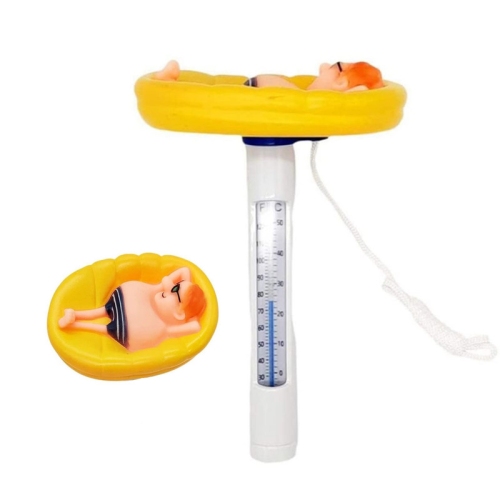
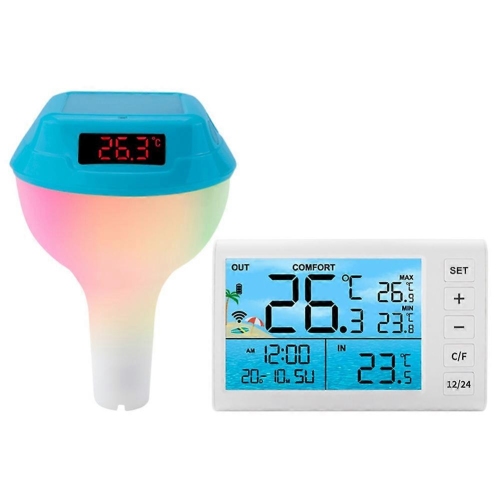
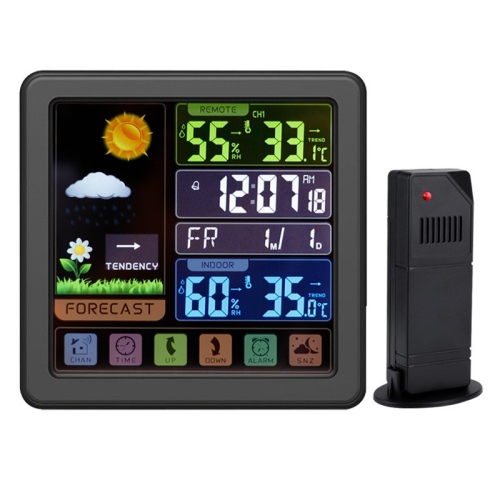

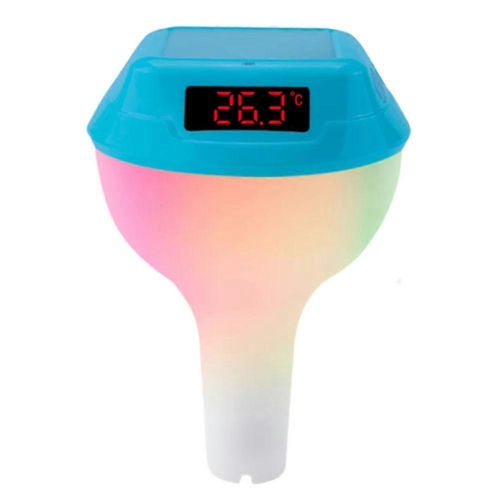
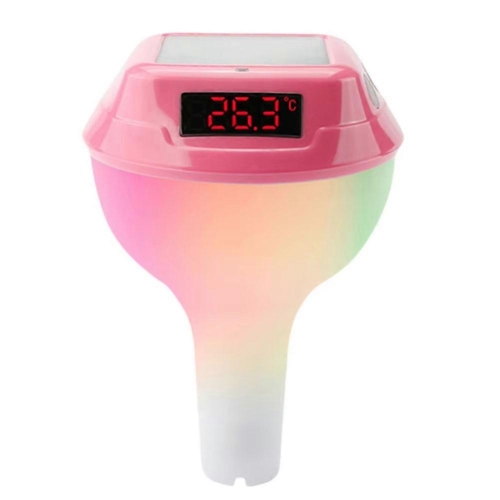
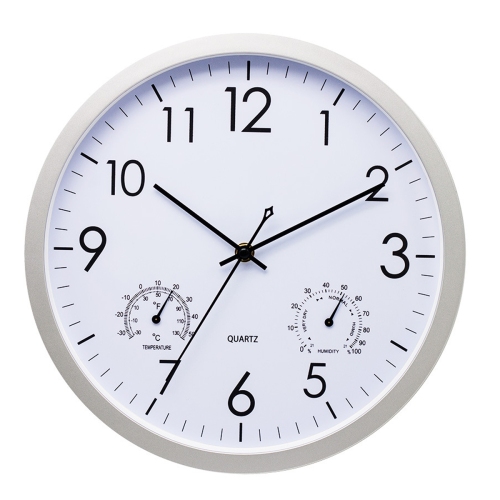
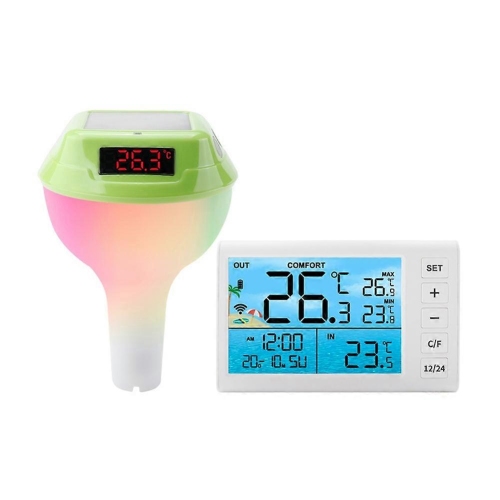
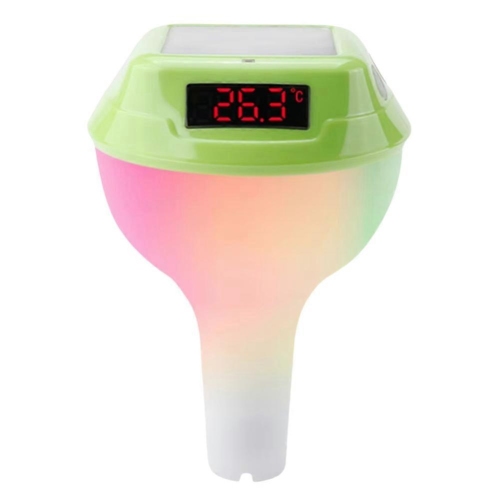
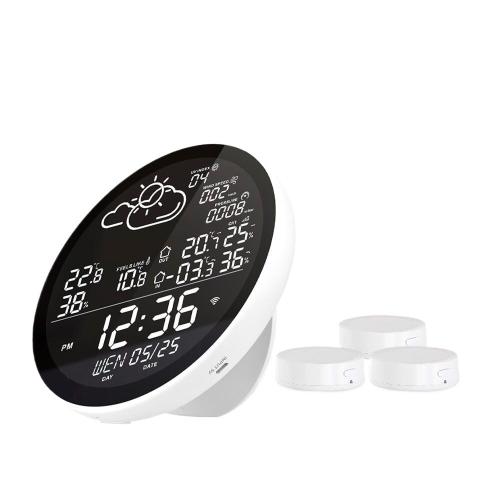
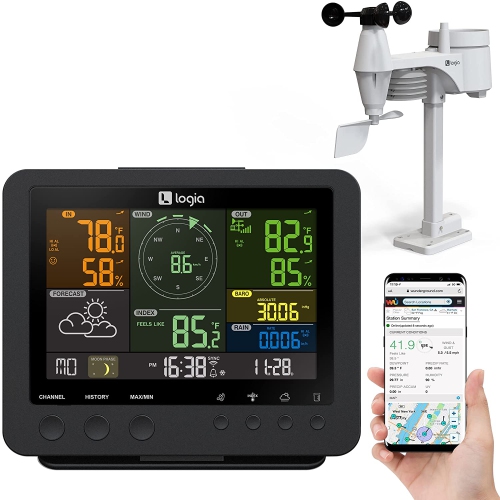

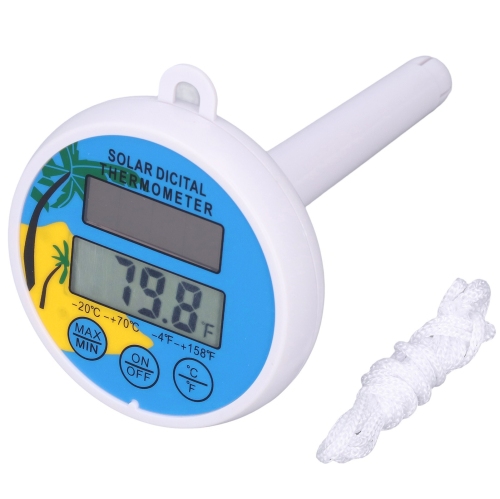


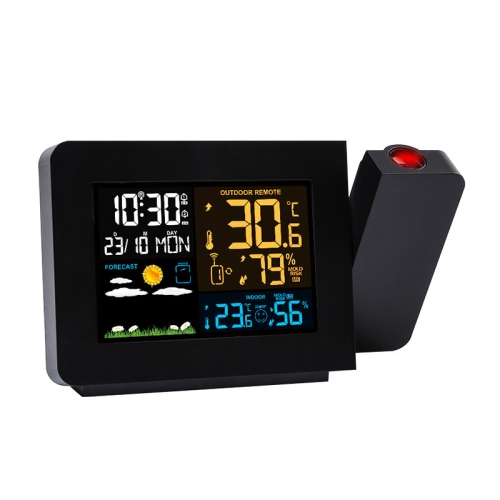
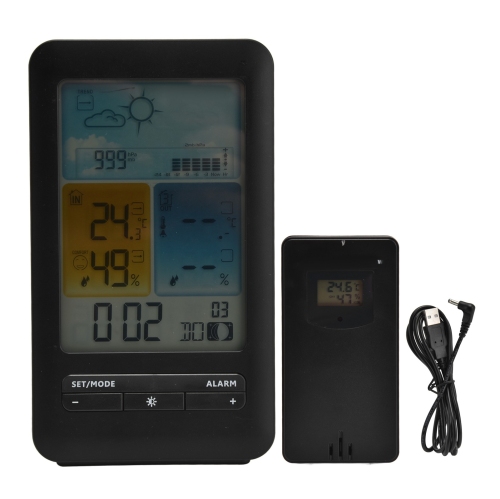
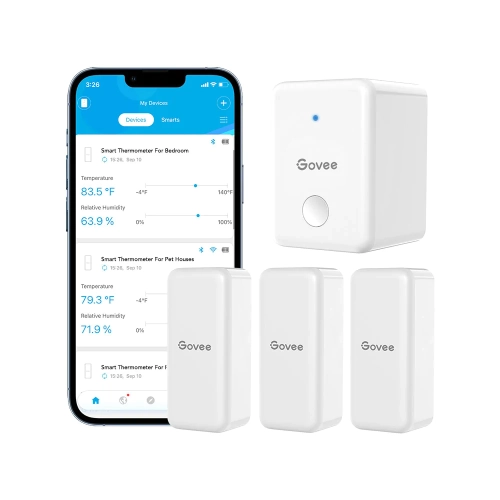
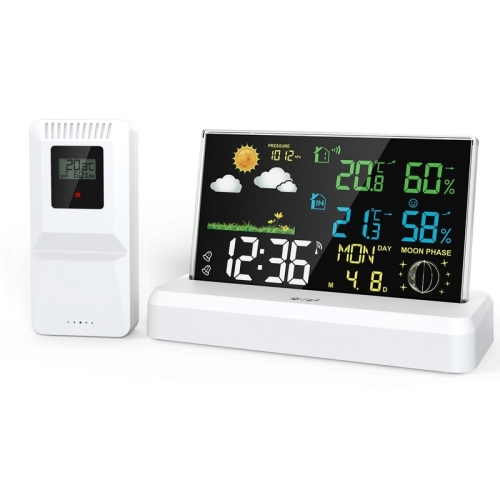
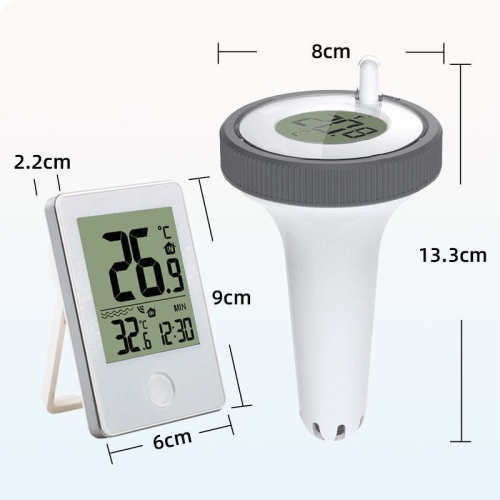
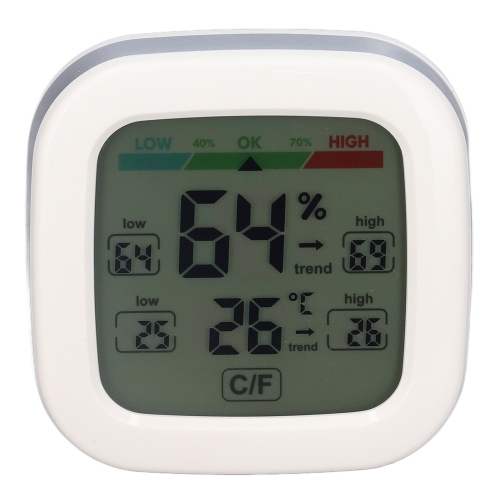
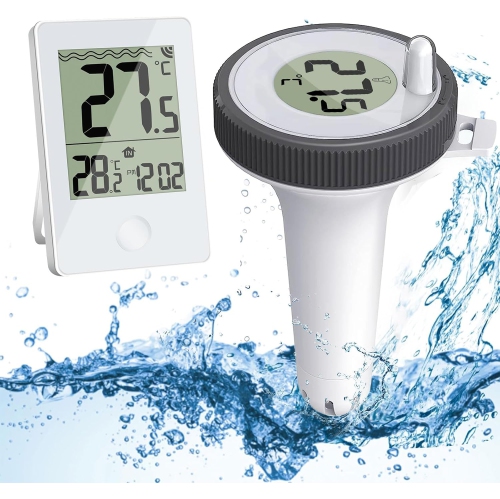
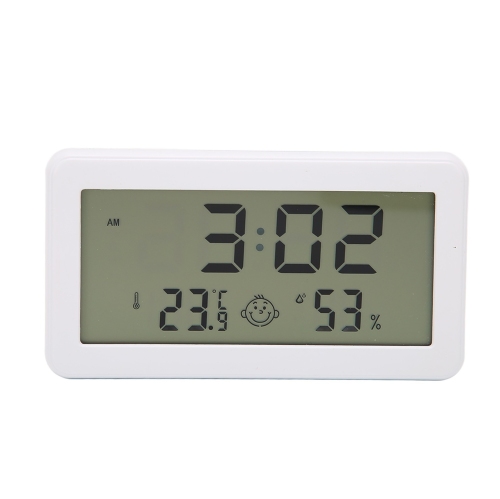
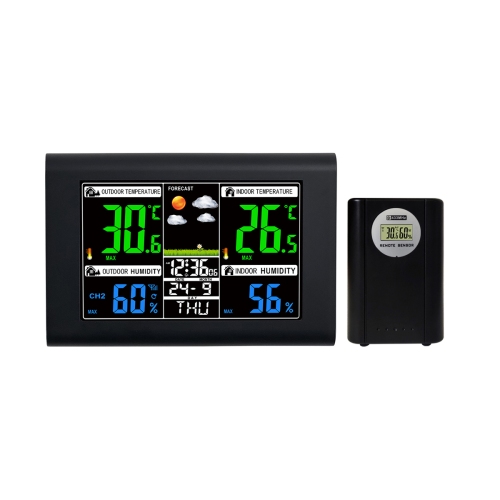

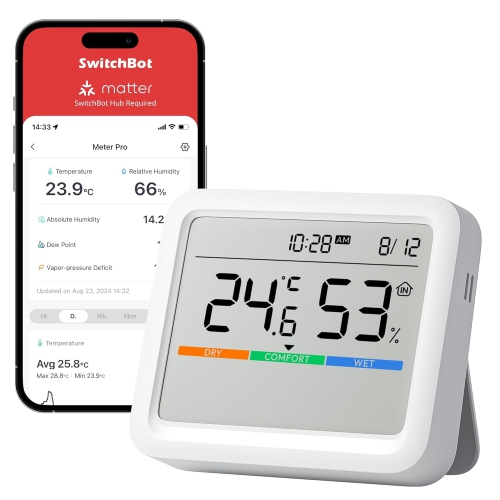

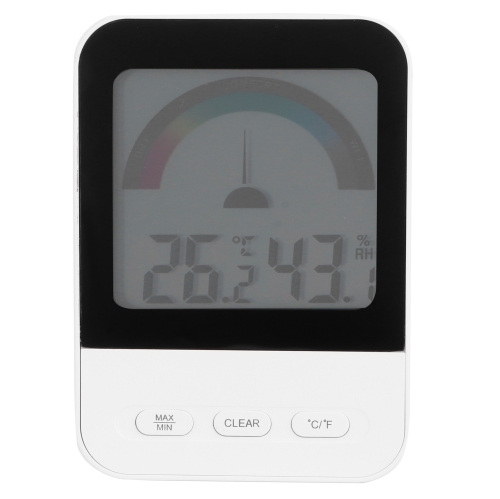
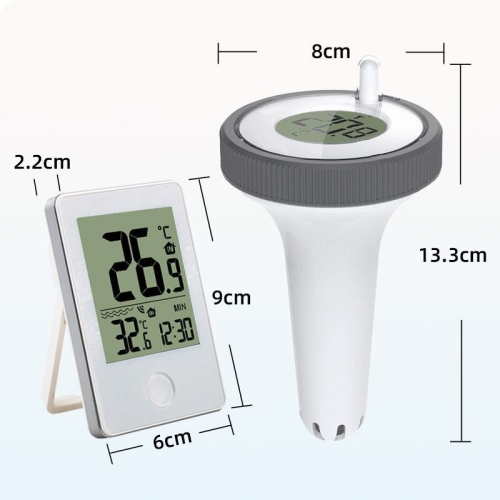
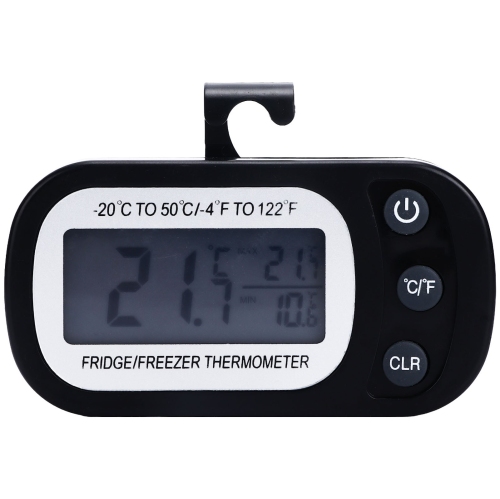

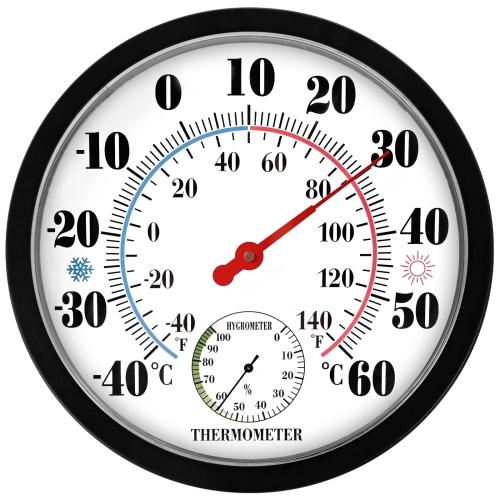
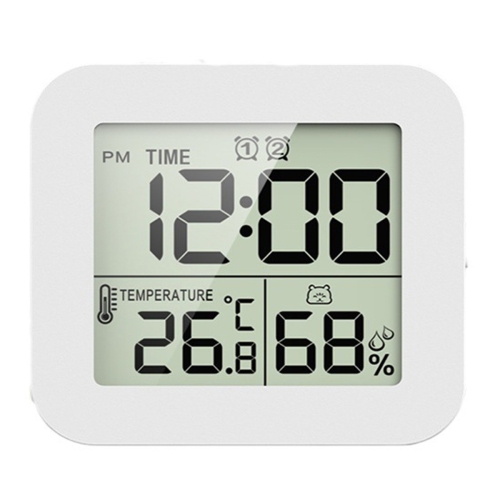
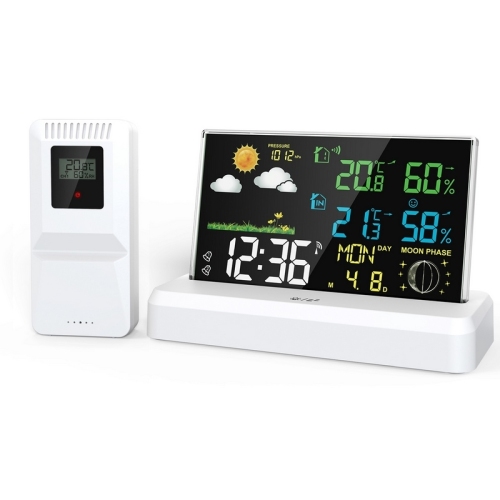
Outdoor temperatures can tell a different story than indoors
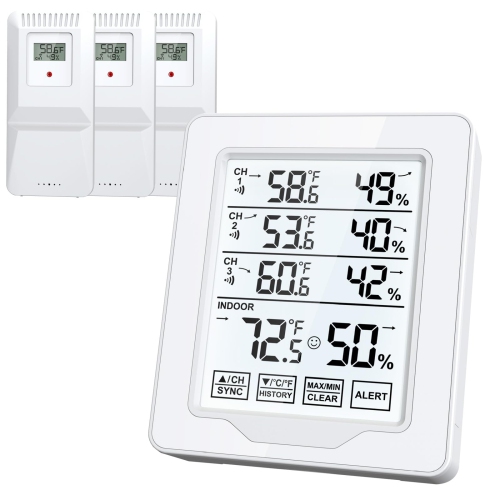
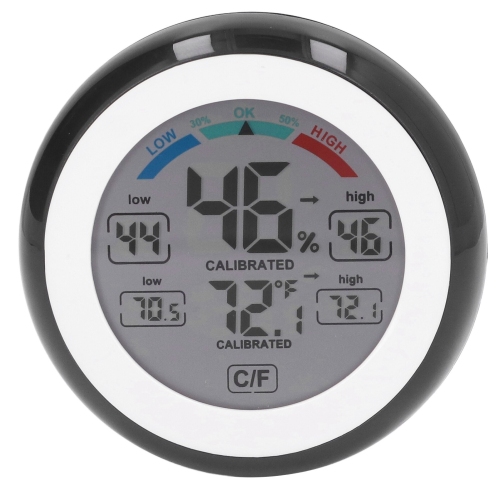
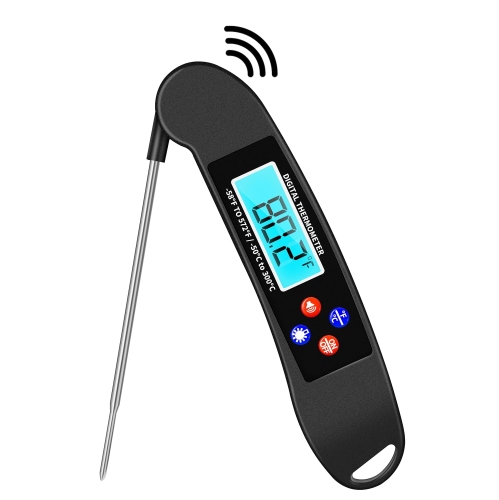
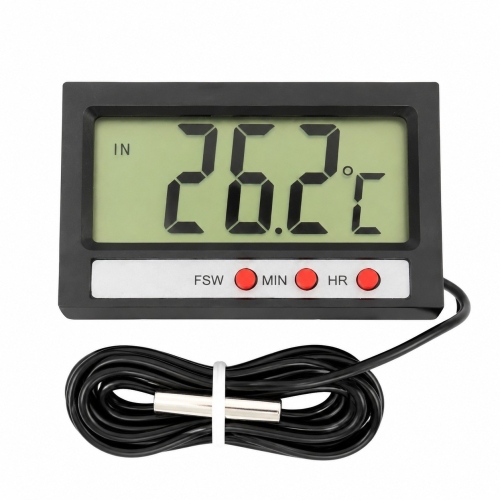
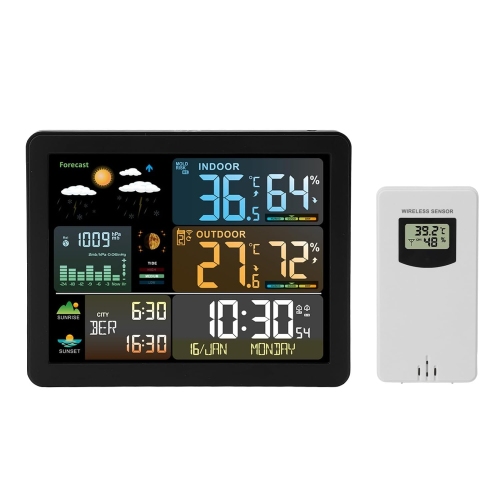
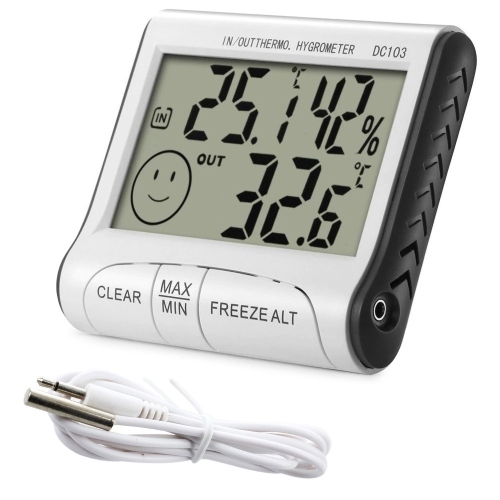
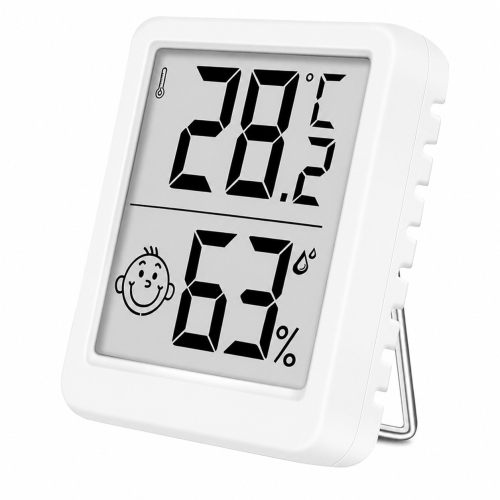
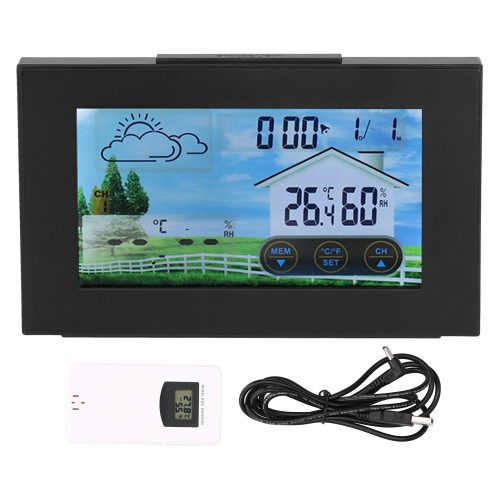
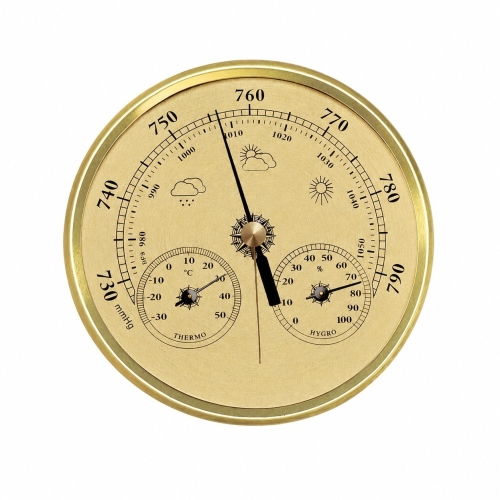
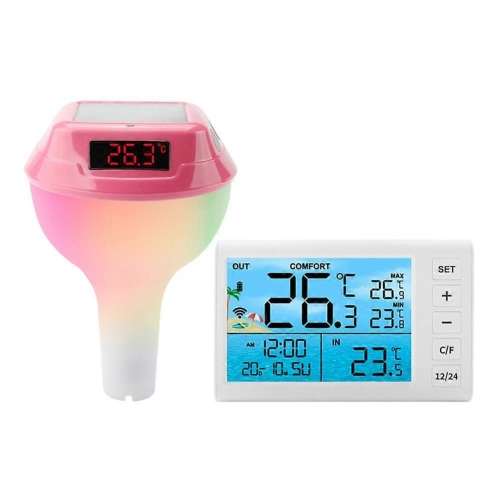
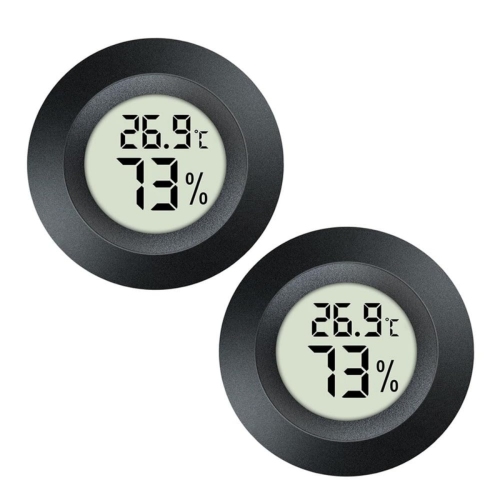
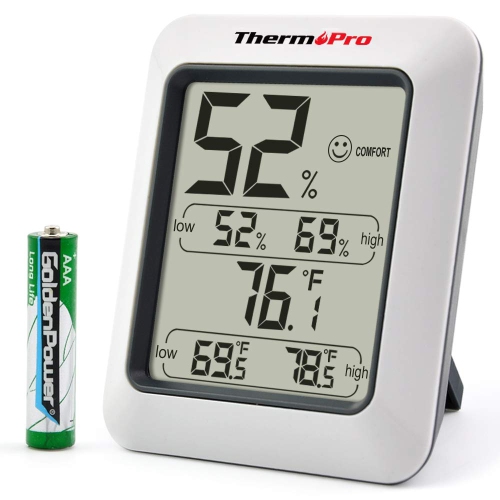
Indoor outdoor thermometers show the temperature inside your home and at an outdoor sensor location, making it easier to compare a comfortable living room with the conditions beyond the front door. That side-by-side view is useful during the cooler months, when sunshine through a window can make the day look warmer than it feels. A quick glance before walking the dog, dressing children for school, or heading to the garage can help with everyday decisions about layers and footwear. Many digital indoor outdoor thermometers use a wireless outdoor sensor that sends readings to an indoor display, while wired designs connect the display to a remote probe. Some also measure relative humidity, expressed as a percentage, to show how much moisture is in the air relative to what it can hold at that temperature. Temperature and humidity together offer more context than temperature alone: a warm bedroom may feel uncomfortable when the air is very dry, while a cool basement may feel damp. Models with minimum and maximum memory can reveal how low the temperature dropped overnight or how warm a sunlit room became during the afternoon. Trend arrows, where included, indicate whether readings are rising or falling over a defined period rather than providing a complete weather forecast. For everyday household use, the most useful features are often straightforward: readable digits, clearly labelled indoor and outdoor readings, Celsius settings, and a display that is easy to check from a normal viewing distance. Fahrenheit switching can be helpful in households where people prefer different scales. A thermometer measures conditions where its sensors sit, so its outdoor reading may differ from a weather app reporting from an airport or another part of town. Neither reading necessarily describes every corner of a property. A sheltered balcony, an exposed yard, and a driveway beside a brick wall can have noticeably different temperatures, which makes thoughtful sensor placement especially important.
Wireless range, accuracy specifications, and the supported temperature range help determine how well an indoor outdoor thermometer suits a particular home. Advertised wireless transmission distances generally describe favourable, open conditions; brick walls, metal siding, concrete floors, and the distance between buildings can reduce the usable range. For a detached garage or a sensor near the far side of a property, a stated range of 300 feet or more may be a useful starting point, but it does not guarantee reception through several walls. Testing communication at the intended locations before permanently mounting the sensor can save the trouble of moving brackets later. Canadian winter conditions also make the outdoor sensor’s minimum operating temperature worth checking, particularly for exposed placements or properties in colder regions. The indoor receiver and outdoor transmitter may have different operating limits, and battery performance can decline in low temperatures. Use the battery type specified by the manufacturer rather than assuming every battery chemistry is suitable. For a representative outdoor air reading, place the sensor in a shaded, well-ventilated location protected from direct precipitation, following the supplied mounting directions. Direct sunlight can heat the housing and produce a reading above the surrounding air temperature. Dryer vents, exhaust outlets, exterior lights, and heat escaping through a nearby window can also distort readings, while masonry may release warmth after the sun has moved away. Indoors, keep the display’s built-in sensor away from radiators, cooking appliances, direct sunlight, and draughts if the aim is to measure typical room conditions. A kitchen counter beside the oven is convenient, but it is unlikely to reflect the temperature elsewhere in the home while dinner is cooking. Accuracy and display resolution are different specifications: showing tenths of a degree does not mean the thermometer is accurate to a tenth of a degree. Readings also need time to settle after a sensor is moved. For checking room-to-room differences, allow sensors to adjust in the same location before comparing them, and consult the stated accuracy tolerance rather than expecting perfectly identical numbers.
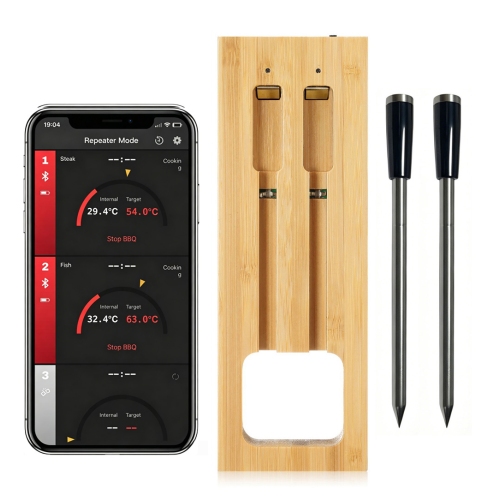
The physical design matters just as much as the measurements when a thermometer becomes part of a daily routine. A stable tabletop stand works well on a bedside table or hallway console, while wall-mounting slots can keep the display visible without taking up counter space. Check the overall dimensions, viewing angle, and contrast, especially if readings need to be visible across a room. A backlight can make an early-morning check easier, although some displays illuminate only briefly when a button is pressed, and others need external power for continuous lighting. Battery-powered receivers offer more freedom of placement; plug-in designs need a suitable outlet and may use backup batteries for limited functions. Outdoor sensors commonly have lightweight plastic housings, but durability depends on the stated weather protection, secure mounting, and exposure limits rather than appearance alone. Weather resistance should not be treated as permission to submerge a sensor or leave it where water can collect around the battery compartment. Basic care usually involves wiping the housing with a soft cloth, keeping sensor openings clear, checking mounts periodically, and replacing batteries as directed. Avoid spraying cleaner into vents or soaking the unit. For homes with several areas to monitor, support for additional sensors can make it possible to compare a bedroom, basement, and sheltered outdoor location on one display, provided the sensors are compatible and clearly assigned to their channels. Humidity readings can also help show patterns around bathing, cooking, or heating use, though a thermometer cannot diagnose the cause of persistent dampness or condensation. Gardeners may appreciate overnight temperature history near a sheltered growing area, and cottage owners may find local readings useful while on site. Checking conditions from elsewhere requires a model with compatible remote access; a wireless sensor connection alone does not imply Wi-Fi or phone access. These practical uses can also make an indoor outdoor thermometer a thoughtful housewarming gift for someone who enjoys keeping track of conditions around the home. For broader measurements, Indoor Outdoor Weather Stations may add features such as wind speed, rainfall, or barometric pressure, depending on the design, while a dedicated thermometer keeps the focus on clear, accessible temperature information.
Top selling and popular products
-
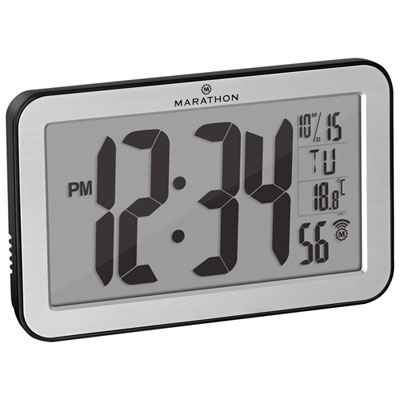 Your price for this item is $42.98
-
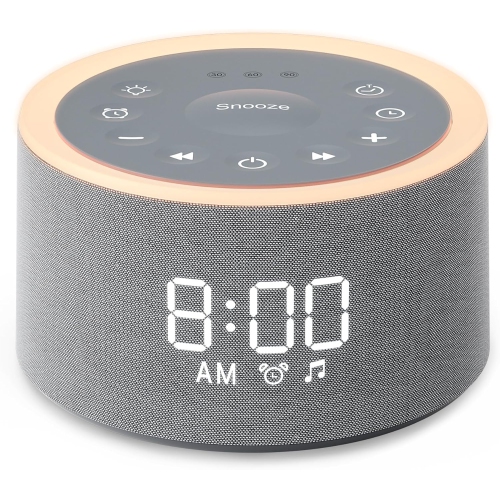 Your price for this item is $44.99
-
 Your price for this item is $89.99
-
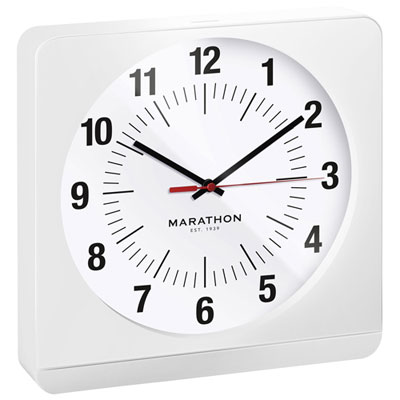 Your price for this item is $114.99
-
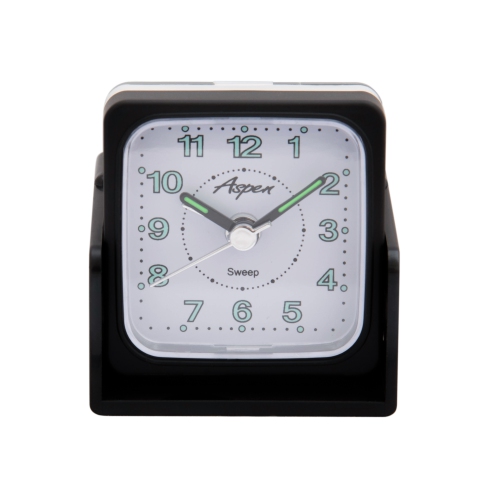 Your price for this item is $19.95
-
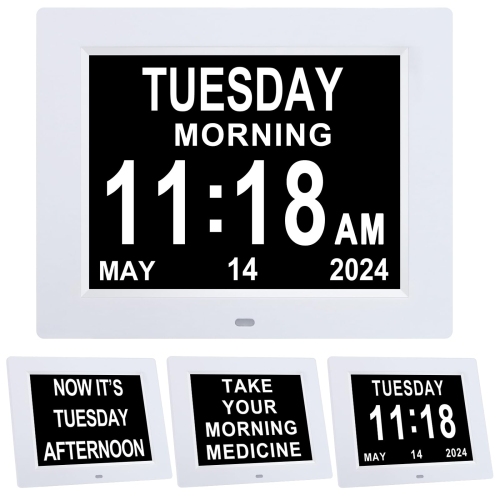 Your price for this item is $90.96
-
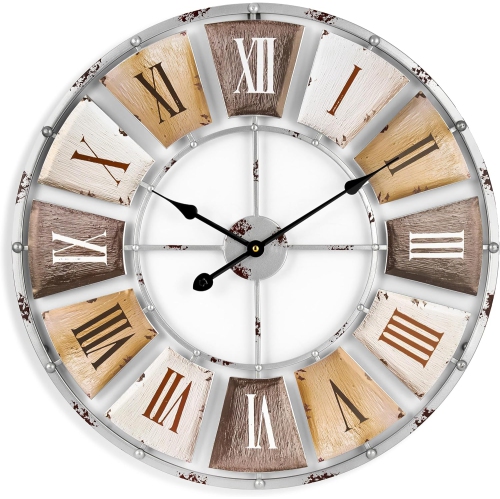 Your price for this item is $79.99
-
 Your price for this item is $45.99
Discover more categories related to Indoor Outdoor Thermometers

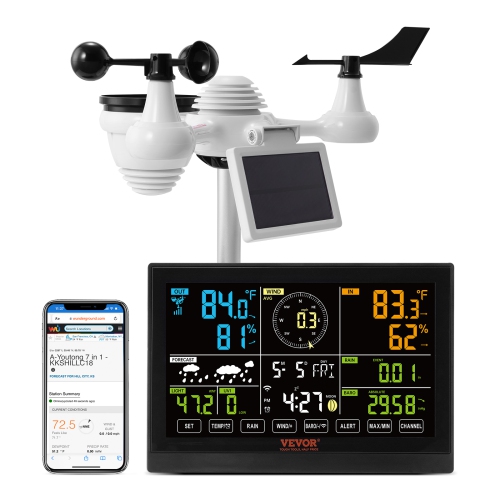

Top Collections:
Pokemon Centers, Kindle Devices, Best Cameras for Sports Photography, Pokémon 30th Celebration Cards, Apple iPhones 16, Canon G7X Cameras, iPhone 15 Apple, Flip Phones, Samsung Galaxy Phones, Alarm Clock
Some products may be subject to Environmental Handling Fees
(EHF) depending on your province.
Learn more about EHFs.