Round Dark Wood Coffee Tables
Looking for a stylish addition to your living room? Our round, dark wood coffee tables are the perfect choice to enhance your space with a touch of elegance. Crafted from high-quality materials, these coffee tables boast a sleek and sophisticated design that will effortlessly complement any decor style. Whether you're looking to create a cozy atmosphere or add a statement piece to your home, our round, dark wood coffee tables offer both functionality and timeless beauty.
Sort
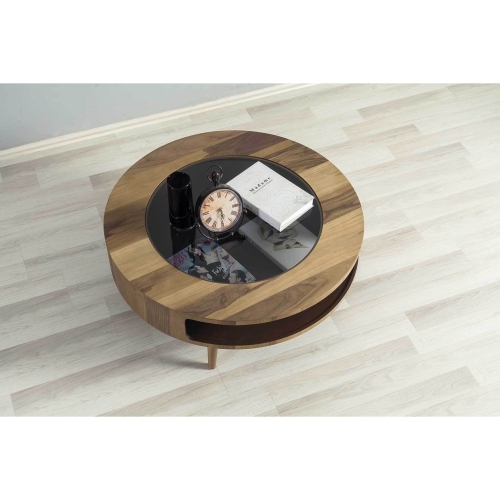
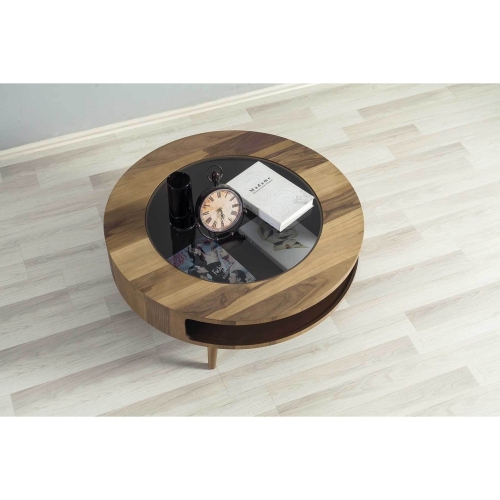
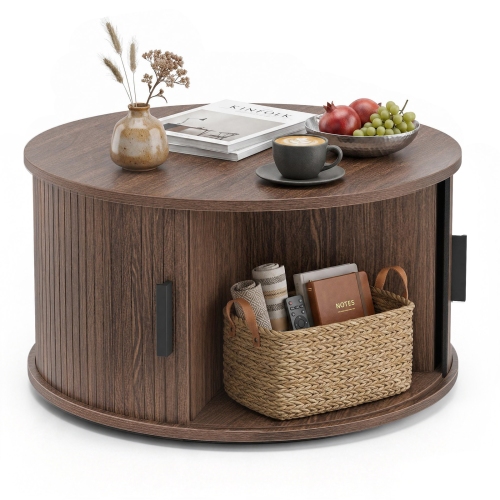
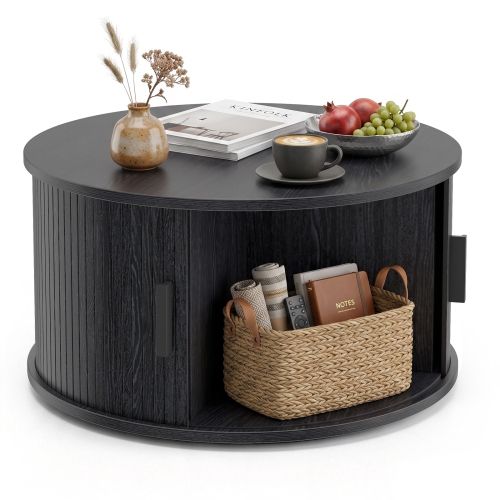

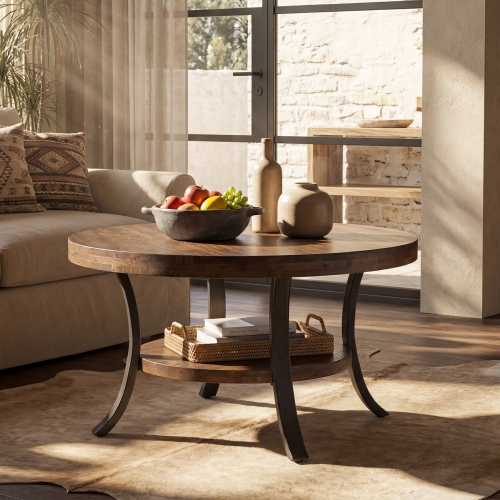


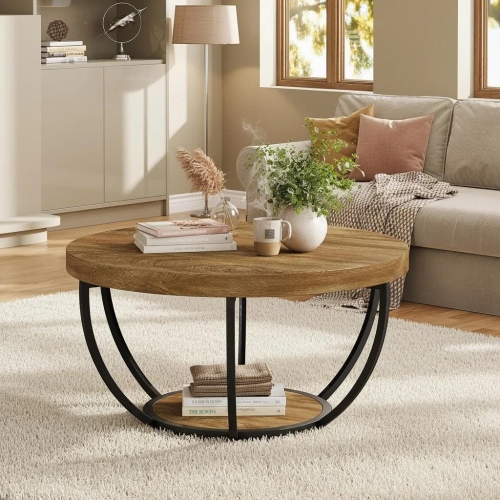

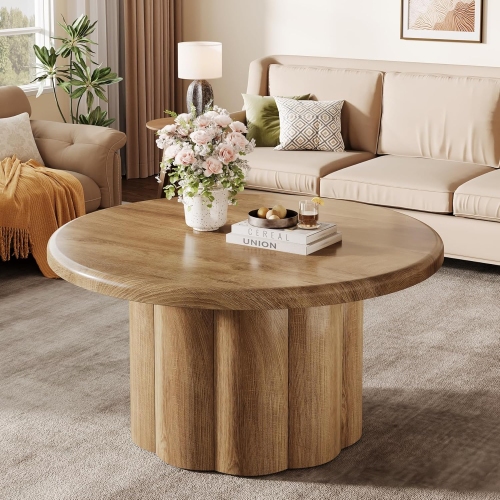
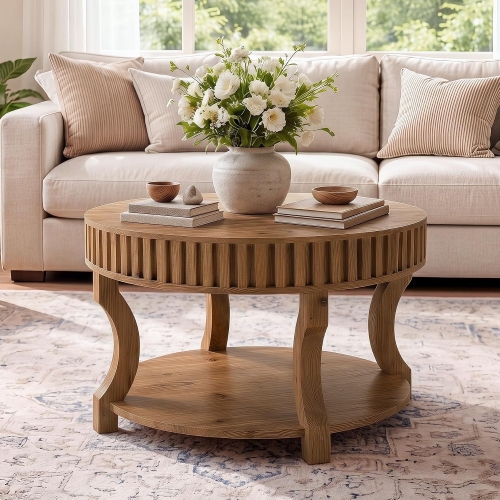
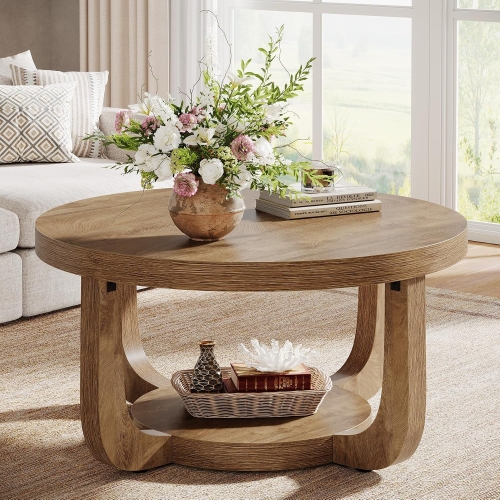

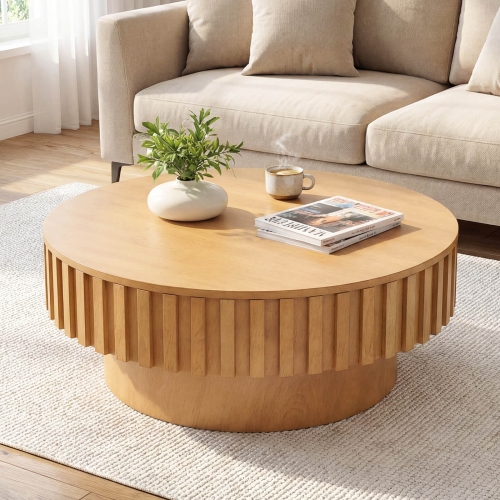

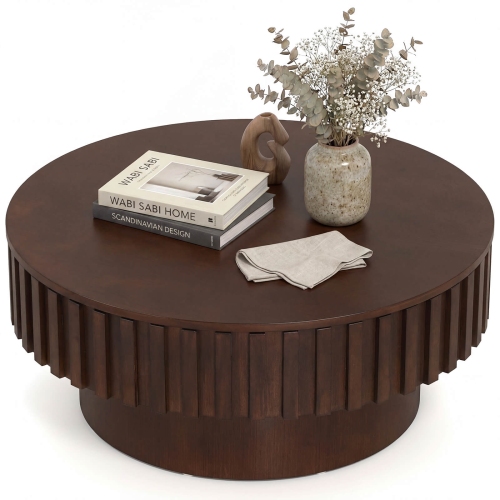

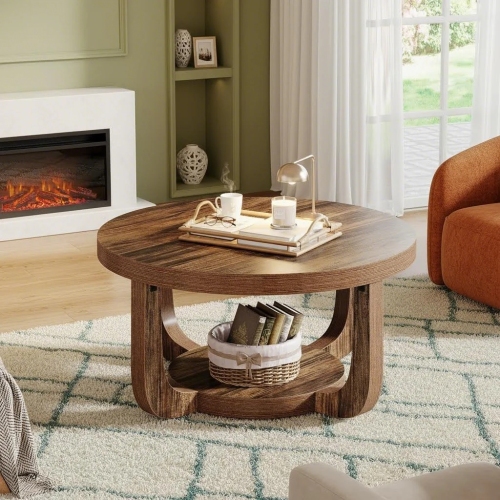
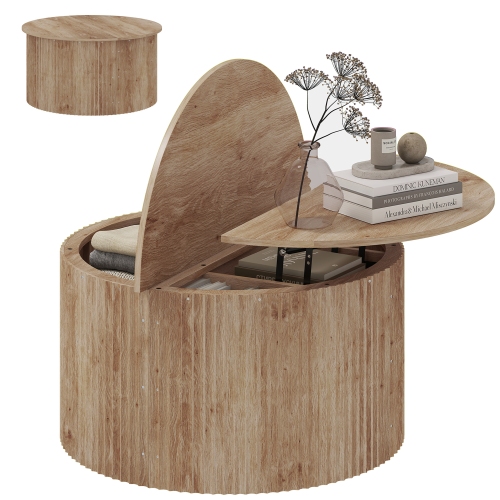
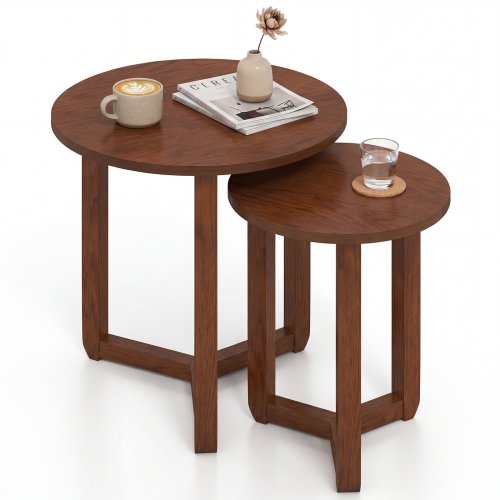
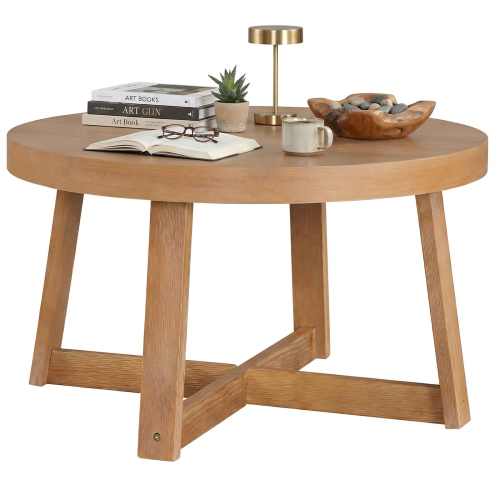


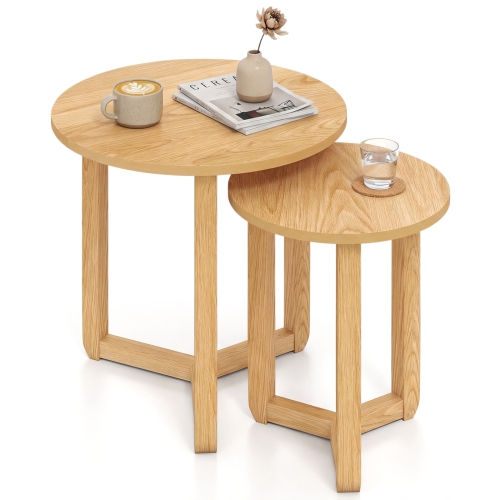


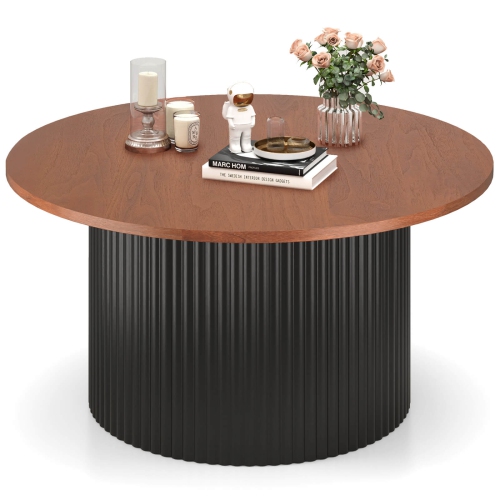


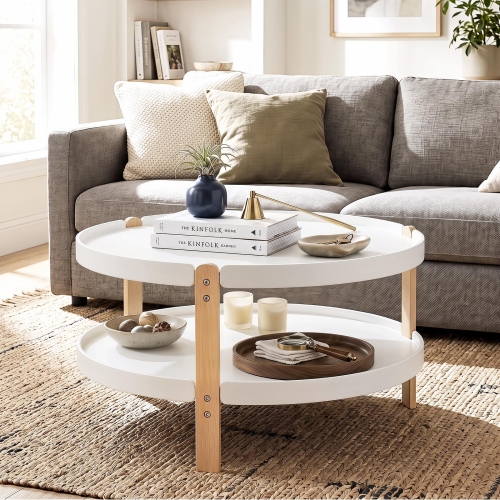

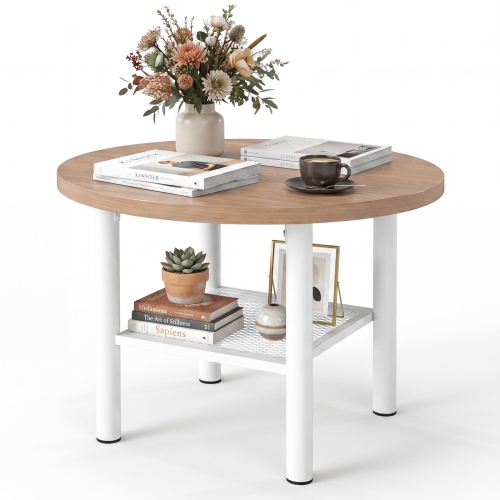


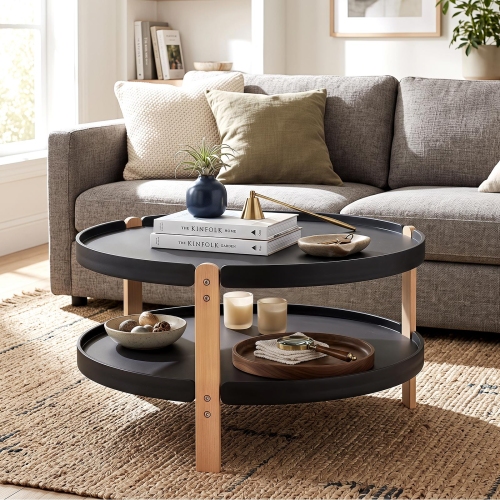









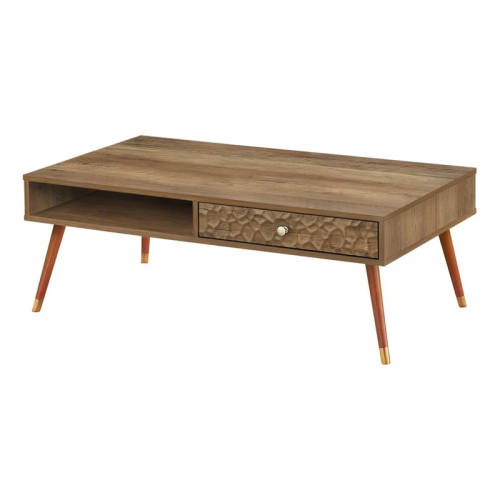


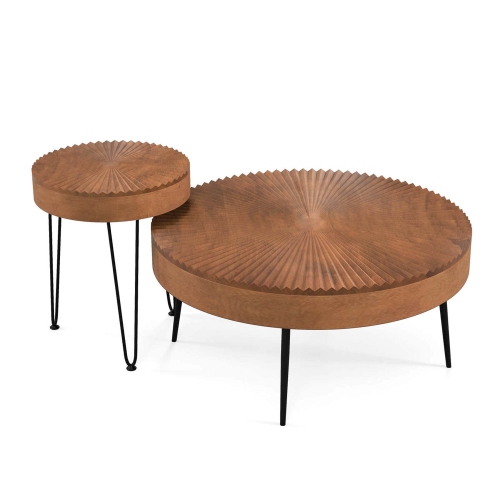


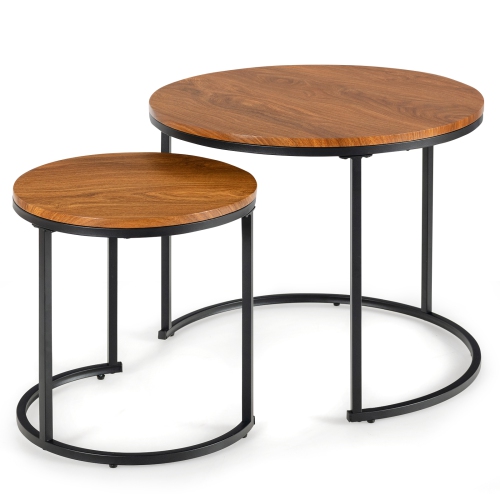

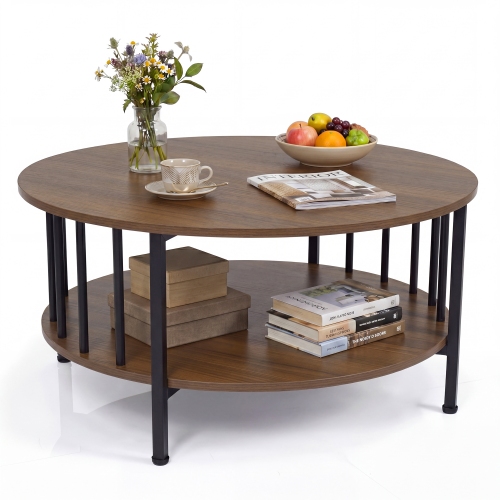
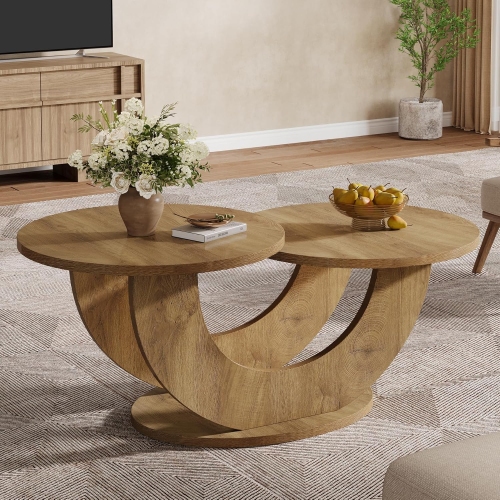

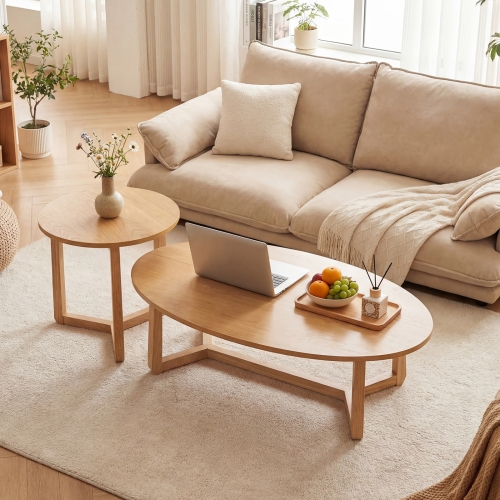
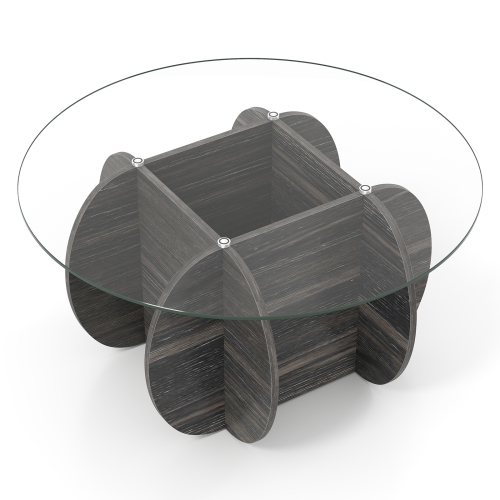
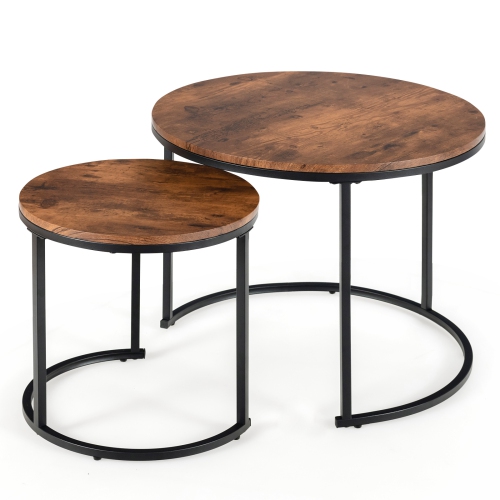
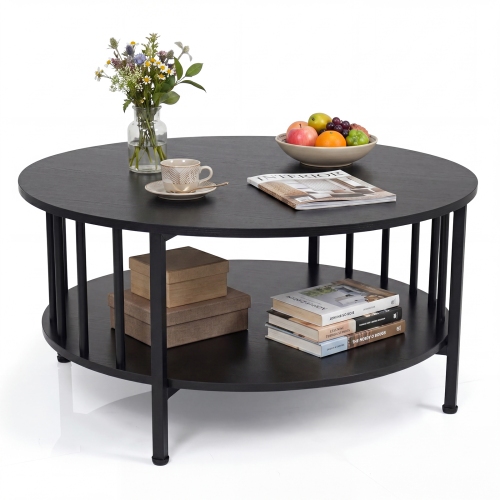


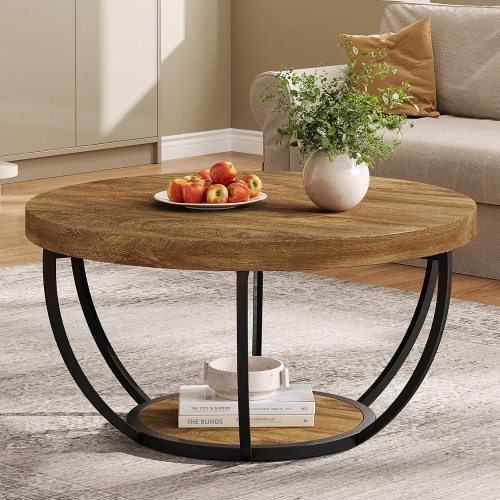


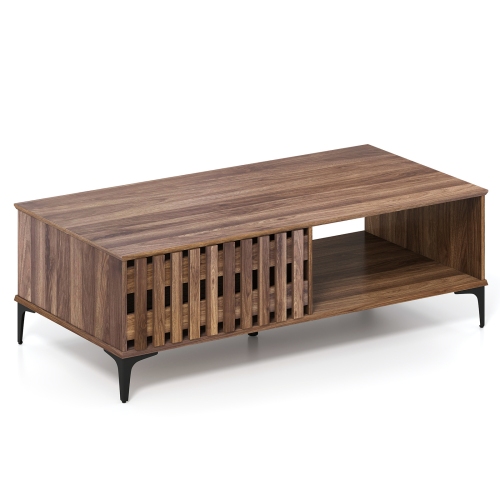
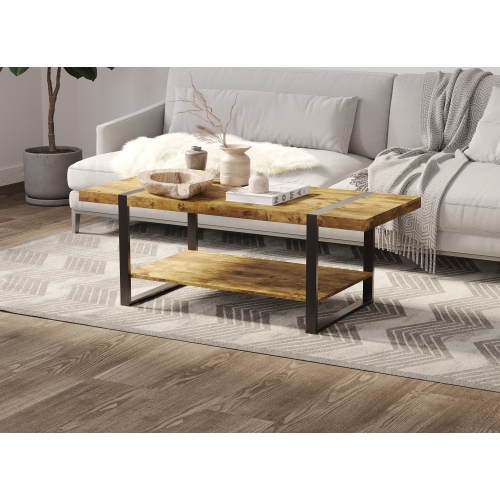
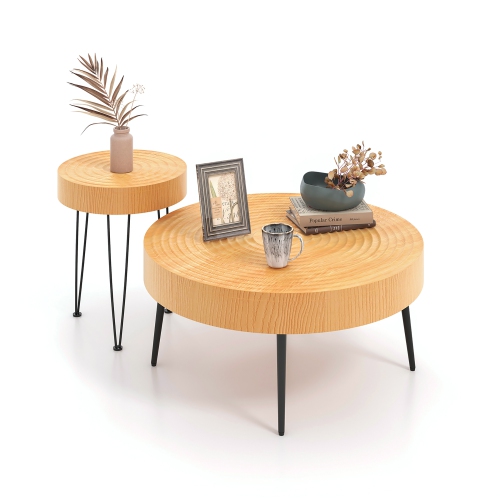


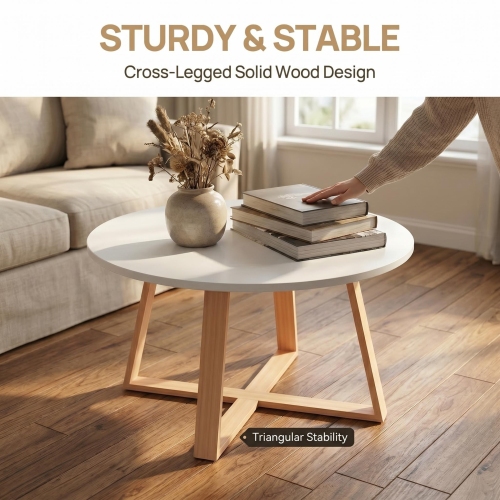
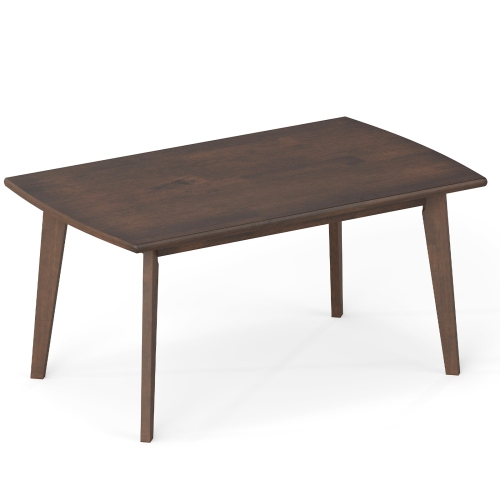

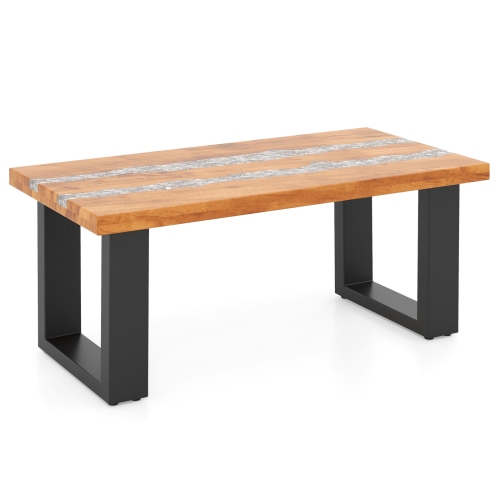


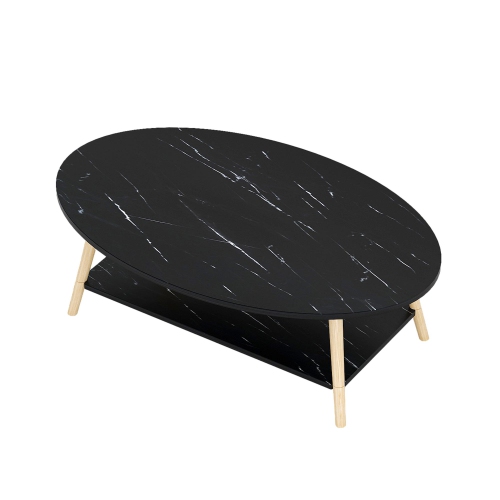


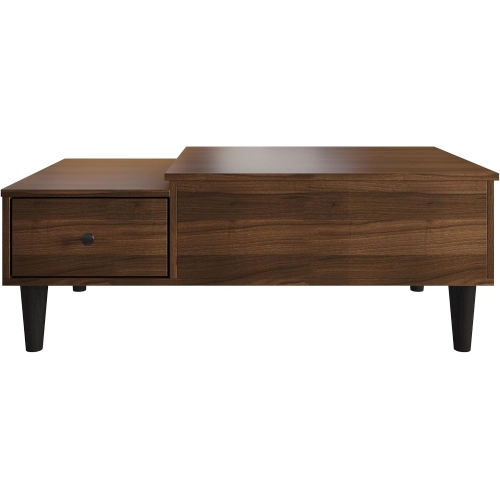


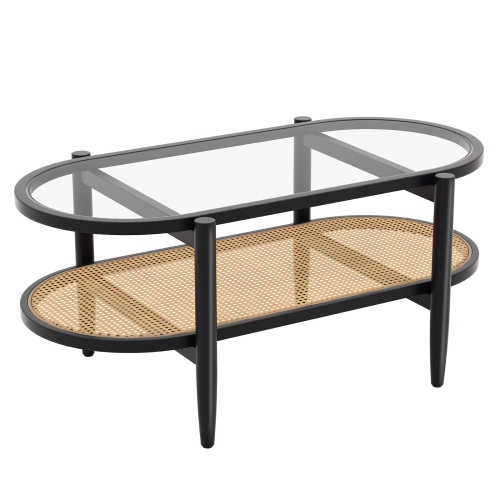
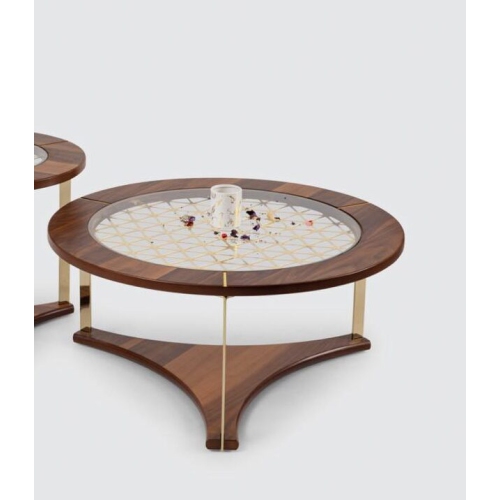


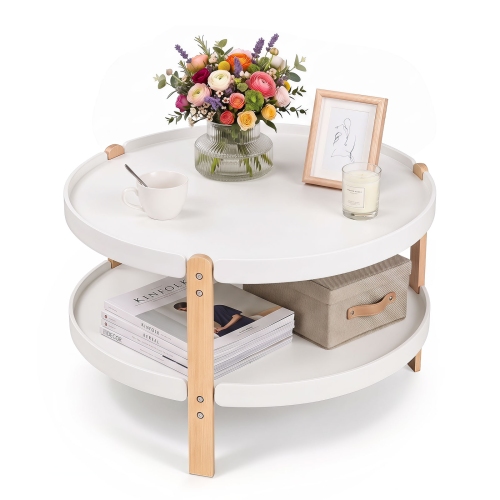

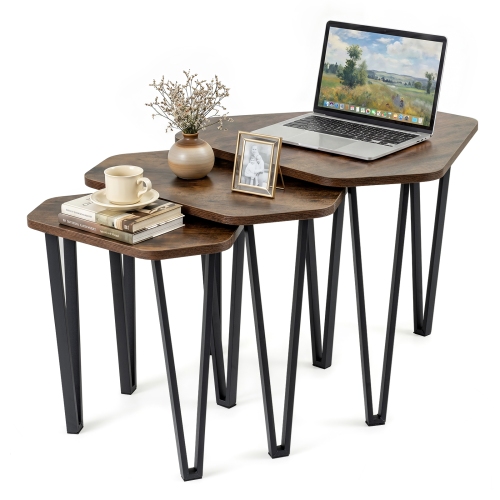
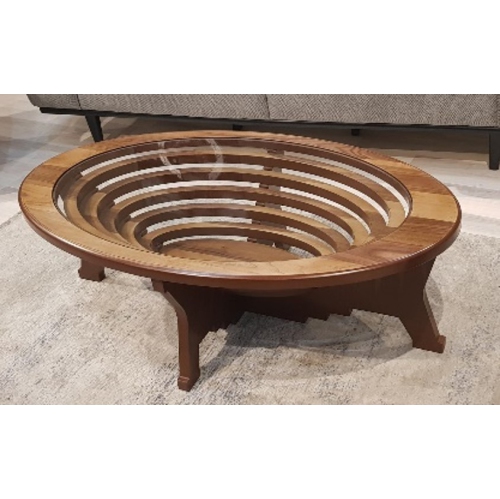

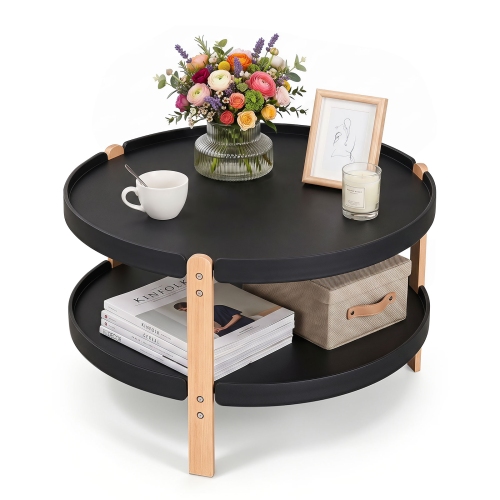


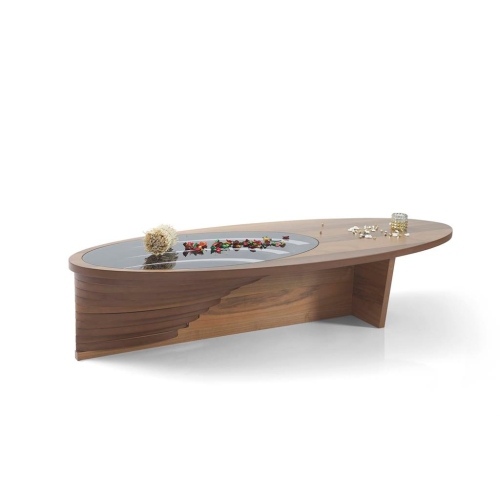


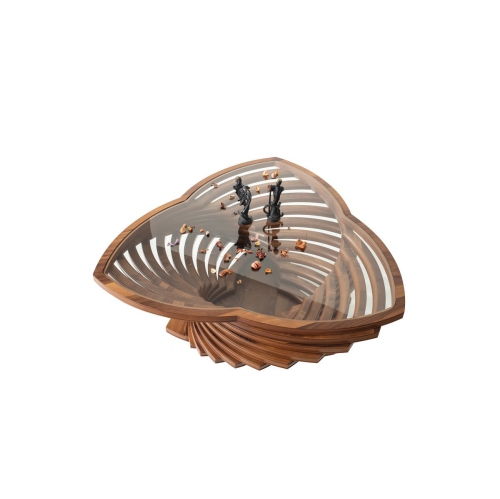
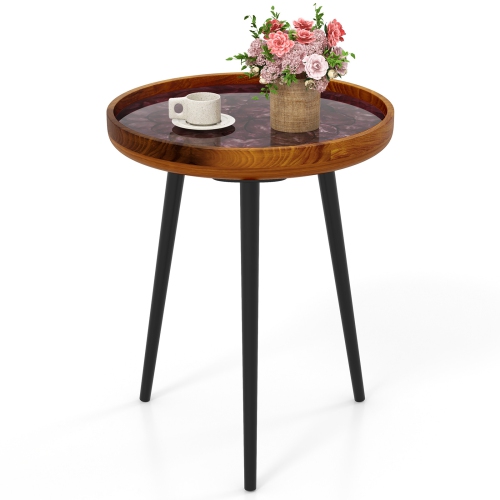

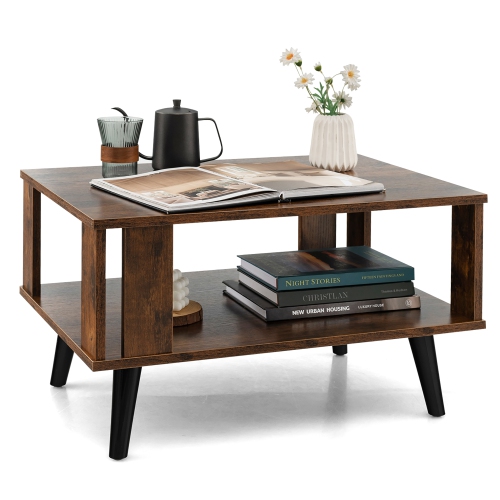
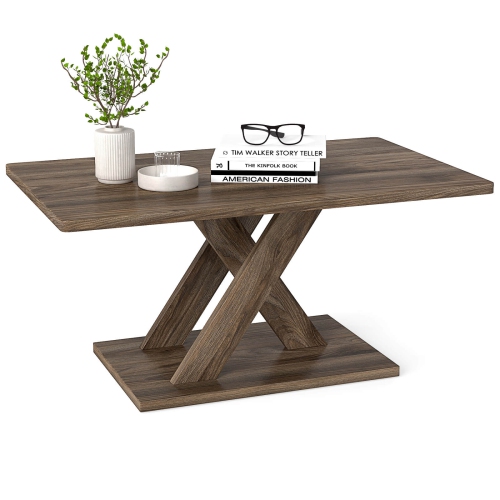


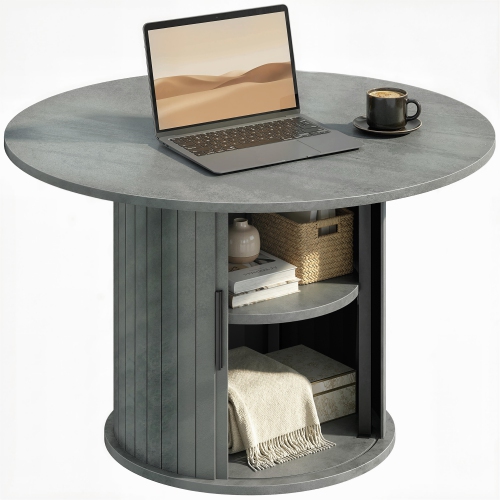
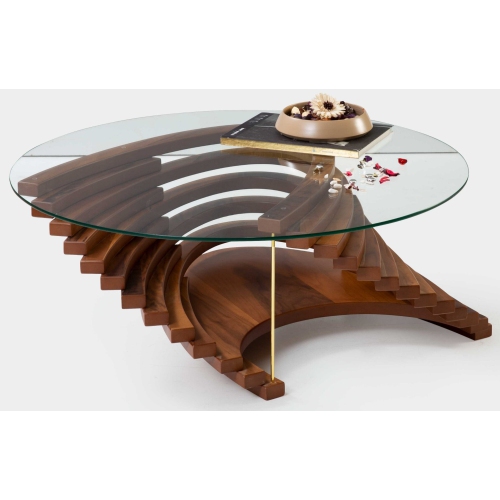

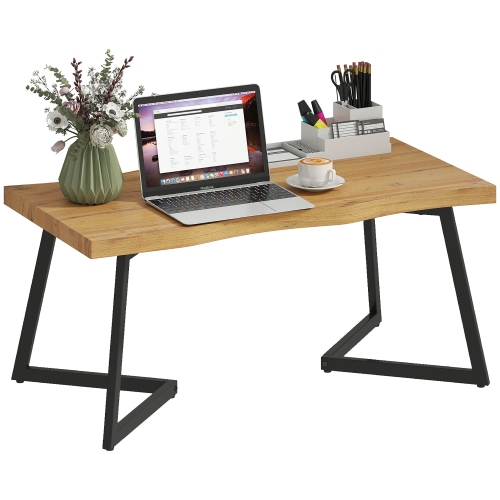

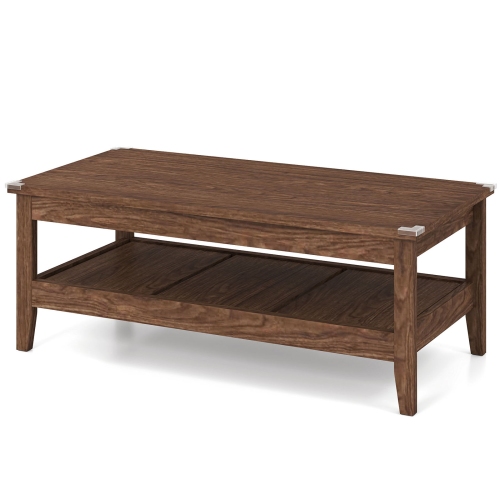


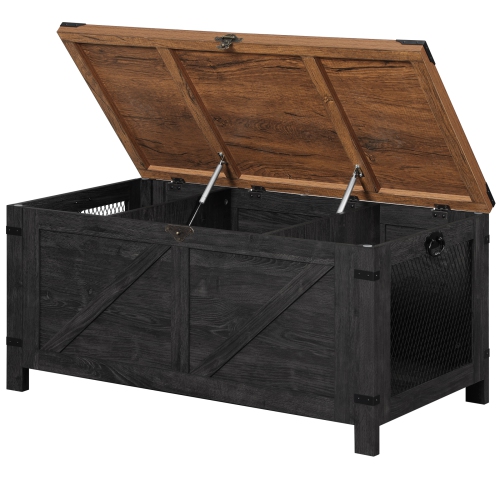


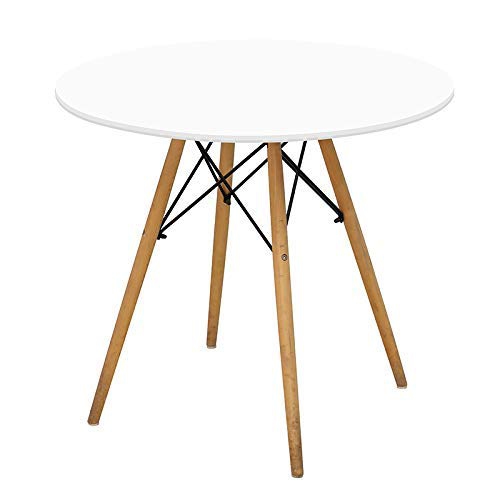

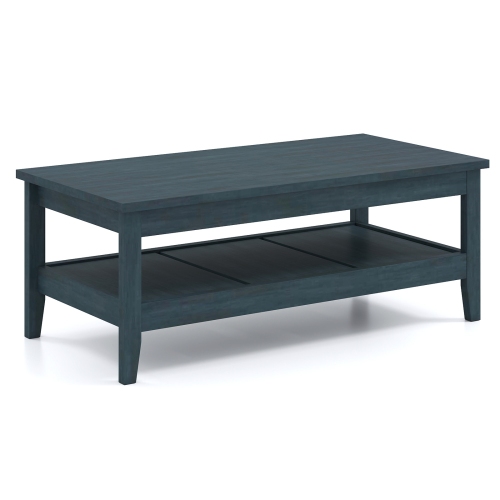


How curved tables soften a room’s straight lines
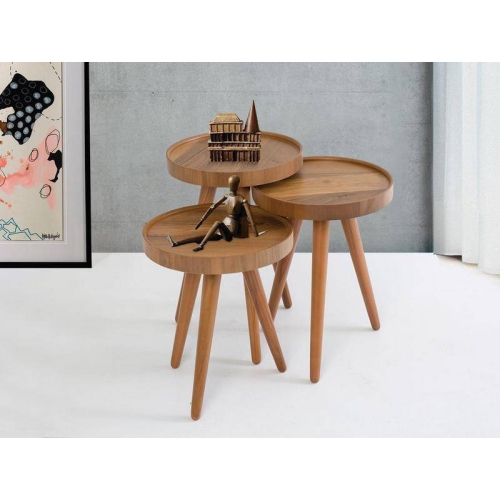
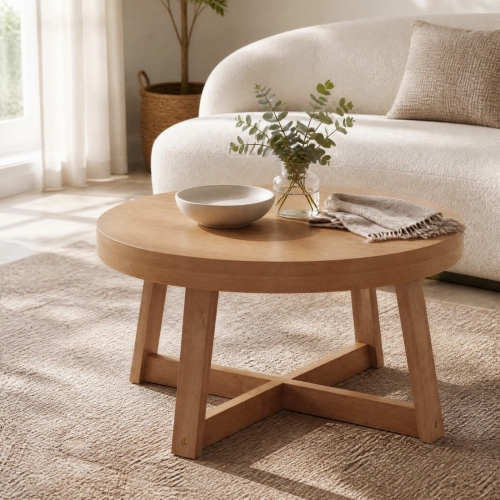
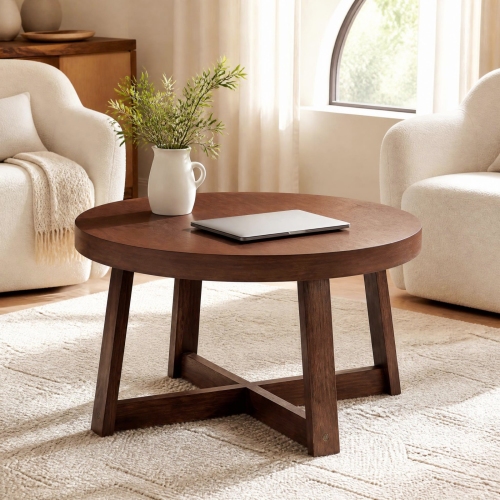
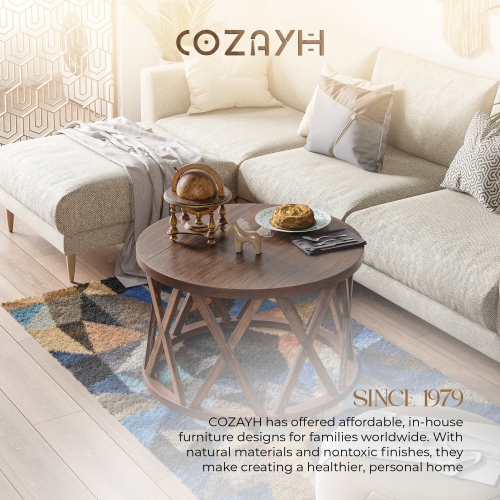
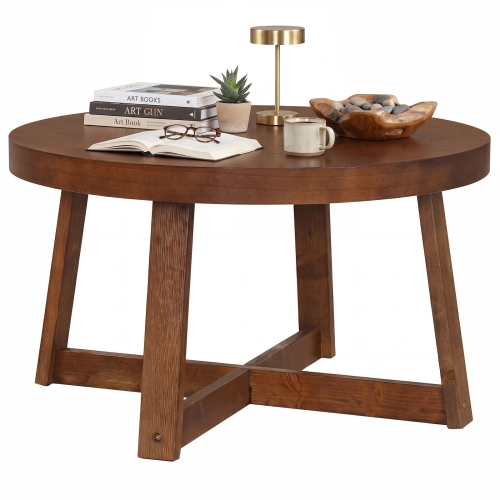
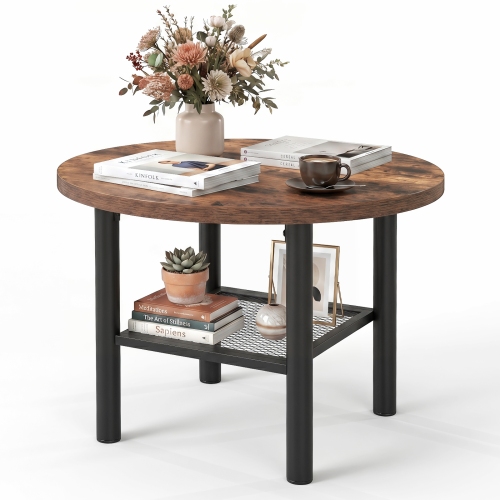
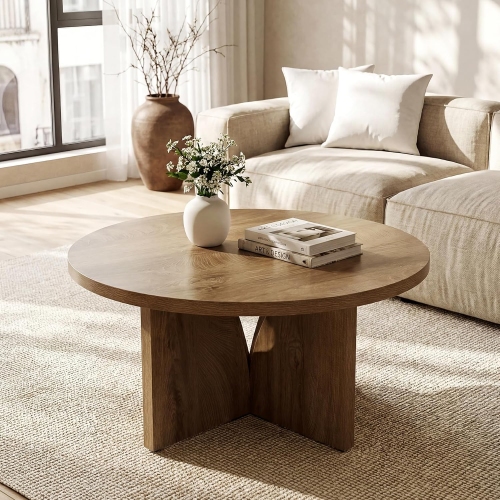
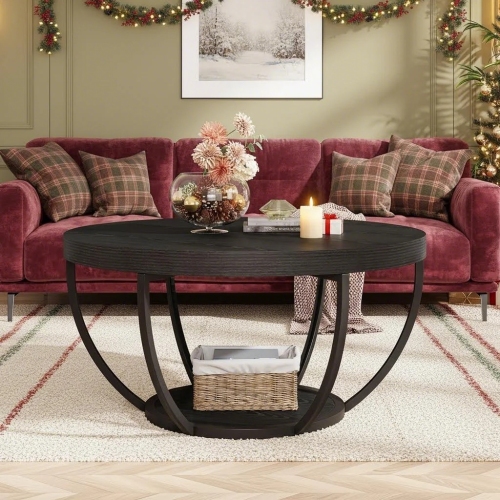
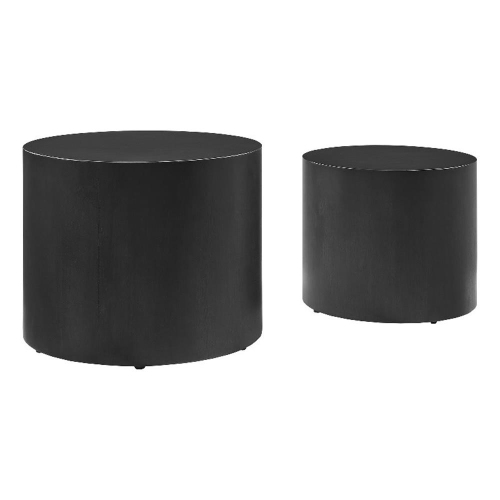
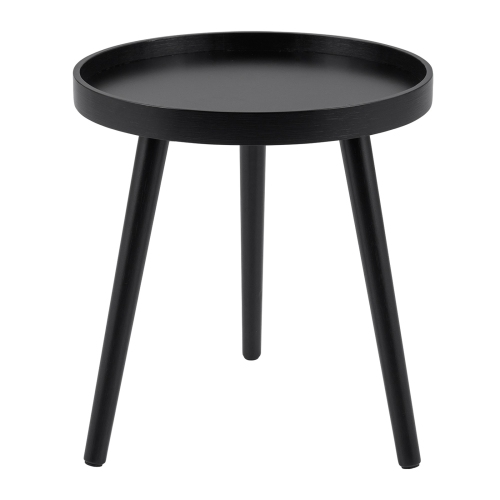
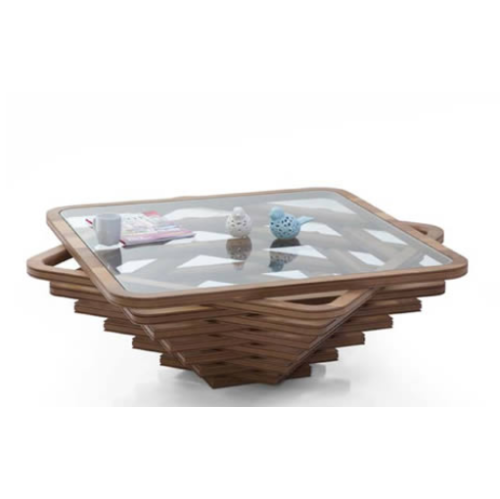
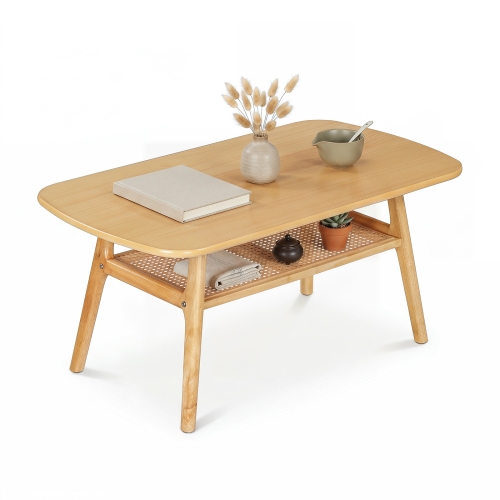
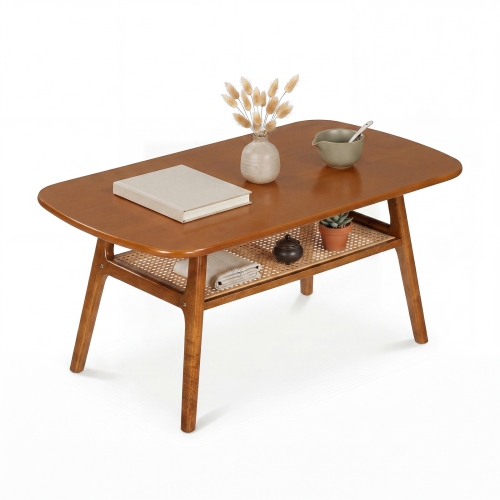
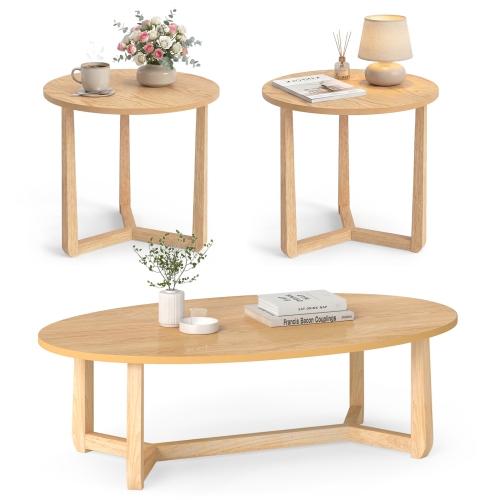
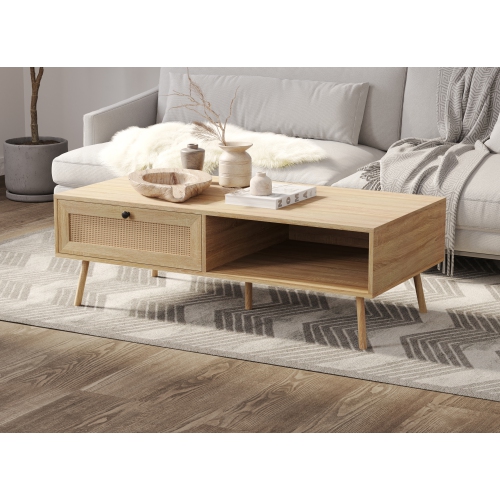
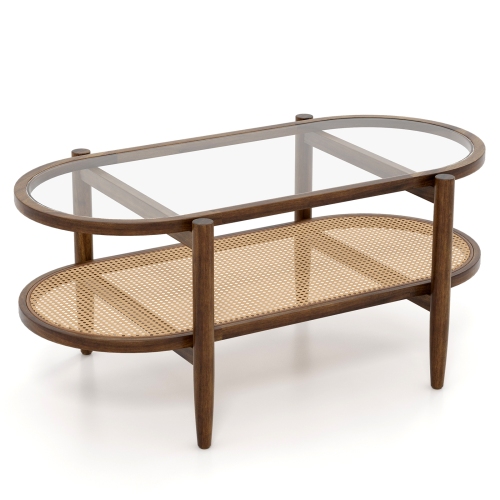
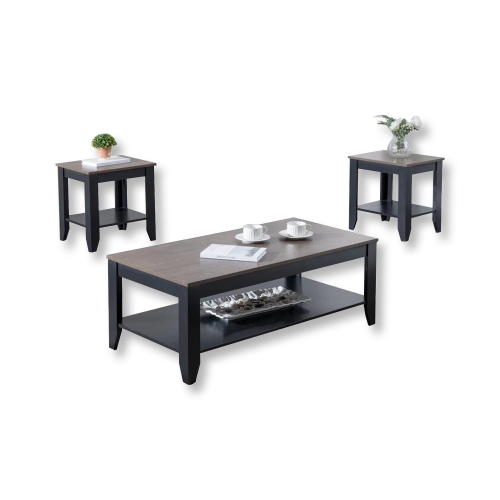
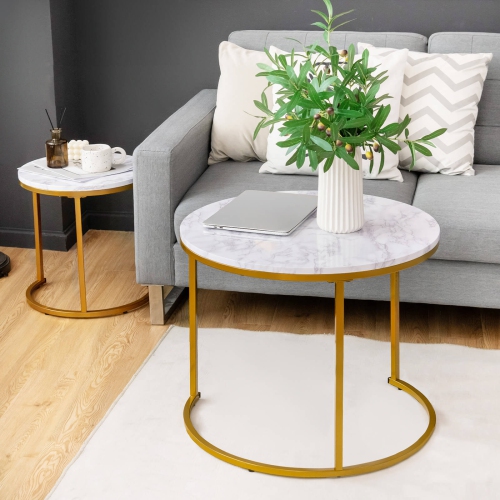
Round dark wood coffee tables bring a grounded, welcoming feel to a living room without the strong corners of a square or rectangular tabletop. Their curved shape can soften the lines of a boxy sofa, balance a room with straight shelving and window frames, and create a central spot for drinks, reading material, or a small serving tray. Dark wood tones range from warm chocolate browns with reddish undertones to deeper shades that look almost black in low light. Those differences matter beside existing furniture: a warm brown finish can sit comfortably with cream upholstery and brass accents, while a cooler, near-black finish offers a crisp contrast against pale grey fabric and light flooring. Visible grain adds another layer of character, whether it appears as subtle, closely spaced lines or a more pronounced pattern across the top. A round silhouette also works across several furniture styles. Slim, tapered legs give the table a lighter profile, a broad pedestal brings a sculptural presence, and a thick top with substantial legs creates a more relaxed, rustic impression. In a small sitting area, the lack of projecting corners can make the space feel less crowded, although the table still needs enough clearance for people to walk past comfortably. In a larger room, a generous circular top can draw separate chairs and a sofa into a cohesive seating arrangement. For shoppers comparing circular shapes with other silhouettes, the broader selection of dark wood coffee tables provides a useful point of comparison. The appeal of a round table is as much about daily routines as appearance: a mug within reach during a quiet evening, a place to set a book before answering the door, or a shared surface when friends settle in for conversation. A few thoughtfully chosen accessories can finish the setting without hiding the wood. A shallow bowl, a compact vase, or a stack of books leaves room for everyday use while allowing the curved outline and rich finish to remain visible.
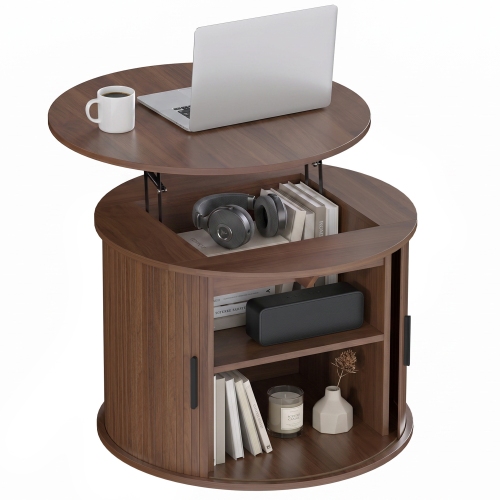
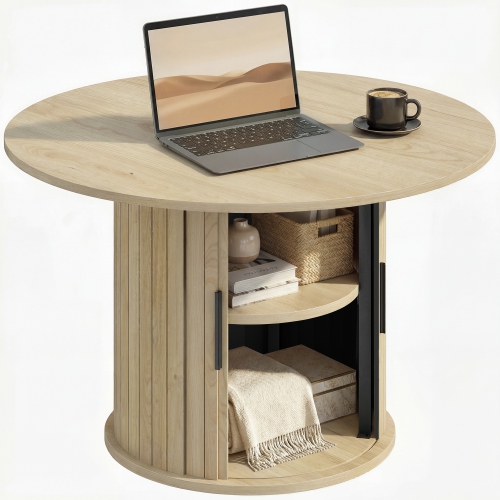
The right fit depends on the relationship between the table, the seating, and the paths through the room. Measuring the open floor area is more useful than judging diameter from a photograph alone. A paper circle or a few strips of painter’s tape on the floor can help show how much space a tabletop will occupy, especially near a chaise, recliner, or doorway. As a starting point, roughly 14 to 18 inches between the table edge and the sofa often leaves room for legs while keeping drinks within reach; a main walking route generally needs more space. Table height is equally important. A surface close to the height of the sofa’s seat cushions, or slightly lower, usually feels comfortable for casual use. Deep, low seating often pairs better with a lower table, while firmer, taller seating may call for a little more height. A round top can nestle neatly into the opening of an L-shaped seating arrangement, but a very wide sectional may leave people at either end too far from the central surface. In that setting, an additional side table can make the room easier to use without choosing an oversized coffee table. The base deserves attention, too. A central pedestal can leave more space around the perimeter for feet, whereas splayed legs may extend beyond the tabletop and need extra clearance. Lower shelves provide a place for reading material or a basket of remotes, though they also reduce open space beneath the table. Hidden compartments can keep small belongings out of sight, and nesting designs can offer an extra surface when guests visit, depending on their construction. Think about the room’s busiest moments rather than only its tidiest appearance. A household that regularly spreads out a board game needs a different amount of clear tabletop space from someone furnishing a quiet reading corner. Rounded edges remove sharp corners, but they do not make a table childproof; stability, edge profiles, and the way drawers or moving sections operate still matter in a family room.
Materials and finish play a large part in how a round dark wood coffee table looks, feels, and wears over time. Solid wood has natural variation in grain and colour, and some solid wood surfaces can be refinished when their construction and finish allow it. Wood veneer uses a thin layer of real wood over a supporting core, offering the appearance of natural grain with a different internal structure. Veneered surfaces need careful treatment because deep sanding can cut through that outer layer. Engineered wood with a laminate or printed finish can create a consistent dark wood appearance, but its care needs and repair options differ from those of solid wood or veneer. A dark colour alone does not indicate the wood species, and a wood-look finish is not necessarily a real wood surface. Construction details such as secure leg attachments, well-fitted joints, a balanced base, and suitable hardware contribute to everyday durability. Weight capacity matters if the table will hold a substantial stack of books or heavier accessories; coffee tables should not be treated as seating unless specifically designed for that purpose. For routine care, a soft cloth and cleaning methods suited to the finish help preserve the surface. Blot spills promptly, use coasters beneath drinks, and place a protective layer under hot dishes or rough-bottomed ceramics. Dark finishes can make pale dust, water marks, and fine scratches more noticeable, particularly under direct light, so gentle, regular cleaning is often preferable to occasional aggressive scrubbing. Avoid dragging trays or decorative objects across the top, and lift the table rather than pulling it when rearranging furniture. Direct sunlight and nearby heat sources can affect wood and finishes over time, while changes in indoor humidity may cause natural wood to expand or contract. Following the maker’s care directions is especially useful during the cooler months, when indoor heating can make rooms drier. With proportions that suit the seating and a surface matched to the household’s habits, a round dark wood coffee table can feel equally at home in a first apartment, an established family living room, or a compact lounge used for reading and unwinding.
Top selling and popular products
-
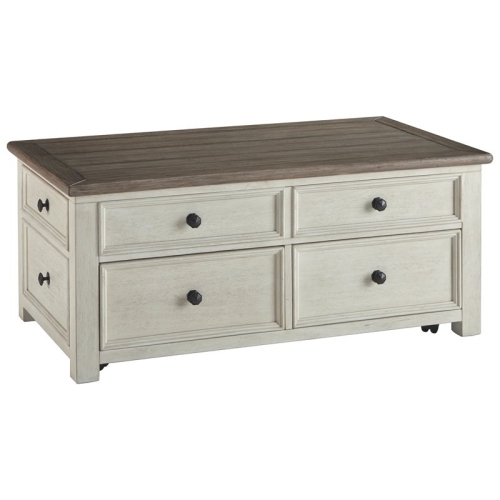 Your price for this item is $949
-
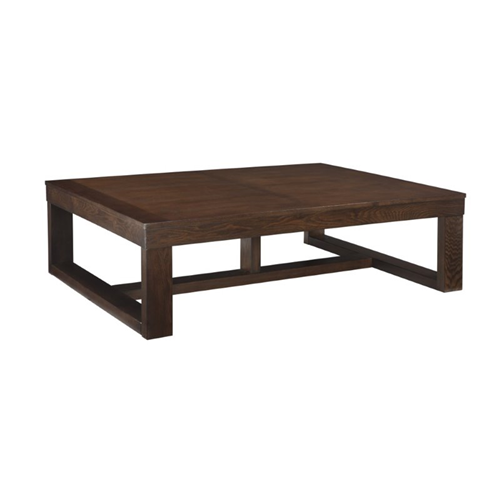 Your price for this item is $449
-
 Your price for this item is $649
-
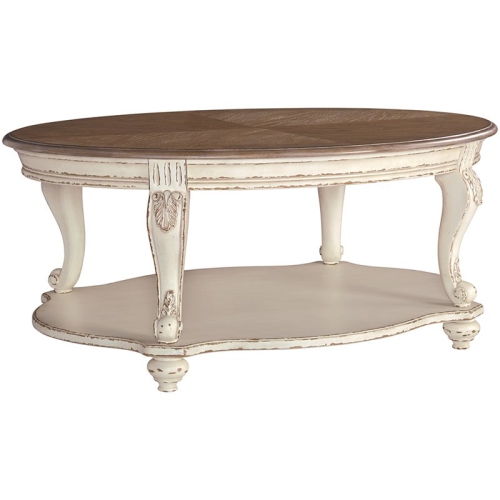 Your price for this item is $599
-
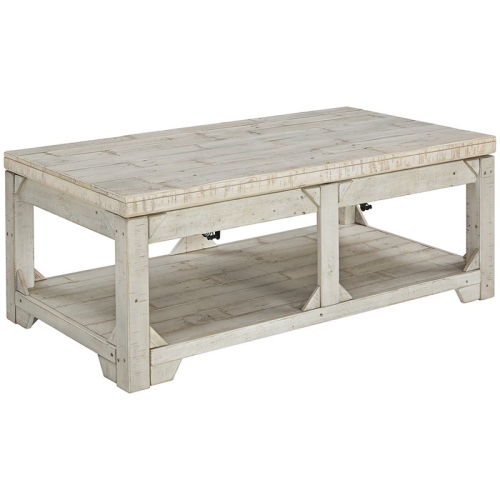 Your price for this item is $549
-
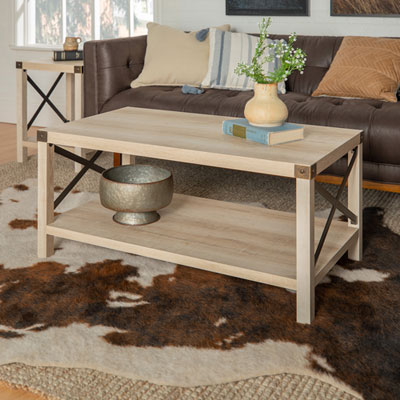 Your price for this item is $311.99
-
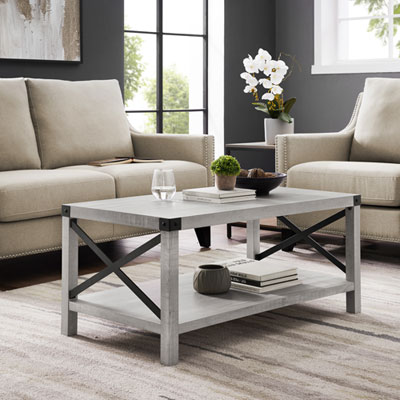 Your price for this item is $249.99
-
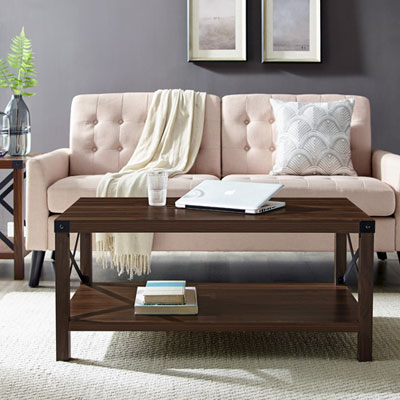 Your price for this item is $311.99
Discover more categories related to Round Dark Wood Coffee Tables
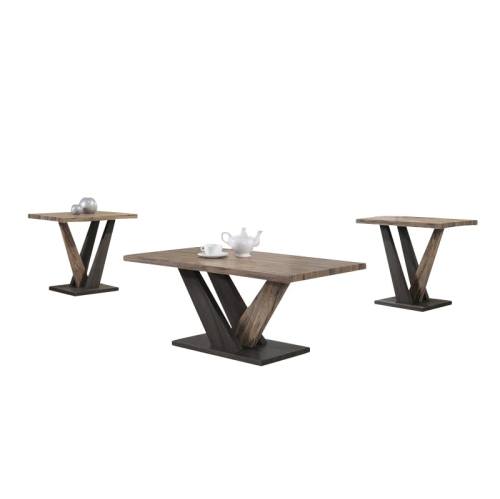


Top Collections:
Pokemon Centers, Kindle Devices, Best Cameras for Sports Photography, Pokémon 30th Celebration Cards, Apple iPhones 16, Canon G7X Cameras, iPhone 15 Apple, Flip Phones, Samsung Galaxy Phones, Alarm Clock
Some products may be subject to Environmental Handling Fees
(EHF) depending on your province.
Learn more about EHFs.