RV Queen Mattresses
Discover the perfect blend of comfort and convenience with an RV queen mattress, designed to enhance your travel experience. Whether you're hitting the open road for a weekend getaway or embarking on a cross-country adventure, a well-chosen mattress can make all the difference in ensuring restful nights and rejuvenated mornings. Tailored to fit the unique dimensions of recreational vehicles, these mattresses offer an ideal solution for maximizing space without compromising on quality sleep. Explore options that cater to various sleep preferences and needs, ensuring that your mobile home feels just as cozy as your bedroom at home.
Sort















































Why a few inches matter in an RV bedroom
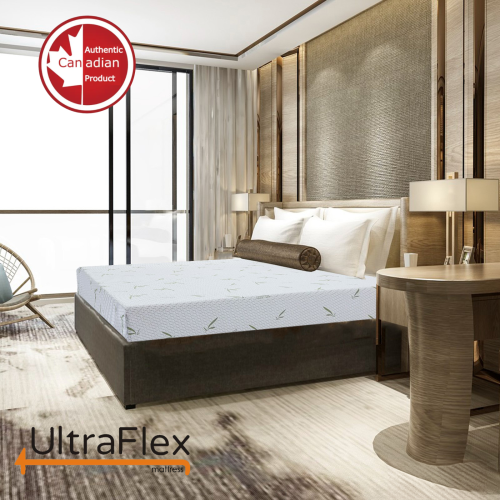
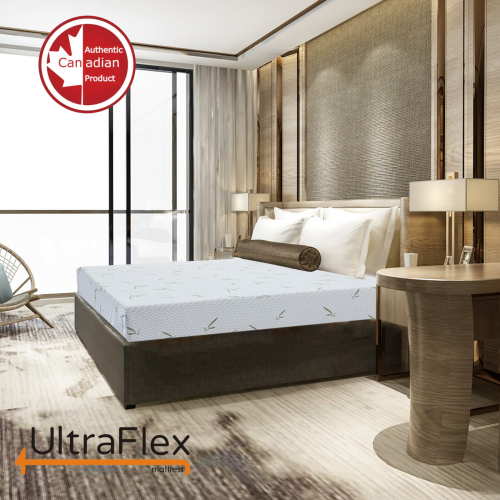
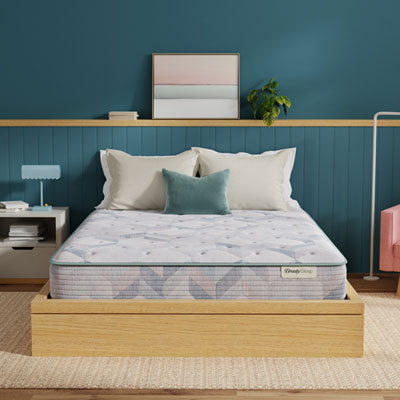
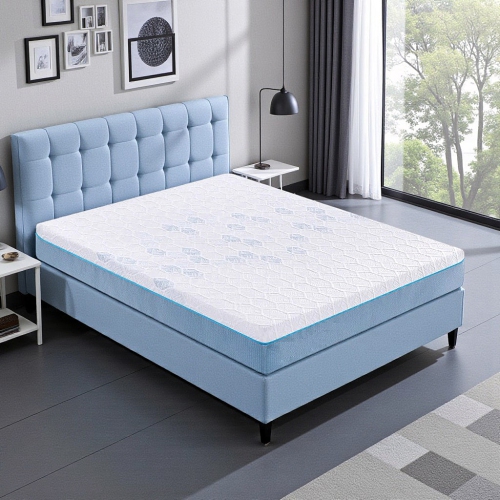
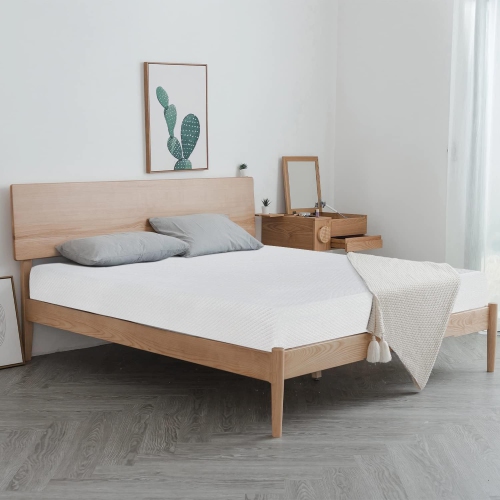
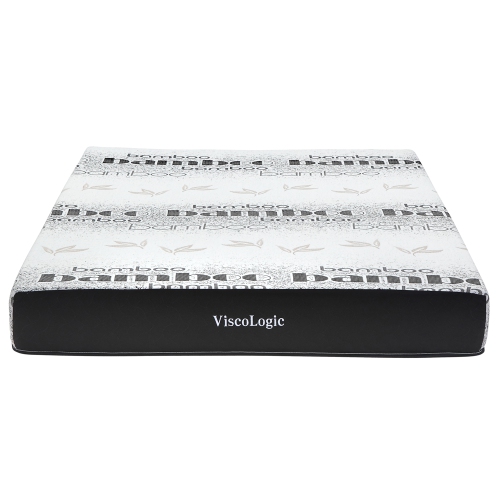
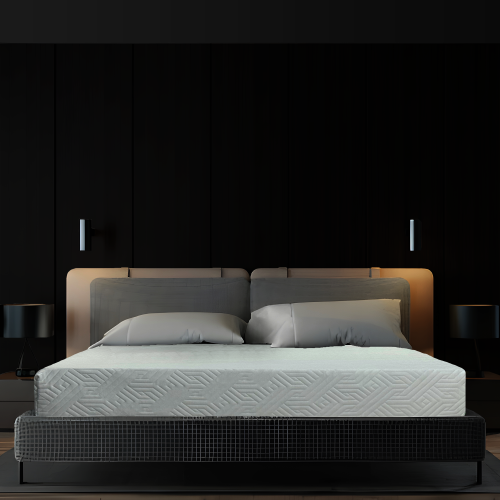
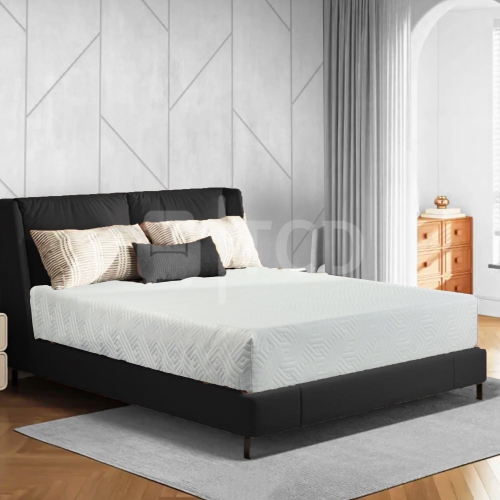
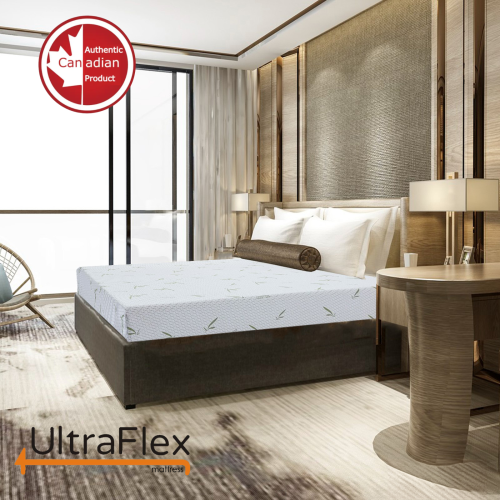
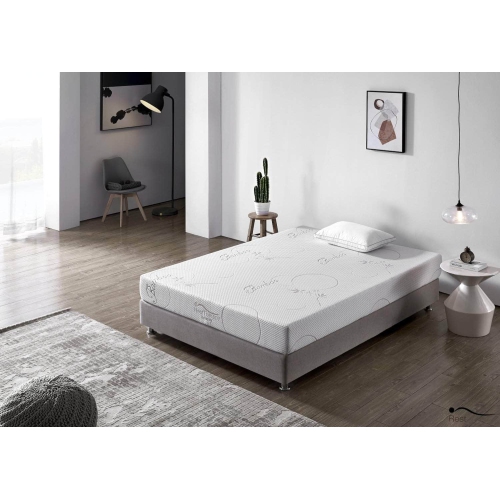
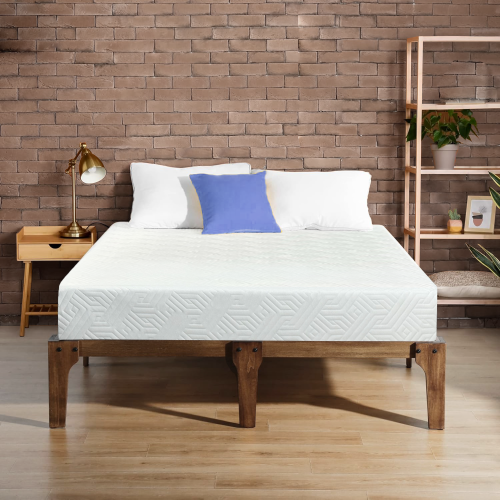
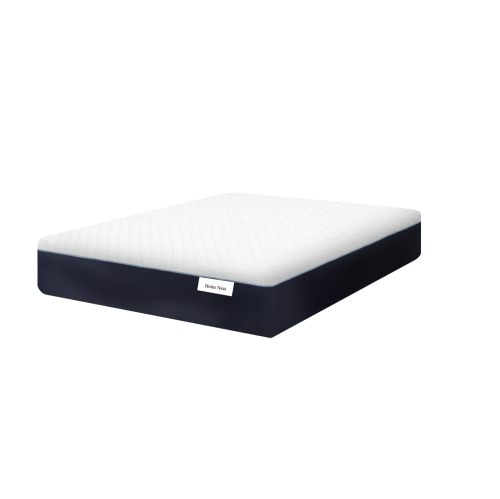
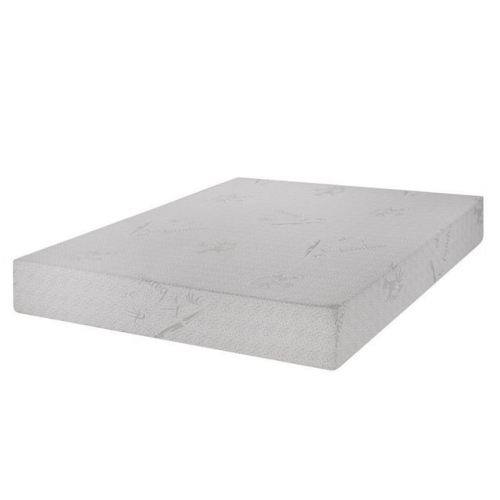
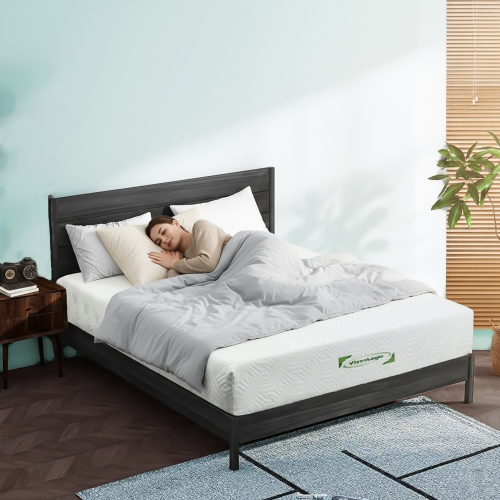
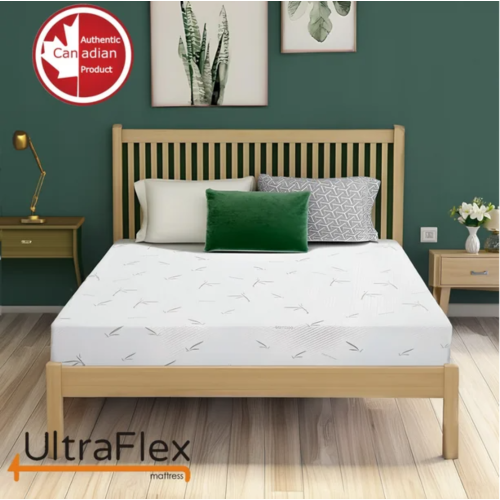
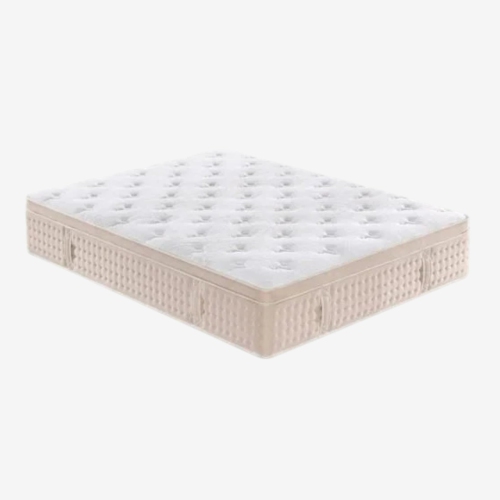
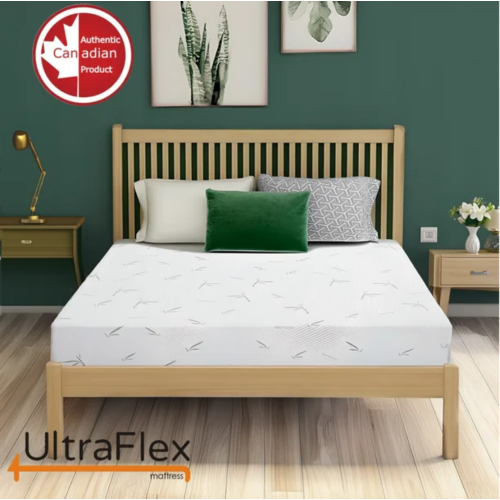
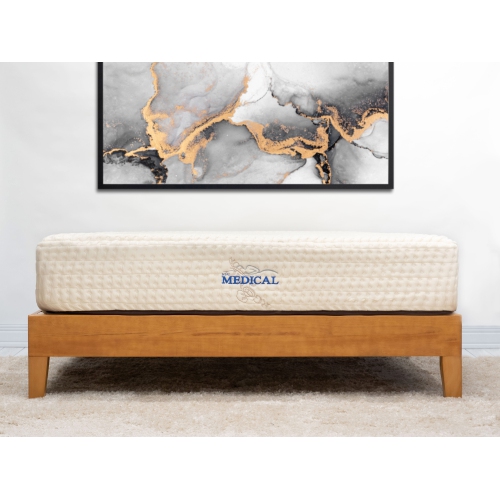
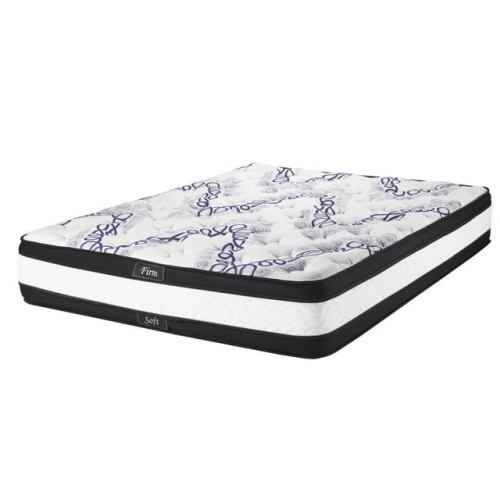
RV queen mattresses are designed to bring queen-sized sleeping space to the more compact layout of a recreational vehicle. Often called short queen mattresses, they typically measure 60 inches wide by 74 to 75 inches long, compared with 60 inches wide by 80 inches long for a standard residential queen. That difference of approximately 5 to 6 inches can preserve the narrow walkway at the foot of a bed, keep a cupboard accessible, or allow a slide-out to operate without interference. The RV queen label does not guarantee one exact size, however, and some sleeping platforms accommodate a full-length queen instead. Dimensions such as 74, 74.5, and 75 inches may appear across short queen designs, so the bed platform and the mattress’s stated measurements are more reliable than the size name alone. Width and length are only part of the fit: rounded corners, angled walls, bedside ledges, and the position of a hinged storage compartment can all affect how a mattress sits. A mattress that extends beyond its supporting platform may also interfere with access or lack support along an edge. For a couple sharing a travel trailer, those few inches can determine whether both sleepers can get out of bed comfortably without climbing across each other. Taller sleepers may prefer a full-length queen where the layout genuinely allows one, rather than assuming every RV requires a shorter mattress. The route into the sleeping area matters, too. A narrow entrance, a tight turn beside the bathroom, or a fixed bedroom doorway can make moving a mattress more complicated than its bed dimensions suggest. Mattress thickness adds another consideration, particularly beneath overhead cupboards or beside a raised window ledge. A suitable fit leaves room for bedding, allows access to surrounding fixtures, and works with the vehicle’s layout in both its sleeping and travel configurations, following the RV manufacturer’s clearance requirements.
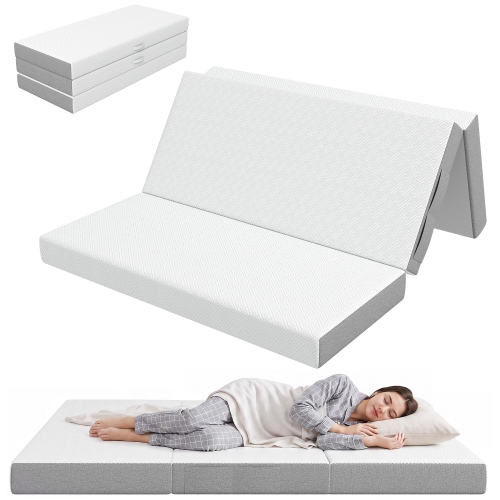
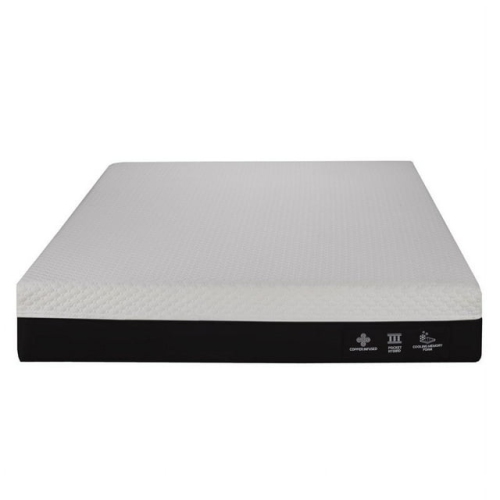
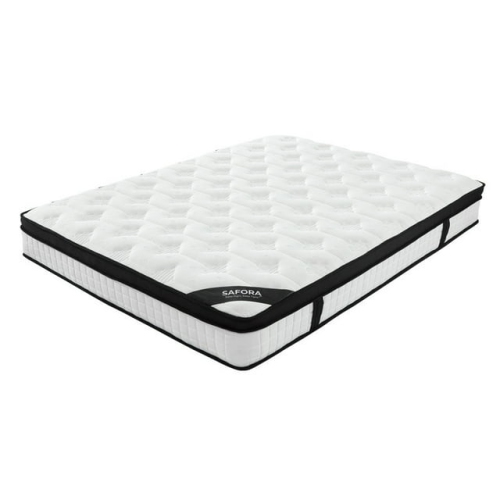
Materials and construction shape how an RV queen mattress feels during a quick overnight stop or an extended stay. All-foam designs use layers of foam to provide cushioning and support, while memory foam contours more closely around the body. A softer comfort layer can cushion shoulders and hips for someone who sleeps on their side, whereas a firmer surface may feel more stable to someone who sleeps on their back or stomach. Firmness descriptions are not standardized across manufacturers, and the same mattress can feel different to sleepers with different body weights and preferences. For two people sharing a compact bed, motion isolation can make a noticeable difference when one person turns over or gets up earlier. Pocket-coil mattresses use individually wrapped springs, while hybrid designs combine a coil support system with foam or other comfort layers. These constructions can provide a more responsive feel, although edge support and movement transfer depend on the complete design rather than the presence of springs alone. Edge support is particularly relevant when the side of the bed doubles as a place to sit while putting on socks or reaching into a nearby drawer. All-foam mattresses are often easier to manoeuvre through tight interiors, but weight varies considerably with thickness, foam density, and construction. The listed mattress weight matters in an RV because it contributes to the vehicle’s load and can affect how easily an under-bed storage platform lifts. A thicker mattress is not automatically more supportive or more comfortable, especially if it makes climbing into a raised bed awkward. The foundation matters just as much: slat spacing, platform condition, and compatibility with a solid deck should match the mattress manufacturer’s requirements. Compressed mattresses also need the specified expansion time before use. These details help distinguish a mattress suited to regular travelling from one chosen mainly to replace a thin sleeping pad for occasional overnight trips.
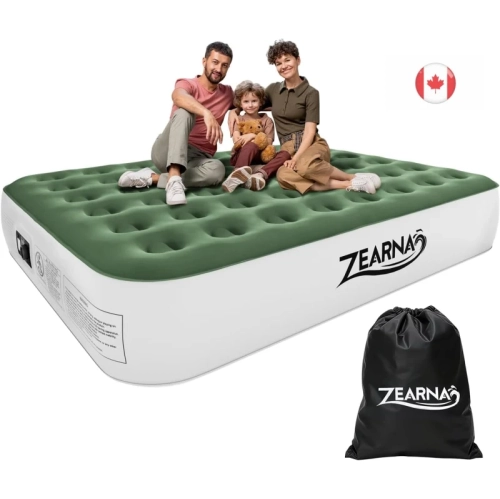
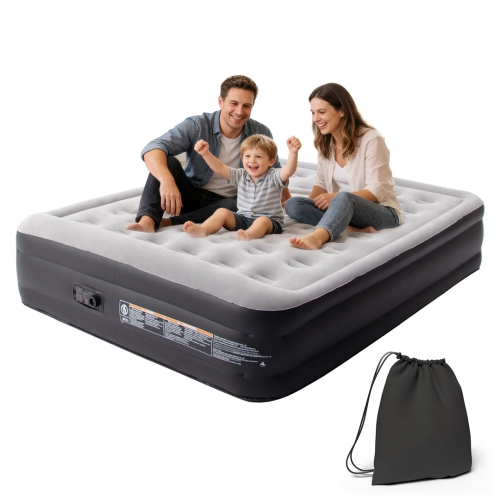
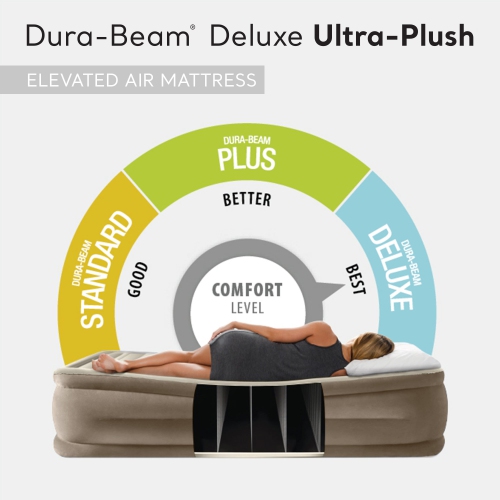
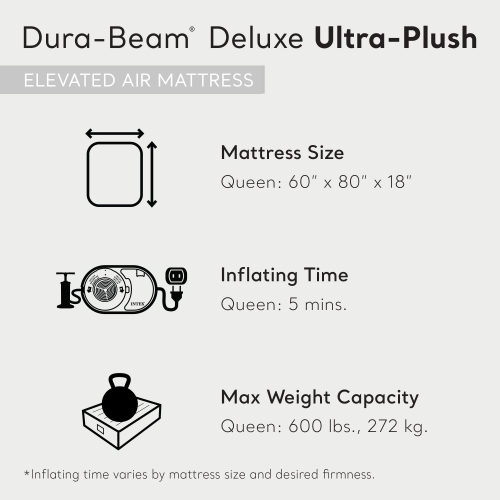
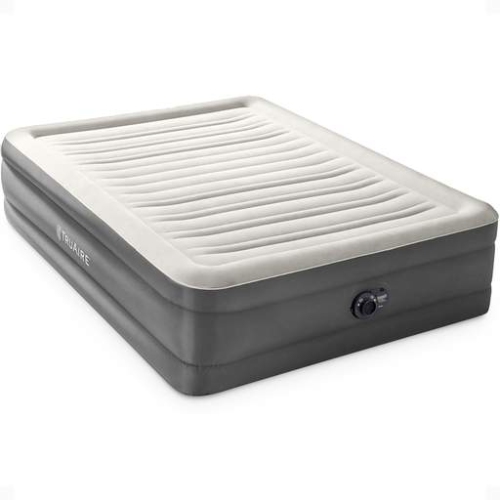
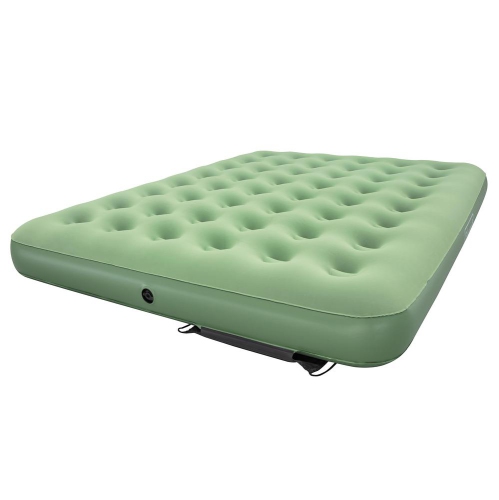
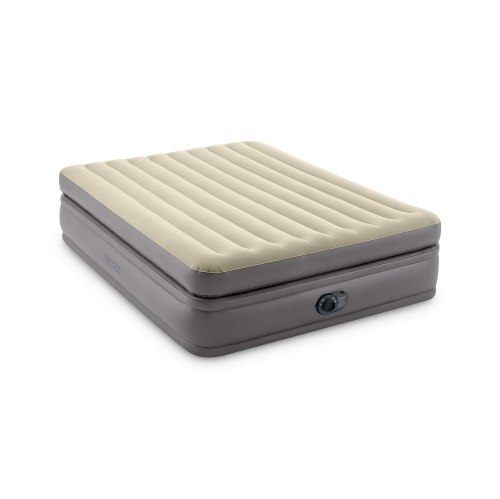
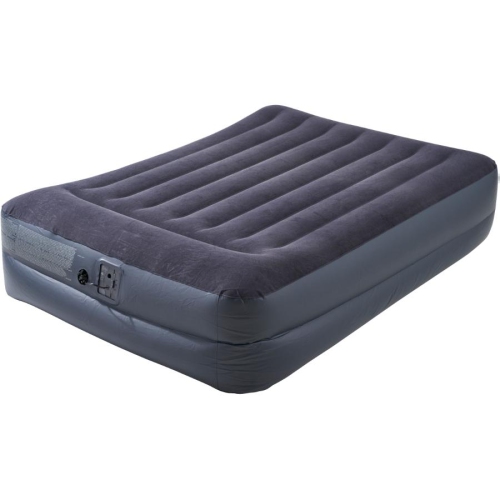
Care and bedding help preserve both comfort and fit over time. Short queen sheets are proportioned for the reduced length of an RV mattress, while standard queen sheets may leave extra fabric gathered near the foot. Pocket depth matters as well, since a fitted sheet that suits a slim mattress may pull loose from a thicker design, particularly when an added protector or pad increases the overall height. A well-fitting mattress protector helps limit everyday spills and surface soiling without bunching beneath the sleeper. Washable covers can be convenient, but a zipper does not necessarily mean a mattress cover is intended for removal; the care label should confirm whether it can be taken off and how it should be cleaned. Spot cleaning should follow the manufacturer’s directions, with the mattress allowed to dry fully before bedding goes back on. Air circulation beneath and around the mattress is especially important on enclosed RV platforms, where moisture can collect against a solid base. Any ventilation layer or foundation adjustment needs to remain compatible with the mattress and the vehicle’s bed system. Regular checks beneath the mattress can reveal dampness, wear, or a shifting support panel before those issues become harder to address. Rotation may help distribute wear when the care instructions permit it, but a one-sided mattress should not be flipped unless its manufacturer specifically allows that use. A topper can change surface cushioning, though it cannot repair a sagging mattress or an uneven platform. For a separate, occasional sleeping space, Queen Air Mattresses provide an inflatable alternative, but their dimensions, height, and support requirements differ from those of a mattress intended for a fixed RV bed. For the main sleeping area, a properly sized RV queen mattress keeps the focus on comfortable rest without sacrificing the practical access that makes a compact interior work. Matching its construction, care needs, and dimensions to the way the vehicle is used supports a more comfortable setup for both brief getaways and longer journeys.
Top selling and popular products
-
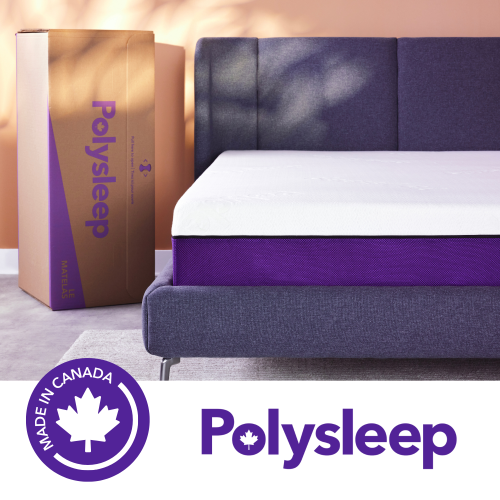 Your price for this item is $1195
-
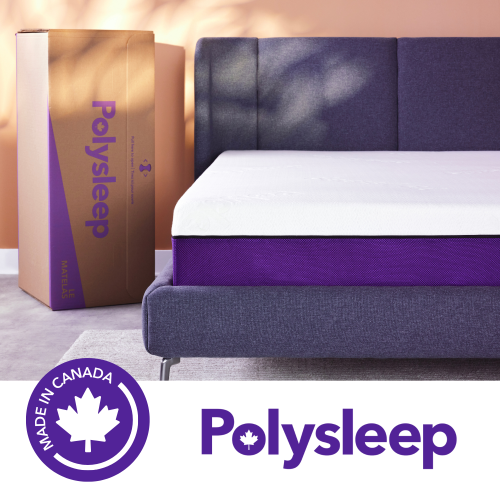 Your price for this item is $1095
-
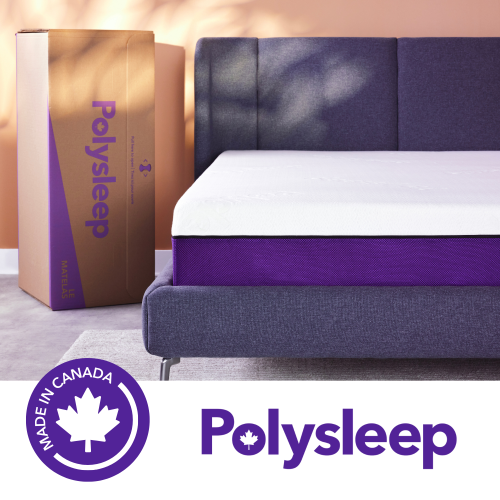 Your price for this item is $945
-
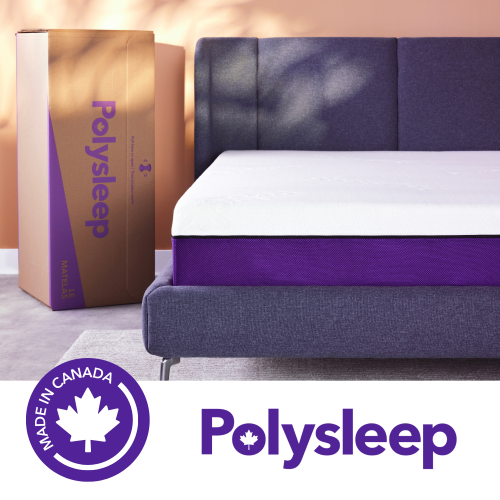 Your price for this item is $1395
-
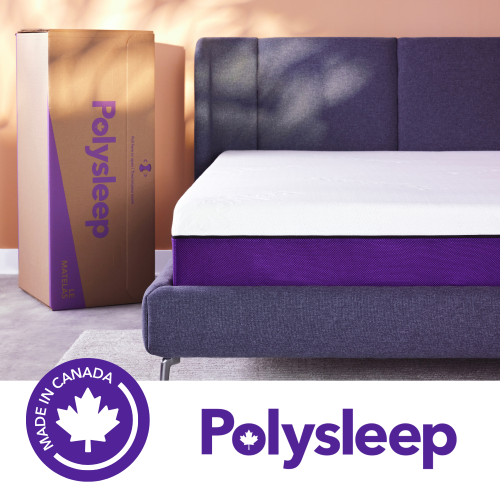 Your price for this item is $895
-
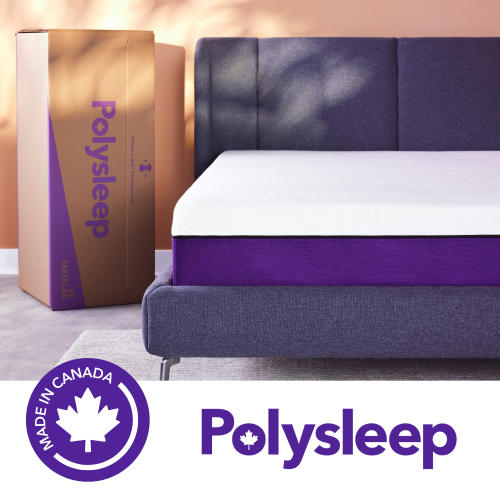 Your price for this item is $1395
-
 Your price for this item is $1199
-
 Your price for this item is $920
Discover more categories related to RV Queen Mattresses
Top Collections:
Pokemon Centers, Best Cameras for Sports Photography, Kindle Devices, Samsung Galaxy Phones, Canon G7X Cameras, Pokémon 30th Celebration Cards, Refurbished Apple Laptops, iPhone 15 Apple, Laptops for Students, Budget Smartphones
Some products may be subject to Environmental Handling Fees
(EHF) depending on your province.
Learn more about EHFs.