Saddle Seat Bar Stools
Upgrade your home bar or kitchen counter with our stylish and comfortable saddle seat bar stools. These sleek and modern seating options are designed to provide optimal comfort and support, making them perfect for long conversations over drinks or casual meals with family and friends. With their ergonomic shape and sturdy construction, our saddle seat bar stools are not only fashionable but also durable, ensuring they will withstand the test of time. Whether you're looking to add a touch of sophistication to your space or simply want to enhance your seating options, our collection of saddle seat bar stools has something for everyone.
Sort
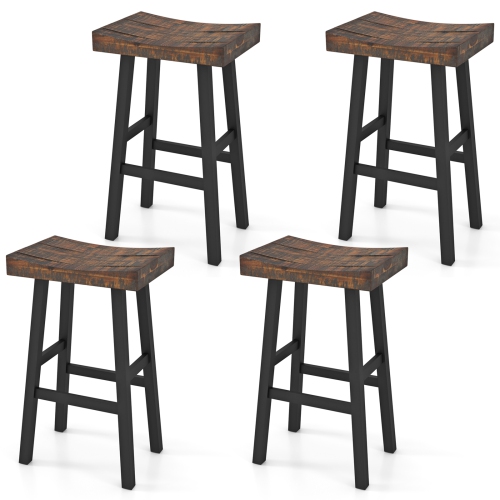
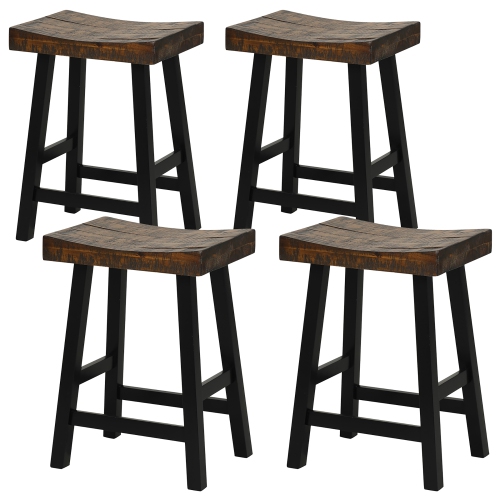
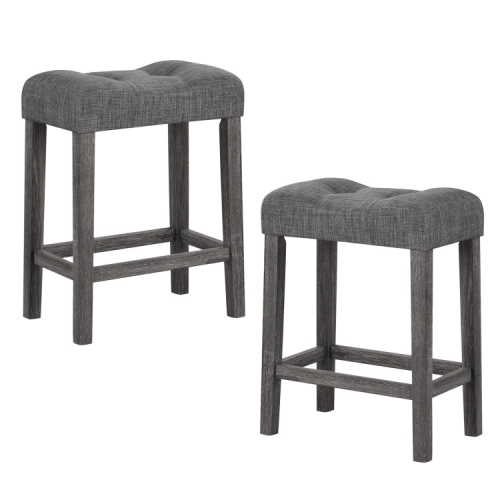
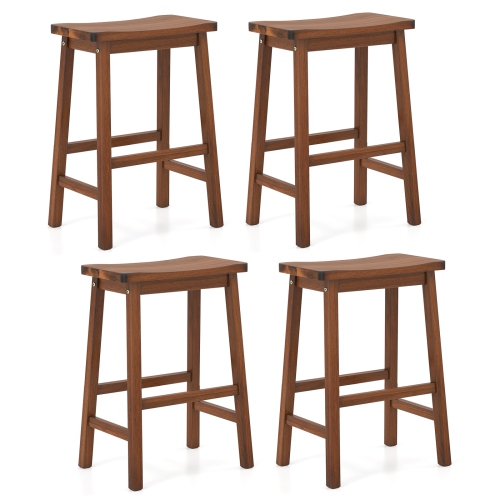
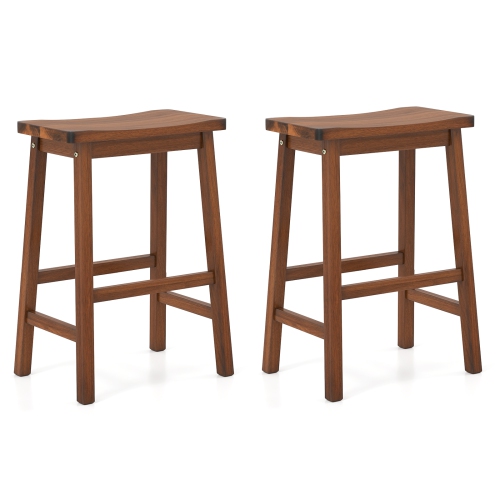
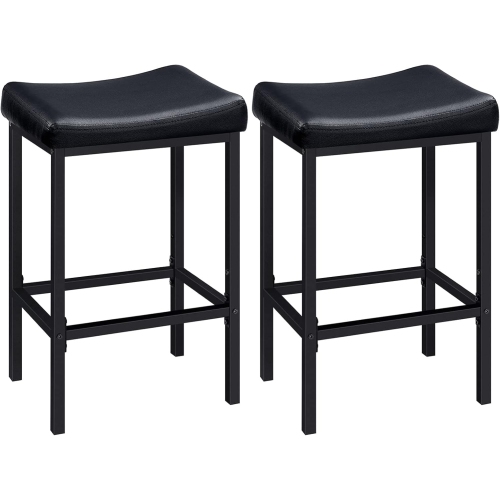
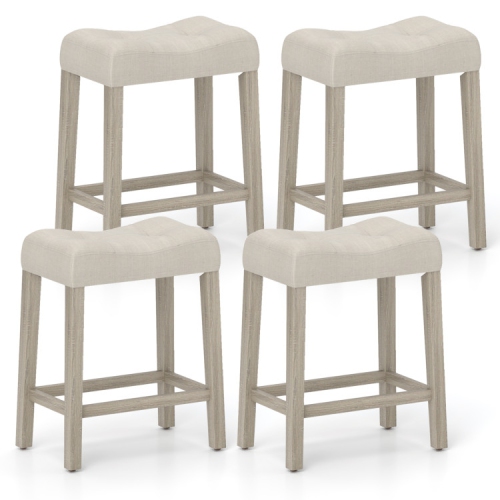
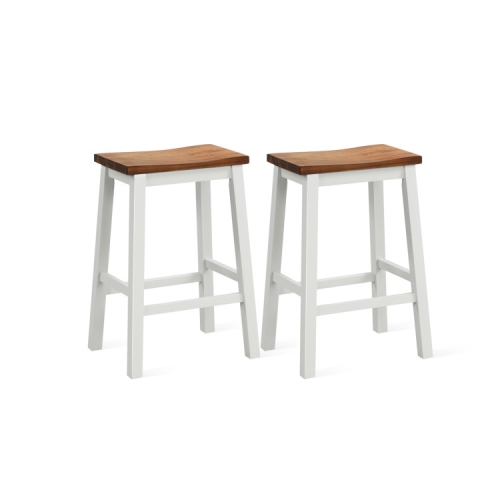
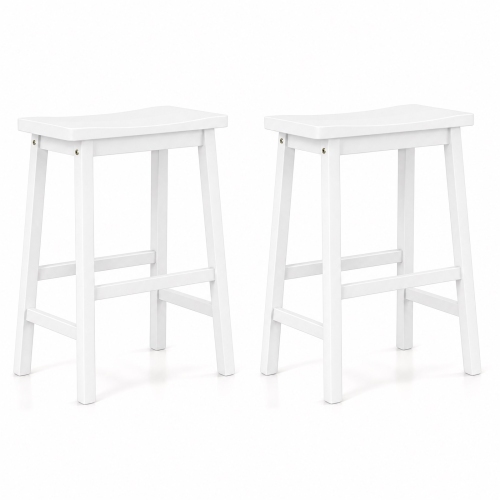
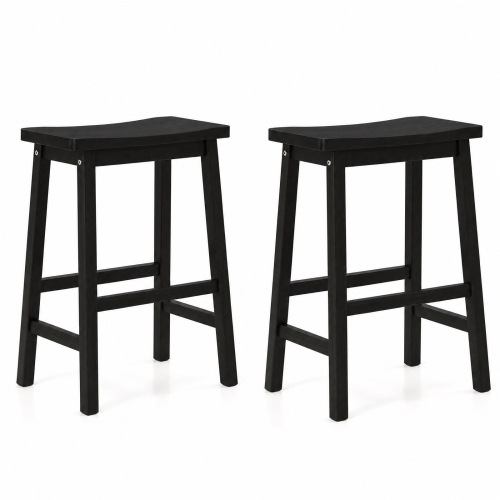
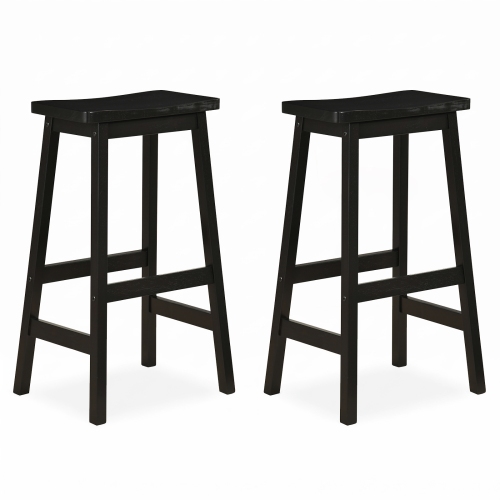
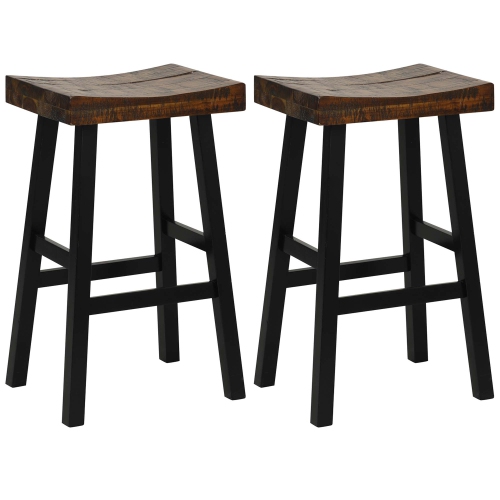
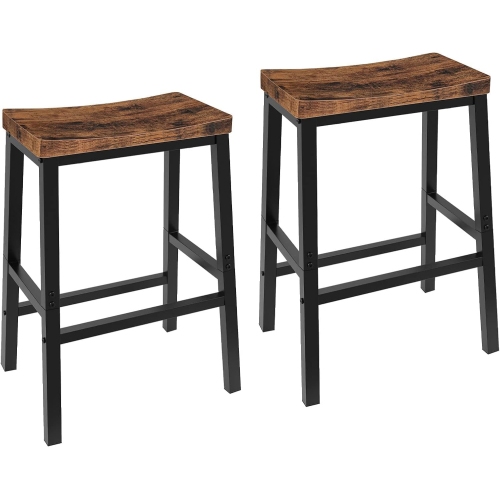
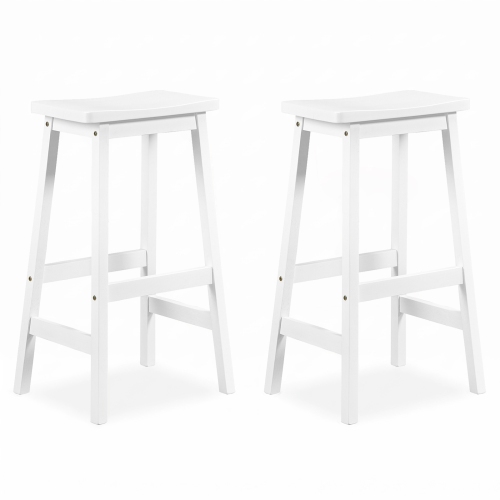
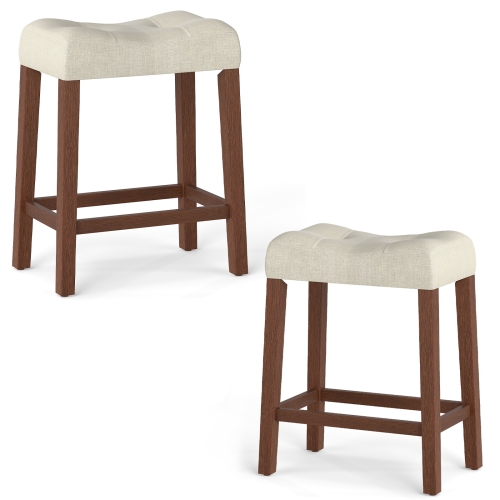
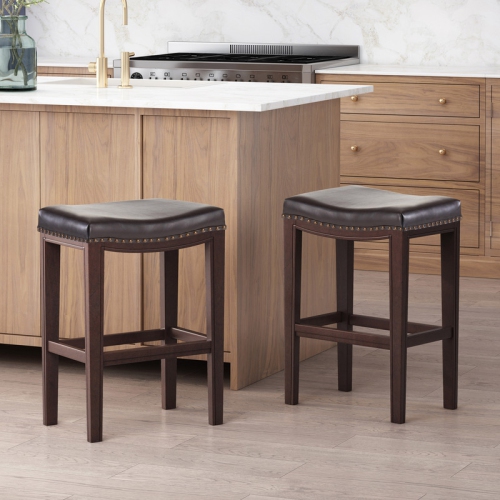
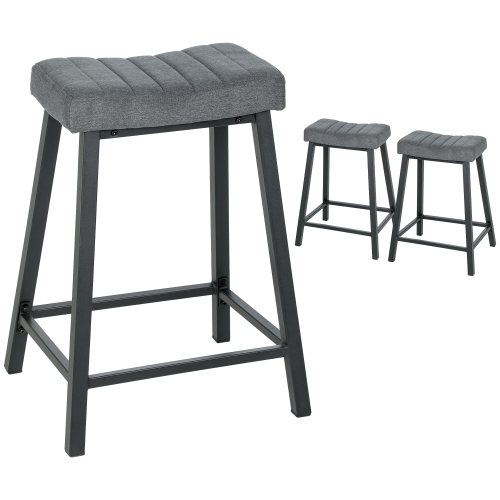
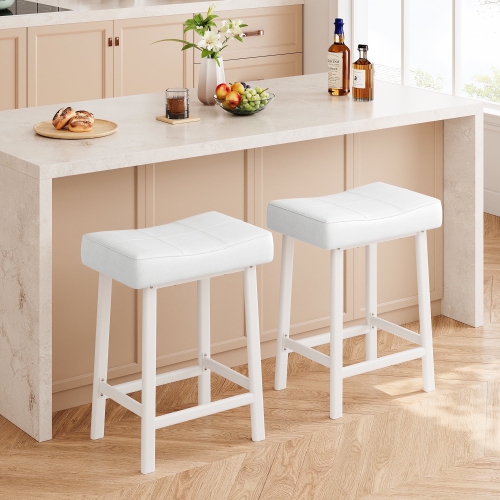
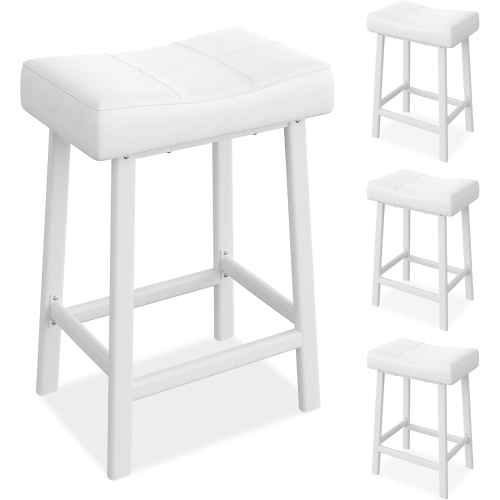
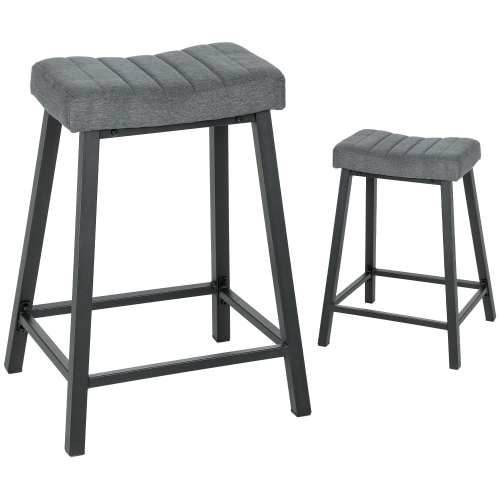
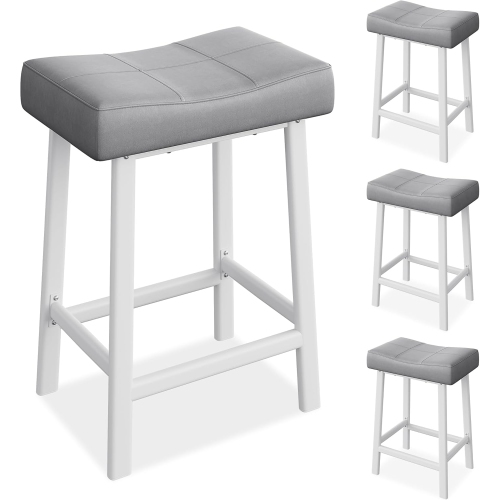
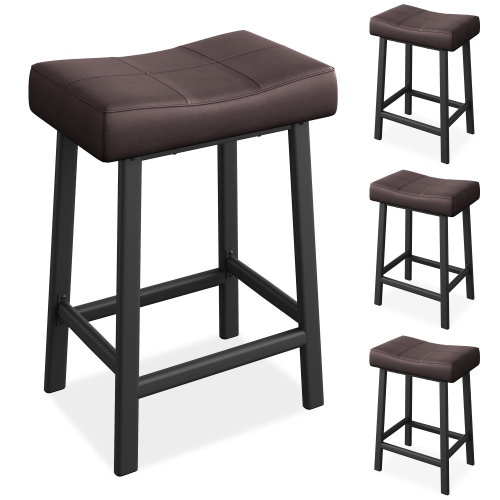
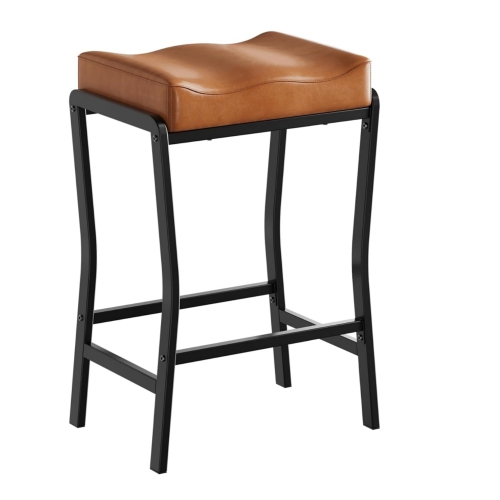

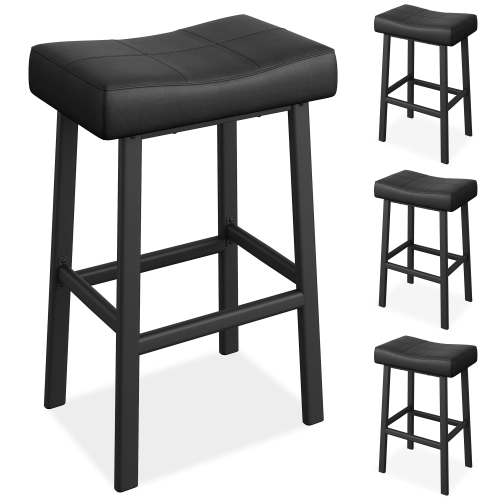
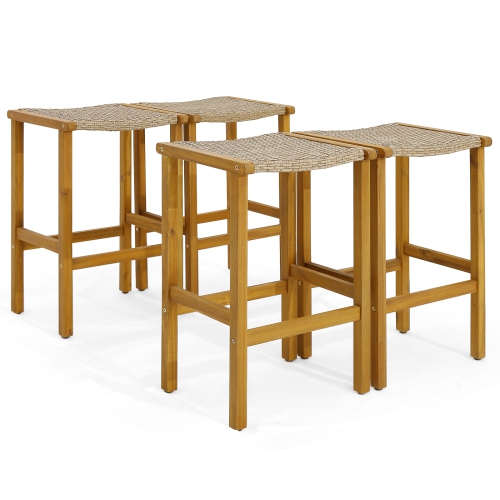
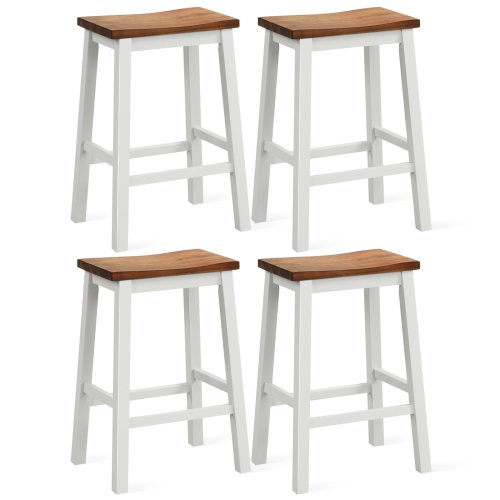
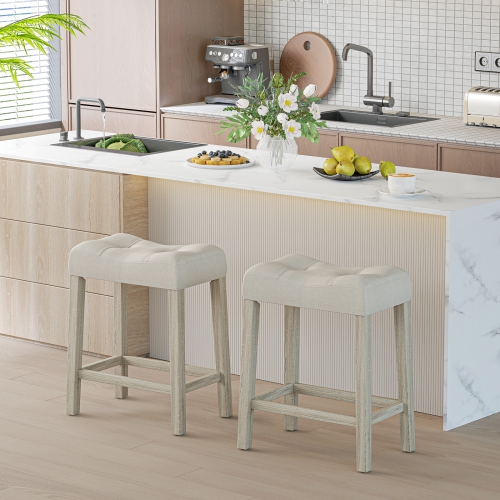
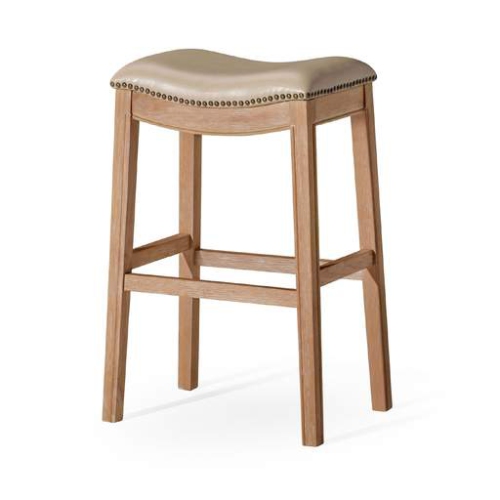
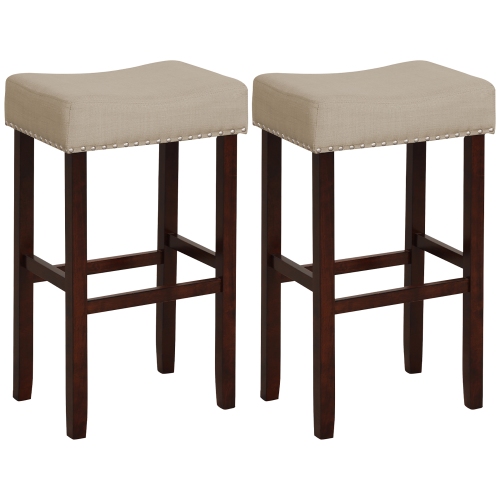
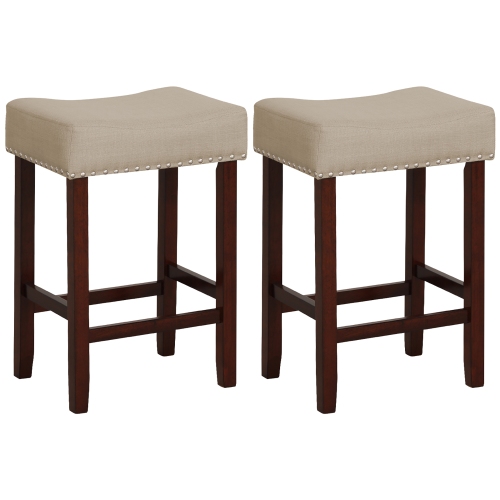
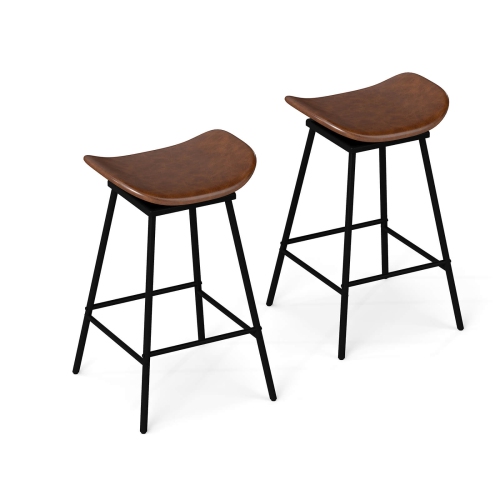
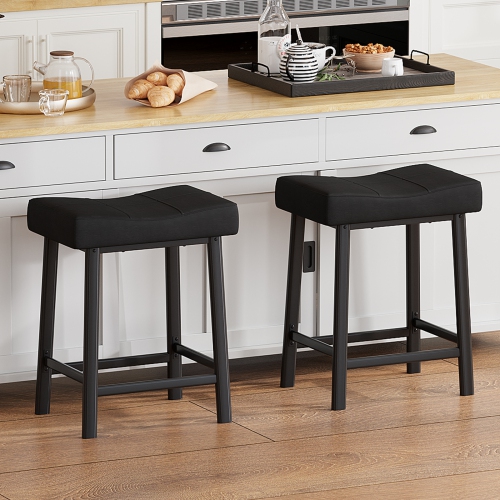
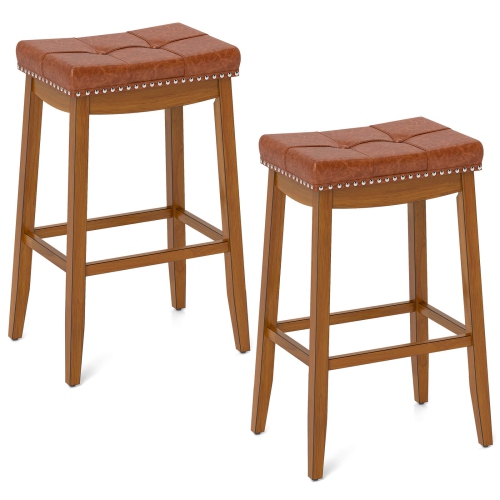
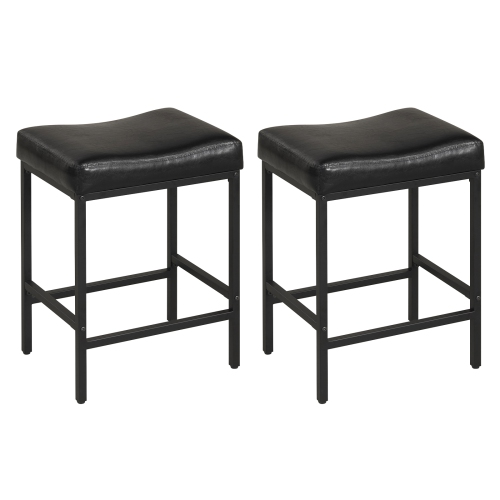
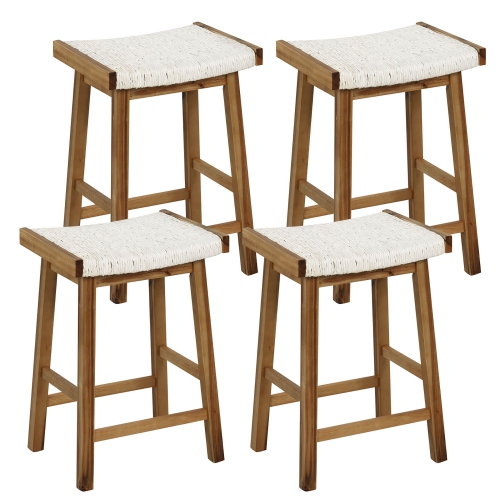
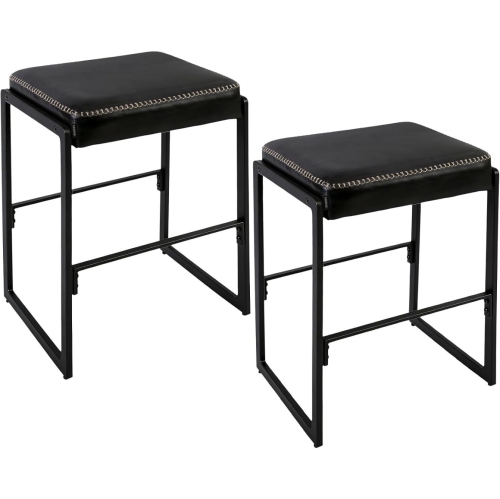
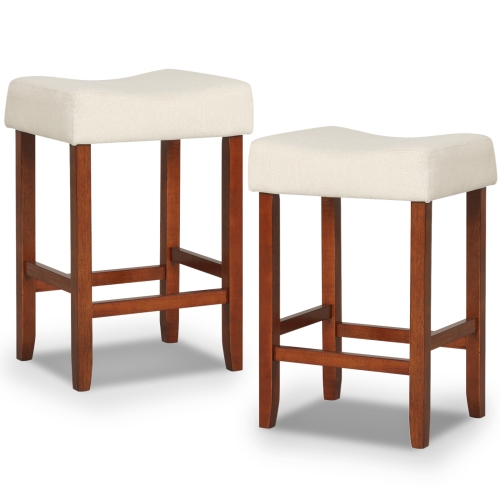

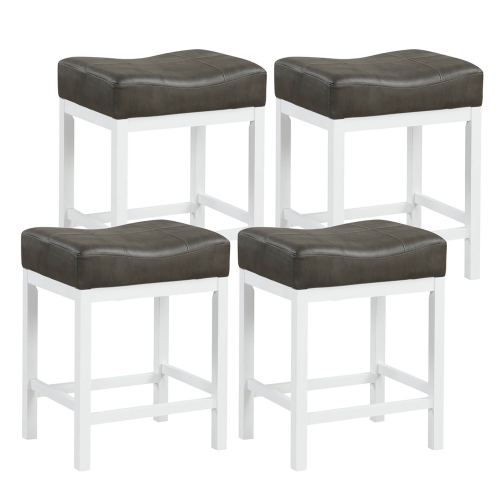
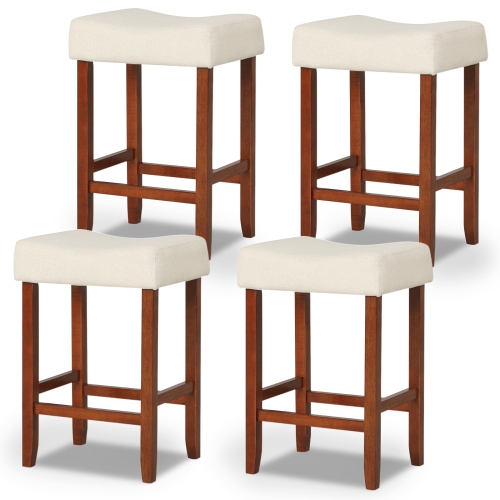
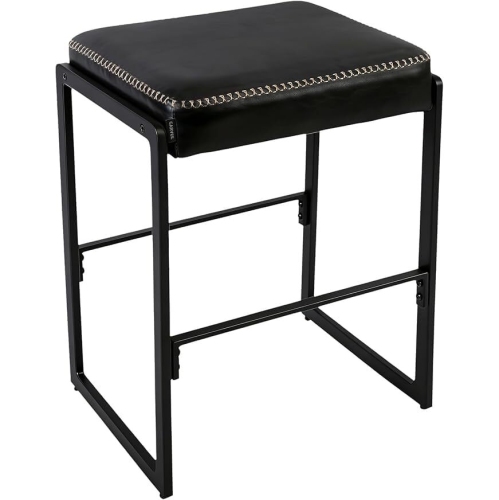
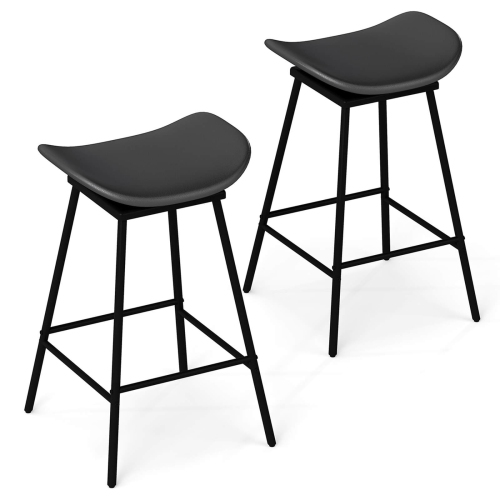
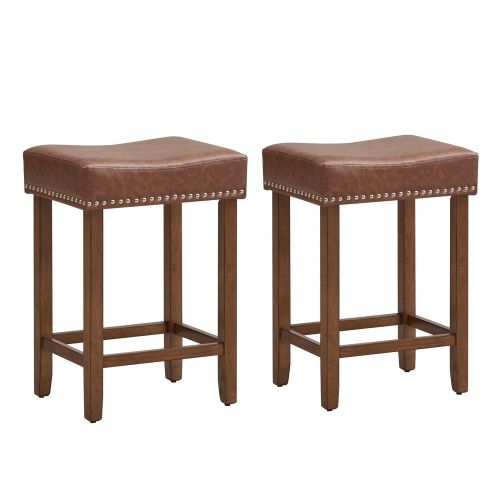
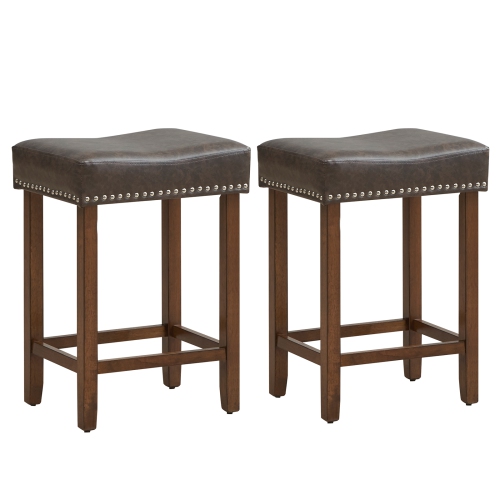
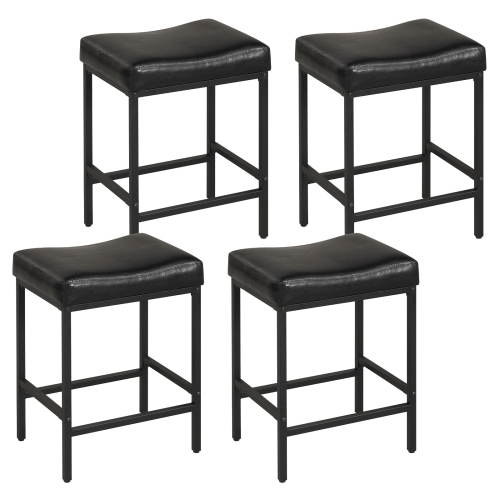

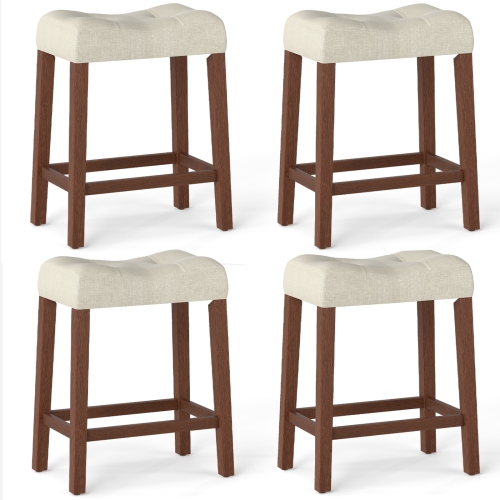
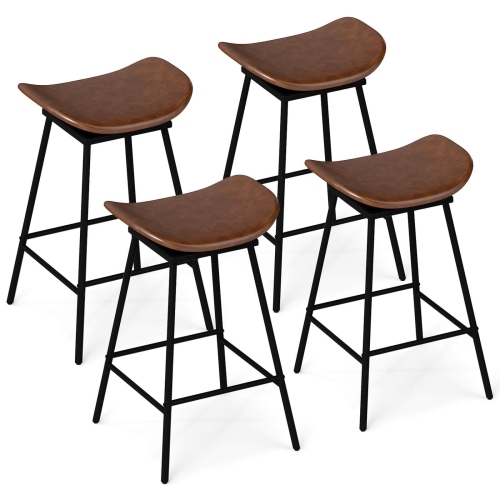
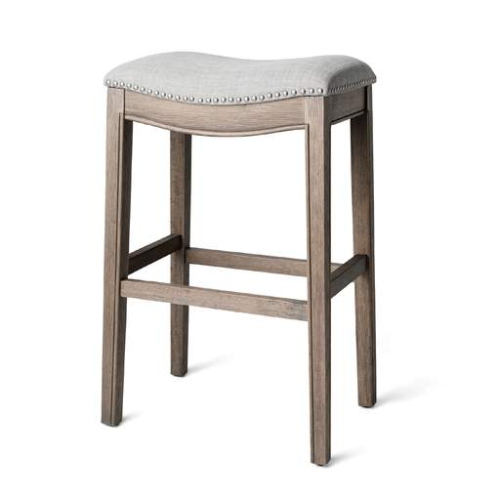
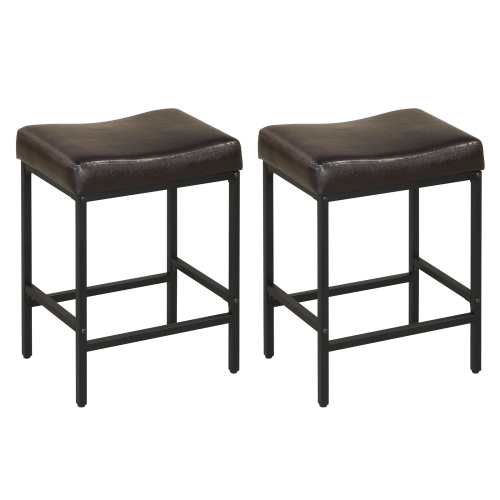
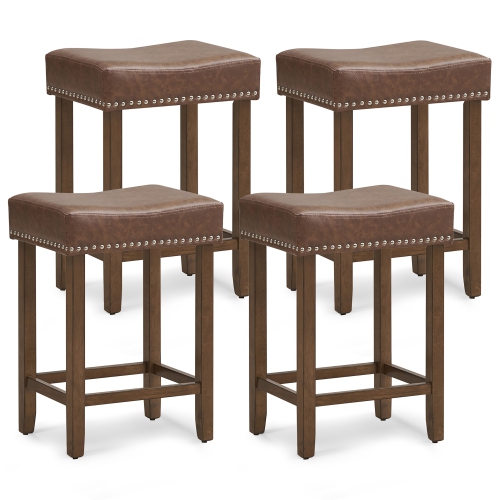
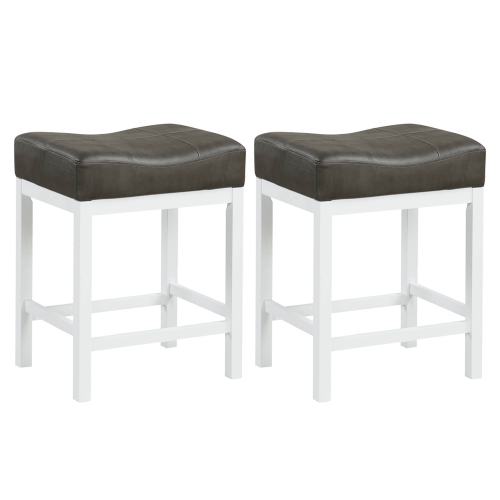
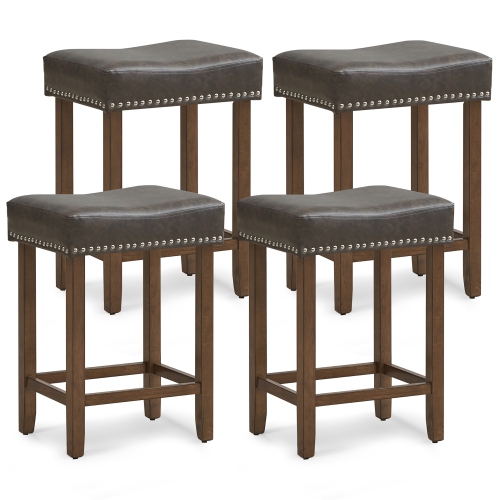
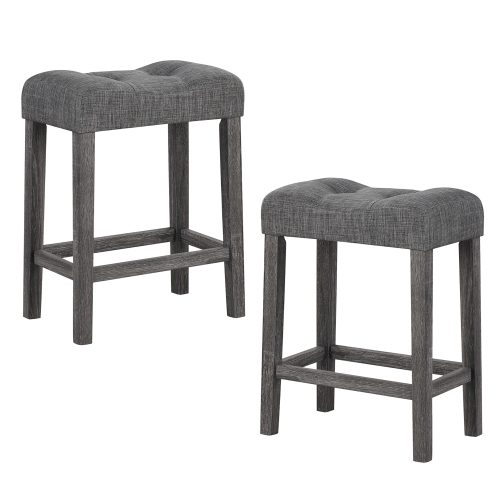
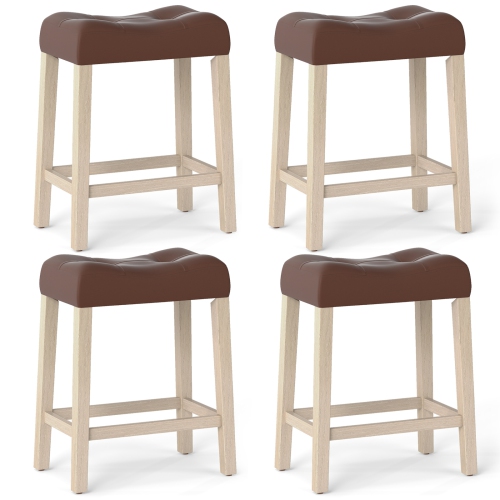
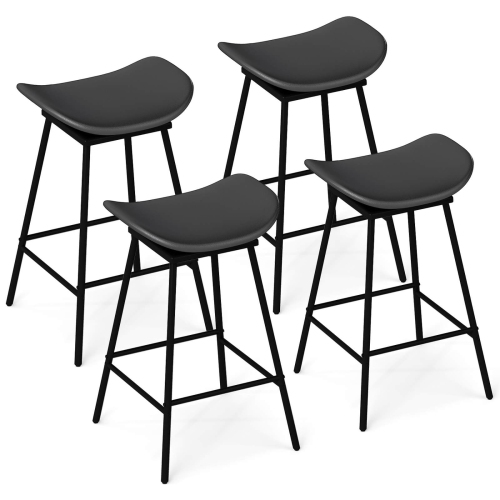
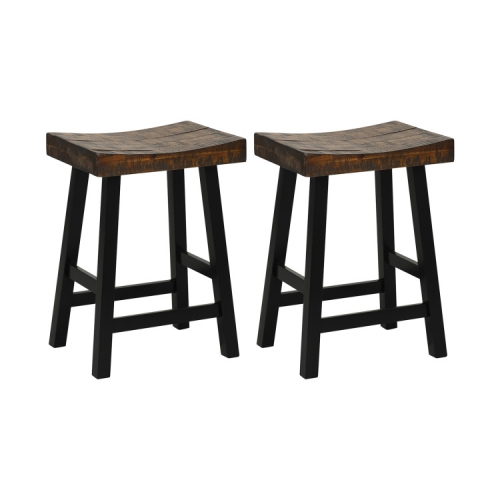

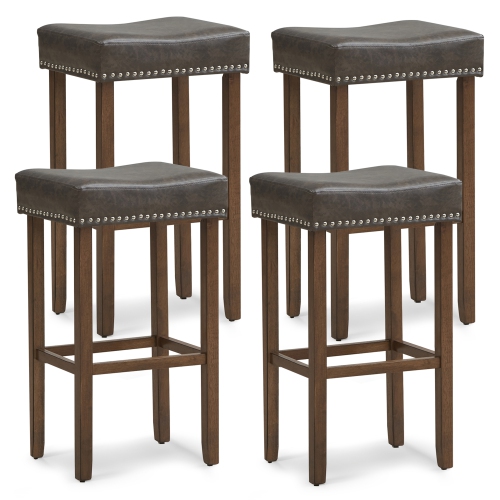

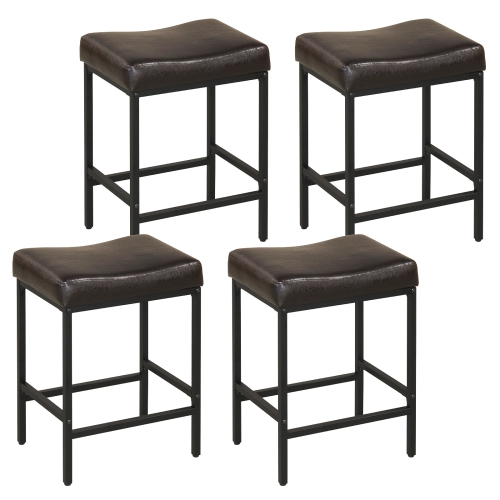
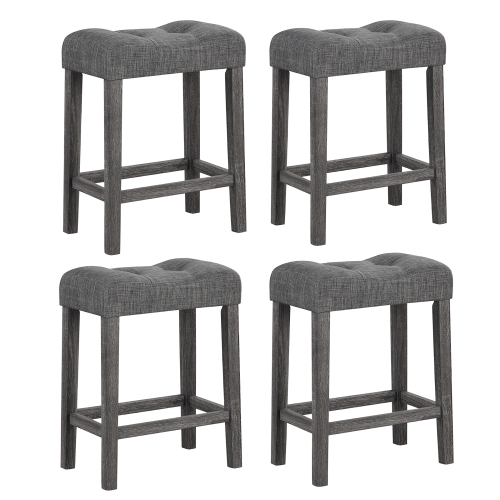
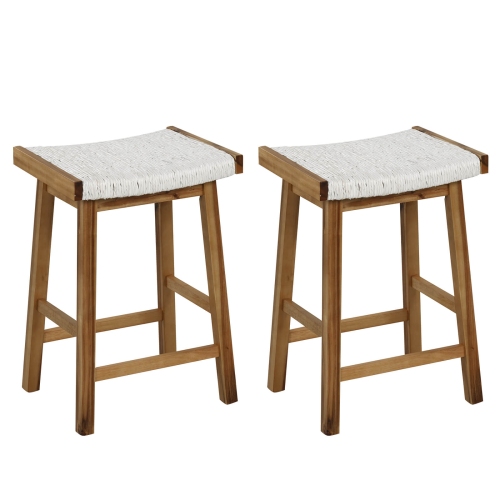
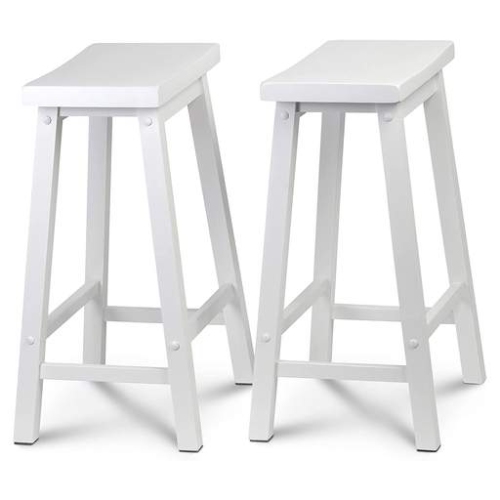
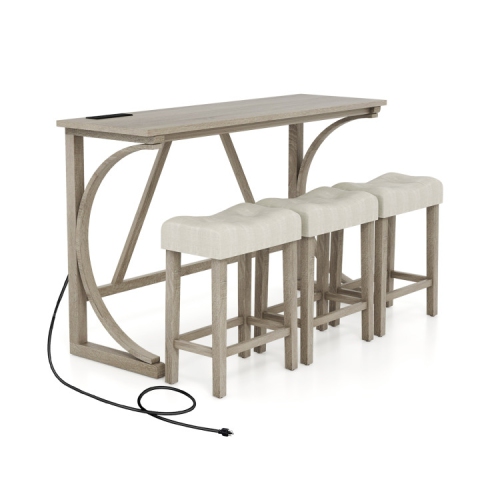

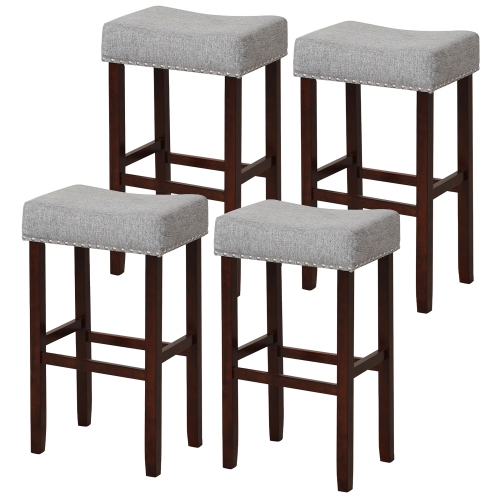
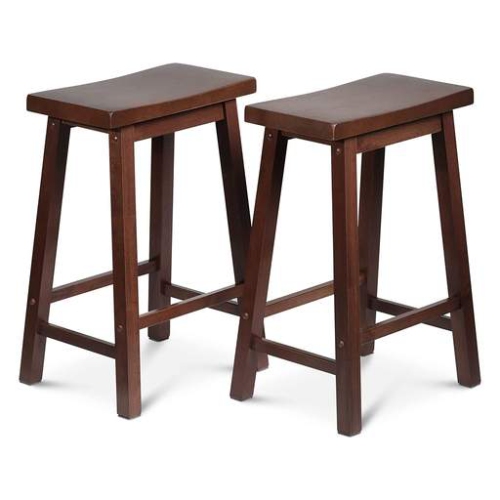
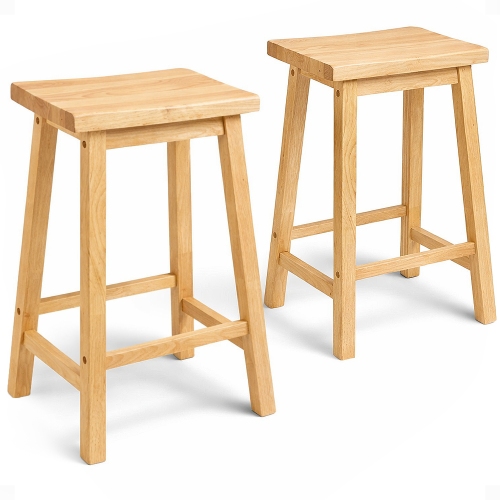

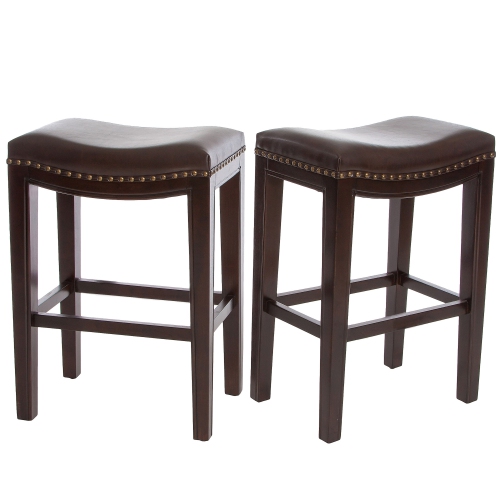

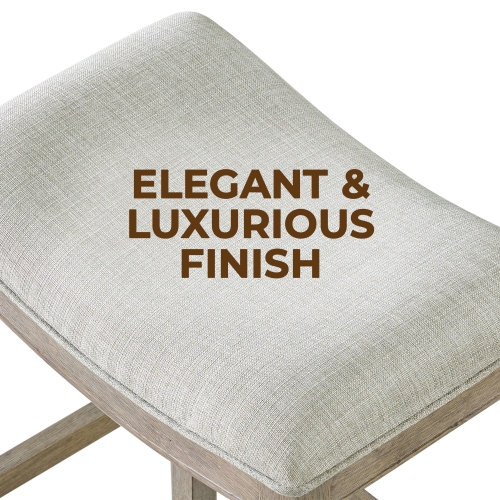
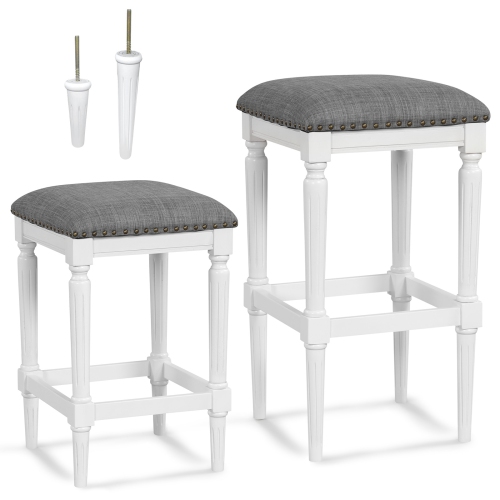
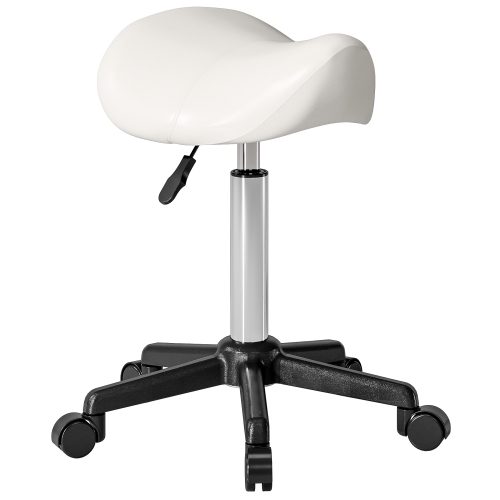
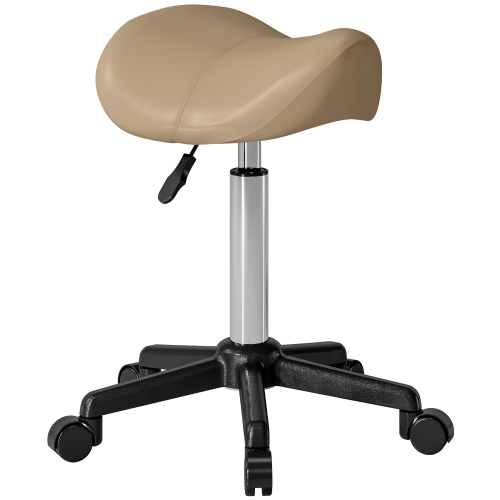
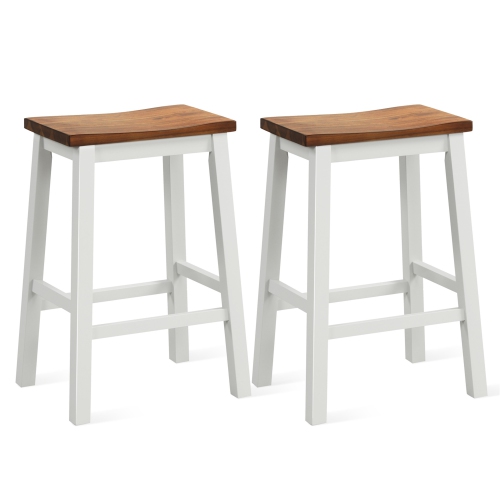
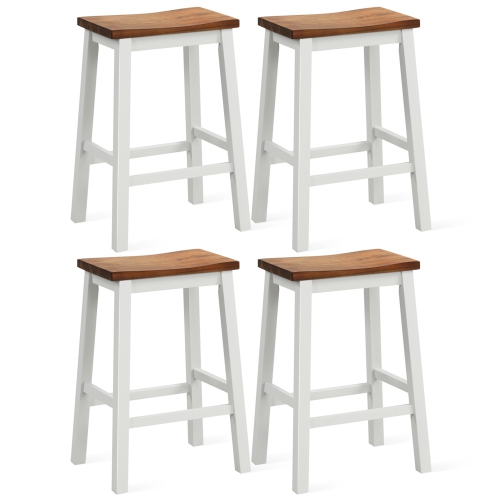
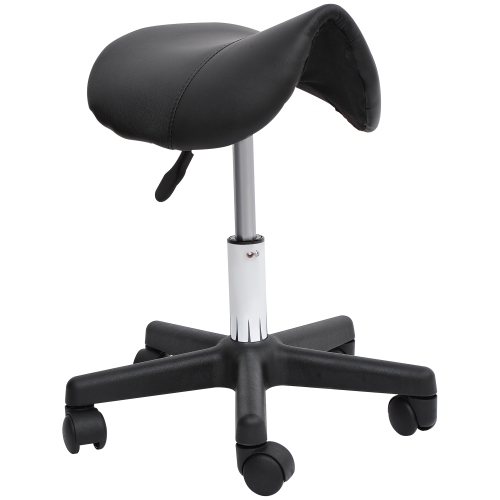
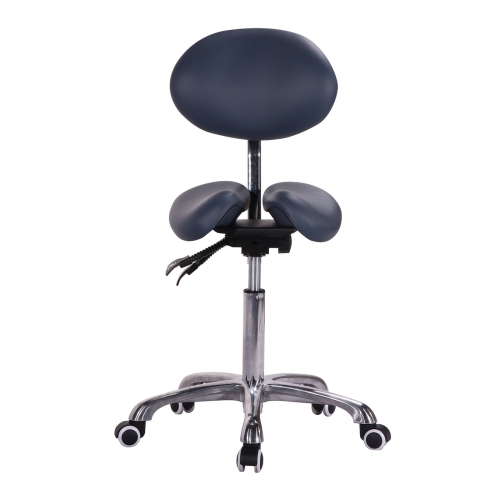
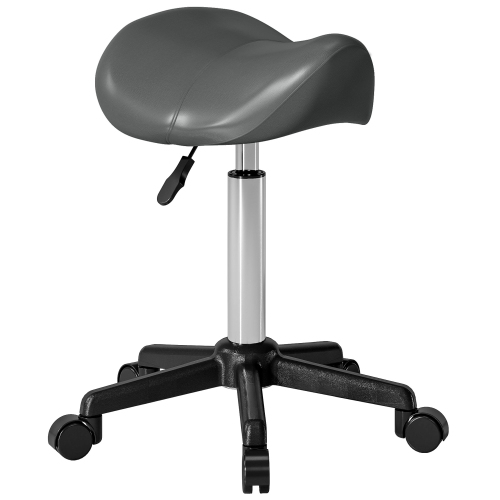
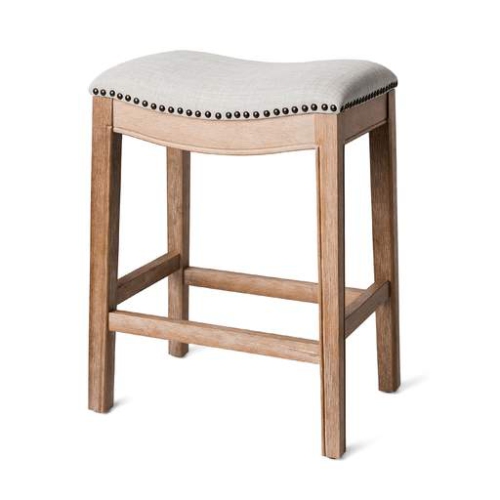

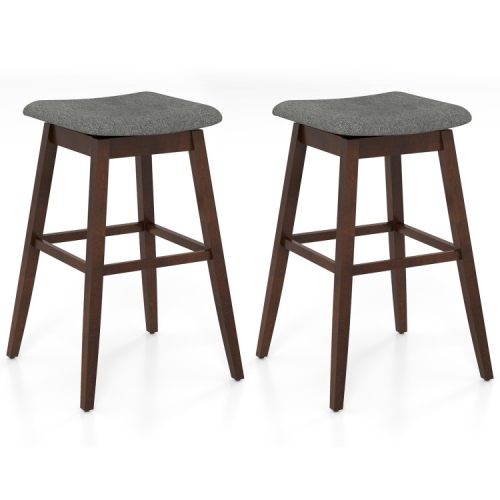
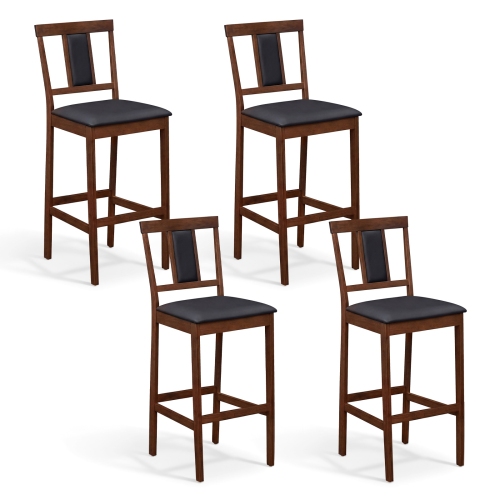
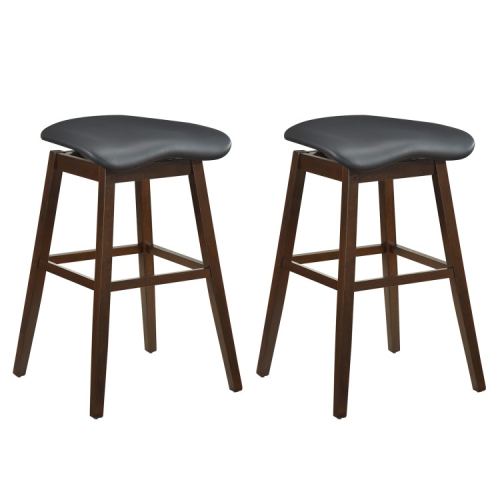
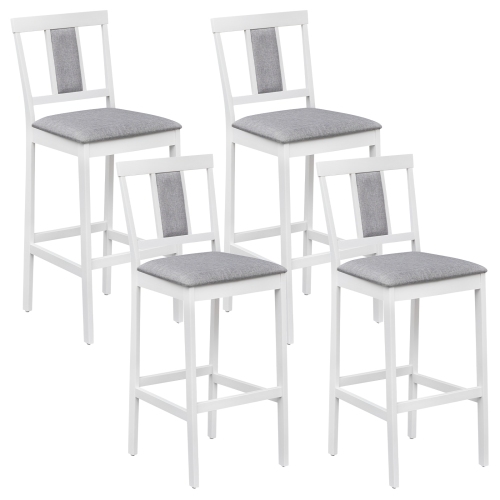
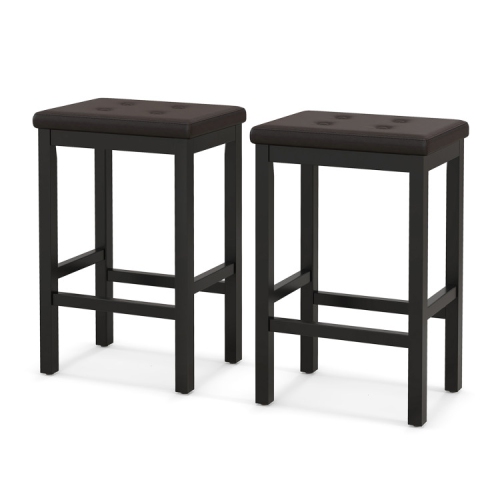
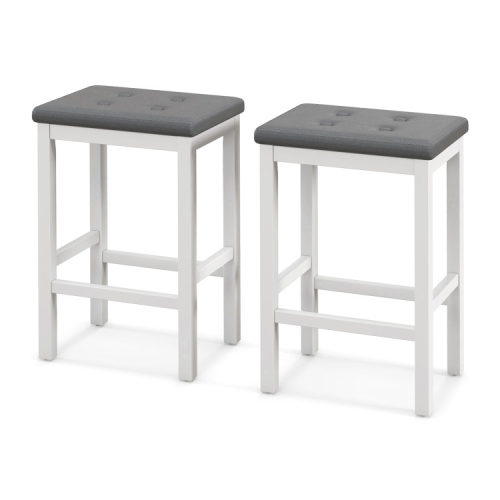
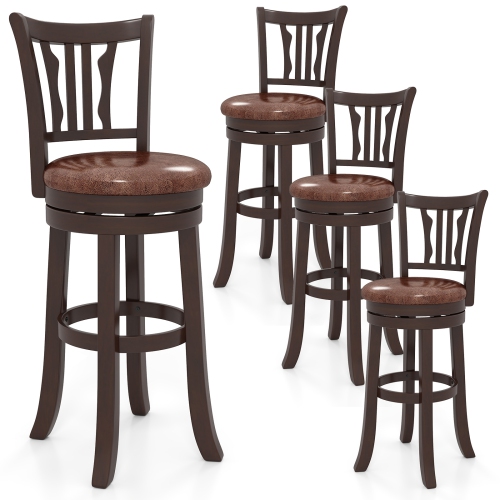
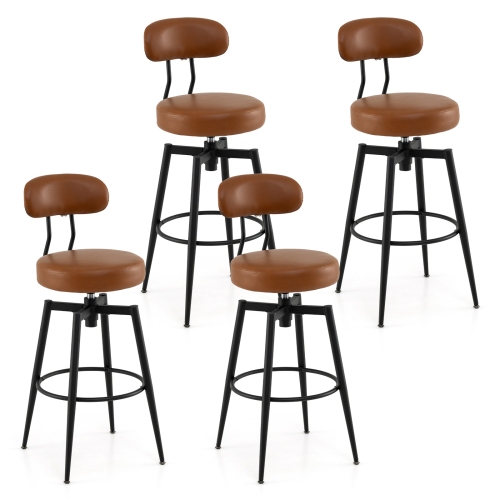
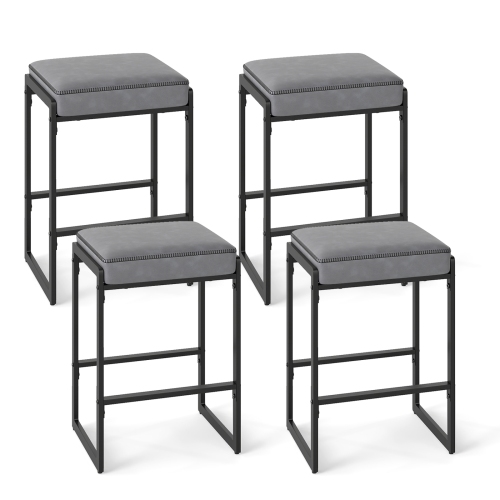
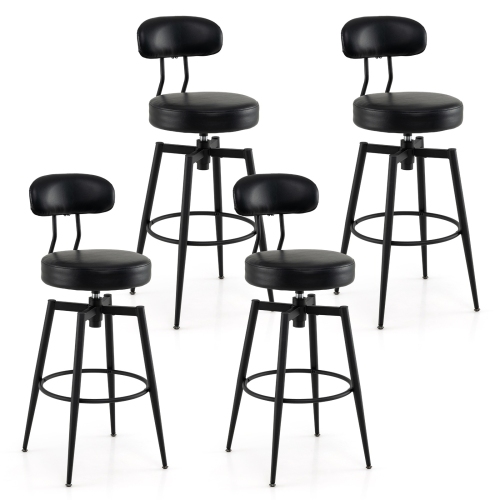
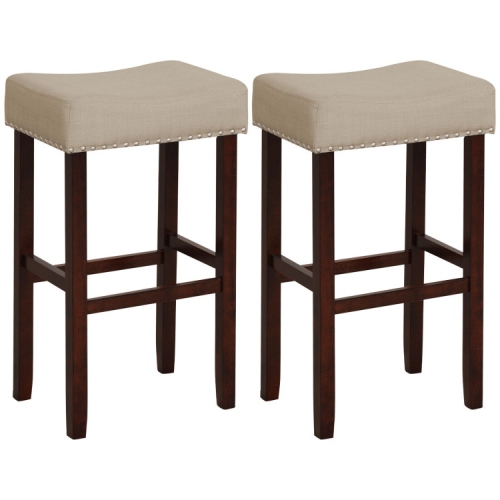
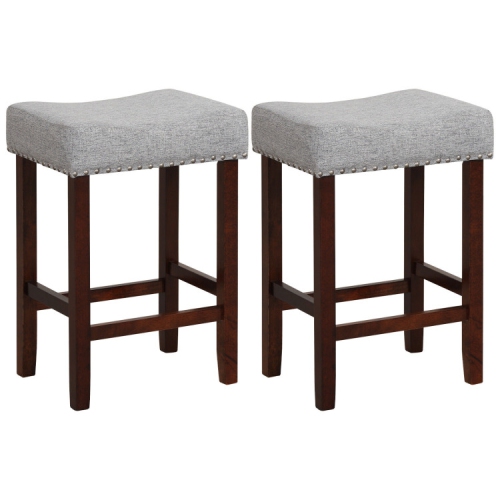
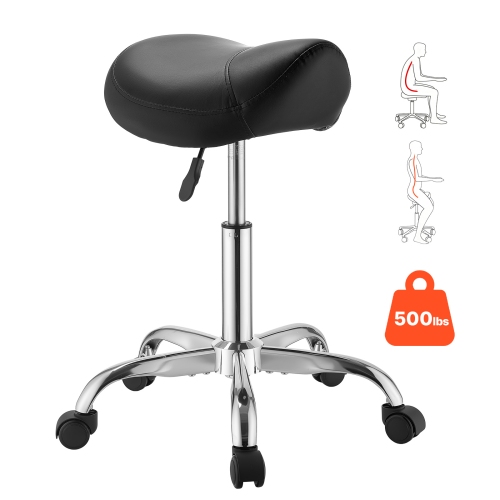
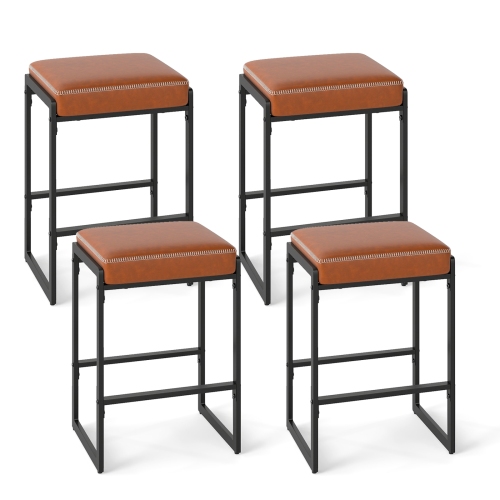
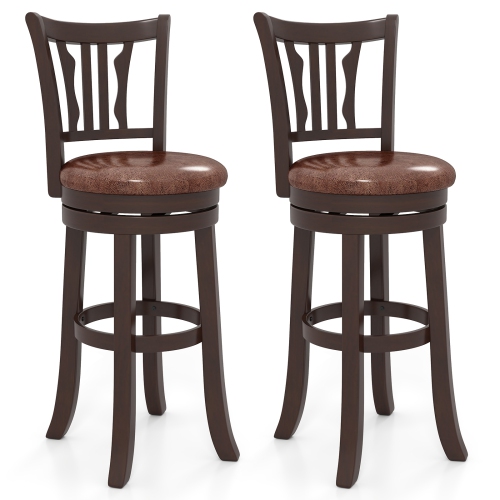
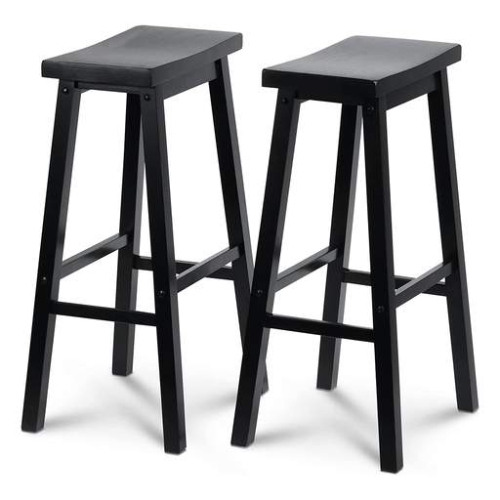
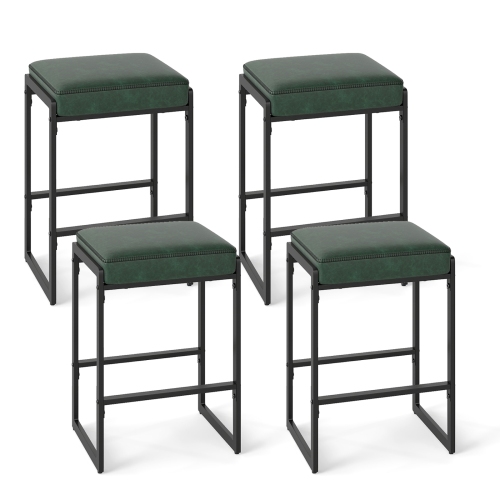
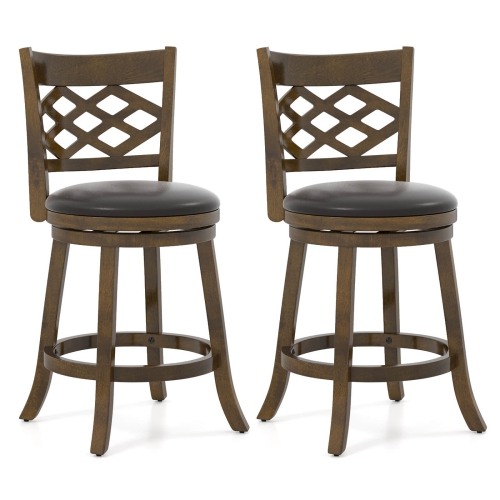
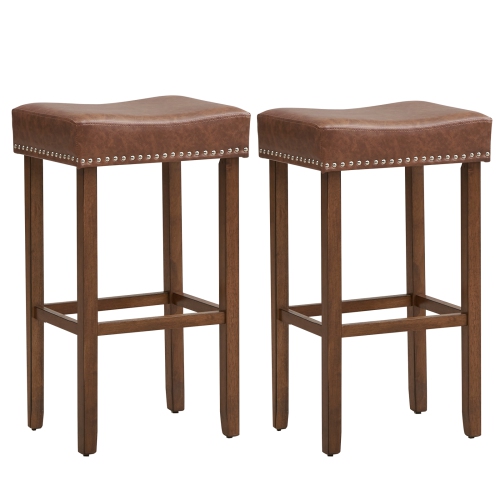
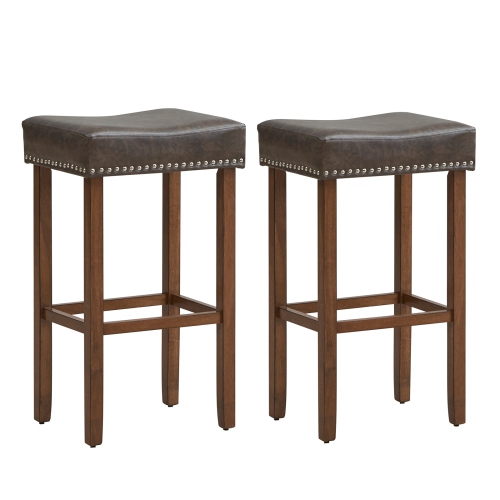

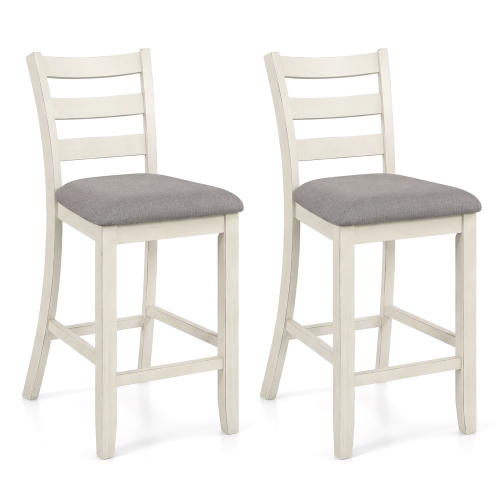
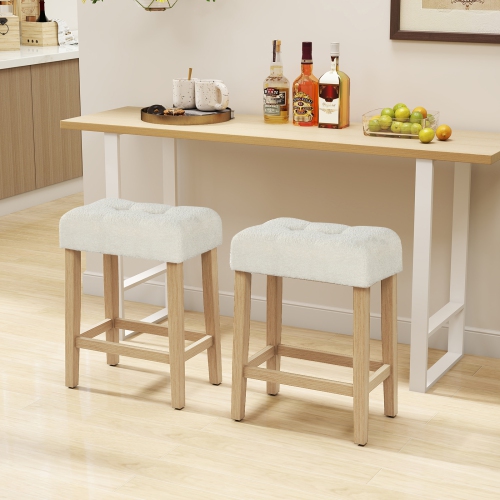
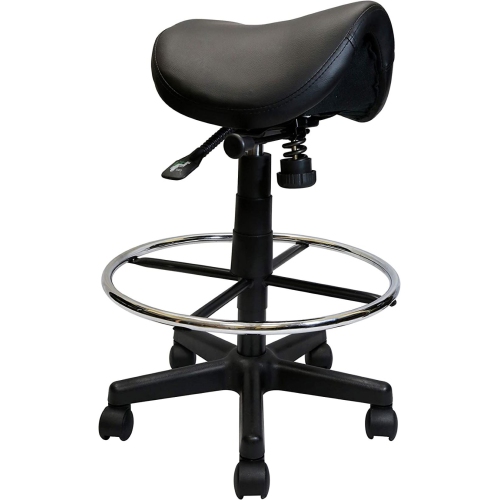
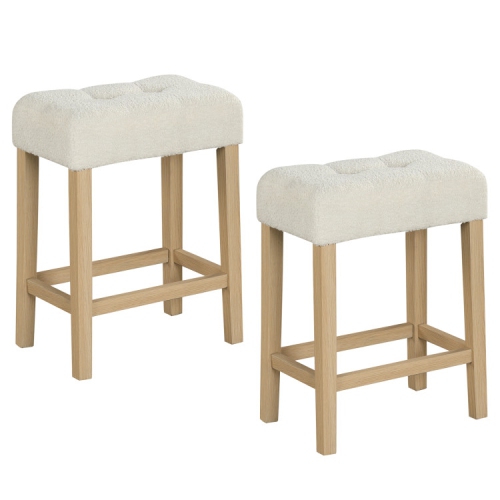
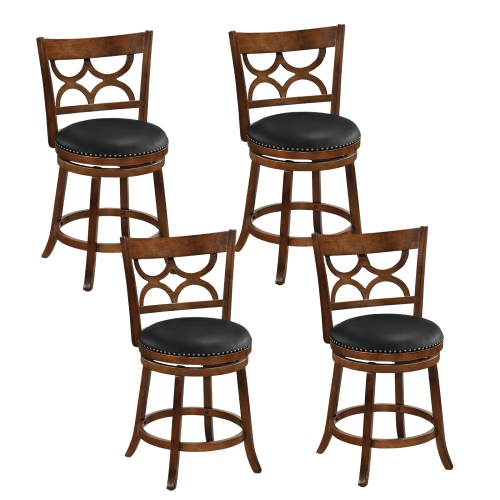
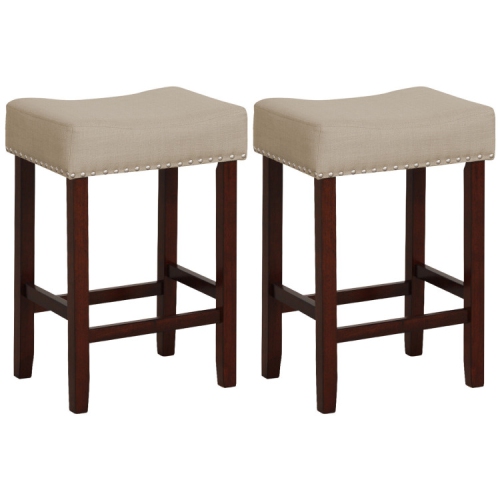
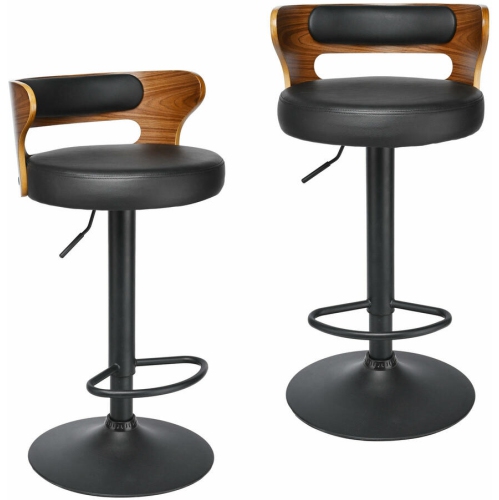
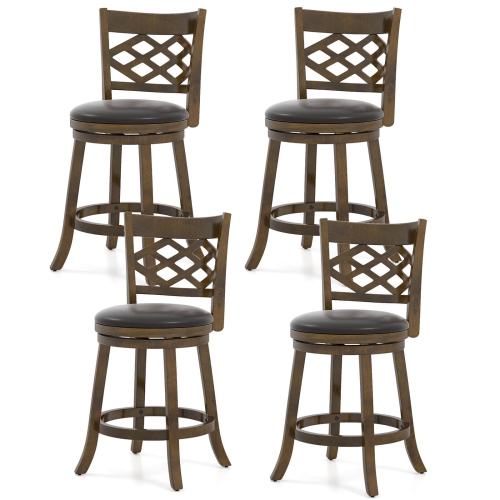
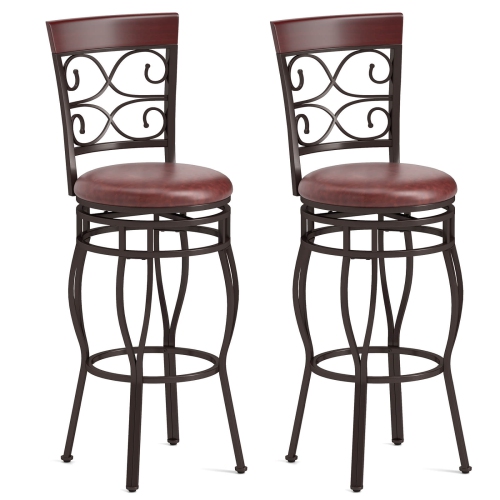
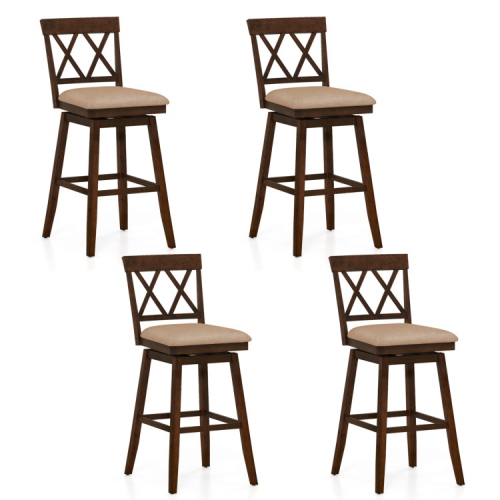
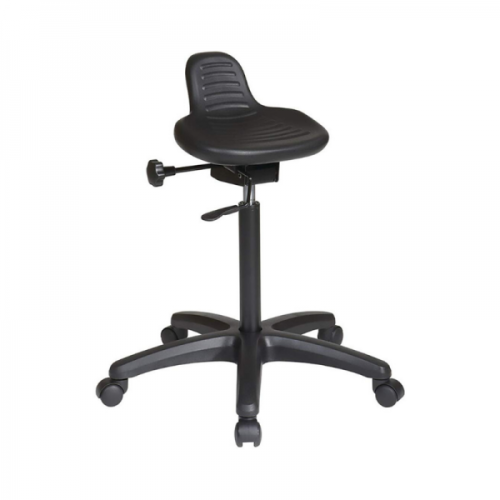
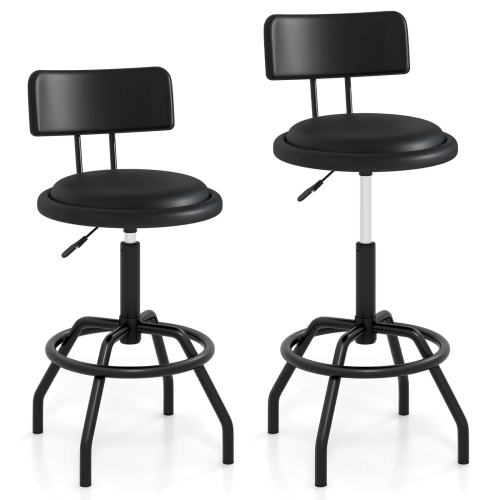
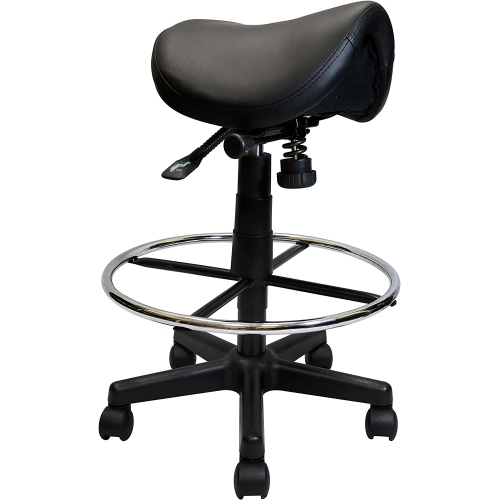
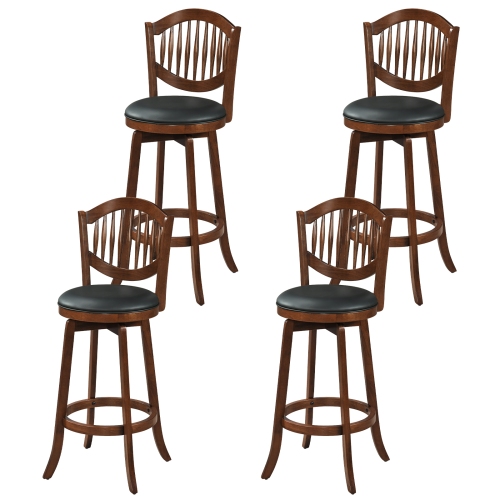
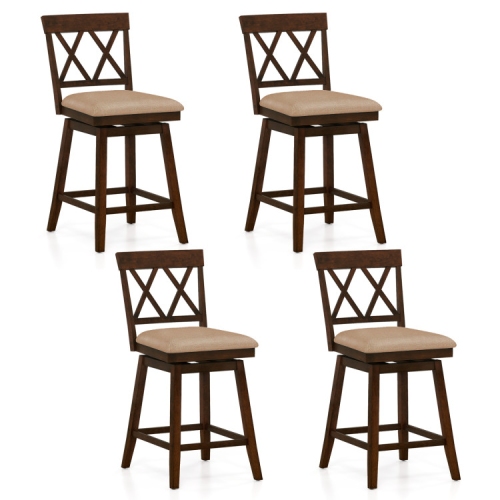
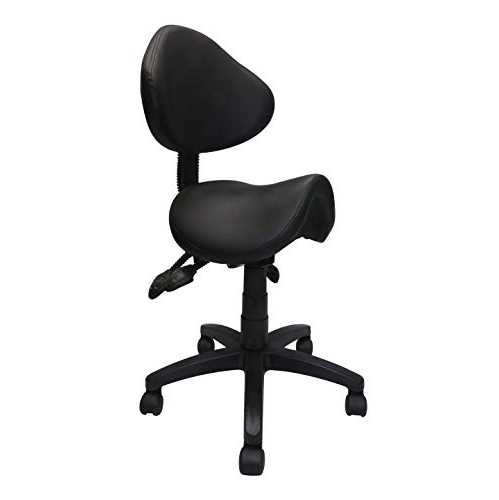
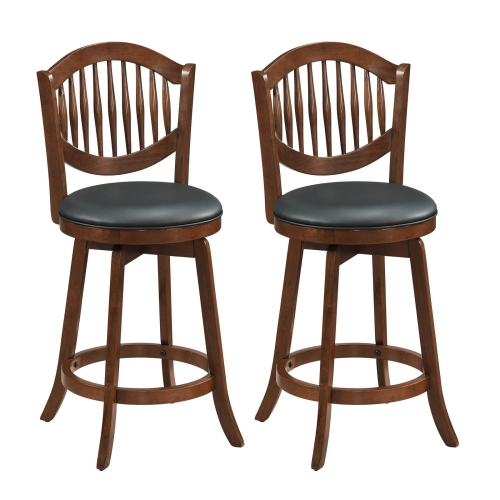
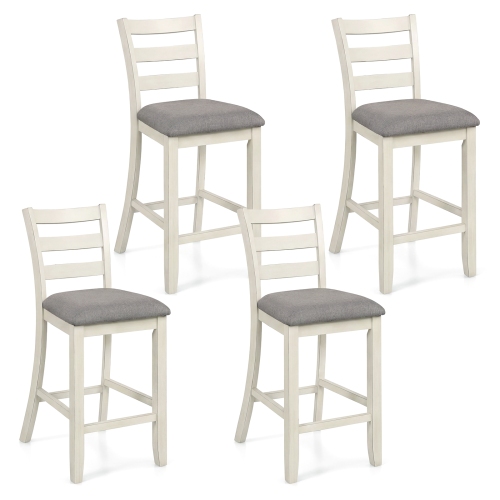
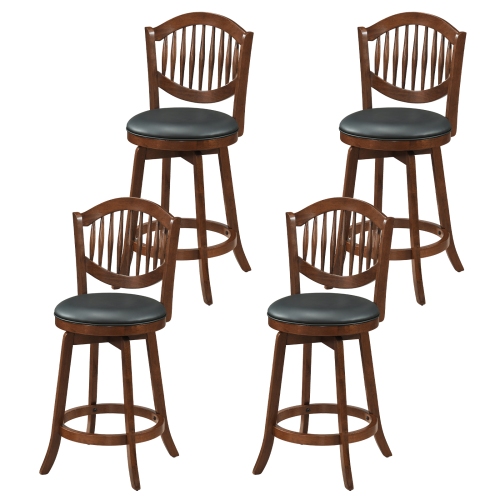
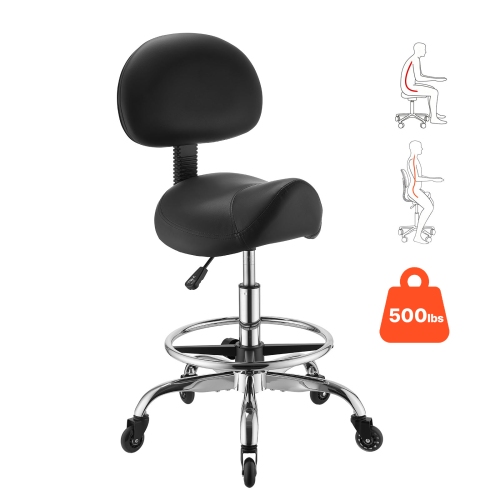
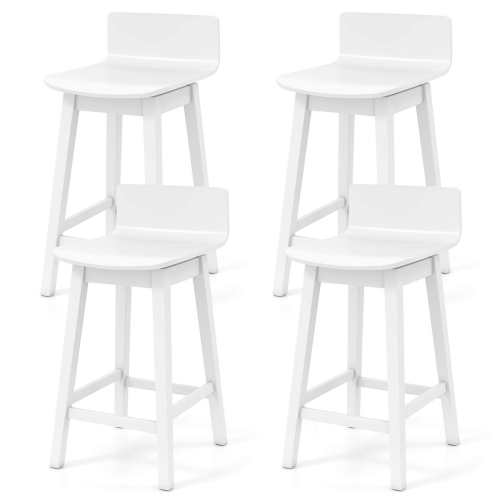
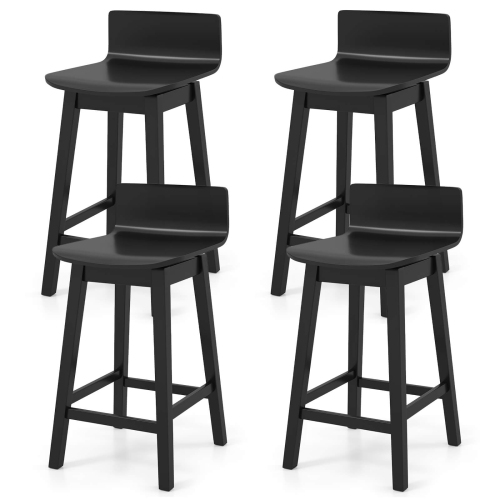
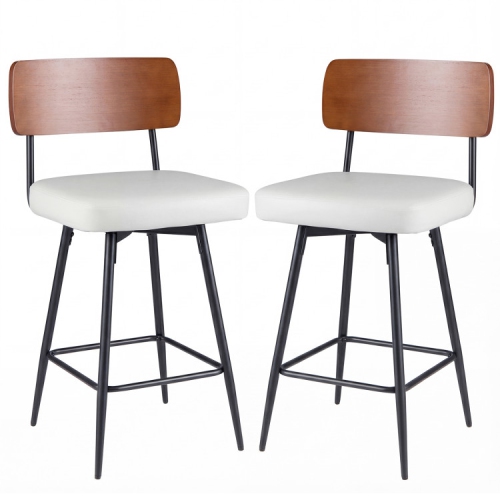
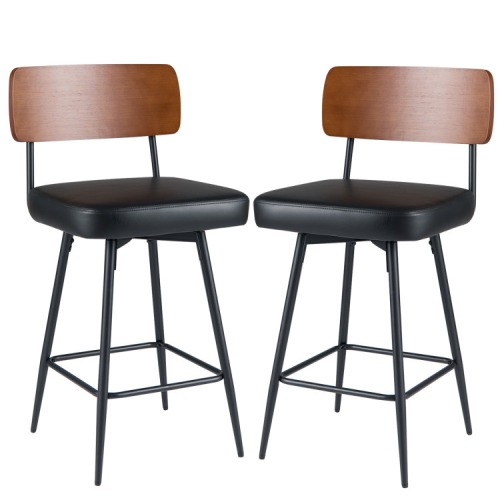
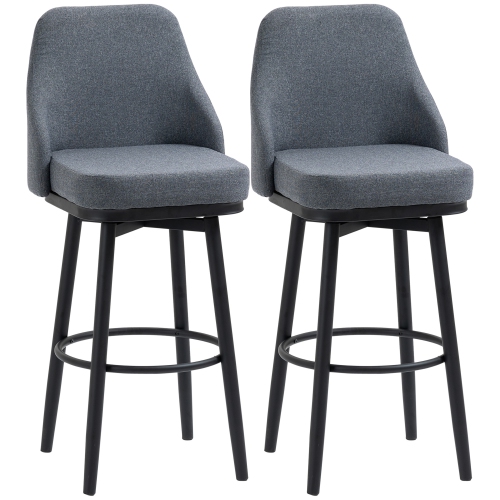
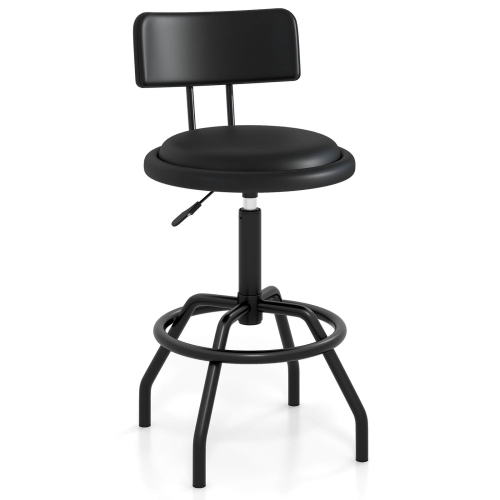
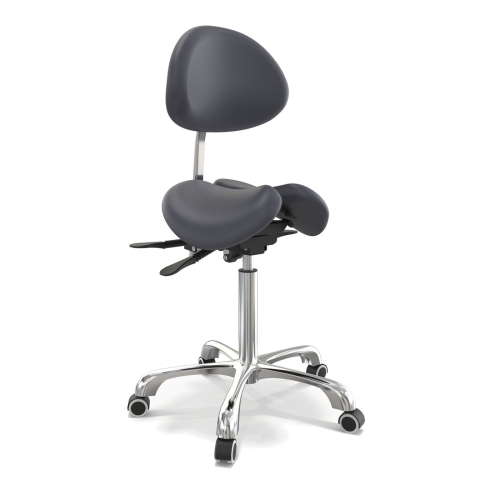
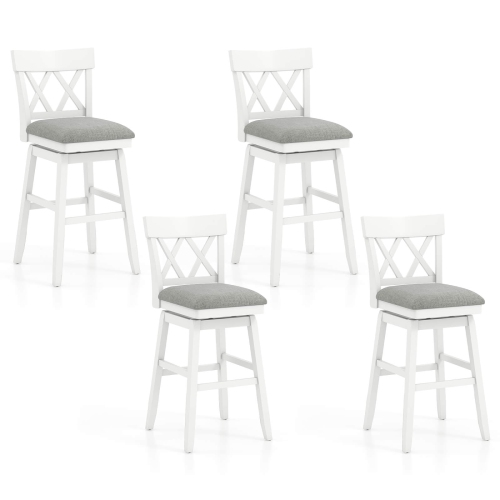
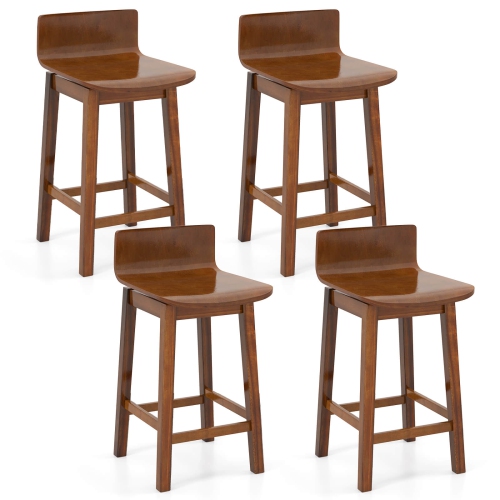
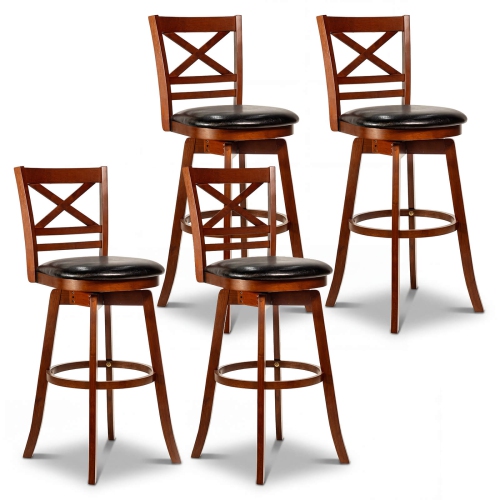
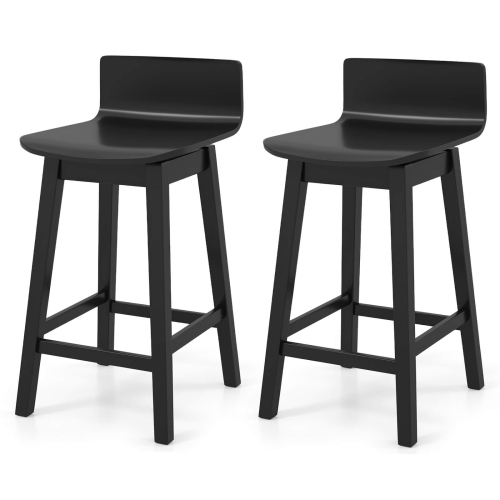
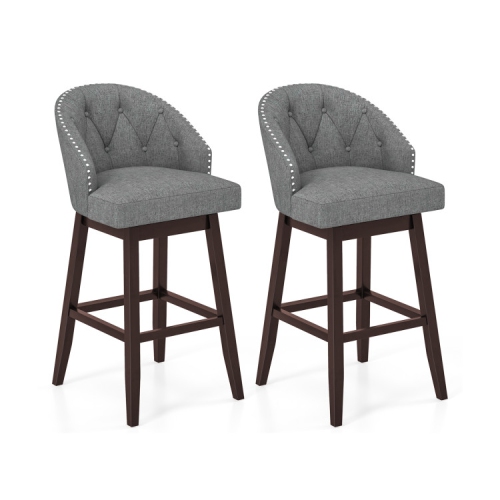
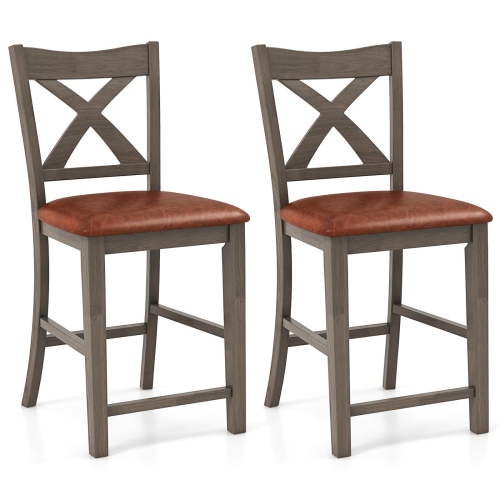
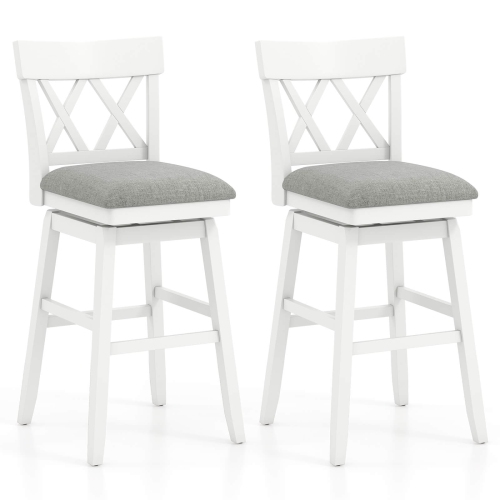
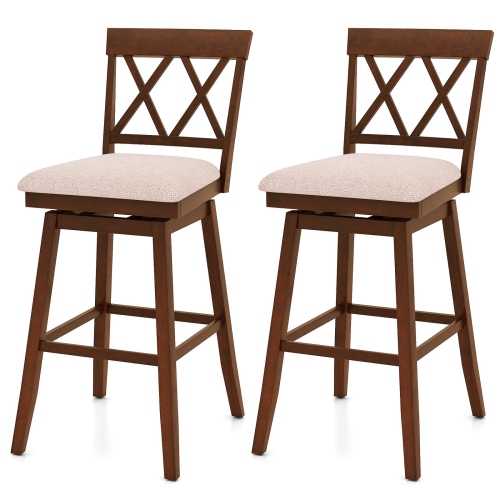
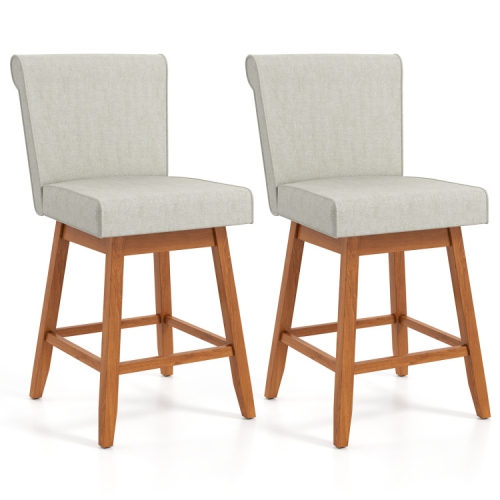
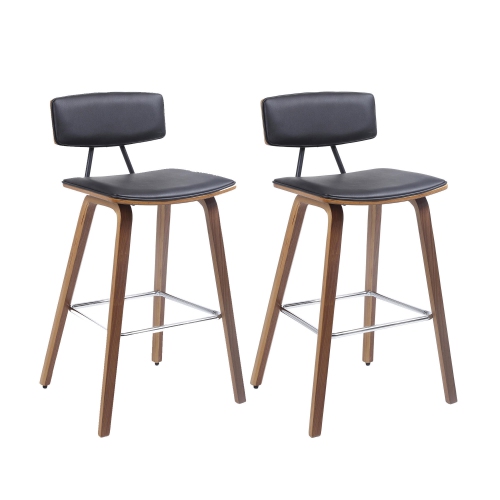
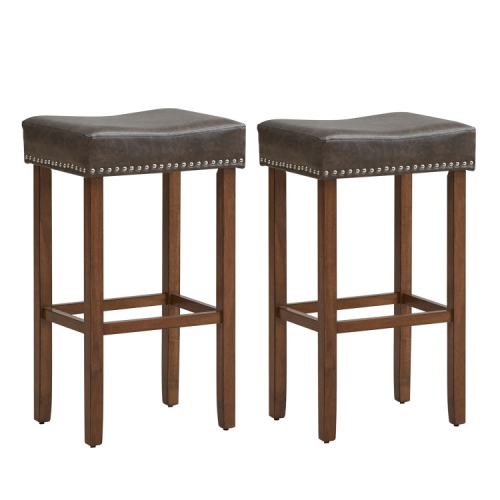
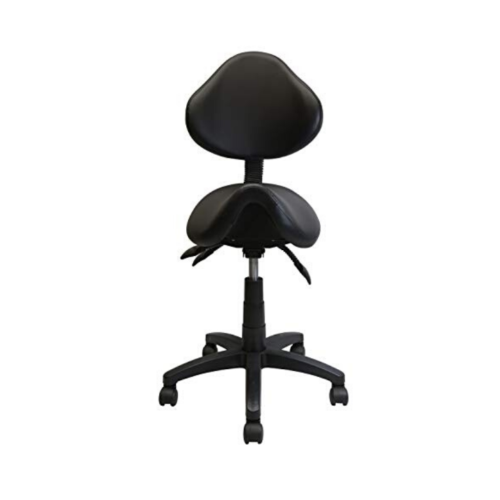
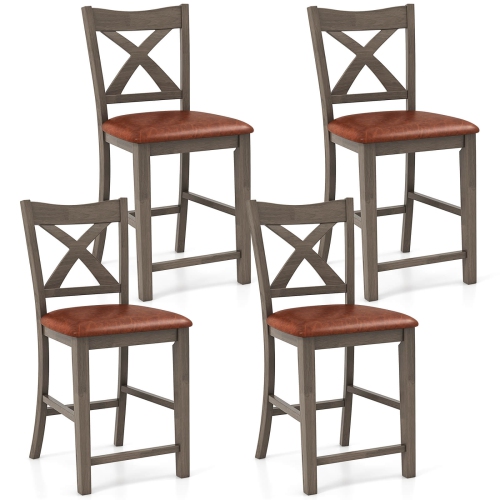
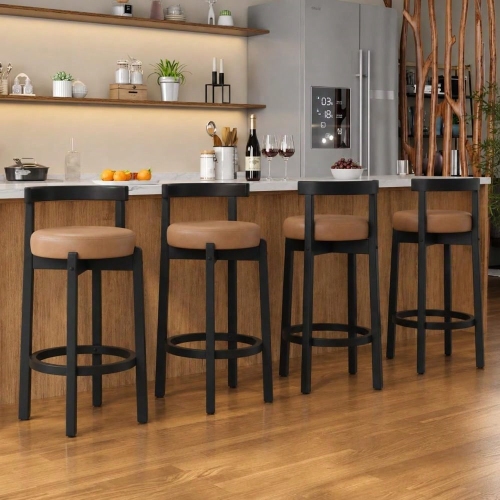
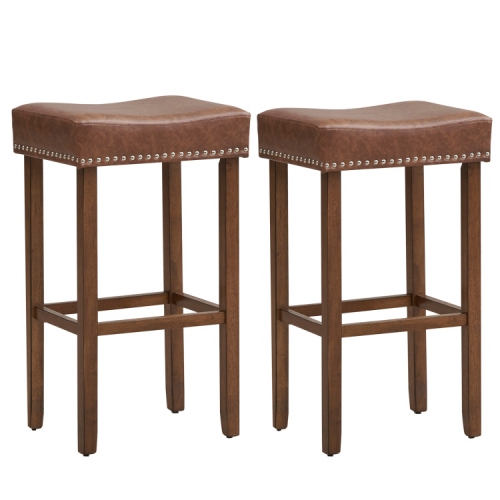
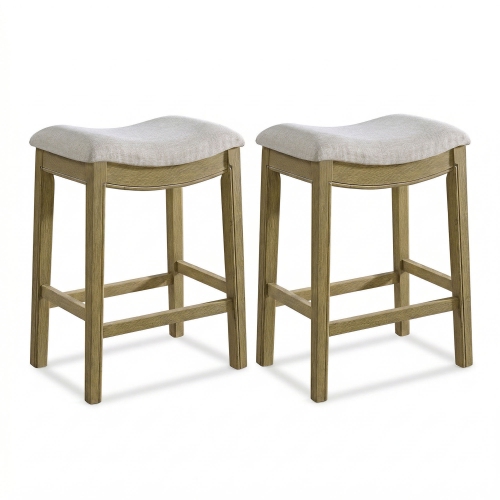
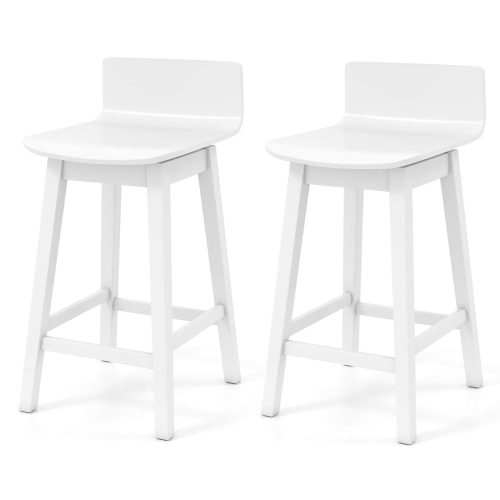
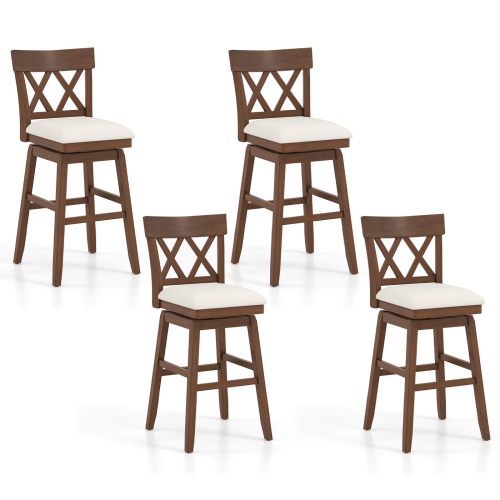
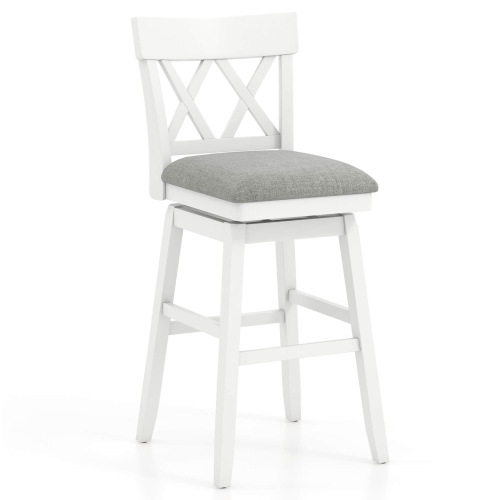
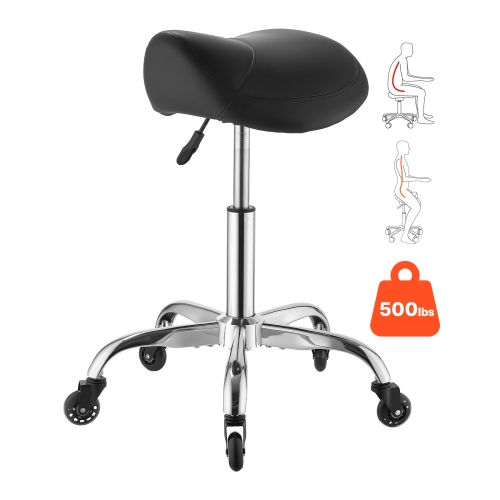
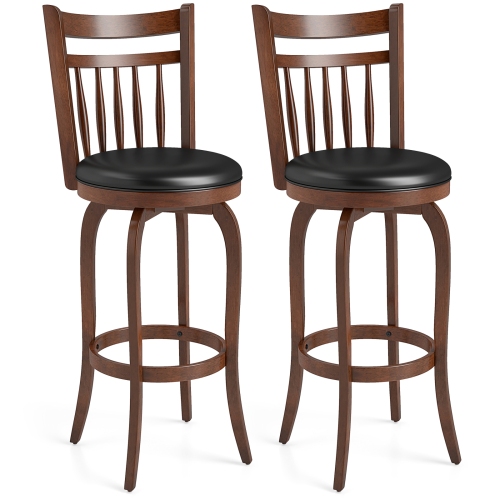
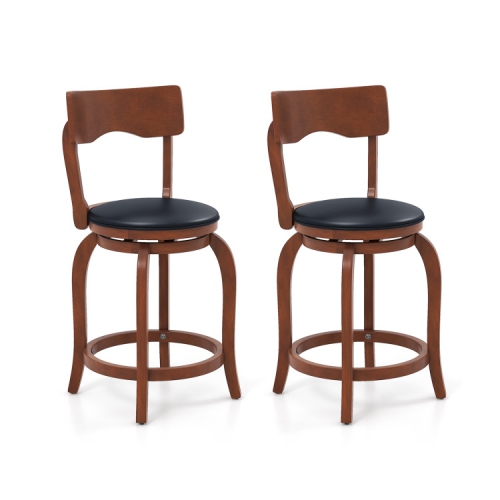
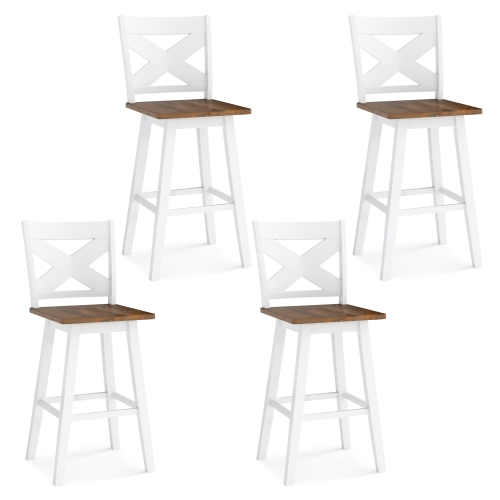
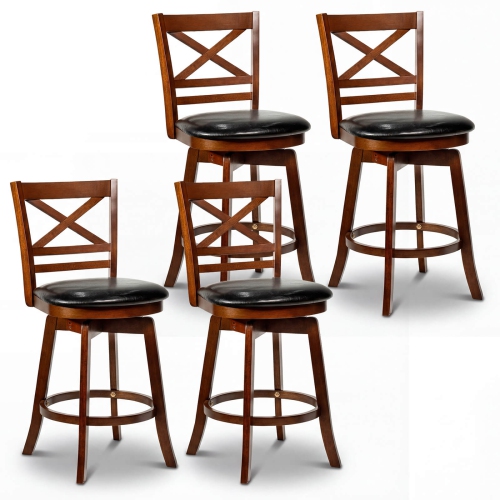
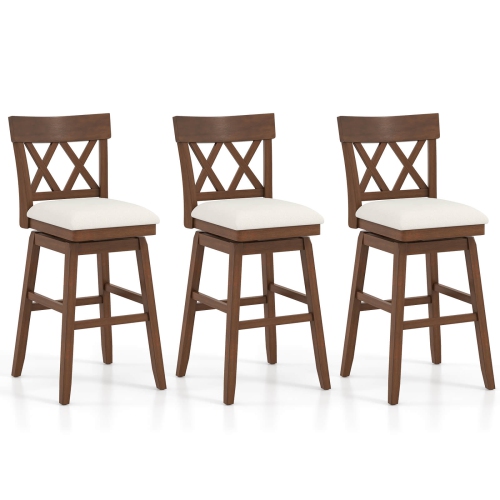
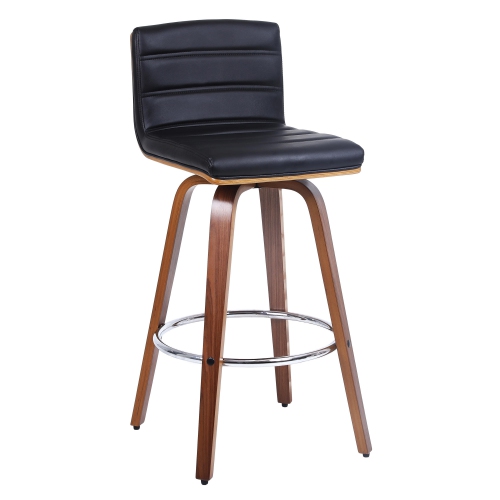

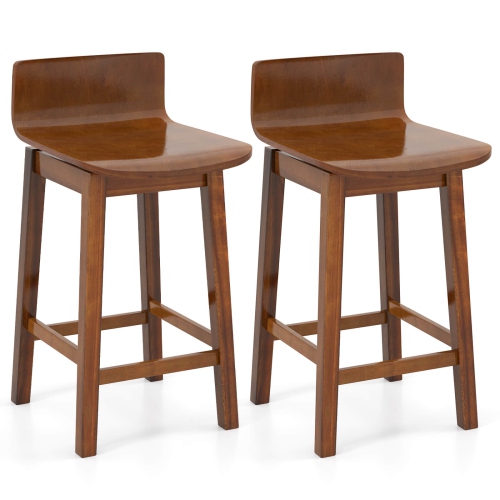
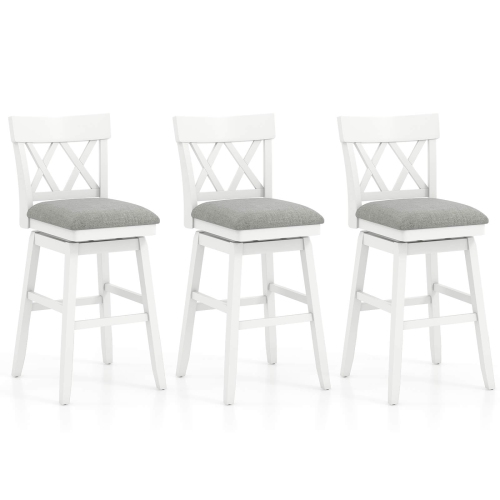
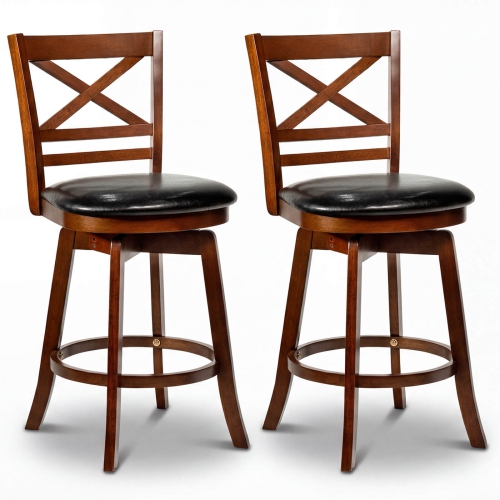
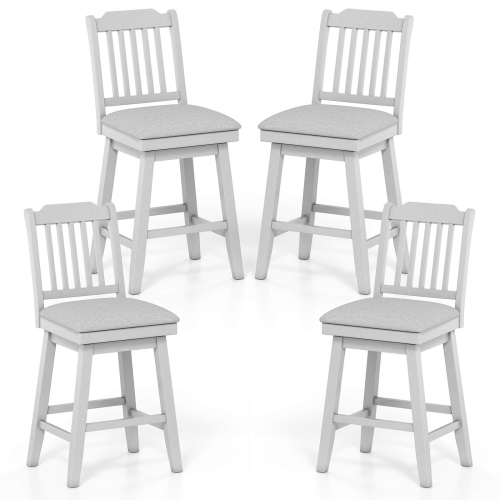
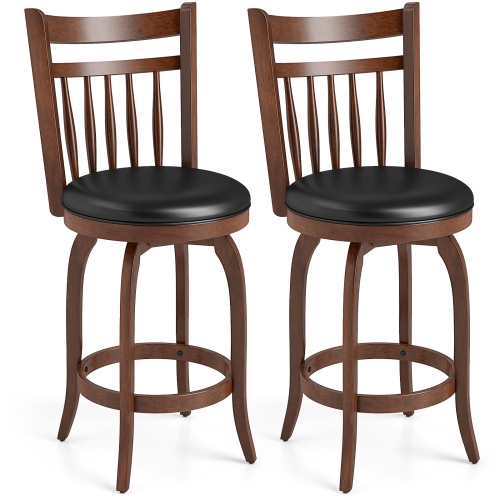
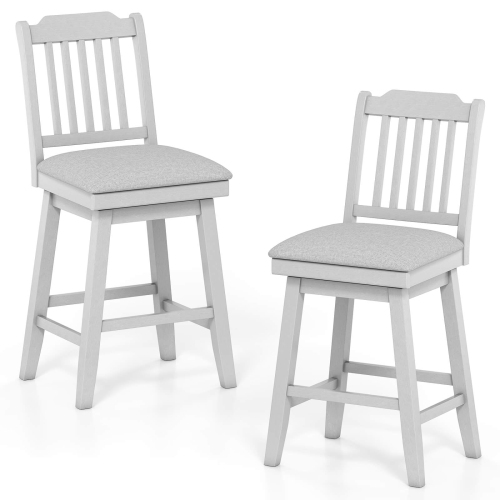
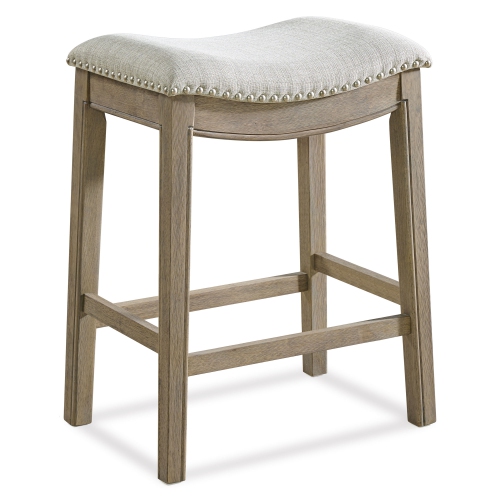
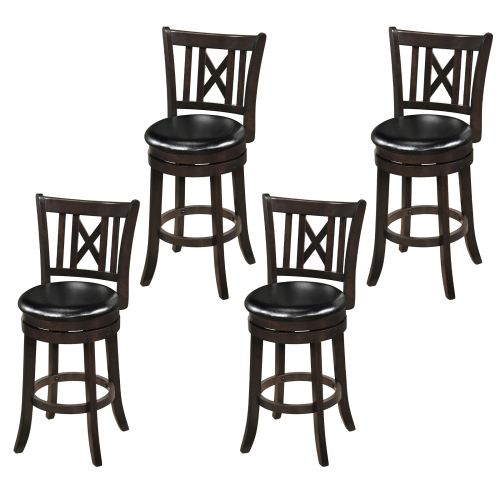
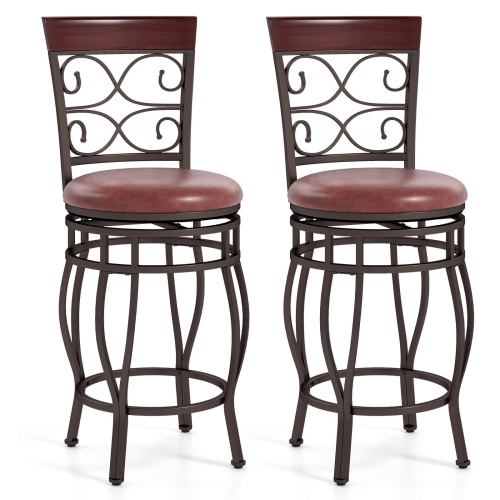
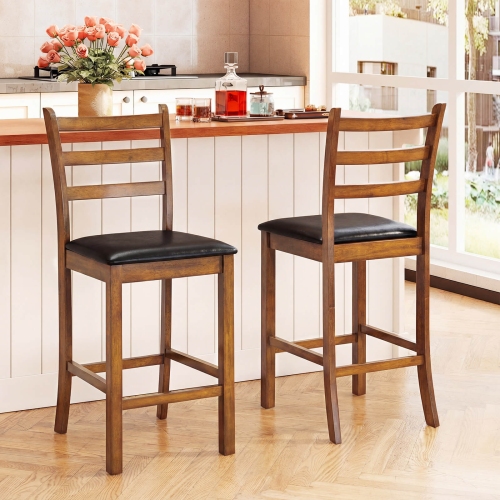
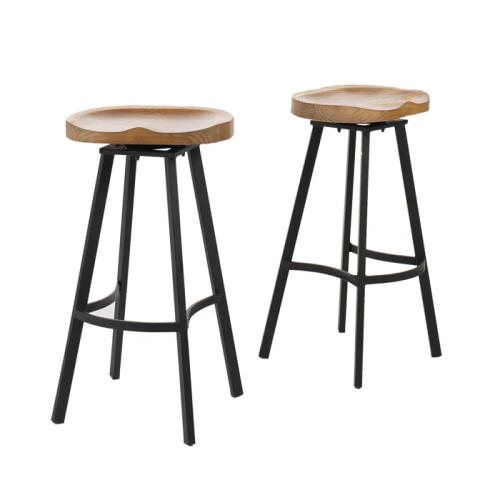
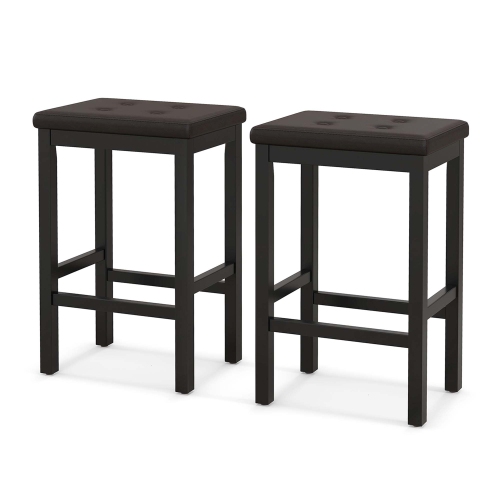
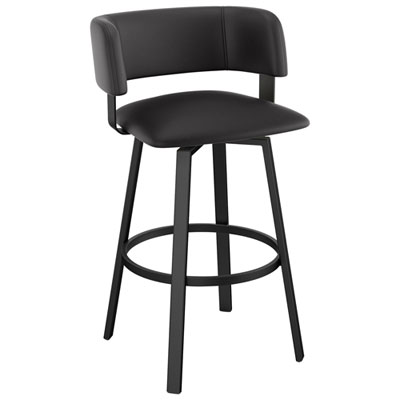
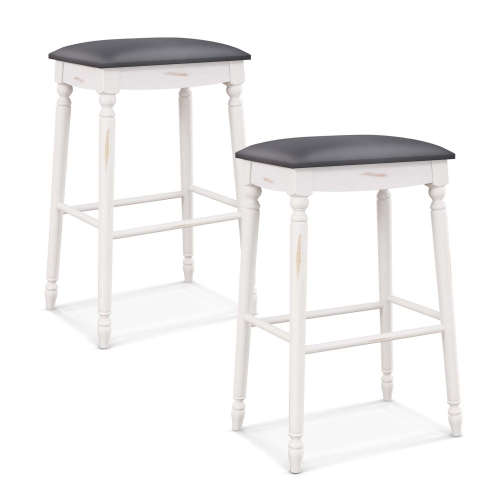
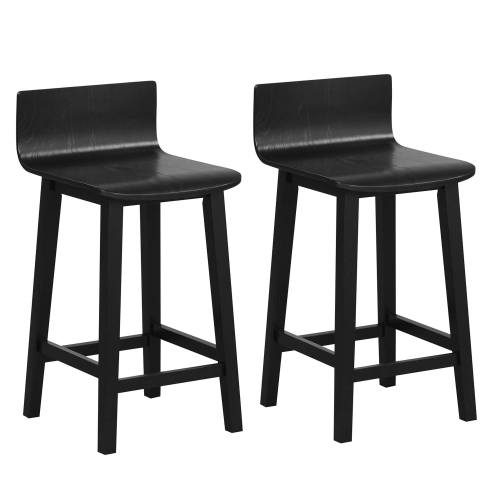
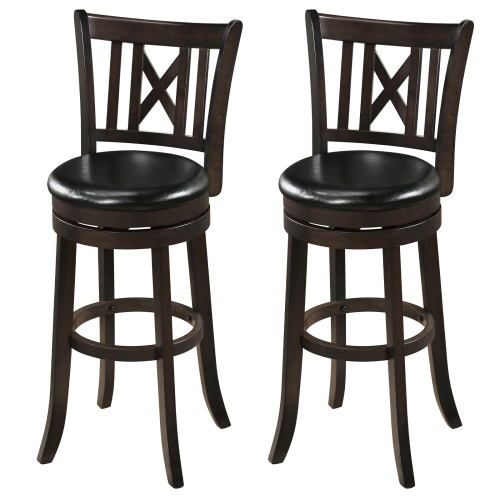
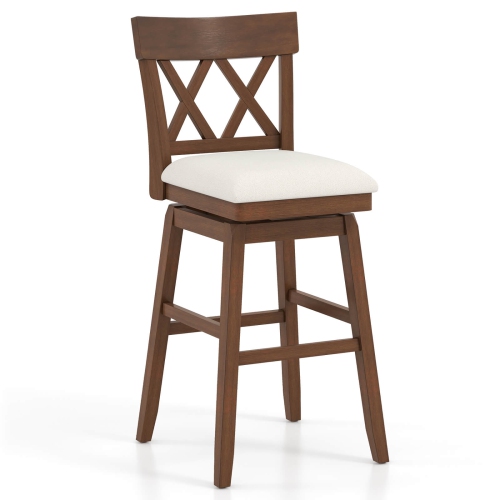
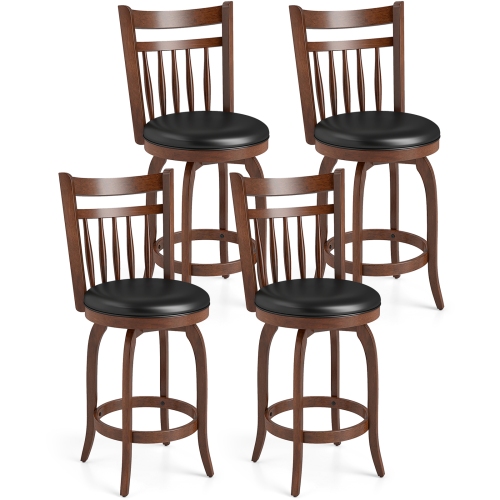
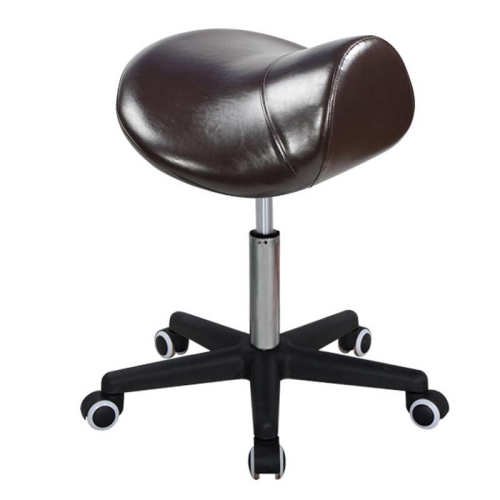
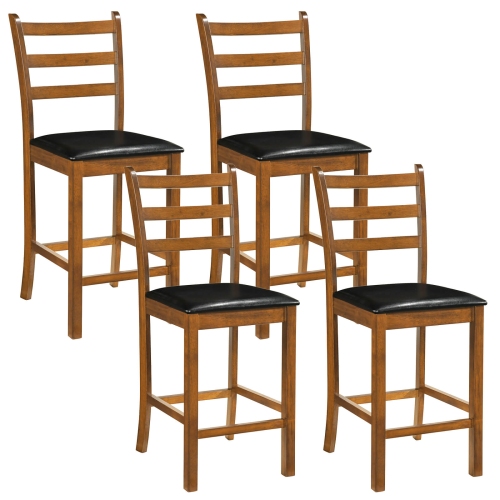
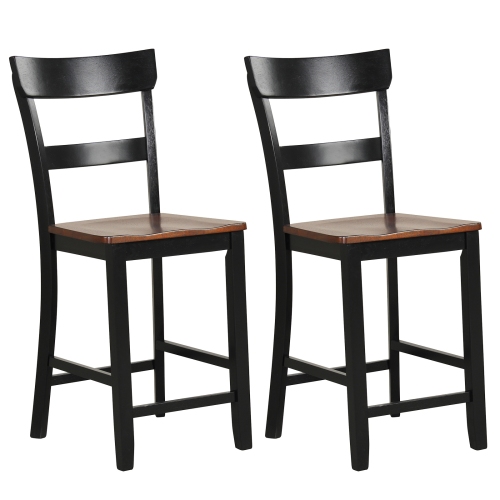
A curved seat is only part of the fit
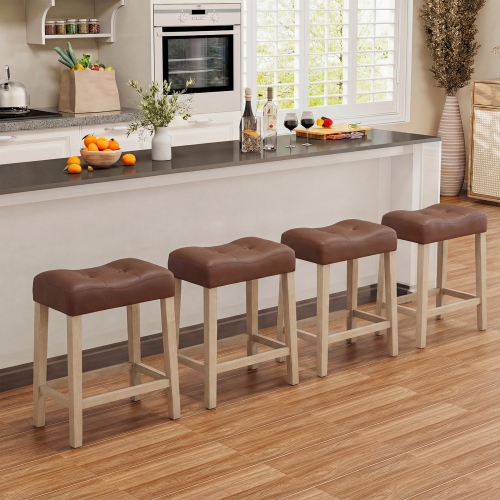
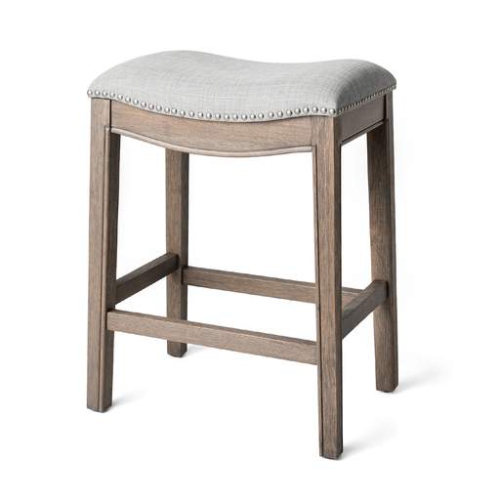
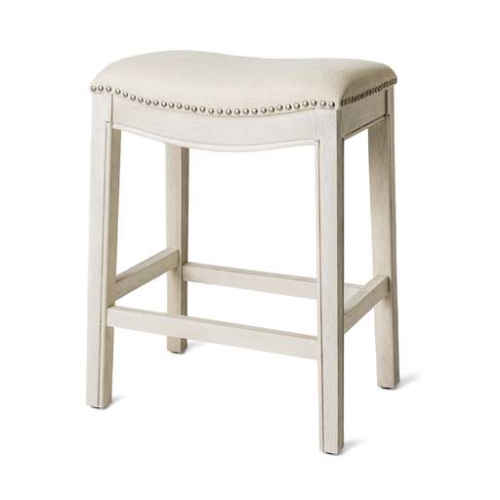
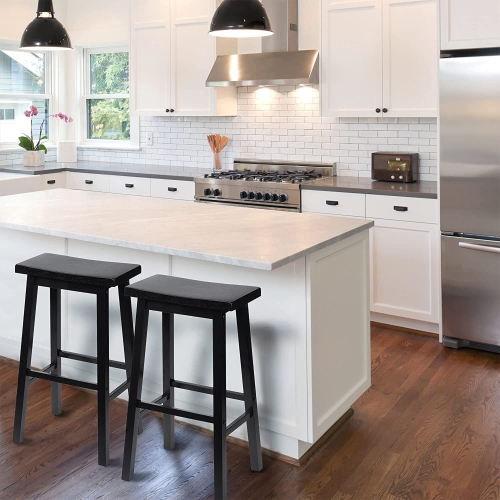
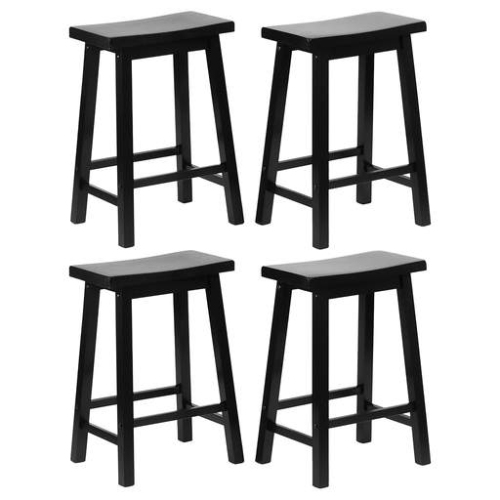
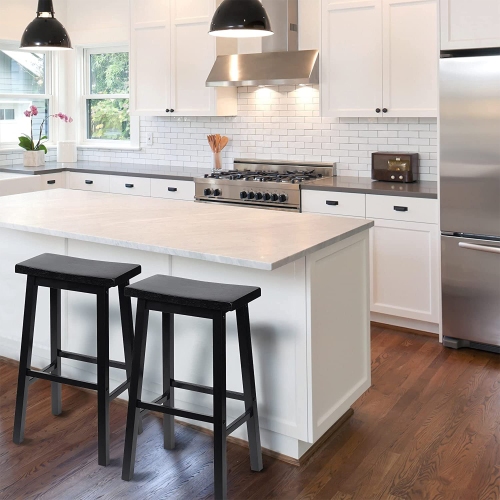
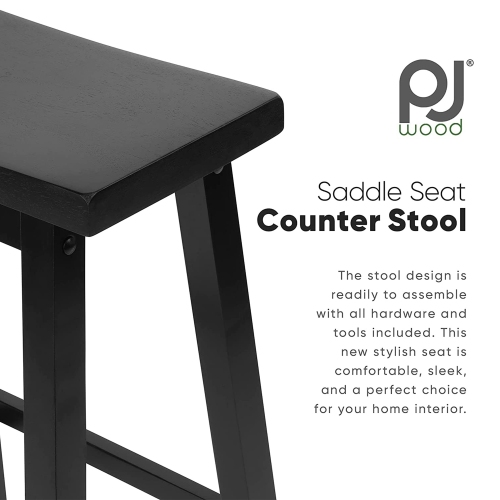
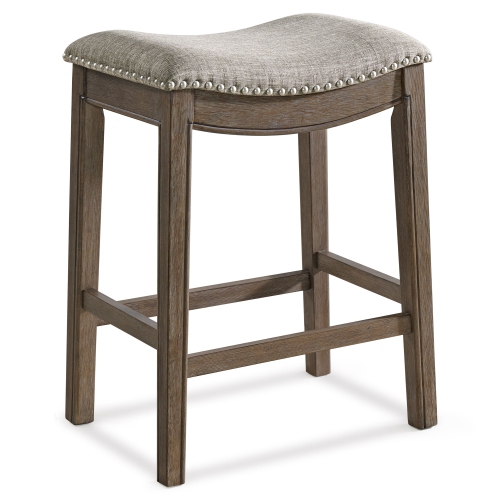
Saddle seat bar stools are backless stools with a contoured seat, usually rectangular, that curves gently to create a shallow dip through the centre. The name comes from that saddle-like shape, which distinguishes them from stools with flat, round seats. Their compact profile makes them a practical choice for kitchen islands, breakfast counters, home bars, and raised dining tables, especially where a tall chair back would interrupt sightlines across the room. The curved surface offers a defined place to sit, while a footrest gives feet somewhere to land when the floor is out of reach. Comfort still depends on the seat’s width, depth, edge shape, and height; a contour that suits one person may feel different to another. Although bar stool is often used as a general term, counter-height and bar-height seating are not interchangeable. Counter-height stools commonly have seats about 24 to 27 inches from the floor and suit counters around 36 inches high. Bar-height stools generally have seats about 28 to 32 inches high and are intended for taller surfaces, often around 40 to 42 inches. These are starting points rather than universal dimensions. Measure the actual surface and allow roughly 10 to 12 inches between the seat and the underside of the counter for legroom, taking any apron, drawer, or support bracket into account. Seat height alone does not tell the whole story: a thick cushion, a broad base, or a raised seat edge can affect the fit. Along an island, leave enough space between stools for elbows to move comfortably and for someone to climb on or step away without disturbing the next person. Check the widest part of the frame as well as the seat. A narrow top with widely splayed legs may occupy more floor space than expected. Backless seating often slides neatly beneath a counter overhang, but that depends on the stool’s full dimensions, the depth of the overhang, and the position of its footrest.
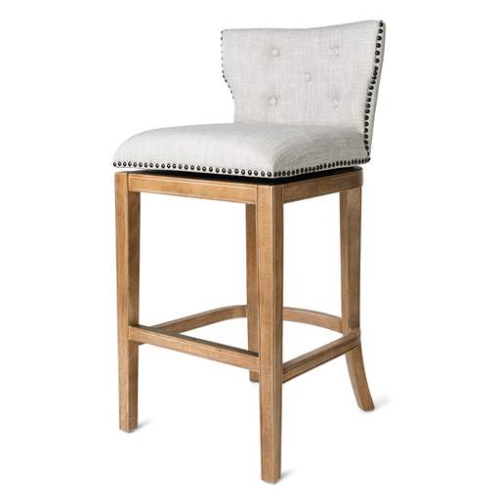
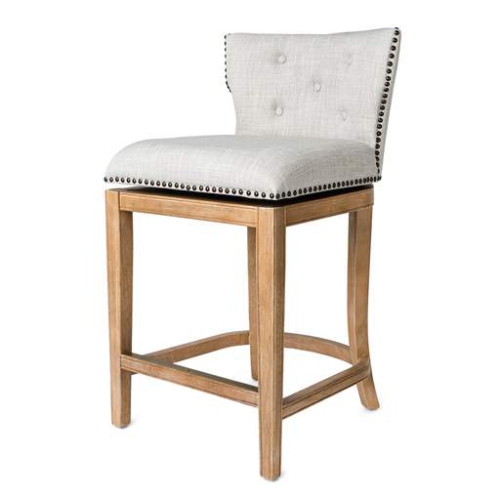
Materials influence both the appearance of saddle seat bar stools and how they stand up to everyday use. Solid wood brings visible grain and a substantial feel, with finishes that range from pale natural tones to deep brown, white, or black. Different wood species, finishes, and construction methods affect resistance to dents and scratches, so appearance alone is not a reliable measure of durability. Engineered wood components may provide a smooth, consistent finish, while metal frames can create a slimmer outline with a distinctly industrial or contemporary character. A wood seat paired with metal legs combines contrasting textures without adding much visual bulk. Upholstered saddle seats introduce cushioning and a softer appearance, although the amount and firmness of padding vary. Fabric texture, seam placement, and the shape of the front edge all influence how the seat feels during a meal or conversation. In a kitchen where crumbs and spills are routine, a smooth, accessible surface is easier to wipe than deep seams or heavily textured upholstery. Follow the care directions for the material: a soft cloth and prompt attention to spills are sensible starting points, while abrasive pads, excess moisture, and strong cleaners may damage finishes or coverings. Avoid assuming that every upholstered surface tolerates the same cleaning method. Construction deserves equal attention. Well-fitted joints, securely attached seats, and crossbars that brace the legs help a stool feel steady during normal use. Footrests should be firmly attached, since they receive repeated pressure as people settle into the seat. Check the stated weight capacity and assembly requirements, and follow any directions for tightening hardware after initial use. A stool that rocks may need adjustment or a more level position rather than extra pressure on its legs. Suitable floor protectors can help limit scuffs and scraping sounds, provided they fit securely and suit the flooring. Lift stools when moving them instead of dragging them, and avoid using a footrest or seat as a step ladder.
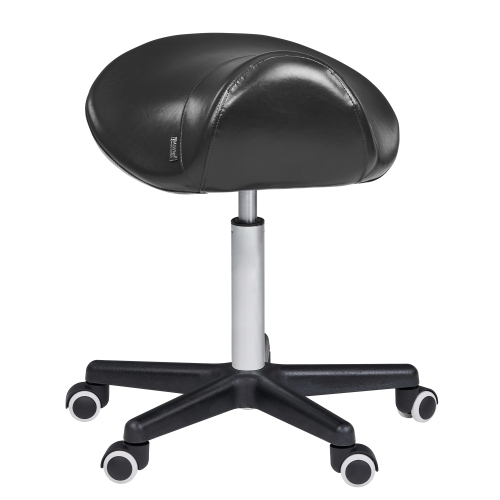
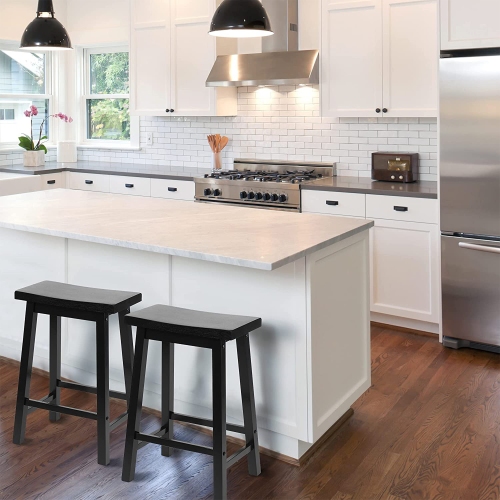
The appeal of saddle seating is often clearest in a kitchen that serves several purposes throughout the day. A pair of low-profile stools can provide a place for breakfast, a quick conversation during meal preparation, or a spot to sort the post without making the island feel enclosed. In an open-plan room, their lack of backrests keeps the countertop and surrounding furniture visually connected. Natural wood seats can add warmth beside painted cabinetry, while a dark frame can pick up the finish of light fittings or cabinet handles. Matching every surface is not necessary; repeating one colour or material is often enough to make the seating feel intentional. For a more coordinated arrangement, consistent seat heights and similar proportions matter as much as matching finishes. When comparing Saddle Stools for a shared kitchen or dining area, consider how each person will get on, sit, and step down. A fixed seat stays in one orientation, while a swivel seat, where fitted, allows movement but needs clearance from neighbouring stools and cabinetry. Footrest height matters alongside seat height, particularly when several people of different heights use the same seating. Backless stools are best suited to people who can sit comfortably without back support; they are not automatically a substitute for a supportive dining chair or an adjustable office chair. The curved seat alone does not guarantee improved posture or relief from discomfort. For lengthy meals, extended desk work, or anyone who needs help with balance, a different seating style may be more appropriate. In a compact space, measure the walking route behind the stools with someone seated, not just with the seats tucked away. Cupboard doors, appliances, and nearby drawers still need room to open. These everyday details help determine whether saddle seat bar stools will be a comfortable, useful part of the room rather than simply a good visual match.
Top selling and popular products
-
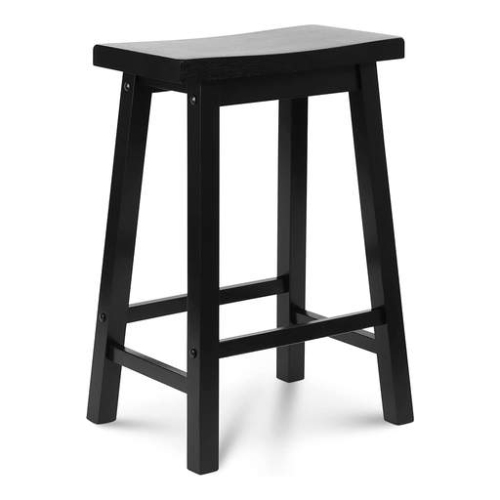 Your price for this item is $93.99
-
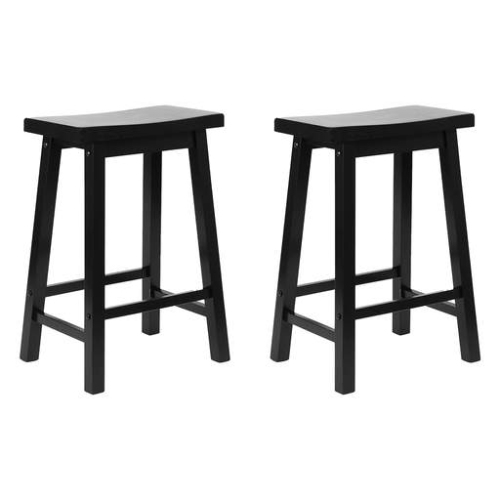 Your price for this item is $179.99
-
 Your price for this item is $562.99
-
 Your price for this item is $202.99
-
 Your price for this item is $508.99
-
 Your price for this item is $554.99
-
 Your price for this item is $509.99
-
 Your price for this item is $297.99
Discover more categories related to Saddle Seat Bar Stools
Top Collections:
Best Black Friday Deals This Year, Best Black Friday Deals On Electronics, Kindle Devices, Best Black Friday Deals On Apple Products, Best Budget Office Chairs, Best Cameras for Sports Photography, Dyson Airwrap, Canon G7X Cameras, Best Laptops for Writers, Samsung Galaxy Phones
Some products may be subject to Environmental Handling Fees
(EHF) depending on your province.
Learn more about EHFs.