Saddle Seat Counter Stools
Upgrade your kitchen or bar area with the sleek and stylish saddle seat counter stools. These versatile seating options are designed to provide comfort and functionality, making them the perfect addition to any home. Whether you're enjoying a quick breakfast at the kitchen island or entertaining guests in your basement bar, these counter stools offer a comfortable and elevated seating experience. With their ergonomic design and durable construction, they are built to withstand everyday use while adding a touch of modern elegance to your space. Explore our wide selection of saddle seat counter stools and find the perfect fit for your home today.
Sort
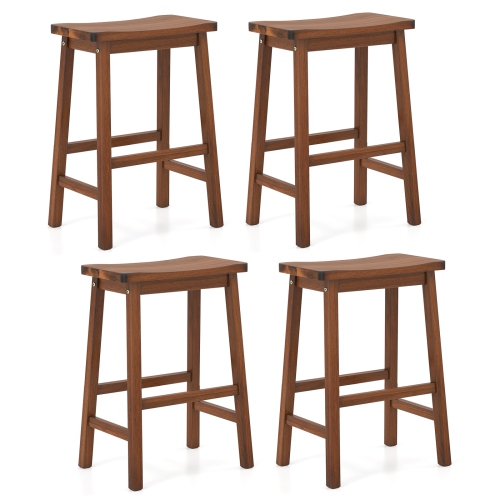
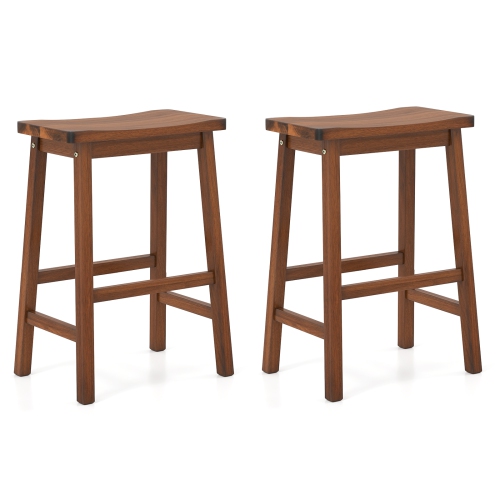
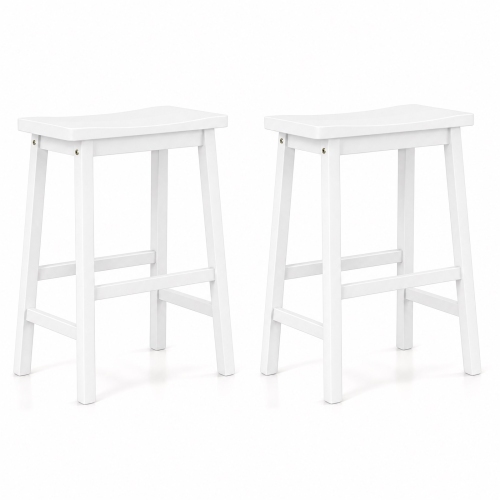
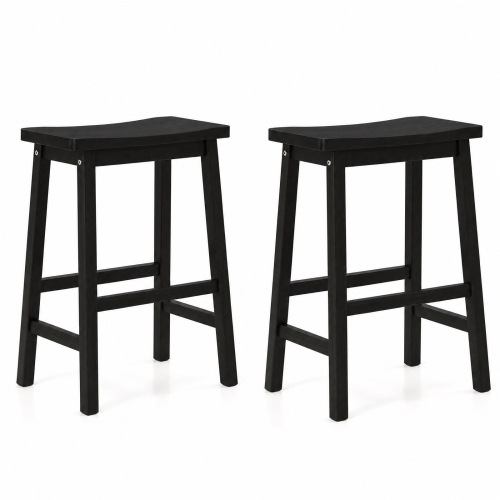
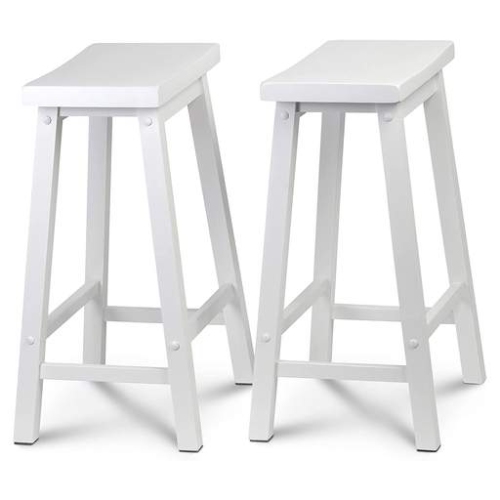
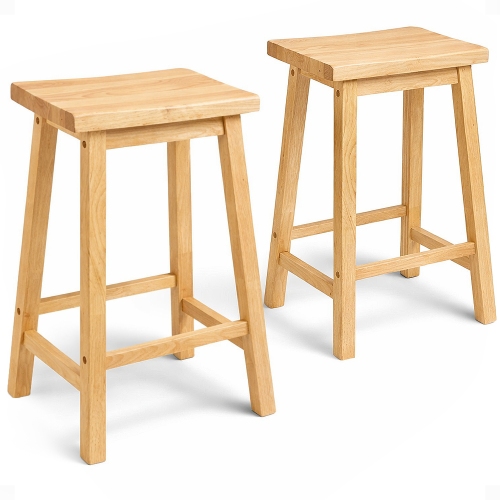
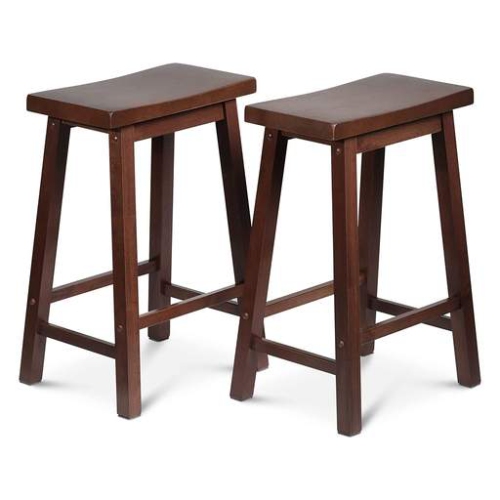
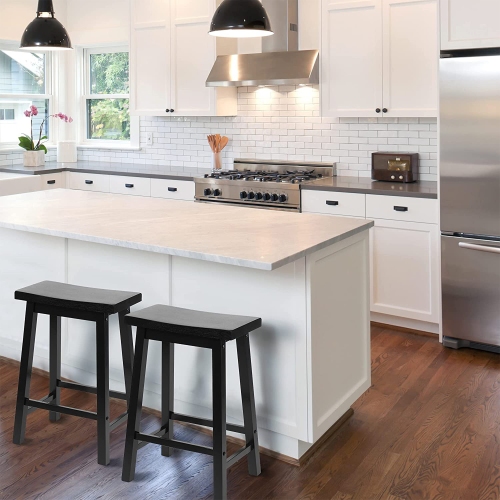

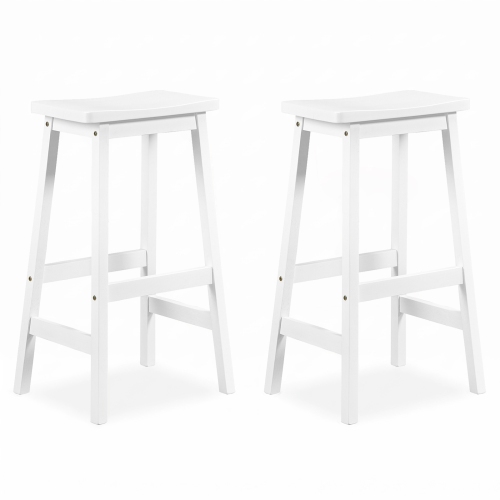
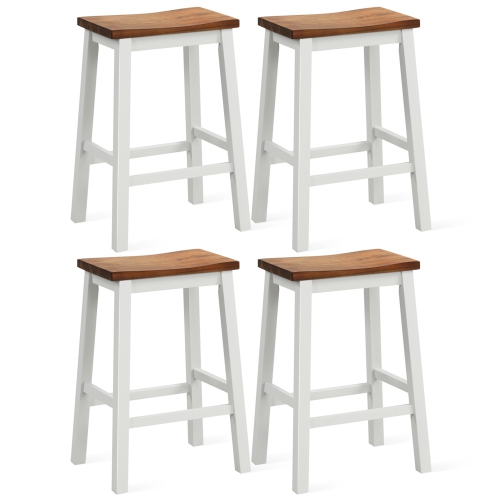
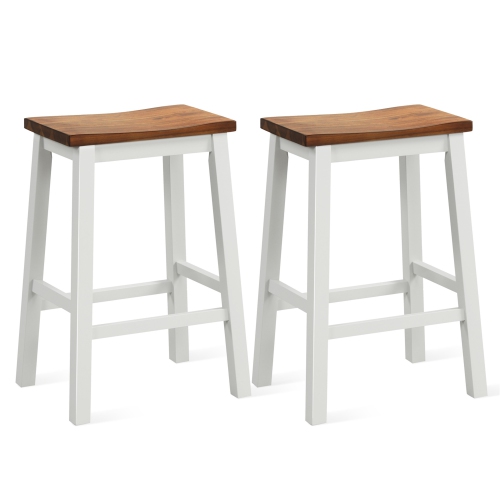
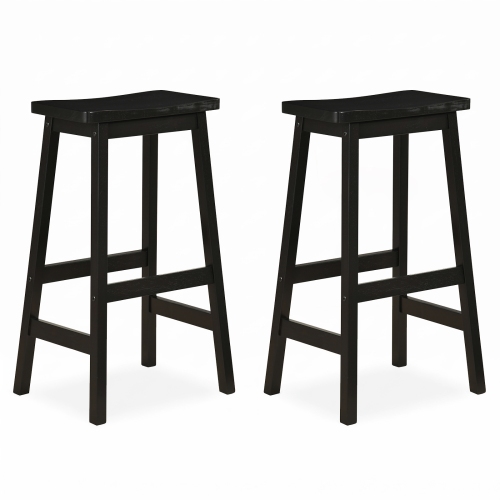
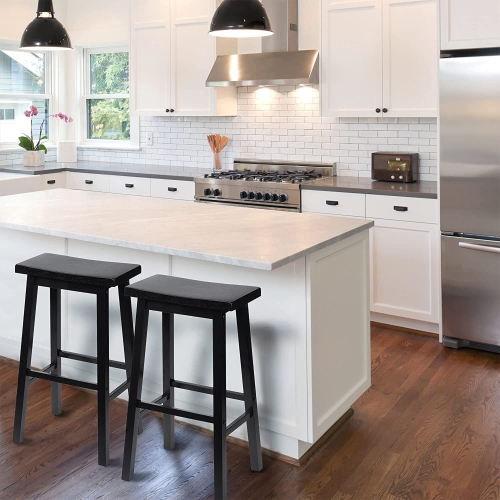
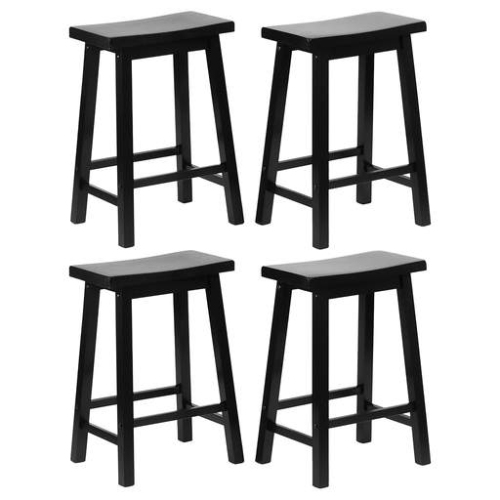
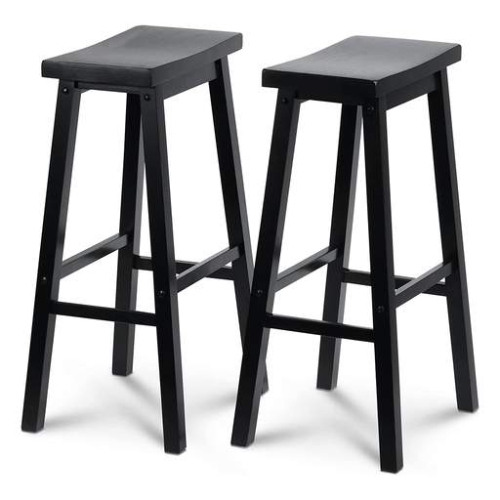
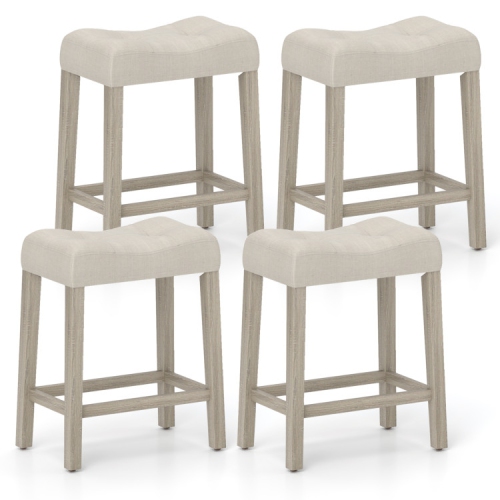
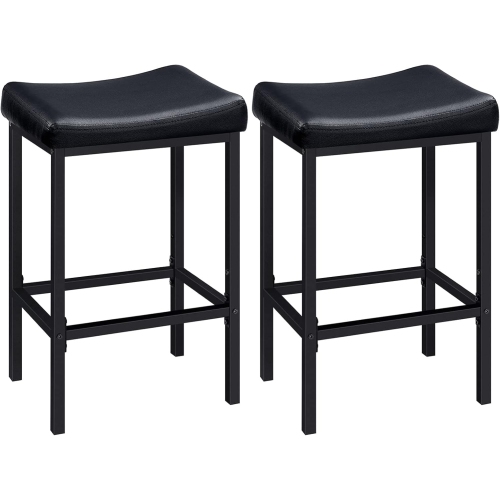
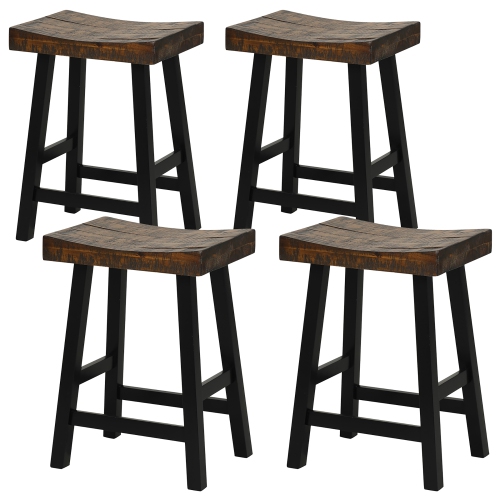
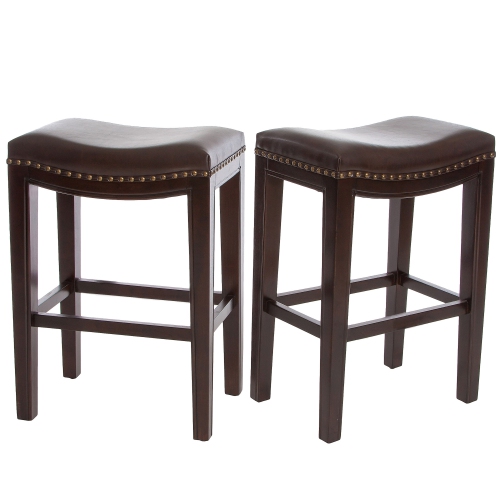
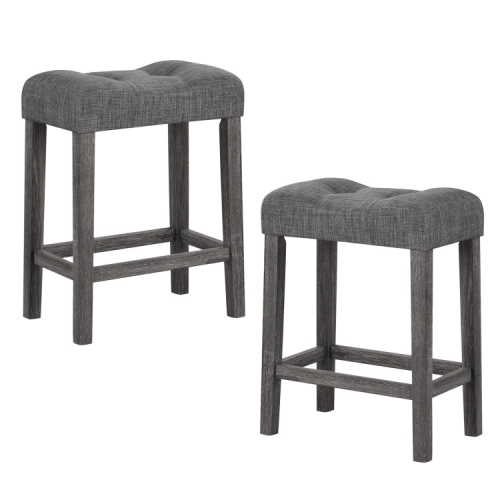
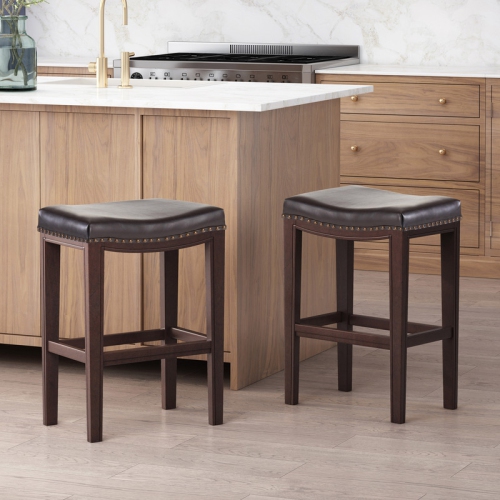
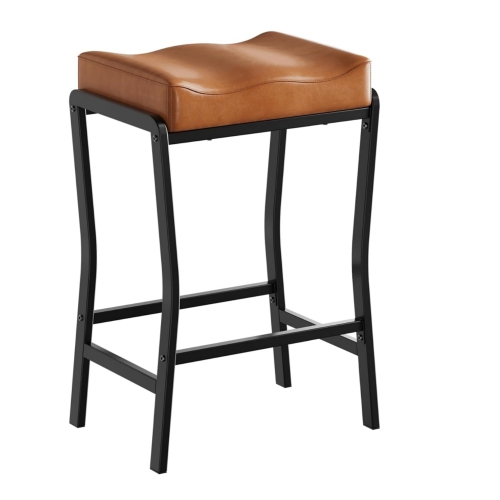
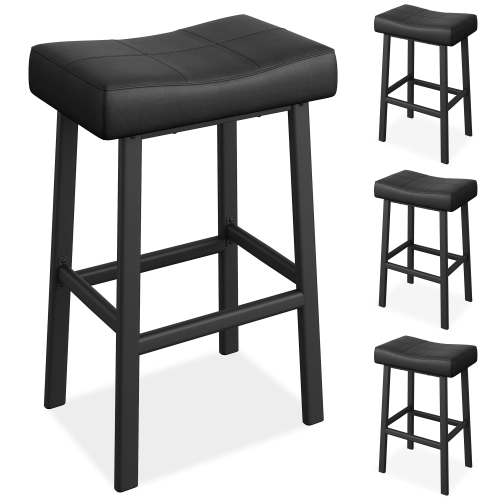
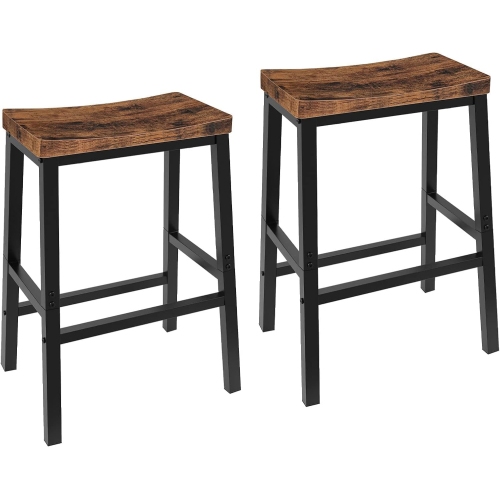
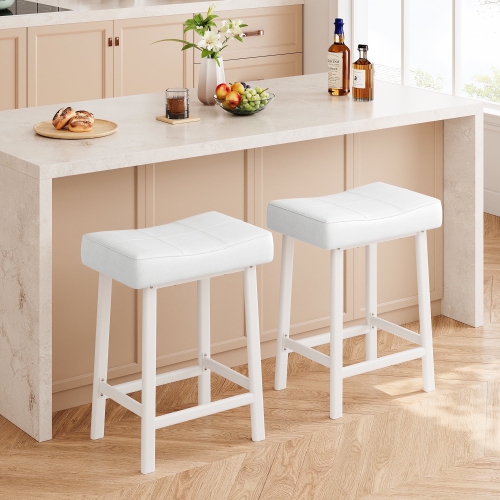
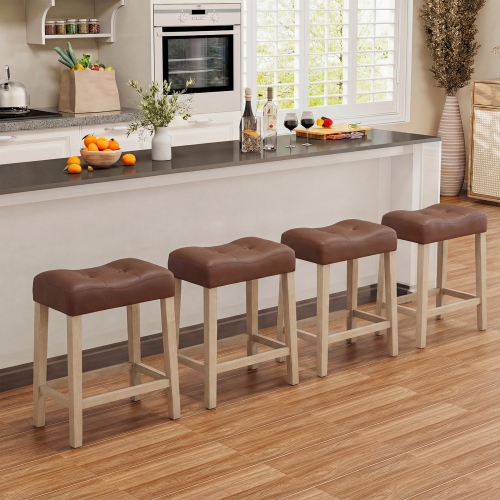
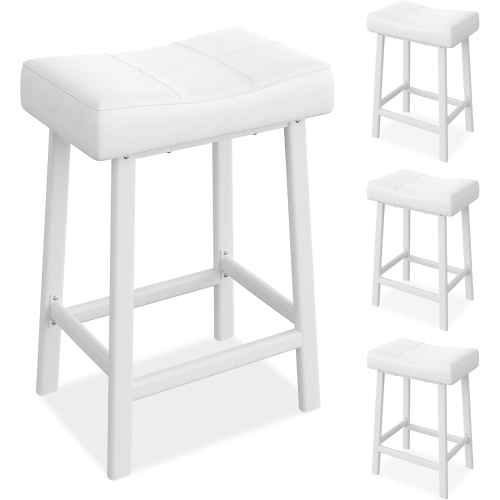
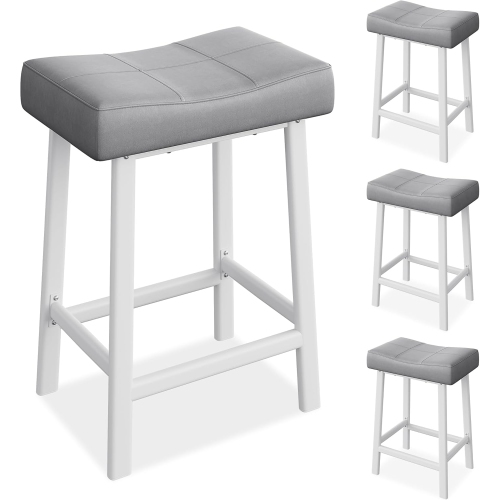
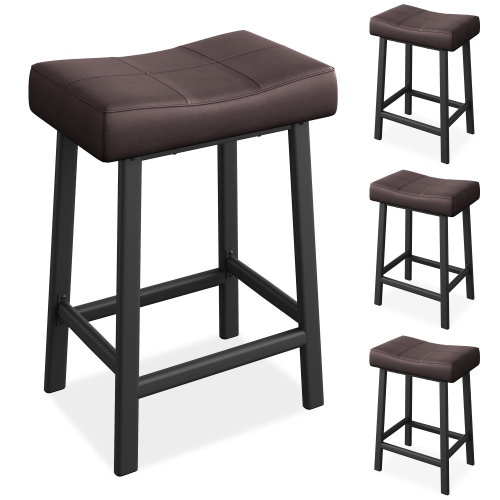
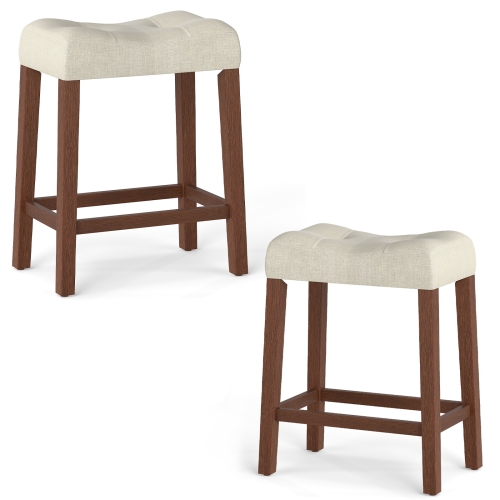
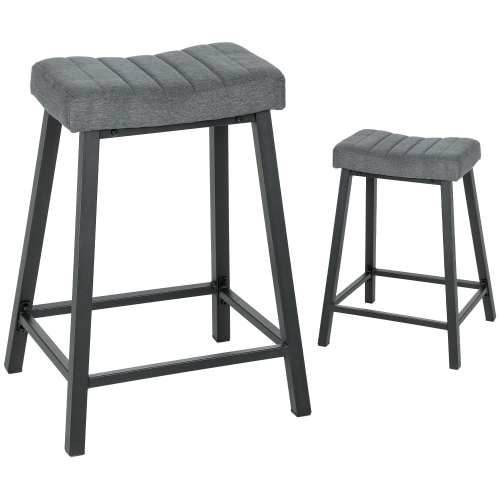

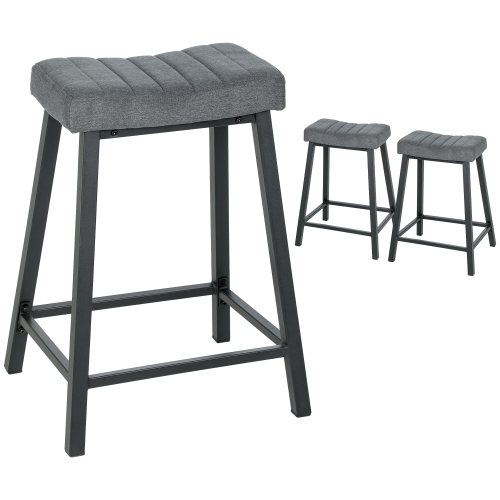
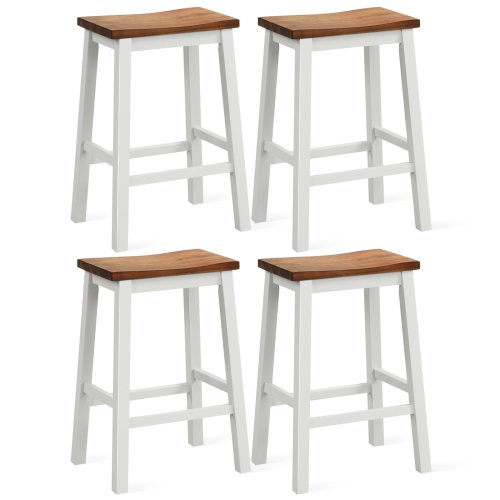
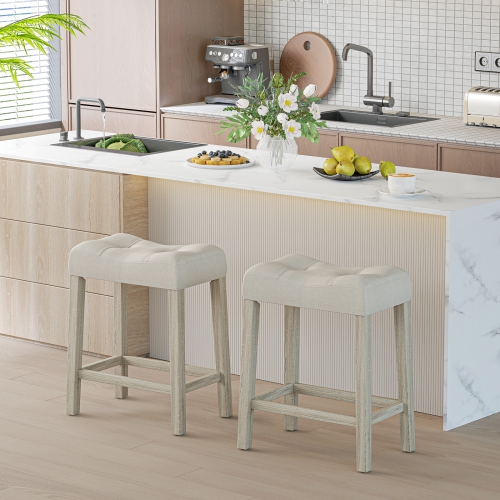
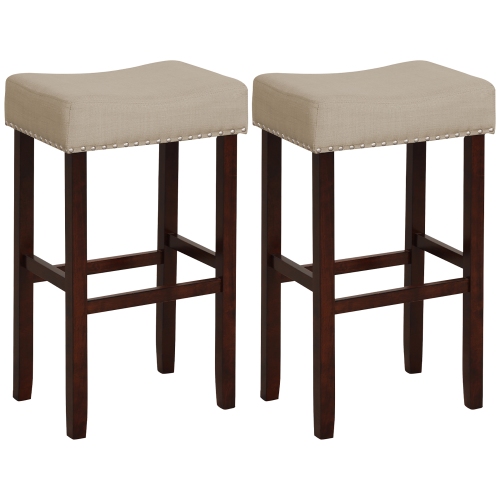
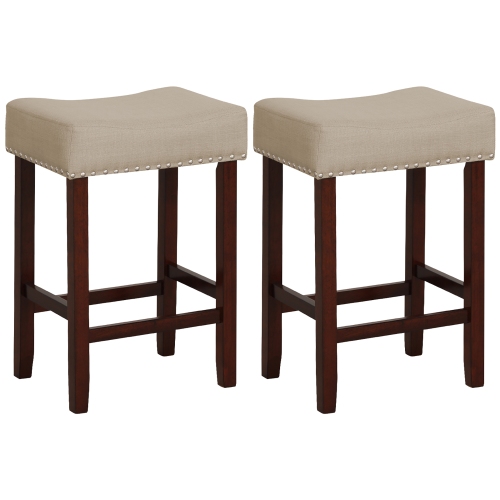
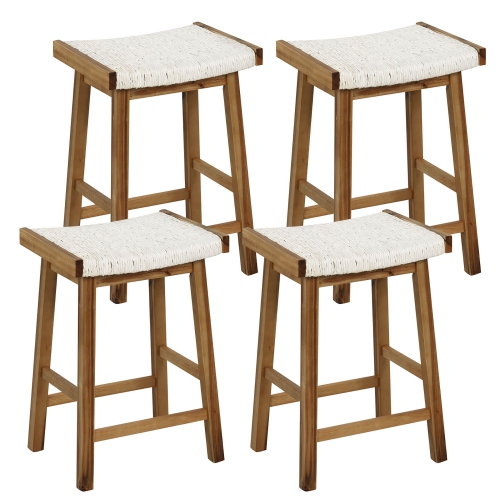
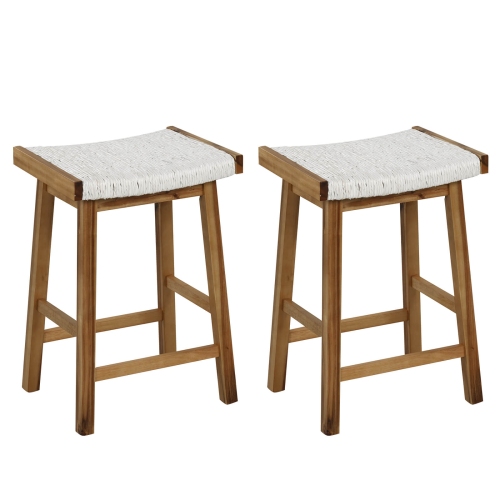
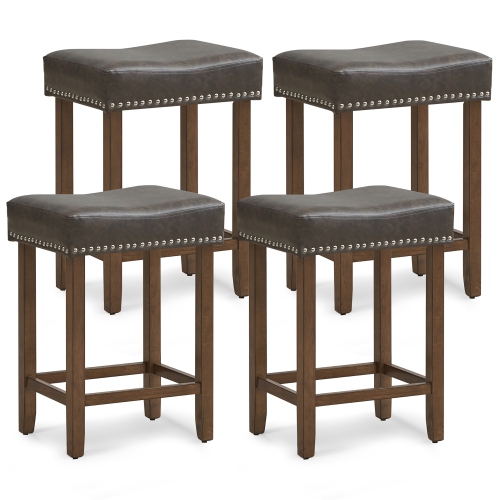
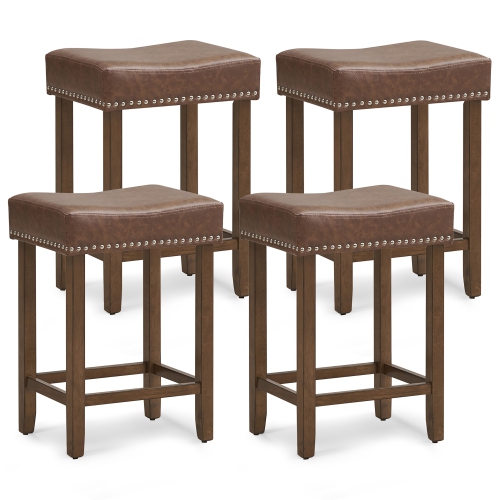
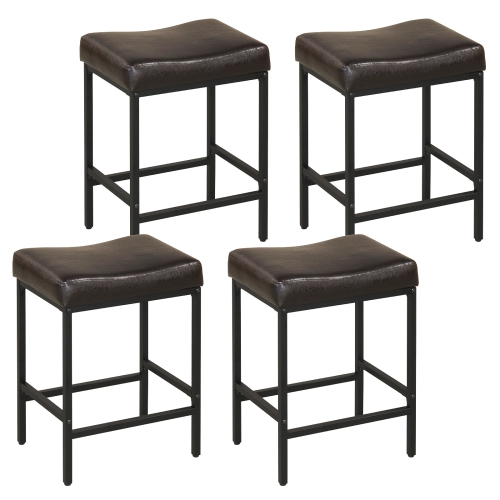
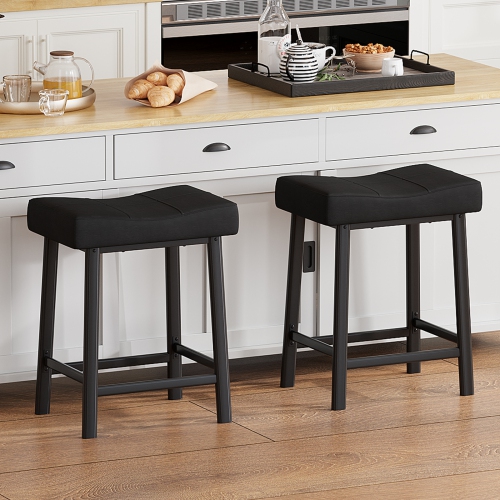
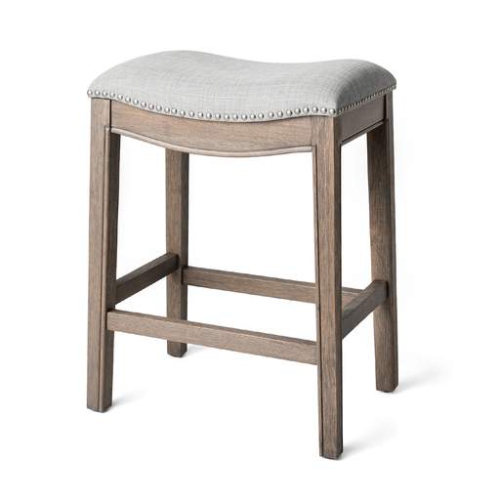

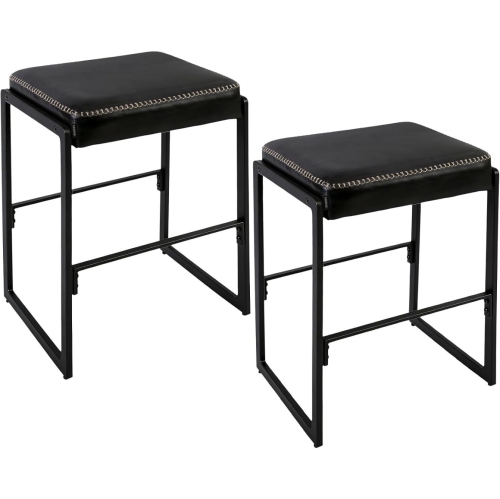
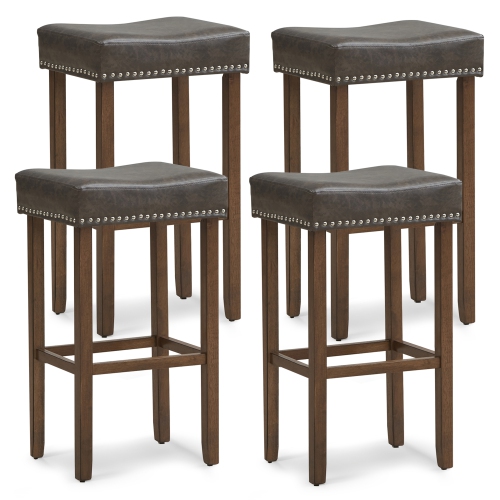
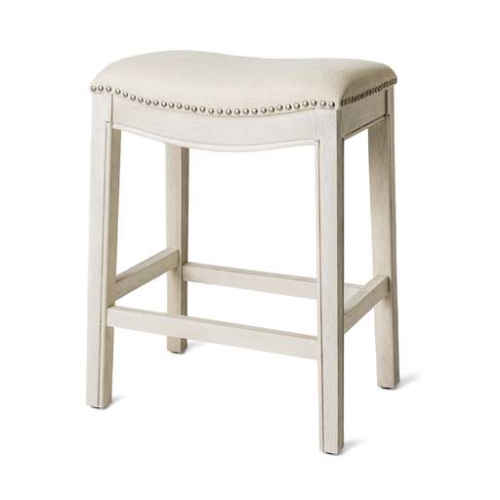
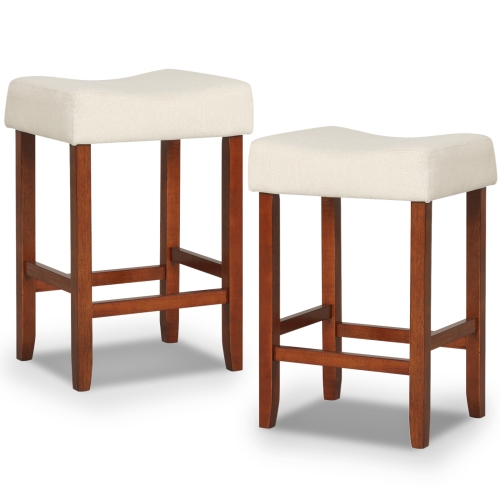

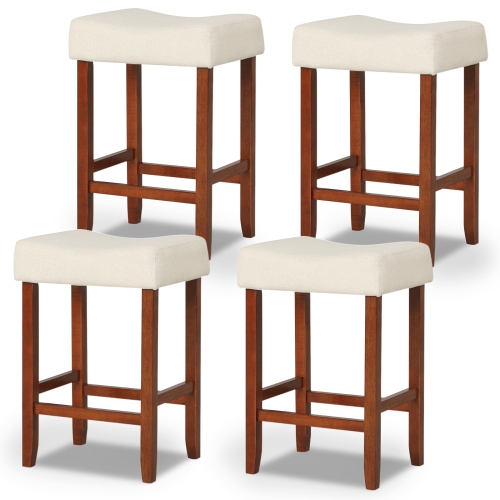
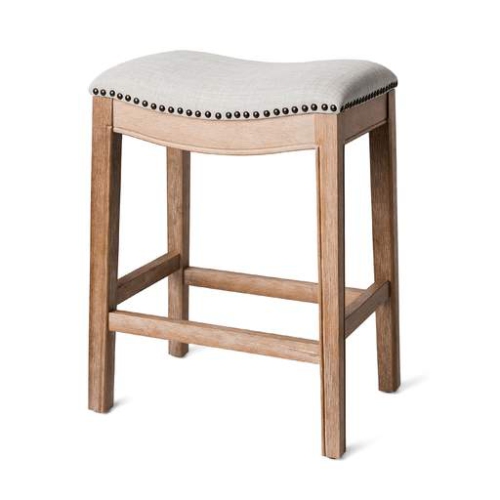
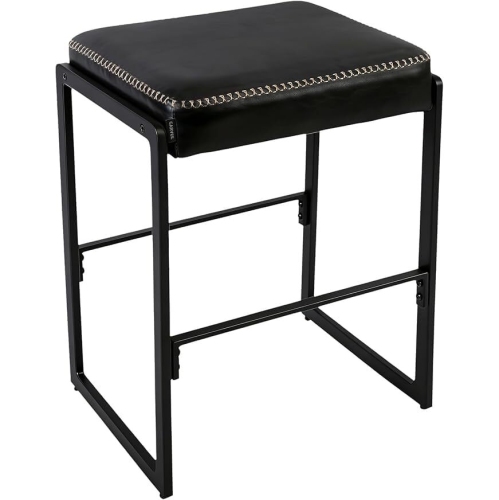
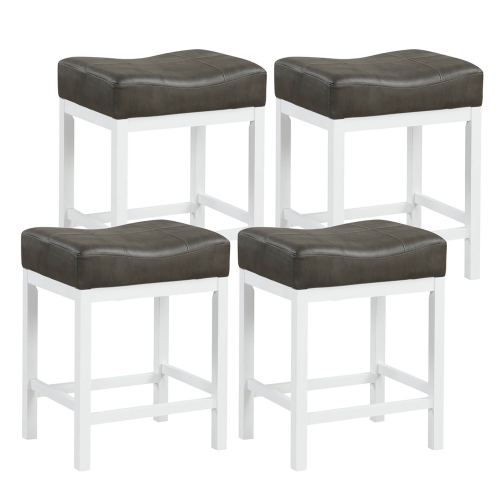
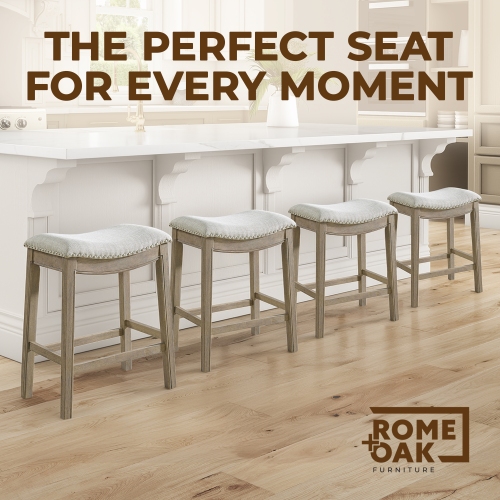

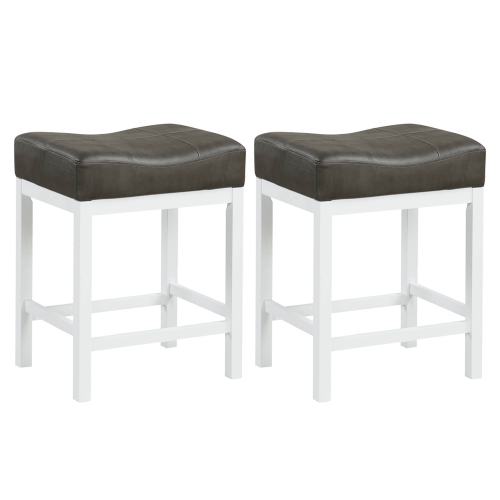
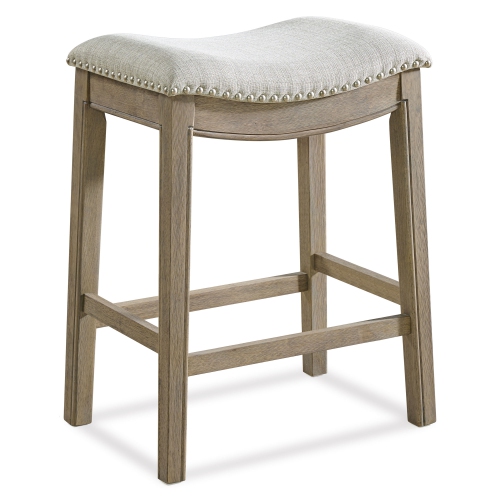
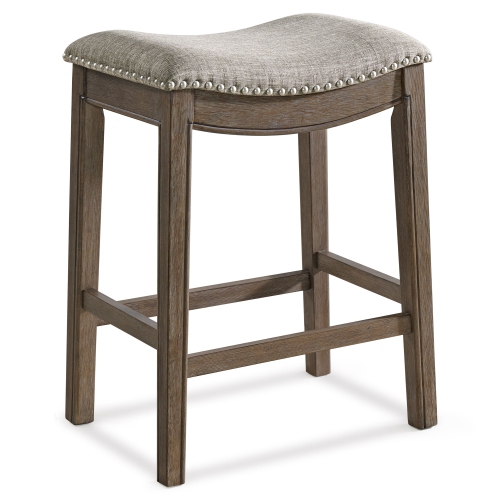
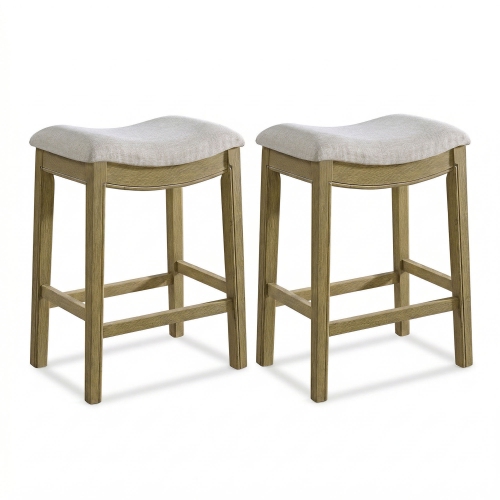
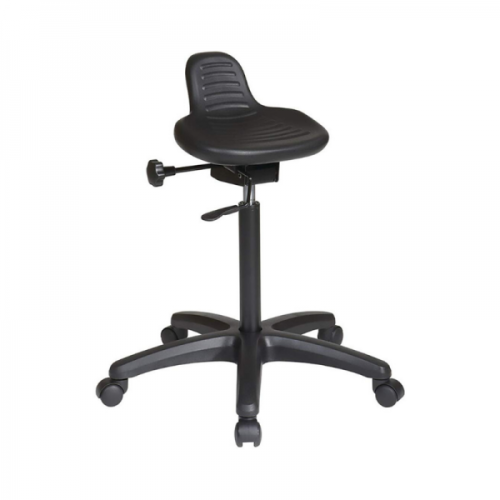
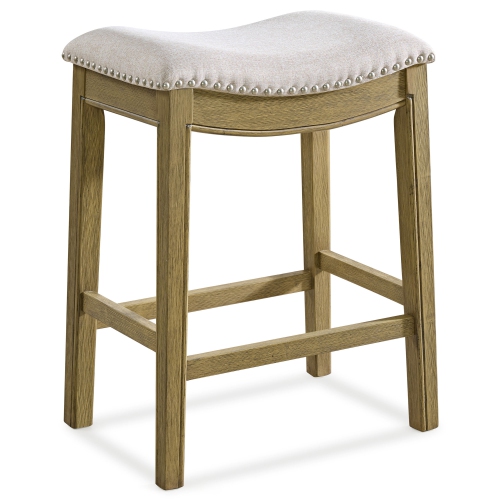
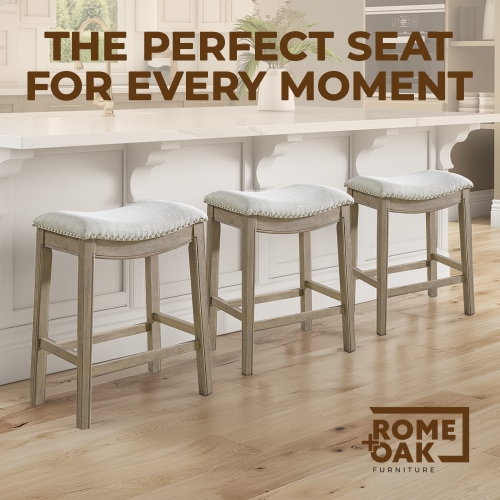
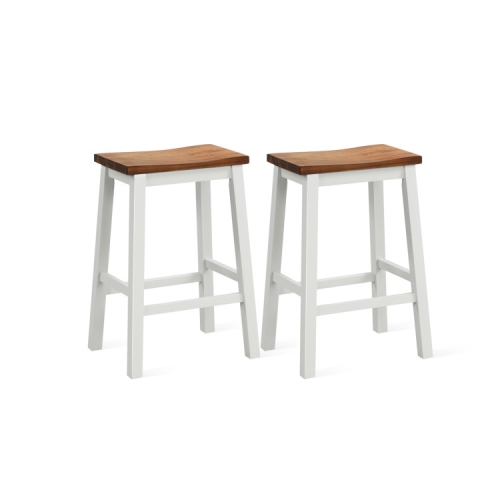
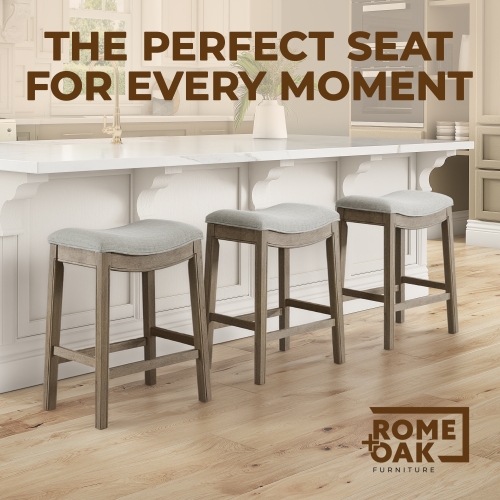
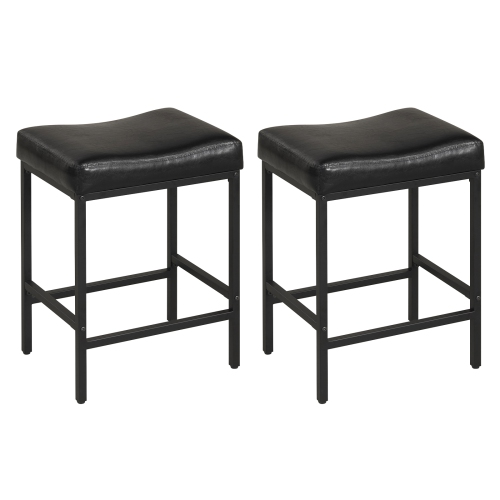
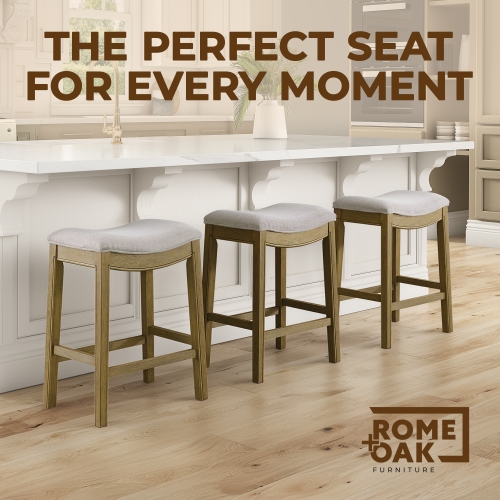
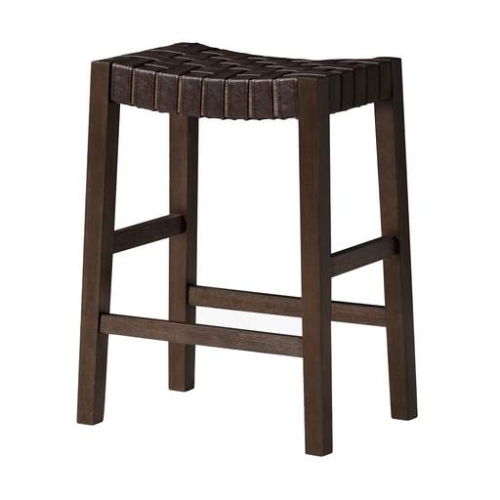
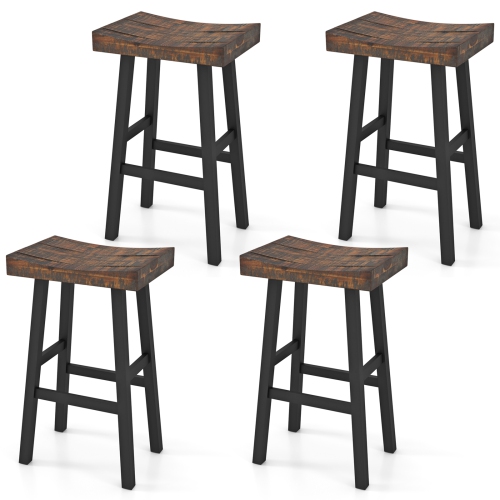
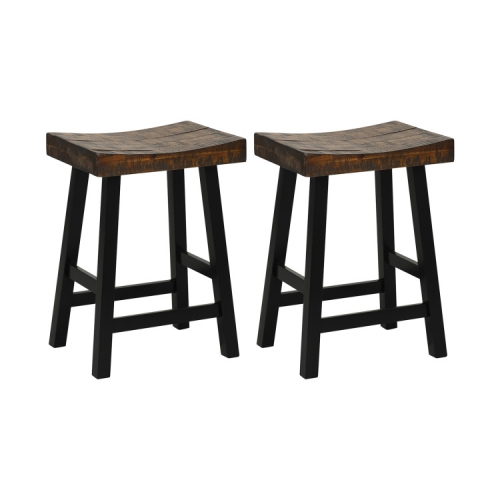
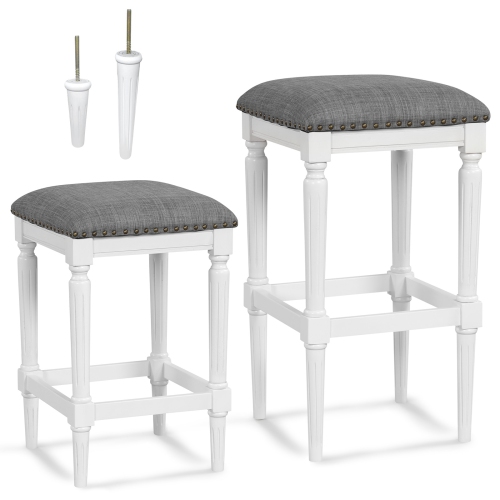
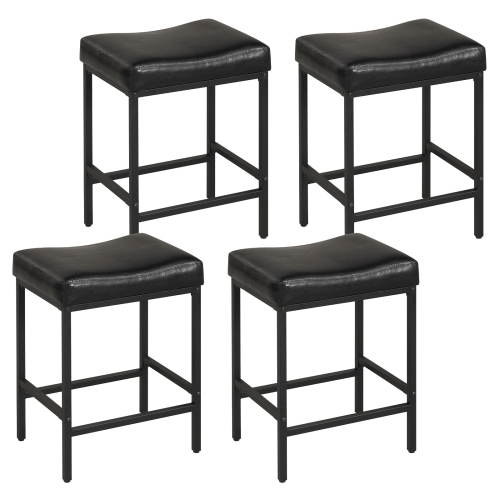
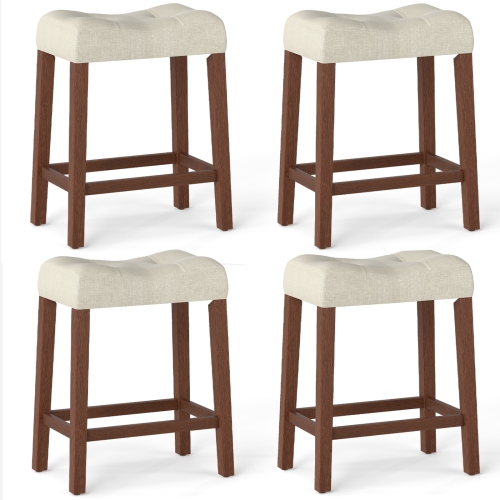
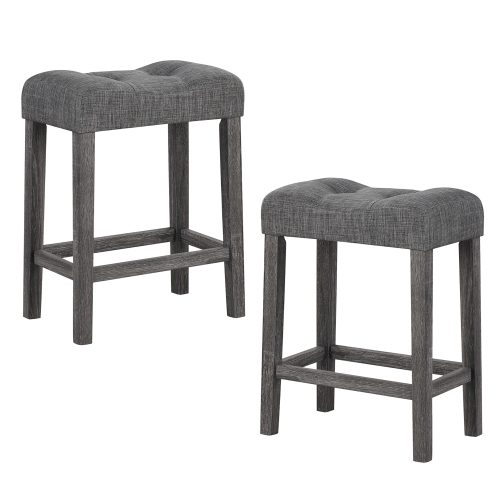
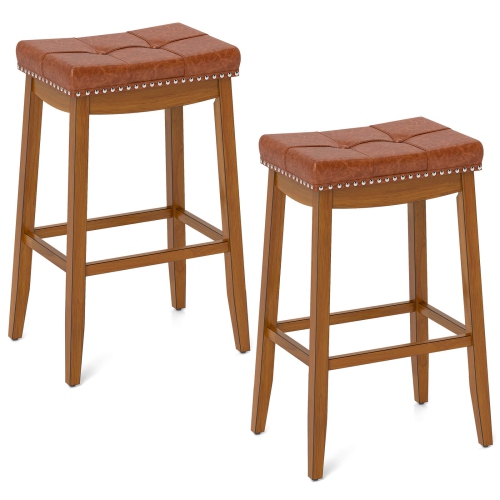
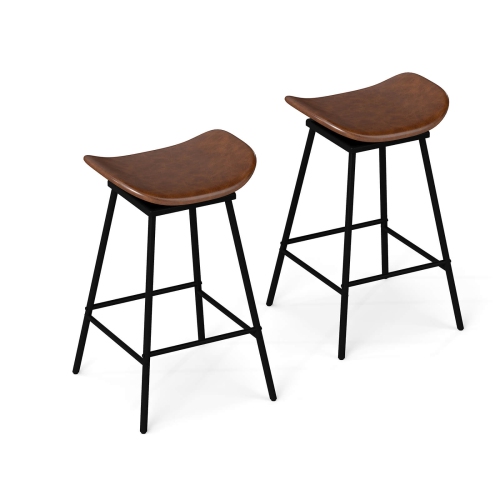
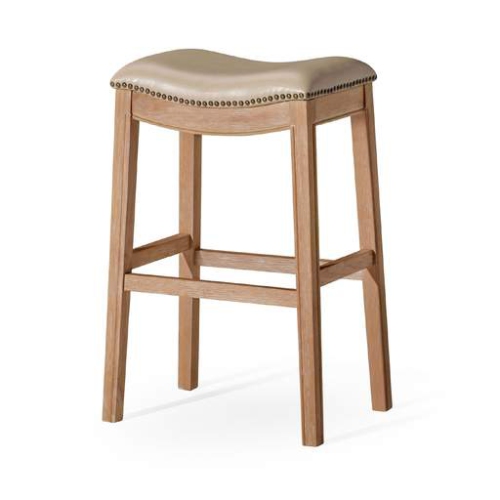
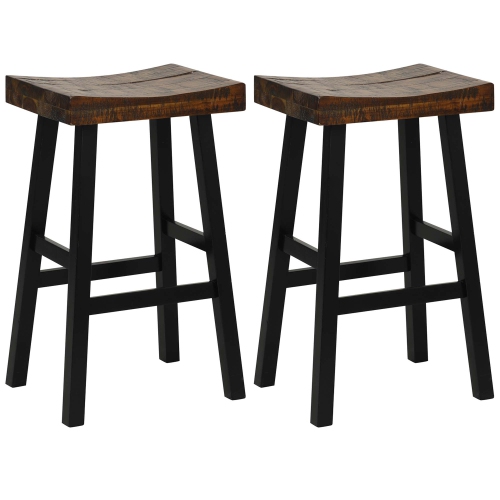
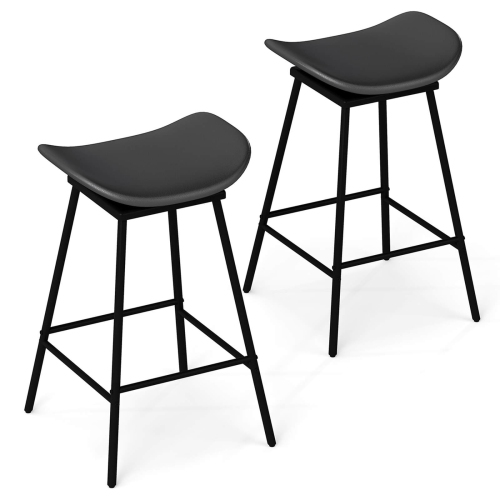
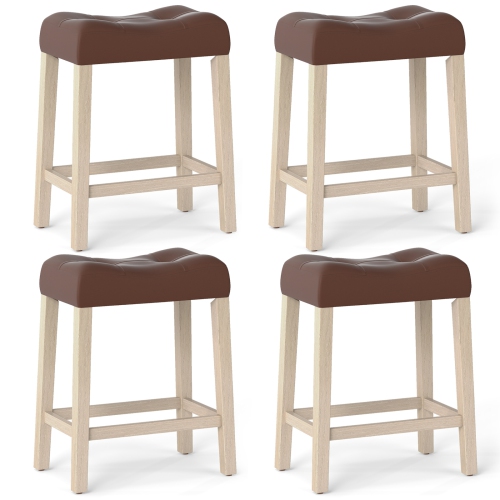
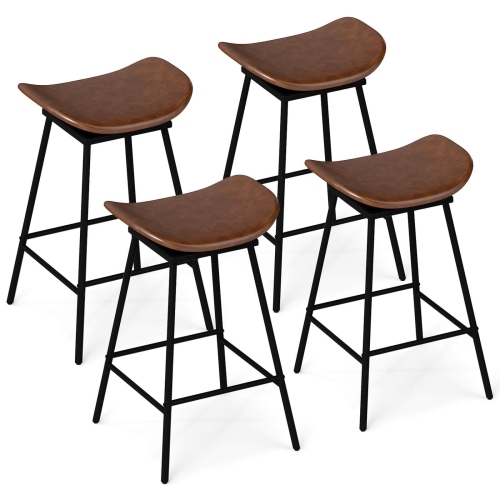
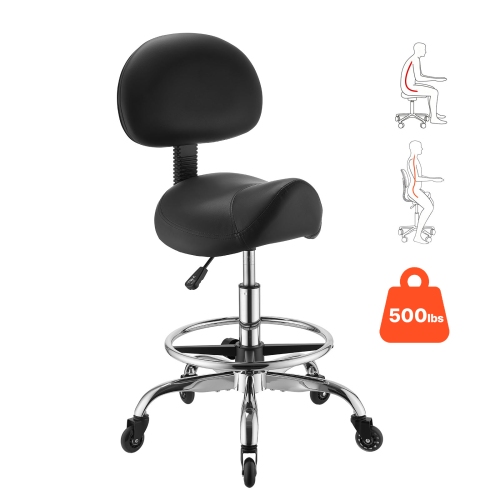
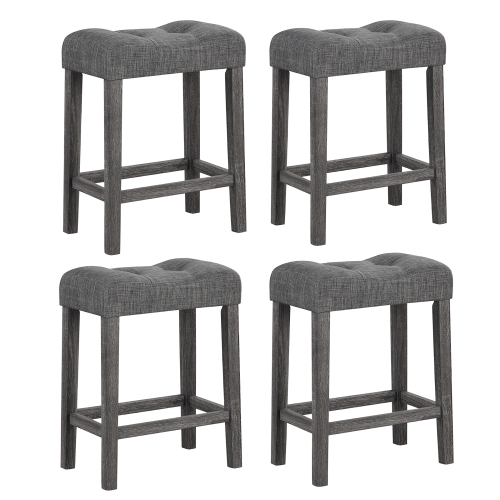
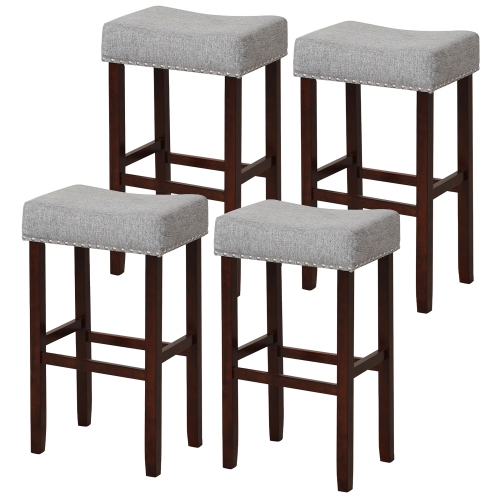

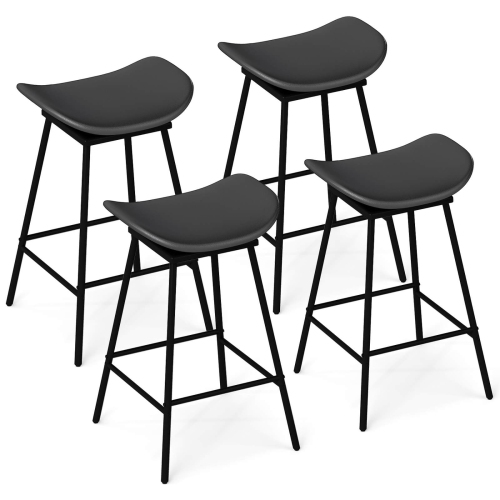
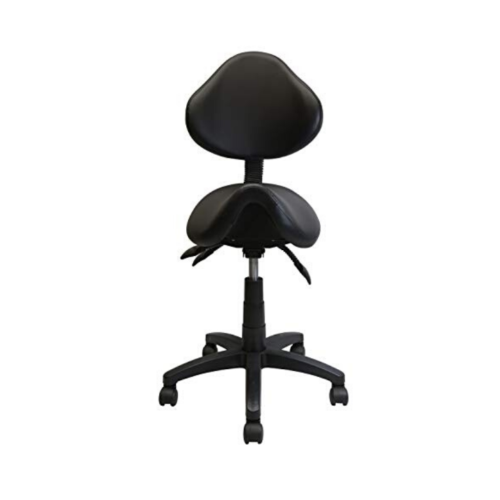
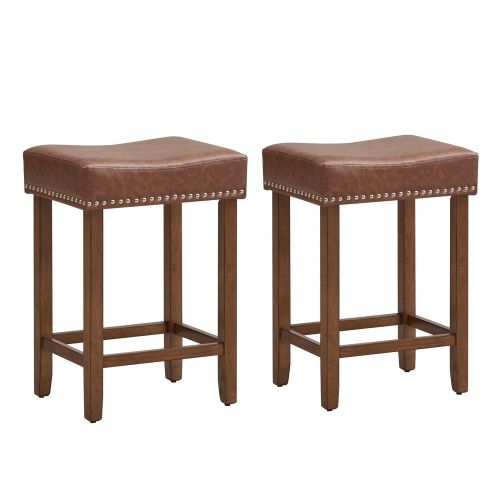
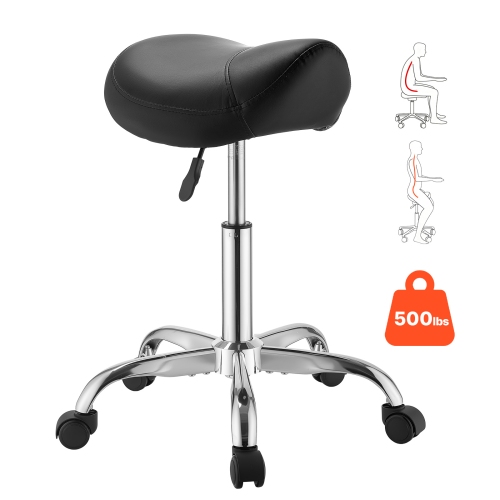
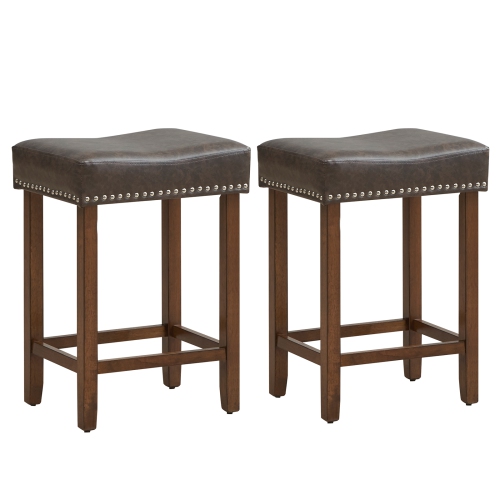

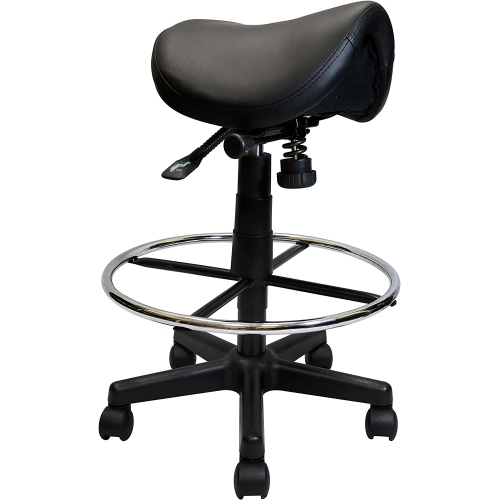
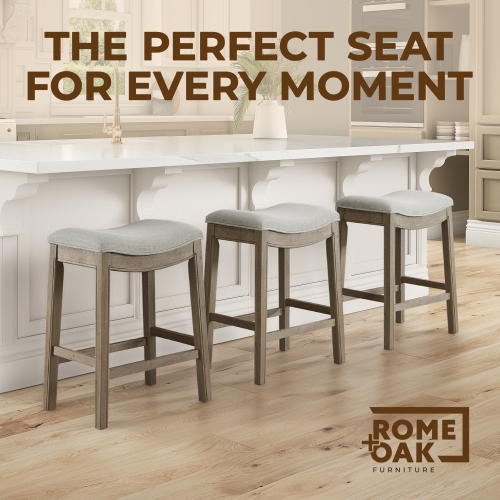
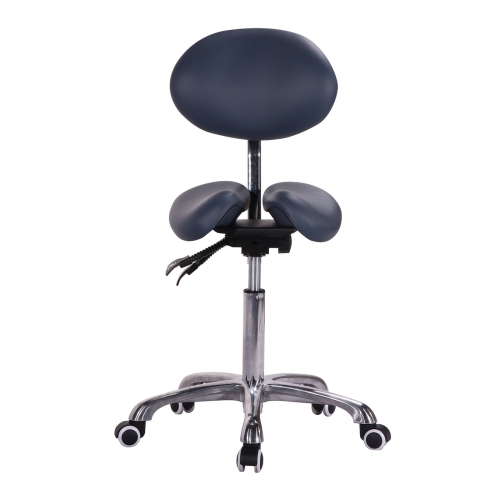
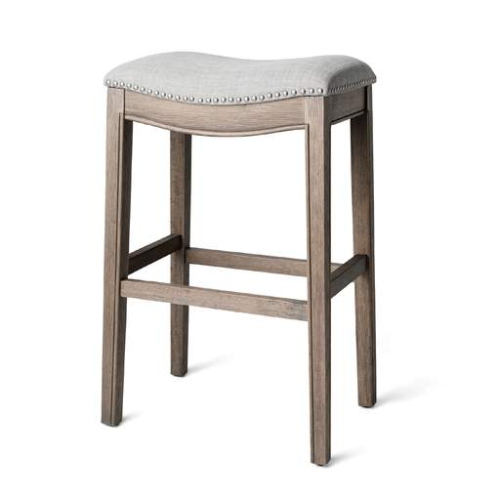
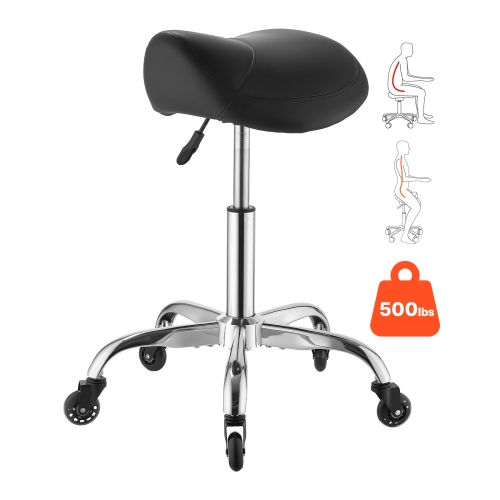
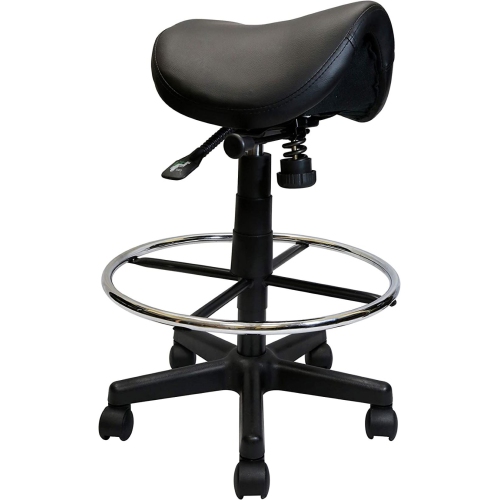
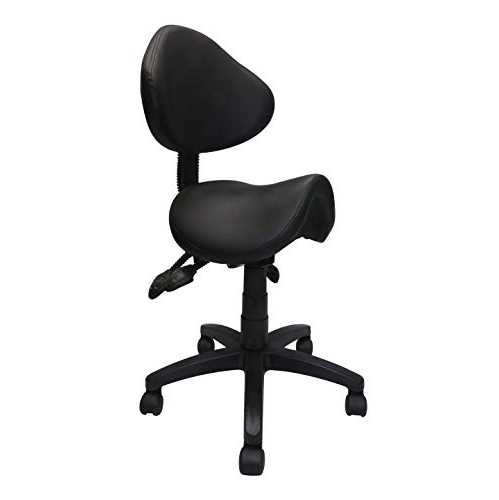
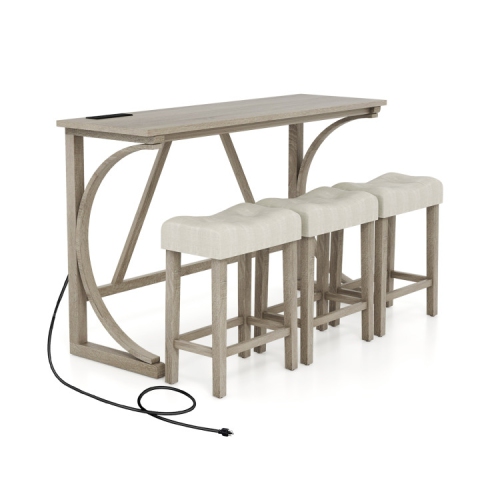

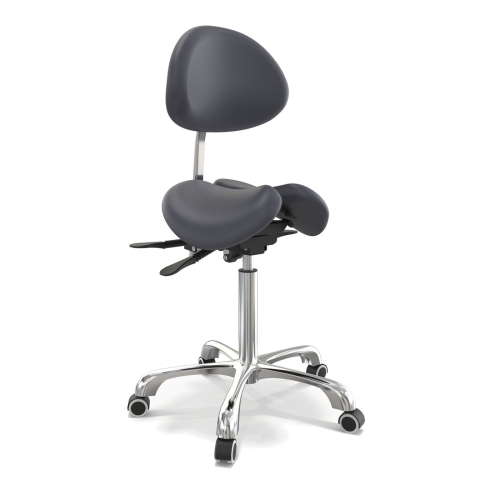
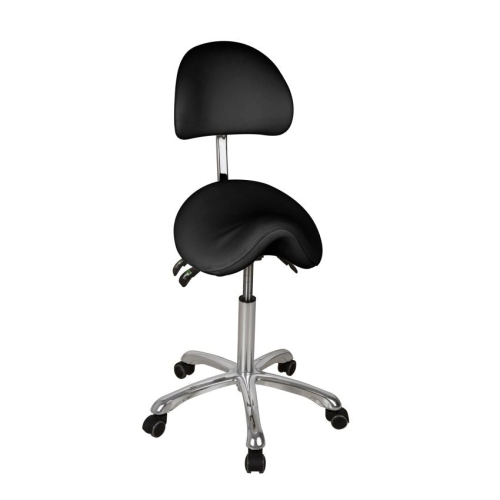
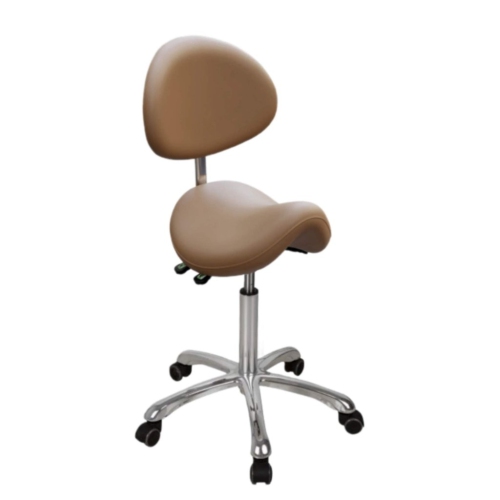
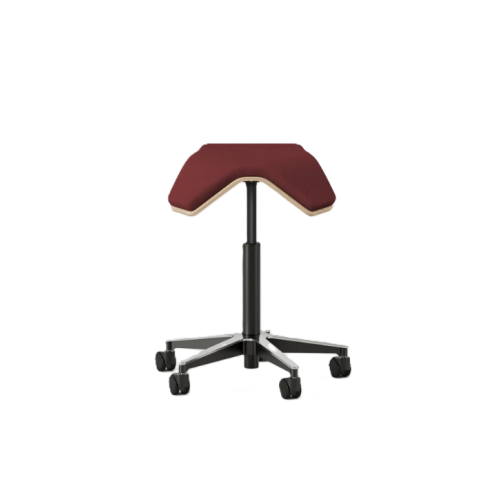
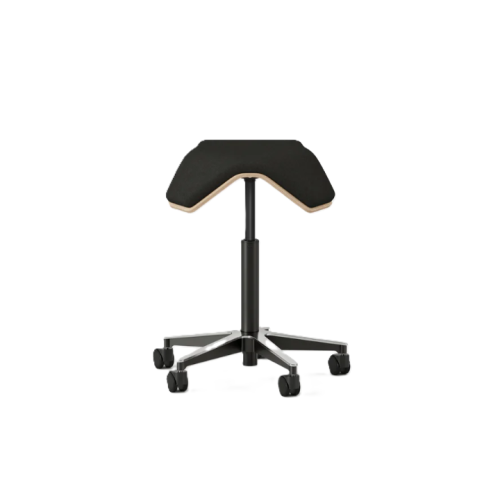
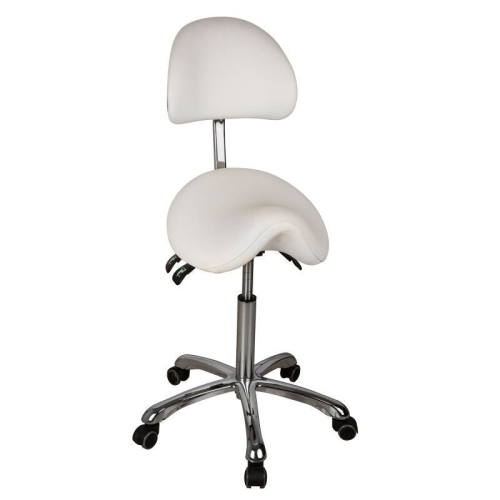
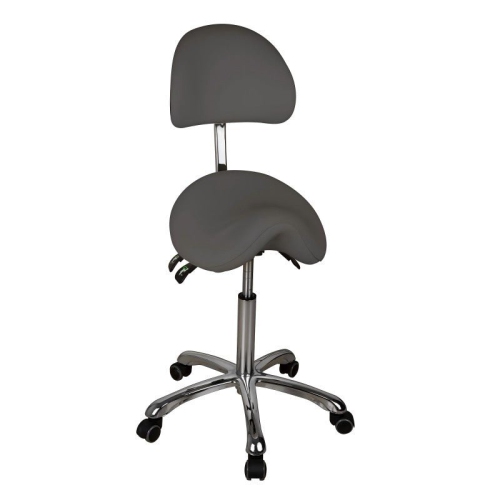
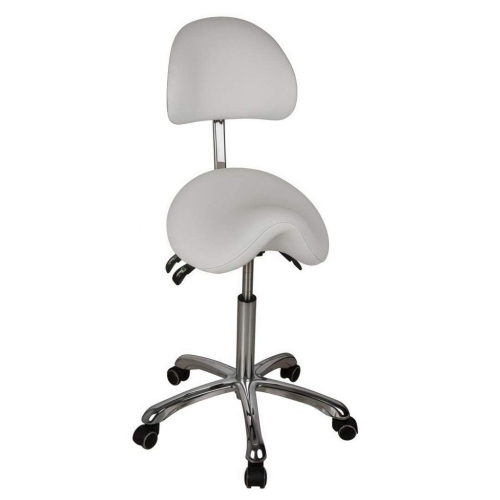
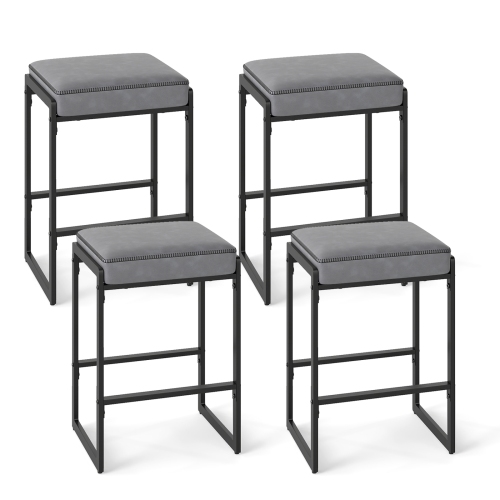
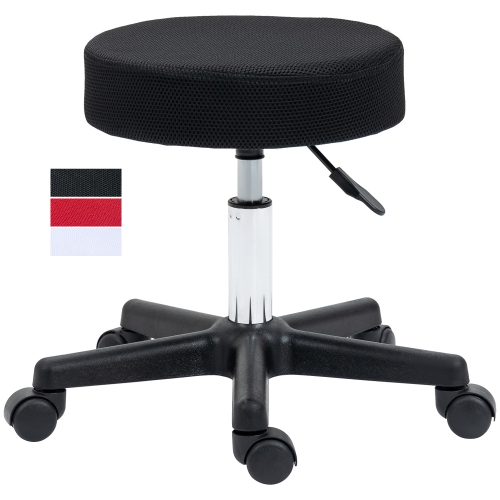
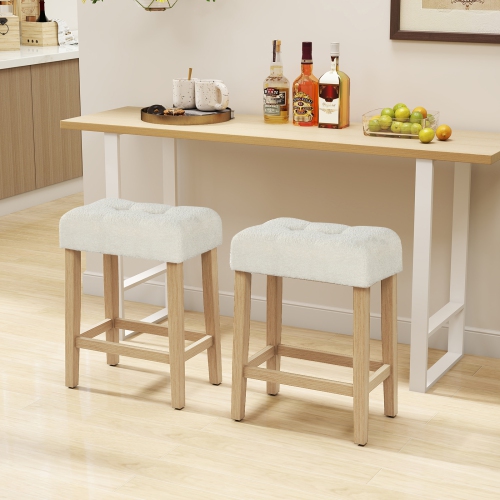
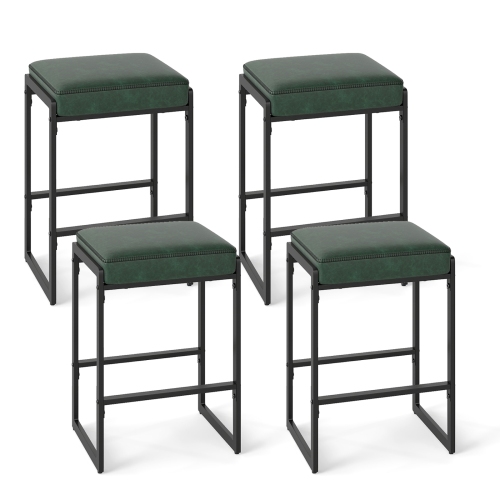
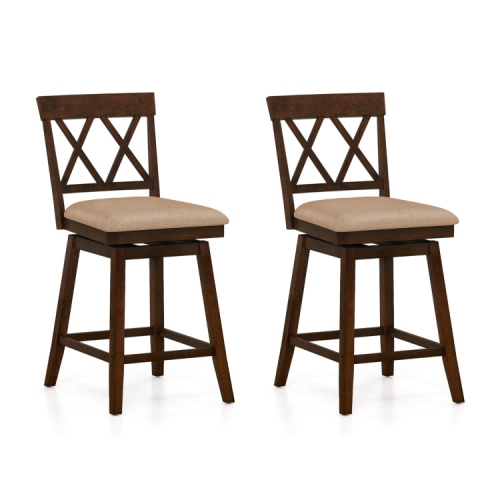
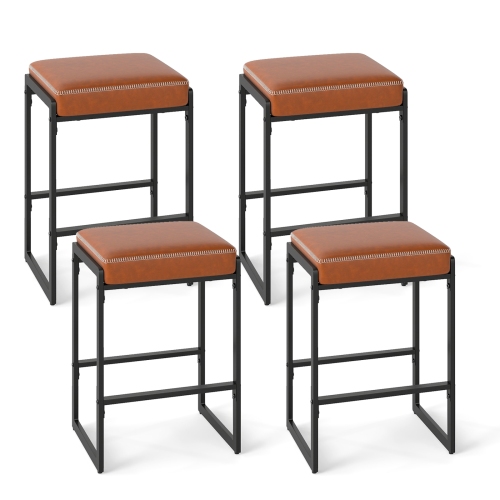
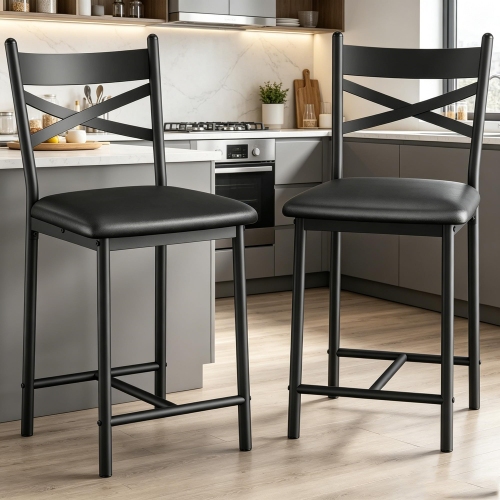

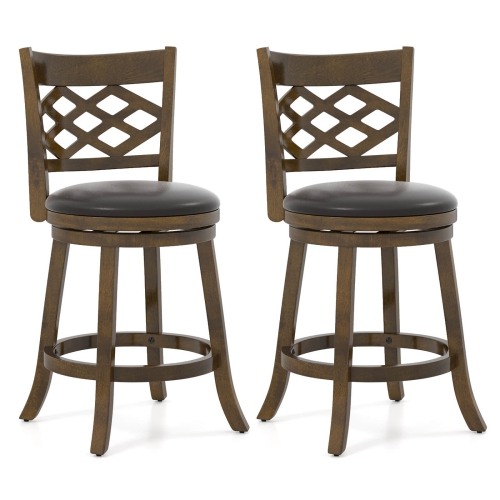
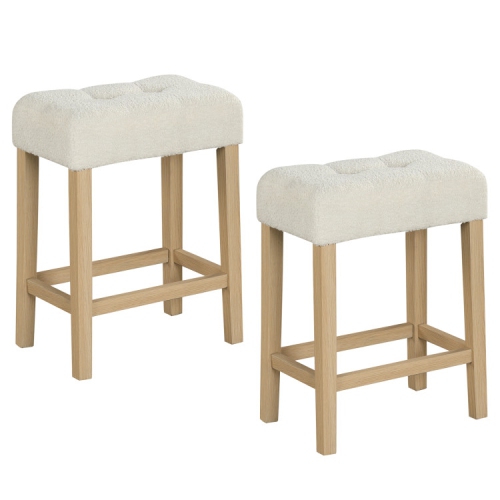
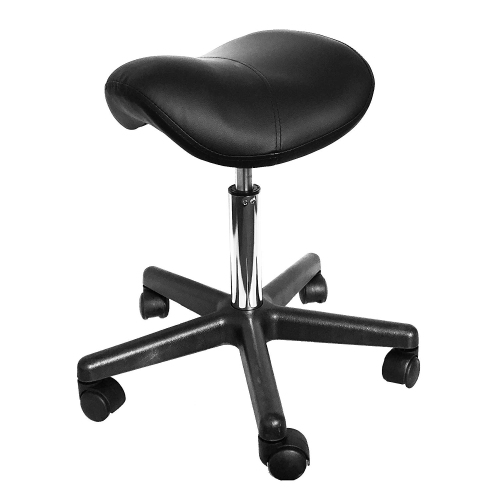
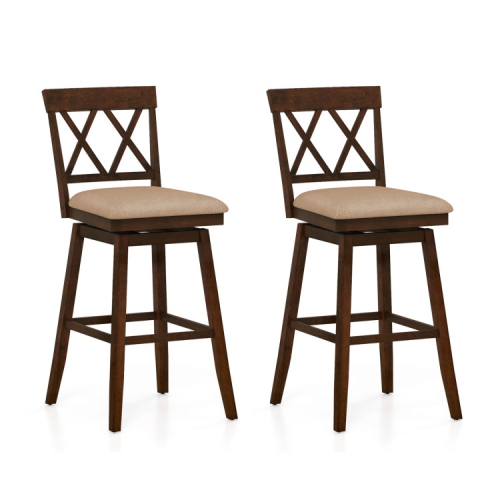
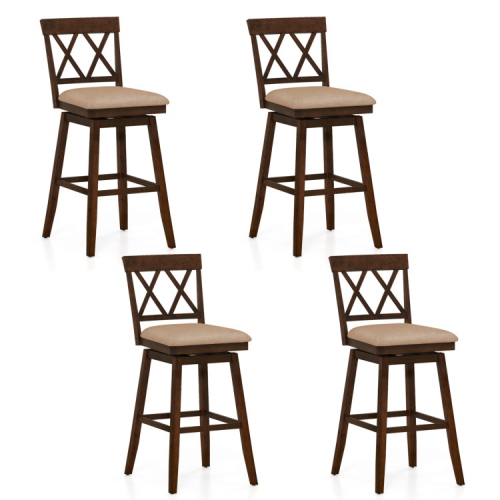
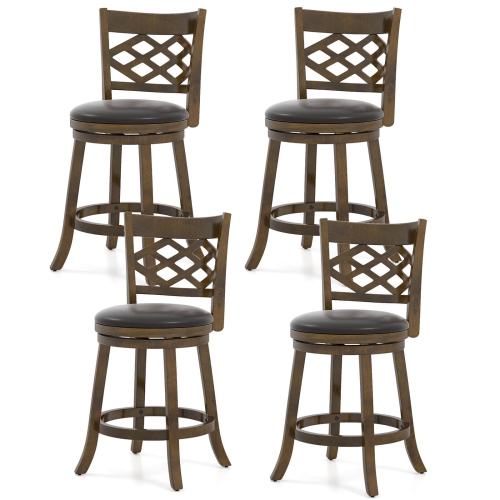
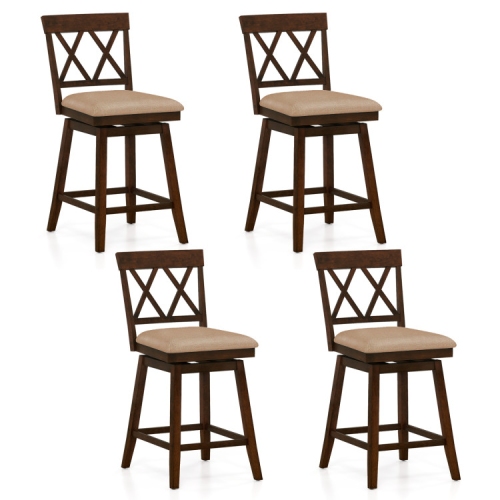
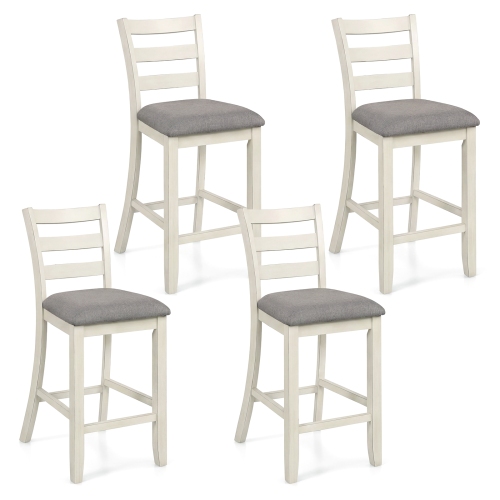
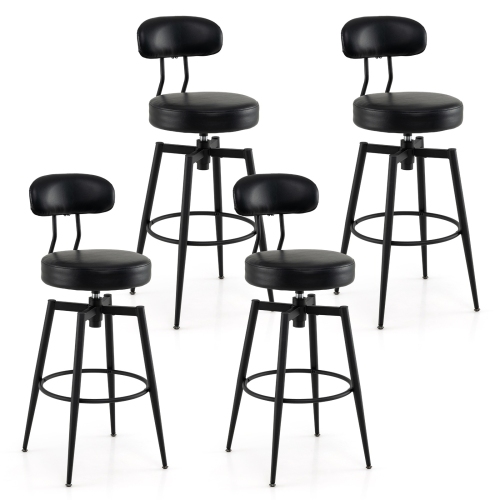
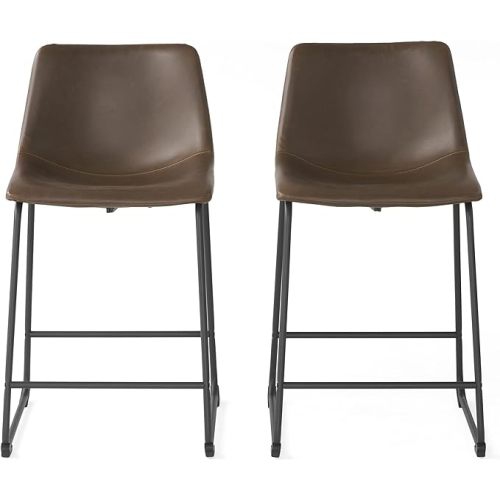
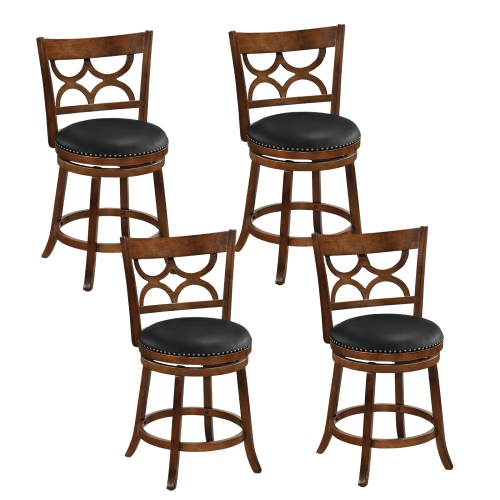
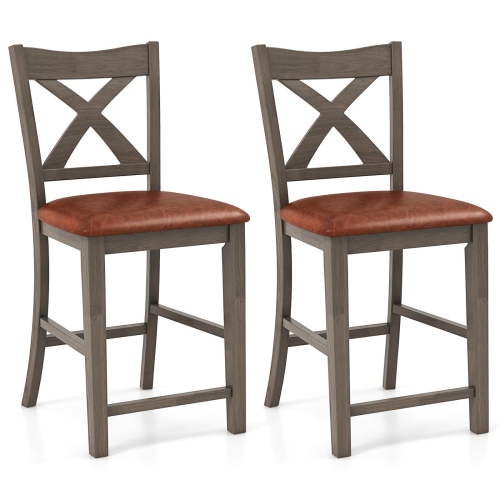
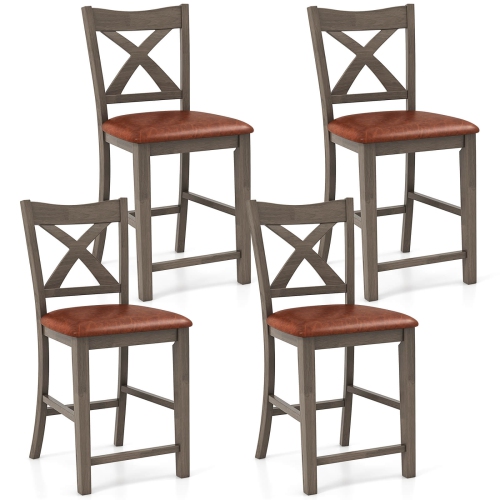
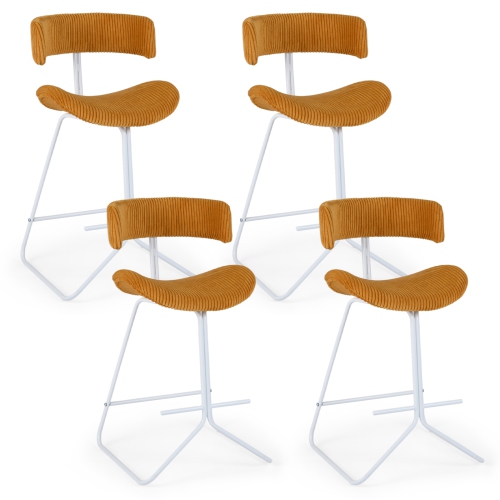
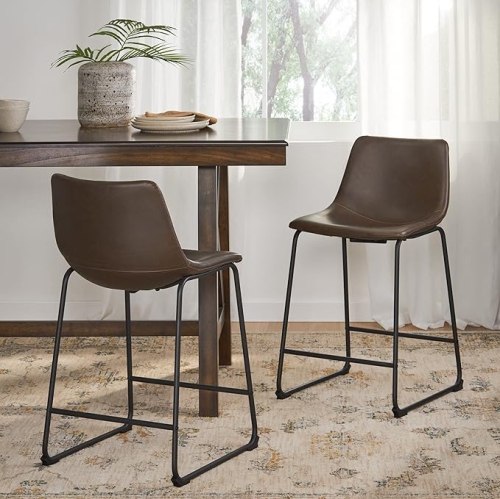
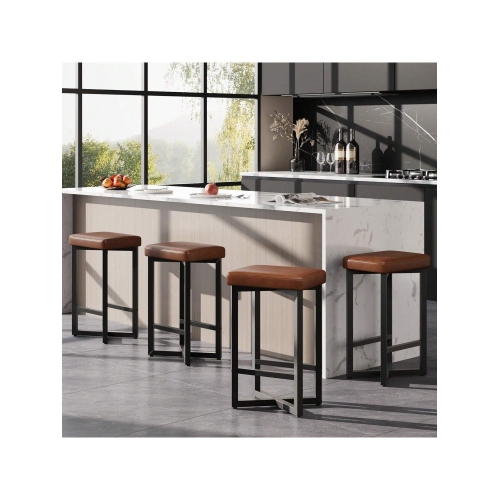
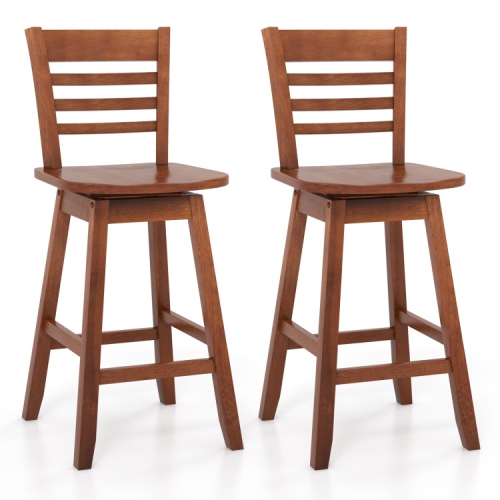
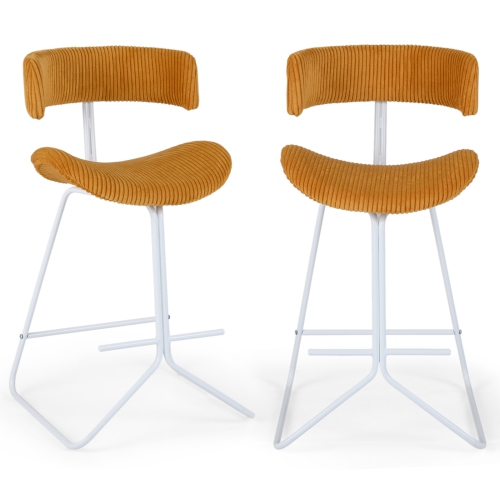
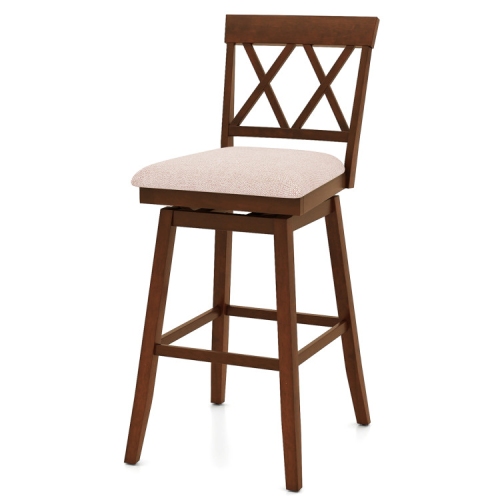
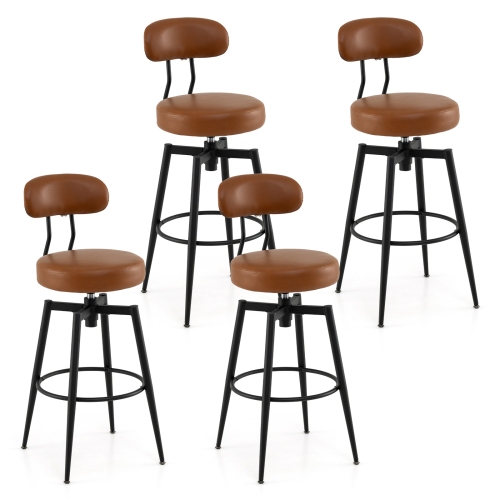
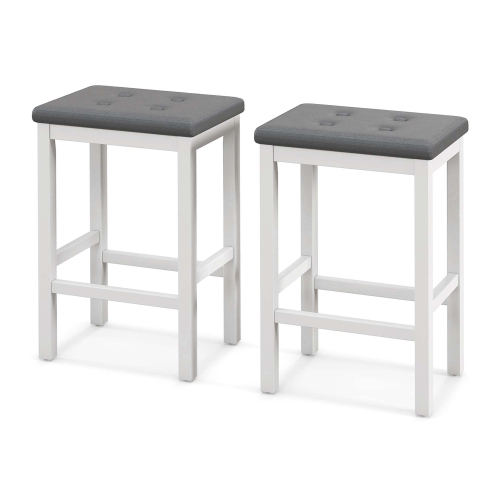
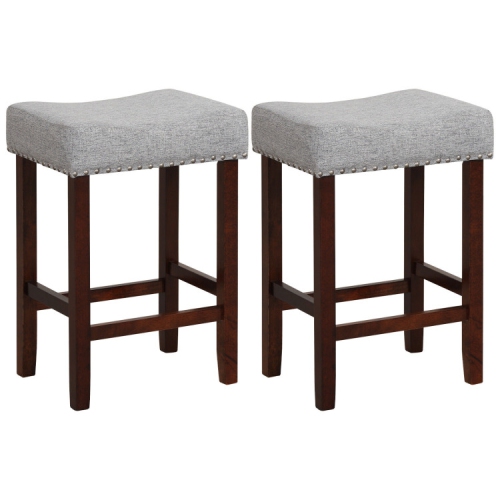

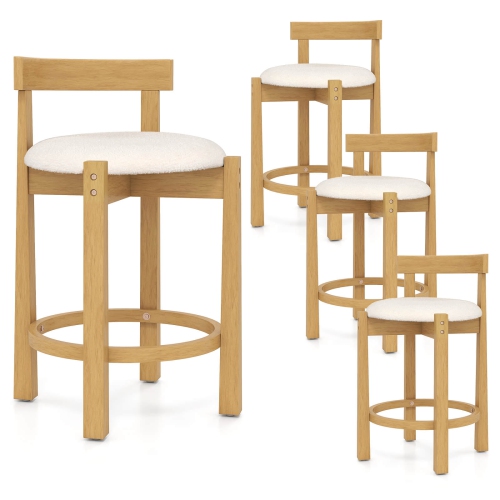
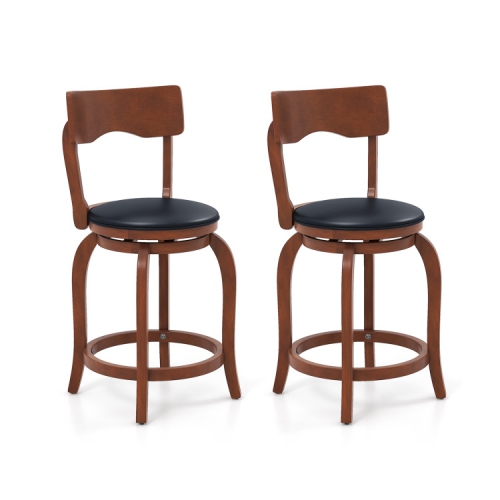
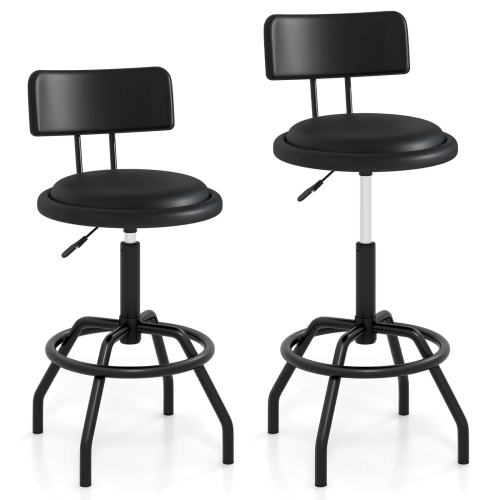

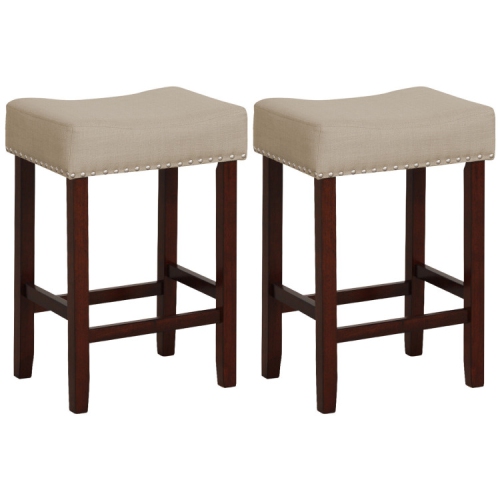
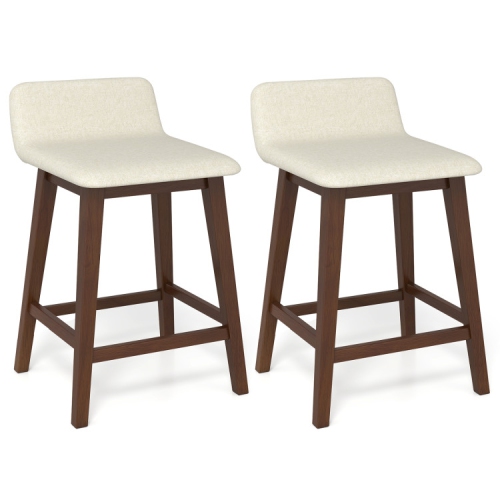
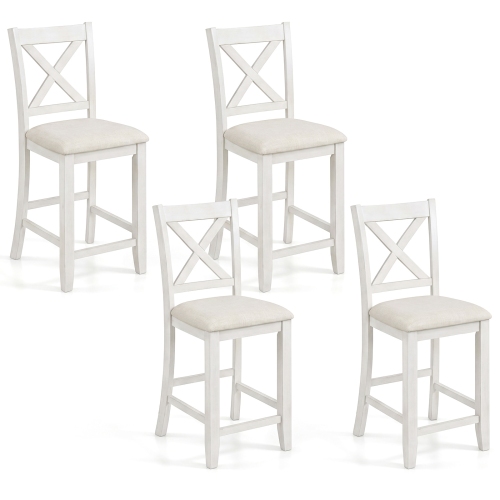
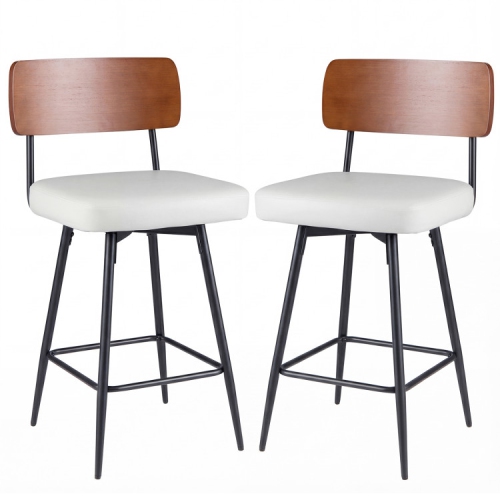
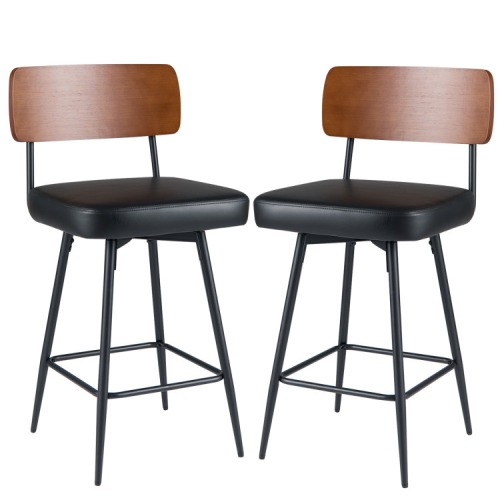
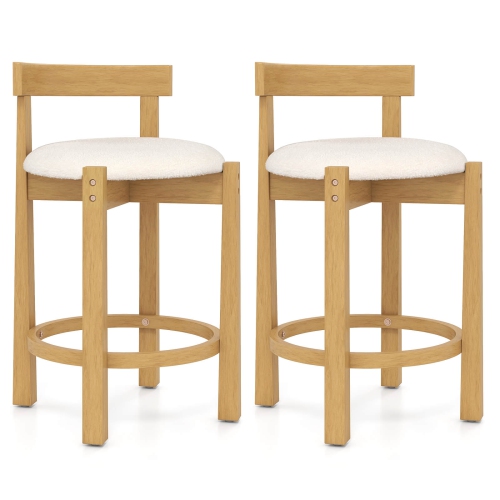
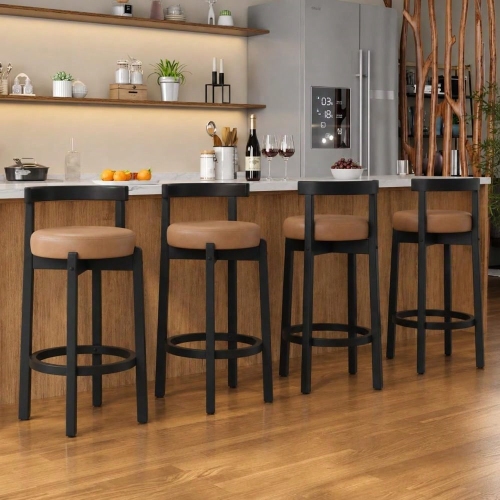
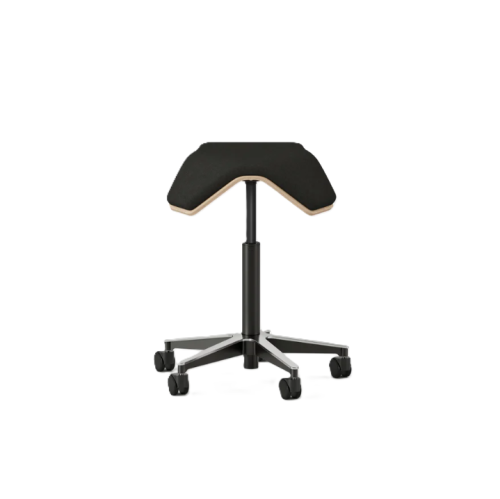
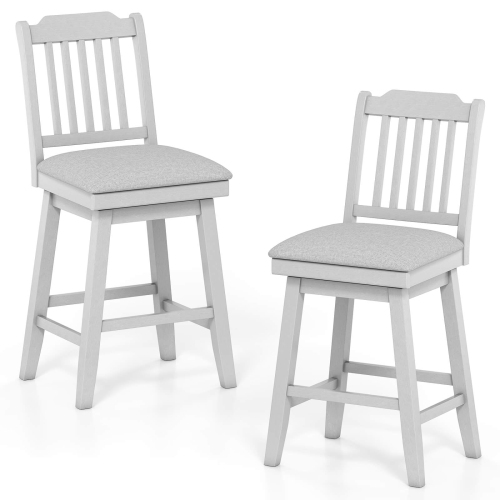
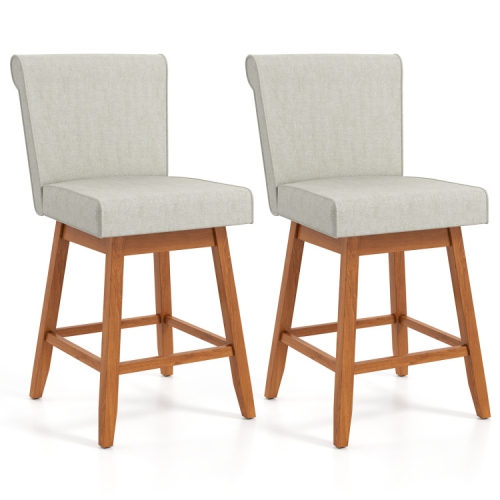
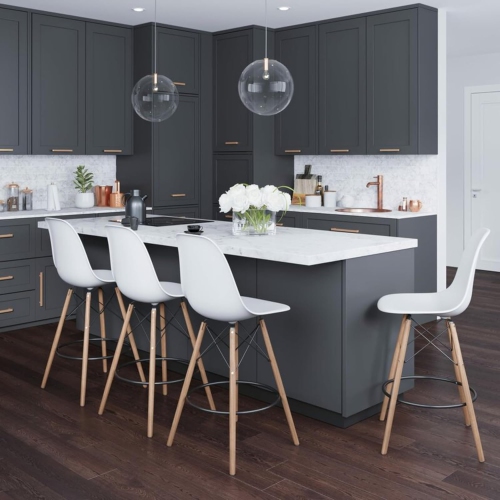
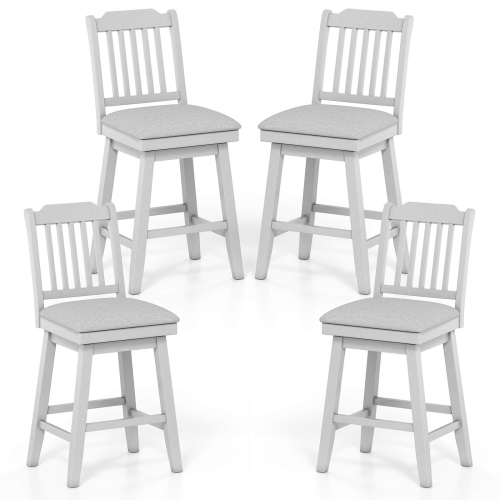
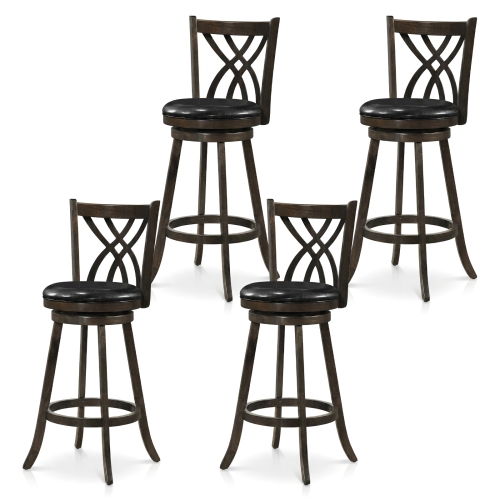
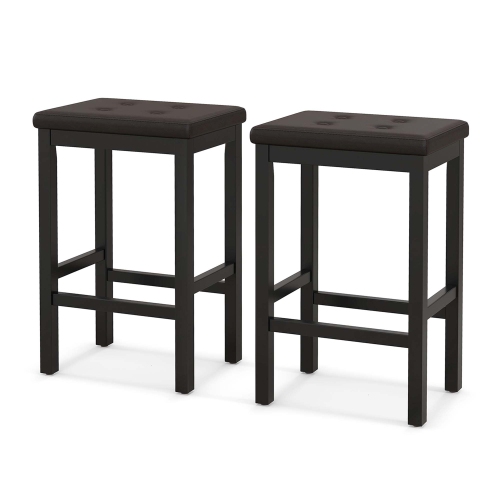
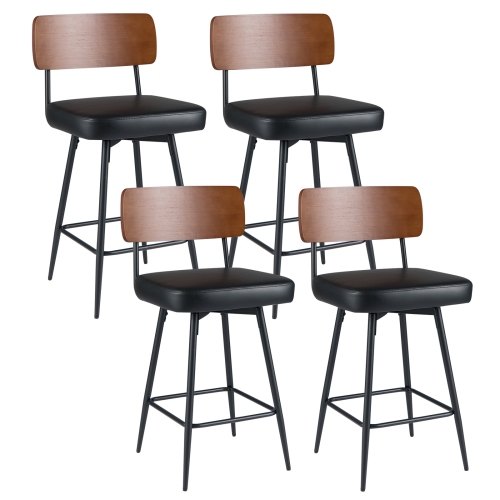
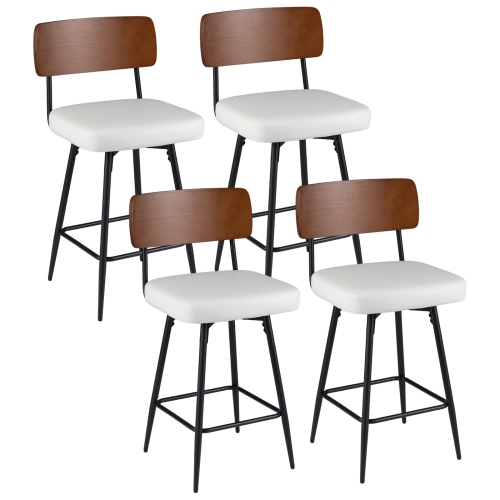
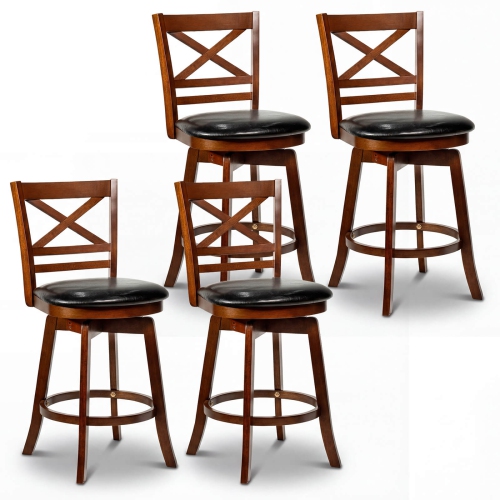
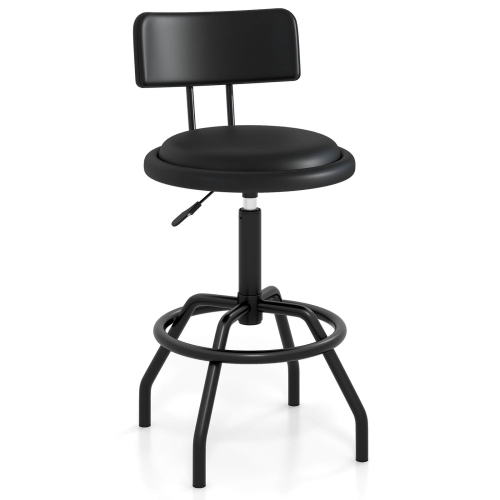
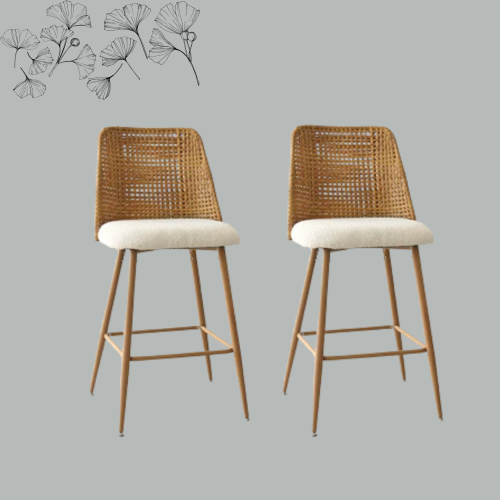
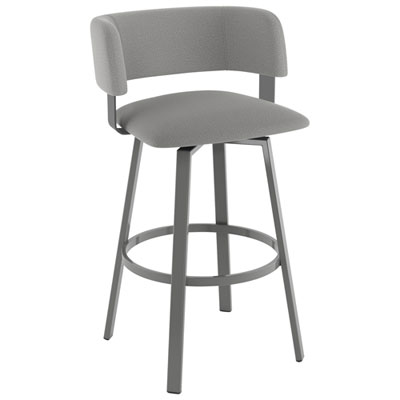
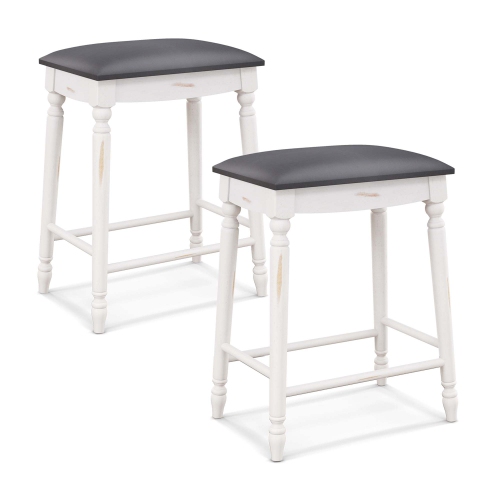

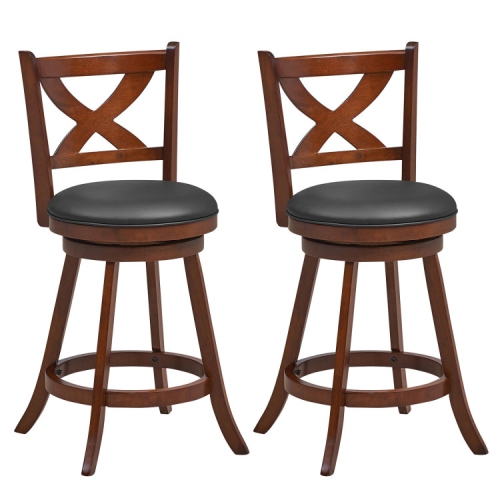
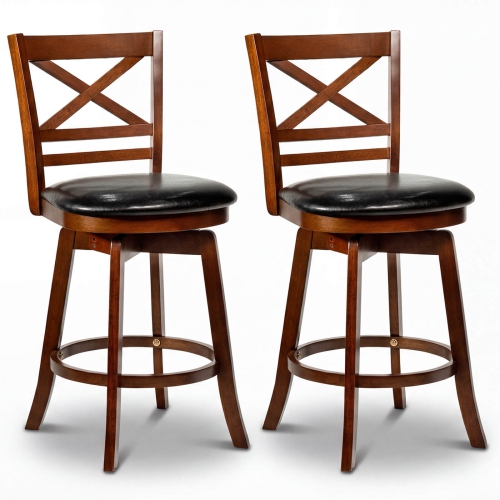
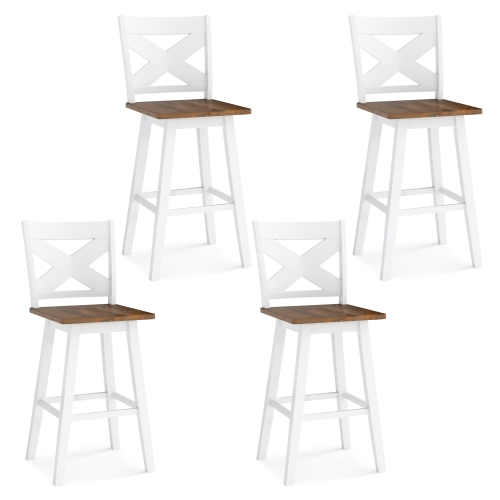
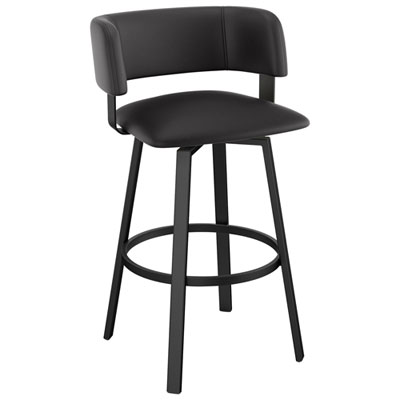
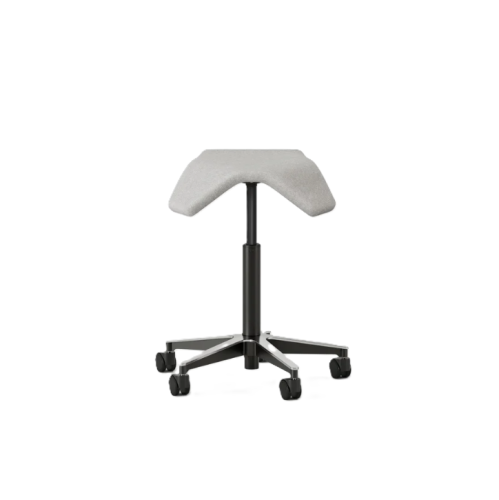
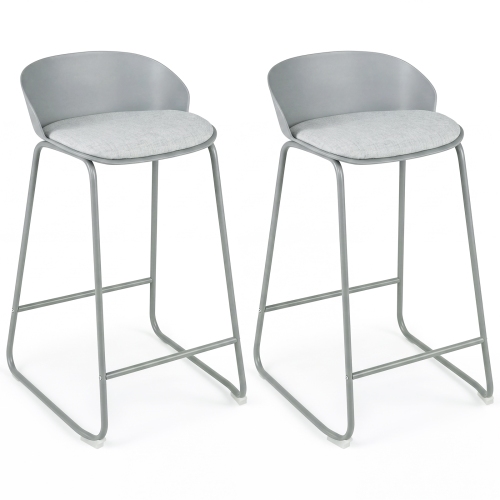
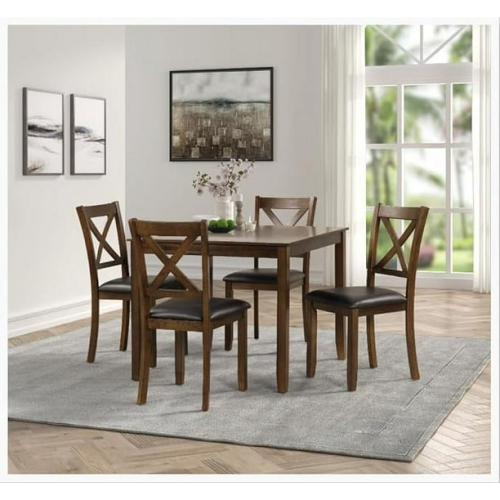
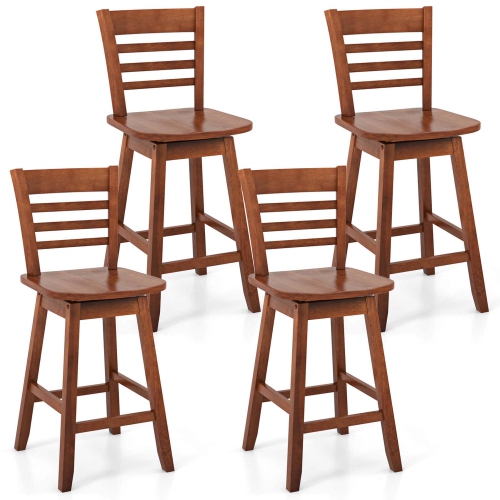
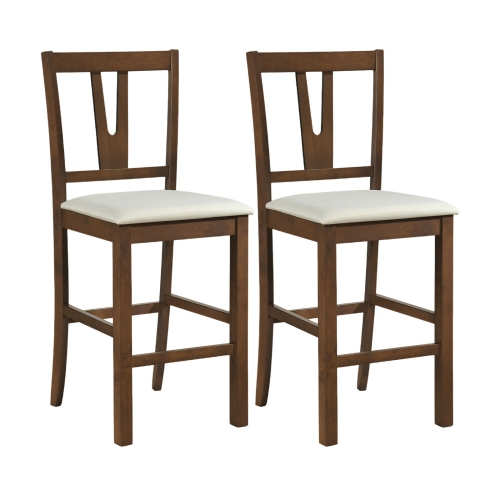
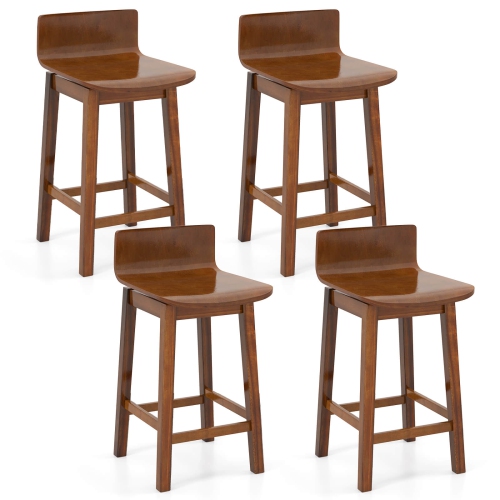

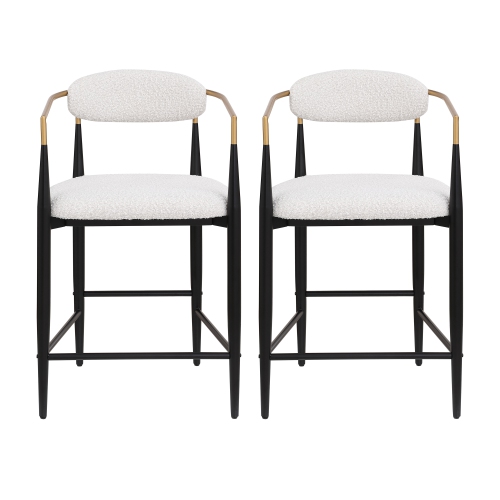
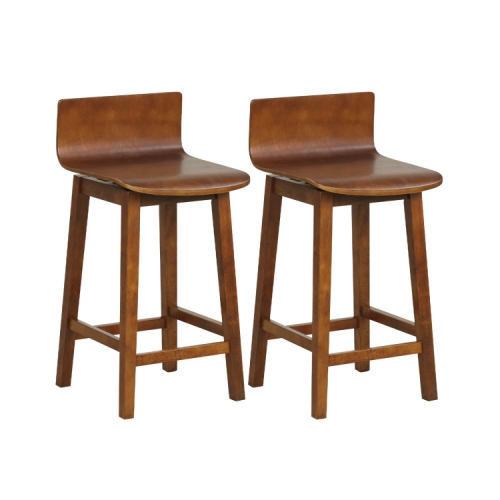
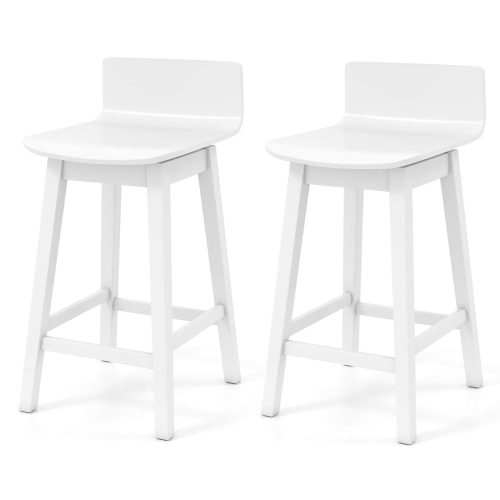
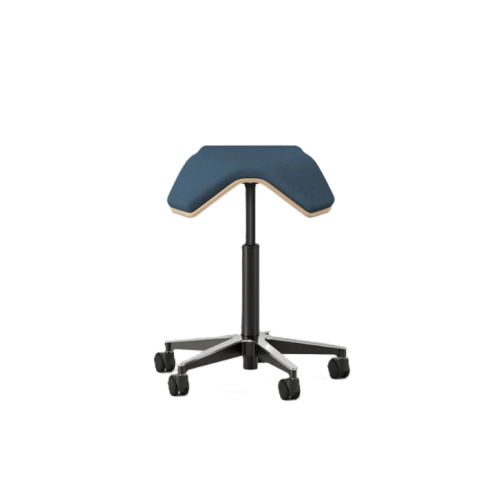
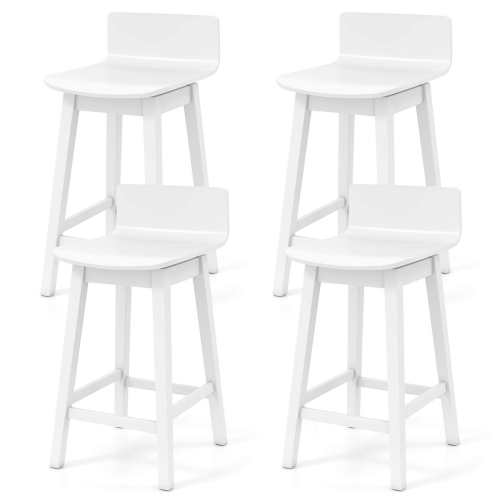
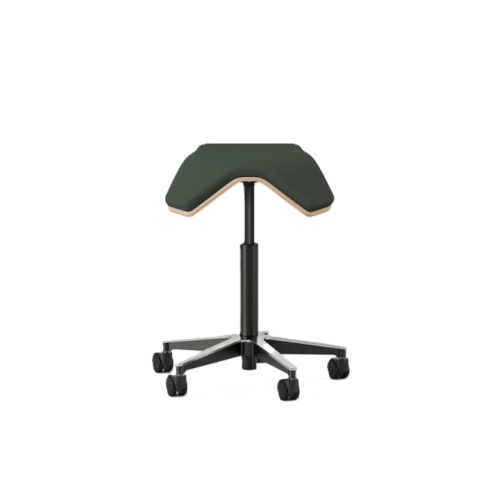
Curved seats that leave room for everyday kitchen life
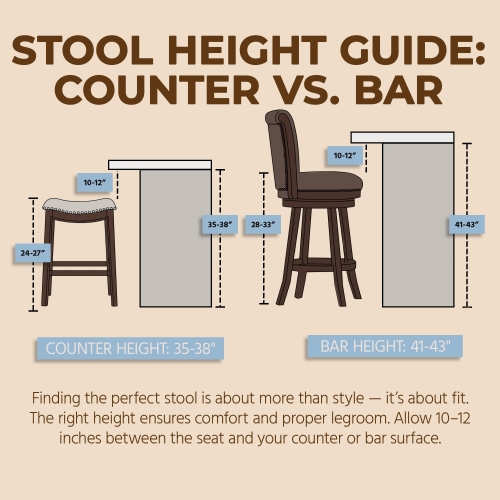
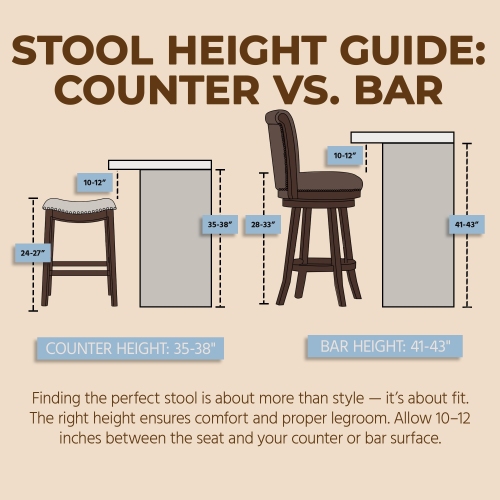
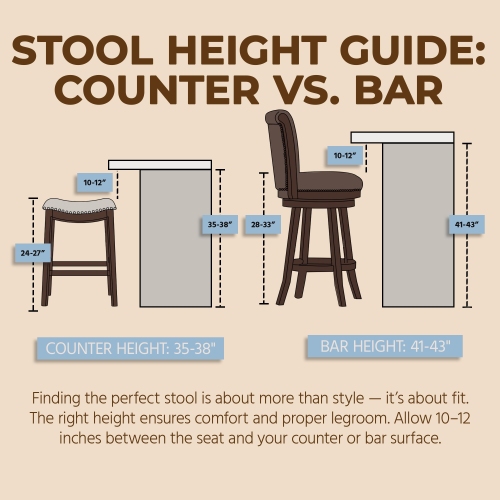
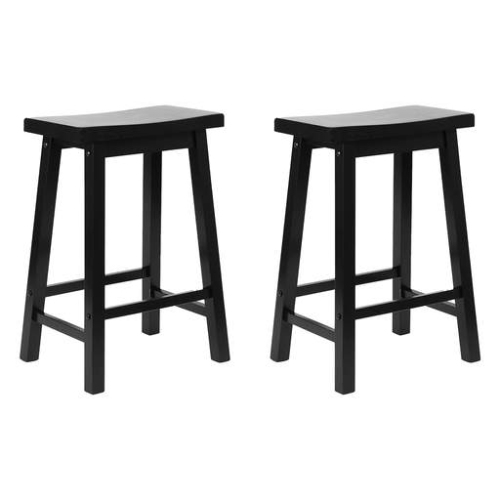
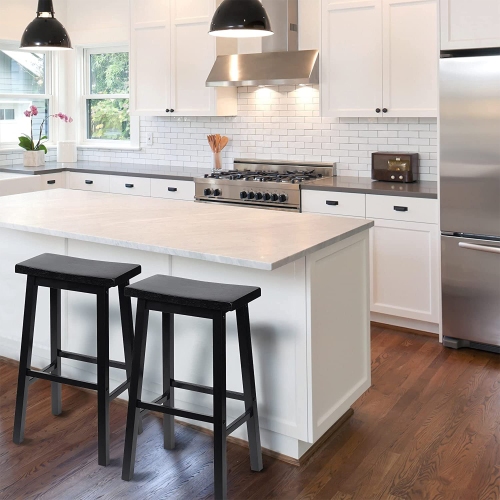
Saddle seat counter stools bring a distinctive curved seat to kitchen islands, breakfast counters, and other raised dining surfaces. The saddle shape typically dips through the middle and rises gently towards the sides, creating a more defined place to sit than a flat stool top. Most familiar designs are backless, with a simple frame and footrests that keep the overall profile open. That makes them a natural fit for kitchens where seating shares space with cupboard doors, walkways, and meal preparation. A stool can sit ready for a quick breakfast, then slide beneath an overhang when the counter is needed for rolling dough or setting out serving dishes. Seat height is the most important measurement: a 24-inch seat commonly suits a kitchen counter around 35 to 36 inches high, while a counter closer to 39 inches may need a higher seat for a comfortable fit. Counter stools and bar stools are not interchangeable; bar-height seats are often around 29 to 30 inches high and intended for taller surfaces. The actual clearance matters more than the category name, particularly where a thick countertop or an apron extends below the surface. Around 10 to 12 inches between the seat and the underside of the counter generally leaves useful room for thighs and movement. Width deserves equal attention. Allowing roughly 6 inches between the edges of neighbouring seats helps people settle in without constantly brushing elbows, although wider seats and larger frames may need more room. Legs that flare out beyond the seat can take up more floor space than their compact tops suggest. A backless design may tuck neatly away, but only if the counter overhang is deep enough to accommodate the stool’s full footprint. In a narrow kitchen, that difference can determine whether the route between the island and the fridge remains easy to use.
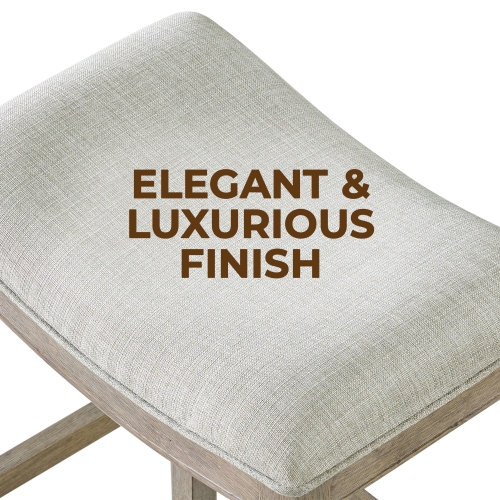
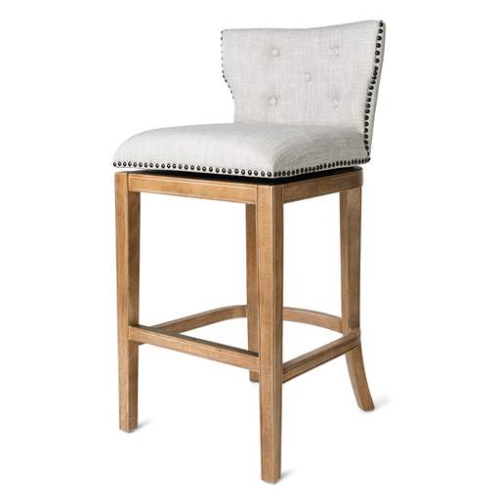
Materials give saddle seat counter stools much of their character, from the visible grain of a shaped wooden seat to the softer finish of upholstery. Solid wood designs often suit spaces with timber dining tables, open shelving, or other natural textures. Oak, beech, and rubberwood each have their own grain patterns and appearance, while painted finishes can create a quieter, more uniform look. A stained seat paired with a contrasting base can connect different finishes already present in the kitchen without requiring every piece of furniture to match. Metal frames introduce slimmer lines and can work well alongside stainless steel appliances or dark cabinet hardware. Neither wood nor metal alone determines how sturdy a stool will feel: the quality of the joints, the frame design, and the way the footrests connect all contribute. Upholstered seats add cushioning, which some people prefer when a morning coffee turns into a longer conversation. The depth and firmness of that cushioning matter as much as its thickness, since a very soft seat can feel quite different after someone has been sitting for a while. Those drawn to the look of Leather Counter Stools may appreciate an upholstered saddle design, while a bare wooden seat keeps the sculpted shape fully visible. Genuine leather, faux leather, and woven fabric have different textures and care requirements, so their maintenance should not be treated as interchangeable. Smooth upholstery can make everyday crumbs easier to remove, while seams, tufting, and textured weaves may need closer attention. Wood generally benefits from prompt spill cleanup and a soft cloth, rather than prolonged contact with water. Upholstery care depends on its specified cleaning method, and leather treatments should only be used where the manufacturer recommends them. These practical differences become especially noticeable at a busy breakfast counter where cereal, coffee, and the occasional splash are part of daily use.
The appeal of saddle seating is often its simplicity: a place to perch while chatting with someone at the sink, sorting the post, or enjoying a casual meal without moving to the dining table. A shaped seat and a well-positioned footrest can make that perch feel more settled, especially when feet would otherwise hang above the floor. The curve should feel supportive rather than restrictive, with enough usable width and depth for the person sitting on it. Backless stools still offer less support than seating with a backrest, so they tend to suit shorter, informal use better than a full day of working at a counter. Someone who needs steady back support or assistance sitting down and standing up may find a different seating style more suitable. For households with children, a stool’s stated weight capacity does not make it a step stool or climbing aid; stability and appropriate use remain important. Durability also shows up in small details. Firm joints, secure footrest connections, and a frame that sits evenly on a level floor help a stool feel dependable through repeated use. Where assembly is required, correctly tightened hardware matters, and connections may need periodic attention according to the care instructions. Floor protectors suited to the flooring can help reduce scraping and marks as stools are moved, though worn or dirty pads can lose their usefulness. Daily habits make a difference too: lifting a stool rather than dragging it places less strain on its frame and protects the floor beneath it. In an open-plan home, coordinated seat heights and finishes can give an island a tidy appearance even when the surrounding space is busy. Matching stools create a consistent line, while a restrained mix of wood tones or upholstery colours can add interest without overwhelming the room. The most successful fit combines that visual balance with comfortable proportions, dependable construction, and enough room for everyday movement around the counter.
Top selling and popular products
-
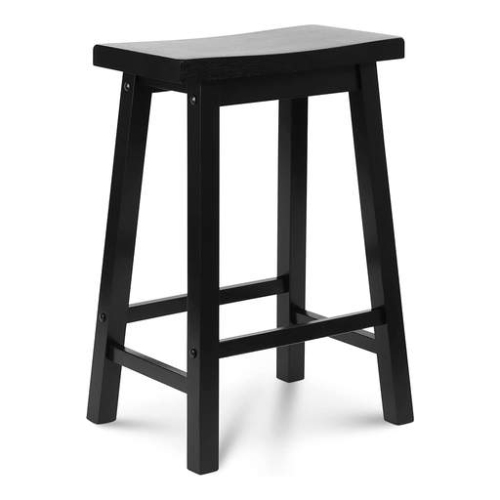 Your price for this item is $93.99
-
 Your price for this item is $179.99
-
 Your price for this item is $562.99
-
 Your price for this item is $202.99
-
 Your price for this item is $508.99
-
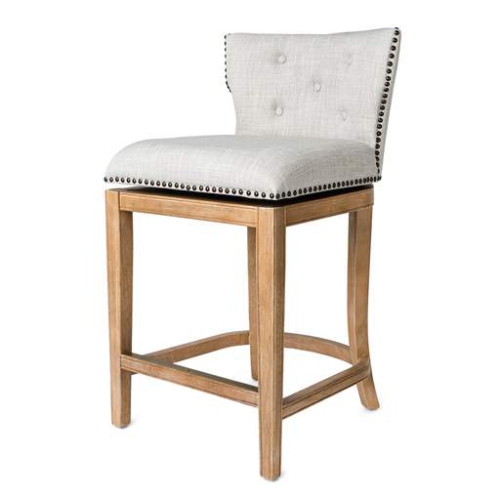 Your price for this item is $554.99
-
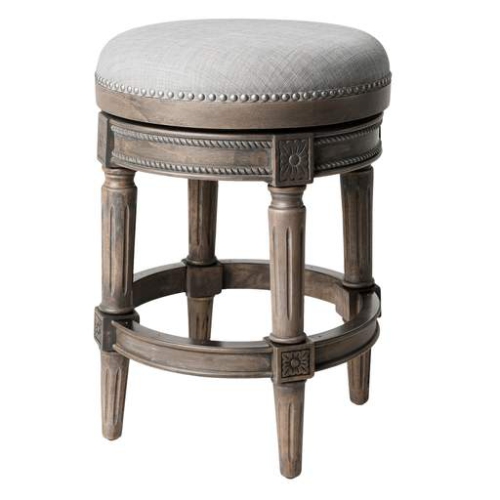 Your price for this item is $509.99
-
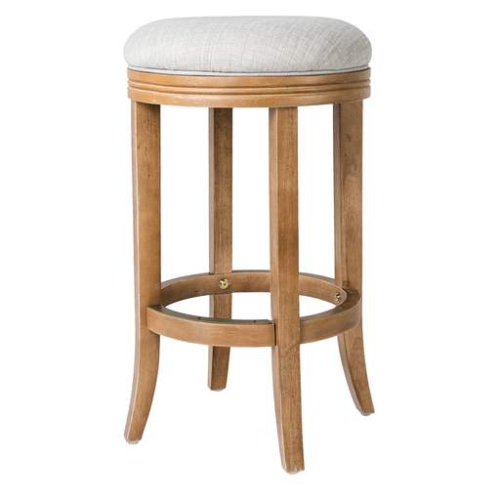 Your price for this item is $297.99
Discover more categories related to Saddle Seat Counter Stools
Top Collections:
Best Black Friday Deals This Year, Best Black Friday Deals On Electronics, Kindle Devices, Best Black Friday Deals On Apple Products, Best Budget Office Chairs, Best Cameras for Sports Photography, Dyson Airwrap, Canon G7X Cameras, Best Laptops for Writers, Samsung Galaxy Phones
Some products may be subject to Environmental Handling Fees
(EHF) depending on your province.
Learn more about EHFs.