Sauna Kits Canada
Transform your home into a personal wellness retreat with sauna kits. These kits offer an exceptional way to enjoy the rejuvenating benefits of a sauna experience without leaving the comfort of your own space. Whether you're looking to unwind after a long day or boost your overall well-being, sauna kits provide the perfect solution to elevate your relaxation routine. Explore a range of options designed to fit various spaces and preferences, making it easy to find the ideal kit for your lifestyle. Embrace the soothing warmth and discover a new level of tranquility right at home.
Sort
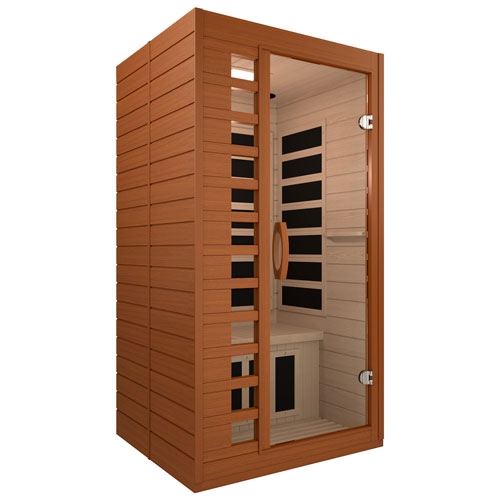
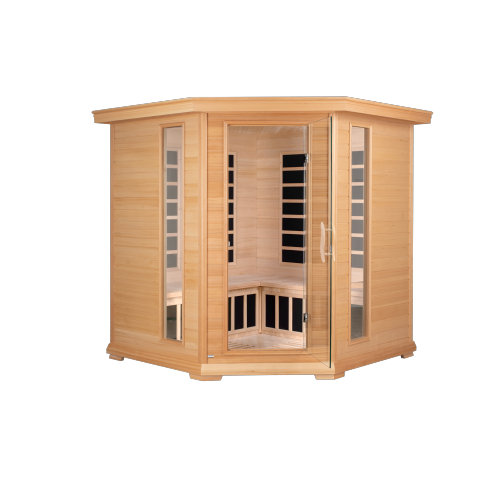
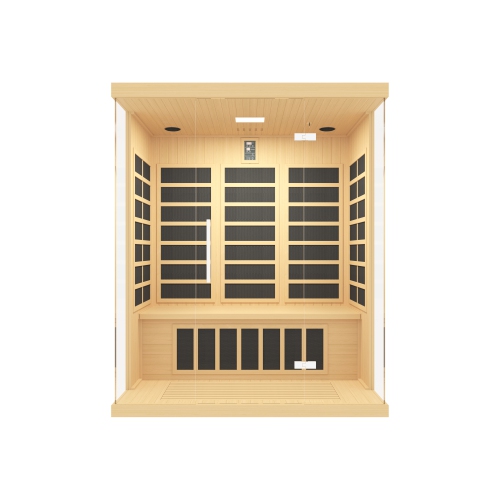
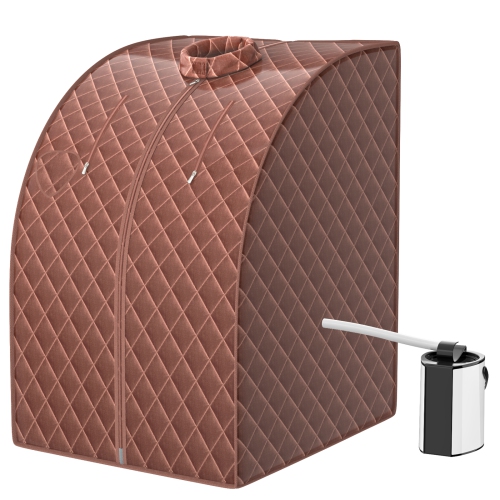
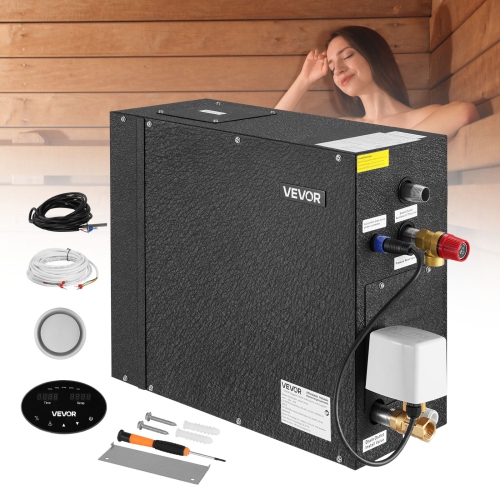
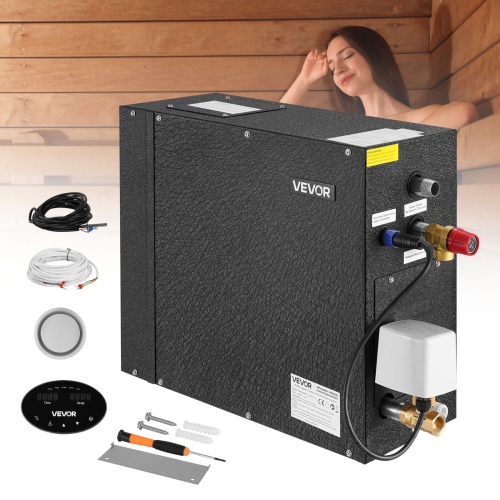
What your sauna kit includes matters before installation
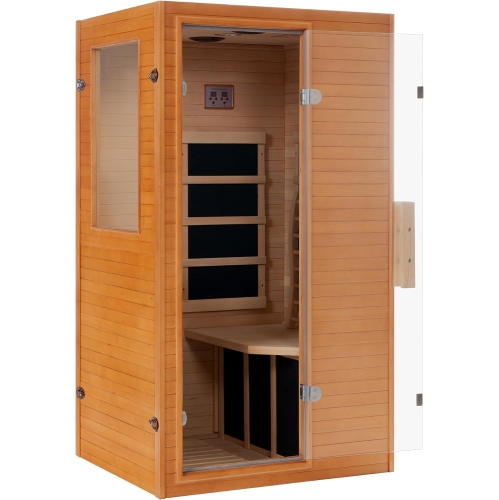
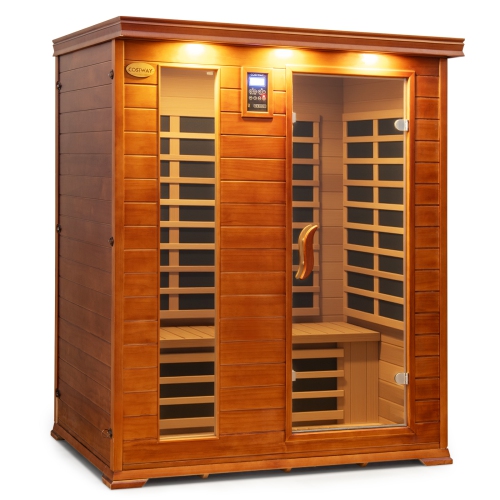
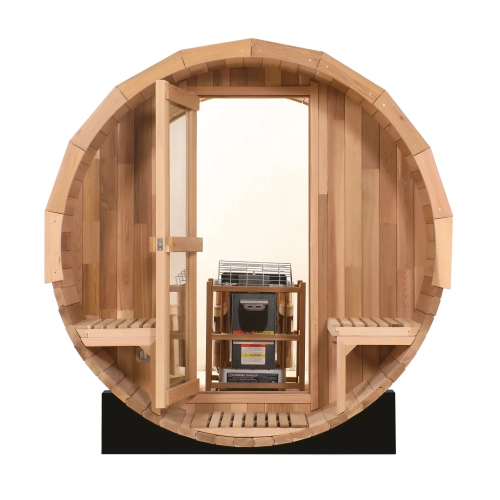
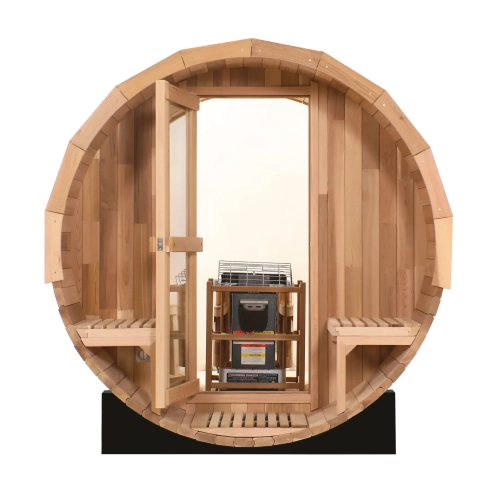
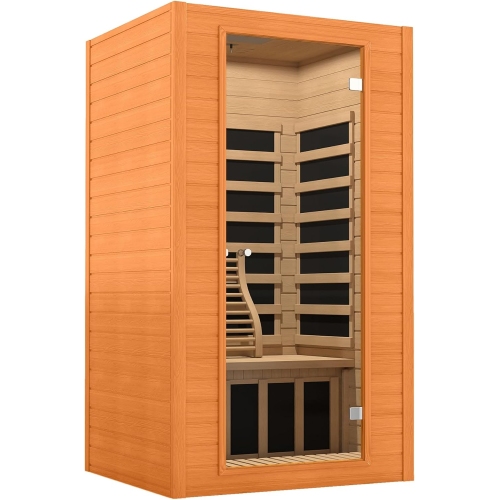
Sauna kits bring the main components of a home sauna together in a package, with formats suited to indoor rooms, separate outdoor structures, and spaces built to a planned layout. For shoppers comparing sauna kits in Canada, the most useful distinctions are the installation type, heating system, interior dimensions, and scope of the package. A prefabricated sauna typically uses prepared wall or room sections, while a precut material kit supplies components for finishing a suitably framed space. Neither description necessarily means that the heater, foundation, insulation, wiring, or roofing is included, so the component list matters as much as the finished appearance. Indoor sauna kits can make use of a dedicated room near a bathroom or home gym, provided the space meets the manufacturer’s requirements for ventilation, moisture management, and clearances. Outdoor sauna kits create a separate retreat and may take the form of a barrel, cabin, or cube. A barrel’s curved walls give it a distinctive profile, though they can limit standing room near the sides; cabin and cube layouts generally offer straighter walls that make interior space easier to assess. Shape alone does not determine heating performance, which also depends on construction, glazing, insulation where specified, and a correctly sized heater. Traditional saunas use a heater to warm the room, commonly with sauna stones that can receive small amounts of water when the heater is designed for that use. Infrared saunas use radiant panels and provide a different heating experience; water should never be added to components unless expressly permitted by the manufacturer. For a broader look at residential formats, Home Sauna Kits provides a related starting point. The right format depends on how the sauna will fit into everyday life, whether that means a quiet individual session, shared time with a partner, or a dedicated space beside an exercise area.
Materials and layout influence how a sauna feels long after assembly is complete. Cedar, hemlock, spruce, and aspen are among the woods used in sauna construction, each with its own grain, colour, and scent. Cedar can have a noticeable aroma, while some other woods offer a less pronounced scent; this distinction may matter to anyone sensitive to fragrance. Smooth, well-finished bench surfaces, securely fitted backrests, and appropriately positioned fasteners are important where bare skin touches the wood. Natural knots and grain variation contribute to the appearance, but good workmanship also shows in even panel joints, stable seating, and doors that operate as intended. Glass can make a compact cabin feel more open, although the amount of glazing must be considered when sizing the heater. Capacity labels are best treated as a starting point rather than a complete description of comfort. A sauna described for several people may provide upright seating for that number without leaving room for someone to stretch out. Interior bench length, seat depth, headroom, and the space around the heater give a clearer picture of how the room will work. Someone planning to recline needs a different bench arrangement from two people who prefer to sit side by side. Where a design includes upper and lower benches, the seating levels also offer different heat exposure. Entry height, doorway width, and bench access deserve attention, especially when users have limited mobility. Outside the cabin, space for the door to open, a dry place for towels, and a convenient route to a shower can make the setup more comfortable to use. Controls should be easy to understand and positioned according to the installation instructions, while lighting should be suitable for sauna conditions. These practical details often have more lasting value than an elaborate exterior, particularly in a compact home where every part of the layout needs to serve a purpose.
Installation and ongoing care are central to the durability of sauna kits, and a kit should not be mistaken for a project that requires no specialist work. Prepared panels can simplify assembly, but the structure still needs a level, load-appropriate base, accurate fitting, and the ventilation arrangement specified for its heating system. Before delivery, checking package dimensions against gates, stairways, corridors, and doorways helps avoid a situation where the finished sauna fits the room but its largest section cannot reach it. For an indoor installation, the surrounding construction must be suitable for the heat and moisture involved; a room-lining kit may require framing, insulation, and a vapour barrier beyond the supplied wood components. Outdoor structures need a foundation and exterior protection appropriate to the design, with attention to drainage, roof details, and access for maintenance. Electric heaters may require a dedicated circuit and professional connection rather than a standard household outlet. Electrical equipment should carry certification accepted in Canada, and a licensed electrician can confirm the requirements for the chosen location. Wood-burning sauna heaters involve additional considerations, including approved chimney components, combustible clearances, and local restrictions. Municipal requirements, property rules, and any necessary permits also need to be resolved before construction begins. Once installed, straightforward care helps keep the interior pleasant: sitting on a clean towel reduces contact between perspiration and the bench, and drying the room after use helps prevent lingering dampness. Cleaning products and methods should follow the manufacturer’s directions, since strong chemicals, unsuitable finishes, and excessive water can damage wood or leave unwanted residue. Interior benches generally should not receive ordinary household paint or varnish. Regular checks of hinges, fasteners, heater guards, and any sauna stones help identify wear before it interferes with use. A sauna can be a thoughtful addition to a shared household, but its size, installation needs, and personal nature make it better suited to a jointly planned purchase than a surprise gift. Comfortable sessions also depend on following operating limits, staying hydrated, and leaving the sauna if discomfort develops. Anyone unsure whether sauna use is appropriate for their health should seek advice from a qualified healthcare professional.
Materials and layout influence how a sauna feels long after assembly is complete. Cedar, hemlock, spruce, and aspen are among the woods used in sauna construction, each with its own grain, colour, and scent. Cedar can have a noticeable aroma, while some other woods offer a less pronounced scent; this distinction may matter to anyone sensitive to fragrance. Smooth, well-finished bench surfaces, securely fitted backrests, and appropriately positioned fasteners are important where bare skin touches the wood. Natural knots and grain variation contribute to the appearance, but good workmanship also shows in even panel joints, stable seating, and doors that operate as intended. Glass can make a compact cabin feel more open, although the amount of glazing must be considered when sizing the heater. Capacity labels are best treated as a starting point rather than a complete description of comfort. A sauna described for several people may provide upright seating for that number without leaving room for someone to stretch out. Interior bench length, seat depth, headroom, and the space around the heater give a clearer picture of how the room will work. Someone planning to recline needs a different bench arrangement from two people who prefer to sit side by side. Where a design includes upper and lower benches, the seating levels also offer different heat exposure. Entry height, doorway width, and bench access deserve attention, especially when users have limited mobility. Outside the cabin, space for the door to open, a dry place for towels, and a convenient route to a shower can make the setup more comfortable to use. Controls should be easy to understand and positioned according to the installation instructions, while lighting should be suitable for sauna conditions. These practical details often have more lasting value than an elaborate exterior, particularly in a compact home where every part of the layout needs to serve a purpose.
Installation and ongoing care are central to the durability of sauna kits, and a kit should not be mistaken for a project that requires no specialist work. Prepared panels can simplify assembly, but the structure still needs a level, load-appropriate base, accurate fitting, and the ventilation arrangement specified for its heating system. Before delivery, checking package dimensions against gates, stairways, corridors, and doorways helps avoid a situation where the finished sauna fits the room but its largest section cannot reach it. For an indoor installation, the surrounding construction must be suitable for the heat and moisture involved; a room-lining kit may require framing, insulation, and a vapour barrier beyond the supplied wood components. Outdoor structures need a foundation and exterior protection appropriate to the design, with attention to drainage, roof details, and access for maintenance. Electric heaters may require a dedicated circuit and professional connection rather than a standard household outlet. Electrical equipment should carry certification accepted in Canada, and a licensed electrician can confirm the requirements for the chosen location. Wood-burning sauna heaters involve additional considerations, including approved chimney components, combustible clearances, and local restrictions. Municipal requirements, property rules, and any necessary permits also need to be resolved before construction begins. Once installed, straightforward care helps keep the interior pleasant: sitting on a clean towel reduces contact between perspiration and the bench, and drying the room after use helps prevent lingering dampness. Cleaning products and methods should follow the manufacturer’s directions, since strong chemicals, unsuitable finishes, and excessive water can damage wood or leave unwanted residue. Interior benches generally should not receive ordinary household paint or varnish. Regular checks of hinges, fasteners, heater guards, and any sauna stones help identify wear before it interferes with use. A sauna can be a thoughtful addition to a shared household, but its size, installation needs, and personal nature make it better suited to a jointly planned purchase than a surprise gift. Comfortable sessions also depend on following operating limits, staying hydrated, and leaving the sauna if discomfort develops. Anyone unsure whether sauna use is appropriate for their health should seek advice from a qualified healthcare professional.
Top selling and popular products
-
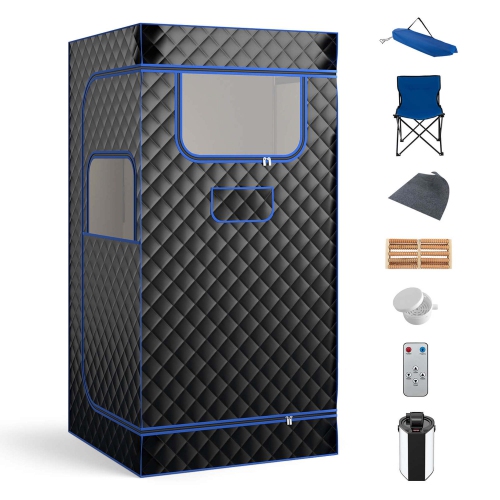 Your price for this item is $173.99
 -
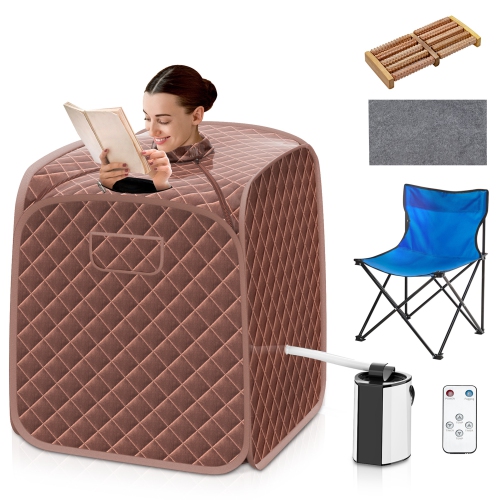 Your price for this item is $128.99
 -
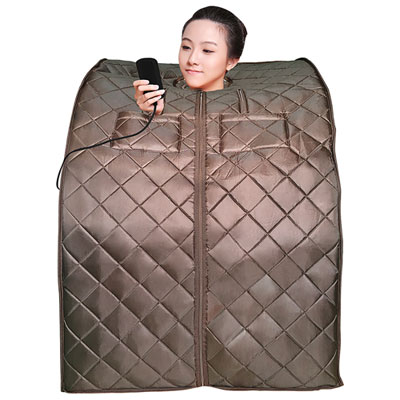 Your price for this item is $394.98
 -
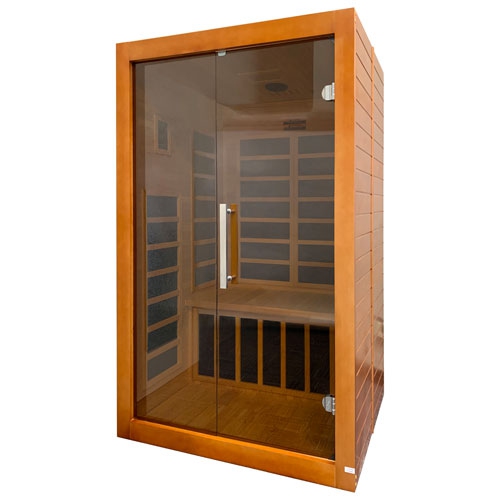 Your price for this item is $3399.99
 -
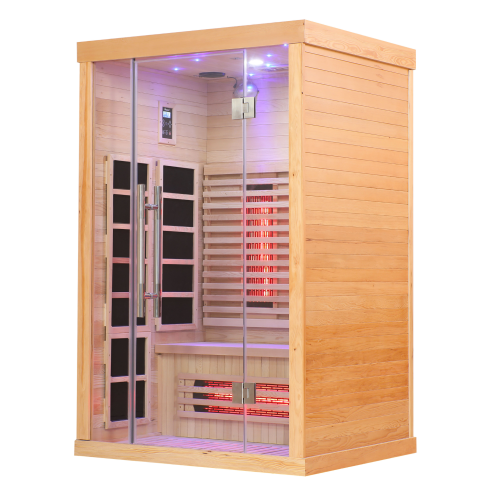 Your price for this item is $4999
 -
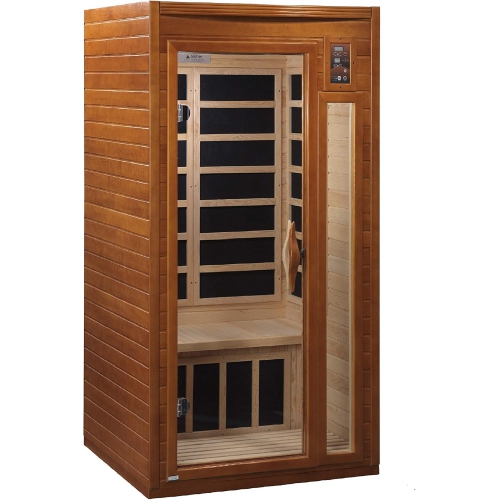 Your price for this item is $2995.53
 -
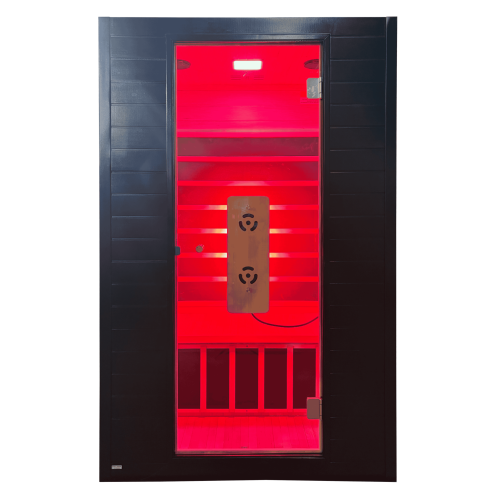 Your price for this item is $3149
 -
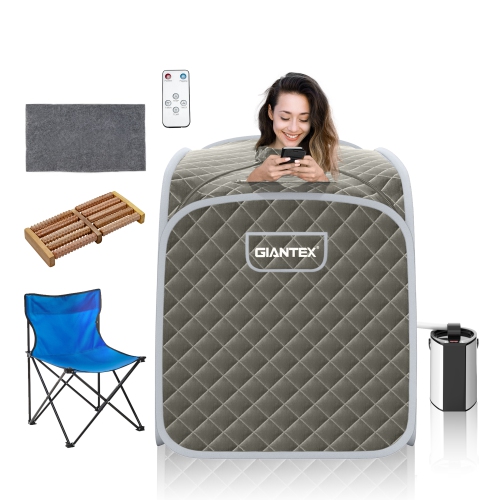 Your price for this item is $124.99
Discover more categories related to Sauna Kits Canada
Top Collections:
Pokemon Centers, Kindle Devices, Best Budget Office Chairs, Apple iPhones 16, Best Laptops for Writers, iPhone 15 Apple, Canon G7X Cameras, Refurbished Apple Laptops, Alarm Clock, Motorola Razr Phones
Some products may be subject to Environmental Handling Fees
(EHF) depending on your province.
Learn more about EHFs.