Home Sauna Kits
Transform your home into a personal oasis of relaxation with our selection of home sauna kits. Whether you're looking to unwind after a long day, detoxify your body, or simply enjoy the soothing warmth, these kits provide everything you need to create your very own sauna experience right in the comfort of your own home. With a range of options to suit different budgets and preferences, you can easily find the perfect sauna kit to enhance your well-being and bring a touch of luxury to your daily routine. Explore our collection now and discover the transformative power of a home sauna.
Sort
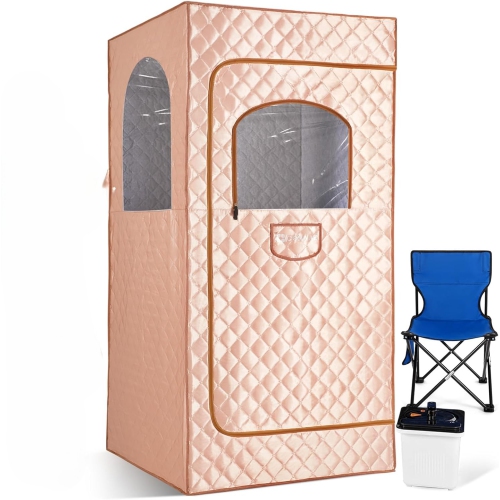
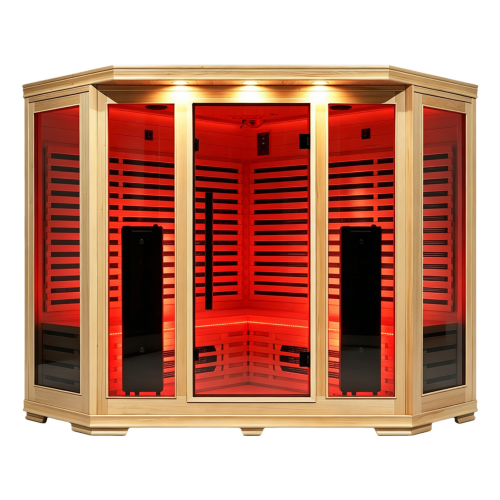
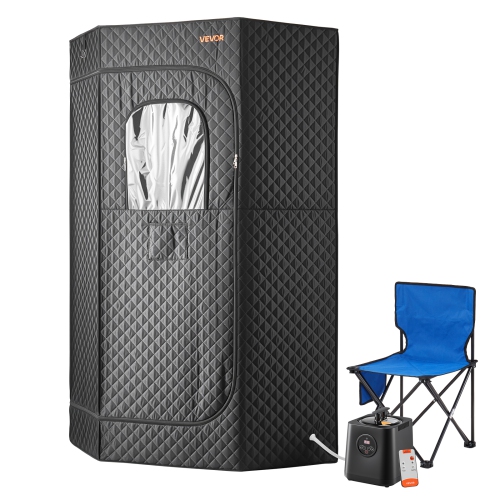
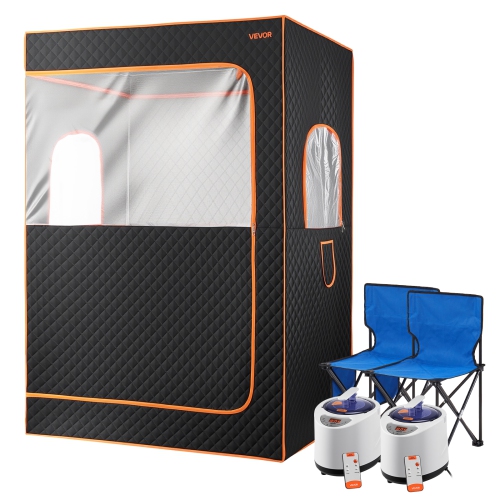
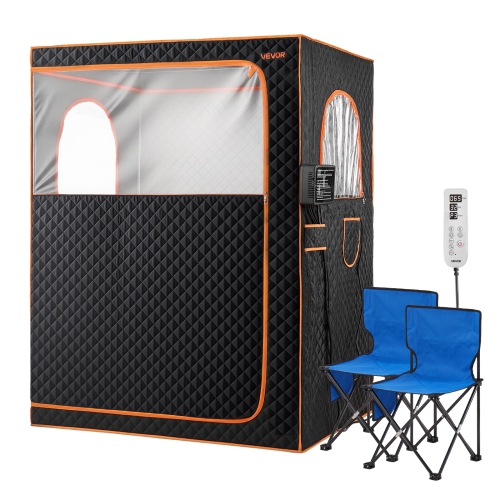
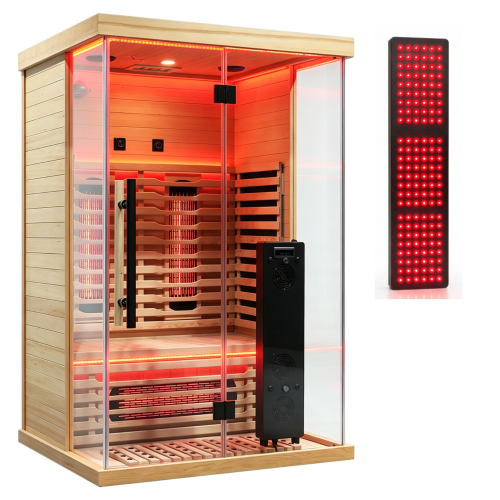
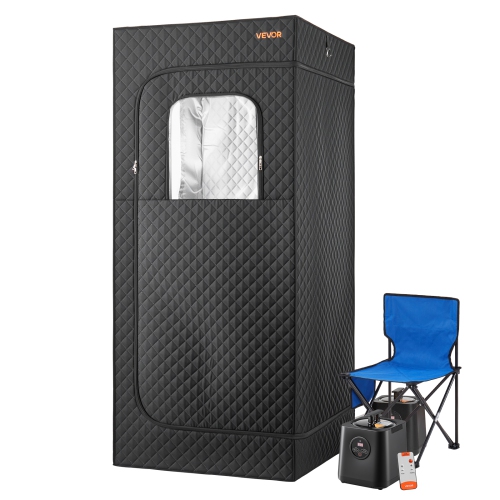
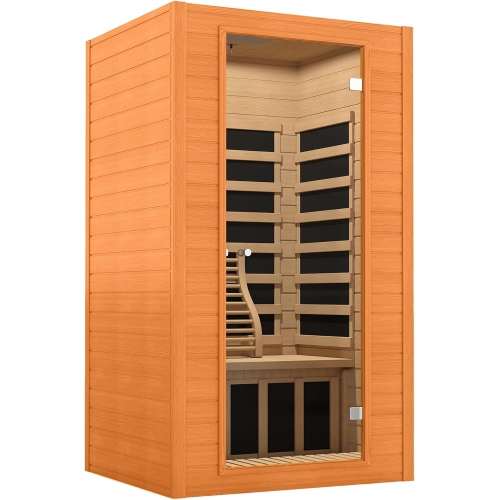
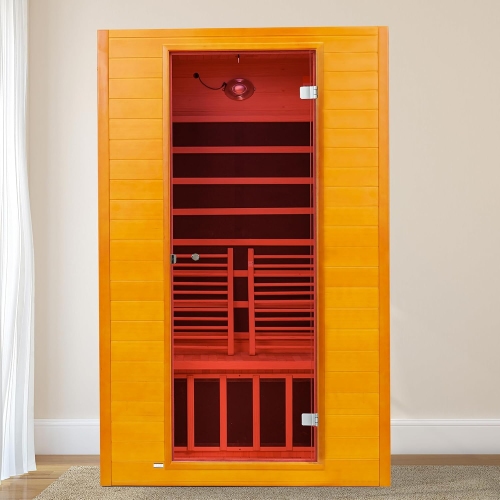
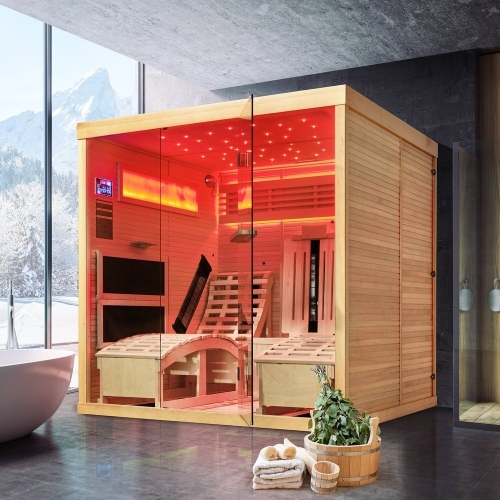
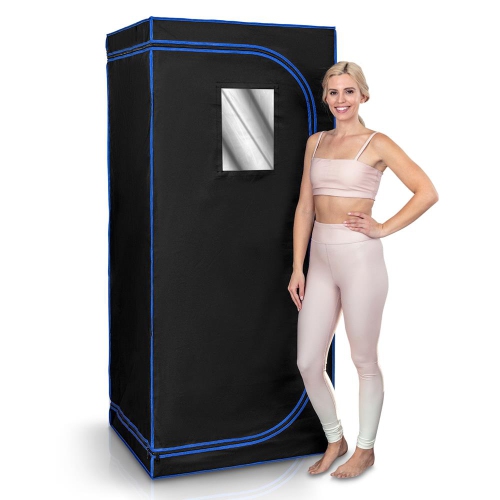
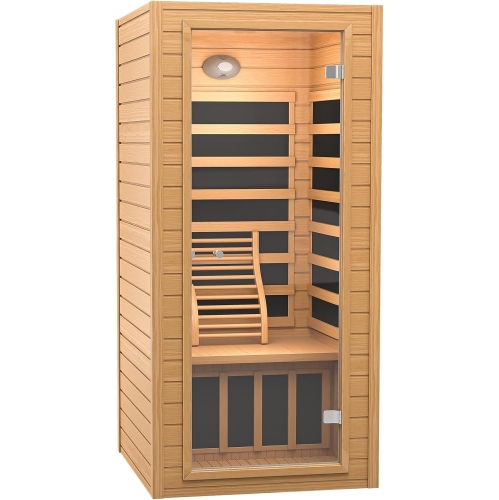
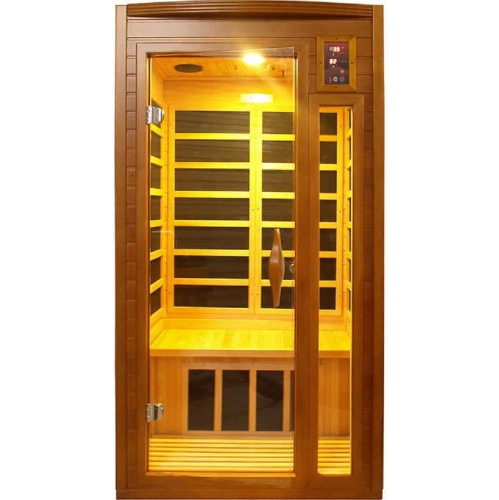
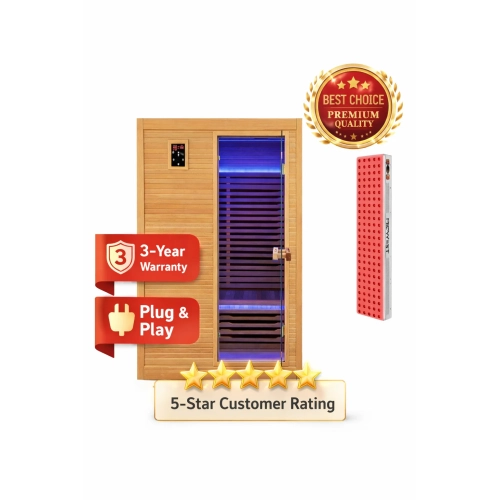
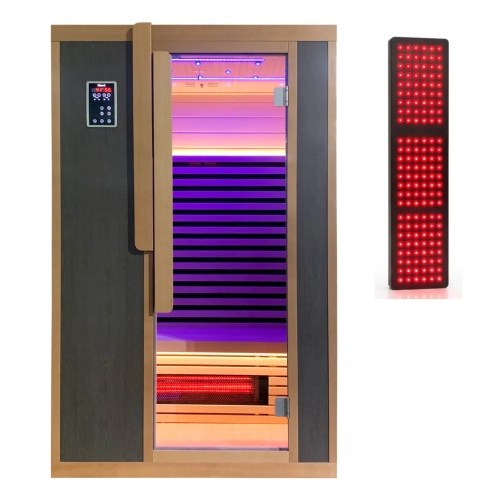
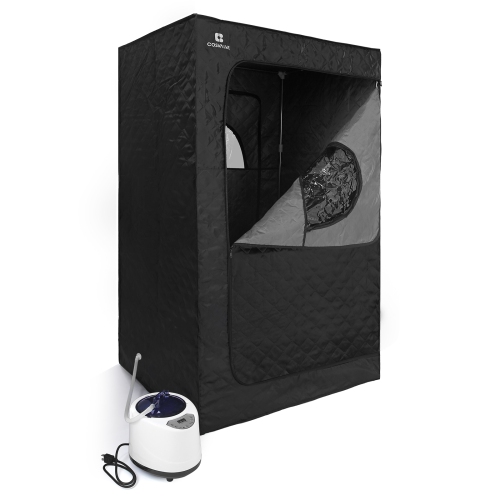
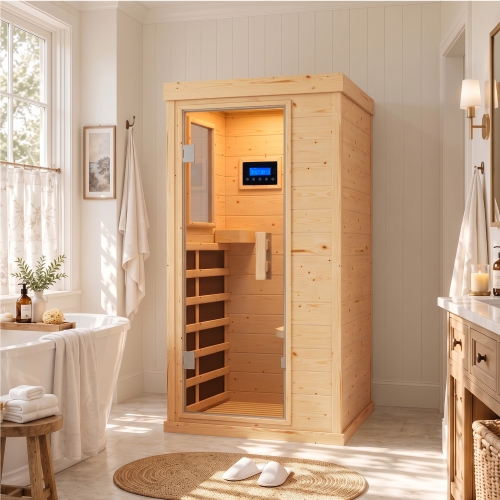
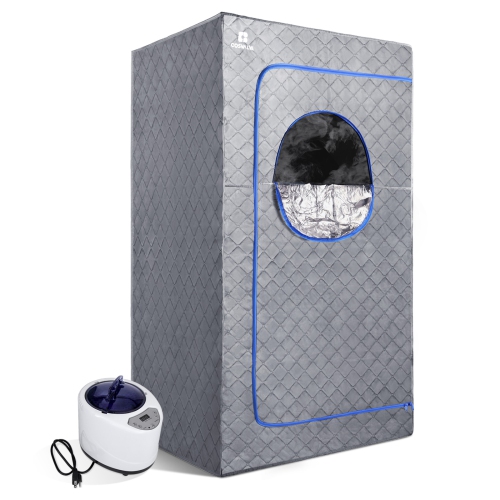
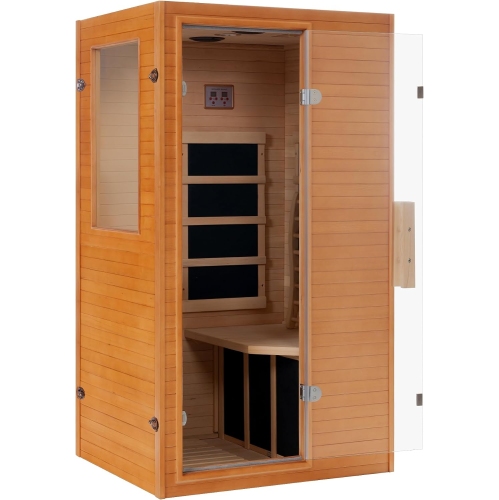
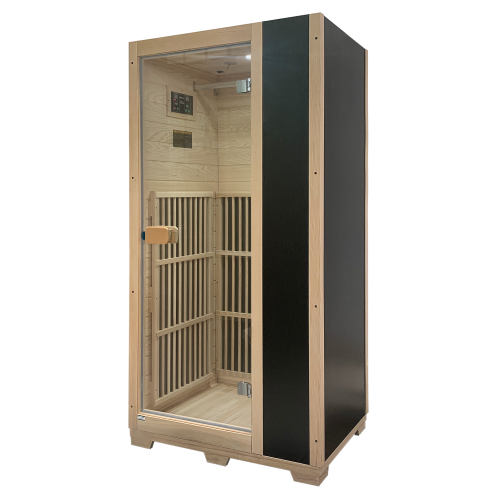
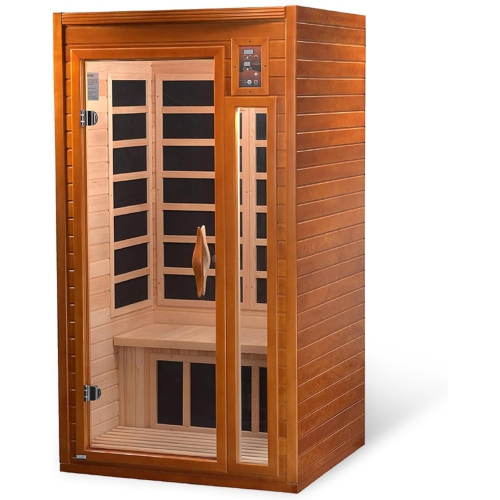
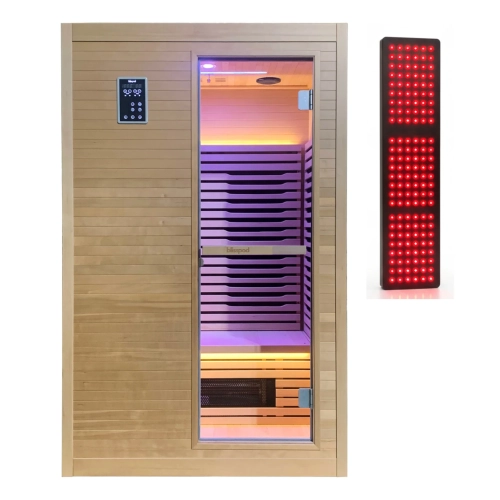
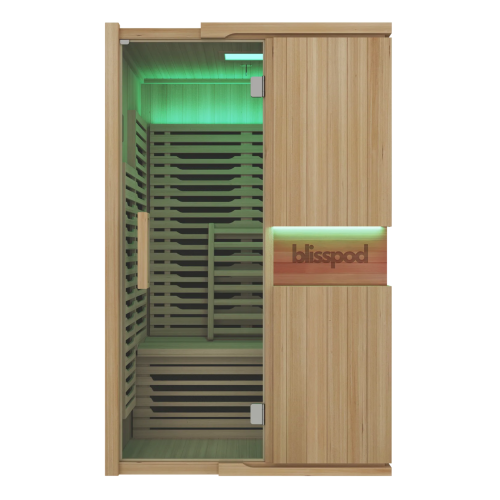
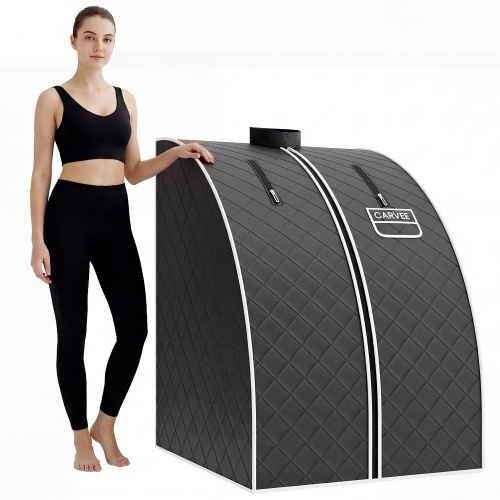
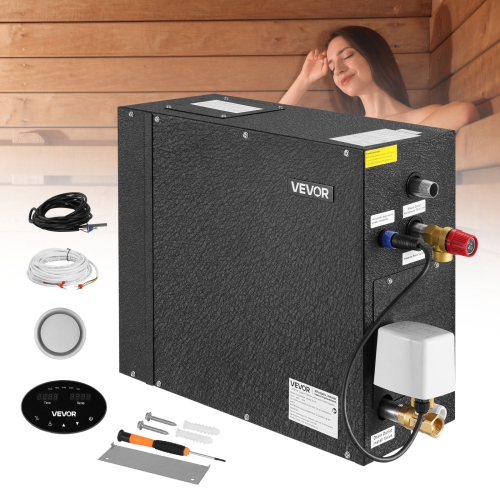
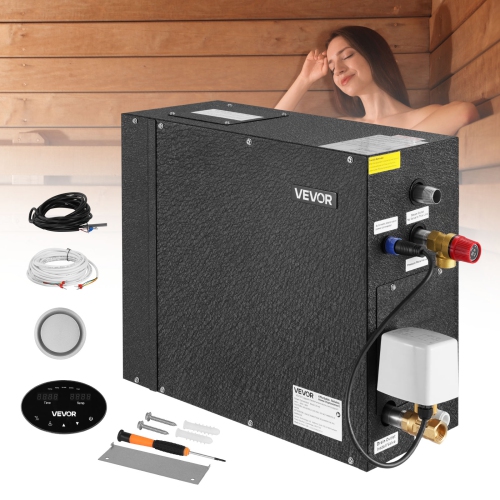
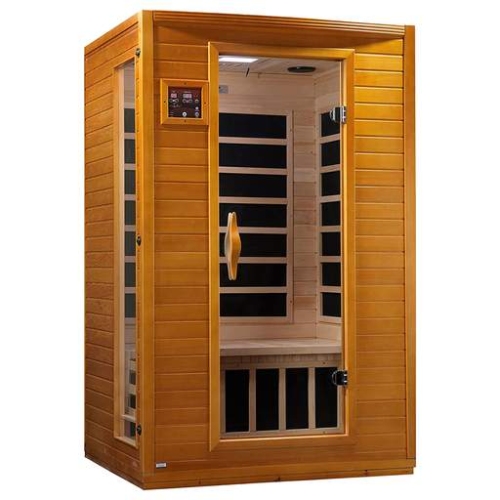
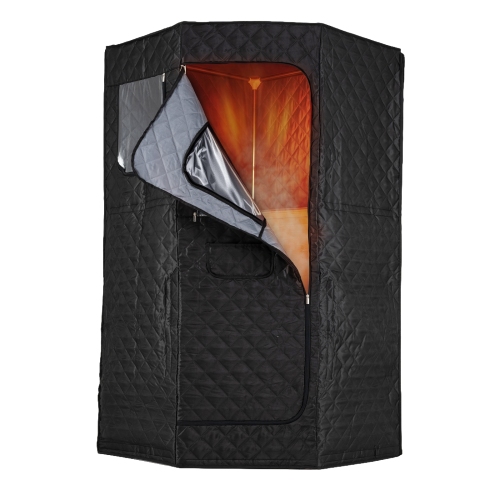
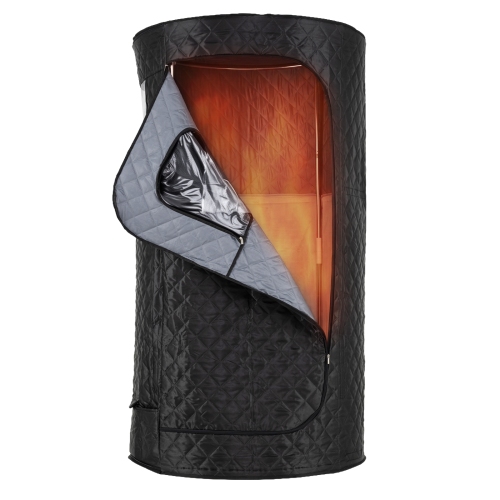
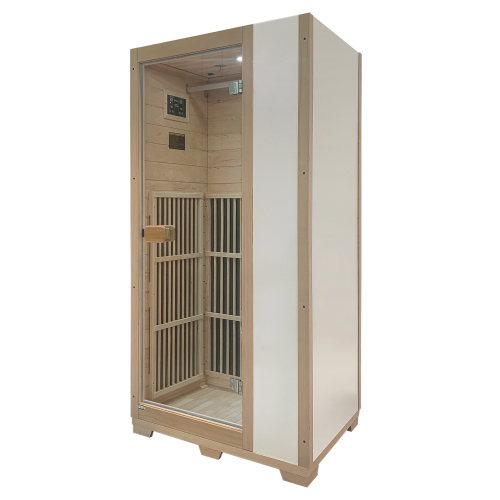
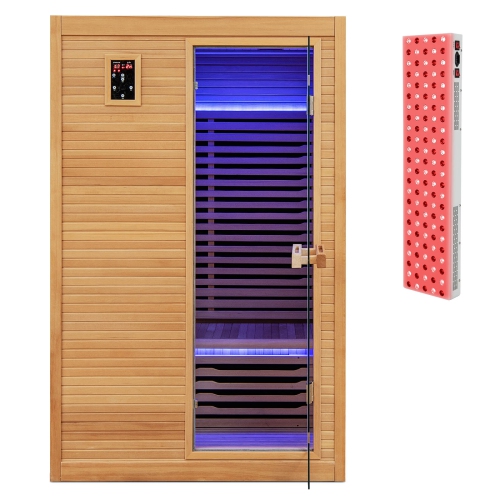
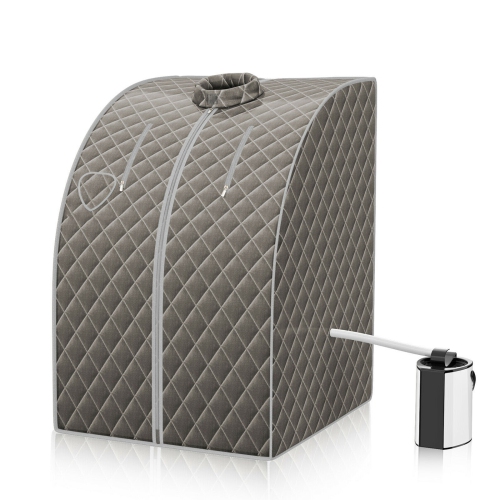
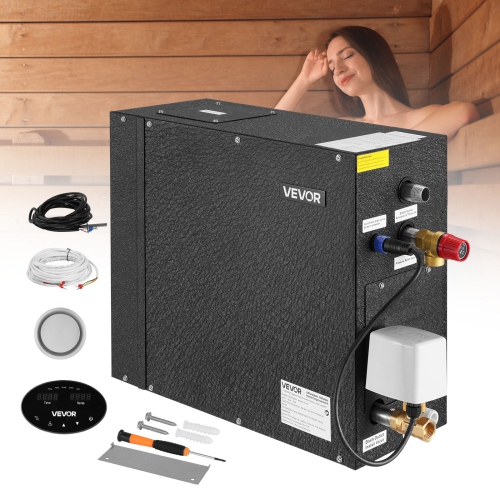
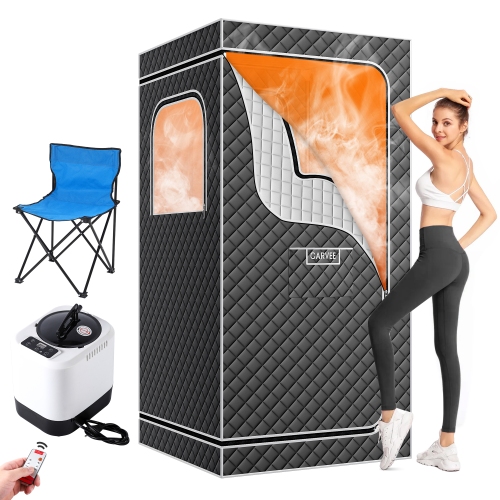
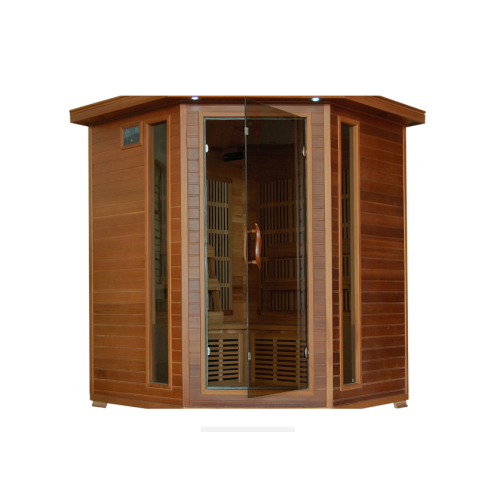
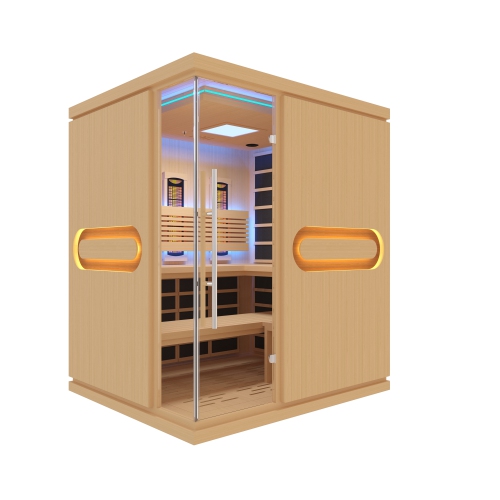
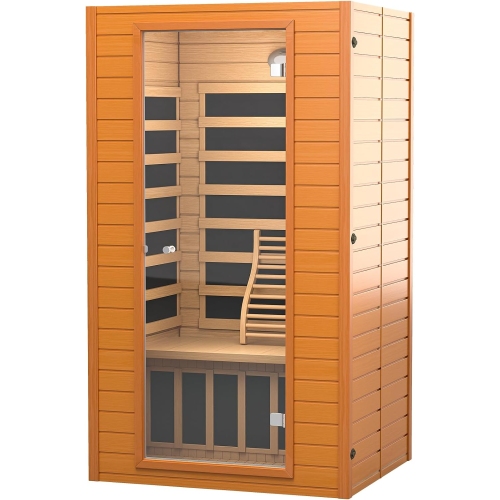
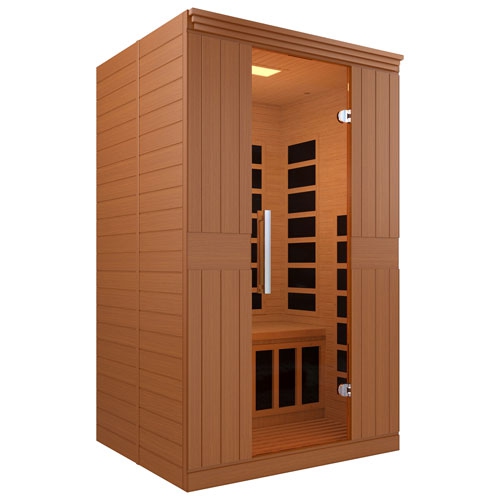
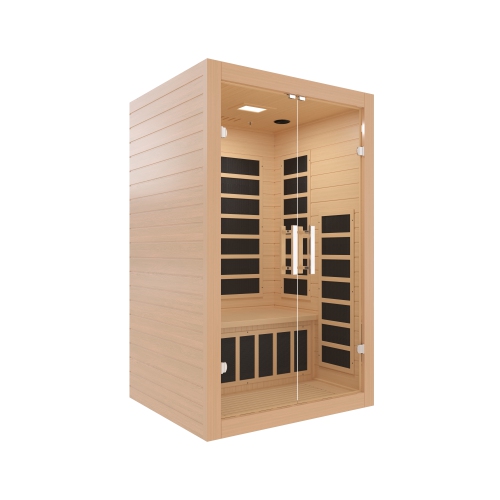
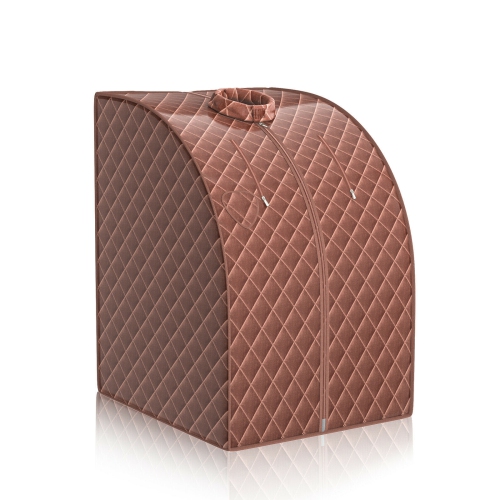
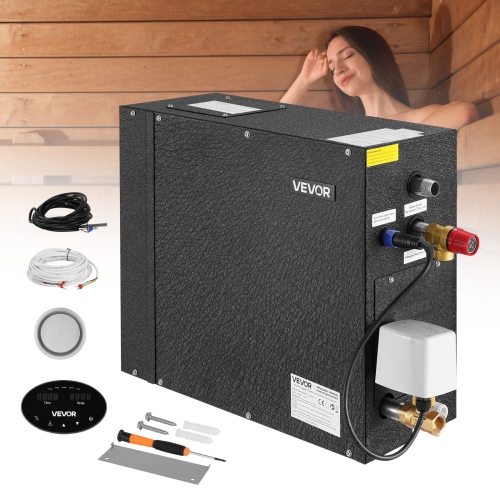
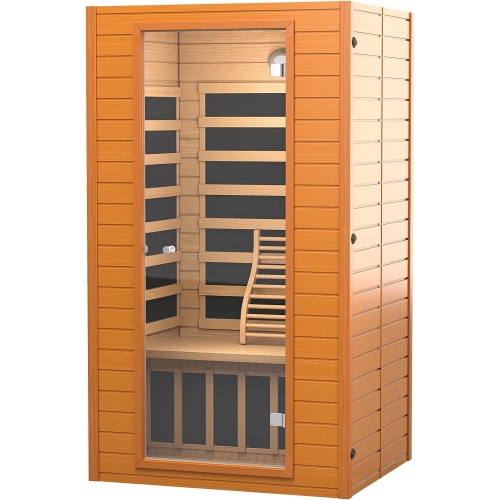
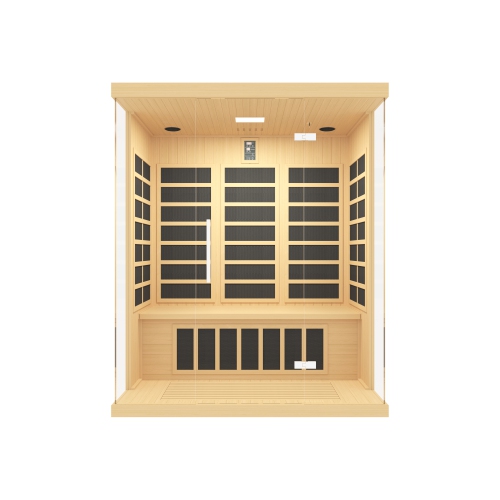
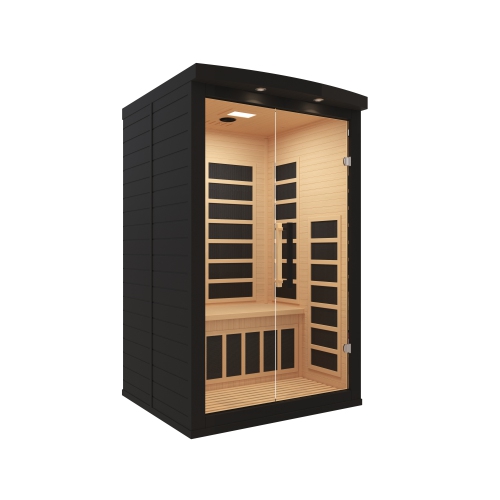
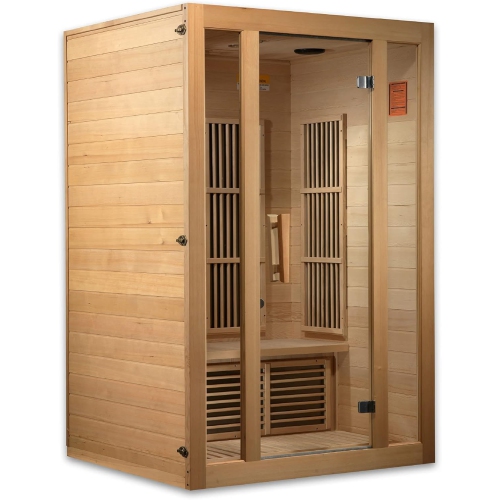
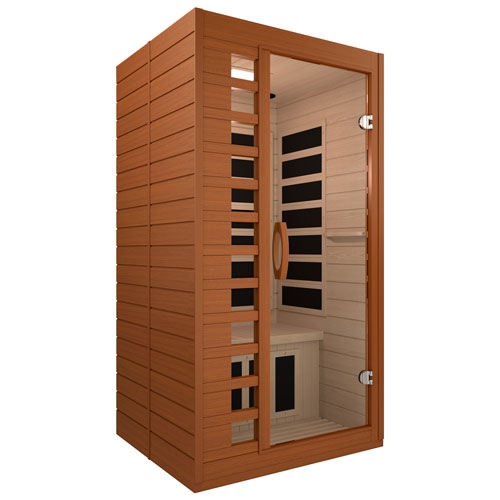
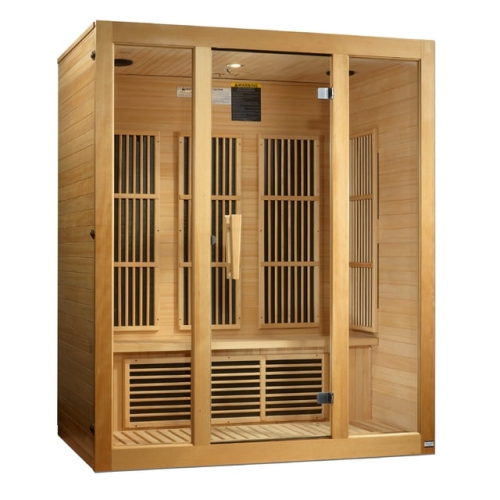
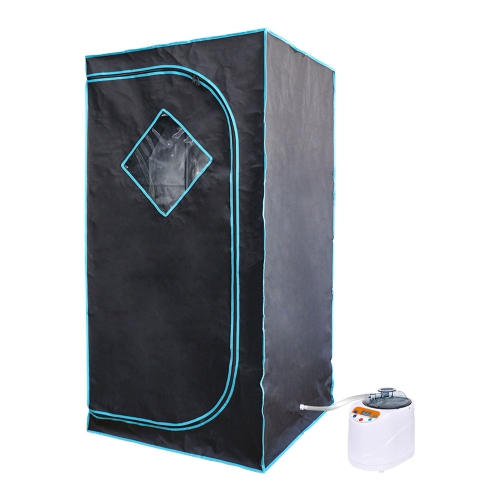
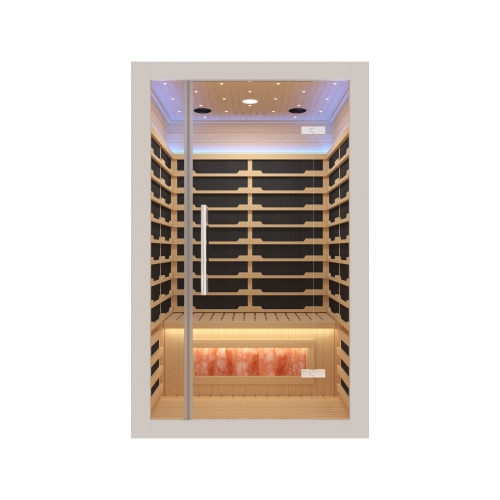
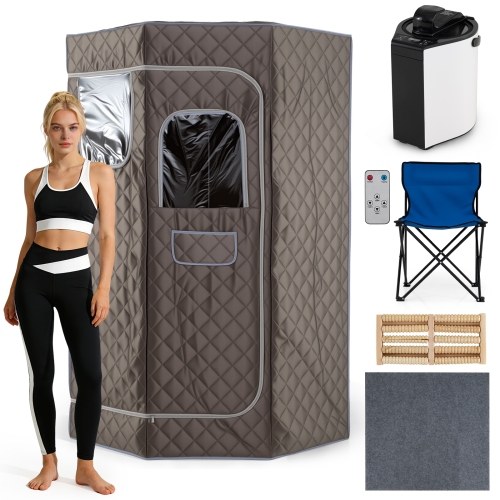
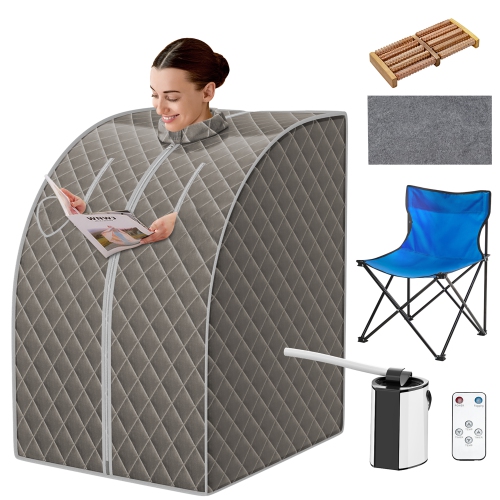
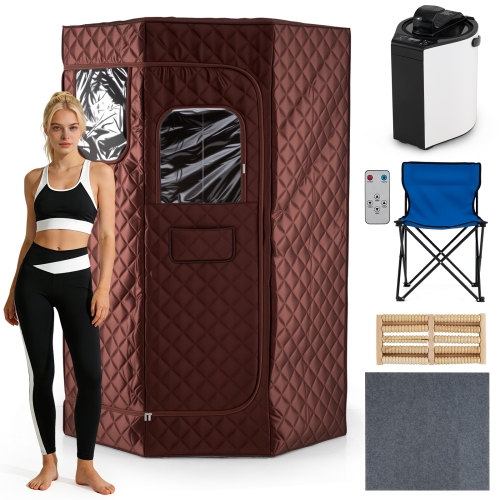
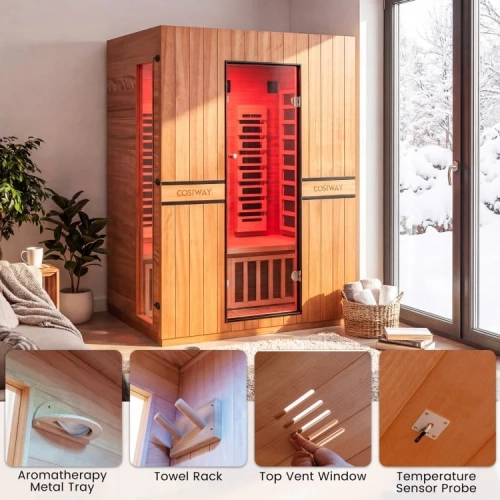
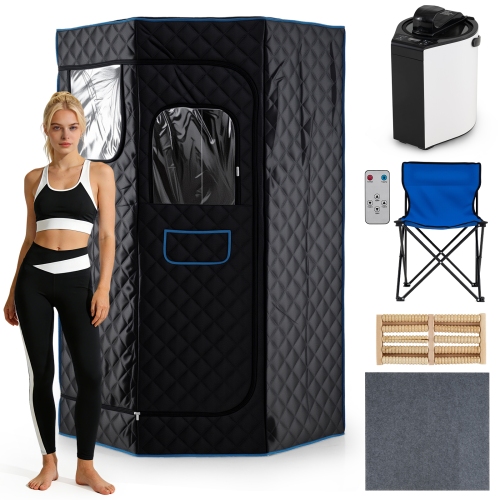
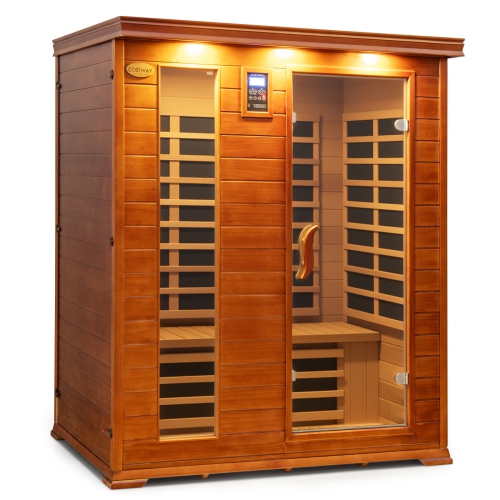
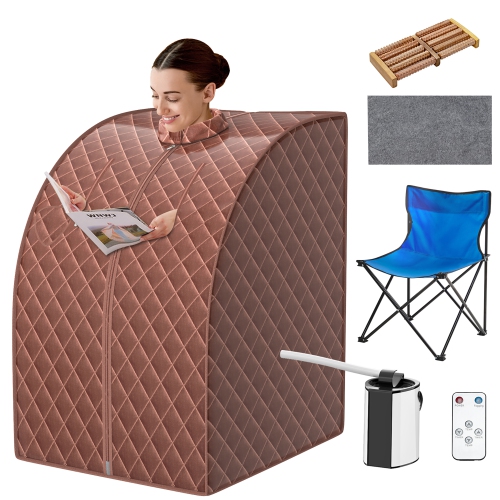
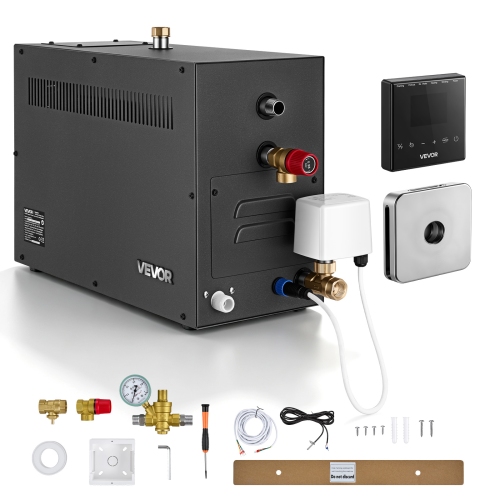
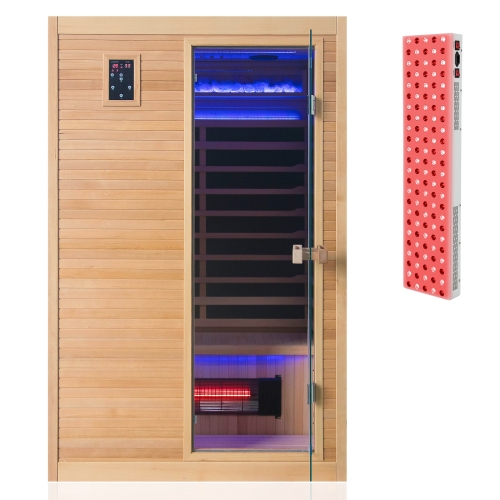
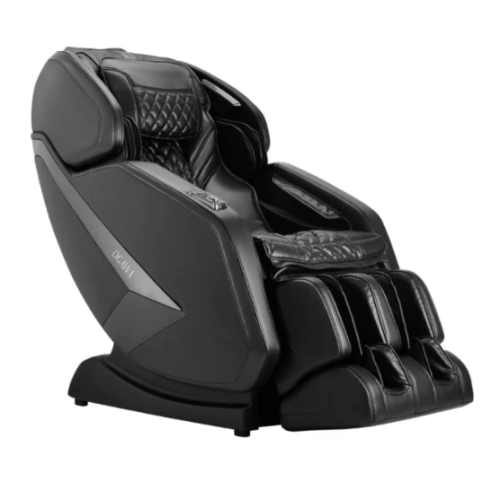
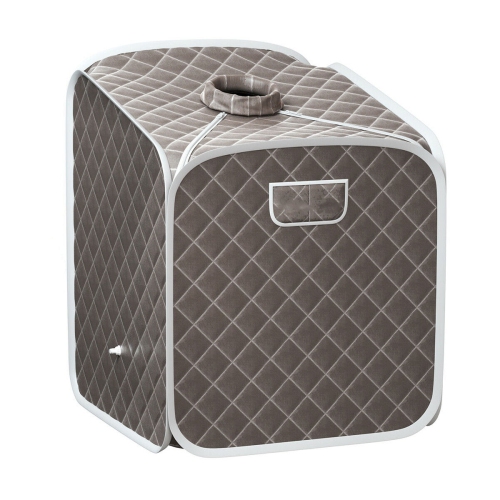
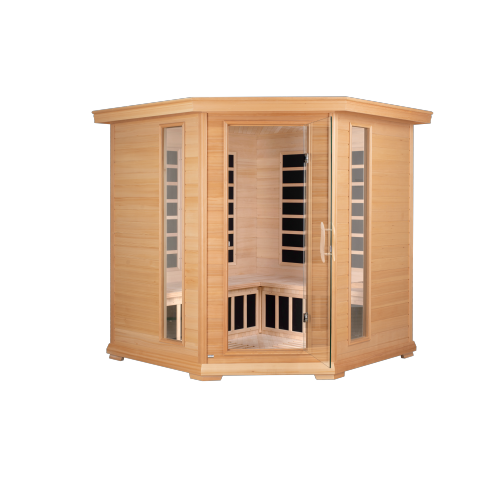
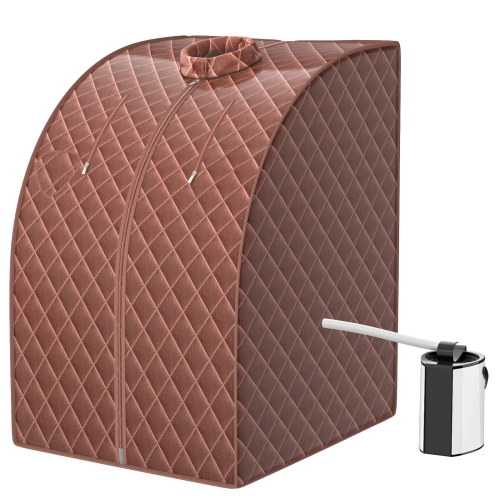
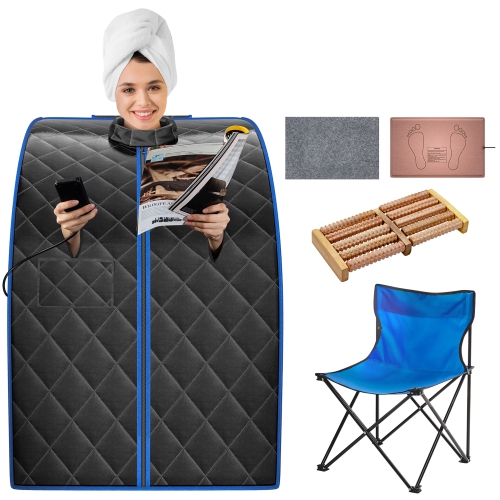
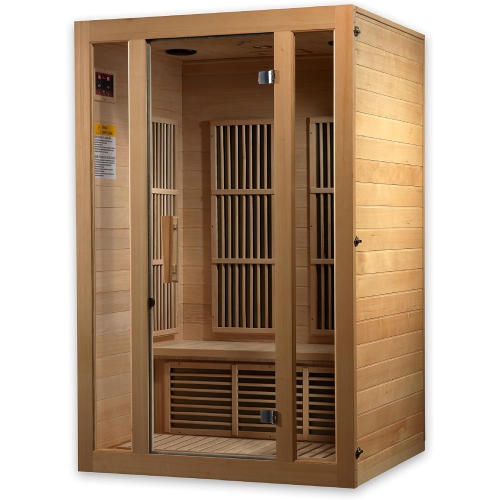
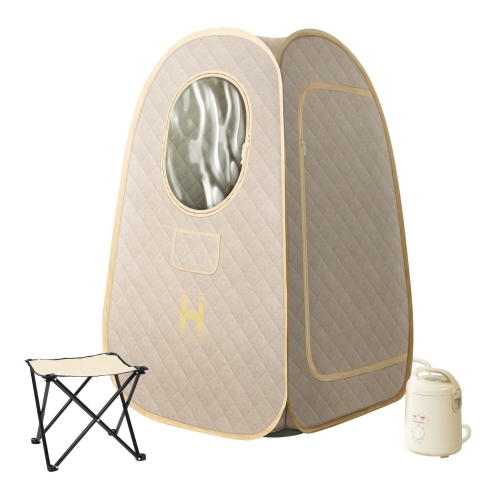

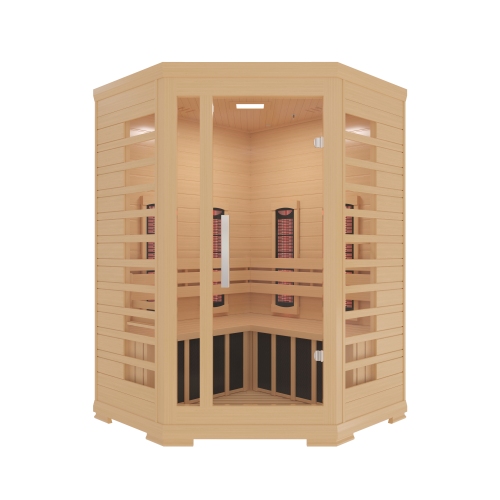
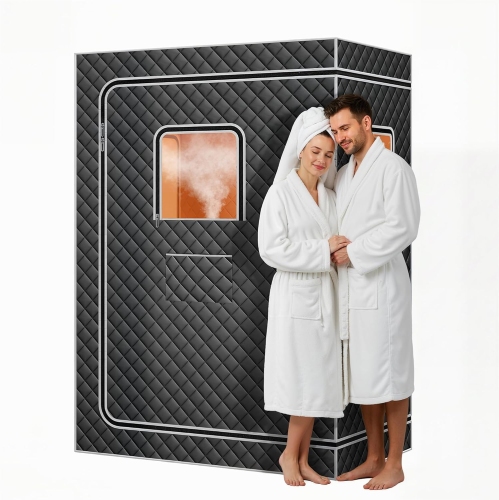
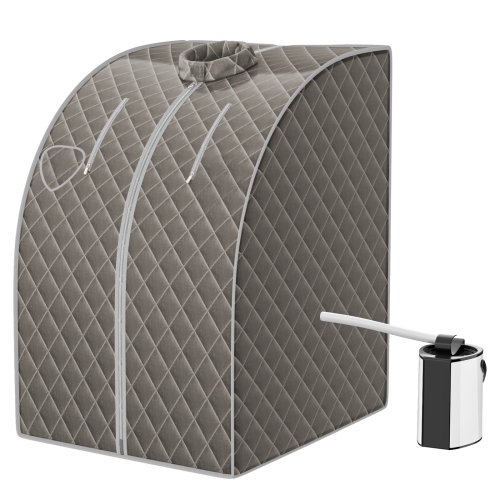
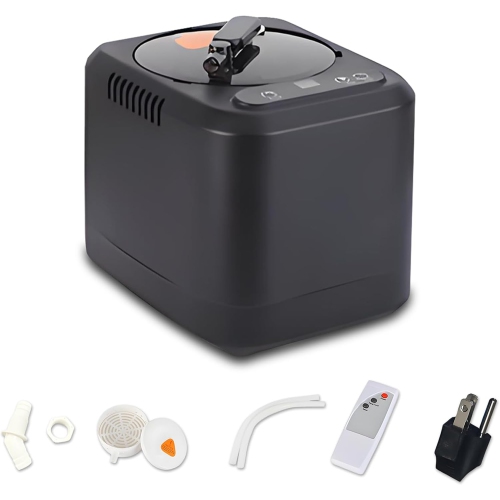
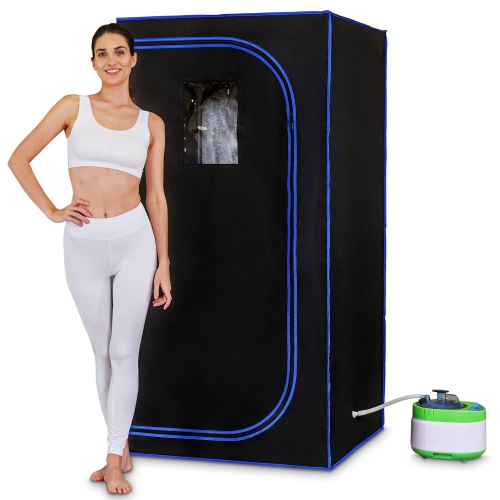
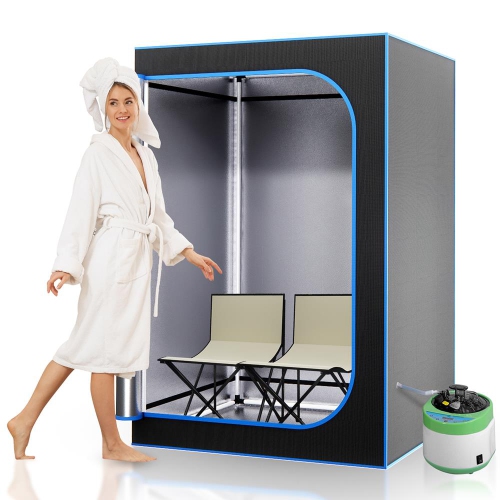
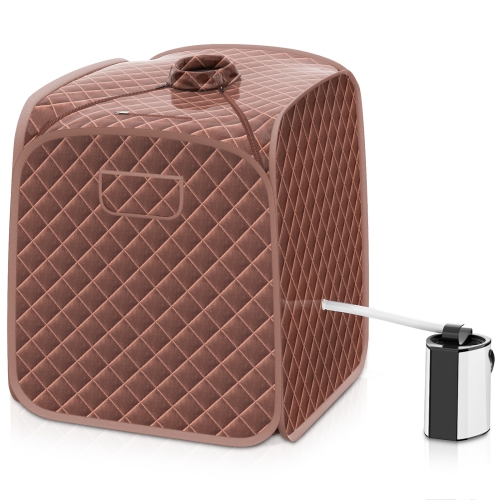
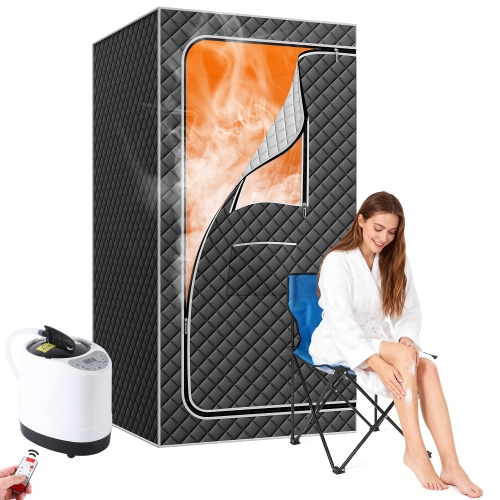
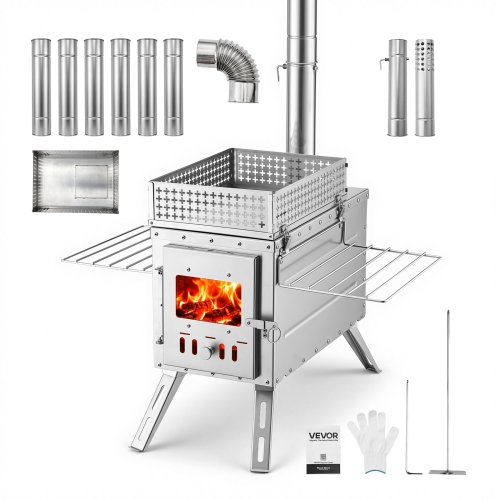
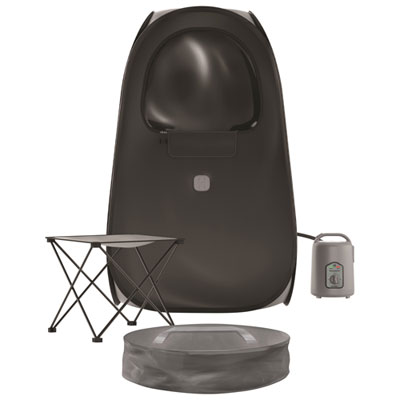
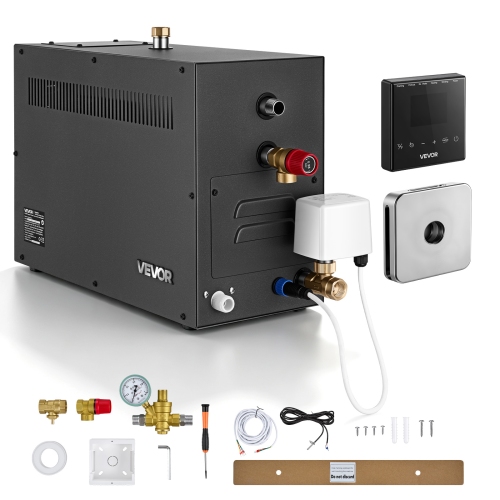
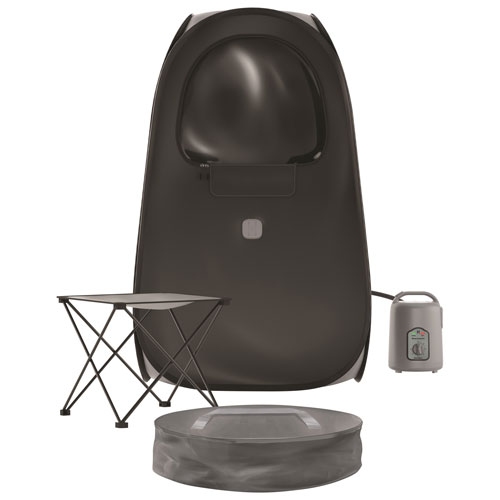
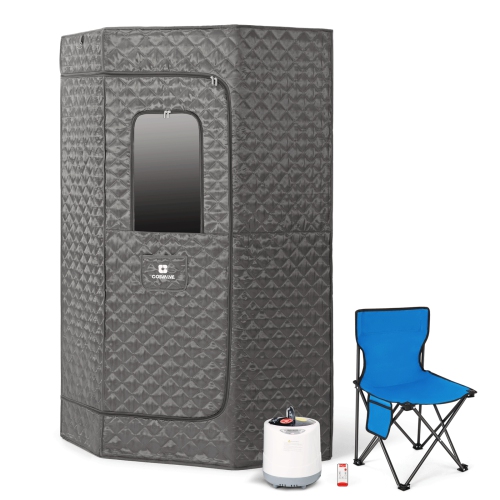
Sauna comfort starts with the right fit and setup
A home sauna kit provides the main components for creating a personal sauna, either as a freestanding cabin or as a room built into an existing space. Depending on the format, a kit may include pre-cut wall and ceiling boards, benches, a door, hardware, and heating equipment, although the contents vary considerably. Modular designs use prepared sections that fit together, while pre-cut lining kits are generally intended for a properly framed room and may require additional construction materials. Within the broader Sauna Kits Canada category, these construction differences matter just as much as the finished appearance. Traditional electric saunas heat the room using a sauna heater, commonly with stones; water should only be added when the heater manufacturer permits it. Infrared saunas use radiant heating panels and offer a different experience, so their operating instructions and installation requirements are not interchangeable with those of a traditional sauna. Wood selection also shapes the character of the space. Cedar has a distinctive grain and aroma, while woods such as hemlock, spruce, and aspen offer different colours, textures, and scent profiles. Anyone sensitive to wood fragrance may want to give that detail particular attention. Smooth bench surfaces, neatly finished edges, and sturdy supports contribute to comfort, especially where bare skin touches the wood. Wall thickness, joinery, hardware, and door construction are useful indicators of how a cabin is put together, but no single material determines overall durability. A glass door or larger glazed section can make a compact cabin feel more open, while a more enclosed design creates greater visual privacy. The right balance depends on where the sauna will sit and how it will be used: a quiet space for one person, a shared retreat for a couple, or a larger cabin with room for several seated adults.
Fit involves more than matching the sauna’s stated dimensions to an empty corner. The installed footprint, required clearances, door swing, ceiling height, and access for assembly all affect whether a kit suits a particular location. A cabin that fits comfortably once assembled may still have panels that are difficult to carry through a narrow hallway or down a tight staircase. Measuring the delivery route alongside the installation space helps prevent that mismatch. Inside, seating capacity is only a starting point: bench length and depth determine how comfortably people can sit, and a cabin rated for several seated users may not provide enough room for one person to recline. For an indoor sauna, a level, suitable floor and the manufacturer’s ventilation requirements deserve attention before assembly begins. A room conversion may also need specified insulation, a vapour barrier, and appropriate wall construction, rather than simply decorative wood lining. Outdoor sauna kits require a stable base and an exterior assembly designed for that use; an indoor cabin should not be treated as an outdoor structure simply because it fits beneath a covered area. Roof details, drainage around the base, and access for upkeep influence long-term performance. Electrical planning is another important distinction between formats. Many traditional electric sauna heaters require a dedicated 240-volt circuit, while some smaller infrared cabins use a suitable 120-volt receptacle. The equipment’s electrical rating and installation instructions determine the actual requirement, and a qualified electrician can assess the proposed location against applicable electrical rules. Heater sizing must also suit the room, including factors such as its volume and glass surfaces. Assembly demands vary with the kit’s construction, the condition of the site, and the work required beforehand, so a simple panel layout should not be mistaken for a complete installation plan. Clear instructions, an accurate parts list, and clearly identified requirements for tools, wiring, and site preparation make it easier to understand the full scope of the project.
Everyday enjoyment often comes down to details that are easy to overlook when comparing exterior dimensions. A comfortable backrest, a bench at a practical height, accessible controls, and lighting suitable for the intended use can make a compact sauna feel thoughtfully arranged. Someone who wants a short, quiet break after a busy day may prefer a straightforward layout, while a household planning shared sessions may place more value on seating space and an entrance that is easy to use. A sauna can also be a generous shared gift, but it is best suited to a planned purchase where the recipient’s space, preferences, and installation responsibilities are already understood. Care should be considered part of ownership from the beginning. Sitting on a clean towel helps limit sweat marks on benches, and following the recommended drying and ventilation routine helps keep interior surfaces in good condition. Cleaning methods should match the wood, glazing, heater, and other components rather than relying on a single household cleaner for every surface. Abrasive tools, heavy fragrance, and unapproved coatings can damage finishes or leave unwanted residues; interior treatments should only be used where the manufacturer recommends them. Periodic checks of accessible hardware, bench supports, door alignment, and seals can help identify small maintenance needs before they become disruptive. Outdoor assemblies may also have specific requirements for inspecting the roof and maintaining exterior surfaces. Heating equipment needs its own prescribed care, including attention to stones where applicable, and it should never be covered or used to dry clothing. Keep heater clearances unobstructed and follow the stated limits for session length and operation. Anyone with a health condition or concerns about heat exposure should seek medical advice before use. With suitable construction, careful installation, and consistent upkeep, a home sauna kit can create a dedicated place to pause without leaving home.
Top selling and popular products
-
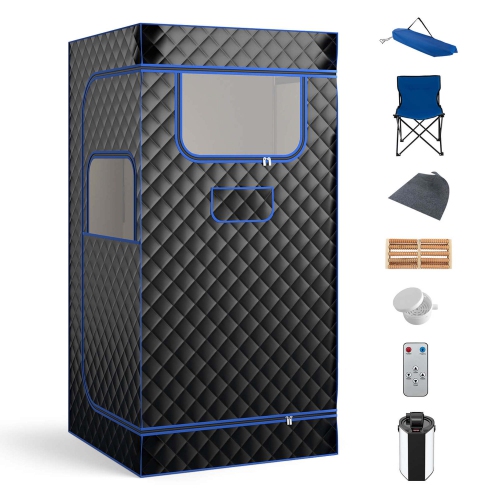 Your price for this item is $164.99
-
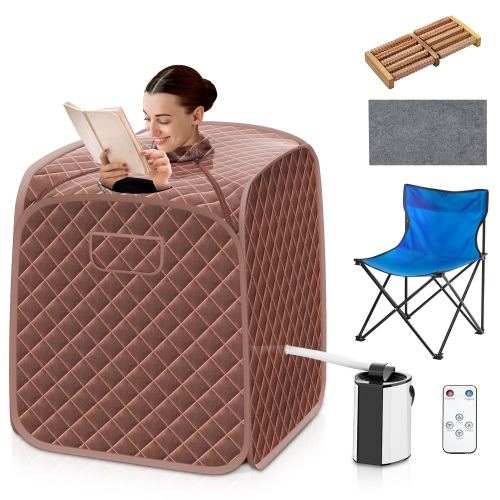 Your price for this item is $128.99
-
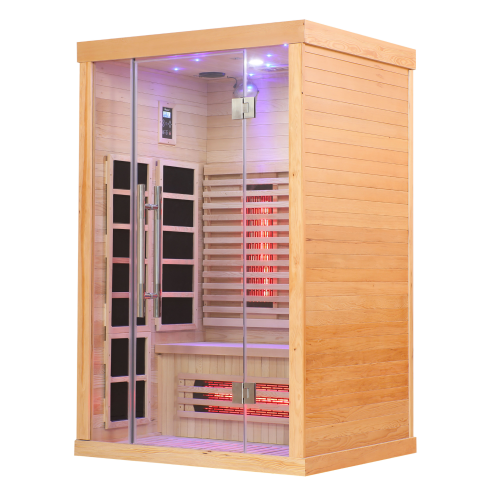 Your price for this item is $4299
-
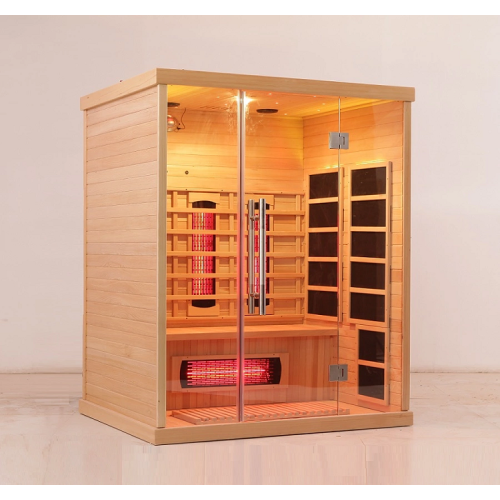 Your price for this item is $5499
-
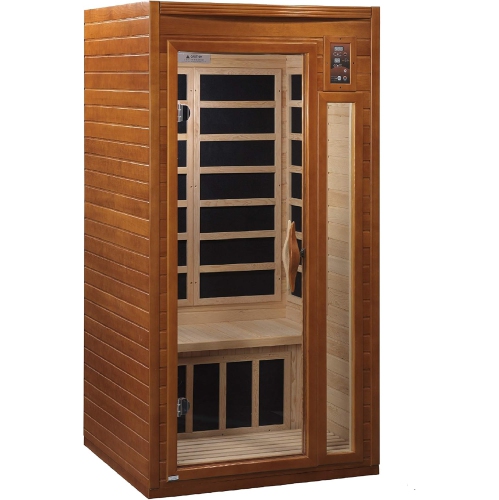 Your price for this item is $2995.53
-
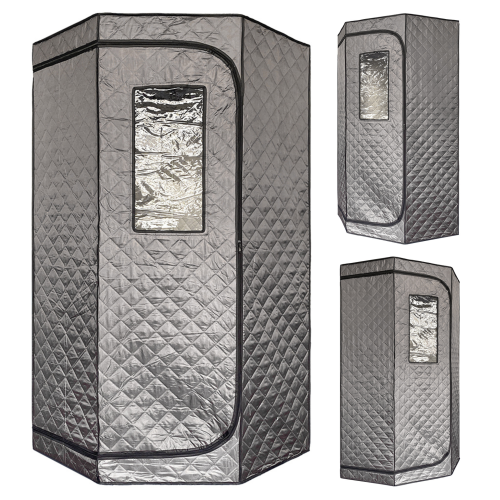 Your price for this item is $249
-
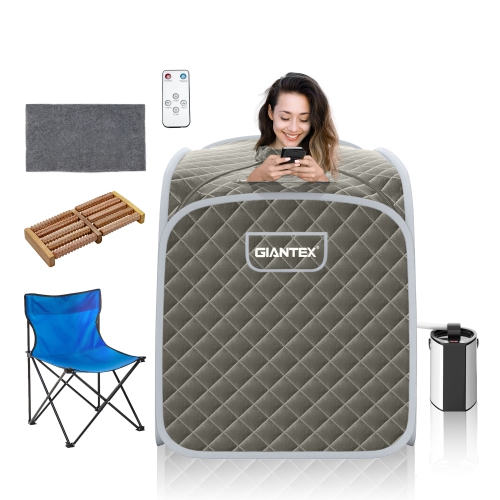 Your price for this item is $117.99
-
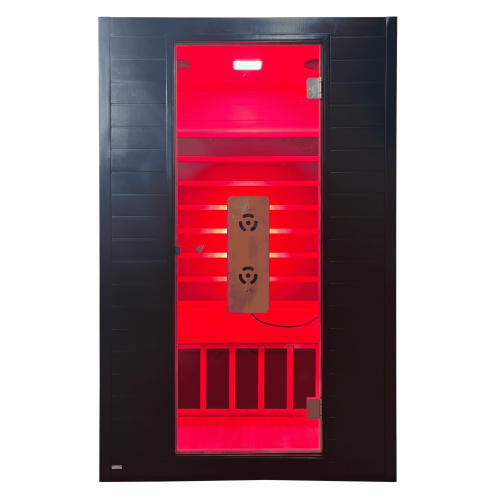 Your price for this item is $2999
Discover more categories related to Home Sauna Kits
Top Collections:
Best Black Friday Deals This Year, Best Black Friday Deals On Electronics, Kindle Devices, Pokemon Centers, Best Black Friday Deals On Apple Products, Best Cameras for Sports Photography, Dyson Airwrap, Pokémon 30th Celebration Cards, Apple iPhone 17 Pro, Canon G7X Cameras
Some products may be subject to Environmental Handling Fees
(EHF) depending on your province.
Learn more about EHFs.