Scraper Tools
Discover the perfect solution for tackling tough cleaning tasks or culinary prep with a versatile scraper tool. Ideal for removing stubborn residues, paint, or adhesive from various surfaces, these tools are essential for both DIY enthusiasts and professional tradespeople. Whether you're sprucing up your home, working on a detailed renovation project, or preparing ingredients in the kitchen, find the scraper tool that fits your needs and makes every job smoother. Explore a range of options that promise durability and reliability, ensuring you have the right tool on hand for any challenge.
Sort
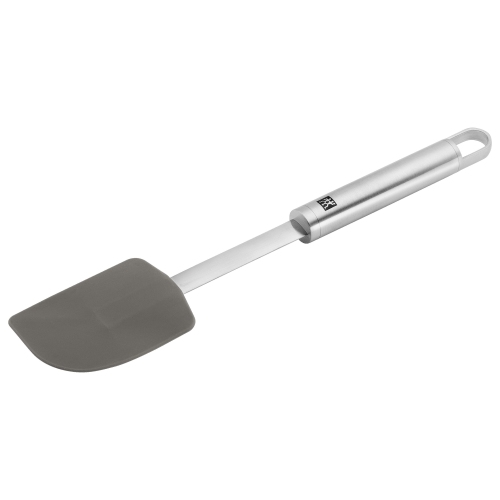
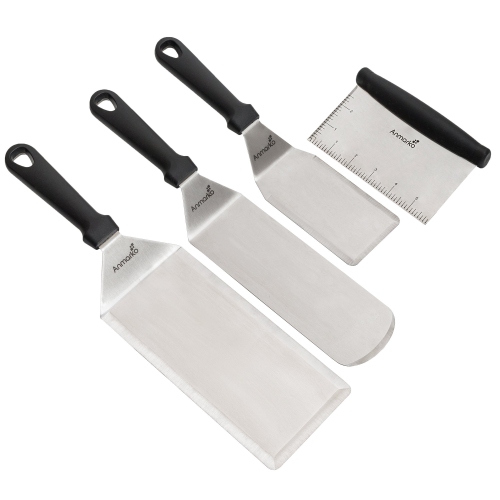
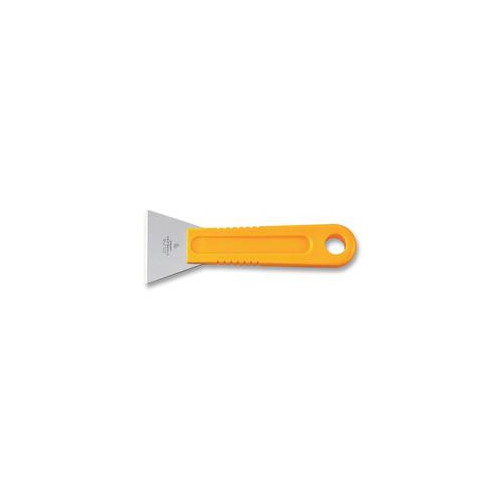
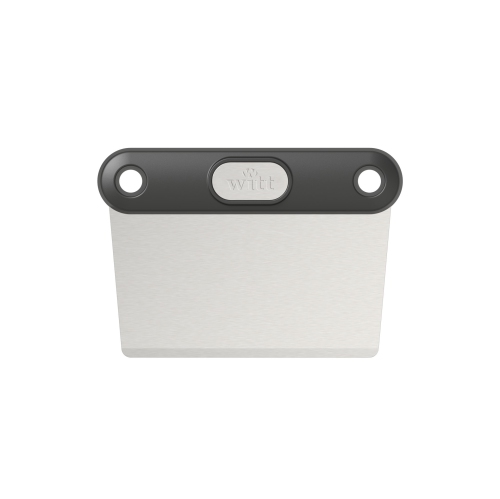
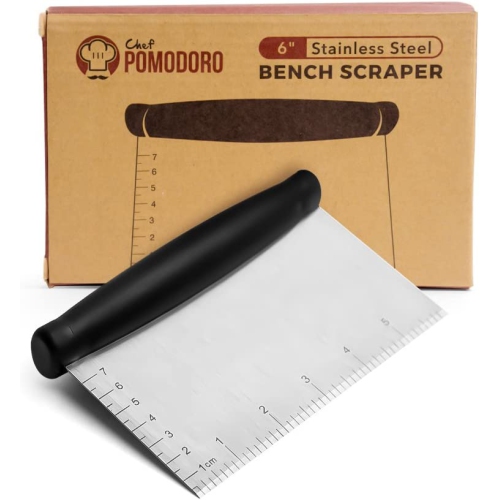
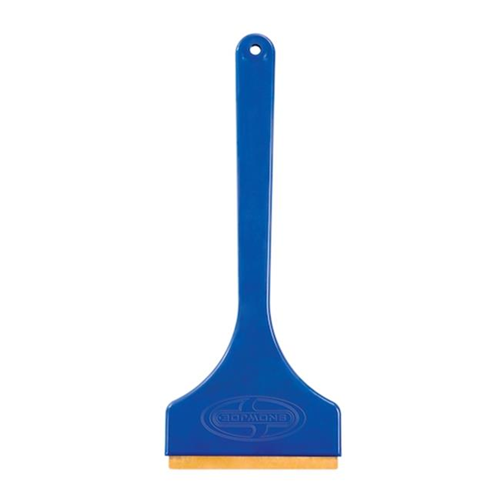
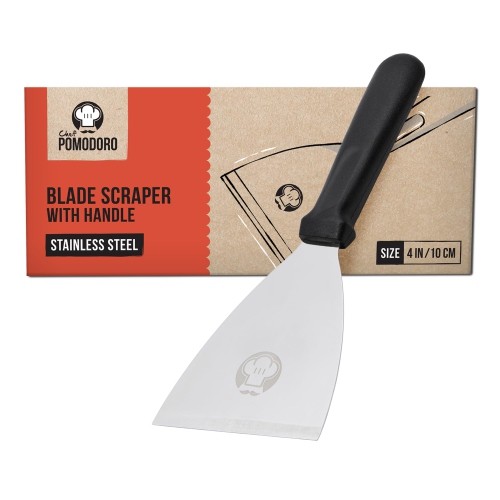
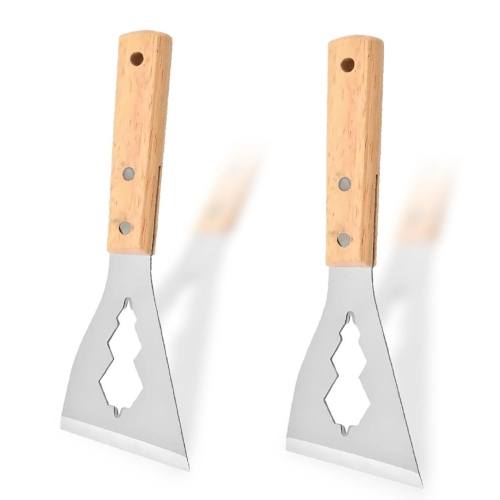
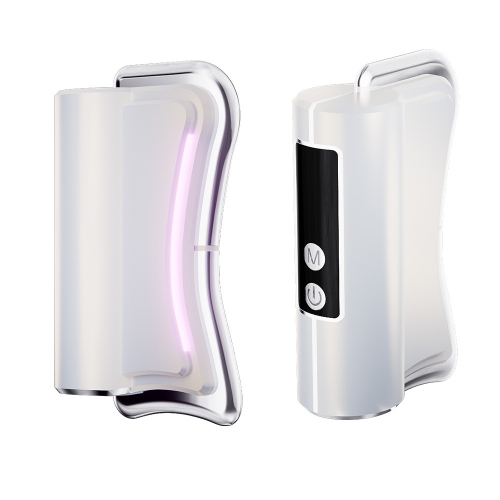
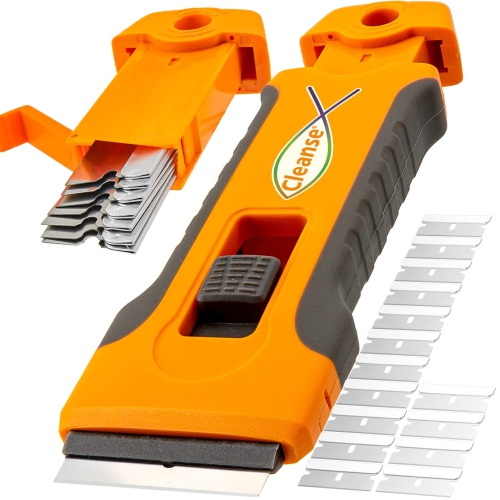
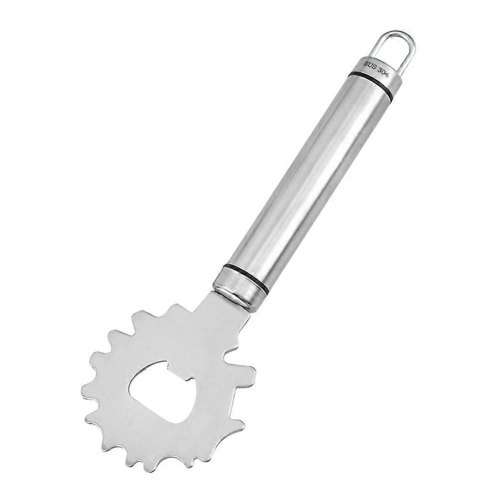
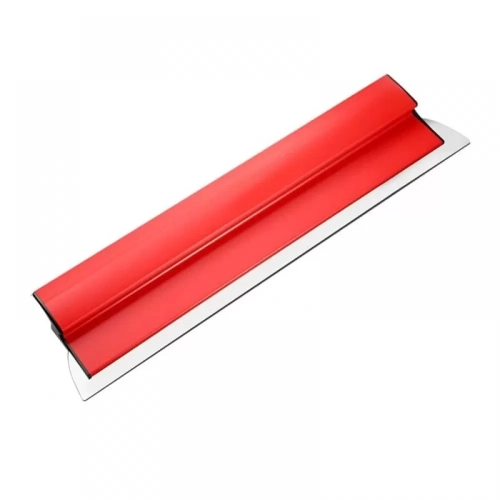
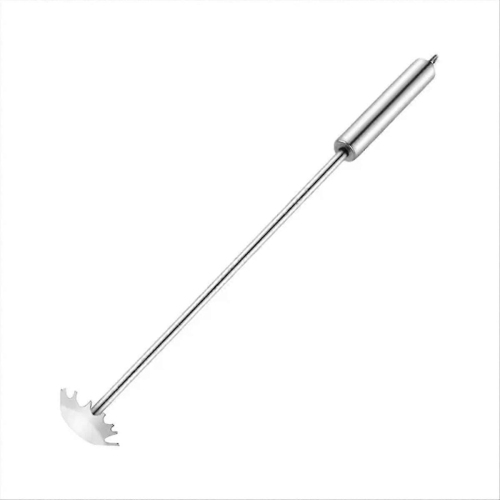
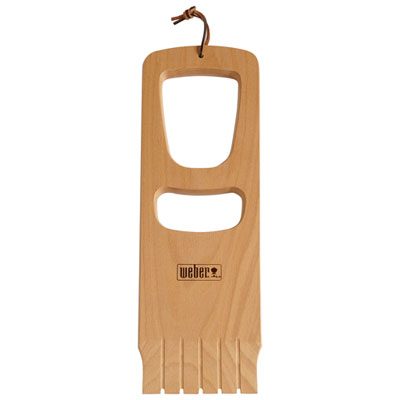
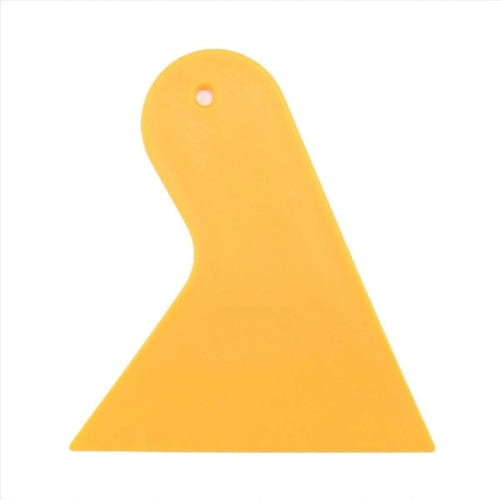
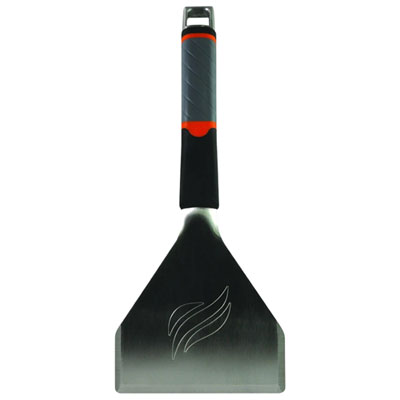
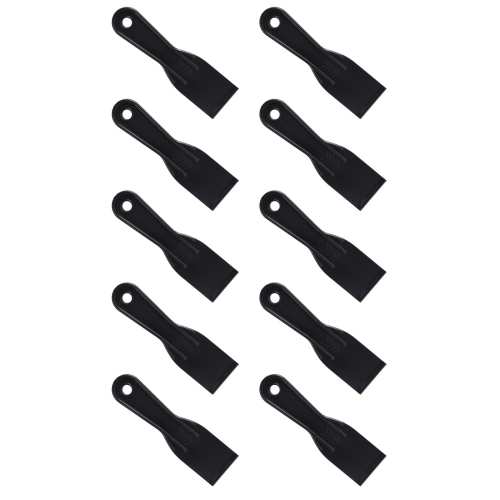
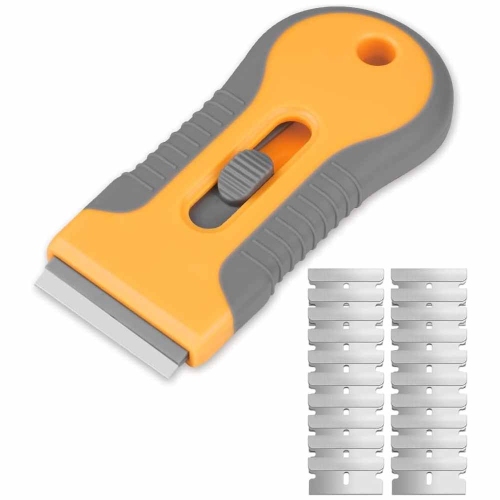


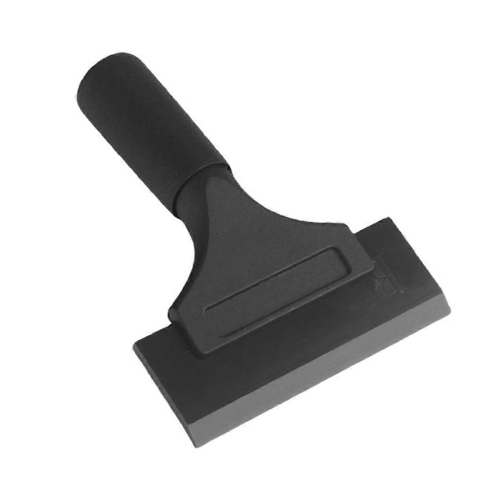

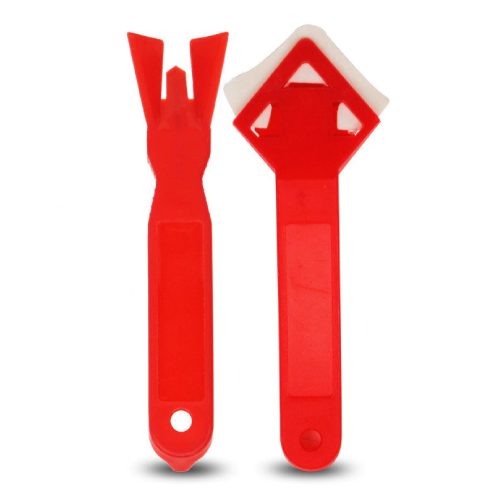
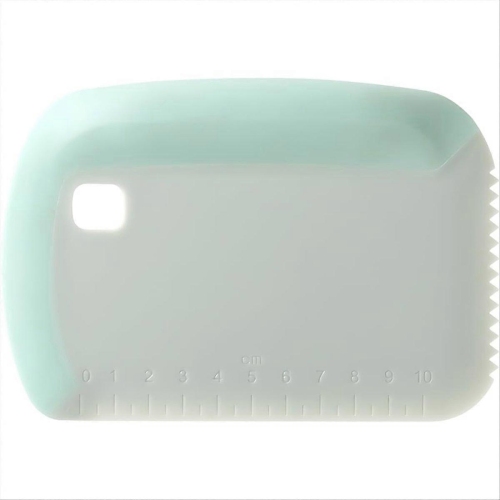
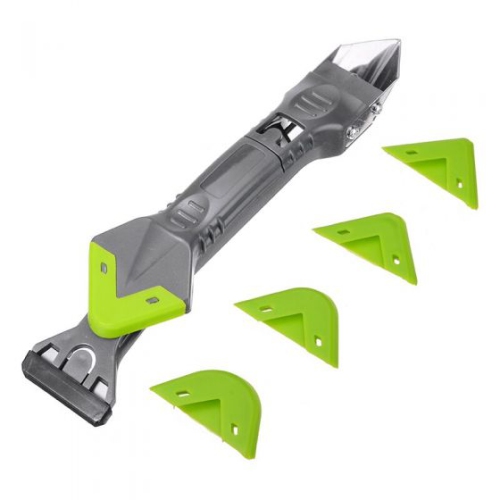
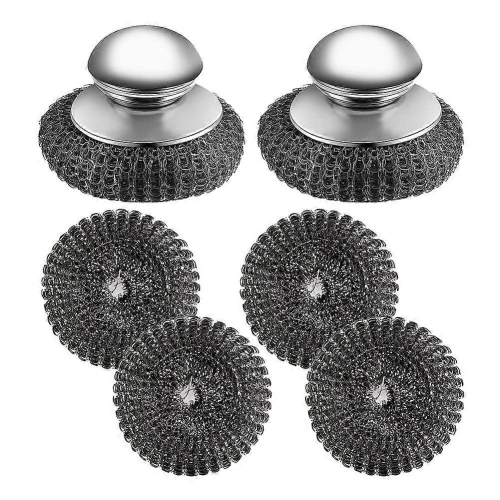
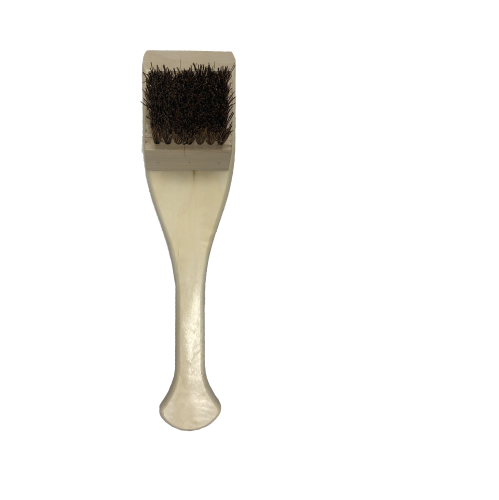
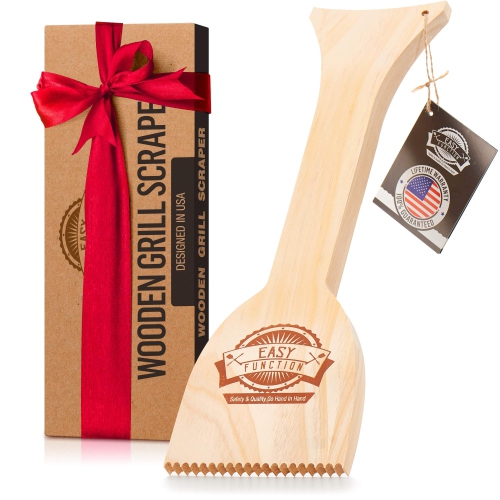
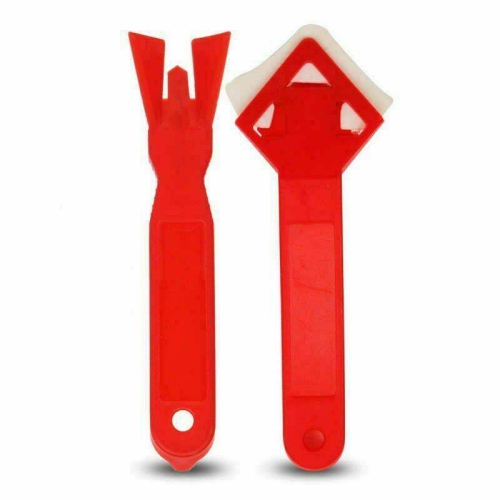
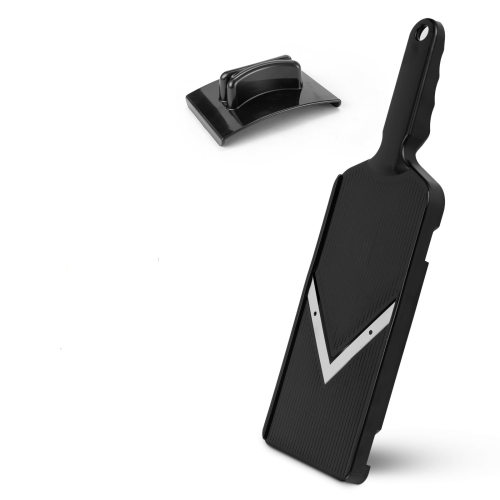
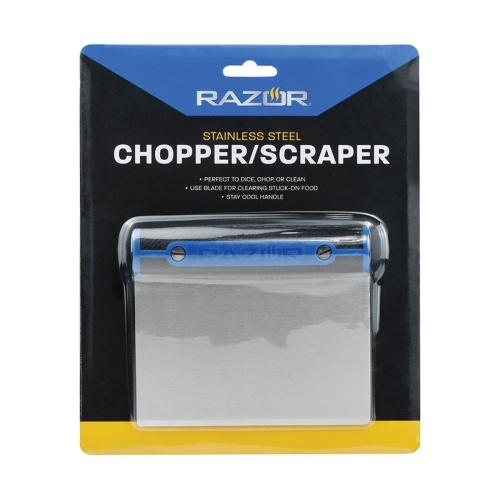
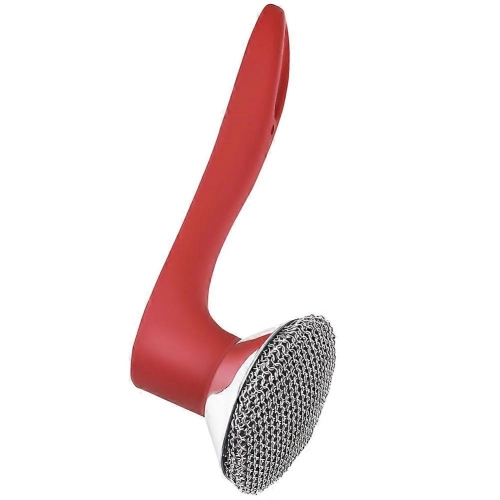
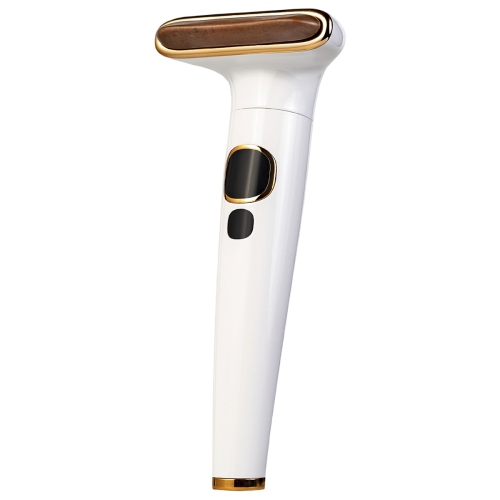
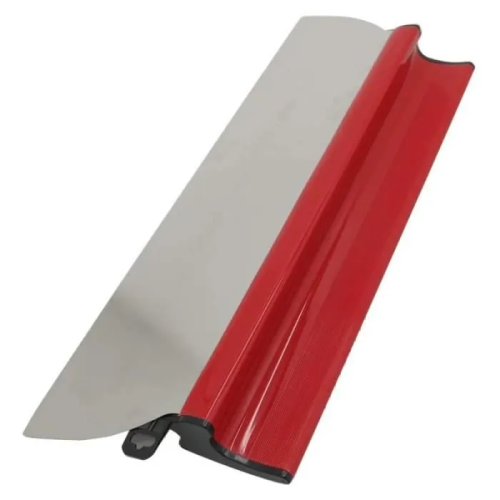
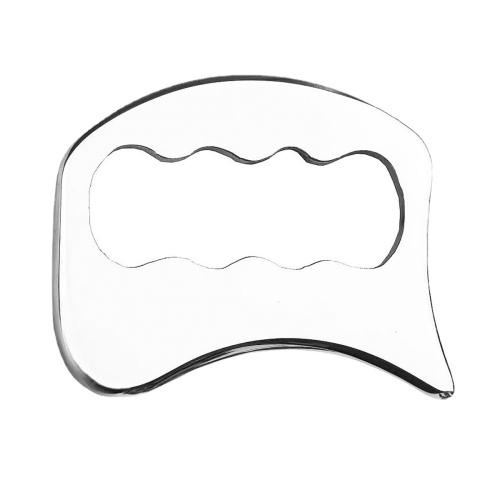
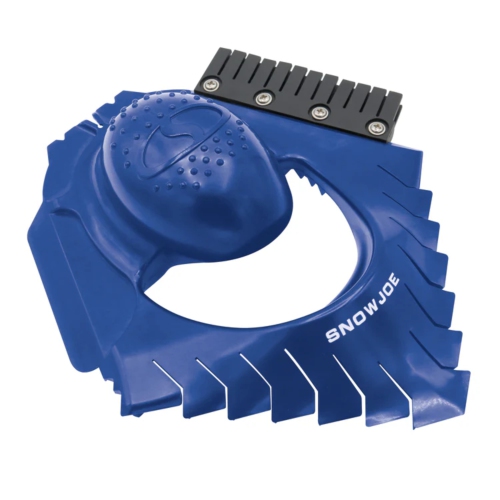
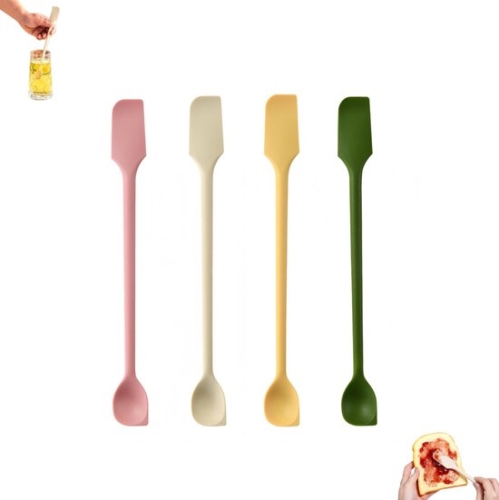
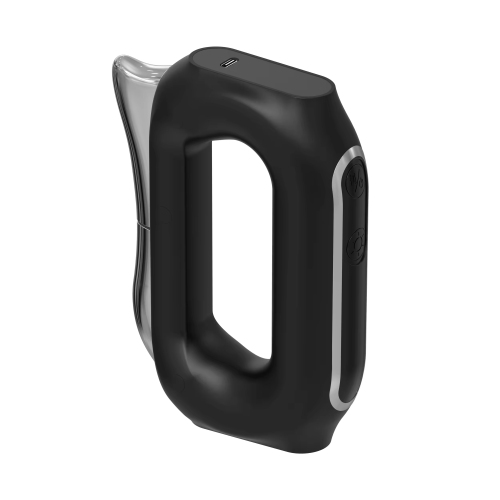
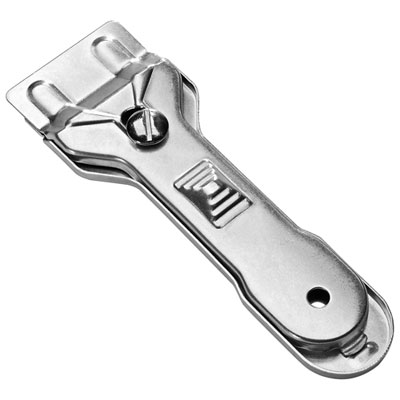
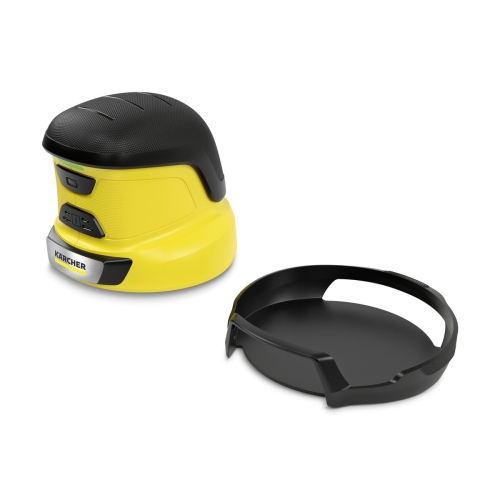
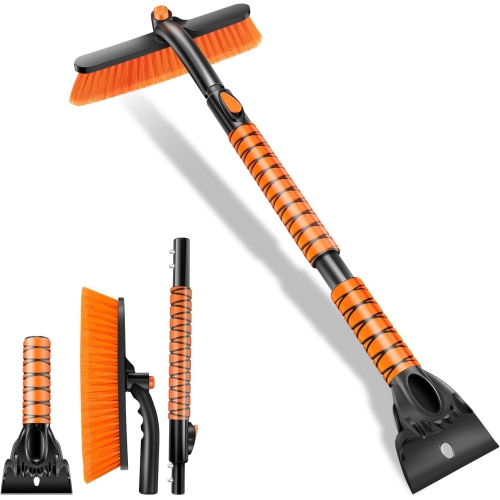

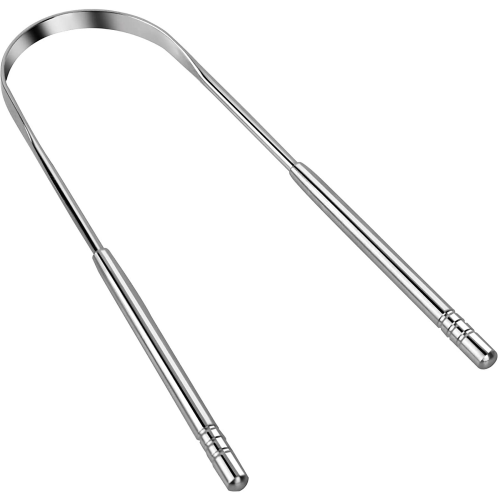

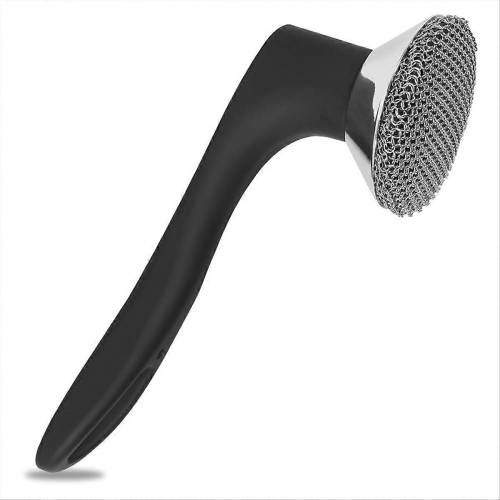
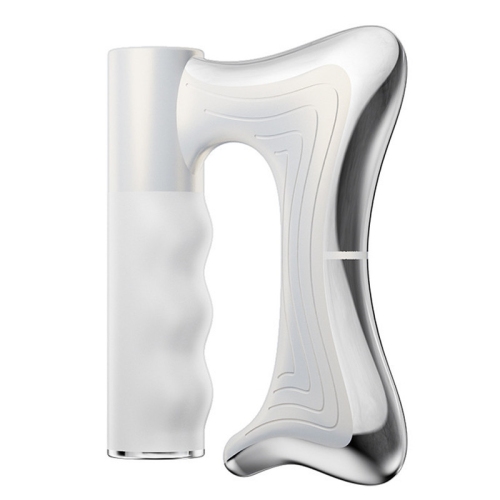
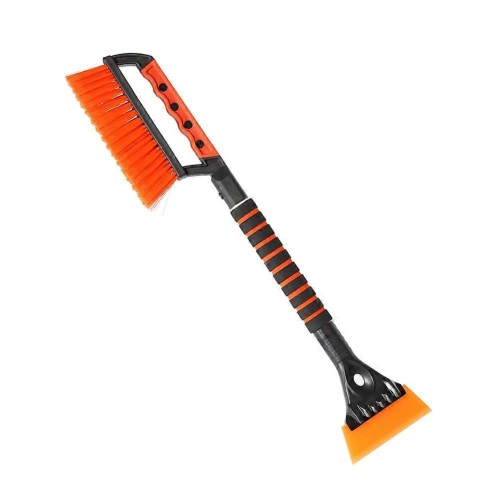
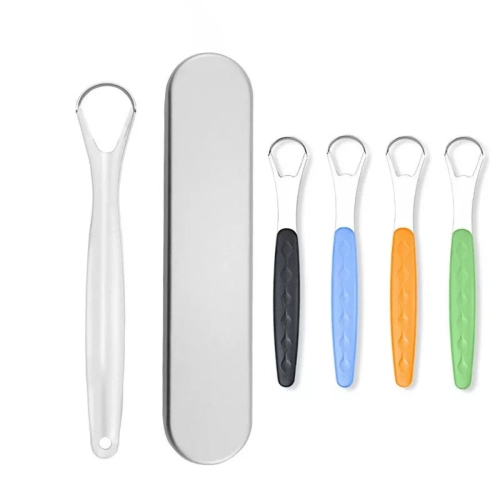
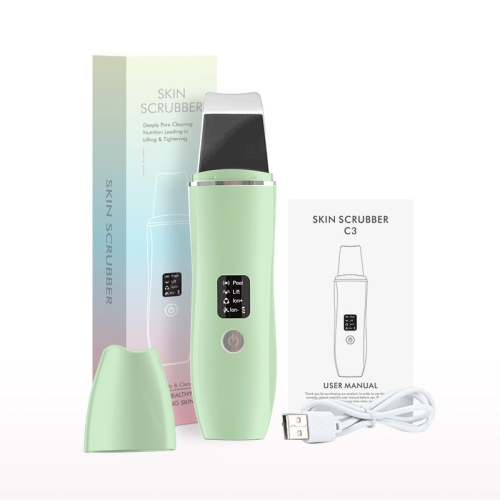
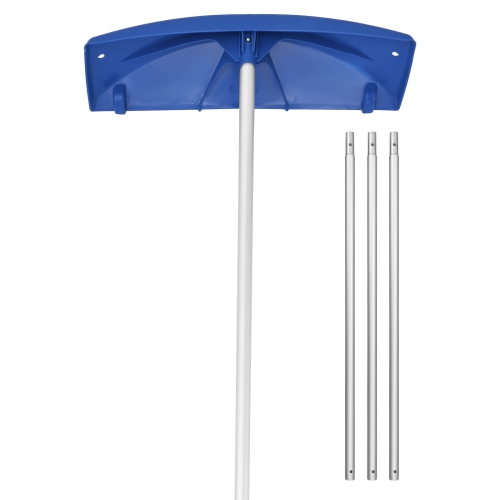
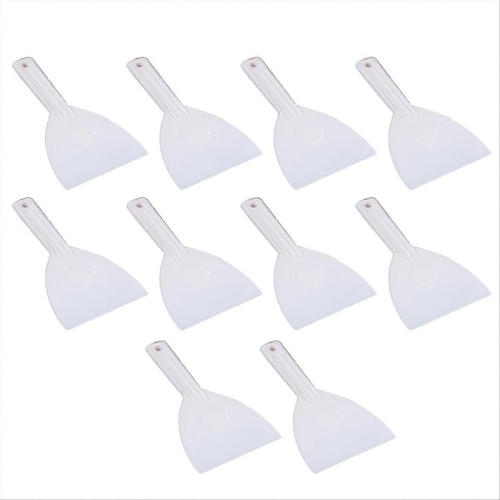
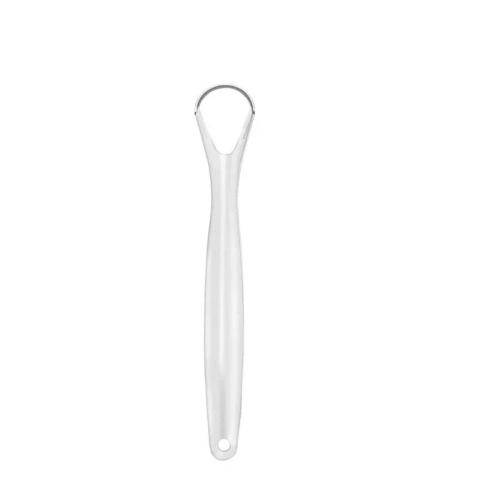
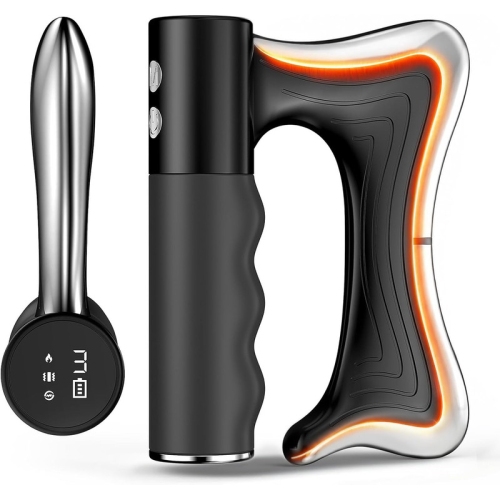
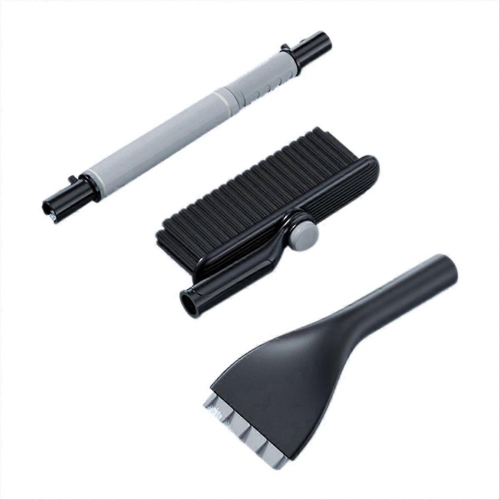
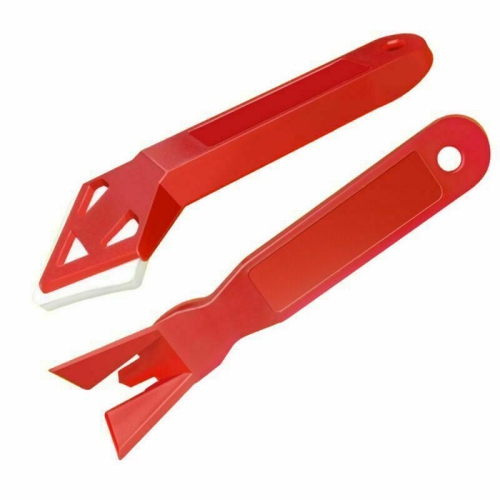
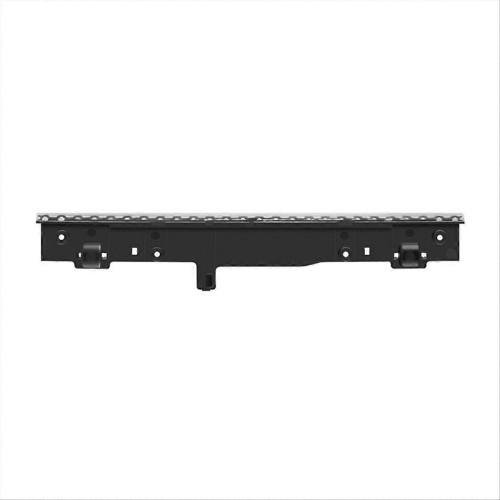
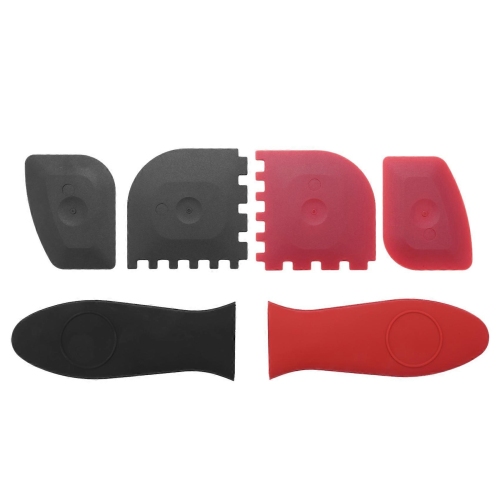
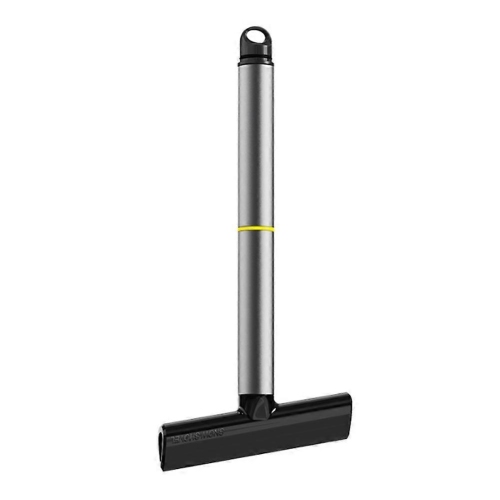
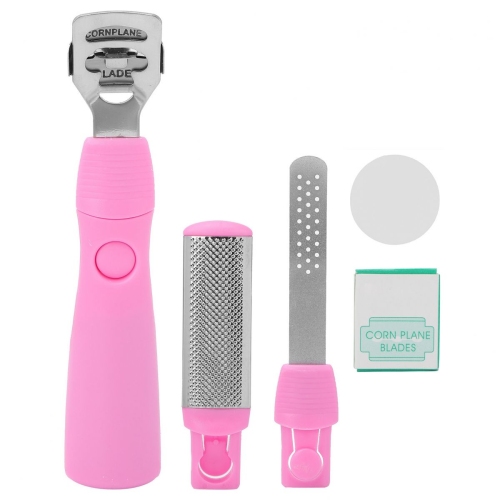
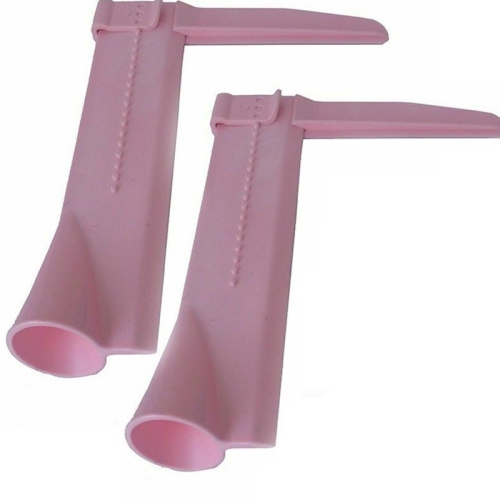
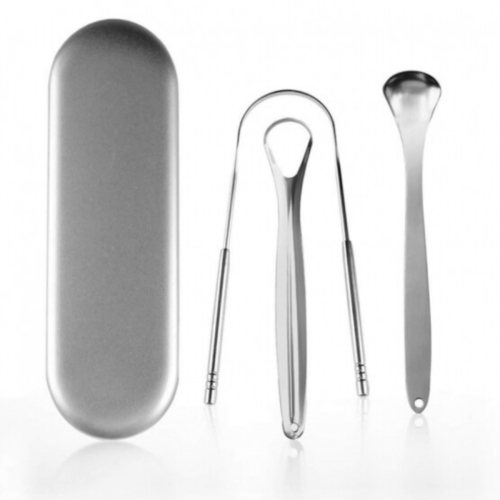
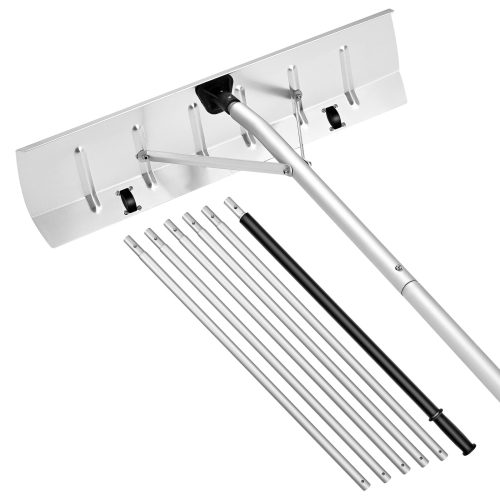
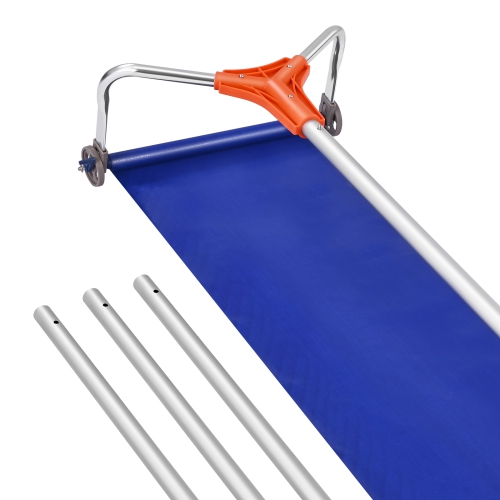
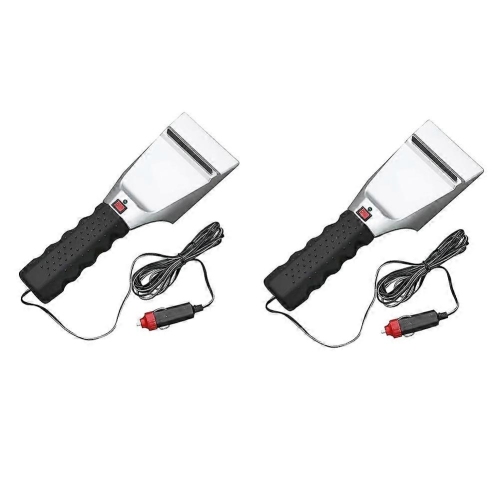
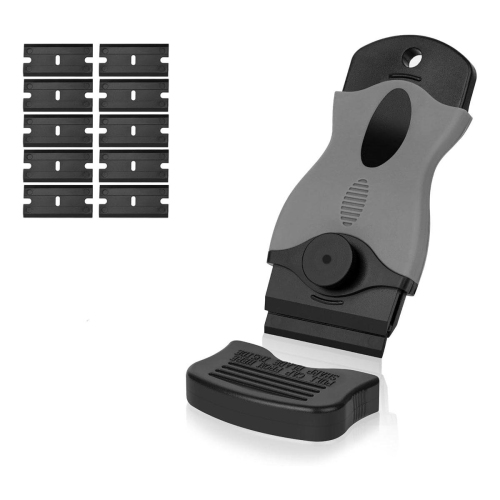
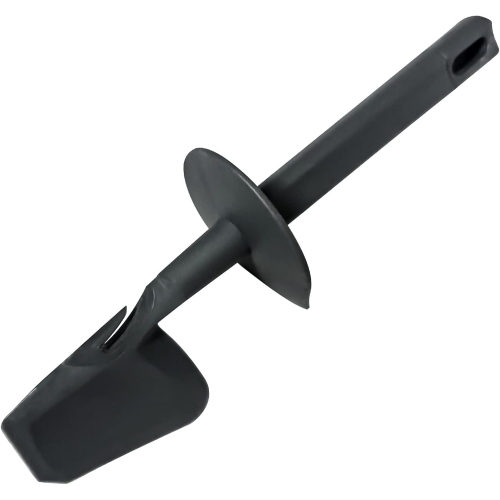
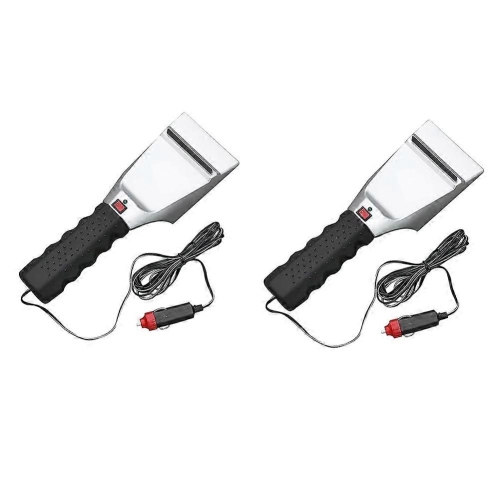
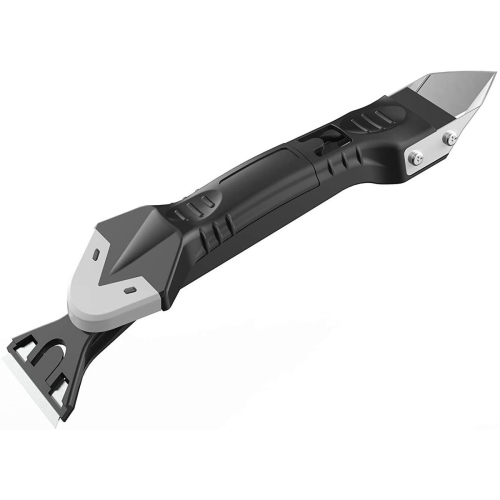
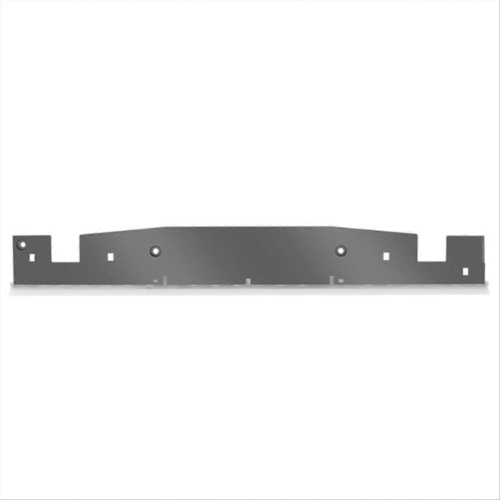
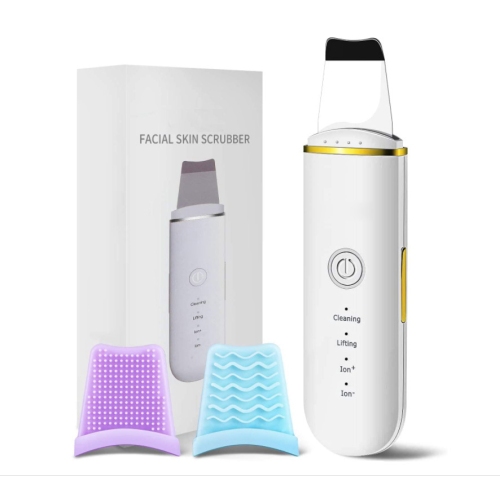
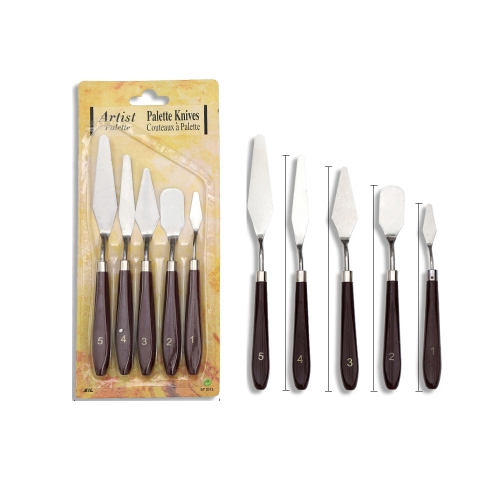
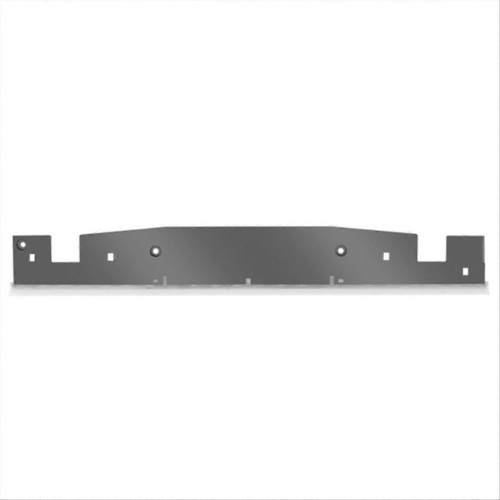
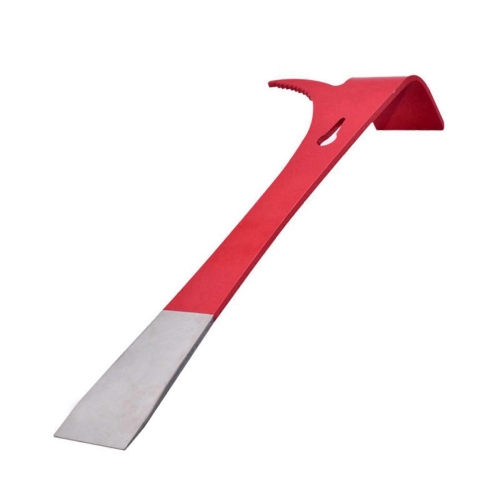
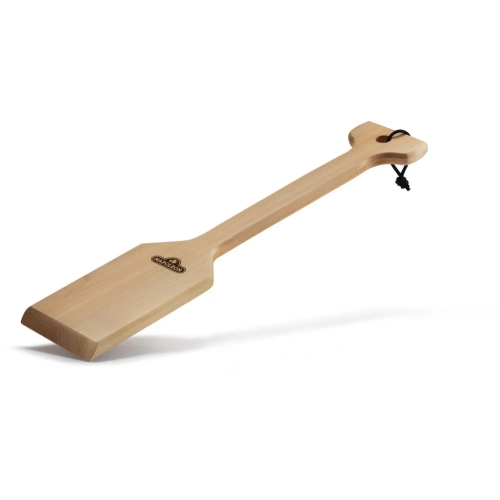
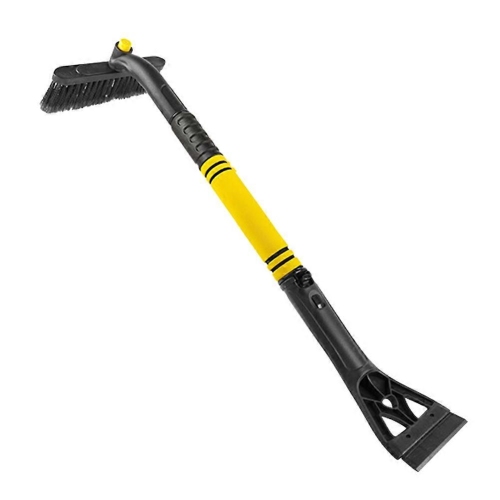

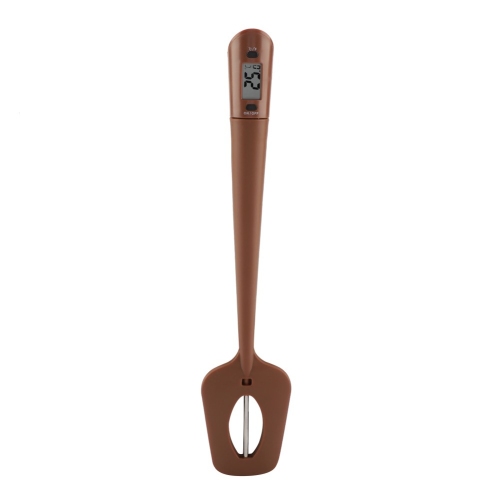
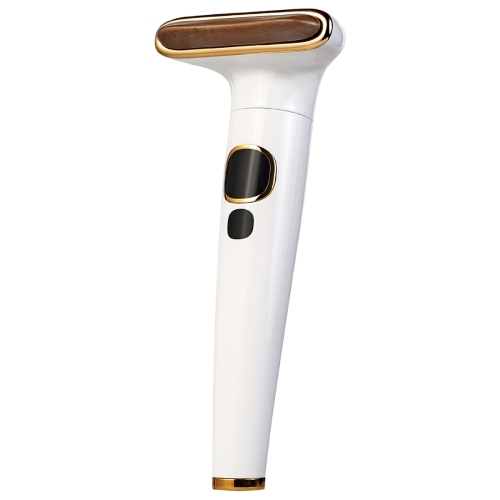
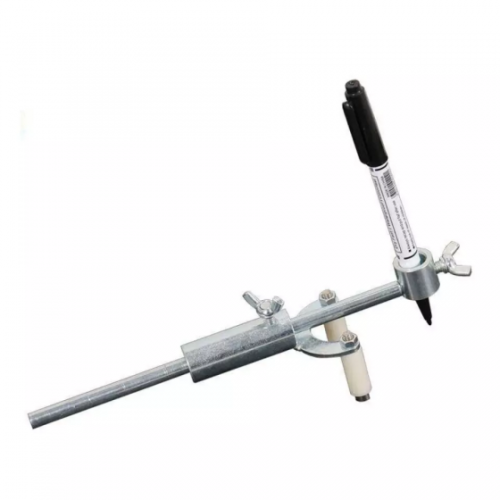
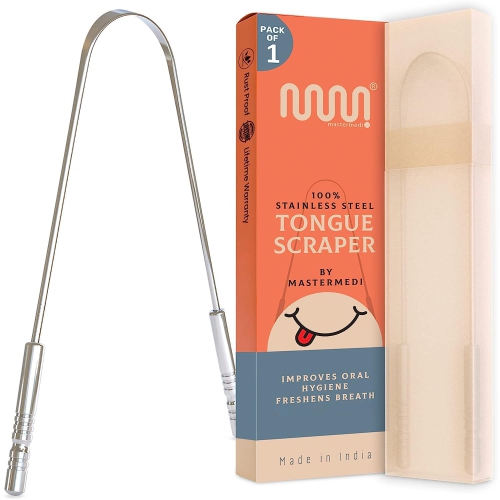
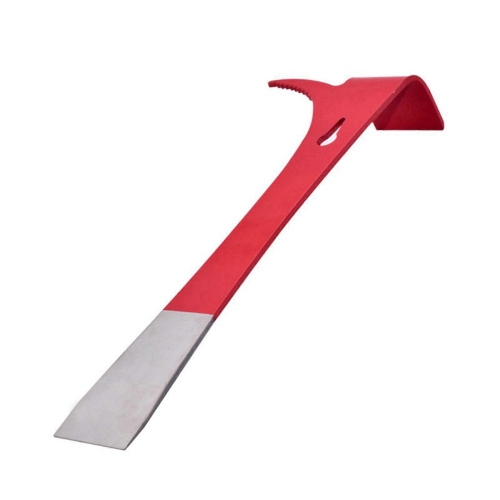
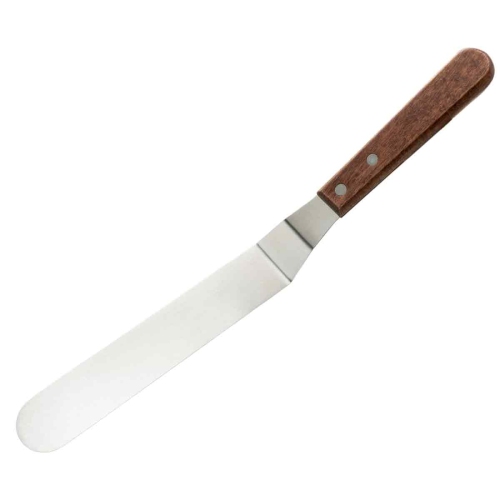
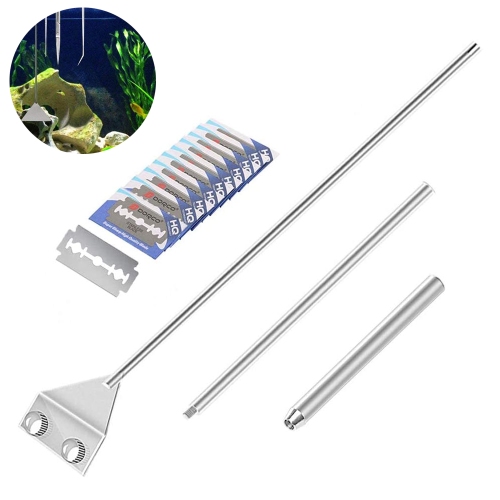
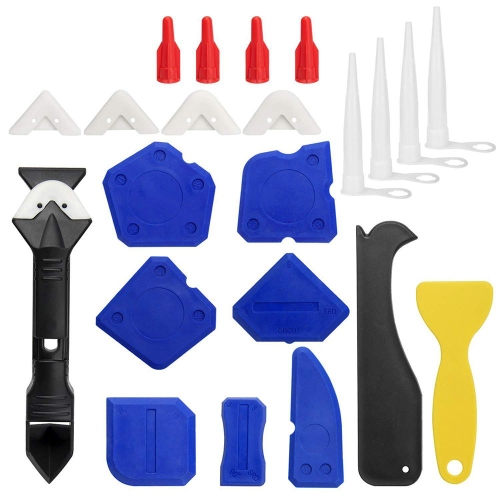
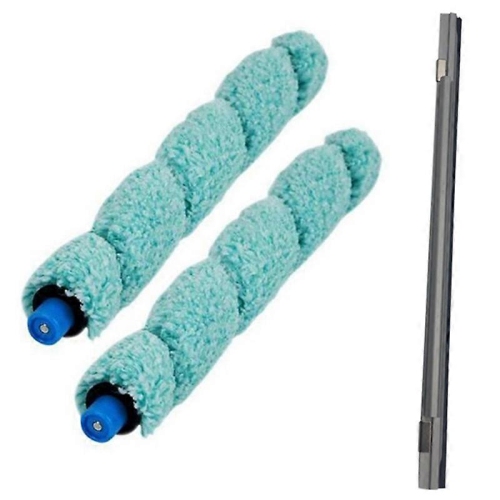
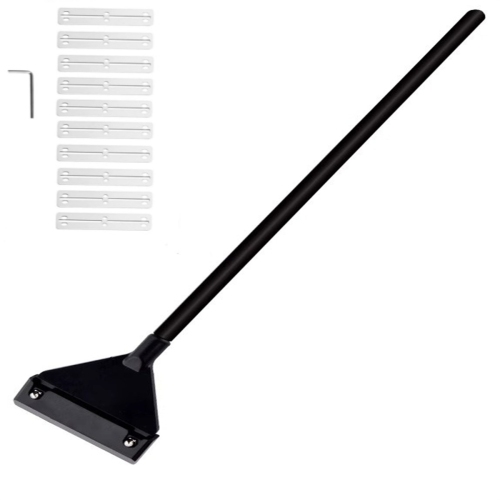
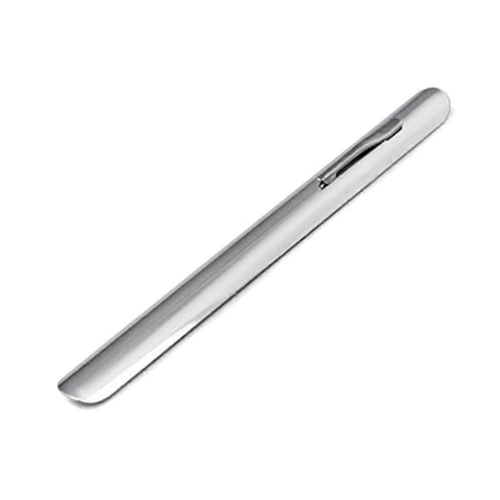
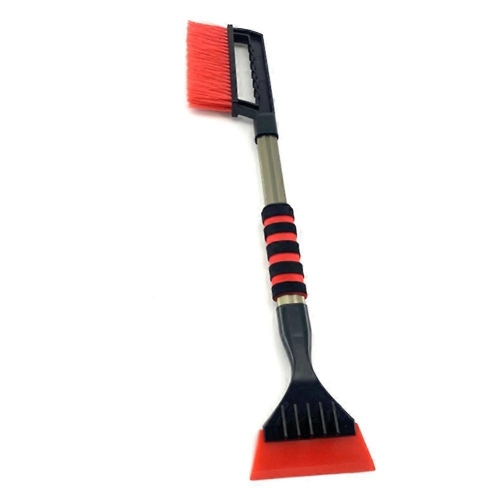


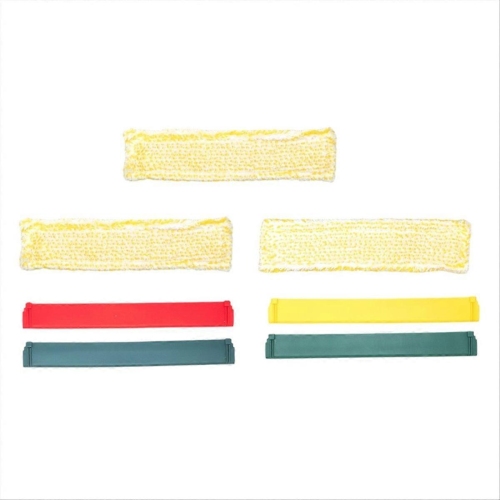
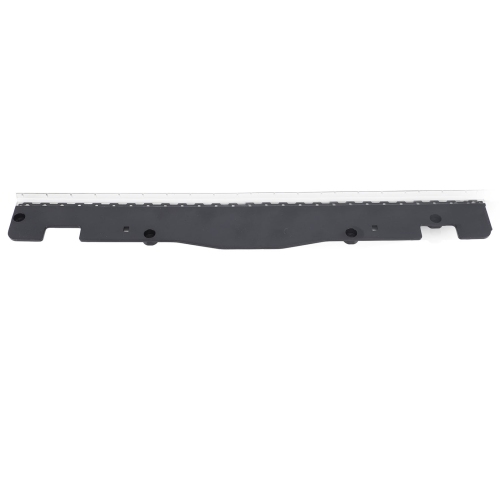
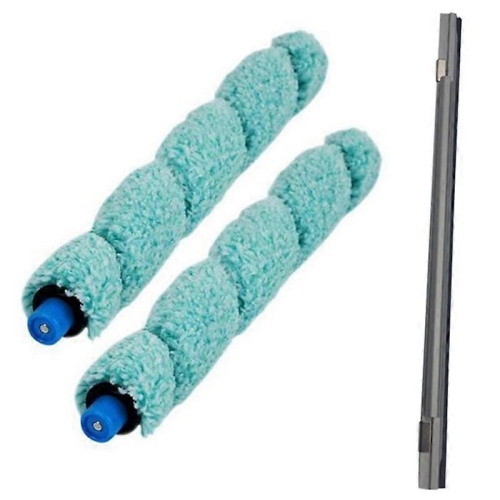
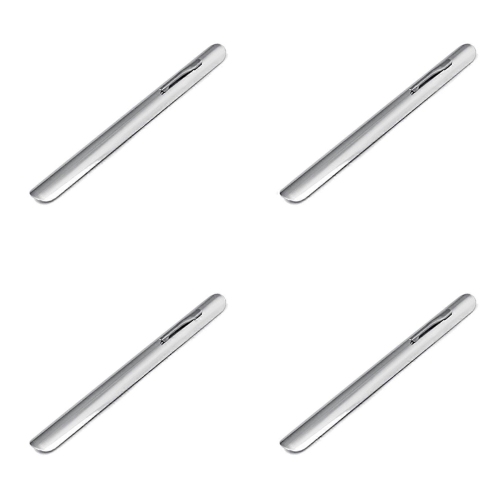
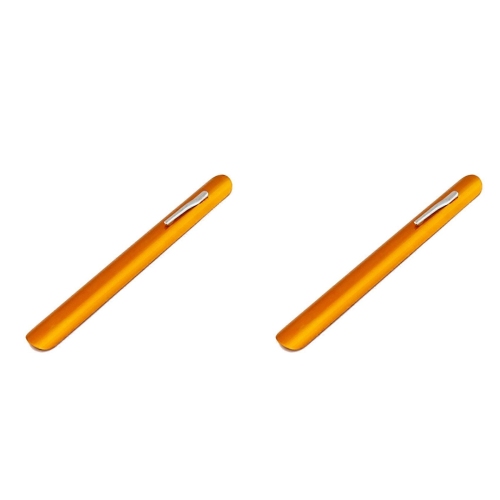
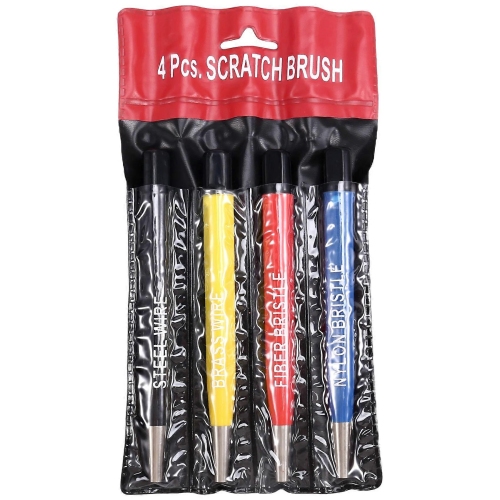
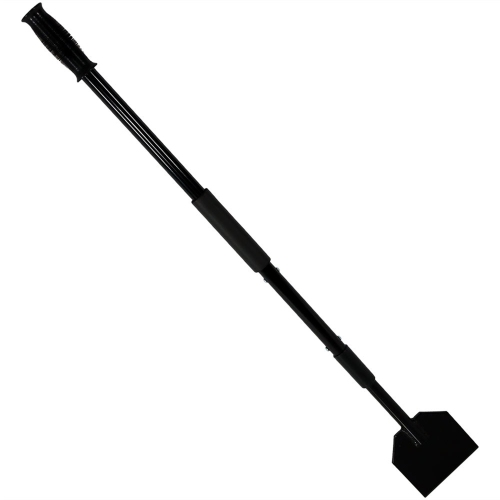
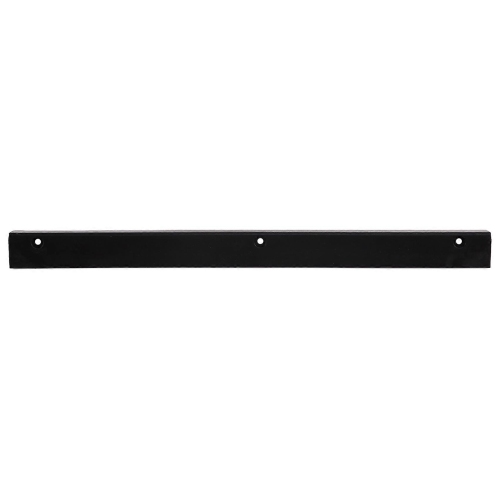
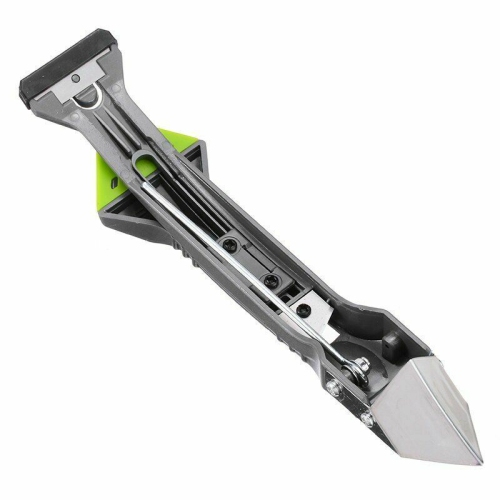
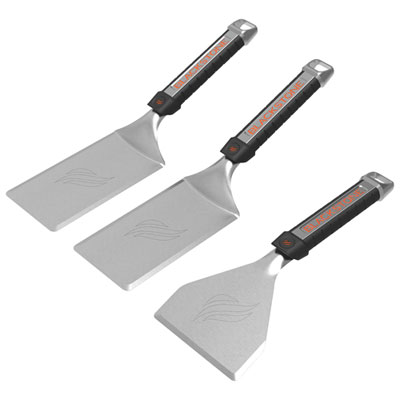
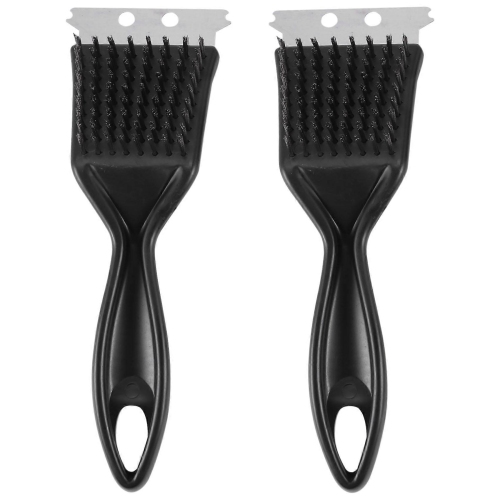
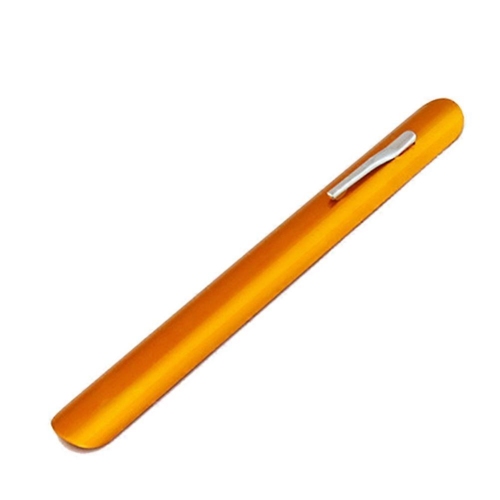
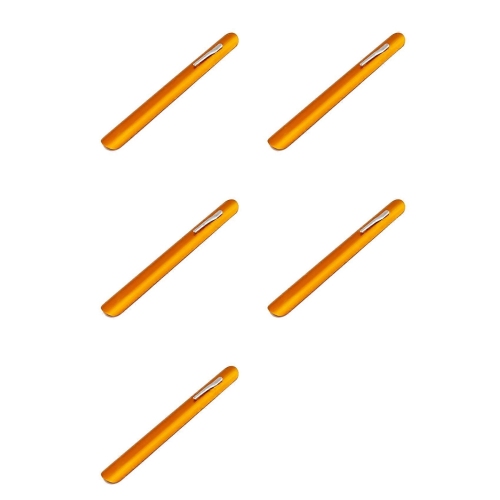
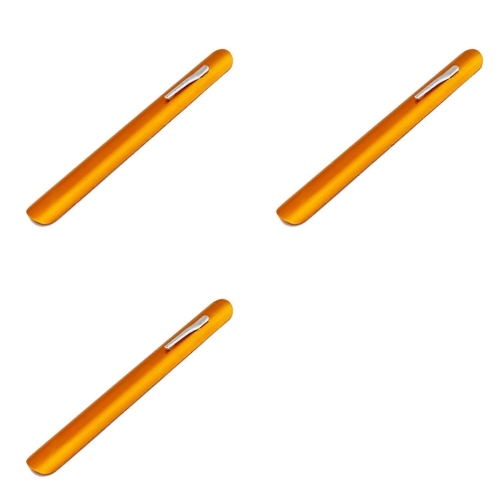
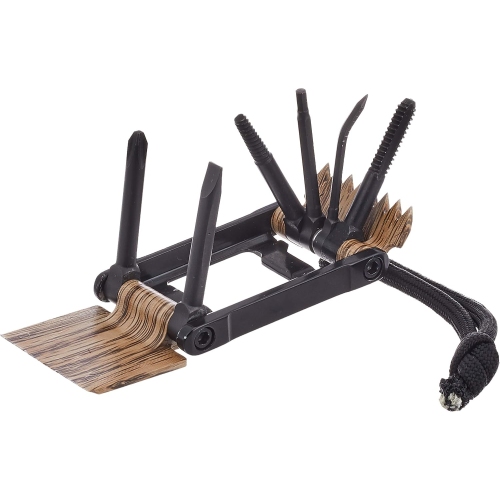
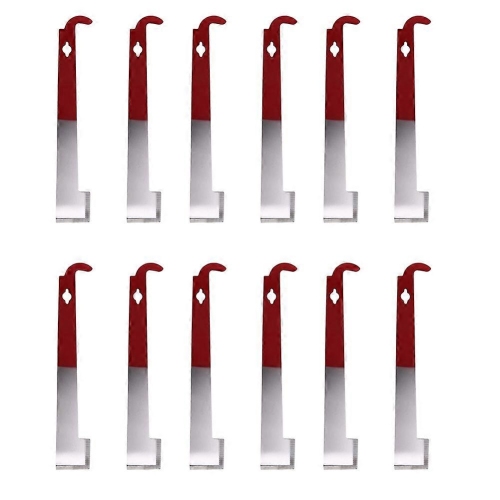
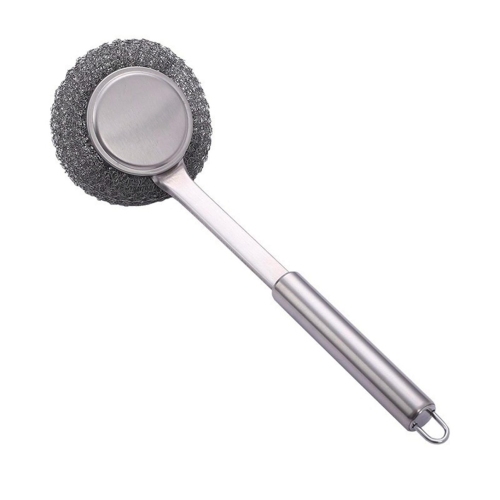
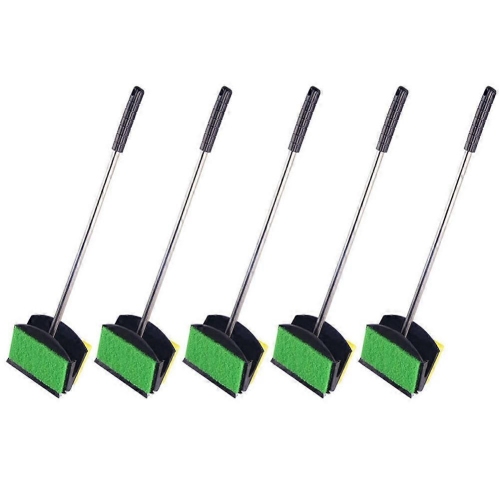

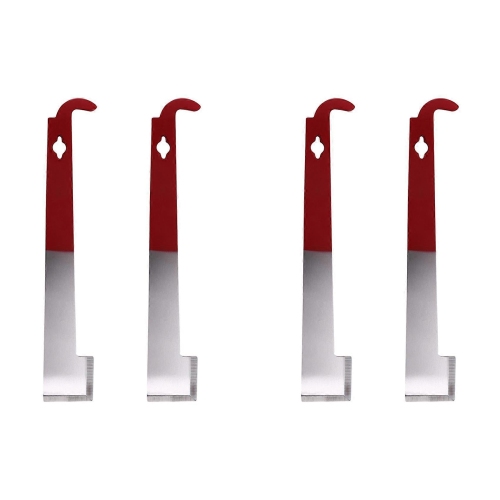
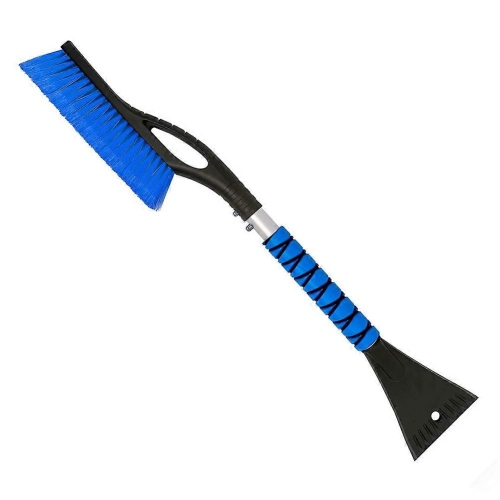
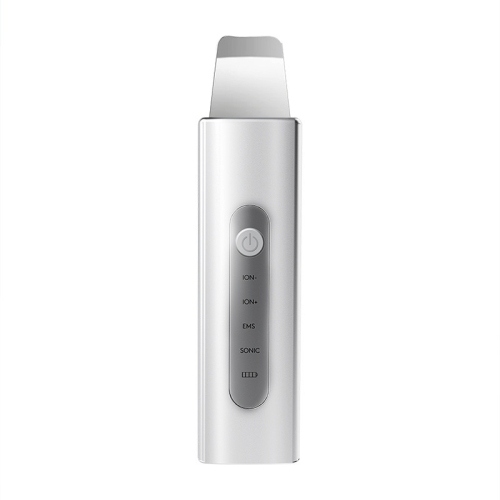
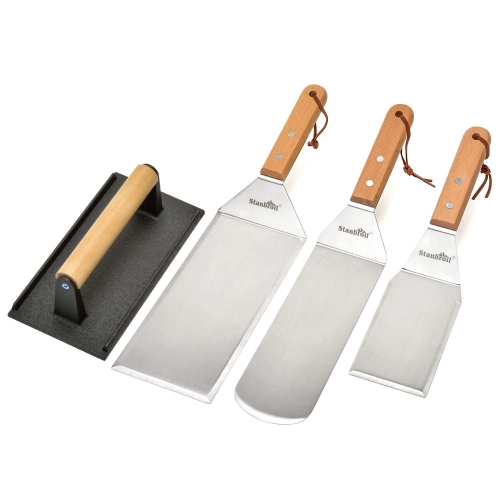
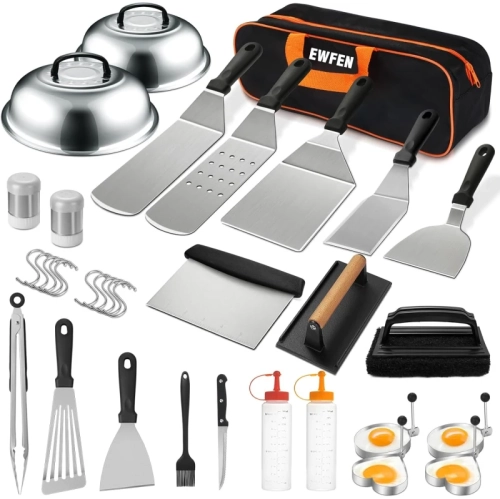
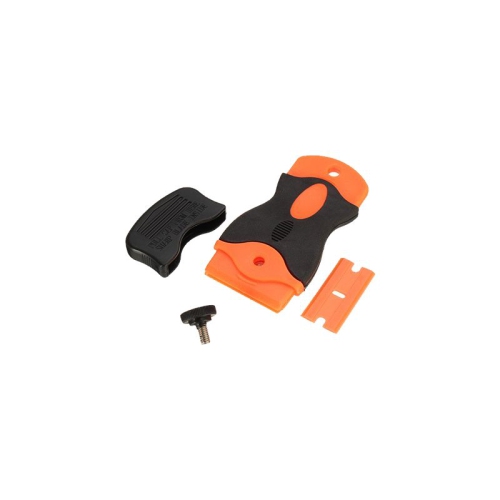
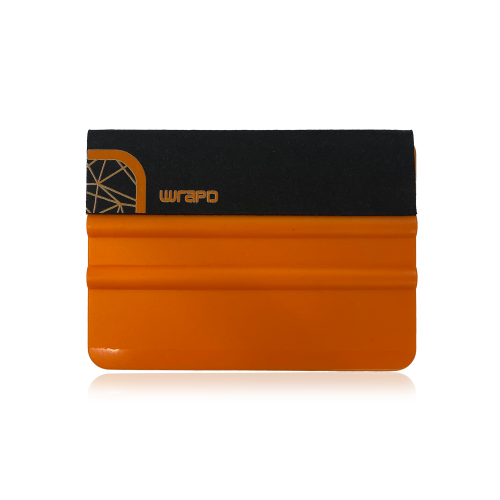
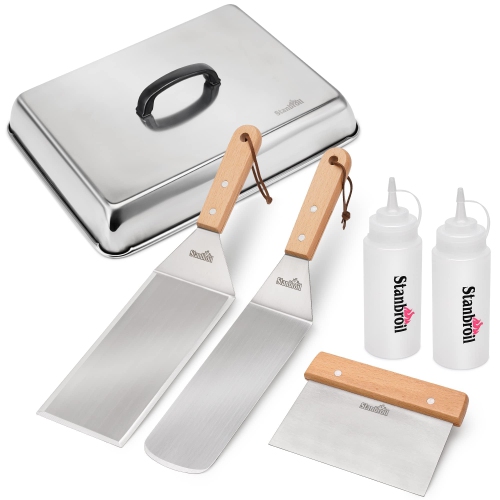
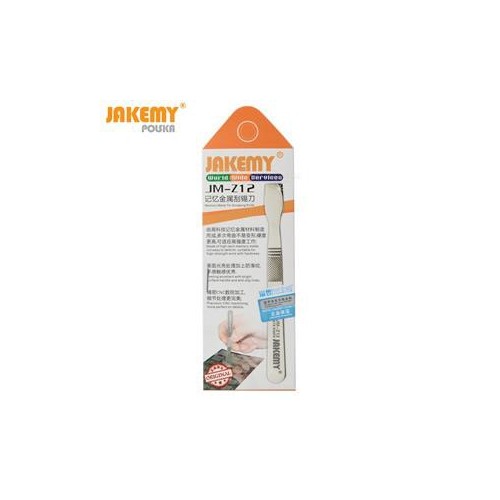
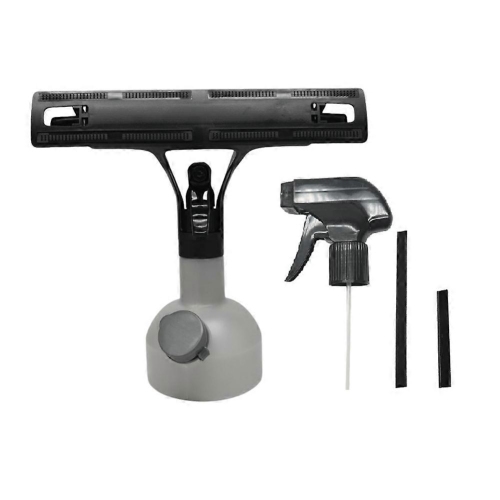
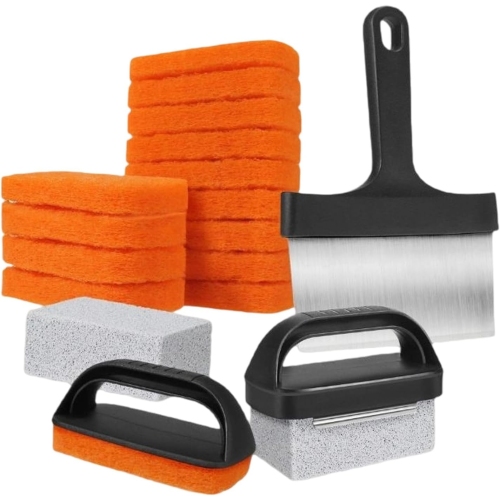
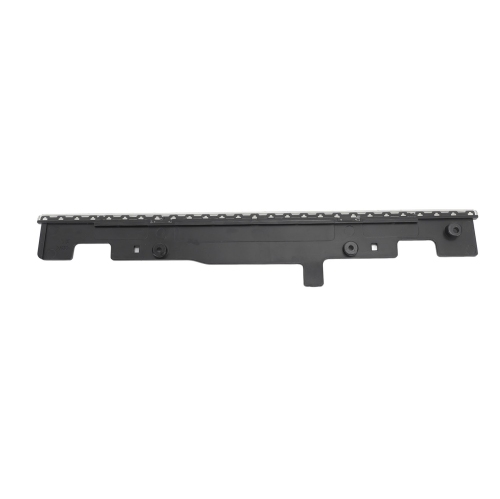
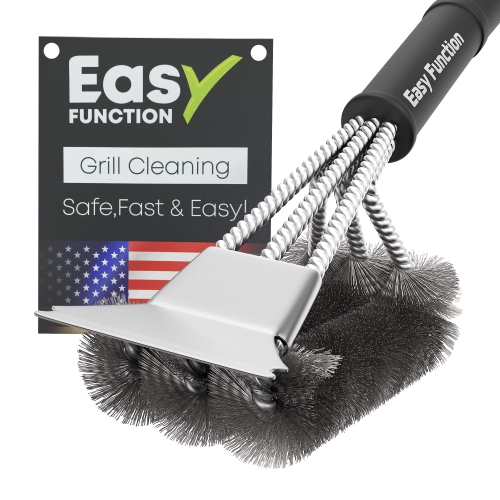
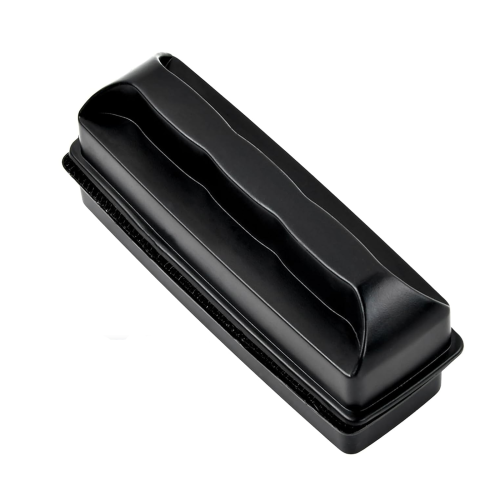
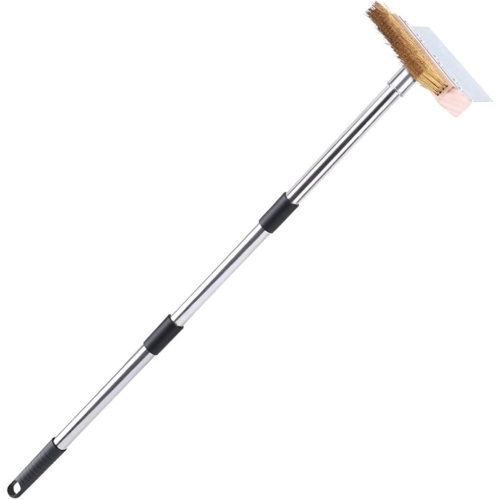
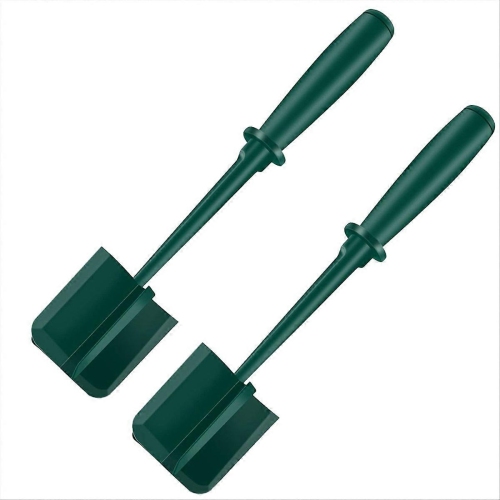

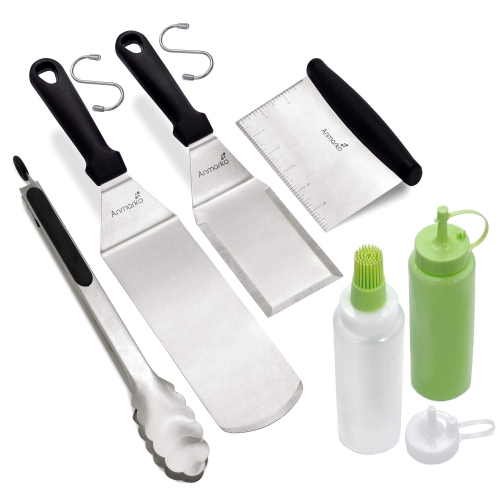
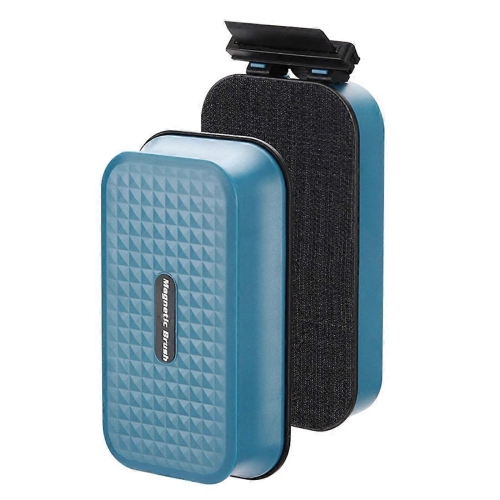
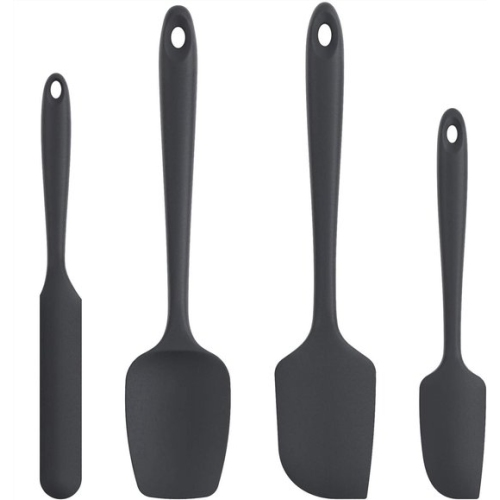
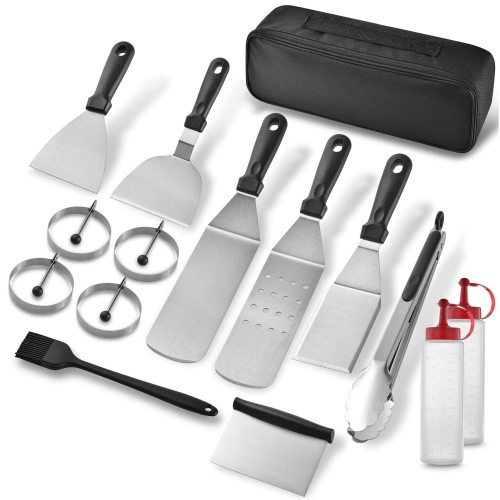
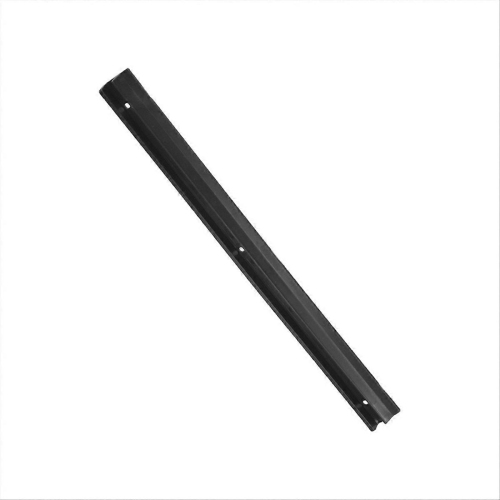
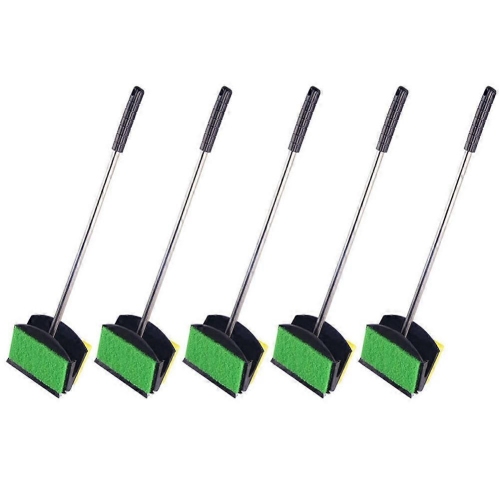
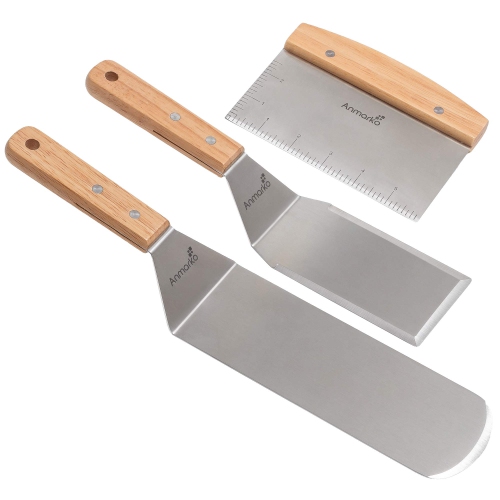
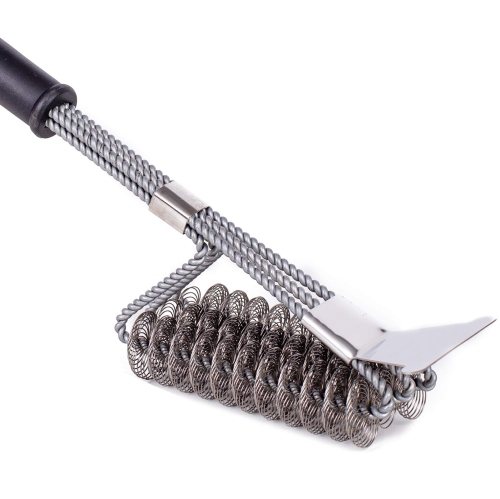
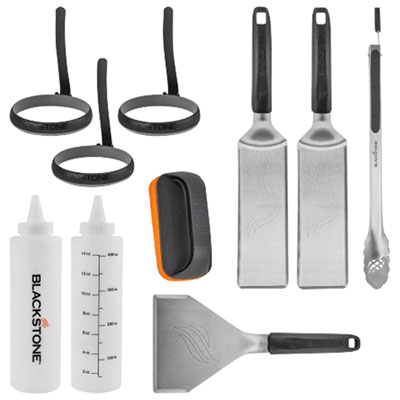
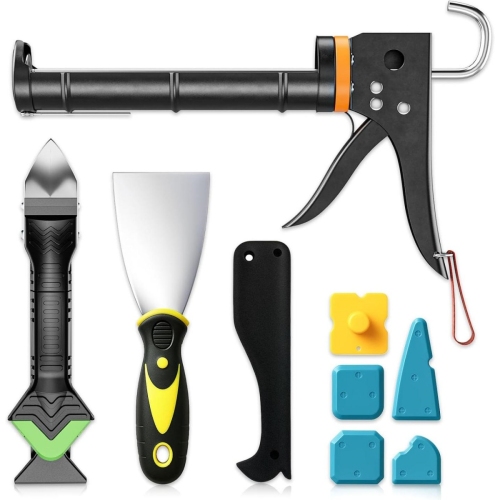

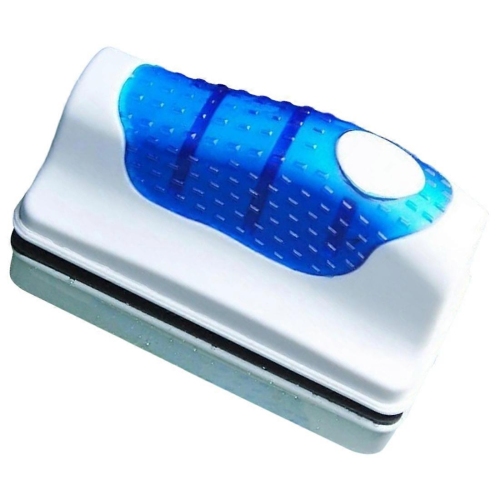
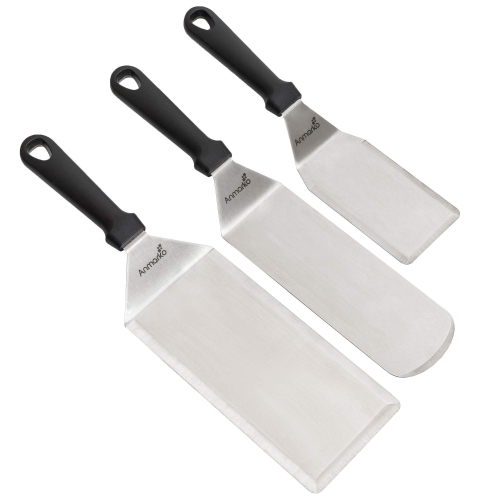
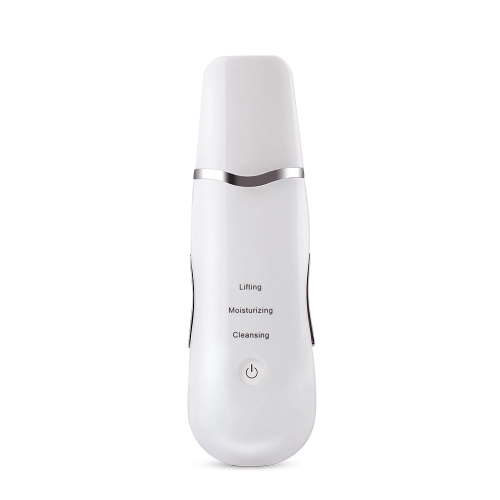
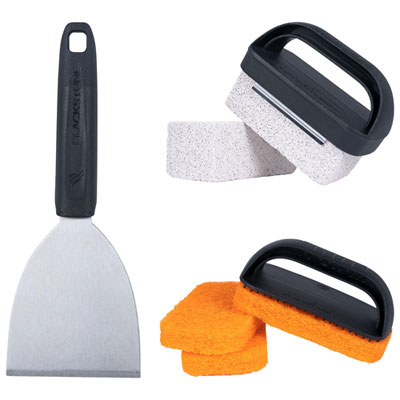

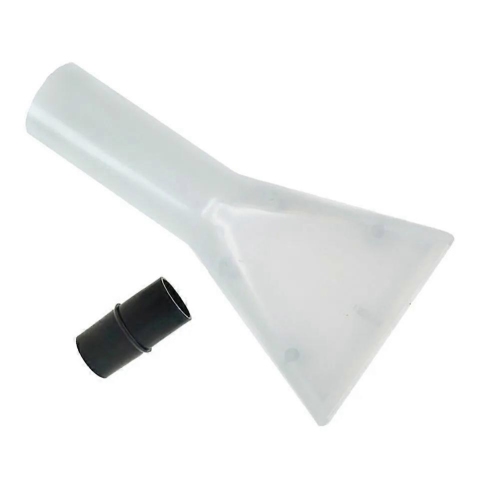
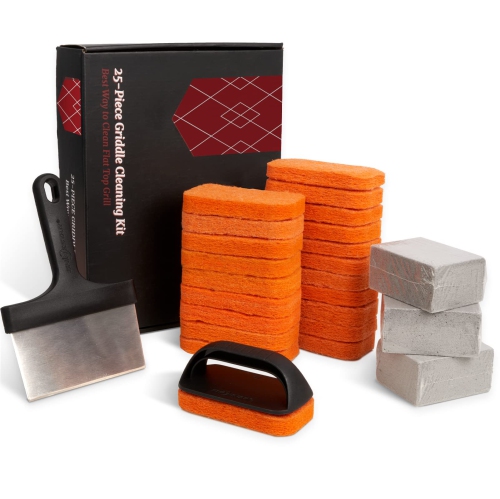
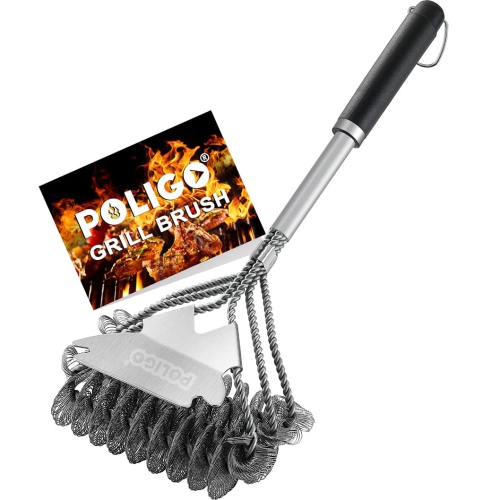
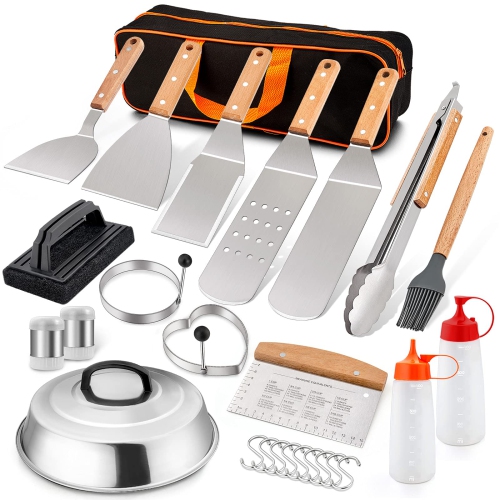
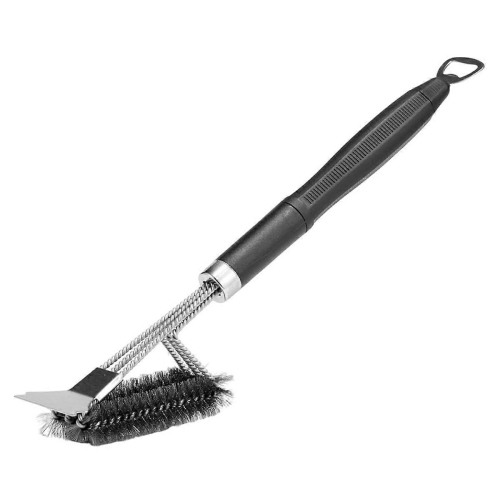
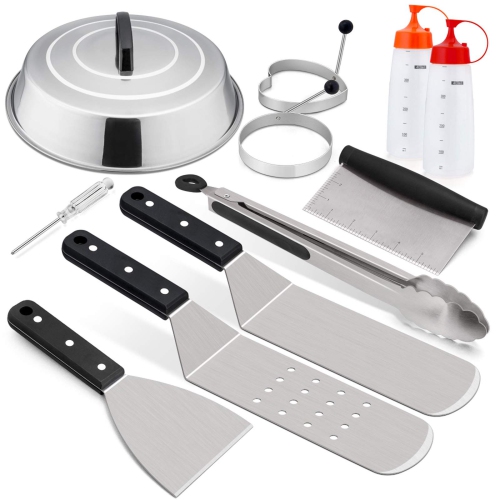
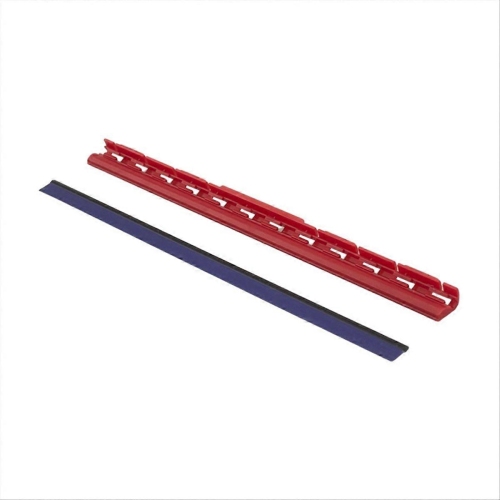
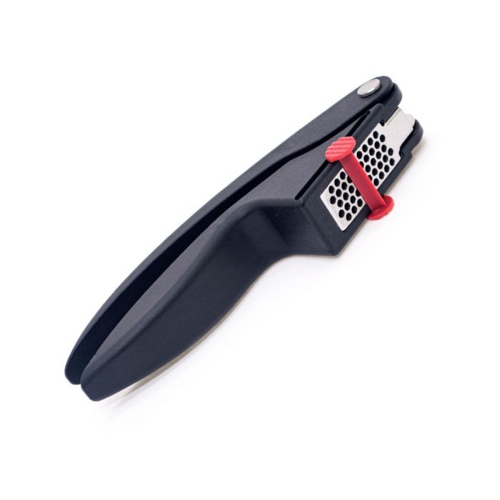
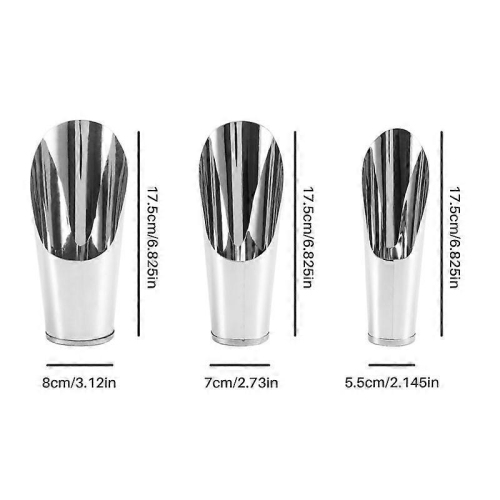
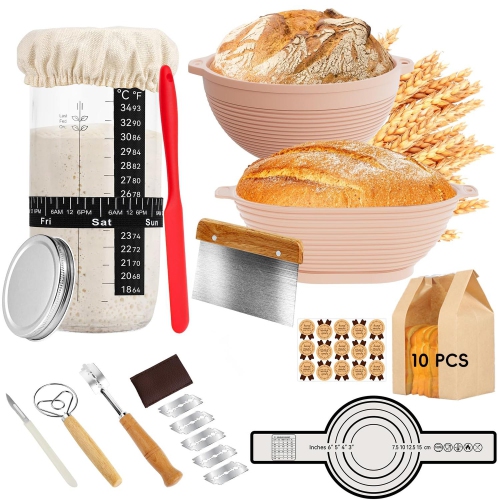
Practical tools for home, automotive, and DIY projects
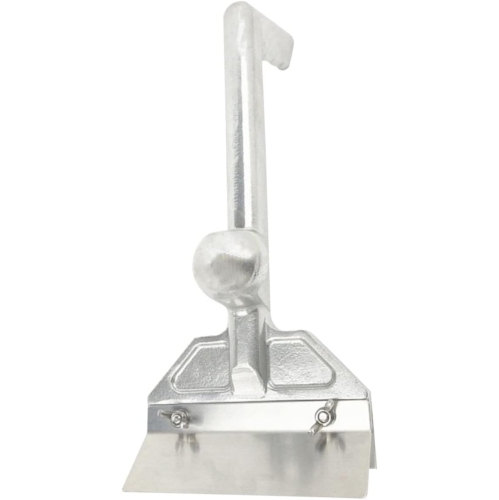
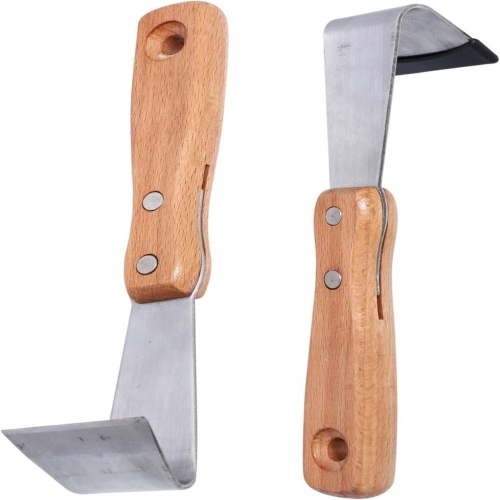
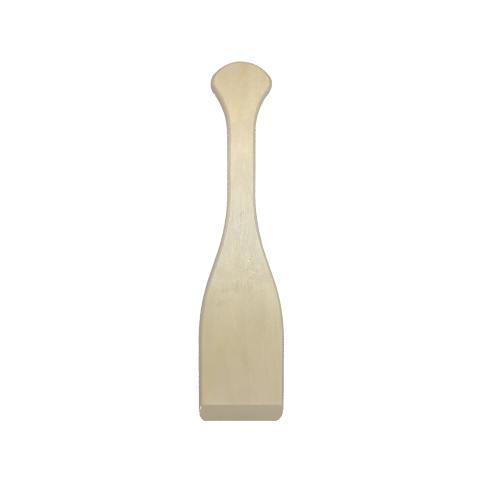
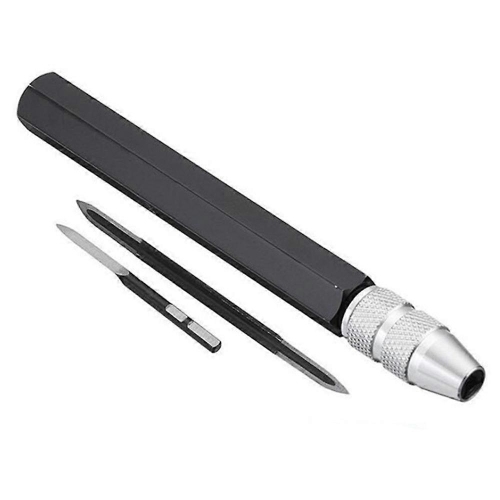
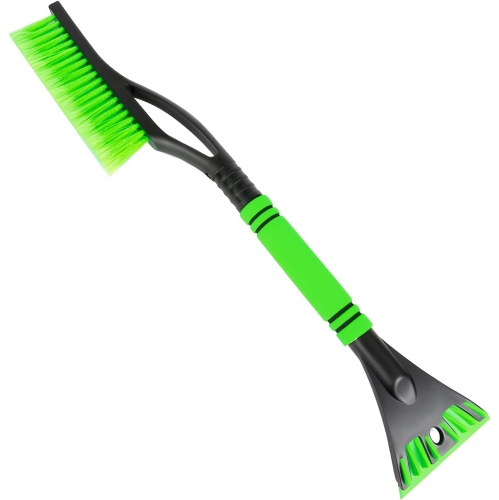
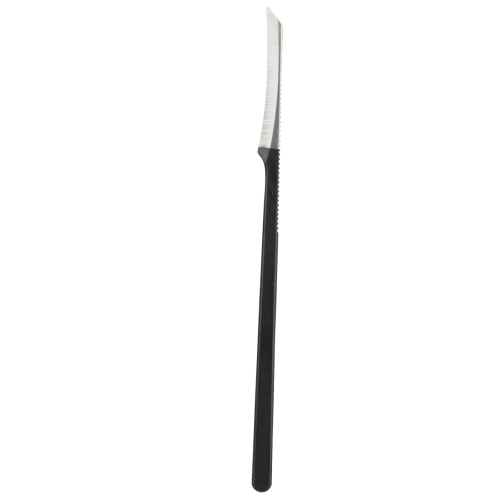
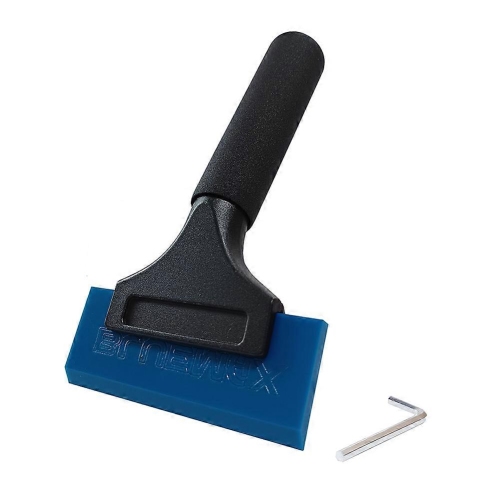
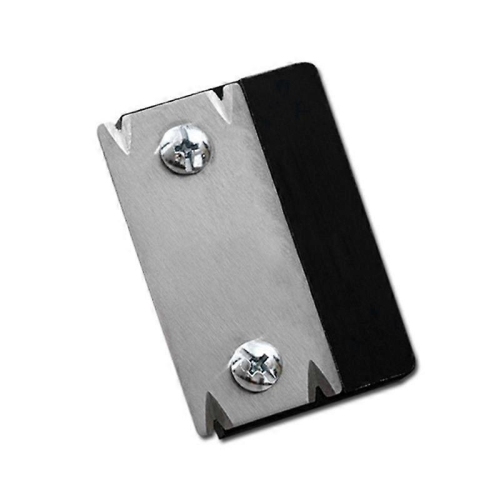
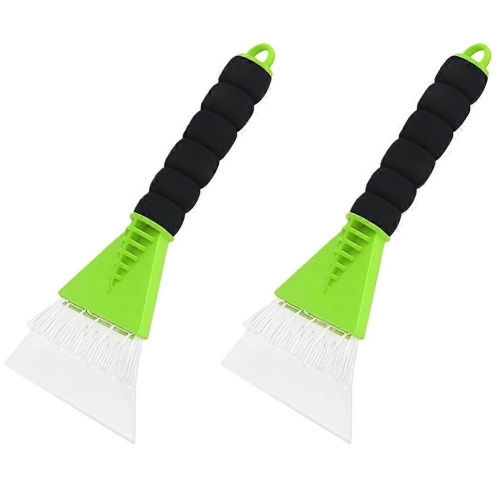
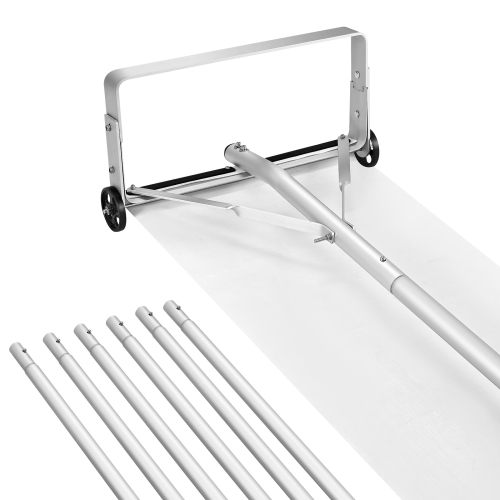
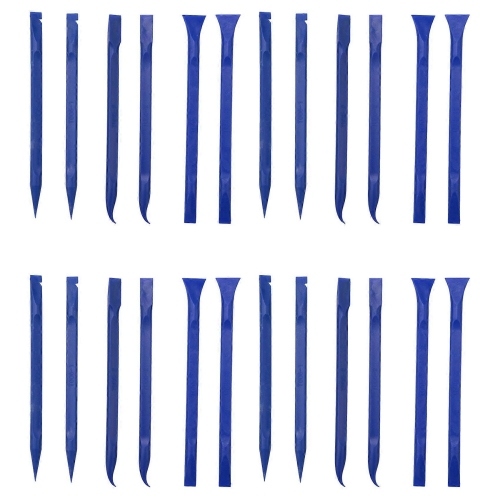
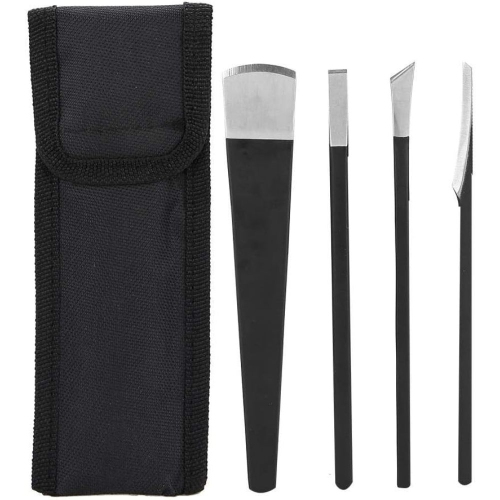
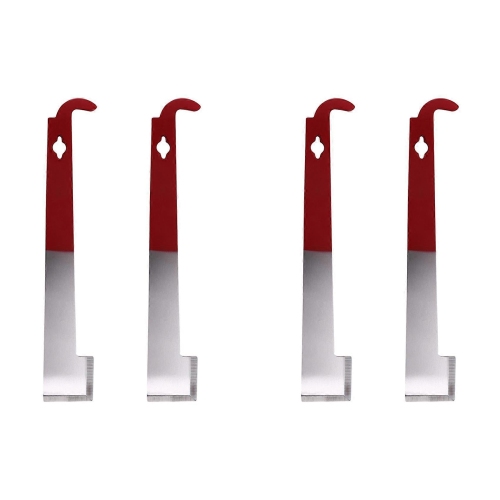
Scraper tools can refer to several kinds of equipment, so choosing the right one starts with identifying the material, surface and task involved. In woodworking, a cabinet scraper is a thin, flat piece of hardened steel used to remove fine shavings from wood, smooth uneven grain and prepare a surface for finishing. It is especially useful when working with figured wood, where a plane or abrasive may catch and lift the grain. A card scraper can also help refine edges, remove small ridges and leave a clean, quietly polished feel across a tabletop, cabinet panel or trim piece. For renovation and repair work, floor and wall scrapers are built for more demanding removal jobs. Their sturdy handles and broad blades can help lift old adhesive, wallpaper, caulking, paint, carpet residue or sections of damaged flooring. Some are designed for controlled hand pressure, while others provide a longer reach that makes it easier to work across floors or higher wall areas without constant bending or stretching. Smaller putty-knife-style scrapers are useful for filling holes, loosening labels, cleaning narrow gaps and handling detail work around windows, baseboards and fixtures. Mechanical scrapers serve another purpose entirely: they are precision tools used to remove small high spots from metal, clean corners and refine fitted surfaces in workshop settings. Their shape and edge profile are chosen for control rather than speed, making them more suitable for careful work on machinery, components and tight recesses. Understanding these differences helps narrow the selection quickly and prevents a heavy demolition scraper from being used where a delicate cabinet scraper would be more appropriate.
When comparing scraper tools, pay close attention to blade material, edge design, handle shape, working width and the amount of force the tool is intended to withstand. A rigid blade is helpful for lifting stubborn material, while a thinner or more flexible blade can follow contours and provide better control for finishing tasks. Blade width affects both coverage and manoeuvrability: a wide floor scraper can make faster progress across an open area, whereas a narrow scraper is easier to guide around corners, seams and fittings. A comfortable handle matters during any job that involves repeated strokes. Contoured grips, textured surfaces and balanced weight can reduce hand fatigue when removing adhesive or preparing a large surface. Longer shafts can improve reach and posture, while compact handles are often preferable for close, detailed work. Consider whether the blade is fixed or replaceable, as a replaceable design can be convenient for ongoing maintenance and different types of material. For woodworking, the edge needs to be prepared correctly and kept free of nicks; a scraper that feels smooth and predictable in the hand is easier to control than one that catches or skips. For renovation tasks, look for construction that can tolerate firm pressure and contact with rough surfaces. Matching the tool to the job also includes thinking about storage and safety. A protective cover or secure storage location can help prevent accidental contact with a sharp edge, and keeping the work area clear makes it easier to maintain steady strokes. Scraper tools can be useful additions to a home repair collection, a woodworking bench, a workshop, a rental-property maintenance kit or a renovation setup. They may also make practical gifts for a new homeowner, a DIY enthusiast, a craftsperson or someone setting up a first workshop, particularly when the recipient appreciates tools that solve small problems as well as larger projects. A well-chosen scraper often earns its place through everyday tasks, from clearing dried residue after a repair to making the final pass over a surface before painting or finishing.
The term “scraper tools” is also used in technology to describe software that extracts information from websites. No-code browser extensions and visual platforms can let users select page elements and collect structured information without writing a full program. Cloud-based services may support scheduled jobs, larger data sets, proxy management and integrations, while coding libraries and browser automation frameworks give developers more control over navigation, page rendering and data handling. These digital tools are used for activities such as market research, price monitoring, content analysis and collecting publicly available information, subject to website terms, privacy requirements and applicable law. They are different from the hand tools listed in a physical retail assortment, but the shared name can make search results appear broader than expected. For practical home, workshop and renovation needs, the most important considerations remain blade strength, edge type, width, reach, grip and compatibility with the surface being worked on. It can be helpful to browse related options in Good Tools when building a broader collection for repairs, maintenance and hands-on projects. During the warmer part of the year, scrapers can assist with outdoor touch-ups, deck preparation and removal of weathered residue; during the cooler months, they are often useful for indoor renovation, workshop projects and routine household repairs. Whether the task involves lifting a stubborn patch of adhesive, refining a wooden edge or cleaning a narrow mechanical recess, the right scraper provides a direct, tactile way to remove unwanted material and leave the surface ready for its next stage.
When comparing scraper tools, pay close attention to blade material, edge design, handle shape, working width and the amount of force the tool is intended to withstand. A rigid blade is helpful for lifting stubborn material, while a thinner or more flexible blade can follow contours and provide better control for finishing tasks. Blade width affects both coverage and manoeuvrability: a wide floor scraper can make faster progress across an open area, whereas a narrow scraper is easier to guide around corners, seams and fittings. A comfortable handle matters during any job that involves repeated strokes. Contoured grips, textured surfaces and balanced weight can reduce hand fatigue when removing adhesive or preparing a large surface. Longer shafts can improve reach and posture, while compact handles are often preferable for close, detailed work. Consider whether the blade is fixed or replaceable, as a replaceable design can be convenient for ongoing maintenance and different types of material. For woodworking, the edge needs to be prepared correctly and kept free of nicks; a scraper that feels smooth and predictable in the hand is easier to control than one that catches or skips. For renovation tasks, look for construction that can tolerate firm pressure and contact with rough surfaces. Matching the tool to the job also includes thinking about storage and safety. A protective cover or secure storage location can help prevent accidental contact with a sharp edge, and keeping the work area clear makes it easier to maintain steady strokes. Scraper tools can be useful additions to a home repair collection, a woodworking bench, a workshop, a rental-property maintenance kit or a renovation setup. They may also make practical gifts for a new homeowner, a DIY enthusiast, a craftsperson or someone setting up a first workshop, particularly when the recipient appreciates tools that solve small problems as well as larger projects. A well-chosen scraper often earns its place through everyday tasks, from clearing dried residue after a repair to making the final pass over a surface before painting or finishing.
The term “scraper tools” is also used in technology to describe software that extracts information from websites. No-code browser extensions and visual platforms can let users select page elements and collect structured information without writing a full program. Cloud-based services may support scheduled jobs, larger data sets, proxy management and integrations, while coding libraries and browser automation frameworks give developers more control over navigation, page rendering and data handling. These digital tools are used for activities such as market research, price monitoring, content analysis and collecting publicly available information, subject to website terms, privacy requirements and applicable law. They are different from the hand tools listed in a physical retail assortment, but the shared name can make search results appear broader than expected. For practical home, workshop and renovation needs, the most important considerations remain blade strength, edge type, width, reach, grip and compatibility with the surface being worked on. It can be helpful to browse related options in Good Tools when building a broader collection for repairs, maintenance and hands-on projects. During the warmer part of the year, scrapers can assist with outdoor touch-ups, deck preparation and removal of weathered residue; during the cooler months, they are often useful for indoor renovation, workshop projects and routine household repairs. Whether the task involves lifting a stubborn patch of adhesive, refining a wooden edge or cleaning a narrow mechanical recess, the right scraper provides a direct, tactile way to remove unwanted material and leave the surface ready for its next stage.
Top selling and popular products
-
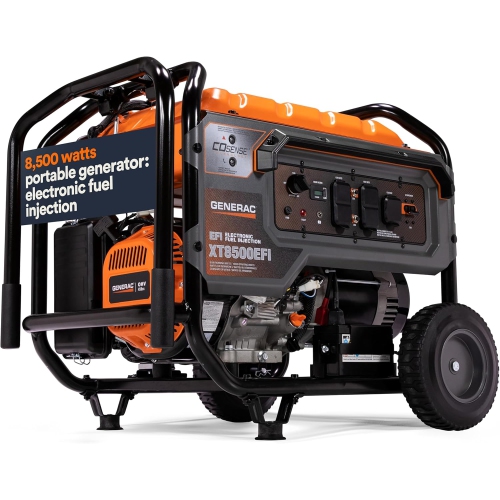 Your price for this item is $3000
 -
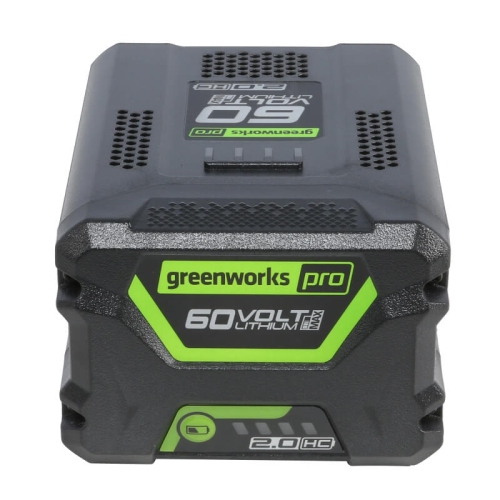 Your price for this item is $159.99
 -
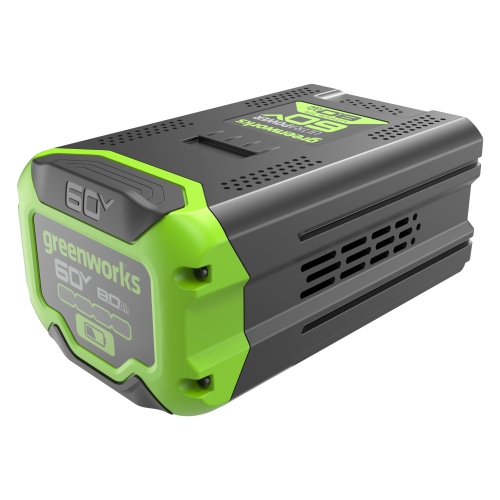 Your price for this item is $329.99
 -
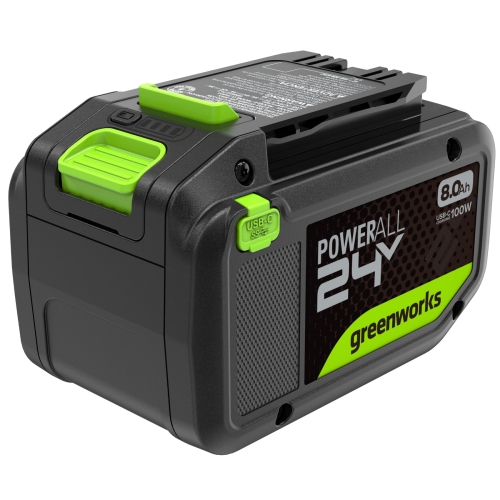 Your price for this item is $149.99
 -
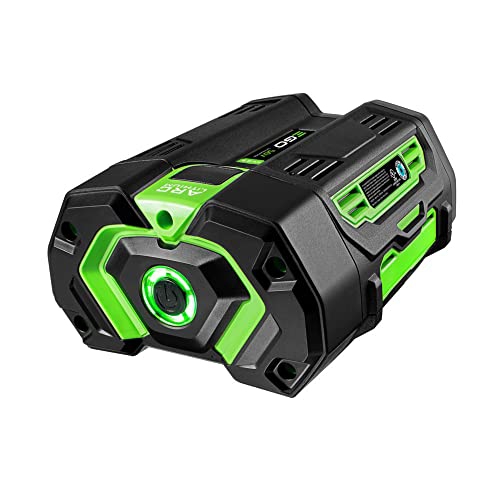 Your price for this item is $264
 -
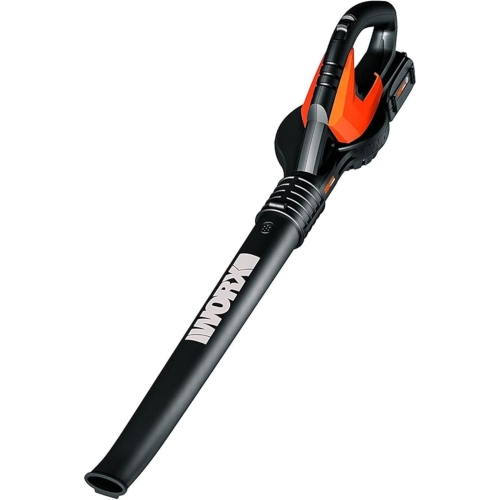 Your price for this item is $217.55
 -
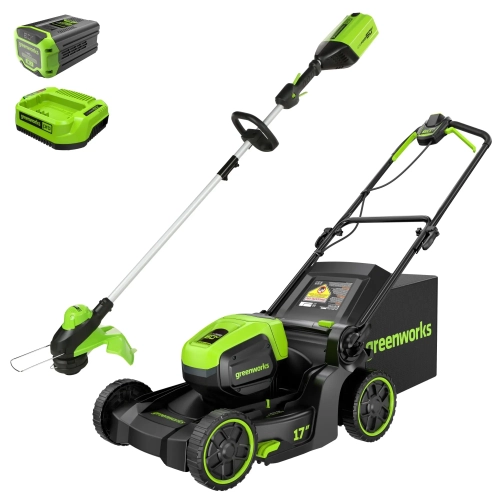 Your price for this item is $779.99
 -
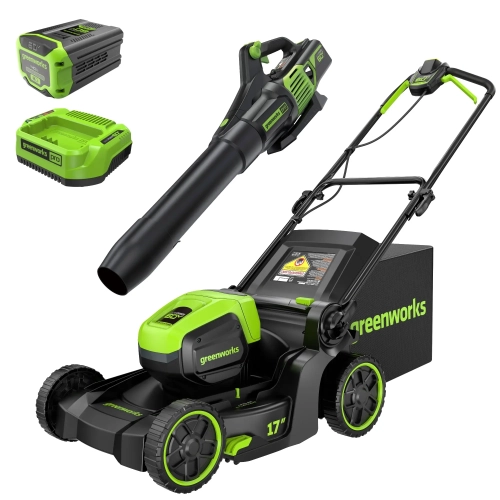 Your price for this item is $659.99
Discover more categories related to Scraper Tools
Top Collections:
Pokemon Centers, Best Cameras for Sports Photography, Kindle Devices, Samsung Galaxy Phones, Canon G7X Cameras, Pokémon 30th Celebration Cards, Refurbished Apple Laptops, iPhone 15 Apple, Laptops for Students, Budget Smartphones
Some products may be subject to Environmental Handling Fees
(EHF) depending on your province.
Learn more about EHFs.