Ice Scrapers
When winter rolls around, having a reliable ice scraper on hand is essential for keeping your car windows clear and frost-free. A good ice scraper can make quick work of icy buildup, helping you get on the road safely and efficiently. With a variety of designs and features to choose from, finding the right ice scraper to suit your needs is easy. Whether you prefer a classic handheld scraper or one with a telescoping handle for added reach, there's a perfect option out there for you. Browse our selection of ice scrapers to find the ideal tool to tackle winter weather with ease.
Sort








Why windshields and walkways need different scraping tools
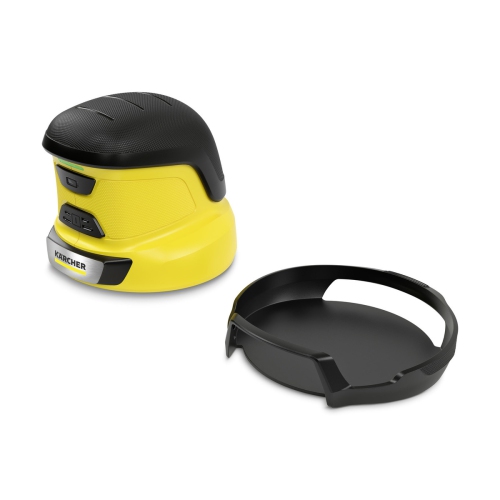
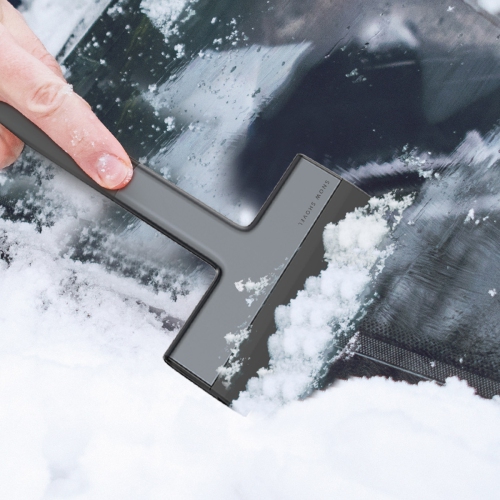
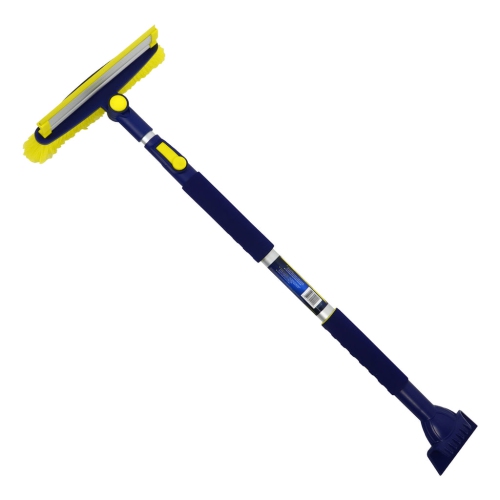
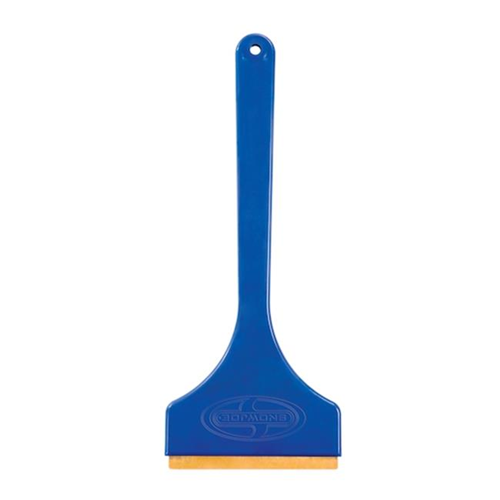
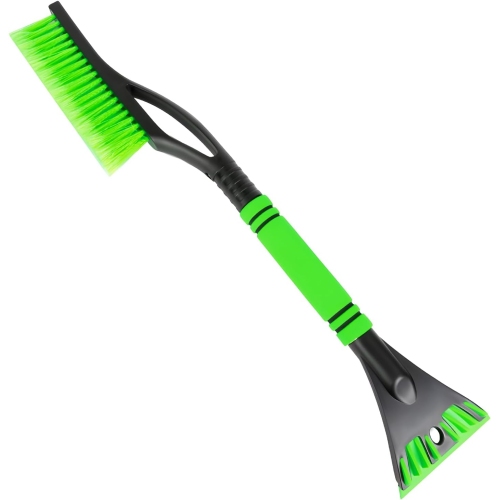
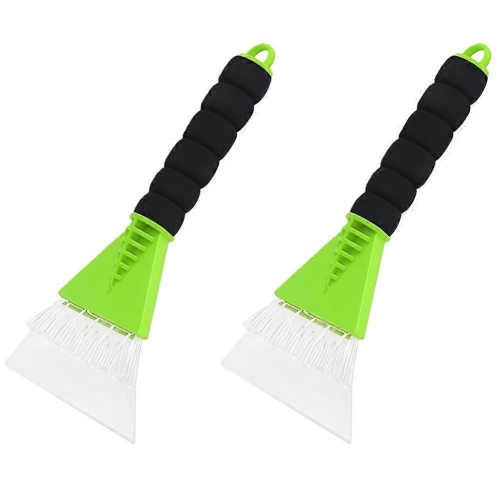
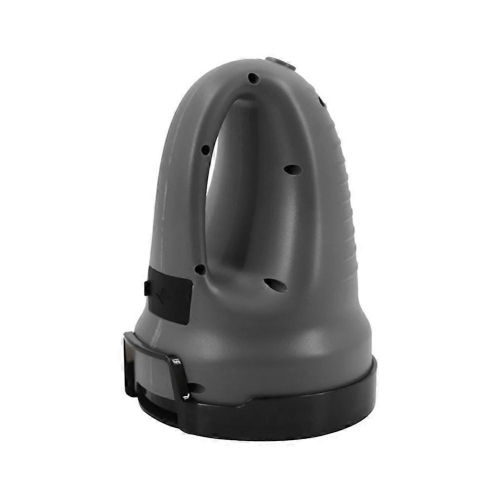
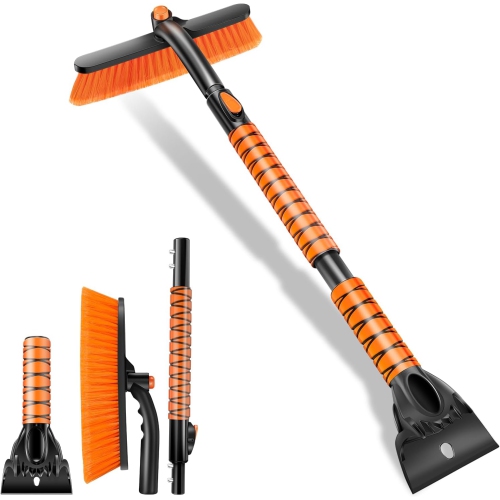
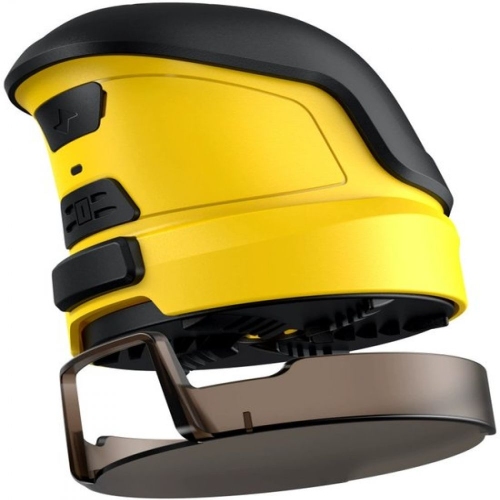
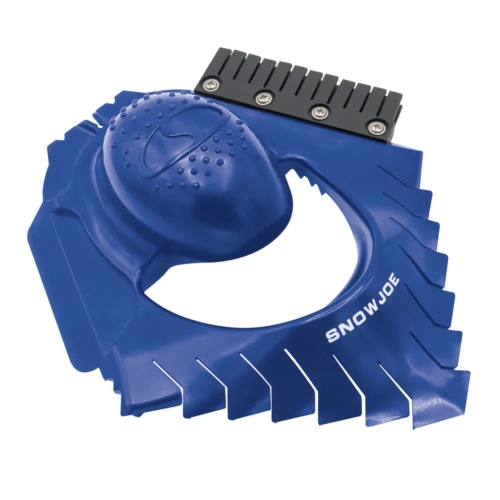
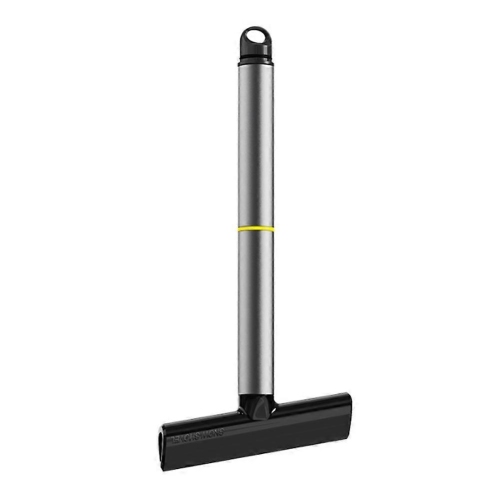
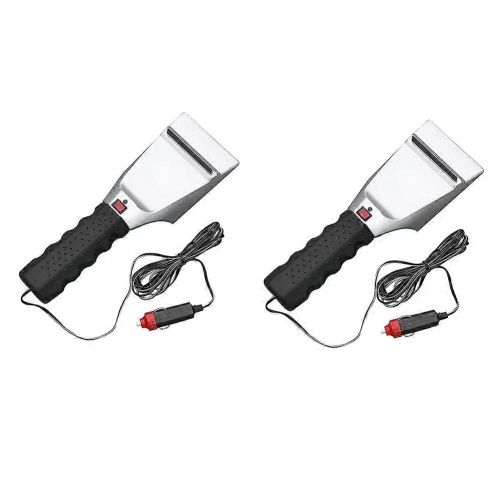
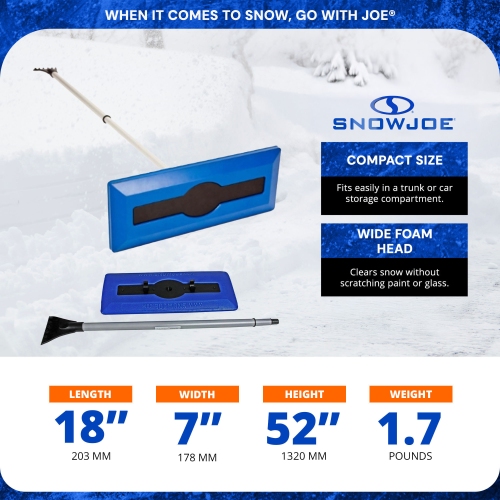
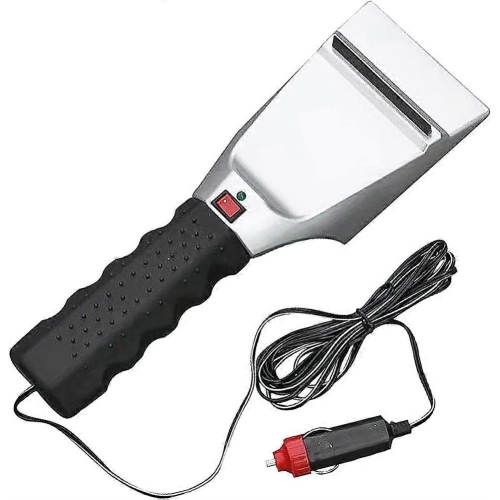
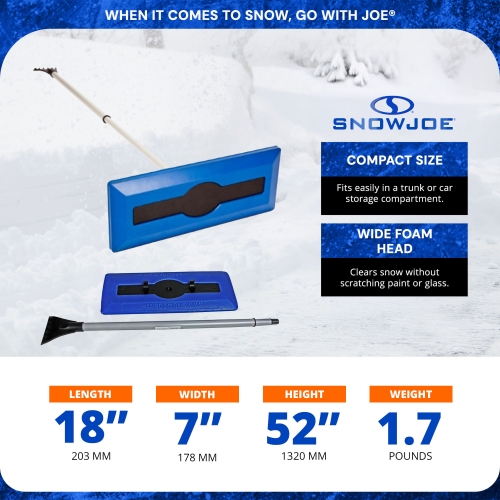
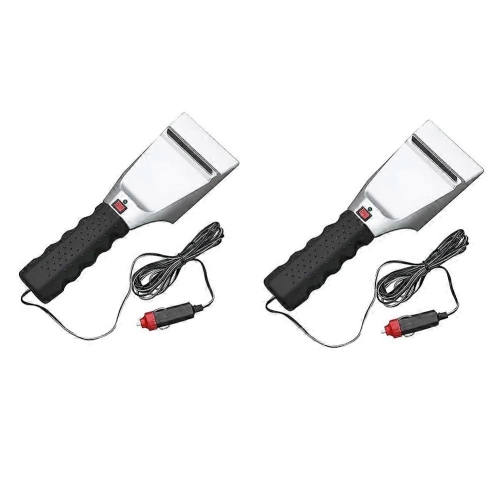
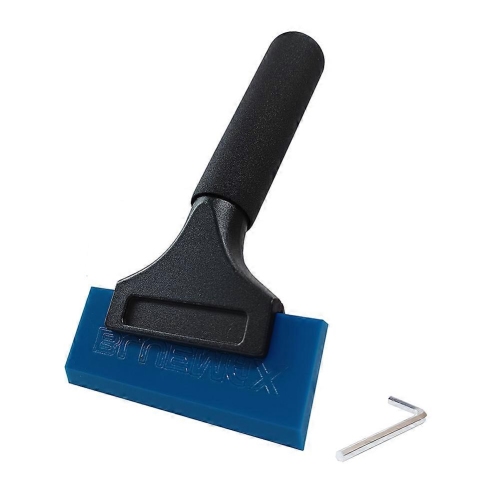
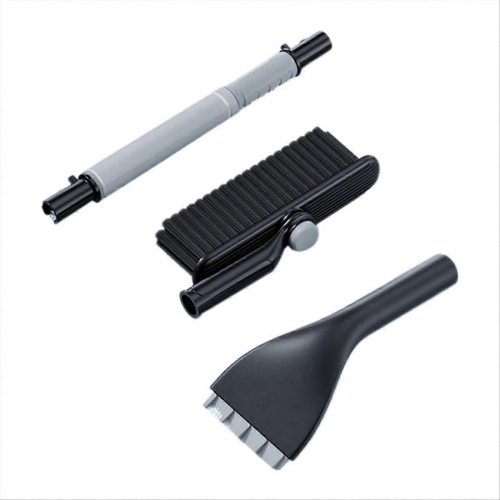
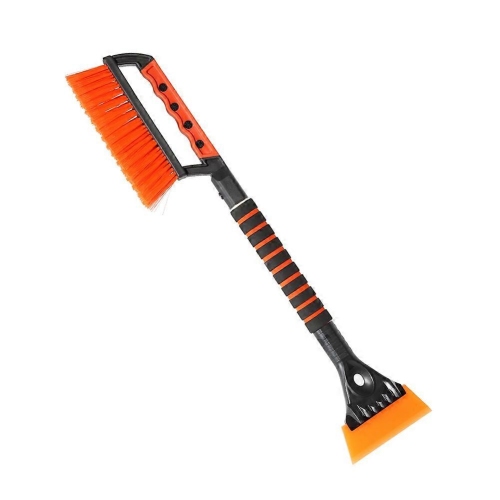
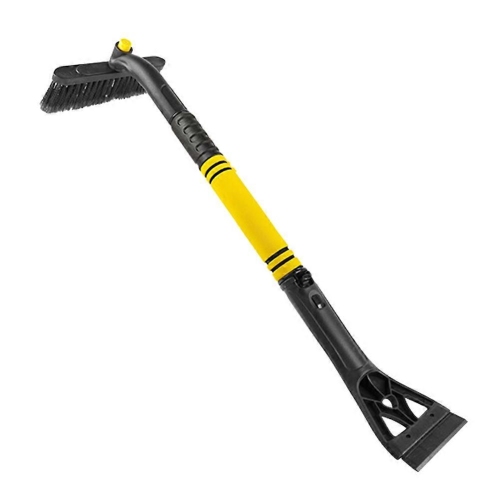
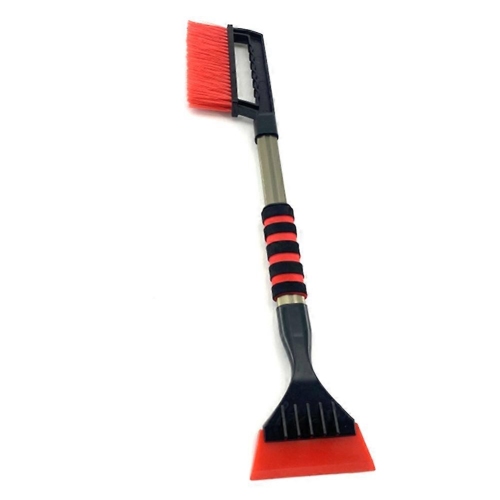
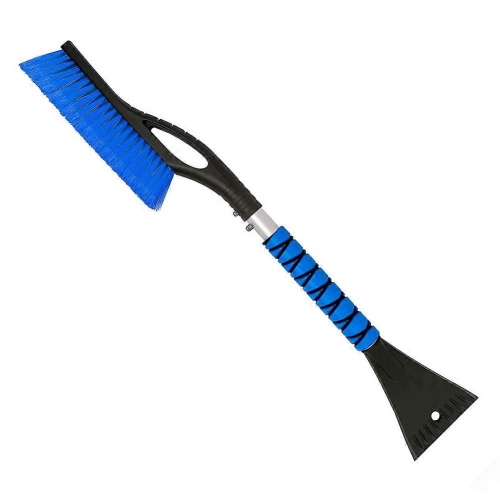
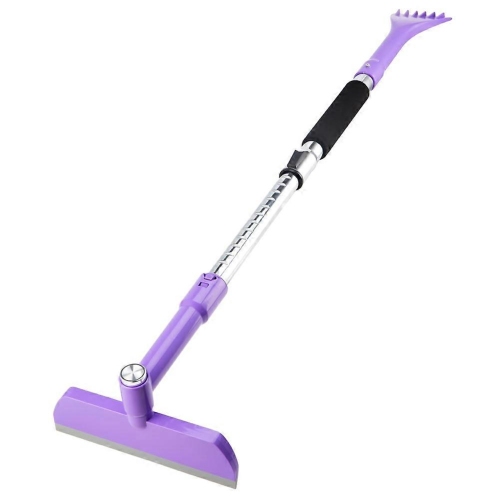
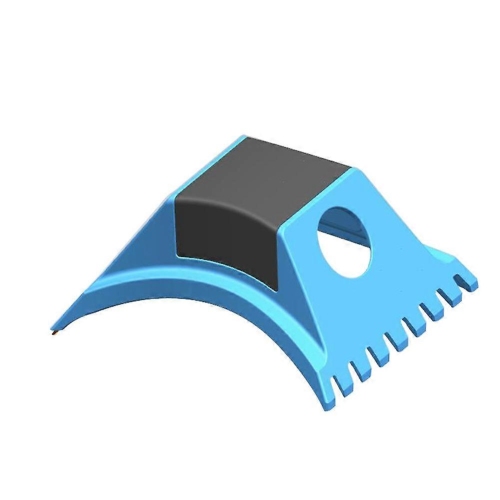
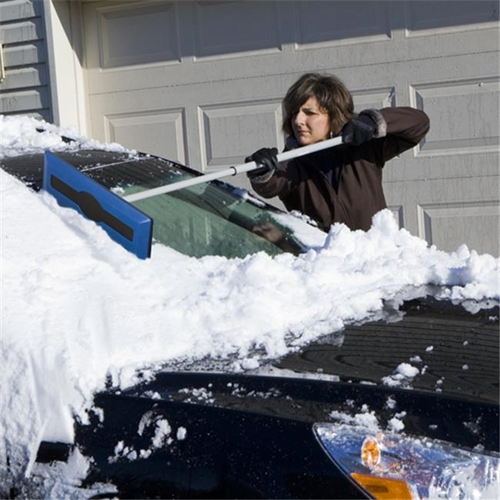
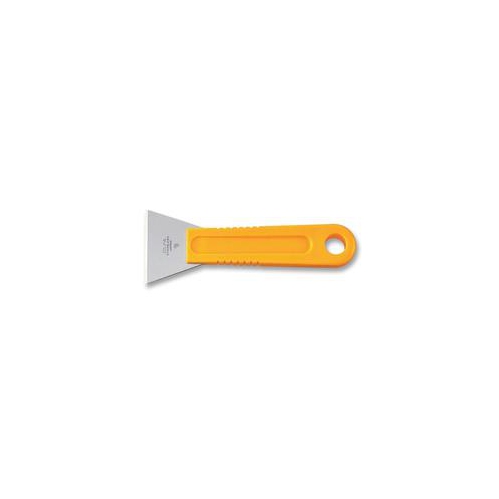
Ice scrapers are hand tools designed to remove frost and ice from vehicle glass or, in heavier-duty forms, break up frozen buildup on outdoor walking surfaces. For everyday winter driving, a car ice scraper typically combines a firm scraping edge with a handle that provides leverage without requiring direct contact with the cold glass. A compact scraper suits light frost on a small car and fits neatly into a door pocket, while a longer snow brush and ice scraper combination offers more reach across a windshield. That extra length is especially useful for SUVs, trucks, and vehicles with tall roofs or broad windshields. The two ends serve different purposes: the brush moves loose snow, and the scraper lifts frost or bonded ice from glass. Some designs also have ridged ice-breaking teeth intended to loosen thicker deposits before the smooth edge removes them. Plastic scraping blades are common for automotive use because they balance stiffness with a lightweight construction, but their suitability still depends on the tool’s design and the surface being cleared. Metal-edged pavement scrapers belong to a different category and should not be used on vehicle windows or painted bodywork. Handle shape matters as much as blade size. A broad, textured grip is easier to hold with winter gloves, and a cushioned section can make repeated strokes more comfortable. For taller vehicles, telescoping handles provide additional reach without taking up the full extended length in storage. A secure locking mechanism helps keep the handle from sliding inward under pressure. Detachable designs can separate the brush and scraper for closer work around glass edges or easier storage between uses. The most practical fit is a tool that reaches the areas needing attention while remaining manageable for the person using it; an oversized head or very long shaft can feel awkward on a smaller vehicle. Blade condition, comfortable grip, and suitable reach often make a greater difference in everyday use than the number of attachments.
Vehicle ice scrapers handle several distinct jobs, from lifting a thin, white film of frost to working through the harder crust left by freezing rain. A flat scraping edge makes close contact with the windshield, while a brush clears the loose layer that would otherwise obscure the ice underneath. Brush construction deserves attention when it will touch painted panels: soft bristles or a foam snow-removal head designed for automotive surfaces can help reduce abrasion, although trapped grit can still scratch a finish. Clearing snow from the roof, hood, lights, and windows supports visibility and helps prevent loose snow from sliding onto the windshield or blowing toward other vehicles. A long-handled tool makes those broad areas easier to reach without leaning across a snowy body panel. Around the windshield, controlled pressure is preferable to forcing a blade beneath stubborn ice, particularly near trim, seals, and wiper blades. The vehicle’s defroster can help loosen frost as the glass gradually warms, but pouring hot water onto frozen glass risks cracking it. Wipers are not a substitute for a scraper, and blades frozen to the windshield should not be pulled free by force. These practical differences explain why a combined snow brush and scraper can be useful for daily commuting, while a compact scraper remains handy for a quick clearing job after a vehicle has been parked outdoors. Care is straightforward but important. Snow, road grit, and moisture should be removed from the tool before it is tucked away, and a wet brush benefits from drying rather than being sealed inside a storage pouch. A chipped, rough, or damaged scraping edge needs replacement because it may no longer move smoothly over glass. Telescoping joints and detachable connections also benefit from being kept free of packed snow. Storing the tool securely within easy reach means it can be retrieved without searching beneath seats or unloading the cargo area when the windshield is frosted over.
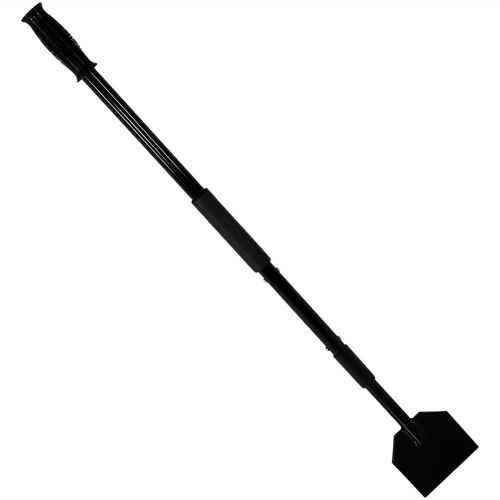
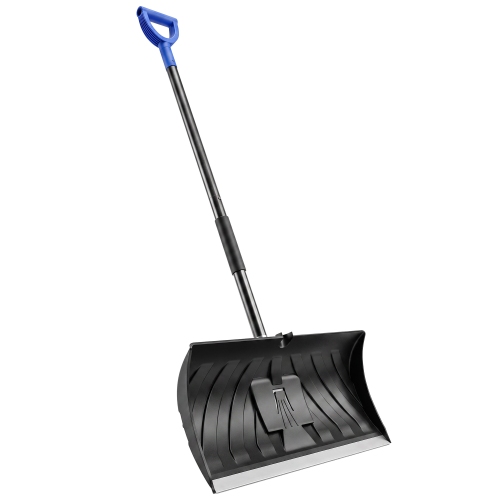
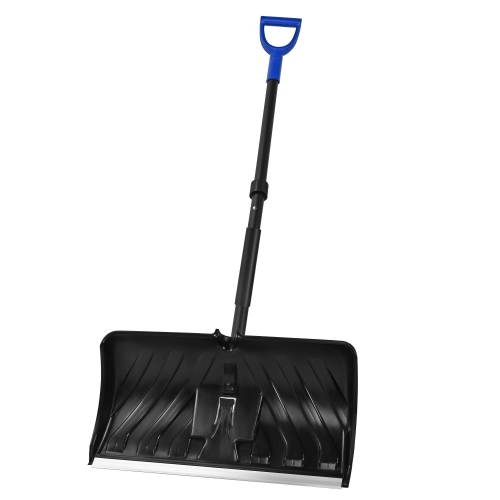
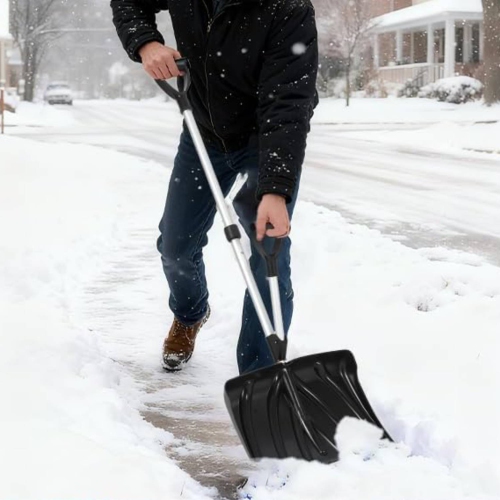
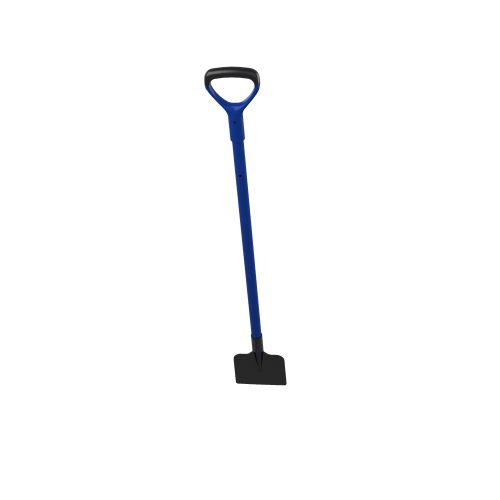
For sidewalks, steps, and driveways, heavy-duty ice scrapers are built around a different task: separating compacted ice from a surface underfoot. Often called sidewalk scrapers or ice choppers, these tools generally have a broad metal blade and a long handle that allows work from a standing position. Steel blades provide the rigidity needed for hard buildup, while tempered steel can offer added resistance to wear and deformation. Wooden handles provide a traditional, solid feel; fibreglass and metal handles offer other combinations of weight, stiffness, and construction. The connection between blade and shaft is worth considering, since repeated contact with frozen pavement places stress on that joint. A wider blade can cover more ground, but a narrower one may be easier to position along a step edge or beneath a smaller patch of ice. Tool weight also affects handling: a heavier head can help with breaking action, yet it may be tiring to lift repeatedly across a long walkway. Suitability for the surface is essential. Aggressive chopping can damage decorative paving, coatings, wood, and some concrete surfaces, so the tool’s stated intended use should match the area being cleared. Frozen buildup may also require more than one kind of tool. Ice scrapers loosen the bonded layer, while Snow Shovels move loose snow and the broken pieces left behind. Keeping a walkway clear involves removing that debris rather than leaving fragments where they can refreeze or shift underfoot. After use, wiping down the blade and allowing it to dry helps limit rust, and secure storage keeps a sharp metal edge away from children and everyday foot traffic. Across both automotive and pavement designs, ice scrapers are practical tools for drivers, homeowners, and people responsible for clearing small outdoor access areas. A comfortable automotive scraper can also make a useful gift for a new driver or someone whose vehicle is routinely parked outside. Matching the tool to its task keeps that usefulness concrete: manageable reach for the car, suitable strength for the walkway, and a grip that remains comfortable through repeated use.
Top selling and popular products
-
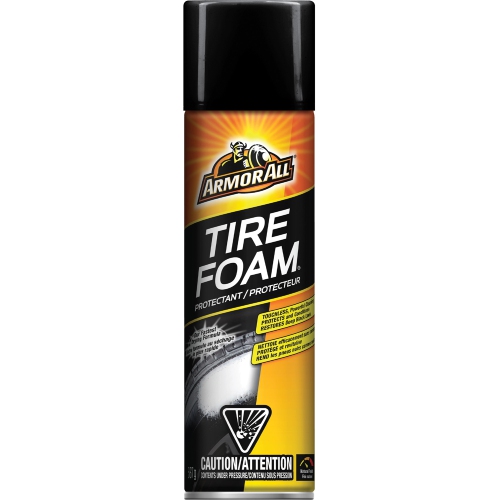 Your price for this item is $15.97
-
 Your price for this item is $16.97
-
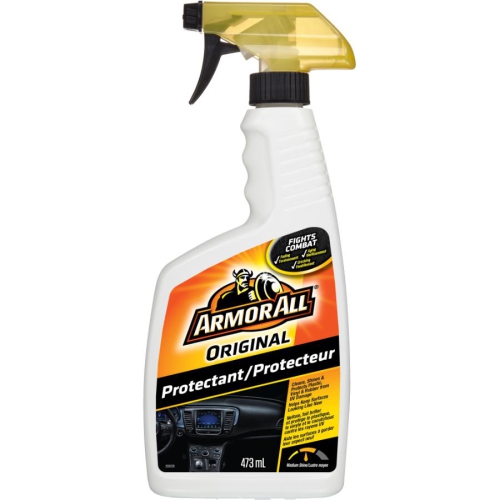 Your price for this item is $18.96
-
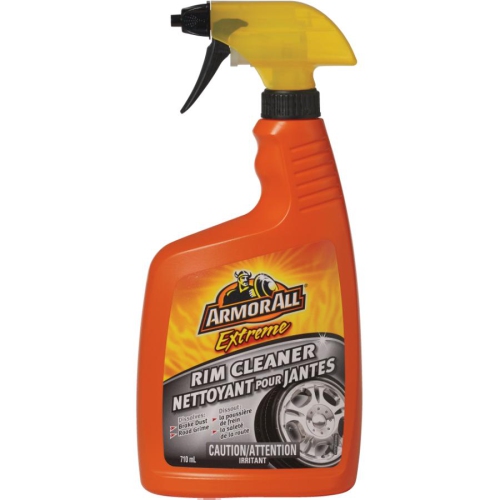 Your price for this item is $16.96
-
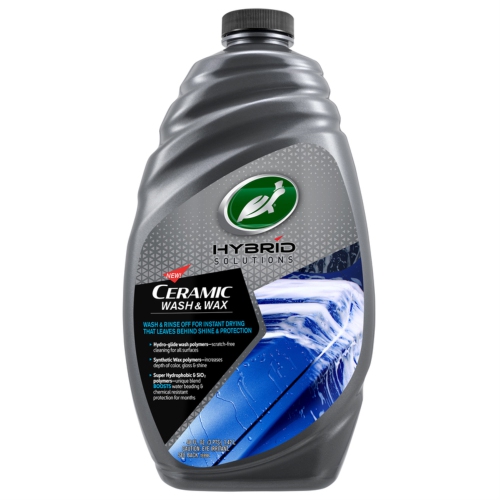 Your price for this item is $36.67
-
 Your price for this item is $37.99
-
 Your price for this item is $45.53
-
 Your price for this item is $37.83
Discover more categories related to Ice Scrapers
Top Collections:
Pokemon Centers, Best Cameras for Sports Photography, Kindle Devices, Samsung Galaxy Phones, Canon G7X Cameras, Pokémon 30th Celebration Cards, Refurbished Apple Laptops, iPhone 15 Apple, Laptops for Students, Budget Smartphones
Some products may be subject to Environmental Handling Fees
(EHF) depending on your province.
Learn more about EHFs.