Secure Storage for Valuables
Protecting your most important possessions is simple with secure storage for valuables. Whether you need a reliable solution for your home, office, or while traveling, finding the right storage option helps keep your items safe and organized. Explore a wide selection designed to accommodate everything from documents and jewelry to electronics and personal keepsakes. With secure storage for valuables, you can enjoy greater peace of mind knowing your treasured belongings are protected.
Sort

Why a strong lock is only the starting point
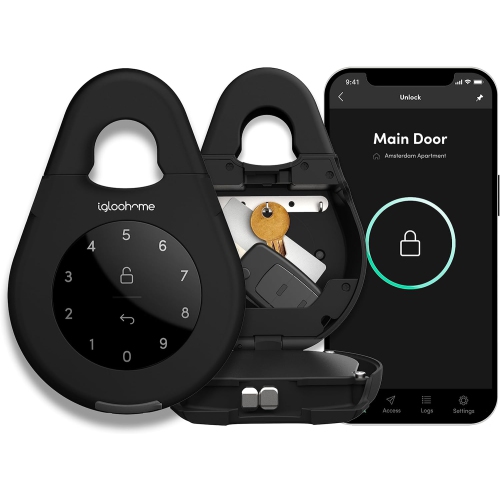
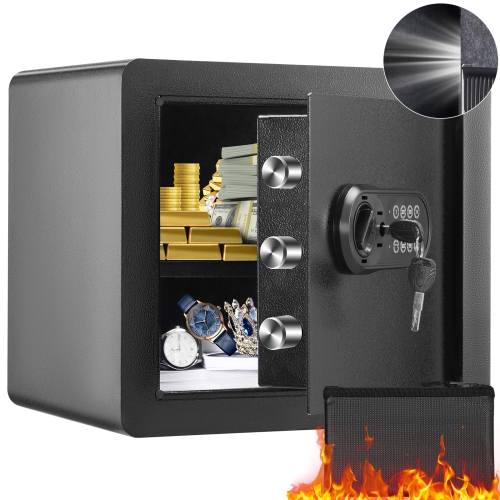
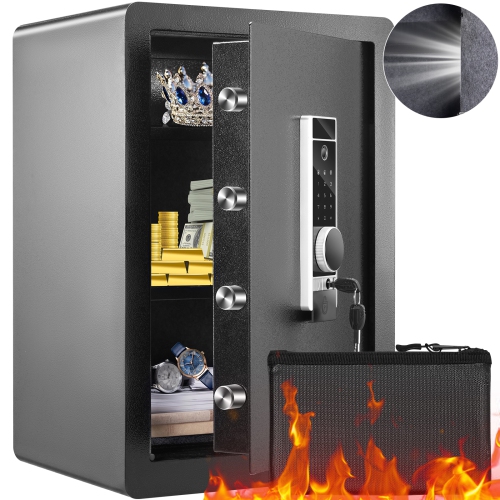
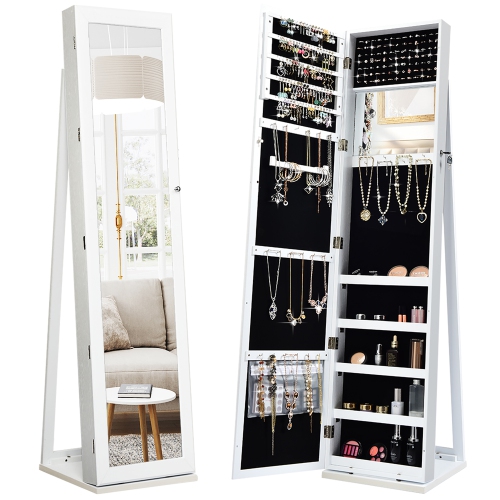
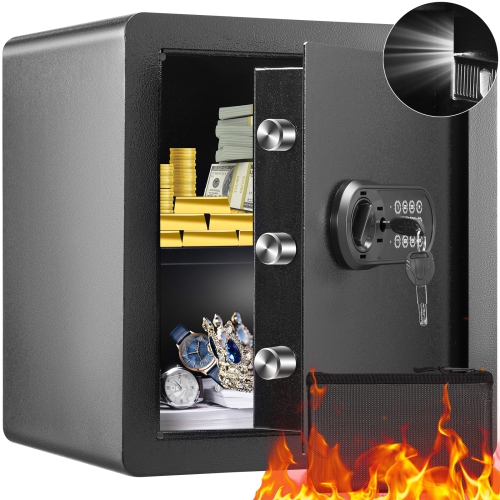
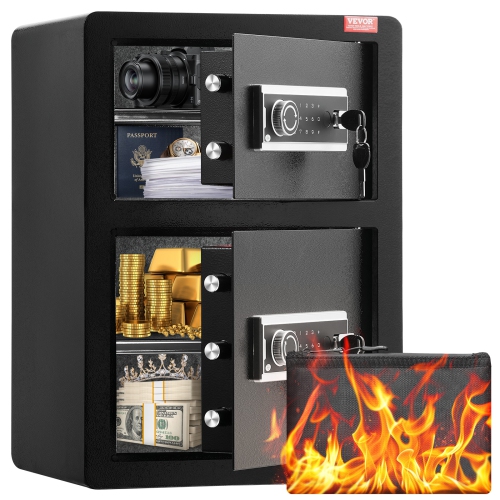
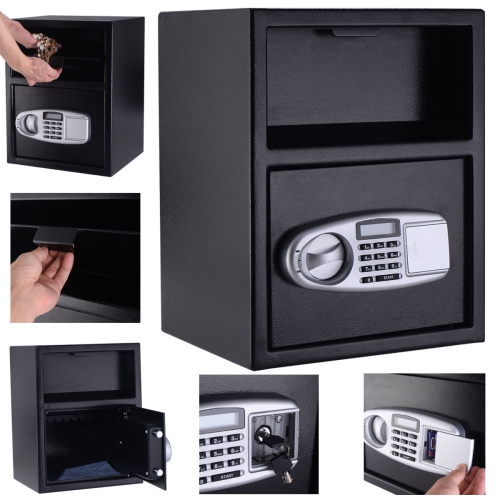
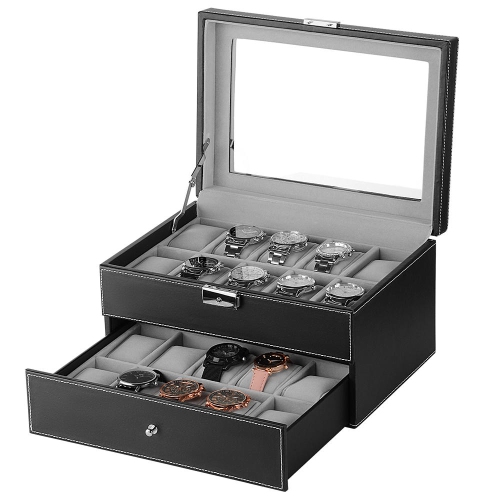
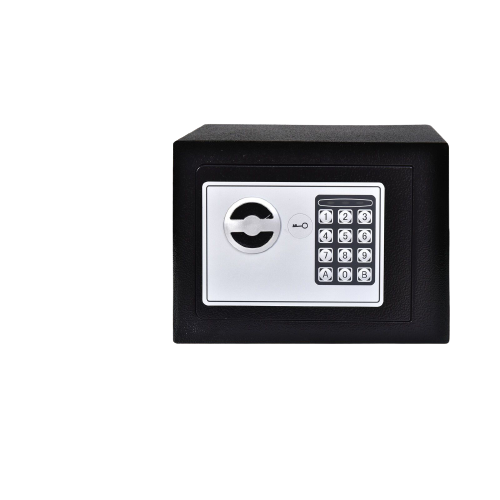
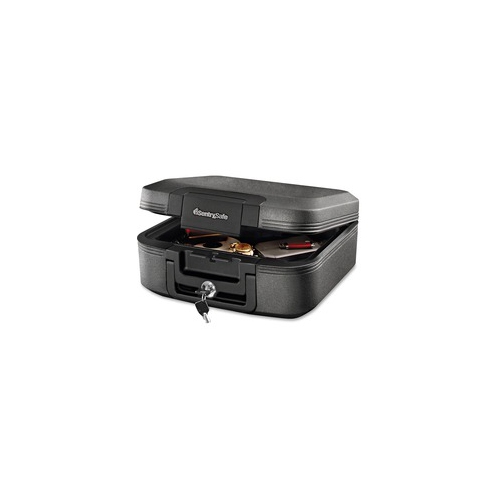
Secure storage for valuables gives important belongings a dedicated place, whether that means passports ready for a family trip, jewellery passed down through generations, or original documents that would be difficult to replace. Home safes, lockable security boxes, and protective document chests serve different purposes, so the strongest choice depends on what needs protecting and the risks that matter most. Theft resistance, fire resistance, and water resistance are separate features; a safe designed to discourage forced entry does not automatically protect its contents during a fire or a leak. For theft protection, substantial construction, a well-designed locking mechanism, and suitable anchoring all matter. For fire protection, an independently tested rating should identify the length of exposure and the conditions the safe can withstand. Water protection also needs a stated rating or test description rather than an assumption based on a tightly closing lid. A compact lockbox can help limit casual access to personal possessions in shared accommodation, while a heavier, properly anchored safe can offer a stronger barrier against removal. Neither should be treated as an absolute guarantee against theft or damage. For belongings needed at short notice, such as travel identification or emergency cash, home storage offers the practical benefit of access without a trip elsewhere. Rarely accessed heirlooms may call for a different arrangement, including off-site storage, depending on their value and insurance requirements. Within the home, Personal Safes can provide a defined space for everyday valuables without spreading them across bedside drawers, filing cabinets, and cupboards. The aim is not simply to put everything behind a lock, but to match the level of protection to the contents. A household keeping a few identification documents has different space and access needs from someone storing a jewellery collection, sensitive business paperwork, or several family members’ passports. That distinction helps make secure storage useful in daily life rather than merely another container to find room for.
Construction and fit have a direct effect on how well secure storage works in its intended location. Steel bodies, reinforced door sections, protected hinges, and solid locking bolts can contribute to resistance against forced entry, but weight or wall thickness alone does not establish a tested security level. An independently verified burglary rating, where provided, offers more meaningful information than a broad claim of strength. Lock design affects convenience as well as access control. Keyed locks avoid battery changes but require careful handling of the keys; electronic keypads allow code-based entry but need battery maintenance and a clear understanding of any backup access method. Biometric locks may make frequent access simpler, although fingerprint recognition can vary with finger placement and skin condition. The best fit is a mechanism the intended user can operate reliably without leaving keys or access codes close at hand. Interior measurements deserve just as much attention as exterior dimensions. Insulation and door hardware can reduce usable space, and a document that fits inside the body may not pass easily through the opening. Letter-size folders, jewellery cases, and protective sleeves all take up room beyond the valuables themselves. Adjustable shelves can separate small belongings from paperwork, while a soft lining may help prevent surface scratches; delicate jewellery may still need individual pouches or fitted compartments. Outside the safe, allow room for the door to swing open and for a person to reach the contents comfortably. A low cupboard may conceal a safe from view but make a heavy door awkward to use. Shelves and furniture must be capable of supporting the loaded weight, and larger safes may require an assessment of floor support. Where anchoring is supported, attachment to a suitable structural surface according to the manufacturer’s directions helps resist removal. Drilling extra holes or using unsuitable fixings can compromise protection, so placement and installation should be considered together, especially in rented homes or spaces with concealed wiring and plumbing.
Long-term protection also depends on how valuables are arranged and how the storage is maintained. Fire-resistant storage intended for paper is not necessarily suitable for USB drives, photographic media, or other heat-sensitive contents, which can require lower internal temperatures during exposure. The stated rating should match the material being stored, not just the size of the compartment. Water-resistant designs may help protect against certain spills, leaks, or periods of immersion, but the limits vary, and a rating does not make a basement location free from flood risk. Keeping storage away from known sources of dampness and following the manufacturer’s moisture-control guidance can help protect paper, metal, and fabric over time. Documents should be dry before they are enclosed, and any desiccant or protective sleeve should be compatible with both the safe and its contents. Occasional checks make it easier to notice condensation, damaged seals, sticking hinges, or low-battery warnings before access becomes urgent. A gentle exterior wipe and care carried out according to the supplied directions are preferable to harsh cleaners or unapproved lubricants near locks and seals. Backup keys and recovery details belong in a separate, controlled location, with a trusted person given access only where appropriate. This is particularly useful for households preparing for travel, adults helping an older relative organise essential paperwork, or small-business owners keeping confidential documents apart from everyday files. Secure storage can also be a practical housewarming or graduation gift when the recipient has a suitable place to install it and can set up their own access credentials. In shared homes, separate interior compartments can make belongings easier to identify, though they do not necessarily provide independent security. Keeping an up-to-date list of valuable contents and storing a copy elsewhere can support insurance conversations and simplify documentation after a loss. Insurance coverage may depend on declared values, installation, or security ratings, so a safe should complement the relevant policy rather than be assumed to replace it. With suitable construction, sensible placement, and routine care, secure storage creates an orderly, controlled home for belongings whose importance goes well beyond their size.
Construction and fit have a direct effect on how well secure storage works in its intended location. Steel bodies, reinforced door sections, protected hinges, and solid locking bolts can contribute to resistance against forced entry, but weight or wall thickness alone does not establish a tested security level. An independently verified burglary rating, where provided, offers more meaningful information than a broad claim of strength. Lock design affects convenience as well as access control. Keyed locks avoid battery changes but require careful handling of the keys; electronic keypads allow code-based entry but need battery maintenance and a clear understanding of any backup access method. Biometric locks may make frequent access simpler, although fingerprint recognition can vary with finger placement and skin condition. The best fit is a mechanism the intended user can operate reliably without leaving keys or access codes close at hand. Interior measurements deserve just as much attention as exterior dimensions. Insulation and door hardware can reduce usable space, and a document that fits inside the body may not pass easily through the opening. Letter-size folders, jewellery cases, and protective sleeves all take up room beyond the valuables themselves. Adjustable shelves can separate small belongings from paperwork, while a soft lining may help prevent surface scratches; delicate jewellery may still need individual pouches or fitted compartments. Outside the safe, allow room for the door to swing open and for a person to reach the contents comfortably. A low cupboard may conceal a safe from view but make a heavy door awkward to use. Shelves and furniture must be capable of supporting the loaded weight, and larger safes may require an assessment of floor support. Where anchoring is supported, attachment to a suitable structural surface according to the manufacturer’s directions helps resist removal. Drilling extra holes or using unsuitable fixings can compromise protection, so placement and installation should be considered together, especially in rented homes or spaces with concealed wiring and plumbing.
Long-term protection also depends on how valuables are arranged and how the storage is maintained. Fire-resistant storage intended for paper is not necessarily suitable for USB drives, photographic media, or other heat-sensitive contents, which can require lower internal temperatures during exposure. The stated rating should match the material being stored, not just the size of the compartment. Water-resistant designs may help protect against certain spills, leaks, or periods of immersion, but the limits vary, and a rating does not make a basement location free from flood risk. Keeping storage away from known sources of dampness and following the manufacturer’s moisture-control guidance can help protect paper, metal, and fabric over time. Documents should be dry before they are enclosed, and any desiccant or protective sleeve should be compatible with both the safe and its contents. Occasional checks make it easier to notice condensation, damaged seals, sticking hinges, or low-battery warnings before access becomes urgent. A gentle exterior wipe and care carried out according to the supplied directions are preferable to harsh cleaners or unapproved lubricants near locks and seals. Backup keys and recovery details belong in a separate, controlled location, with a trusted person given access only where appropriate. This is particularly useful for households preparing for travel, adults helping an older relative organise essential paperwork, or small-business owners keeping confidential documents apart from everyday files. Secure storage can also be a practical housewarming or graduation gift when the recipient has a suitable place to install it and can set up their own access credentials. In shared homes, separate interior compartments can make belongings easier to identify, though they do not necessarily provide independent security. Keeping an up-to-date list of valuable contents and storing a copy elsewhere can support insurance conversations and simplify documentation after a loss. Insurance coverage may depend on declared values, installation, or security ratings, so a safe should complement the relevant policy rather than be assumed to replace it. With suitable construction, sensible placement, and routine care, secure storage creates an orderly, controlled home for belongings whose importance goes well beyond their size.
Top selling and popular products
-
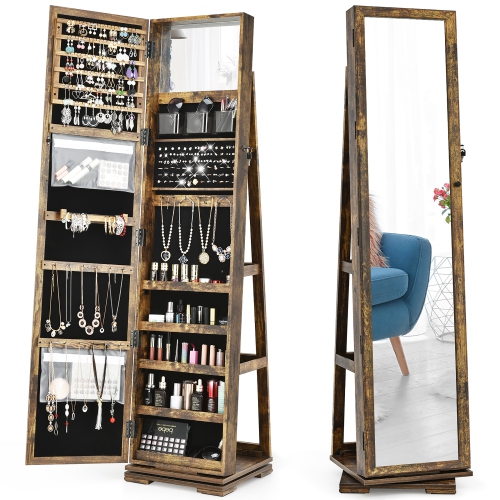 Your price for this item is $224.99
 -
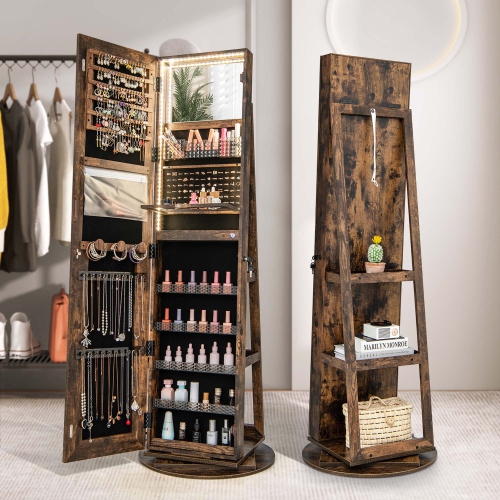 Your price for this item is $289.99
 -
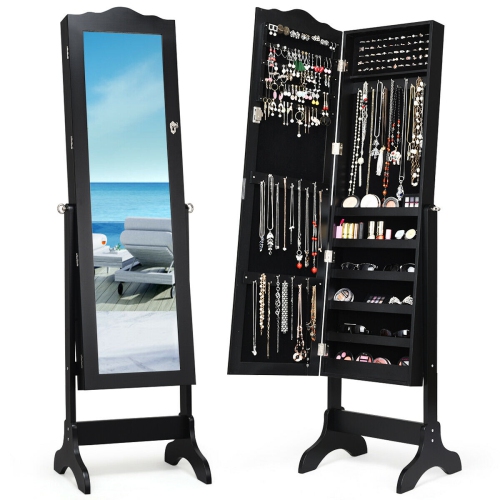 Your price for this item is $169.99
 -
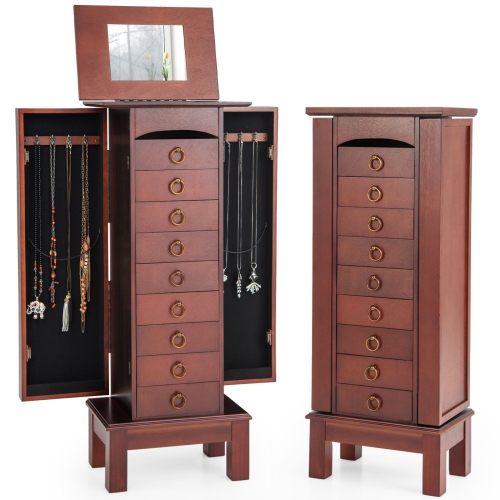 Your price for this item is $199.99
 -
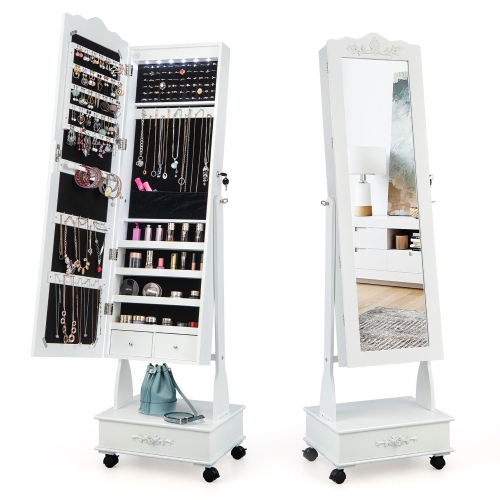 Your price for this item is $189.99
 -
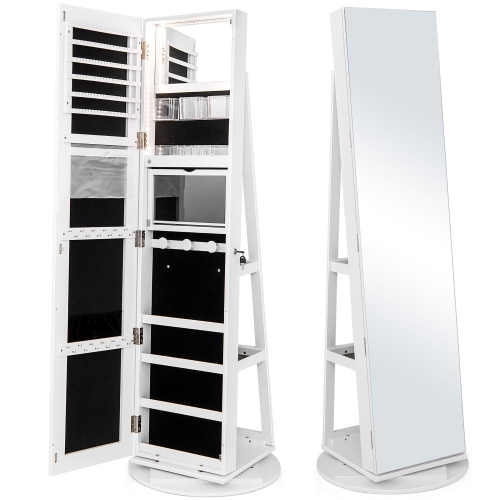 Your price for this item is $199.99
 -
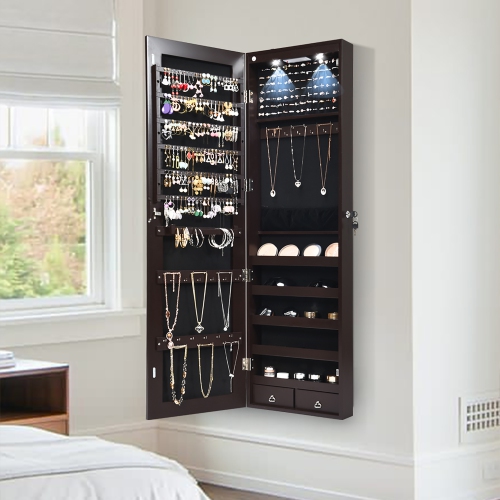 Your price for this item is $169.99
 -
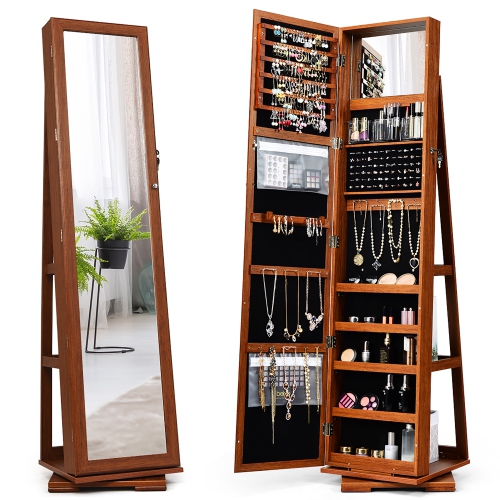 Your price for this item is $229.99
Discover more categories related to Secure Storage for Valuables
Top Collections:
Pokemon Centers, Budget 4K TVs, Best Budget Office Chairs, Kindle Devices, Canon G7X Cameras, Apple iPhones 16, iPhone 15 Apple, Laptops for Business Work, Xiaomi Phones, Flip Phones
Some products may be subject to Environmental Handling Fees
(EHF) depending on your province.
Learn more about EHFs.