Vault Safes
Vault safes are an essential investment for keeping your valuables secure and protected. Whether you need to safeguard important documents, jewelry, cash, or other items, a vault safe provides peace of mind knowing that your belongings are stored safely. With various sizes, features, and security levels available, finding the perfect vault safe to meet your needs is easy. Explore our selection of vault safes to find the ideal solution for your home or office security requirements.
Sort
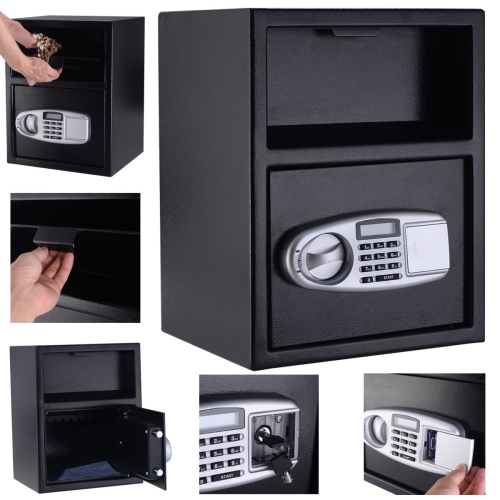
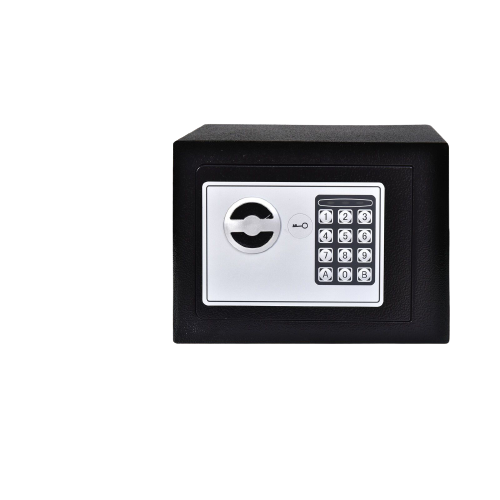
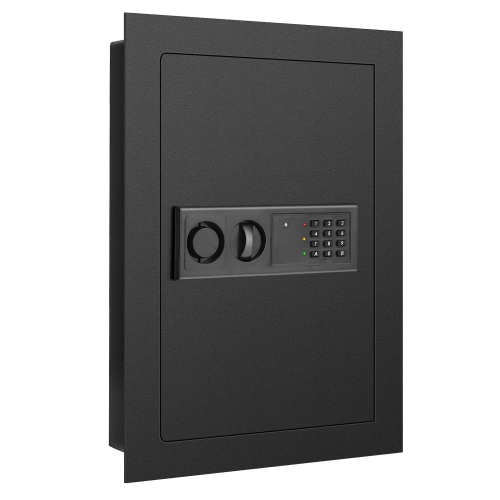
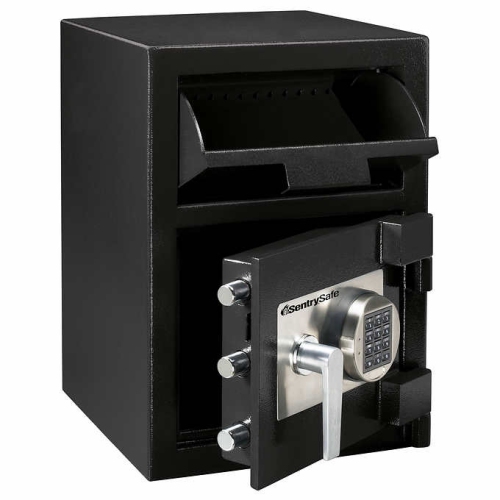
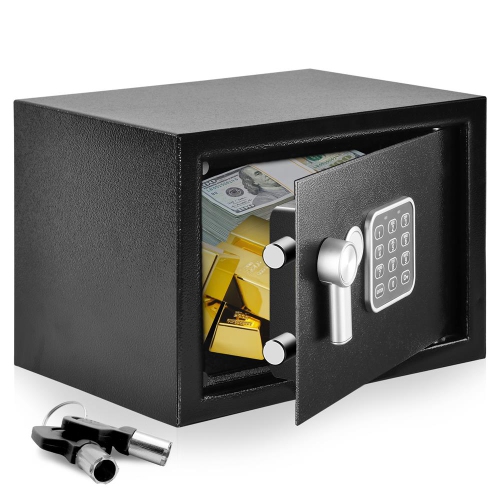
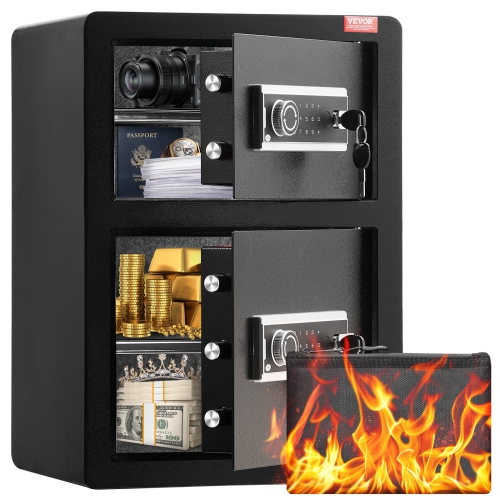
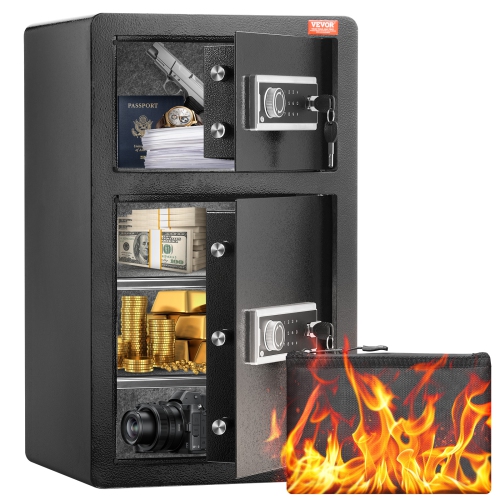
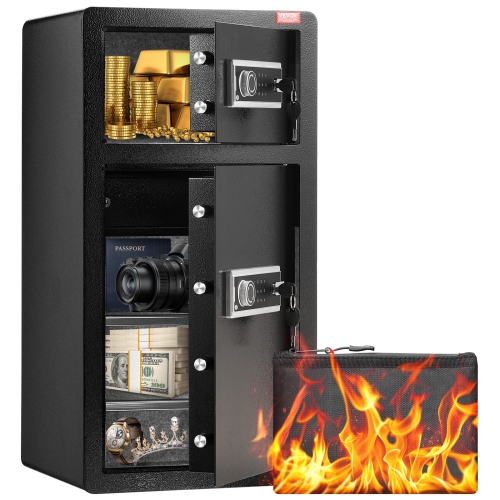



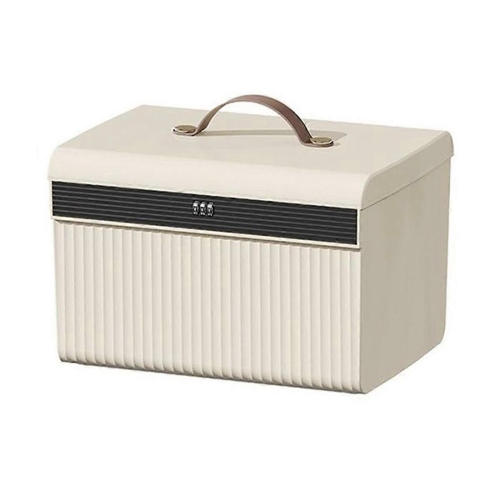
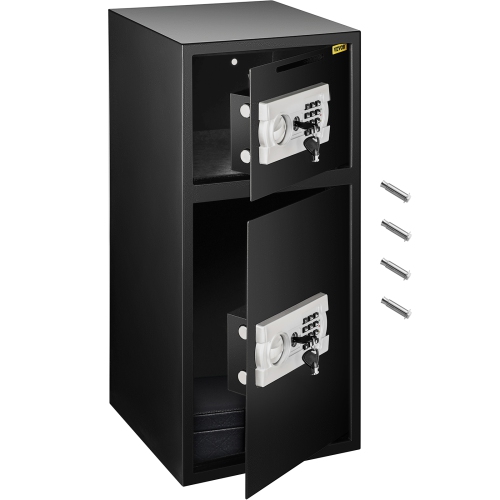
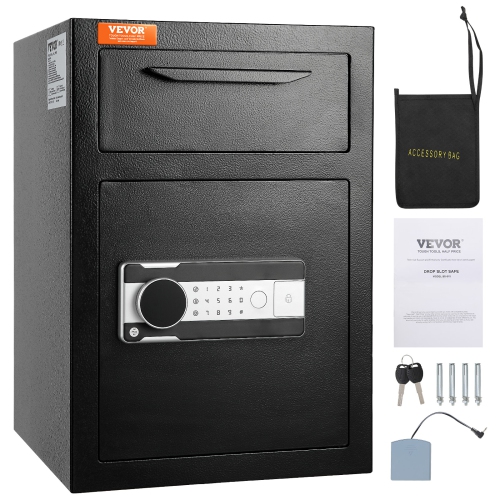
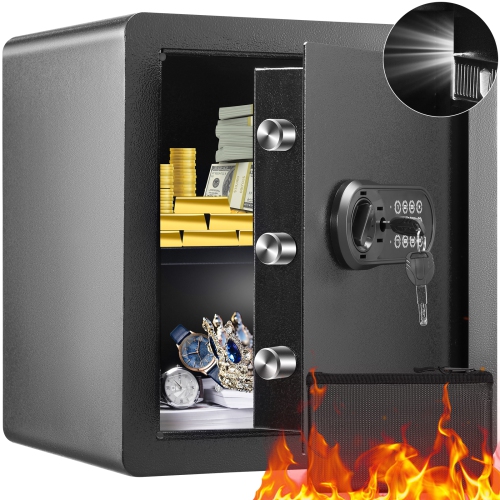

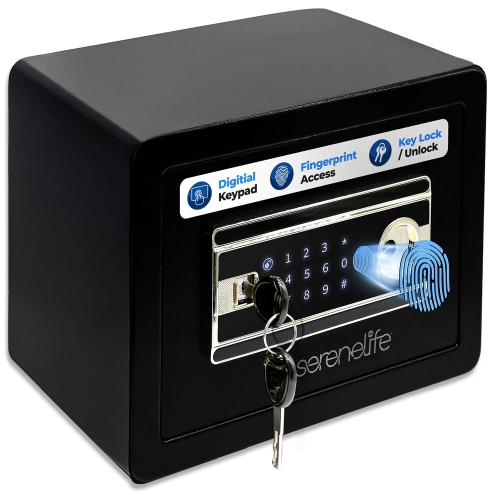
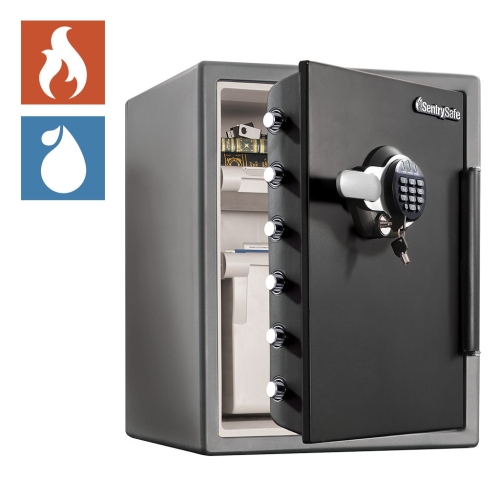
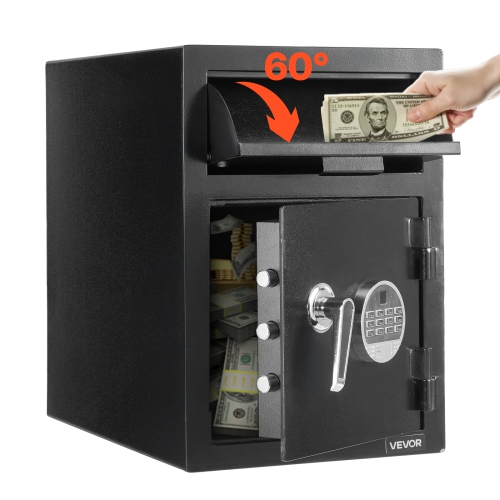


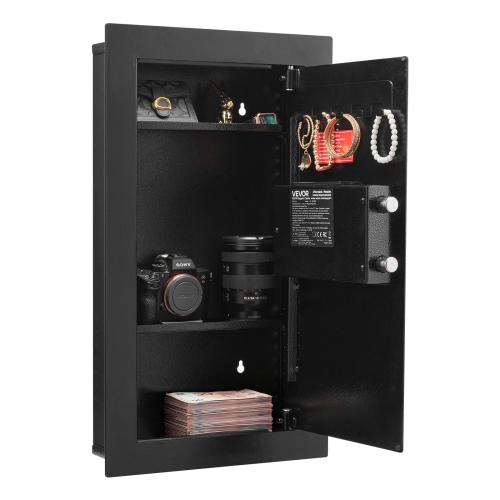
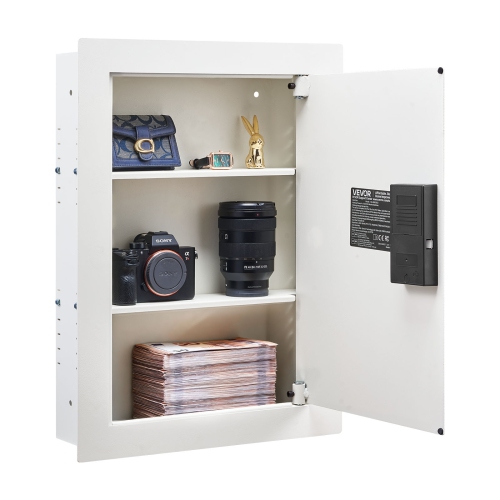
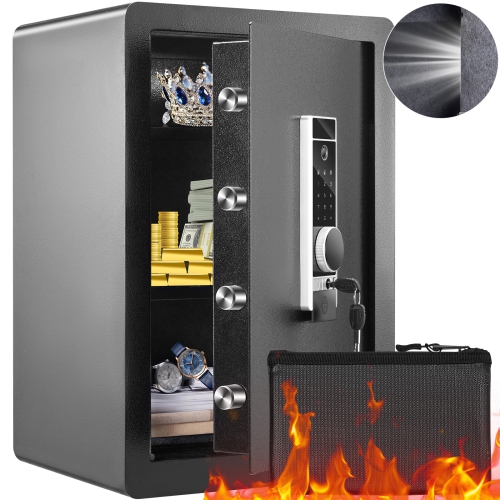
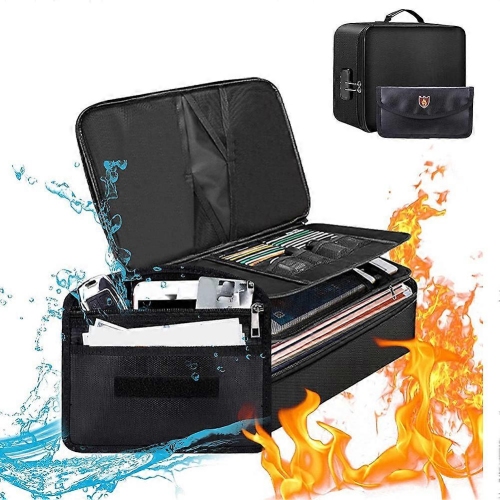
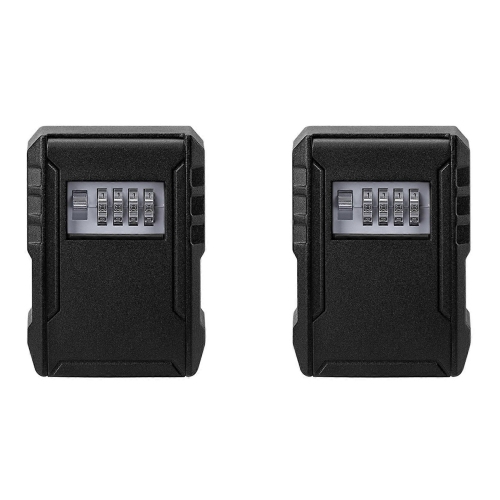

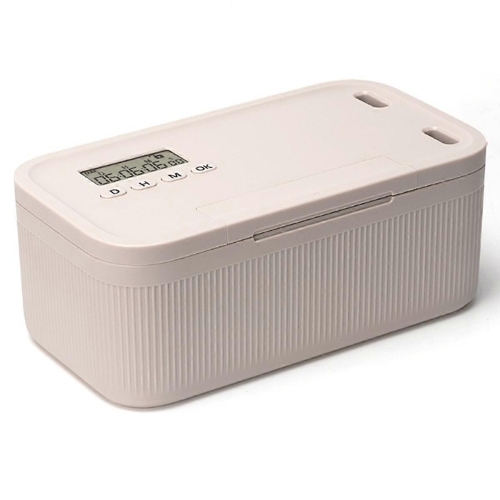
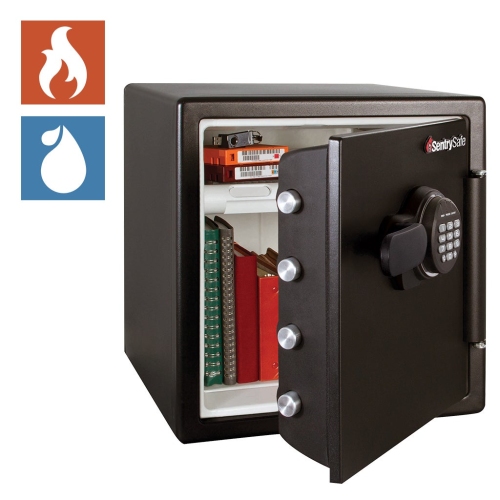
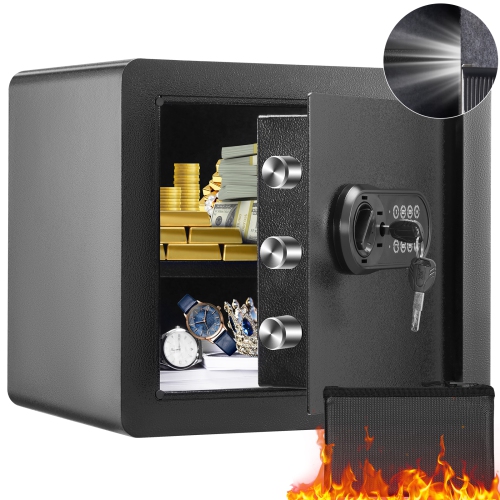
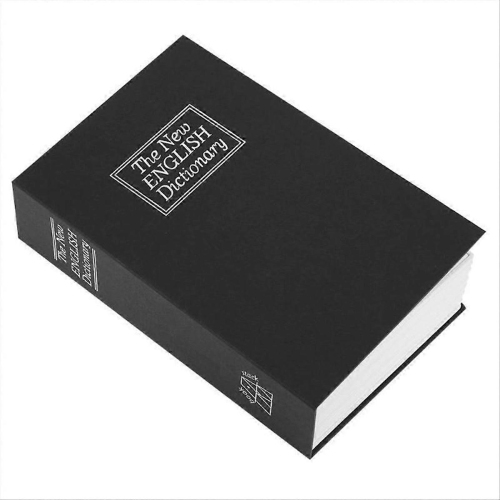

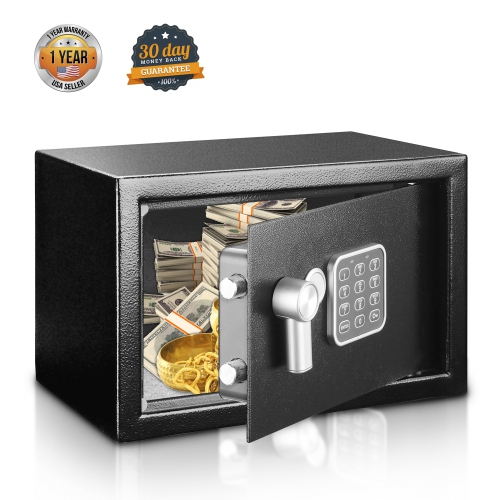
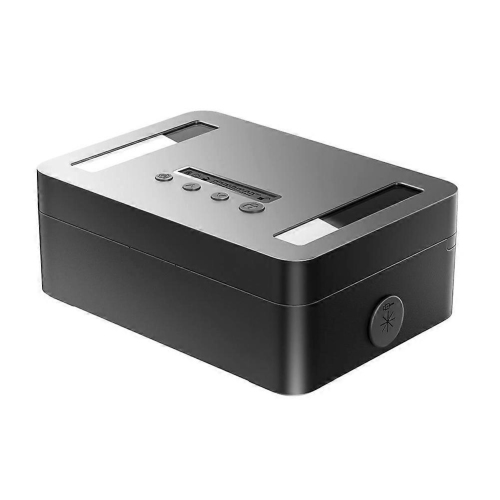
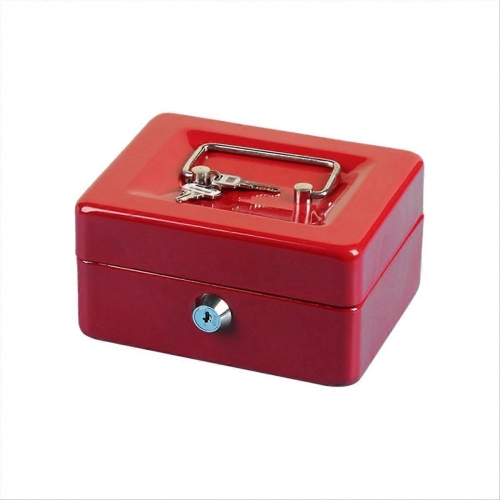
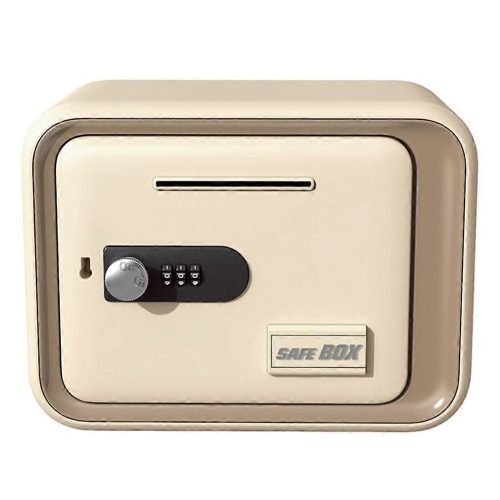
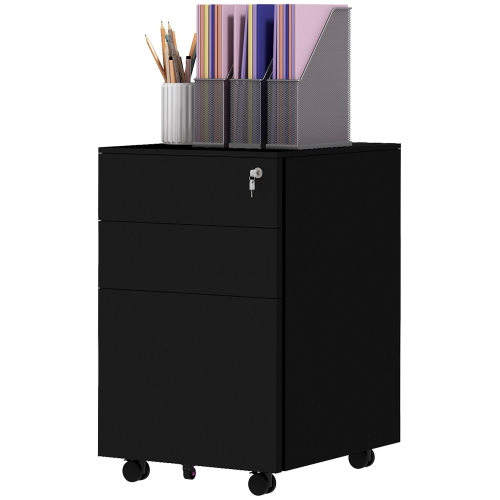
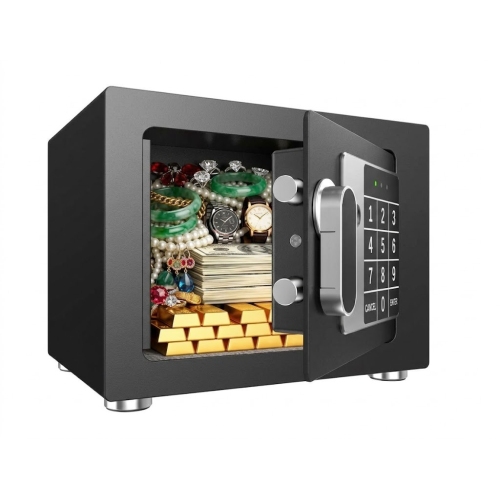
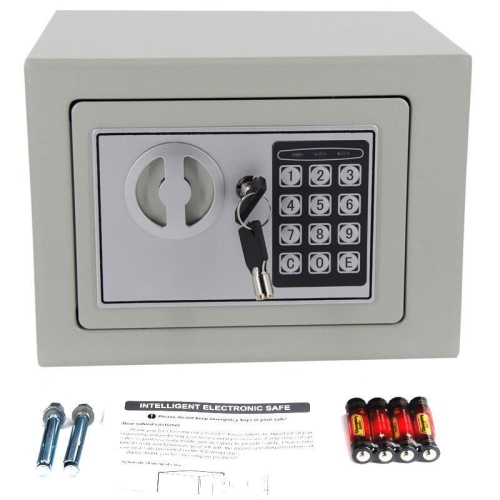
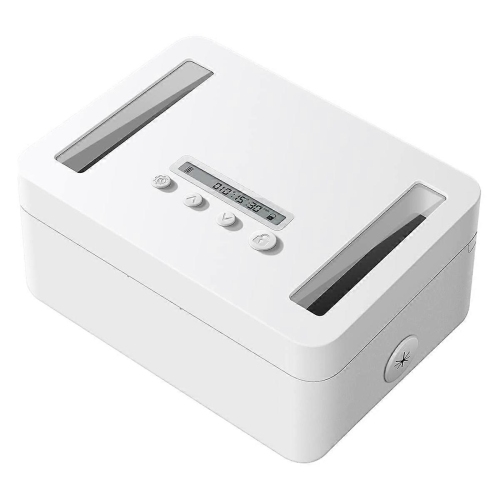
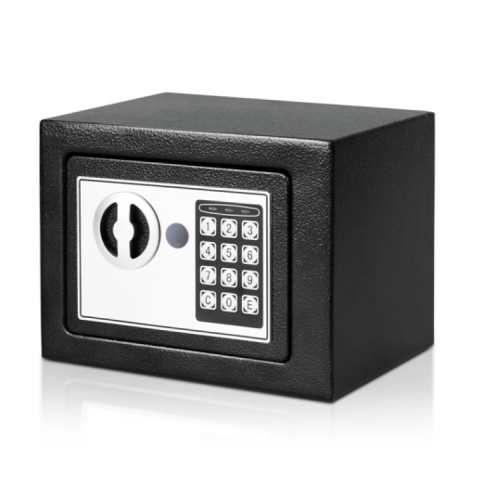
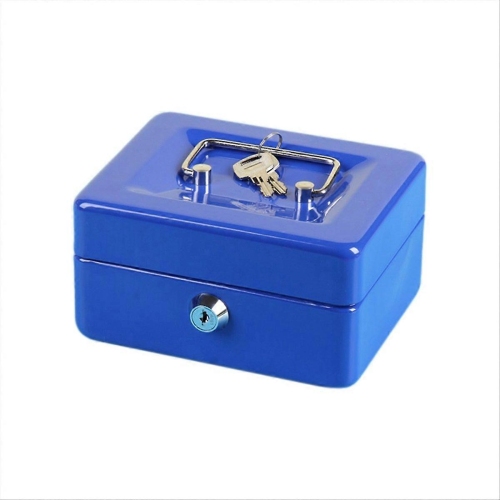
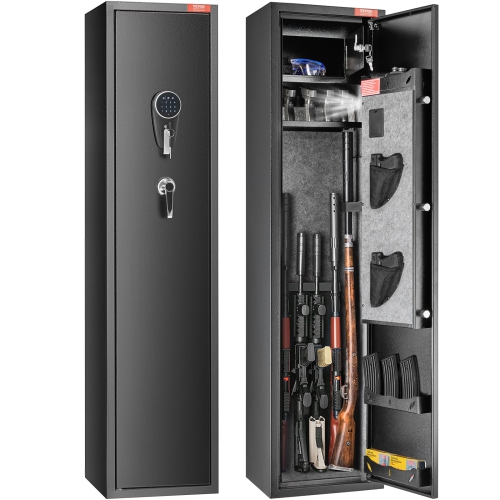
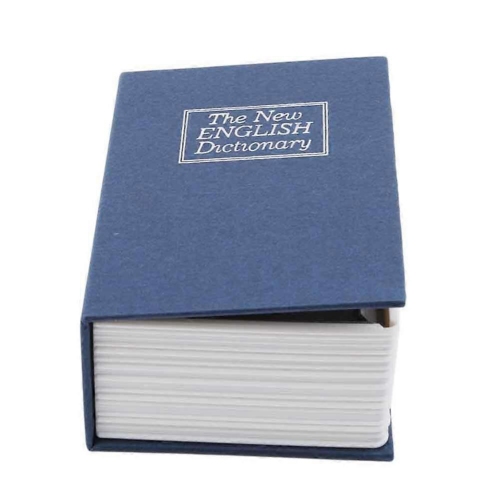
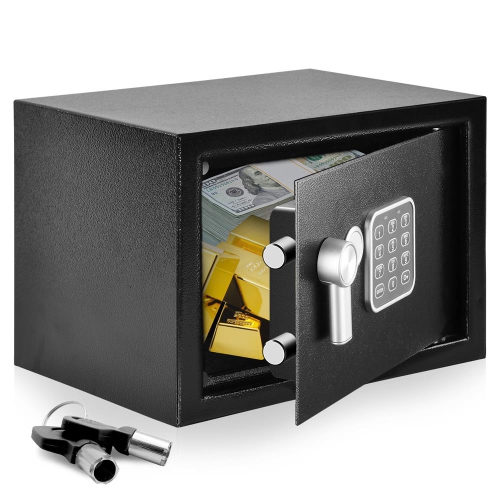
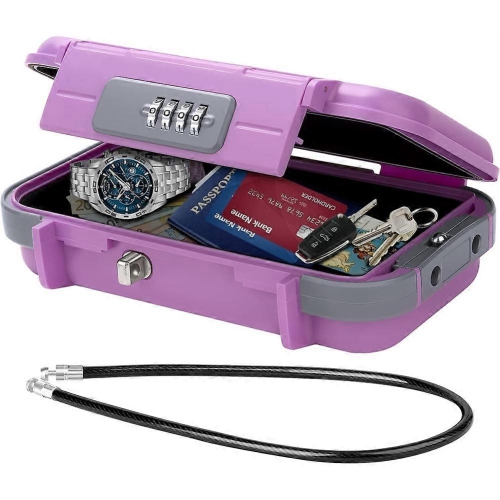
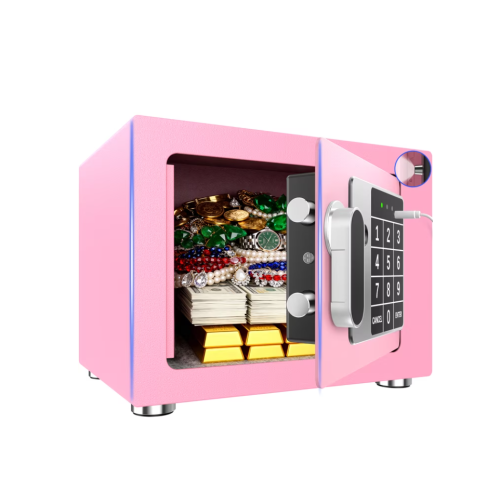
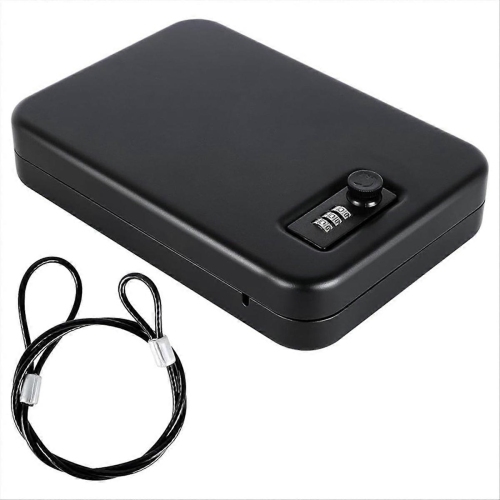
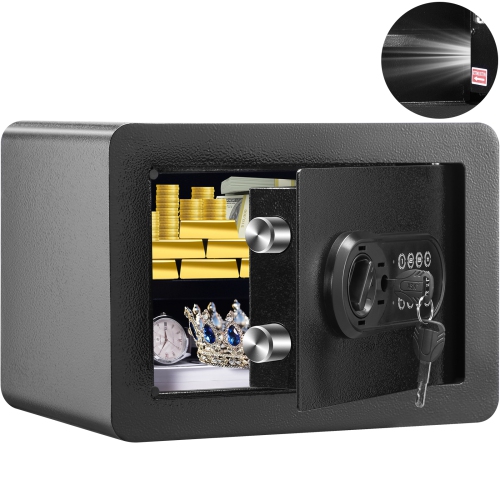
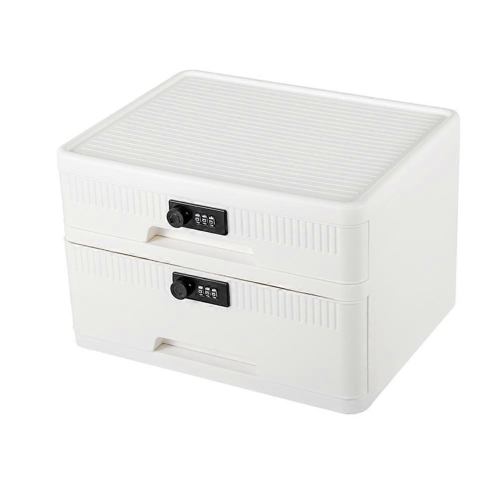
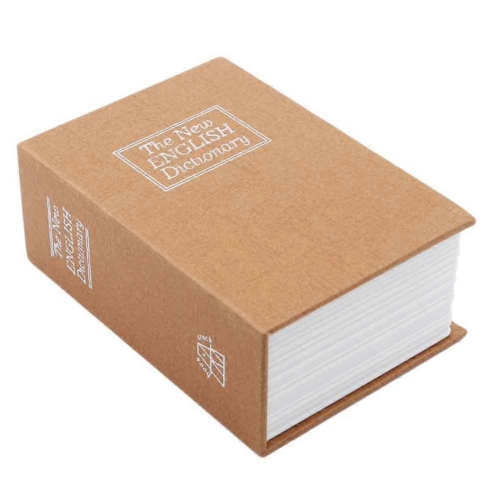
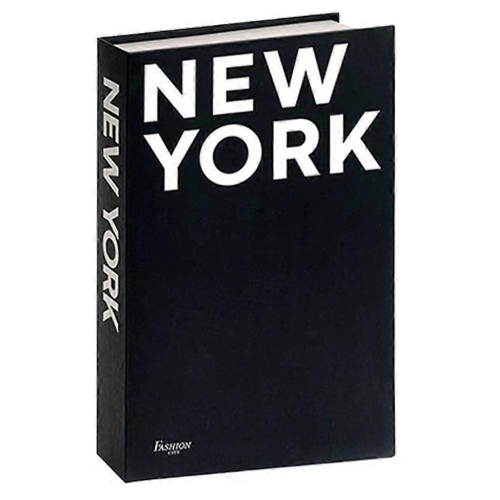

Protection for valuables goes beyond a heavy door
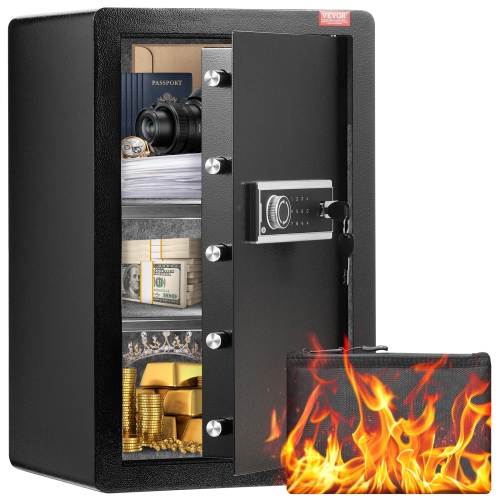
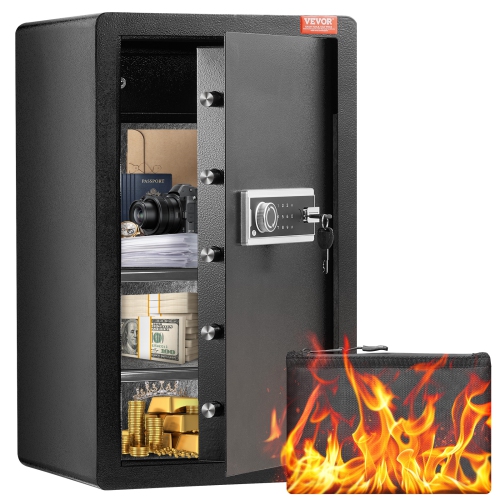
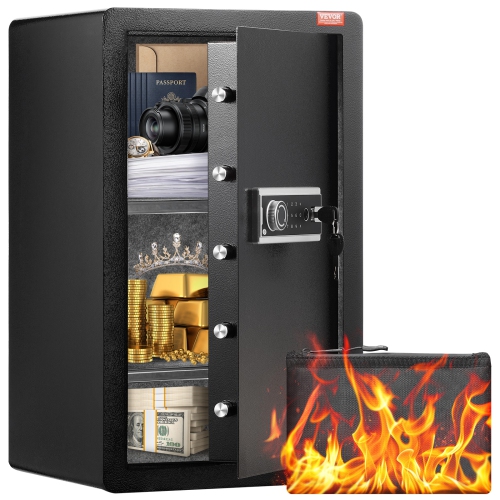
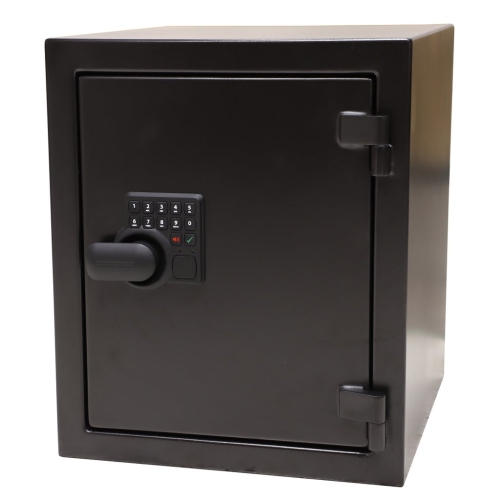
Vault safes provide a dedicated place for valuables and important records that deserve more protection than a desk drawer or filing cabinet. Passports, property documents, jewellery, family keepsakes, and business paperwork all have different storage needs, but they share a practical requirement: a secure location that authorized users can access when needed. For a household, that might mean keeping birth certificates and spare keys together rather than scattered across several rooms. For a small business, it might mean separating sensitive records and cash from the everyday activity of an office. The term vault safe can describe a range of freestanding and built-in storage designs, so construction and documented security features matter more than the name alone. Steel bodies, reinforced doors, and locking bolts are common features, although their effectiveness depends on the complete design, including the frame, hinges, lock protection, and installation. A heavy door can feel reassuring without establishing how the safe performs against forced entry. Independent burglary ratings, where provided, offer more useful information about tested resistance than appearance or weight alone. Fire protection is a separate consideration, and a safe designed to restrict access is not automatically rated to protect its contents during a fire. Similarly, a fire-resistant safe should not be assumed to provide the same burglary resistance as one tested specifically for that purpose. The intended contents help establish which features deserve the most attention. Someone storing frequently worn jewellery may value an accessible layout and lined compartments, while a business owner handling confidential files may need adjustable shelving and enough usable height for folders. Collectors may want space for protective cases rather than loose objects resting directly against metal. A safe can also be a practical housewarming or milestone gift, though its size, weight, access method, and installation requirements make it worth discussing with the recipient beforehand. Its usefulness comes from matching the protection and layout to what will actually go inside.
The fit of a vault safe involves more than finding an empty corner. Exterior measurements determine whether it can pass through doorways and sit in the intended location, while interior measurements establish whether documents, cases, and valuables will fit comfortably. Thick walls and doors can leave less usable space than the outside dimensions suggest. A folder that fits flat on a shelf may no longer fit once it is placed inside a document wallet, and a jewellery box needs enough clearance for its lid to open or for the whole box to slide out. Adjustable shelves make it easier to accommodate changing storage needs, while removable trays and separate compartments can keep smaller belongings from disappearing behind larger ones. Soft liners help reduce surface scuffs, but delicate jewellery and collectibles may still need their own suitable storage pouches or cases. Leaving a little room around the contents makes retrieval easier and helps prevent paperwork from catching in the door. Where the storage requirement is modest, Small Safes may offer a more suitable footprint for a few documents and personal valuables. Larger vault safes require closer attention to delivery access, floor support, and the space needed for the door to swing fully open. Handles and hinges can extend beyond the main cabinet, and a nearby wall or piece of furniture may prevent full access to drawers or shelves. The route to the final position matters too: narrow landings, stairs, and tight turns can complicate moving a heavy safe even when the room itself has ample space. Professional placement may be appropriate, particularly where stairs or uncertain floor capacity are involved. Anchoring, when supported by the safe’s design, can help resist removal, but it must use the specified mounting points and suitable fasteners for the supporting surface. Drilling additional holes or altering the cabinet can affect protective features, so installation should follow the manufacturer’s directions.
Day-to-day convenience is largely shaped by the locking system and the way access is managed. Keyed locks are straightforward to operate, but the keys need a secure storage arrangement separate from the safe. Electronic keypads avoid the need to carry a key for routine access, though battery replacement, code management, and any backup entry procedure become part of ownership. Mechanical combination locks do not depend on batteries, but their opening sequence can take more care and practice. Biometric access can be convenient on designs that support it, although enrolment, reader cleanliness, and an understood backup method remain important. In a shared household or workplace, the ability to assign separate user codes may be useful where that feature is provided. Codes should not be shared more widely than necessary, and any supplied default code should be changed according to the instructions. Backup keys and access records belong somewhere secure outside the locked compartment; keeping the only backup inside defeats its purpose. Routine care is usually uncomplicated: wipe exterior surfaces with a soft cloth, keep debris away from the door opening and locking bolts, and use only cleaning or lubrication methods approved for the safe. Door seals should remain unobstructed, and contents should never need to be forced back to close the door. Moisture control also deserves attention when storing metal valuables, paper, or leather, with any desiccant or accessory selected and maintained according to the safe manufacturer’s guidance. For fire-rated designs, check the stated test standard, protection duration, and intended contents rather than relying on a broad fireproof claim. Paper records and digital media can require different levels of protection. Water resistance is another distinct feature that should be supported by stated testing, not inferred from a tight-fitting door. Keeping copies of essential records in a separate secure location adds another layer of preparation, while an inventory of stored valuables can simplify insurance documentation. A well-matched vault safe combines appropriate tested protection, workable interior space, and manageable upkeep, making it easier to keep important belongings organized without making everyday access unnecessarily difficult.
Top selling and popular products
-
 Your price for this item is $517.99
-
 Your price for this item is $881.99
-
 Your price for this item is $227.99
-
 Your price for this item is $661.99
-
 Your price for this item is $440.99
-
 Your price for this item is $132.99
-
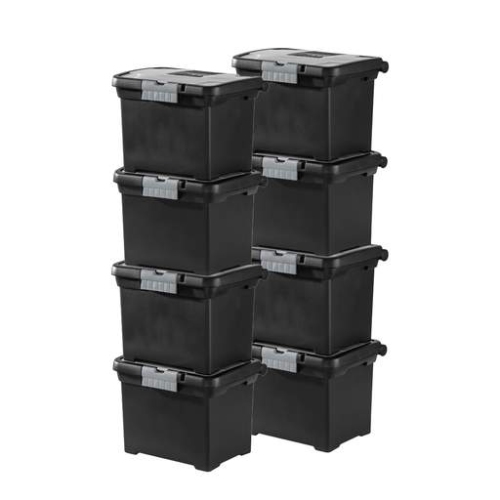 Your price for this item is $260.99
-
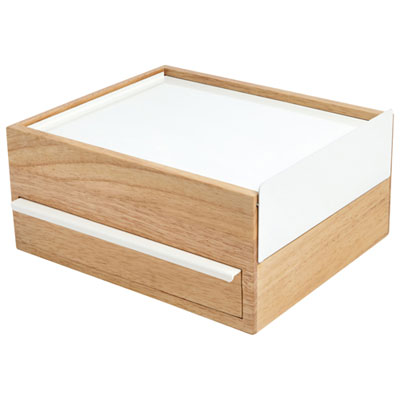 Your price for this item is $64.98
Discover more categories related to Vault Safes
Top Collections:
Pokemon Centers, Best Cameras for Sports Photography, Kindle Devices, Samsung Galaxy Phones, Canon G7X Cameras, Pokémon 30th Celebration Cards, Refurbished Apple Laptops, iPhone 15 Apple, Laptops for Students, Budget Smartphones
Some products may be subject to Environmental Handling Fees
(EHF) depending on your province.
Learn more about EHFs.