Small Bookshelf for Nursery
If you're looking for a bookshelf to use in your nursery, a small bookshelf is a great option. It's not only functional, but it can also add style to the room. A small bookshelf is easy to move around, so you can position it where you want it. And it's not too big to fit through most doorways. Here are some great options for small bookshelves for nurseries.
Sort
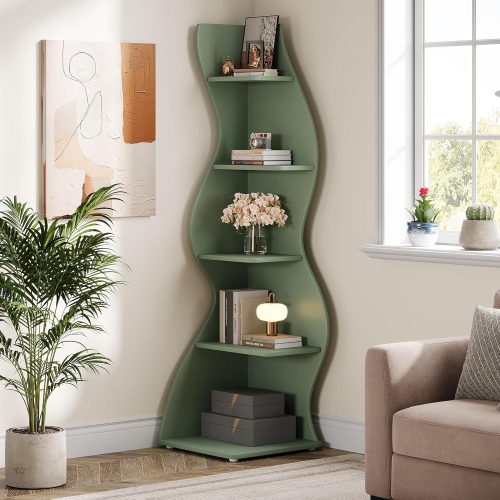
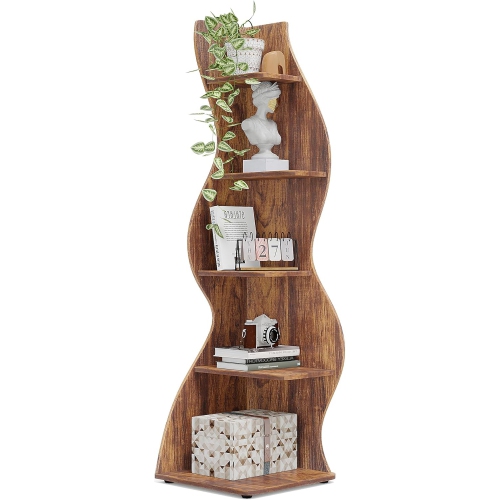
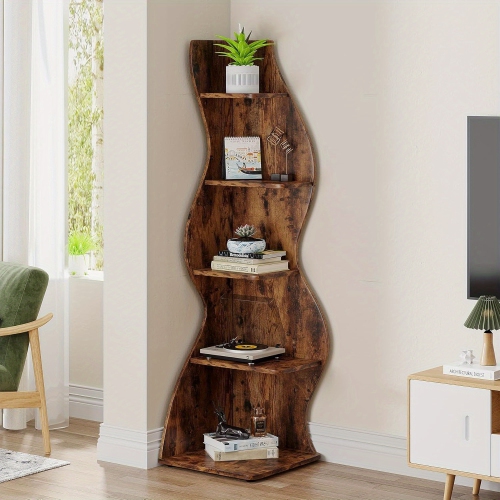
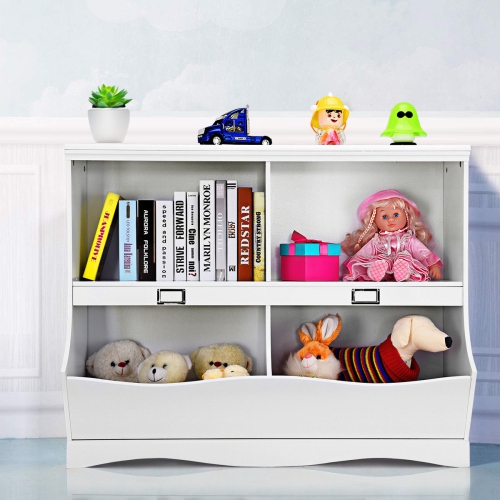
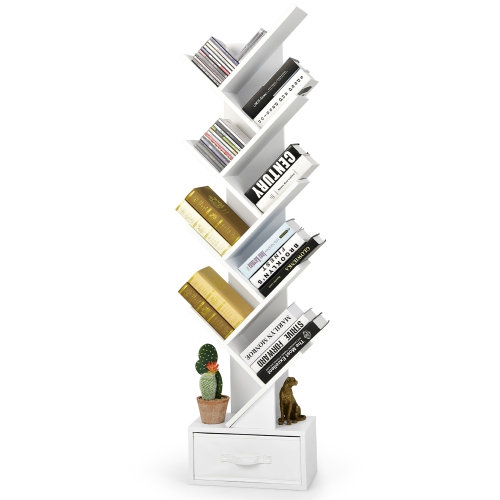
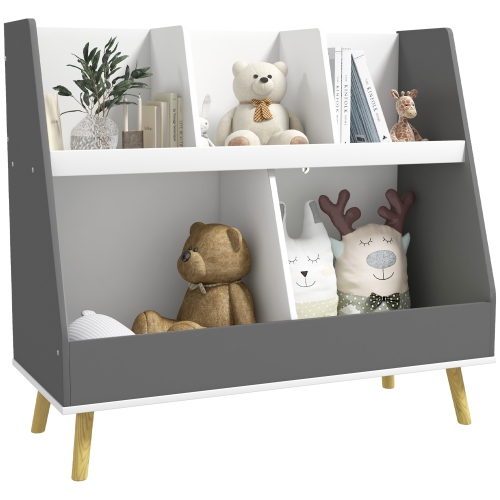
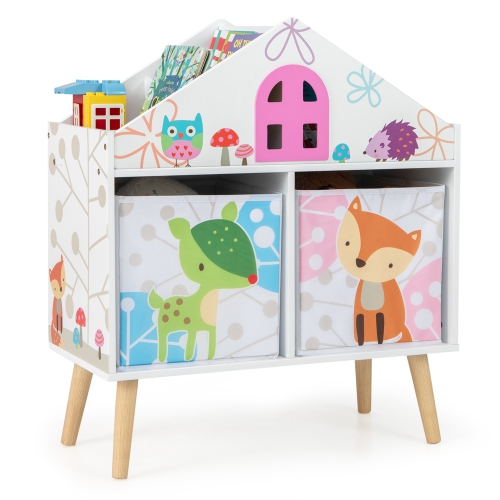
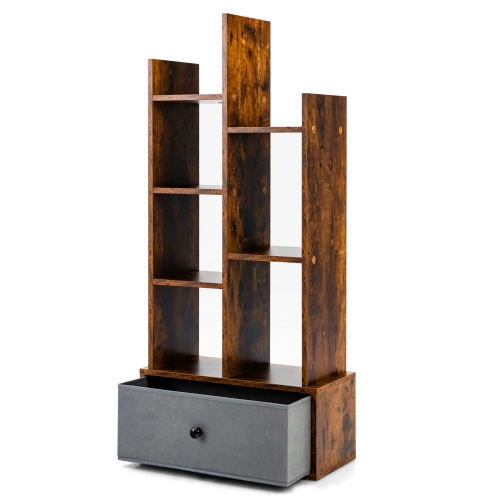
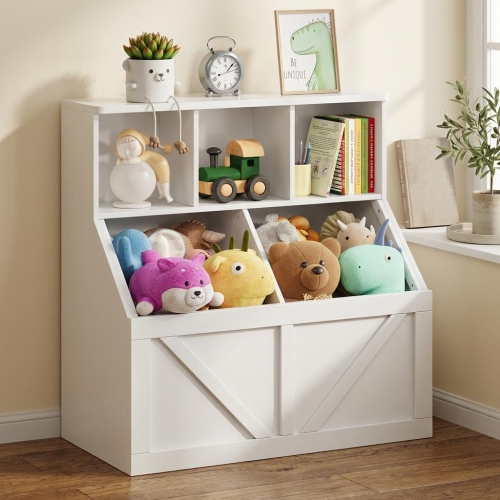
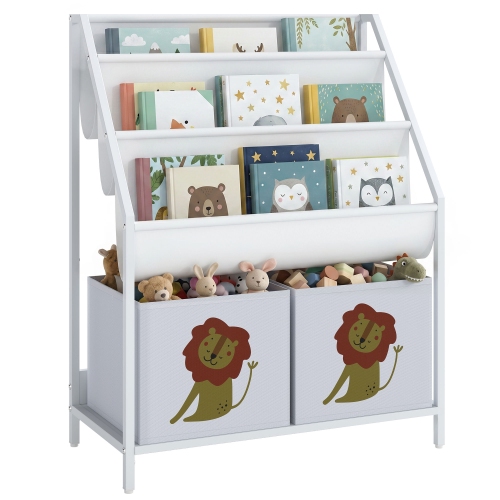
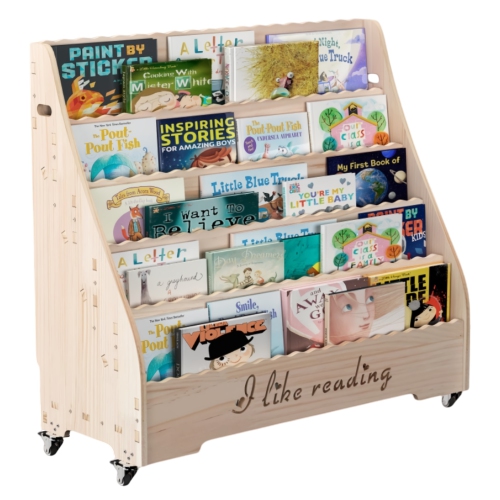
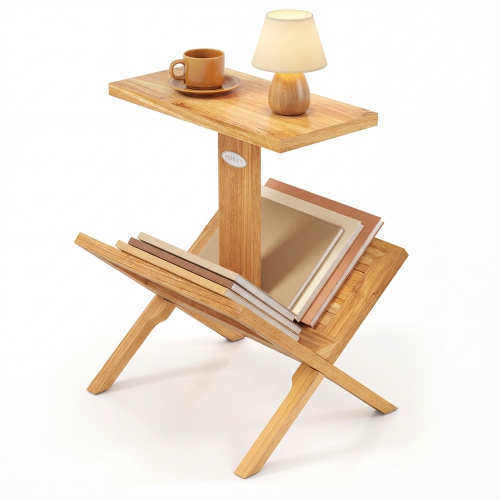
Thoughtful bookshelf placement for safer, calmer nursery story time
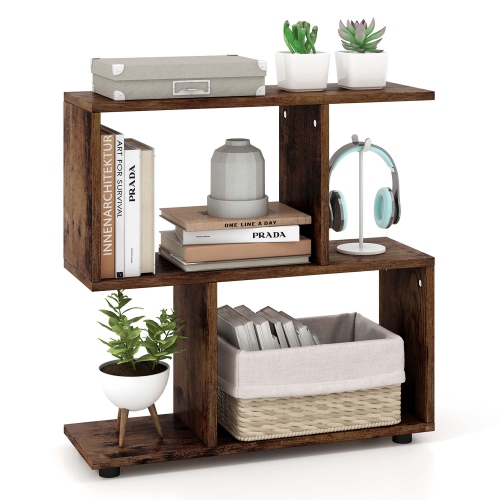
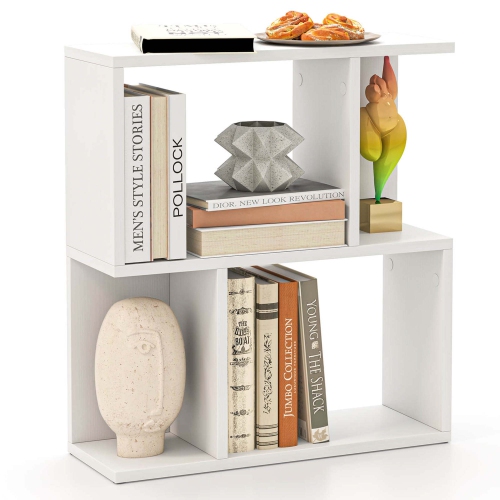
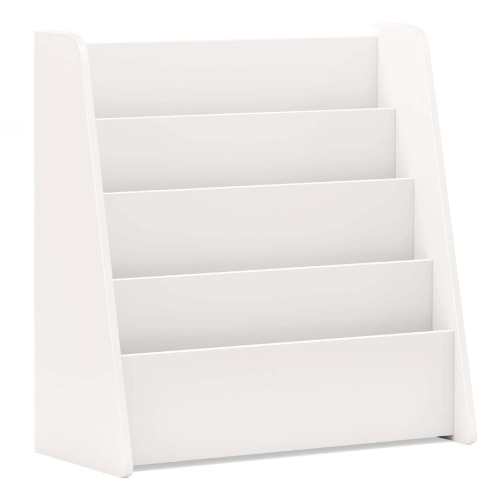
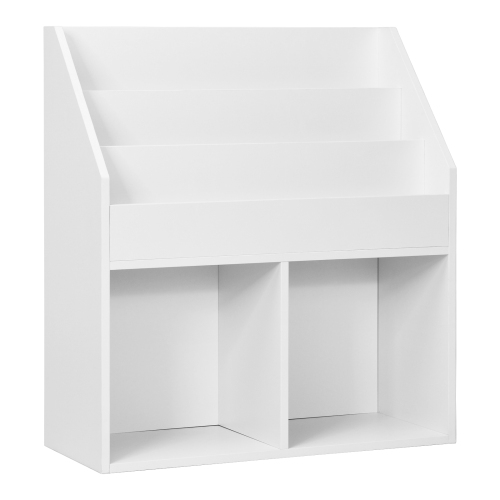
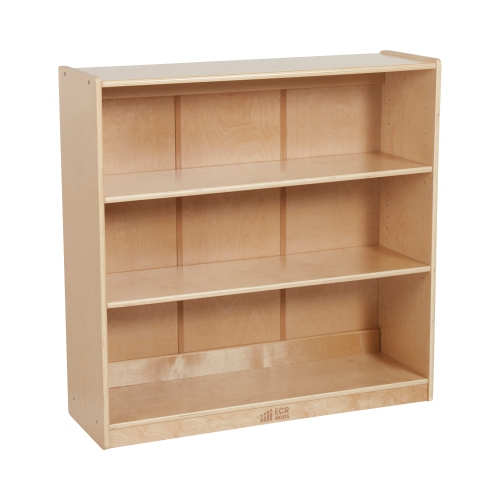
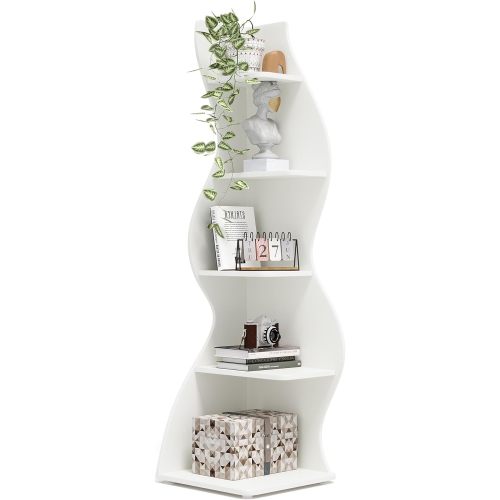
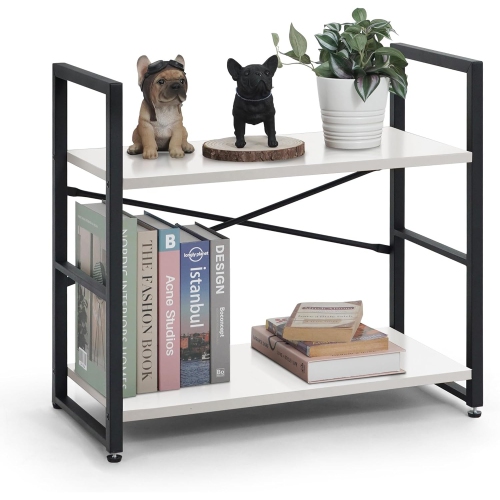
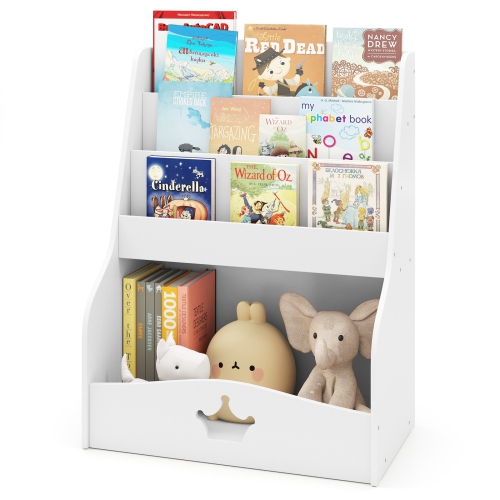
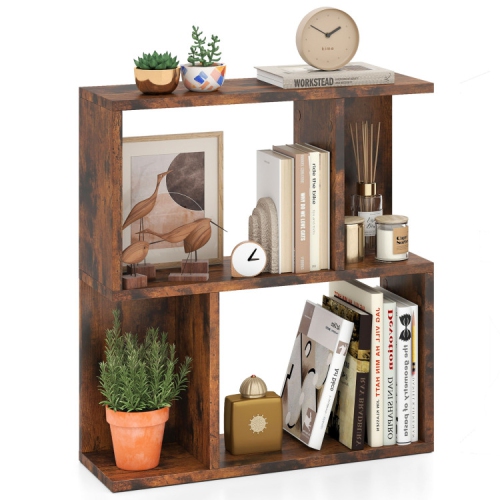
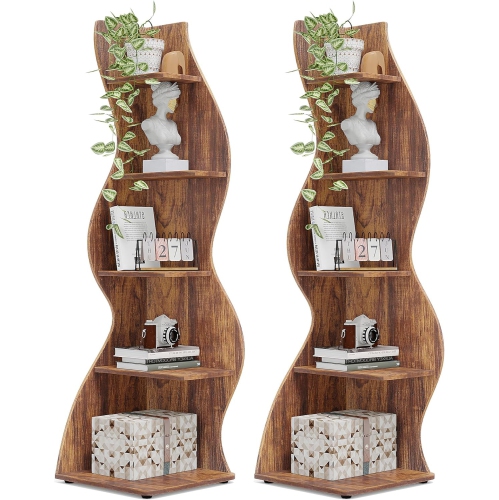
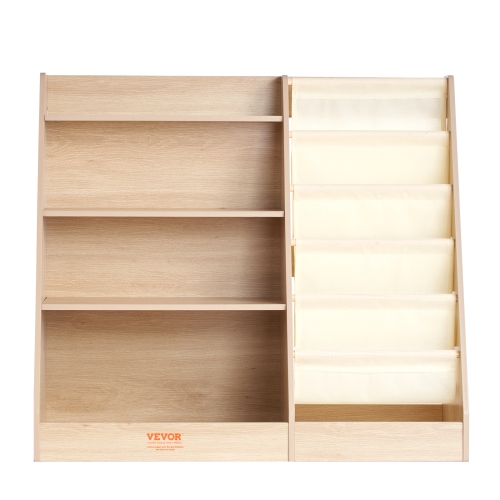
A small bookshelf for a nursery can make story time easier while helping keep a compact room feeling calm and organised. Instead of placing books in a tall bookcase where young children cannot see the covers, a low shelf or front-facing display lets them browse independently and choose a favourite story with little help. This can be especially useful during the quiet parts of the day, such as settling down after a nap, winding down before bedtime, or creating a gentle morning routine. A carefully chosen Small Bookshelf can hold board books, picture books, cloth books, and a few treasured bedtime stories without taking over the room. For a nursery with limited floor space, wall-mounted book ledges or narrow shelves keep the floor open for play mats, rocking chairs, and changing areas. Freestanding two- or three-shelf bookcases offer more capacity while still fitting neatly beside a dresser, cot, reading chair, or toy basket. Front-facing sling shelves and pocket-style organisers make colourful covers easy to spot, turning the books into part of the room’s décor rather than hiding them spine-first. Compact cube-style shelving can provide a flexible mix of book storage and open compartments for soft toys, folded blankets, or small baskets. When comparing options, consider the available width, depth, and height, then measure around baseboards, furniture, doors, and walkways so the shelf will not create a tight corner or interfere with daily routines. A low profile is generally practical for toddlers because it keeps books within reach and reduces the temptation to climb. Shelves under about 48 inches high are often easier for young children to use, although the ideal height depends on the child, the room layout, and the manufacturer’s instructions. Look for a sturdy construction, smooth surfaces, rounded or softened corners, and finishes that are specified as suitable for children’s furniture. Check the recommended age range, weight limits, cleaning instructions, and assembly requirements before making a choice.
Safety and stability are important considerations wherever furniture is used in a nursery. Any freestanding shelf or bookcase should be placed on a level surface and secured to the wall using the supplied anti-tip hardware or an appropriate anchoring kit. Whenever possible, position anchors in wall studs, following the installation instructions and checking that the fasteners are suitable for the wall type. A shelf should not be placed where a child could use a nearby chair, toy chest, cot, or change table to climb higher. Keep heavier books and storage items on lower shelves, and reserve upper compartments for lighter items that are not needed every day. Wall-mounted ledges should be installed at a height that allows adults to reach them comfortably while keeping cords, straps, and loose hardware out of children’s reach. It is also helpful to leave enough space between the shelf and other furniture for an adult to lift, comfort, or carry a child safely. In a shared nursery, a narrow vertical design may preserve valuable floor area, while a low horizontal shelf can double as a visual boundary between a reading nook and a play space. In a small bedroom, a slim wall-mounted option can display a rotating selection of books without making the room feel crowded. Families may choose to keep a few familiar stories visible and store the rest elsewhere, changing the selection as a child’s interests develop. For babies, sturdy board books with easy-to-grip pages can be arranged on the lowest level; as children grow, the same shelf can hold picture books, early readers, and library finds. A small bookshelf can also be a thoughtful gift for new parents, grandparents, relatives, or friends preparing a nursery, particularly when paired with a few beloved storybooks or a soft reading blanket. Choose a style that complements the space, whether that means a simple white finish, a warm wood tone, a playful shape, or a neutral design that can transition into a child’s bedroom later.
The most useful nursery bookshelf is one that suits the family’s habits as well as the room’s size. A parent who reads in a rocking chair may prefer a low shelf nearby, while a caregiver who keeps books beside a play mat may value wide front-facing compartments that a child can explore during floor play. In a shared room, a compact shelf can give books their own defined home without competing with clothing storage or sleeping space. For grandparents or caregivers who host regular visits, a small book display creates a familiar reading corner and makes favourite stories simple to find. During the warmer part of the year, it can hold a selection of light, playful stories near a window or floor cushion; during the cooler months, it can sit beside a comfortable chair with cosy bedtime reads close at hand. Avoid placing the shelf directly beside a heat source, in a damp area, or where strong sunlight may affect the finish or make the contents hot to the touch. Keep books upright where possible, but do not pack them so tightly that a child must pull hard to remove one. A few baskets can help manage oversized books, soft toys, or small reading accessories, while open shelf space makes it easier to return items after story time. Before finalising a purchase, compare the shelf’s dimensions with the books you already own, including larger picture books and wide board books, and check whether the shelves are fixed or adjustable. Consider how easy the surfaces will be to wipe clean, whether the assembly can be completed securely, and whether the design can remain useful as the nursery becomes a toddler or preschooler’s room. With thoughtful placement, reliable anchoring, accessible storage, and enough room for growing interests, a small bookshelf can become a lasting part of the daily rhythm: a bright row of book covers after breakfast, a quiet choice before a nap, and a familiar invitation to share one more story at bedtime.
Safety and stability are important considerations wherever furniture is used in a nursery. Any freestanding shelf or bookcase should be placed on a level surface and secured to the wall using the supplied anti-tip hardware or an appropriate anchoring kit. Whenever possible, position anchors in wall studs, following the installation instructions and checking that the fasteners are suitable for the wall type. A shelf should not be placed where a child could use a nearby chair, toy chest, cot, or change table to climb higher. Keep heavier books and storage items on lower shelves, and reserve upper compartments for lighter items that are not needed every day. Wall-mounted ledges should be installed at a height that allows adults to reach them comfortably while keeping cords, straps, and loose hardware out of children’s reach. It is also helpful to leave enough space between the shelf and other furniture for an adult to lift, comfort, or carry a child safely. In a shared nursery, a narrow vertical design may preserve valuable floor area, while a low horizontal shelf can double as a visual boundary between a reading nook and a play space. In a small bedroom, a slim wall-mounted option can display a rotating selection of books without making the room feel crowded. Families may choose to keep a few familiar stories visible and store the rest elsewhere, changing the selection as a child’s interests develop. For babies, sturdy board books with easy-to-grip pages can be arranged on the lowest level; as children grow, the same shelf can hold picture books, early readers, and library finds. A small bookshelf can also be a thoughtful gift for new parents, grandparents, relatives, or friends preparing a nursery, particularly when paired with a few beloved storybooks or a soft reading blanket. Choose a style that complements the space, whether that means a simple white finish, a warm wood tone, a playful shape, or a neutral design that can transition into a child’s bedroom later.
The most useful nursery bookshelf is one that suits the family’s habits as well as the room’s size. A parent who reads in a rocking chair may prefer a low shelf nearby, while a caregiver who keeps books beside a play mat may value wide front-facing compartments that a child can explore during floor play. In a shared room, a compact shelf can give books their own defined home without competing with clothing storage or sleeping space. For grandparents or caregivers who host regular visits, a small book display creates a familiar reading corner and makes favourite stories simple to find. During the warmer part of the year, it can hold a selection of light, playful stories near a window or floor cushion; during the cooler months, it can sit beside a comfortable chair with cosy bedtime reads close at hand. Avoid placing the shelf directly beside a heat source, in a damp area, or where strong sunlight may affect the finish or make the contents hot to the touch. Keep books upright where possible, but do not pack them so tightly that a child must pull hard to remove one. A few baskets can help manage oversized books, soft toys, or small reading accessories, while open shelf space makes it easier to return items after story time. Before finalising a purchase, compare the shelf’s dimensions with the books you already own, including larger picture books and wide board books, and check whether the shelves are fixed or adjustable. Consider how easy the surfaces will be to wipe clean, whether the assembly can be completed securely, and whether the design can remain useful as the nursery becomes a toddler or preschooler’s room. With thoughtful placement, reliable anchoring, accessible storage, and enough room for growing interests, a small bookshelf can become a lasting part of the daily rhythm: a bright row of book covers after breakfast, a quiet choice before a nap, and a familiar invitation to share one more story at bedtime.
Top selling and popular products
-
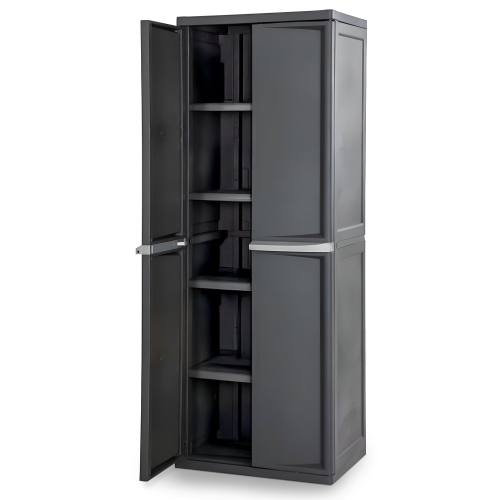 Your price for this item is $412.99
 -
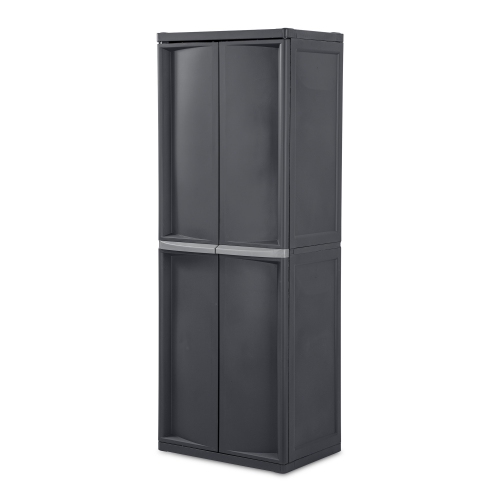 Your price for this item is $1530.99
 -
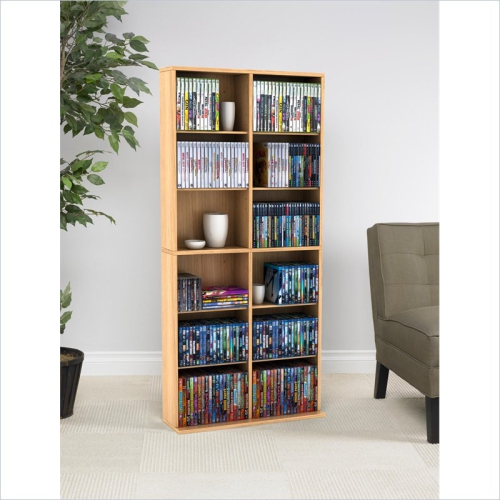 Your price for this item is $234.68
 -
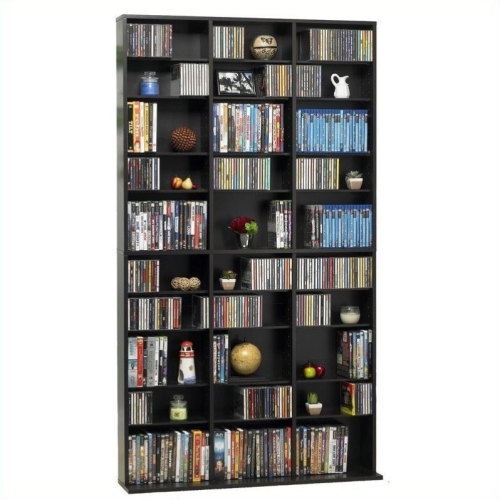 Your price for this item is $365.38
 -
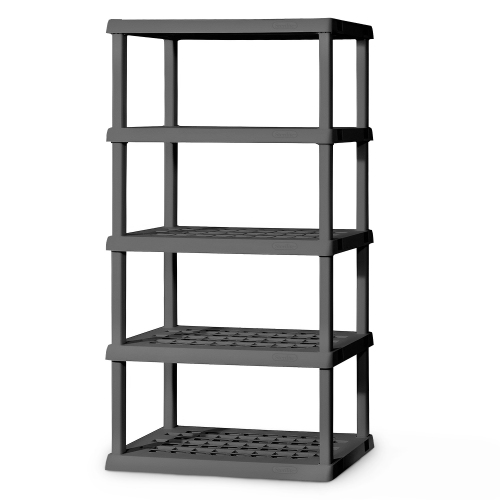 Your price for this item is $320.99
 -
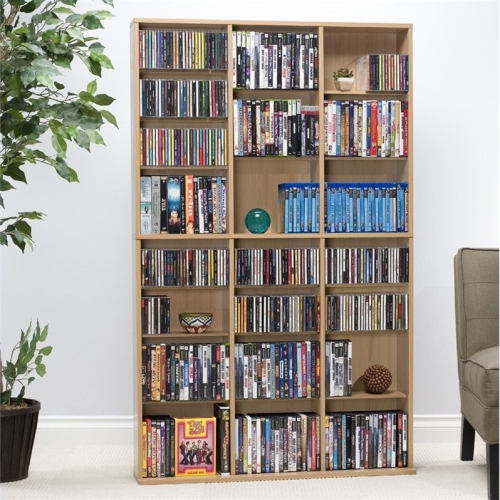 Your price for this item is $295.84
 -
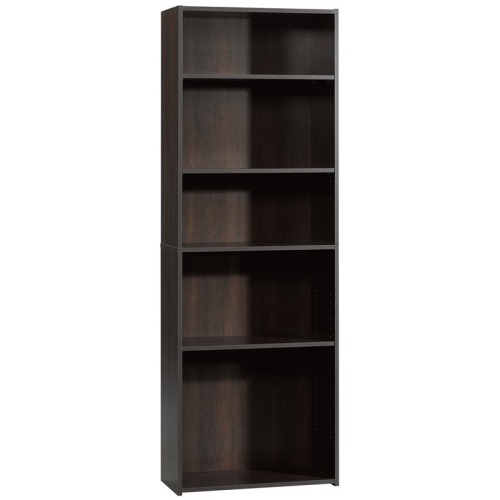 Your price for this item is $227.8
 -
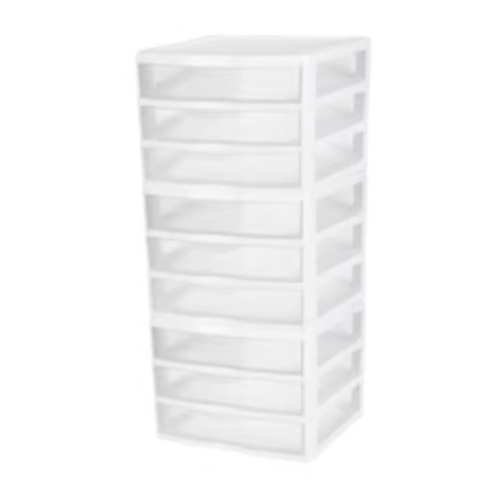 Your price for this item is $127.99
Discover more categories related to Small Bookshelf for Nursery
Top Collections:
Pokemon Centers, Best Cameras for Sports Photography, Kindle Devices, Samsung Galaxy Phones, Canon G7X Cameras, Pokémon 30th Celebration Cards, Refurbished Apple Laptops, iPhone 15 Apple, Laptops for Students, Budget Smartphones
Some products may be subject to Environmental Handling Fees
(EHF) depending on your province.
Learn more about EHFs.