Large Glass Kitchen Storage Containers
Large glass kitchen storage containers offer a sleek and practical solution for organizing your pantry, fridge, or countertops. Perfect for storing a variety of ingredients, leftovers, or snacks, these containers help keep your kitchen tidy while making it easy to find what you need. With their clear glass design, you can quickly identify contents at a glance, streamlining meal prep and storage. Explore a wide selection of large glass kitchen storage containers to find the ideal options for your home’s organization needs.
Sort
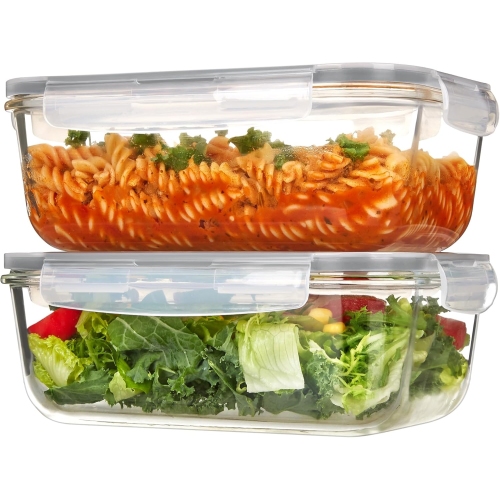
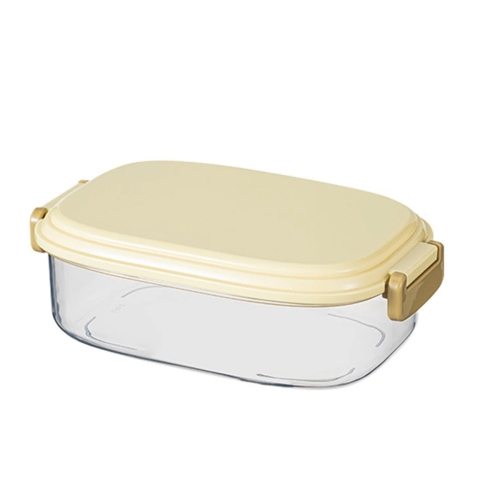
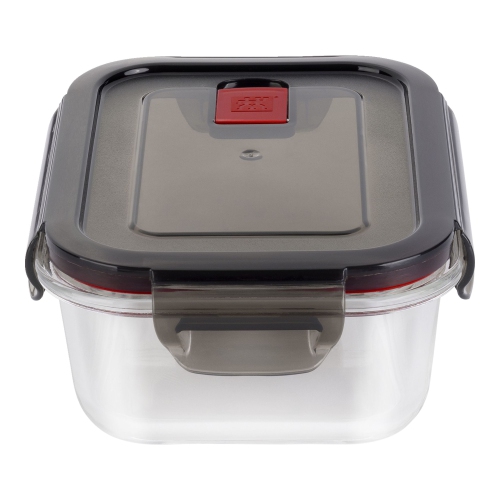
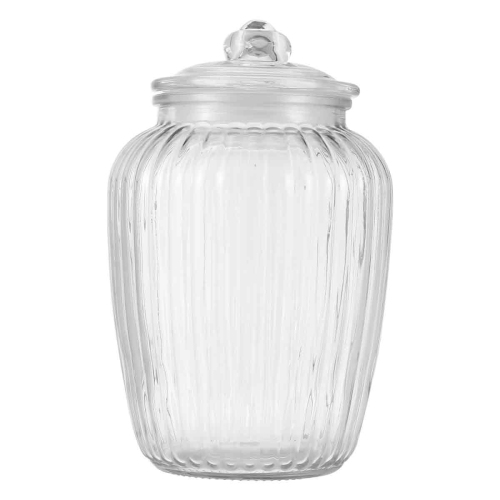

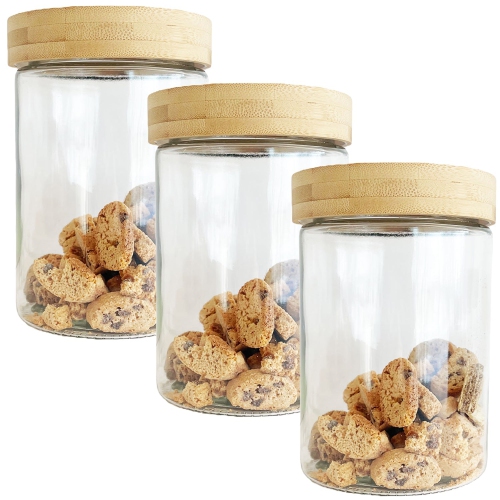
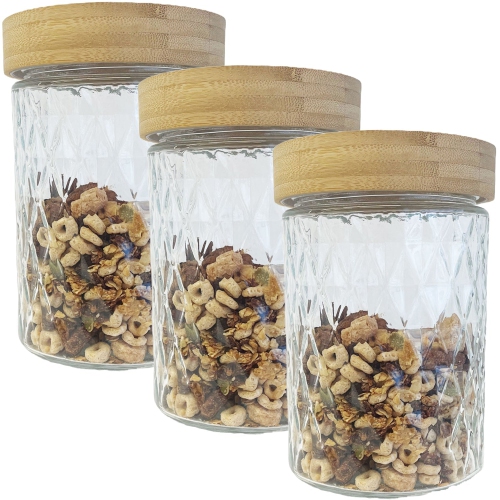
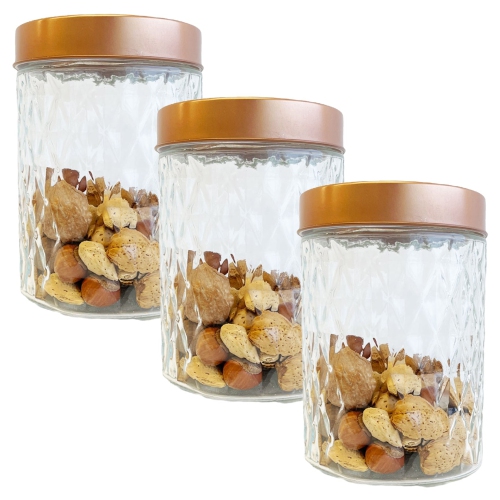
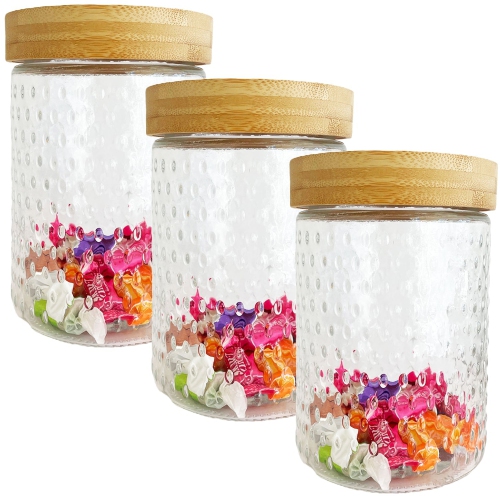
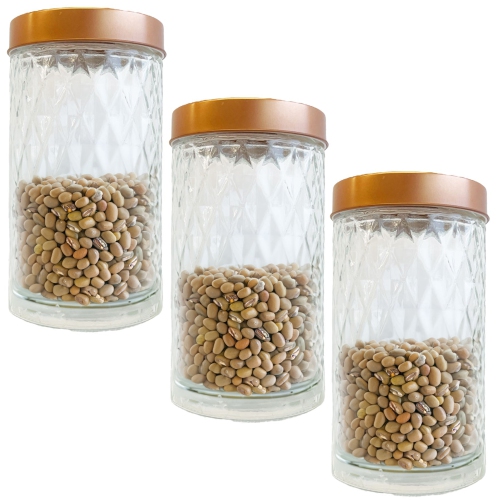
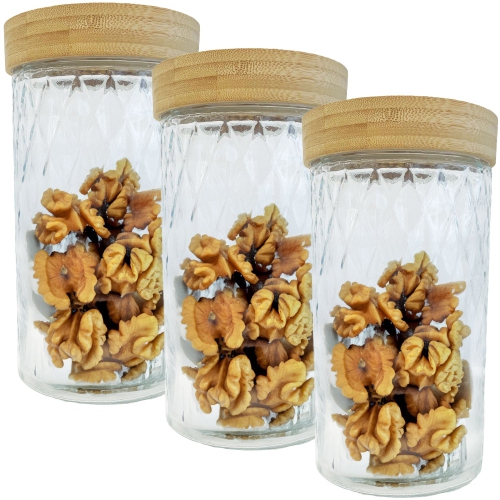
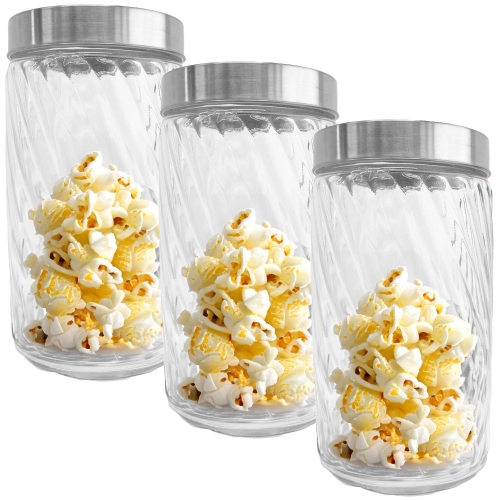
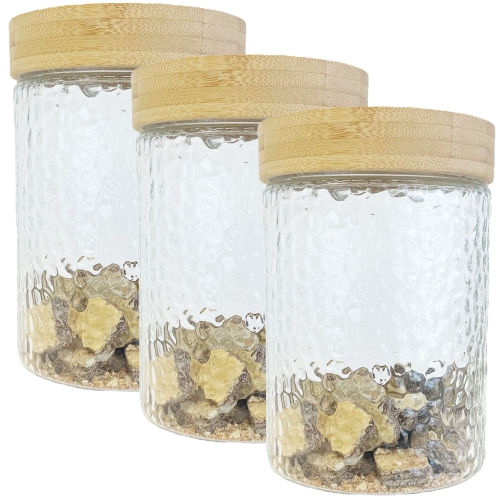
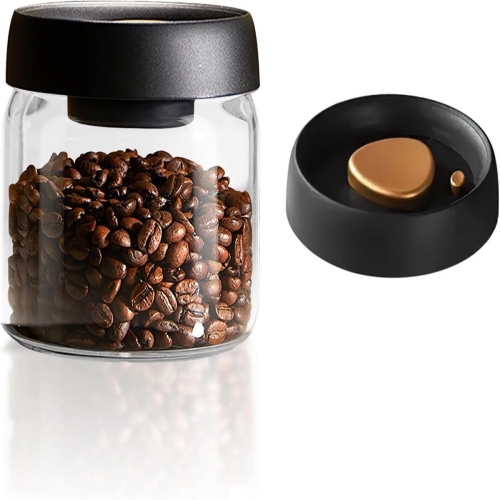
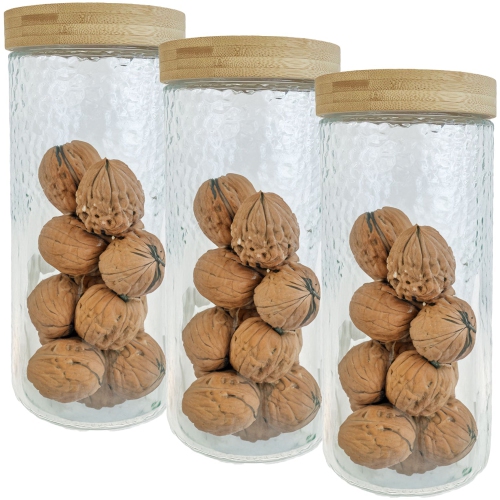
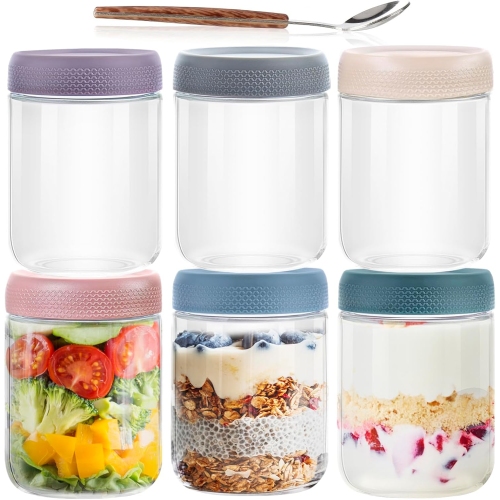
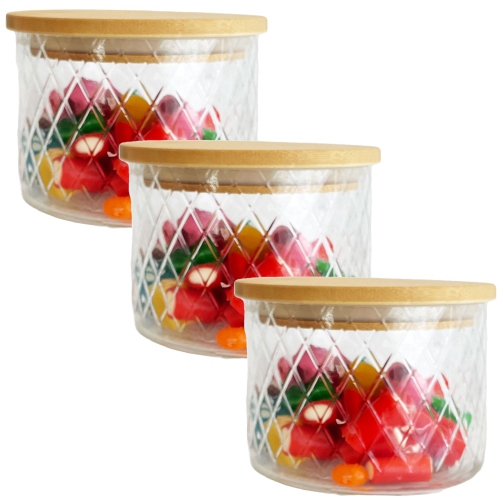
Room for the whole batch in a crowded fridge
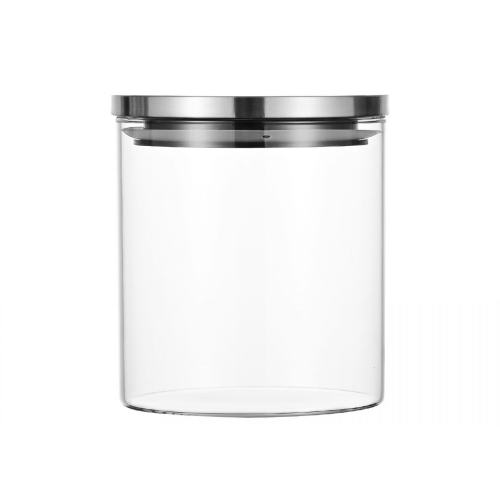
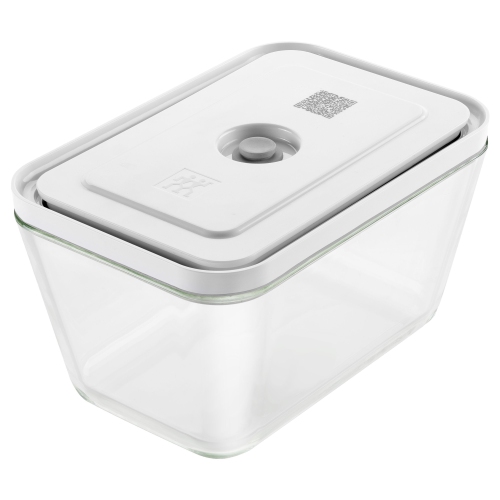
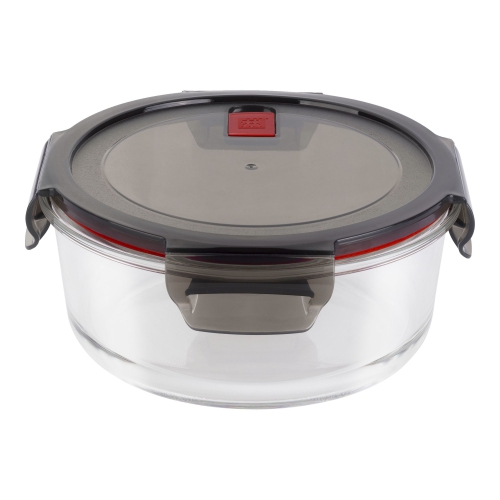
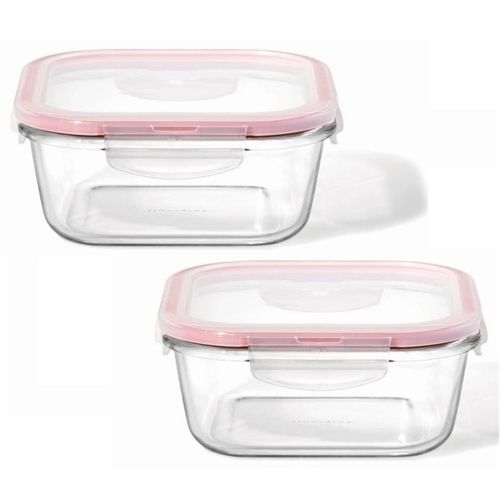
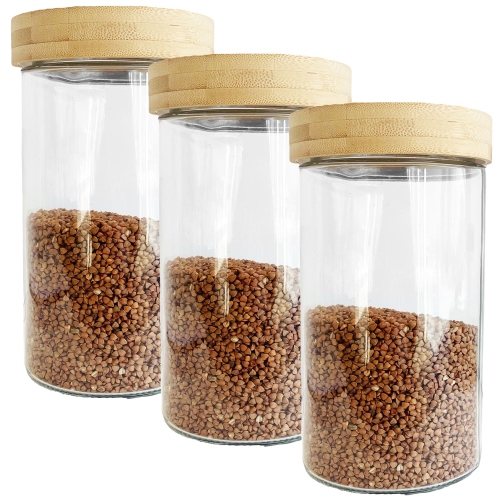
Large glass kitchen storage containers make room for foods that are awkward to divide among smaller dishes, from a whole batch of roasted vegetables to the leftover half of a lasagna. A wide, shallow container keeps pieces of lasagna in a single layer and leaves room to slide a spatula under each slice. A deeper container with a smaller footprint may be a better fit for rolled oats on a pantry shelf or a batch of chilli in a crowded fridge. Capacity in litres gives a sense of how much a container holds, but its outside dimensions determine whether it fits between the milk carton and the back of the fridge. Latches and rims can add width, and a lid needs enough clearance to lift off if the container is tucked under a low shelf. The size of the opening matters, too: a wide mouth makes it easier to scoop flour without knocking the measuring cup against the rim or to lift out a piece of baked pasta without breaking it apart. Rectangular and square containers generally make good use of shelf corners, while round ones are easy to stir in and have no corners to scrape when serving thicker foods. Clear sides help distinguish one batch from another without lifting the lid, particularly when several containers are lined up at eye level. Containers with lids designed for stacking can make better use of a tall shelf, although a large base can get heavy once it’s filled. A pair of smaller large-capacity containers may be easier to lift and fit side by side than one extra-deep dish, especially when only half the contents are needed at a time. For foods that go together at the table but keep better apart, a large dish of salad or grain bowls can sit next to Small Glass Storage Containers With Lids holding dressing, toasted nuts or sliced herbs.
Glass has a smooth, non-porous surface that is easy to wash and tends not to hold on to the colour of tomato sauce or the smell of chopped onions. The underside of a lid is a different story, particularly where a gasket meets the rim. A removable gasket can make it easier to wash out sauce that has worked its way into the groove, and letting both pieces dry before reassembly helps keep moisture from collecting there. Lid design also affects day-to-day use. A simple press-on lid may suit a dish that stays on a fridge shelf, whereas soup carried to a family dinner calls for a lid specifically rated as leakproof. Snap latches alone don’t establish that rating, and bits of food on the rim can interfere with the seal. Glass holds up well to regular washing and serving, but the rim can chip if it strikes the edge of a sink or another container. Using two hands for a full dish and avoiding a tight stack of nested bases can make large pieces easier to handle. Borosilicate glass expands less with changes in temperature than ordinary soda-lime glass, while tempered glass is treated to improve its strength. Neither description on its own says whether a dish can go straight from one appliance to another. Freezer, microwave, oven and dishwasher instructions can differ for the glass base, the lid and the gasket. An oven-safe base doesn’t make its lid oven-safe, and a hot dish can crack on contact with a cold or wet surface. For soup or stock stored in a container approved for freezer use, leaving some room above the liquid allows it to expand. A dish that goes from fridge to table may never need to see the inside of an oven, so a lid that opens comfortably and a shape that washes easily can matter more than a long list of appliance uses.
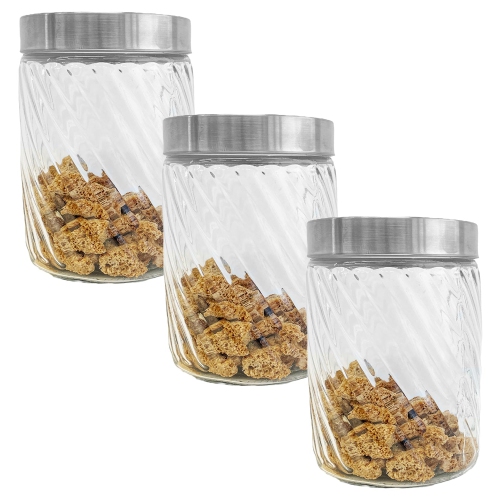
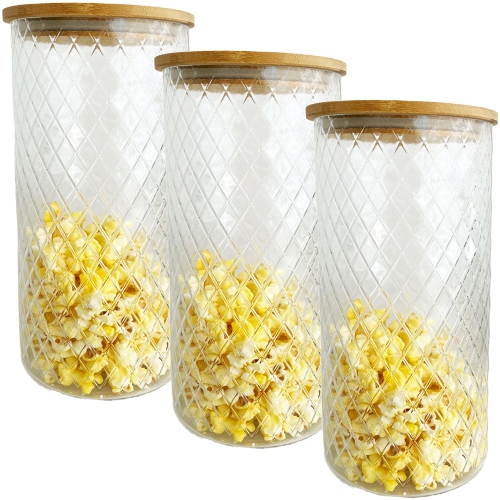
The most useful size for a household often comes down to what gets cooked in batches and how it gets served. A family that makes a big pot of rice to go with several meals might use one wide container that’s easy to reach into with a serving spoon. Someone who packs lunches may prefer to keep the main batch at home and portion it out as needed rather than carry a heavy glass dish every day. For a shared meal, a broad container can hold a layered dip or rows of cut fruit and go straight onto the table, saving the trouble of transferring food to another dish. A lid that leaves clearance above the food helps keep a dip’s toppings from sticking to the underside, while sides that angle outward can make it easier for guests to scoop out a serving. In a pantry, the priorities are different: a container for dry cereal or breadcrumbs benefits from a well-fitting lid, a broad opening and a base that sits securely on the shelf. Clear glass makes it easy to see when there’s enough left for a recipe without pulling the whole container down. Where cupboard space is shared with mixing bowls and baking dishes, bases that nest without wedging together can be useful, provided there’s a place nearby to store the lids flat or on edge. Large glass storage containers can also make a practical housewarming gift for someone setting up a kitchen or for a home cook who regularly sends guests away with leftovers. Matching containers with interchangeable lids can spare a search through the cupboard after dinner, while a mix of shallow and deep shapes makes sense for someone who alternates between sheet-pan meals and big pots of stew. A shape that suits the food, fits the shelf and feels manageable when full is more likely to earn a regular place in the kitchen than one chosen for capacity alone.
Top selling and popular products
-
 Your price for this item is $15.99
-
 Your price for this item is $19.99
-
 Your price for this item is $3.99
-
 Your price for this item is $7.99
-
 Your price for this item is $99
-
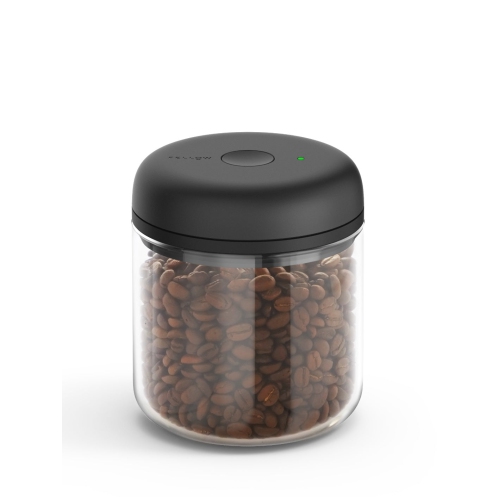 Your price for this item is $99
-
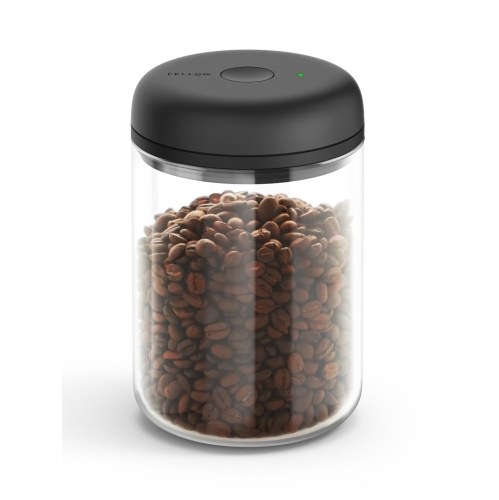 Your price for this item is $109
-
 Your price for this item is $80.99
Discover more categories related to Large Glass Kitchen Storage Containers
Top Collections:
Best Black Friday Deals This Year, Best Black Friday Deals On Electronics, Kindle Devices, Best Black Friday Deals On Apple Products, Best Budget Office Chairs, Best Cameras for Sports Photography, Dyson Airwrap, Canon G7X Cameras, Best Laptops for Writers, Samsung Galaxy Phones
Some products may be subject to Environmental Handling Fees
(EHF) depending on your province.
Learn more about EHFs.