Small Metal Shelves
A small metal shelf is a great way to add storage space to any room in your home. It can be used as a bookshelf, a place to display items, or as a surface for storing items. Here are some great options for small metal shelves.
Sort
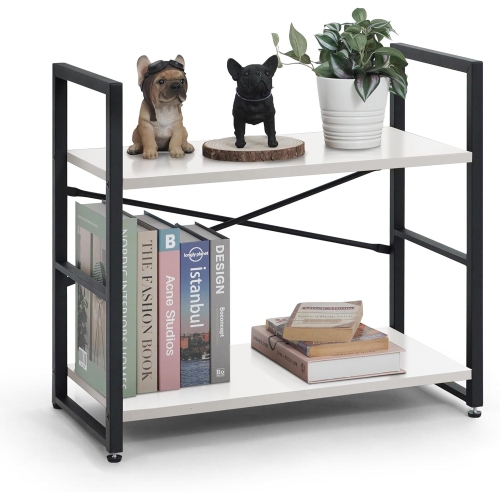
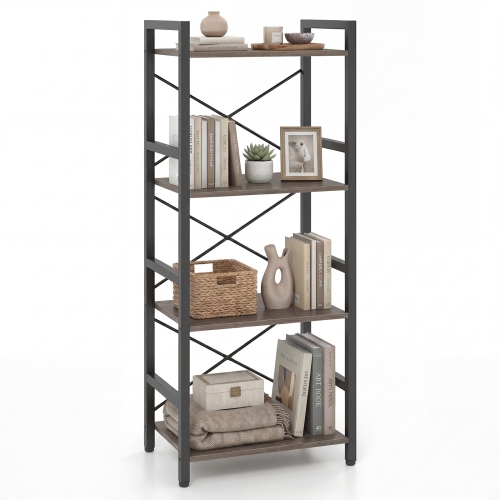
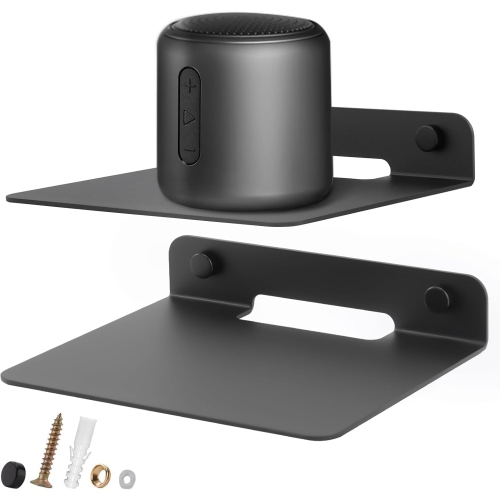
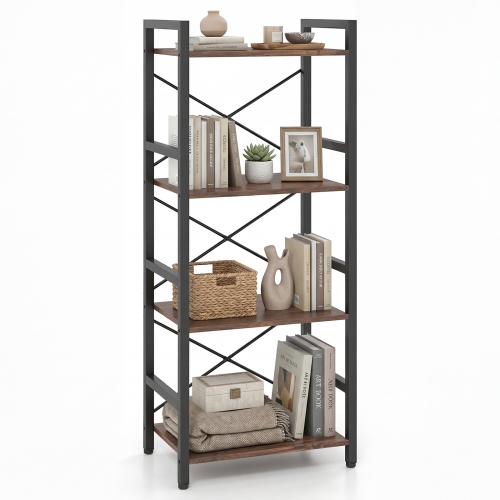
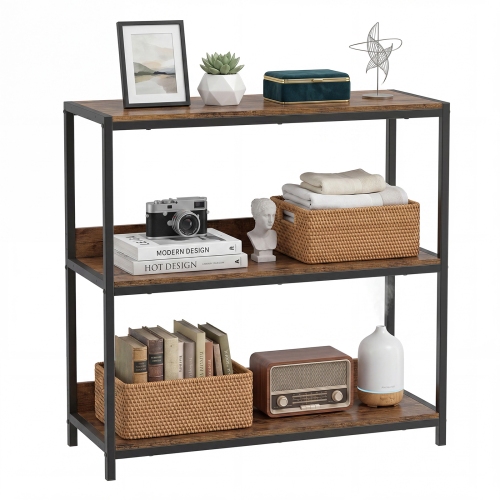
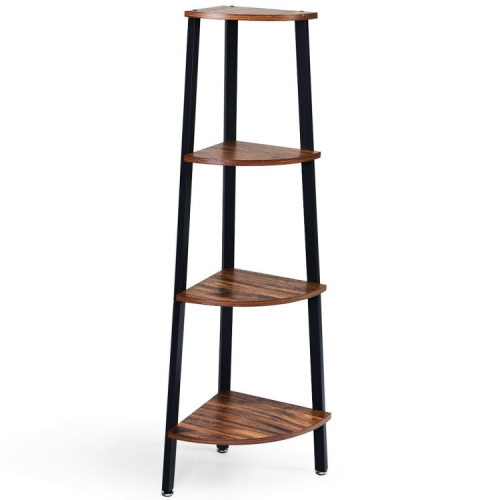
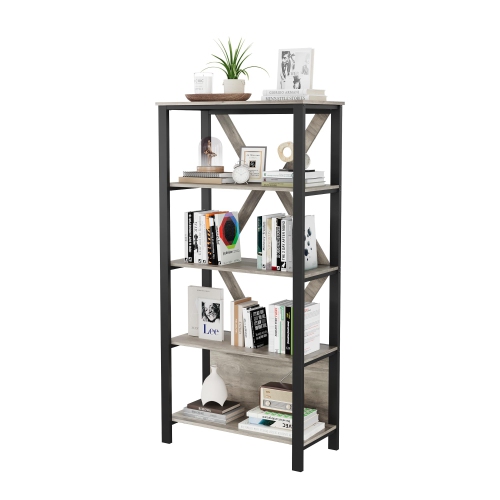
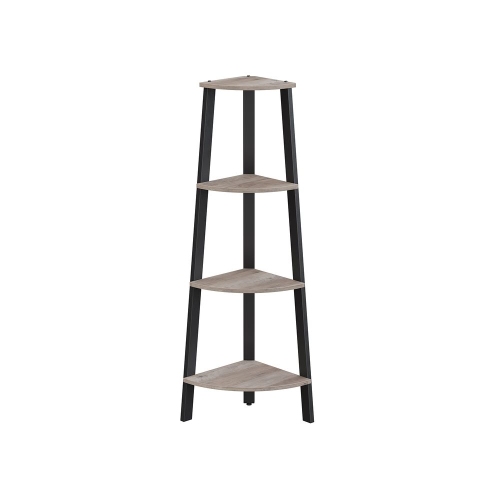
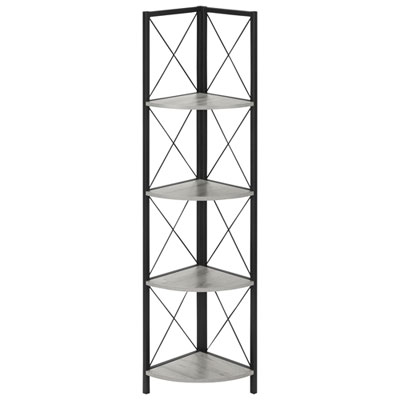
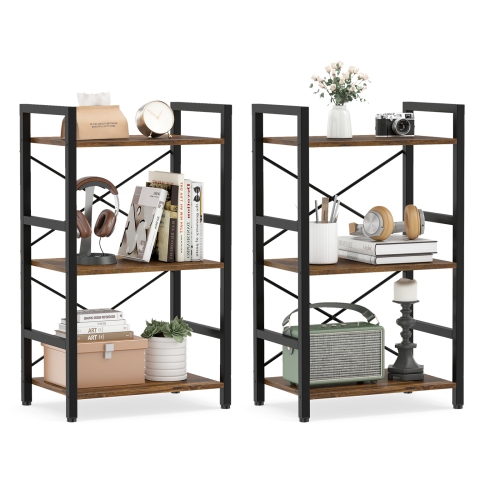
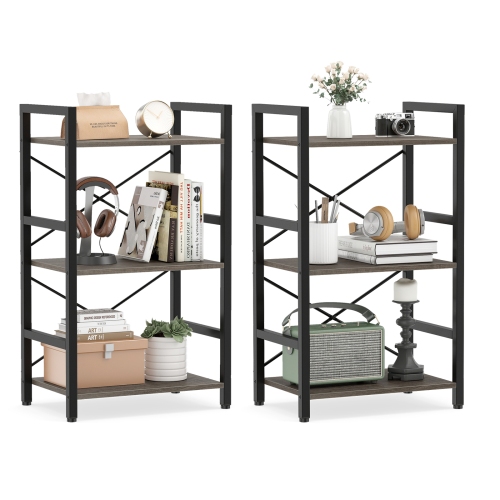
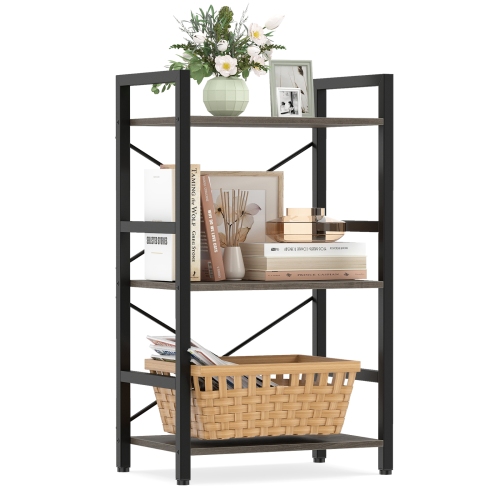
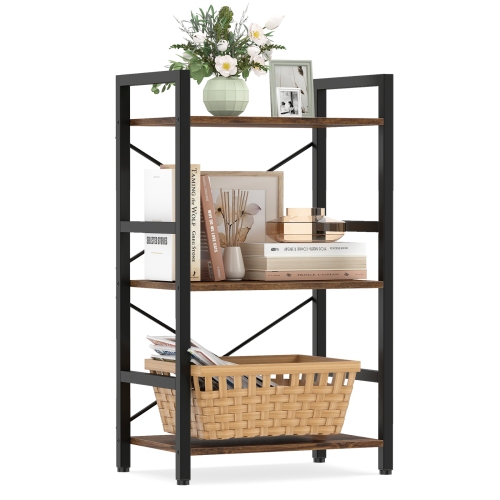
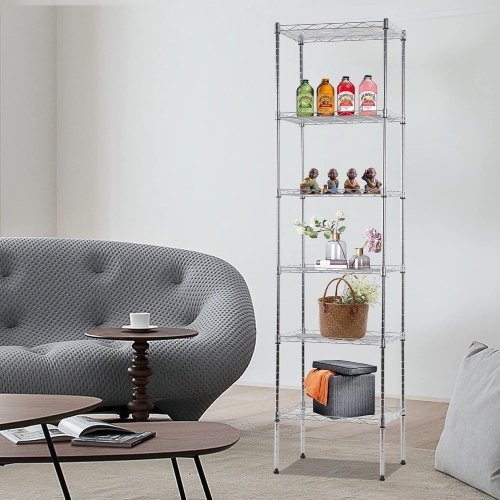
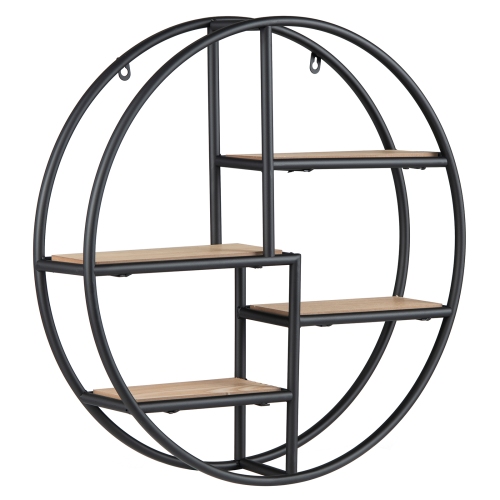
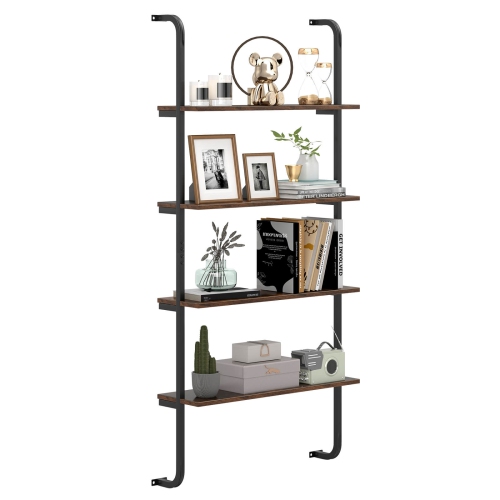
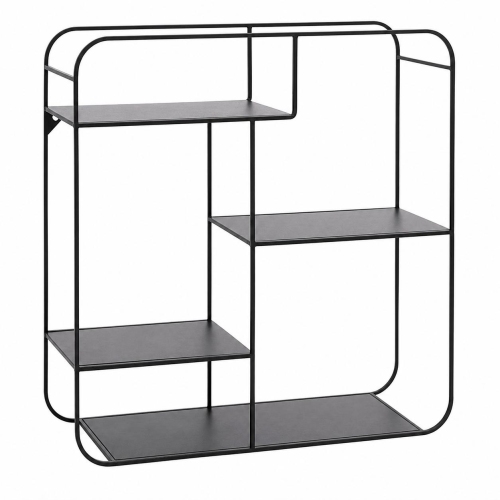
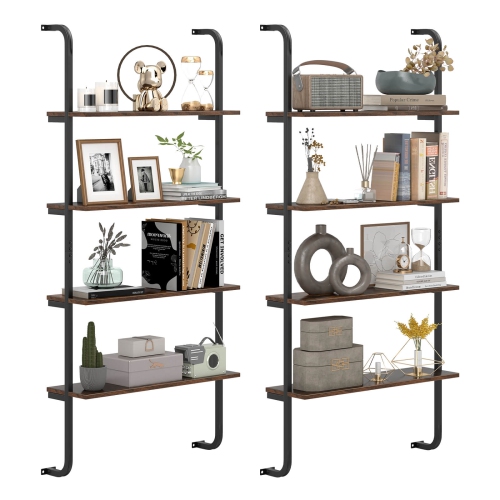
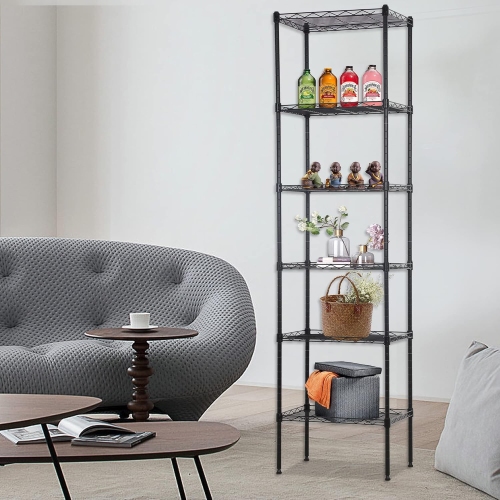
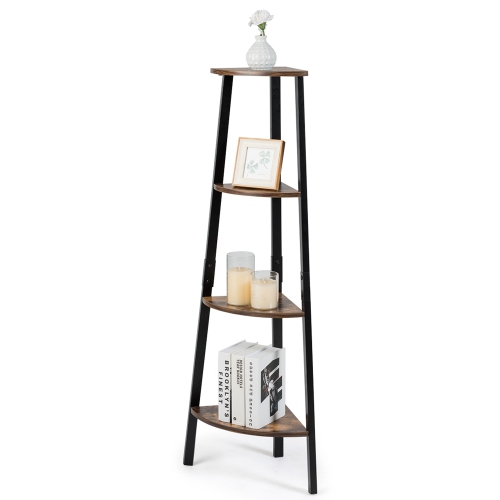
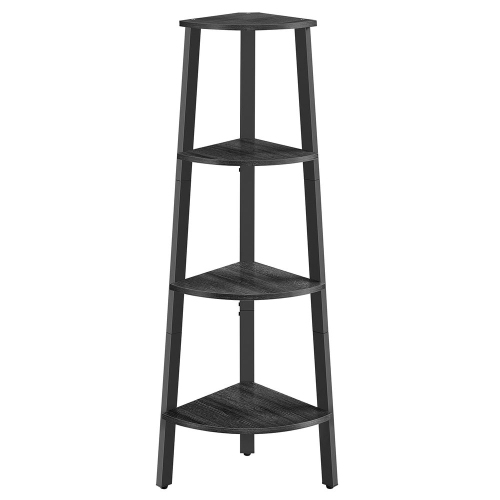
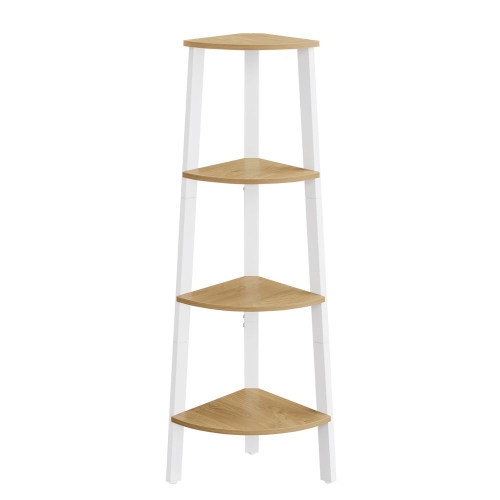
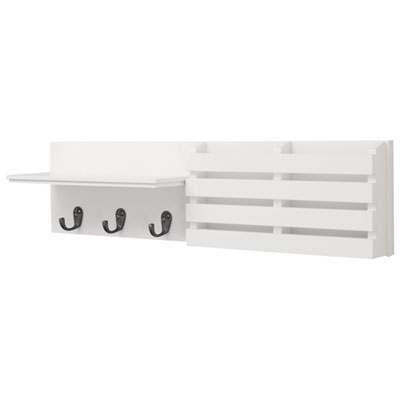
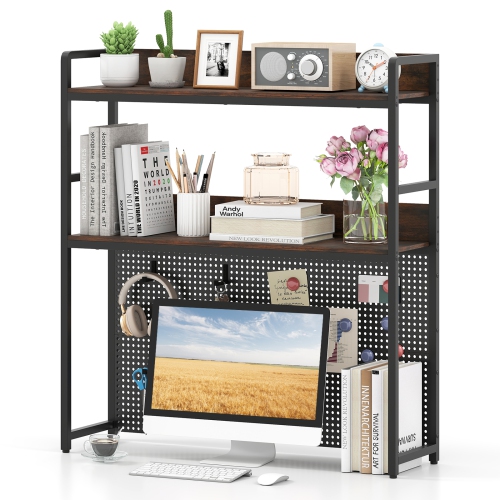

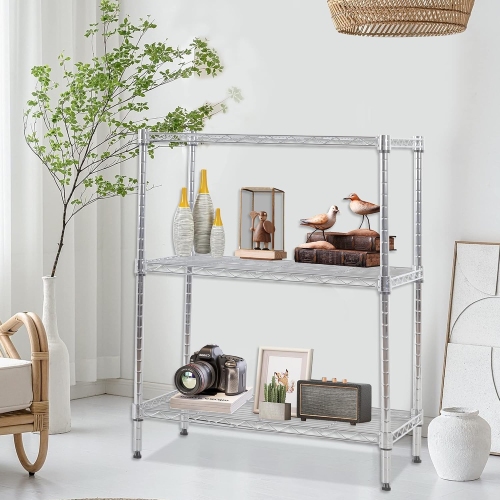
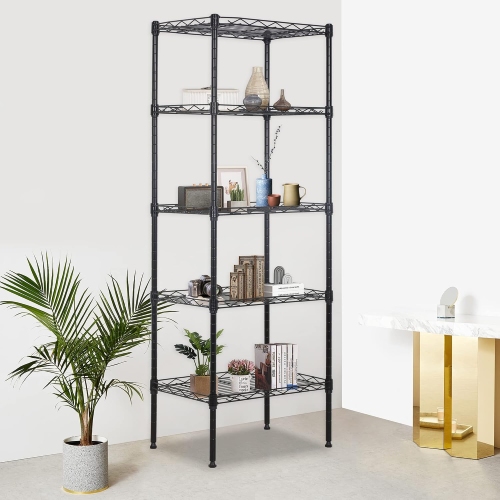
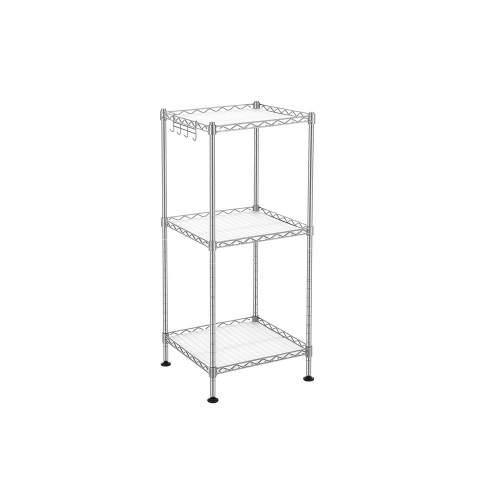
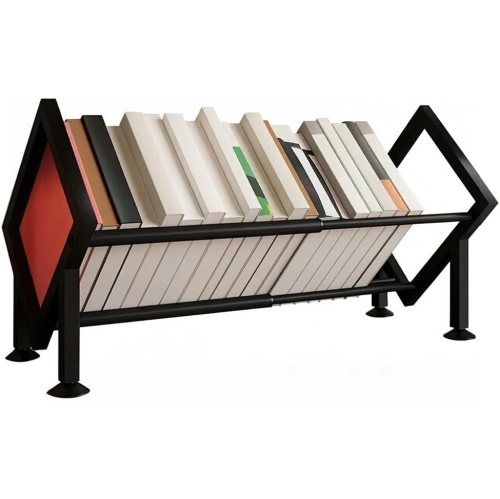

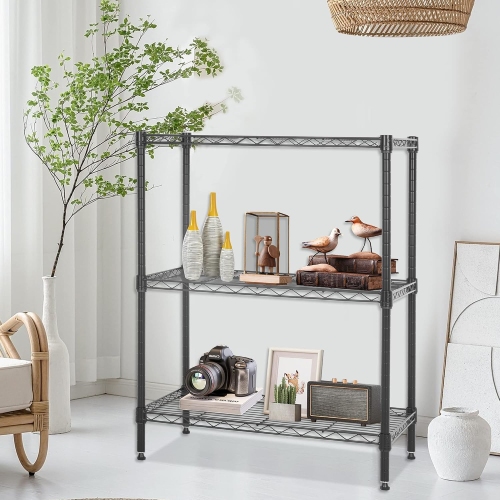
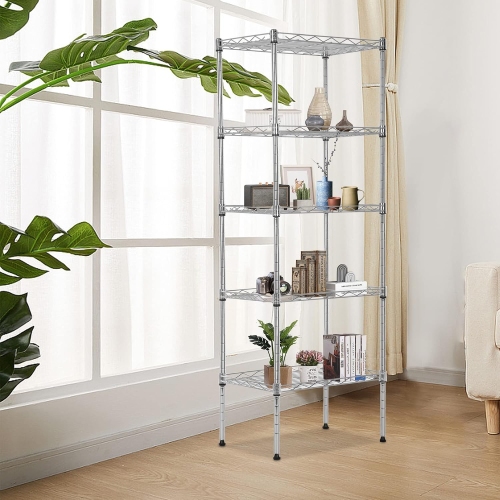
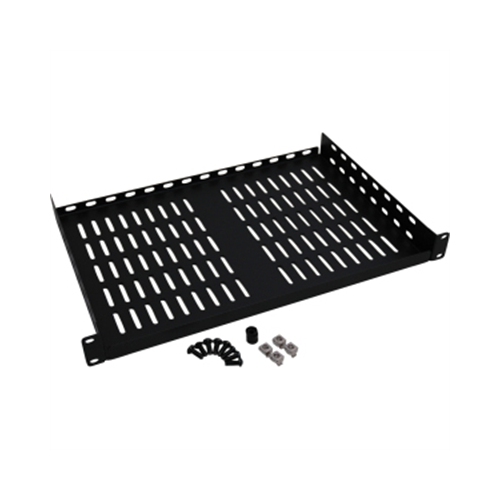
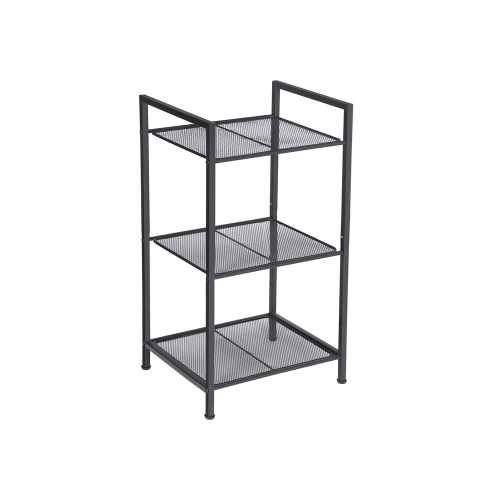
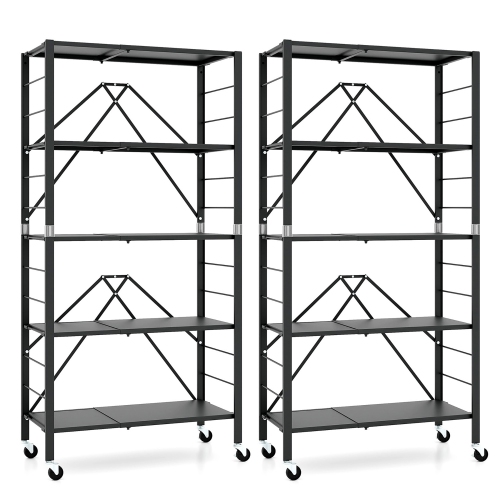
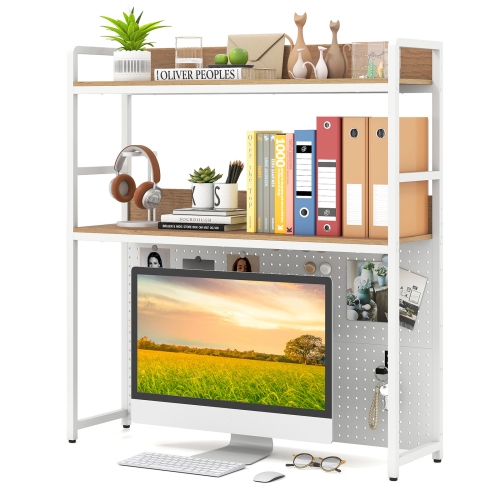
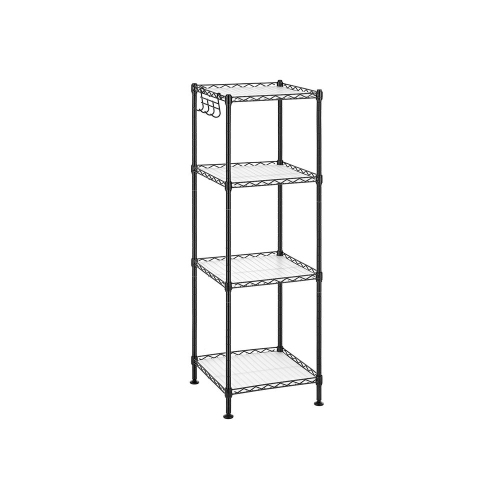
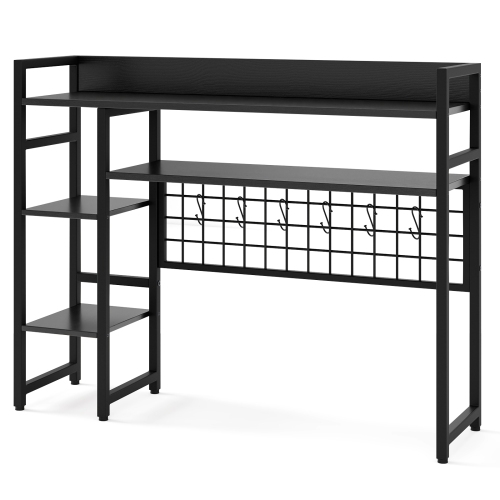
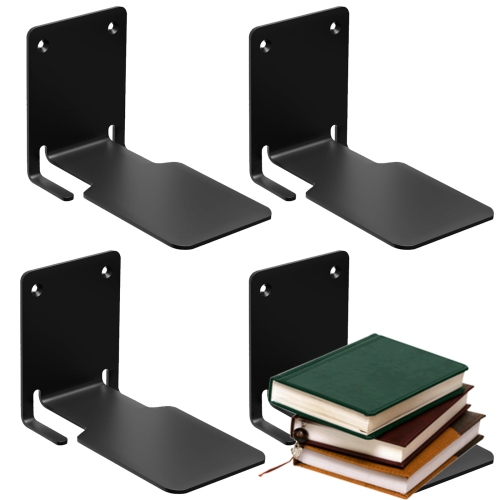
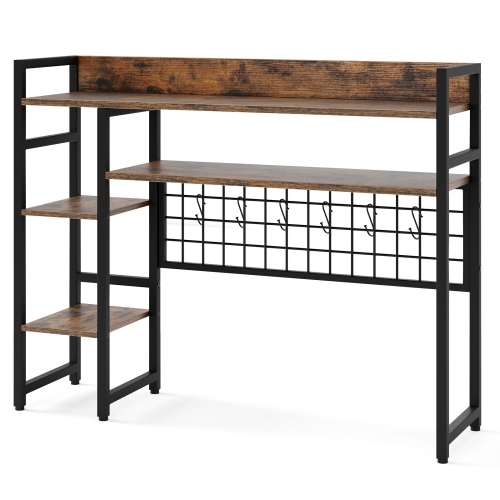
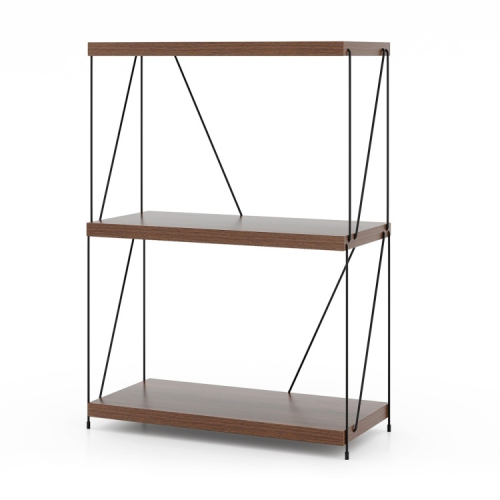
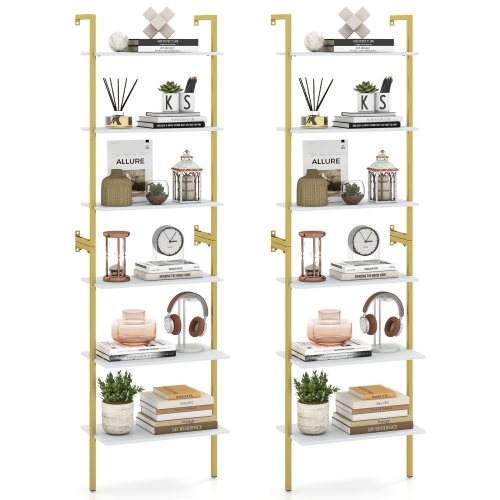
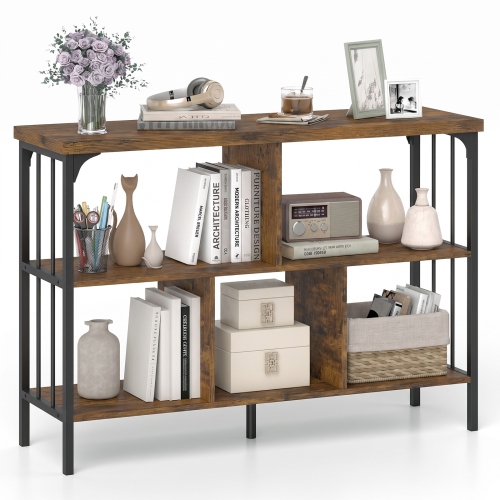
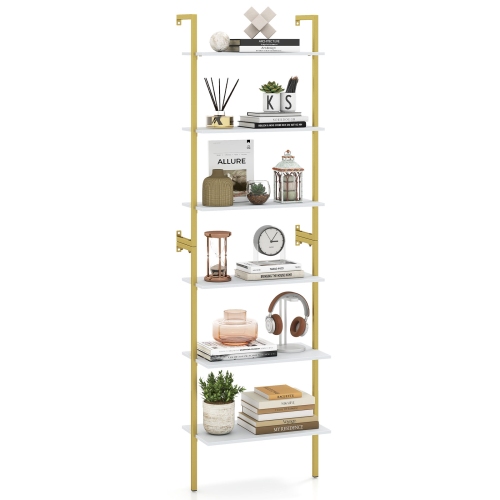
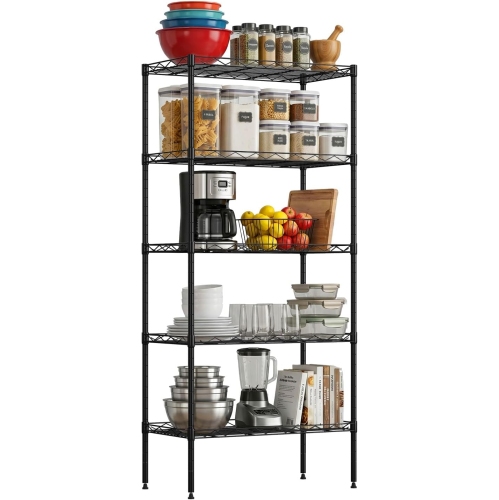
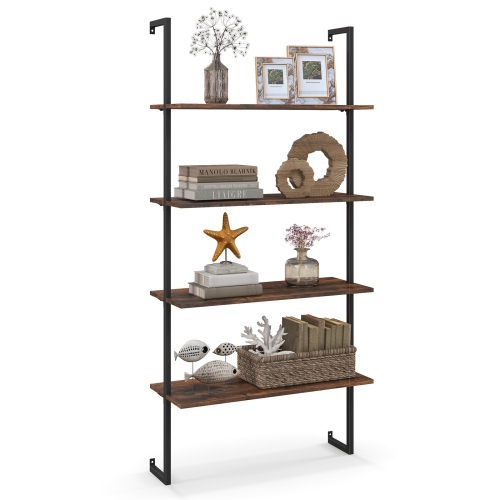
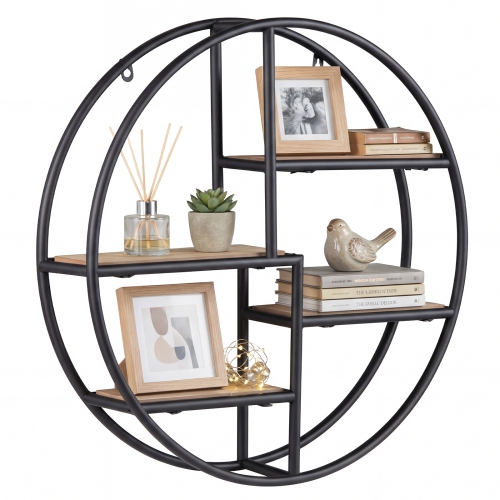
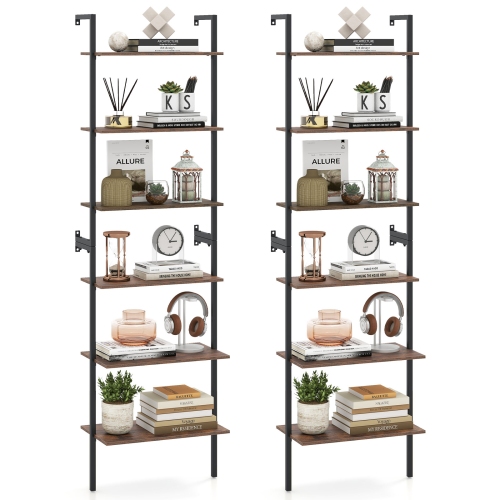
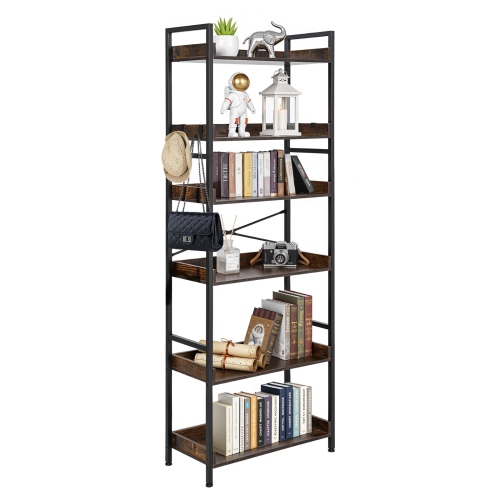
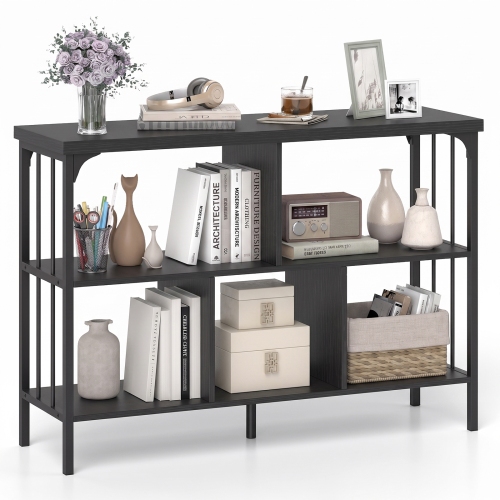
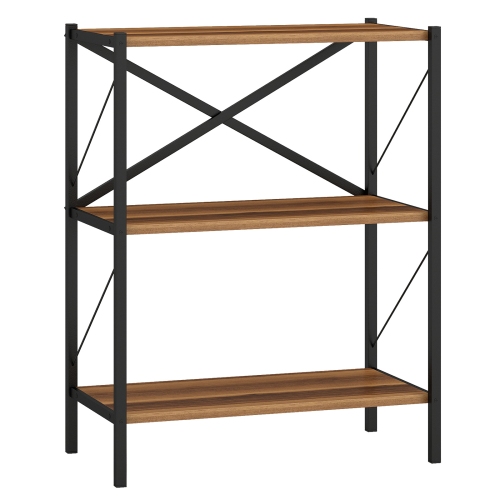
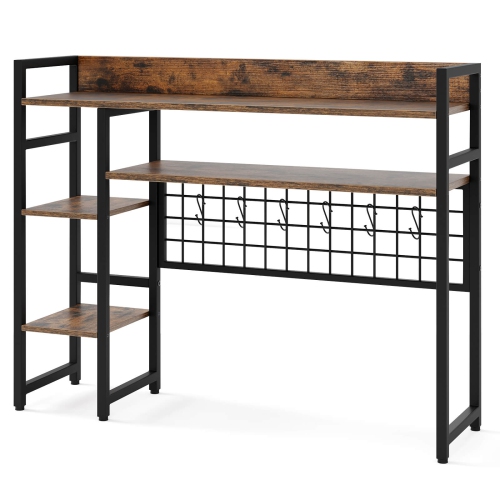
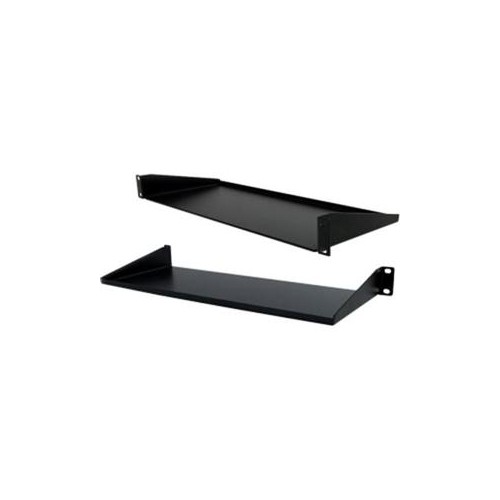

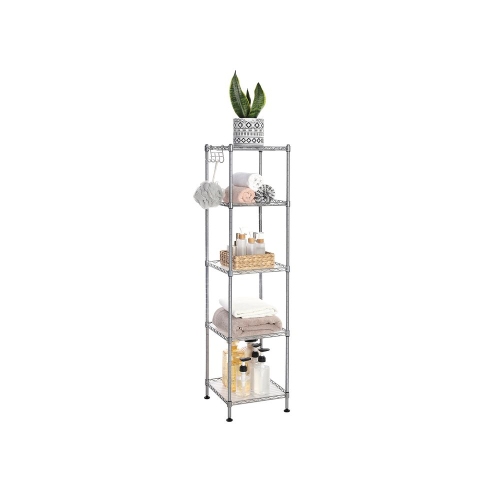
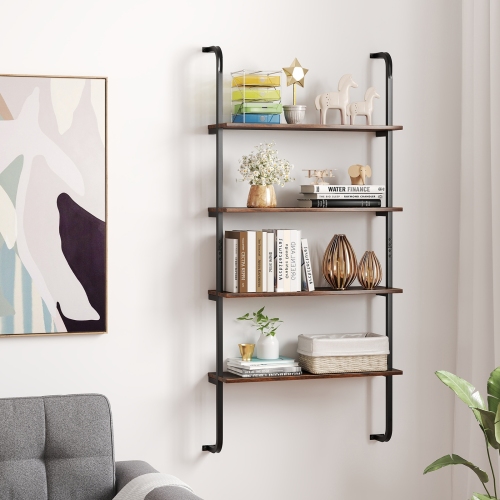
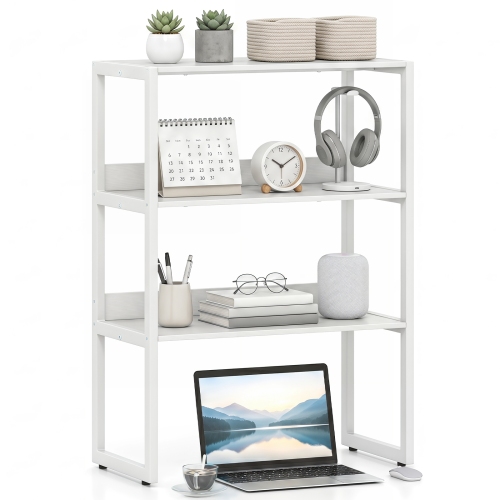
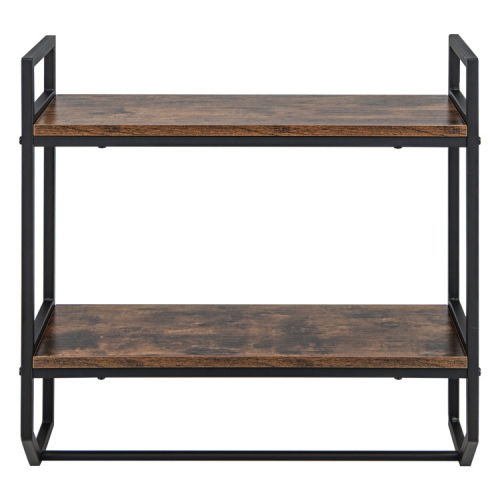
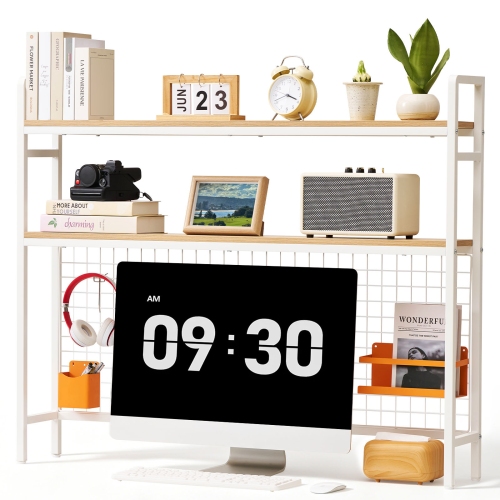
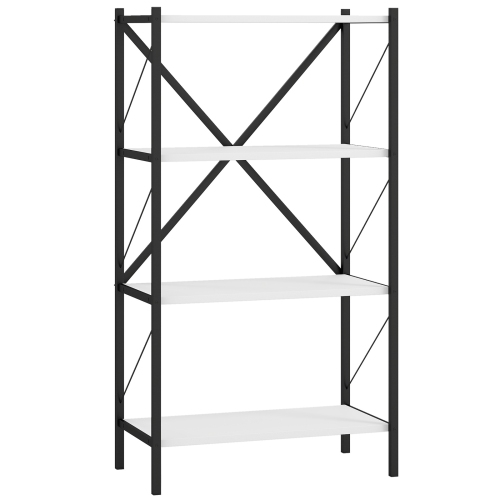
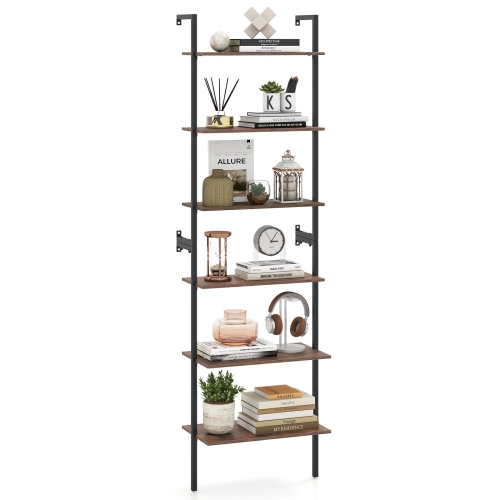
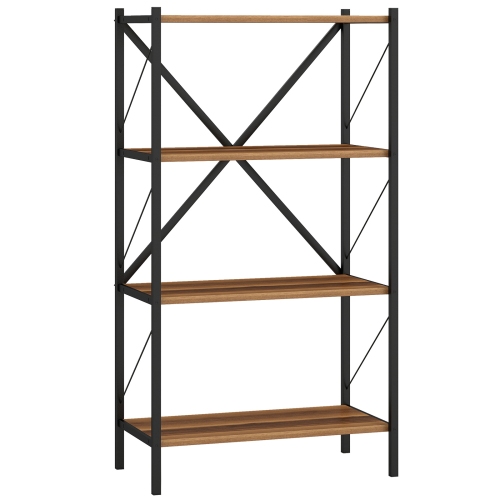
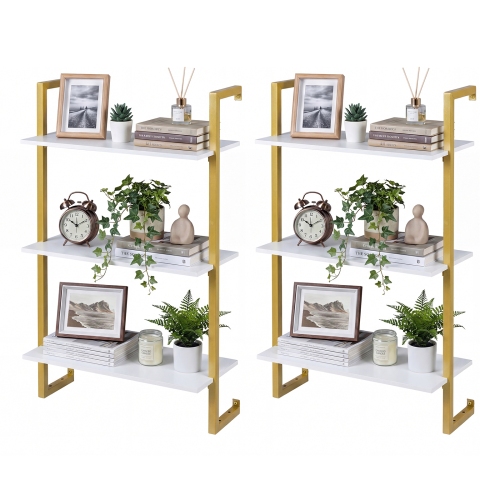
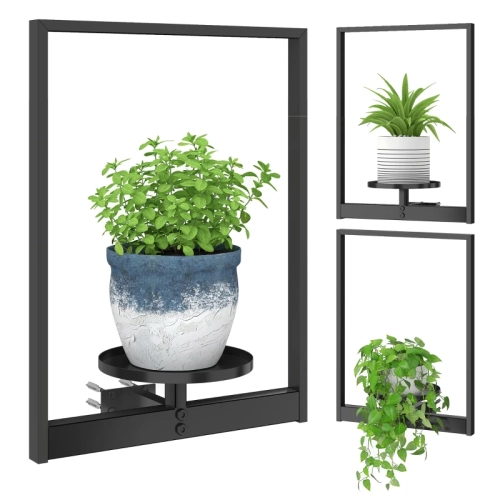
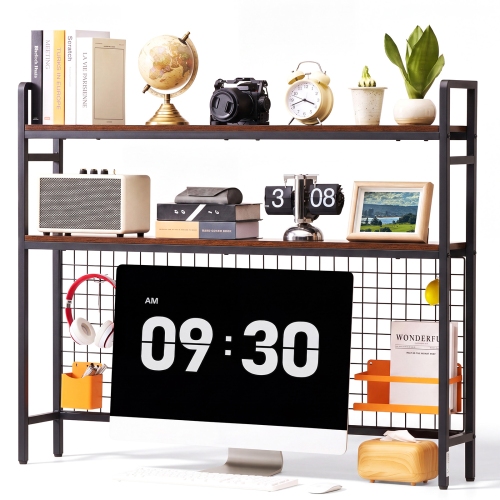
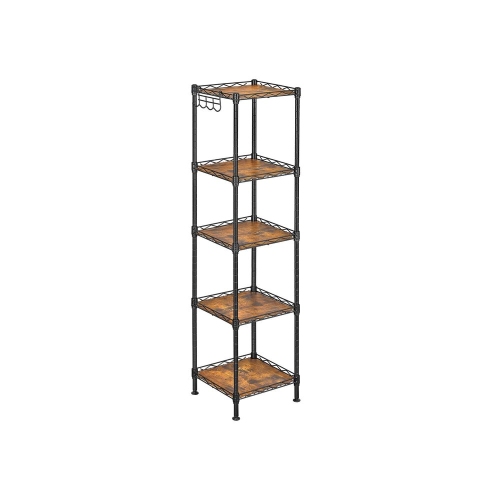
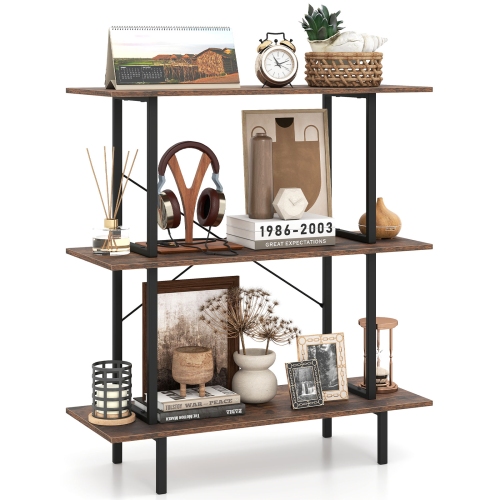
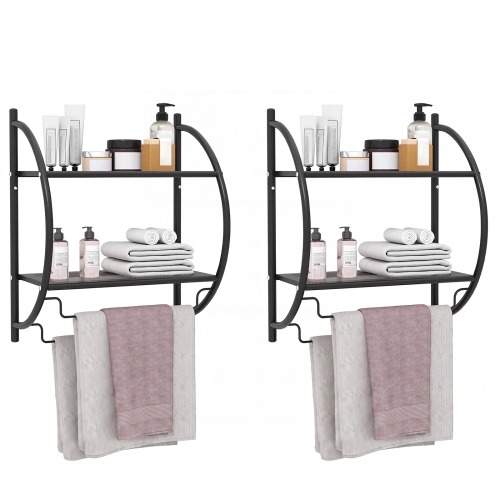
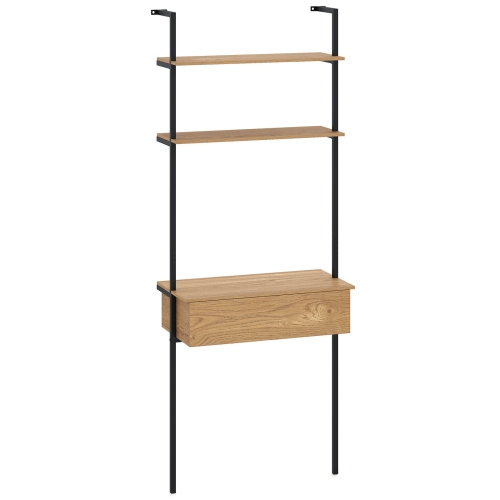
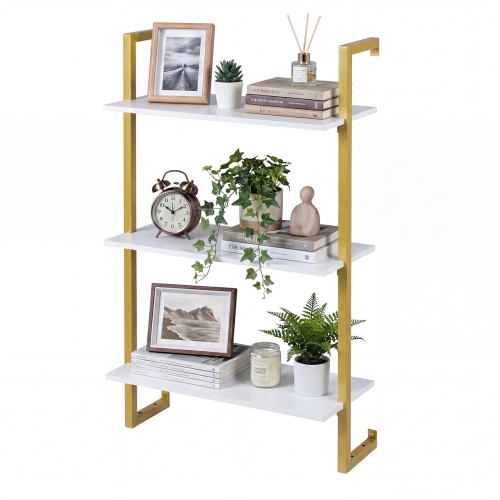
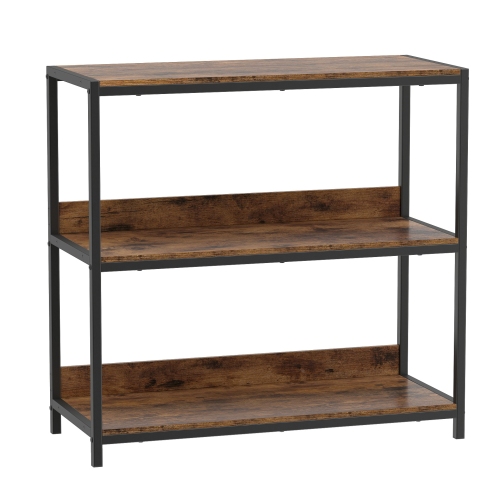
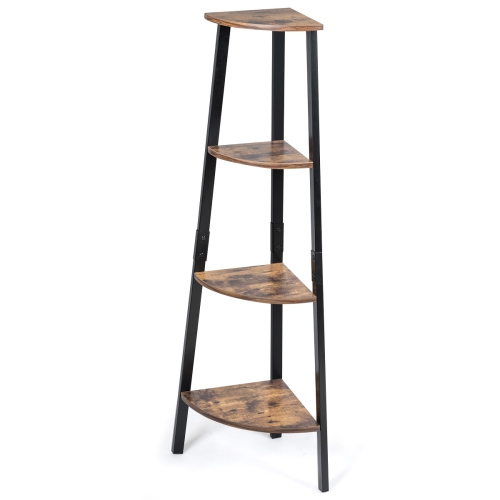
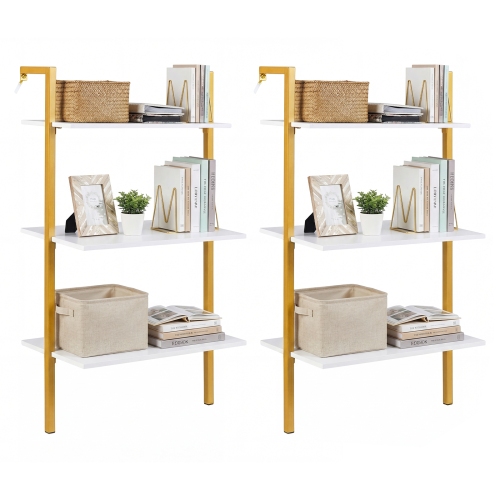
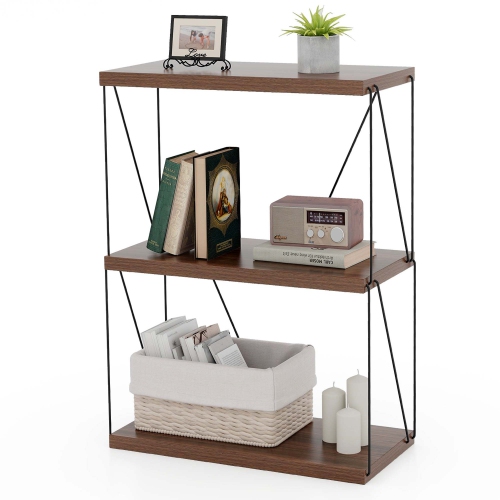
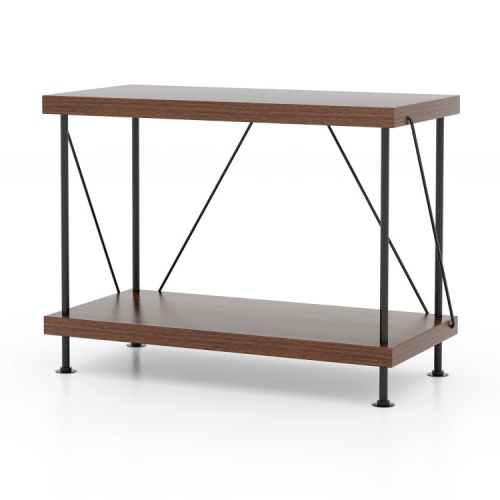
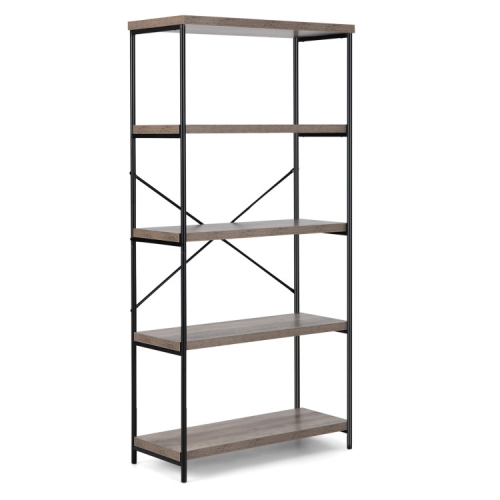
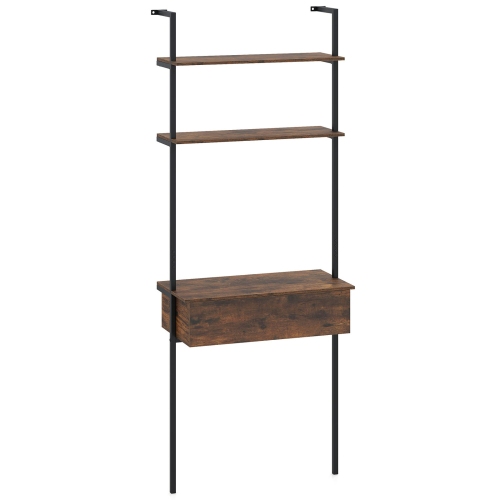
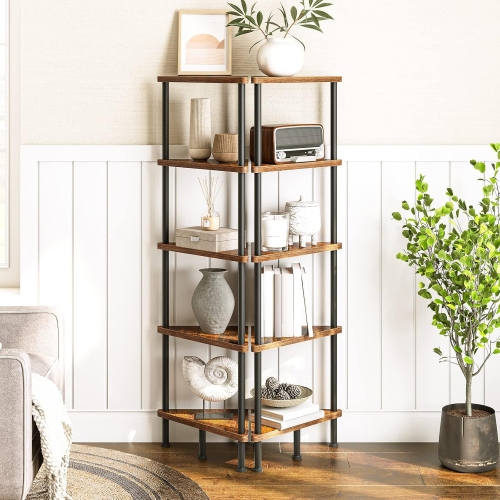
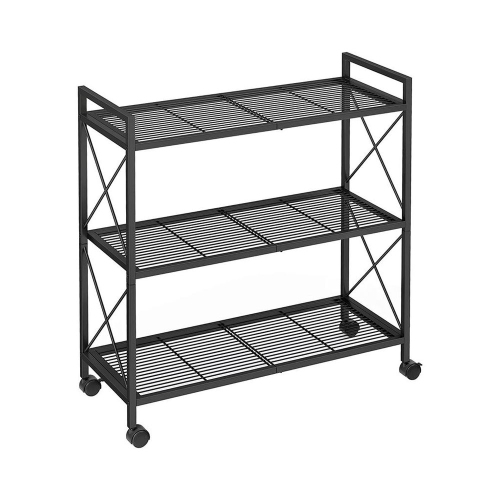
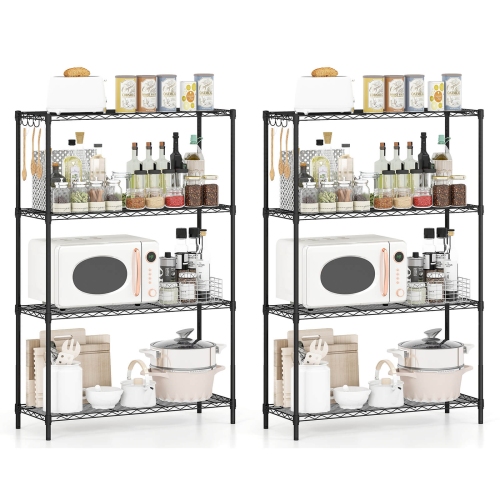
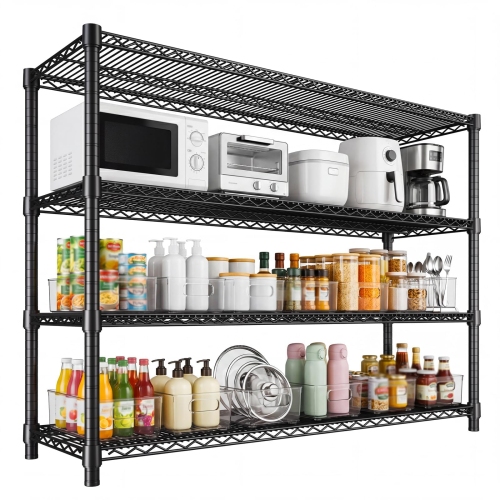
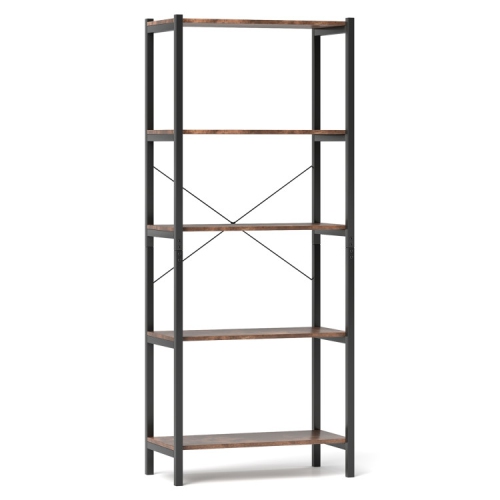
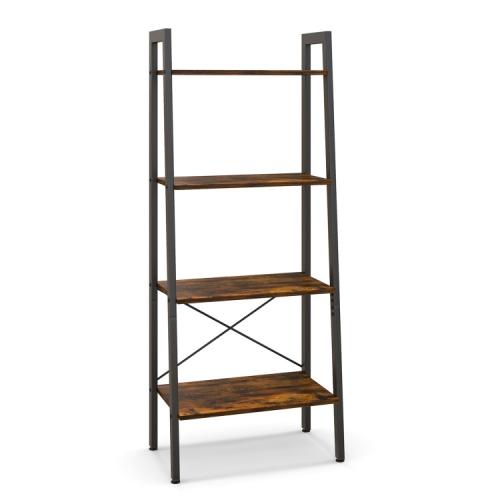
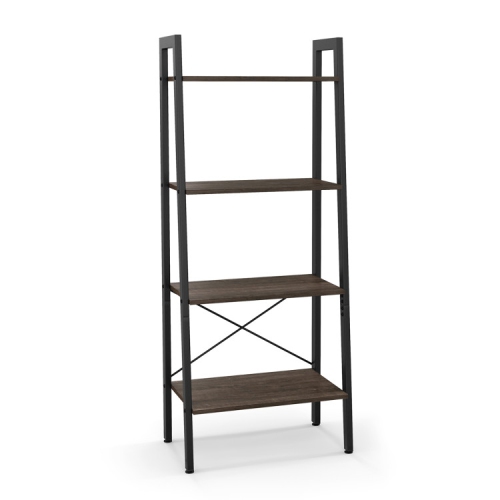
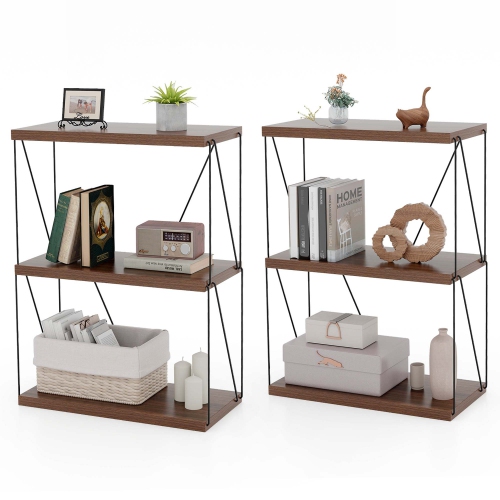
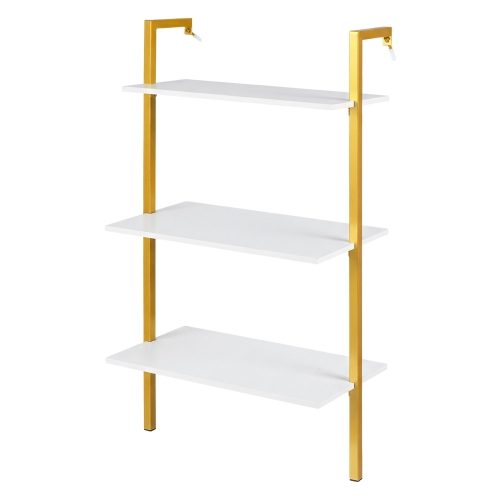
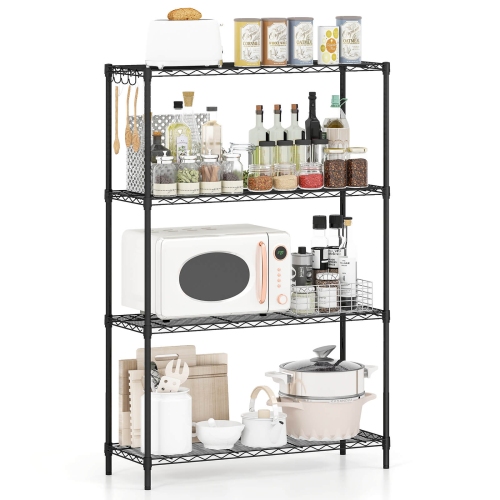
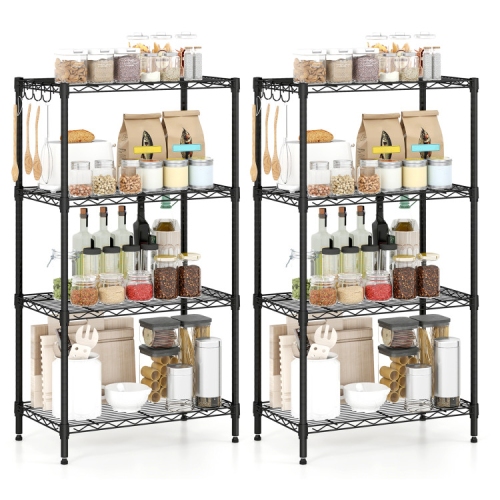
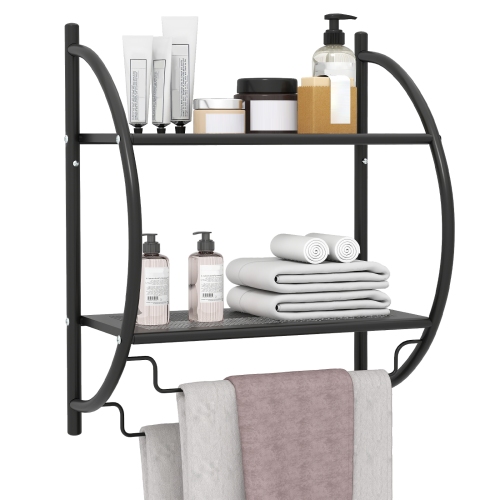
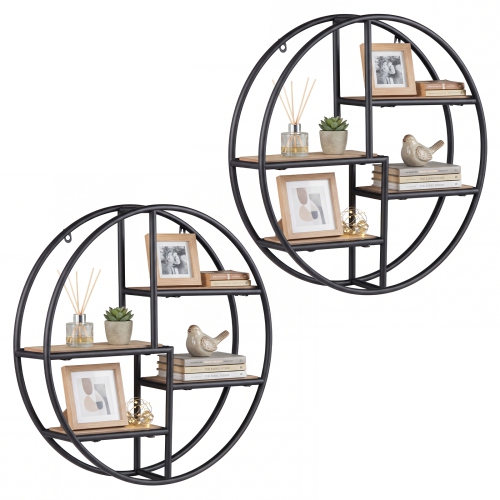
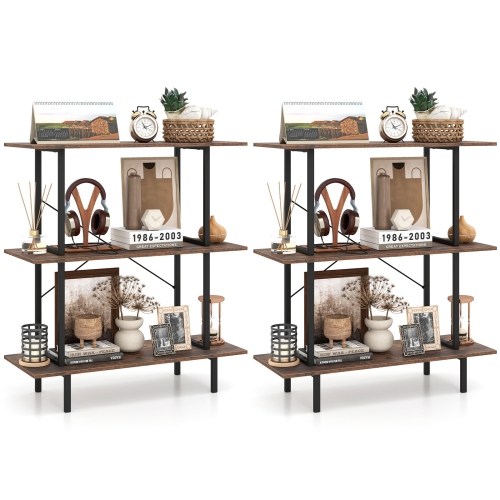
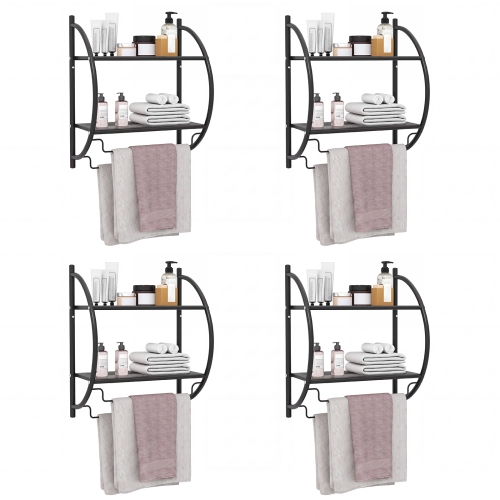
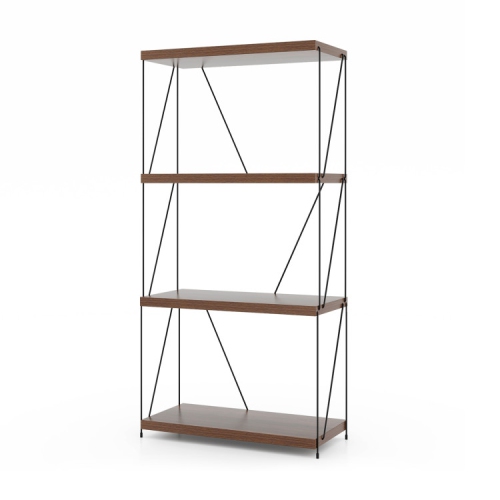
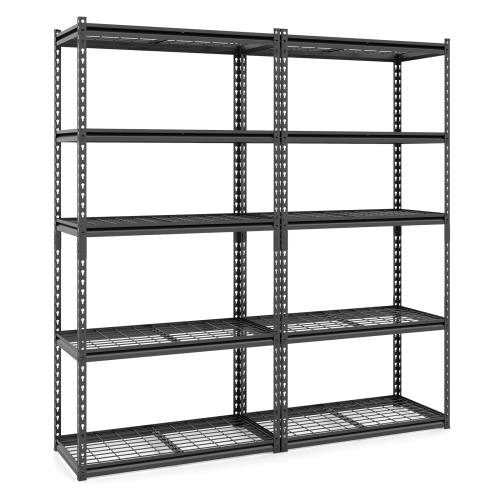
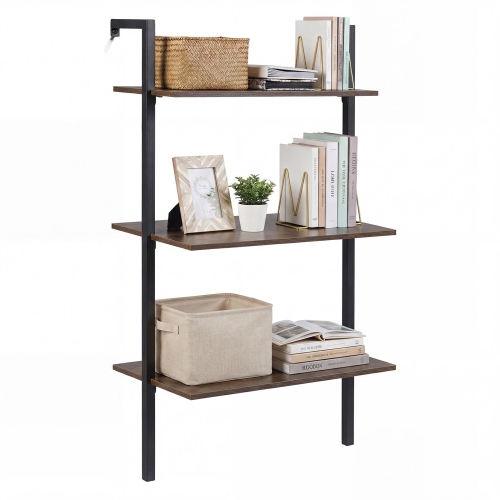
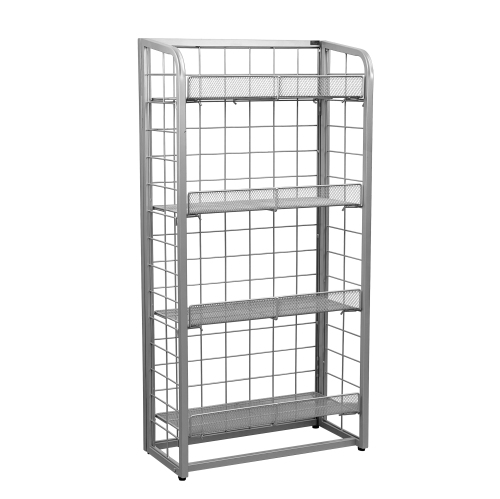
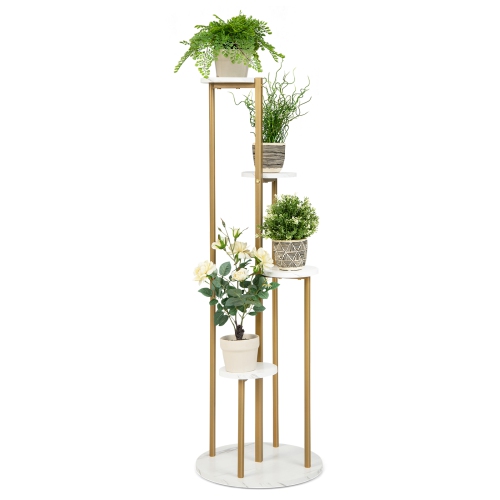
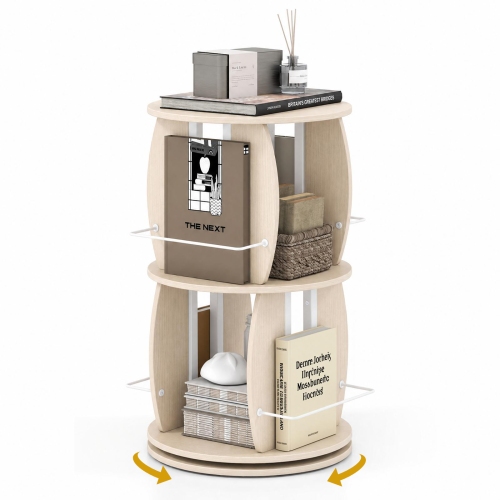
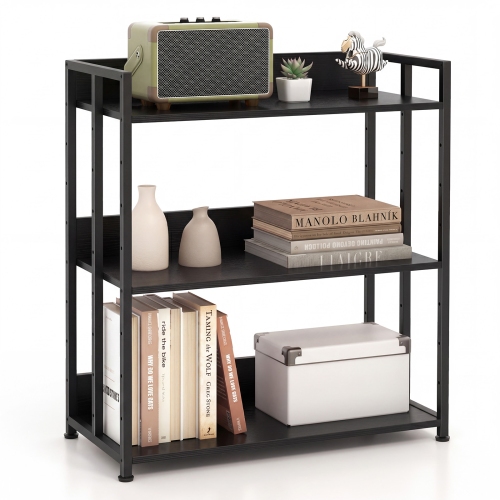
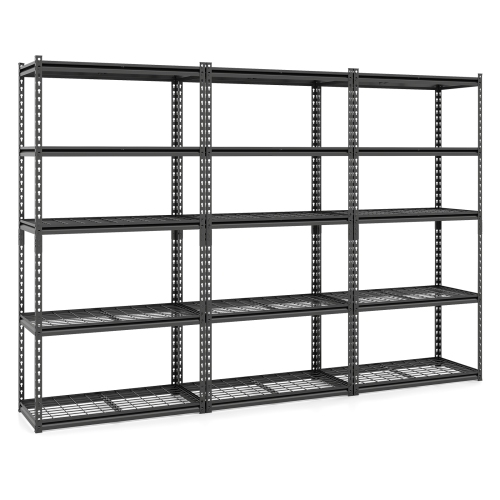
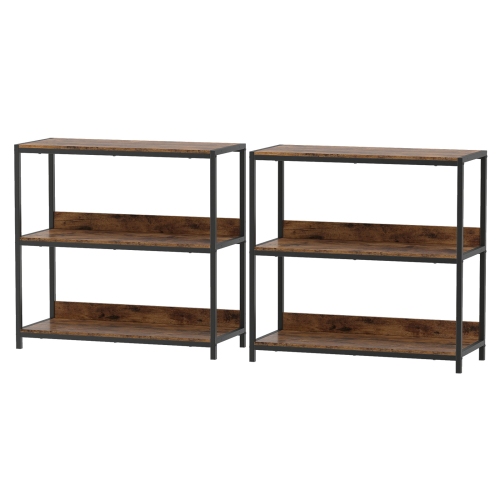
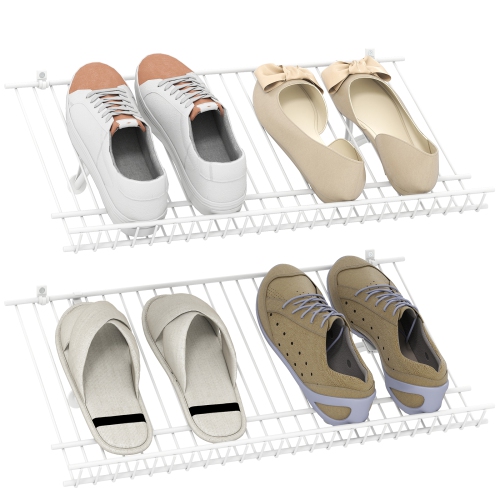
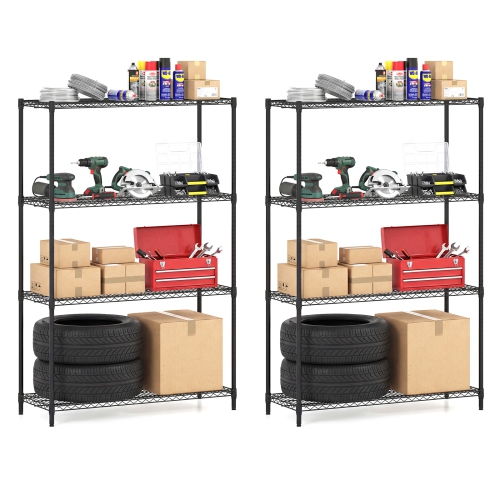
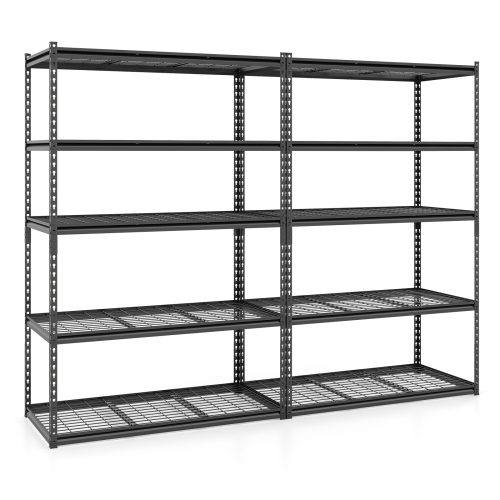
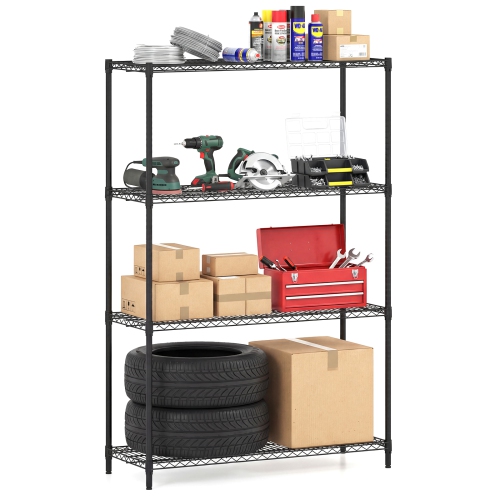
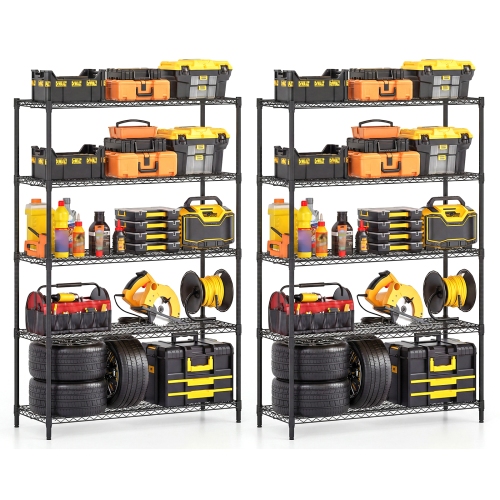
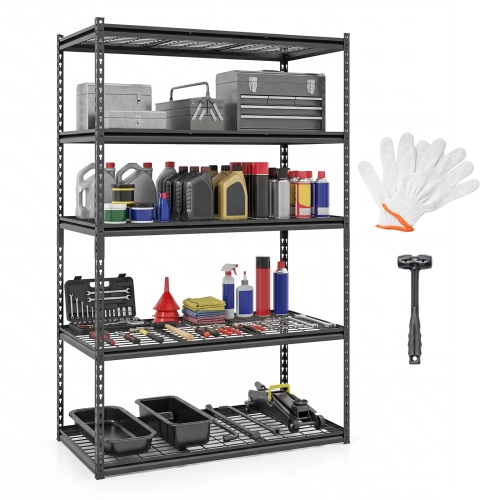

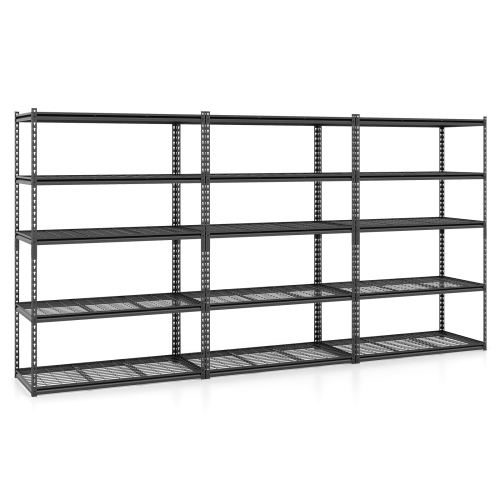
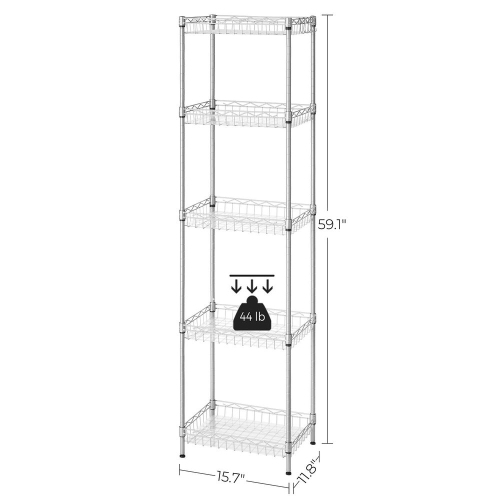
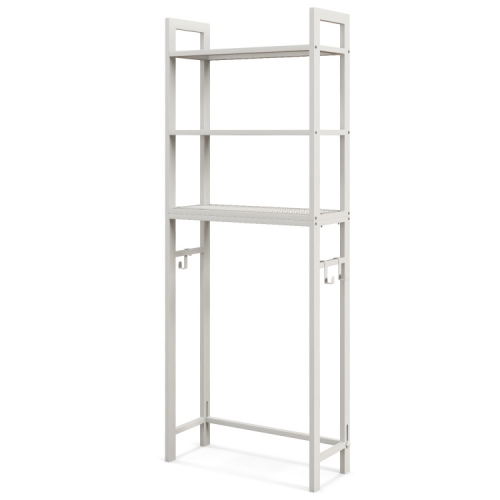
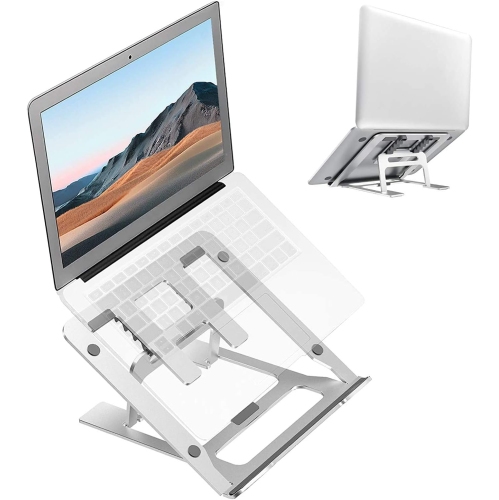
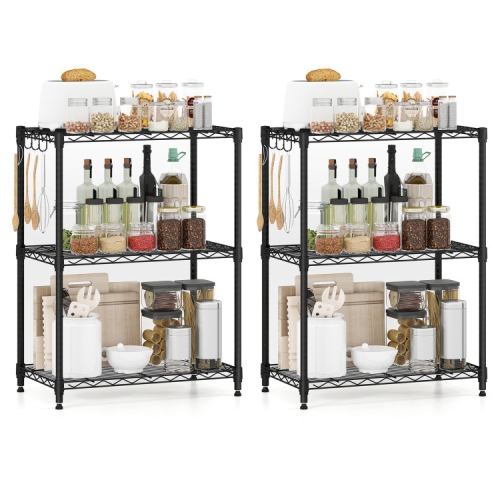
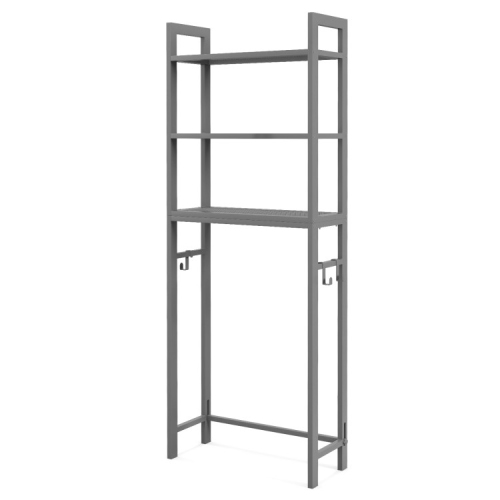
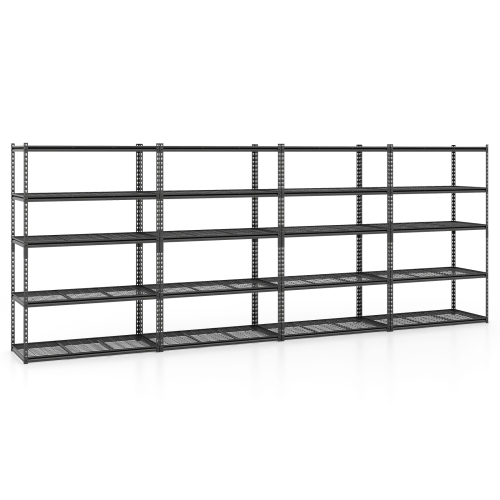
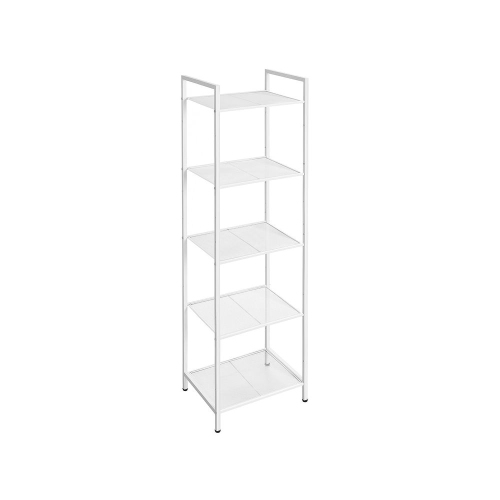
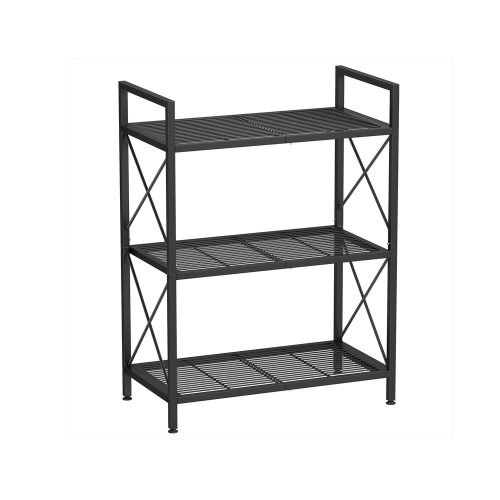
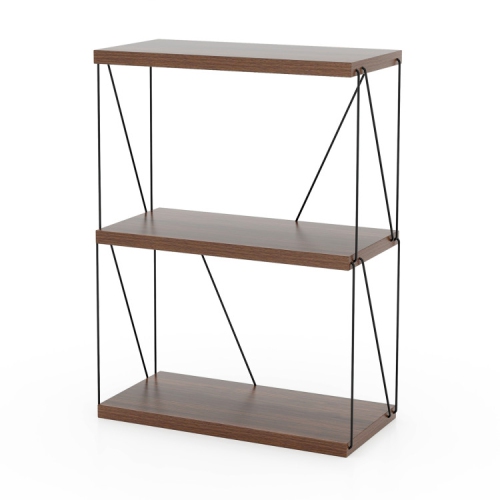
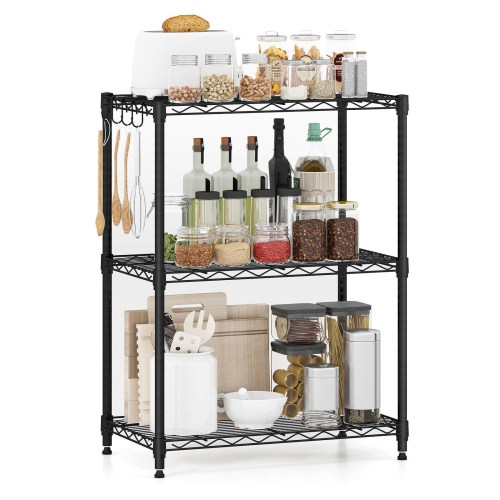
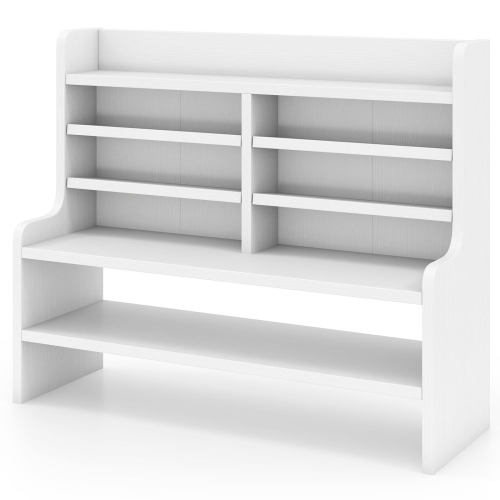
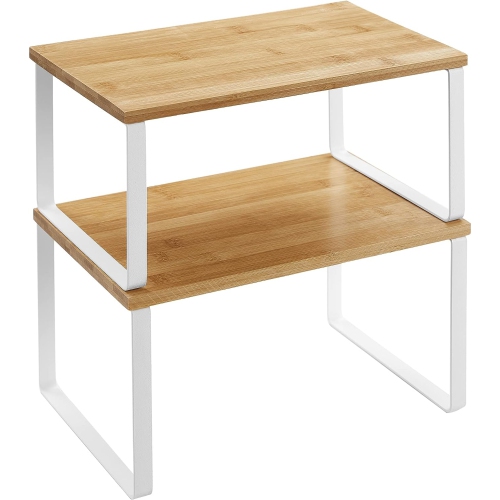
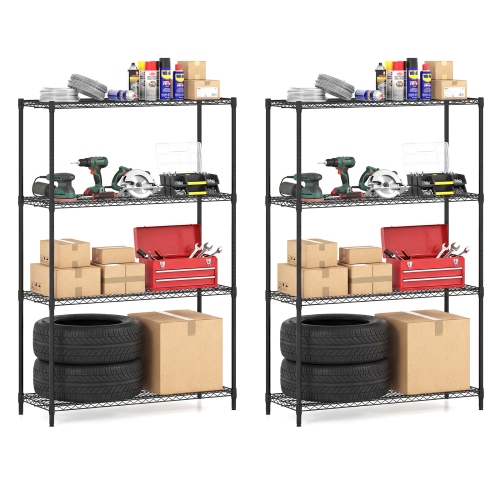
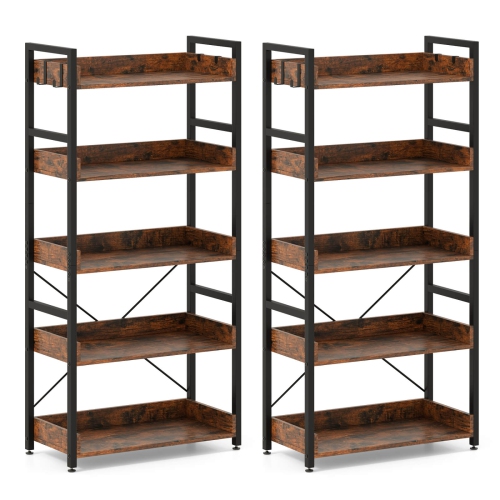
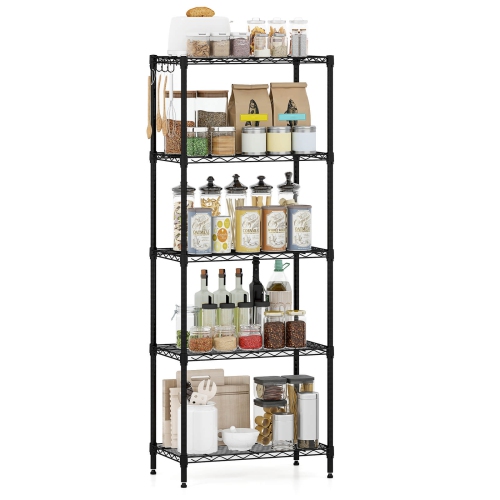
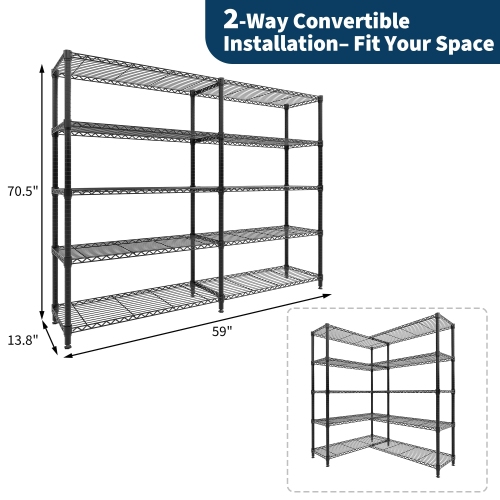
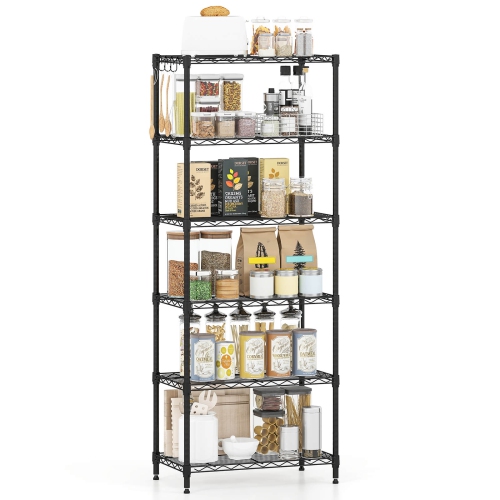
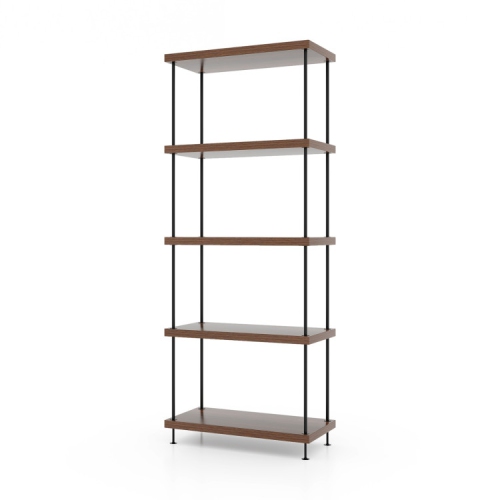
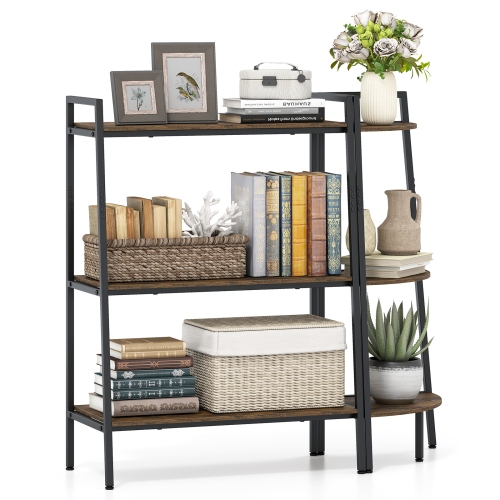
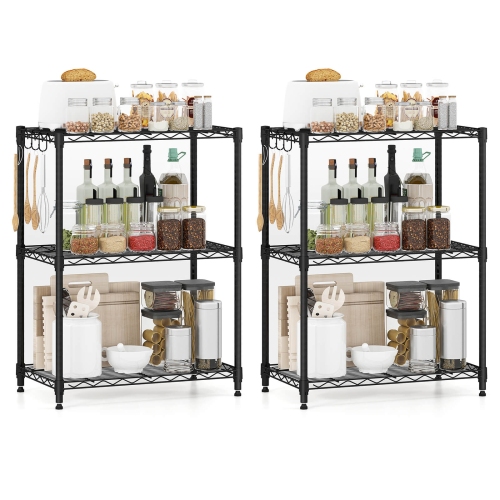
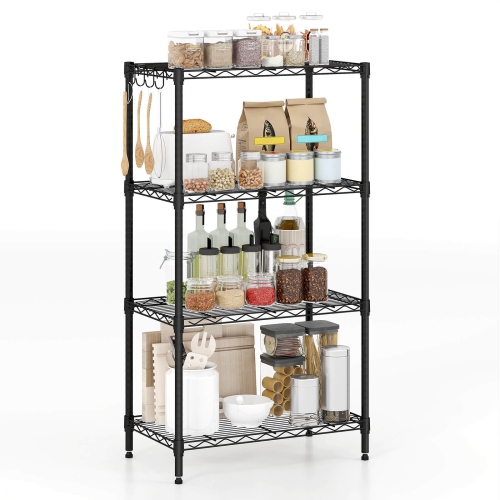
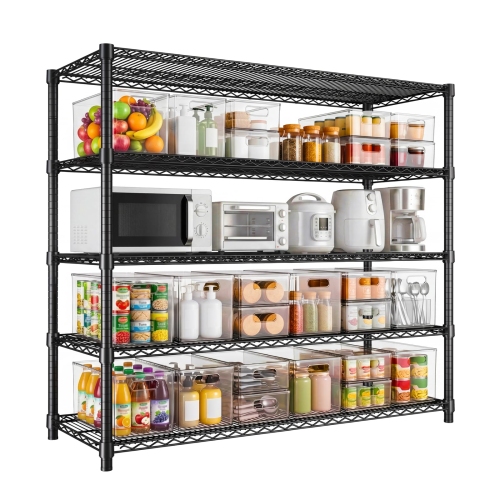
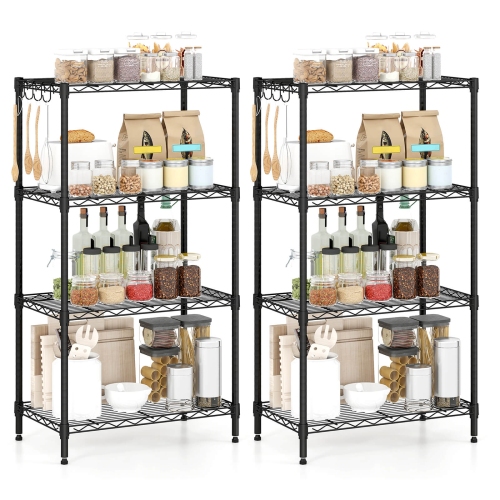
Why shelf dimensions matter in tight spaces
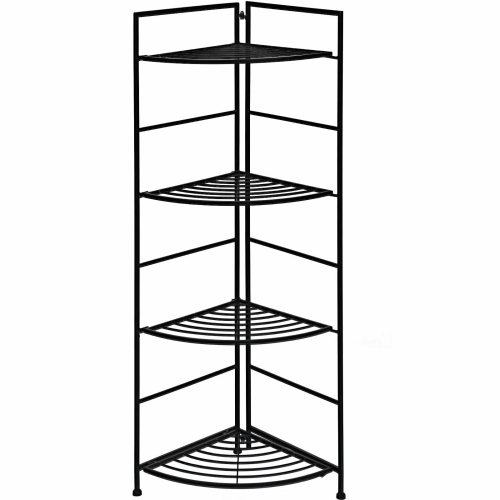
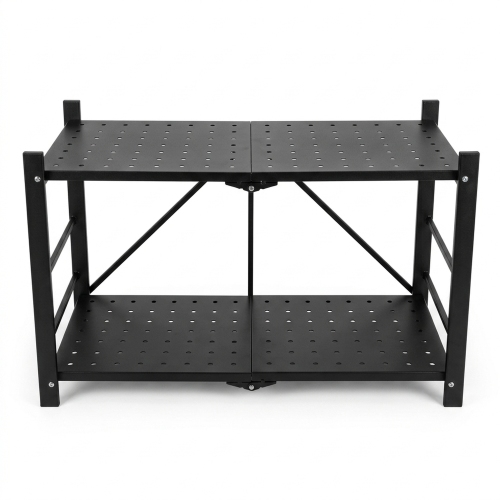
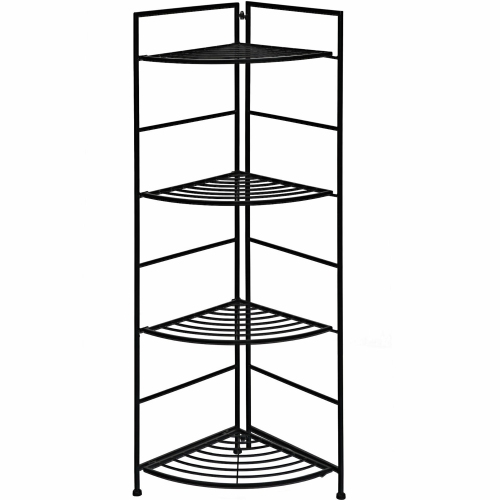
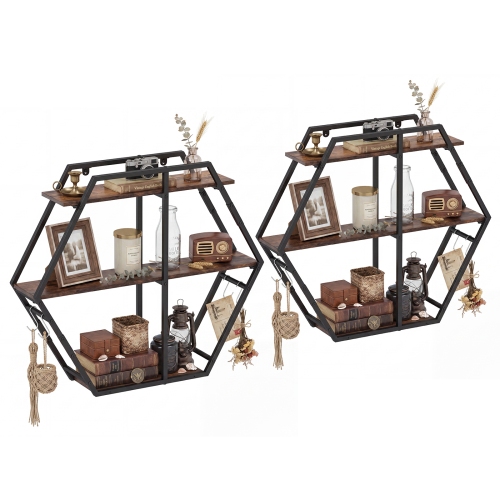
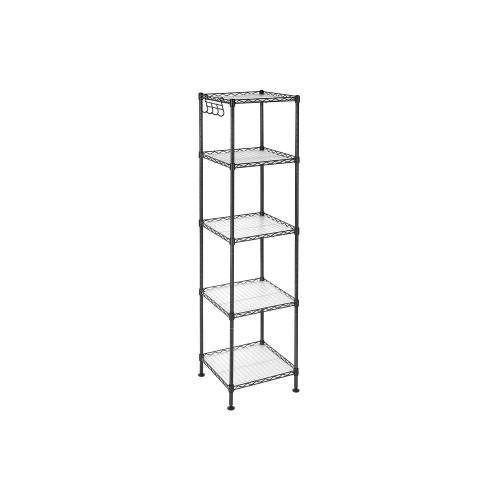
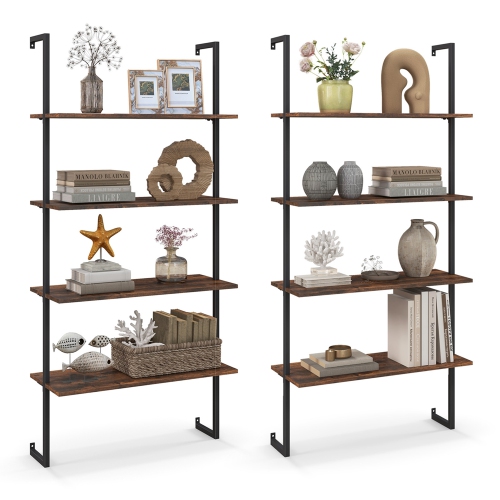
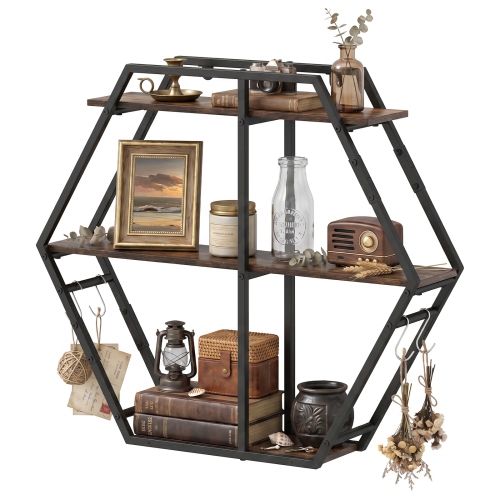
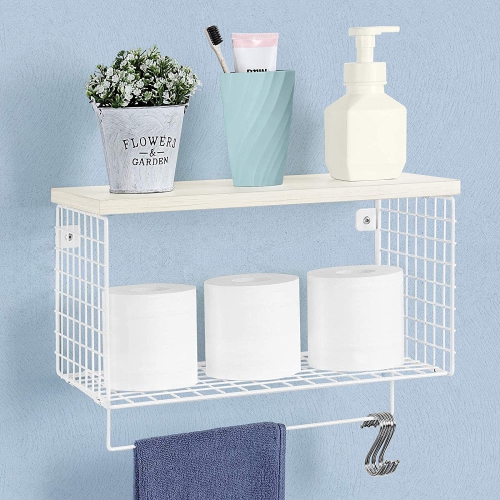
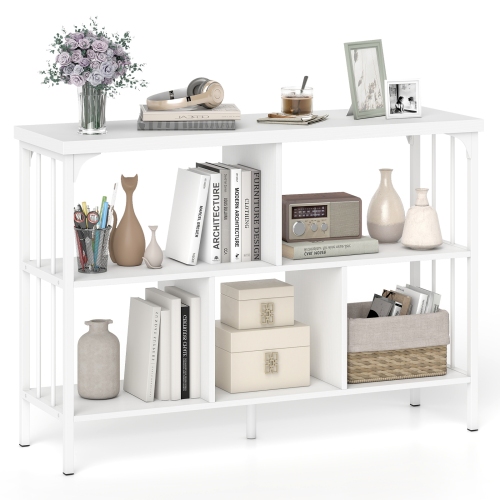
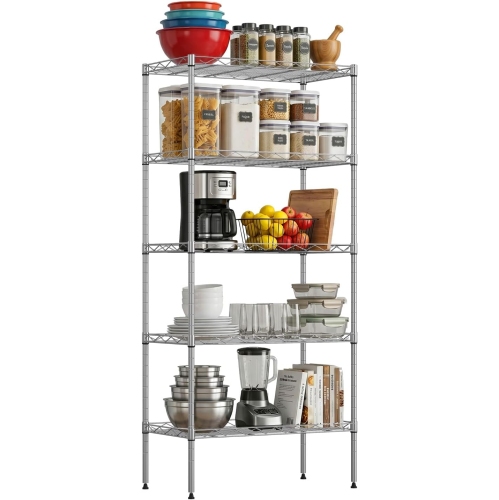
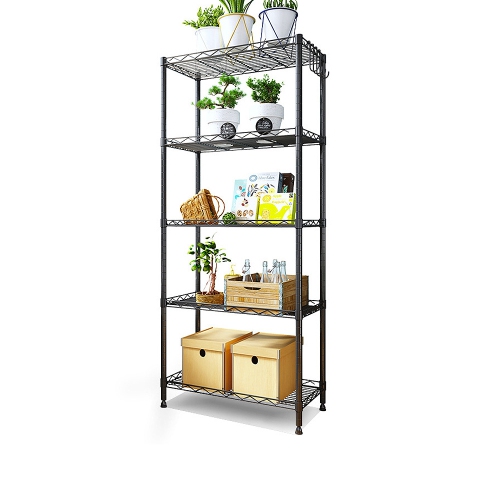
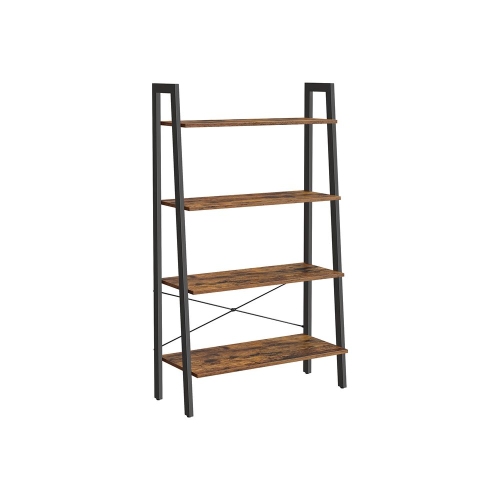
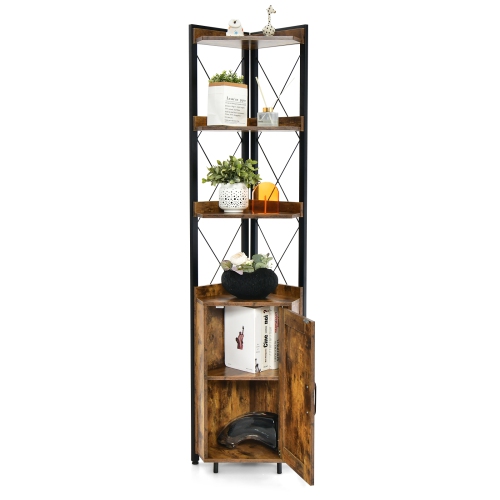
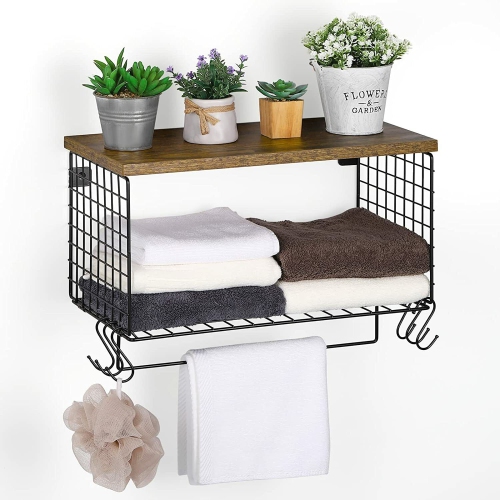
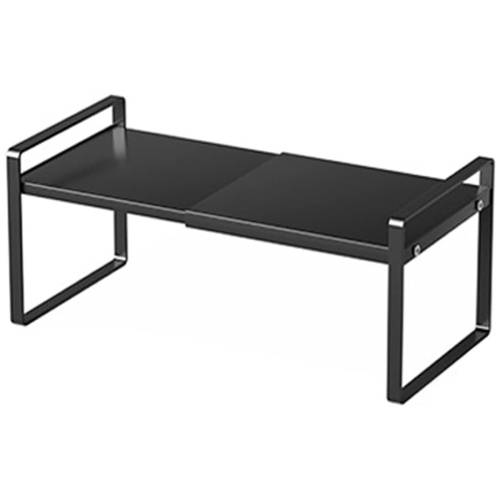
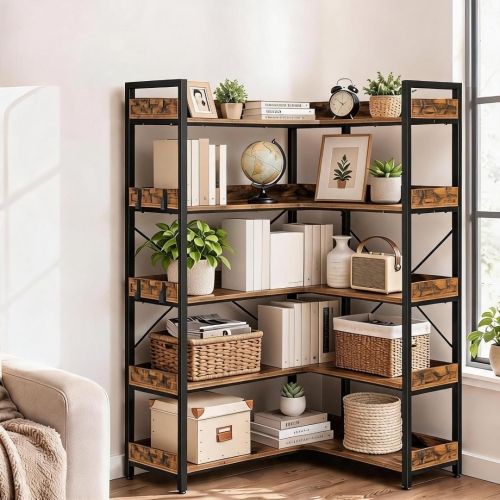
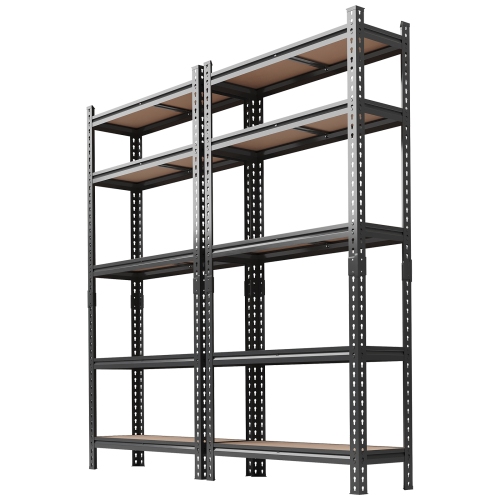
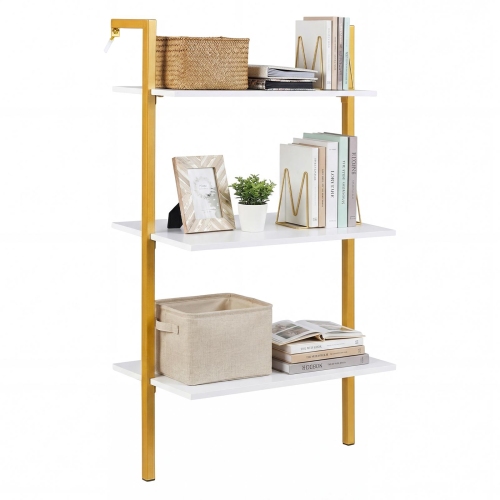
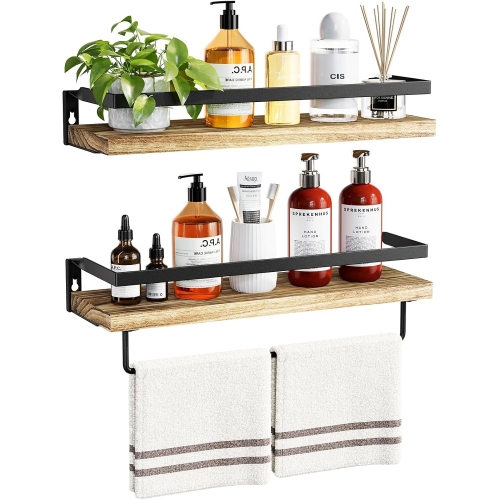
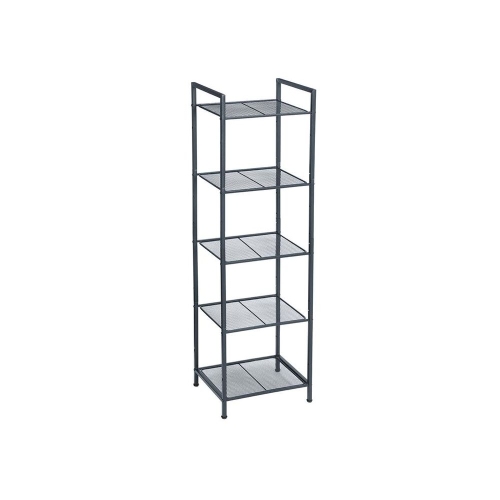
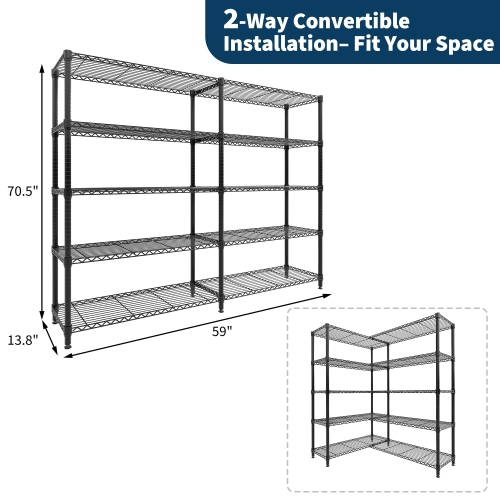
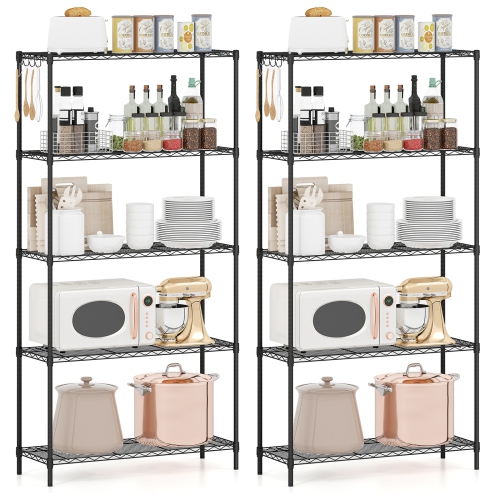
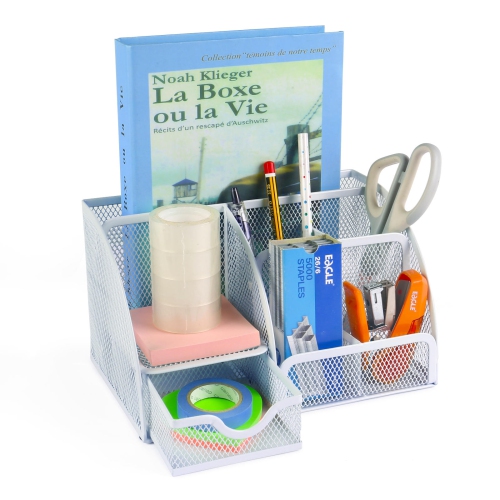
Small metal shelves are compact storage units that help organize tight spaces without the bulk of a large bookcase or cabinet. They can be freestanding, wall-mounted, or sized to sit on a countertop, making them useful in kitchens, bathrooms, bedrooms, home offices, and utility areas. Their appeal is straightforward: a slim frame and open shelves create accessible storage while leaving the contents easy to see. In a kitchen, a narrow unit can gather everyday cookware and pantry containers beside a work area. In a bathroom, shallow shelving can keep folded towels and toiletries within reach without projecting too far into the room. Beside a desk, a compact shelf can give stationery and reference materials a place of their own, freeing the desktop for work. The most useful size depends on more than the width of an empty corner. Overall height, shelf depth, spacing between tiers, and the footprint of the legs all affect how comfortably a unit fits. A shelf that looks narrow from the front may still extend into a walkway, while a tall frame may interfere with a light switch or an opening cupboard door. Baseboards can also prevent a freestanding unit from sitting flush against a wall. For wall-mounted designs, usable wall space needs to account for nearby trim and anything underneath. Open sides create an airy appearance and allow access from different directions, whereas raised edges or side rails can help contain smaller belongings. A low shelf can sit neatly beneath a window, provided it does not obstruct a heating vent, while a taller, shallow design makes better use of vertical space. These differences matter in condos, apartments, and shared rooms, where even a few centimetres can determine whether storage feels convenient or crowded. Small metal shelves work best when their dimensions match both the room and the things they need to hold, rather than simply filling an available gap.
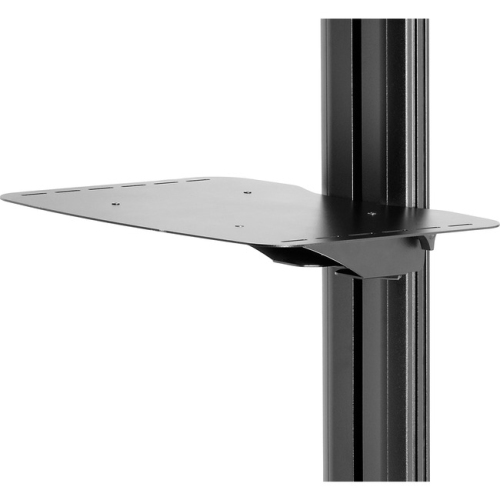
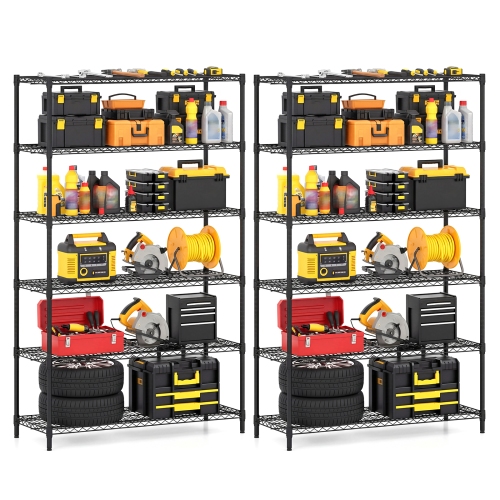
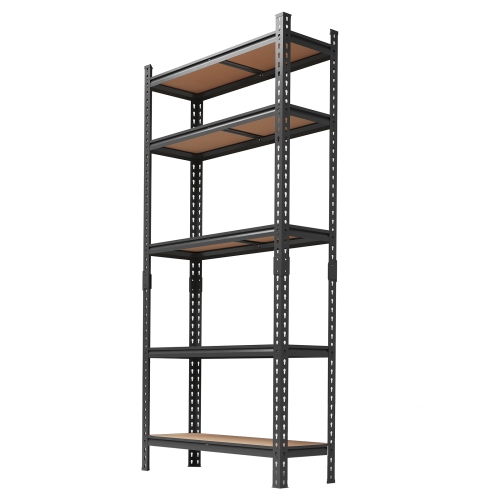
Metal shelving varies in construction, finish, and carrying capacity, so appearance alone does not tell the whole story. Steel is commonly used for frames and shelves because it offers rigidity, while aluminium can provide a lighter structure that is easier to reposition. For spaces where steel construction is a priority, Steel Metal Shelves provides a related selection to explore. The metal type is only part of the durability equation: the thickness of the components, quality of the joints, shelf span, and assembly all contribute to stability. Published weight limits may apply to each shelf, the entire unit, or both, and often assume an evenly distributed load. A concentrated stack of heavy belongings can place different demands on a shelf than lighter objects spread across its surface. Wire shelves allow air to circulate and make the frame feel visually lighter, but narrow containers or small feet may sit unevenly across the gaps. Solid shelves provide a continuous surface that is often more practical for small accessories, though spills need attention before they collect along seams. Perforated designs offer another balance between an open structure and surface support. Finishes also influence where shelving belongs. A powder-coated surface can help protect the underlying metal during normal indoor use, but chips and deep scratches may expose it to moisture. Stainless steel can suit areas where occasional splashes are likely, although resistance to staining and corrosion varies by grade and finish. Neither a metallic appearance nor a glossy coating automatically means a shelf is suitable for damp locations. Installation deserves equal attention. Wall-mounted shelves need fasteners and supports appropriate for the wall construction and intended load; hardware intended for one wall type may not suit another. Freestanding units need a level base, securely tightened connections, and any restraints specified by the manufacturer. Where children or pets share the space, keeping heavier belongings low and following anchoring instructions helps reduce tipping risks.
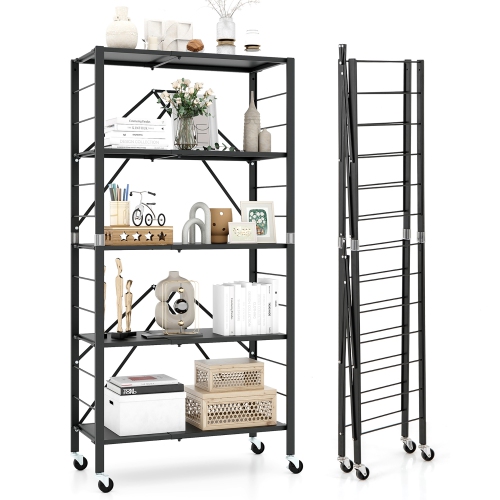
The details that make small metal shelves pleasant to use often become clear in an ordinary daily routine. Adjustable tiers can make room for a tall container without wasting the space above shorter belongings. Levelling feet can help a frame sit steadily on a slightly uneven floor, while protective foot pads may reduce marking on compatible surfaces. A unit with castors serves a different purpose from a stationary shelf: it can be moved for access or cleaning, but wheel locks and the manufacturer's movement instructions matter, especially when it is loaded. In a home office, open shelving can keep frequently used supplies visible, although electronics still need the ventilation clearances specified for them. In an entryway, a shallow unit can provide a defined place for daily essentials without narrowing the route through the door. For craft supplies, shelf spacing and a smooth, level surface may matter more than overall height. Someone furnishing a first apartment may appreciate a compact shelf that can move between rooms as needs change; someone organizing an established home may prefer one sized precisely for a particular alcove. Finish and shape help it sit comfortably alongside existing furniture. Matte black can give a frame a clear outline, white can blend with pale walls, and a metallic finish can complement nearby hardware. Care is generally simple, but it should follow the finish rather than a single rule for all metals. A soft cloth and a manufacturer-approved cleaner are usually preferable to abrasive pads that can scratch a coating. Spills should be wiped up promptly, with joints and corners dried thoroughly. Periodic checks for loose fasteners, worn feet, or damaged finishes help keep the unit dependable. With a suitable footprint, realistic load expectations, and an easy-to-maintain surface, small metal shelves can turn an awkward corner or unused stretch of wall into practical, accessible storage.
Top selling and popular products
-
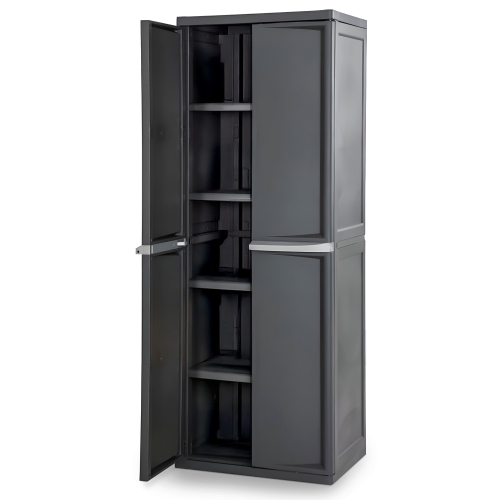 Your price for this item is $577.99
-
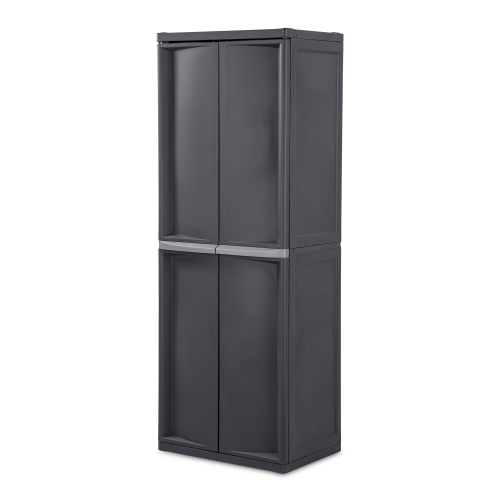 Your price for this item is $1167.99
-
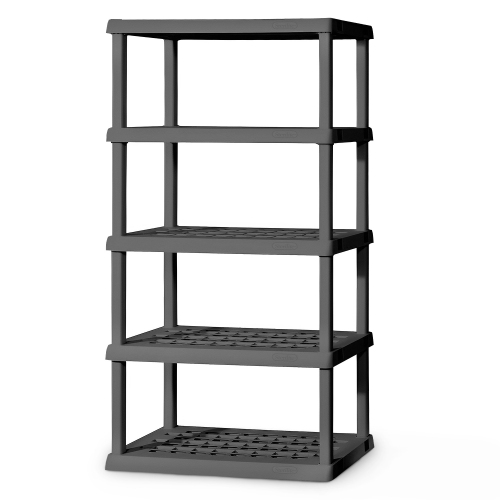 Your price for this item is $331.99
-
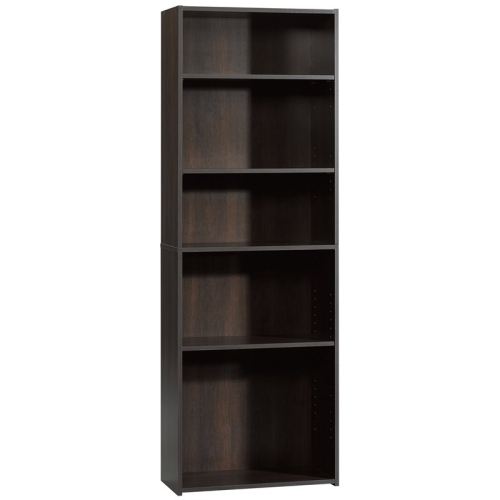 Your price for this item is $208.99
-
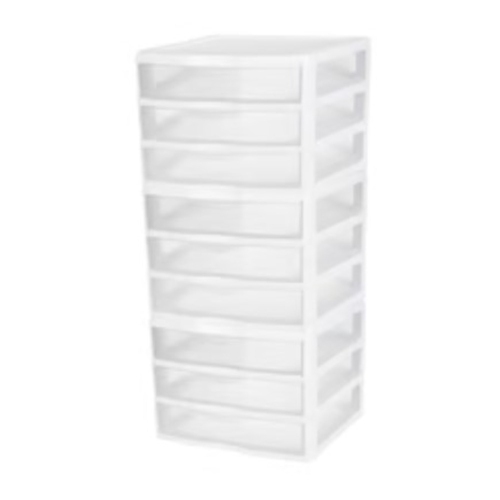 Your price for this item is $171.99
-
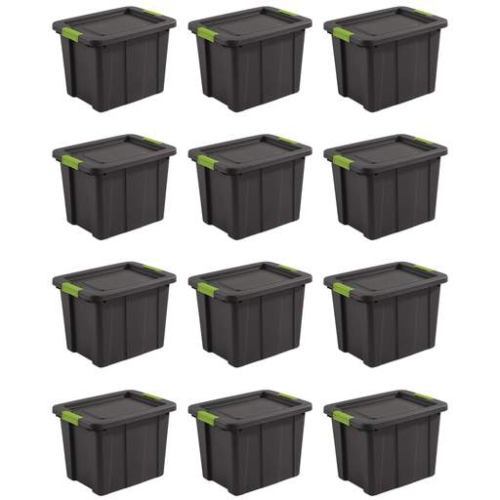 Your price for this item is $592.99
-
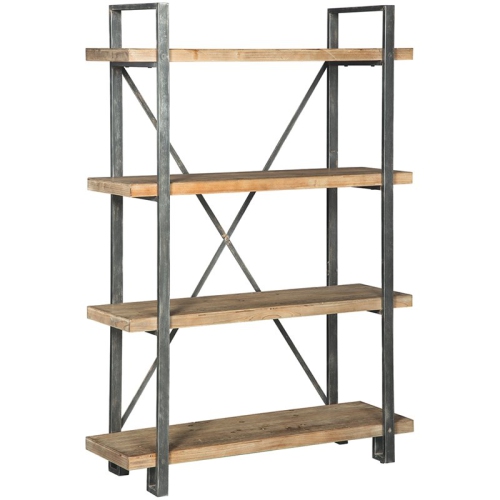 Your price for this item is $599
-
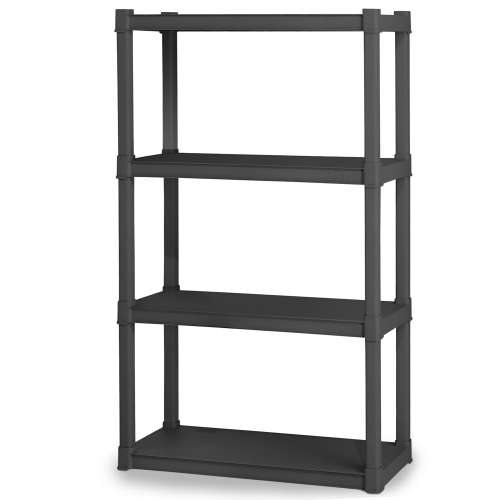 Your price for this item is $229.99
Discover more categories related to Small Metal Shelves
Top Collections:
Best Black Friday Deals This Year, Best Black Friday Deals On Electronics, Kindle Devices, Dyson Airwrap, Best Cameras for Sports Photography, Best Budget Office Chairs, Canon G7X Cameras, PS5 Pro Consoles, Best Black Friday Deals On Apple Products, XBOX One S Consoles
Some products may be subject to Environmental Handling Fees
(EHF) depending on your province.
Learn more about EHFs.