Sofa Couches
Looking to upgrade your living room with a stylish and comfortable seating option? Our sofa couch collection offers a range of designs to suit any decor style, whether you prefer modern minimalism or classic elegance. From sleek leather finishes to cozy fabric upholstery, these sofas are not only aesthetically pleasing but also provide the perfect spot for relaxation after a long day. Explore our selection of sofa couches to find the perfect piece to enhance your home's comfort and style.
Sort
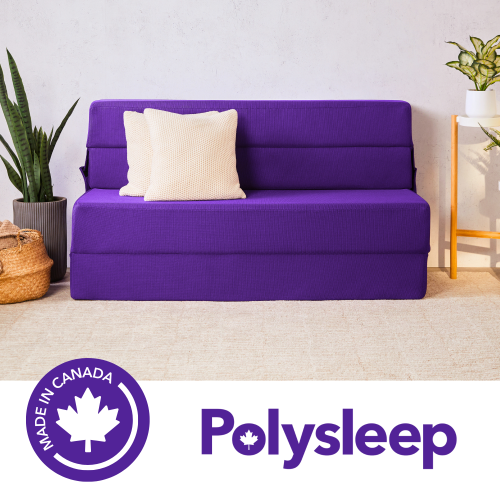
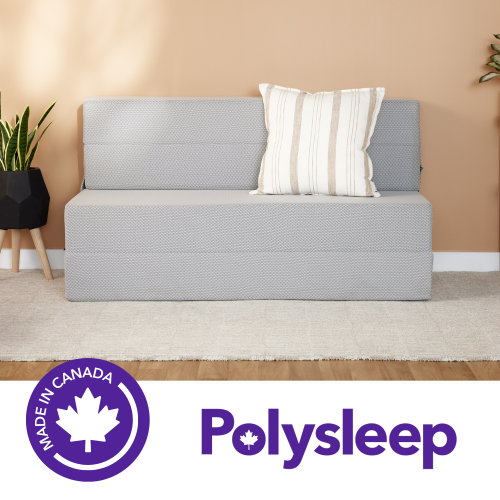
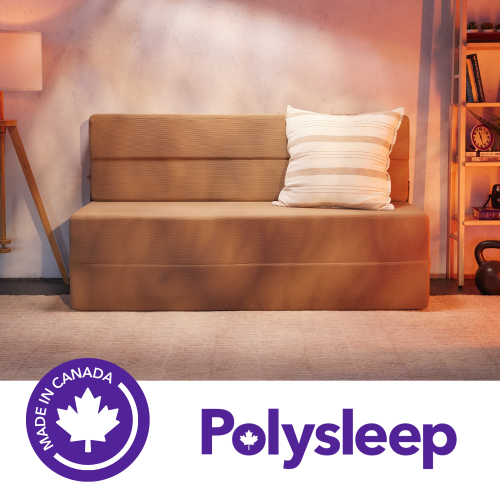
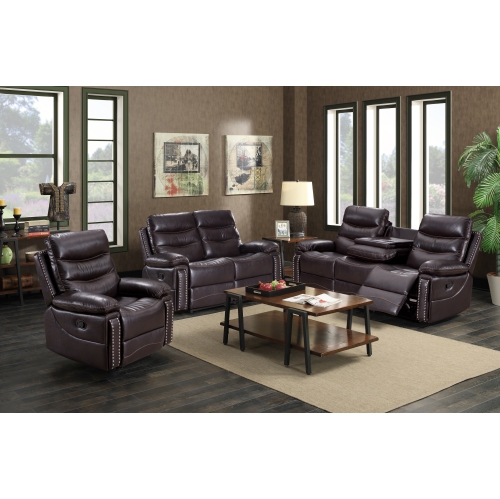


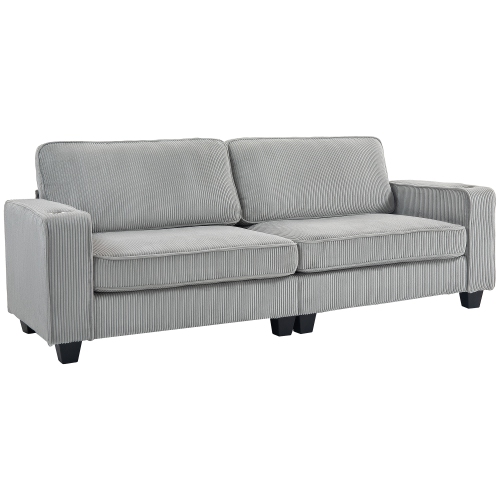
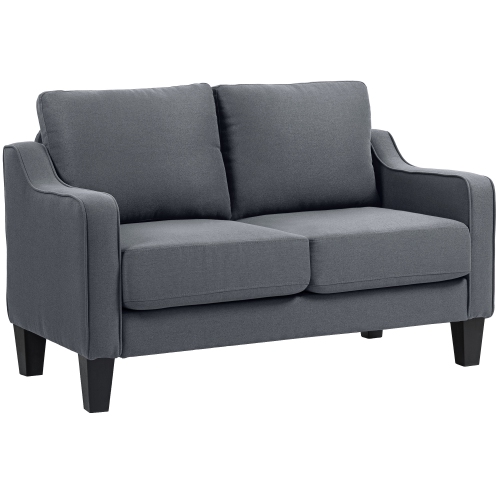
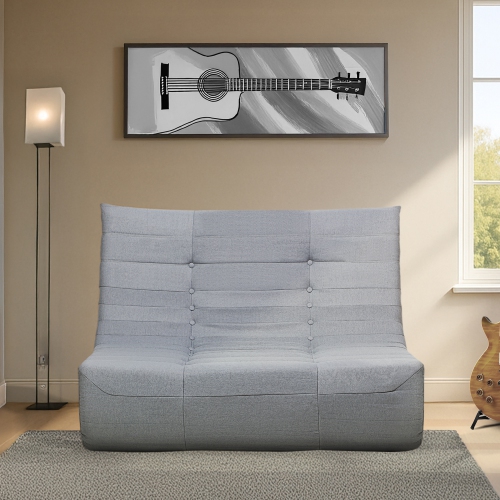
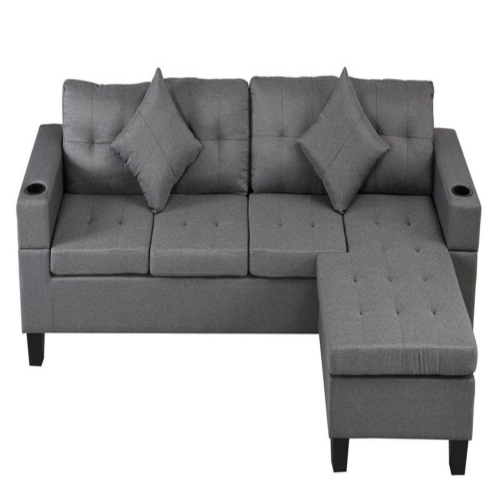


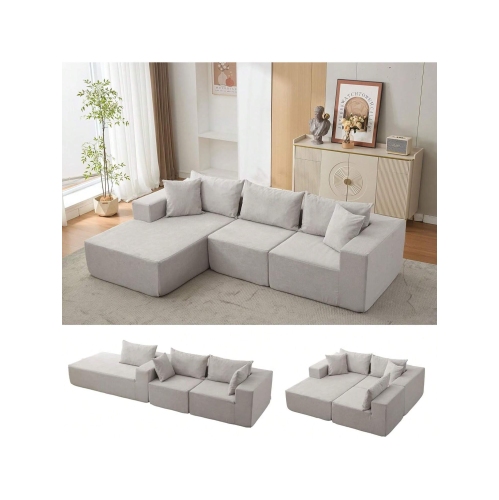
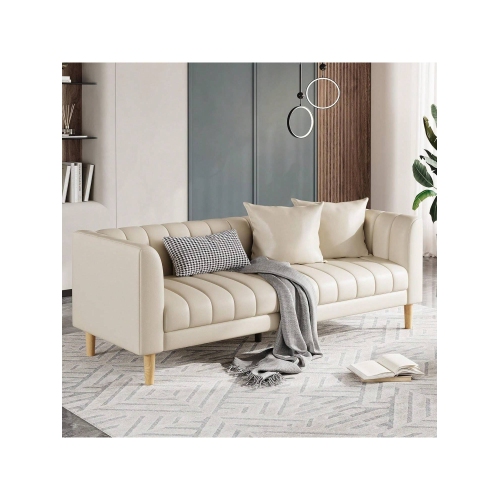
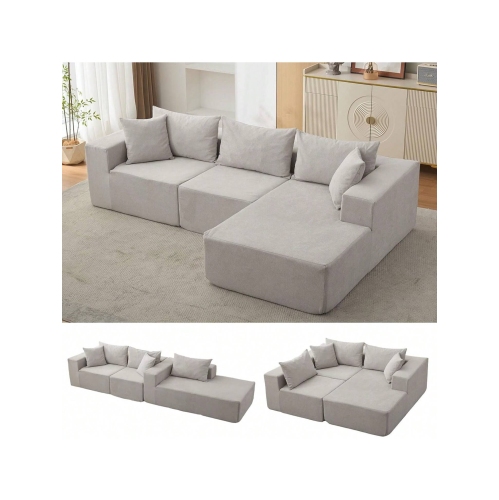
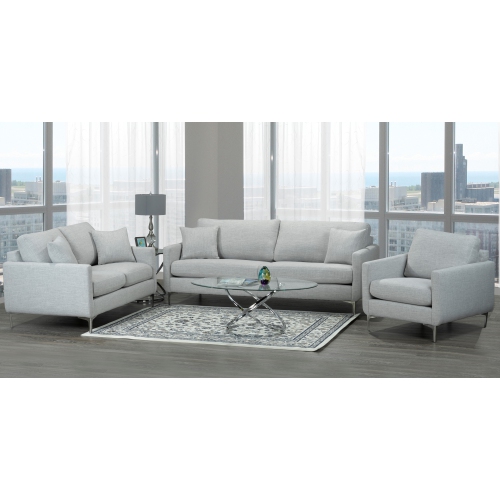
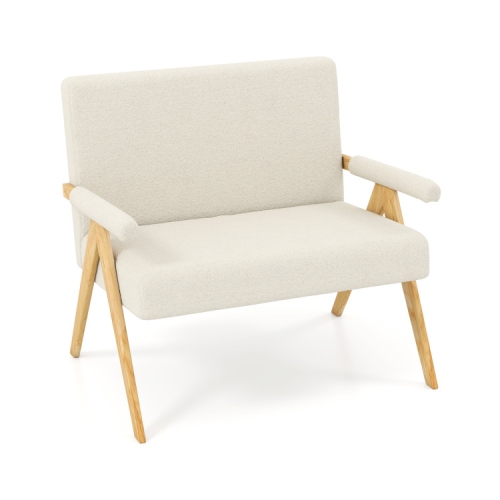
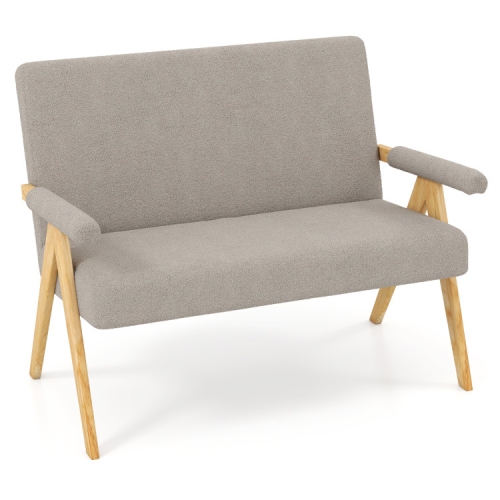
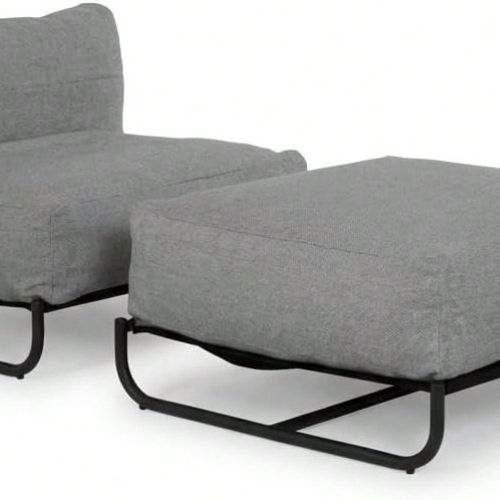
How sofa shape affects the way you relax
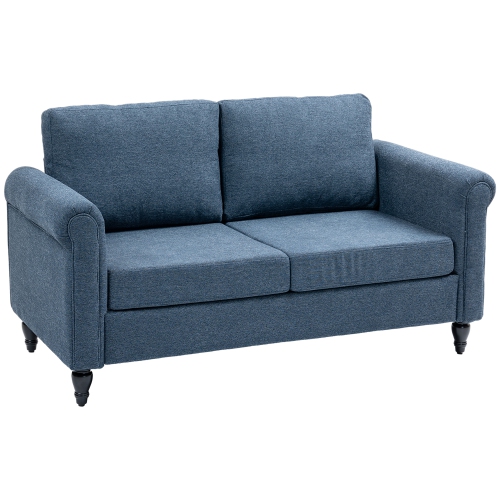
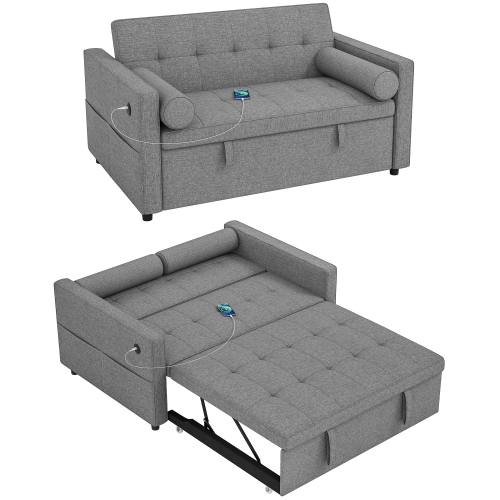
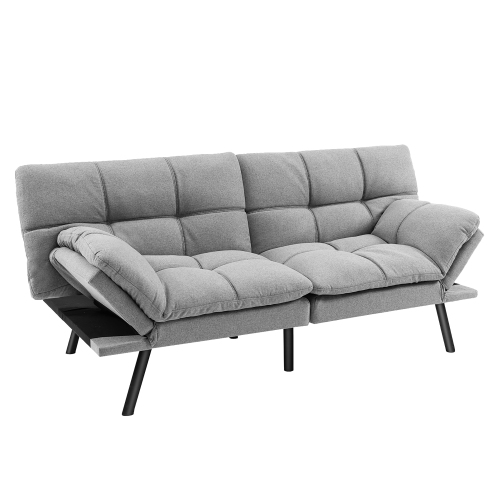
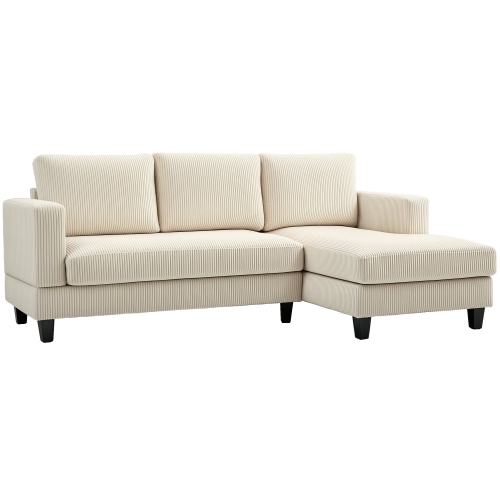
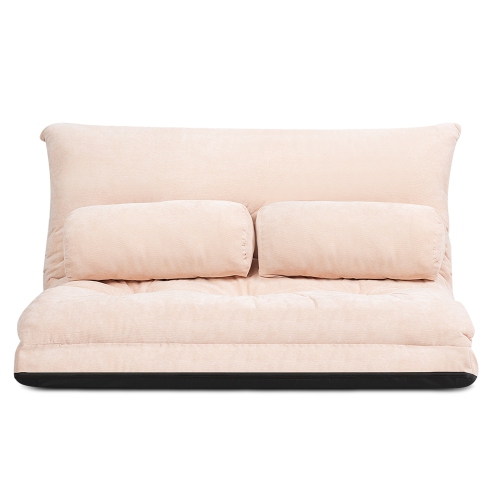
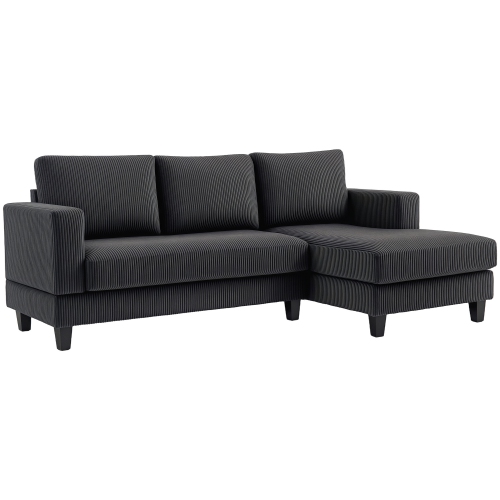
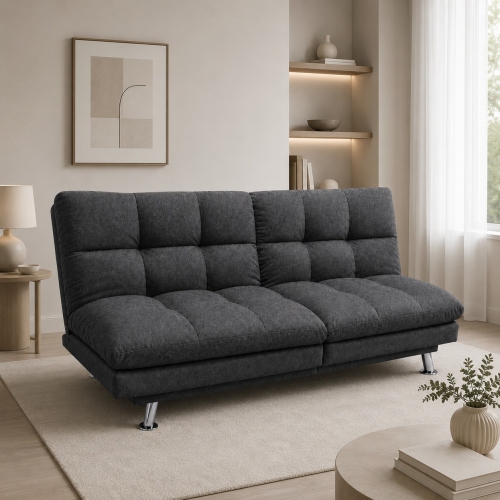
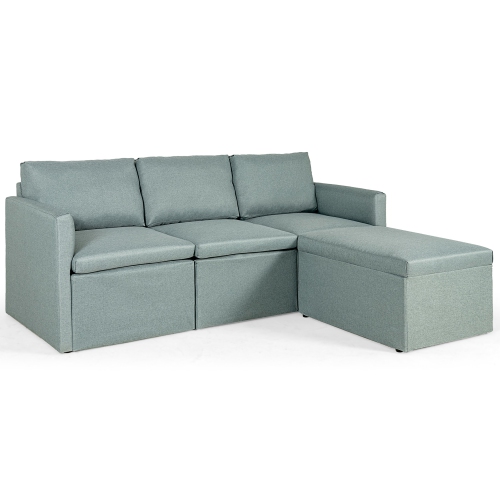
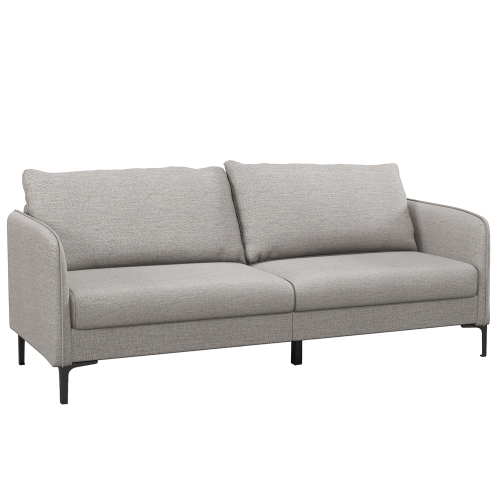
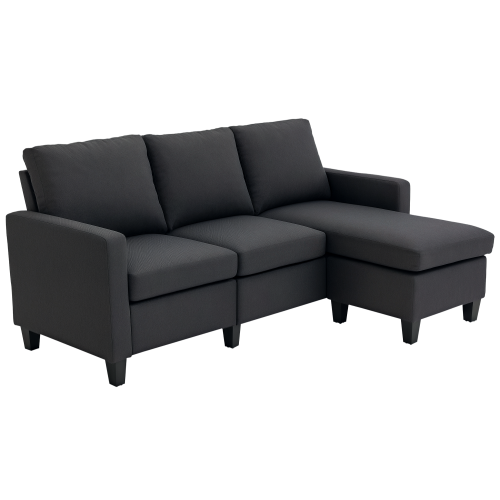
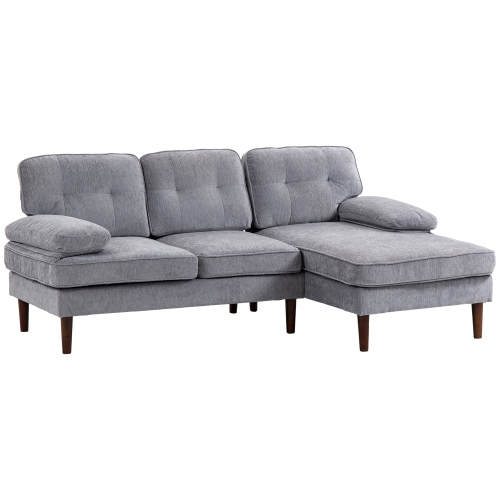
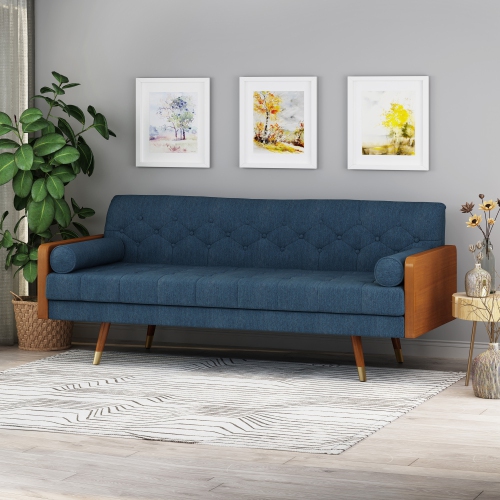
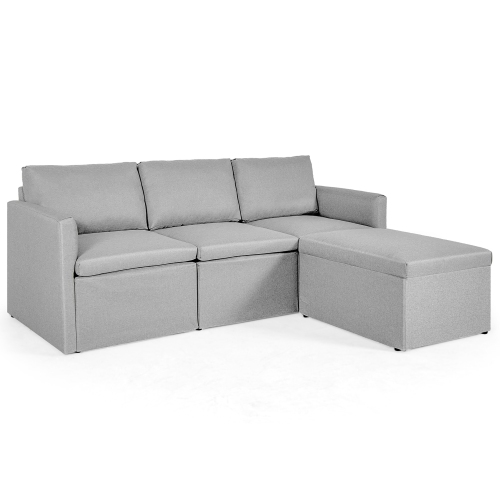
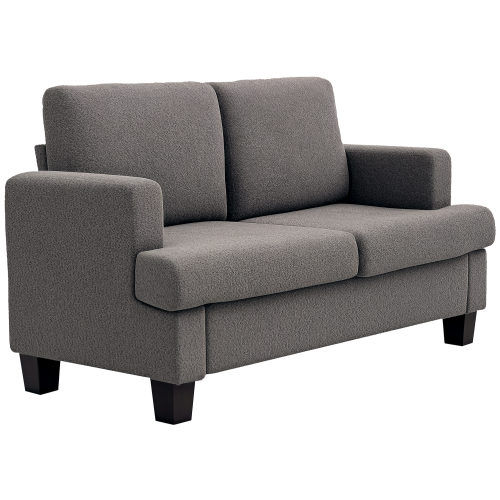
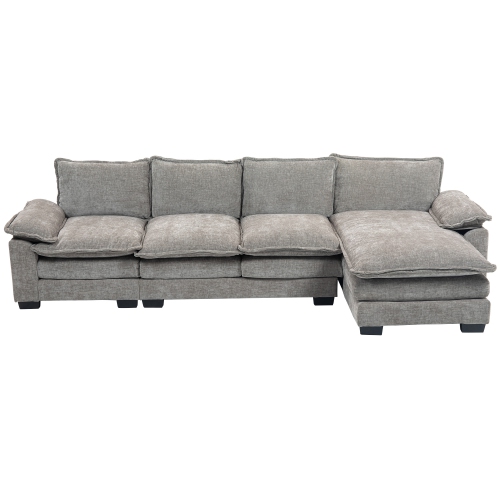
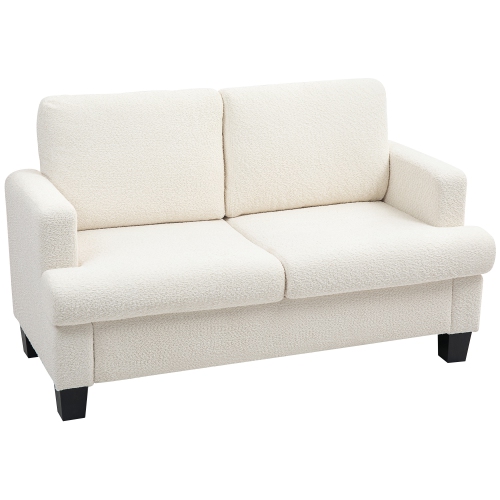
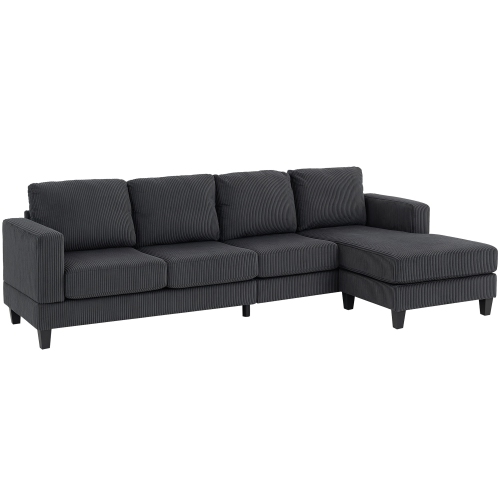
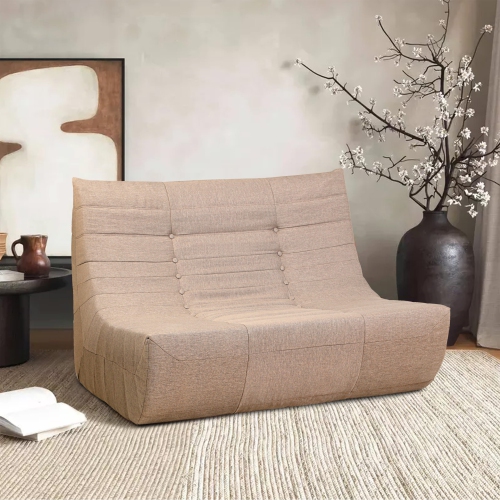
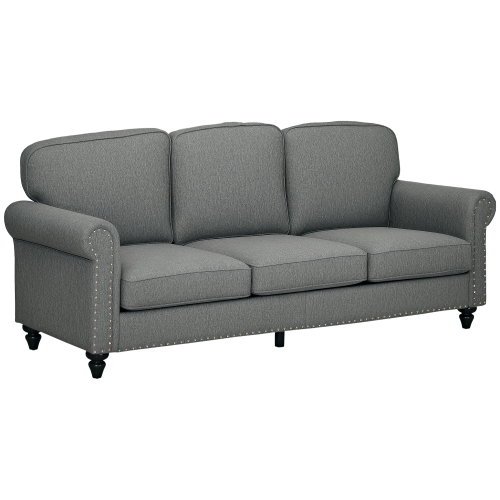
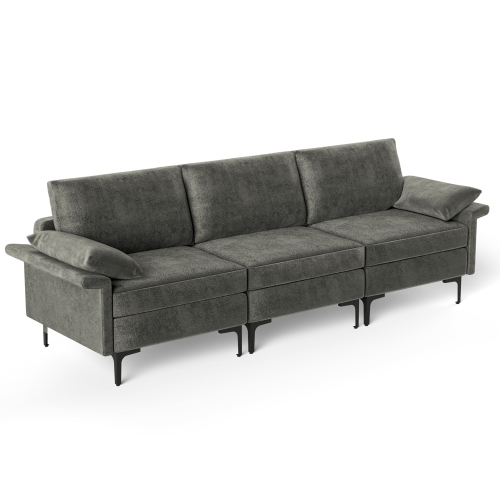
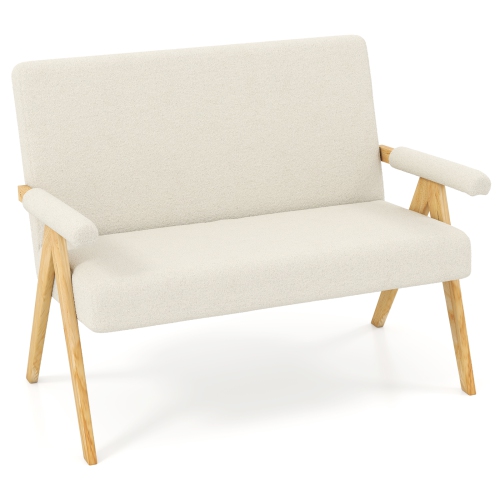
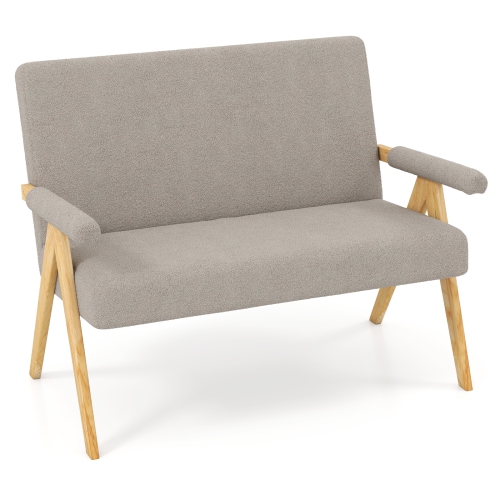
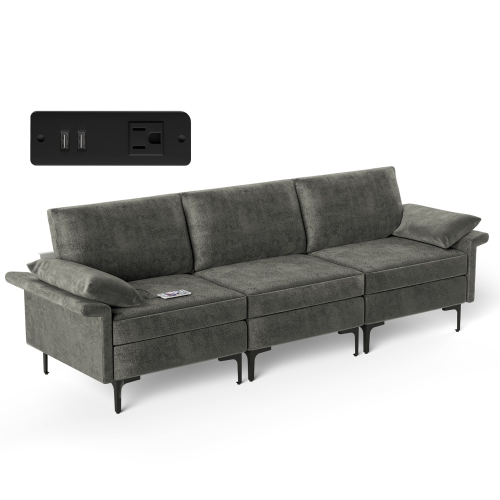
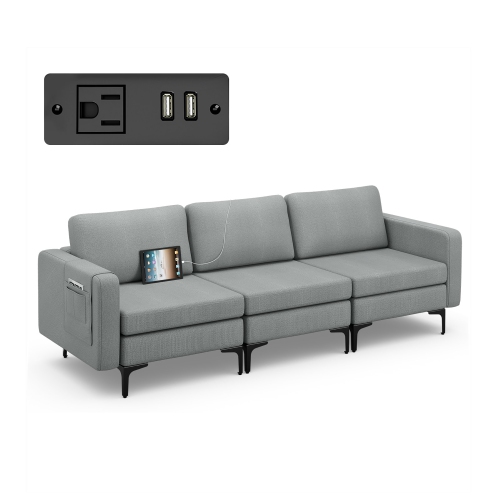
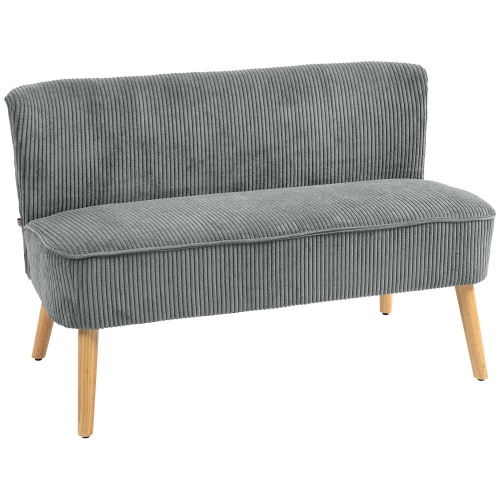
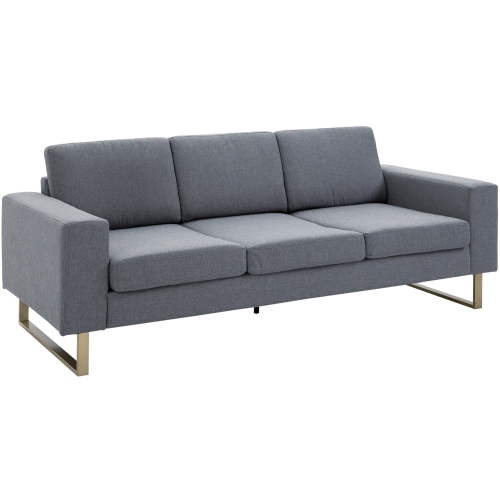
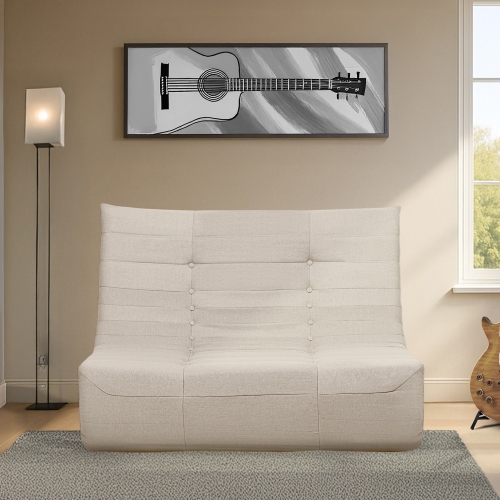
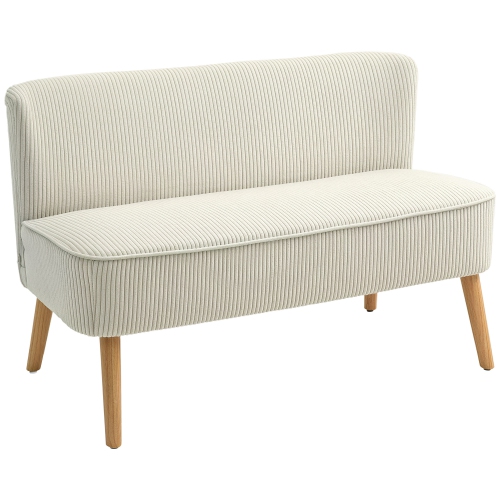
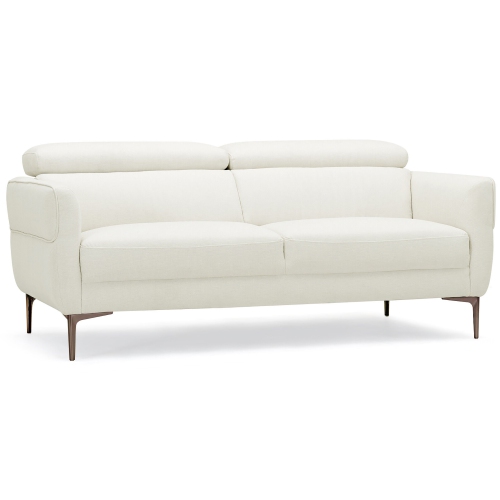
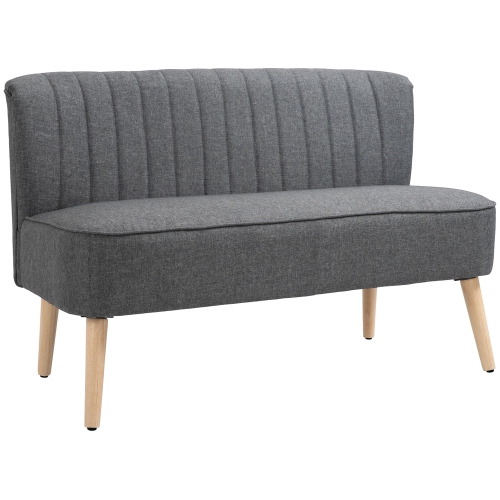
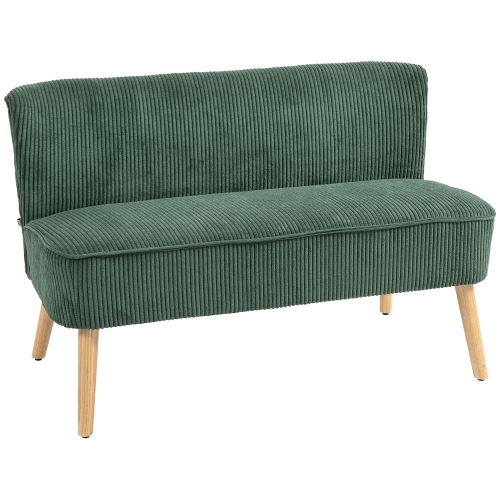
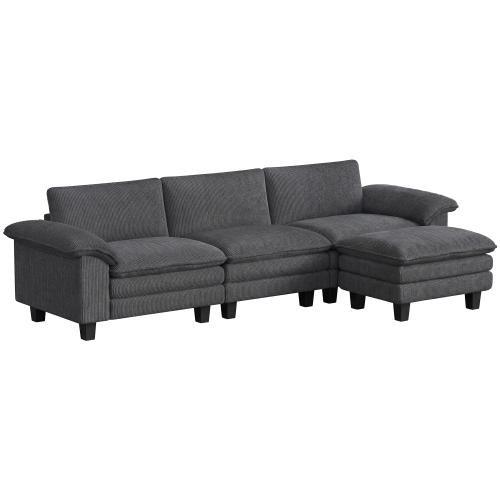
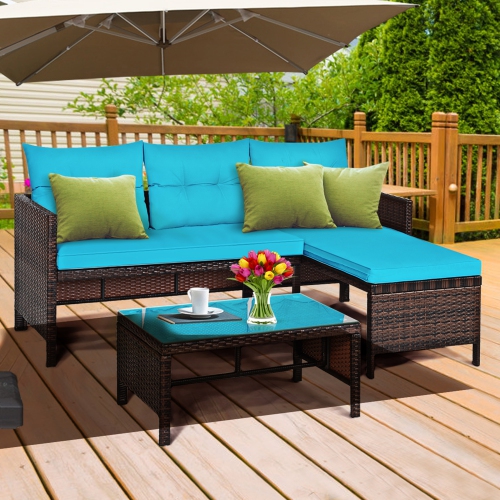
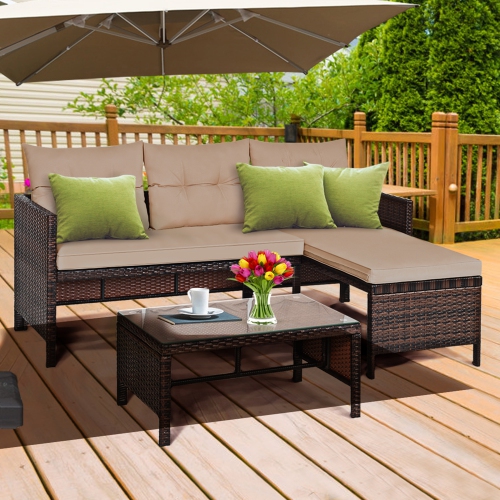
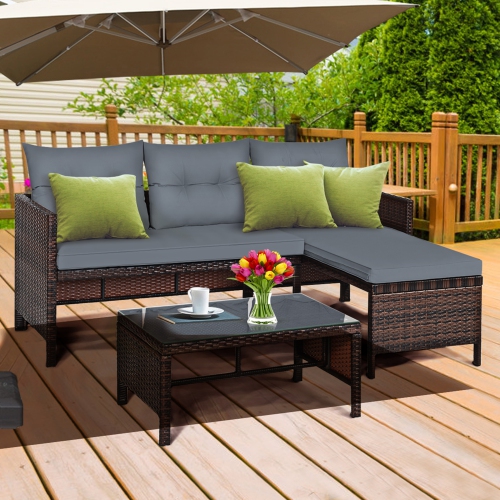
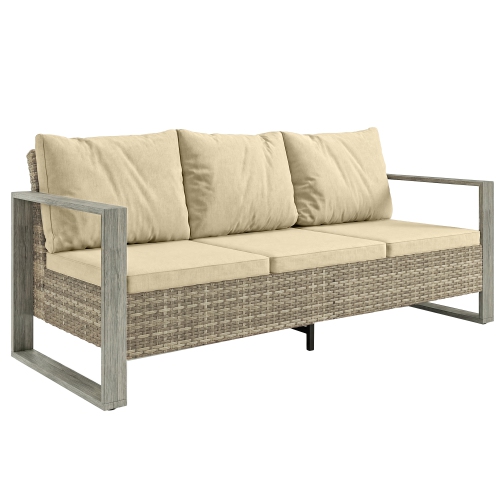
Sofas and couches are upholstered seats designed for two or more people, providing a place to sit, stretch out, and spend time together. The terms are generally interchangeable; the differences that matter most are the seating layout, dimensions, cushioning, and upholstery. A standard sofa typically has a backrest and two arms, with room for two to four people depending on its width and design. A loveseat is a smaller sofa intended for two, making it a practical fit for a compact living room, bedroom sitting area, or conversation space beside a larger couch. Sectional sofas combine multiple seating sections into arrangements such as an L-shape or U-shape, while modular sofas use separate units that can be arranged in different configurations where their connecting hardware permits. A sofa bed adds a sleeping surface through a pullout mattress or a backrest that folds flat, helping a den or living room accommodate overnight guests. Each style suits a different kind of everyday use. A couple furnishing a condo may appreciate a compact sofa with slim arms that leaves more space for seating, while a busy household may prefer a sectional that gives several people room to settle in for a film. A chaise provides an extended seat for putting feet up, though its position affects how easily people can move through the room. For frequent conversation or visits with friends, a sofa paired with separate chairs can make it easier for everyone to face one another. During the cooler months, a couch often becomes the setting for reading under a blanket, playing board games around the coffee table, or watching a favourite series. Its shape should support those routines rather than simply fill an empty wall. Clean-lined silhouettes, rounded arms, tufted backs, and exposed legs each give a room a different character, but the most useful design is one that balances the desired appearance with comfortable seating and enough space to move.
The fit of a sofa involves more than its overall width. Depth, height, arm thickness, and the usable seating area all influence how comfortably it works in a room. Two couches with similar outside dimensions can offer noticeably different amounts of sitting space if one has wide, padded arms and the other has narrow sides. Seat depth also changes the experience: a deeper cushion allows more room to curl up, while a shallower seat may suit someone who prefers sitting upright with their feet resting on the floor. Seat height and cushion firmness matter for anyone who finds a low, soft couch difficult to get out of. A supportive back and well-positioned arms can be especially welcome during longer stretches of reading or conversation. Before settling on a size, mark the sofa’s footprint on the floor with painter’s tape, leaving clear routes between doorways, nearby furniture, and the seating area. Include space for a chaise, an extended recliner footrest, or an opened sofa bed rather than measuring only the closed position. In a multipurpose room, a sleeper sofa needs enough clearance to unfold without requiring heavy furniture to be moved each night. Delivery access deserves the same attention as the final placement: door openings, hallways, stair turns, and lifts can limit what will reach the room. Removable legs or sections may help, but the packaged dimensions and assembly requirements still need to be checked. For sectionals, confirm how the left-facing or right-facing orientation is defined in the product specifications, since a chaise on the wrong side can interrupt a walkway. Visual proportions matter, too. Raised legs and a lower back can give a small room a more open appearance, while a substantial sofa may feel better balanced in a larger space. Households furnishing an entire seating area may also consider Fabric Sofa Sets for coordinated upholstery and complementary pieces, while still measuring each piece individually and allowing comfortable space between them.
Upholstery and construction influence how a couch feels on the first evening and how it holds up over years of regular use. Cotton and linen fabrics can offer a soft, textured feel, though their resistance to staining and wrinkling depends on the weave, blend, and finish. Polyester blends and microfibre are often chosen for everyday seating because some fabrics tolerate frequent use and are relatively straightforward to maintain, but care requirements vary. Velvet adds a plush surface with a pile that can show shading or pressure marks, while loosely woven fabrics may be more vulnerable to snagging from pet claws. Genuine leather develops creases and character with use and needs care suited to its finish; faux leather has different cleaning requirements and can wear differently over time. In a home with children, pets, or frequent guests, tightly woven upholstery, accessible cleaning instructions, and replaceable cushion covers can be useful considerations. A removable cover is not necessarily machine washable, so the care label should always take priority. Cushion filling makes another noticeable difference. Foam can provide a more structured seat, fibre filling often feels softer, and feather blends may need regular fluffing to maintain their shape. Layered fillings combine these qualities in different ways, so firmness cannot be judged from appearance alone. Beneath the upholstery, frame materials, reinforced joints, suspension, and the quality of the connections all contribute to stability and durability. For modular seating, secure connectors help keep sections aligned during everyday use. Routine care is usually simple but should match the material: vacuum crevices with a suitable attachment, blot spills promptly rather than rubbing them into the fabric, and use only approved cleaning methods. Rotate or turn cushions where the design allows to distribute wear, and keep upholstery away from prolonged direct sunlight and strong heat sources where possible. A sofa that suits the household’s habits, fits the room, and has manageable care requirements can remain a comfortable centre of daily life through quiet evenings and lively gatherings alike.
The fit of a sofa involves more than its overall width. Depth, height, arm thickness, and the usable seating area all influence how comfortably it works in a room. Two couches with similar outside dimensions can offer noticeably different amounts of sitting space if one has wide, padded arms and the other has narrow sides. Seat depth also changes the experience: a deeper cushion allows more room to curl up, while a shallower seat may suit someone who prefers sitting upright with their feet resting on the floor. Seat height and cushion firmness matter for anyone who finds a low, soft couch difficult to get out of. A supportive back and well-positioned arms can be especially welcome during longer stretches of reading or conversation. Before settling on a size, mark the sofa’s footprint on the floor with painter’s tape, leaving clear routes between doorways, nearby furniture, and the seating area. Include space for a chaise, an extended recliner footrest, or an opened sofa bed rather than measuring only the closed position. In a multipurpose room, a sleeper sofa needs enough clearance to unfold without requiring heavy furniture to be moved each night. Delivery access deserves the same attention as the final placement: door openings, hallways, stair turns, and lifts can limit what will reach the room. Removable legs or sections may help, but the packaged dimensions and assembly requirements still need to be checked. For sectionals, confirm how the left-facing or right-facing orientation is defined in the product specifications, since a chaise on the wrong side can interrupt a walkway. Visual proportions matter, too. Raised legs and a lower back can give a small room a more open appearance, while a substantial sofa may feel better balanced in a larger space. Households furnishing an entire seating area may also consider Fabric Sofa Sets for coordinated upholstery and complementary pieces, while still measuring each piece individually and allowing comfortable space between them.
Upholstery and construction influence how a couch feels on the first evening and how it holds up over years of regular use. Cotton and linen fabrics can offer a soft, textured feel, though their resistance to staining and wrinkling depends on the weave, blend, and finish. Polyester blends and microfibre are often chosen for everyday seating because some fabrics tolerate frequent use and are relatively straightforward to maintain, but care requirements vary. Velvet adds a plush surface with a pile that can show shading or pressure marks, while loosely woven fabrics may be more vulnerable to snagging from pet claws. Genuine leather develops creases and character with use and needs care suited to its finish; faux leather has different cleaning requirements and can wear differently over time. In a home with children, pets, or frequent guests, tightly woven upholstery, accessible cleaning instructions, and replaceable cushion covers can be useful considerations. A removable cover is not necessarily machine washable, so the care label should always take priority. Cushion filling makes another noticeable difference. Foam can provide a more structured seat, fibre filling often feels softer, and feather blends may need regular fluffing to maintain their shape. Layered fillings combine these qualities in different ways, so firmness cannot be judged from appearance alone. Beneath the upholstery, frame materials, reinforced joints, suspension, and the quality of the connections all contribute to stability and durability. For modular seating, secure connectors help keep sections aligned during everyday use. Routine care is usually simple but should match the material: vacuum crevices with a suitable attachment, blot spills promptly rather than rubbing them into the fabric, and use only approved cleaning methods. Rotate or turn cushions where the design allows to distribute wear, and keep upholstery away from prolonged direct sunlight and strong heat sources where possible. A sofa that suits the household’s habits, fits the room, and has manageable care requirements can remain a comfortable centre of daily life through quiet evenings and lively gatherings alike.
Top selling and popular products
-
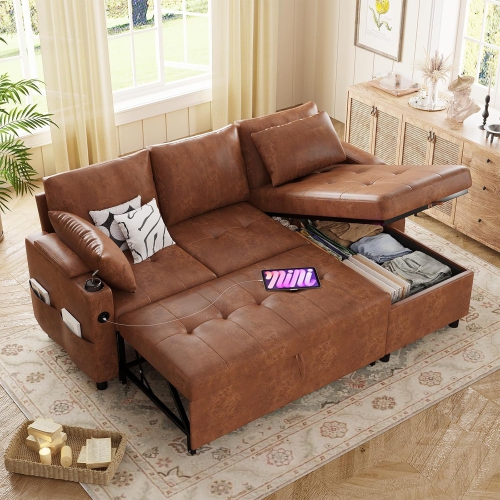 Your price for this item is $689.99
 -
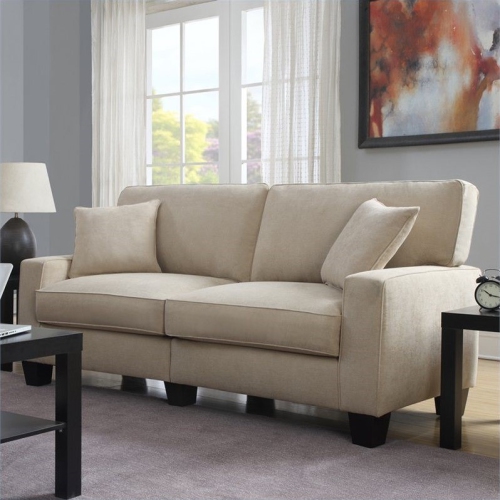 Your price for this item is $1707.8
 -
 Your price for this item is $265.99
 -
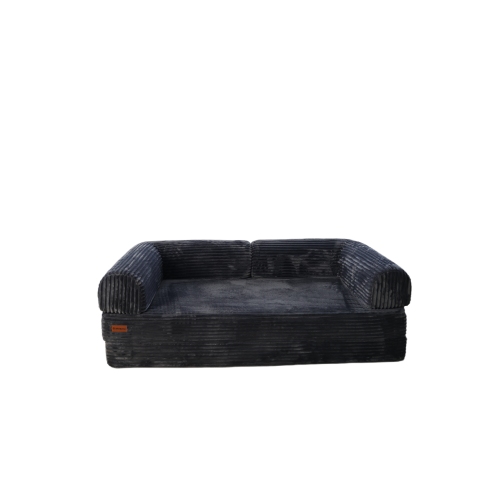 Your price for this item is $599.97
 -
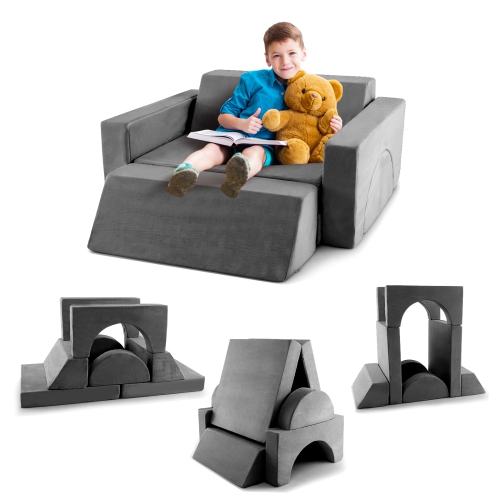 Your price for this item is $167.99
 -
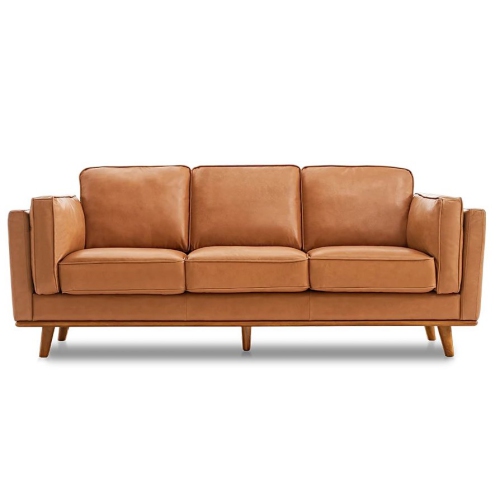 Your price for this item is $2399.99
 -
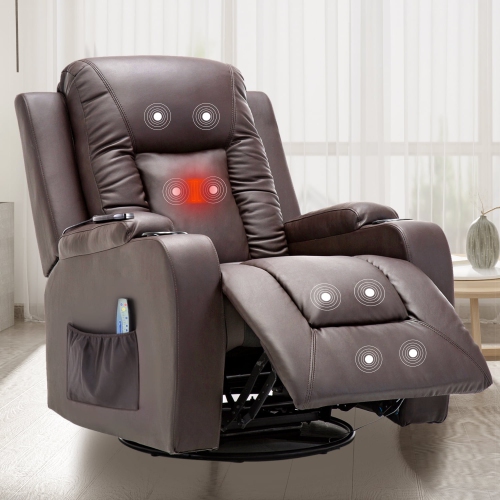 Your price for this item is $599.99
 -
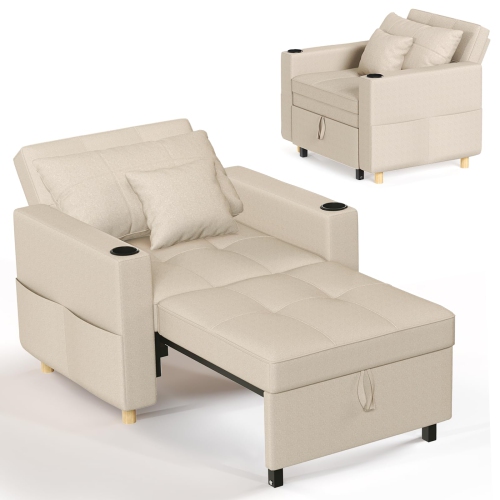 Your price for this item is $329.99
Discover more categories related to Sofa Couches
Top Collections:
Pokemon Centers, Kindle Devices, Best Budget Office Chairs, Apple iPhones 16, Best Laptops for Writers, iPhone 15 Apple, Canon G7X Cameras, Refurbished Apple Laptops, Alarm Clock, Motorola Razr Phones
Some products may be subject to Environmental Handling Fees
(EHF) depending on your province.
Learn more about EHFs.