Sofas for Rental Properties
Enhance the comfort and appeal of your space with sofas for rental properties designed to suit a variety of interiors. Whether furnishing an apartment, vacation home, or investment property, finding the right seating can help create a welcoming atmosphere for tenants and guests. Explore options that offer both style and practicality, making it easy to refresh your rental’s living area and leave a lasting impression. Discover sofas for rental properties that blend seamlessly into any décor, providing a smart solution for property owners looking to elevate their spaces.
Sort
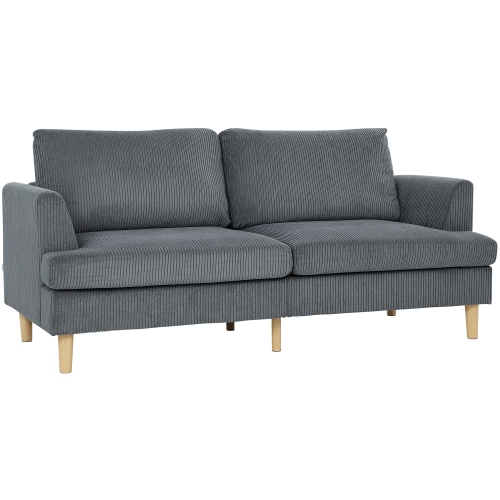
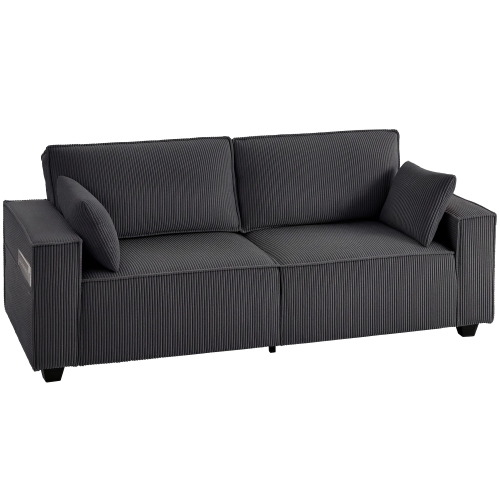

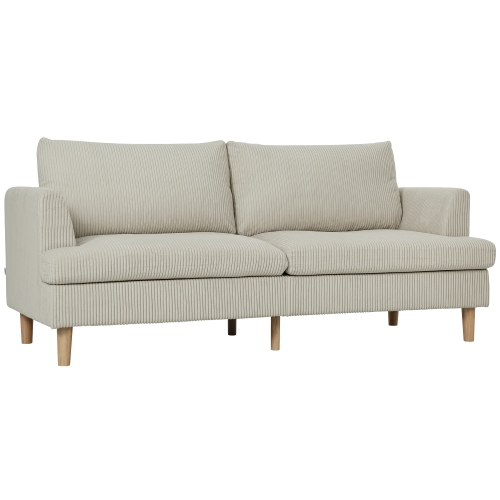


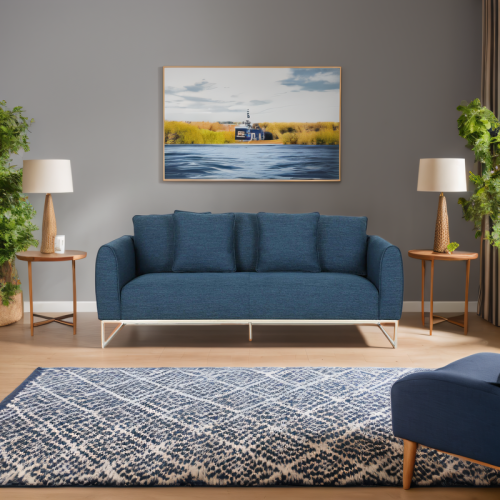





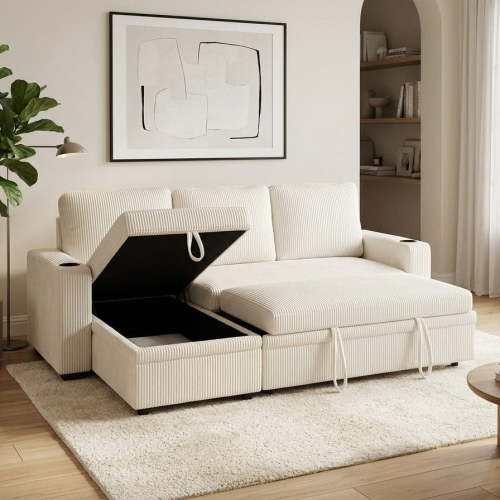

Why sofa fit and fabric matter in rentals
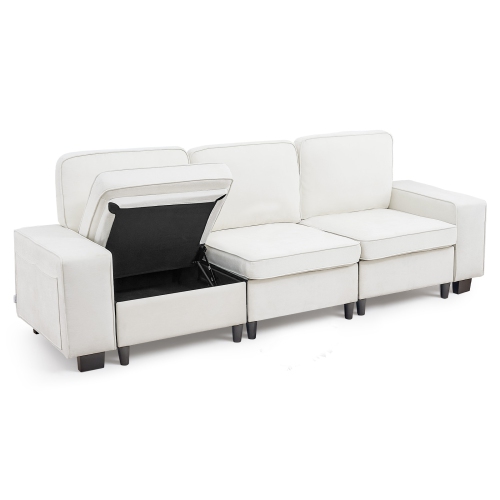
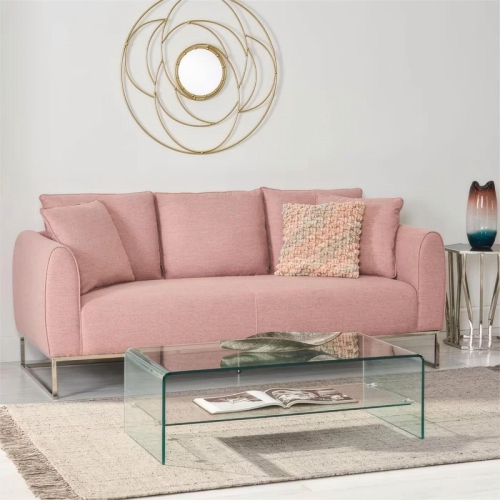
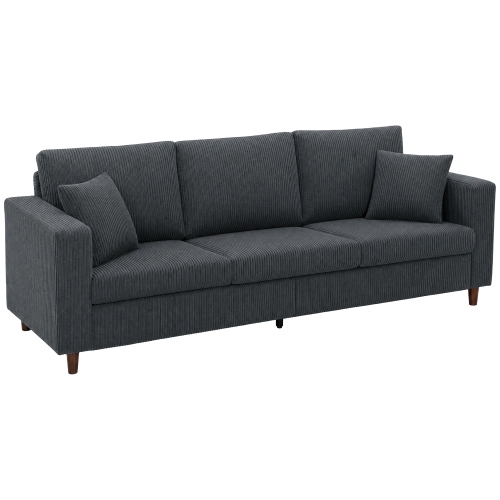
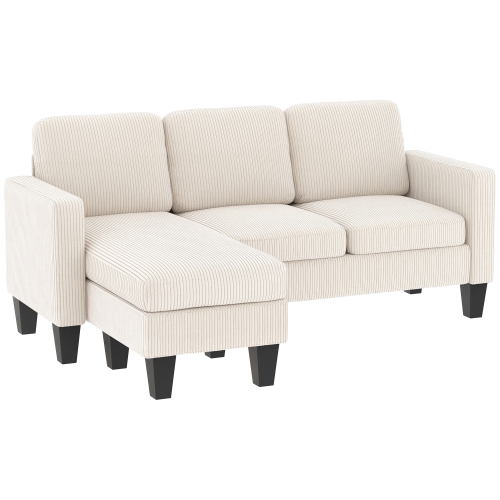
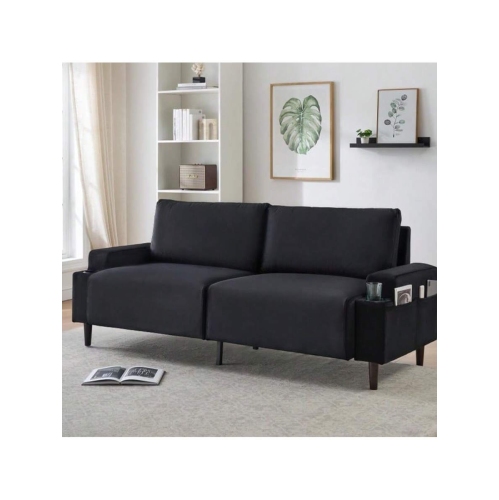
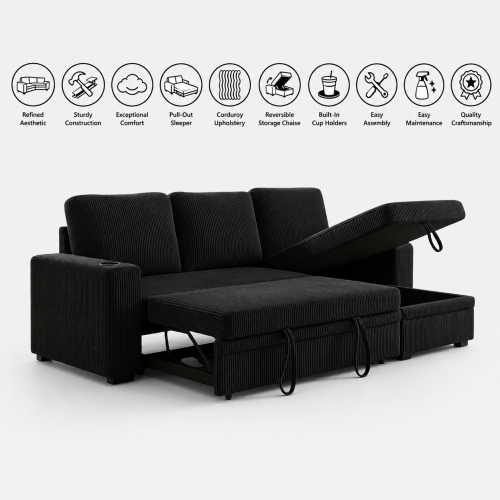
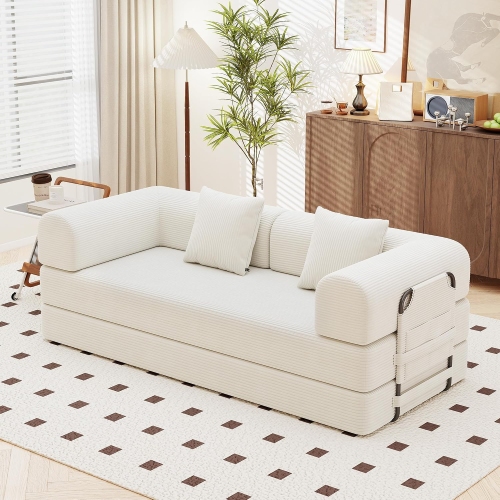
Sofas for rental properties need to balance durability, straightforward cleaning, and a versatile appearance that suits different occupants. In a furnished apartment, shared house, or short-term rental, the sofa often serves as the main place to relax, watch television, read, and spend time together. That makes dependable support and a practical layout just as important as colour and style. A compact sofa can provide comfortable seating in a studio without crowding the dining area, while a larger sofa or sectional may suit a family-sized living room. The right proportions depend on how people will use the space, not simply how much furniture fits against a wall. Leave room to walk between the seating area, entrance, kitchen, and any balcony doors, and allow drawers and nearby cabinets to open fully. A deep seat can feel inviting for lounging but may overwhelm a narrow room or make it harder for some guests to sit with their feet supported. Upright backs and moderate seat depths can be more adaptable when occupants have different preferences. Before choosing a size, measure the room alongside the delivery route, including doorways, stairwell turns, elevator openings, and hallway corners. Removable legs or a sectional that separates into manageable pieces can make moving easier, although the dimensions of each component still matter. For layouts that may change between tenancies, a conventional sofa with separate accent seating can offer more flexibility than a large, fixed arrangement. Reversible chaise designs can also help accommodate different room configurations, provided the construction allows the chaise to move to the required side. Visually, simple silhouettes and easy-to-coordinate colours tend to work across a range of furnishings. Mid-tone grey, taupe, brown, or muted blue can provide a useful foundation, while cushions and other accessories add character without making the room feel tied to one occupant’s taste. Rounded arms and restrained detailing can help the seating feel welcoming without dominating a modest living area.
Upholstery deserves close attention because rental seating may see frequent use from different households. Tightly woven fabrics with a smooth, substantial surface are worth considering, particularly where loose weaves or raised loops could catch on bags, clothing fasteners, or pet claws. Fabric composition alone does not establish durability: weave, construction, abrasion testing, and the manufacturer’s intended use all help explain how upholstery is likely to perform. Where abrasion-test information is provided, compare results within the same testing method rather than treating unlike ratings as directly interchangeable. Pattern and texture also affect day-to-day appearance. A subtle, multi-tonal weave may make minor marks less noticeable than a flat, pale fabric, though no colour replaces regular cleaning. Microfibre can be practical for some rental settings, but its care requirements still depend on the specific upholstery. Leather offers a different feel and can allow certain surface spills to be wiped away promptly, while also requiring appropriate care and protection from scratches. Coated upholstery should be assessed on its own construction and care instructions rather than assumed to perform like leather. Removable covers can simplify maintenance, but a removable cover is not necessarily machine washable; the care label should determine whether washing, spot cleaning, or professional cleaning is appropriate. Beneath the upholstery, frame construction, secure joints, stable legs, and consistent cushion support contribute to how well a sofa handles repeated use. A reinforced frame and well-supported seat can help prevent the loose, uneven feel that becomes noticeable when several people sit down together. Cushion firmness is another practical distinction: very soft seats may feel comfortable initially but can require frequent reshaping, while a more supportive seat may be easier to get in and out of. Between occupancies, vacuum crevices, check beneath cushions, and inspect legs, connectors, and seams. Blot spills promptly rather than rubbing them into the fabric, and test any permitted cleaner on an inconspicuous area first. Clear, brief care information kept with the property can also help occupants respond appropriately to an accidental spill without reaching for a cleaning product that could damage the finish.
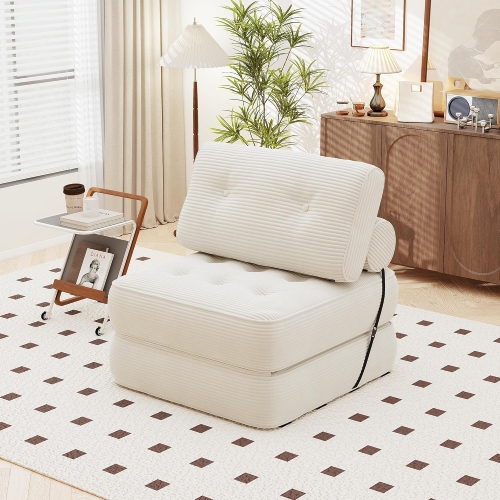
The most useful sofa style reflects the rental’s intended use rather than adding features that rarely earn their space. In a compact furnished suite, a sofa with raised legs can create a lighter visual impression and provide access for cleaning underneath, provided there is enough clearance for the cleaning tools being used. A design that sits closer to the floor creates a different look, but the area beneath it may take more effort to reach. For shared accommodation, clearly defined seat cushions can give occupants comfortable places to sit without crowding one another, while a broad chaise may better suit a space centred on lounging. Reclining designs need sufficient operating clearance, and their mechanisms should be considered alongside the property’s layout and maintenance needs. Sofa beds can add flexibility where the rental is intended to accommodate overnight visitors, but the open bed dimensions, access around the sleeping surface, and ease of operating the mechanism are essential considerations. Seating comfort and sleeping comfort are separate qualities, so neither should be assumed from appearance alone. Coordinating living-room seating with beds for rental properties can bring a consistent focus on practical fit and comfort to a furnished home without requiring every piece to match. Within the living room, a sofa should work with the coffee table, lighting, and television position so occupants can settle in without rearranging the furniture. Keep frequently used walkways clear, place drinks within comfortable reach, and avoid squeezing extra seating into spaces needed for everyday movement. For properties used by families or guests travelling with pets, upholstery care and secure, stable construction may take priority over decorative details. For longer stays, supportive seating and room to stretch out can matter more than a striking silhouette. A well-chosen rental sofa makes the room feel ready for daily life: comfortable enough for an evening indoors, proportioned for the space, and manageable to care for between occupants.
Top selling and popular products
-
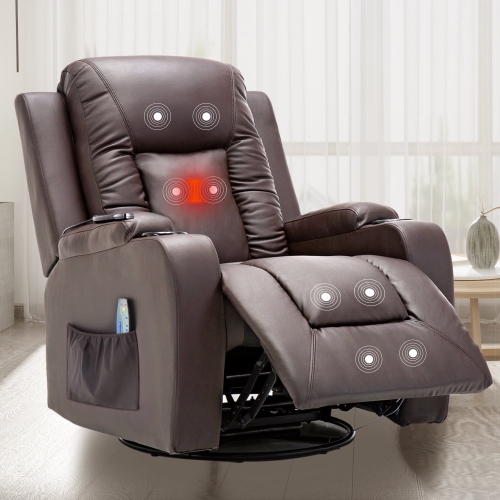 Your price for this item is $599.99
-
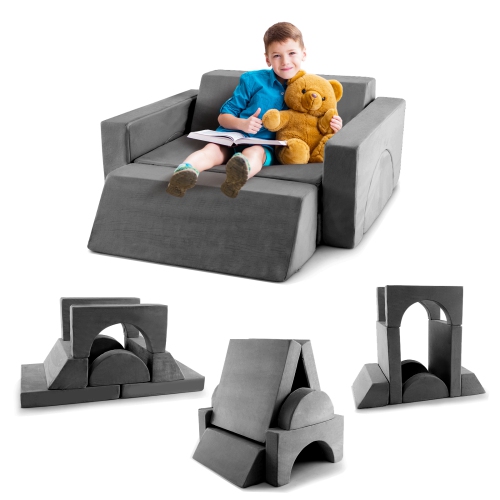 Your price for this item is $167.99
-
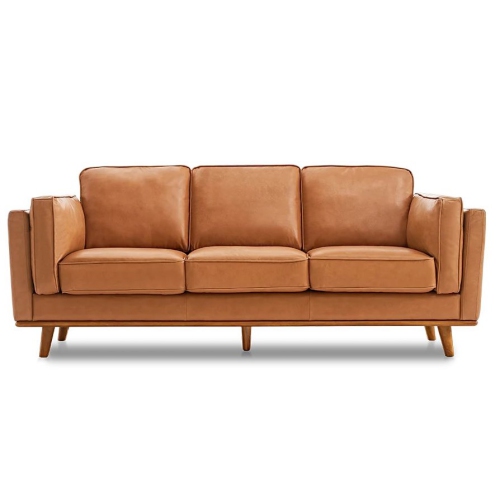 Your price for this item is $2399.99
-
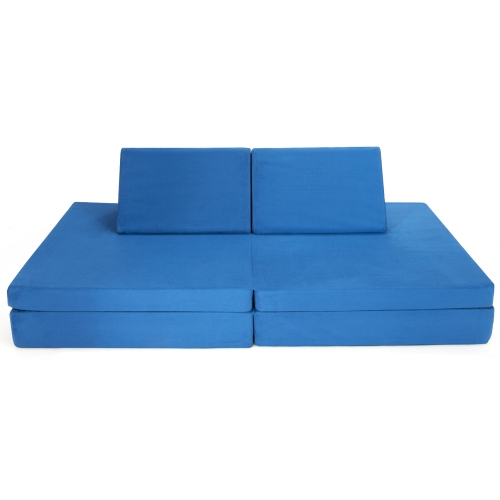 Your price for this item is $167.99
-
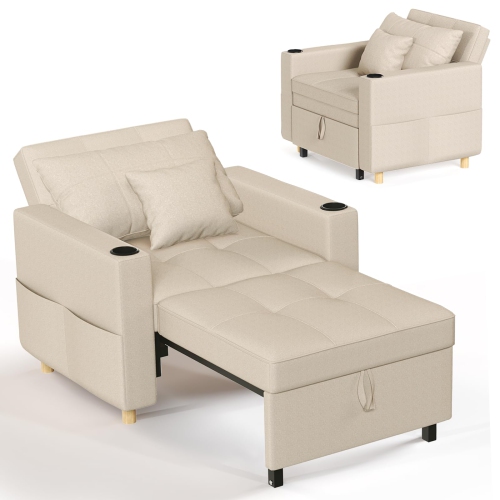 Your price for this item is $329.99
-
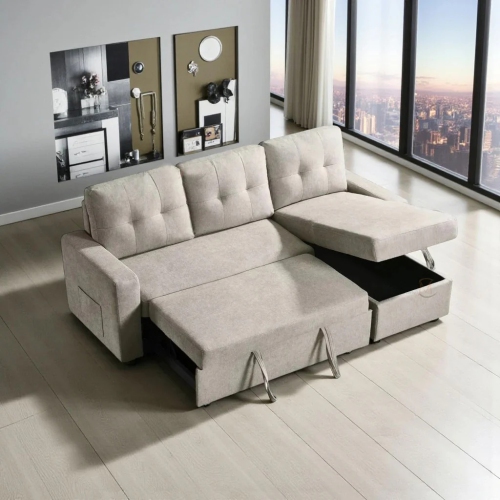 Your price for this item is $999
-
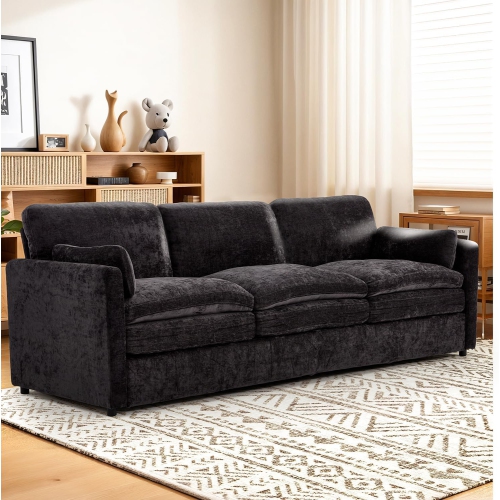 Your price for this item is $559.99
-
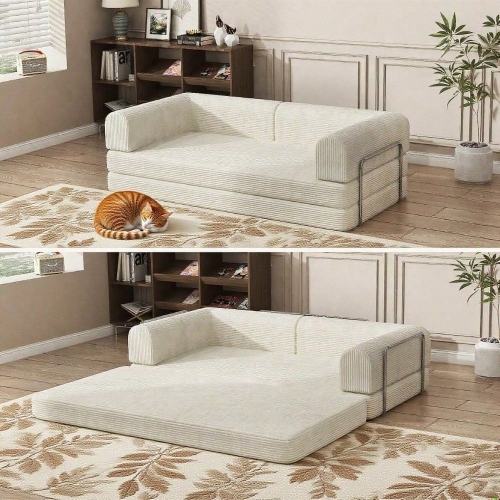 Your price for this item is $515.99
Discover more categories related to Sofas for Rental Properties
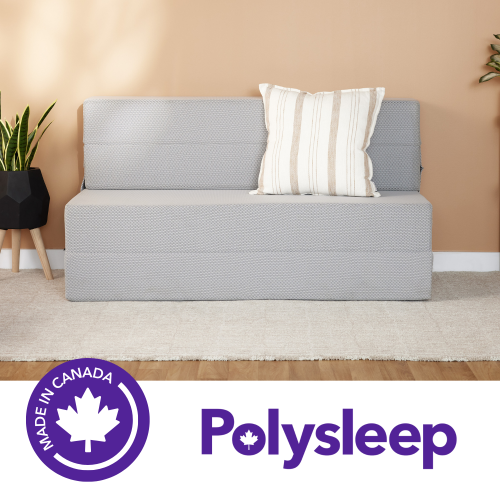
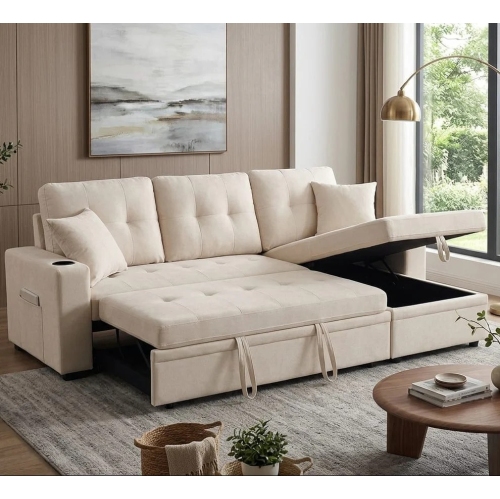
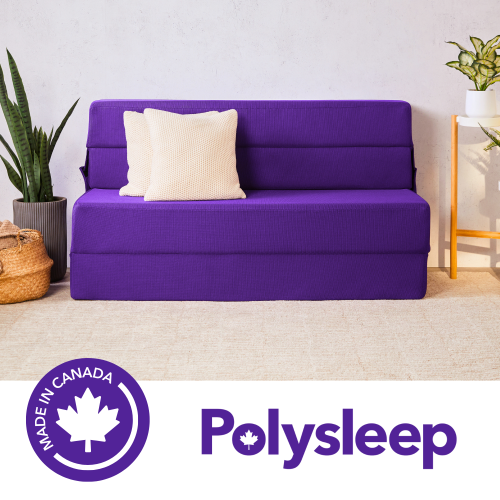
Top Collections:
Pokemon Centers, Best Cameras for Sports Photography, Kindle Devices, Samsung Galaxy Phones, Canon G7X Cameras, Pokémon 30th Celebration Cards, Refurbished Apple Laptops, iPhone 15 Apple, Laptops for Students, Budget Smartphones
Some products may be subject to Environmental Handling Fees
(EHF) depending on your province.
Learn more about EHFs.