Soft Sheets
Experience the epitome of comfort and luxury with our collection of soft sheets. Crafted with the finest materials and designed for ultimate relaxation, these sheets are the perfect addition to any bedroom. Indulge in a restful night's sleep as you sink into the softness of these premium linens. Upgrade your bedding ensemble with our selection of irresistibly soft sheets that will keep you cozy and comfortable all night long.
Sort
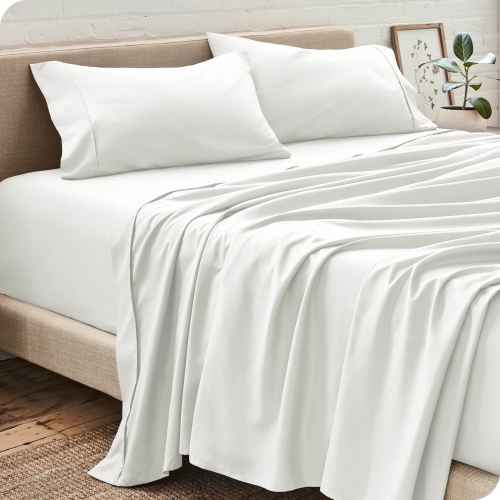


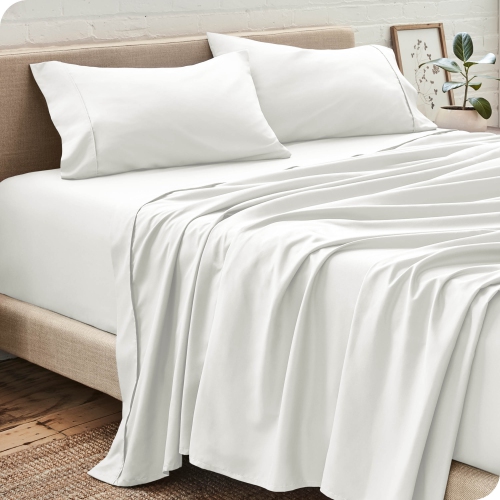

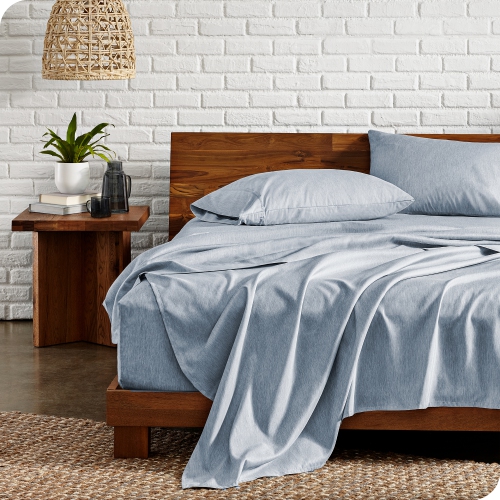
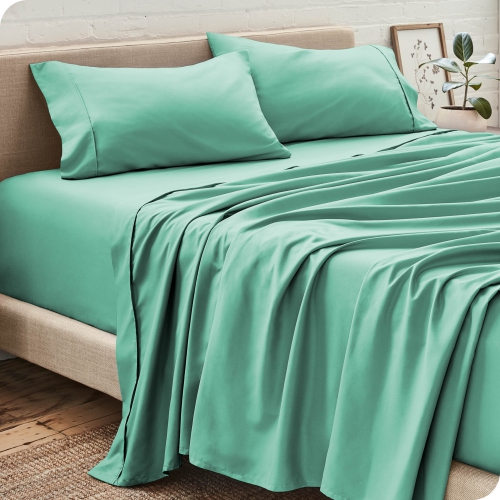
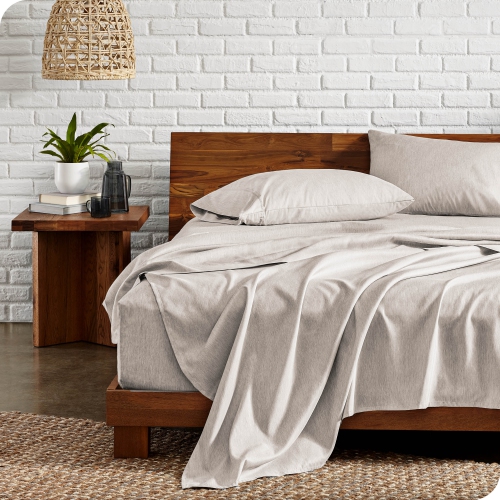

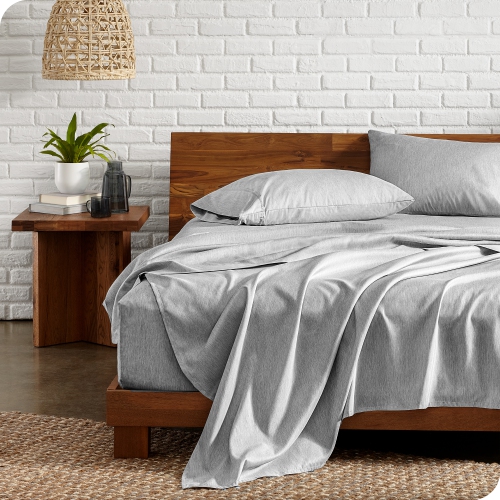
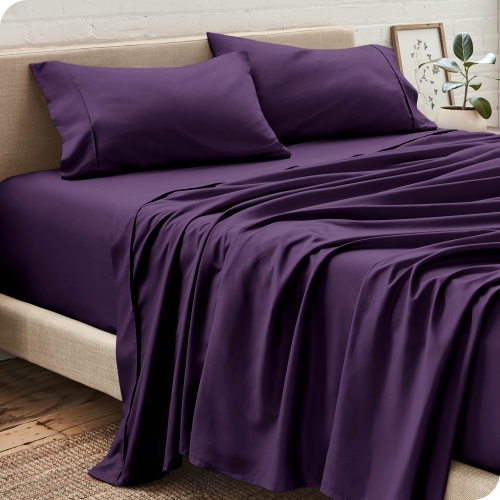
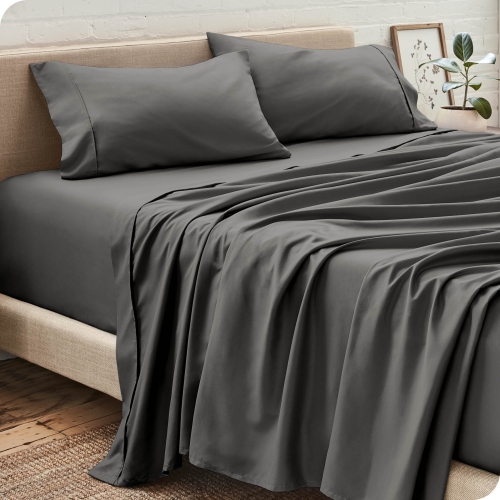
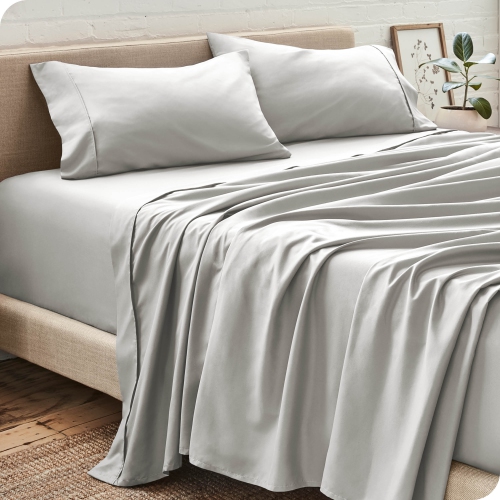
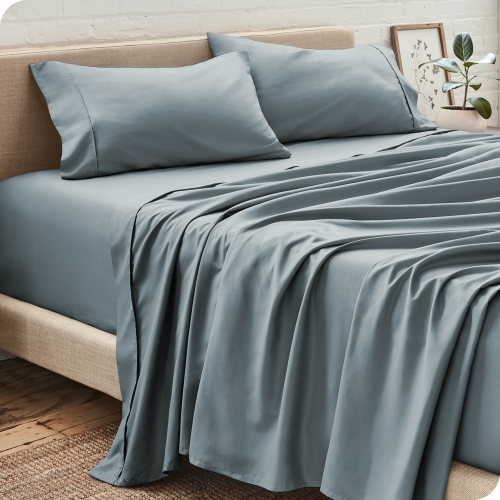
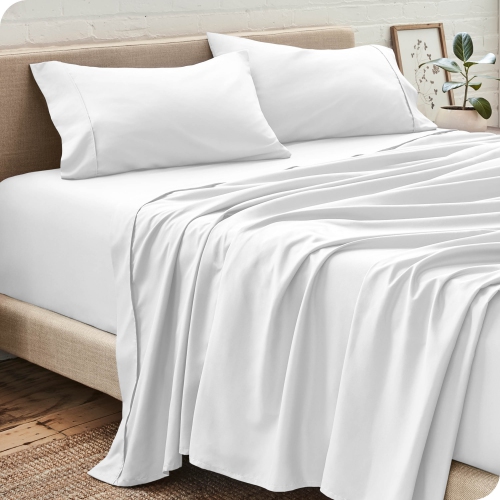
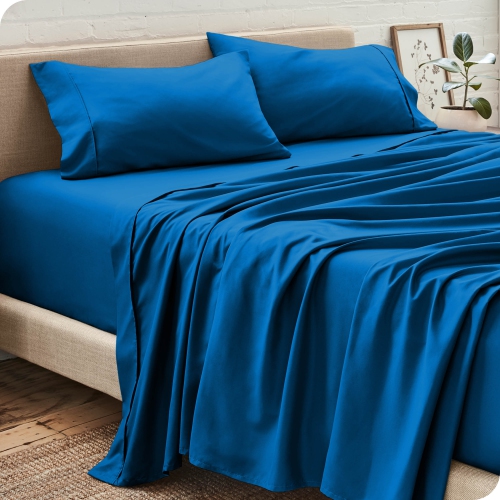
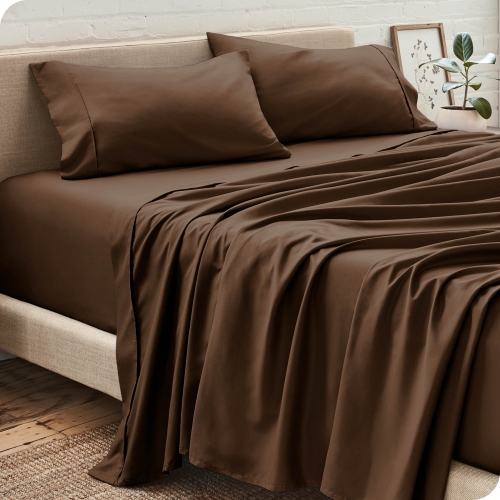


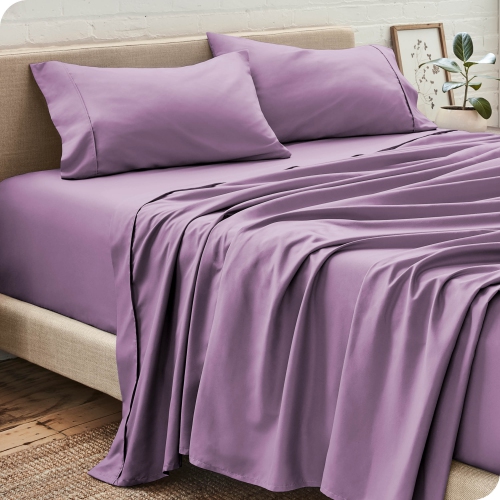
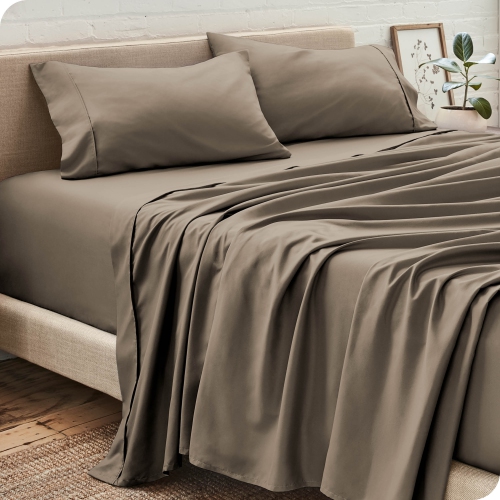
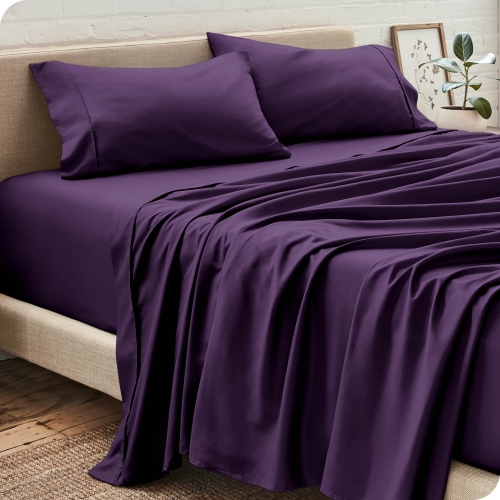
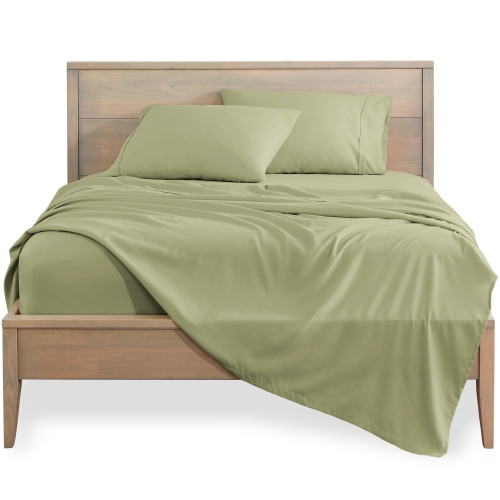


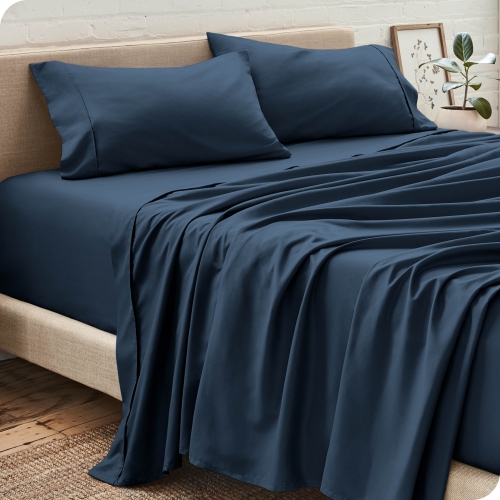
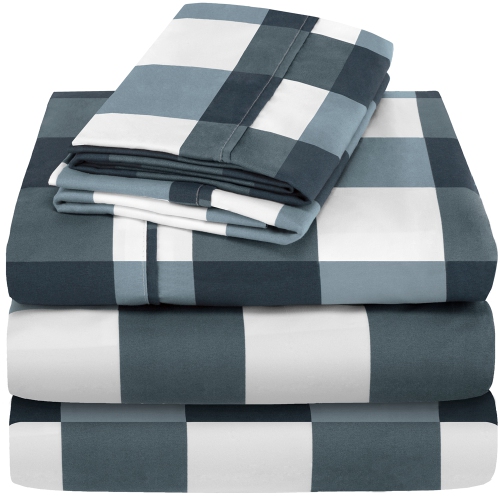
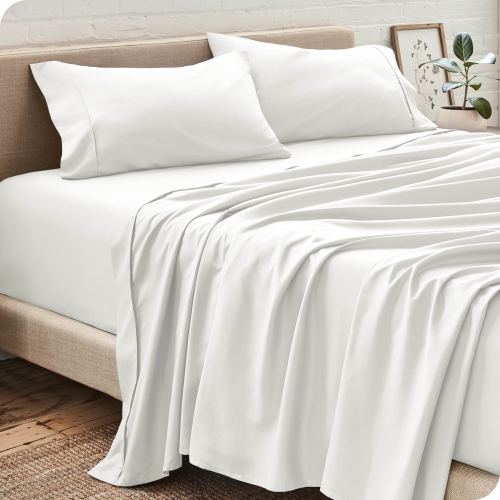
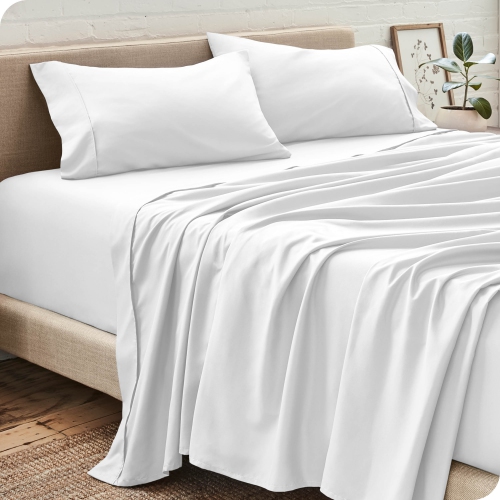
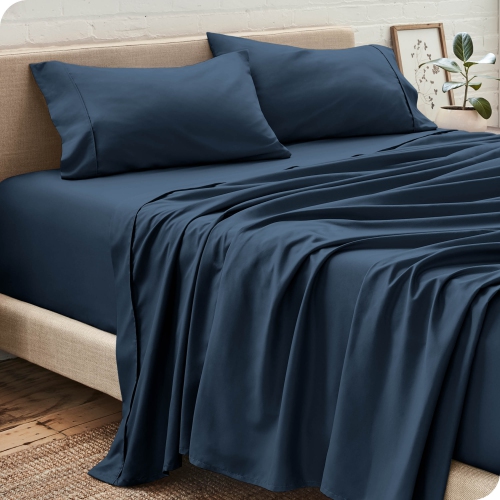
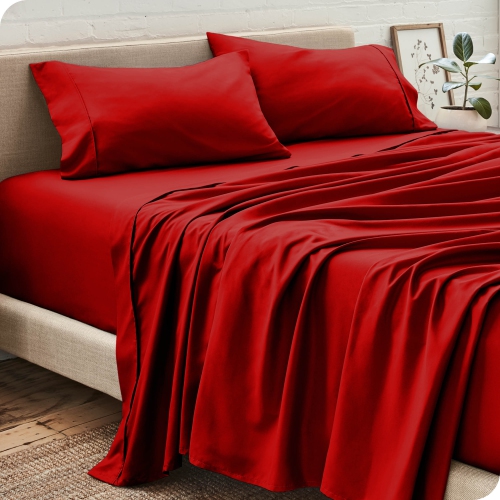
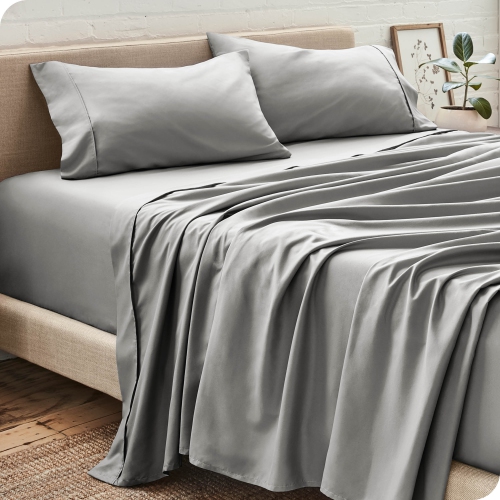
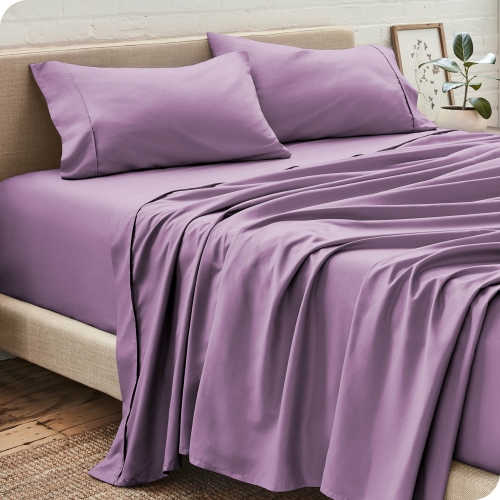
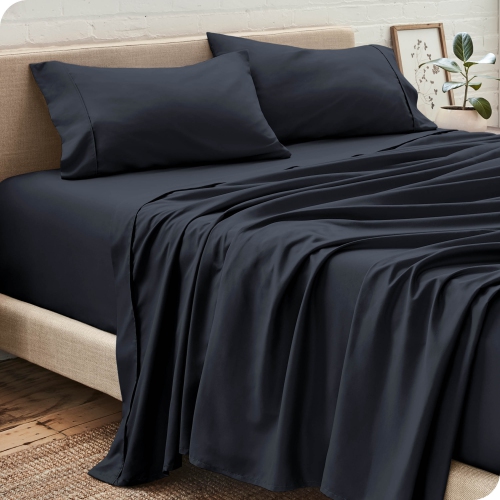
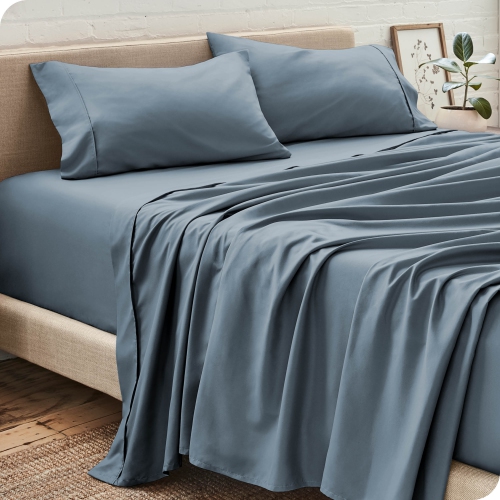

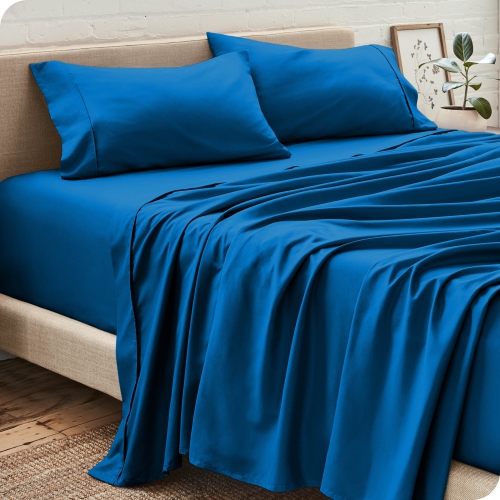

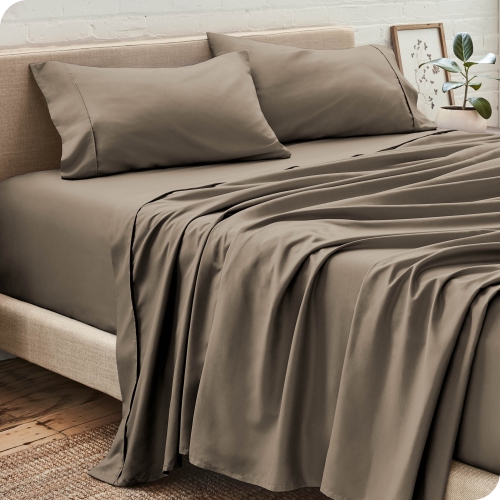

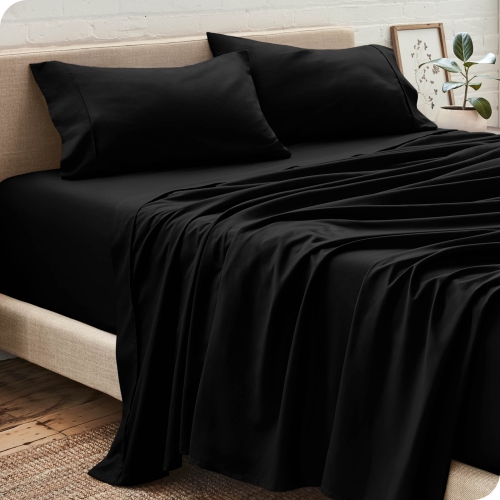
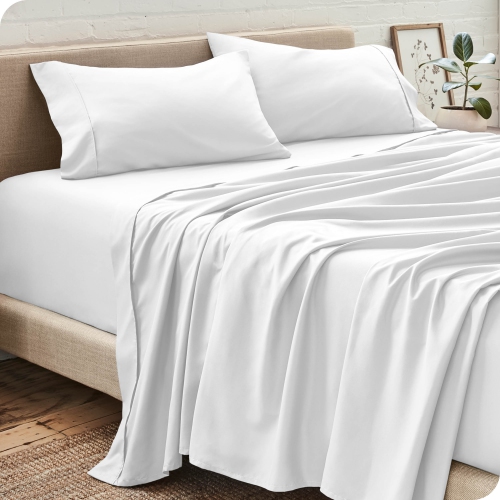
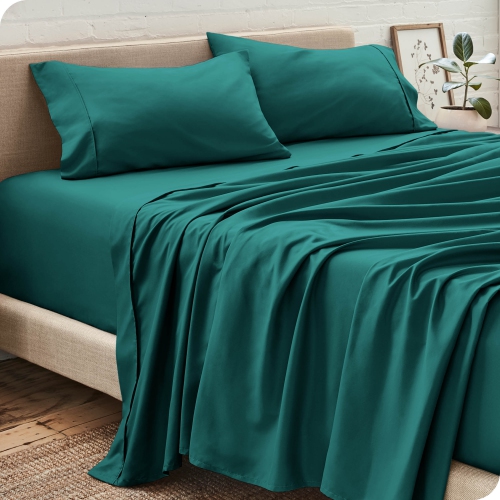

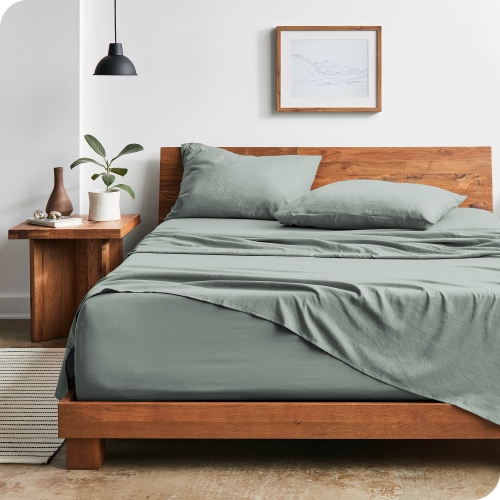


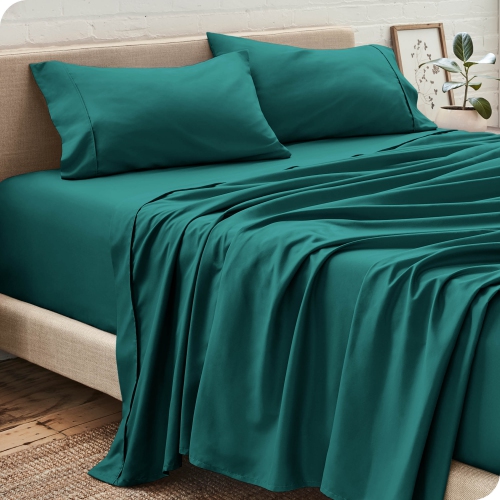
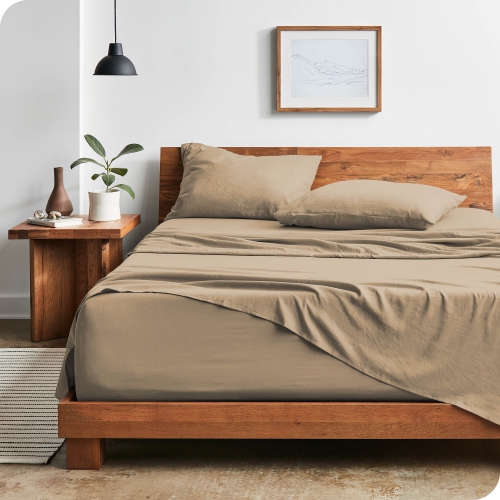
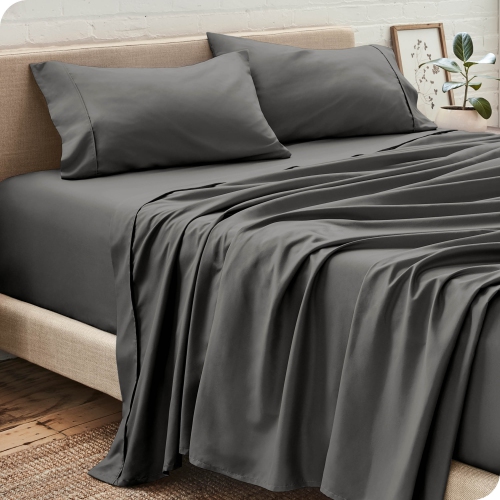
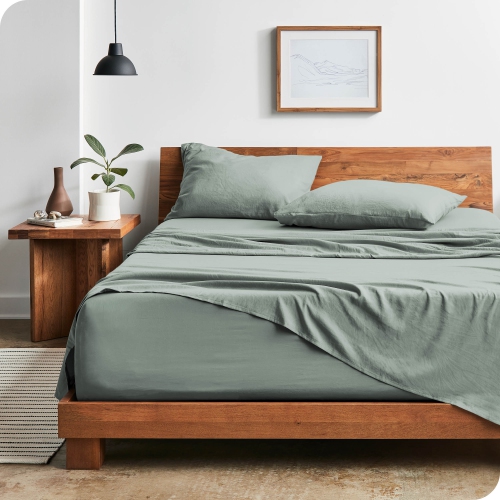
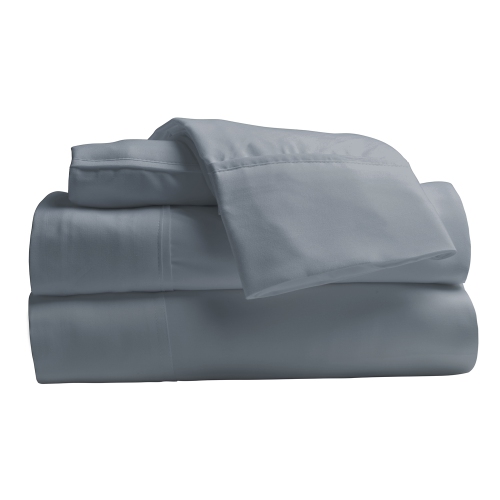
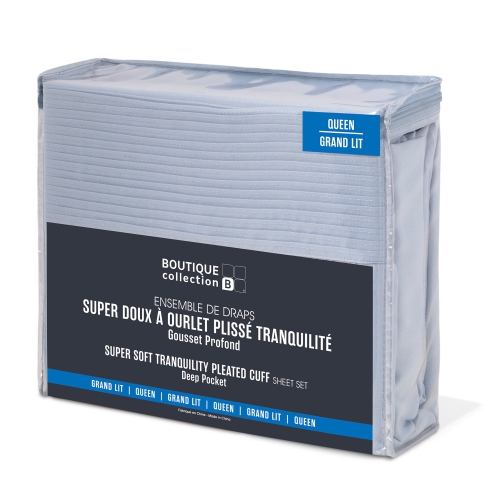
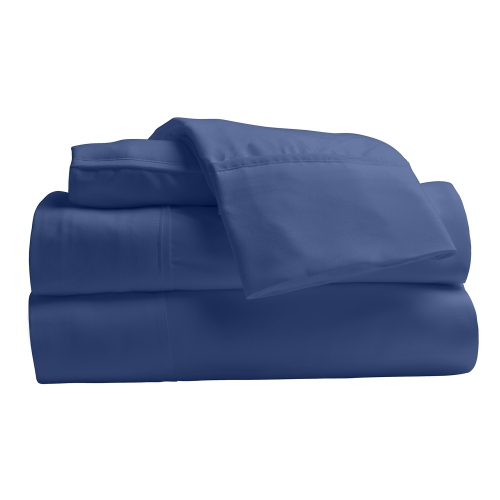
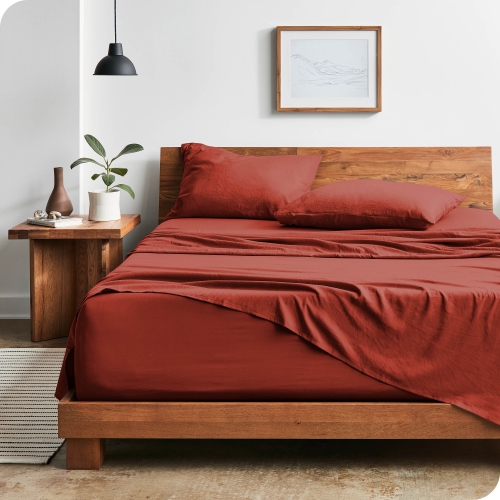
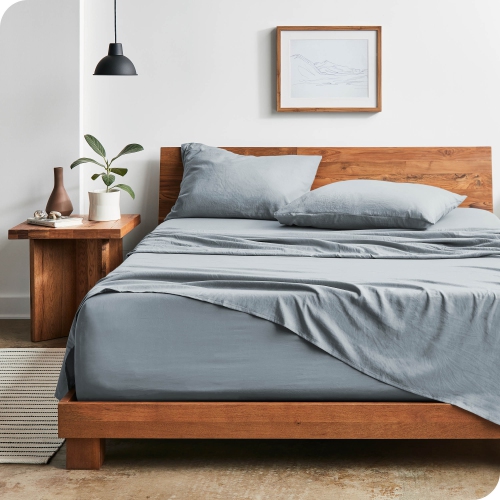
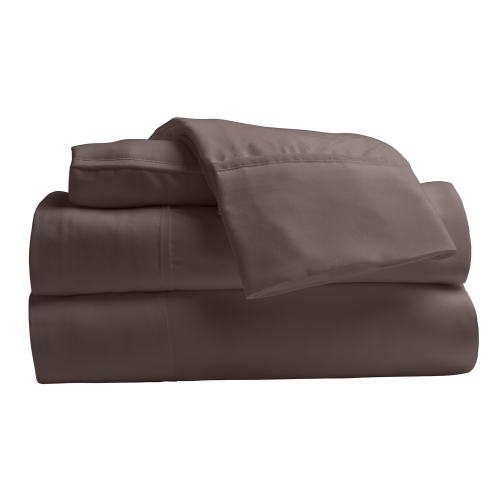
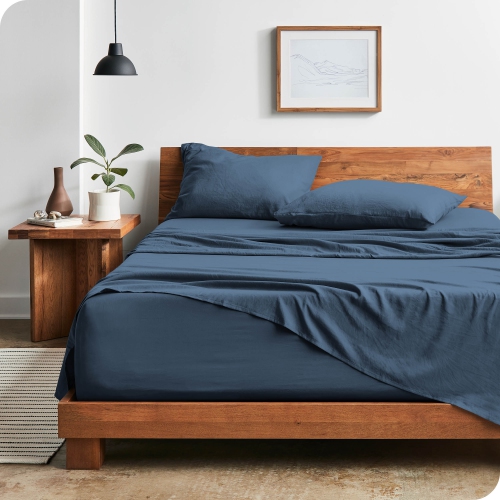
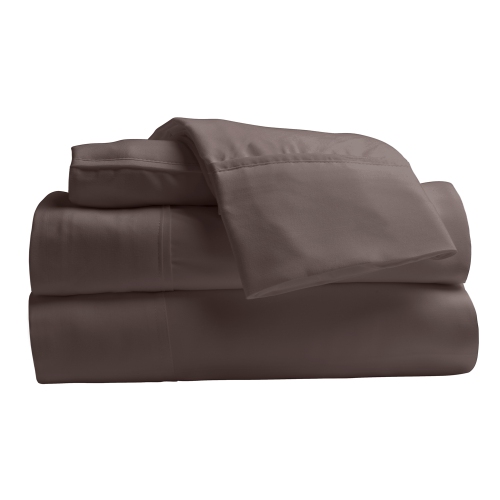
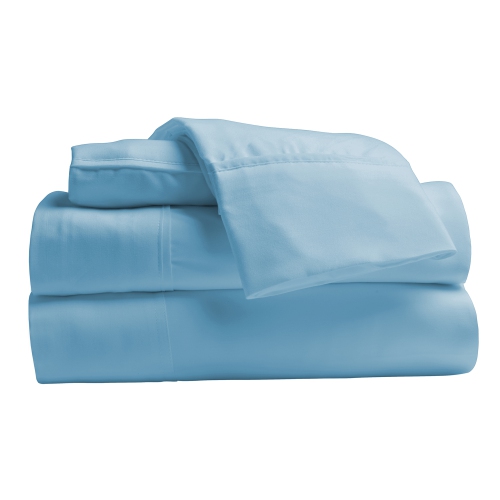

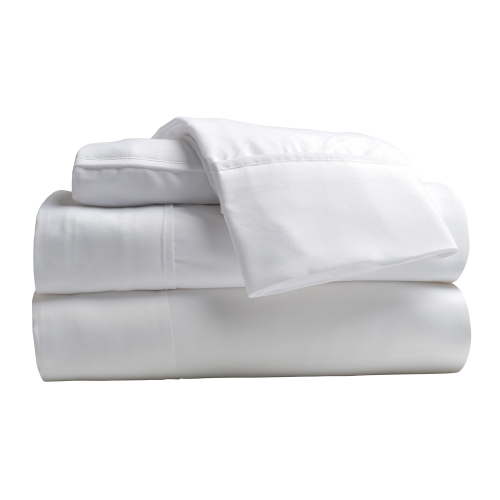
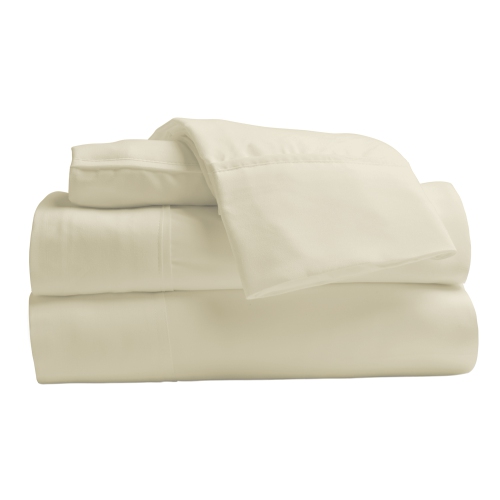
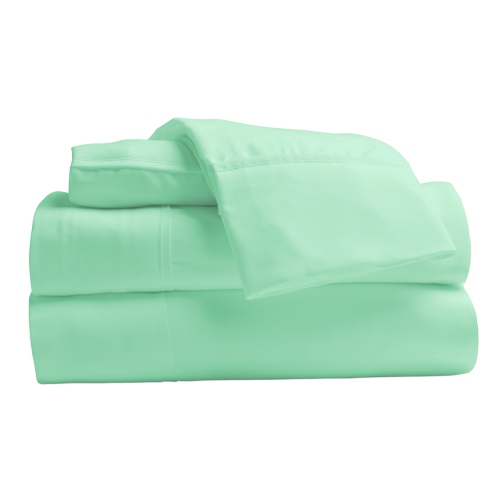

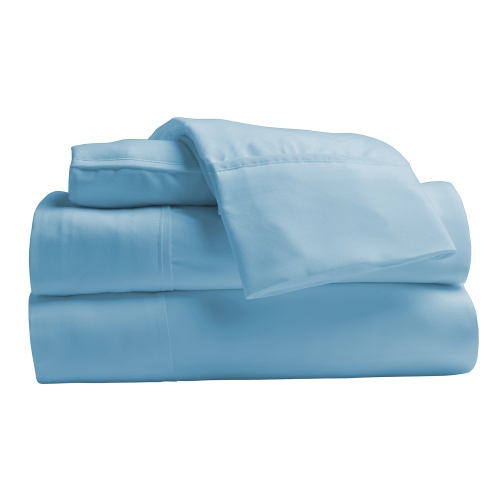
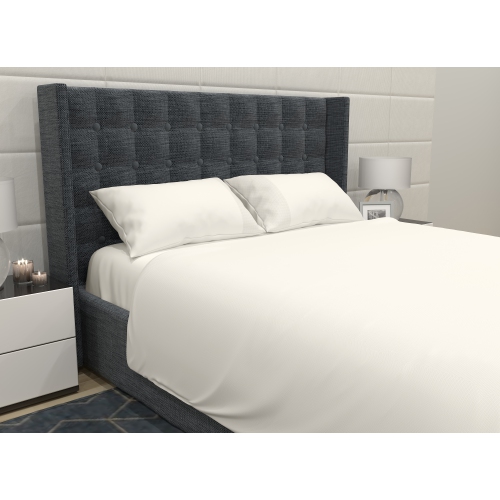
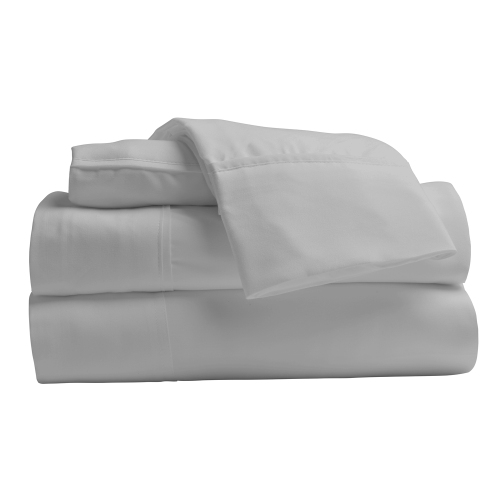
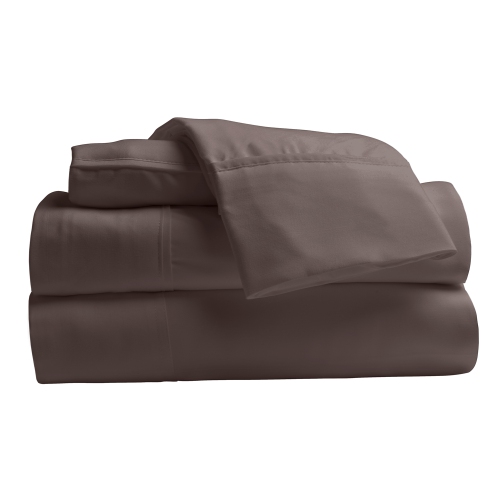
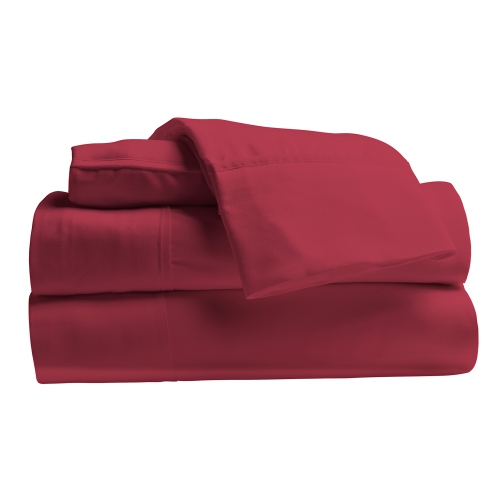
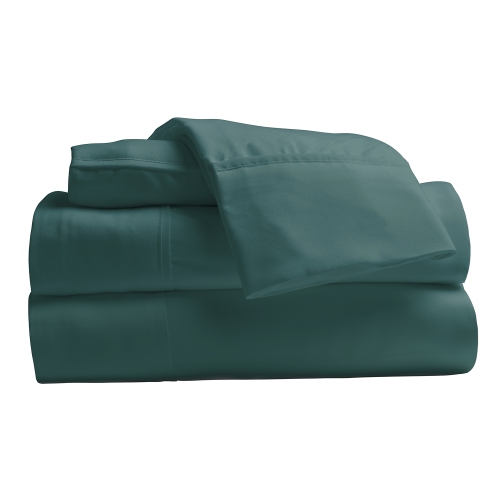
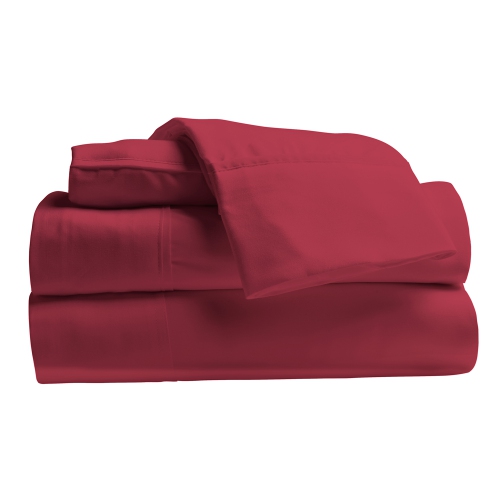
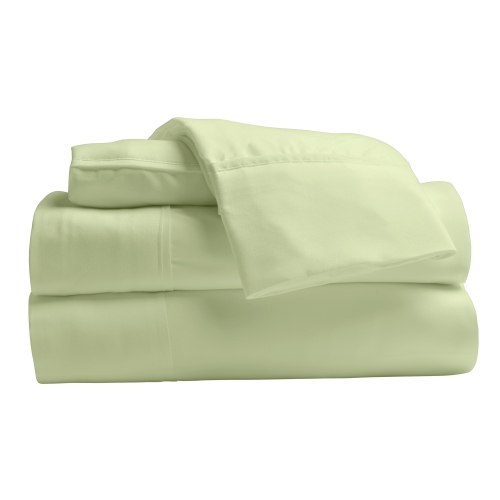
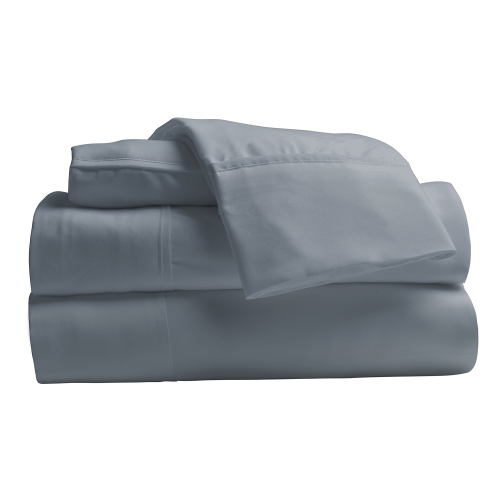
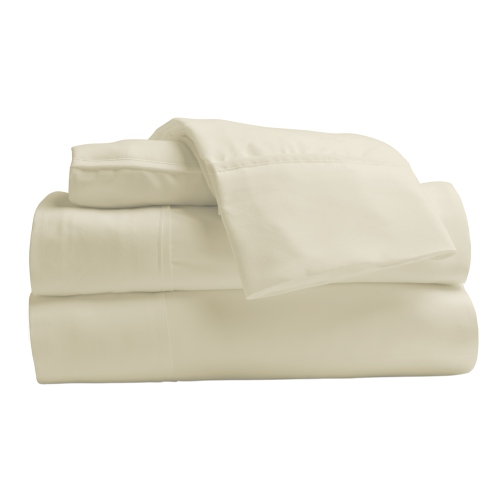
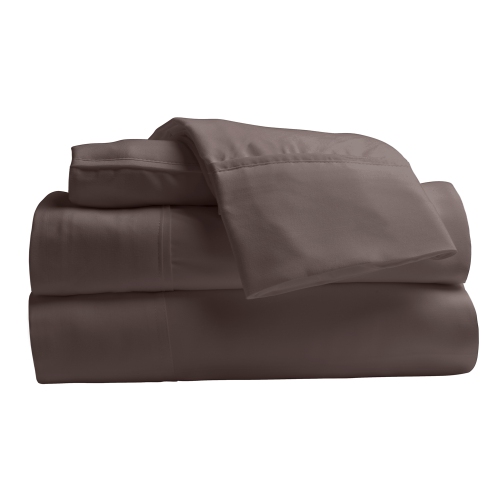
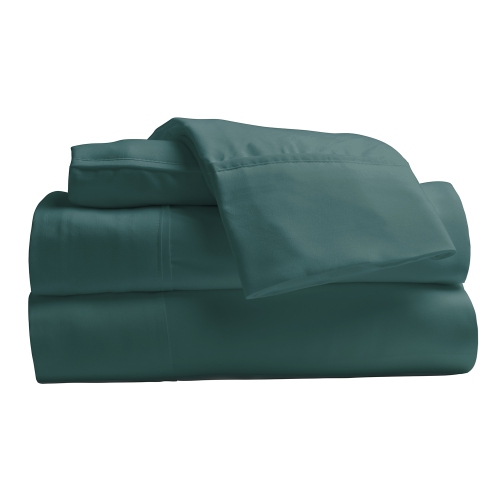
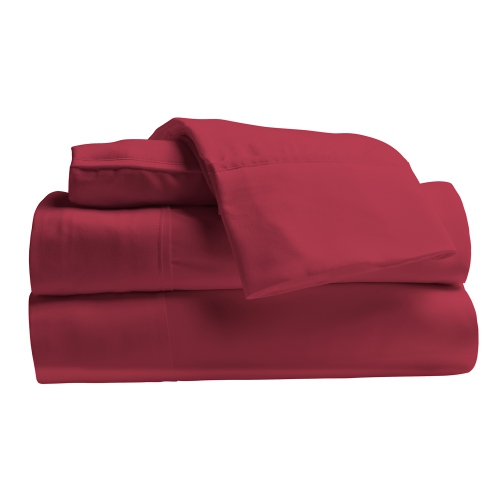
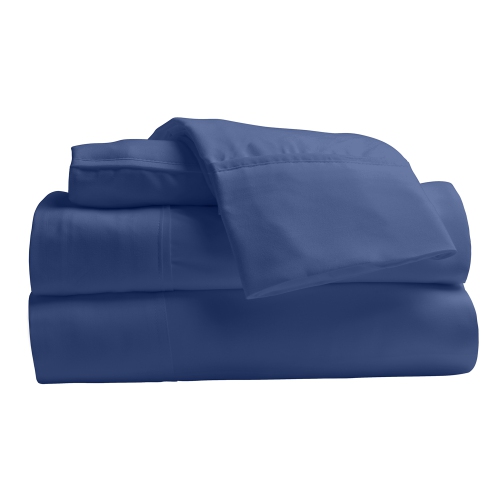
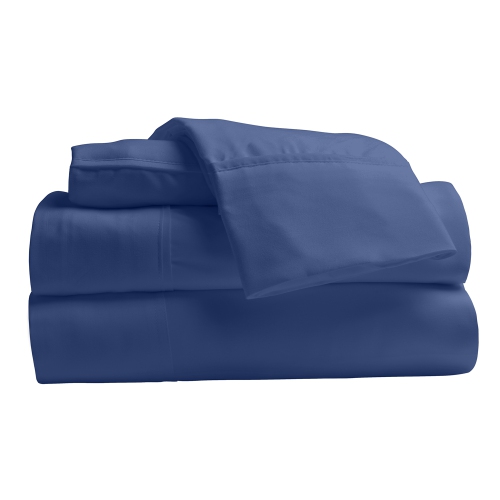
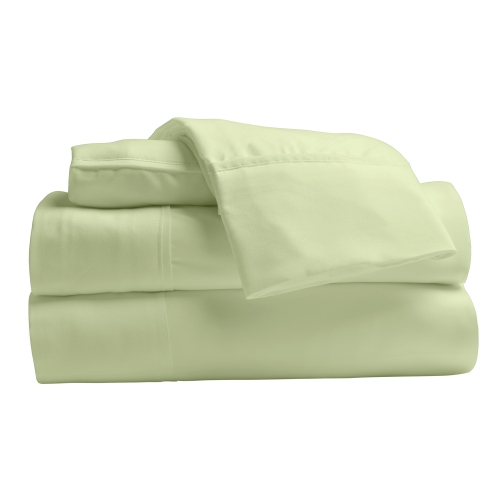
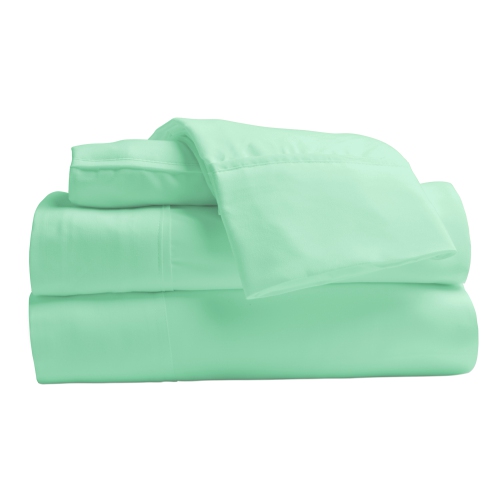
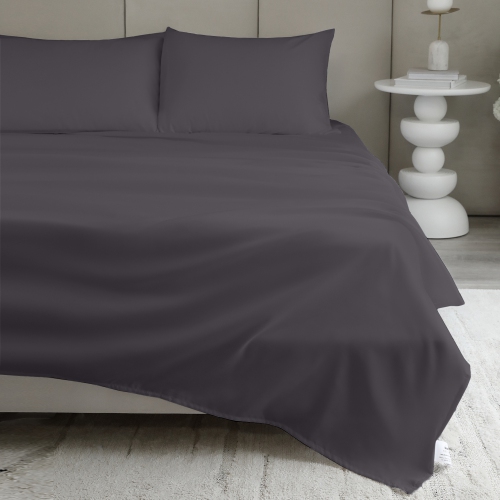

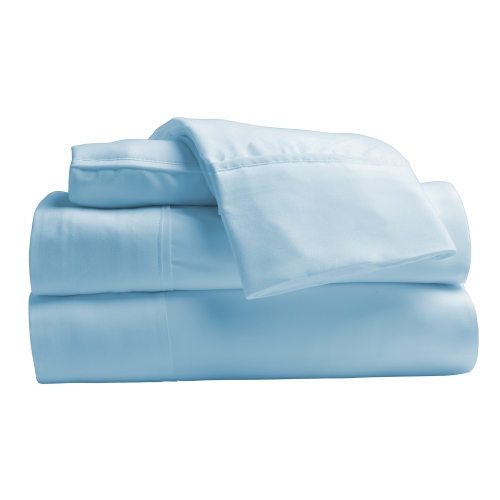
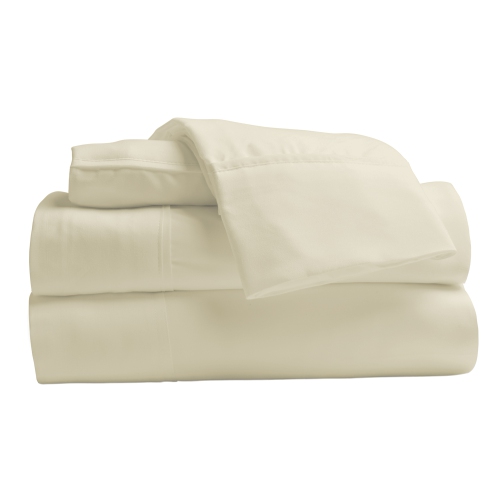
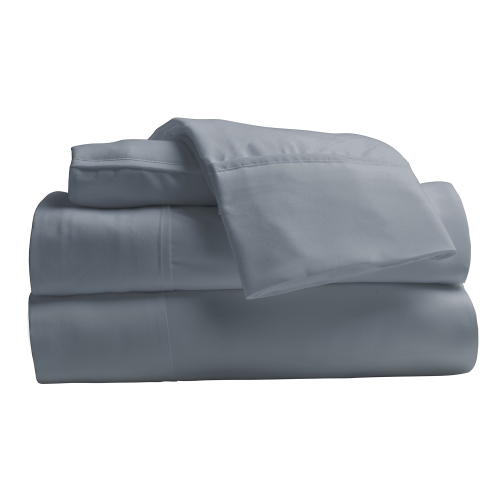
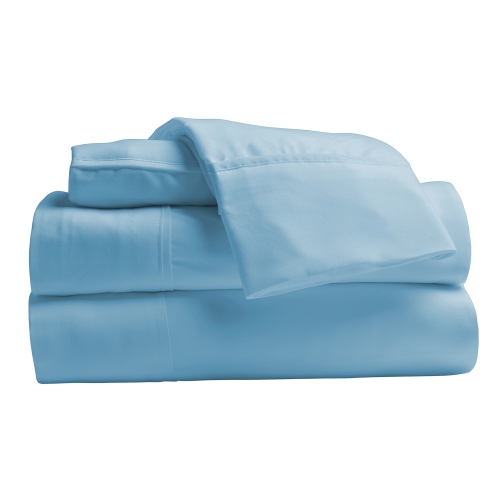
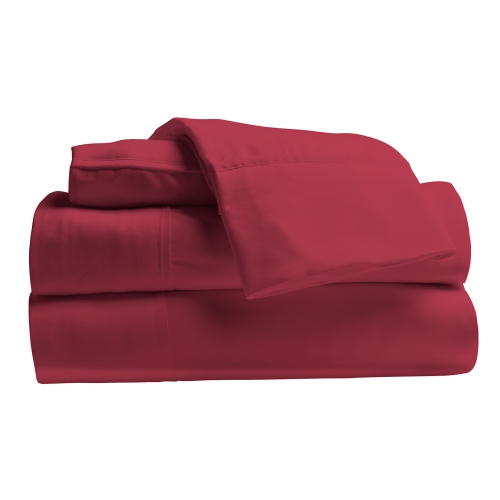
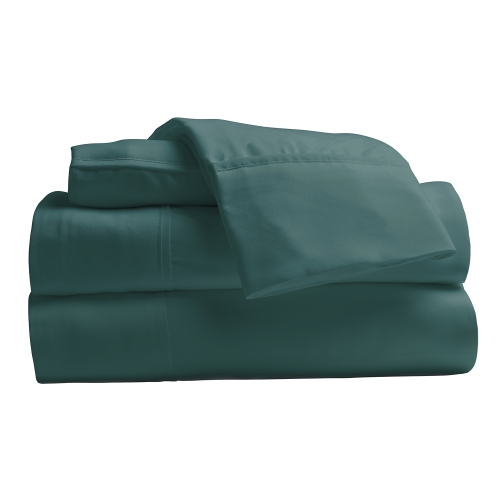
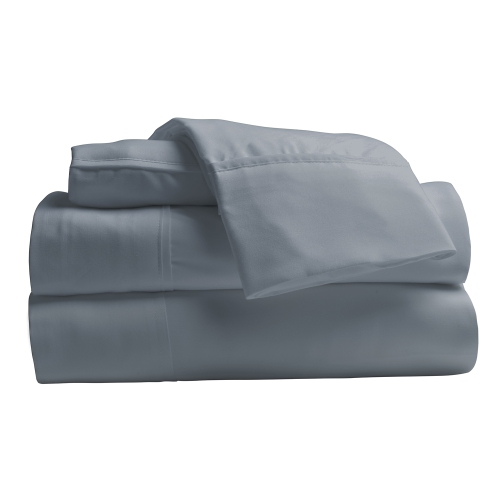
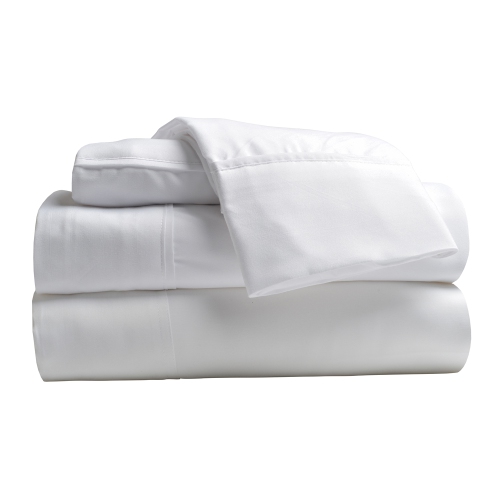
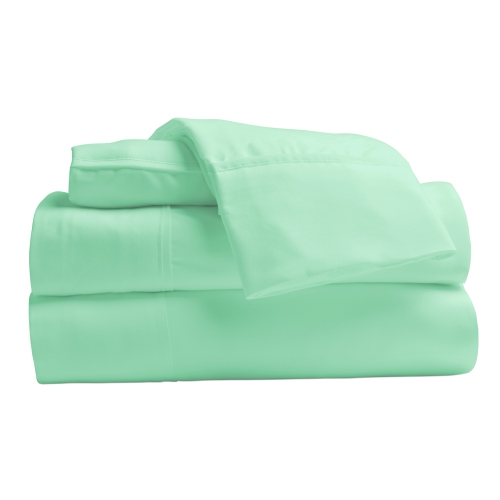
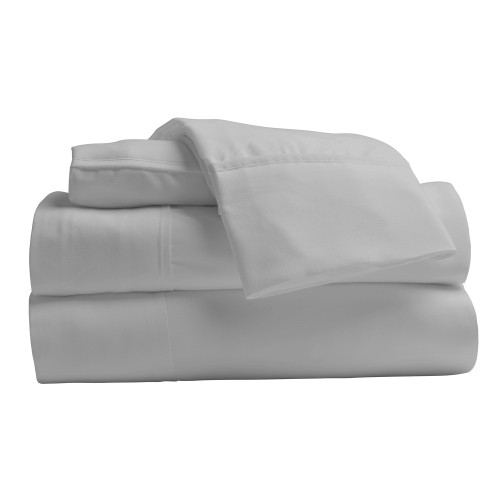
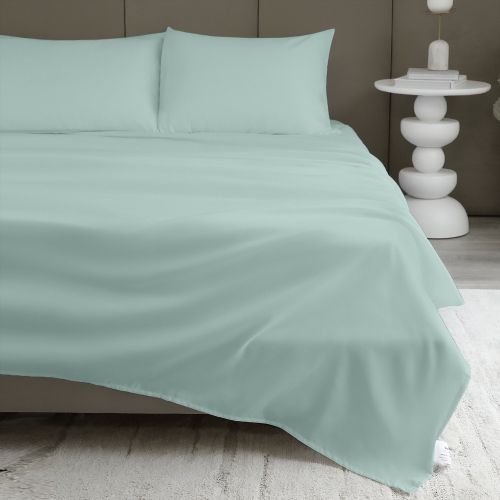
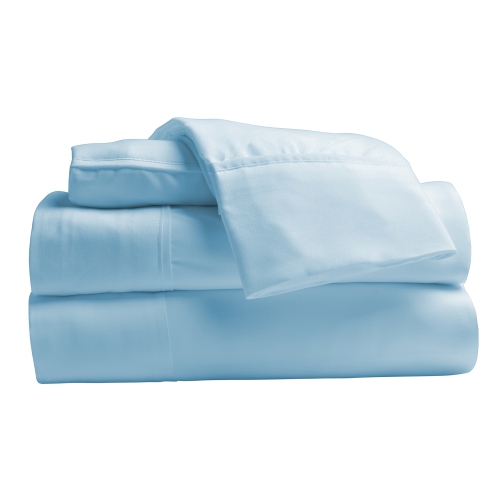
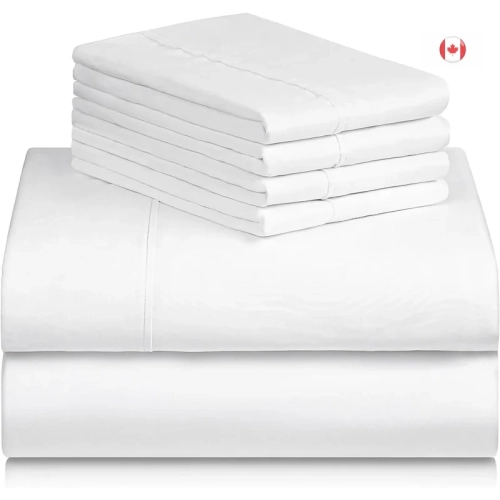

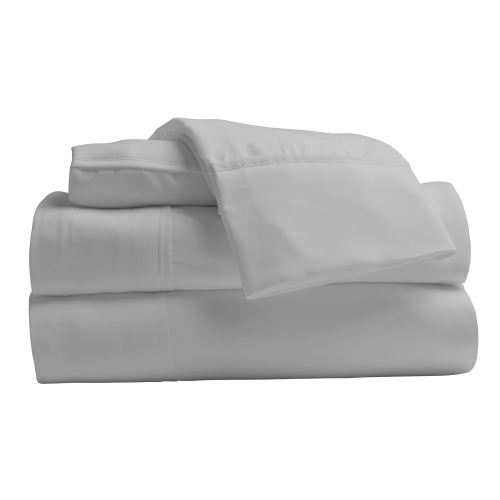
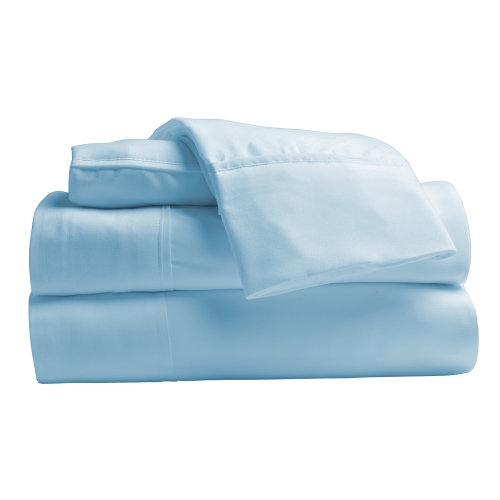

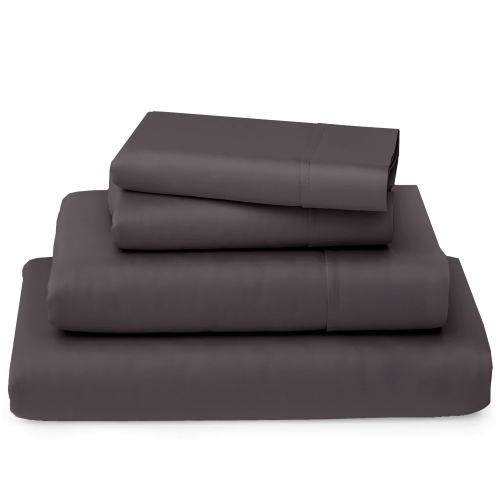
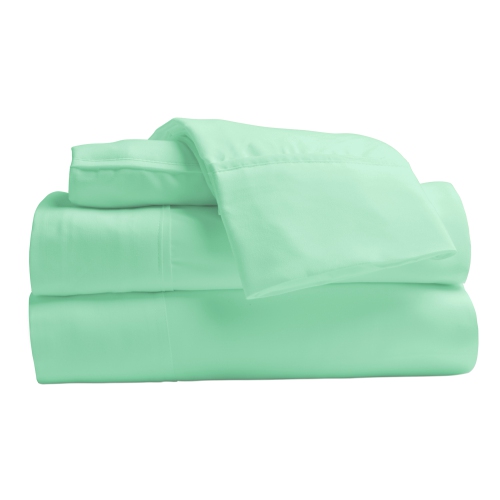
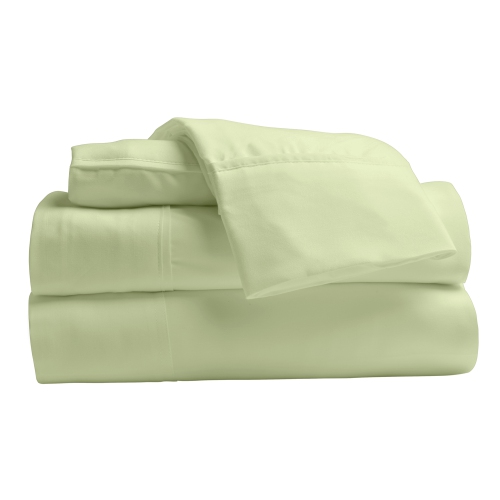
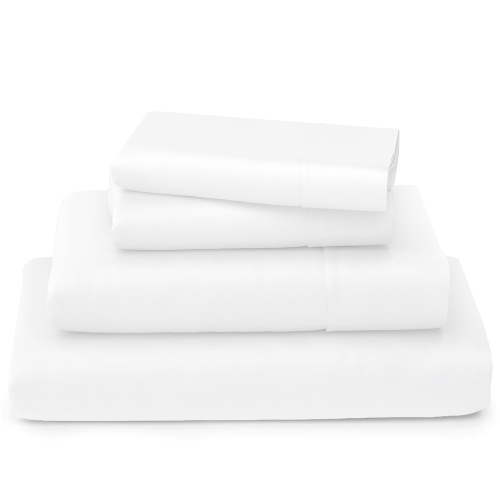
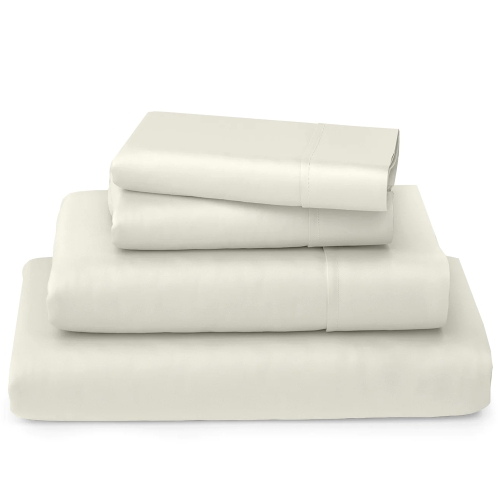
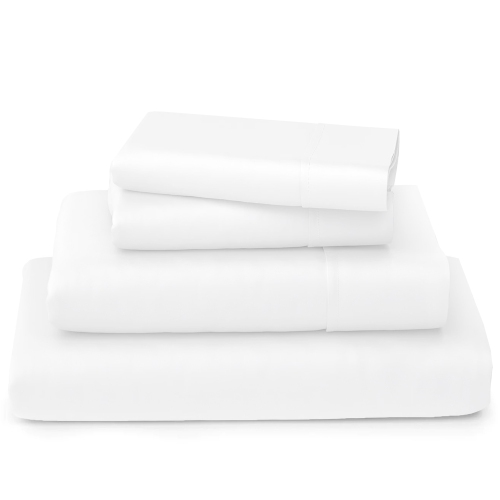
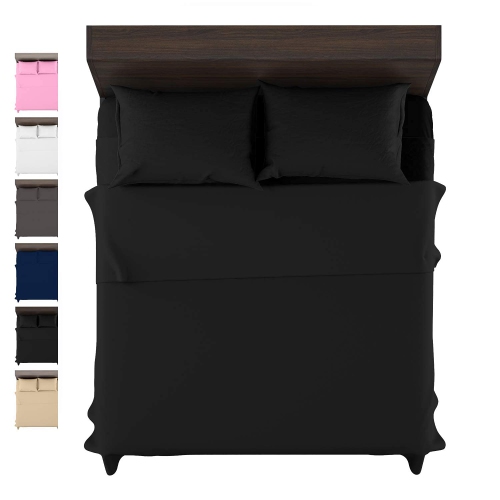
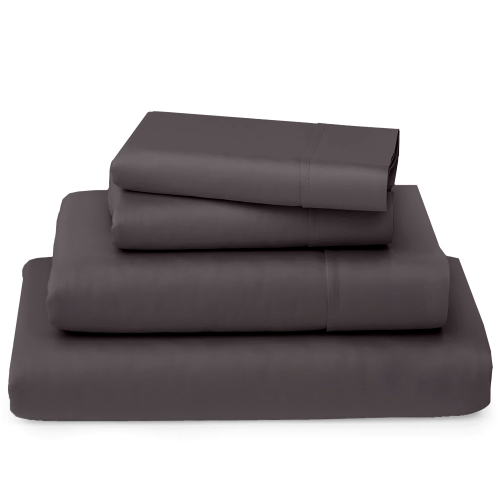
Why sheet softness goes beyond thread count
Soft sheets get their feel from the fibre, weave, and finish of the fabric, so no single material is the softest choice for everyone. Cotton sateen often suits sleepers who enjoy a smooth, gently lustrous surface, while cotton percale has a lighter, crisper hand that can become more supple with repeated washing. Brushed cotton has a fine raised surface that feels fuzzy rather than silky. Microfibre, usually made from polyester or a polyester blend, uses very fine fibres to create a smooth, soft finish, although the feel and weight vary between fabrics. Linen has a more noticeable texture and a relaxed drape; it generally becomes softer through use without losing its characteristic grain. Viscose made from bamboo can feel fluid and silky, but its fibre content and care requirements still deserve a close look. Silk offers a smooth surface with a distinctive sheen, while satin describes a weave rather than a fibre: a satin sheet may be made from silk, polyester, or another material. Those differences matter when choosing between a slippery finish, a brushed feel, and the familiar softness of washed cotton. Thread count is only one part of the picture and is most useful when comparing similar woven fabrics. A higher number does not automatically mean a softer or more durable sheet, and it is not a useful measure for every construction. Fibre quality, yarn consistency, and finishing all influence how the material feels after the first wash and after months of regular use. Longer cotton fibres can produce smoother yarns with fewer exposed ends, though the finished fabric and its care also affect performance. For someone who dislikes a slick surface, a matte cotton weave may feel more comfortable than a fabric described as silky. Someone who enjoys bedding that falls in soft folds may prefer a more fluid material. Softness is ultimately a combination of surface feel, flexibility, and the way a sheet rests against the body, not simply a label on the package.
The fit of soft sheets matters almost as much as the fabric itself. A smooth sheet can feel less comfortable when it pulls loose at the corners, bunches beneath the sleeper, or stretches so tightly that it lifts the edge of a mattress. Mattress size is the starting point, but depth is just as important. A pillow-top mattress, protective cover, or substantial mattress topper adds height, so the full sleeping surface needs to be measured before choosing a fitted sheet. Pocket depth should accommodate that total measurement, with enough room for the corners to settle securely underneath. A deeper pocket is not automatically better for a shallow mattress, where excess fabric may gather instead of staying flat. Elastic around the full perimeter can help maintain an even fit, while the strength of the elastic and corner seams affects how well the sheet stays in place through regular changes. A coordinated bed starts with Good Sheet Sets sized to suit both the mattress and the bedding used with it. Set contents vary, particularly between smaller and larger bed sizes, so the number of pillowcases and the inclusion of a flat sheet are worth checking. Pillowcase dimensions also deserve attention: a standard pillow in an oversized case can shift around, while a case that is too small may compress the filling. For adjustable beds, a fitted sheet needs enough flexibility and suitable depth to remain secure as the mattress moves. Split mattresses may need separate fitted sheets even when the bed shares other bedding. Everyday routines help shape the choice, too. A flat sheet provides a washable layer between the sleeper and a duvet or blanket, while a fitted-sheet-only arrangement keeps the bed simpler for those who prefer fewer layers. The most comfortable arrangement leaves room to move without loose folds collecting underneath.
Keeping sheets soft depends on care as well as construction. The care label is the best starting point because washing and drying requirements differ between cotton, linen, silk, and synthetic blends. Using more detergent than needed can leave residue that makes fabric feel less pleasant against the skin. A well-rinsed wash and a load with enough room for the sheets to move can help prevent that build-up. Fabric softener is not always necessary, and some materials have care instructions that advise against it. Excessive dryer heat or prolonged drying can stress fibres and elastic, so the recommended drying setting matters. Removing sheets promptly and folding them once fully dry can limit deep creases and keep the linen cupboard tidy. Some woven fabrics relax or shrink during laundering; following the label helps preserve the intended fit. Durability shows up in everyday details such as secure hems, neat stitching, resilient elastic, and a surface that remains comfortable after repeated washes. Pilling can make an initially smooth sheet feel rougher, especially where fabric rubs against sleepwear or the mattress. Fibre length, yarn construction, friction, and laundering all play a role, which is why softness straight from the package is only part of the decision. Having more than one set allows time for washing and complete drying without leaving the bed unfinished. Soft sheets suit a main bedroom, a child's bed, a student residence, or a guest room, with different priorities in each setting. Easy-care fabric and dependable fit may matter most for frequent changes, while a guest bed benefits from bedding that is straightforward to wash, fold, and store between visits. As a housewarming or wedding gift, sheets are most useful when the recipient's mattress size, preferred feel, and care routine are known. Colour and pattern can then complete the choice, whether the room calls for quiet neutrals or a more expressive design. The lasting appeal comes from bedding that feels inviting, fits properly, and remains pleasant through ordinary use.
Top selling and popular products
-
 Your price for this item is $122.99
-
 Your price for this item is $156.99
-
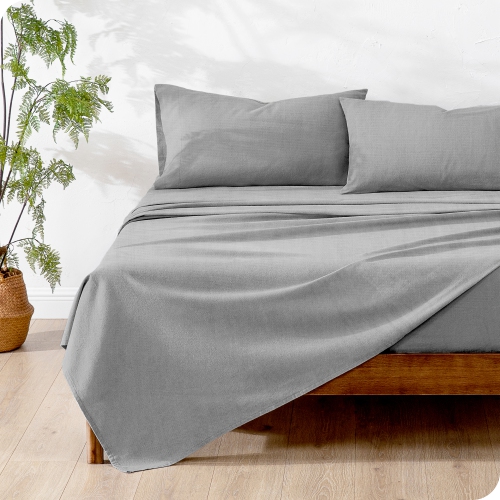 Your price for this item is $284.99
-
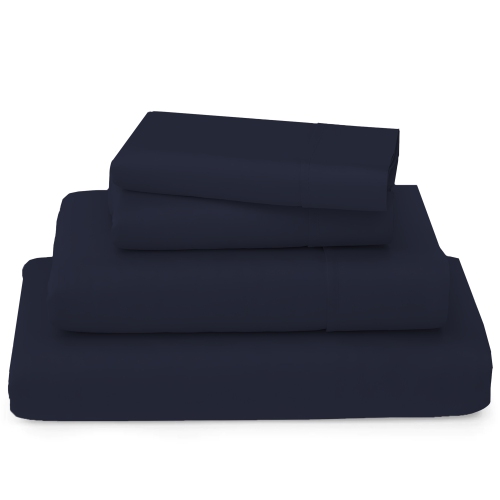 Your price for this item is $34.99
-
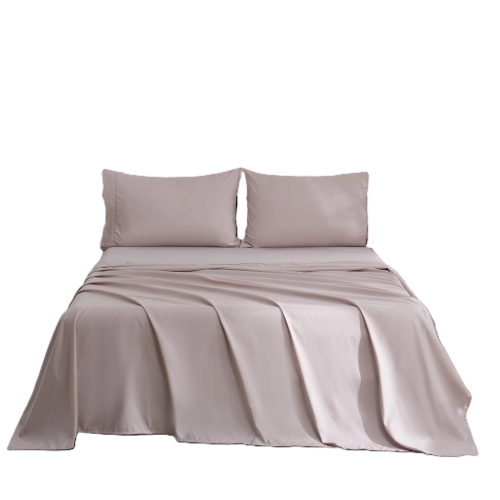 Your price for this item is $240
-
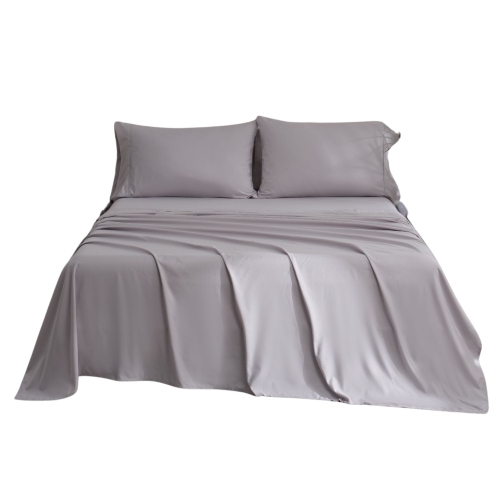 Your price for this item is $240
-
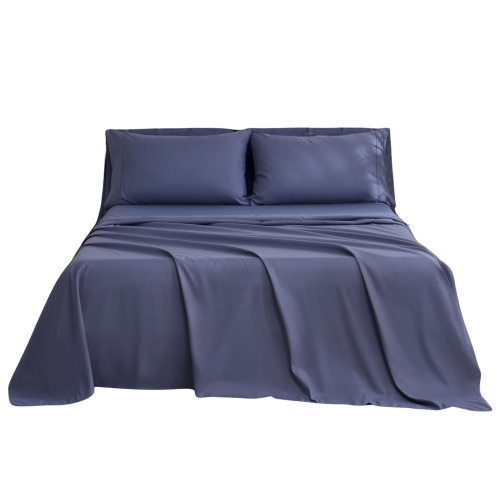 Your price for this item is $240
-
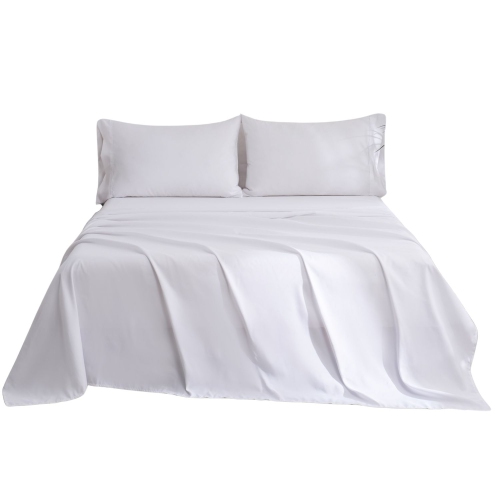 Your price for this item is $270
Discover more categories related to Soft Sheets
Top Collections:
Best Black Friday Deals This Year, Best Black Friday Deals On Electronics, Kindle Devices, Best Black Friday Deals On Apple Products, Best Budget Office Chairs, Best Cameras for Sports Photography, Dyson Airwrap, Canon G7X Cameras, Best Laptops for Writers, Samsung Galaxy Phones
Some products may be subject to Environmental Handling Fees
(EHF) depending on your province.
Learn more about EHFs.