Warm Sheets
Crafted with both style and functionality in mind, our selection of teak folding tables offers a versatile solution for your indoor and outdoor living spaces. Made from high-quality teak wood, these tables are not only durable and sturdy but also exude a natural charm that complements any decor. Whether you're looking to optimize your small apartment balcony or create a cozy dining area in your backyard, these folding tables provide the perfect blend of elegance and practicality. Discover the convenience of easy storage and portability without compromising on design with our range of teak folding tables.
Sort


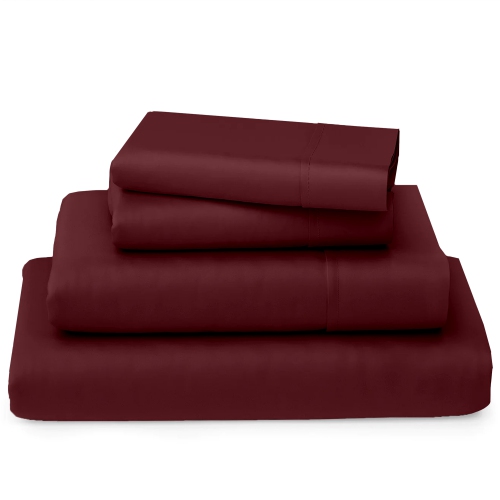
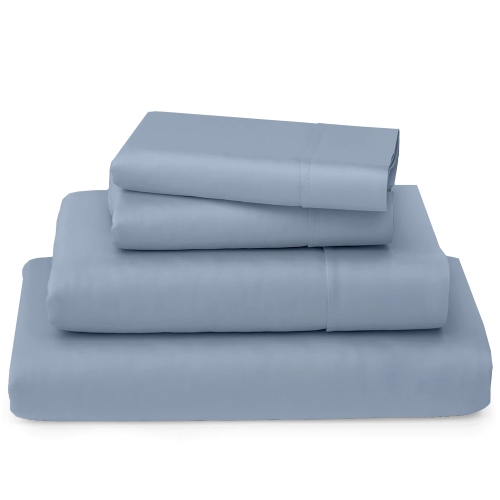
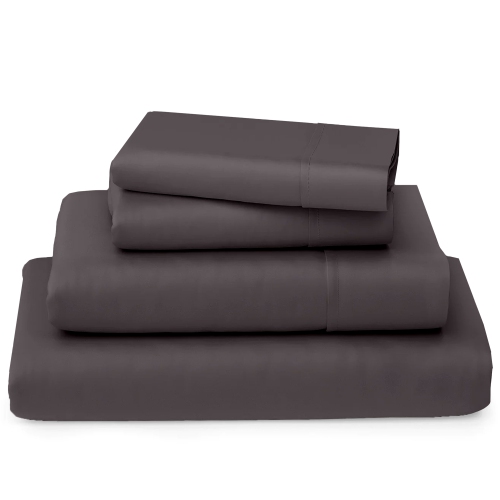
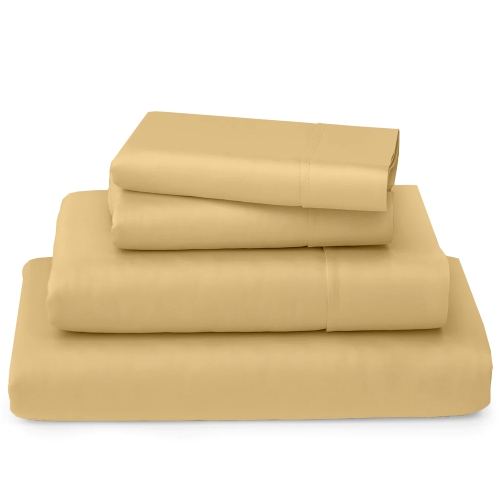
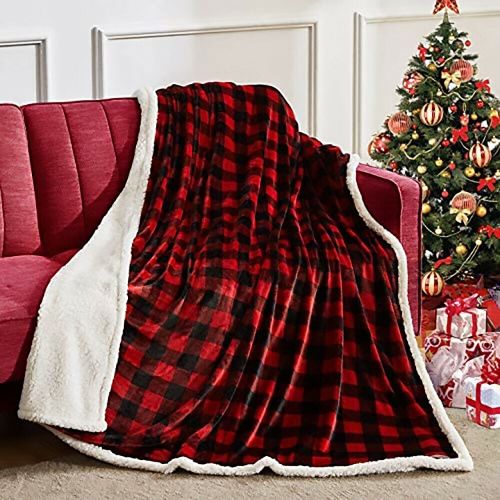
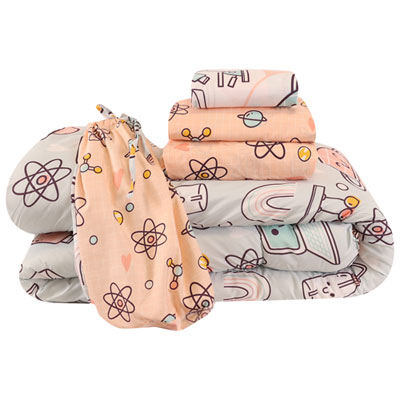
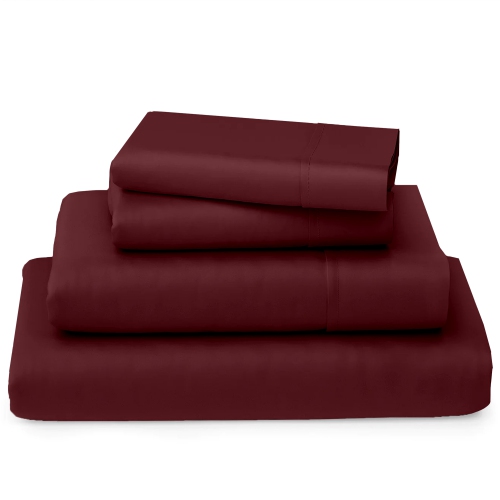
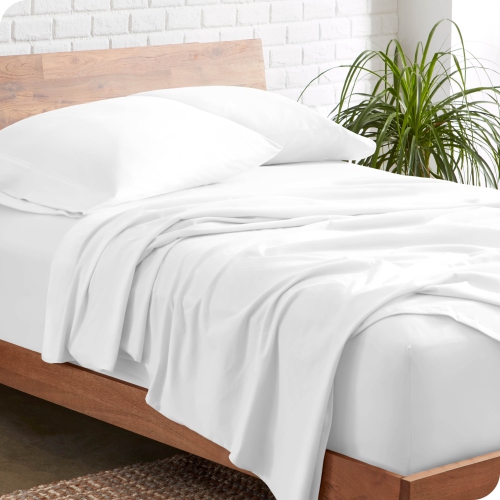
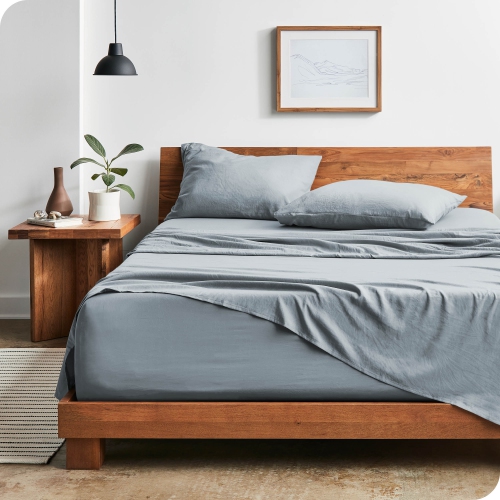
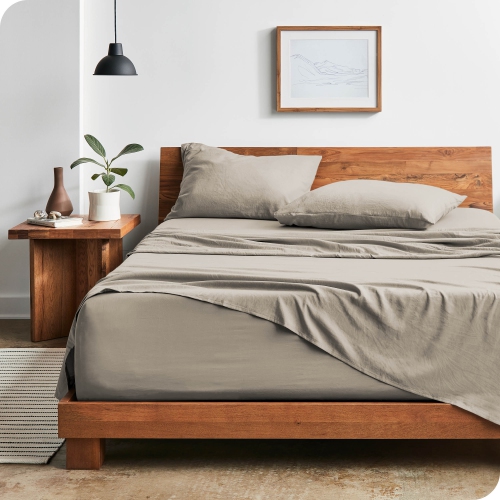
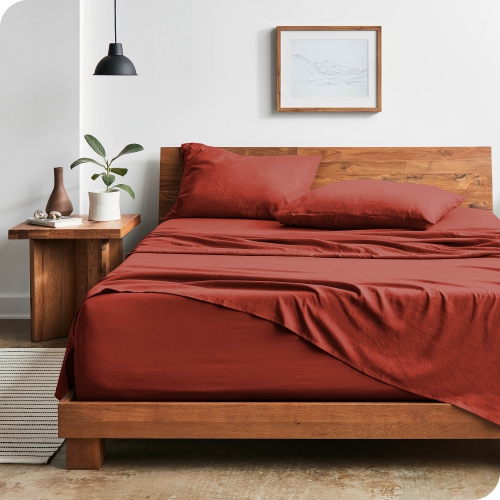
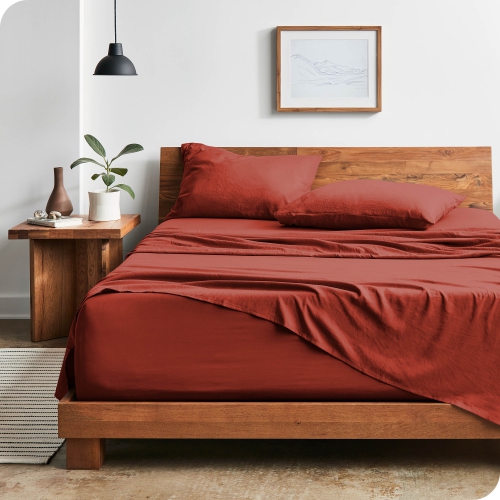
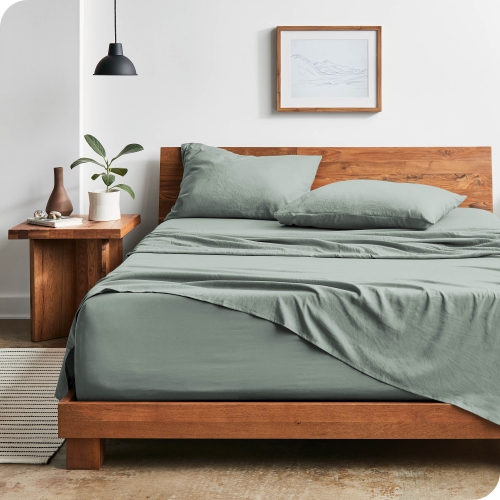
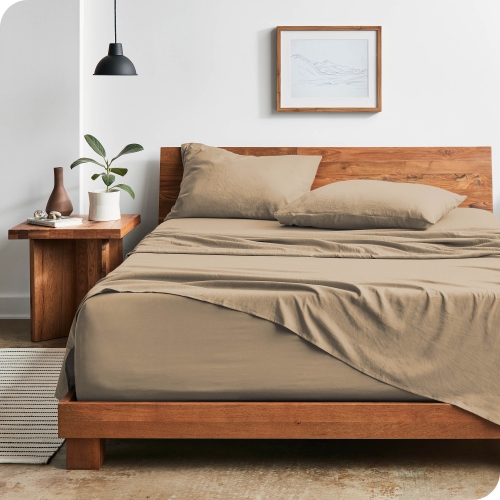
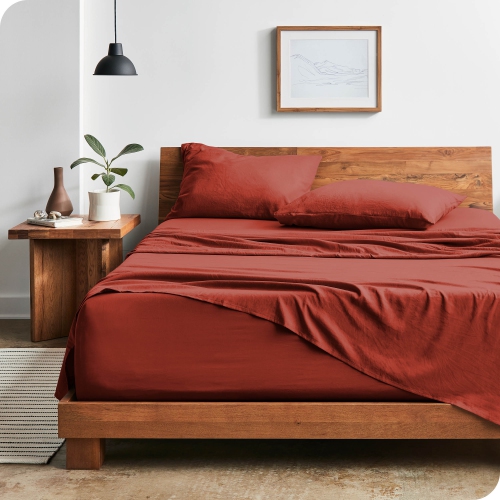



How fabric and texture create a warmer sleep surface
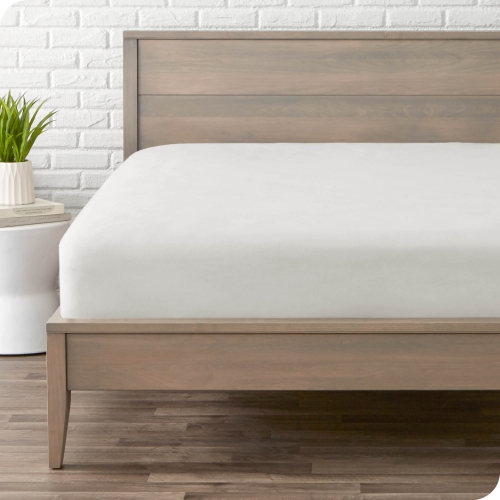
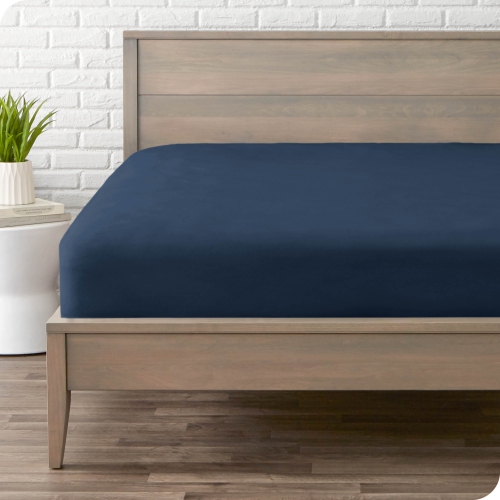
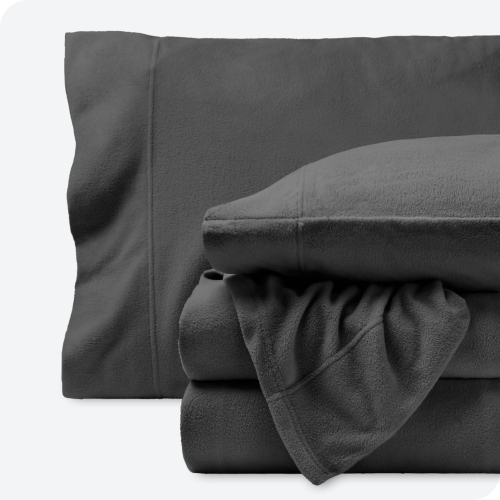
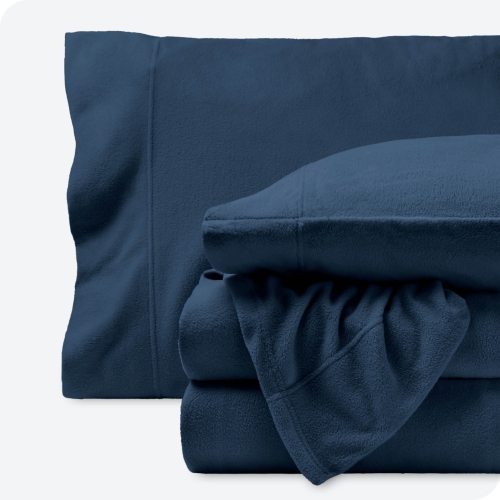
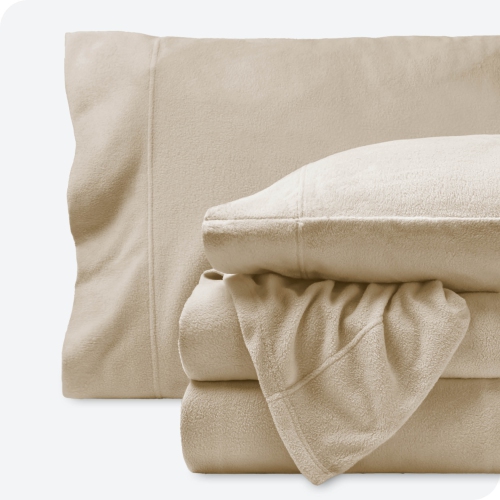
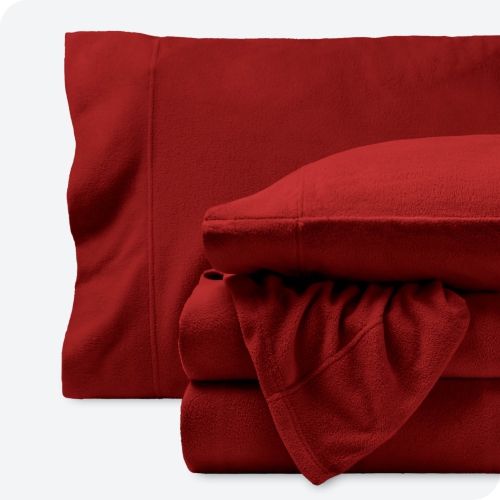
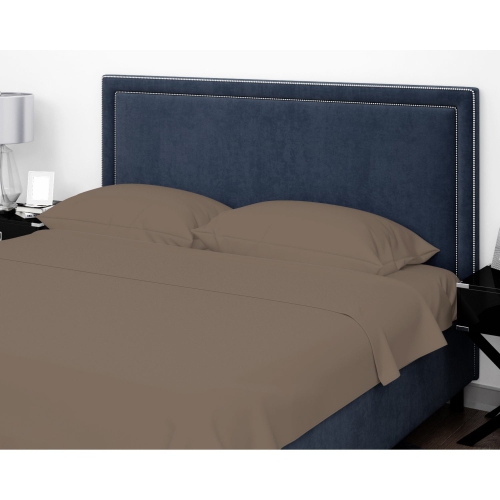
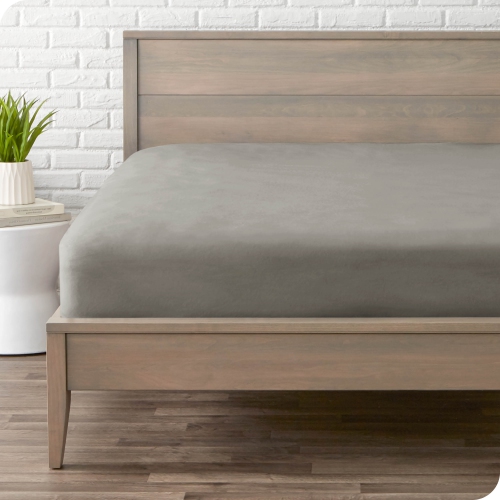
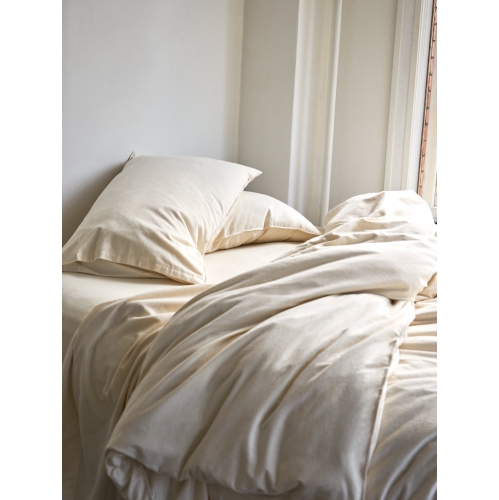
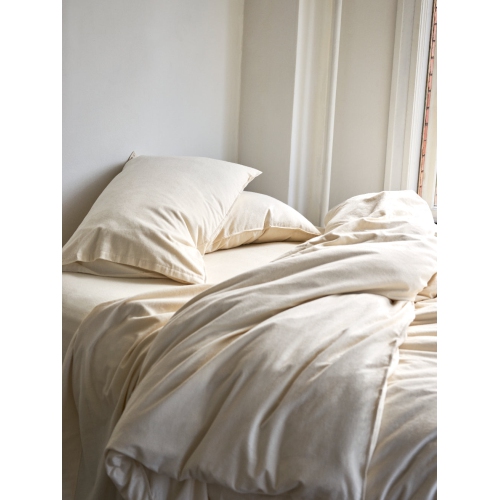
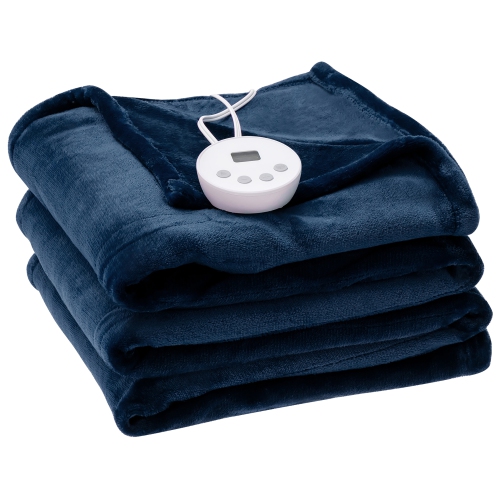
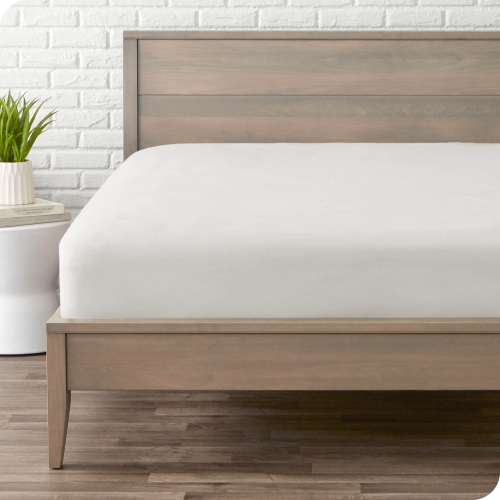
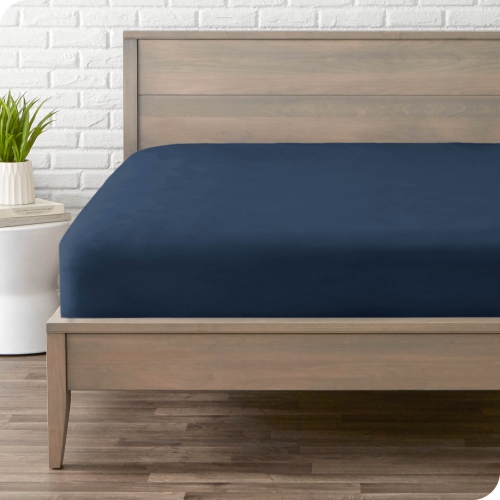
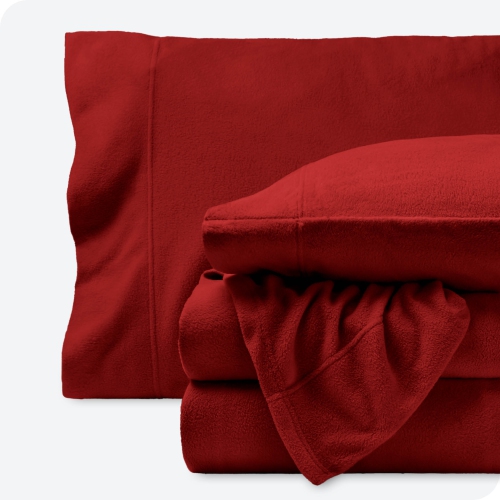
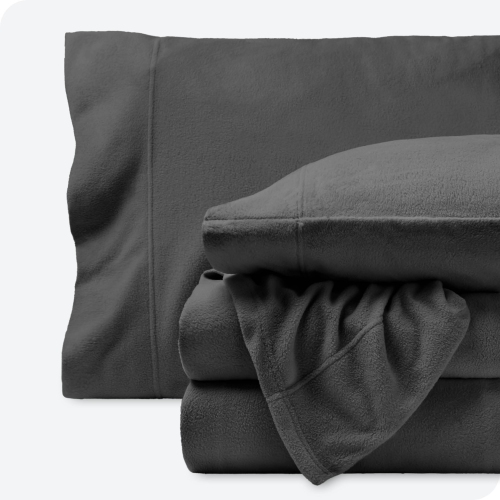
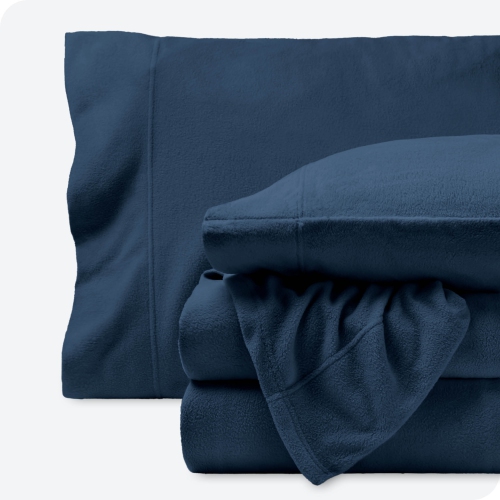
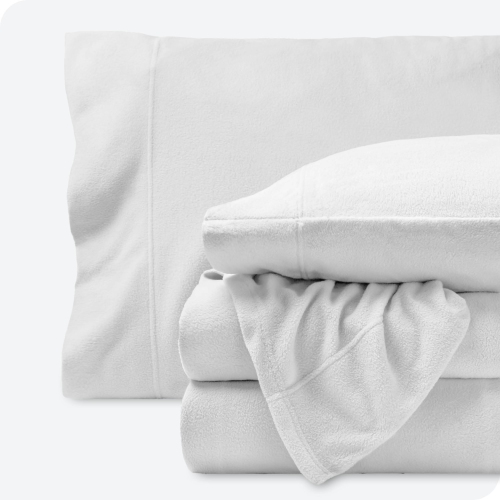
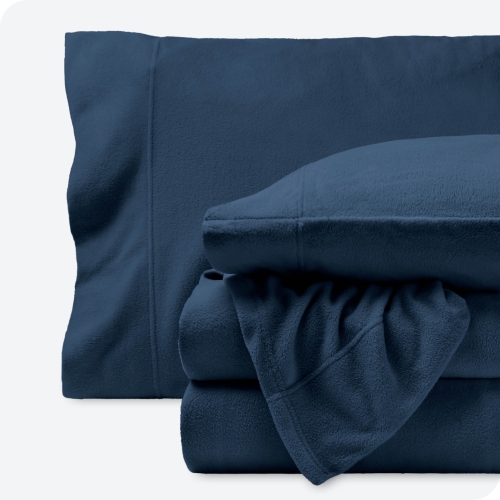
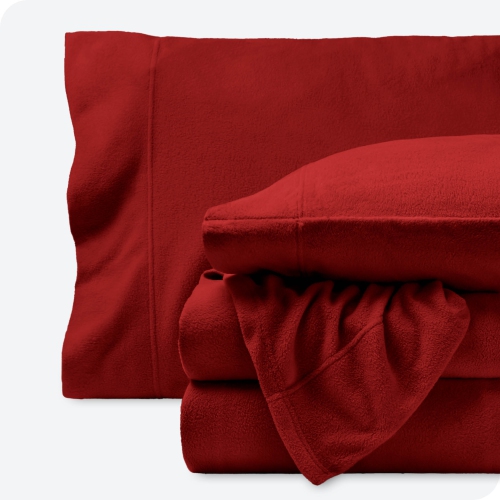
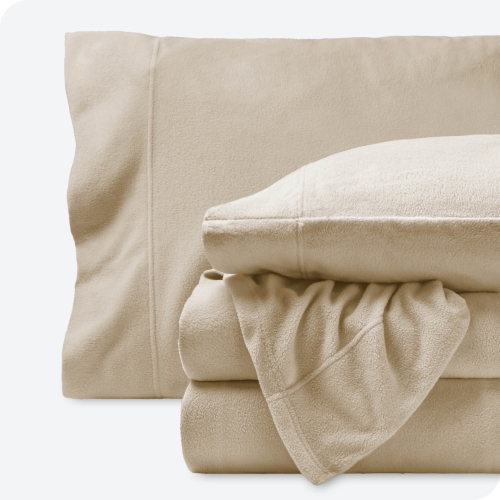
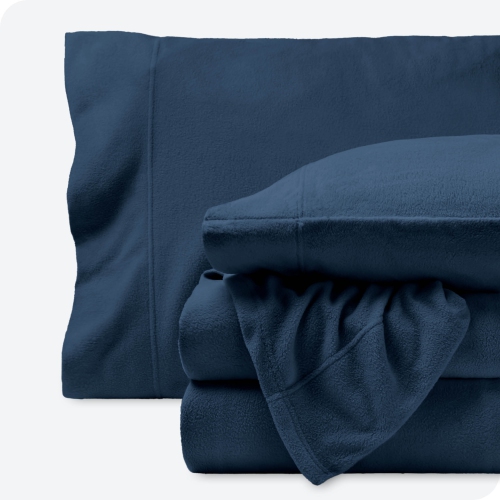
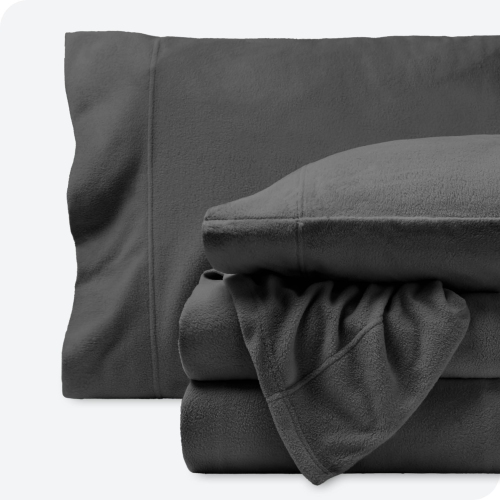
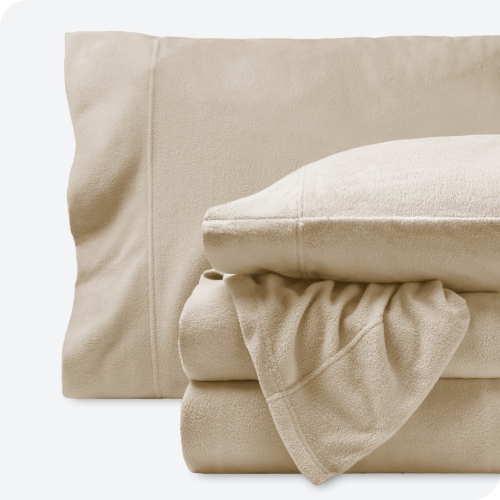
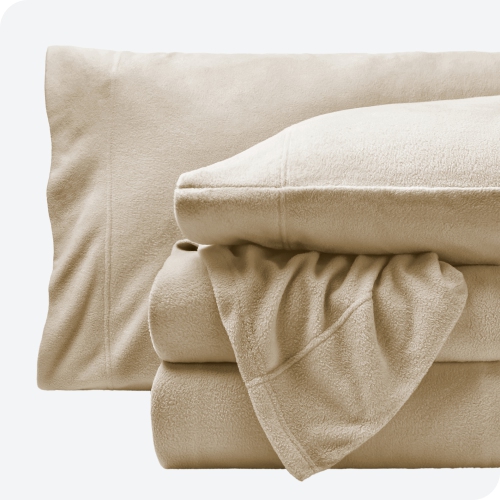
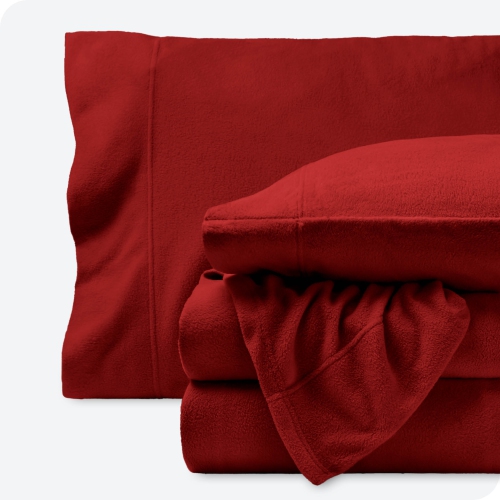
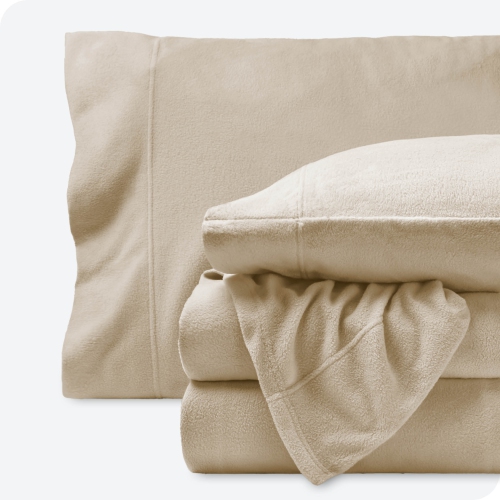
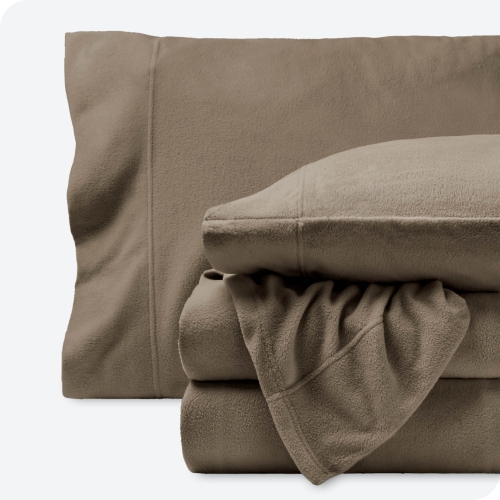
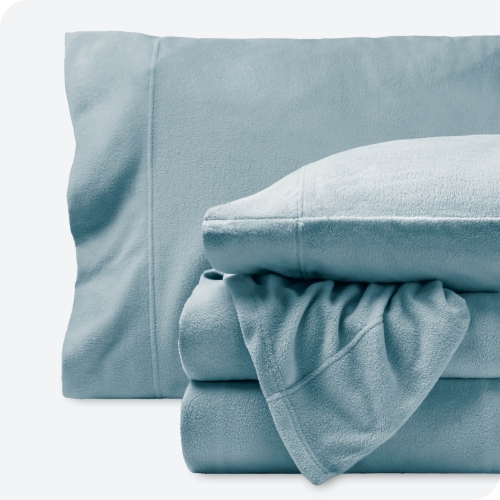
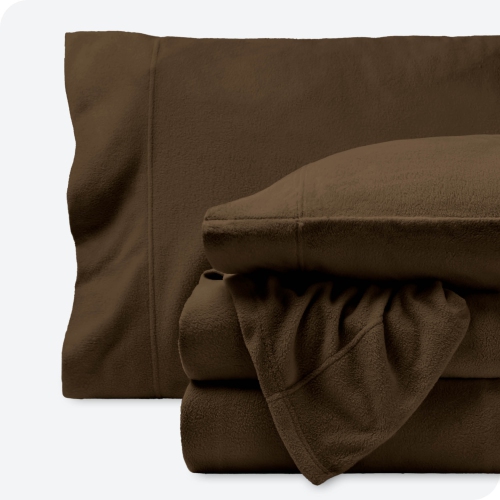
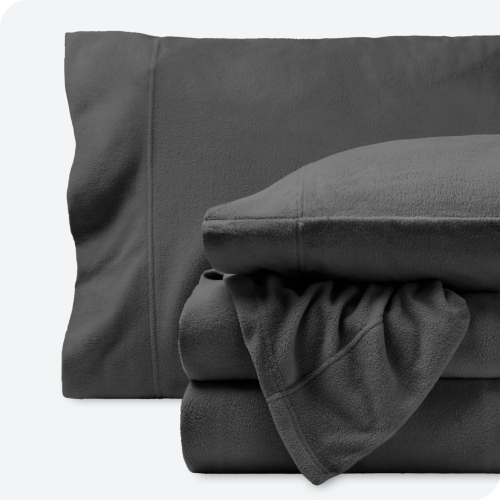
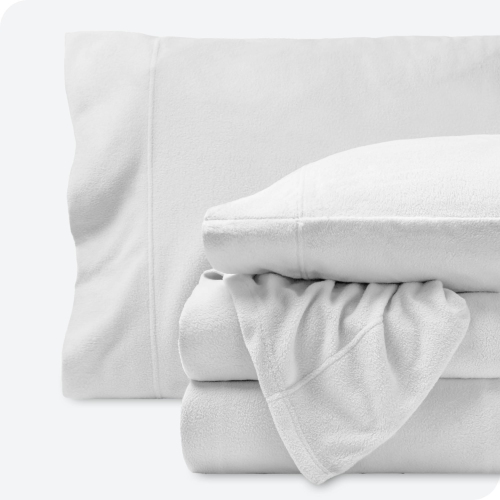
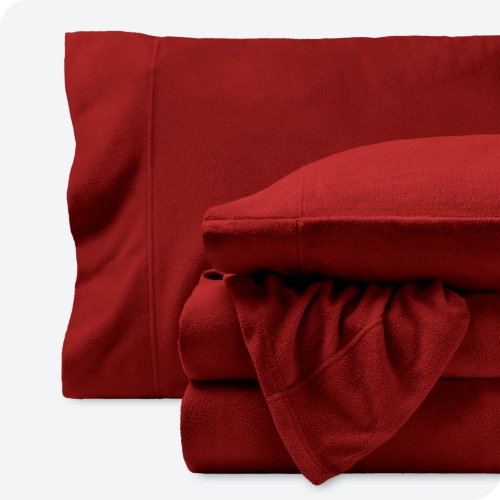
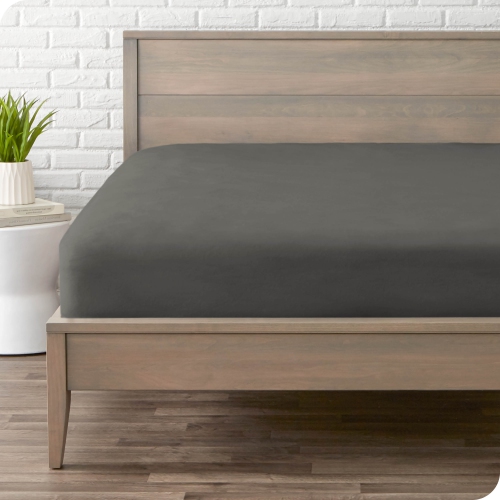
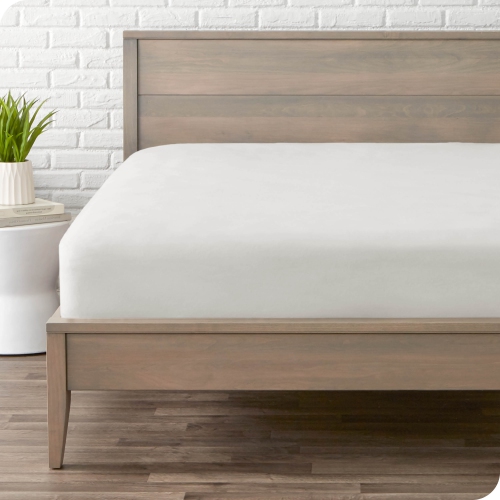
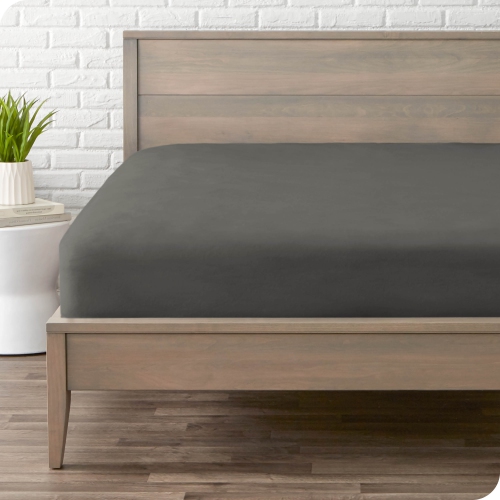
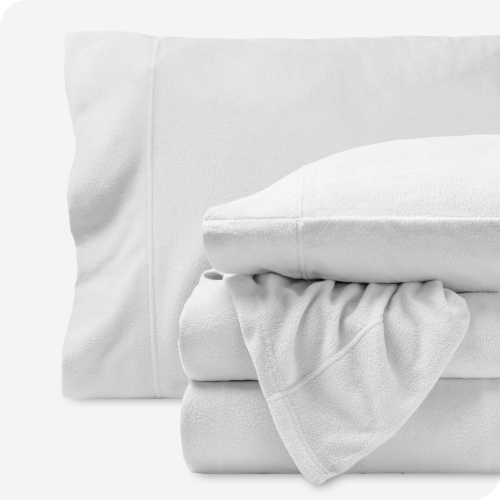
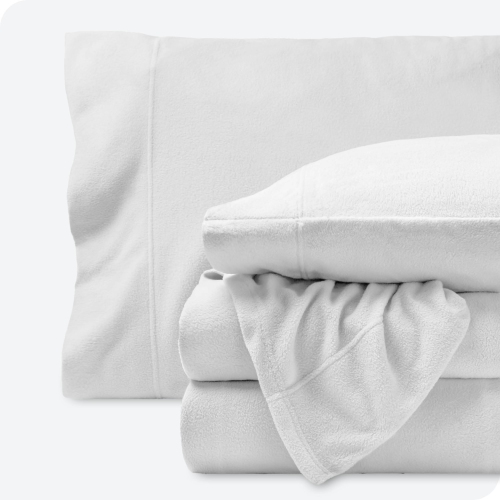
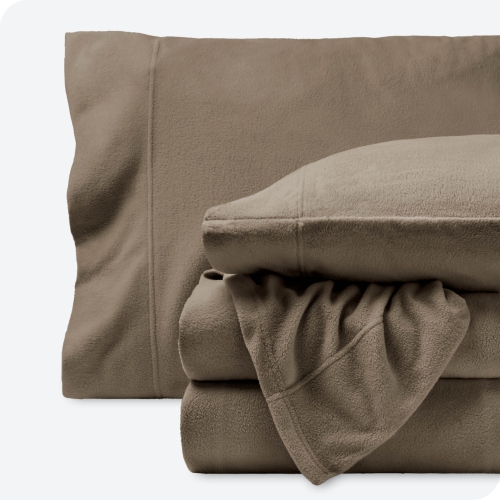
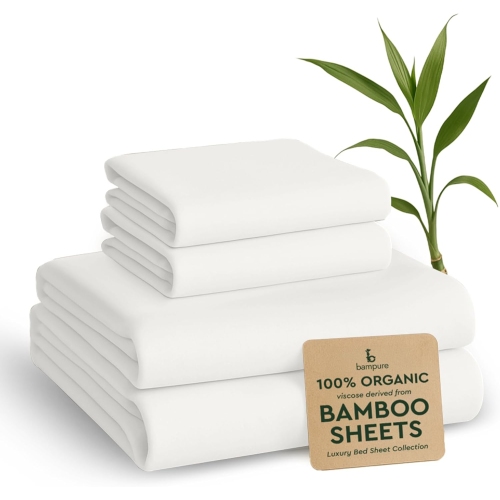
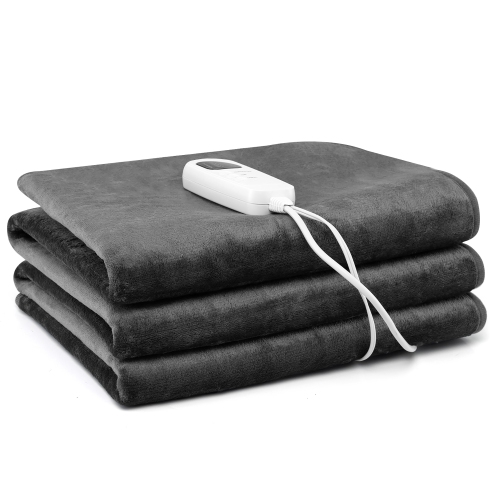
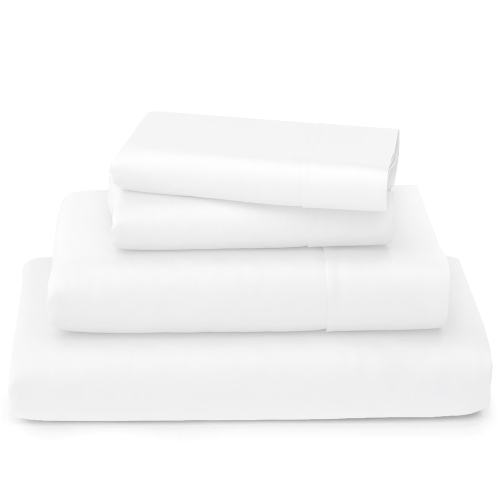
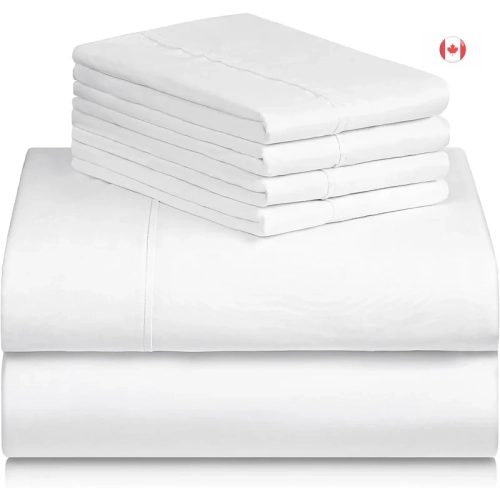
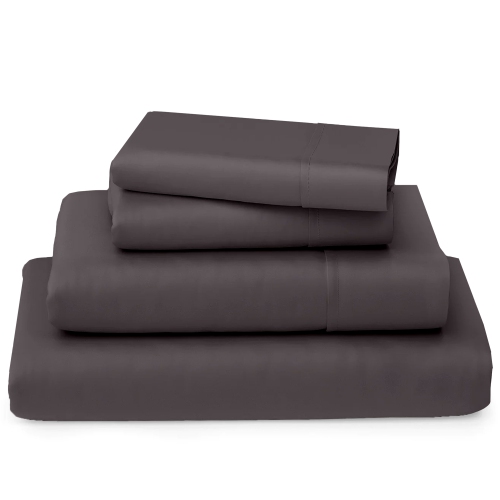
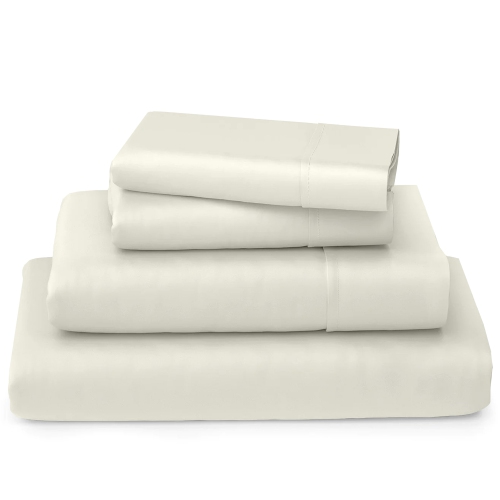
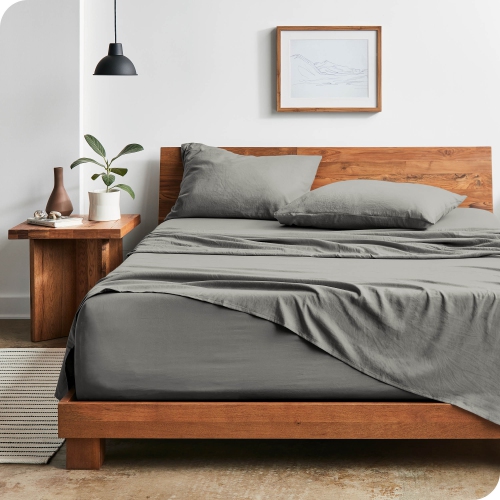
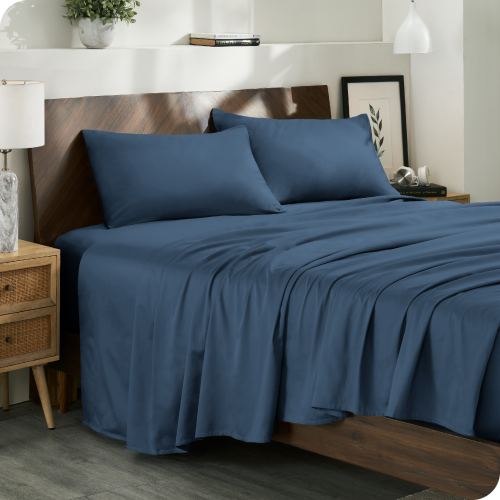
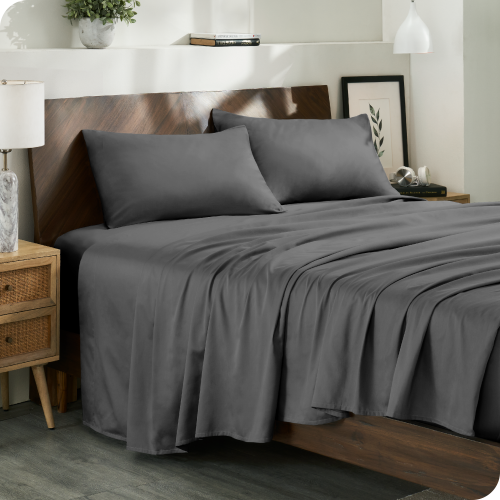
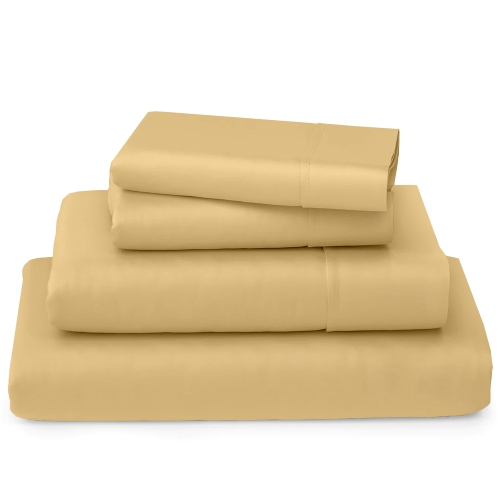
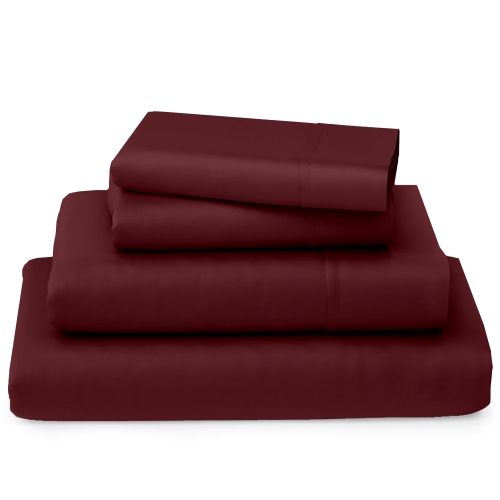
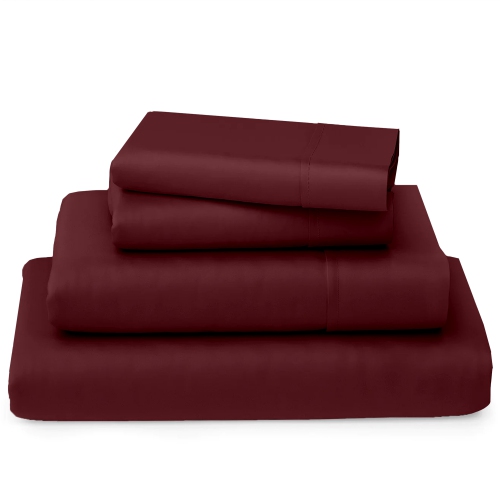
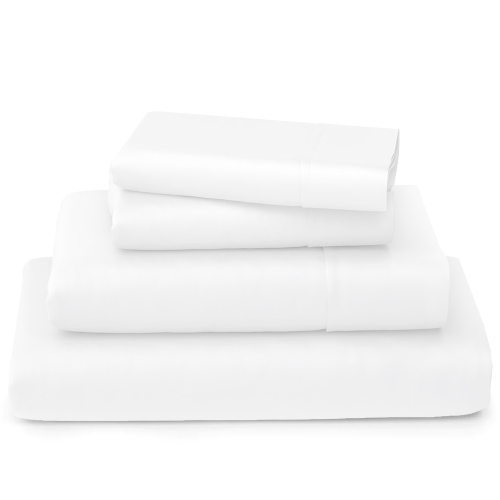
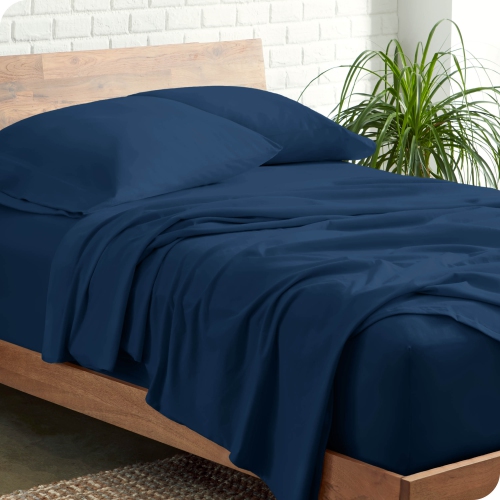
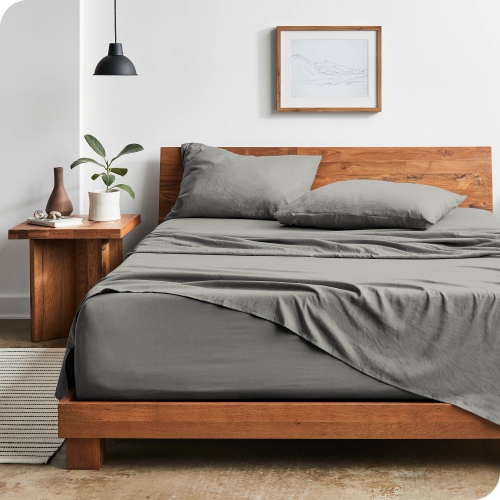
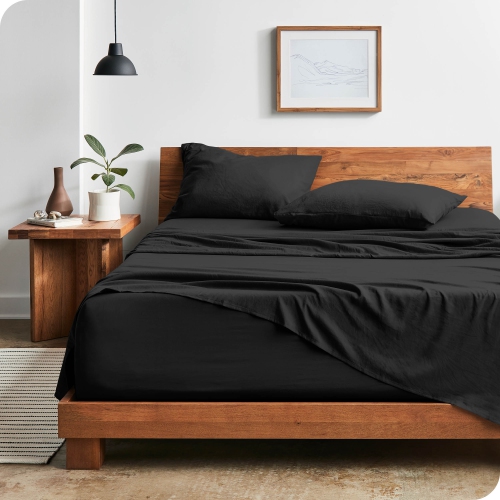
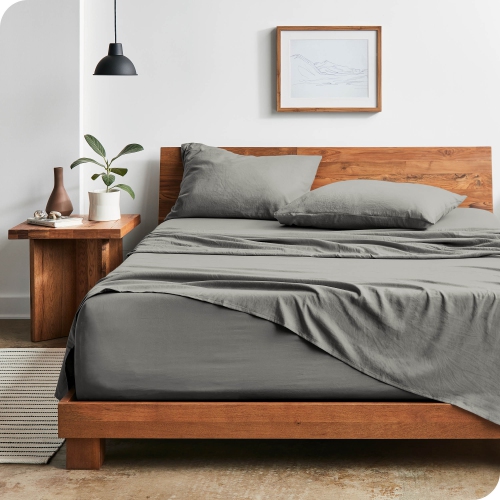
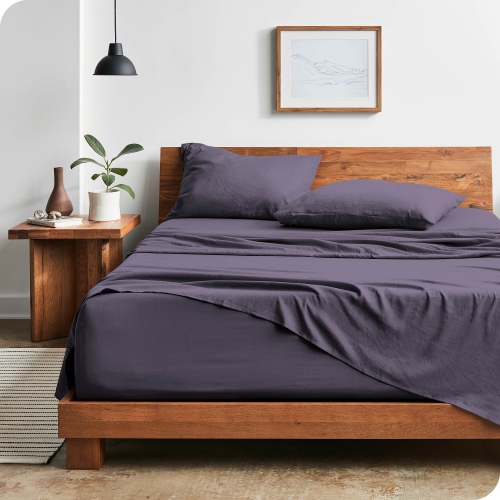
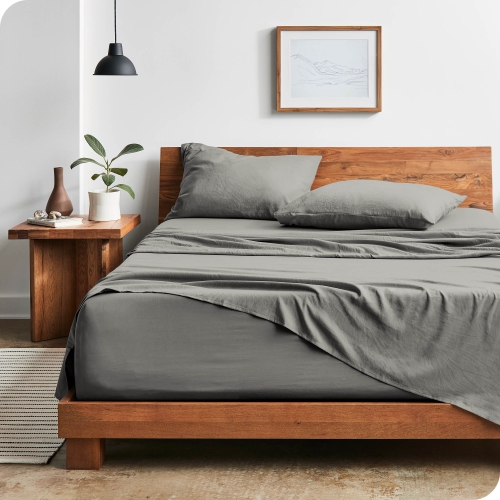
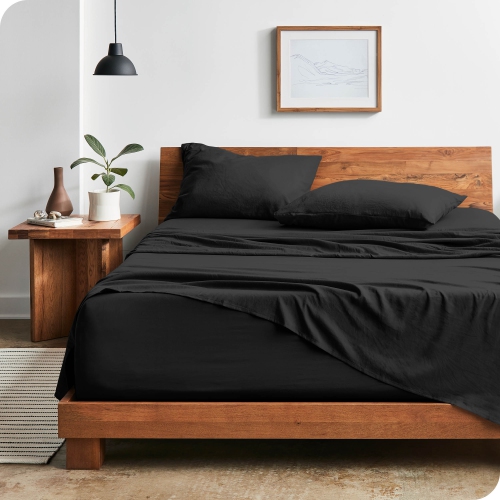
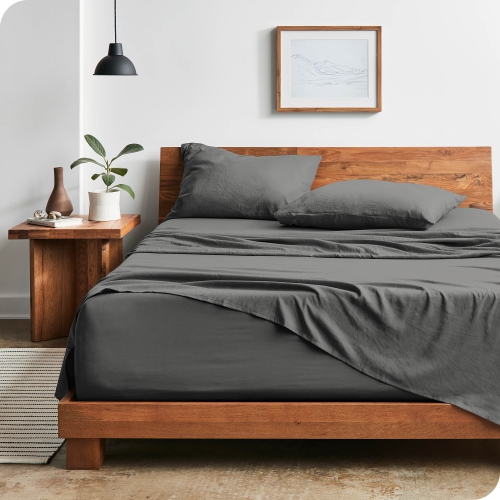
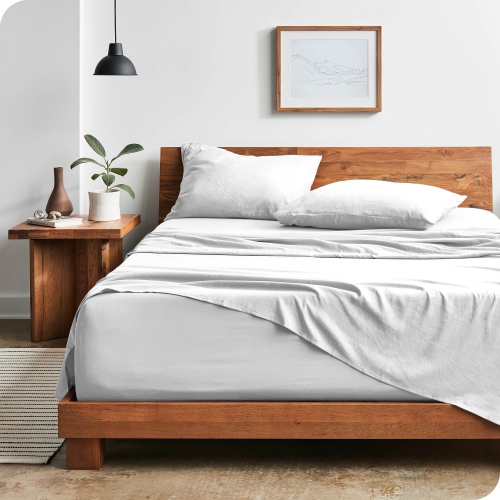
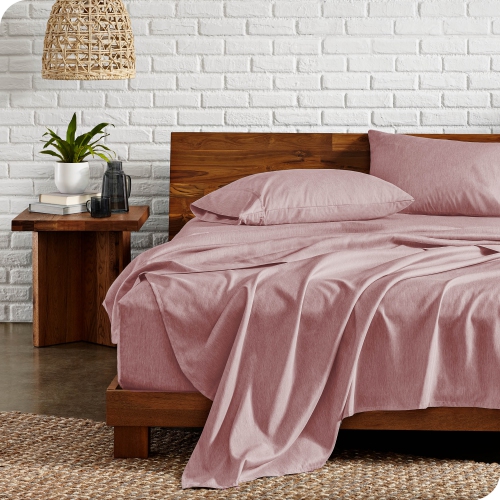
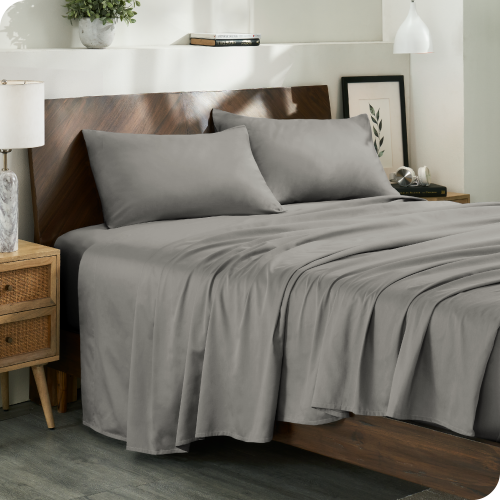
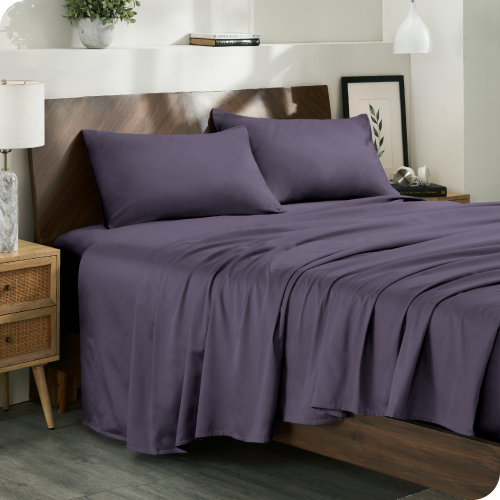
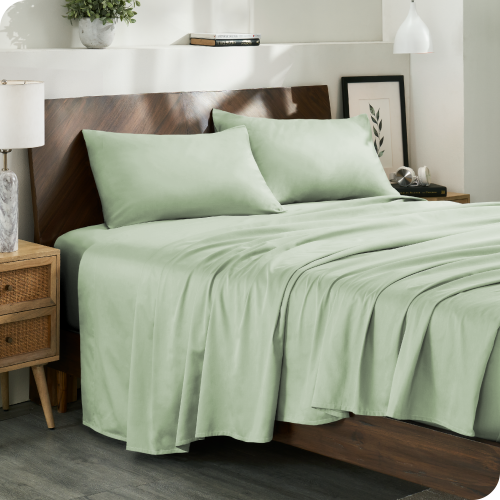
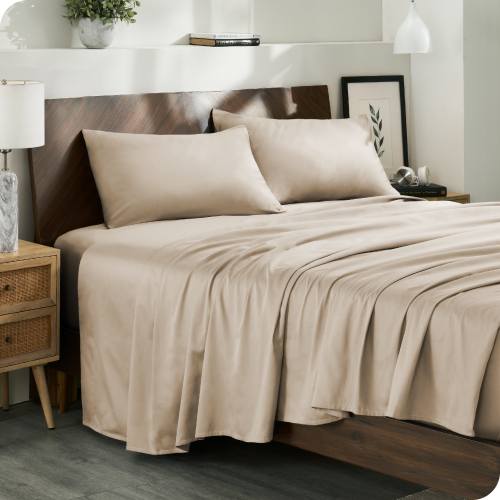
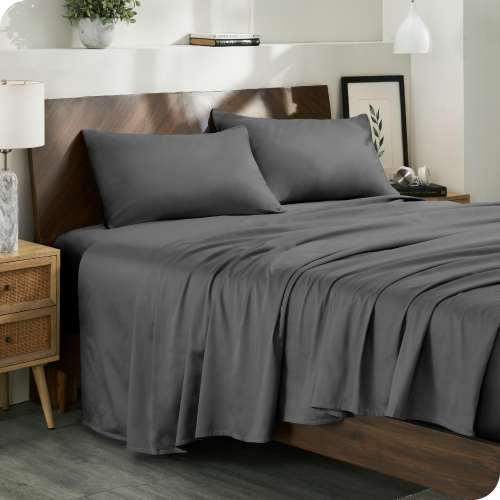
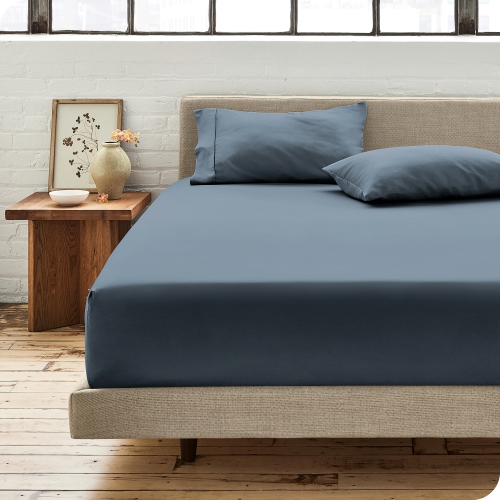
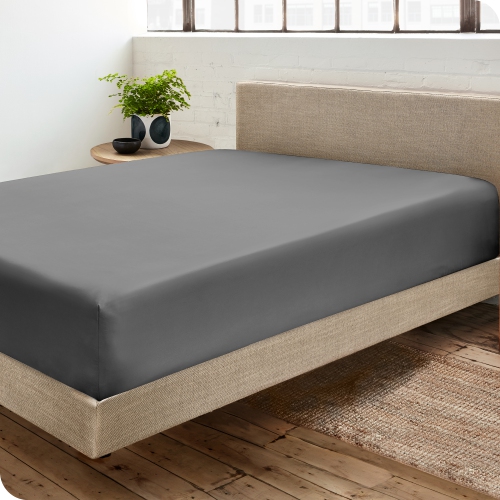
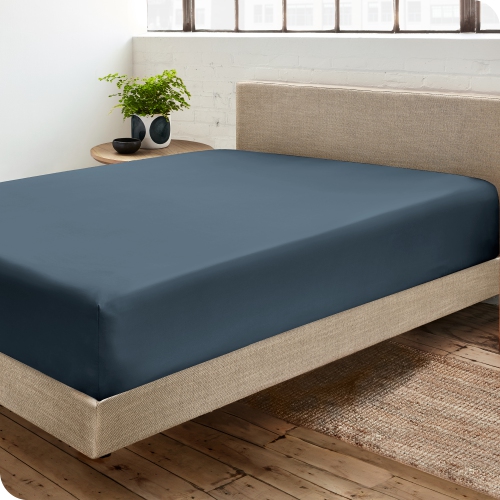
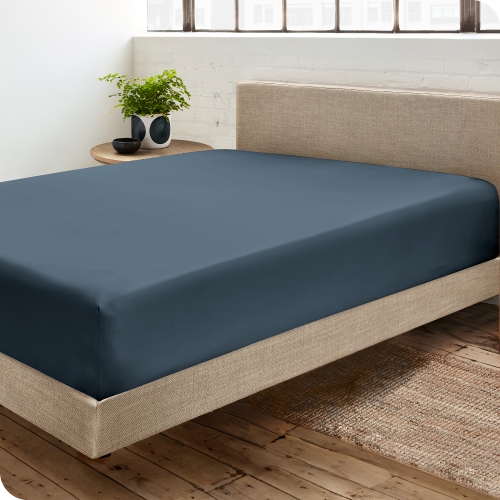
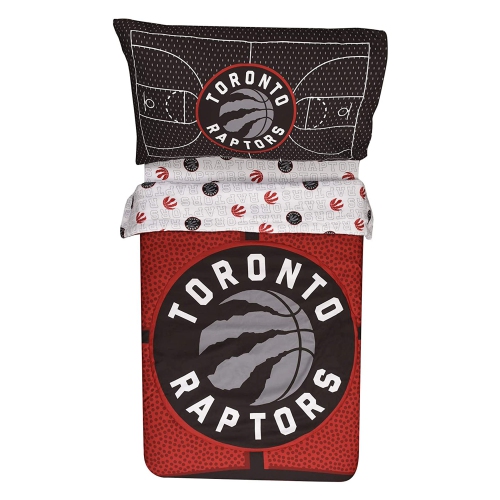
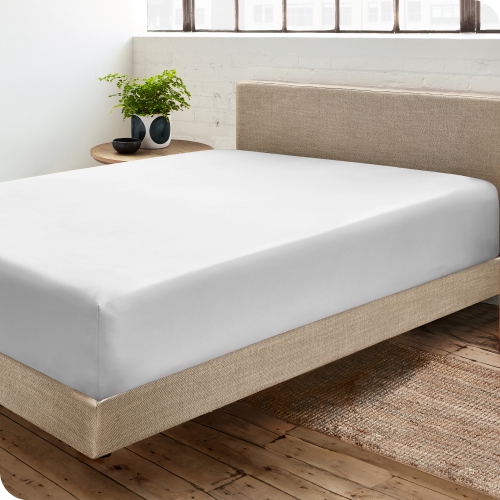
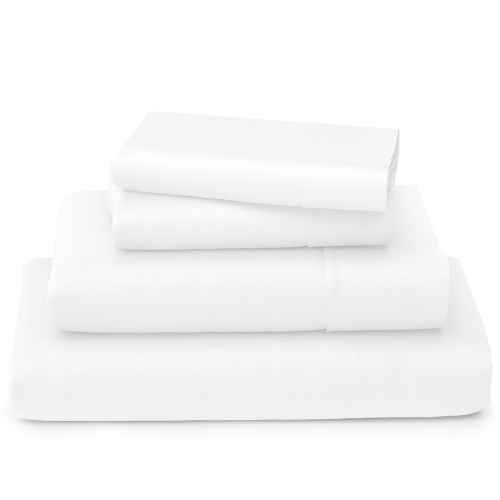
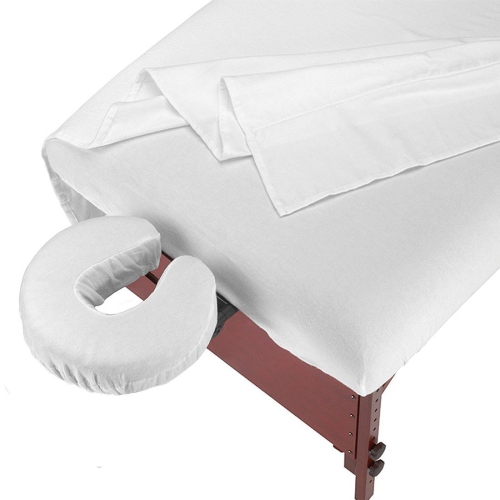
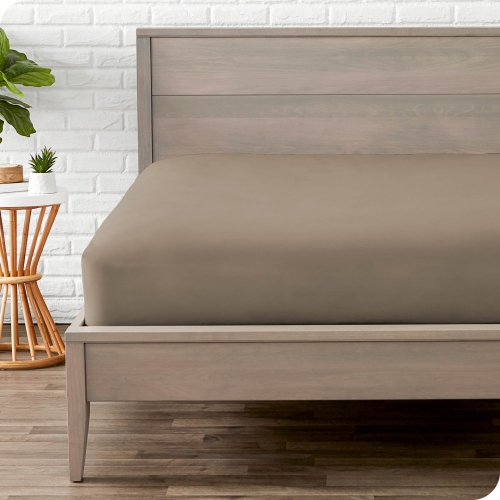
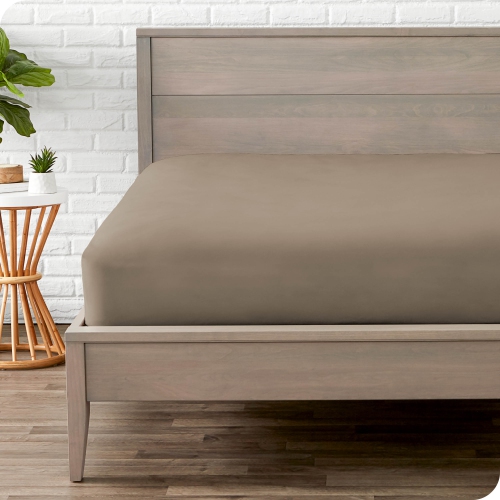
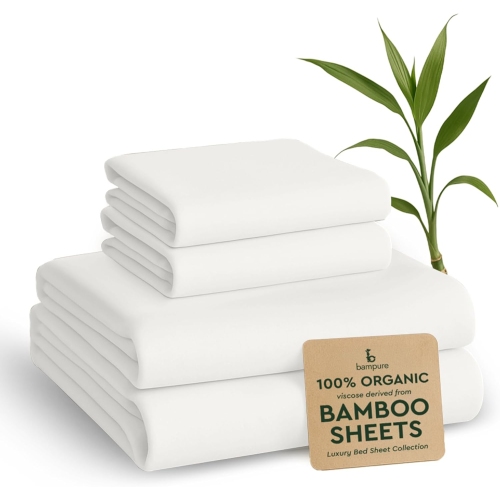
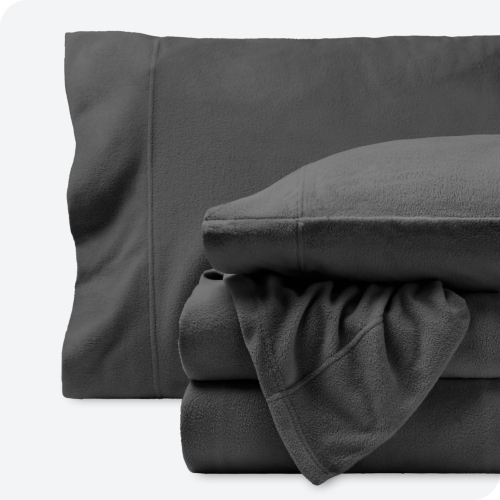
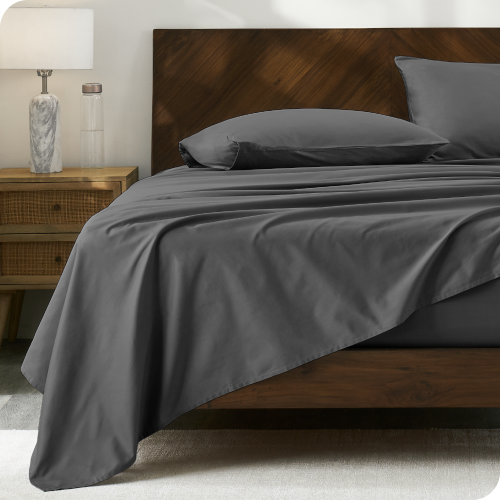
Warm sheets are designed to make the bed feel more inviting during cooler months, especially when ordinary bedding leaves you reaching for an extra layer. Their added warmth usually comes from the fabric’s weave, surface texture or insulating fibres, which help hold a layer of warm air close to the body. Flannel is a familiar choice because its lightly brushed surface feels soft against the skin and provides gentle insulation without the weight of a thick duvet. Microfleece and microplush sheets offer a warmer, velvety feel with a smooth nap that can feel cosy as soon as you get into bed. Brushed cotton sits between lightweight cotton and heavier winter bedding, offering a comfortable balance of softness, breathability and warmth. The best choice depends on how quickly you tend to feel cold, whether you prefer a crisp or silky finish, and how much texture you enjoy against your skin. Someone who likes traditional bedding may appreciate the soft, familiar feel of cotton flannel, while a colder sleeper may prefer the instant warmth of a plush synthetic fabric. Warm sheets can also be useful in guest rooms, children’s rooms, cabins, dorm rooms and any bedroom that tends to feel chilly overnight. They make a thoughtful gift for someone settling into a new home, preparing a spare room or looking for a more comfortable sleep setup during the colder part of the year. For a bed that feels cool at first but becomes warm later, a brushed cotton set may provide enough insulation without becoming overly heavy. For a bedroom that stays cold throughout the night, a thicker fleece-like fabric can create a more enveloping layer beneath the blankets.
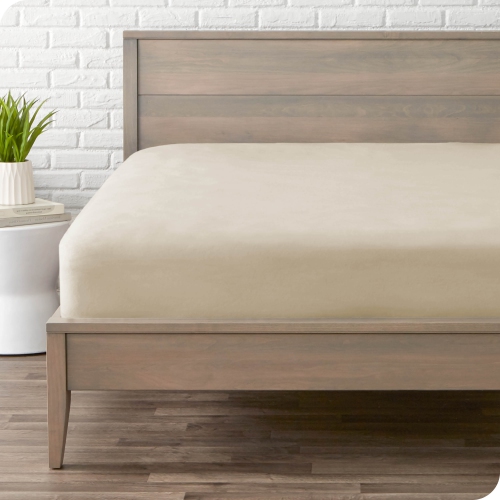
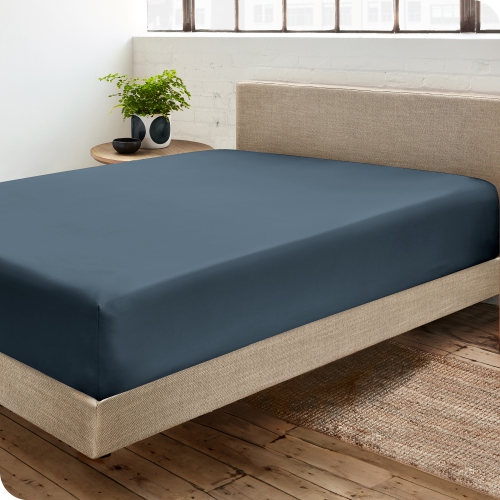
When choosing warm sheets, start with the mattress size and depth. A fitted sheet should have enough pocket depth to stretch over the mattress securely, including any mattress topper, pad or protector being used. An accurate fit helps prevent corners from pulling loose while you sleep and keeps the fabric lying smoothly beneath the body. It is also worth checking whether the set includes a fitted sheet, flat sheet and pillowcases, or only selected pieces, since bedding sets vary. Consider the texture as carefully as the warmth rating. Some sleepers enjoy the fuzzy, cloud-like finish of microfleece, while others prefer the slightly drier hand and natural feel of brushed cotton. If you share a bed, think about whether both sleepers prefer the same level of warmth. A very insulating sheet can be comfortable for one person and too warm for another, particularly when paired with a thick comforter. Breathability matters as well: warm sheets should help create a comfortable sleeping environment rather than simply trapping as much heat as possible. Lightweight flannel or brushed cotton can be a practical middle ground for people who want warmth without a heavy or overly plush feel. Those who usually sleep hot may prefer to keep warm sheets for the coldest nights and choose lighter bedding for the rest of the year. For additional bedding options suited to sleepers who prefer a cooler feel, explore Cooling Sheets. Colour and pattern can also influence how bedding fits into a room. Soft neutrals can create a calm, layered look, while checks, stripes and deeper tones add a familiar seasonal character without requiring a full bedroom makeover. If the sheets are intended as a gift, neutral colours and standard sizes are generally versatile choices, but confirming the recipient’s mattress size and preferred fabric can make the gift much more useful.
Care instructions are an important part of choosing warm sheets, particularly for brushed and fleece-style fabrics. Always check the label before washing, as recommended water temperature, drying settings and fabric care can vary. Washing sheets before their first use can remove finishing residue and help them feel more comfortable against the skin. Avoiding excessive heat during drying may help preserve softness and reduce shrinkage, while a gentle cycle can be helpful for fabrics with a raised or plush surface. Washing warm sheets separately from rougher items such as towels may help prevent lint transfer and keep the nap feeling smooth. It is also helpful to allow the sheets to dry thoroughly before making the bed, especially when the fabric is dense and holds moisture longer than lightweight cotton. During cooler weather, warm sheets can be paired with layered blankets and a duvet so that warmth can be adjusted throughout the night rather than relying on one heavy layer. A neatly made bed with a warm fitted sheet, comfortable pillows and breathable blankets can make early mornings feel less abrupt and evenings more restful. For children, older adults or anyone with limited mobility, soft bedding can add everyday comfort, though the overall sleep setup should remain appropriately sized and free from loose layers that could create a safety concern. Warm sheets are also practical for visitors, seasonal cottages and guest spaces, where a welcoming bed can make a room feel more comfortable without changing the heating throughout the home. With the right size, texture, pocket depth and care routine, they can provide a simple way to create a softer, warmer sleep surface as the weather cools.
When choosing warm sheets, start with the mattress size and depth. A fitted sheet should have enough pocket depth to stretch over the mattress securely, including any mattress topper, pad or protector being used. An accurate fit helps prevent corners from pulling loose while you sleep and keeps the fabric lying smoothly beneath the body. It is also worth checking whether the set includes a fitted sheet, flat sheet and pillowcases, or only selected pieces, since bedding sets vary. Consider the texture as carefully as the warmth rating. Some sleepers enjoy the fuzzy, cloud-like finish of microfleece, while others prefer the slightly drier hand and natural feel of brushed cotton. If you share a bed, think about whether both sleepers prefer the same level of warmth. A very insulating sheet can be comfortable for one person and too warm for another, particularly when paired with a thick comforter. Breathability matters as well: warm sheets should help create a comfortable sleeping environment rather than simply trapping as much heat as possible. Lightweight flannel or brushed cotton can be a practical middle ground for people who want warmth without a heavy or overly plush feel. Those who usually sleep hot may prefer to keep warm sheets for the coldest nights and choose lighter bedding for the rest of the year. For additional bedding options suited to sleepers who prefer a cooler feel, explore Cooling Sheets. Colour and pattern can also influence how bedding fits into a room. Soft neutrals can create a calm, layered look, while checks, stripes and deeper tones add a familiar seasonal character without requiring a full bedroom makeover. If the sheets are intended as a gift, neutral colours and standard sizes are generally versatile choices, but confirming the recipient’s mattress size and preferred fabric can make the gift much more useful.
Care instructions are an important part of choosing warm sheets, particularly for brushed and fleece-style fabrics. Always check the label before washing, as recommended water temperature, drying settings and fabric care can vary. Washing sheets before their first use can remove finishing residue and help them feel more comfortable against the skin. Avoiding excessive heat during drying may help preserve softness and reduce shrinkage, while a gentle cycle can be helpful for fabrics with a raised or plush surface. Washing warm sheets separately from rougher items such as towels may help prevent lint transfer and keep the nap feeling smooth. It is also helpful to allow the sheets to dry thoroughly before making the bed, especially when the fabric is dense and holds moisture longer than lightweight cotton. During cooler weather, warm sheets can be paired with layered blankets and a duvet so that warmth can be adjusted throughout the night rather than relying on one heavy layer. A neatly made bed with a warm fitted sheet, comfortable pillows and breathable blankets can make early mornings feel less abrupt and evenings more restful. For children, older adults or anyone with limited mobility, soft bedding can add everyday comfort, though the overall sleep setup should remain appropriately sized and free from loose layers that could create a safety concern. Warm sheets are also practical for visitors, seasonal cottages and guest spaces, where a welcoming bed can make a room feel more comfortable without changing the heating throughout the home. With the right size, texture, pocket depth and care routine, they can provide a simple way to create a softer, warmer sleep surface as the weather cools.
Top selling and popular products
-
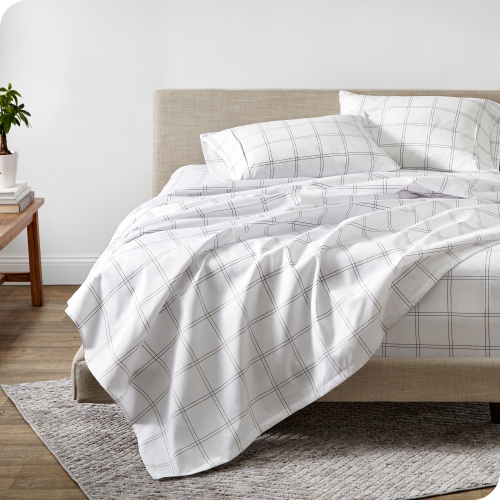 Your price for this item is $95.99
 -
 Your price for this item is $122.99
 -
 Your price for this item is $156.99
 -
 Your price for this item is $34.99
 -
 Your price for this item is $80.98
 -
 Your price for this item is $80.99
 -
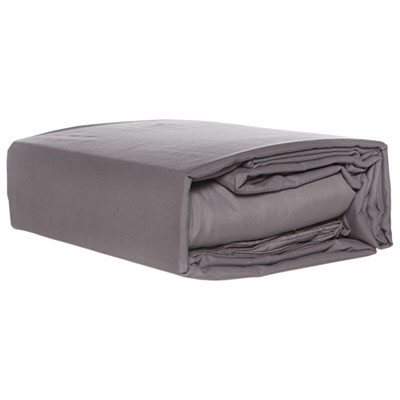 Your price for this item is $99.99
 -
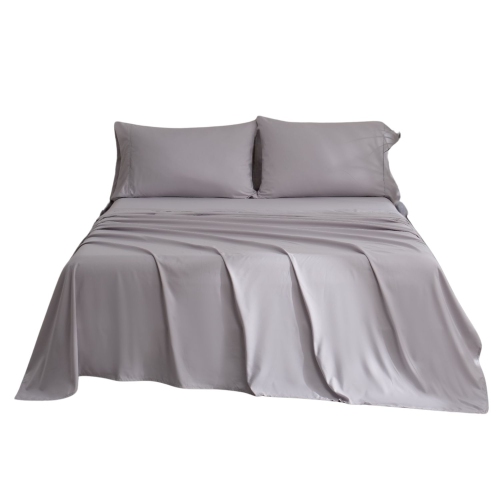 Your price for this item is $240
Discover more categories related to Warm Sheets
Top Collections:
Pokemon Centers, Kindle Devices, Best Budget Office Chairs, Apple iPhones 16, Canon G7X Cameras, iPhone 15 Apple, Alarm Clock, Refurbished Apple Laptops, Flip Phones, Best Laptops for Writers
Some products may be subject to Environmental Handling Fees
(EHF) depending on your province.
Learn more about EHFs.