Solid Wood Stools
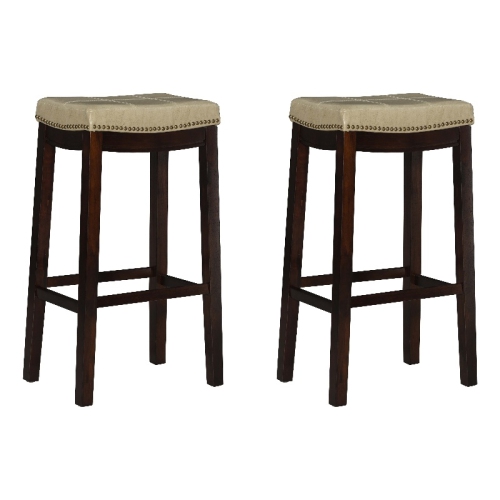
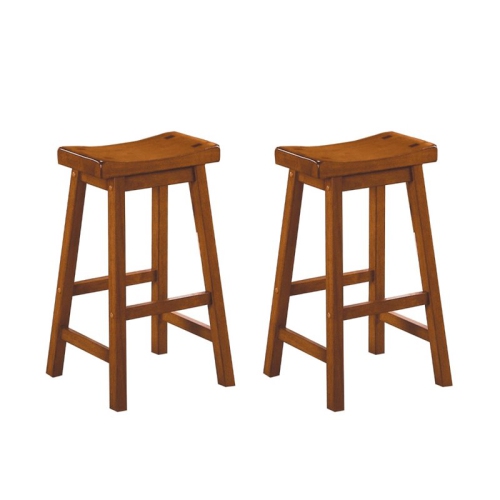
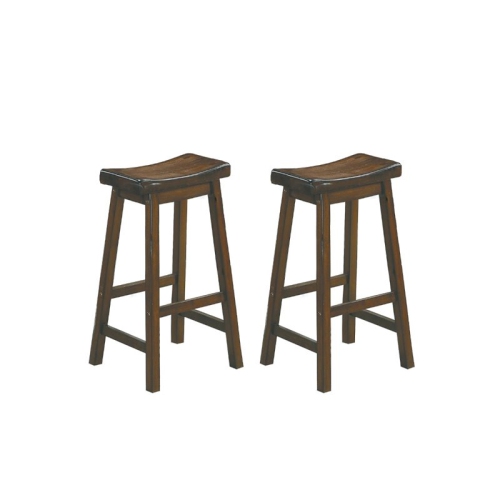
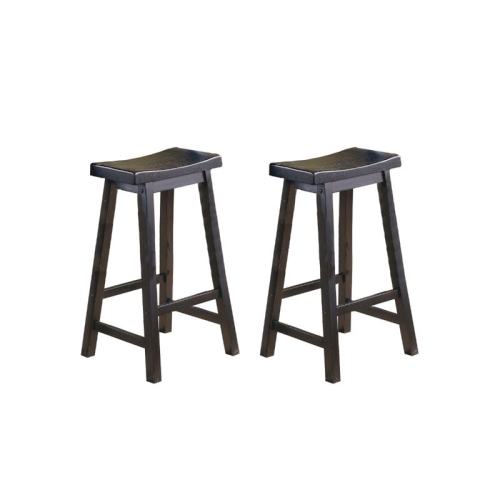
Upgrade your home decor with our collection of solid wood stools. Crafted from quality materials, these stools are not only sturdy and durable but also add a touch of natural elegance to any space. Whether you're looking to create a cozy breakfast nook or a stylish bar area, our selection of solid wood stools offers a range of designs and finishes to suit your personal style. From traditional to modern, rustic to contemporary, find the perfect stool to complement your existing furniture and elevate the overall look and feel of your home.
Sort


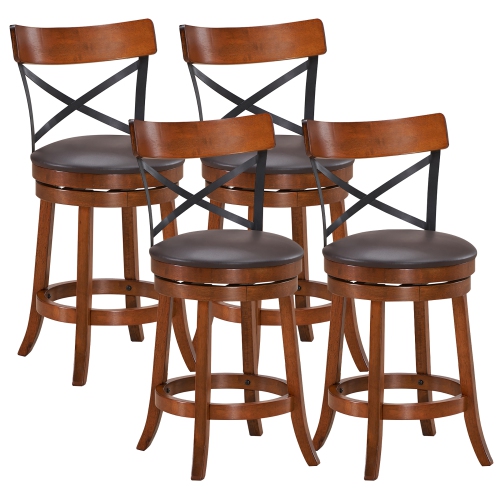

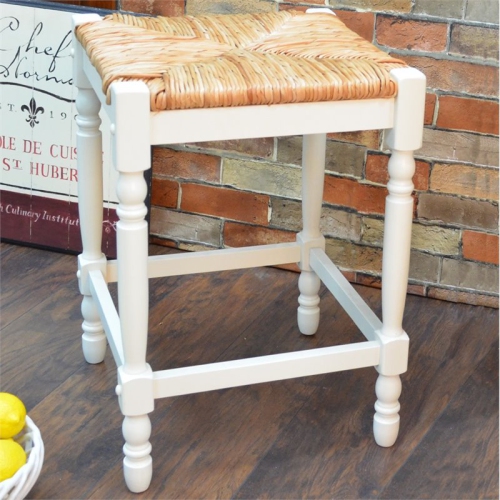
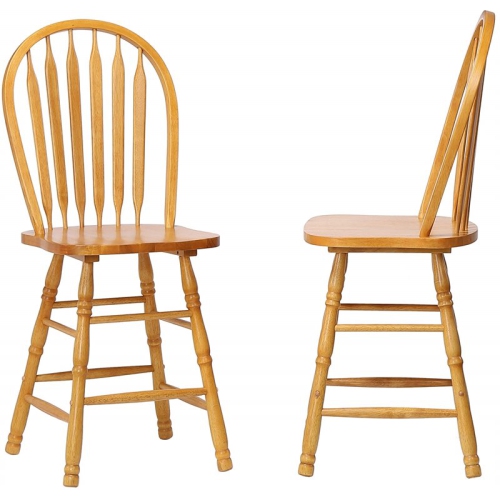
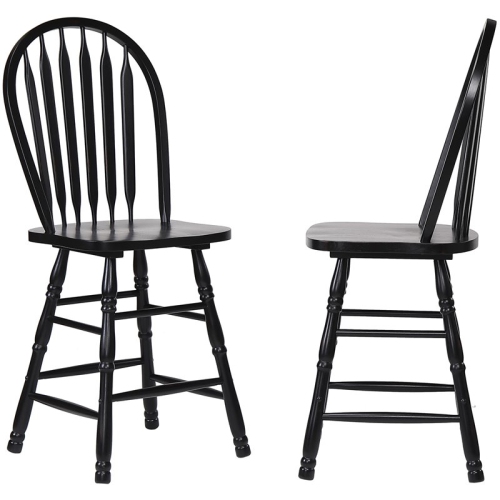
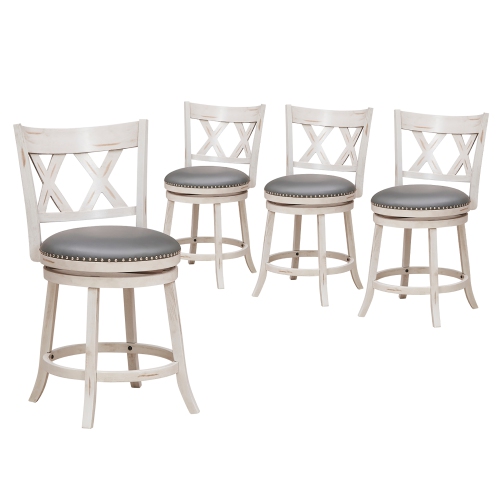
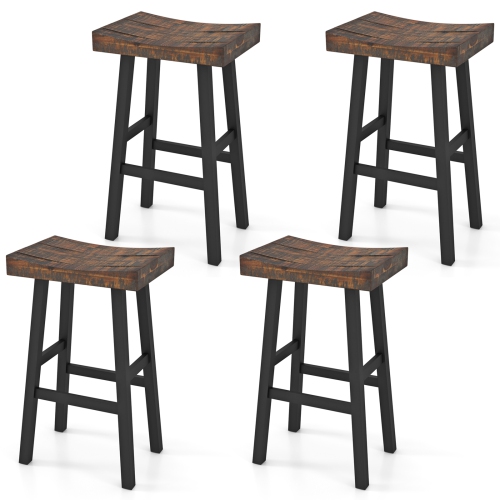
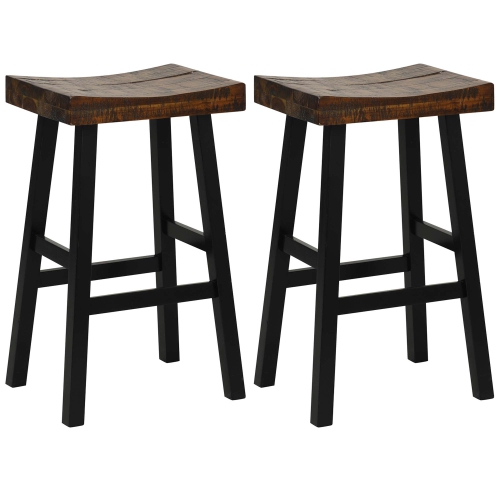
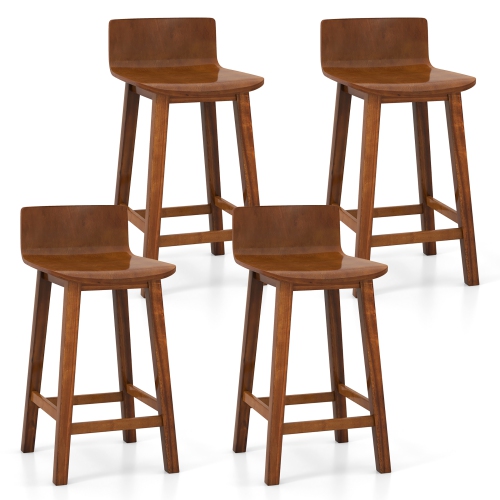
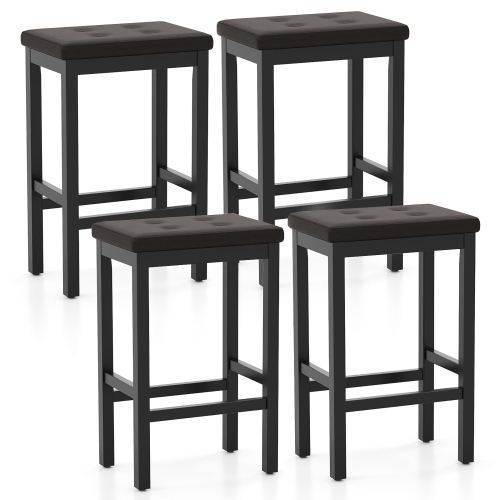
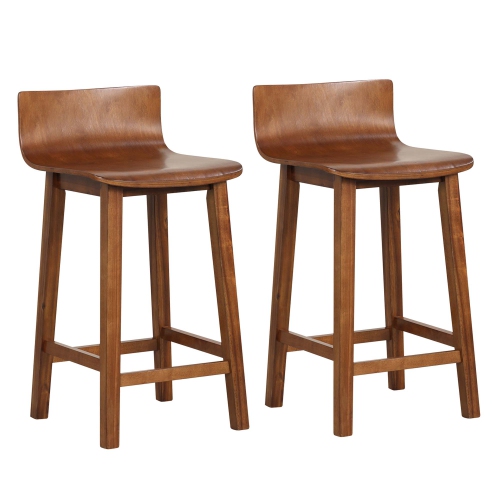
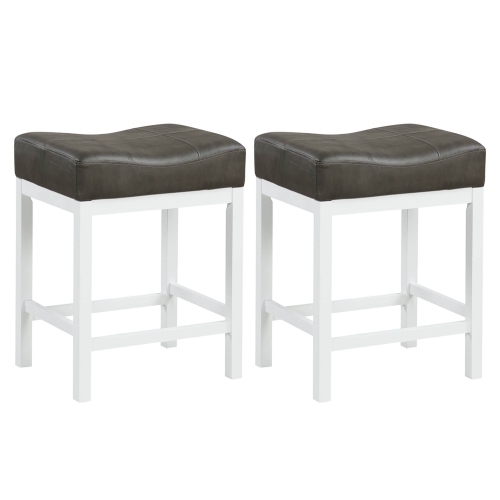
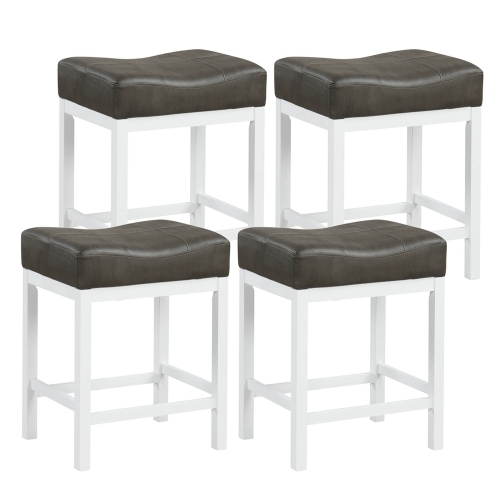
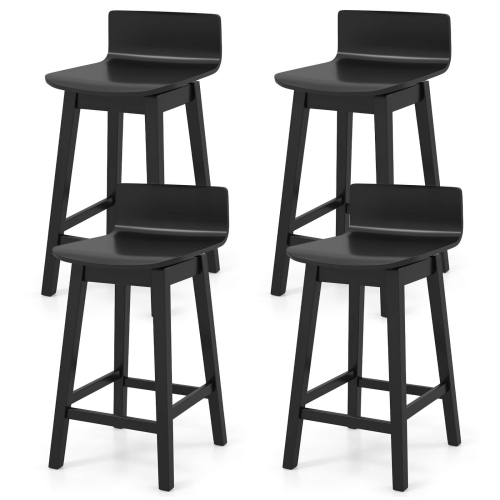
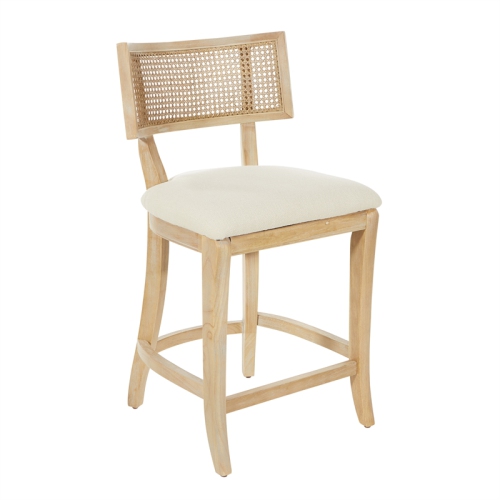
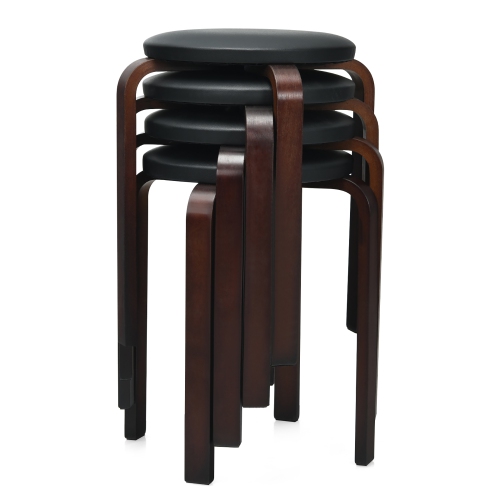
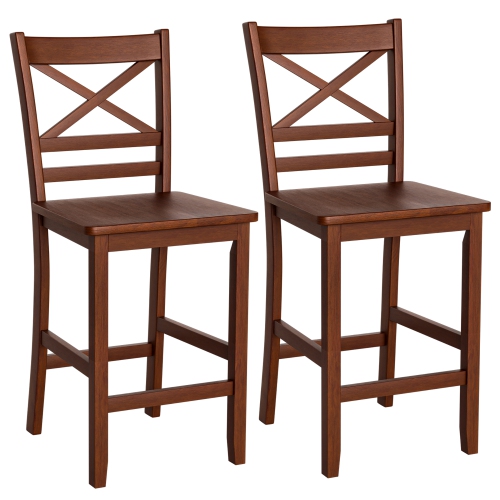

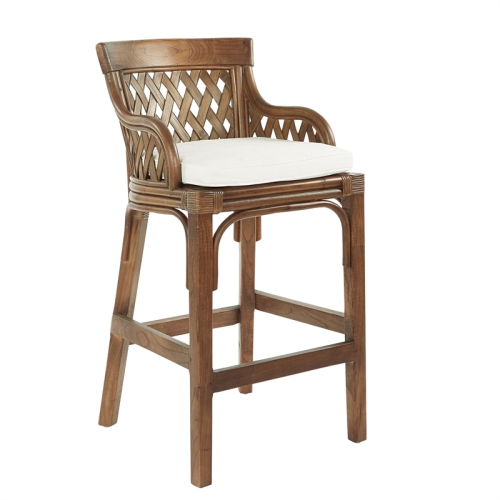
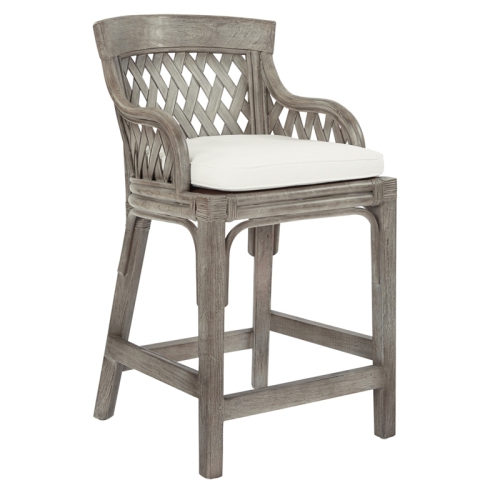
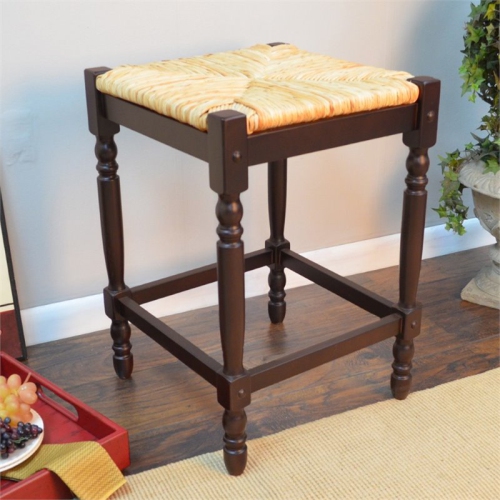
A practical guide to height style and everyday care
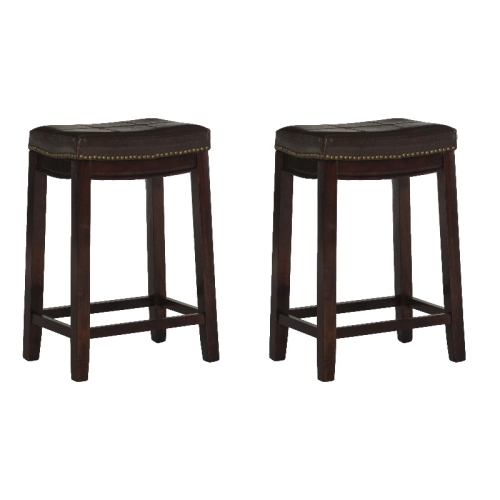
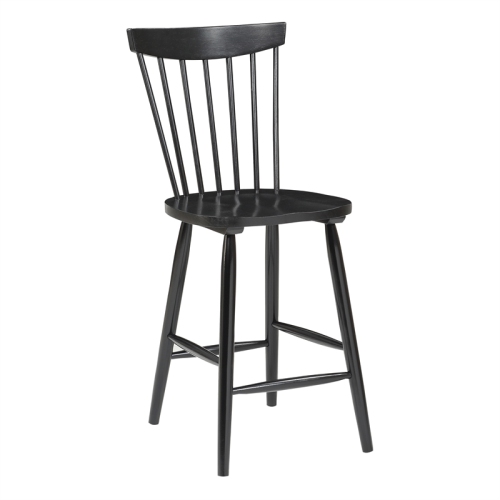
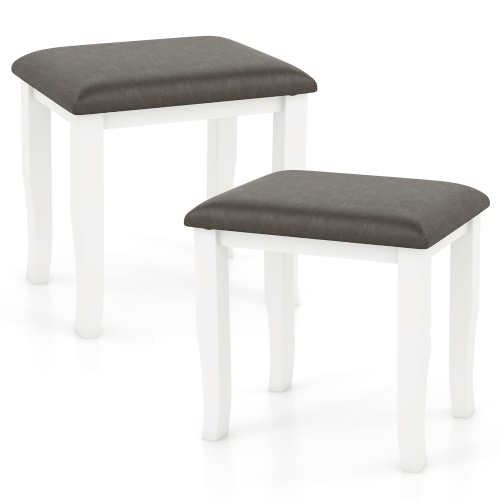
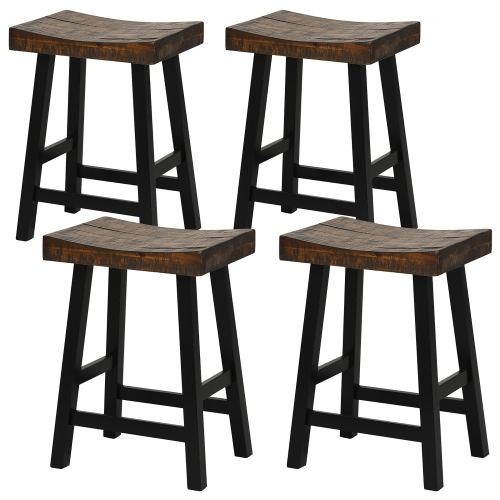
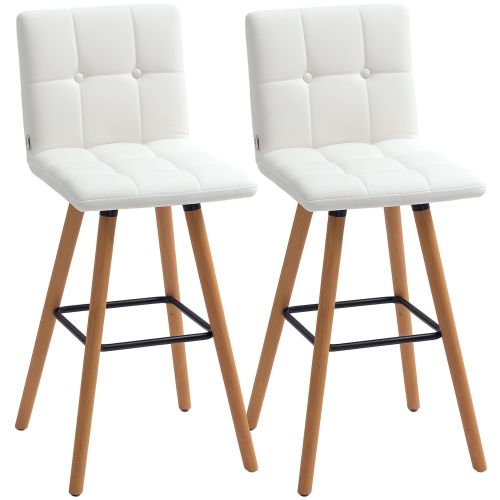
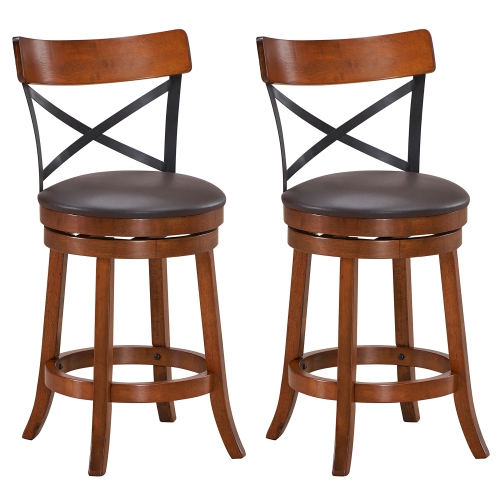
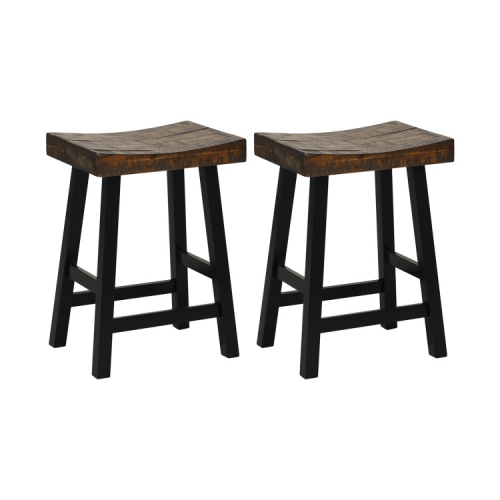
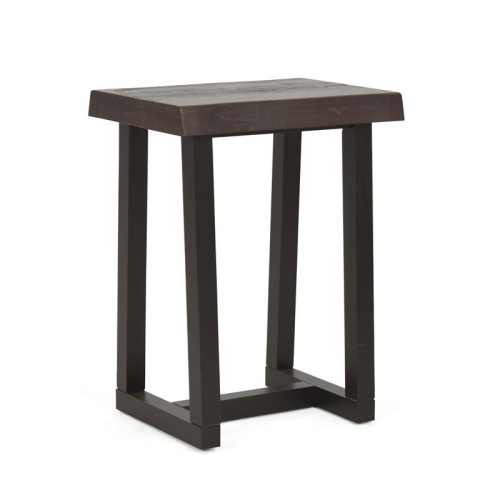
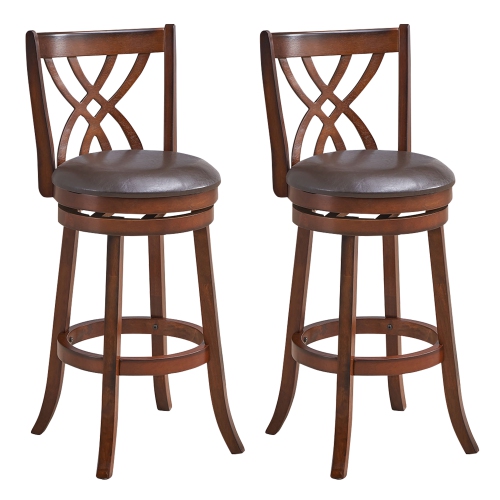
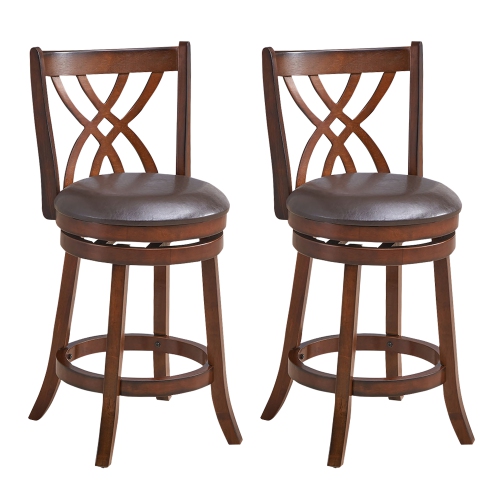
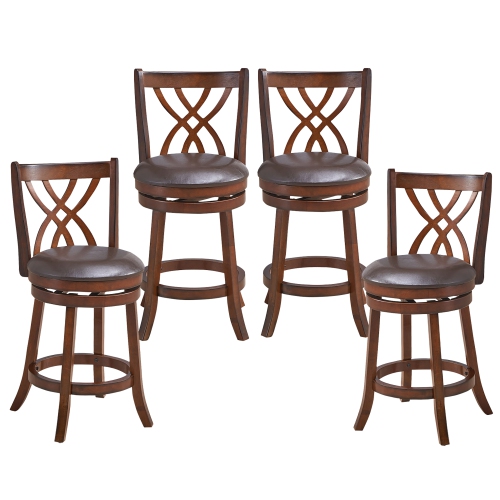
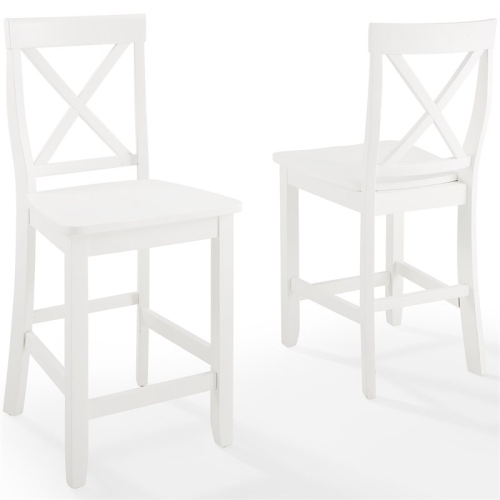
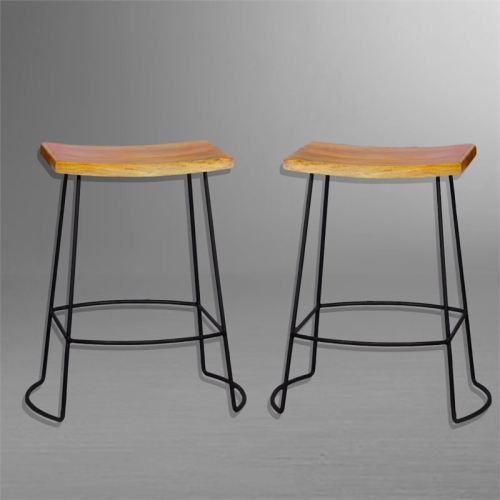
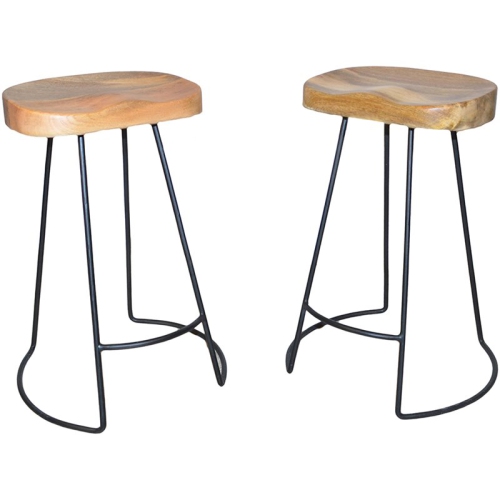
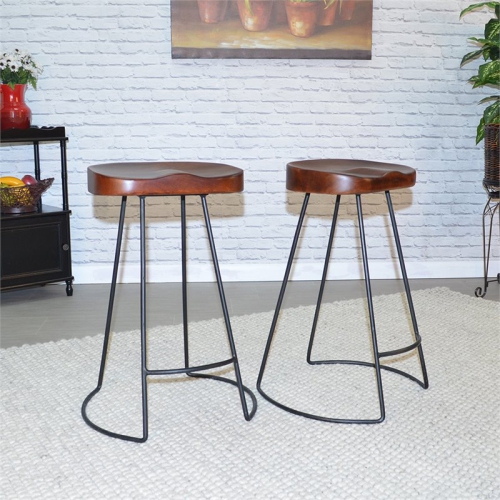
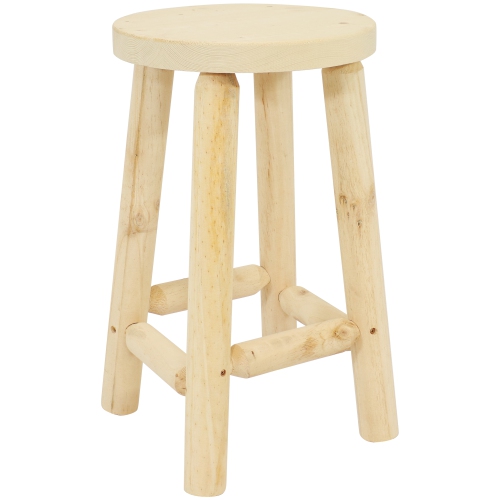
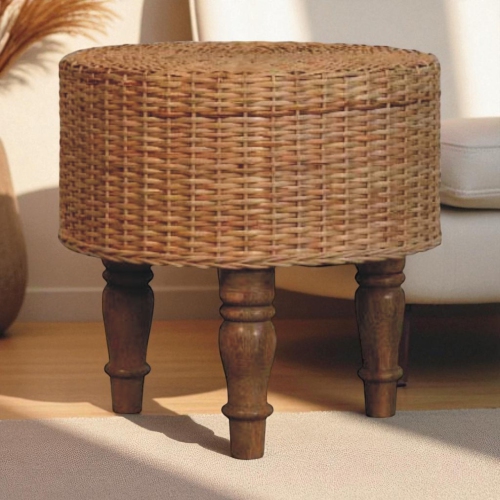
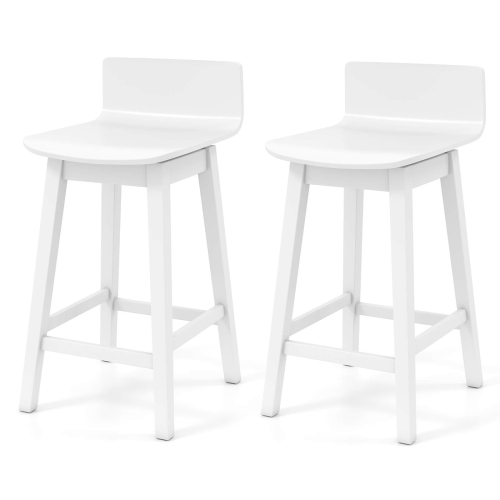
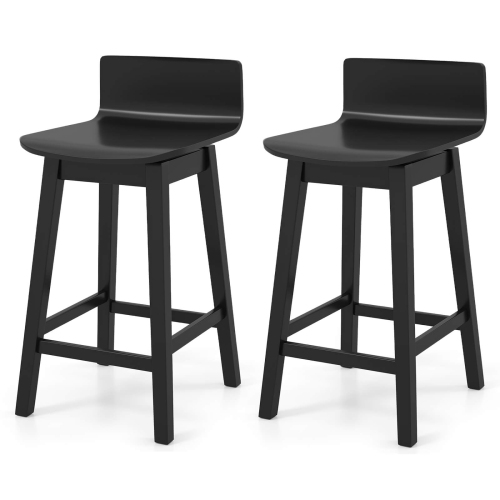
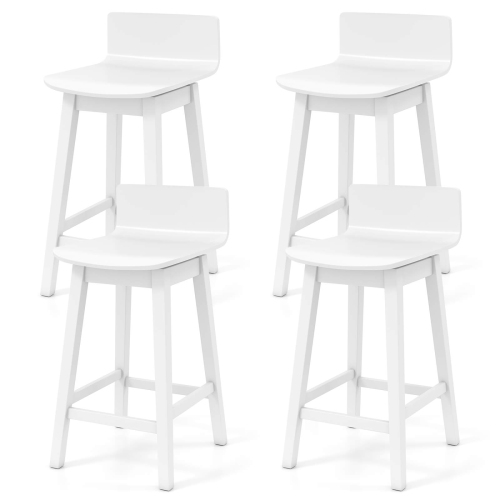
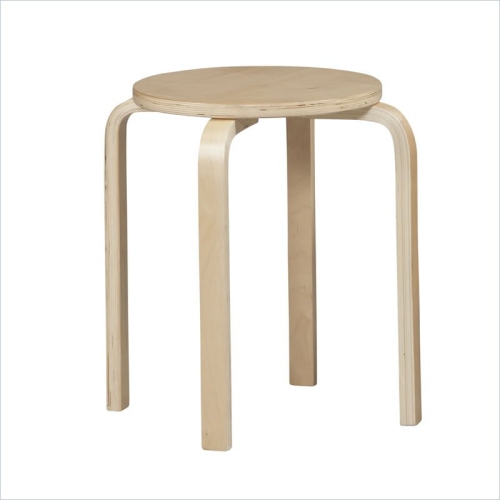
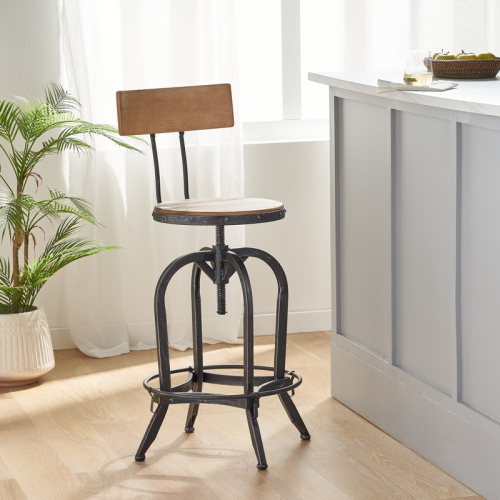
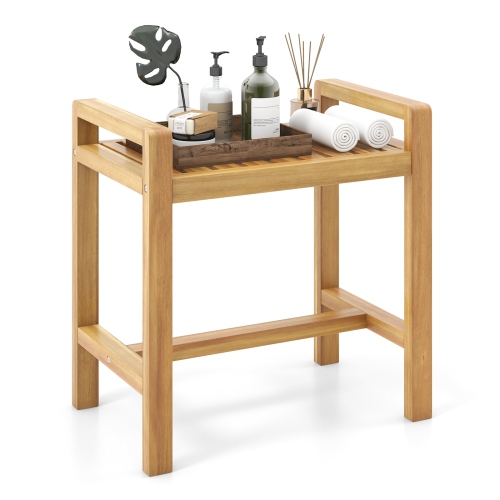
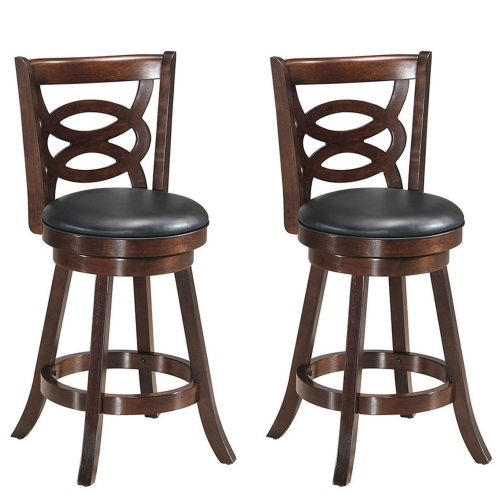
Solid wood stools bring warmth, texture, and dependable everyday seating to many areas of the home. Unlike stools made primarily from metal, plastic, or engineered materials, solid wood designs have a substantial feel and a natural grain that can complement both traditional and contemporary rooms. Depending on their proportions and construction, they can serve as casual dining seats, kitchen island seating, occasional tables, plant stands, dressing-room perches, or extra seating when guests arrive. A low stool can tuck beneath a console or sit beside a fireplace, while a counter-height or bar-height stool can make a kitchen, games room, or entertaining area feel more inviting. The range of finishes is equally varied, from pale natural wood that brightens a room to deeper stains that add contrast and character. Some designs feature clean, backless silhouettes for a streamlined look, while others include shaped seats, supportive backs, turned legs, cross braces, or rustic details that make the stool a visible part of the décor. For shoppers drawn to a lighter, more organic look, exploring Natural Wood Stools can help narrow the selection by finish and overall style. Solid wood stools also make thoughtful housewarming or wedding gifts, particularly for someone furnishing a first home, updating a kitchen, or creating a welcoming space for family gatherings. Their versatility gives the recipient plenty of ways to use them, even if the original plan changes as the room evolves.
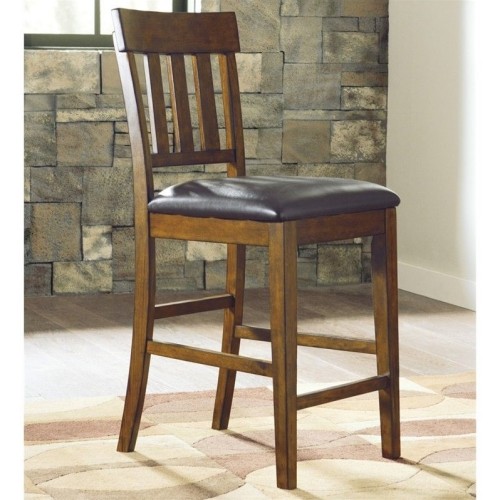
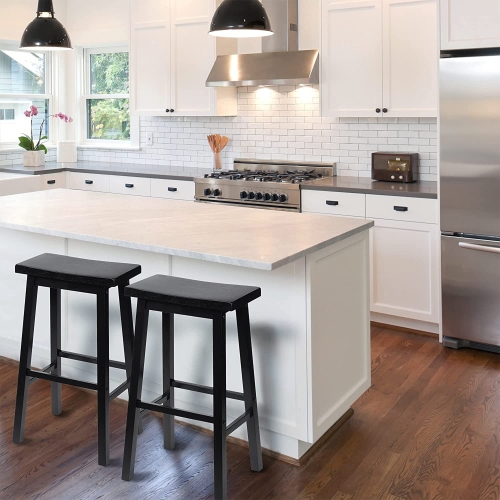
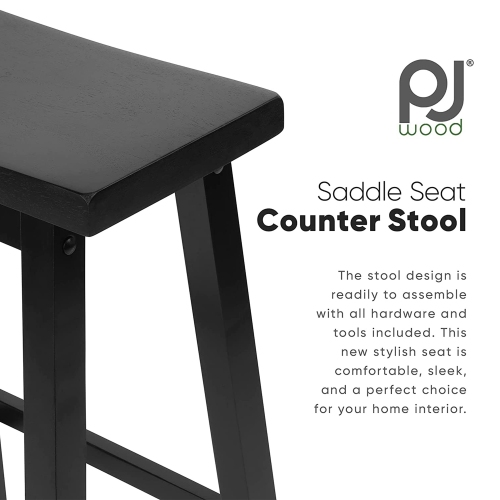
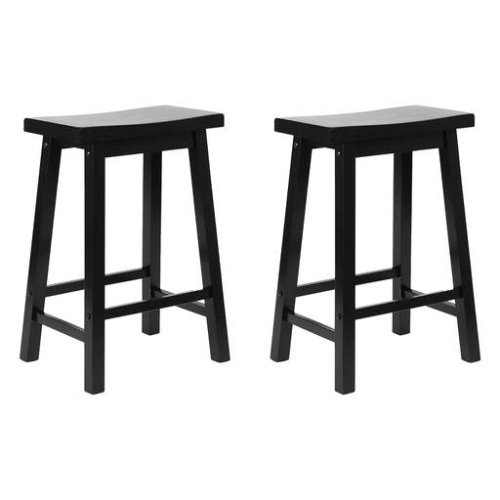
The most important buying consideration is height, and measuring the counter, table, or bar surface before choosing a stool can prevent an uncomfortable fit. A standard dining-height stool is generally around 18-inch seat height and works well with many dining tables, desks, vanities, or low work surfaces. Counter-height stools are commonly around 24-inch and are typically suited to counters measuring about 36-inch high, leaving enough room for comfortable leg movement. Bar-height stools are often around 30-inch and are designed for bar tops or tables measuring close to 42-inch high. These are general measurements rather than fixed rules, so checking the product specifications and allowing roughly 9 to 13 inches between the seat and the underside of the surface is a useful way to estimate comfort. Consider the available floor space as well. Backless stools can slide fully beneath a counter when not in use, which helps maintain clear walkways in a compact kitchen, while stools with backs may offer a more supportive seat for longer meals and conversations. If several stools will sit side by side, compare the overall width and leave enough elbow room between each seat. Footrests are especially helpful on counter- and bar-height models because they give the legs a place to rest and make casual seating more comfortable. Saddle-shaped seats can distribute pressure more evenly than a flat surface, and a cut-out handle can make a heavier wooden stool easier to move from the island to the dining area. Stability is also worth checking: look for sturdy leg construction, secure joints, level feet, and a weight capacity that suits the people who will use the stool. For homes with children, rounded edges and a solid, steady base may be preferable to delicate or highly ornamental details.
Wood species and finish affect both appearance and day-to-day care. Pine is relatively light in colour and weight, and its softer surface can develop small marks that contribute to a relaxed, lived-in appearance. Rubberwood, oak, maple, and walnut are often selected for their stronger feel and distinctive grain, with hardwood options generally offering greater resistance to dents and wear. A stained or sealed finish can make routine cleaning easier, while an unfinished stool may appeal to shoppers who want to paint, stain, or customize the piece themselves. Always follow the care instructions supplied with the stool, but in most homes a soft, slightly damp cloth is enough for everyday dust and spills; standing moisture, abrasive cleaners, and prolonged exposure to direct heat can affect the finish over time. In a busy kitchen, consider how easily crumbs can collect around joints and whether the seat shape is simple to wipe clean. In a quieter corner, sculpted legs or a textured finish may be worthwhile for the visual interest they add. During the warmer season, solid wood stools can provide flexible seating for casual meals, craft projects, or conversations around an island, and during the cooler months they can create a comfortable perch near a counter, reading nook, or entryway. Whether the goal is to furnish a complete breakfast bar, add one useful seat to a small apartment, or bring natural character to an otherwise polished room, choosing the right height, construction, finish, and footprint will help a solid wood stool feel like a lasting part of the space rather than an afterthought.
The most important buying consideration is height, and measuring the counter, table, or bar surface before choosing a stool can prevent an uncomfortable fit. A standard dining-height stool is generally around 18-inch seat height and works well with many dining tables, desks, vanities, or low work surfaces. Counter-height stools are commonly around 24-inch and are typically suited to counters measuring about 36-inch high, leaving enough room for comfortable leg movement. Bar-height stools are often around 30-inch and are designed for bar tops or tables measuring close to 42-inch high. These are general measurements rather than fixed rules, so checking the product specifications and allowing roughly 9 to 13 inches between the seat and the underside of the surface is a useful way to estimate comfort. Consider the available floor space as well. Backless stools can slide fully beneath a counter when not in use, which helps maintain clear walkways in a compact kitchen, while stools with backs may offer a more supportive seat for longer meals and conversations. If several stools will sit side by side, compare the overall width and leave enough elbow room between each seat. Footrests are especially helpful on counter- and bar-height models because they give the legs a place to rest and make casual seating more comfortable. Saddle-shaped seats can distribute pressure more evenly than a flat surface, and a cut-out handle can make a heavier wooden stool easier to move from the island to the dining area. Stability is also worth checking: look for sturdy leg construction, secure joints, level feet, and a weight capacity that suits the people who will use the stool. For homes with children, rounded edges and a solid, steady base may be preferable to delicate or highly ornamental details.
Wood species and finish affect both appearance and day-to-day care. Pine is relatively light in colour and weight, and its softer surface can develop small marks that contribute to a relaxed, lived-in appearance. Rubberwood, oak, maple, and walnut are often selected for their stronger feel and distinctive grain, with hardwood options generally offering greater resistance to dents and wear. A stained or sealed finish can make routine cleaning easier, while an unfinished stool may appeal to shoppers who want to paint, stain, or customize the piece themselves. Always follow the care instructions supplied with the stool, but in most homes a soft, slightly damp cloth is enough for everyday dust and spills; standing moisture, abrasive cleaners, and prolonged exposure to direct heat can affect the finish over time. In a busy kitchen, consider how easily crumbs can collect around joints and whether the seat shape is simple to wipe clean. In a quieter corner, sculpted legs or a textured finish may be worthwhile for the visual interest they add. During the warmer season, solid wood stools can provide flexible seating for casual meals, craft projects, or conversations around an island, and during the cooler months they can create a comfortable perch near a counter, reading nook, or entryway. Whether the goal is to furnish a complete breakfast bar, add one useful seat to a small apartment, or bring natural character to an otherwise polished room, choosing the right height, construction, finish, and footprint will help a solid wood stool feel like a lasting part of the space rather than an afterthought.
Top selling and popular products
-
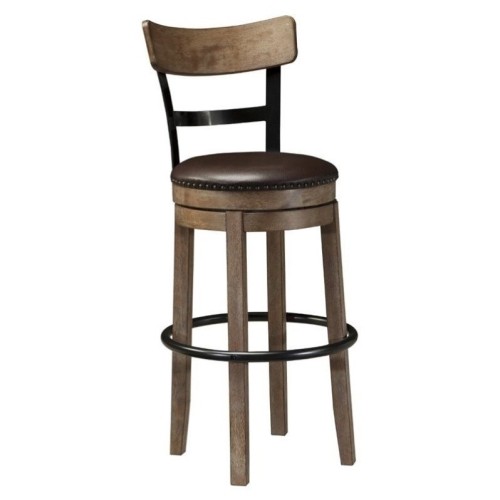 Your price for this item is $416.61
 -
 Your price for this item is $666.4
 -
 Your price for this item is $538.99
 -
 Your price for this item is $207.99
 -
 Your price for this item is $214.99
 -
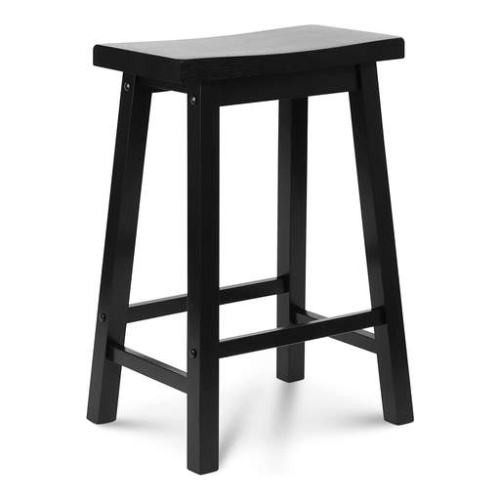 Your price for this item is $88.99
 -
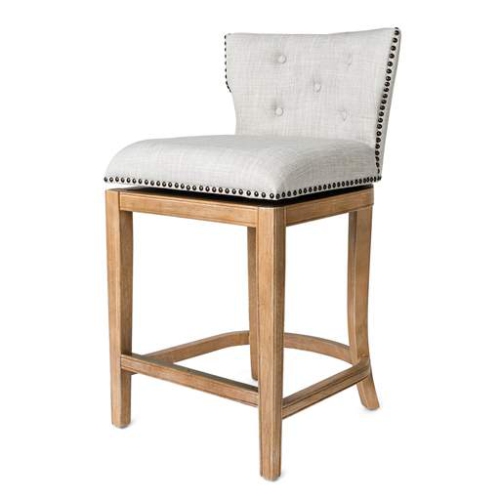 Your price for this item is $529.99
 -
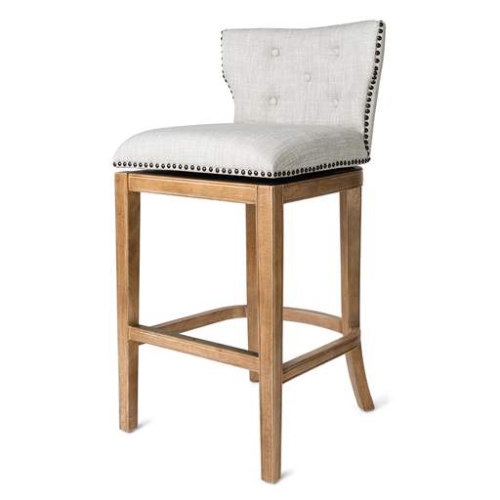 Your price for this item is $406.99
Discover more categories related to Solid Wood Stools
Top Collections:
Pokemon Centers, Kindle Devices, Best Budget Office Chairs, Apple iPhones 16, Best Laptops for Writers, iPhone 15 Apple, Canon G7X Cameras, Refurbished Apple Laptops, Alarm Clock, Motorola Razr Phones
Some products may be subject to Environmental Handling Fees
(EHF) depending on your province.
Learn more about EHFs.