Solid Wood Top Coffee Tables
Solid Wood Top Coffee Tables bring timeless style and natural charm to any living space. Perfect for anchoring your seating area, these tables offer a versatile surface for everything from morning coffee to evening gatherings. With a variety of designs and finishes available, Solid Wood Top Coffee Tables can easily complement both classic and contemporary décor. Explore options that blend durability with elegant craftsmanship to find the ideal centerpiece for your home.
Sort

There’s more to a wood top than grain
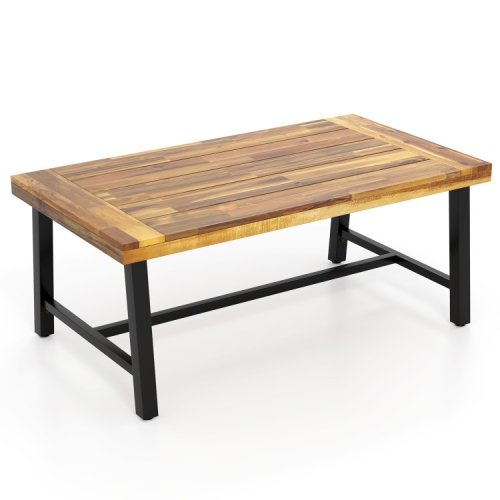
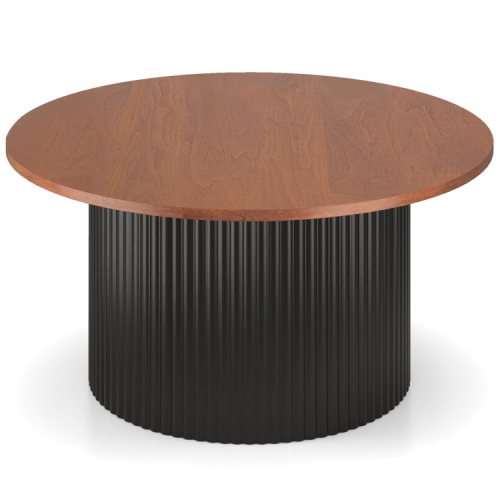
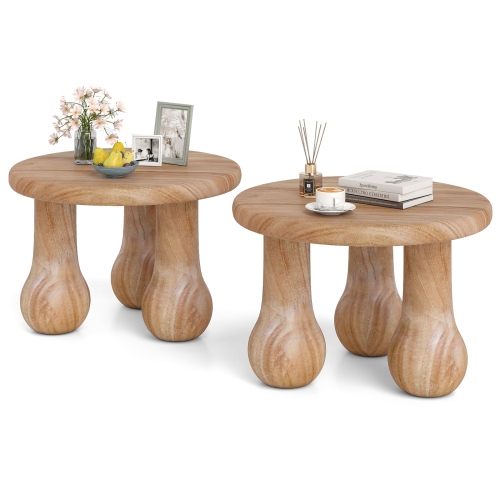
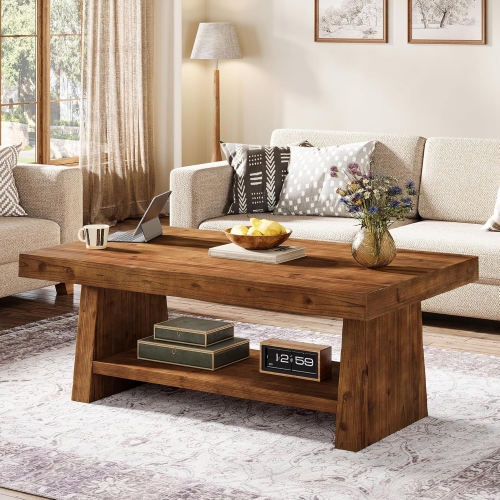
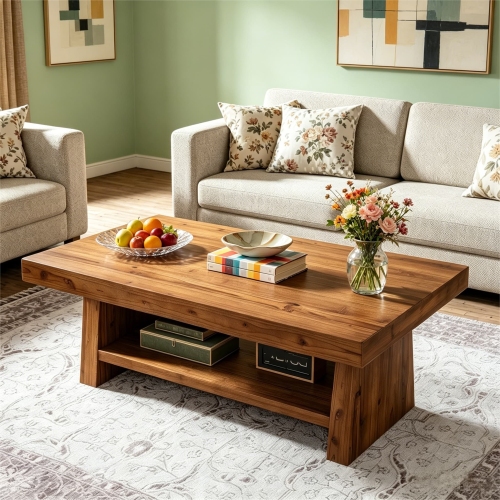
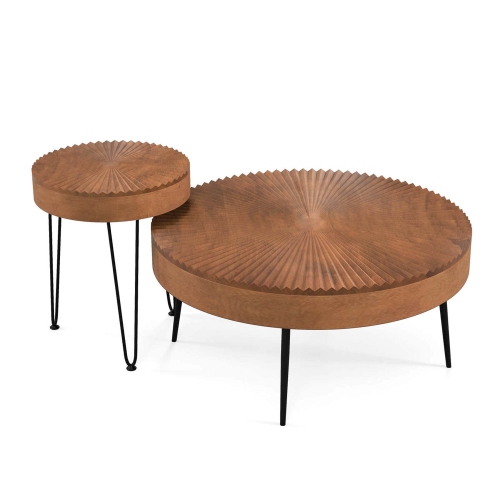
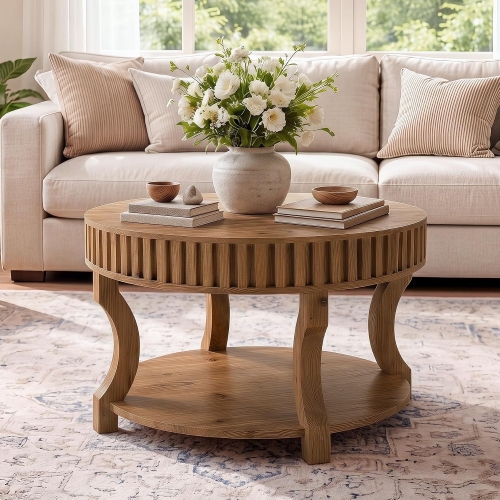
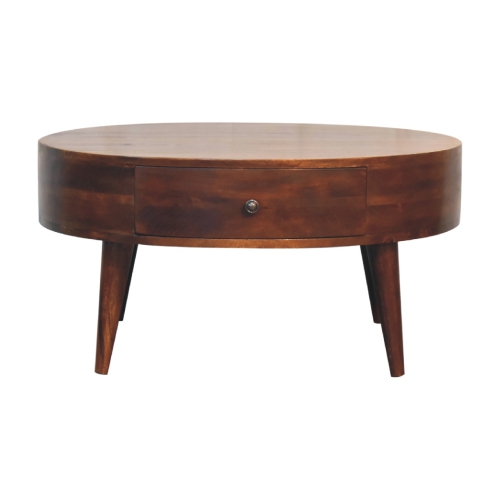
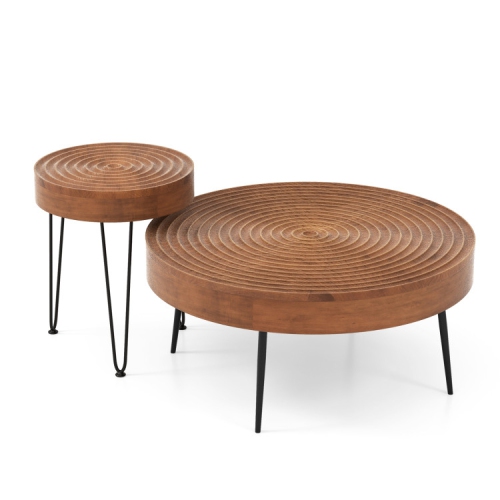
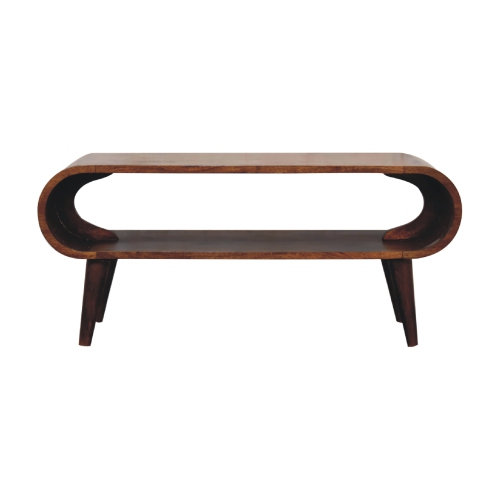
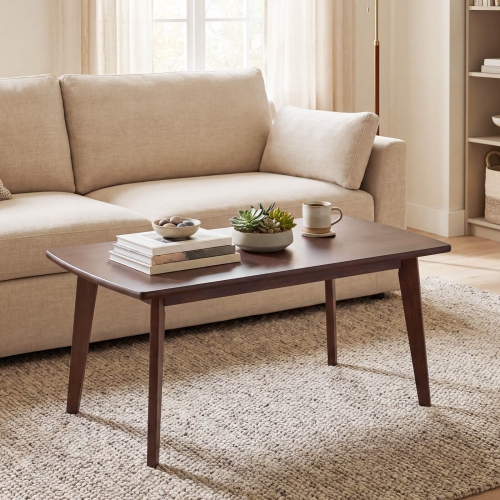
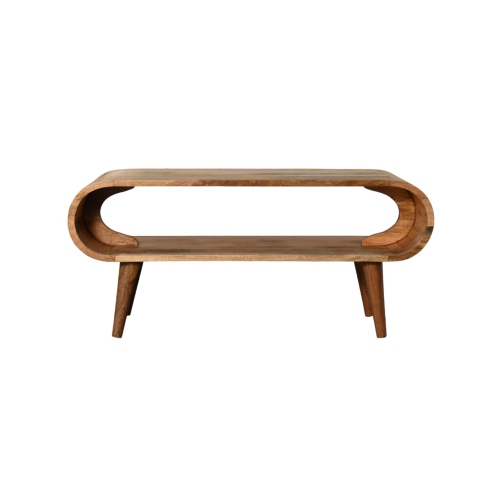
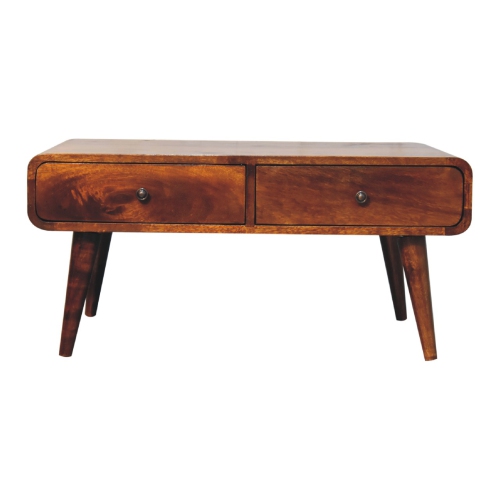
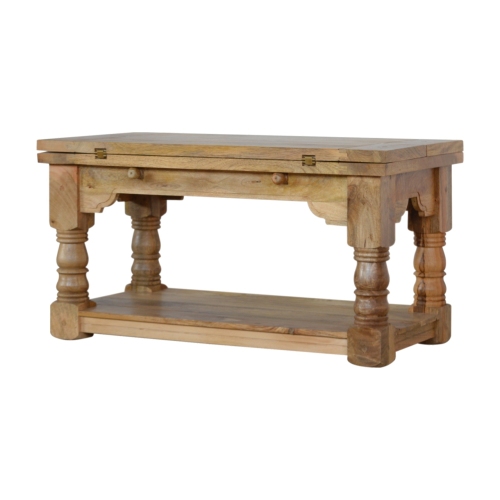
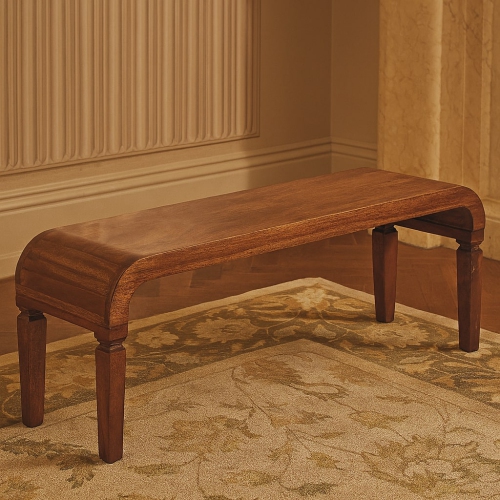
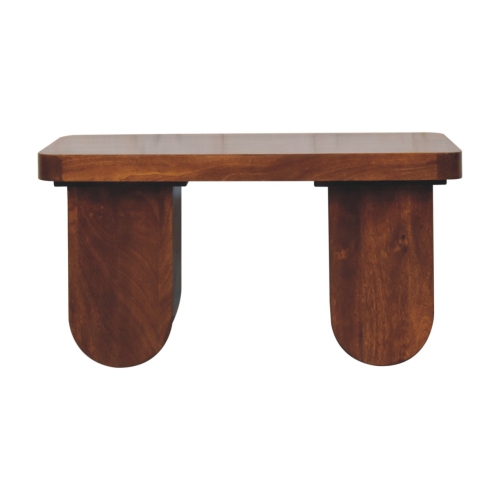
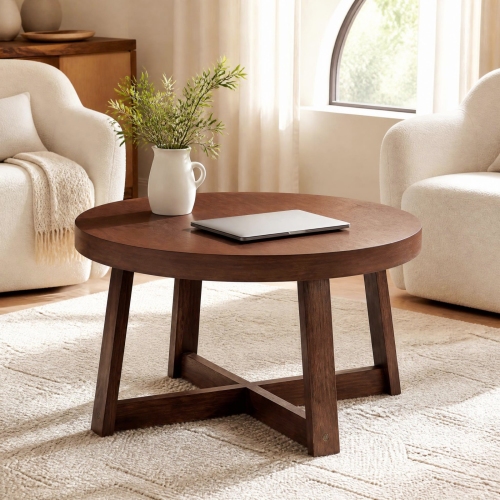
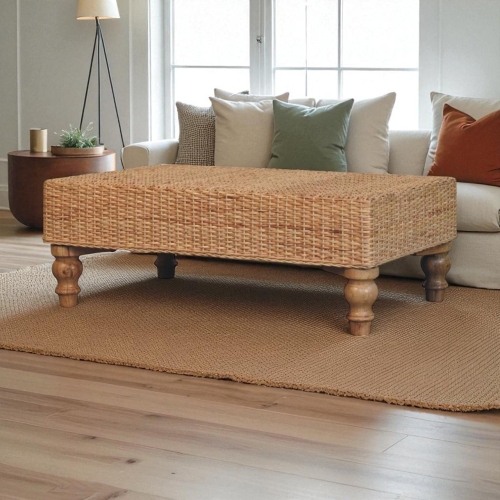
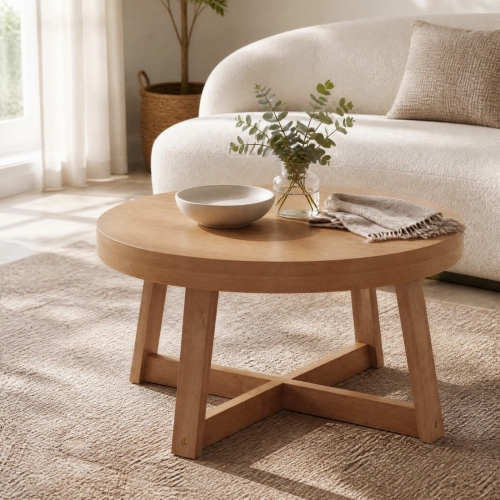
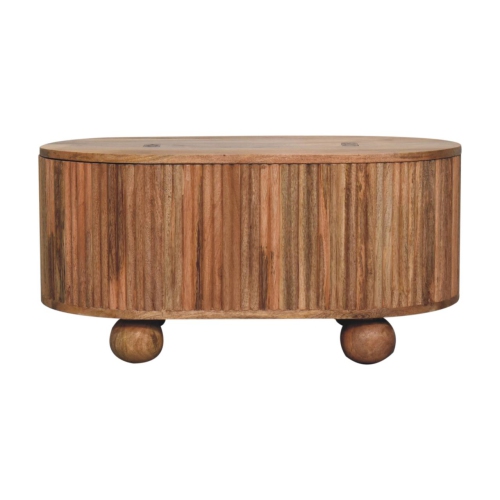
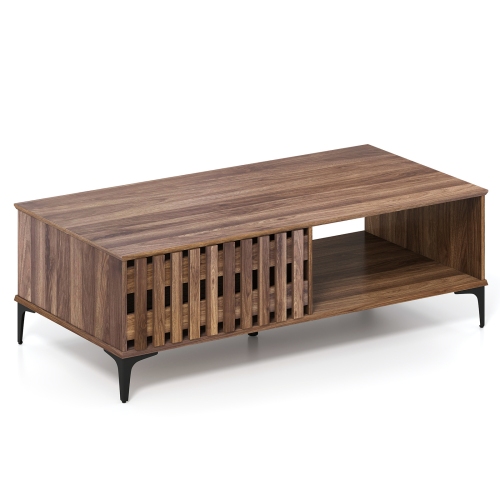
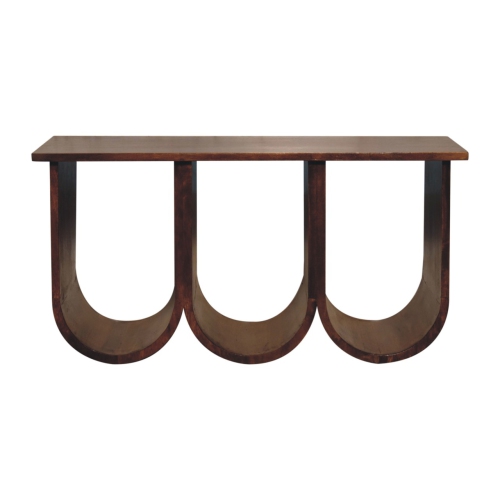
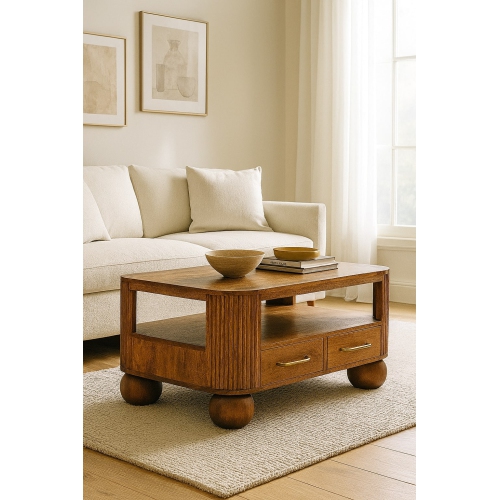
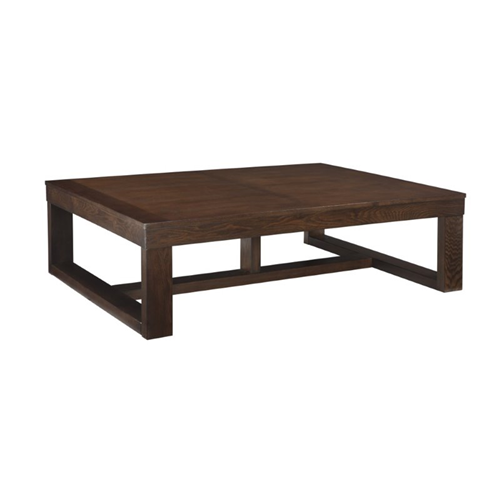
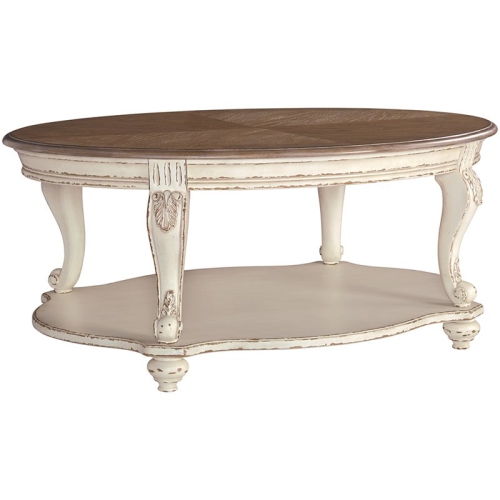
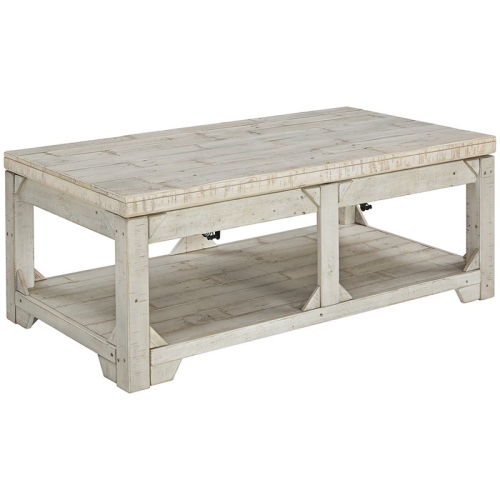
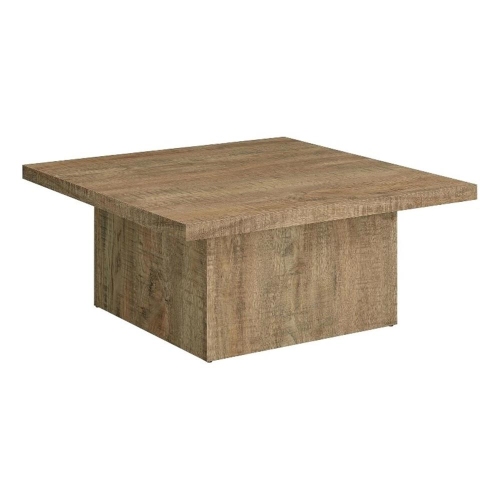
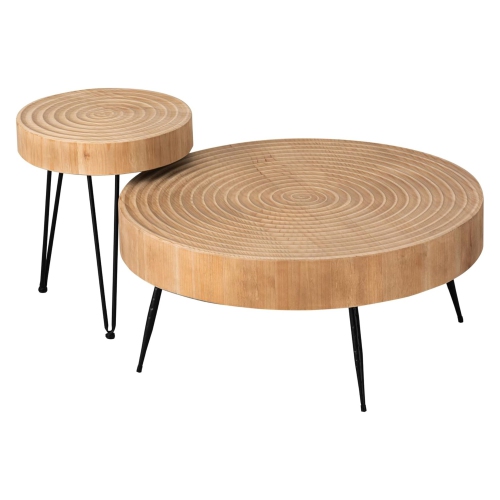
Solid wood top coffee tables bring visible grain, natural colour variation, and a substantial surface to the centre of a living room. Their appeal comes partly from the way real wood looks at close range: oak can show pronounced grain and pale golden tones, walnut often has deeper brown colouring, and acacia may display striking contrasts between lighter and darker sections. Mango wood can also have varied grain and colouring, giving the surface an individual character. Stains and finishes influence the final appearance, so the wood species alone does not tell the whole story. A solid wood top is made from wood throughout its thickness, often using several boards joined together, rather than a thin wood veneer applied over a different core material. Joined boards are a common construction method and do not make a tabletop less genuinely solid wood. The phrase “solid wood top” describes the tabletop, not necessarily the legs, frame, shelf, or drawers; those parts may use metal, manufactured wood, or other materials. This distinction matters when comparing construction and deciding how a table will fit with existing furniture. A wood top on a slender metal frame can feel visually lighter than a table with thick wooden legs, even when both provide a generous surface. Pale finishes can sit comfortably alongside linen upholstery and light rugs, while deeper tones create contrast with a cream sofa or a softly coloured armchair. A brushed surface highlights texture, whereas a smoothly finished top offers a more even feel beneath a serving tray or an open book. Natural knots, grain changes, and slight differences in colour are part of wood’s appearance, although their prominence varies with the grade and finish. For everyday use, durability depends on the combination of wood hardness, finish, construction, and care. No solid wood surface is completely scratchproof or immune to dents, but well-made construction and a suitable protective finish can support years of ordinary living room use.
Size and placement determine whether a coffee table feels useful or simply gets in the way. A practical starting point is a table about two-thirds the length of the sofa, with a top roughly level with the seat cushions or slightly lower. These proportions are not fixed rules: a deep sectional, a compact loveseat, or a seating arrangement with several armchairs may need a different balance. Measuring the usable seating area is more helpful than choosing by appearance alone. Allowing approximately 14 to 18 inches between the sofa and the table generally leaves room to reach a drink and move your legs, while main walking routes may need considerably more clearance. Marking the proposed footprint on the floor with removable tape can reveal whether a drawer will open comfortably or whether a chaise will crowd one corner. Rectangular solid wood top coffee tables suit many longer sofas and provide space to spread out a board game, arrange a tray, or keep reading material within reach. Round and oval shapes remove projecting corners and can make circulation easier in a compact seating area, although their overall footprint still needs checking. A square table can work well inside the open angle of a sectional, provided everyone can move around it comfortably. Rounded edges may be worth considering in homes with young children, but edge shape does not replace stable construction or appropriate supervision. Base design also affects everyday comfort. Inset legs leave more room around the perimeter, while a broad pedestal or lower stretcher may occupy space where someone would otherwise place their feet. An open shelf can hold magazines or a basket, and drawers can keep remotes and charging cables out of sight. For a closer look at furniture that combines a wood surface with places to put everyday essentials, Solid Wood Coffee Tables With Storage brings those functions together. Storage is most useful when its openings, depth, and access suit the things that actually need a home.
The right surface treatment makes a difference to both the look of a solid wood top coffee table and the attention it needs. A film-forming finish, such as lacquer or polyurethane, creates a protective layer over the wood, while some oil finishes leave a closer-to-the-wood feel and may require periodic maintenance. Neither description alone guarantees resistance to spills or scratches; the specific finish and the manufacturer’s care directions are the better reference. For routine cleaning, a soft cloth and prompt attention to spills are usually more useful than aggressive scrubbing. When damp wiping is permitted, use a lightly dampened cloth rather than soaking the surface, then dry it thoroughly. Standing water can leave marks or affect joints, and cleaners containing harsh solvents or abrasive particles can damage a finish. Coasters help separate glasses and mugs from the tabletop, while a protective mat beneath a serving dish helps prevent direct heat contact. A tray can organize everyday objects, but its underside should be smooth and clean so grit does not scrape the wood when it moves. Felt pads beneath bowls, lamps, or other accessories offer similar protection. Direct sunlight may alter wood colour over time, and indoor humidity changes can cause solid wood to expand or contract. Positioning the table away from direct heat sources and following any placement guidance helps limit unnecessary stress on the material. Solid wood may allow repair or refinishing, but that depends on the top’s construction, thickness, finish, and condition; sanding is not an automatic solution for every mark. Stability deserves equal attention, especially in a busy household where the table supports puzzles, snacks, and stacks of books. Follow assembly directions, check fasteners as recommended, and respect stated weight limits. A coffee table should not be treated as seating unless it is expressly designed for that purpose. With proportions that suit the room, storage that matches daily habits, and care appropriate to the finish, a solid wood top can be both a distinctive furnishing and a dependable place for the small routines of home.
Top selling and popular products
-
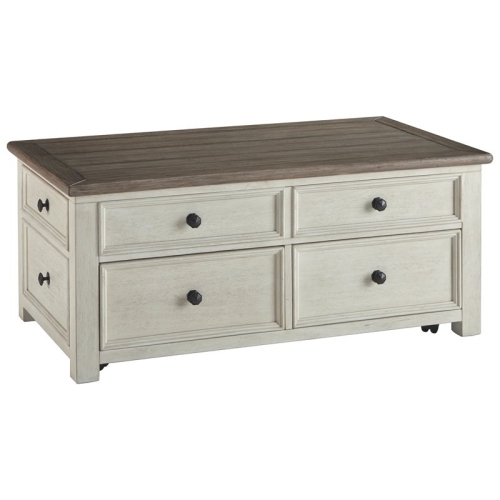 Your price for this item is $949
-
 Your price for this item is $449
-
 Your price for this item is $649
-
 Your price for this item is $599
-
 Your price for this item is $549
-
 Your price for this item is $376.99
-
 Your price for this item is $473.99
-
 Your price for this item is $329.99
Discover more categories related to Solid Wood Top Coffee Tables
Top Collections:
Best Black Friday Deals This Year, Best Black Friday Deals On Electronics, Kindle Devices, Pokemon Centers, Best Black Friday Deals On Apple Products, Best Cameras for Sports Photography, Dyson Airwrap, Pokémon 30th Celebration Cards, Apple iPhone 17 Pro, Canon G7X Cameras
Some products may be subject to Environmental Handling Fees
(EHF) depending on your province.
Learn more about EHFs.