Philips Sonicare Diamond Head Toothbrushes
Discover a new level of oral care with the Philips Sonicare Diamond Head Toothbrush selection. Designed to enhance your daily routine, these toothbrushes offer advanced technology and thoughtful design for an exceptional clean. Whether you’re upgrading your current toothbrush or searching for a reliable gift, the Philips Sonicare Diamond Head Toothbrush range provides options to suit your needs. Explore the collection and find the perfect addition to your dental care regimen.
Sort
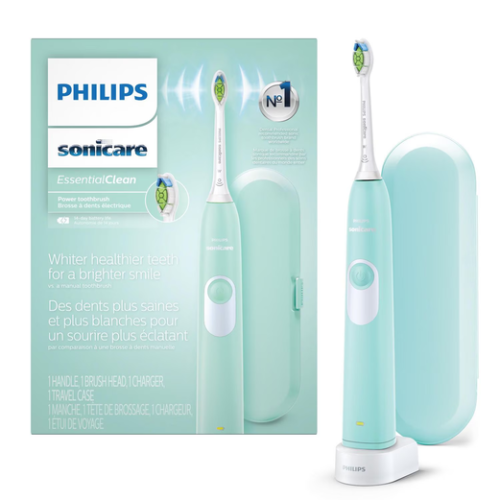
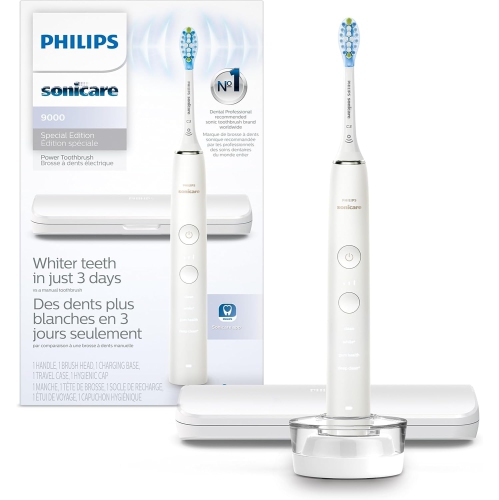
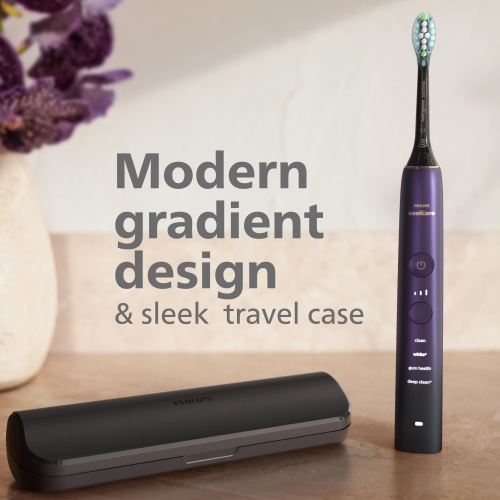
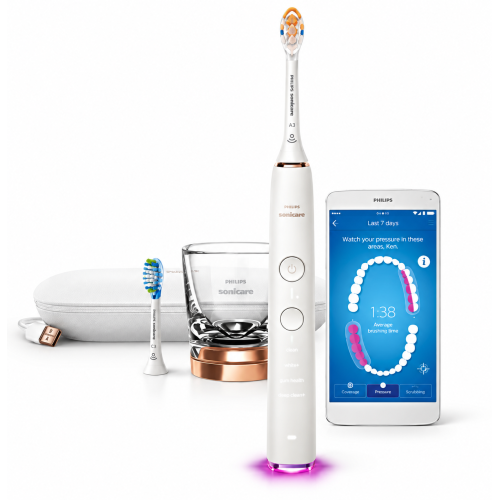
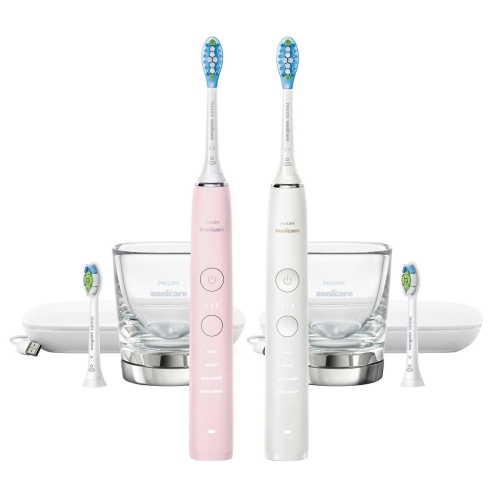
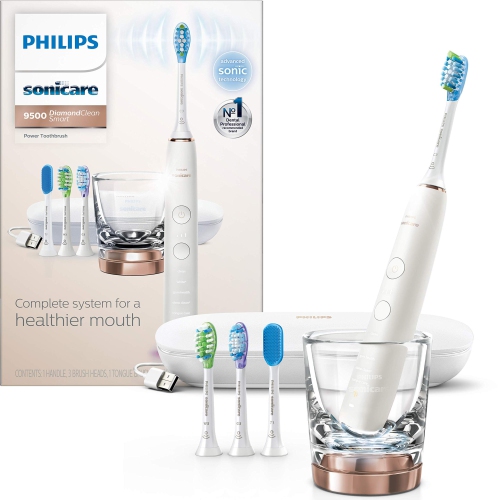
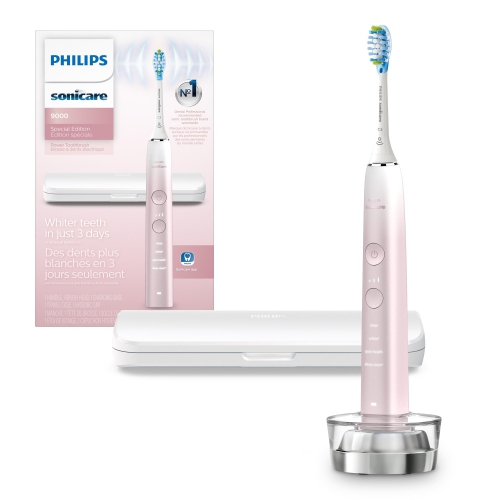
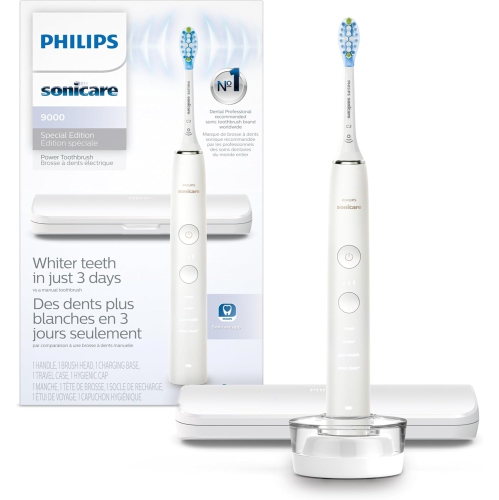
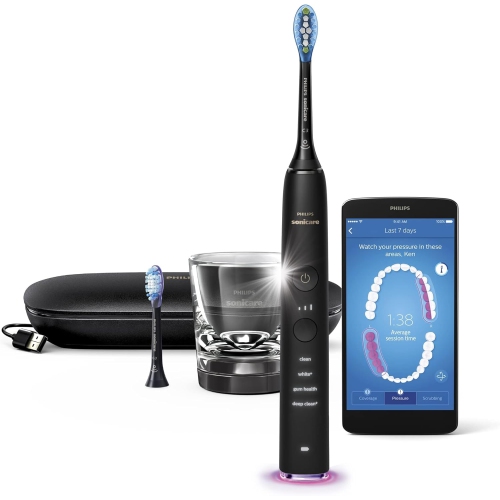
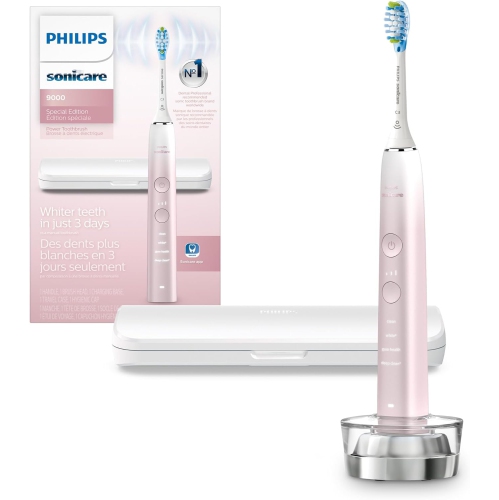
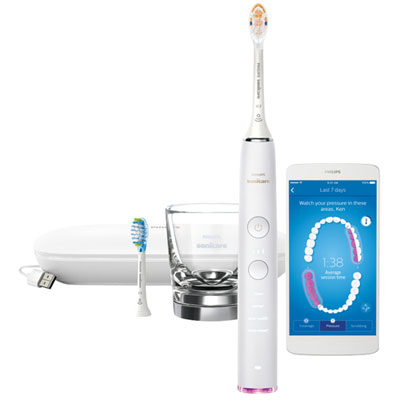
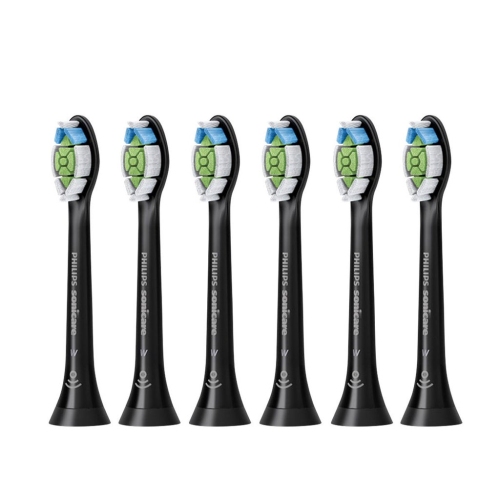
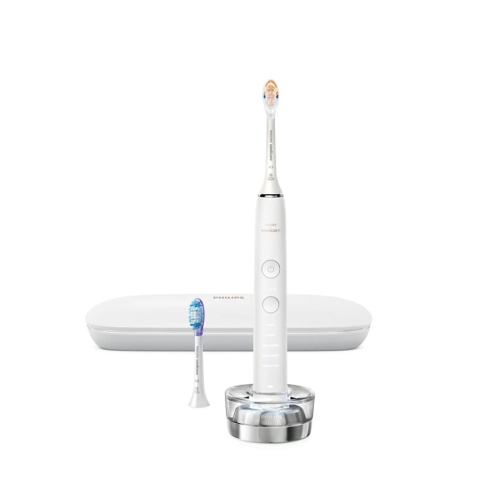
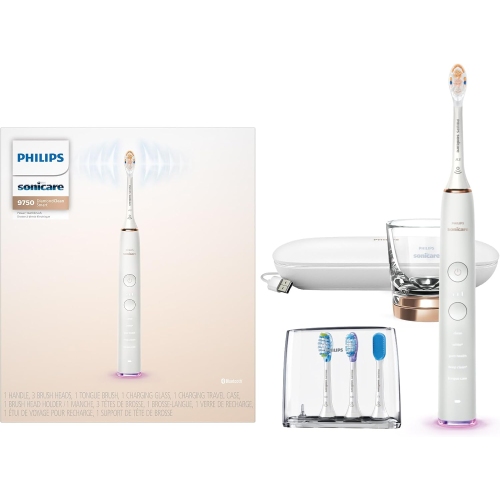
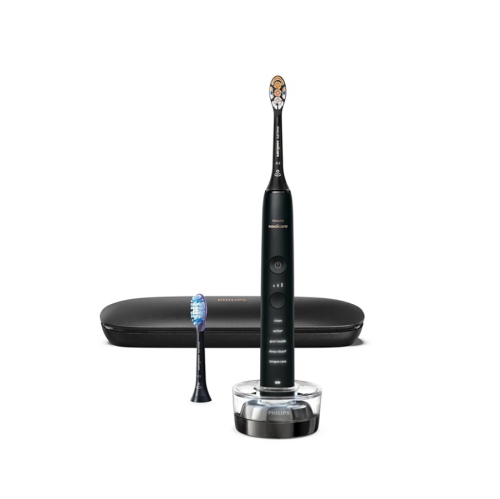
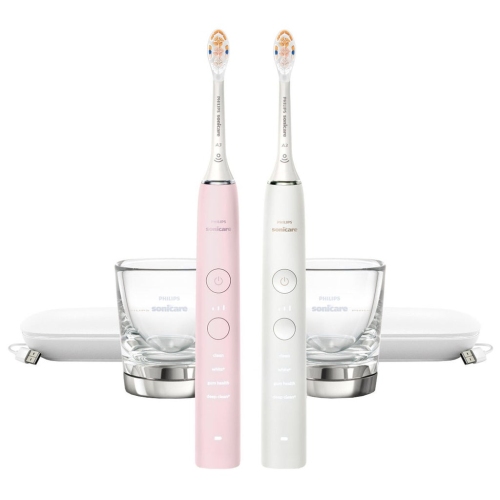

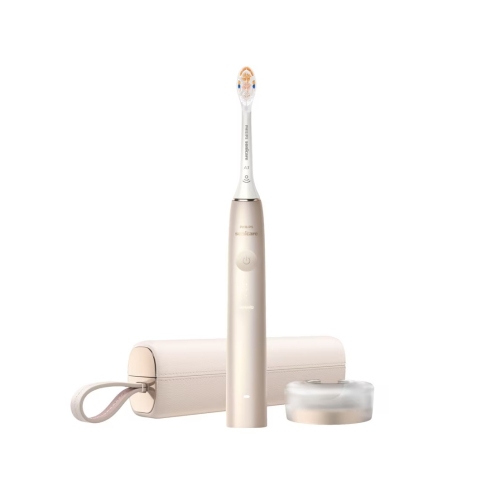
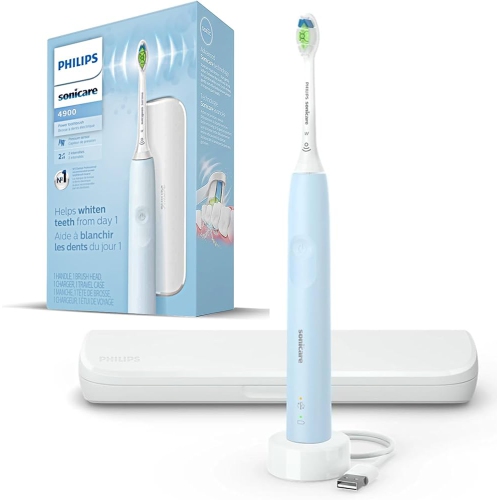
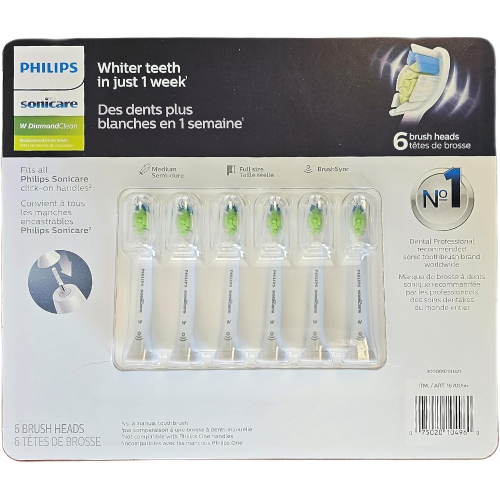
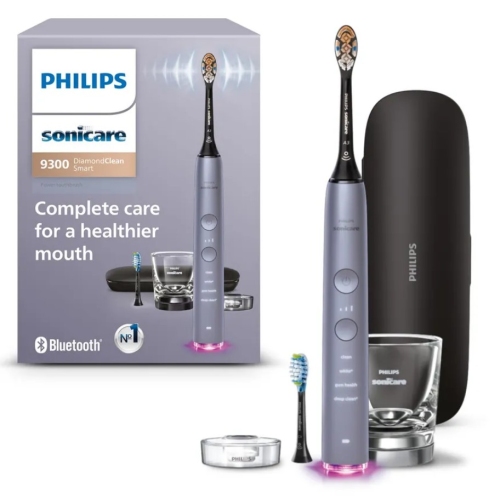
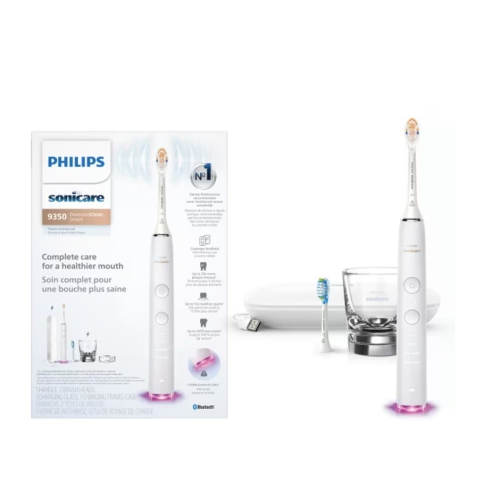

How diamond-shaped bristles help lift everyday surface stains
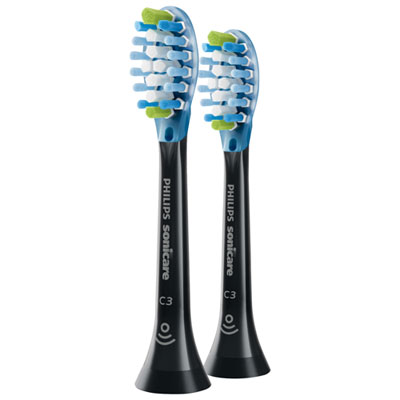
Replacement brush heads with diamond-shaped bristles are used with compatible sonic toothbrush handles for everyday plaque removal and surface-stain cleaning. The diamond description refers to the bristle design, not to a brush head made from gemstones. These heads are associated with whitening-focused brushing, where the aim is to help lift stains from the outside of the teeth while maintaining a regular oral-care routine. Tea, coffee, and other foods and drinks can leave surface discolouration over time, and effective brushing can help manage that buildup. This is different from bleaching teeth or changing their underlying shade: a whitening brush head works through cleaning, and its results depend on factors such as brushing technique, consistency, and the type of staining present. The powered handle supplies rapid bristle movement, while the shape and arrangement of the bristles influence how they contact each tooth. A contoured head can help maintain contact across curved surfaces, and a smaller profile may be easier to position behind the back teeth or around a crowded area. Comfortable access matters more than simply choosing the largest head. During brushing, the bristles should rest gently against the teeth and gumline rather than being pressed hard enough to flatten. Guiding the head slowly from one area to another allows the powered movement to work without the vigorous scrubbing associated with a manual brush. For someone moving from manual to sonic brushing, that lighter touch can take a little adjustment. A familiar two-minute routine can feel different when the handle provides the movement, particularly around the inside surfaces of the lower front teeth or the far side of a back molar. Diamond-shaped bristles are one design feature within that experience, rather than a substitute for careful coverage. A head that feels comfortable and reaches the necessary areas is more useful for daily care than one chosen solely for a whitening description.
Fit is an essential consideration because replacement heads are not universal across powered toothbrushes. For toothbrushes in the Philips Sonicare DiamondClean range, the replacement head should match the handle’s stated compatibility and attachment system. Similar-looking heads can use different connections, and a click-on design should not be assumed to fit a handle that requires a screw-on attachment. Mechanical fit and electronic features are also separate considerations. Some handle-and-head combinations support brush-head recognition or replacement reminders, but these functions depend on the compatible components involved. Checking both the connection and any supported features helps avoid confusing a secure physical fit with full feature compatibility. Replacement heads typically combine a moulded plastic body with synthetic bristles, giving the head a rigid connection to the handle and a flexible cleaning surface. Bristle softness, length, density, and contour can all affect how brushing feels. Someone with tender gums may find soft bristles and a gentle brushing mode more comfortable, while another person may prefer a compact head that is easier to manoeuvre around closely spaced teeth. A whitening label does not mean that a head should feel harsh, and discomfort is not evidence of more effective cleaning. People with braces, implants, crowns, bridges, or other dental work may have additional cleaning needs; a dentist or dental hygienist can help identify suitable head styles and techniques for those areas. Brushing also does not replace cleaning between teeth, where floss or another appropriate interdental tool may still be needed. For children, suitability depends on the head’s size, the handle’s intended age range, and the child’s ability to use it with appropriate supervision. An adult-sized replacement head is not automatically the right fit for a smaller mouth. Even among adults, preferences vary: a narrow head may feel easier to control, while a fuller bristle surface may feel more familiar. The practical goal is a secure attachment, comfortable contact, and access to all the surfaces that need cleaning.
The useful life of a replacement head depends on both regular wear and everyday care. Bristles gradually lose their shape, and a head with splayed, bent, or noticeably worn bristles may no longer provide the same comfortable contact. A common replacement interval is about three months, although visible wear can make an earlier change appropriate. Bristles that spread out quickly can also be a sign of excessive pressure, so replacing the head without adjusting technique may lead to the same problem again. Where a head has fading indicator bristles or works with a handle-based reminder, those cues can support a replacement routine, but they do not remove the need to look at the head itself. After brushing, rinsing away toothpaste and debris helps keep the bristle area clean. Allowing the head to air-dry, rather than leaving it wet inside a closed travel cover, is a useful everyday habit. Any instructions for removing the head, cleaning its connection, or caring for the handle should be followed, since the attachment area can collect residue. Boiling water, aggressive cleaning chemicals, or improvised cleaning methods may damage the materials and should not be used unless specifically permitted by the manufacturer. In a shared bathroom, separate heads should remain clearly identifiable and should never be shared between people. Colour rings or other identifying details, where present, can make that distinction easier. Travel covers are useful for protecting bristles in a toiletry bag, especially when the head is packed beside other personal-care essentials, but the head should be allowed to dry before being enclosed whenever practical. Replacement heads can also make a useful personal-care gift for someone who already uses a compatible sonic toothbrush, provided the exact fit and preferred bristle style are known. Their value is practical: a fresh head keeps an established routine comfortable and straightforward. Whether used at home or carried for travel, the best match is one that fits securely, feels gentle, receives proper care, and supports consistent brushing without making daily oral care unnecessarily complicated.
Top selling and popular products
-
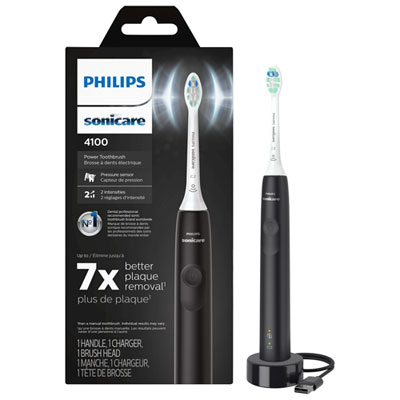 Your price for this item is $84.99
-
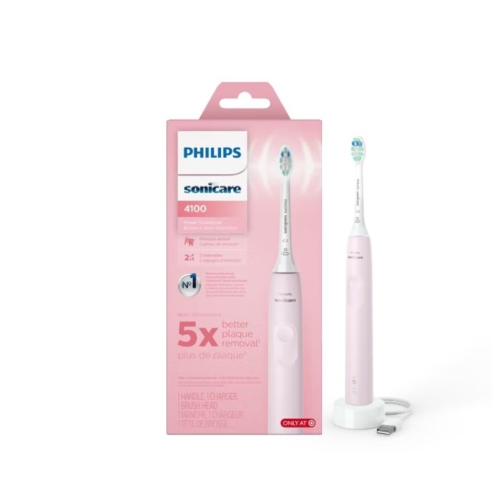 Your price for this item is $49.95
-
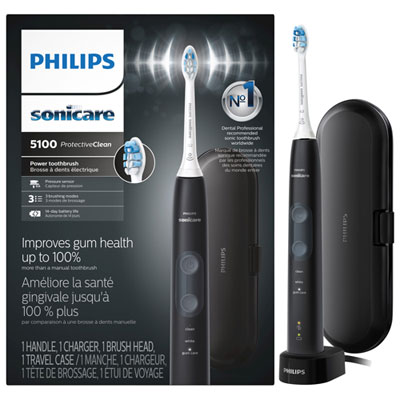 Your price for this item is $89.99
-
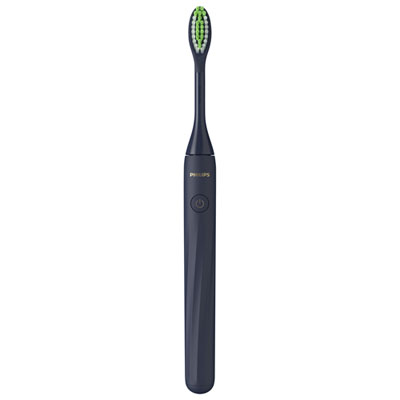 Your price for this item is $24.97
-
 Your price for this item is $29.99
-
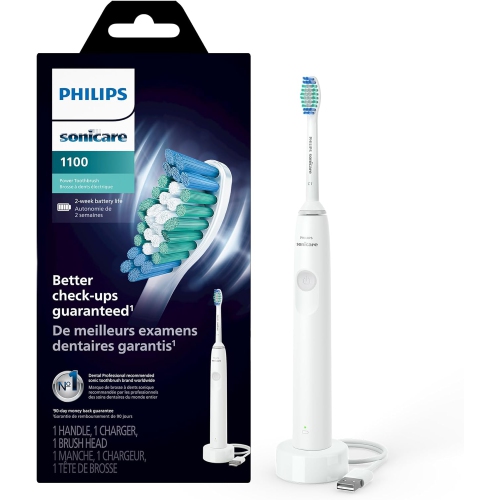 Your price for this item is $29.97
-
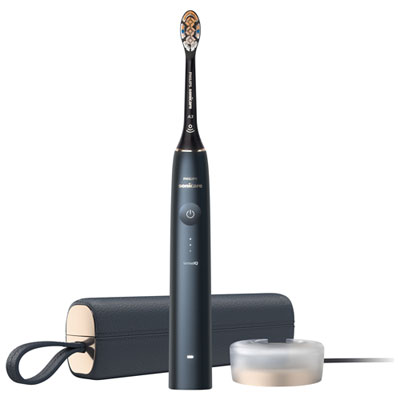 Your price for this item is $499.99
-
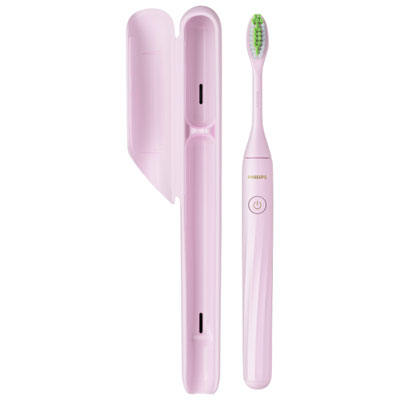 Your price for this item is $34.99
Discover more categories related to Philips Sonicare Diamond Head Toothbrushes
Top Collections:
Best Black Friday Deals This Year, Best Black Friday Deals On Electronics, Kindle Devices, Pokemon Centers, Best Black Friday Deals On Apple Products, Best Cameras for Sports Photography, Dyson Airwrap, Pokémon 30th Celebration Cards, Apple iPhone 17 Pro, Canon G7X Cameras
Some products may be subject to Environmental Handling Fees
(EHF) depending on your province.
Learn more about EHFs.